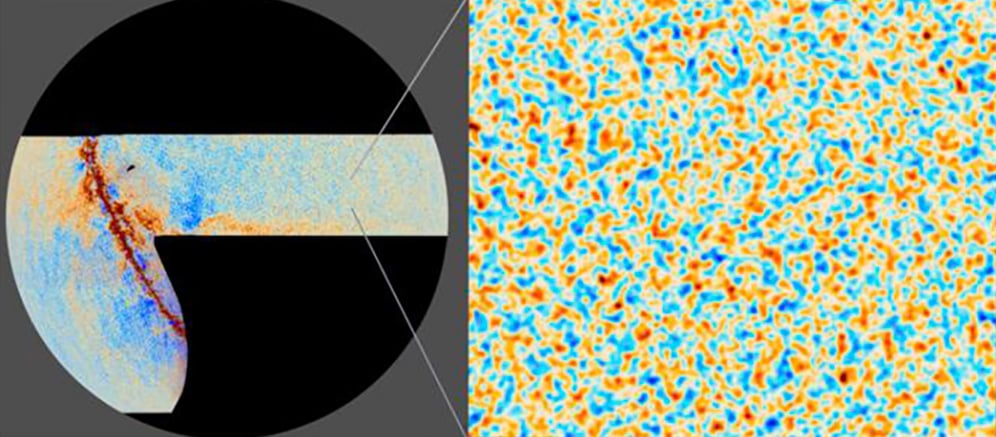
One of the Holy Grails in cosmology is a look back at the earliest epochs of cosmic history. Unfortunately, the Universe's first few hundred thousand years are shrouded in an impenetrable fog. So far, nobody's been able to see past it to the Big Bang. As it turns out, astronomers are chipping away at that cosmic fog by using data from the Atacama Cosmology Telescope (ACT) in Chile.
Continue reading
One of the Holy Grails in cosmology is a look back at the earliest epochs of cosmic history. Unfortunately, the first few hundred thousand years are shrouded in an impenetrable fog and, so far, nobody's been able to see past it to the Big Bang. As it turns out, astronomers are chipping away at that cosmic fog by using data from the Atacama Cosmology Telescope (ACT) in Chile.
Continue reading
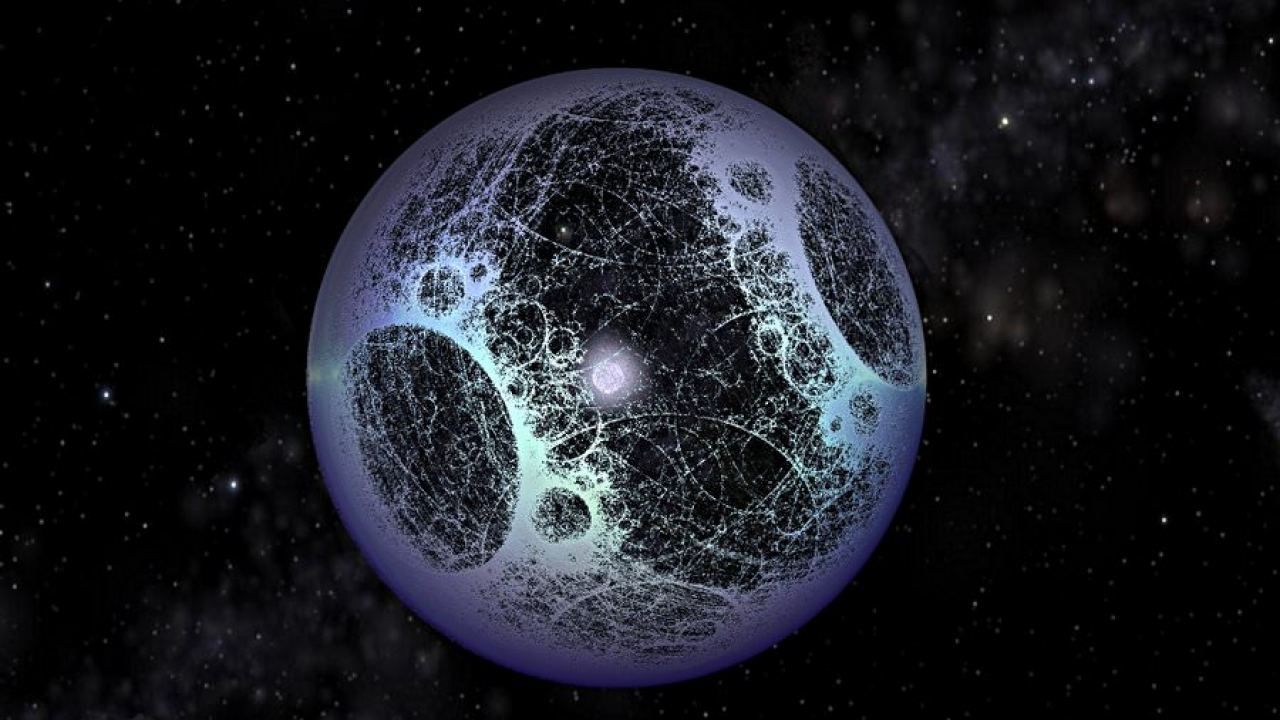
As civilisations become more and more advanced, their power needs also increase. It's likely that an advanced civilisation might need so much power that they enclose their host star in solar energy collecting satellites. These Dyson Swarms will trap heat so any planets within the sphere are likely to experience a temperature increase. A new paper explores this and concludes that a complete Dyson swarm outside the orbit of the Earth would raise our temperature by 140 K!
Continue reading

We know that regular supernovae pose no existential threat to life on Earth in the near-term. But there are other varieties of supernova that are a little bit harder to predict, and little bit harder to spot.
Continue reading
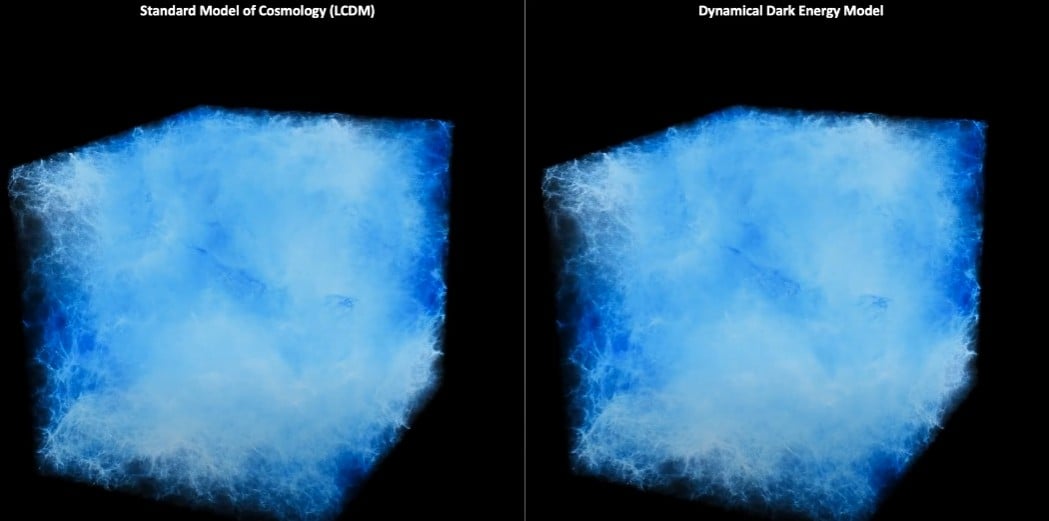
Dark Energy is a mystery so daunting that it stretches and strains our most robust theories. The Universe is expanding, driven by the unknown force that we've named Dark Energy. Dark Energy is also accelerating the rate of expansion. If scientists could figure out why, it would open up a whole new avenue of understanding.
Continue reading
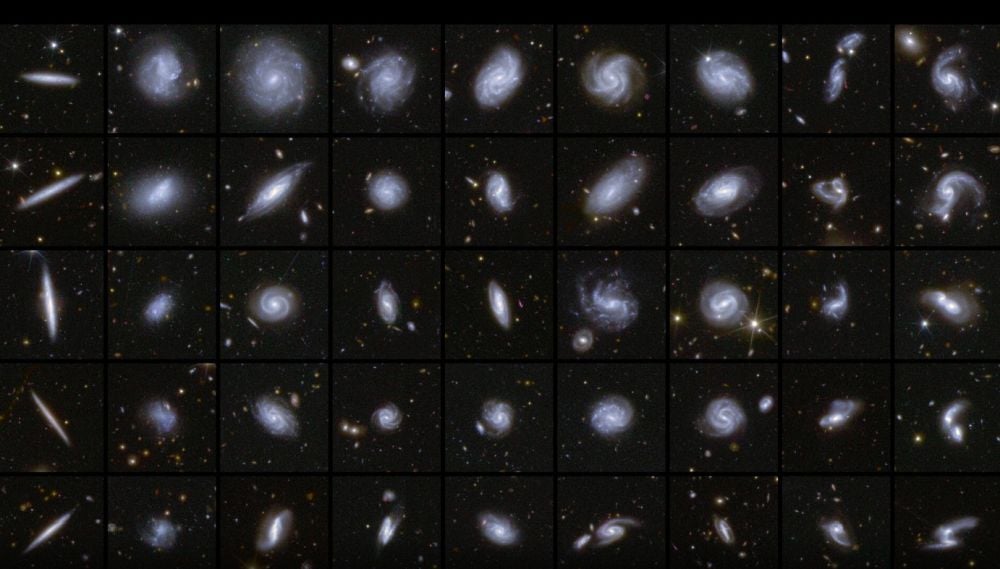
The ESA's Euclid Space Telescope has already wowed us with some fantastic images. After launching in July 2023, the telescope delivered some stunning first images of the Perseus Cluster, the Horsehead Nebula, and other astronomical objects. Now, the telescope has released its first images of its three Deep Fields.
Continue reading
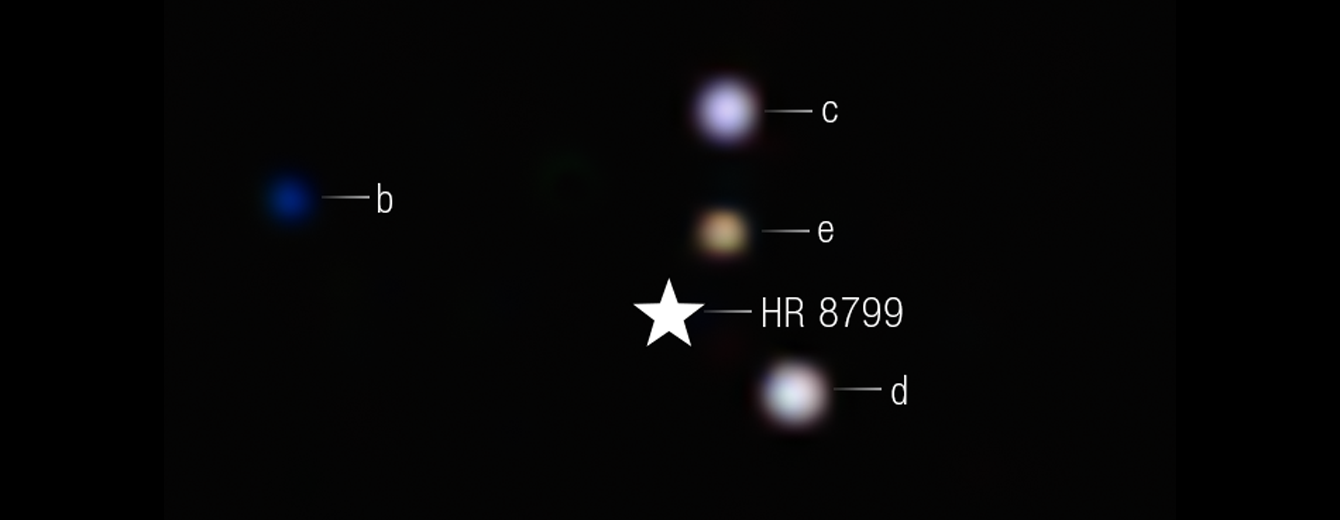
The James Webb Space Telescope (JWST) has achieved groundbreaking discoveries in the field of exoplanet studies. In particular, it has made strides in the analysis of their atmospheres by studying light from the parent star as it travels through the gas surrounding the planets. JWST has recently bucked the trend and observed a some gas giant planets in the system HR 8799 and detected the presence of carbon dioxide in their atmospheres, suggesting there are similarities between the formation of this system and our own.
Continue reading
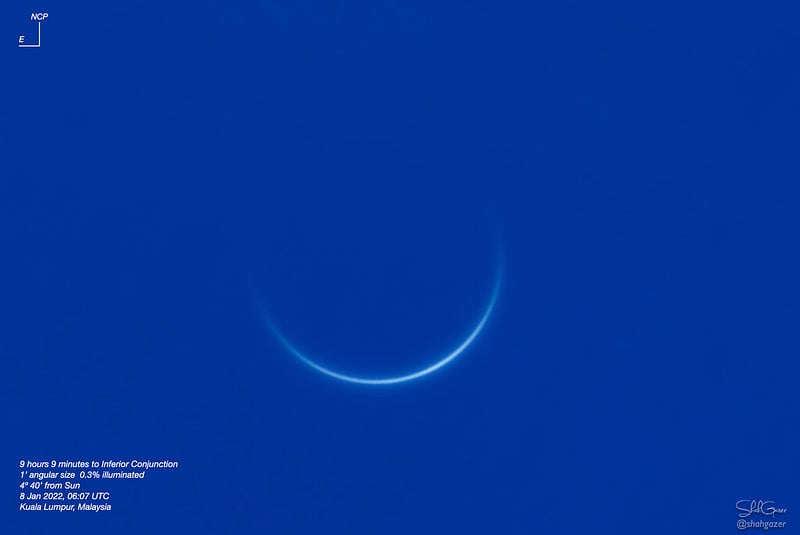
With luck and clear skies, you can spot Venus crossing between the Earth and the Sun this weekend.
Up for a challenge? If skies are clear, you may be able to complete a rare feat of visual athletics this coming weekend, and follow Venus on its trek from the evening and into the morning sky.
Continue reading
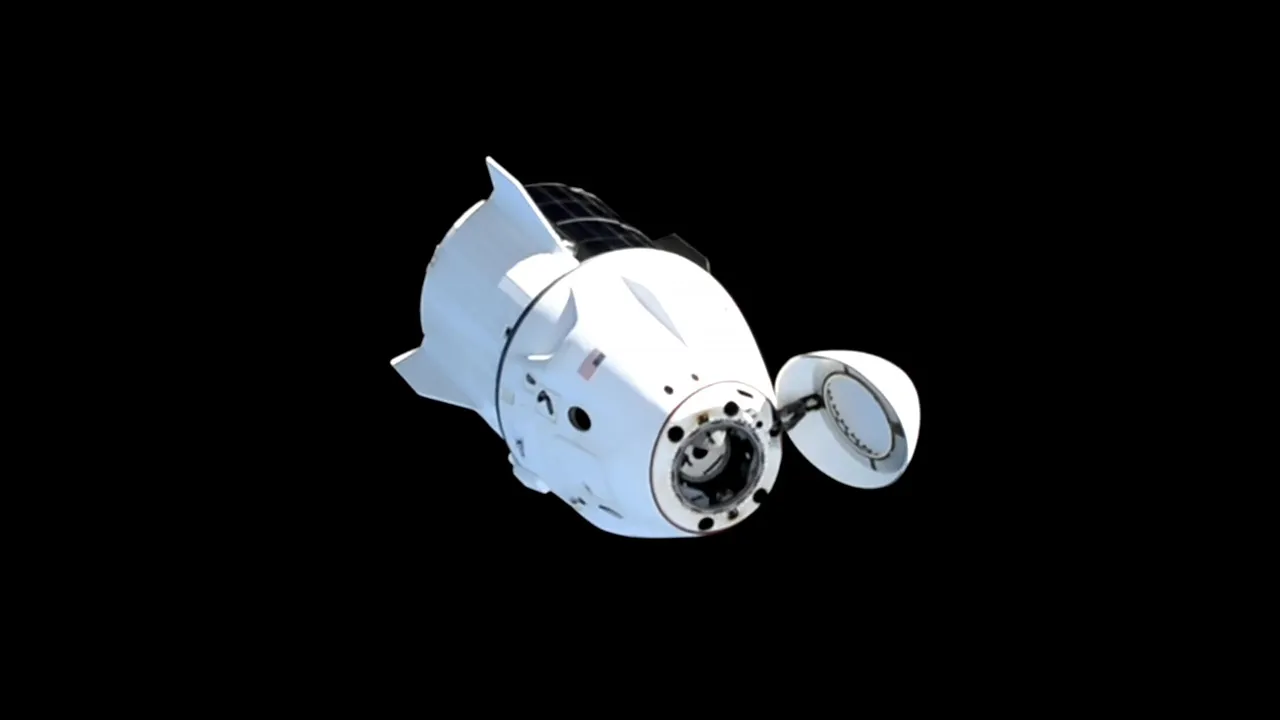
After an unexpectedly long mission in orbit, astronauts Suni Williams and Butch Wilmore finally arrived home. Their SpaceX Dragon capsule detached from the International Space Station early Tuesday morning, beginning the de-orbiting process. Nick Hague and Aleksandr Gorbunov are also on board and, following a nail biting descent, finally at 7.58pm EDT today.
Continue reading
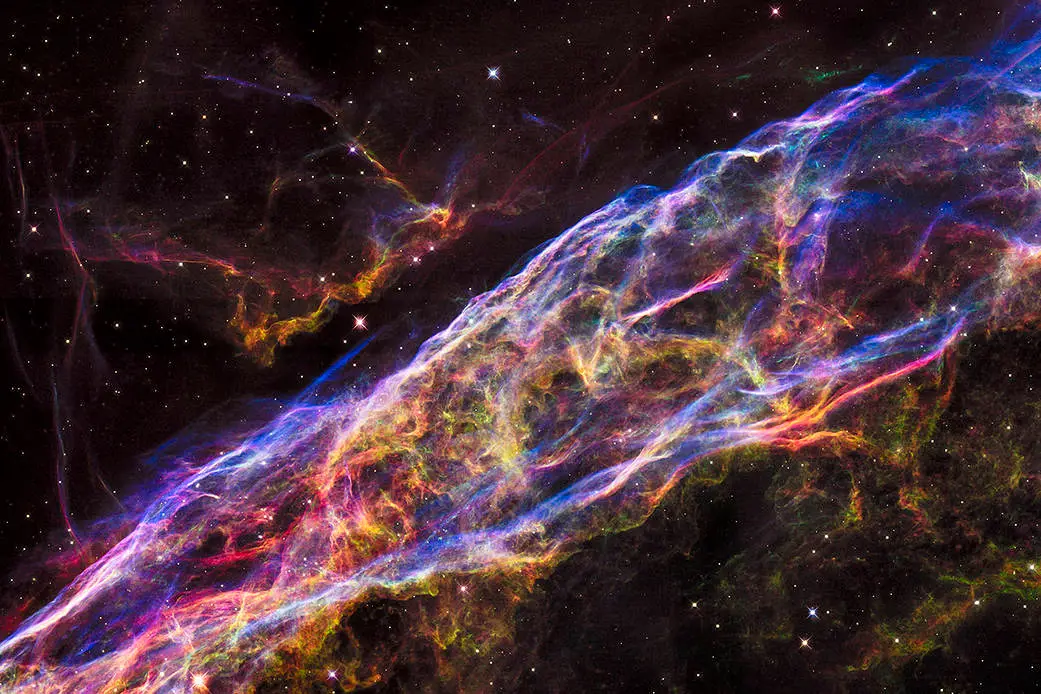
The most dangerous parts of a supernova explosion are the outputs like X-rays and gamma rays. Even though they only share a small fraction of a supernova's power, they are extremely dangerous.
Continue reading
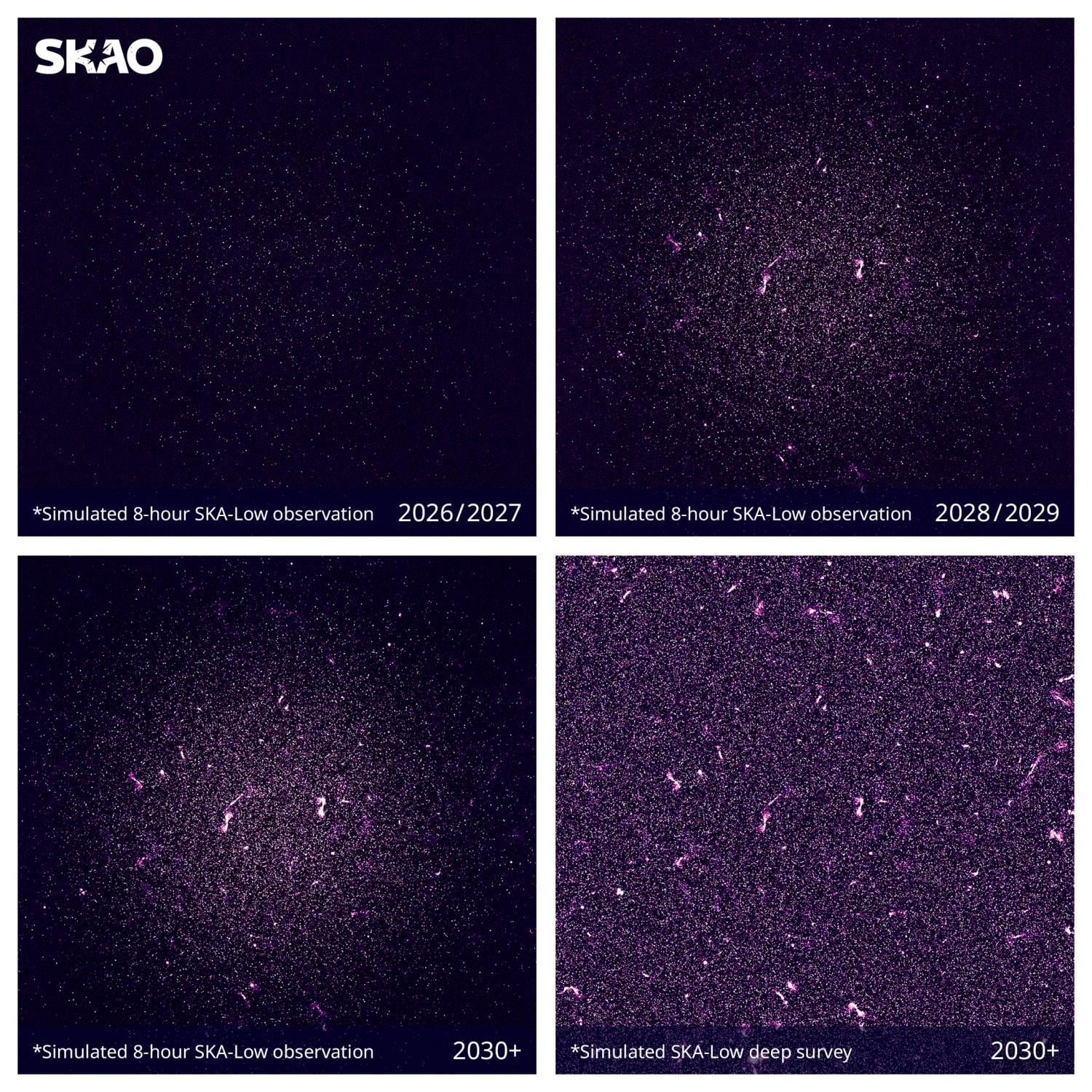
The Square Kilometre Array (SKA) remains under construction with completion still a few years away. However, engineers recently provided an exciting preview having installed 1,024 of the planned 131,072 antennas and capturing a test image of the sky. The image covers about 25 square degrees and reveals 85 of the brightest known galaxies in the region. Once fully operational, the complete array is expected to detect more than 600,000 galaxies within this same area!
Continue reading
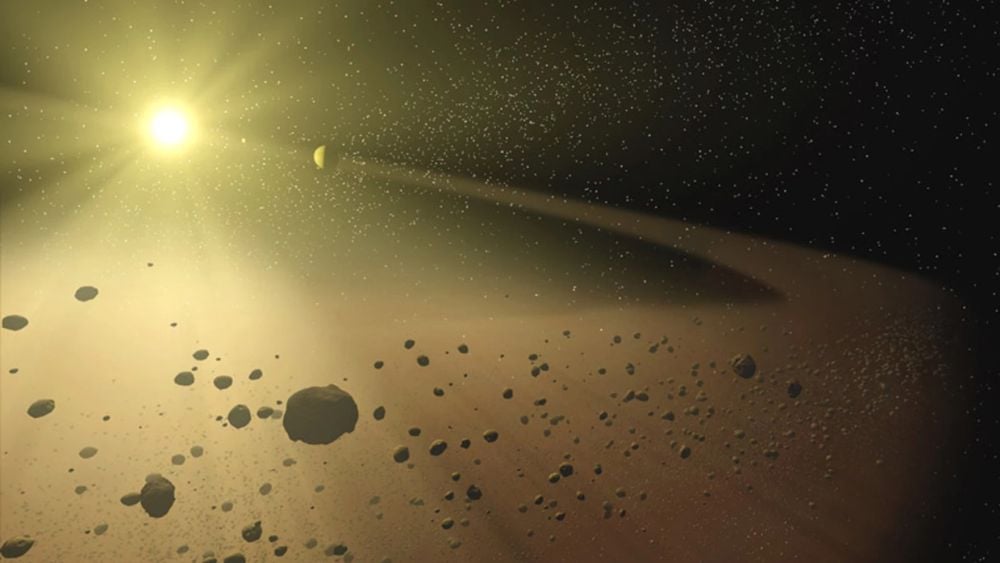
More than one million asteroids larger than 1 km exist in the main asteroid belt (MAB) between Mars and Jupiter. Their roots are in a much smaller number of larger asteroids that broke apart because of collisions, and the MAB is populated with debris fields from these collisions. Researchers have created a geological map of the MAB by tracking meteorites that fell to Earth and determining which of these debris fields they originated in.
Continue reading
Welcome back to our five-part examination of Webb's Cycle 4 General Observations program. In the first and second installments, we examined how some of Webb's 8,500 hours of prime observing time this cycle will be dedicated to exoplanet characterization and the study of galaxies that existed at "Cosmic Dawn" - ca. less than 1 billion years after the Big Bang.
Continue reading
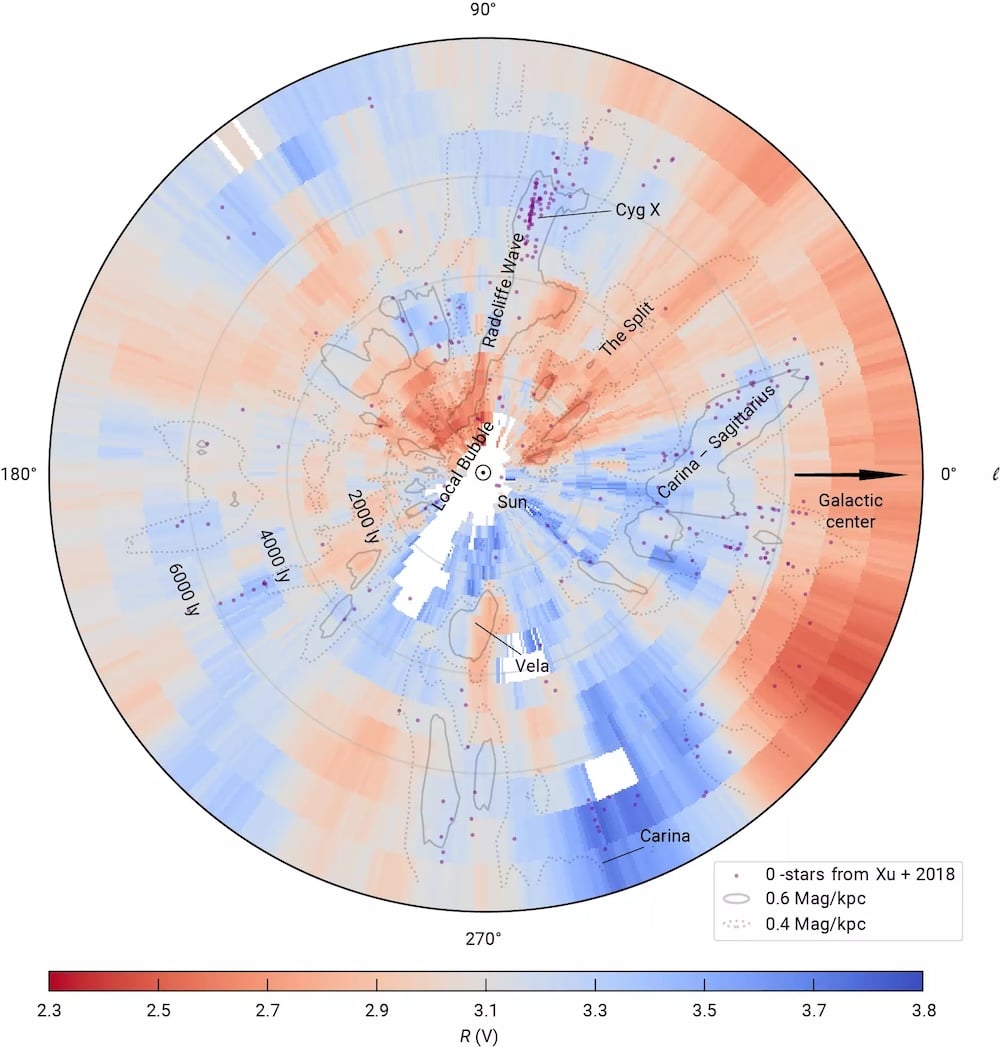
We see the Universe through a glass darkly, or more accurately, through a dusty window. Interstellar dust is scattered throughout the Milky Way, which limits our view depending on where we look. In some directions, the effects of dust are small, but in other regions the view is so dusty it's called the Zone of Avoidance. Dust biases our view of the heavens, but fortunately a new study has created a detailed map of cosmic dust so we can better account for it.
Continue reading
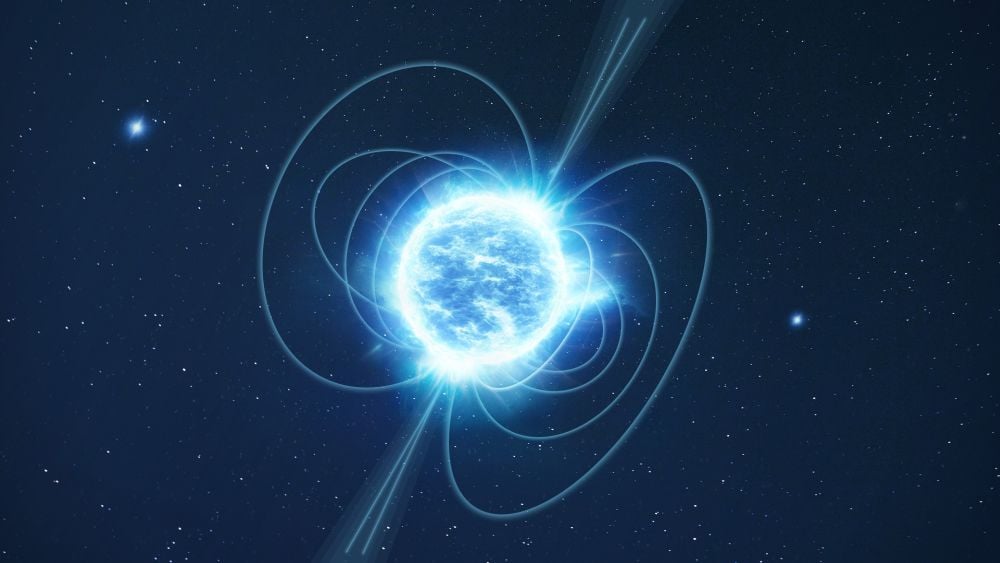
When massive stars explode as supernovae, they can leave behind neutron stars. Other than black holes, these are the densest objects we know of. However, their masses are difficult to determine. New research is making headway.
Continue reading
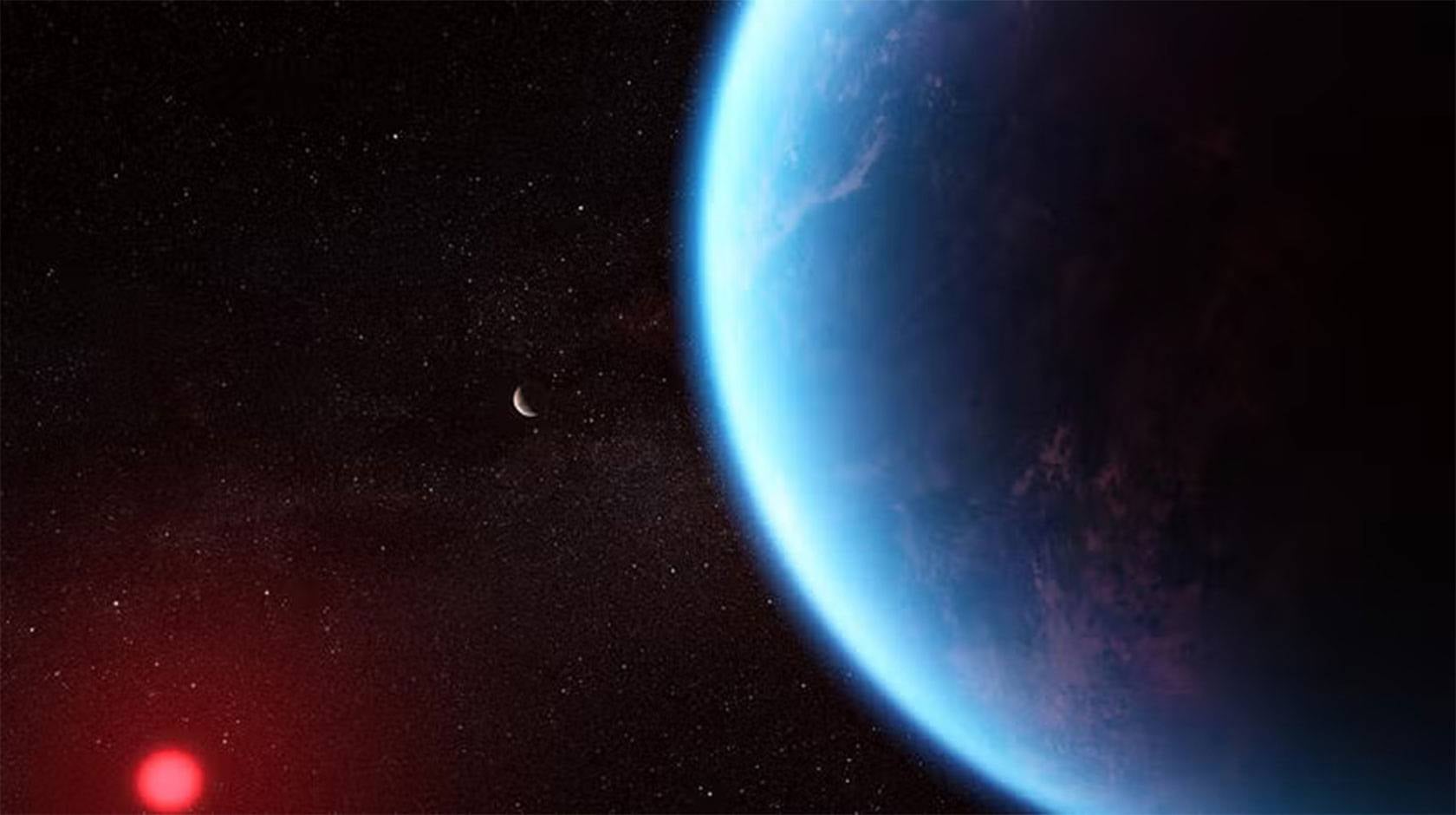
The search for life has become one of the holy grails of science. With the increasing number of exoplanet discoveries, astronomers are hunting for a chemical that can only be present in the atmosphere of a planet with life! A new paper suggests that methyl halides, which contain one carbon and three hydrogen atoms, may just do the trick. Here on Earth they are produced by bacteria, algae, fungi and some plants but not by any abiotic processes (non biological.) There is a hitch, detecting these chemicals is beyond the reach of current telescopes.
Continue reading
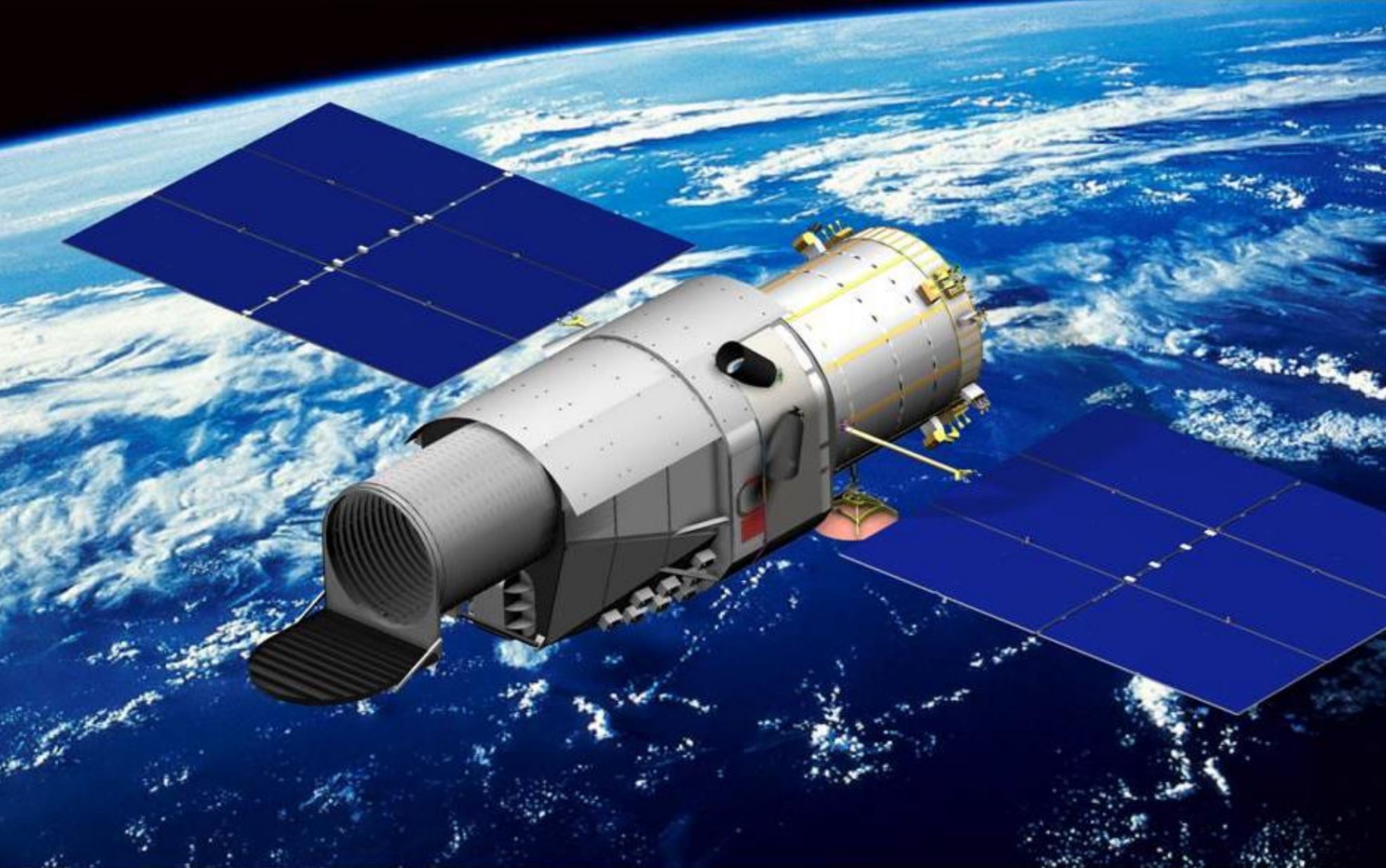
The China Space Station Telescope, scheduled for a 2027 launch, will offer astronomers a fresh view on the cosmos. Though somewhat smaller than Hubble, it features a much wider field of view, giving a wide-field surveys that will map gravitational lensing, galaxy clusters, and cosmic voids. Scientists anticipate it will measure dark energy with 1% precision, differentiate between cold and dark matter models, and evaluate gravitational theories.
Continue reading
_(52748025943).png)
From far enough away, most supernovas are benign. But the thing you have to watch out for are the X-rays.
Continue reading

When water is sprayed or splashed, different size microdroplets develop opposite charges. This "microlightning" could've provided the energy needed to synthesize prebiotic molecules necessary for life.
Continue reading
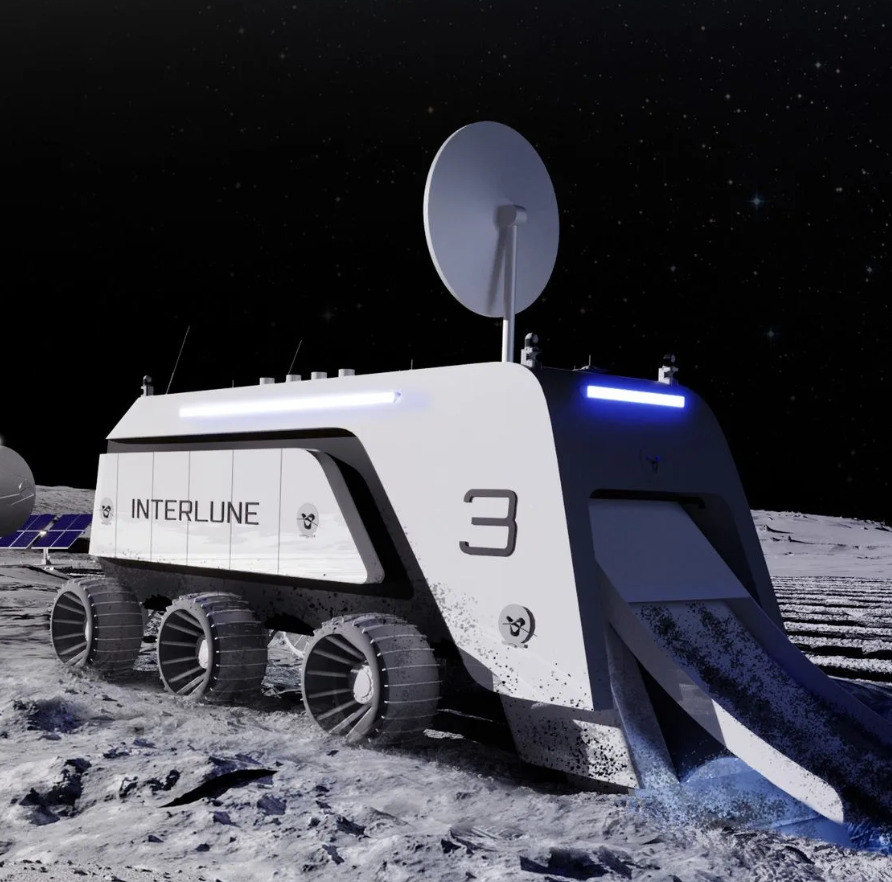
Helium-3 (He-3) on the Moon's surface has drawn attention for decades. In 1939, a paper first noted the presence of Helium-3 on the Moon. Still, it really came into the collective consciousness of space resource enthusiasts during the 1980s when they realized just how valuable a resource it was and how much the Moon had of it. Now, a new paper from a company called Interlune, a relatively new start-up based out of Seattle, presented a paper at the recent Lunar and Planetary Science Conference that discusses plans to try to mine some of that wealth of material economically.
Continue reading
_(cropped)-(1).jpg)
Even tipped over onto its side, the Odysseus Lunar Lander was able to do some science. Though a broken leg means it's doomed to spend eternity in an awkward position, its solar panels were able to gather some energy. Enough for its radiotelescope to take observations for about 80 minutes.
Continue reading

We are so familiar with our solar system that we often presume it is generally how star systems are built. Four little planets close to the star, four large gas planets farther away, and all with roughly circular orbits. But as we have found ever more exoplanets, we've come to understand just how unusual the solar system is. Large planets often orbit close to their star, small planets are much more common than larger ones, and as a new study shows, orbits aren't always circular.
Continue reading
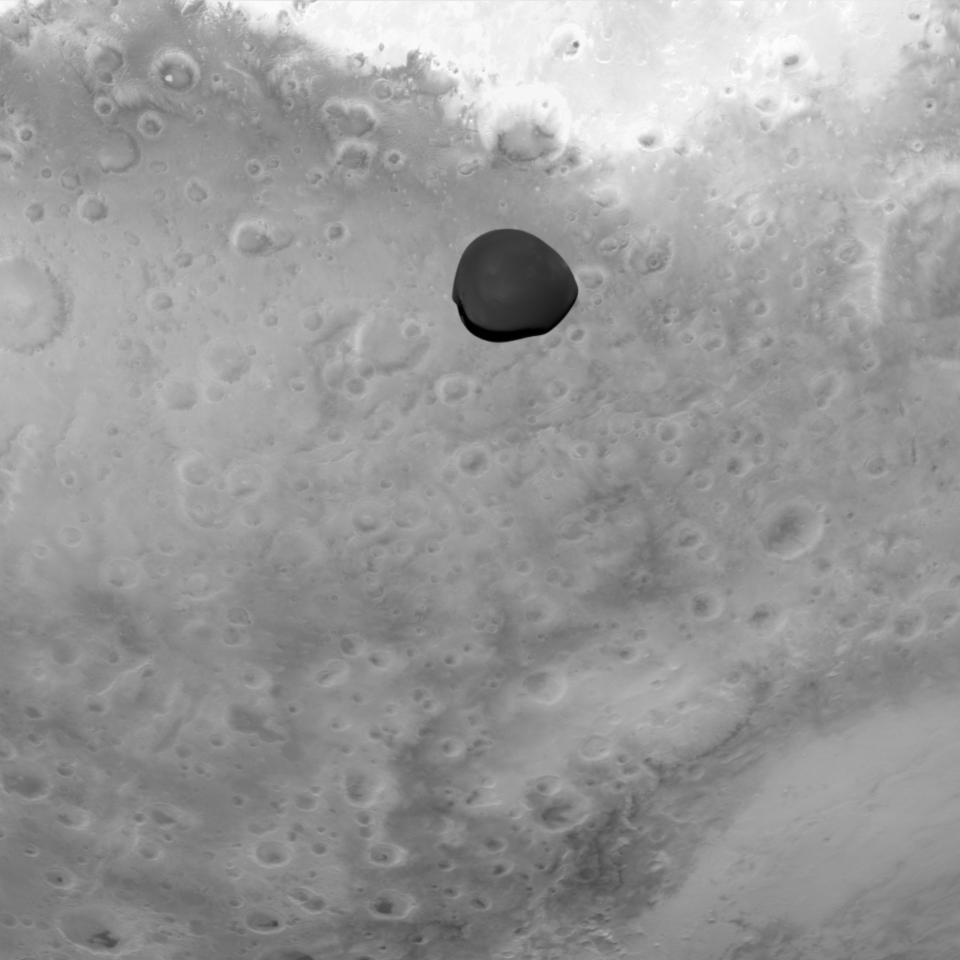
Gravitational slingshots are now a common part of space missions where the trajectory of a spacecraft is altered using the gravity of another body. These often bring fabulous opportunities for an extra bit of bonus science such as that demonstrated by ESA's Hera mission on its way to asteroid Dimorphos. It's following up on the DART 2022 impact but to get there, it's used the gravity of Mars. It came within 5,000 km of the red planet and on its way, was able to take a look at Mars' smaller moon Deimos from its far side.
Continue reading
Supernova explosions are powerful enough to cause mass extinctions if they're close enough. But can we tie supernovae to any of Earth's five mass extinctions? New research shows supernovae could be responsible for the Late Devonian and Late Ordovician mass extinctions.
Continue reading
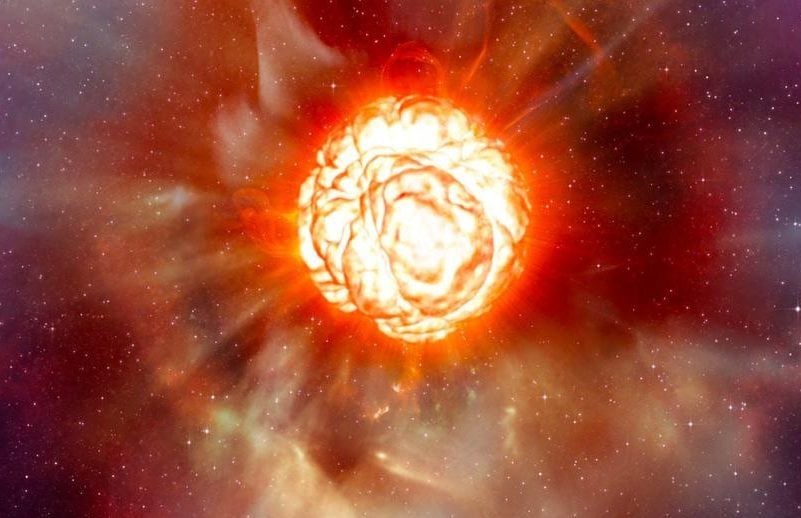
When Betelgeuse goes off, it's going to be the show of a lifetime. But it's not going to hurt us.
Continue reading
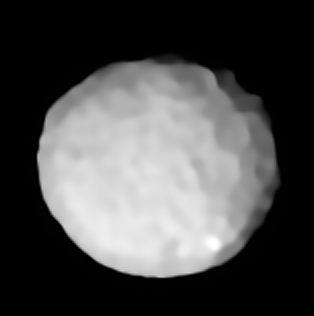
Despite their overall similarities, asteroids are usually pretty distinct from one another. Vesta has a very different spectroscopic profile than Psyche, for example. So it might come as no surprise that another of the main asteroids - Pallas - is in a class all its own except for the 300 or so members of its "family" with similar orbital profiles and spectroscopic lines. A new paper from researchers who were then Visiting Astronomers at NASA's Infrared Telescope Facility (IRTF) in Haiwi'i took a look at members of that family in the infrared for the first time and compared them to a particular Near-Earth object that might have a similar make-up.
Continue reading
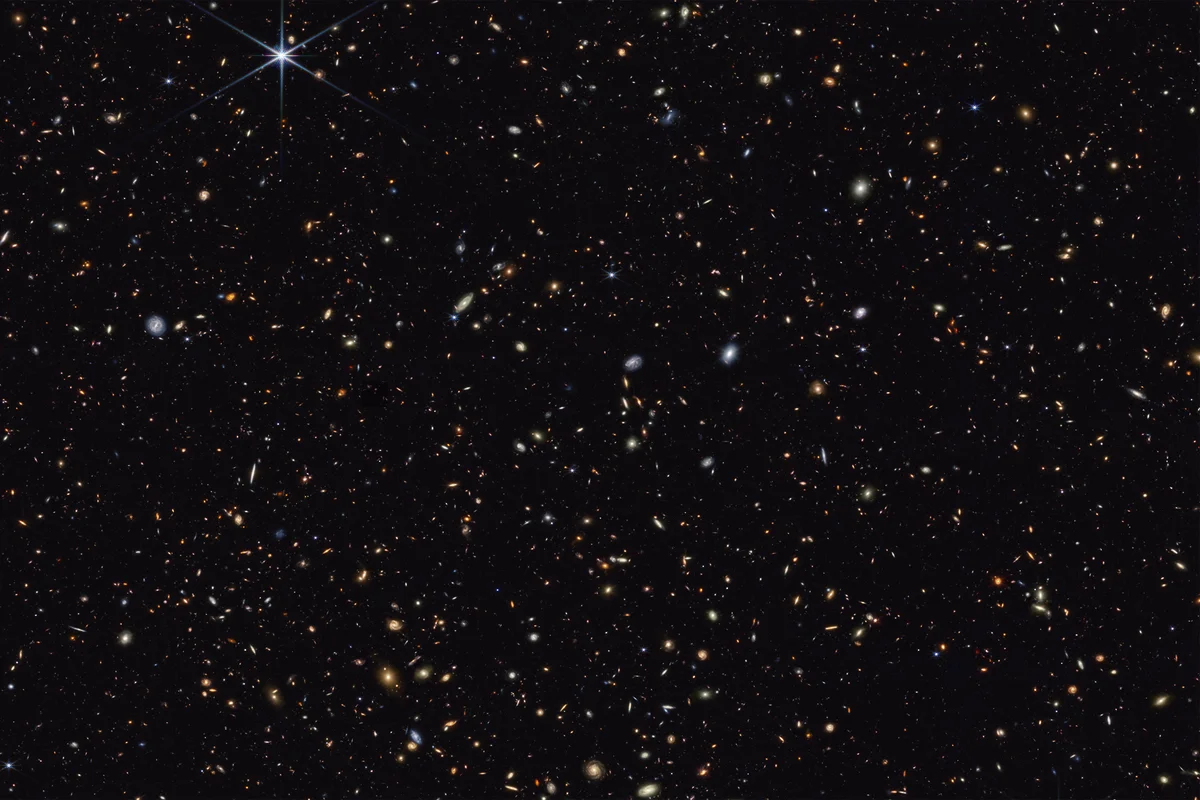
Earlier this week, the Space Telescope Science Institute (STScI) announced the science objectives for the fourth cycle of the James Webb Space Telescope's (JWST) General Observations program - aka. Cycle 4 GO. In keeping with Webb's major science objectives, many of these programs will focus on the study of the earliest galaxies in the Universe.
Continue reading
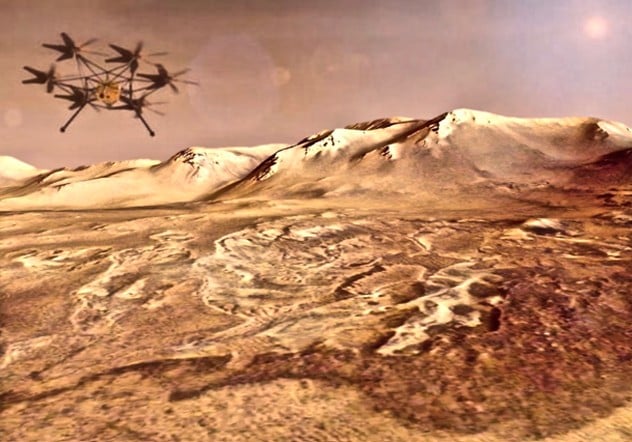
Ingenuity proved beyond a shadow of a doubt that a helicopter can operate on another planet. Over 72 flights, the little quadcopter that could captivated the imagination of space exploration fans everywhere. But, several factors limited it, and researchers at NASA think they can do better. Two papers presented at the recent Lunar and Planetary Science Conference, held March 10-14 in The Woodlands, Texas, and led by Pascal Lee of NASA Ames and Derric Loya of the SETI Institute and Colorado Mesa University, describe a use case for that still-under-development helicopter, which they call Nighthawk.
Continue reading
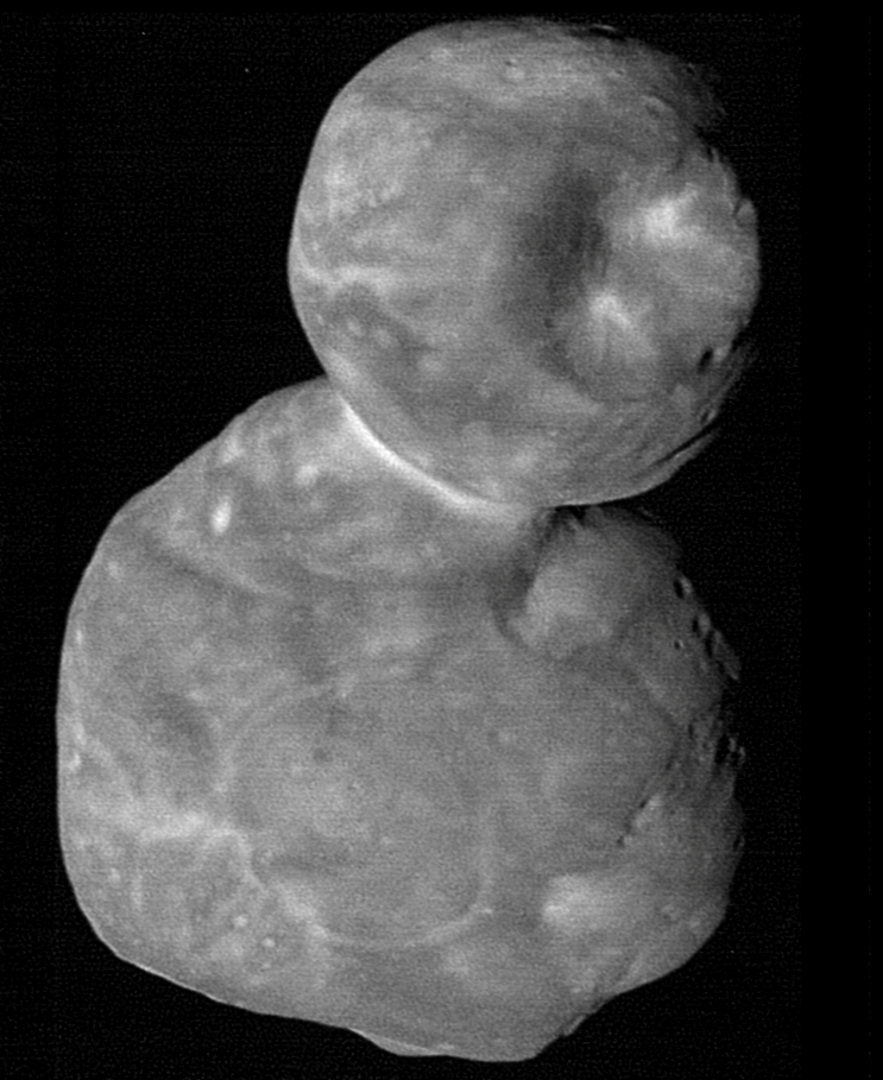
Exploration of the outer Solar System may be getting a boost from the Vera Rubin Observatory (VRO). When this gigantic telescope opens its eye later in 2025, it begins a decade-long survey of the ever-changing sky. As part of this time-lapse vision of the cosmos, distant objects in the Kuiper Belt will be among its most challenging targets.
Continue reading
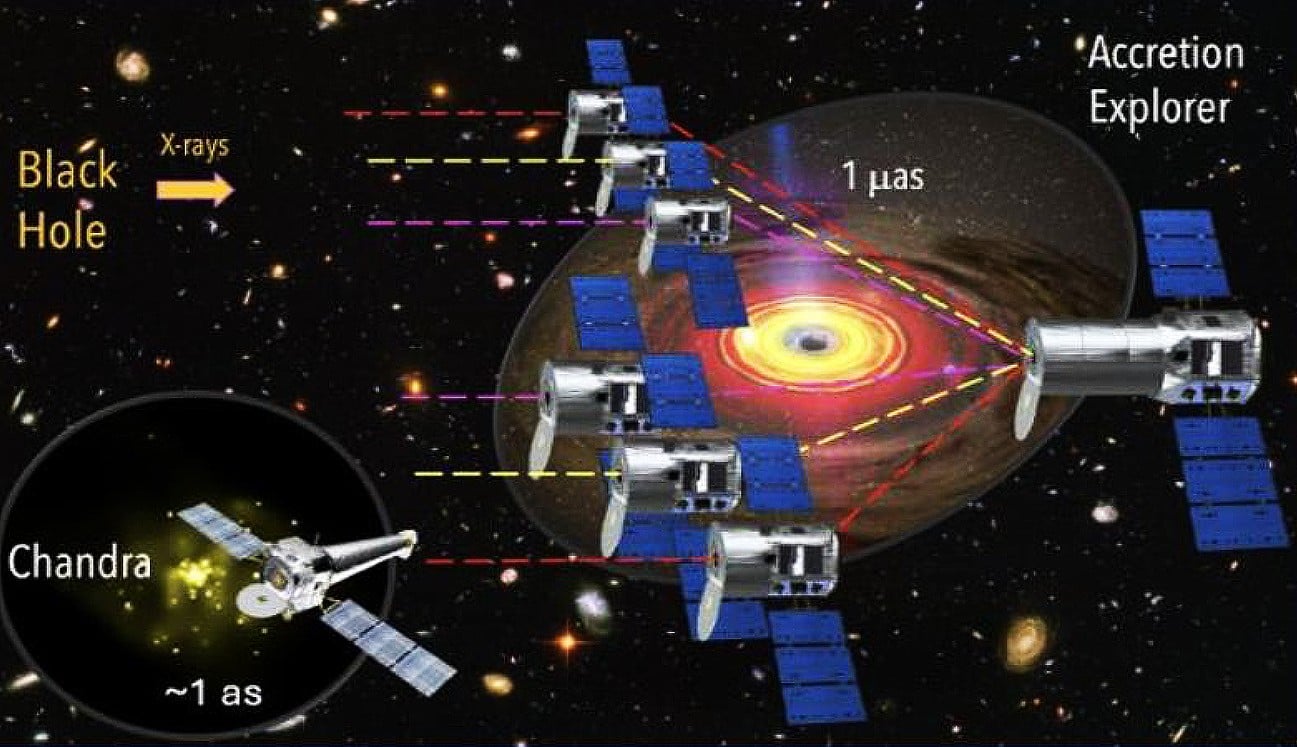
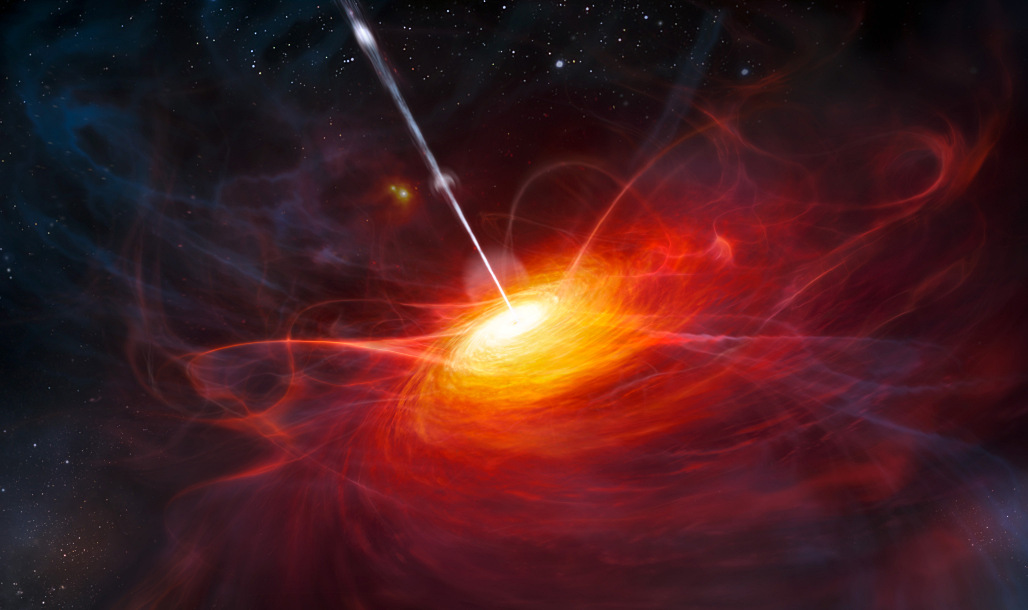
X-ray astronomy is a somewhat neglected corner of the more general field of astronomy. The biggest names in telescopes, like Hubble and James Webb, don't even touch that bandwidth. And Chandra, the most capable space-based X-ray observatory to date, is far less well-known. However, some of the most interesting phenomena in the universe can only be truly understood through X-rays, and it's a shame that the discipline doesn't garner more attention. Kimberly Weaver of NASA's Goddard Space Flight Center hopes to change that perception as she works on a NASA Institute for Advanced Concepts (NIAC) grant to develop an in-space X-ray interferometer that could allow us to see for the first time what causes the power behind supermassive black holes.
Continue reading
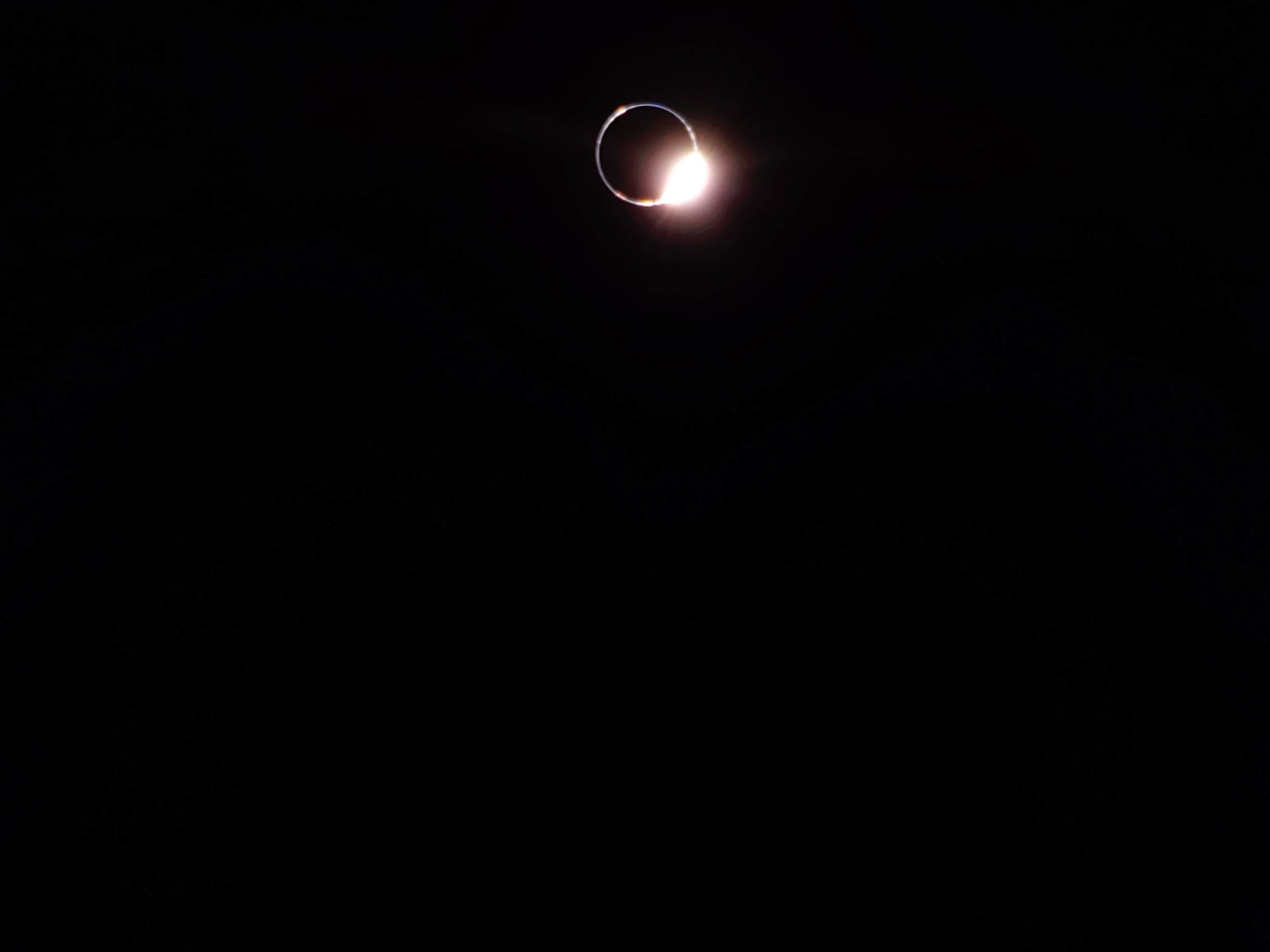
Thursday brought with it a total lunar eclipse for parts of the world that could see the Moon. If you missed it (like I did) then no problem since Firefly Aerospace's Blue Ghost mission has got your back. The lunar lander took a break from its science duties on our nearest astronomical neighbour to capture this stunning image of the eclipse. Observers on Earth saw the shadow of the Earth fall across the Moon but for Blue Ghost, it experienced a solar eclipse where the Sun hid behind the Earth!
Continue reading
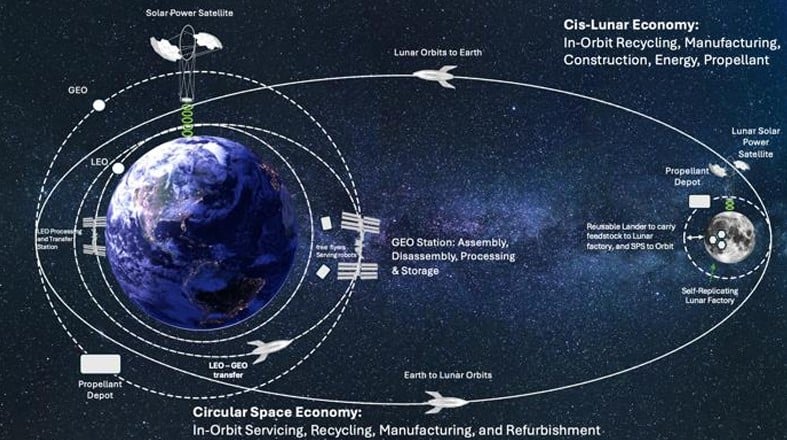
Solar Power Satellite (SPS) advocates have been dreaming of using space resources to build massive constructions for decades. In-space Resource Utilization (ISRU) advocates would love to oblige them, but so far, there hasn't yet been enough development on either front to create a testable system. A research team from a company called MetaSat and the University of Glasgow hope to change that with a new plan called META-LUNA, which utilizes lunar resources to build (and recycle) a fleet of their specially designed SPS.
Continue reading
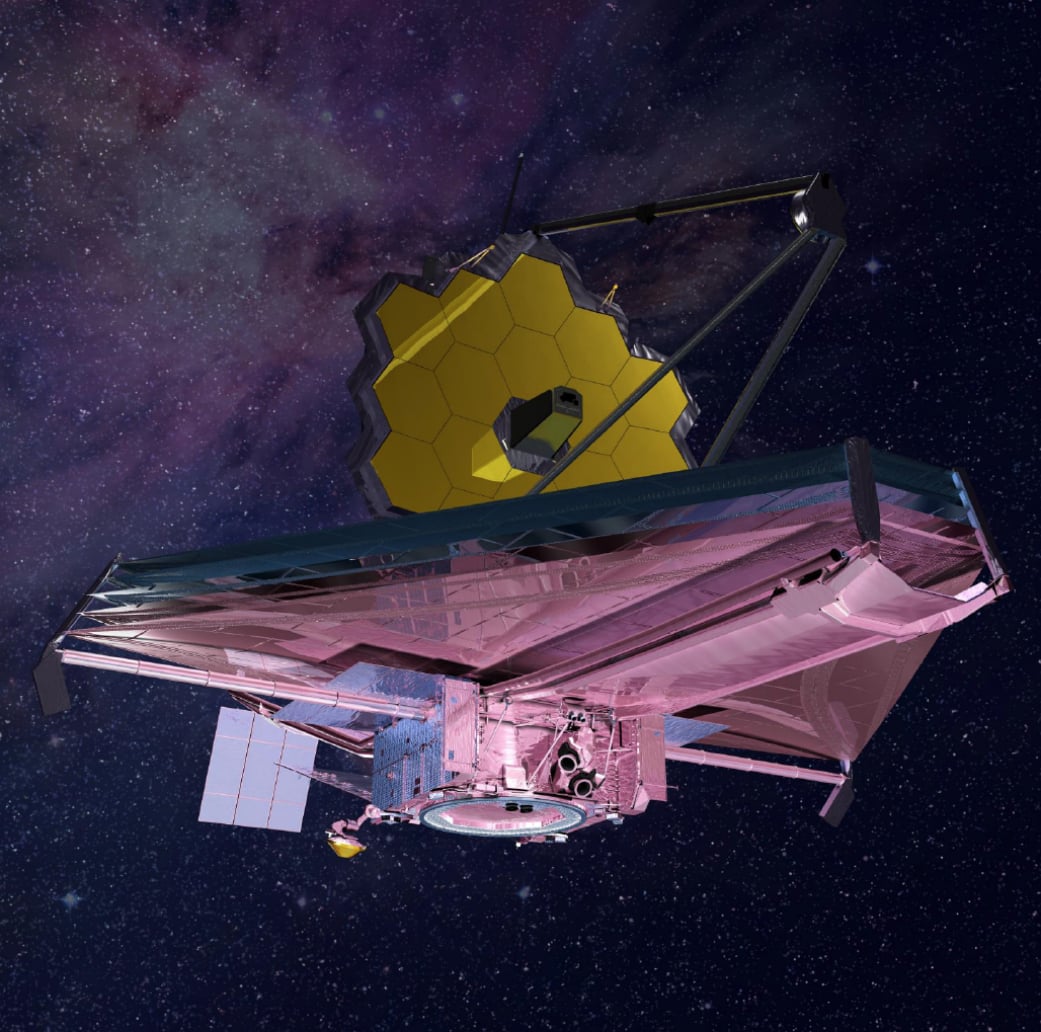
The Space Telescope Science Institute (STScI) has announced the science objectives for Webb's General Observer Programs in Cycle 4 (Cycle 4 GO) program. The Cycle 4 observations include 274 programs that establish the science program for JWST's fourth year of operations, amounting to 8,500 hours of prime observing time. This is a significant increase from Cycle 3 observations and the 5,500 hours of prime time and 1,000 hours of parallel time it entailed.
Continue reading
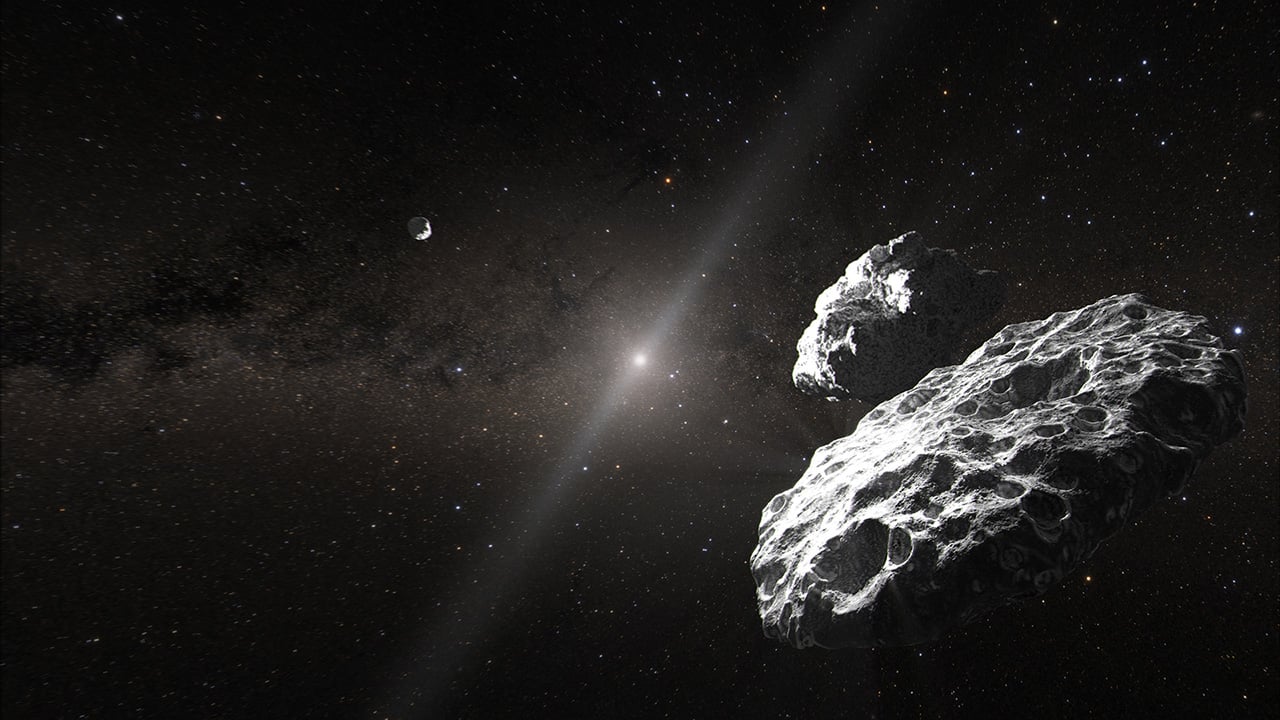
A distant trio of worlds may shed light on planetary formation in the early solar system.
Sometimes, good things come in threes. If astronomers are correct, a system in the distant Kuiper Belt may not be two but three worlds, offering an insight into formation in the early solar system.
The study comes out of researchers at Brigham Young University and the Space Telescope Science Institute.
Continue reading
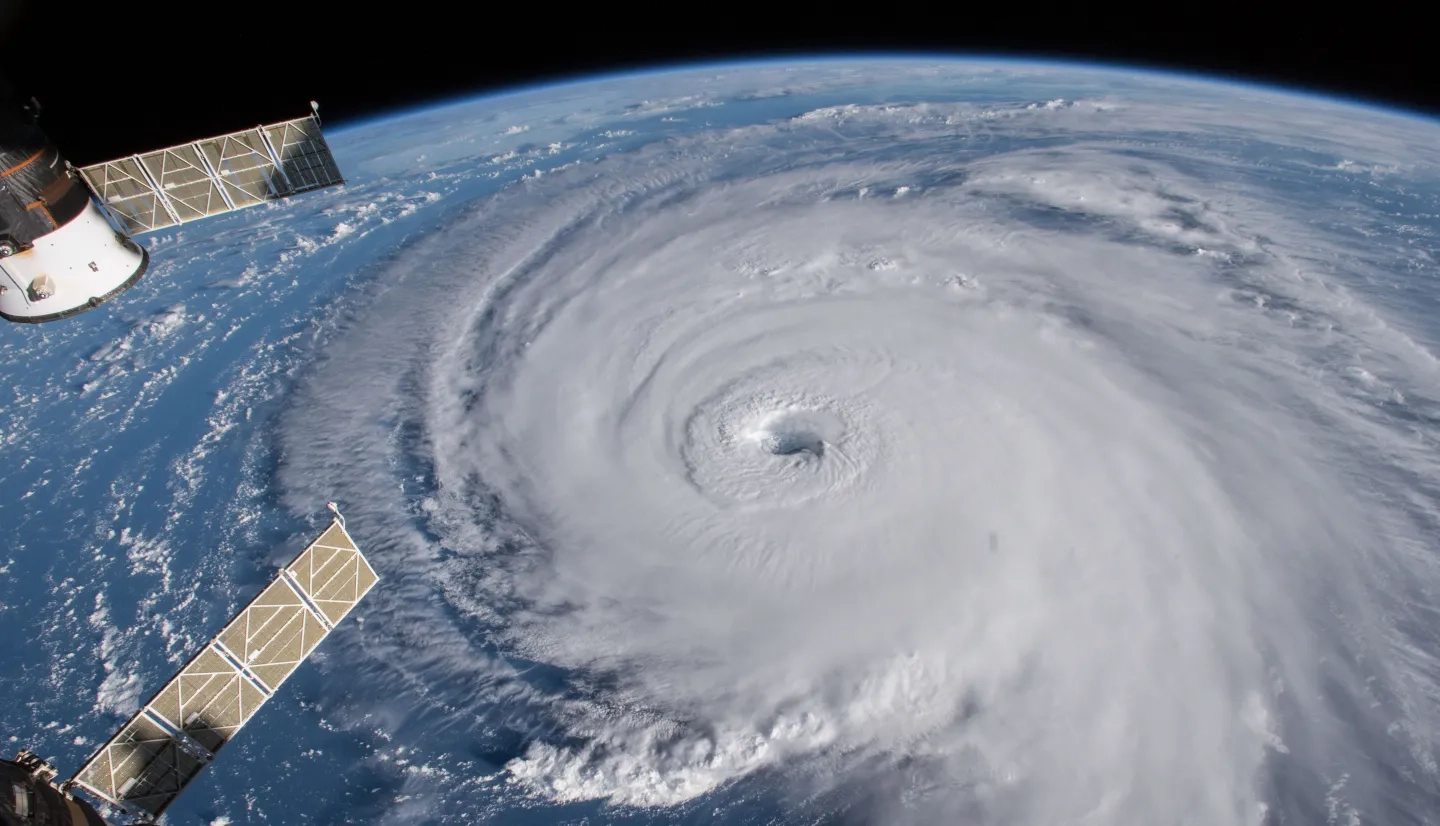
The increasing frequency of so-called '1-in-a-1000-year' weather events highlights how global warming is disrupting rather more typical weather patterns beyond what scientific models can reliably predict. A recent paper proposes a three-tier scientific approach for addressing these unprecedented climate challenges: improving rapid response capabilities, making incremental infrastructure adaptations, and pursuing transformational system changes to manage escalating climate chaos.
Continue reading
Continue reading
Continue reading
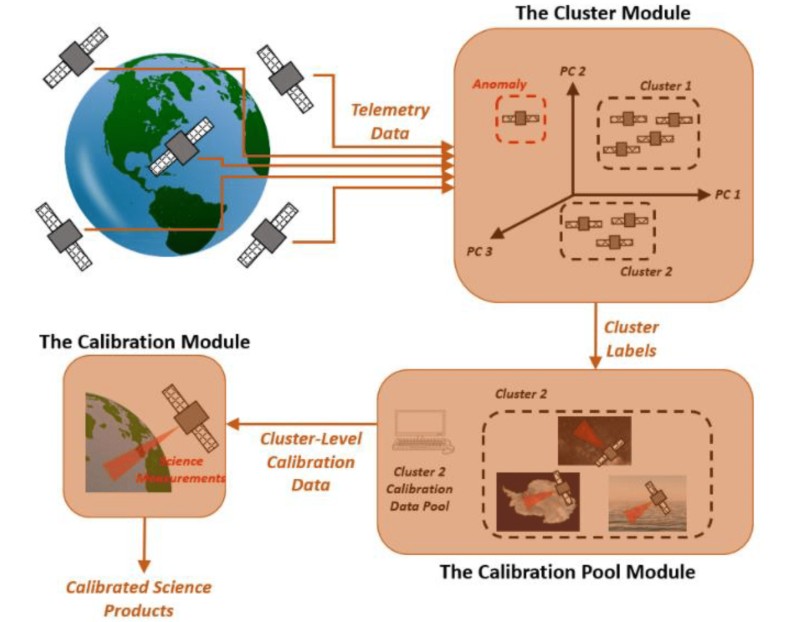
CubeSats have a lot of advantages. They are small, inexpensive, and easily reproducible. But those advantages also come with significant disadvantages - they have trouble linking into broader constellations that allow them to be more effective at their observational or communication tasks. A team from the University of Albany thinks they might have solved that problem by using a customized calibration algorithm to ensure the right CubeSats link up together.
Continue reading
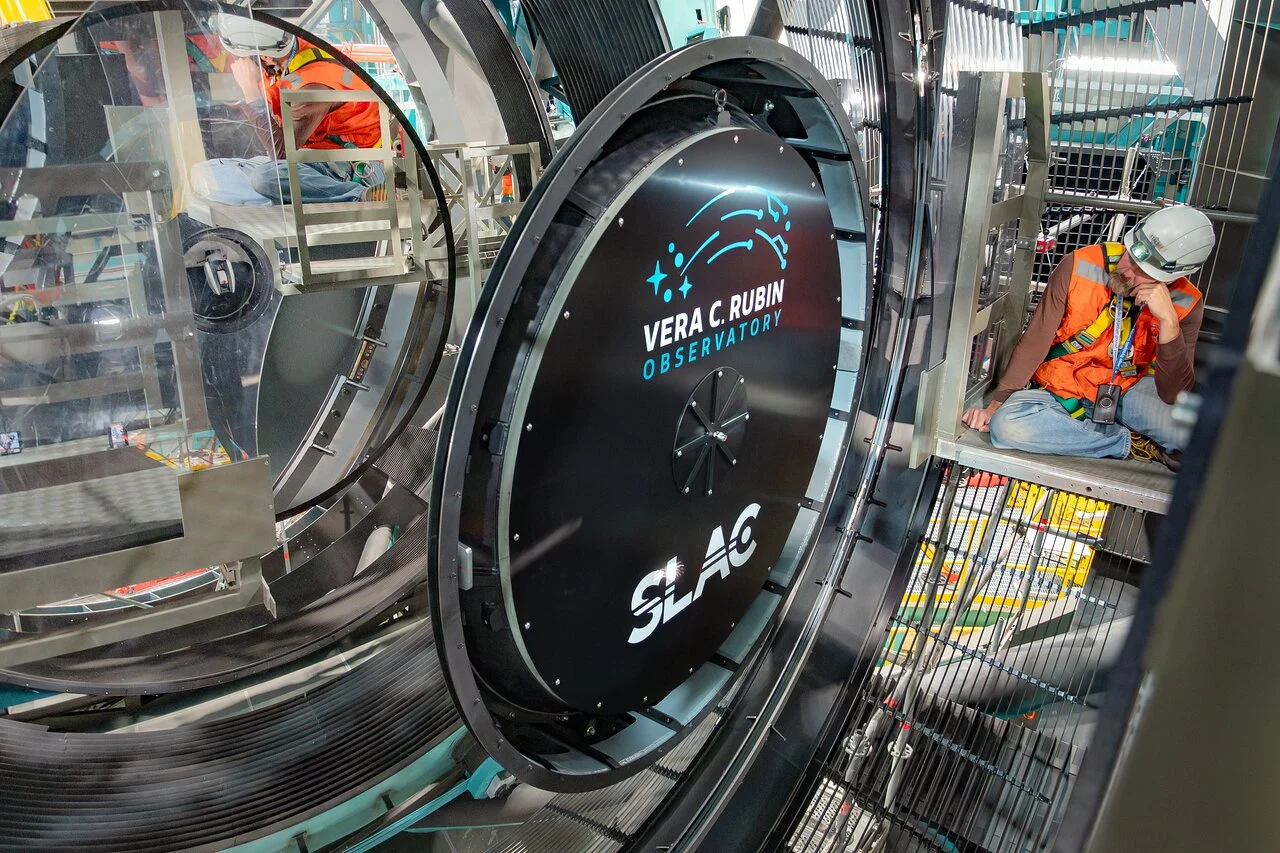
Located on a mountaintop in Chile, the nearly complete Vera C. Rubin Observatory will capture the Universe in incredible detail. This week saw another huge step for the observatory with the installation of the car sized - yes car sized - LSST camera onto the Simonyi Survey Telescope. The camera is the largest ever built, weighing in at over 3,000 kilograms with an impressive 3,200 megapixels. Coupled to the 8.4 metre optics of the Rubin will allow it to capture everything that happens in the southern sky, night after night.
Continue reading
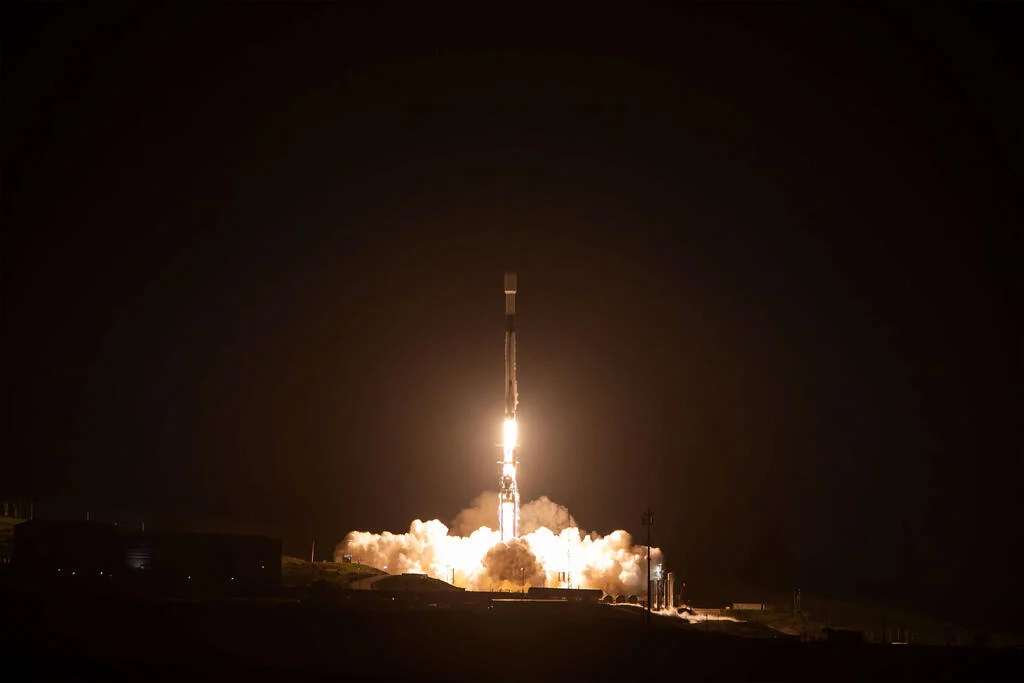
On March 11, the California skyline was once again treated to the launch of the SpaceX Falcon 9 rocket from the Vandenberg Space Force Base. It carried two missions into space; SPHEREx to study the origins of the Universe and the molecular clouds of the Milky Way and four other satellites making up PUNCH. This latter mission is tasked with exploring how the Sun's outer atmosphere causes the solar wind.
Continue reading
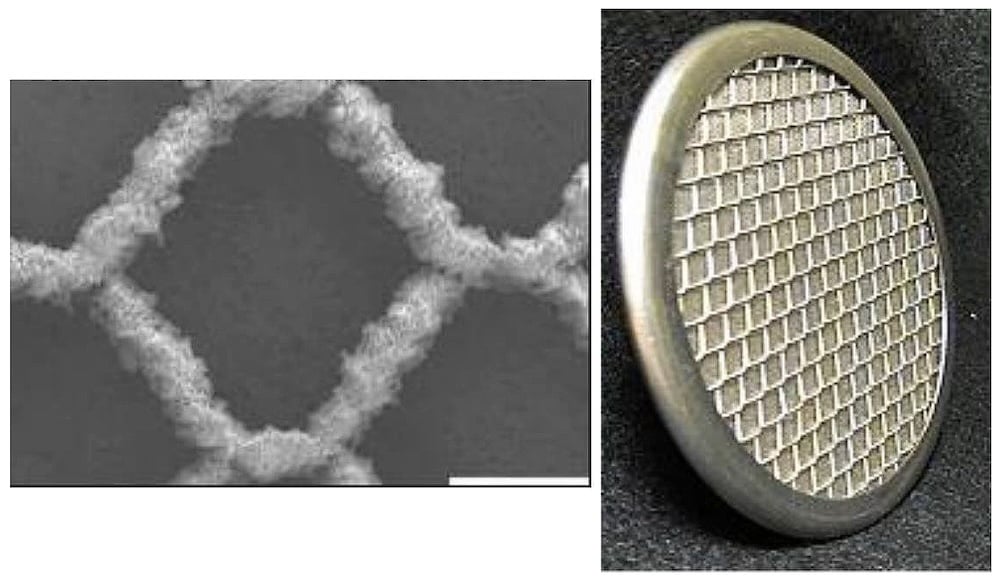
Electrolysis has been a mainstay of crewed mission designs for the outer solar system for decades. It is the most commonly used methodology to split oxygen from water, creating a necessary gas from a necessary liquid. However, electrolysis systems are bulky and power-intensive, so NASA has decided to look into alternative solutions. They supported a company called Precision Combustion, Inc (PCI) via their Institutes for Advanced Concepts (NIAC) grant to work on a system of thermo-photo-catalytic conversion that could dramatically outperform existing electrolysis reactors.
Continue reading
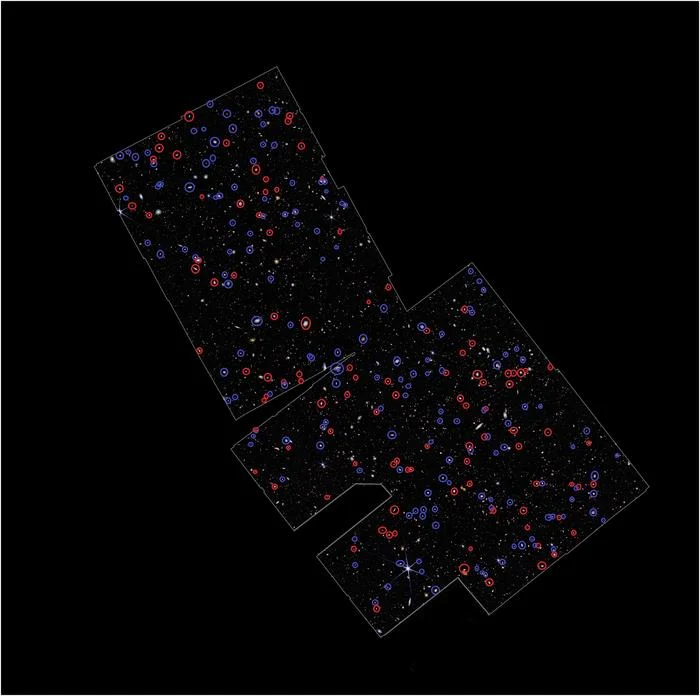
Astronomers using the James Webb Space Telescope (JWST) have completed a survey of galaxies that reveals their rotation directions with unprecedented clarity. Contrary to expectations that galaxy rotations would be randomly distributed, they discovered a surprising pattern, that most galaxies appear to rotate in a similar direction! One hypothesis suggests the universe itself might have an overall rotation, researchers believe a more plausible explanation though is that Earth's motion through space creates an observational bias, making galaxies rotating in certain directions more detectable than others.
Continue reading
Continue reading
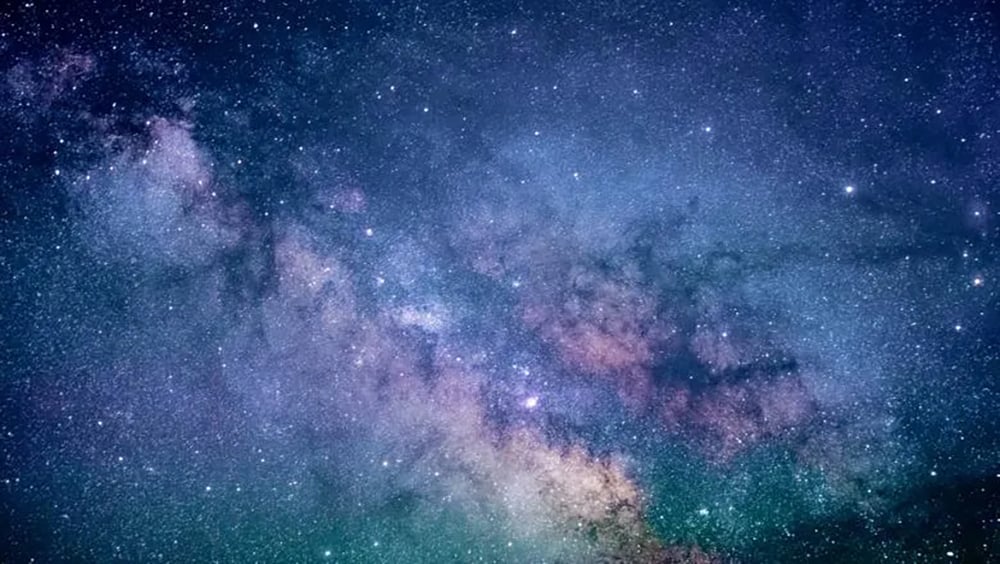
Dark matter - that mysterious, unknown stuff that's detectable only by its effect on other matter - seems to be sparking strong emissions at the heart of the Milky Way Galaxy.
Continue reading
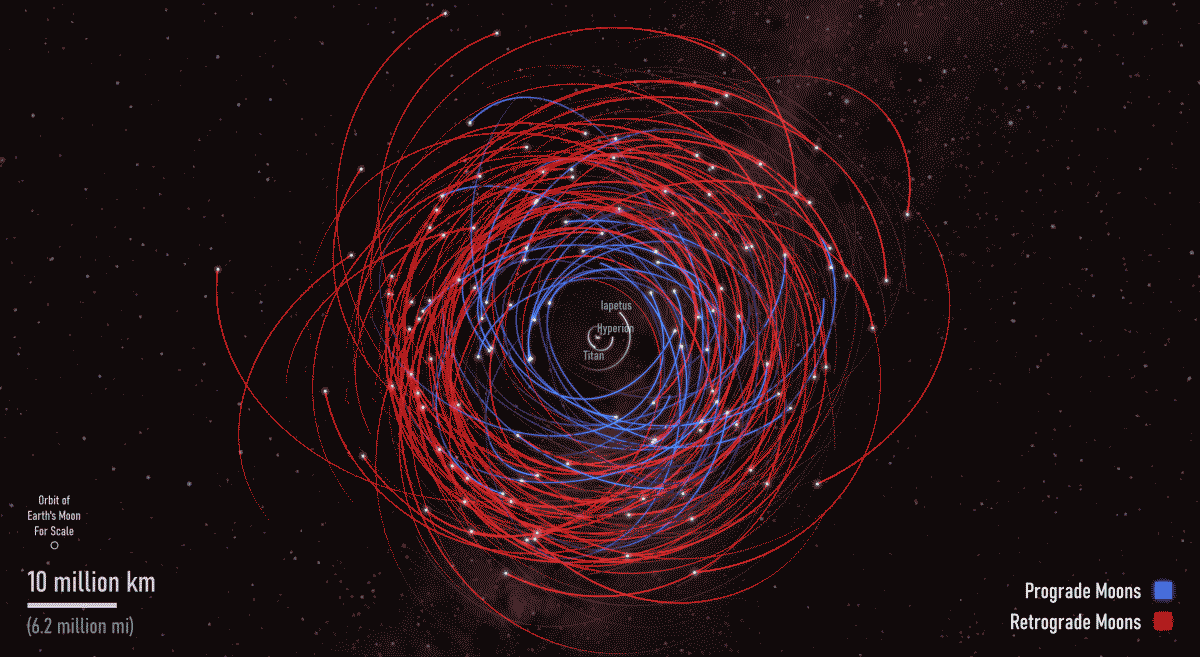
Dutch astronomer Christiaan Huygens was the first to discover a Saturnian moon way back in 1655. Thanks to his skill as a lens grinder and polisher, he was the first person to see Titan. Over the centuries, we've discovered many more moons orbiting the ringed planet. In a surprising announcement on March 11th, the Minor Planet Center announced the discovery of 128 more moons, almost doubling the previous number.
Continue reading
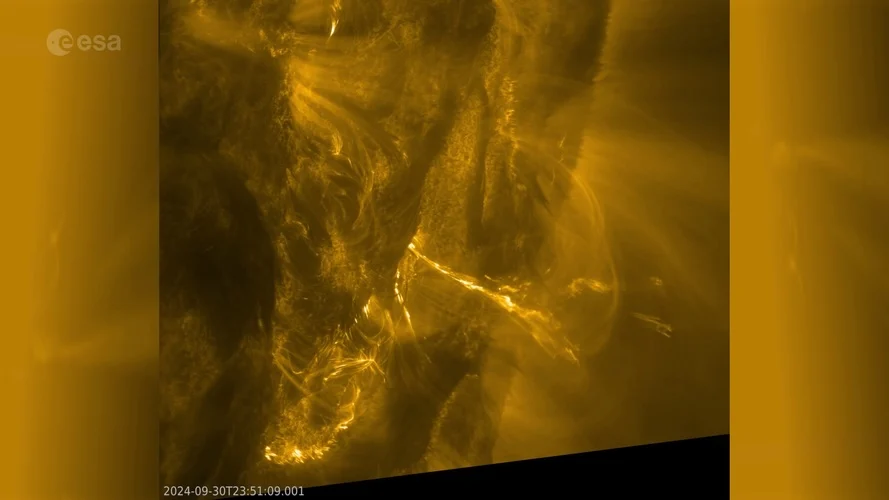
Our local star, the Sun has been under the watchful gaze of ESA's Solar Orbiter since its launch in 2020. It's been slowly getting closer and grabbing images using its Extreme Ultraviolet Imager (EUI) which citizen scientists have been stitching together into wonderful time-lapse videos. A recent video covers just 15 minutes of real time but within, you can see an M-Class flare that was unleashed by the Sun. The flares can produce brief radio blackouts here on Earth.
Continue reading
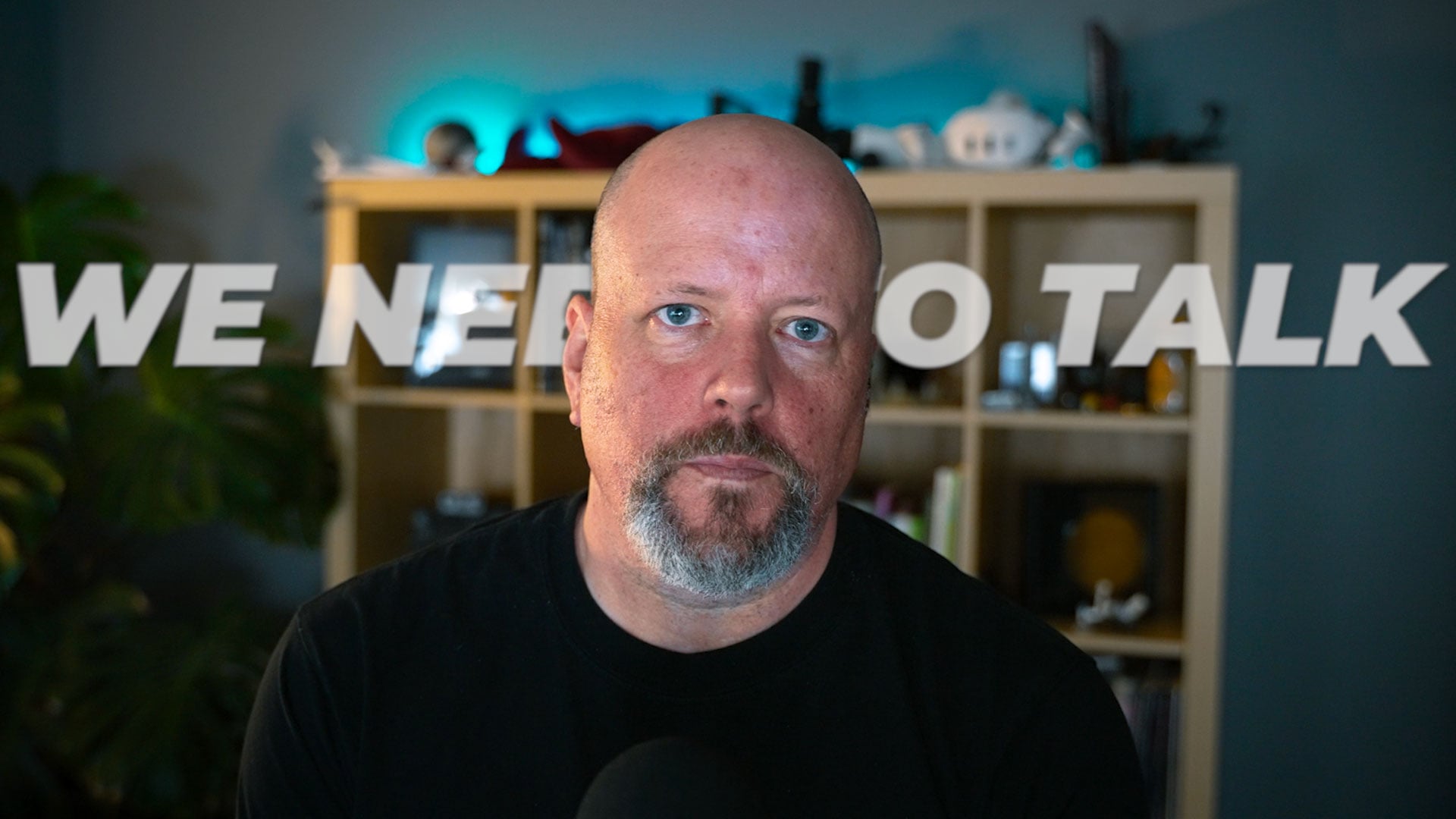
If you're a regular visitor to Universe Today, you've probably noticed that the website looks dramatically different. Simpler, cleaner, without all those pesky intrusive ads. We're in a new era, now. Here's what happened, why I decided to remove the ads from the site, and what you can expect going forward.
Continue reading
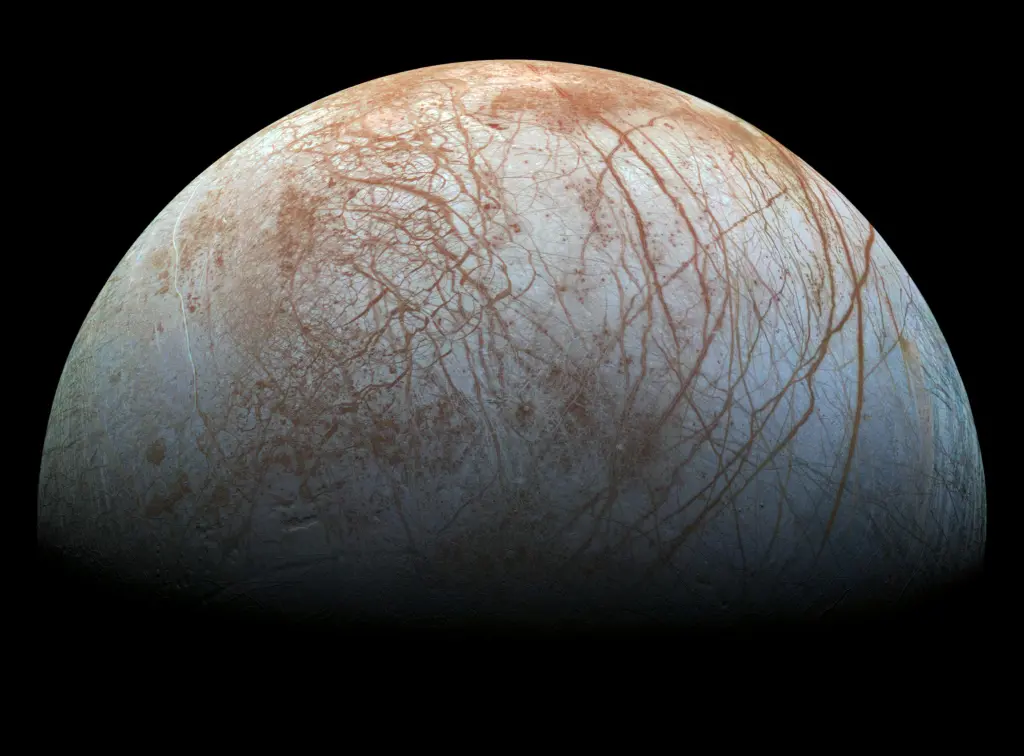
Of all the moons in the Solar System, Europa is perhaps one of the most fascinating. With a thick ice shell surrounding a subsurface ocean, astrobiologists hope maybe there is life down there! Finding a way through the ice to explore what's below is one of the biggest challenges. It's possible however that the vital chemicals from life could find their way to the surface and through out into space. A new paper proposes an ultraviolet laser could be used to cause amino acids to fluoresce giving away their presence.
Continue reading
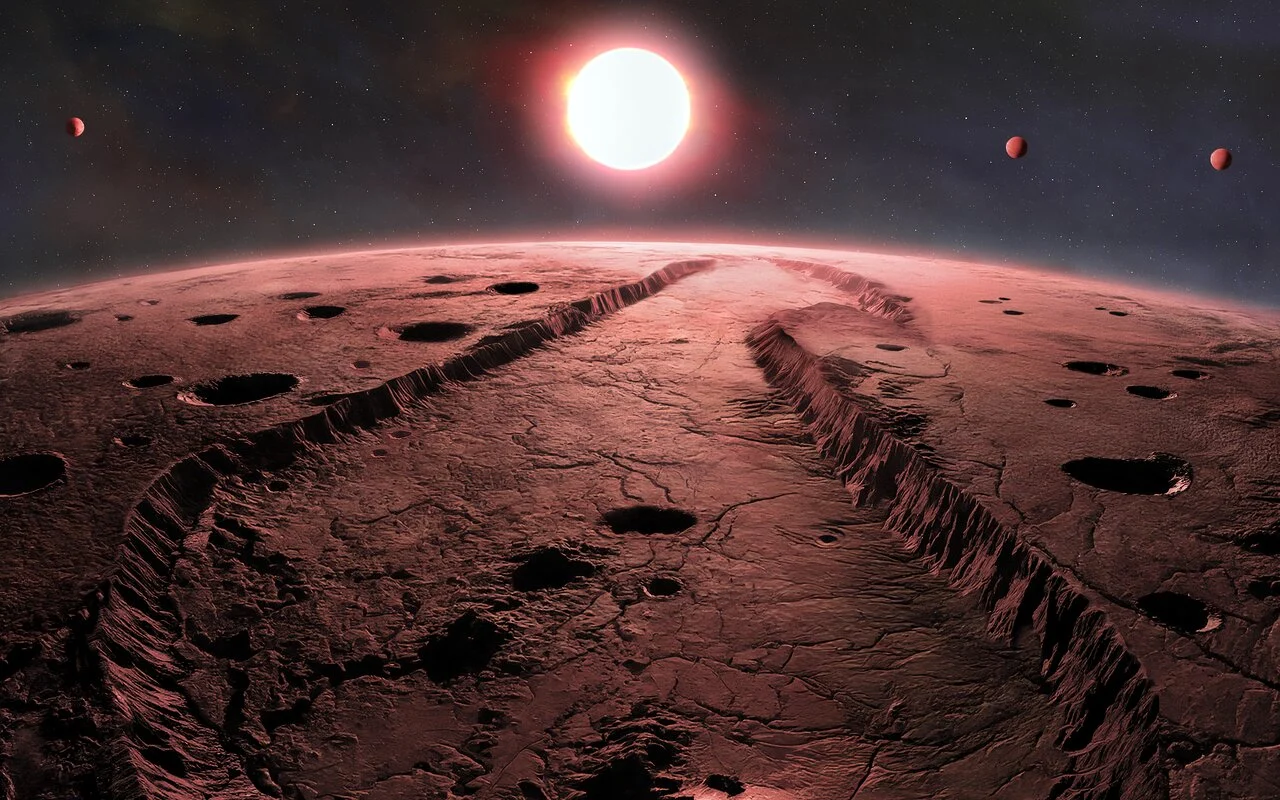
The closest single star to our own Solar System is Barnard's Star. It's 6 light years away and astronomers have just found four new mini-Earth planets in orbit around this red dwarf star. The discovery was made with the MAROON-X instrument on the Gemini North telescope which makes use of the radial velocity method to detect exoplanets. One planet was found in August 2024, the other three were only just added.
Continue reading
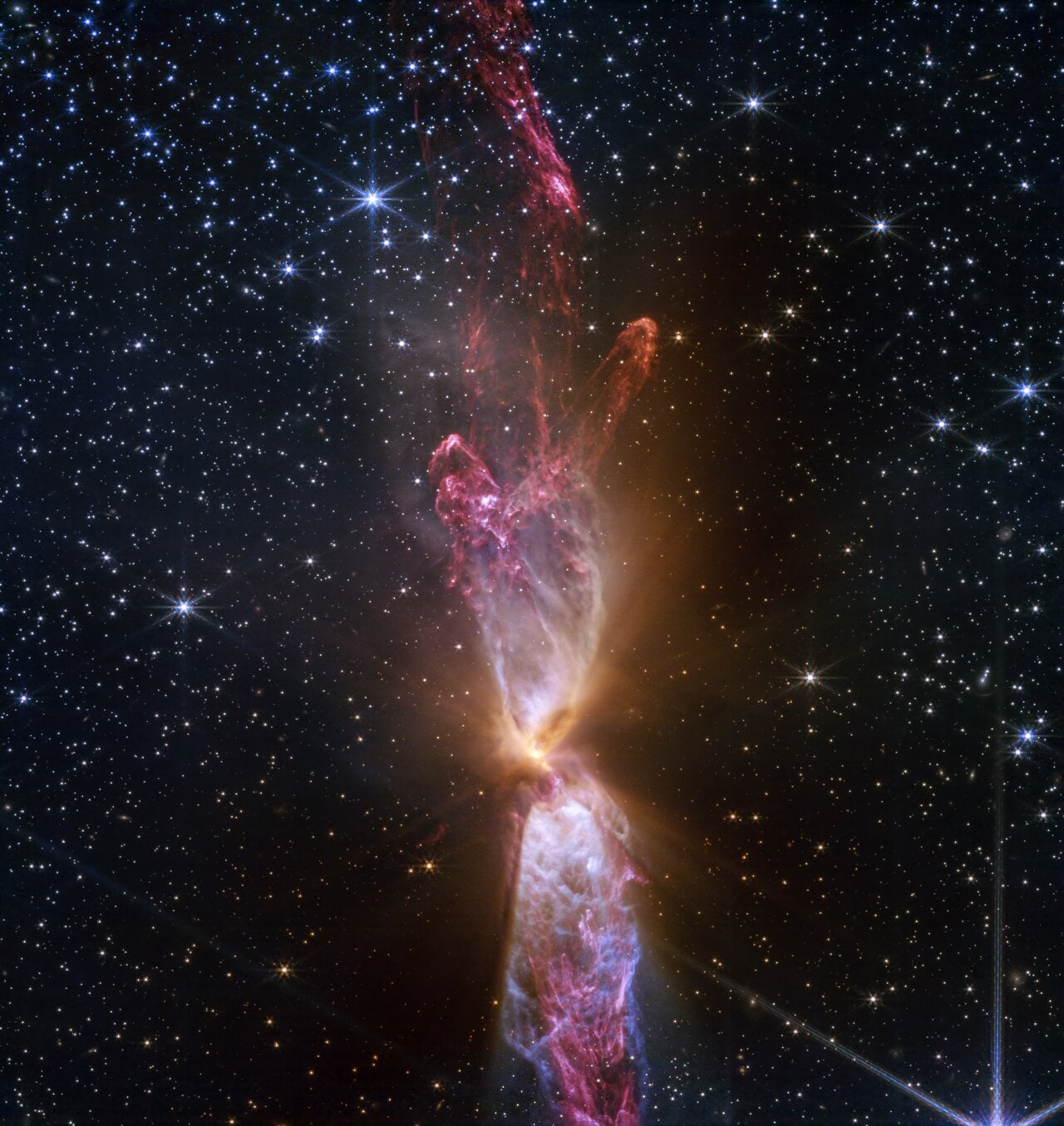
Young stars grow by gobbling up nearby gas and dust. Over time, they can become extremely massive. The most massive stars we know of have up to 200 solar masses. But the flow of matter isn't a one-way street. Instead, young protostars eject some of the matter back into space with powerful jets.
Continue reading
 Universe Today