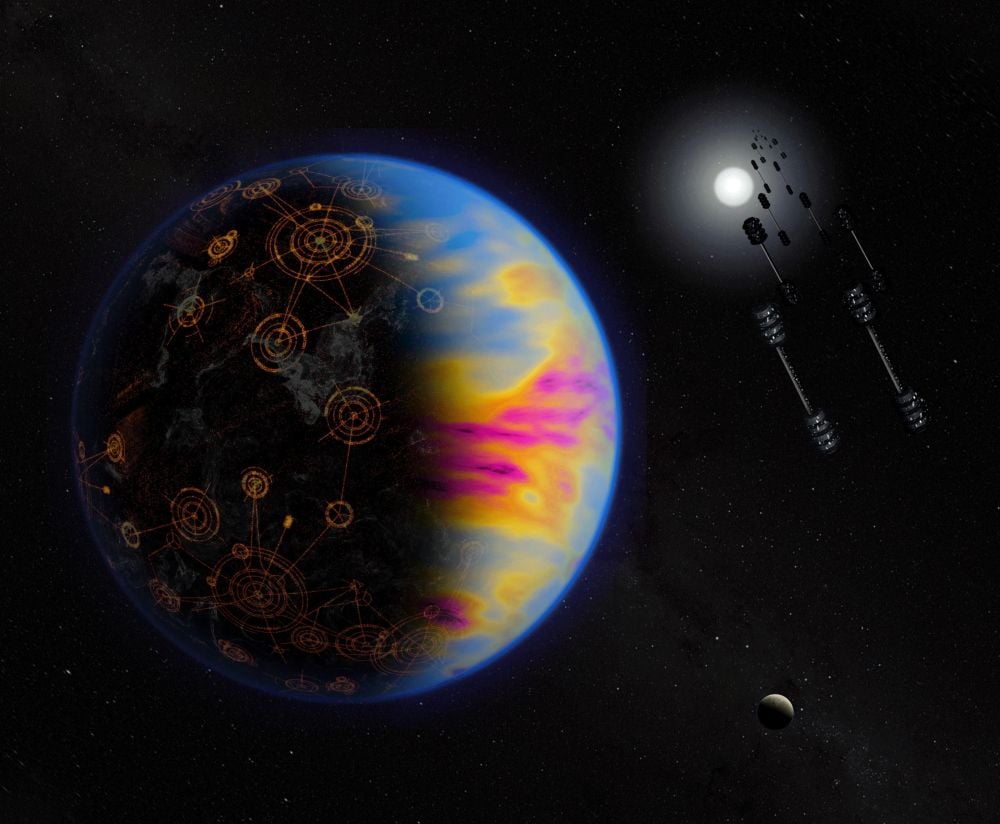
When we gaze up at the night sky, we assume that what we're seeing is a representative population of similar stars at similar distances. But it's not. The stars we see are a mixture of massive and small, distant and near. In fact, we can't even see our closest neighbour, Proxima Centauri. We see these stars because they have large observational signals, and that illustrates one of the problems in astronomy.
Continue reading
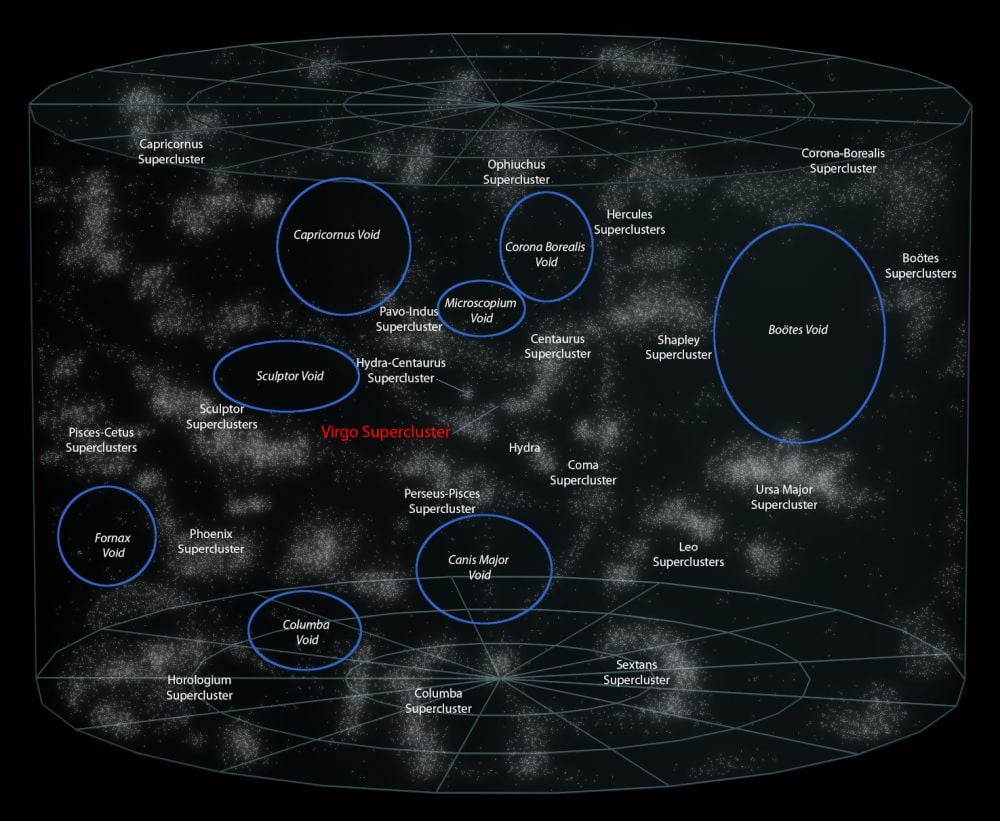
The Large-Scale Structure of the Universe features massive filaments where galaxy clusters and superclusters reside. In between these filaments are cosmic voids, vast regions that are nearly empty. The Nancy Grace Roman will map and study 80,000 of these voids to place constraints on Dark Energy drives the expansion of the Universe.
Continue reading
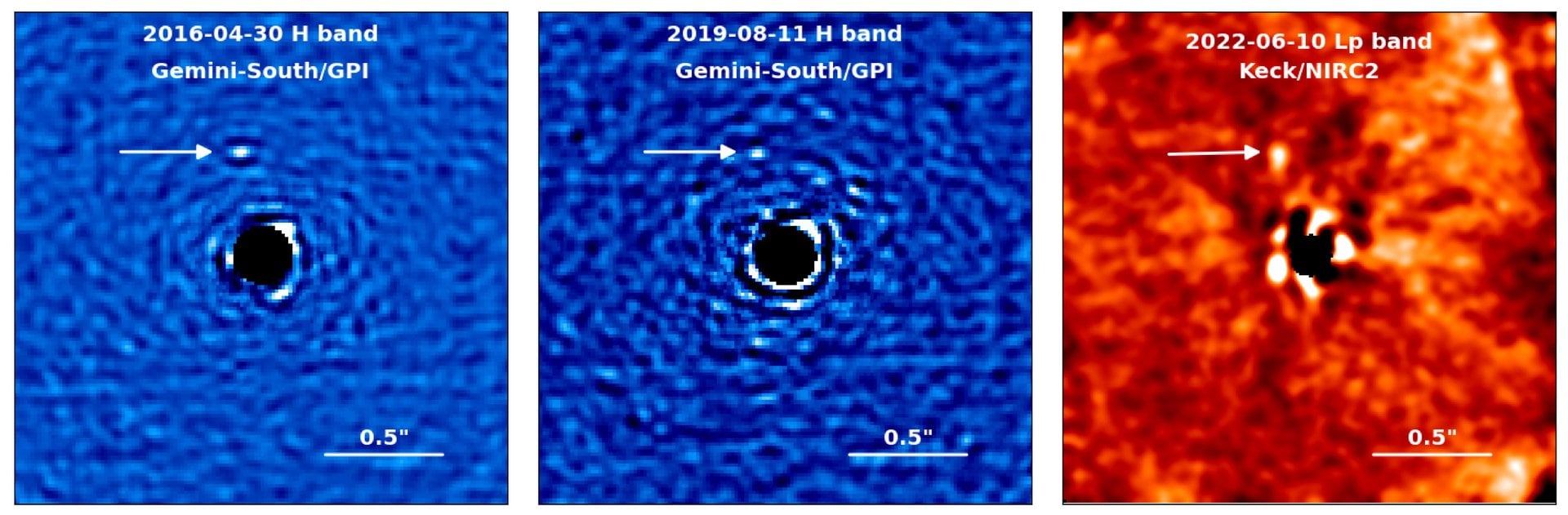
If you read enough articles about planets in binary star systems, you’ll realize almost all of them make some sort of reference to Tatooine, the fictional home of Luke Skywalker (and Darth Vader) in the Star War saga. Since that obligatory reference is now out of the way, we can talk about the new “super-Jupiter” that researchers from two separate research teams, including one at Northwestern University and one at the University of Exeter, simultaneously found in old data from the Gemini Planet Imager (GPI).
Continue reading
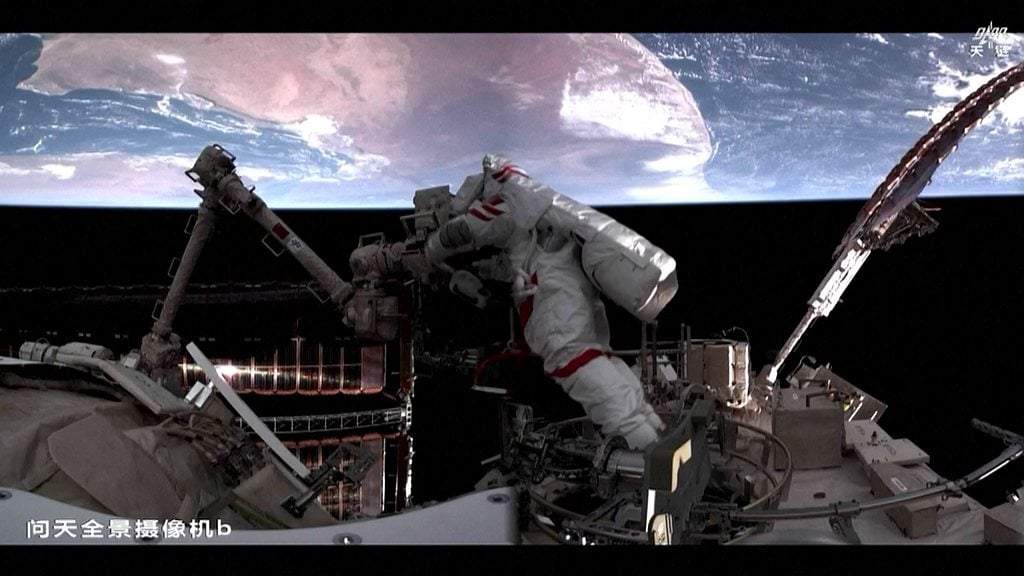
The Shenzhou-21 crew on board China's orbiting space station completed its first extravehicular activities on Tuesday, Dec. 9th, during which they validated the new EVA spacesuits.
Continue reading
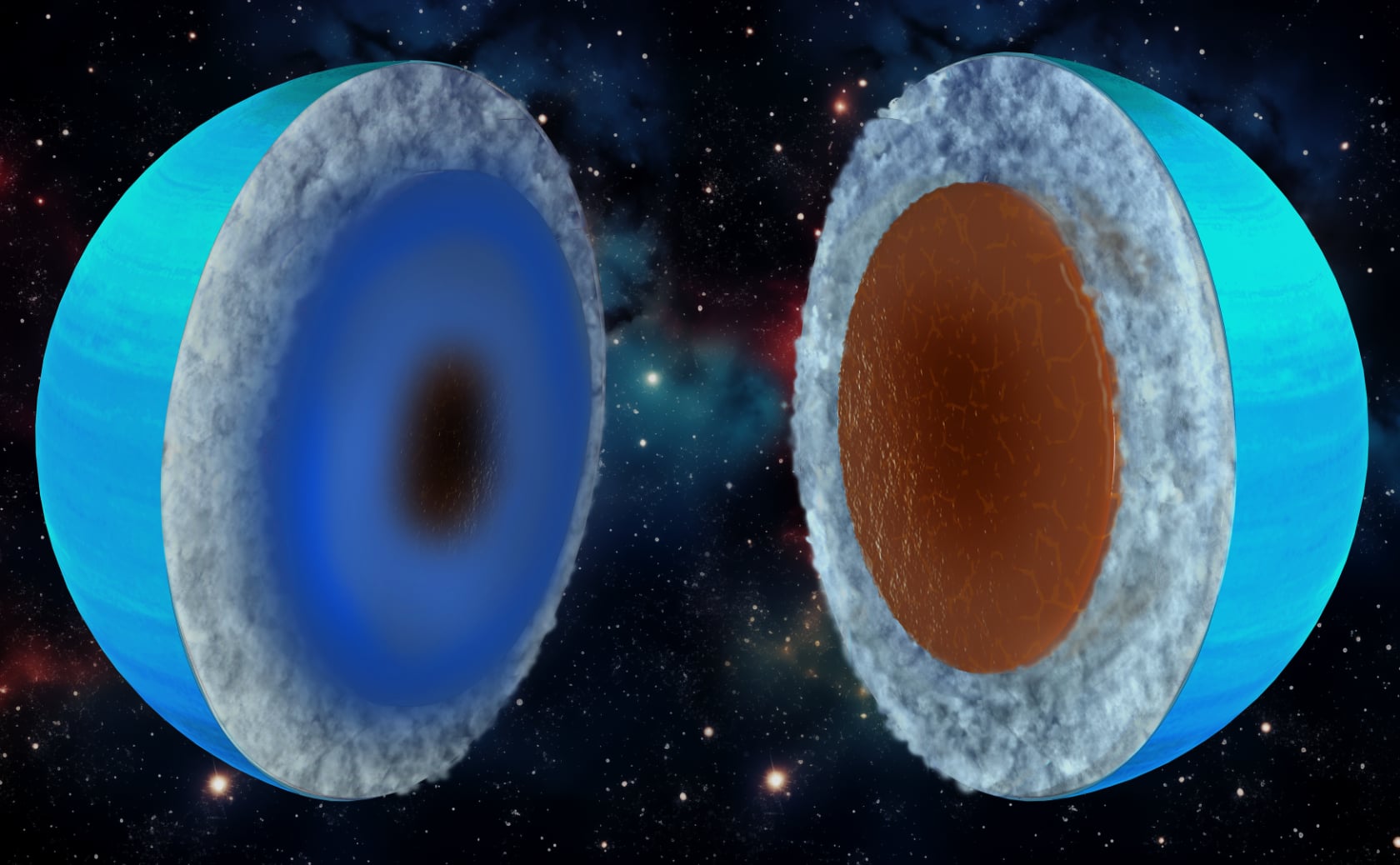
A team of researchers from the University of Zurich and the NCCR PlanetS is challenging our understanding of the interior of the Solar System's planets. The composition of Uranus and Neptune, the two outermost planets, might be more rocky and less icy than previously thought.
Continue reading
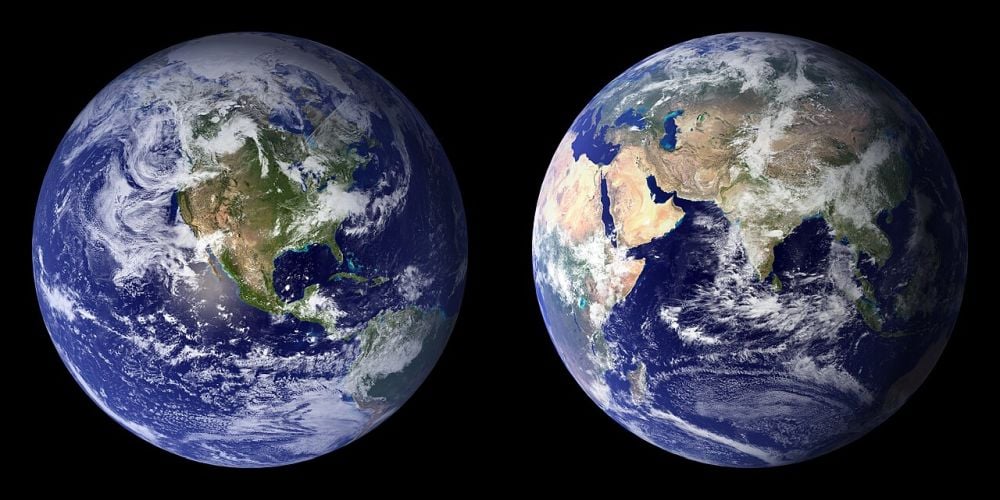
For roughly two billion years of Earth’s early history, the atmosphere contained no oxygen, the essential ingredient required for complex life. Oxygen began building up in the atmosphere during the period known as the Great Oxidation Event (GOE), but it had to enter the oceans first. When and how it first entered the oceans has remained uncertain.
Continue reading
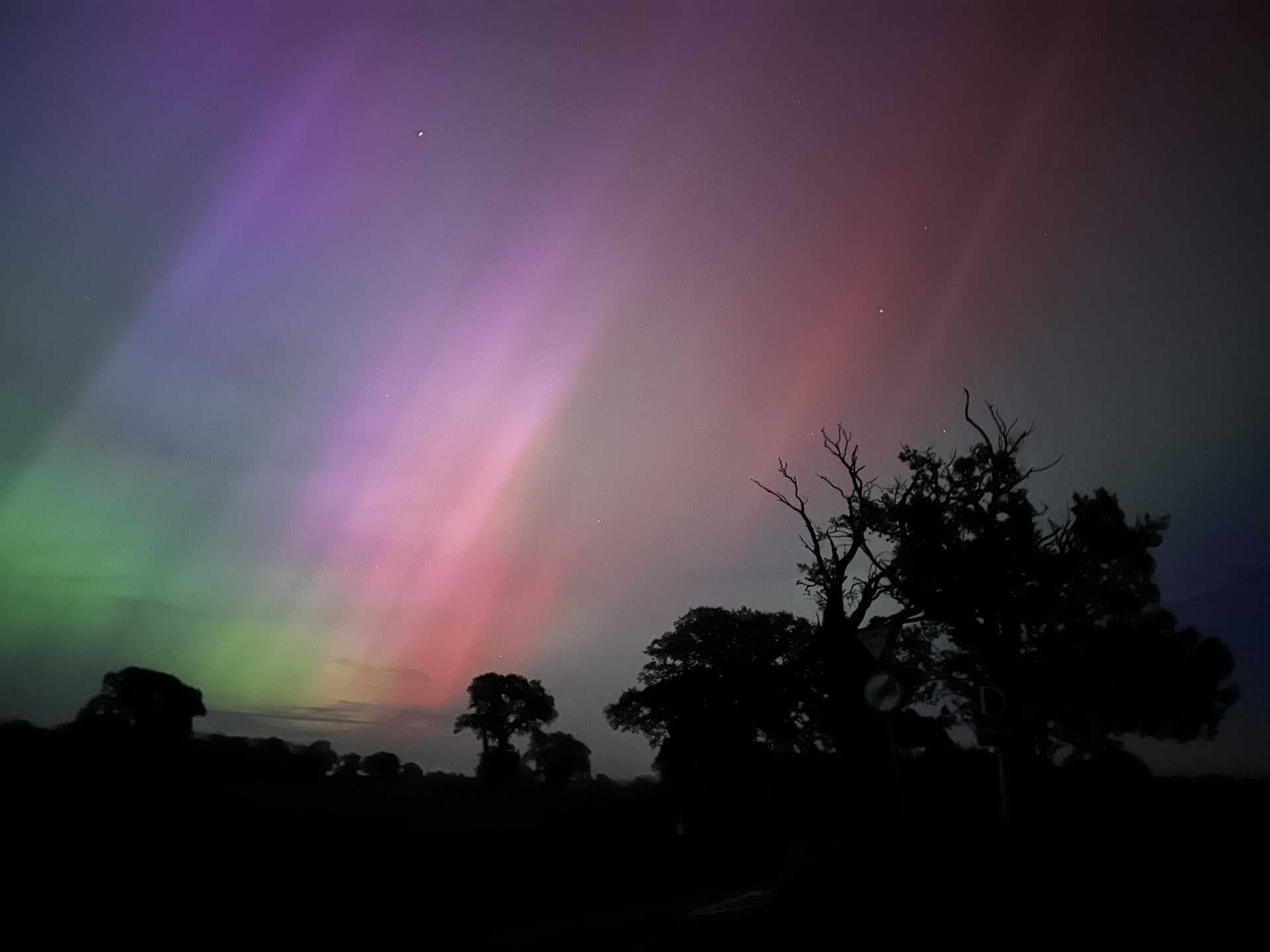
Scientists have discovered a crucial clue to understanding one of nature's most spectacular light shows, the aurora. Research from the University of Southampton reveals that just before these magnetospheric substorms erupt, a distinct pattern of low frequency radio waves appears above the aurora, radio emissions that surge in strength precisely as mysterious "auroral beads" transform into full storms. This radio signature, detected by spacecraft and ground observatories across multiple events, provides the first direct evidence of the physical processes triggering these dramatic celestial displays, and may explain similar phenomena occurring in the magnetospheres of Jupiter and Saturn.
Continue reading
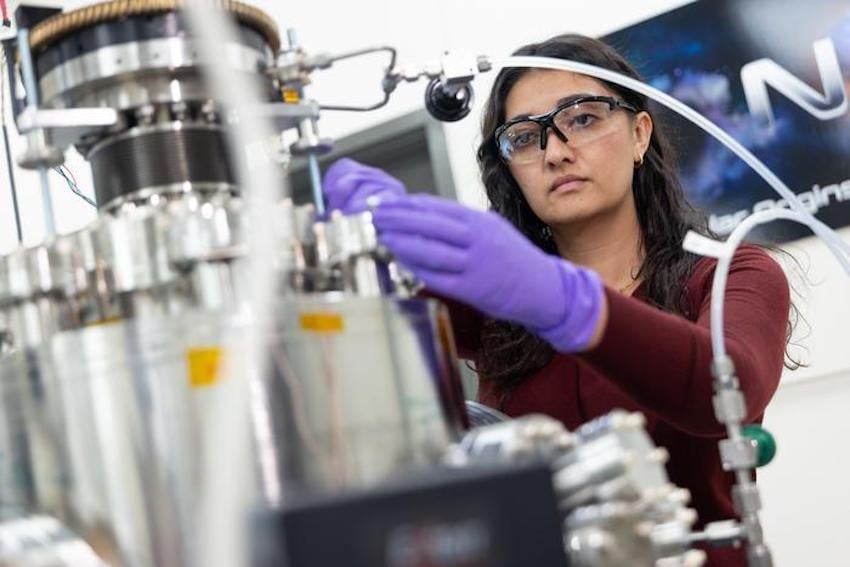
Scientists at Southwest Research Institute have opened a new laboratory dedicated to answering one of astronomy's most fundamental questions, where do planets come from? The Nebular Origins of the Universe Research (NOUR) Laboratory will recreate the extreme conditions found in interstellar clouds, vast regions of ice, gas, and dust that existed before our Solar System formed to trace how these primordial materials ultimately evolved into the worlds we see today. By simulating the chemistry of pre-planetary environments in specialised vacuum chambers, researchers aim to understand how the building blocks of life, including the components of DNA and RNA, formed in the darkness of space billions of years ago.
Continue reading
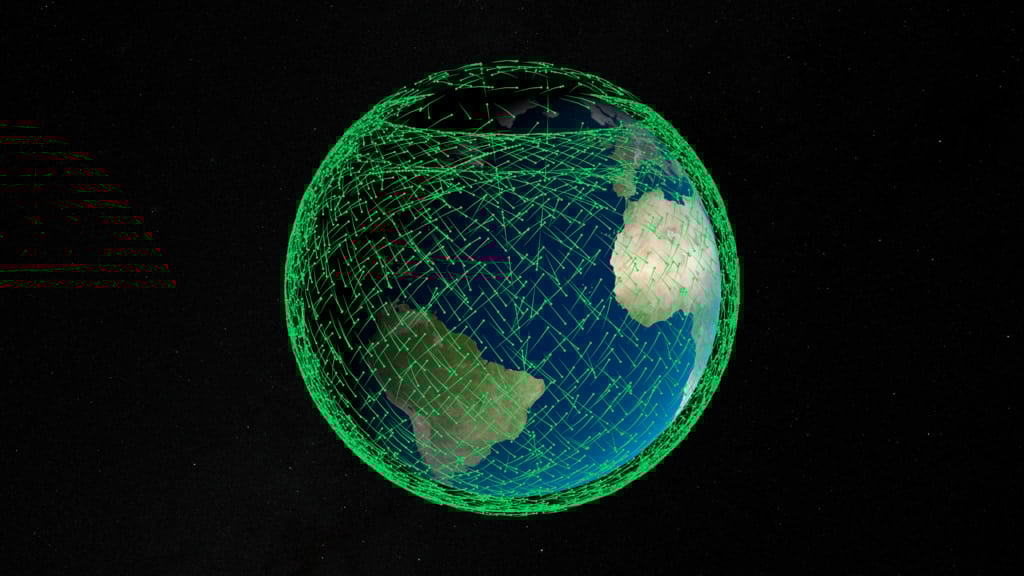
A “House of Cards” is a wonderful English phrase that it seems is now primarily associated with a Netflix political drama. However, its original meaning is of a system that is fundamentally unstable. It’s also the term Sarah Thiele, originally a PhD student at the University of British Columbia, and now at Princeton, and her co-authors used to describe our current satellite mega-constellation system in a new paper available in pre-print on arXiv.
Continue reading
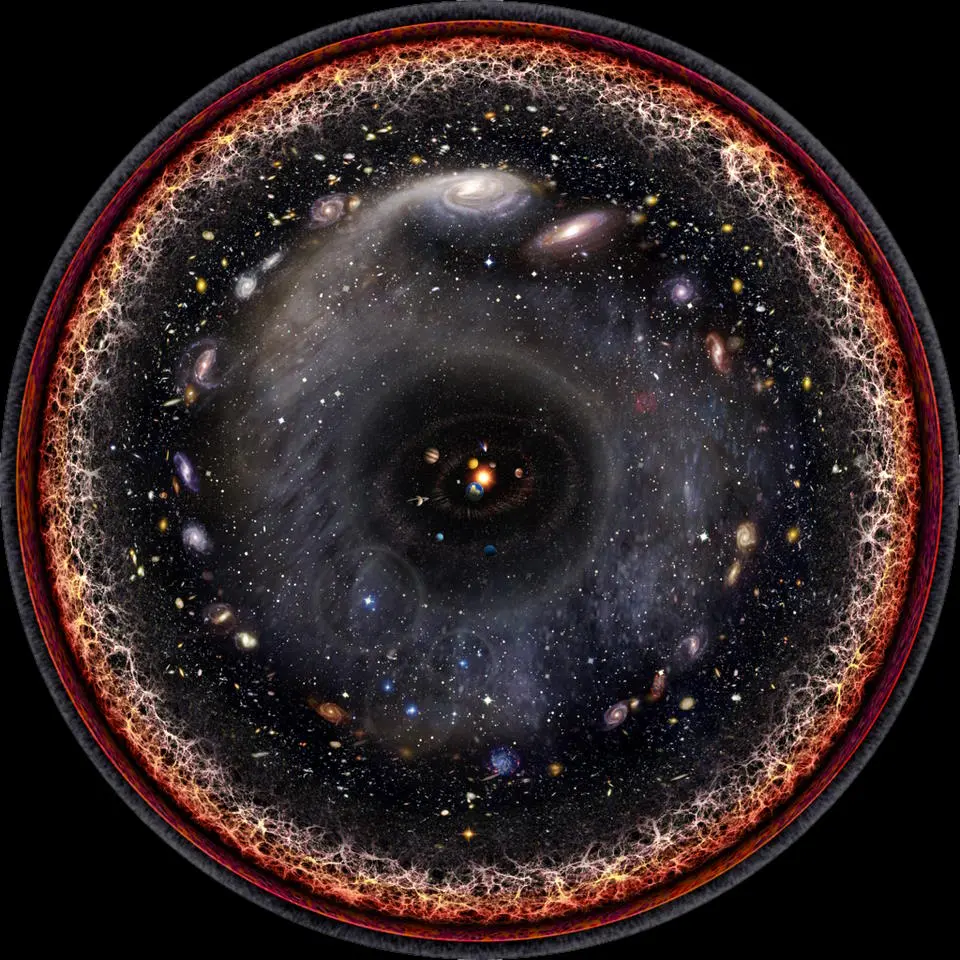
After the first protons and neutrons formed, after the first light elements formed, the universe…wasn’t really all that great.
Continue reading
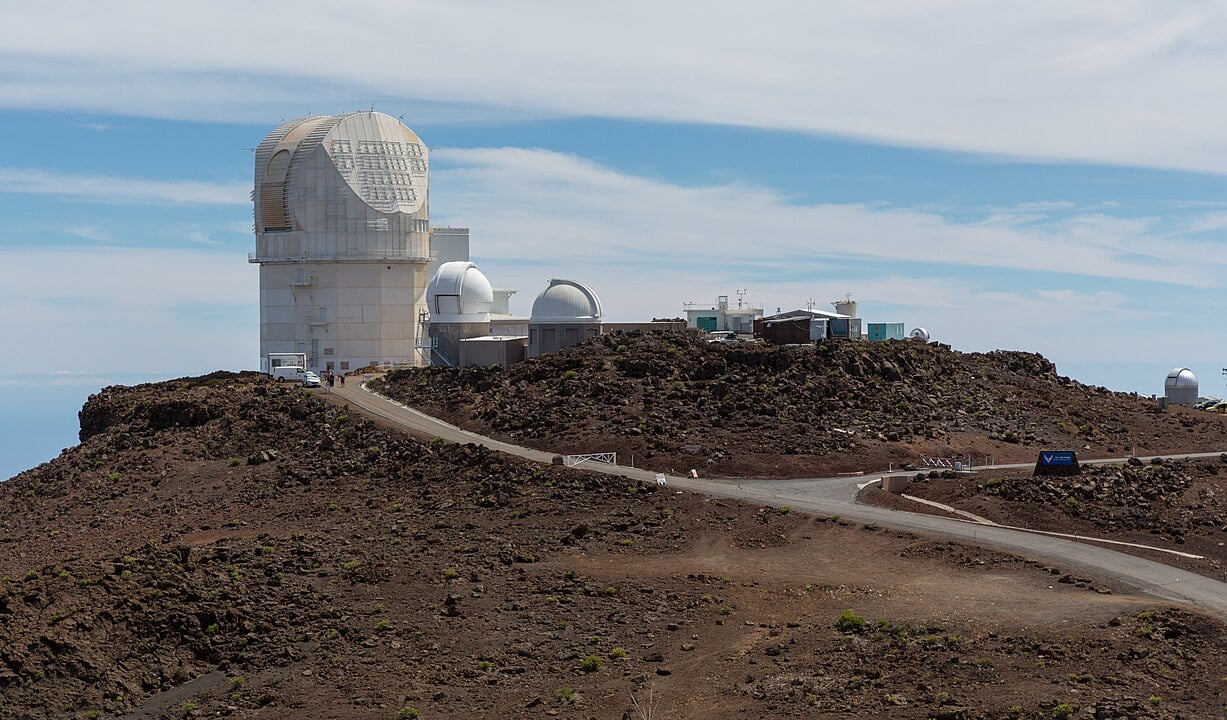
Scientists have achieved an unprecedented view of the Sun by coordinating observations between two of the most powerful solar instruments ever built. For the first time, observations from the Inouye Solar Telescope in Hawaii and the European Space Agency's Solar Orbiter spacecraft have captured the same solar region simultaneously from different vantage points. This created a stereoscopic view that reveals intricate details of tiny "campfire" features scattered across the Sun's surface. These fleeting brightening, though individually small, occur in such vast numbers that they may collectively shape how the Sun's outer atmosphere is heated and how plasma erupts into space.
Continue reading

Astronomers have performed the deepest radio observations ever of Omega Centauri, searching for signs of an intermediate mass black hole thought to lurk at its center. Despite 170 hours of observations with the Australia Telescope Compact Array achieving unprecedented sensitivity, they detected absolutely nothing where the black hole should be. If an intermediate mass black hole exists in this massive star cluster, as suggested by fast moving stars discovered earlier this year, it must be accreting material at an extraordinarily low rate, barely feeding at all compared to other known black holes.
Continue reading
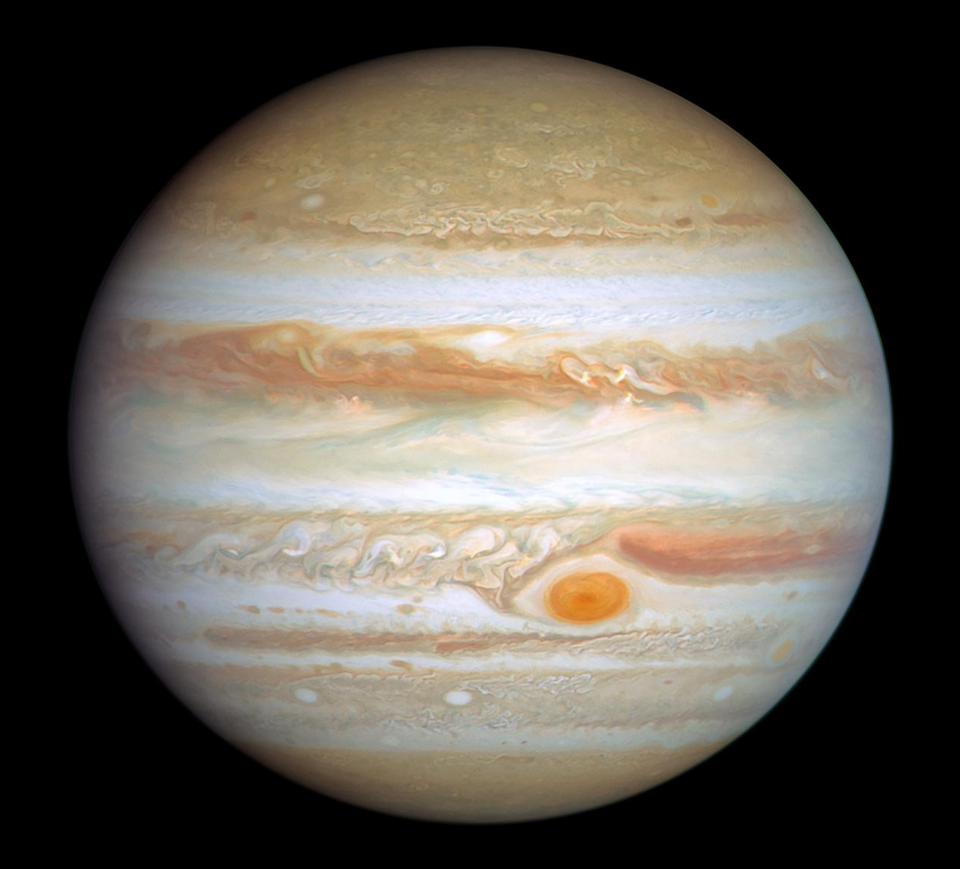
Researchers have discovered that a close encounter with a rogue planet or brown dwarf during the Sun's early years could have triggered the reshuffling of our Solar System's giant planets. Running 3000 simulations of stellar flybys, the team found that substellar objects passing within 20 astronomical units of the young Sun could destabilise the planets' orbits just enough to match their current configuration without destroying the delicate Kuiper belt. This flyby scenario represents a new possible explanation for one of the Solar System's defining events, with roughly a 1-5 percent probability depending on how common free floating planets actually are in young star clusters.
Continue reading
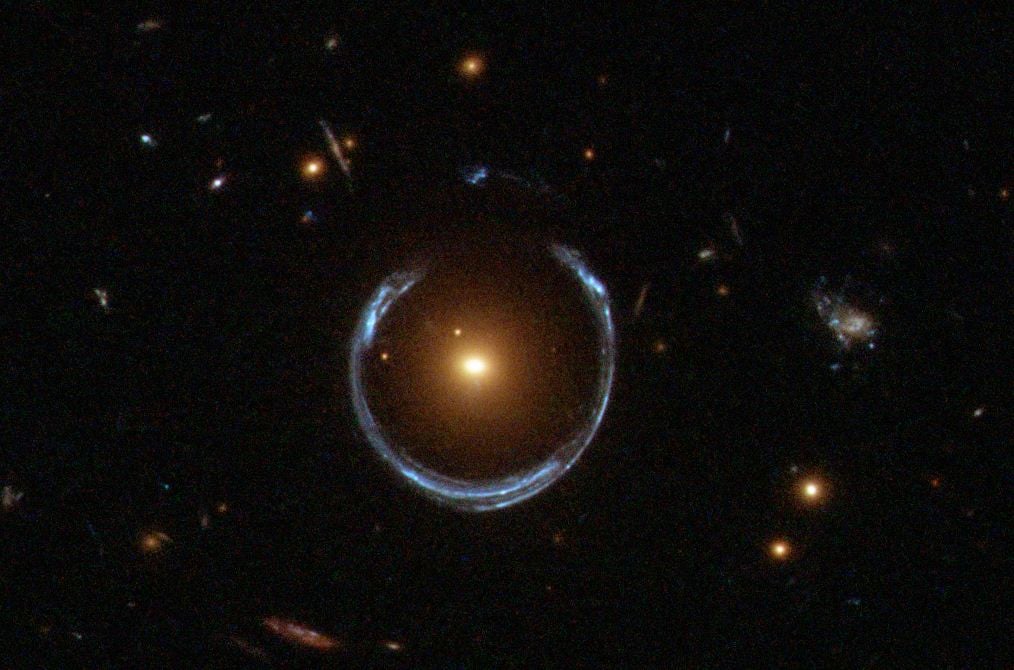
Astronomers at the University of Tokyo have used gravitational lensing to measure how fast the universe is expanding, adding weight to one of cosmology's most intriguing mysteries. Their technique exploits the way massive galaxies bend light from distant quasars, creating multiple distorted images that arrive at different times. The measurement supports recent observations showing the universe expands faster than predictions based on the early universe suggest, strengthening evidence that the "Hubble tension" represents genuine new physics rather than experimental error.
Continue reading
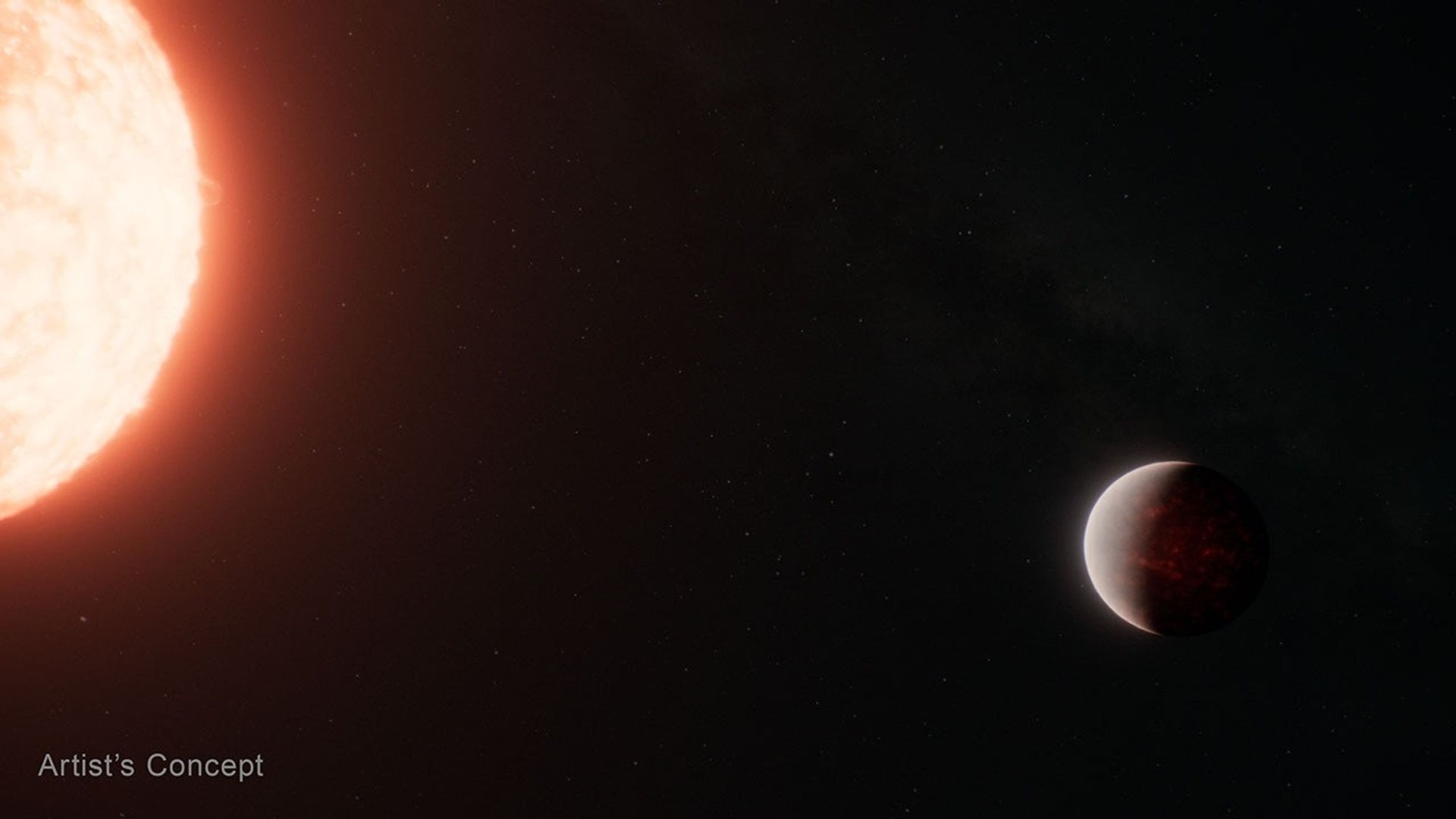
Researchers using NASA’s James Webb Space Telescope have detected the strongest evidence yet for an atmosphere on a rocky planet outside our solar system. Observations of the ultra-hot super-Earth TOI-561 b suggest that the exoplanet is surrounded by a thick blanket of gases above a global magma ocean.
Continue reading
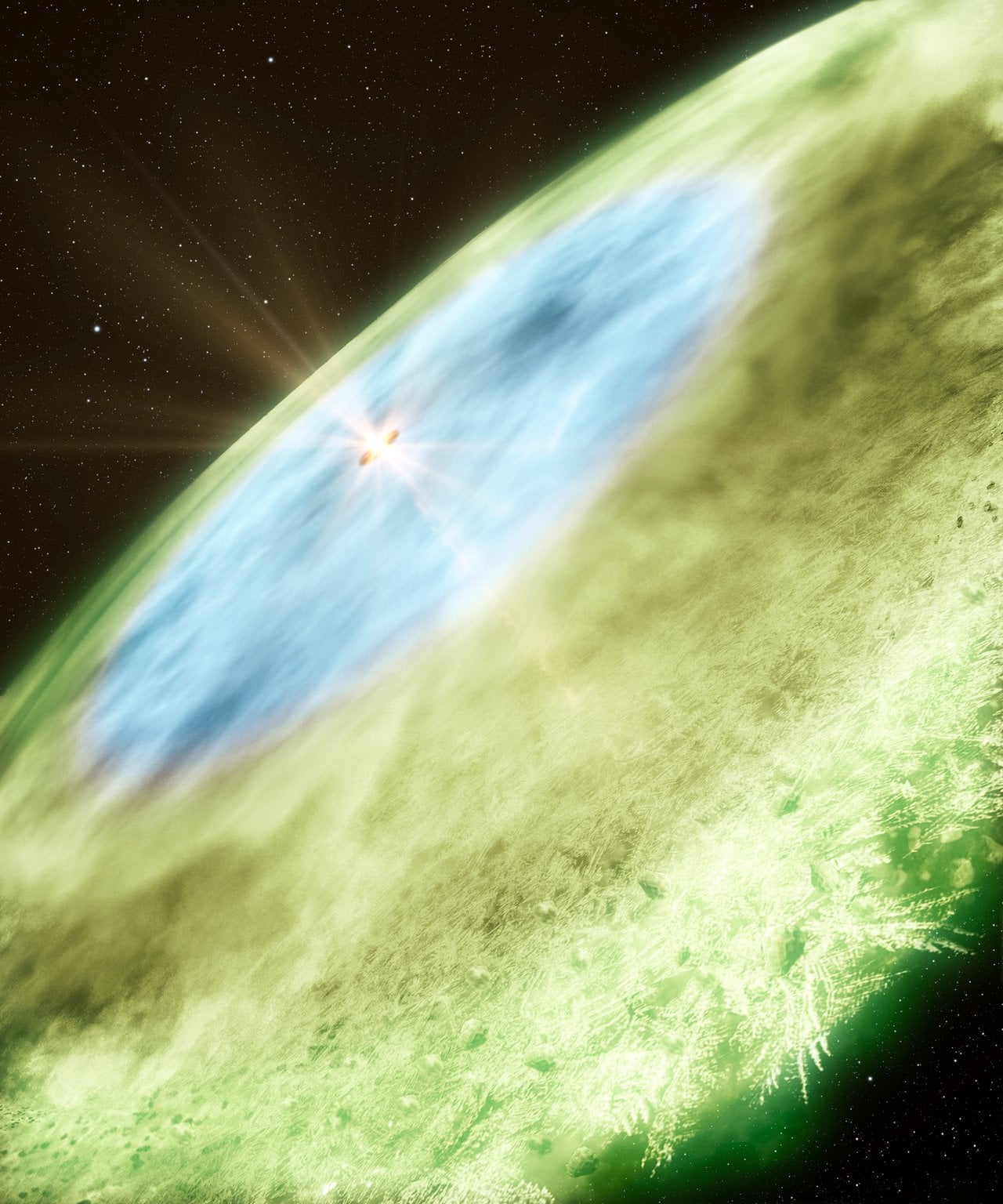
Carl Sagan famously said that “We’re all made of star-stuff”. But he didn’t elaborate on how that actually happened. Yes, many of the molecules in our bodies could only have been created in massive supernovae explosions - hence the saying. Scientists have long thought they had the mechanism for how settled - the isotopes created in the supernovae flew here on tiny dust grains (stardust) that eventually accreted into Earth, and later into biological systems. However, a new paper from Martin Bizzarro and his co-authors at the University of Copenhagen upends that theory by showing that much of the material created in supernovae is captured in ice as it travels the interstellar medium. It also suggests that the Earth itself formed through the Pebble Accretion model rather than massive protoplanets slamming together.
Continue reading
The early universe was a very different place than today. And by “early” I don’t mean a billion or even ten billion years ago. The universe is about 13.77 billion years old, and when it was only a handful of seconds old, it was completely unrecognizable.
Continue reading
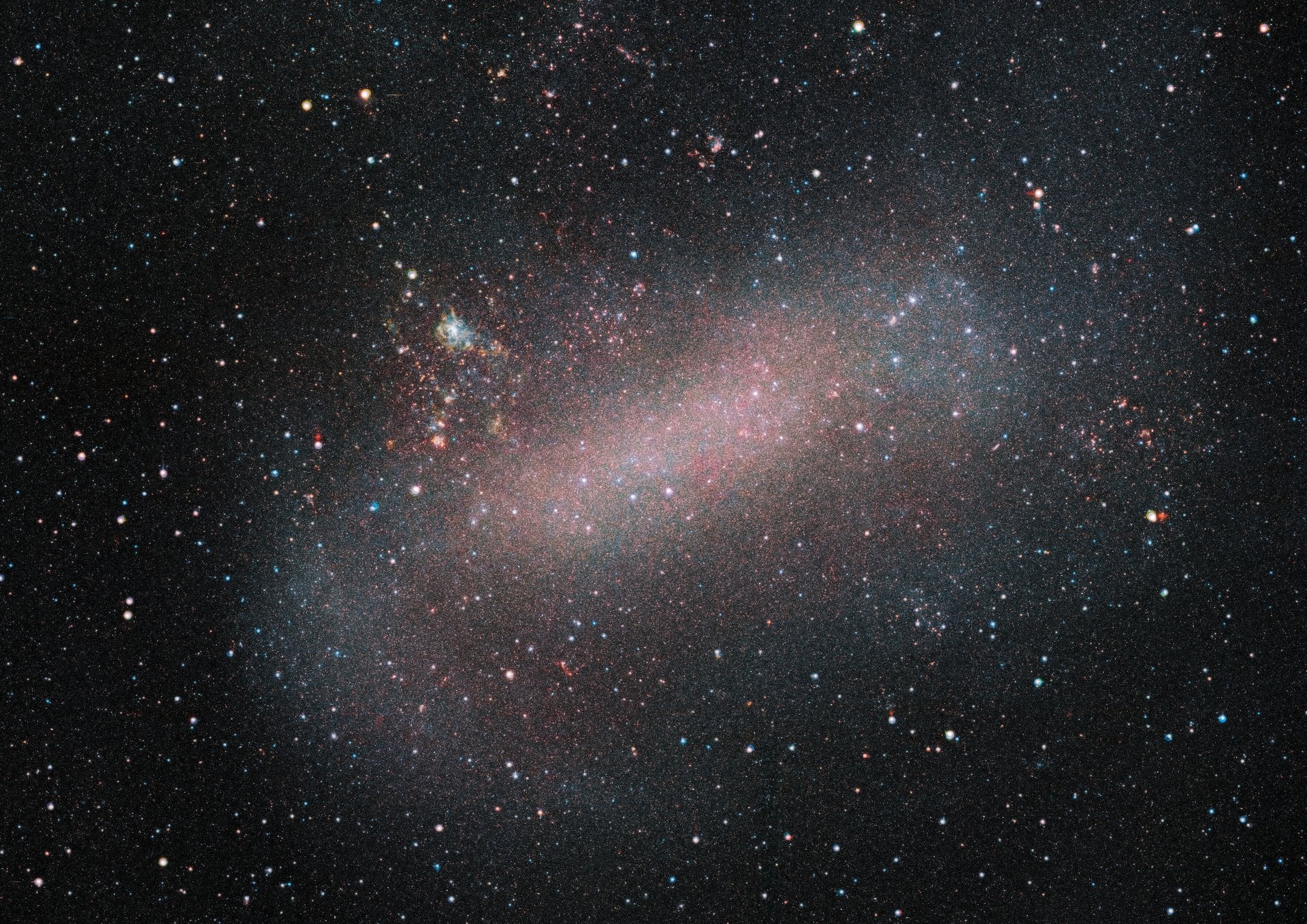
A new study, analyzing over 1,600 galaxies observed with Chandra over two decades, suggests that smaller galaxies do not contain supermassive black holes nearly as often as larger galaxies do.
Continue reading

In the early 20th century, after years of effort, Albert Einstein developed his general theory of relativity. This was a massive improvement in our understanding of gravity, giving us a sophisticated view into the inner workings of that fundamental force.
Continue reading
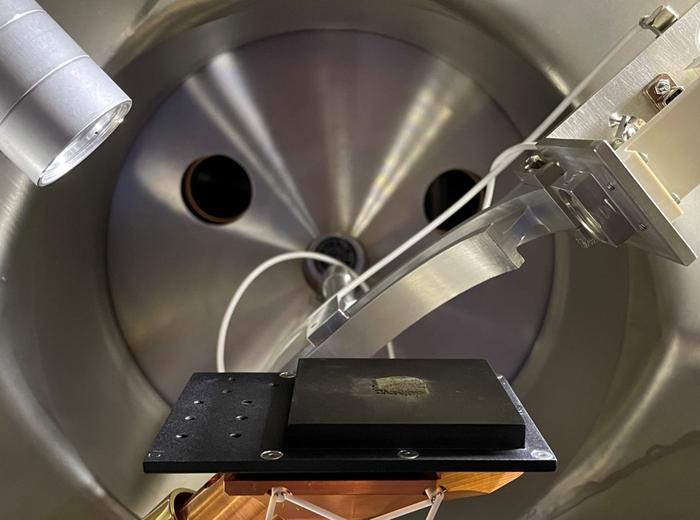
Tracking down resources on the Moon is a critical process if humanity decides to settle there permanently. However, some of our best resources to do that currently are orbiting satellites who use various wavelengths to scan the Moon and determine what the local environment is made out of. One potential confounding factor in those scans is “space weathering” - i.e. how the lunar surface might change based on bombardment from both the solar wind and micrometeroid impacts. A new paper from a researchers at the Southwest Research Institute adds further context to how to interpret ultra-violet data from one of the most prolific of the resource assessment satellites - the Lunar Reconnaissance Orbiter (LRO) - and unfortunately, the conclusion they draw is that, for some resources such as titanium, their presence might be entirely obscured by the presence of “old” regolith.
Continue reading
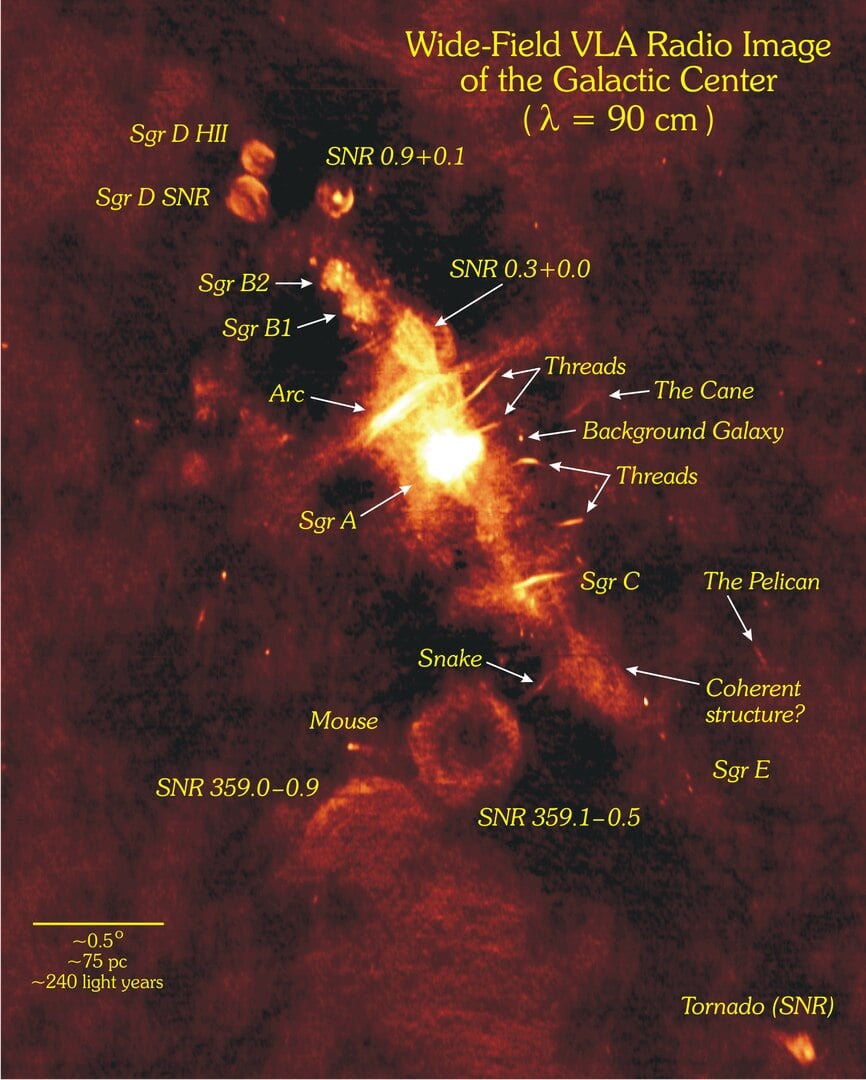
Radio astronomers hunting for the faint whispers of the early universe face an unexpected threat from above: satellites designed to be silent are leaking radio noise into space. New research using the Murchison Widefield Array has set the first limits on unintended radio emissions from distant geostationary satellites, revealing that most remain mercifully quiet in the frequency range crucial for next-generation telescopes. The findings offer cautious hope that the Square Kilometre Array, set to become the world's most sensitive radio telescope, might avoid the radio pollution crisis now plaguing observations of low Earth orbit satellites.
Continue reading
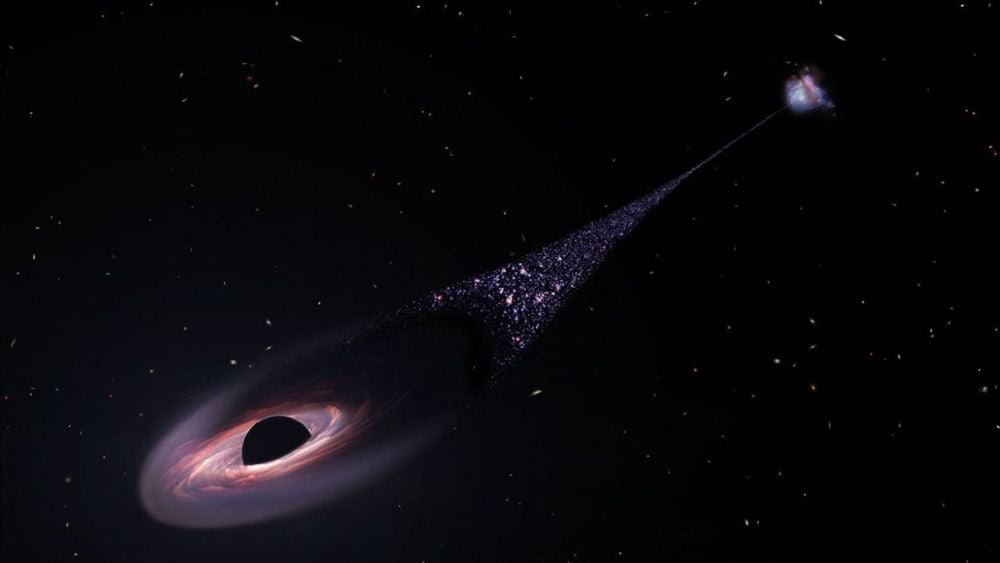
Astronomers have been observing the Cosmic Owl for years, wondering if what they were seeing was a long-predicted runaway black hole. Now, 50 years after scientists first predicted the phenomenon, the JWST has provided the clinching evidence.
Continue reading
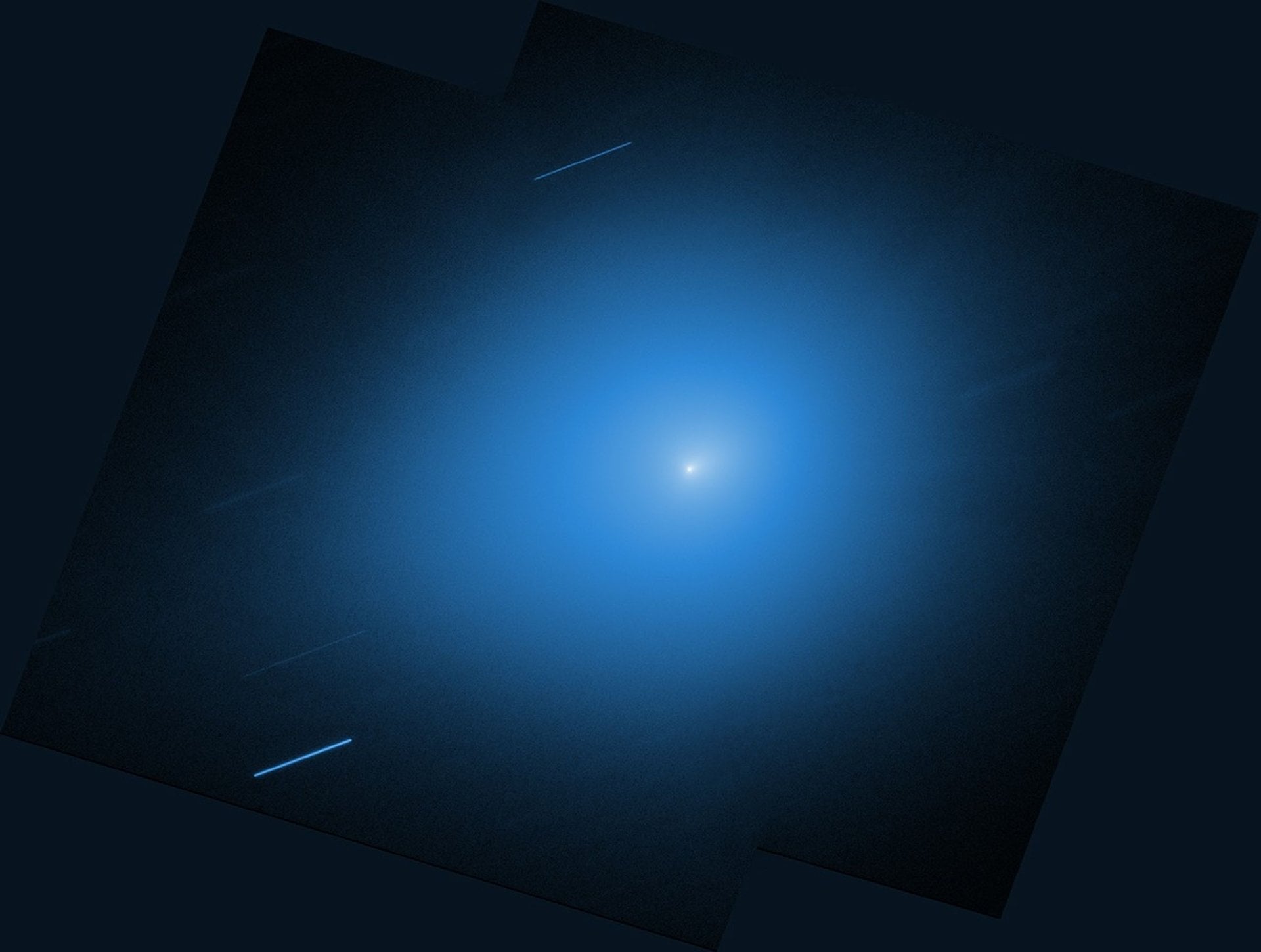
The NASA/ESA Hubble Space Telescope reobserved interstellar comet 3I/ATLAS on 30 November with its Wide Field Camera 3 instrument. At the time, the comet was about 286 million km from Earth. Hubble tracked the comet as it moved across the sky.
Continue reading
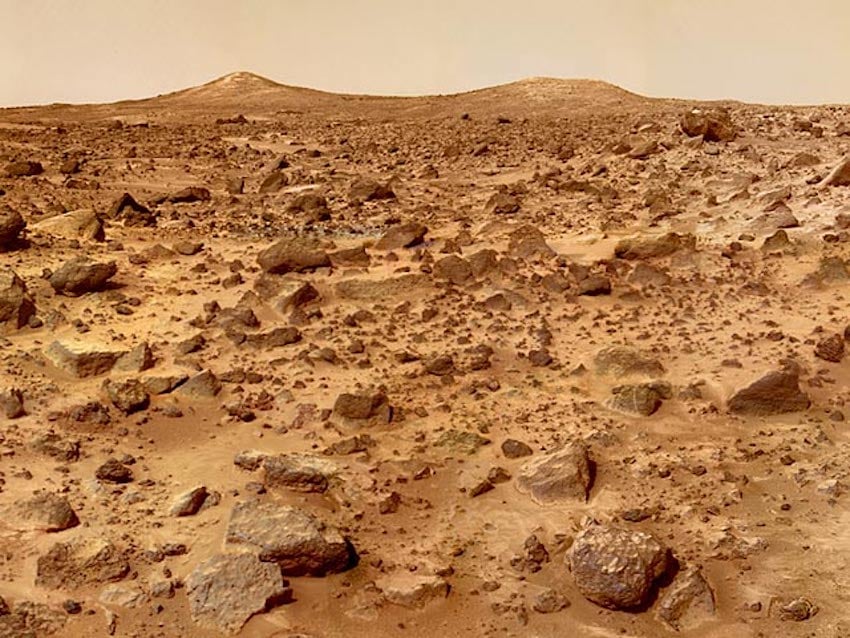
A new report identifies searching for life as the top science priority for humanity's first landing on Mars, ranking it above understanding water cycles, mapping geology, or even studying how the Martian environment affects astronaut health. The report outlines four possible exploration campaigns, with the highest ranked approach calling for missions totalling 330 sols at a single scientifically rich site where crews could investigate everything from ancient lava flows to active dust storms. By placing the search for extraterrestrial life at the centre of human Mars exploration, the report reimagines the first crewed mission not just as a milestone for spaceflight but as humanity's best chance to answer whether we're alone in the universe.
Continue reading
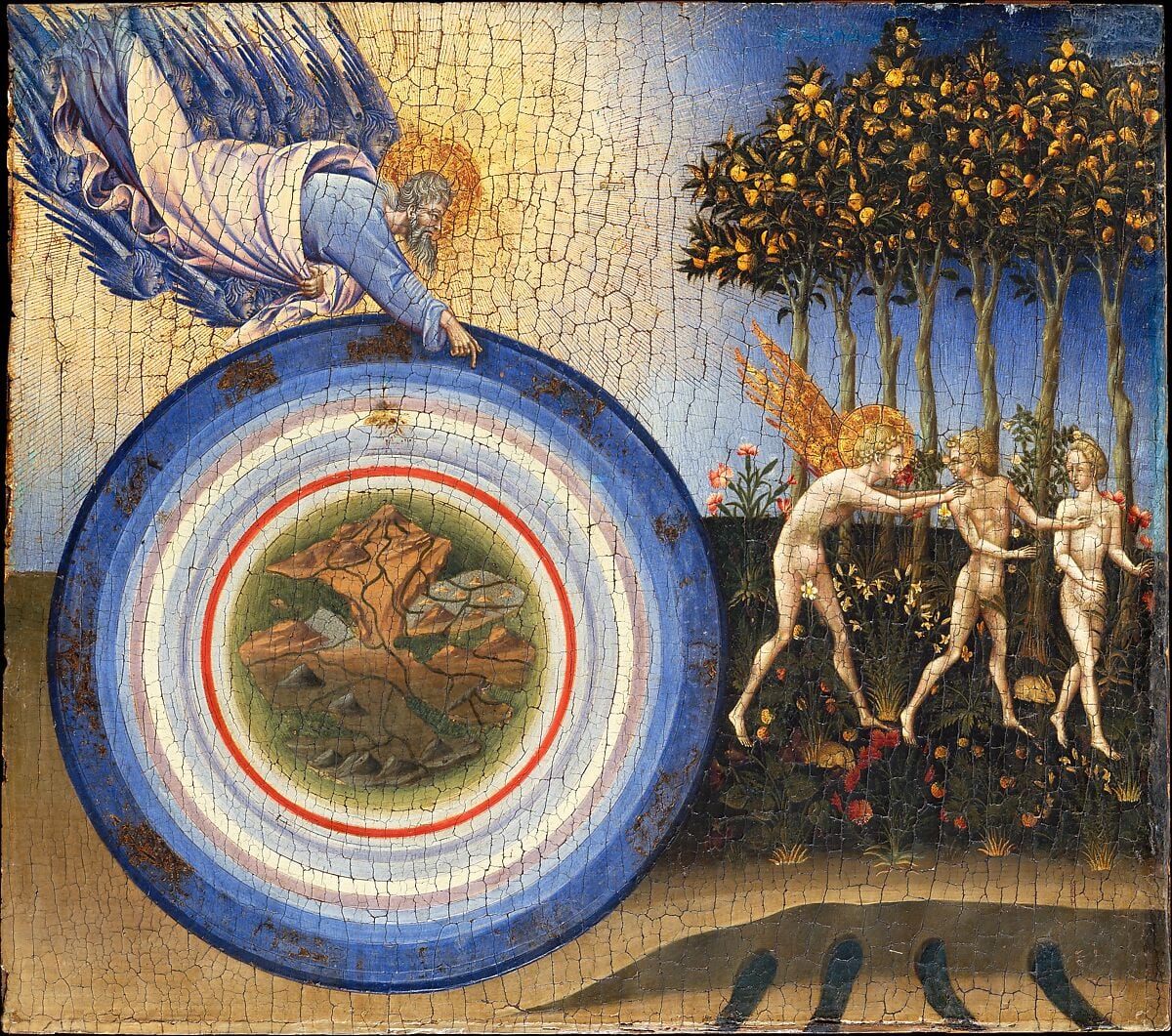
Let’s say you are transported back in time to some ancient culture. And along the way you somehow forget everything you knew about modern cosmology (don’t worry about the details, it’s just to get us going here, pretend if you have to that it’s a very strange and selective sort of amnesia introduced by the time traveling device).
Continue reading

The Hubble Tension is one of the great mysteries of cosmology. Solving it might require a fundamental change in how we understand the universe - but scientists have to prove it actually exists first. A new paper from a collective of cosmologist researchers known as the TDCOSMO Collaboration adds further fuel to that first with updated measurements of the “Late Universe” measurement of the Hubble Constant using gravitational lenses of quasars, which shows that the Tension might exist after all.
Continue reading
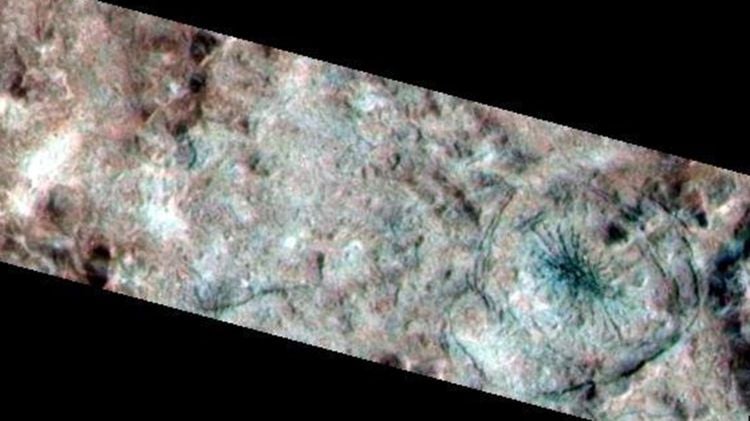
What geological features on Earth can be used to better understand unique geological features on Jupiter’s icy moon, Europa? This is what a recent study published in The Planetary Science Journal hopes to address as a team of researchers investigated potential Earth analogs for studying a unique geological feature on Europa scientists identified almost 30 years ago. This study has the potential help scientists gain insights into Europa’s unique geological features, some of which scientists hypothesize are caused by the moon’s internal liquid water ocean.
Continue reading
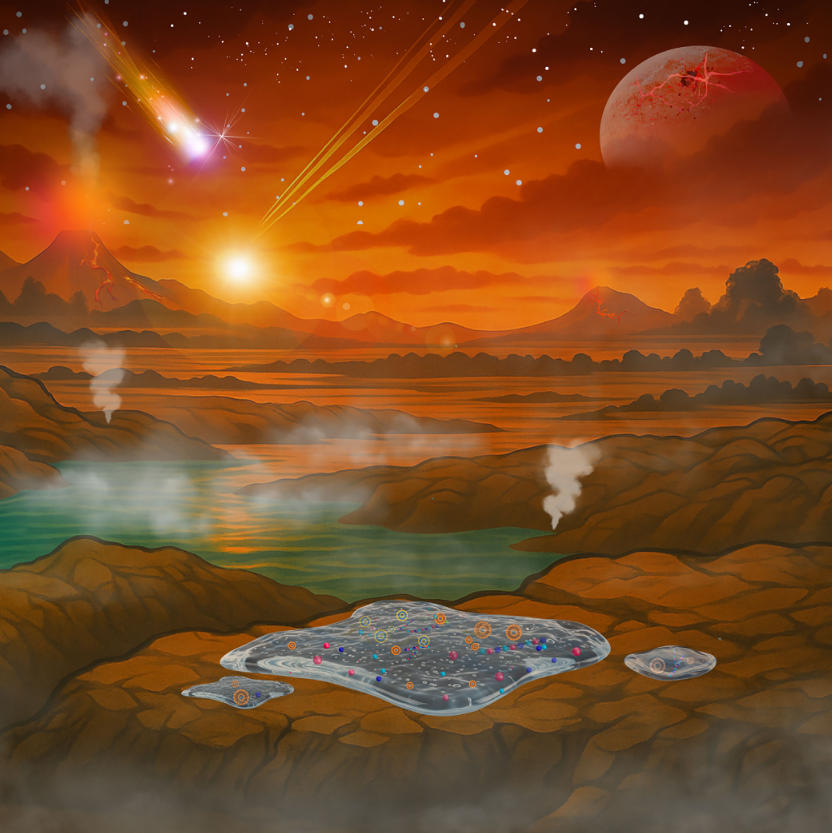
Surface-bound gels may have provided the structure and chemistry necessary for life to take root on Earth. These findings could also have implications in the search for life beyond Earth.
Continue reading
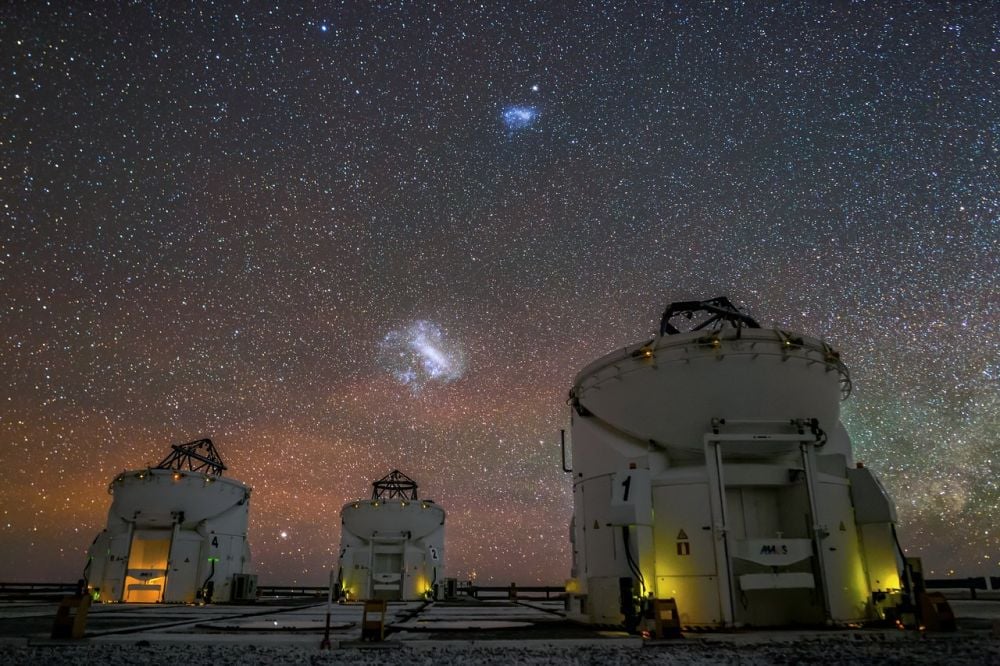
The Leibniz Institute for Astrophysics Potsdam (AIP) is forming a new research group that will focus solely on the Large and Small Magellanic Clouds. The pair of irregular dwarf galaxies are satellites of the Milky Way, and are natural, nearby laboratories for studying how galaxies form and evolve. The research group will make heavy use of the spectroscopic 4MOST survey from the VISTA telescope.
Continue reading
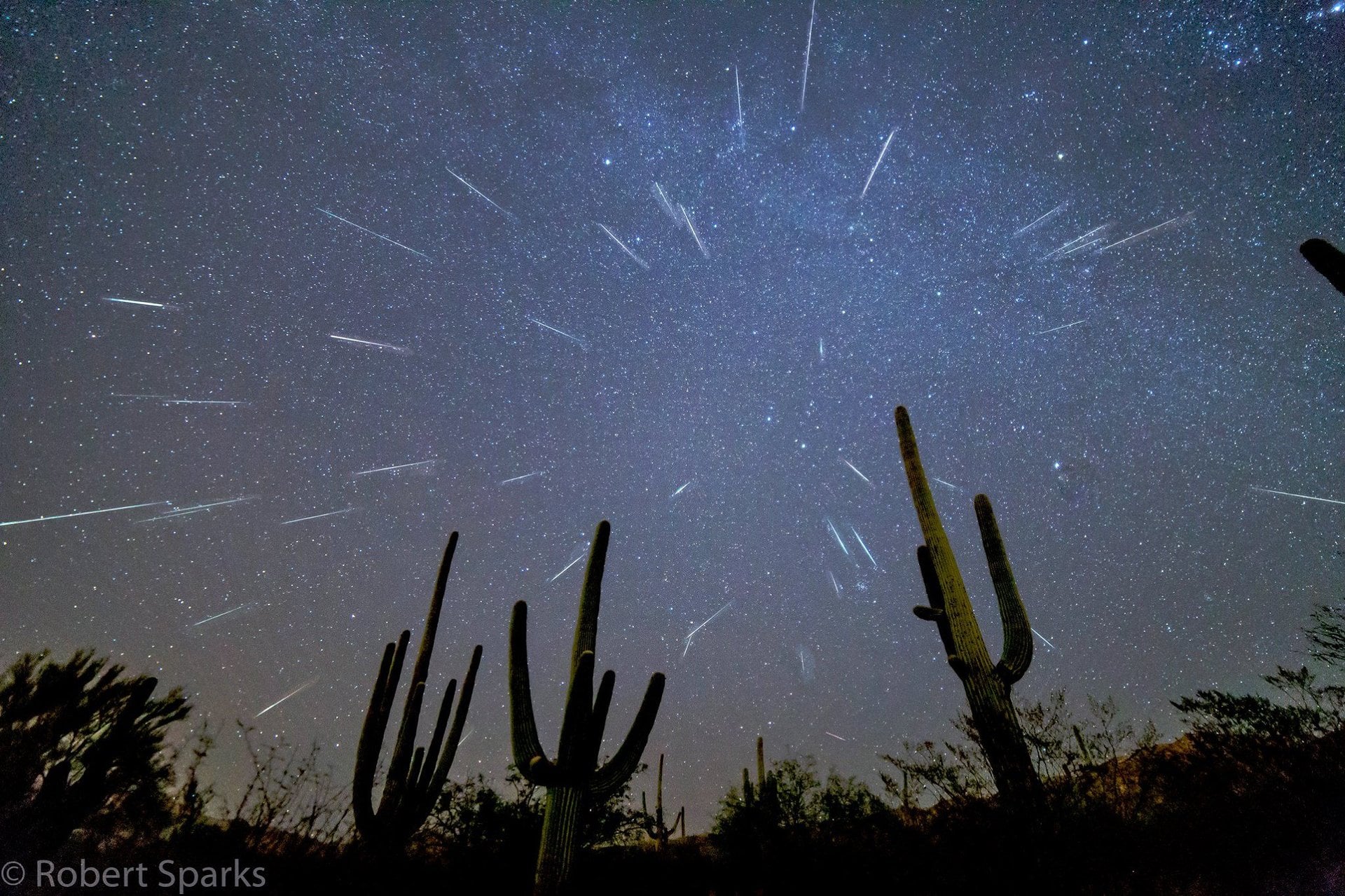
It’s one of the better annual meteor showers, and 2025 is shaping up to give sky watchers a chance to see it at its best. If skies are clear this weekend, be sure to be vigilant for the Geminid meteors.
Continue reading
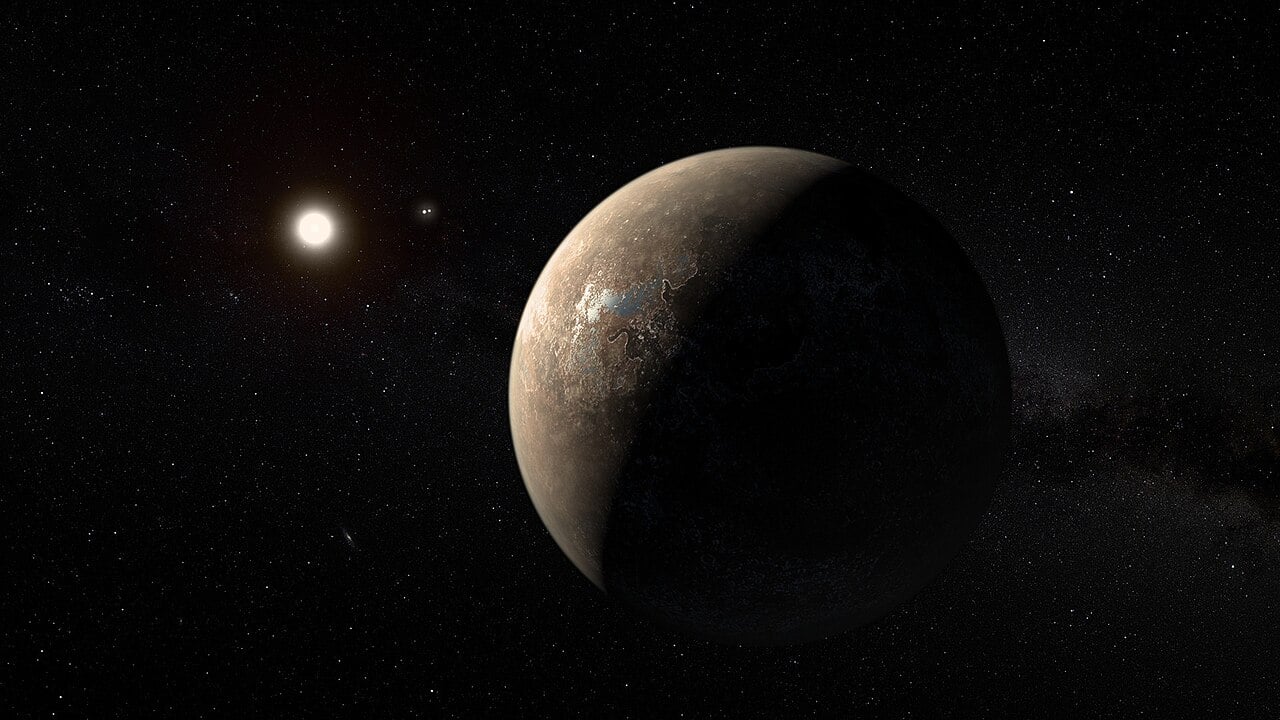
Scientists at the University of Geneva have successfully tested key components of RISTRETTO, a new spectrograph designed to analyse light from Proxima b, the nearest exoplanet to Earth. The instrument uses coronagraphic techniques and extreme adaptive optics to block a star's overwhelming glare and detect planets that shine 10 million times fainter. Simulations suggest RISTRETTO could not only spot Proxima b with just 55 hours of observation time but potentially identify oxygen or water in its atmosphere, offering our first chance to study the conditions on an Earth sized world orbiting our nearest stellar neighbour.
Continue reading
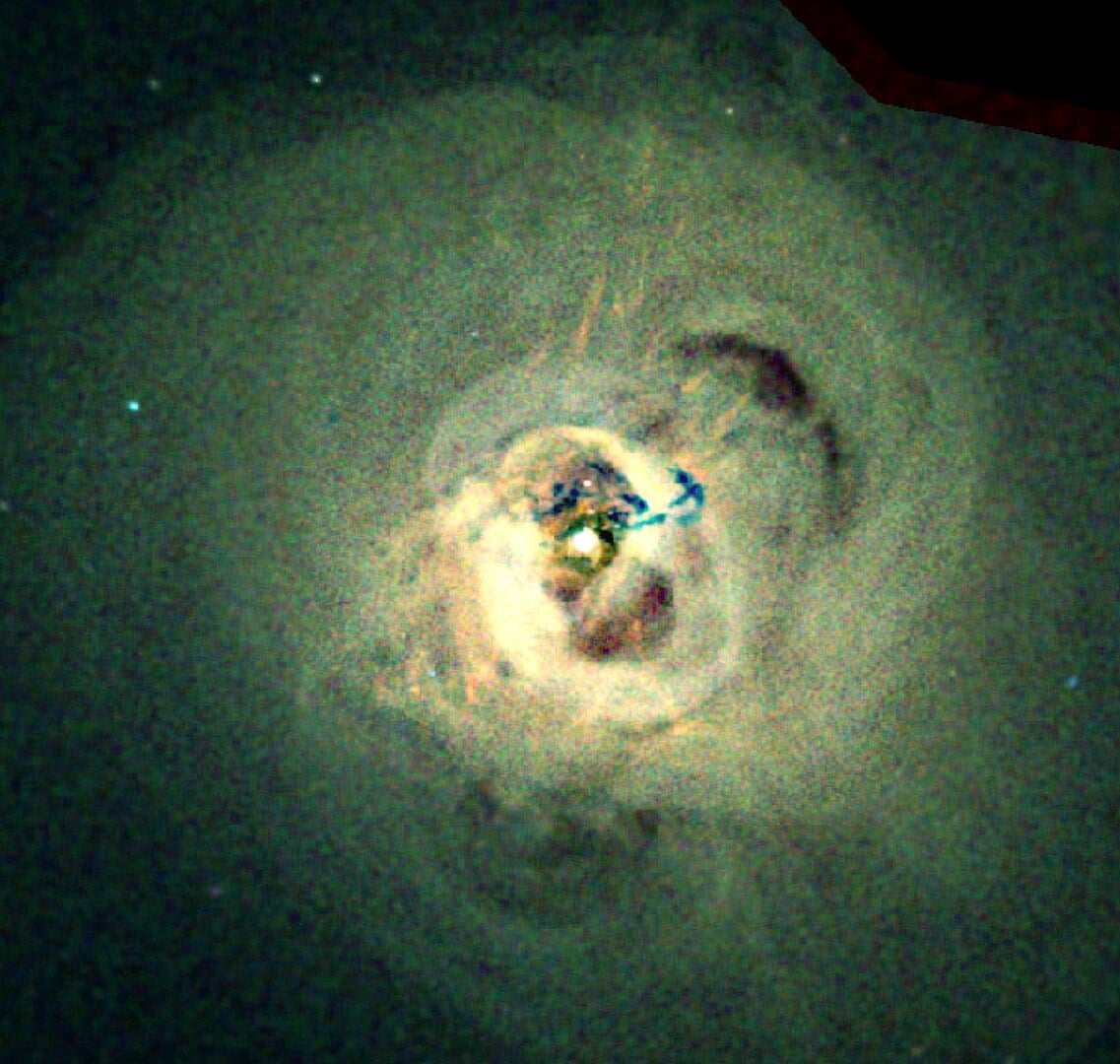
Astronomers have developed a new technique called "X-arithmetic" that reveals the hidden physics inside galaxy clusters. By analysing Chandra X-ray Observatory data at different energy levels and painting the results in vibrant colours, researchers can now distinguish between sound waves, black hole inflated bubbles, and cooling gas, enabling them to classify structures by what they are rather than how they look. The method has already exposed striking differences between galaxy clusters and galaxy groups, showing that supermassive black holes wield dramatically different influence on their surroundings.
Continue reading
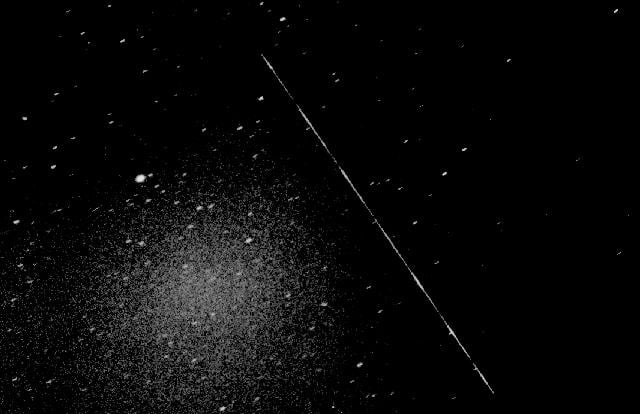
There are already tens of thousands of pieces of large debris in orbit, some of which pose a threat to functional satellites. Various agencies and organizations have been developing novel solutions to this problem, before it turns into full-blown Kessler Syndrome. But many of them are reliant on understanding what is going on with the debris before attempting to deal with it. Gaining that understanding is hard, and failure to do so can cause satellites attempting to remove the debris to contribute to the problem rather than alleviating it. To help solve that conundrum, a new paper from researchers at GMV, a major player in the orbital tracking market in Europe, showcases a new algorithm that can use ground-based telescopes to try figure out how the debris is moving before a deorbiter gets anywhere near it.
Continue reading
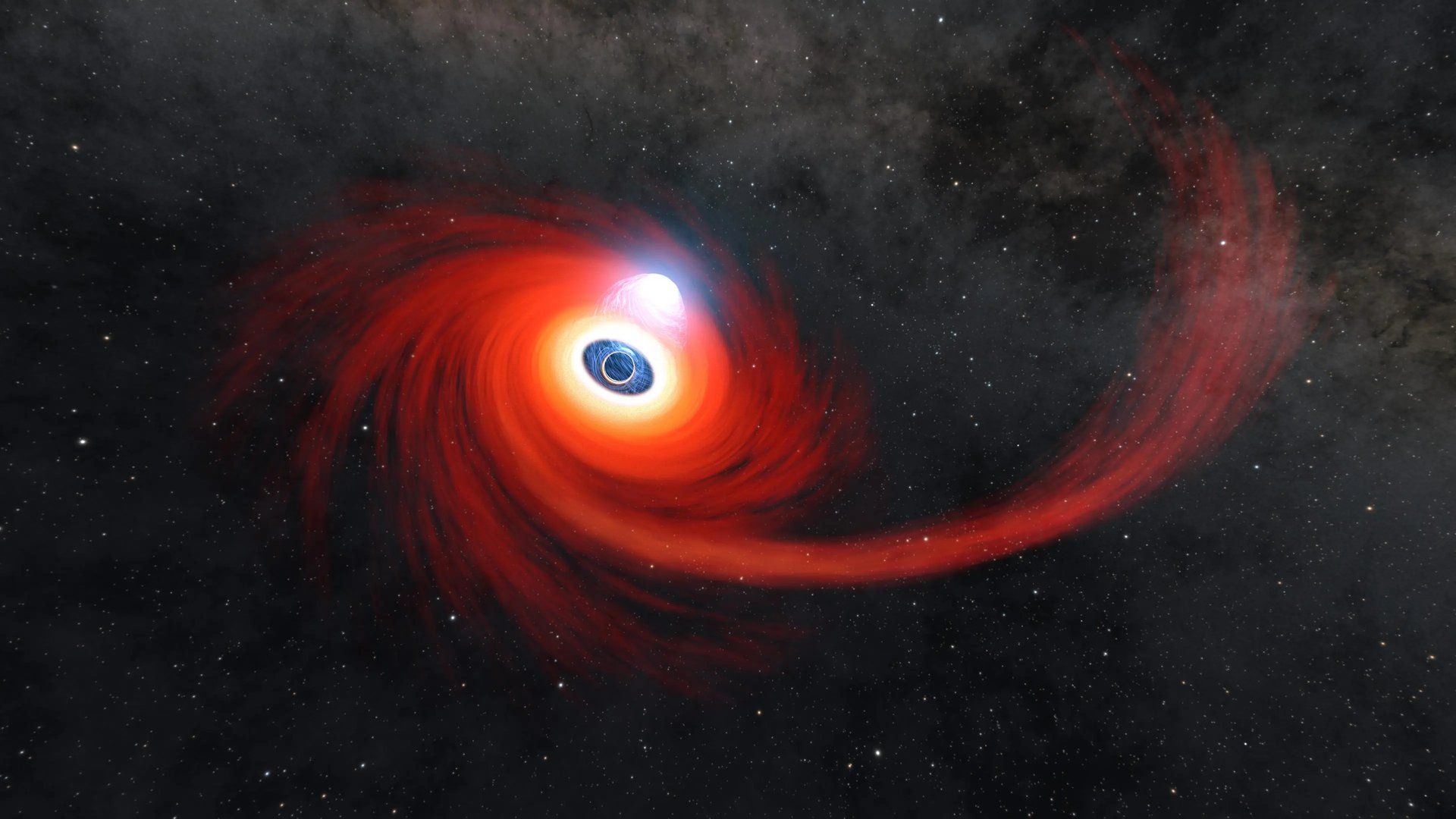
The challenge is that nothing in this universe is simple. And if there’s one thing you take away from today’s episode, then let it be that. Don’t ever let yourself fall into the trap of simple answers for difficult questions. We’re cosmologists, we study the universe as it is, not as we wish it would be.
Continue reading
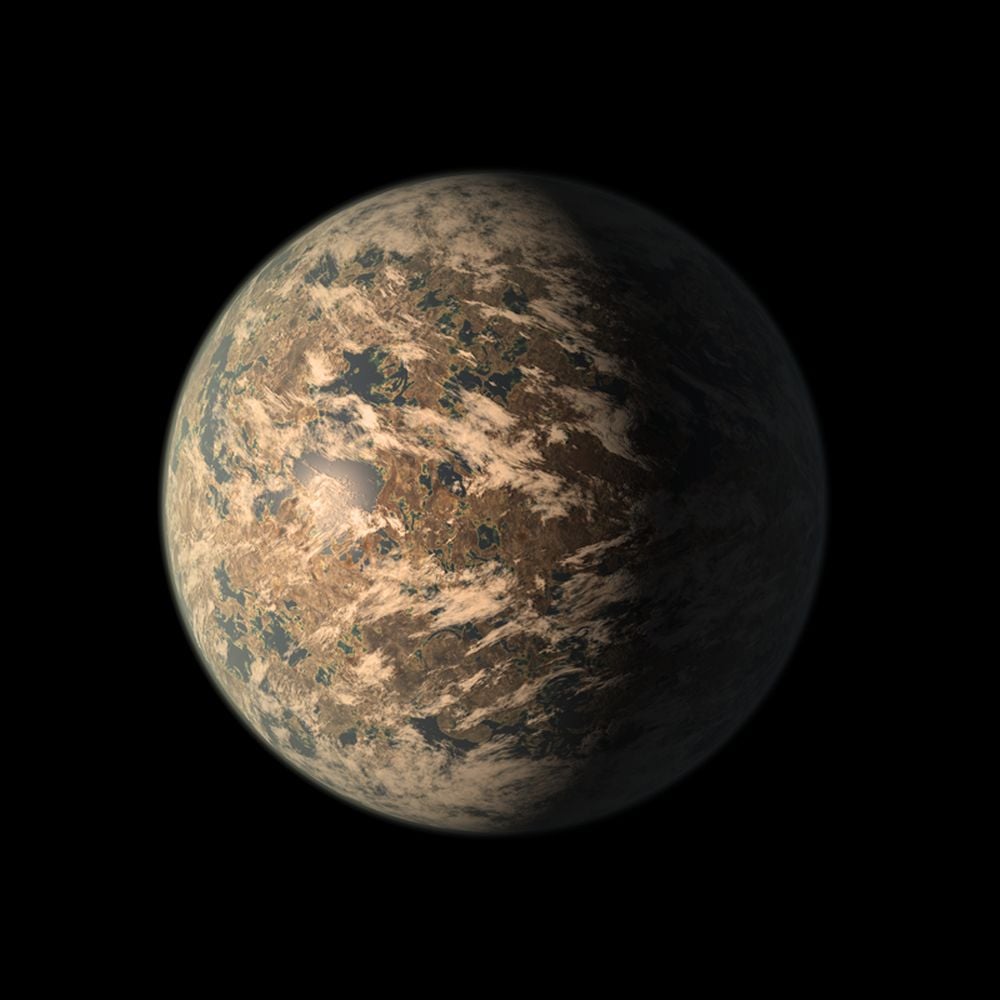
arXiv:2512.07695v1 Announce Type: new Abstract: One of the forefront goals in the field of exoplanets is the detection of an atmosphere on a temperate terrestrial exoplanet, and among the best suited systems to do so is TRAPPIST-1. However, JWST transit observations of the TRAPPIST-1 planets show significant contamination from stellar surface features that we are unable to confidently model. Here, we present the motivation and first observations of our JWST multi-cycle program of TRAPPIST-1 e...
Continue reading
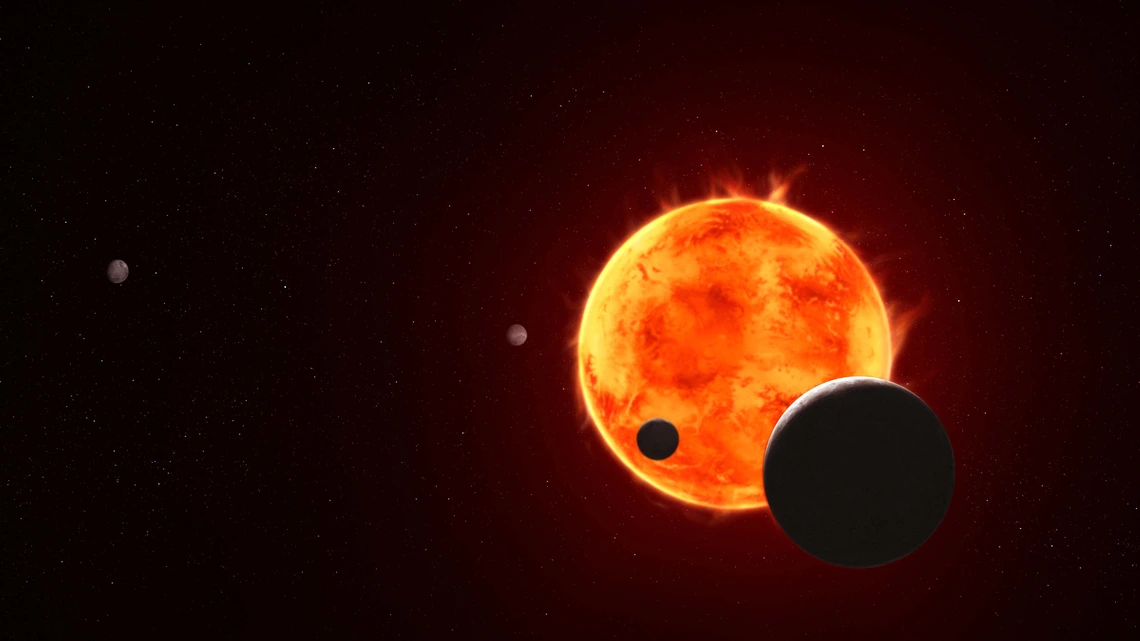
An international team of astronomers has published a series of papers detailing their observations of the rocky exoplanet TRAPPIST-1e using the James Webb Space Telescope (JWST). Their results, though ambiguous, are a big step towards exoplanet characterization.
Continue reading
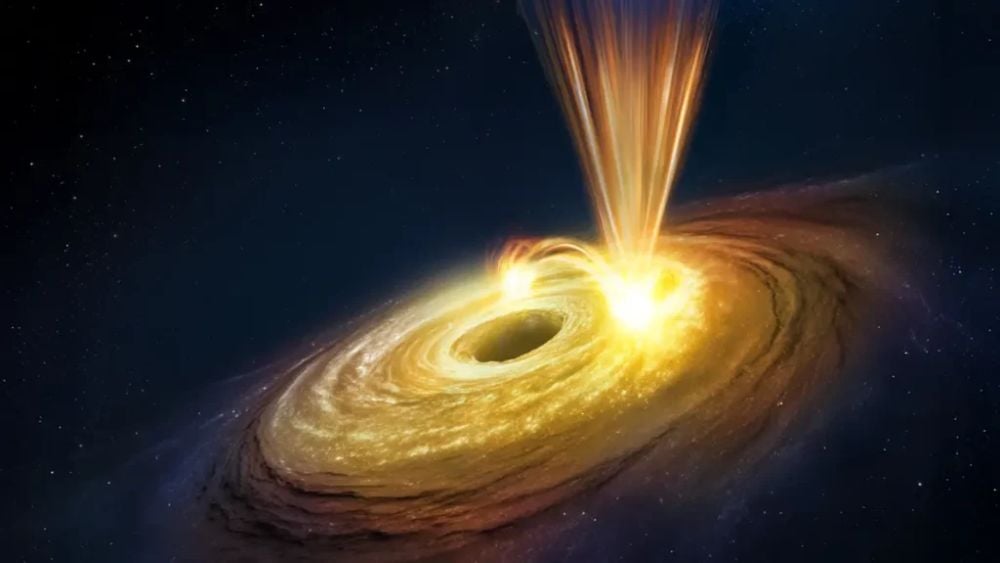
An international team of astronomers observed a sudden outburst of matter near the supermassive black hole NGC 3783 at speeds reaching up to 20% of the speed of light. During a ten-day observation, mainly with the XRISM space telescope, the researchers witnessed its formation and acceleration. Scientists often find that these outbursts are powered by strong radiation, but this time the most likely cause is a sudden change in the magnetic field, similar to bursts on the Sun that cause solar flares.
Continue reading
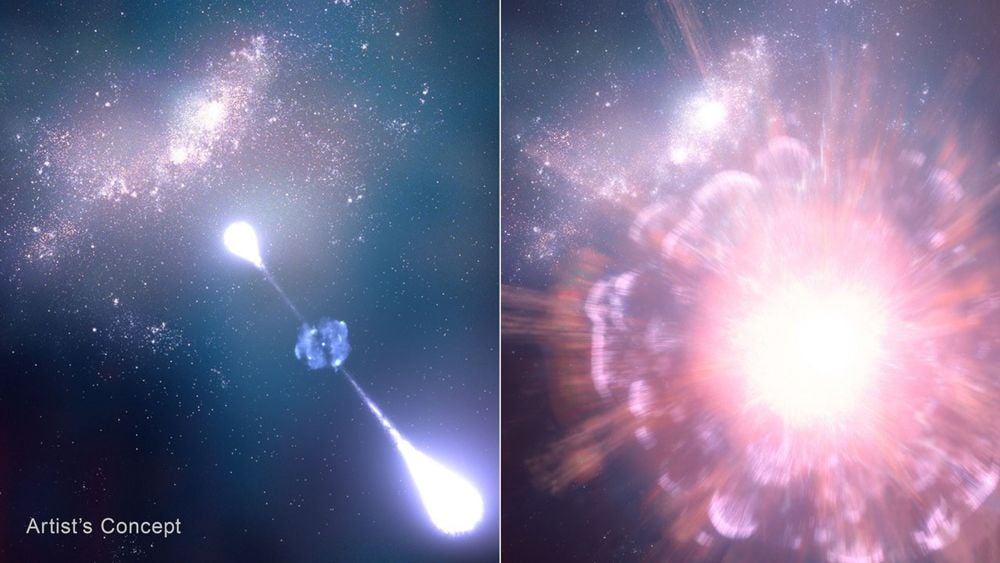
The NASA/ESA/CSA James Webb Space Telescope has confirmed the source of a super-bright flash of light known as a gamma-ray burst, generated by an exploding massive star when the Universe was only 730 million years old. For the first time for such a remote event, the telescope provided a detection of the supernova’s host galaxy. Webb’s quick-turnaround observations verified data taken by telescopes around the world that had been following the gamma-ray burst since its onset, which occurred in mid-March.
Continue reading
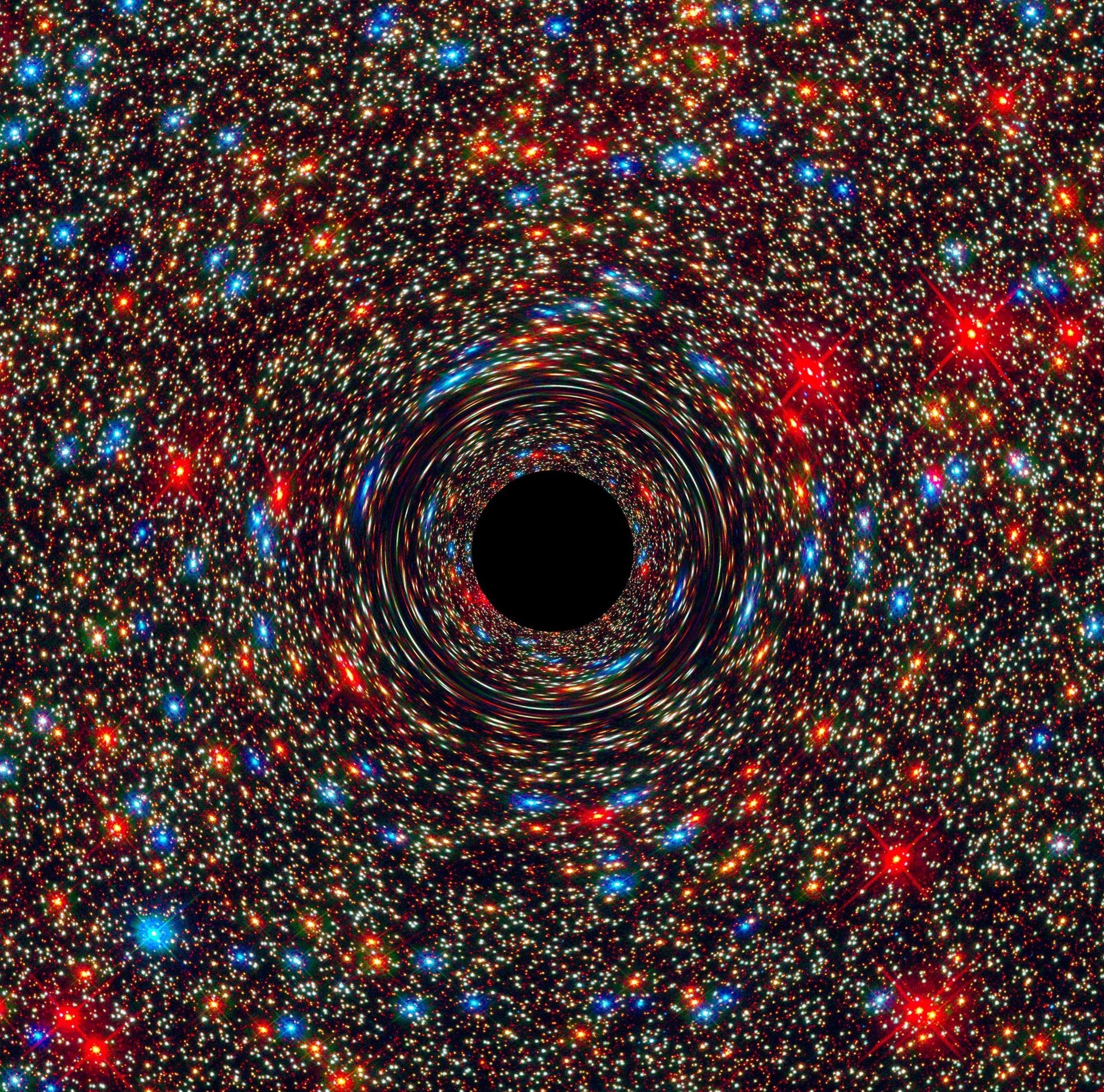
The early universe was a pretty intense place to be. And not just “early” as in a few billion years ago. I mean early early, just a few seconds after the Big Bang. The universe is small, less than a meter across. It’s hot, with temperatures so high it doesn’t even make sense to say them – they’re just stupidly high numbers with no connection to our everyday existence.
Continue reading

The UK is actively trying to support the infrastructure to make it a significant player in the coming age of the space economy. It recently received 560 proposals to it’s National Space Innovation Program, and handed out £17M in grants to 17 different organizations following five main themes. One of those is an effort by the University of Leicester and The Welding Institute (TWI) to develop a robotic welder for use in repairing and manufacturing in space, as described by a new press release from the university.
Continue reading
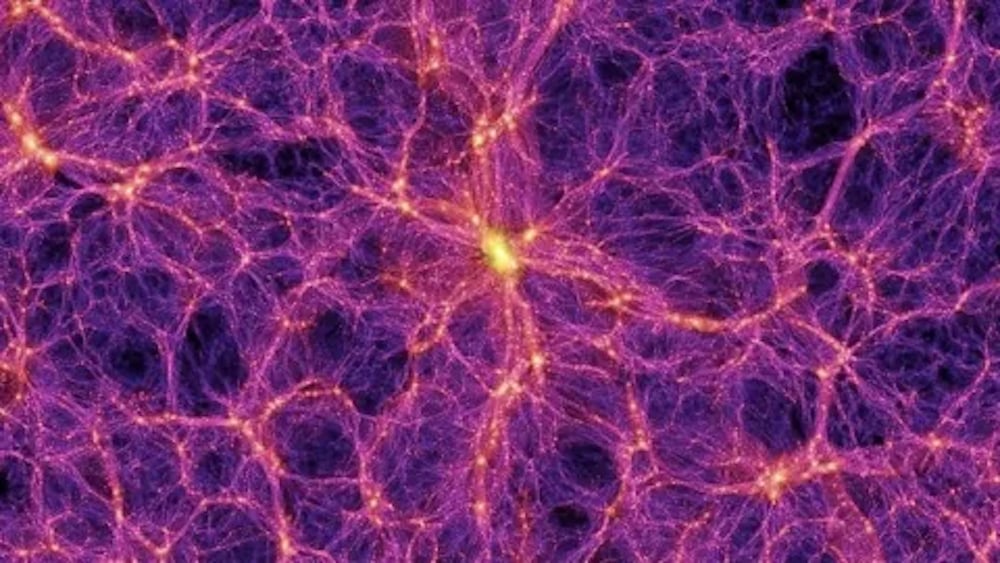
Astronomers have discovered a filament 50 million light years long containing hundreds of galaxies, all spinning together. This immense structure, located 140 million light years away, challenges current models of galaxy formation by showing that large scale rotation can persist far longer and more coherently than theories predicted. The discovery offers a rare glimpse into how galaxies acquire their spin and reveals the Cosmic Web as a more dynamically active place than previously imagined.
Continue reading

A new study reveals that Mars plays a surprisingly crucial role in Earth's climate cycles, with new simulations showing that the mass of our planetary neighbours directly controls the timing and intensity of Milankovitch cycles that drive ice ages. By varying Mars's mass from zero to ten times its current value in computer models, researchers discovered that a more massive Mars strengthens the ~100,000 year climate cycles and creates the 2.4 million year "grand cycle" that influences Earth's long term climate. This finding demonstrates that Earth's climate rhythms are connected to the gravitational structure of the inner Solar System, not just the Sun and Moon.
Continue reading
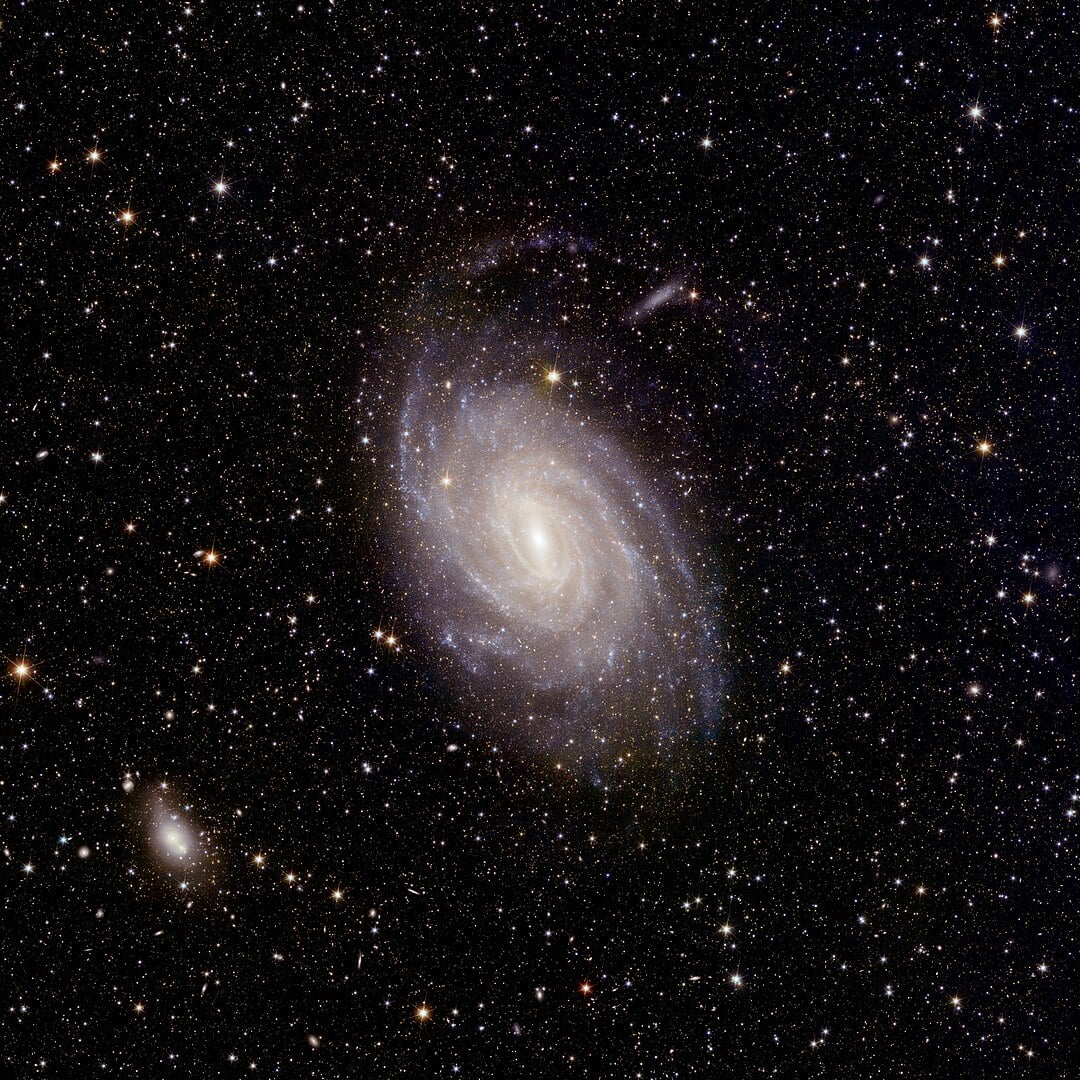
The European Space Agency's Euclid telescope has delivered an unprecedented set of observations of one million galaxies that shows that galaxy collisions play a dominant role in awakening supermassive black holes from their sleep. Using revolutionary AI-powered analysis methods, astronomers discovered that merging galaxies contain up to six times more active black holes than isolated galaxies, with the most luminous black holes found almost exclusively in collision zones.
Continue reading
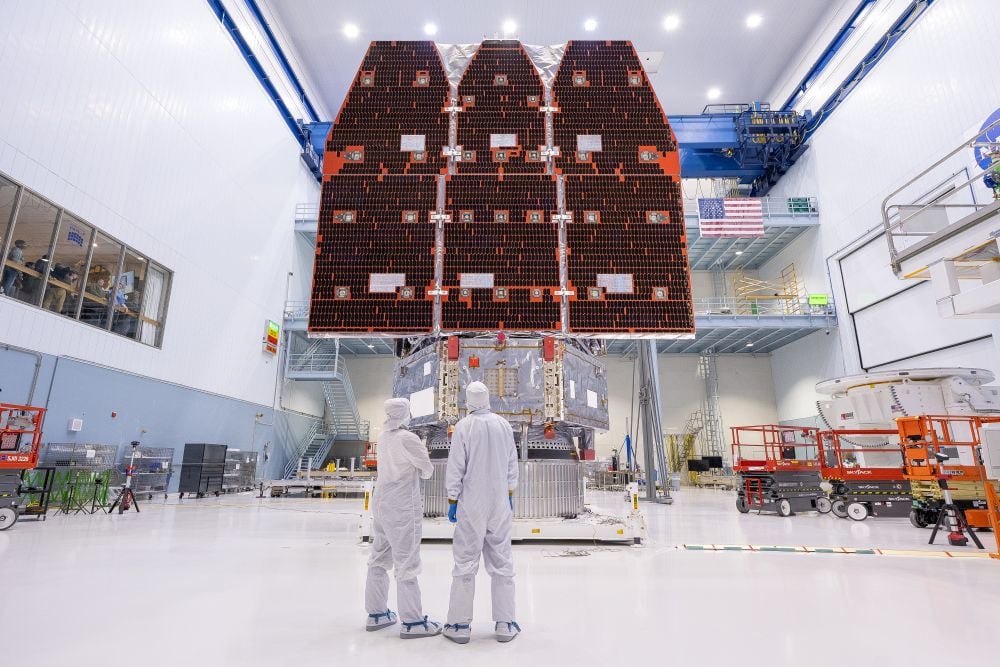
Construction is complete on the Nancy Grace Roman Space Telescope, and its ahead of schedule. After extensive testing, the new flagship telescope should be ready to launch in Fall, 2026.
Continue reading
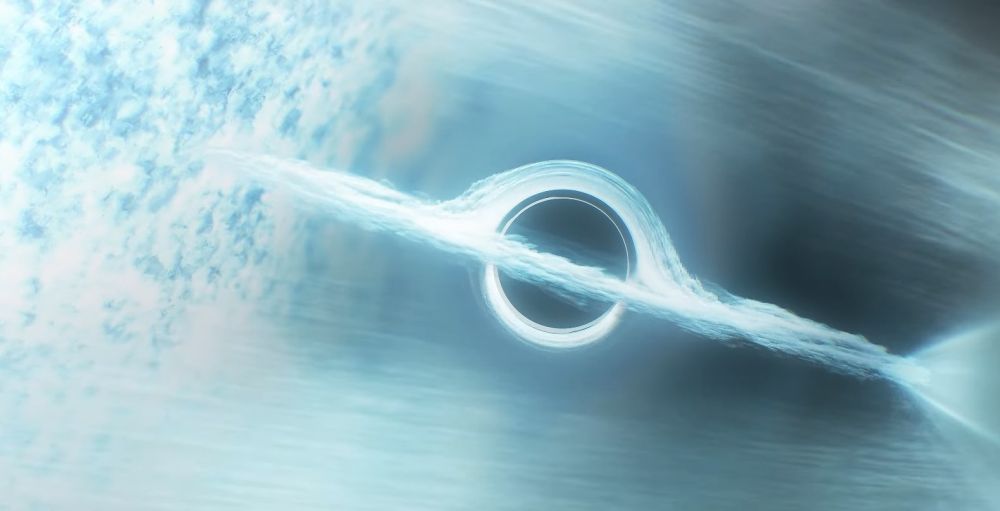
In July 2025, telescopes detected a gamma-ray burst (GRB) that lasted seven hours. Most GRBs last only milliseconds, or a few minutes. Only a handful have lasted longer than that, and July's GRB was the longest ever detected. It hints at a new, exotic type of explosive event, and astronomers have a few candidates.
Continue reading
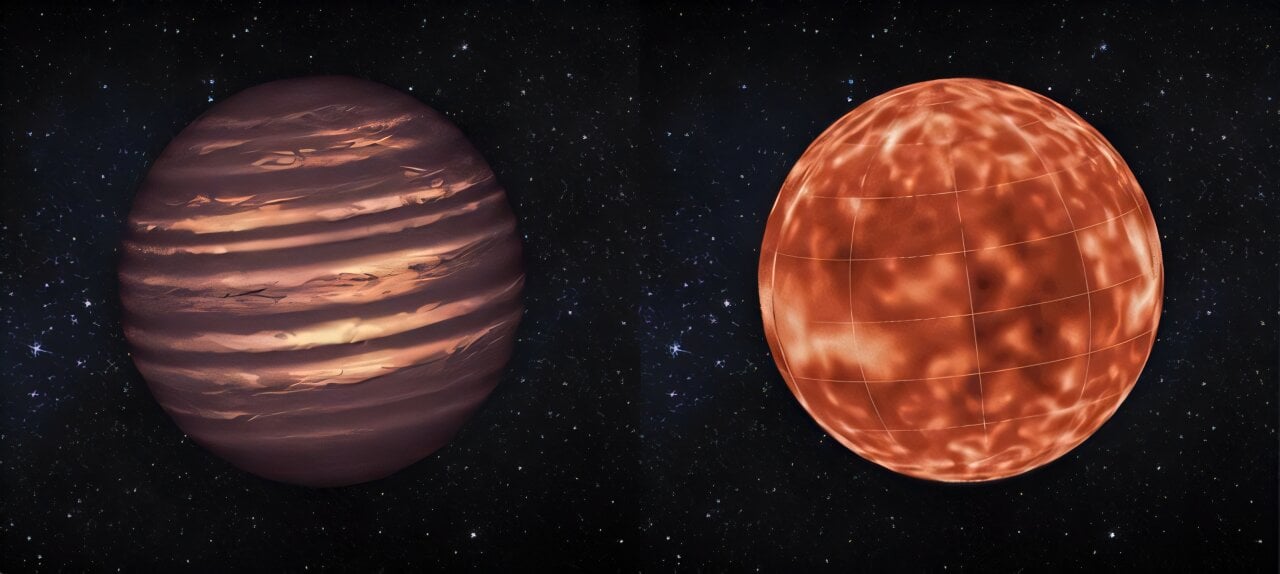
Super-Jupiters have masses a dozen times that of Jupiter, but they are often illustrated as having a very Jupiter-like appearance. A new study finds that the classic banded-cloud look of Jupiter is very different from the look of the largest worlds.
Continue reading
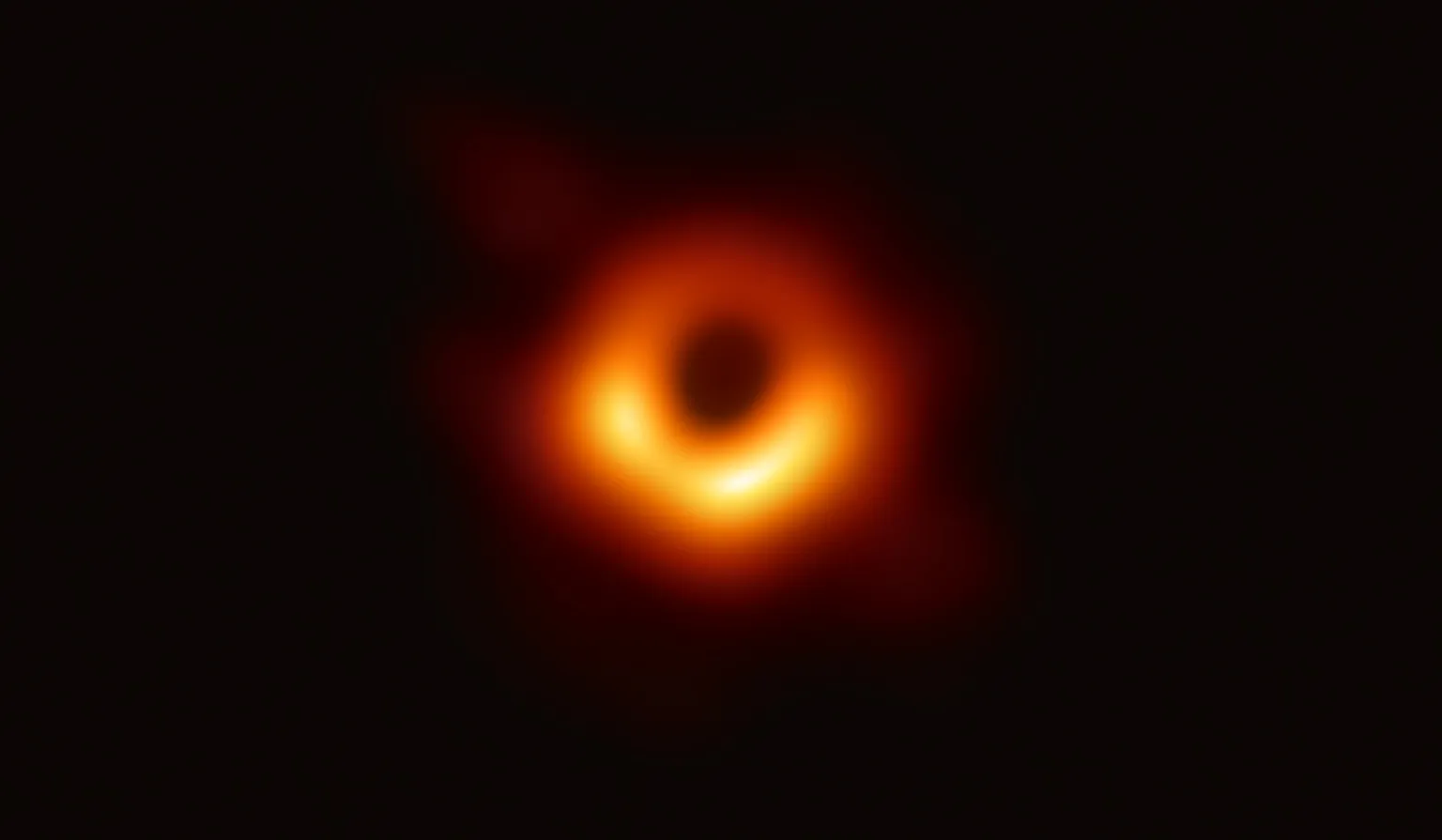
At the same time that Vera Rubin was turning cosmology upside down with conclusive evidence for the existence of dark matter, Stephen Hawking was doing…Stephen Hawking things.
Continue reading
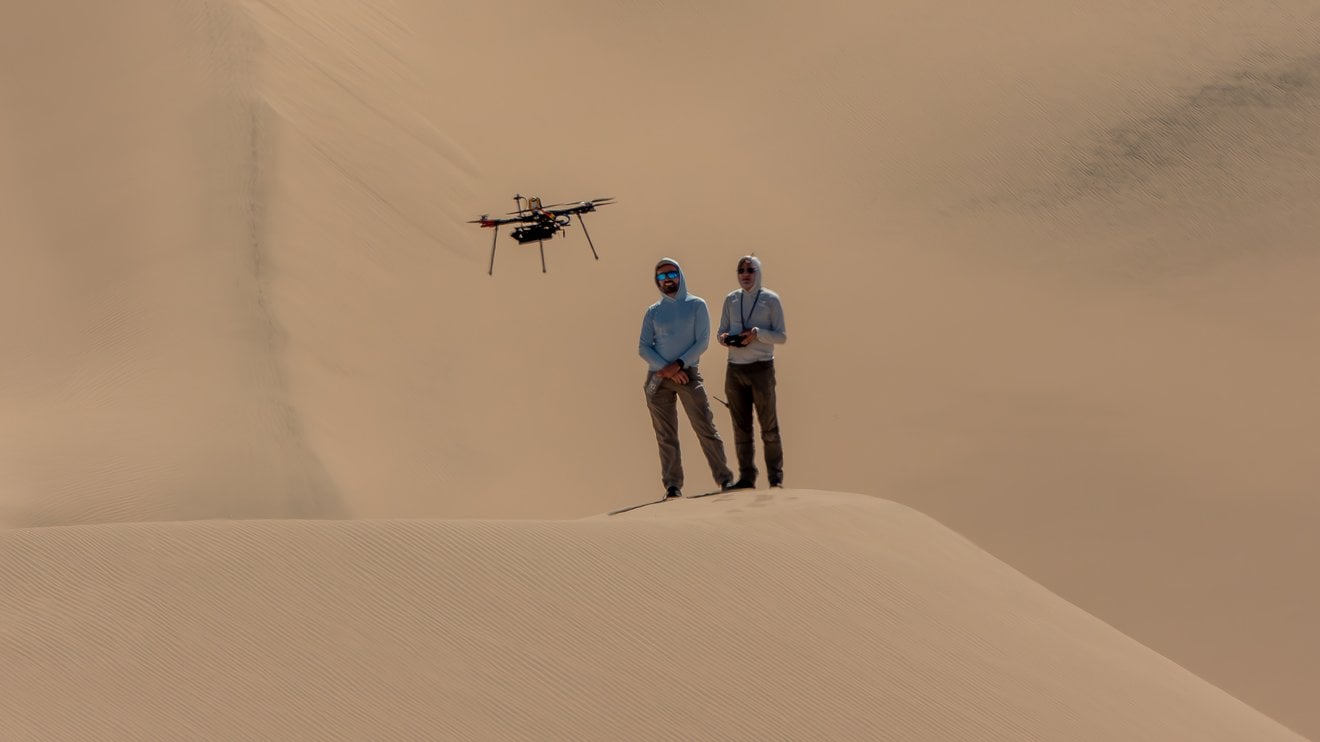
Engineers can be split into two camps - those who just release whatever they’re building and try to fix whatever might be wrong with it as they get feedback on it, and those who test their product in every possible way before releasing it to the public. Luckily, NASA engineers are in the latter camp - it wouldn’t look great if all of the probes we send throughout the solar system failed because of something we could have easily tested for here at home. However, finding analogues for the places we want to send those probes remains a challenge for some NASA projects, so they make due with the best Earth has to offer. For Mars, that means testing technology in the desert’s rolling sand dune and rocky outcrops, and this year several different NASA technologies were tested in deserts throughout the country, as reported in a press release from the agency.
Continue reading
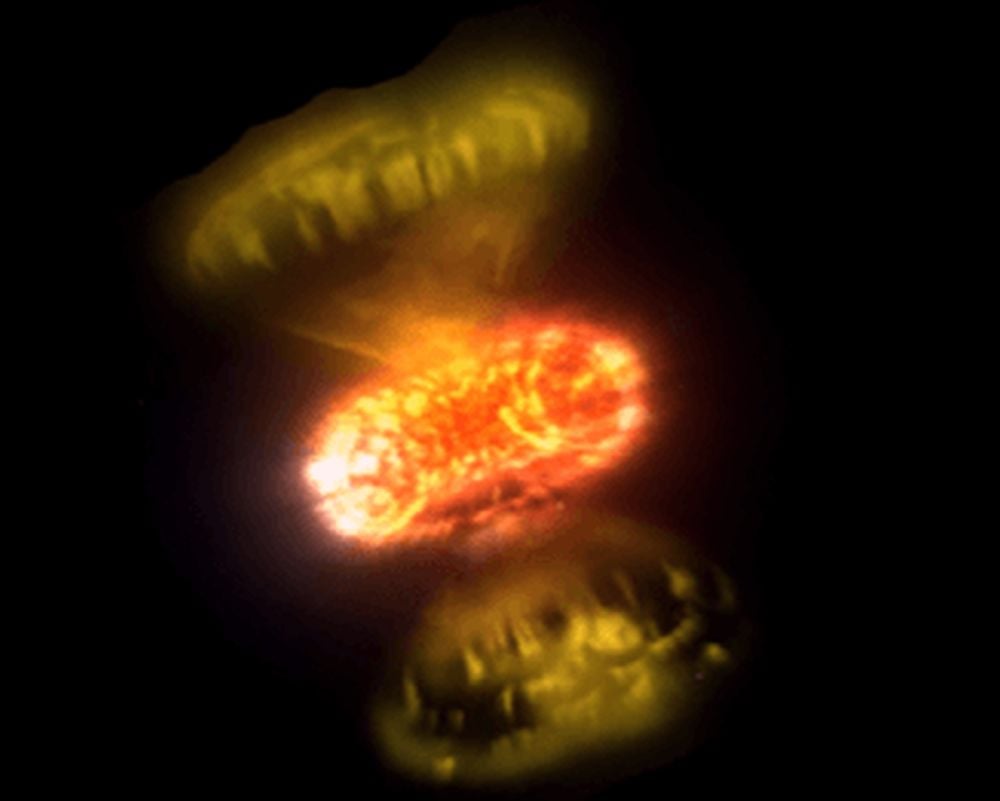
Astronomers have captured images of two nova explosions only days after they exploded. The detailed images show that these explosions are more complex than thought. There are multiple outflows and, in some cases, delayed ejection of material.
Continue reading
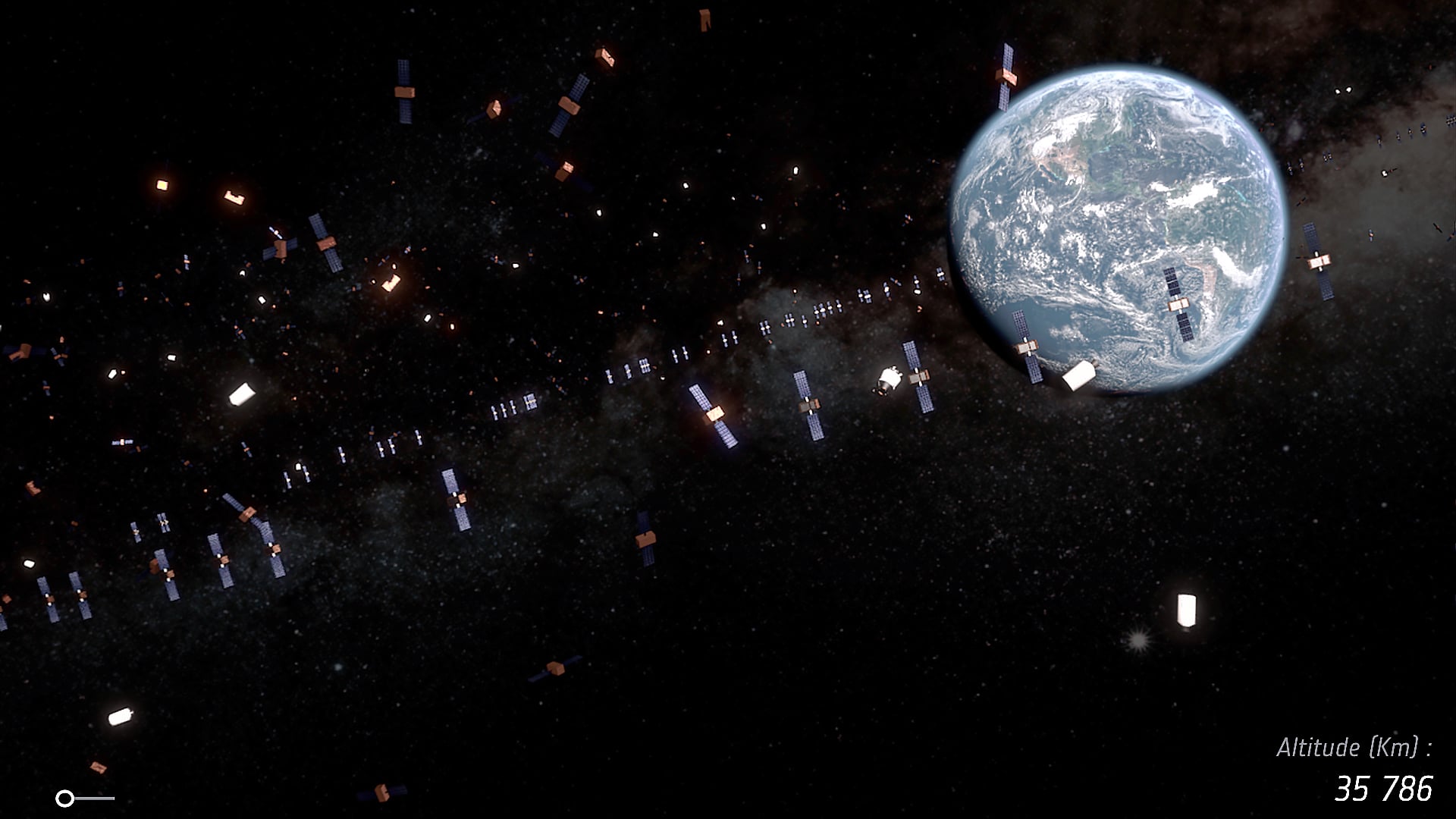
In a new study, sustainability and space scientists discuss how the principles of reducing, reusing, and recycling could be applied to satellites and spacecraft.
Continue reading
 Universe Today