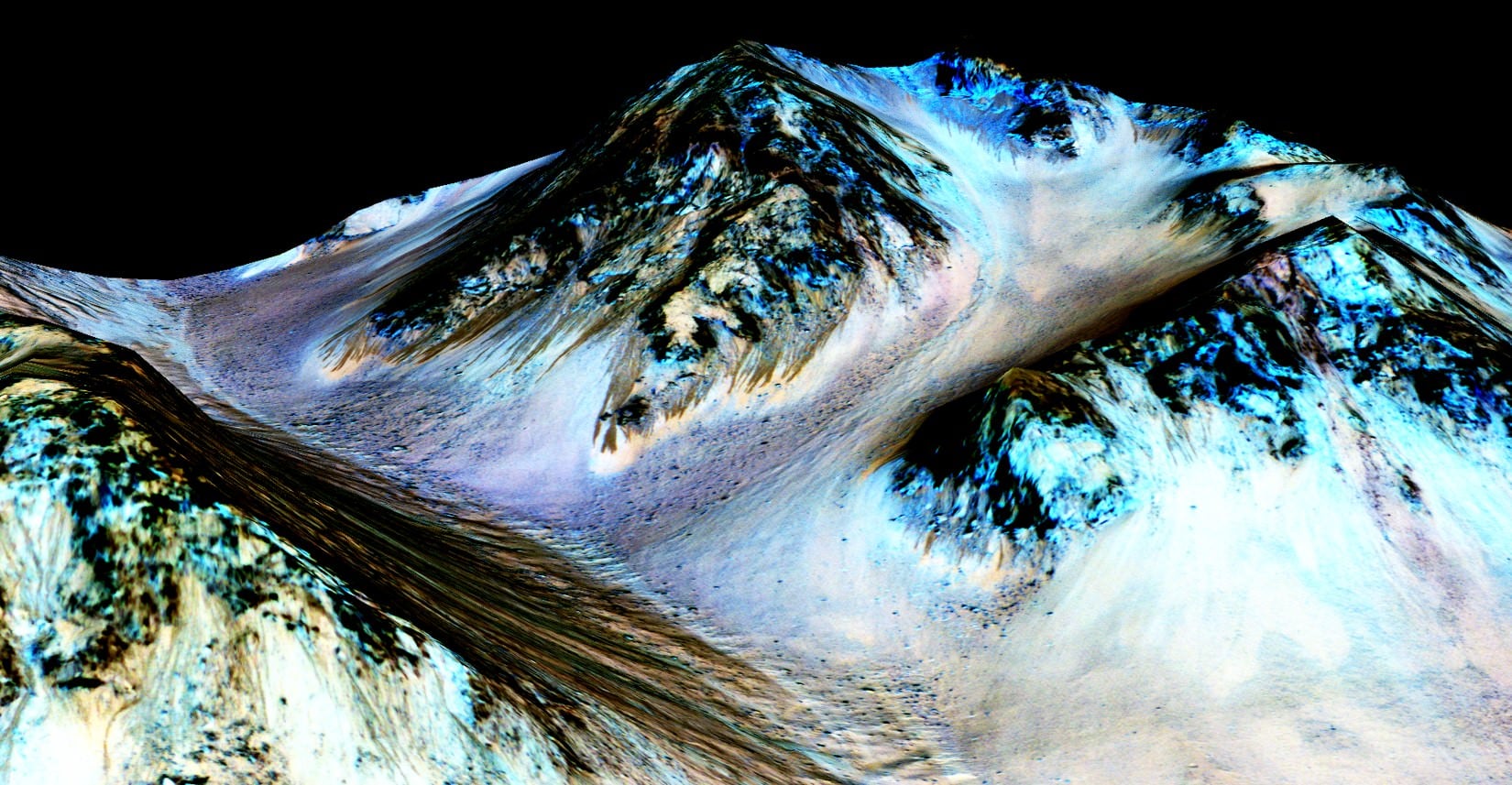
New research says life from Earth isn't likely to ever survive on Mars, which is good news as far as planetary protection concerns are involved.
Continue reading
Continue reading
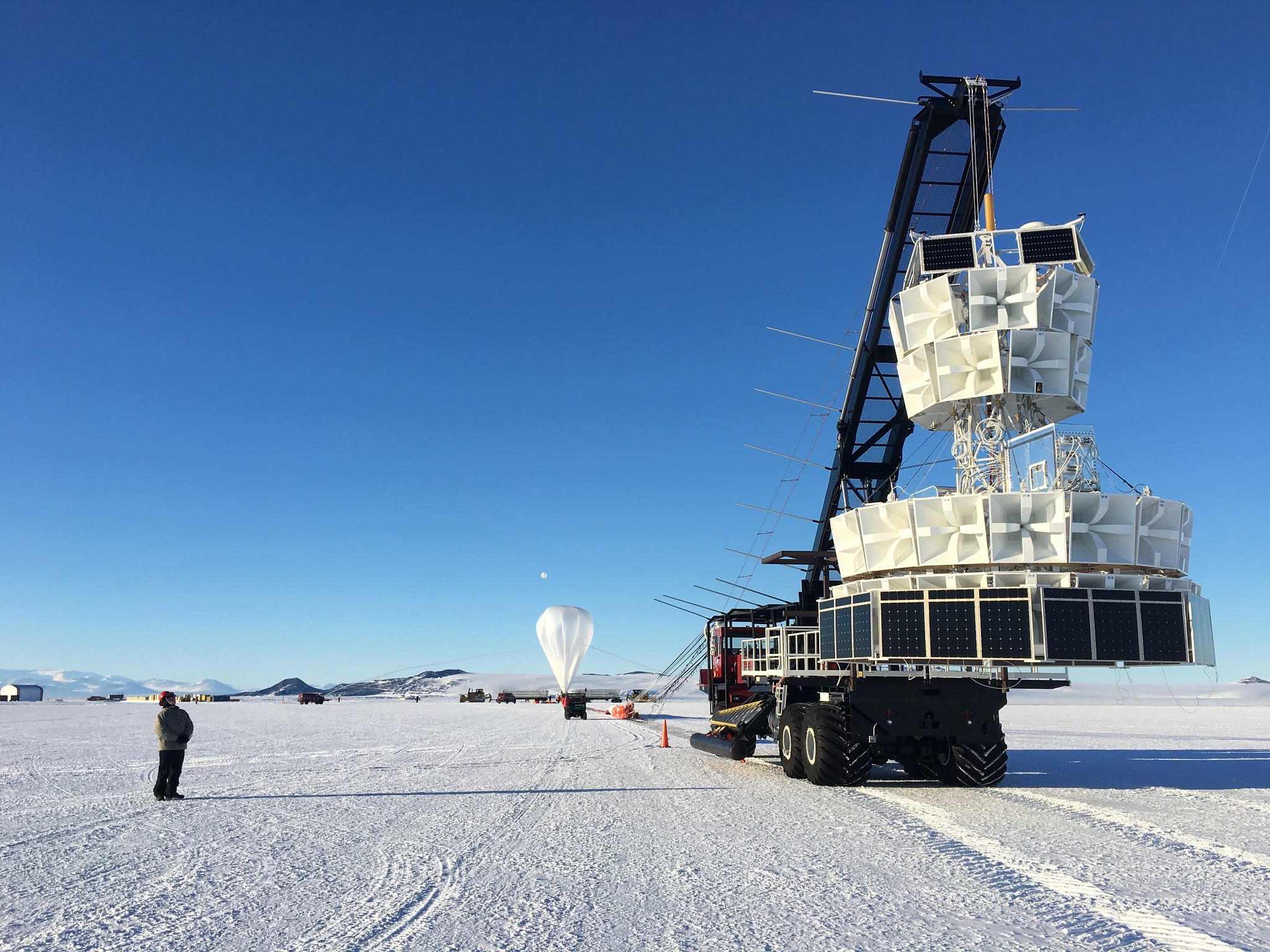
Some neutrinos are so energetic we don't know how they are produced. But a clue lies in the heart of distant quasars.
Continue reading
Continue reading

China's next-generation crewed spacecraft recently returned to Earth after a successful test flight. The Long March 5B rocket that sent it up did as well (parts of it, anyway!)
Continue reading
Continue reading
Continue reading
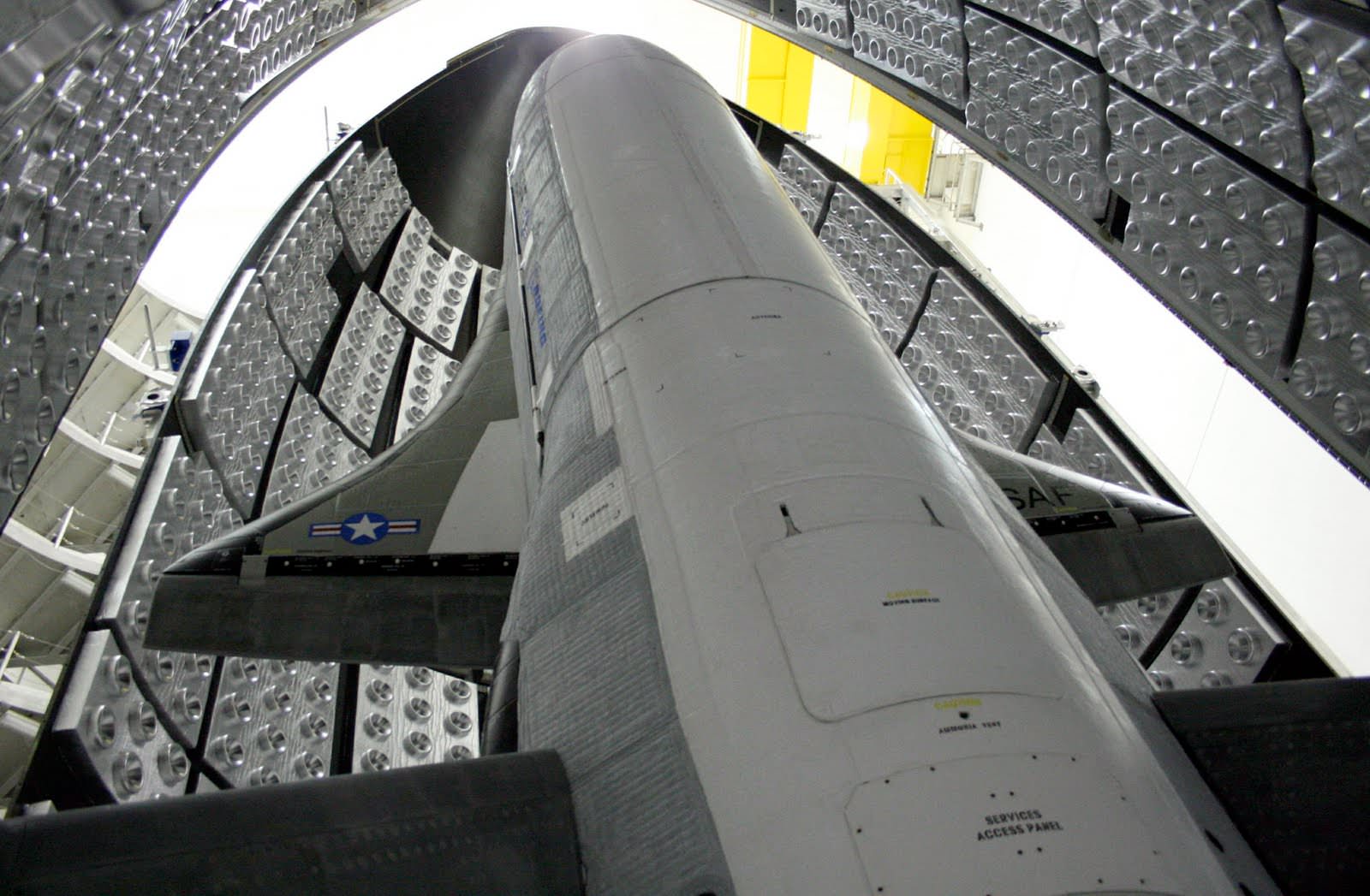
The X-37B will be going to space again this Saturday to test a number of experiments, many of which are military in nature and classified!
Continue reading

Continue reading
Continue reading
Continue reading
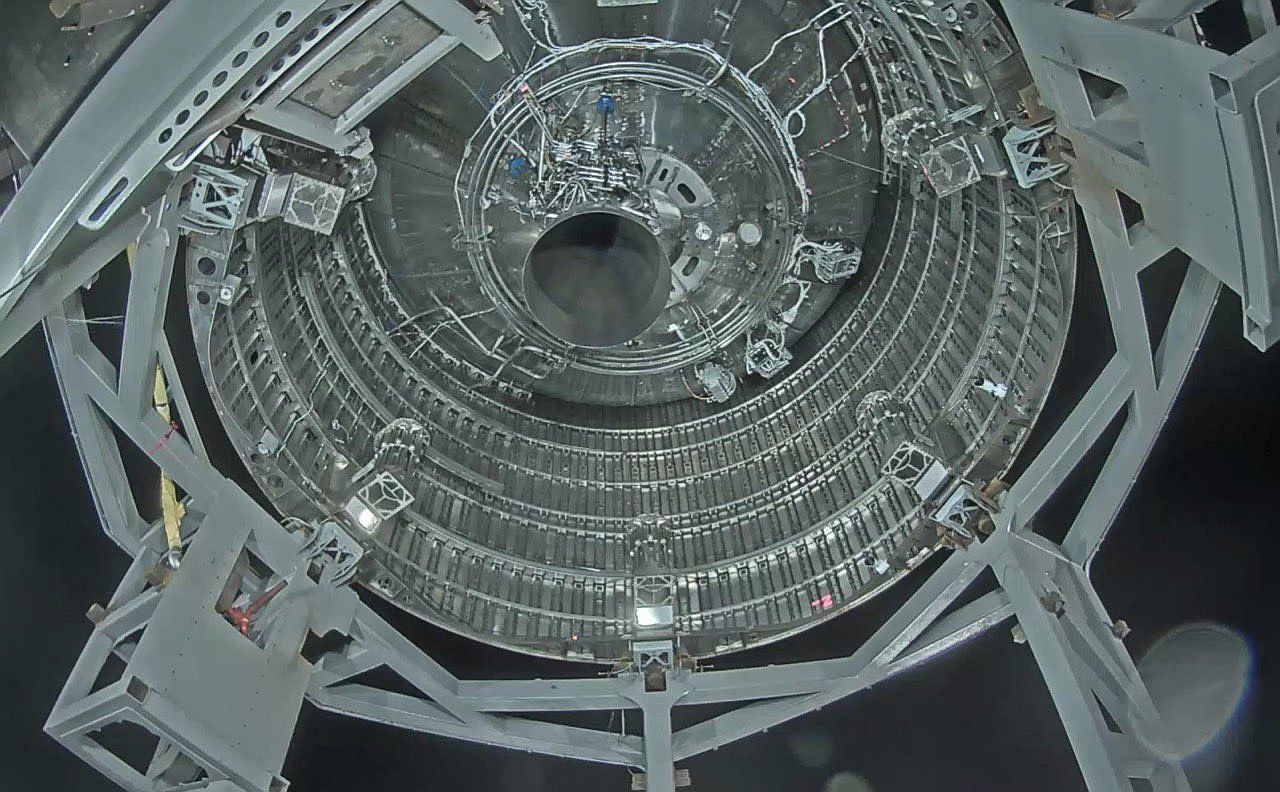
SpaceX has passed another milestone with their Starship prototype after the successful completion of a static fire test
Continue reading

Continue reading

Continue reading
Continue reading
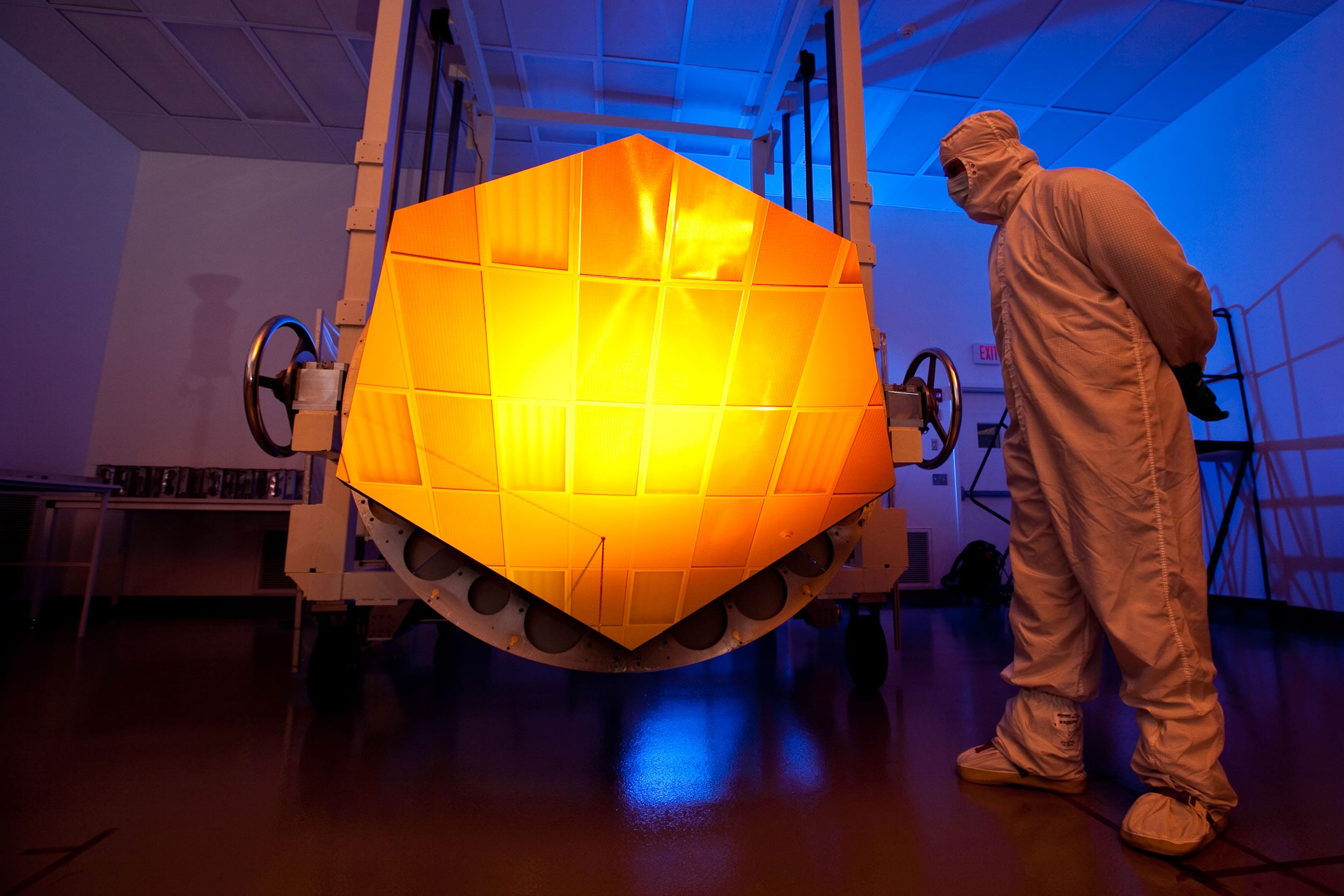
A process developed by NASA, which could be very useful for building telescopes in space, will soon be tested with an orbital launch.
Continue reading
Continue reading
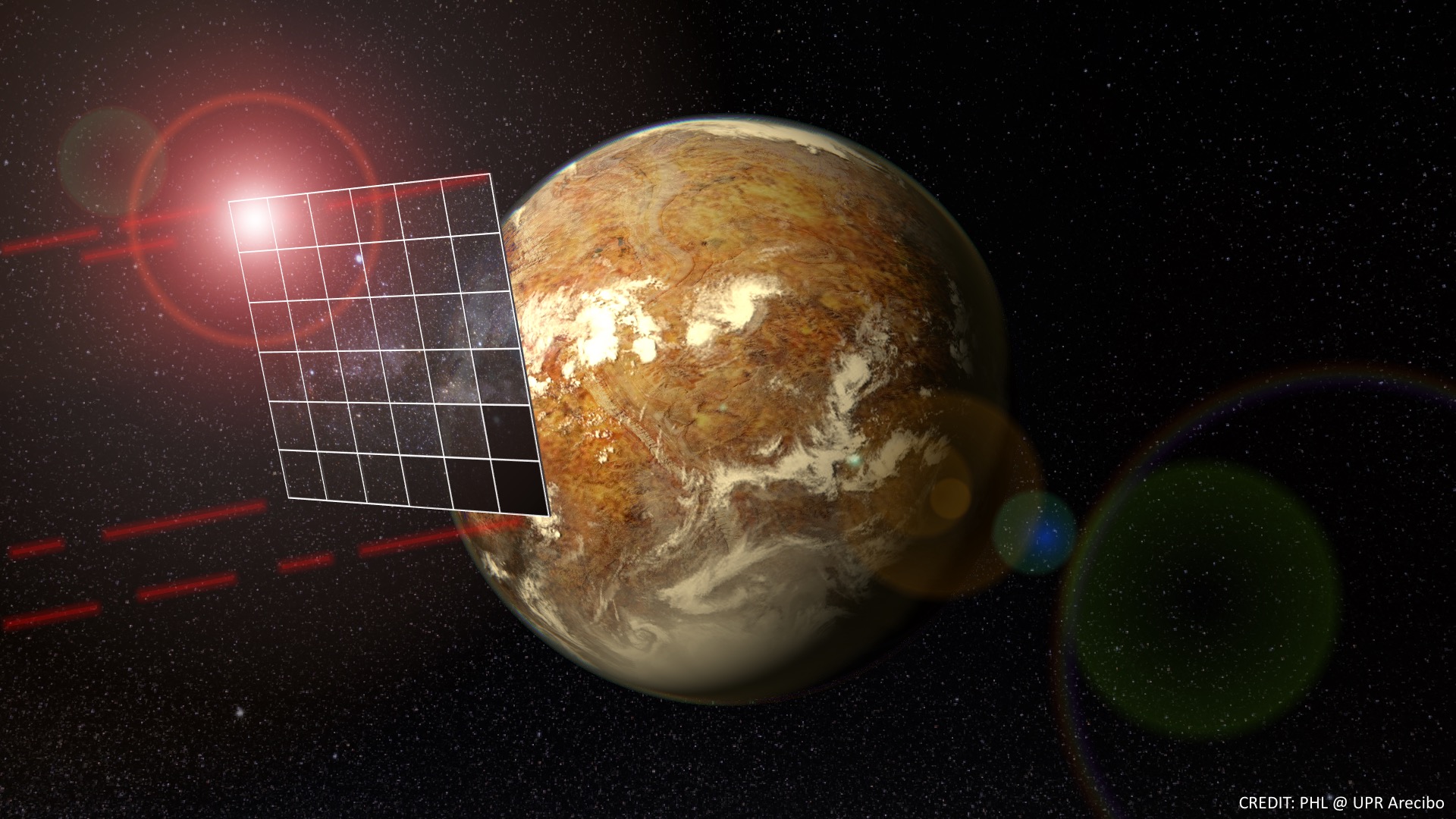
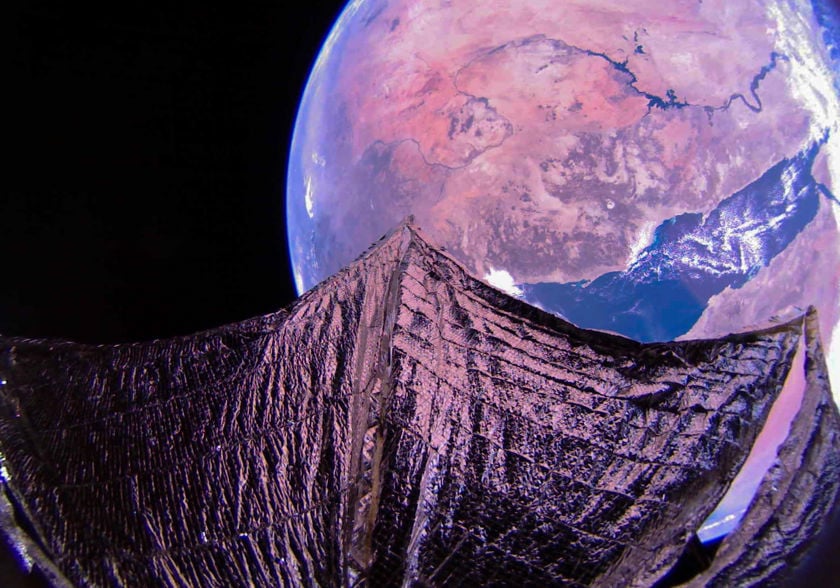
If we want to travel to the stars, we're going to have to be creative. The answer might be light sails made of sheets of graphene.
Continue reading
Continue reading
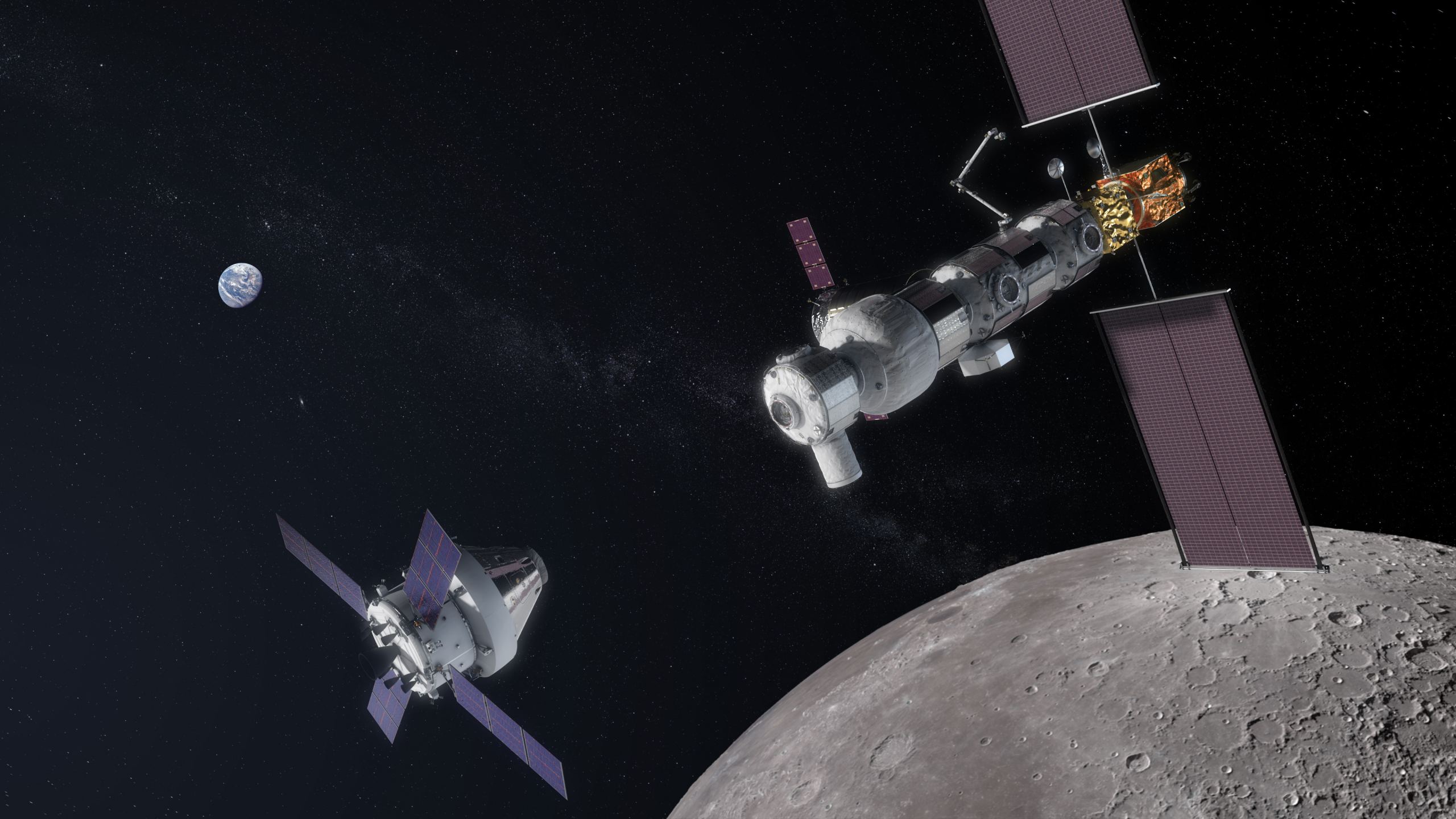
NASA has announced that the Lunar Gateway could be launched in the coming years using the Falcon Heavy or another commercial provider.
Continue reading
Continue reading
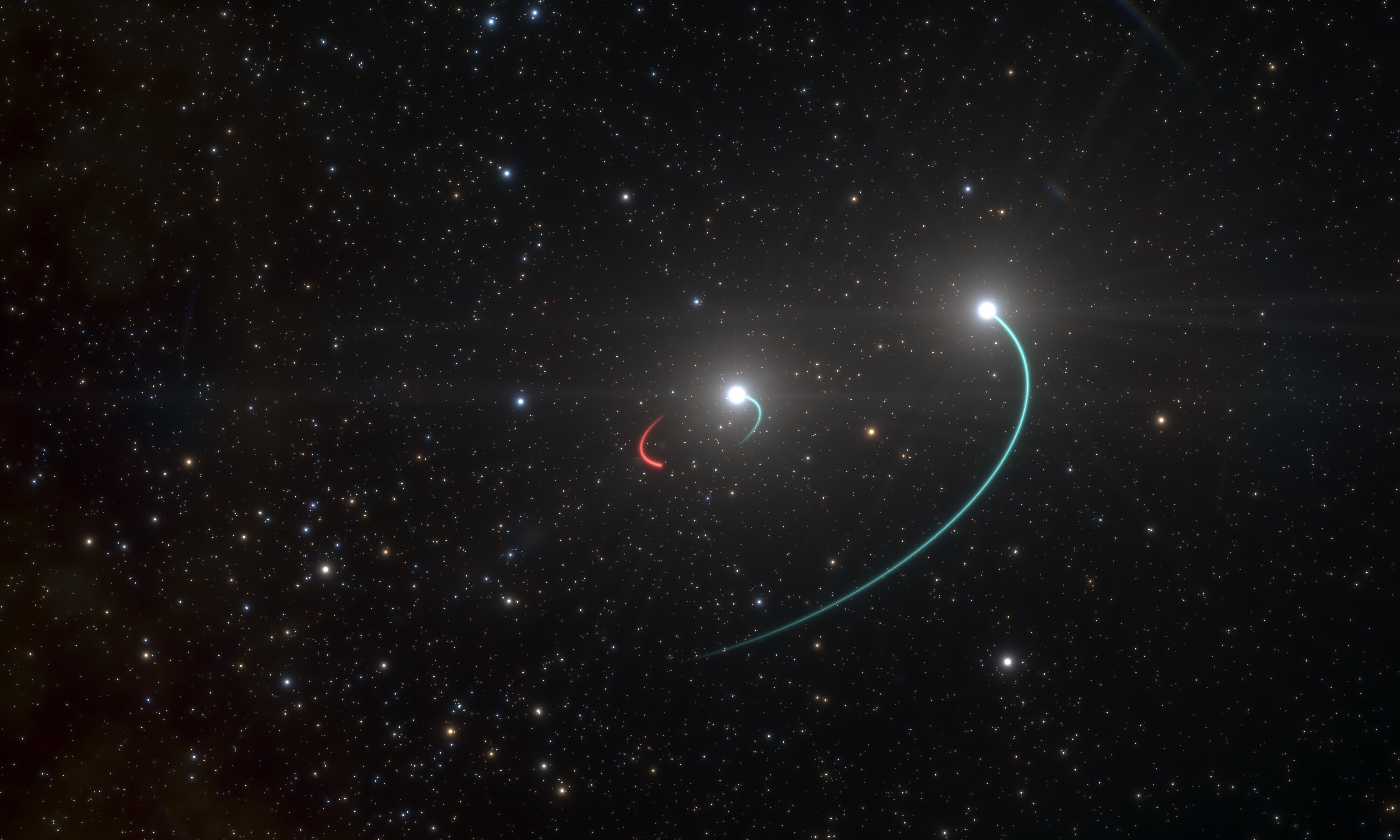
Scientists with the ESO have detected a triple system with a black hole roughly 1,000 light-years from Earth - making it the closest ever observed.
Continue reading

The United States Space Force just released a recruitment video. If you're looking for your purpose, and suspect it's off-world, this is the service for you!
Continue reading
Continue reading
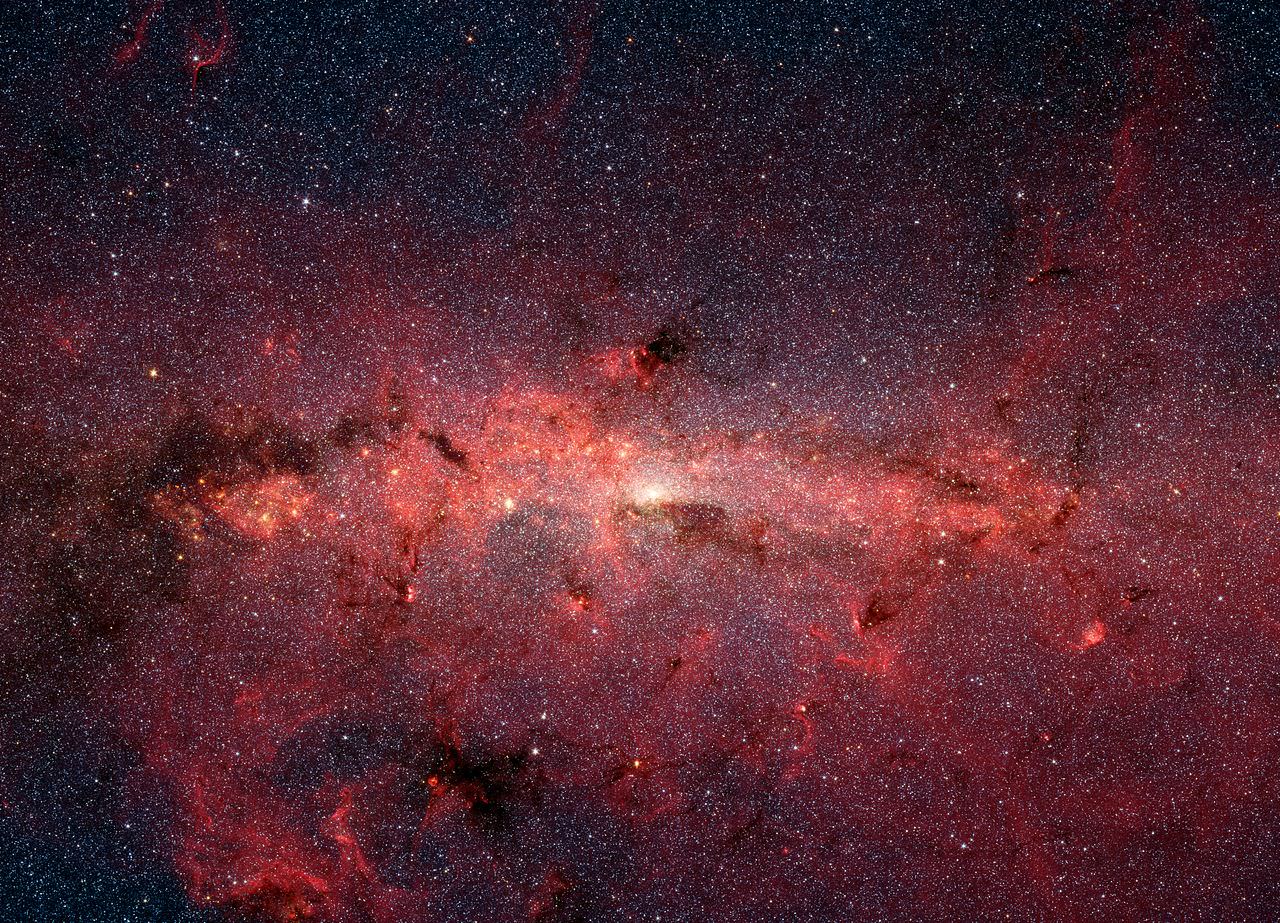
A new study indicates that, contrary to what has been previously argued, galaxies like our own may be the most likely place to find intelligent life
Continue reading
Continue reading

So, you think you know Galileo? A new book out from Simon and Schuster publishing looks at the life and times of one of the most famous astronomers there ever was: Galileo Galilei. Galileo and the Science Deniers by Dr. Mario Livio not only looks at the life and times of the famous astronomer Galileo, but busts some of the most famous myths surrounding Galileo, and looks at his greatest discoveries and tempestuous clash with the Roman Catholic Church and its aftermath. Livio also connects the science denialism of the day, with comparisons to modern clashes between politics and science.
Continue reading
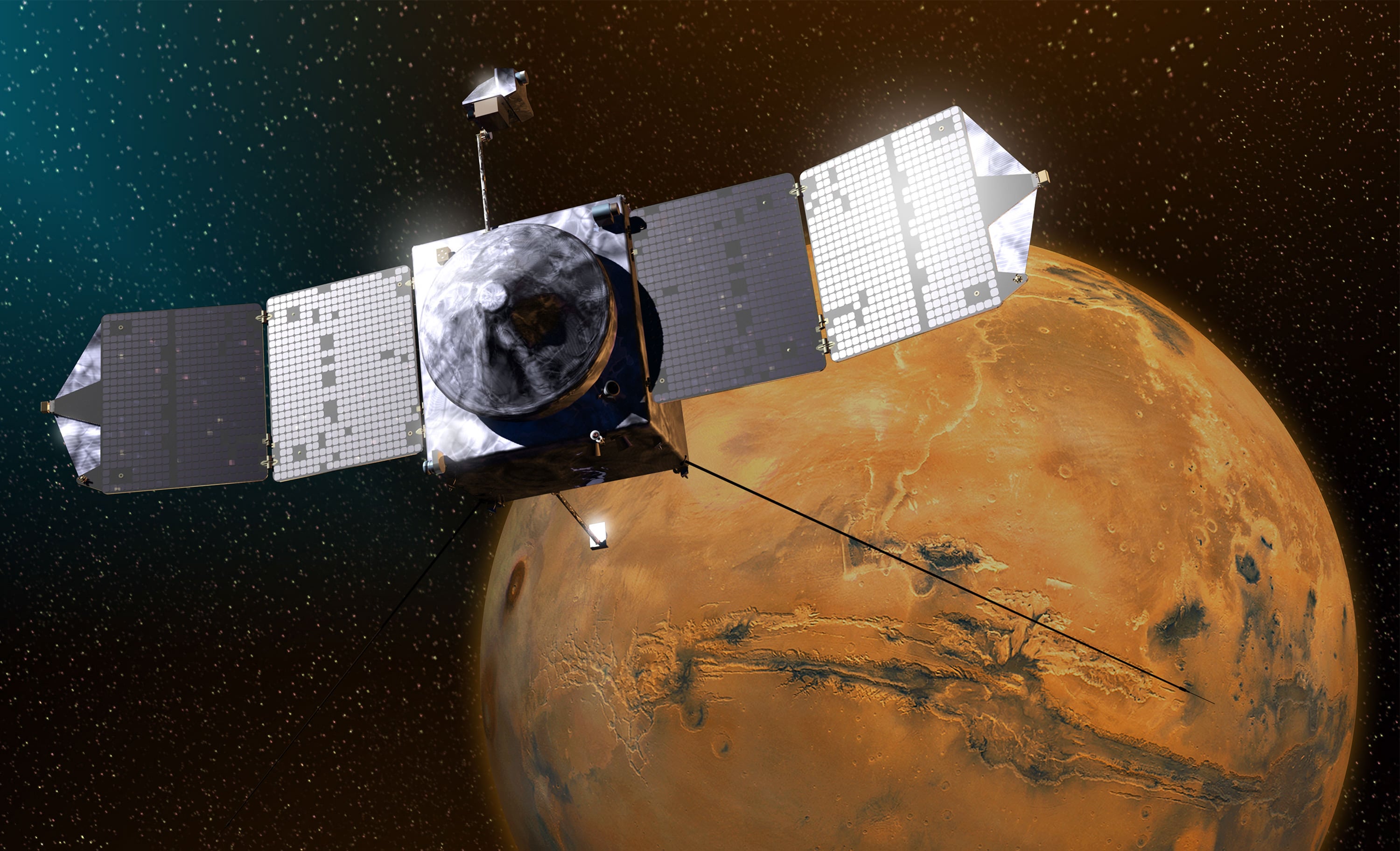
New research using data from MAVEN shows that Mars had a magnetic field earlier and later in its history than previously thought.
Continue reading
Continue reading
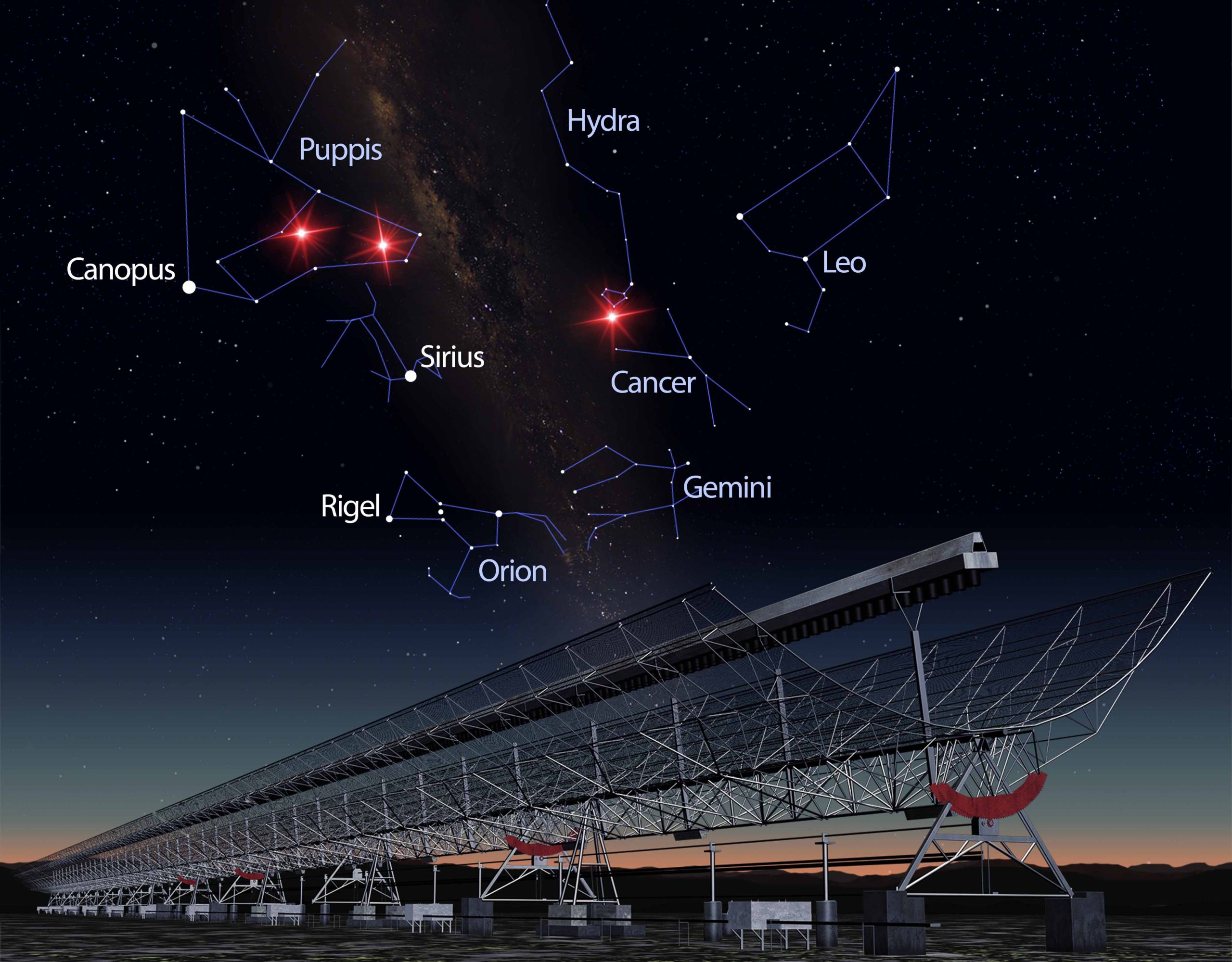
Fast radio bursts last for such a short time that it is difficult to track down the source. Now astronomers have found one in our own back yard.
Continue reading
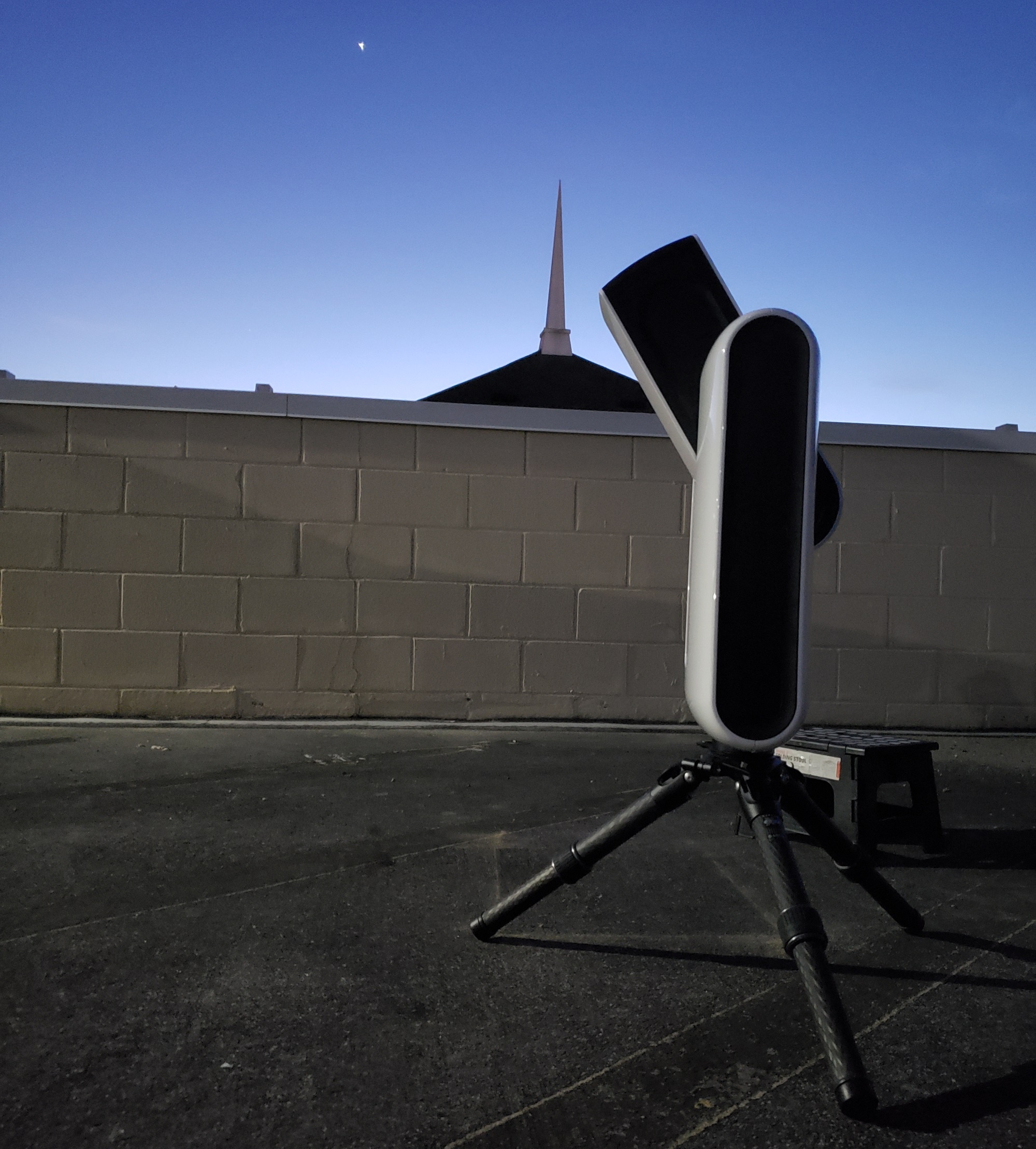
A new breed of smart telescopes is set to take users past these hurdles, and get them out under the night sky. We recently had a chance to put Vaonis' Stellina 'smart telescope' through its paces, and we're intrigued at the glimpse it provides at the future of observational astronomy.
Continue reading
Continue reading
Continue reading
Continue reading

Continue reading
Continue reading
Continue reading
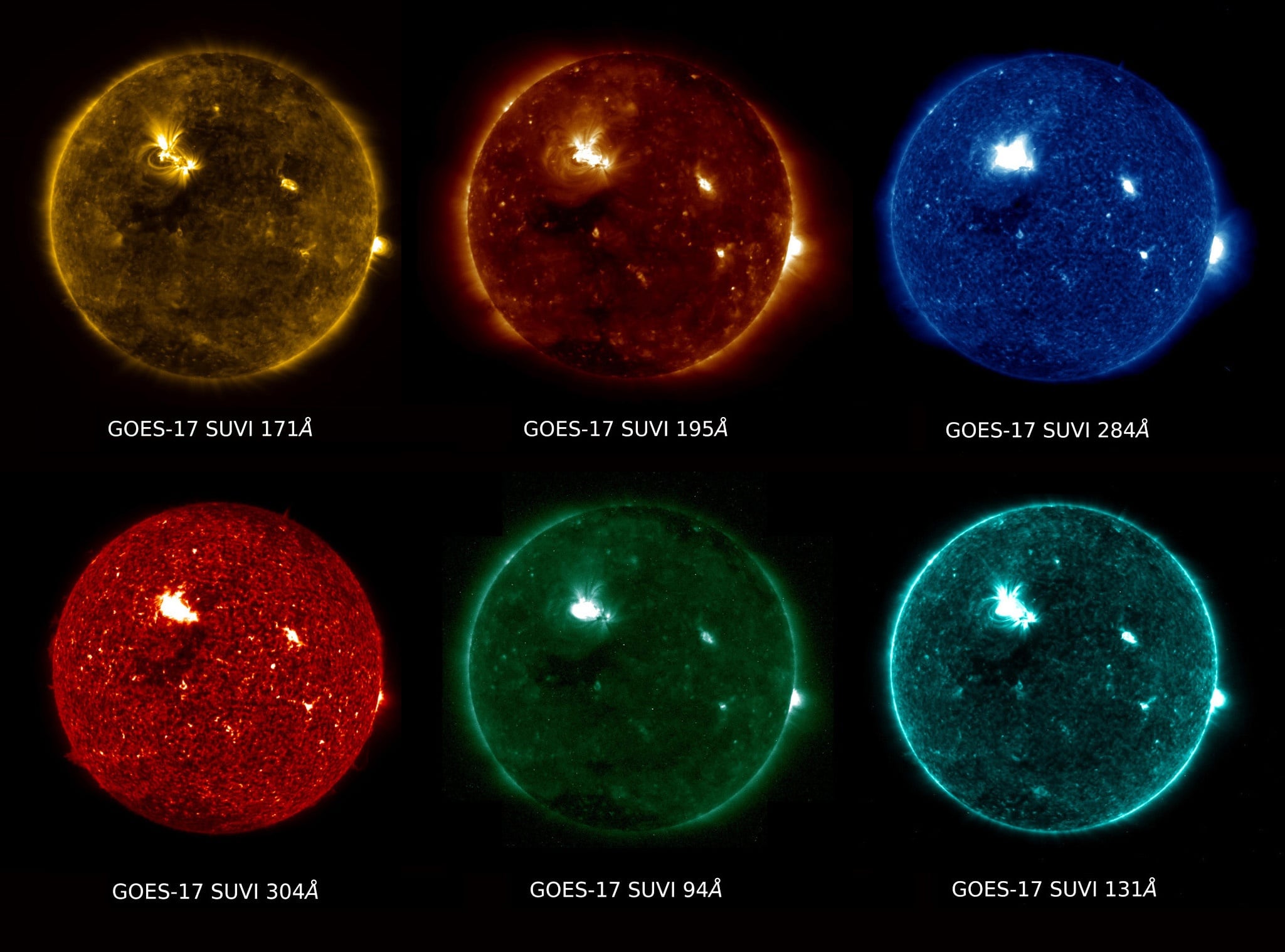
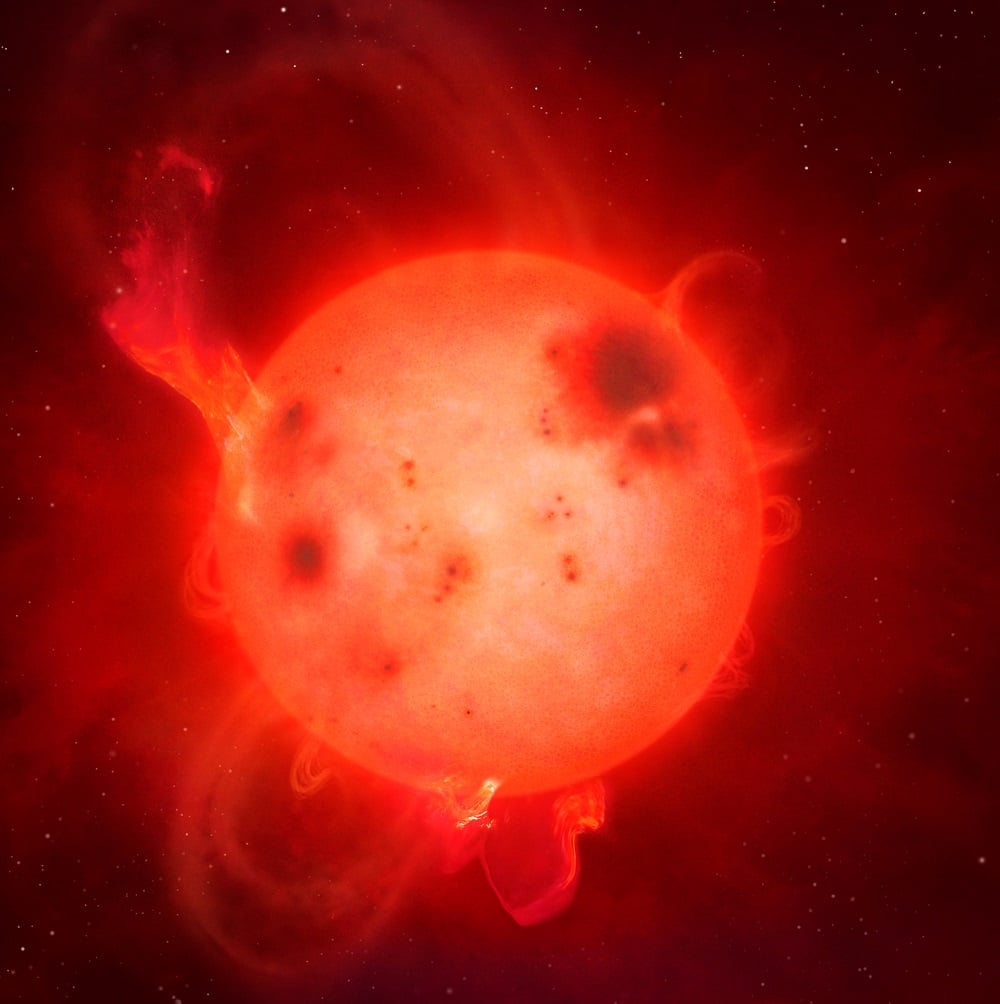
While the Sun can be active, it is often quite a calm star. We now know it is unusually calm when compared to other stars.
Continue reading
Continue reading
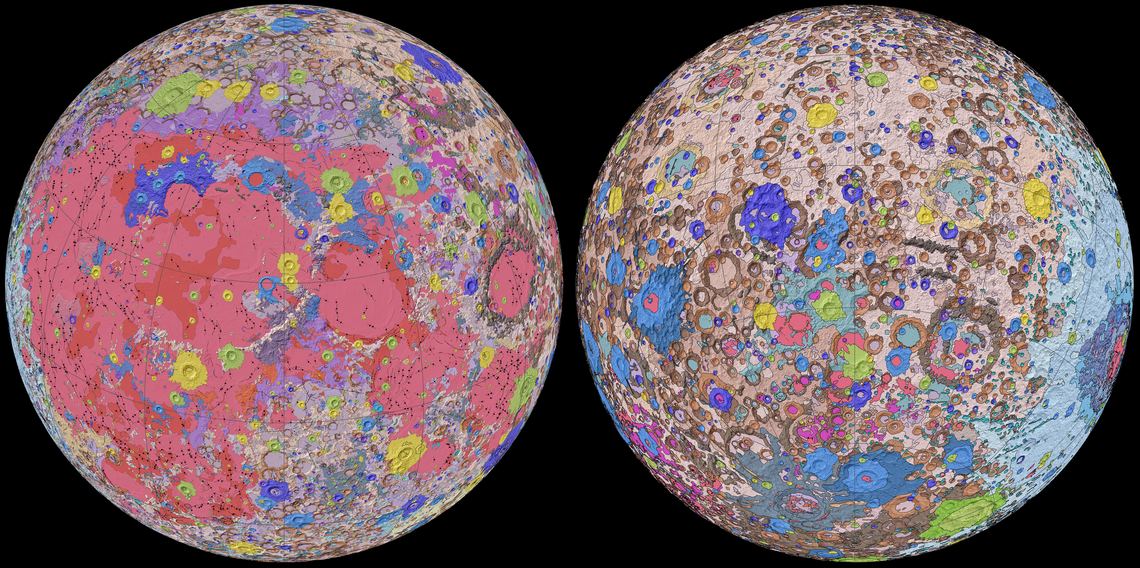
The USGS' Astrogeology Science Center has released a complete mineral map of the Moon, which the lunar mining crowd is sure to appreciate!
Continue reading

Continue reading
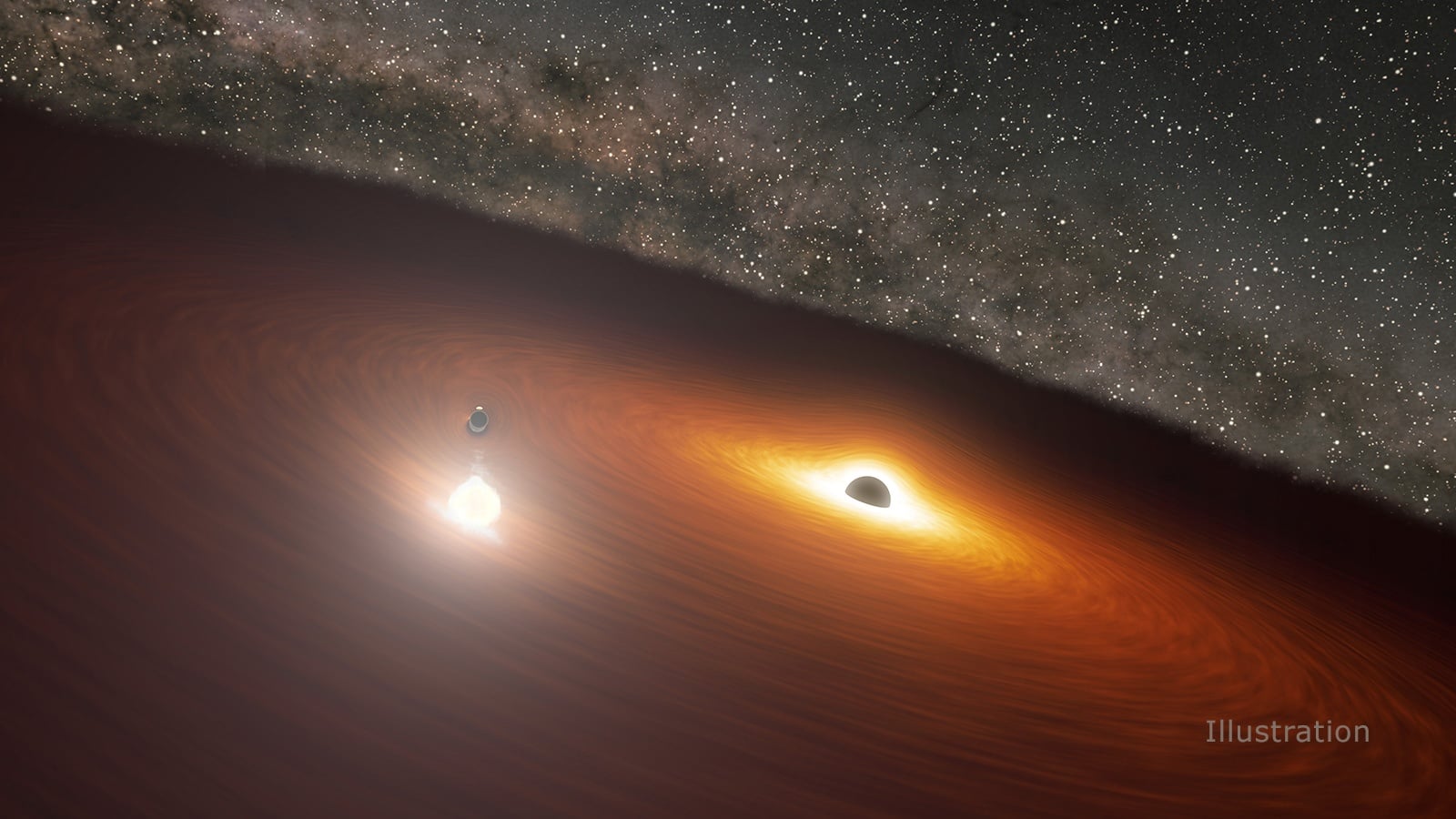
Recent observations by the now-retired Spitzer mission have led to accurate predictions OJ 287, a blazar that contains a supermassive black hole orbited by another black hole.
Continue reading
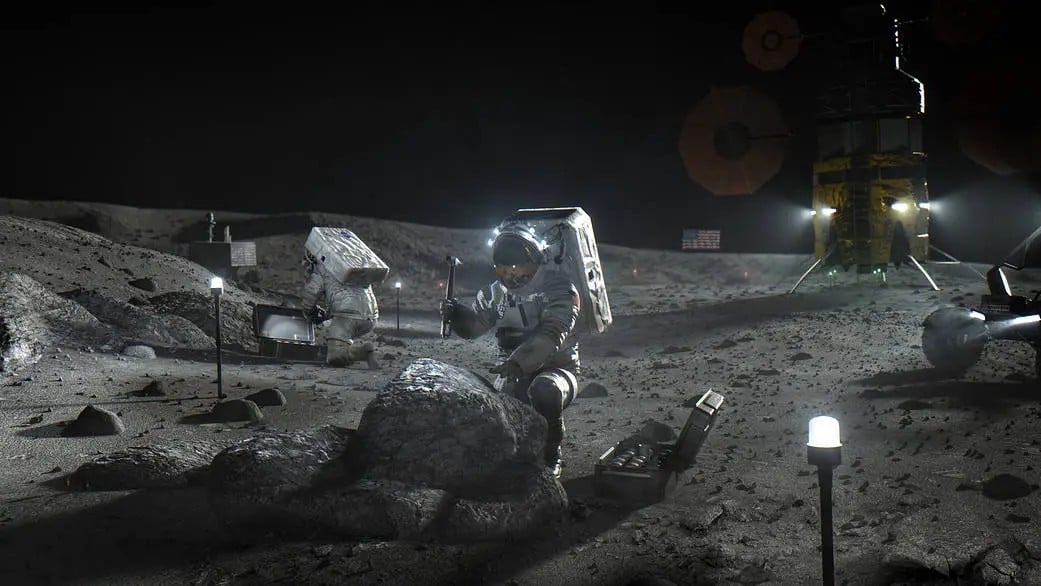
NASA recently announced the three companies that will be building lunar landing systems to take astronauts back to the Moon - SpaceX, Blue Origin, and Dynetics.
Continue reading
Continue reading
Continue reading
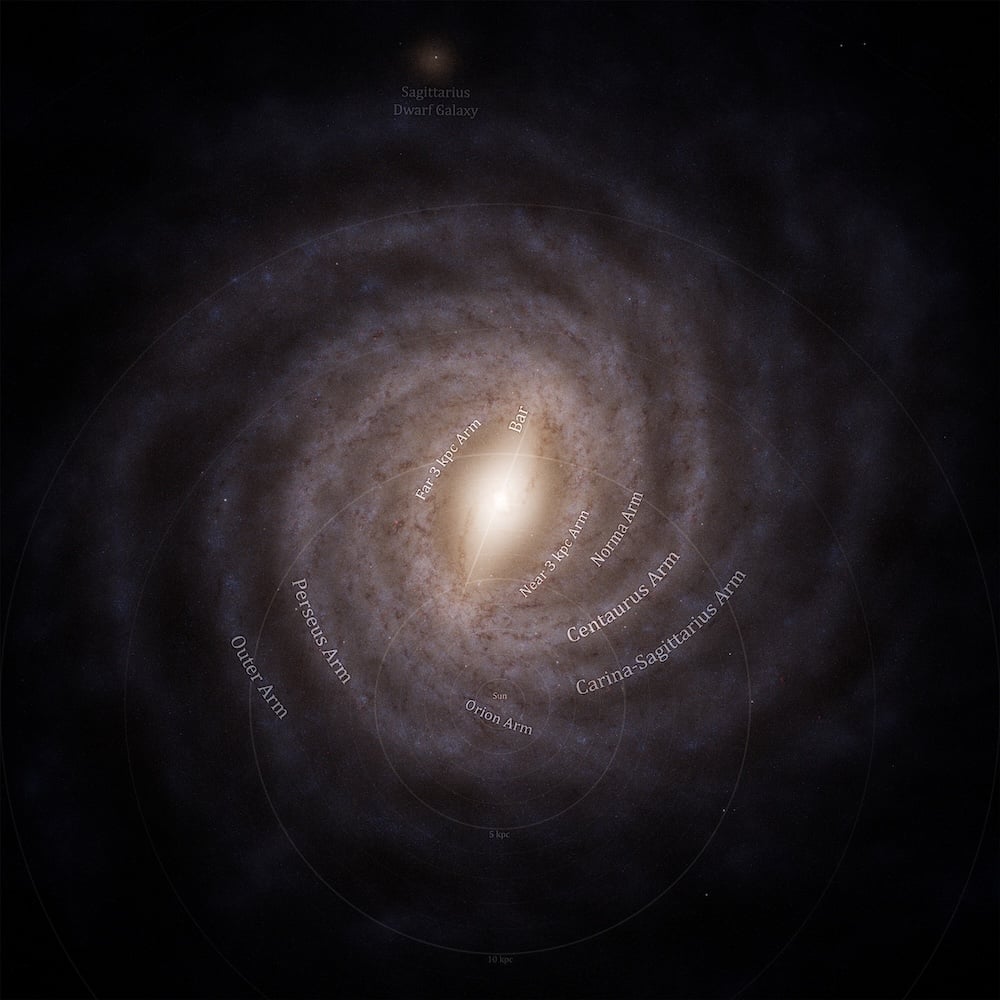
The laws of physics are rooted in universal physical constants. But what if these constants change over time?
Continue reading
Continue reading
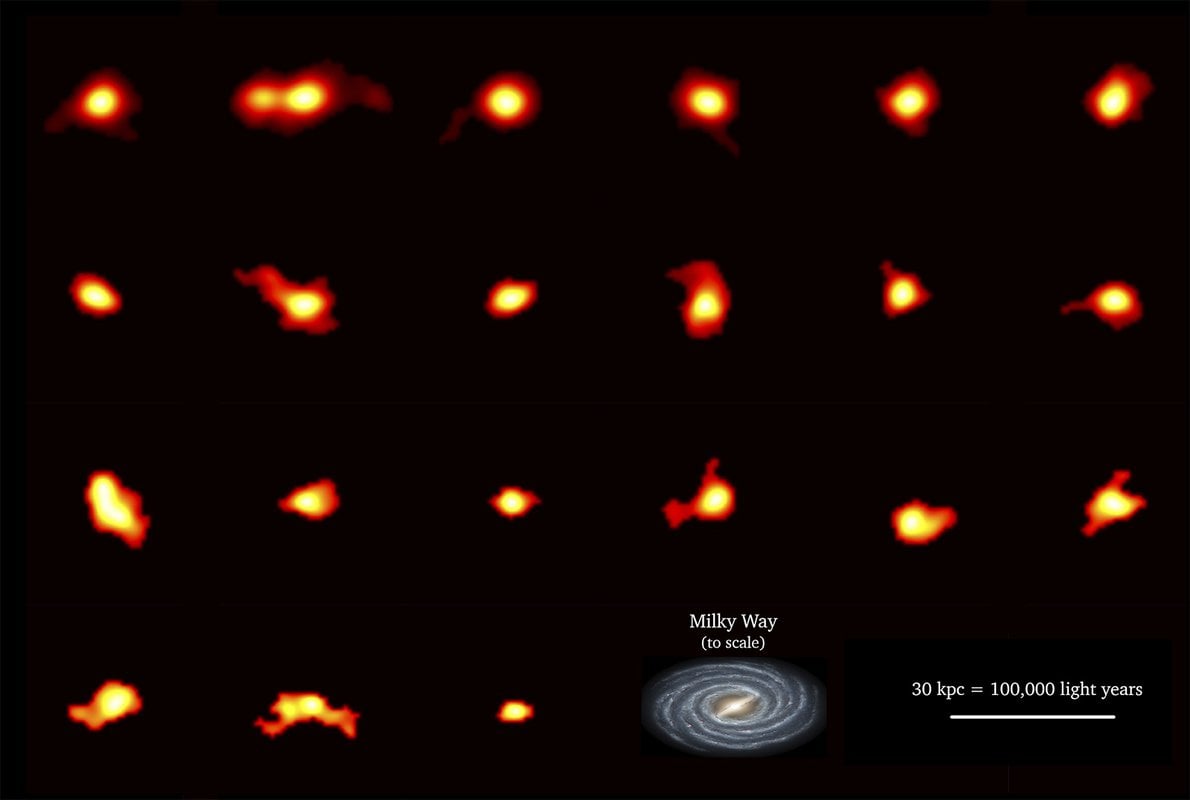
The ALPINE survey recently observed 118 galaxies dated to just 1-1.5 billion years ago, and found that the early galaxies were surprisingly developed.
Continue reading
Continue reading
Continue reading
 Universe Today