
If we can find the weight of everything in the universe, we can better understand how the universe came to be.
Continue reading
Continue reading
Continue reading

Continue reading
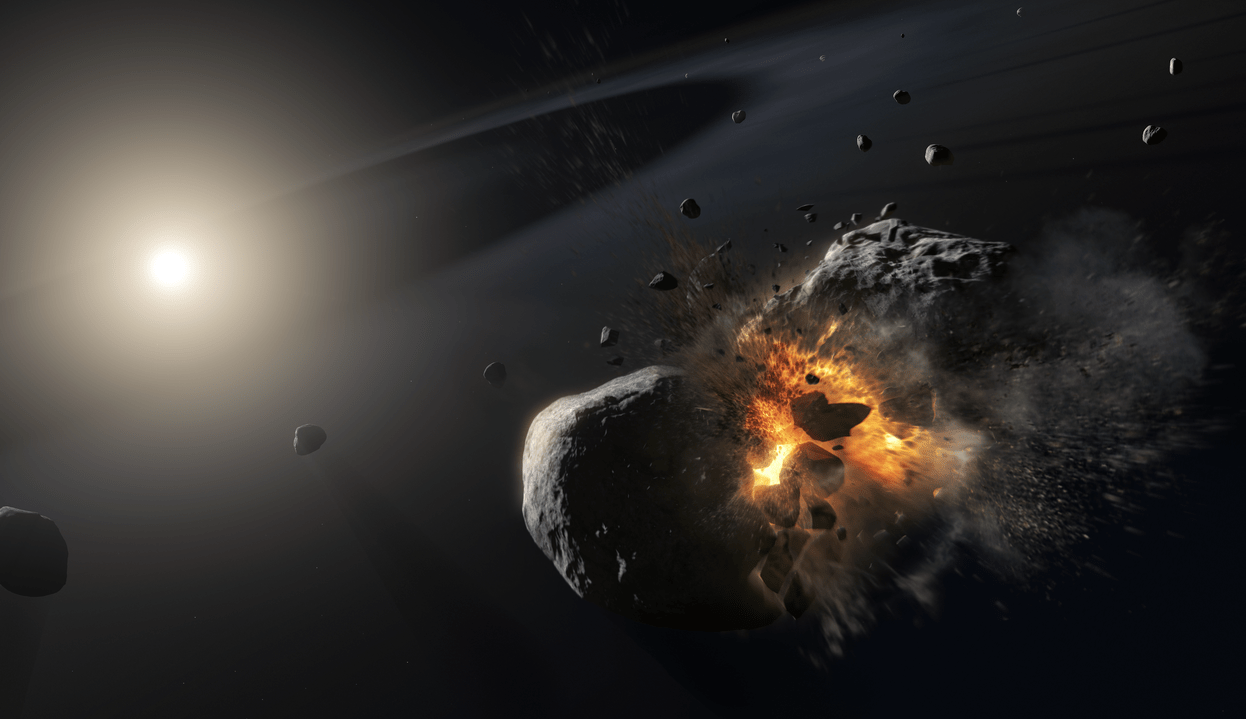
Ongoing observations of the Fomalhaut system using Hubble data has revealed that the mysterious "disappearing" exoplanet may not have been an exoplanet at all.
Continue reading
Continue reading
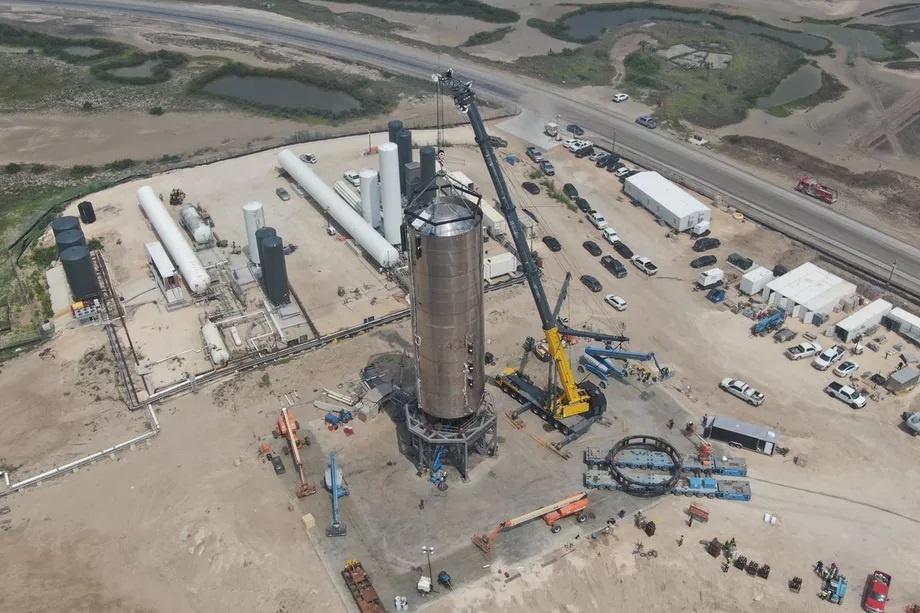
The fourth Starship prototype (SN4) achieved a crucial milestone this weekend by passing the cryogenic load test - the same one that caused its three predecessors to explode.
Continue reading
Continue reading
Continue reading
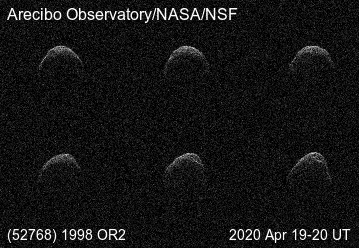
A fascinating asteroid nammed 1998 OR2 pays our neck of the inner solar system a visit early Wednesday morning, and if skies are clear, you might just get a chance to watch it slide by.
Continue reading
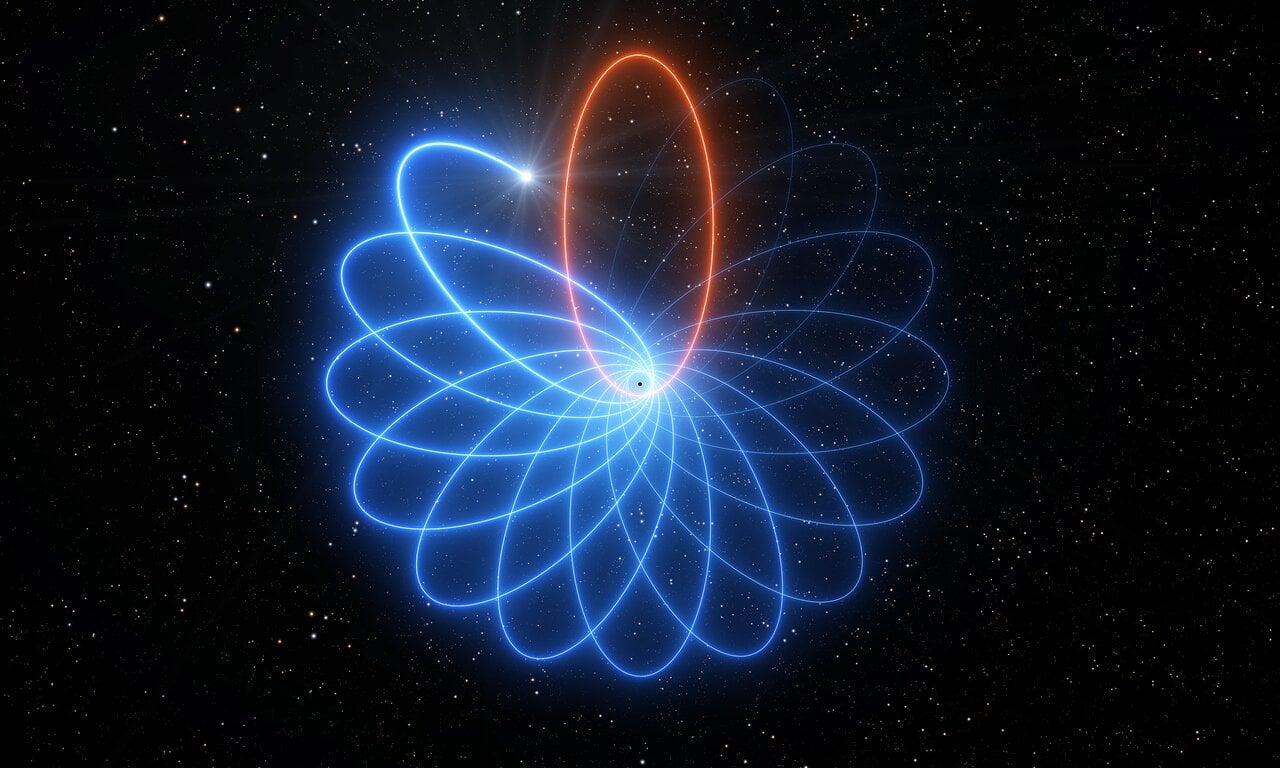
After almost 30 years of observing a star that orbits the supermassive black hole at the centre of our galaxy, scientists have confirmed yet again that Einstein was right!
Continue reading
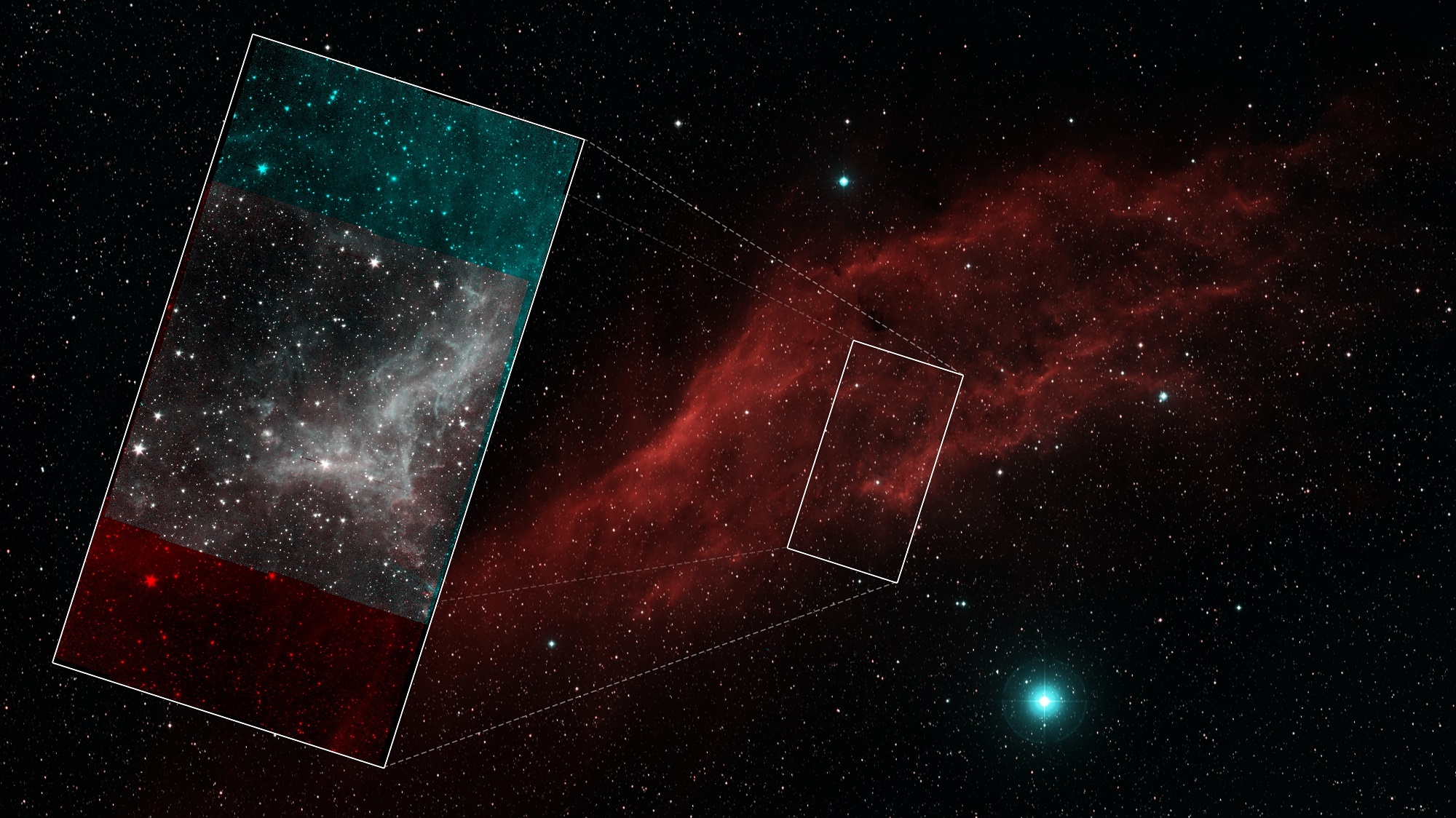
NASA has just released a mosaic of the California Nebula, which was created from the final images snapped by the Spitzer Space Telescope.
Continue reading
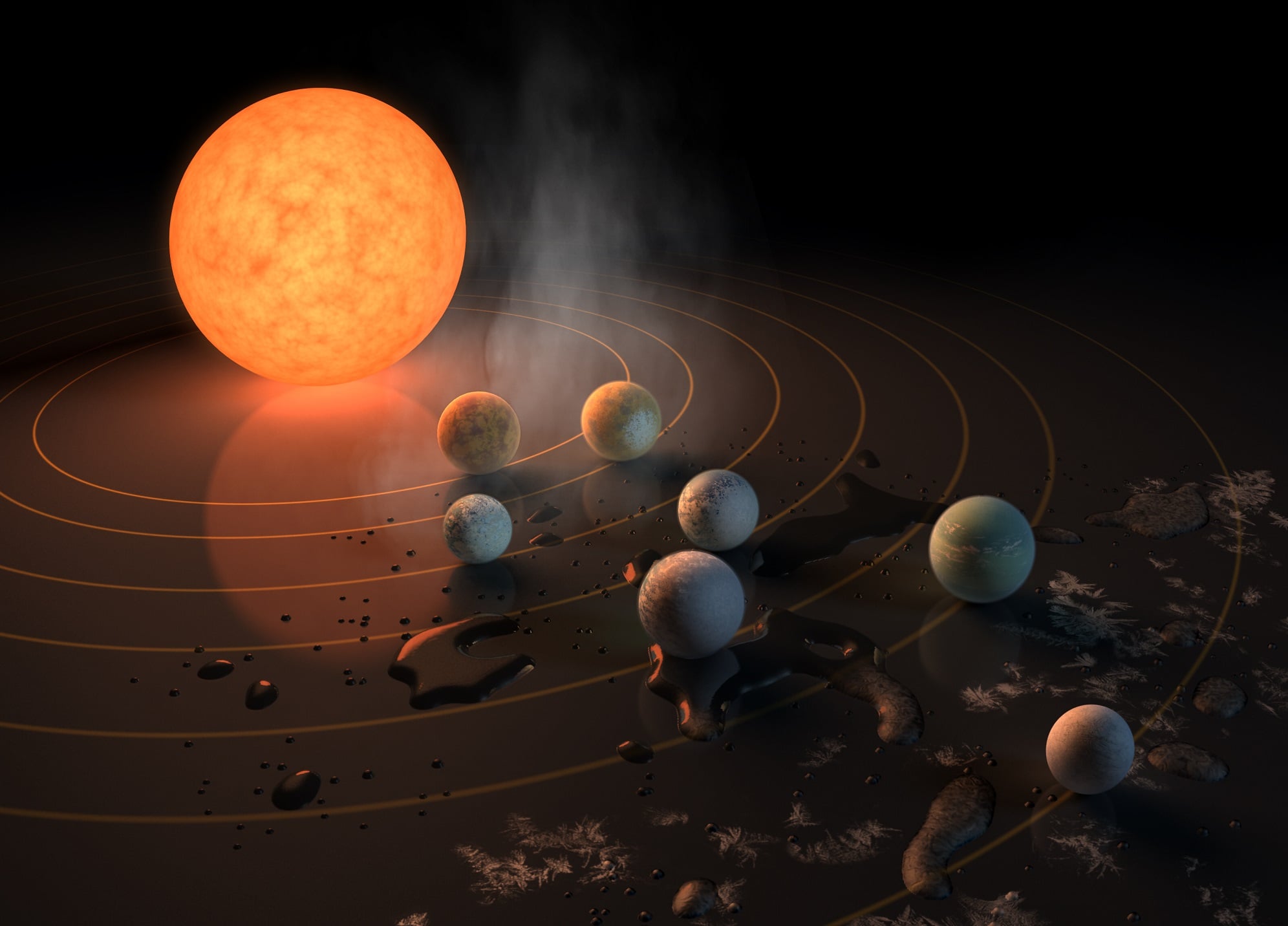
Astronomers have found a star system with six exoplanets that orbit with an almost perfect 3:2 resonance.
Continue reading
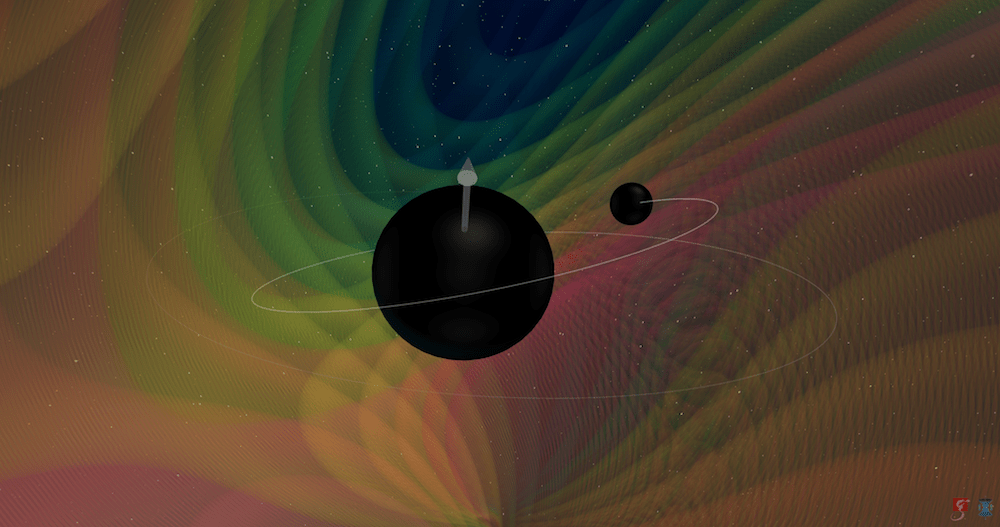
In another first, the latest gravitational wave event to be detected came from the merger of two black holes of vastly different mass.
Continue reading
Continue reading
Continue reading
Continue reading
Continue reading
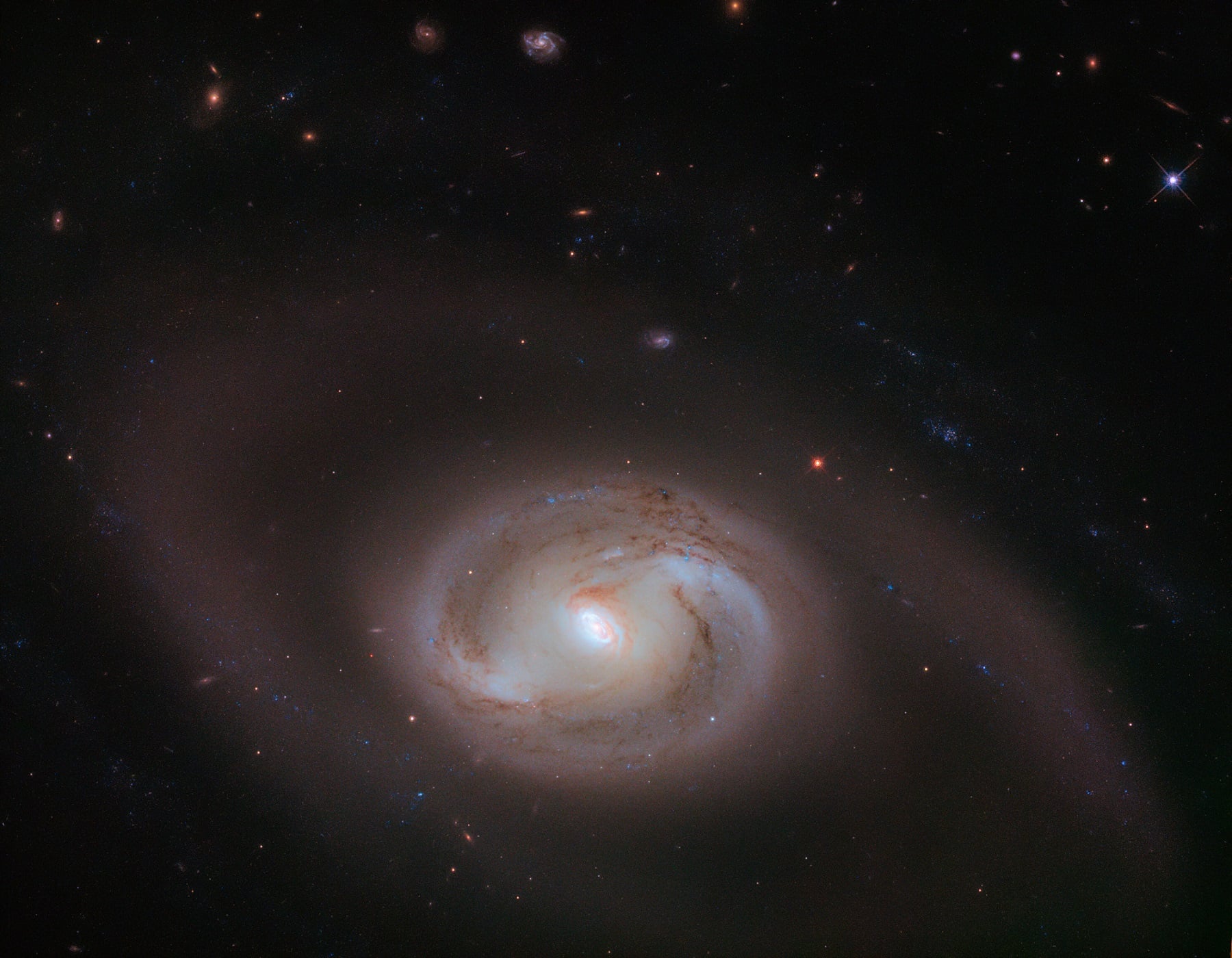
After 30 years, Hubble is still providing us with breathtaking images - like this one of NGC 2273, a spiral galaxy that has arms within arms!
Continue reading
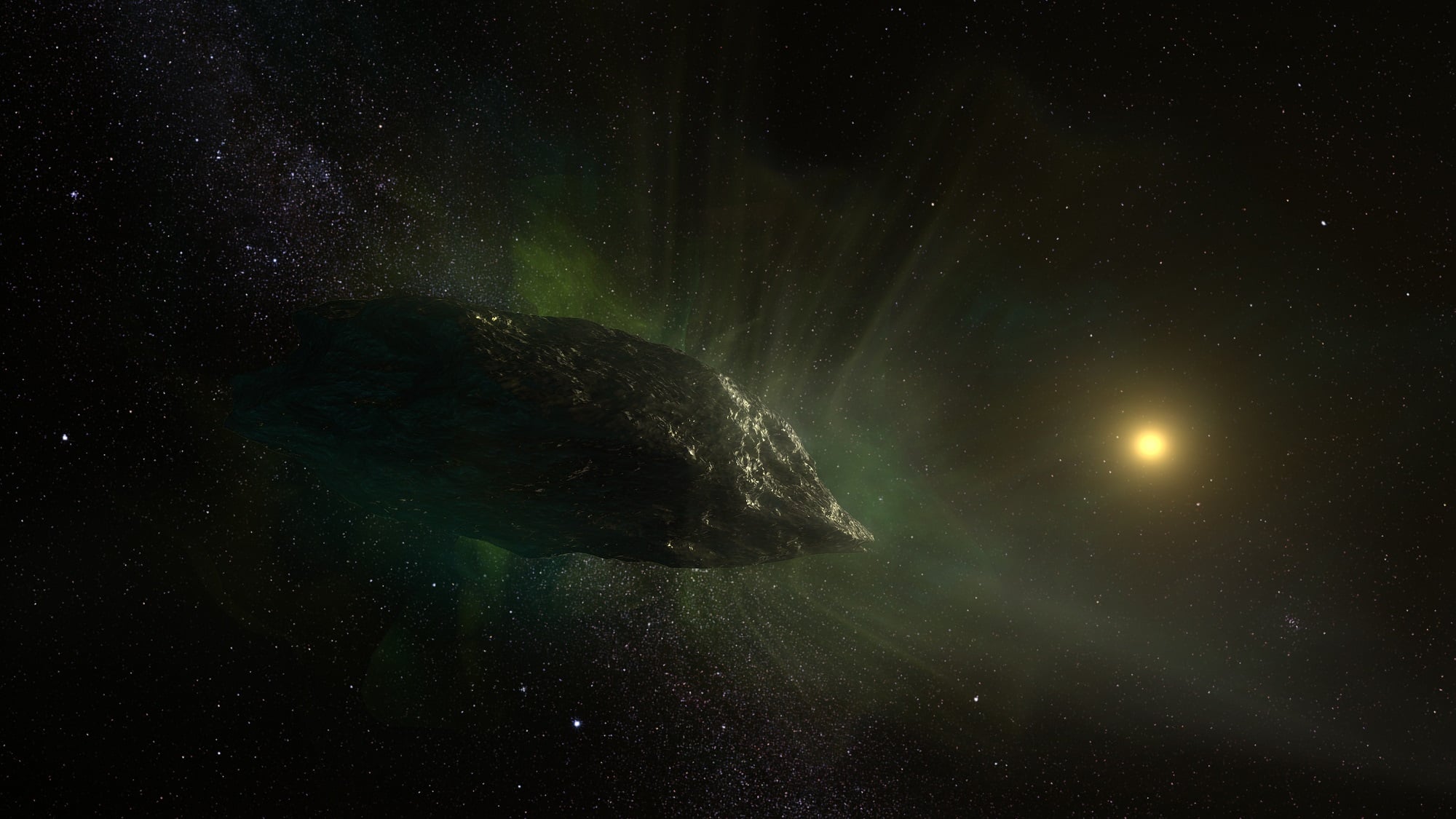
Using the ALMA array, astronomers were able to detect the chemical composition of an interstellar object as 2I/Borisov began releasing gas from its interior.
Continue reading
Continue reading
Continue reading
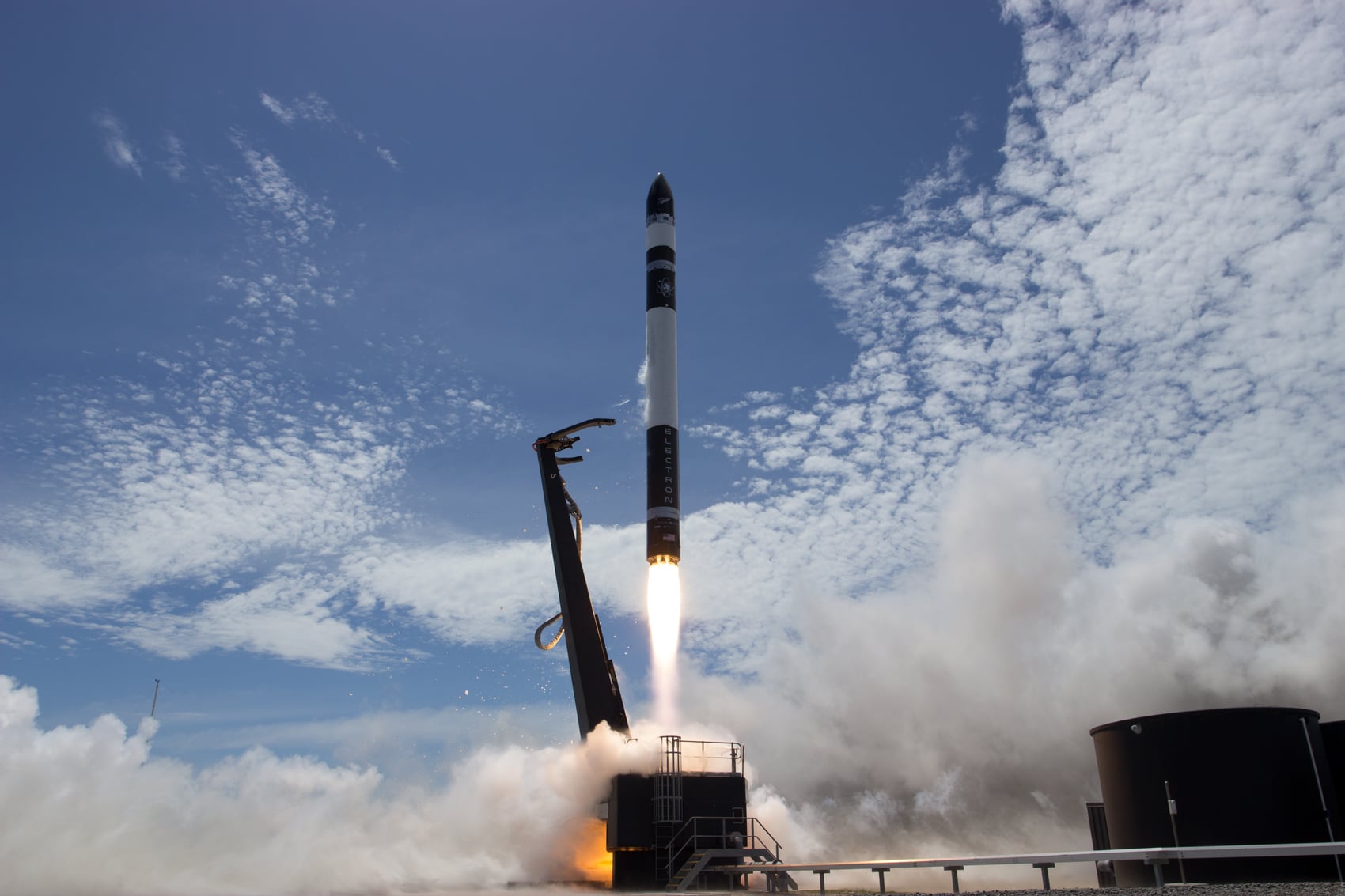
Just prior to the isolation order, commercial launch provider Rocket Lab conducted a successful mid-air recovery of a test stage, paving the way for reusable rockets.
Continue reading
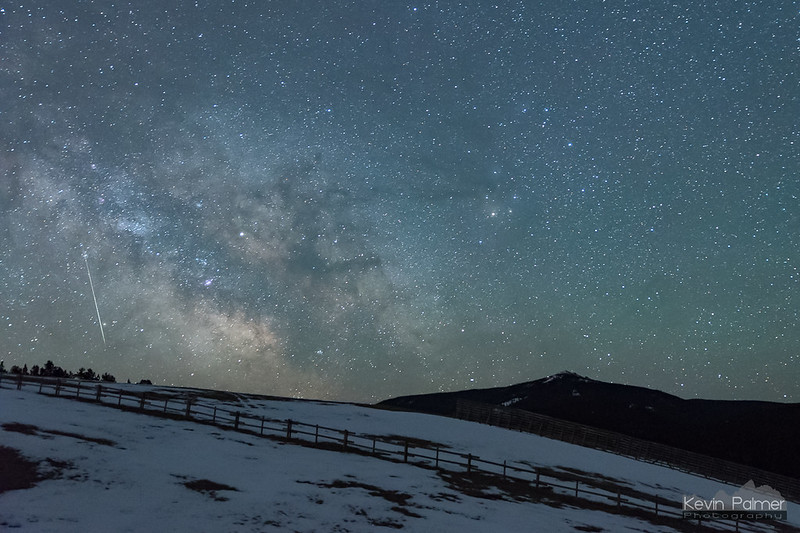
Stuck at home with clear skies? We're all in a similar situation, as the ongoing pandemic sees most of the worldwide amateur astronomy community observing from home or from their backyard. One astronomical sure-fire event coming up this week requires no special equipment: just a set of working Mk-1 eyeballs and a clear sky: the April Lyrids.
Continue reading
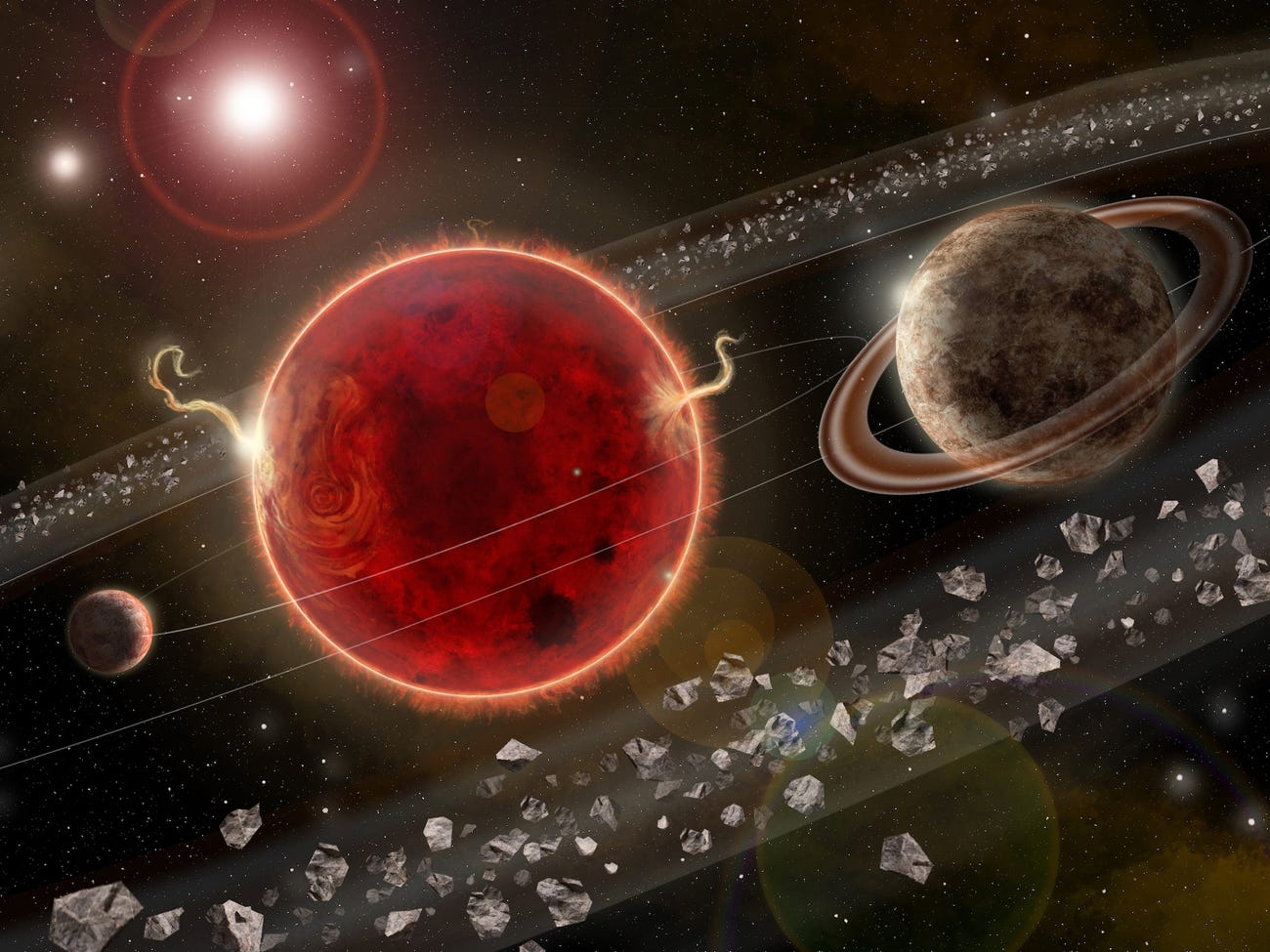
A new study by a team using data from the Very Large Telescope's SPHERE instrument, may have caught a direct image of Proxima c (which could have a system of rings)
Continue reading
Continue reading

Continue reading
Continue reading
Continue reading

Continue reading
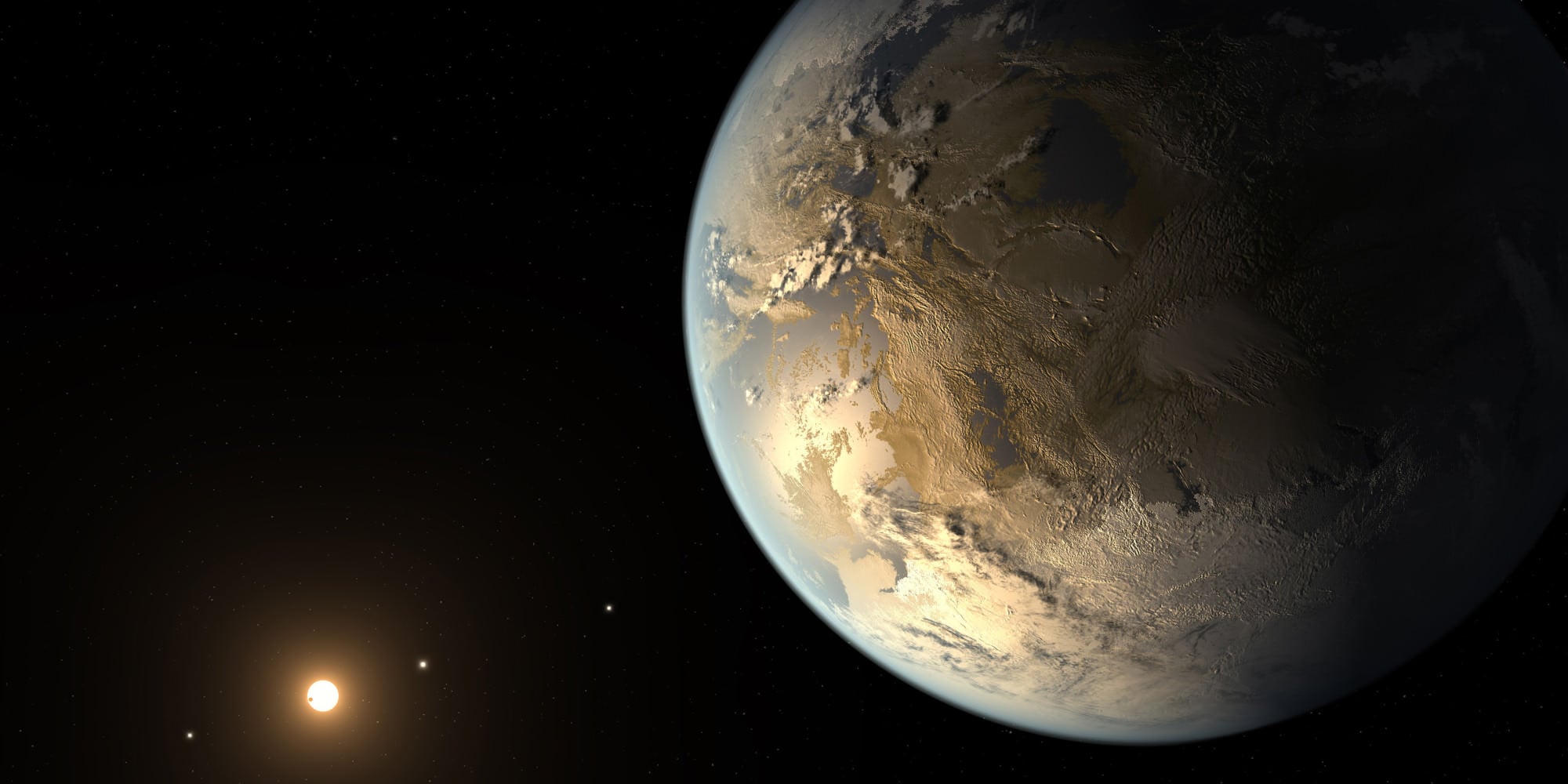
Searching through archival Kepler data has revealed another exoplanet around Kepler-1649, the most Earth-like exoplanet discovered to date
Continue reading
Continue reading
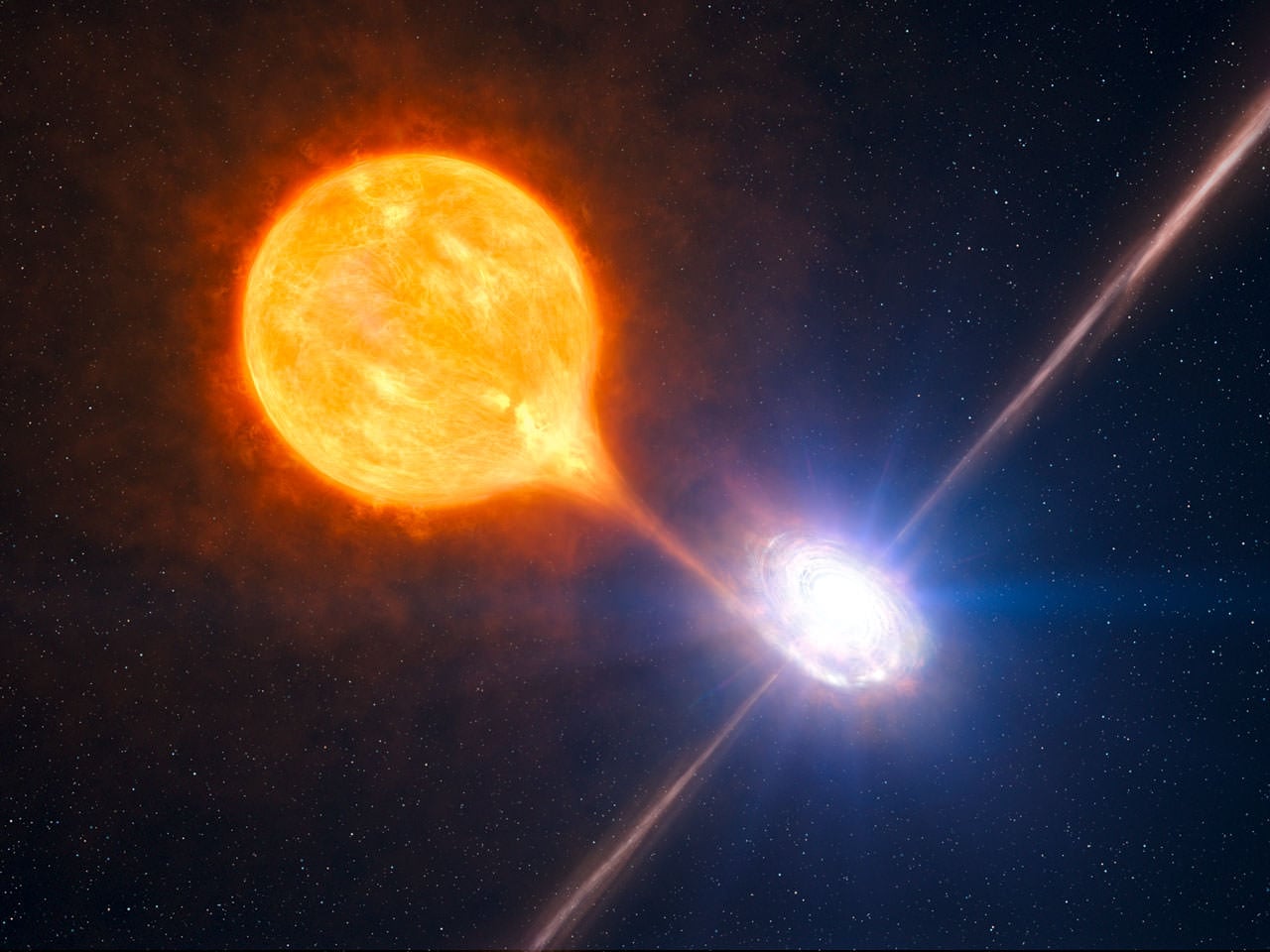
A new study led by Caltech researchers show that light can be reflected off of a black hole's disk by its powerful gravity.
Continue reading
Continue reading
Continue reading
Continue reading
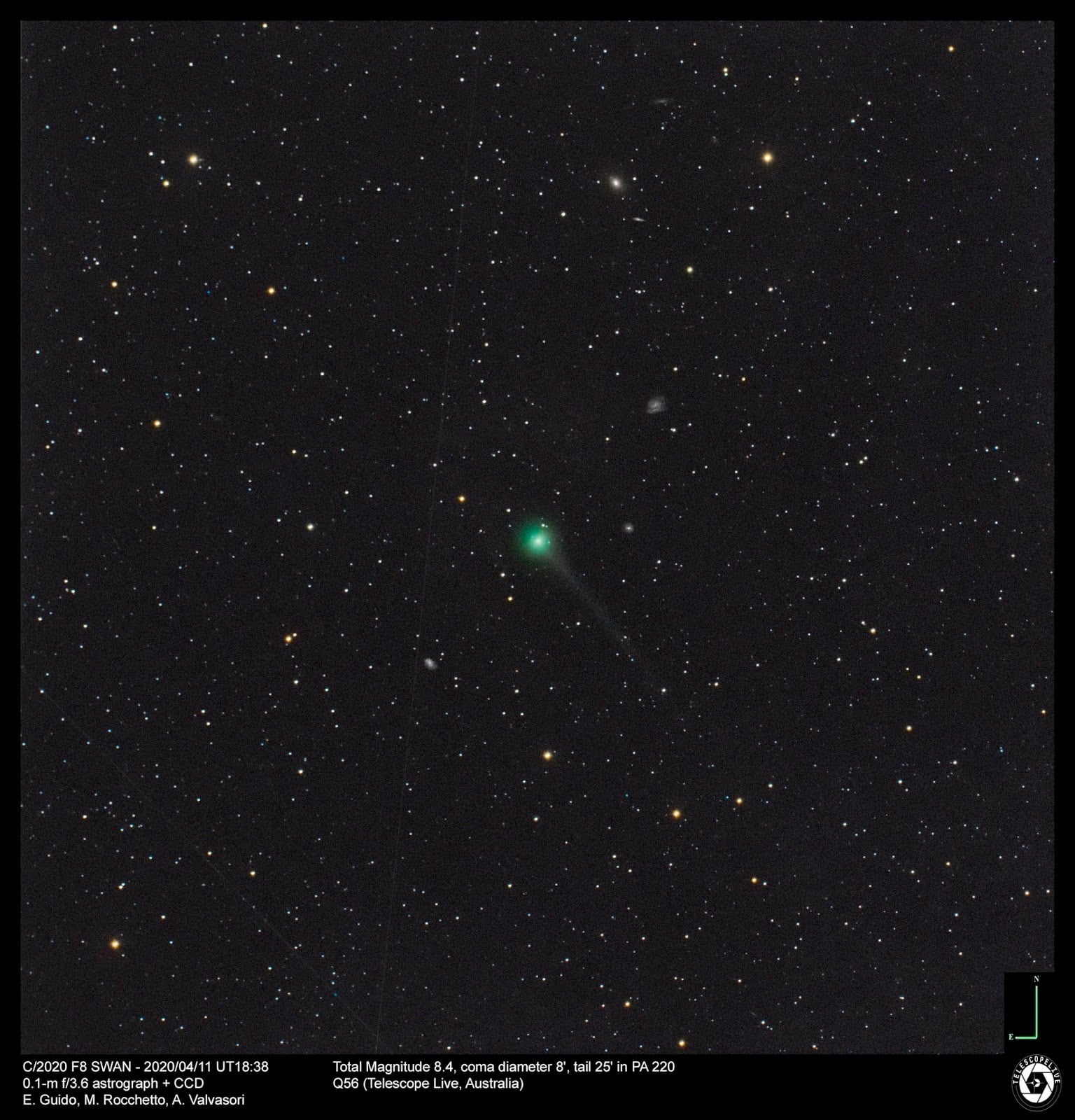
When it comes to comets, the only thing that is certain is the orbit. Though the cosmos has yet to send us a really bright comet for 2020 to keep us occupied during the ongoing worldwide pandemic and lock down, it has sent us a steady stream of descent binocular comets, including C/2017 T2 PanSTARRS, C/2019 Y1 ATLAS, and C/2019 Y4 ATLAS. And though Y4 ATLAS won't be match the "Comet of the Century" hype, another interesting binocular comet has just made its presence known over the past weekend: C/2020 F8 SWAN.
Continue reading
Continue reading
Continue reading
Continue reading

Continue reading
Continue reading
Continue reading

The ESA has entered into a lucrative collaboration to help NASA get its Martian rock samples back to Earth.
Continue reading
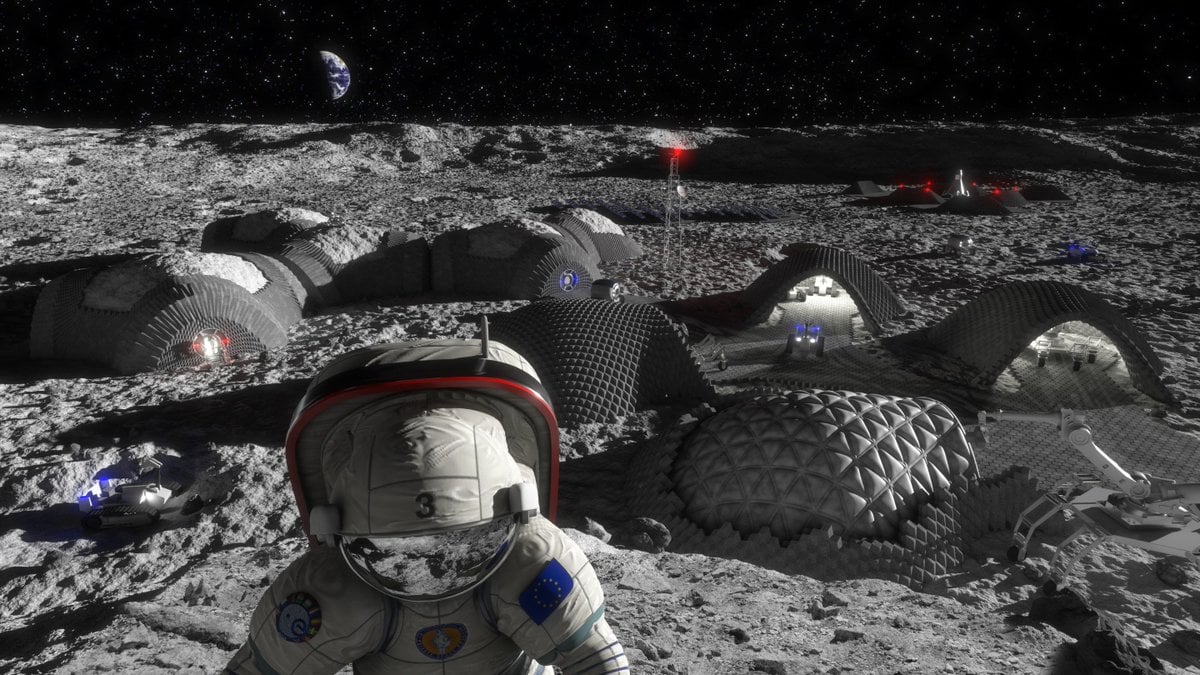
The Trump administration just signed an executive order that has given the green light to asteroid and lunar mining and other commercial ventures in space.
Continue reading
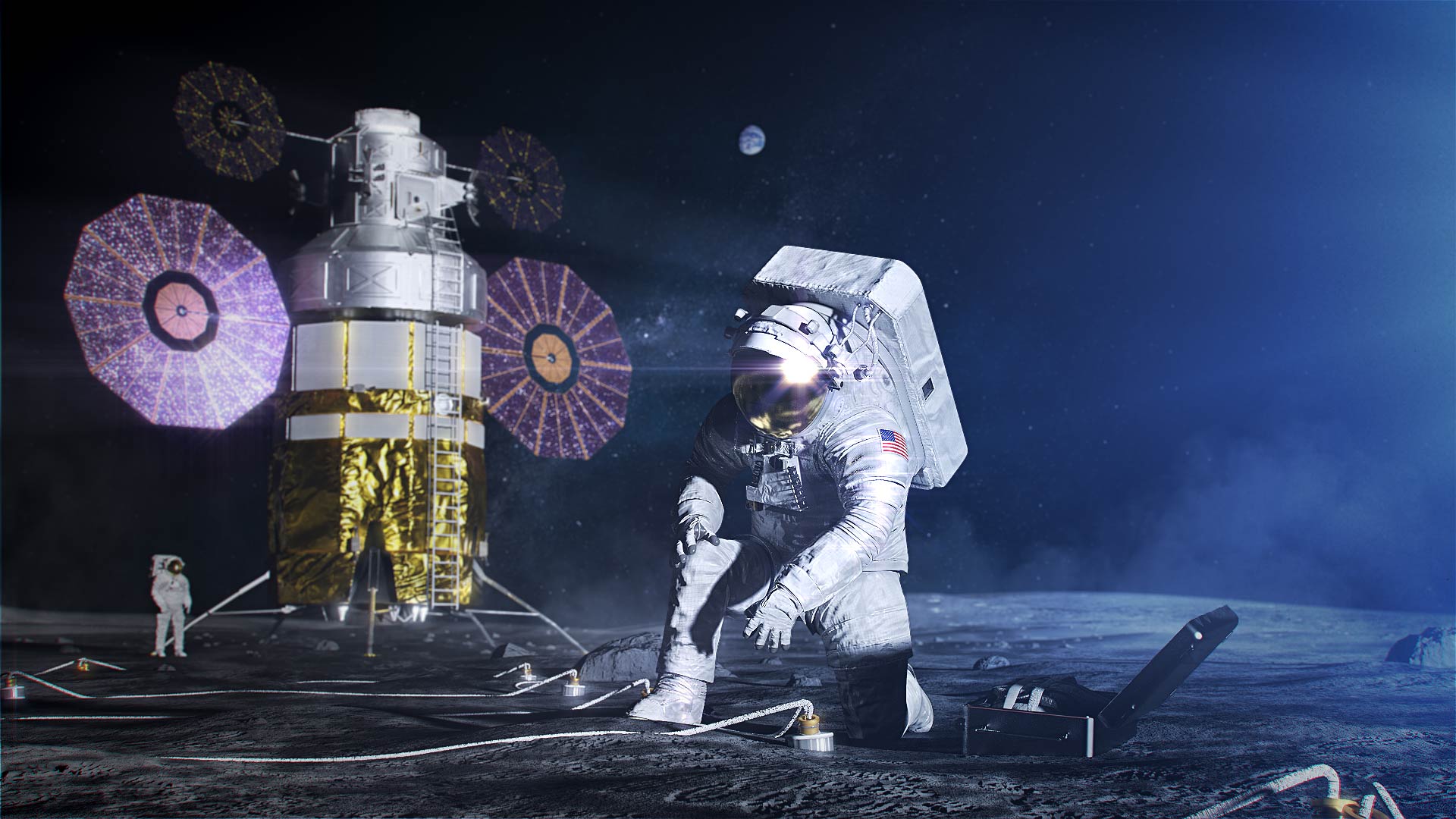
In a recent report submitted to the National Space Council, NASA has detailed its plans for building a lunar base camp on the Moon that will allow for long-term stays there.
Continue reading
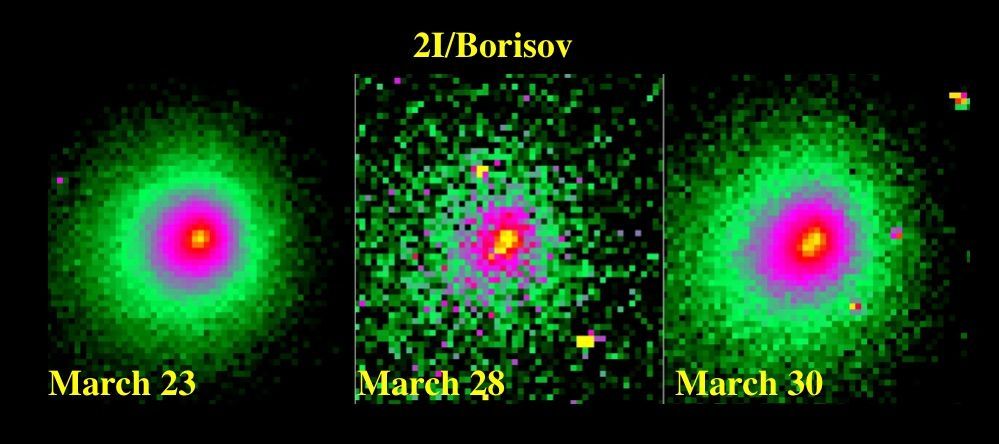
Continue reading
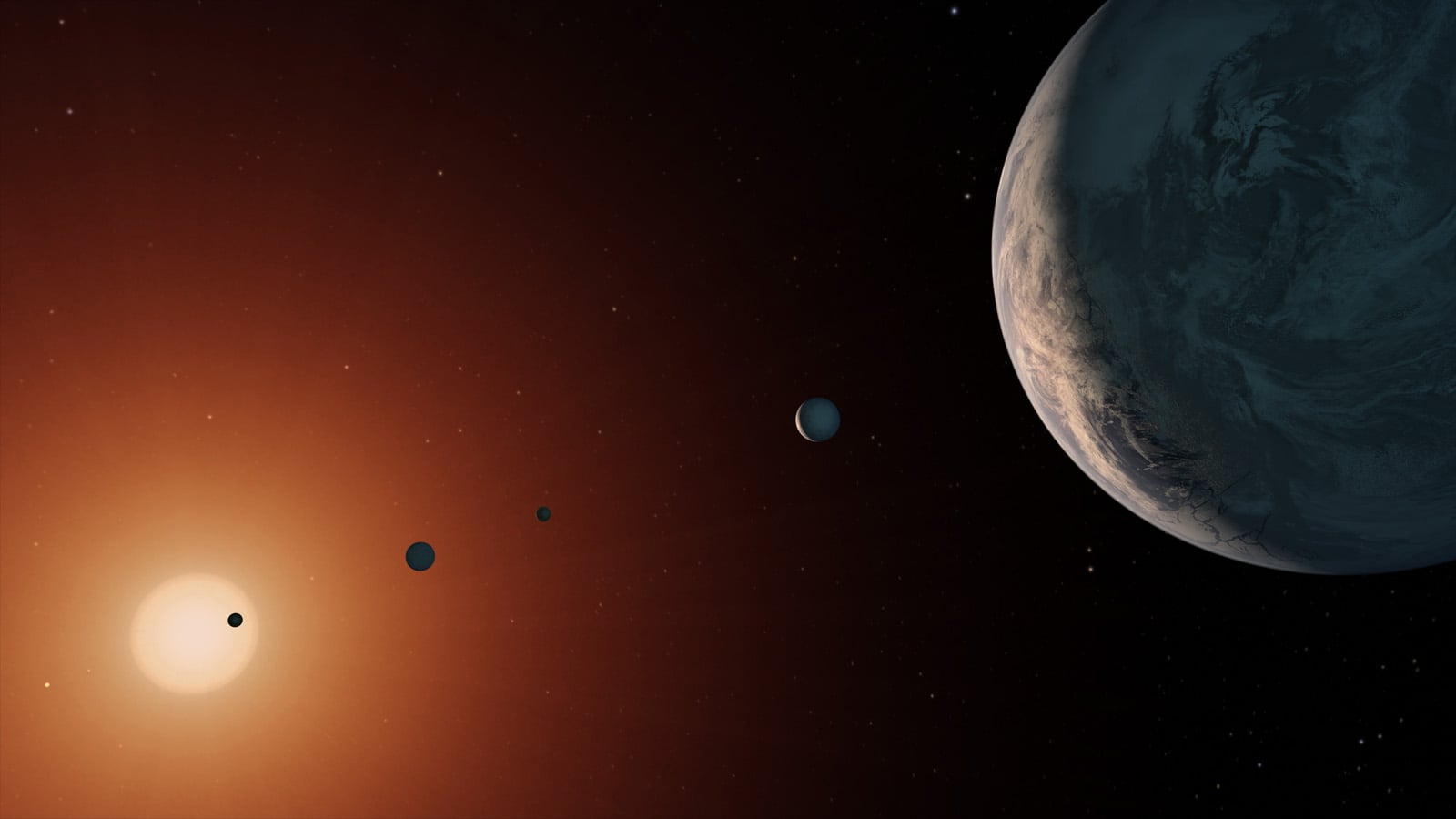
A new study by an international team of astronomers raises questions about the existence of debris belts around red dwarf stars and how water could have been distributed within them.
Continue reading
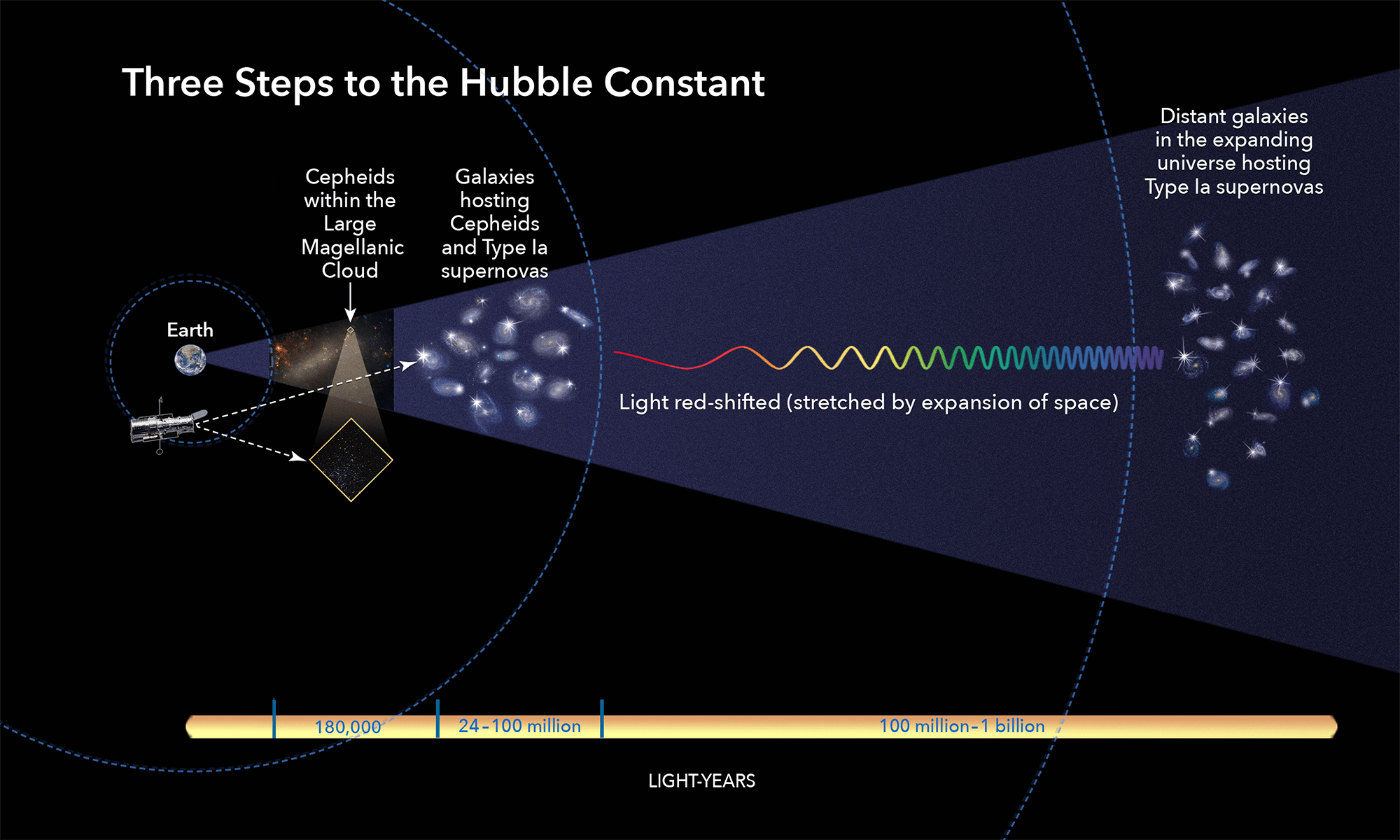
Continue reading
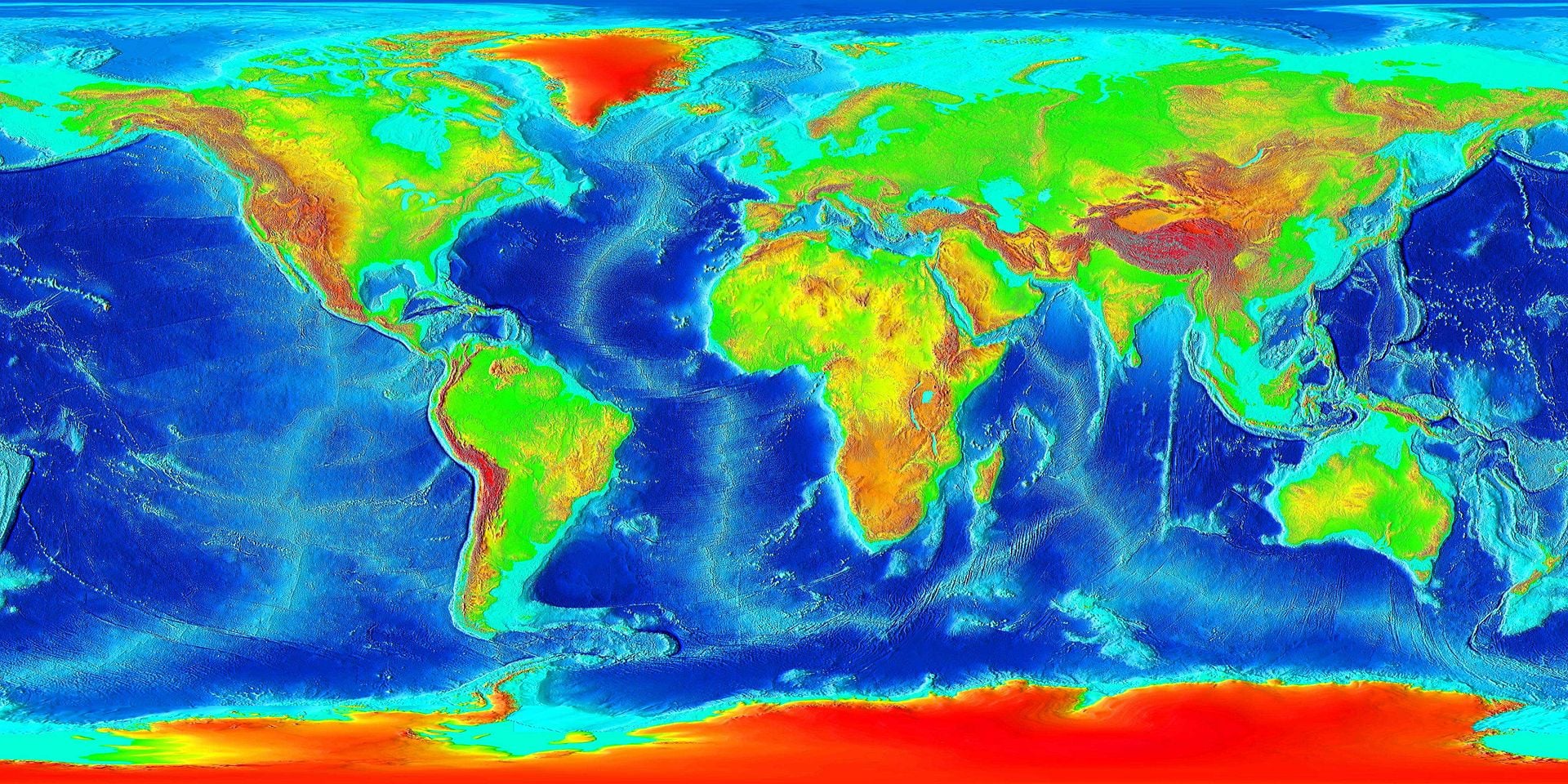
Continue reading
 Universe Today