NASA's Perseverance Rover Uncovers Evidence of 4 Billion Year Old Impacts
Old rocks exposed on the rim of Jezero Crater preserve a roughly 4-billion-year-old cosmic “weather report” from the solar system’s most dynamic era.
The study of planets and moons
Old rocks exposed on the rim of Jezero Crater preserve a roughly 4-billion-year-old cosmic “weather report” from the solar system’s most dynamic era.
Researchers utilized 30 years of Landsat satellite imagery to analyze the color and spectral signatures of Adélie penguin guano across Antarctica, marking the first time space-based observations have captured food-web and population dynamics at a continental scale.
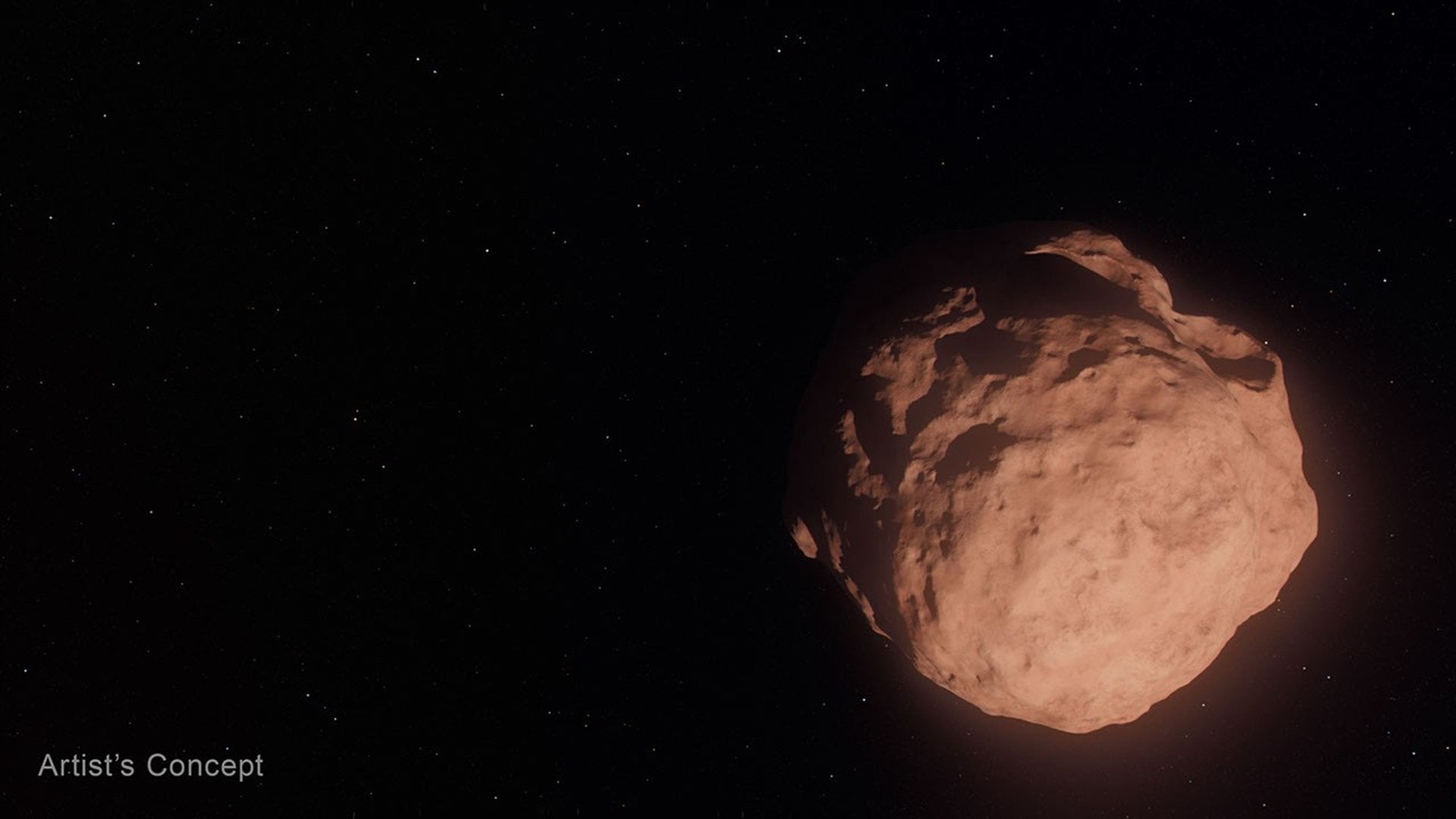
After chasing a small asteroid across a billion kilometres of space, China's Tianwen-2 probe has finally caught up, closing to within twenty kilometres of its target and beginning detailed scientific study. What it uncovers next could help settle a genuinely intriguing question, whether this quiet companion of Earth is simply another asteroid, or a long lost piece of the Moon itself.
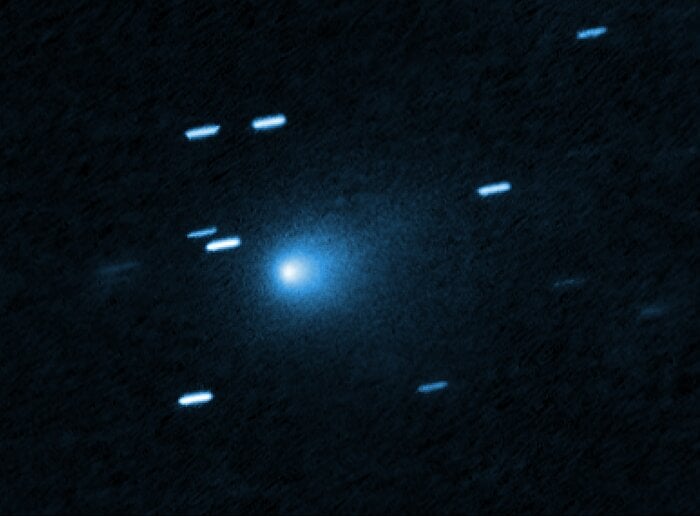
Somewhere in the Milky Way Galaxy is an old star that has lost one of its comets. By some quirk of orbital mechanics, that frozen nucleus of ice and dust got kicked out of its home system and into a long and winding trajectory across space. It entered our Solar System sometime in the distant past and traveled somewhat near to Earth on October 30, 2025, on its way through the system.
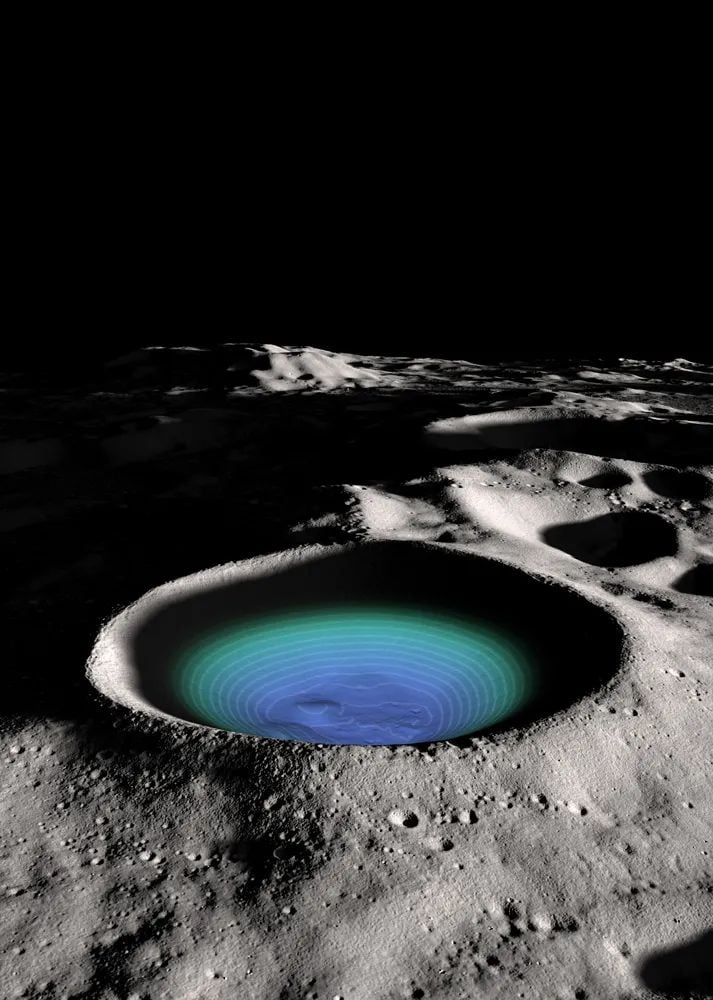
Aside from an unknown quantity of water in the Moon’s permanently shaded polar craters, the lion’s share of what water the Moon may have is likely chemically bound in its deep interior.
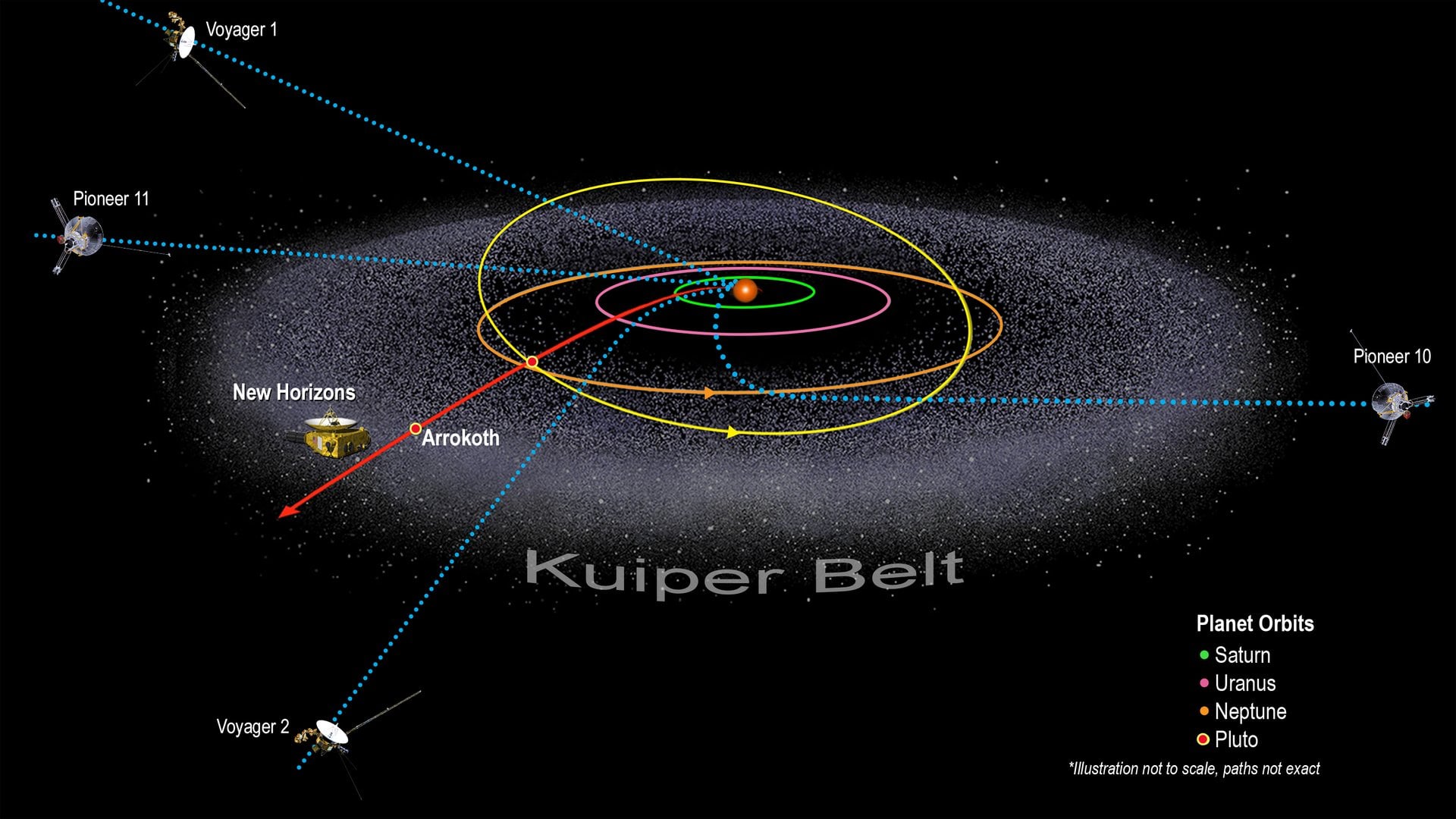
Where does the Solar System end and interstellar space begin? That's a question scientists have been working to answer using spacecraft traveling out beyond the Sun's influence. A team of researchers from the Southwest Research Institute led by Heather Elliott, is using the Solar Wind around Pluto instrument onboard New Horizons to track the solar wind in the outer reachers of the Solar System.
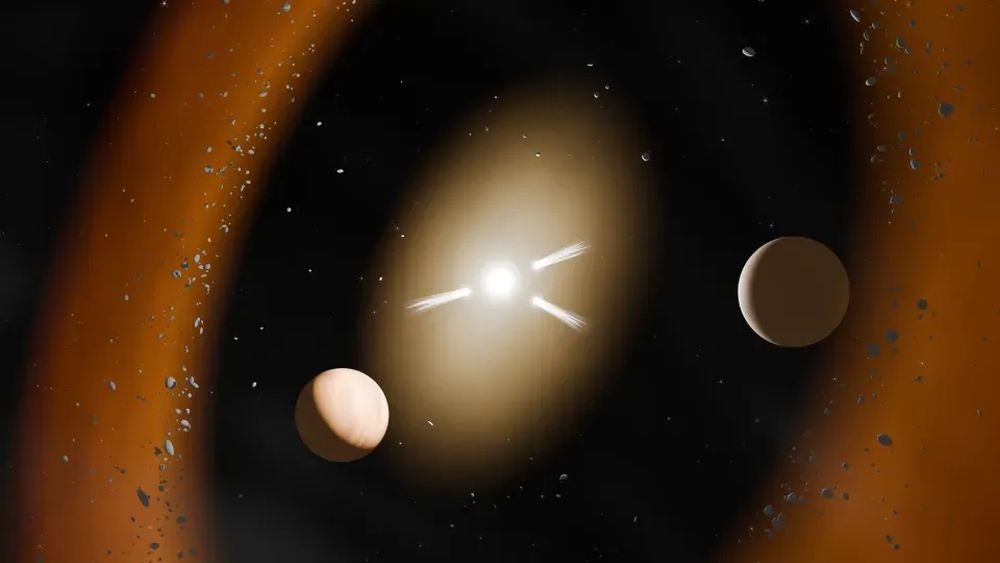
Some planets can survive when their main sequence stars "die" and evolve into red giants. Astronomers have found several of them. One of them in particular is orbiting extremely close to its star, providing an opportunity to study it with the JWST to determine how it got there.
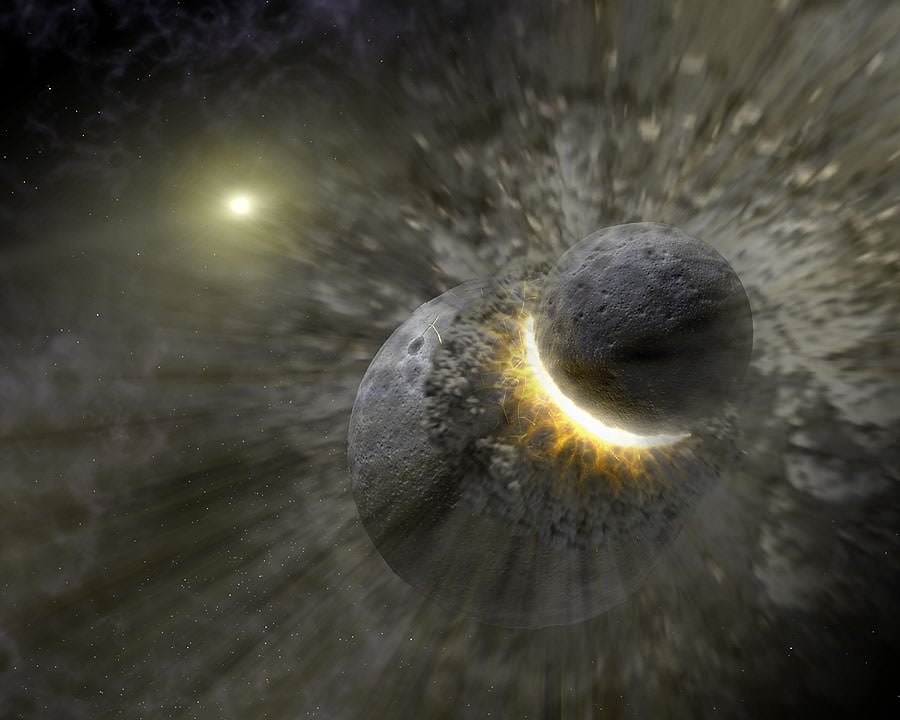
New research shows that repeated impacts on Earth during the Hadean eon prevented thick and stable crustal material from forming. The heat from these impacts penetrated deep into the planet, and along with radiogenic heating, delayed the formation of a solid crust.
After more than eight years of searching and with instruments designed to detect it, the European Space Agency’s (ESA) Mars Trace Gas Orbiter has yet to find methane in the red planet’s atmosphere.
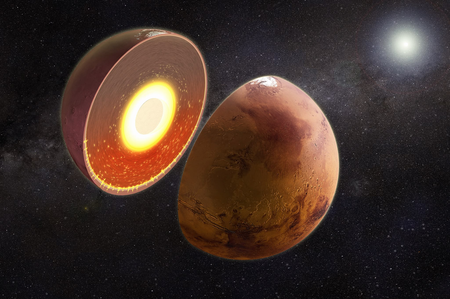
Researchers from the University of Oxford have uncovered evidence that Mars once hosted widespread, Earth-like magmatic systems deep beneath its surface – despite the planet lacking the plate tectonics long thought necessary for this kind of geological complexity. The findings, published June 26th in Nature Astronomy, reveal fascinating new possibilities for how rocky planets become habitable.
Jupiter’s moon, Europa, has become high-value real estate for astrobiologists and the search for life beyond Earth. This is because the small moon, which is slightly smaller than Earth’s Moon, boasts a massive subsurface ocean of liquid water that scientists estimate contains about double the amount of water of all Earth’s oceans combined. As seen on Earth, water equals life, so scientists are eager to continue to explore Europa in any way possible to determine if it could harbor life as we know it, or even as we don’t know it.
Comets have play an interesting role in astronomy history. From antiquity, many cultures saw them omens or spirits, portending good or bad news for kings, queens, and emperors. Over the past few hundred years, however, astronomers have studied them intently to understand the science behind these visitors to the inner Solar System. Today we know that these ghostly apparitions in the sky are made of dirty balls of ice and rock blasting through space, scattering dust and gases as they go.
For decades, scientists have searched for a clear link between the Sun’s explosive storms and the weather that occurs on Earth. A breakthrough study from the University of New Hampshire reveals that in the hours and days following a solar storm, parts of North America can see sharp changes in the weather — such as declines in precipitation — and the more powerful the storm, the more dramatic the shift. However, the exact mechanism behind the effects is still waiting for an explanation.
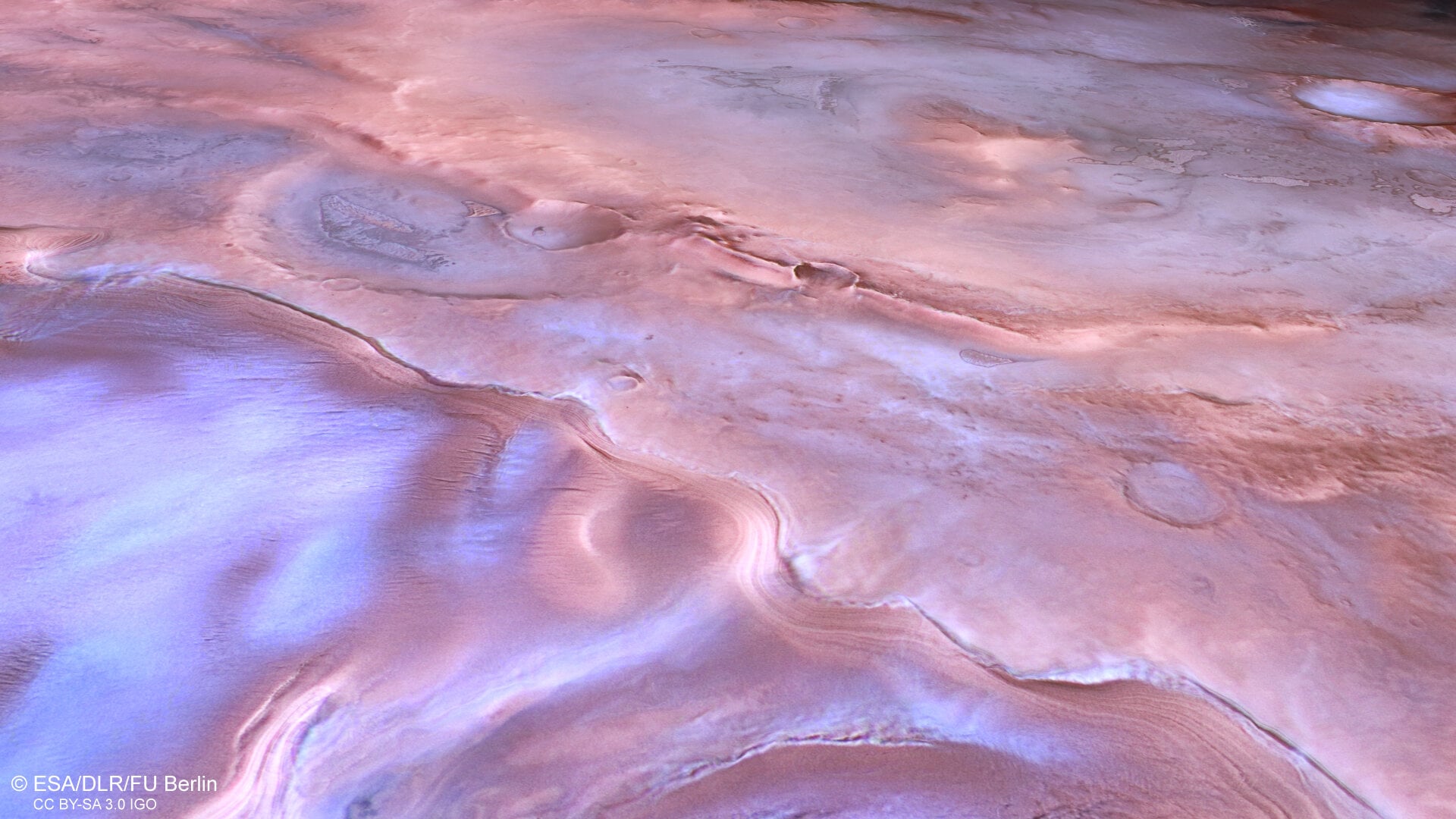
The European Space Agency’s Mars Express has captured part of Mars’s Mamers Valles: a fascinating valley system speckled with brief, tornado-like whirlwinds known as dust devils.
Uranus and Neptune remain two of the most mysterious objects in the solar system, primarily because they’ve only been visited by NASA’s Voyager 2 spacecraft in 1986 and 1989, respectively. Their “ice giant” moniker comes from longstanding hypotheses that their interiors are comprised of an icy mantle beneath their hydrogen/helium atmospheres. While Jupiter and Saturn are also comprised primarily of hydrogen and helium, Uranus and Neptune are hypothesized to have a layered structure comprised of icy elements within their interiors.
A chip of zircon found in Western Australian rocks at a place called North Pole Dome revealed the age of Earth's oldest known impact crater. The team that found it was working on age-dating the crater, which is located in a region called the Pilbara Craton. They used mineral dating to pinpoint the exact time it was dug out by an impactor. Team lead Chris Kirkland from the Timescales of Minerals Systems Group within Curtin University's School of Earth and Planetary Sciences, said the findings help resolve a longstanding question about the timing of the impact. The results of the team's analysis of several minerals at the site, along with zircon, indicated that the North Pole Dome impact occurred at 3.024 billion years ago (plus or minus a few million years).
The asteroid that caused the extinction of the dinosaurs also created an underground environment suited to supporting new life, and new research suggests it lasted for millions of years longer than previously suspected. While previous research showed the buried hydrothermal system of porous rock, hot water, and chemical nutrients may have lasted 2 million years, new research says it lasted for 8 million years.
Many of Earth's mass extinctions await clear explanations. We know an impact wiped out the dinosaurs, but what about the planet's other extinction events? New research says flybys of planetary mass objects could've been responsible.
A proposal to create a new network for monitoring cosmic threats to off-world infrastructure has won this year's Schweickart Prize, which recognizes bright ideas for planetary defense.
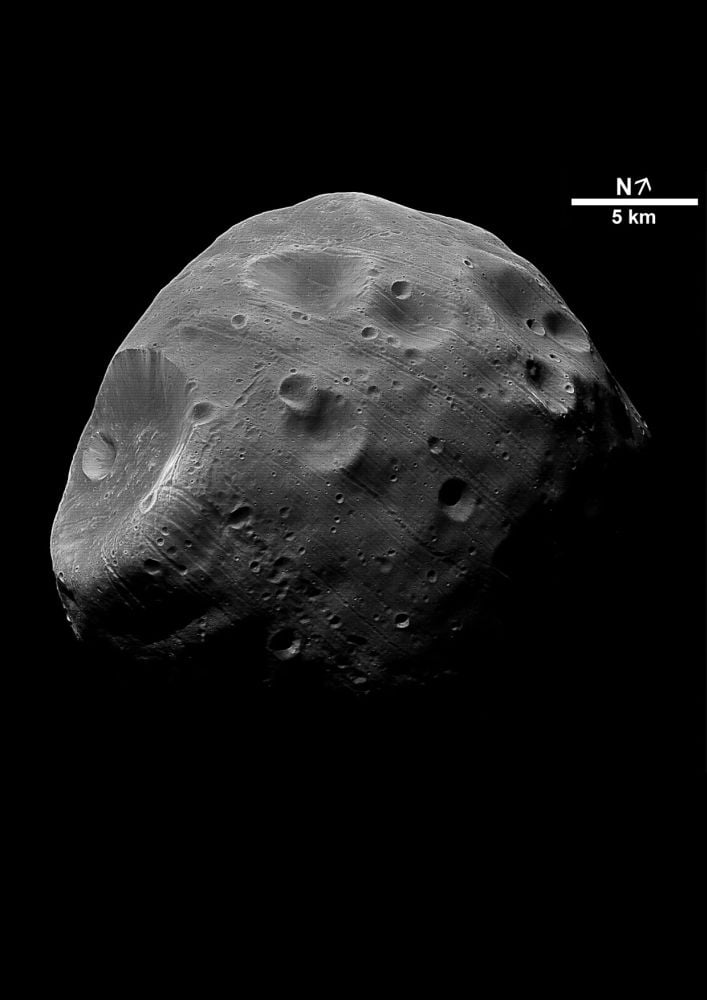
Understanding the Martian moon of Phobos’ origin hinges on decoding its interior. Japan’s Martian Moons Exploration (MMX) mission due for launch in late 2026 should help.