Universe Today
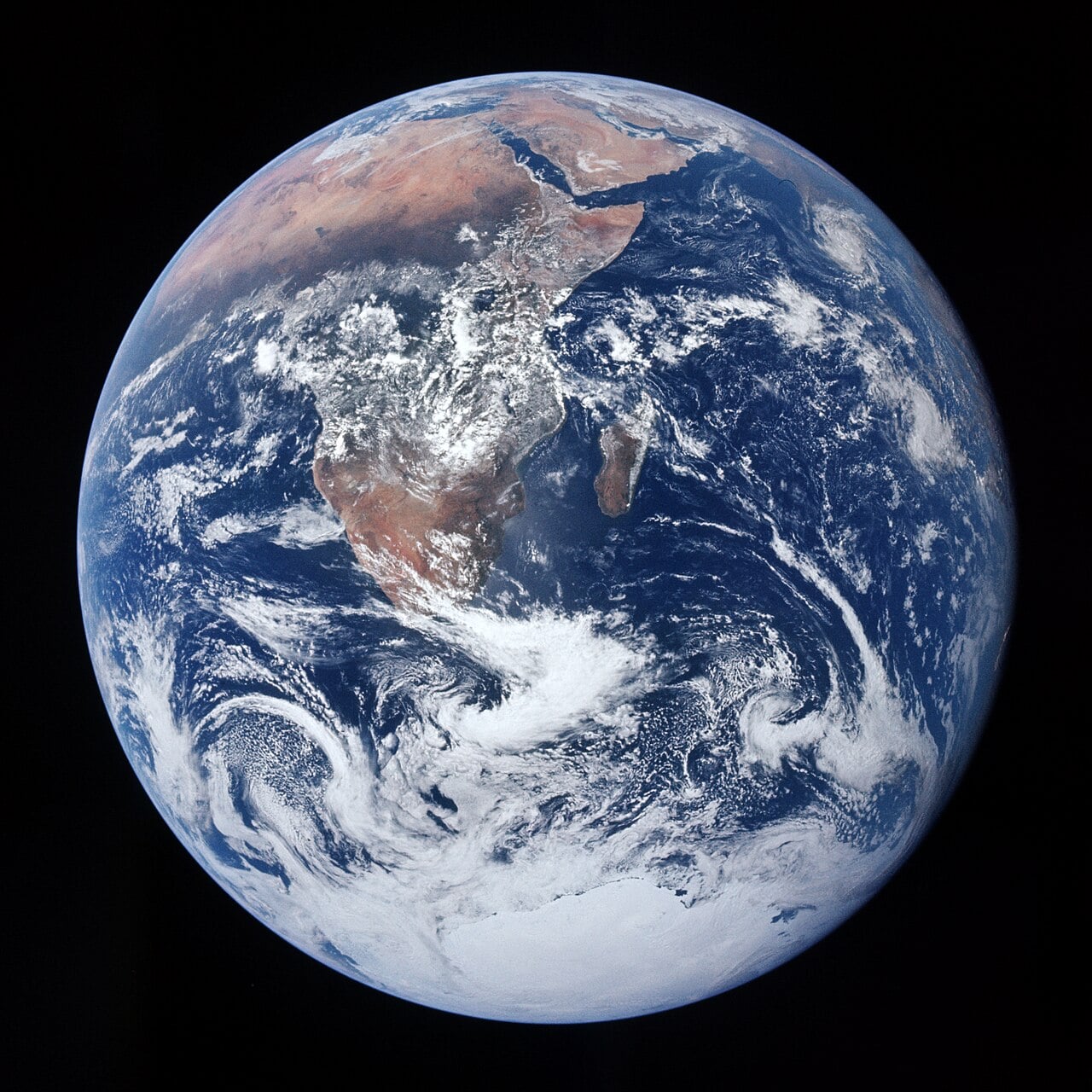
Over the last three decades, computer models of forming planetary systems have gone from being fairly crude replications to sophisticated simulations using thousands of different initial starting points.
A paper presented at the recent Origins 2026 conference in Paris detailing recent innovative simulations of how our own solar system might have formed was done by making no assumptions about the planetary architecture about which we are so familiar.
In his paper, Nader Haghighipour, a planetary scientist at the University of Hawaii in Manoa, argued that his models, unlike previous models, incorporate many completely random starting points, and in turn lets physics drive the models’ ultimate evolution. As a result, these new models are not only much more complete but allow physics to dictate their outcomes.
After about thirty years of doing terrestrial planet formation in one specific way, we have reached a point where we realized that the modeling done we have done in the past has many limitations and can’t be pushed any further, Haghighipour told me in Paris.
The most viable environment for the formation of habitable planets, one that emerges organically from the evolution of a stellar nebula and is free from any specific assumption, is a protoplanetary disk with a non-uniform distribution of solid material, Haghighipour writes in his Origins conference paper. We have carried out more than 1000 simulations of the late stage of terrestrial planet formation for a variety of distributions of planetesimals and planetary embryos, Haghighipour writes.
A Random Start
As Haghighipour points out, no one knows our solar system’s precise starting point; or how random objects of different sizes were distributed in the initial protoplanetary disk.
So, we had to go back to the beginning and start from scratch; letting the physics of planet formation take over and take us forward, says Haghighipour. That is, without accommodating what we already know about our solar system, he says.
Haghighipour and colleagues found that formation of Earth at one Earth-Sun distance (or astronomical unit) is a natural outcome of the evolution of our solar system.
We find that Venus appears about 28 percent of the time and maintains its orbit, sometimes in the habitable zone of the stars, sometimes slightly outside, says Haghighipour. Mars appears a number of times as a small object in the vicinity of the current orbit of Mars, he says.
Haghighipour and colleagues’ models then simulated these hypothetical planetary bodies’ interactions with one another. Previously, such simulations would sometimes take six to eight months to run; now they can be done within six to eight weeks on current laptop computers.
Tiny details can make a huge difference.
Even a small variation in initial conditions can have a great impact on the final product of a given solar system, says Haghighipour.
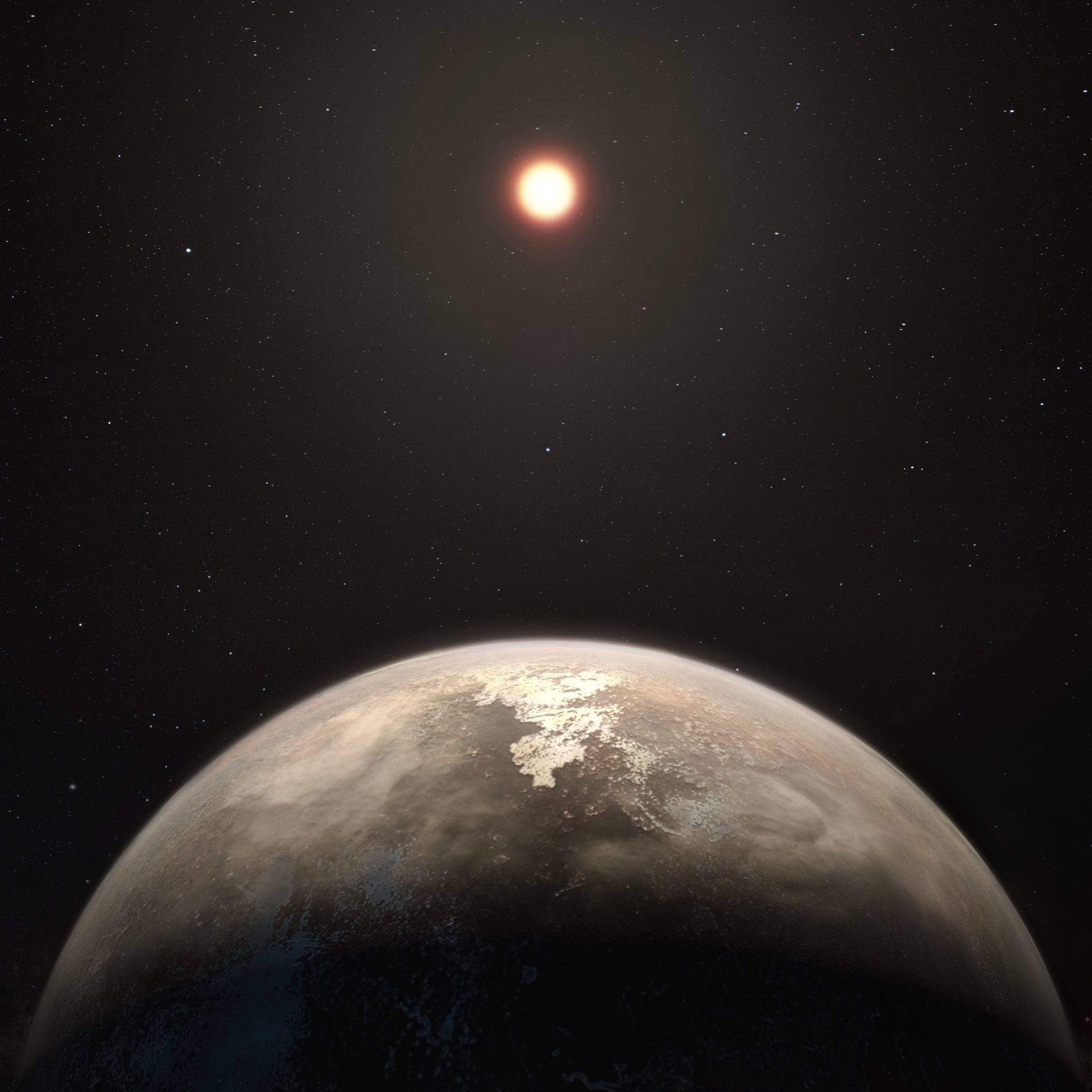 This artist’s impression shows the temperate planet Ross 128 b, with its red dwarf parent star in the background. This planet, which lies only 11 light-years from Earth, was found by a team using ESO’s unique planet-hunting HARPS instrument. Credit: ESO/M. Kornmesser
An Eternal Puzzle?
After life originated (we don't know how and will never know), life developed branches and bifurcated so that it could find a way to stay in sync with Earth's evolution, says Haghighipour.
As For Extrasolar Earths?
Given the commonality of Earth-sized planets (including small super-earths) in the habitable zones of solar-type stars, it would be completely logical to consider that Earthly life is common, says Haghighipour.
But can we detect life around other solar systems?
Finding life on other planets is a very complicated thing; our technology is not at that level, says Haghighipour. But this type of study will enable us to understand the characteristic of a planet like Earth and the physical processes that went into its formation and how it became habitable, he says.
The Bottom Line?
There is no reason to believe that our Earth is a fluke, says Haghighipour.