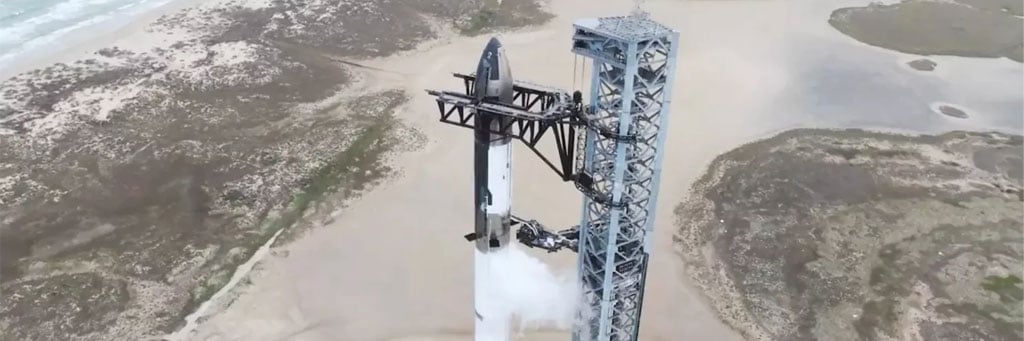
Continue reading
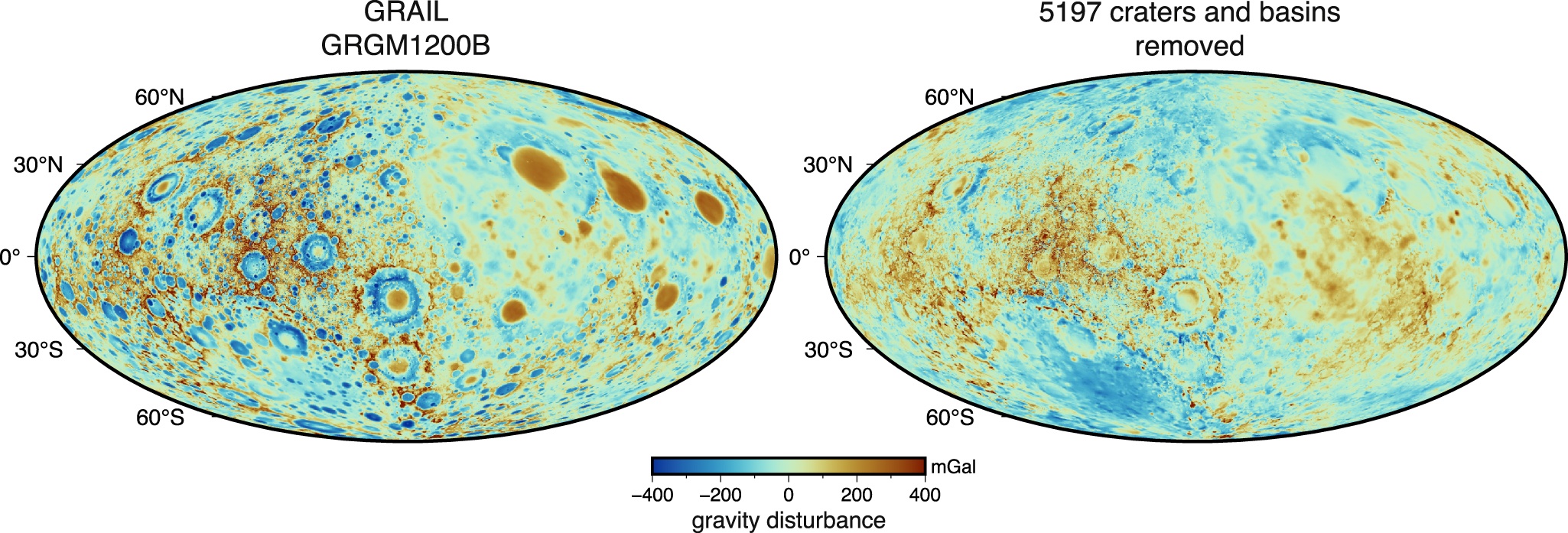
Astronomers tracked the Moon's poles over billions of years.
Continue reading
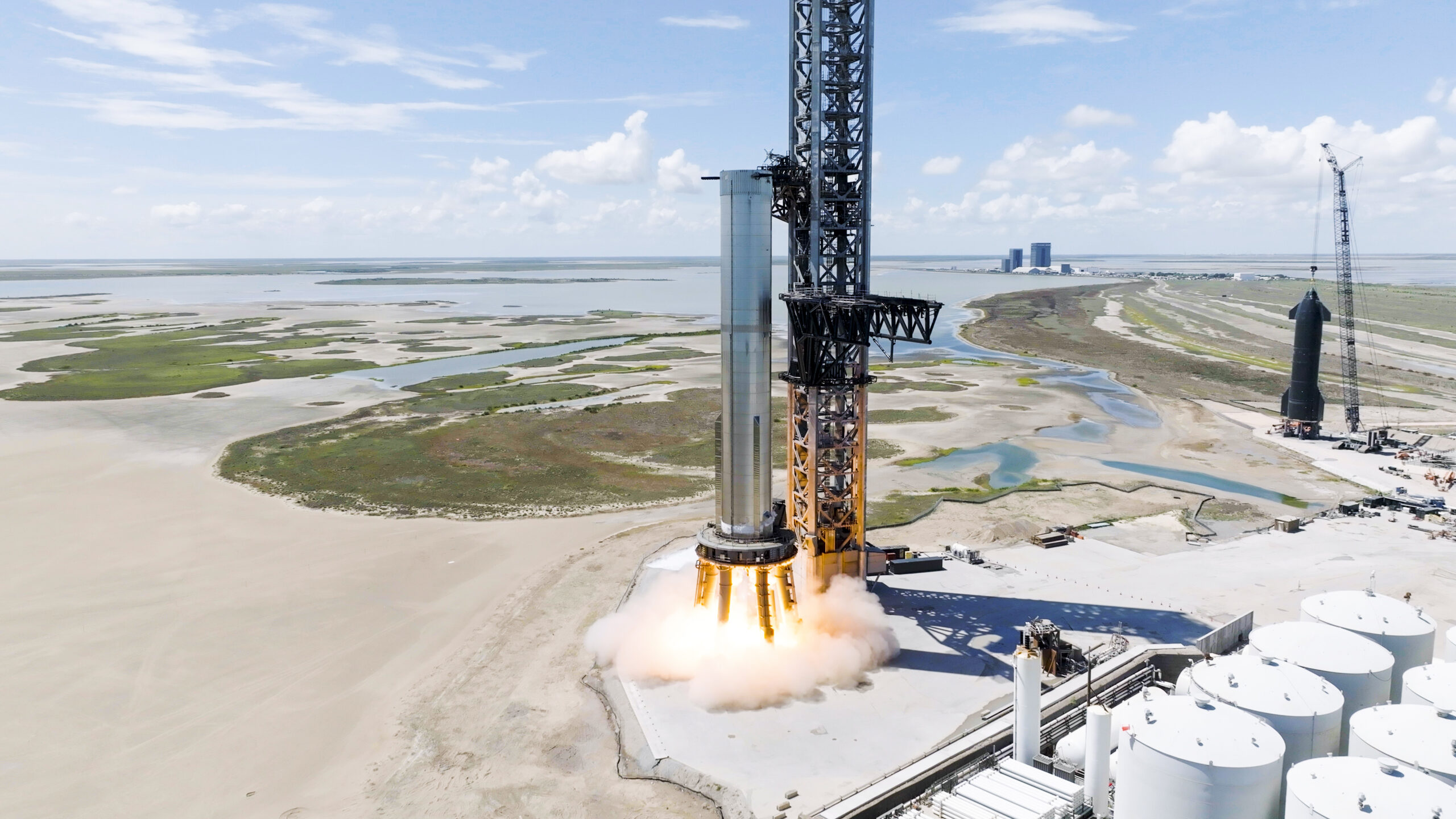
Continue reading
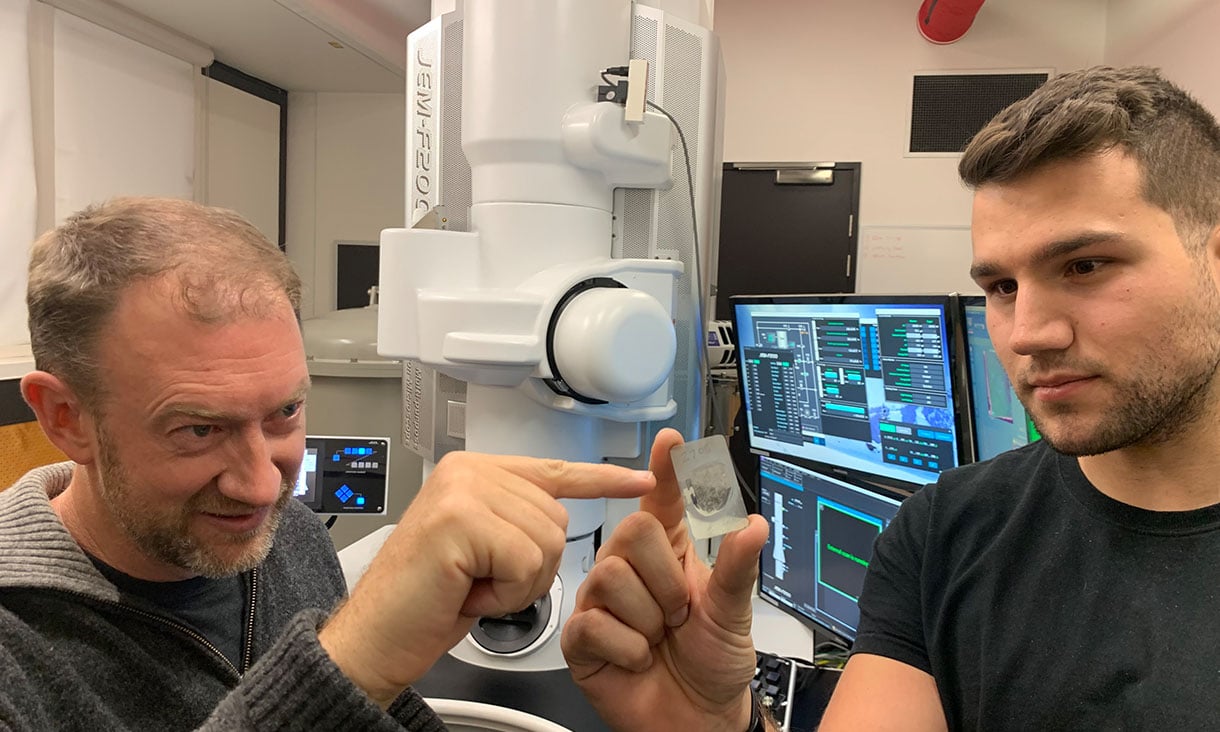
Continue reading
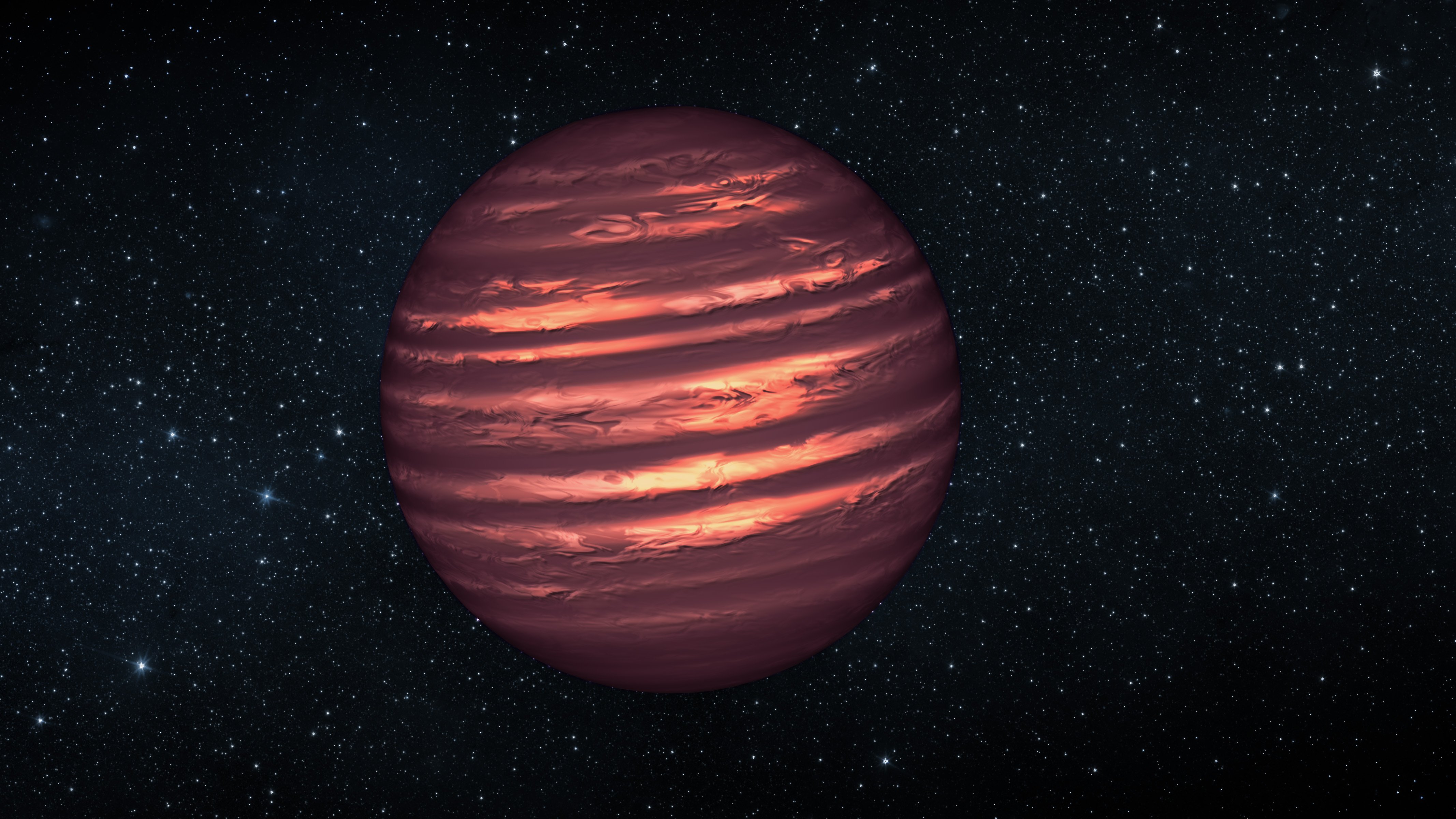
An international collaboration has used data from Webb to characterize a brown dwarf, and found clouds of sand in its atmosphere!
Continue reading
Continue reading
Continue reading

On Monday, Sept. 26th, the DART mission will collide with an asteroid to test a method of planetary defense. The even will be hosted live around the world!
Continue reading
Continue reading
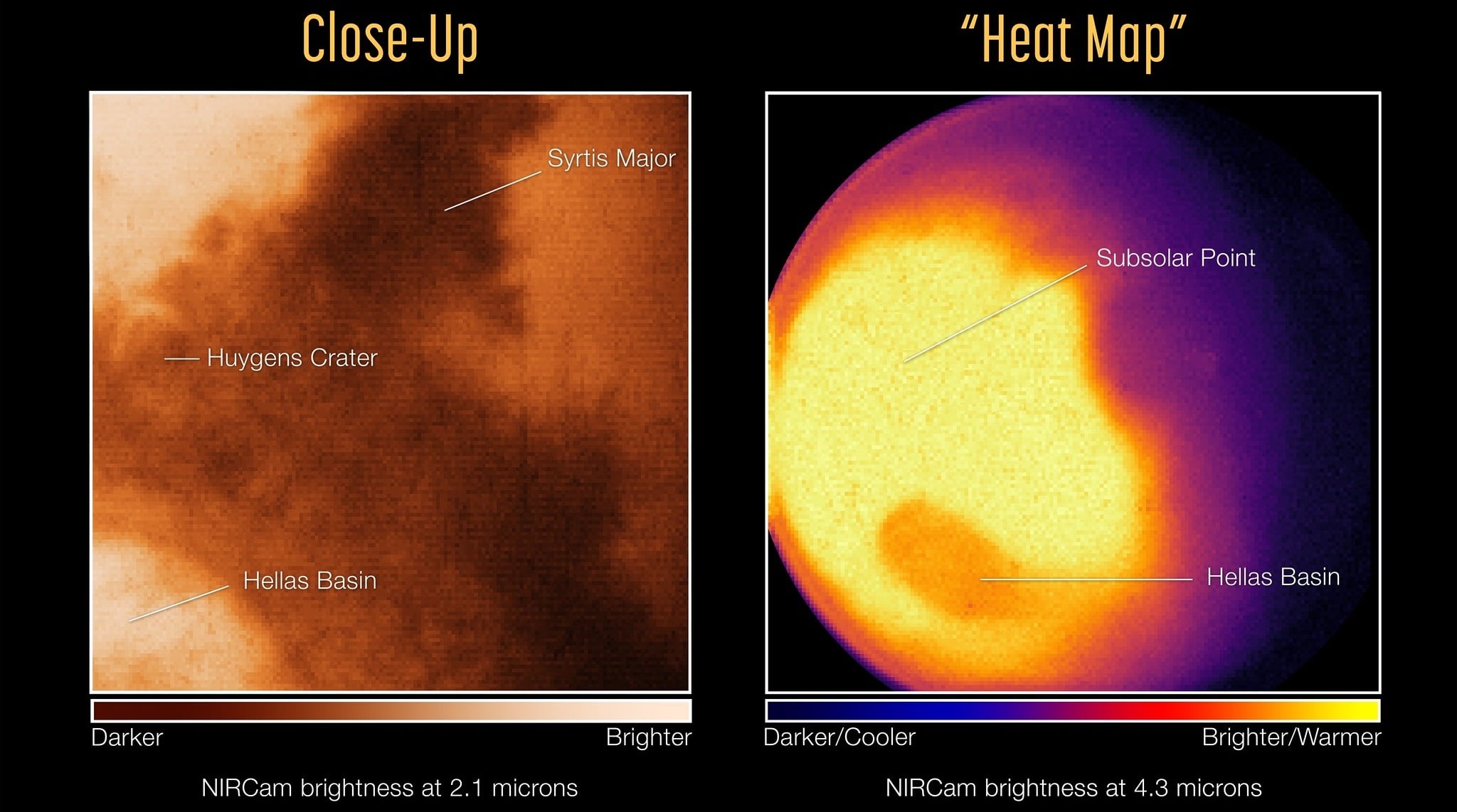
The first Webb images of Mars were just released by the ESA, revealing spectra from the planet's atmosphere and what Mars looks like in infrared light
Continue reading
Continue reading
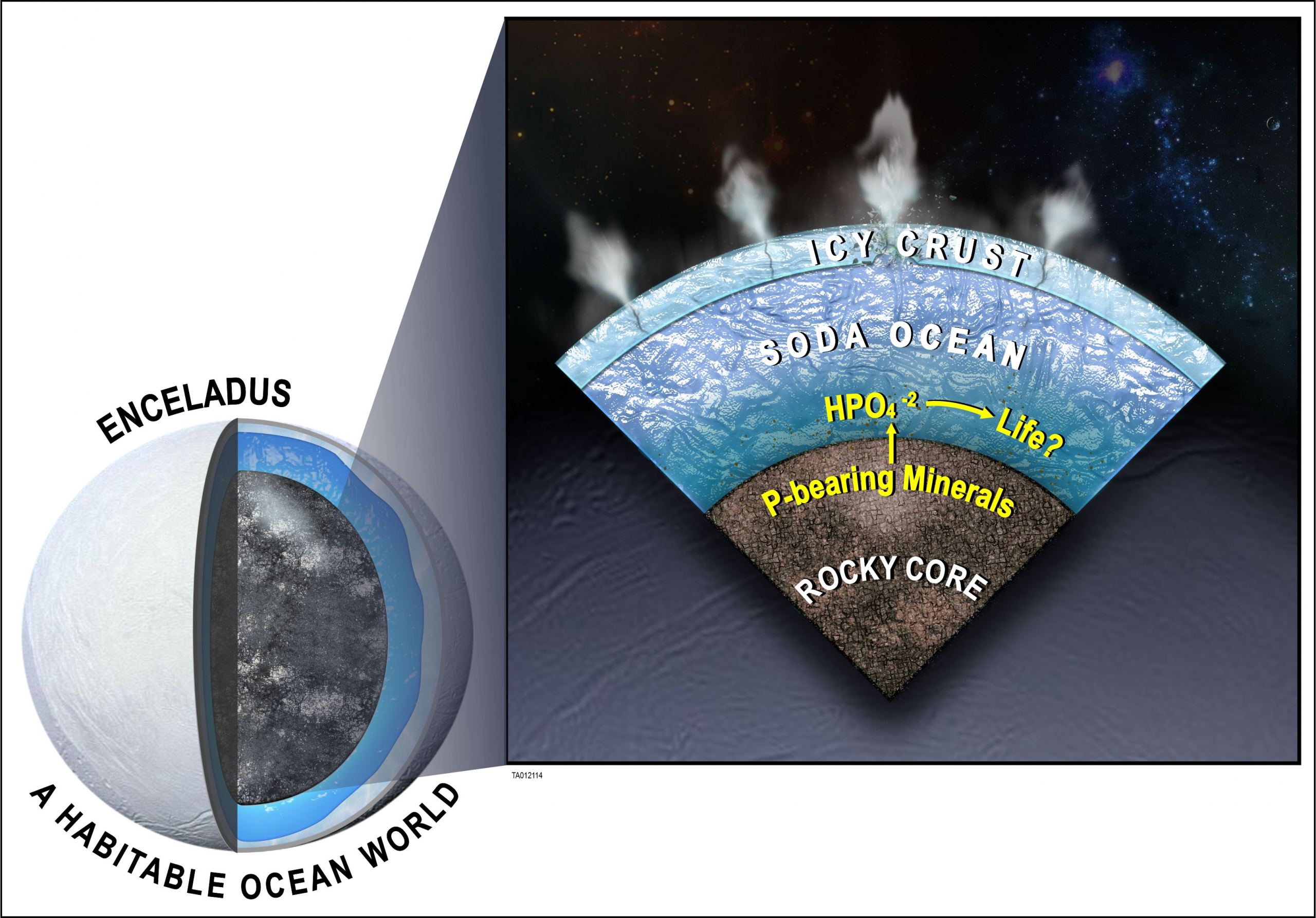
It takes a watery world to support life as we know it, but it also takes a special bit extra.
Continue reading
Continue reading
Continue reading

Continue reading

Continue reading

Continue reading
Continue reading
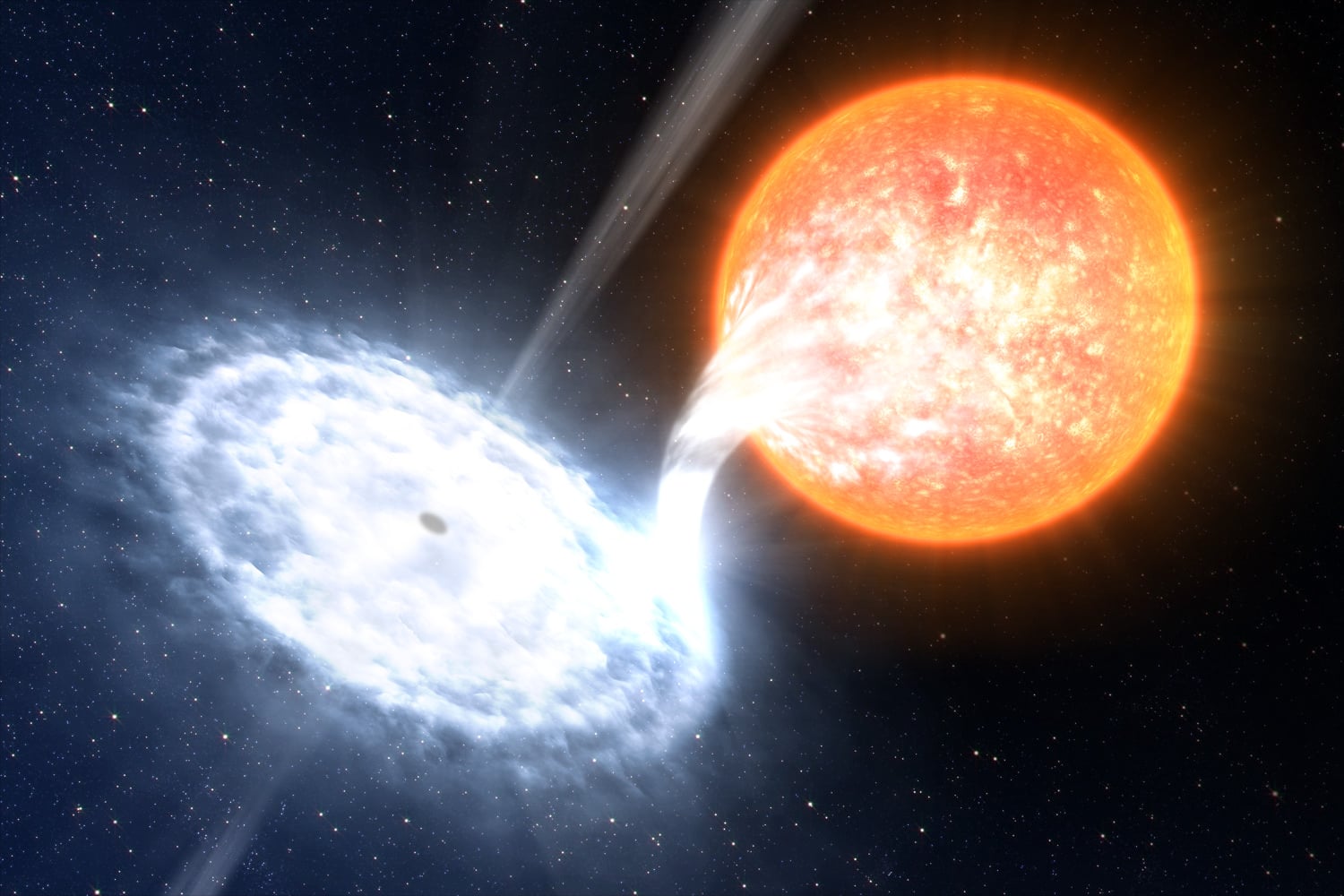
Using data from the Gaia Observatory, a team of astronomers has detected a Sun-like star that co-orbits with a dormant black hole.
Continue reading
Continue reading
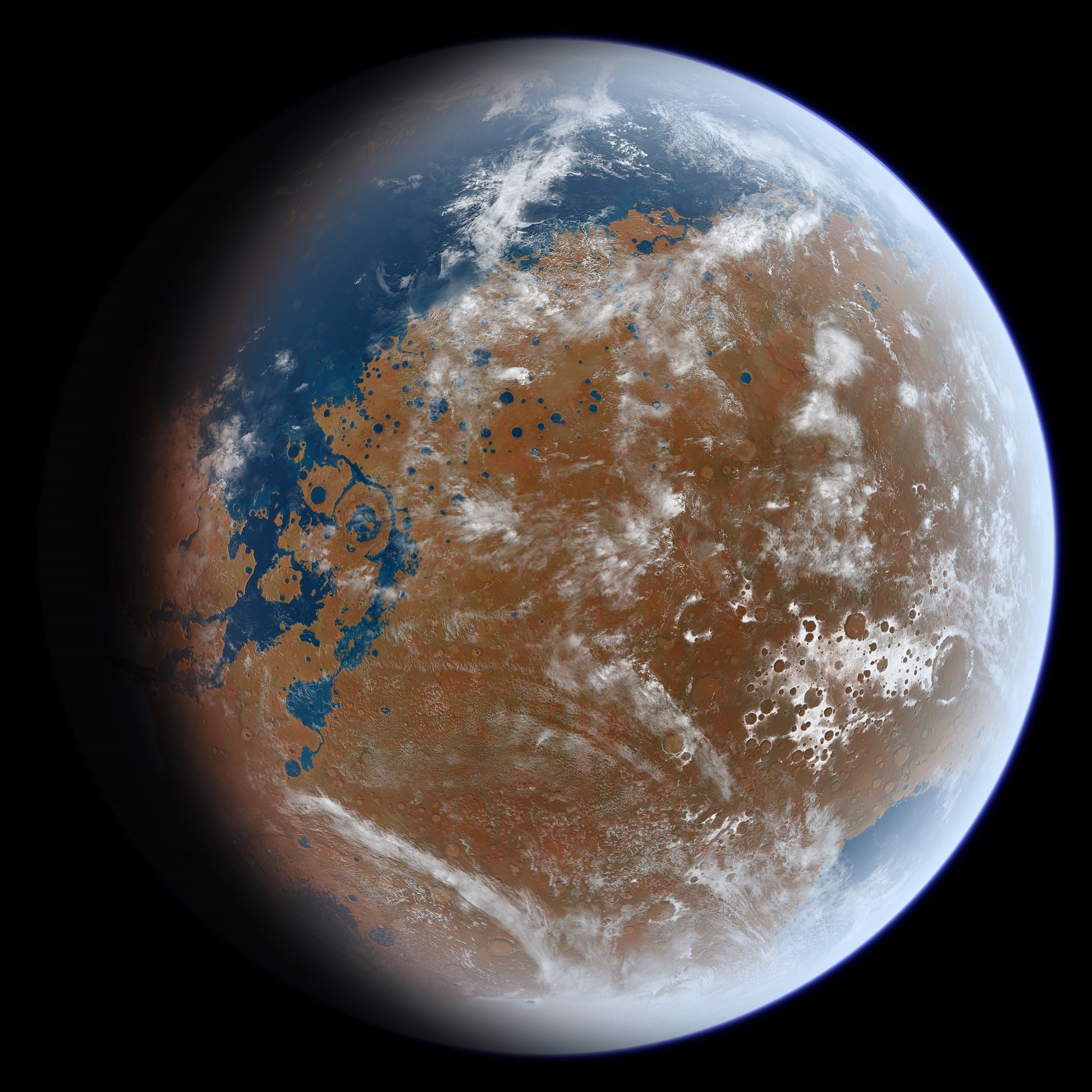
New research by an international team of scientists indicates that Mars may have had far more ancient lakes on its surface, which could have drastic implications for finding life.
Continue reading
Continue reading
Continue reading
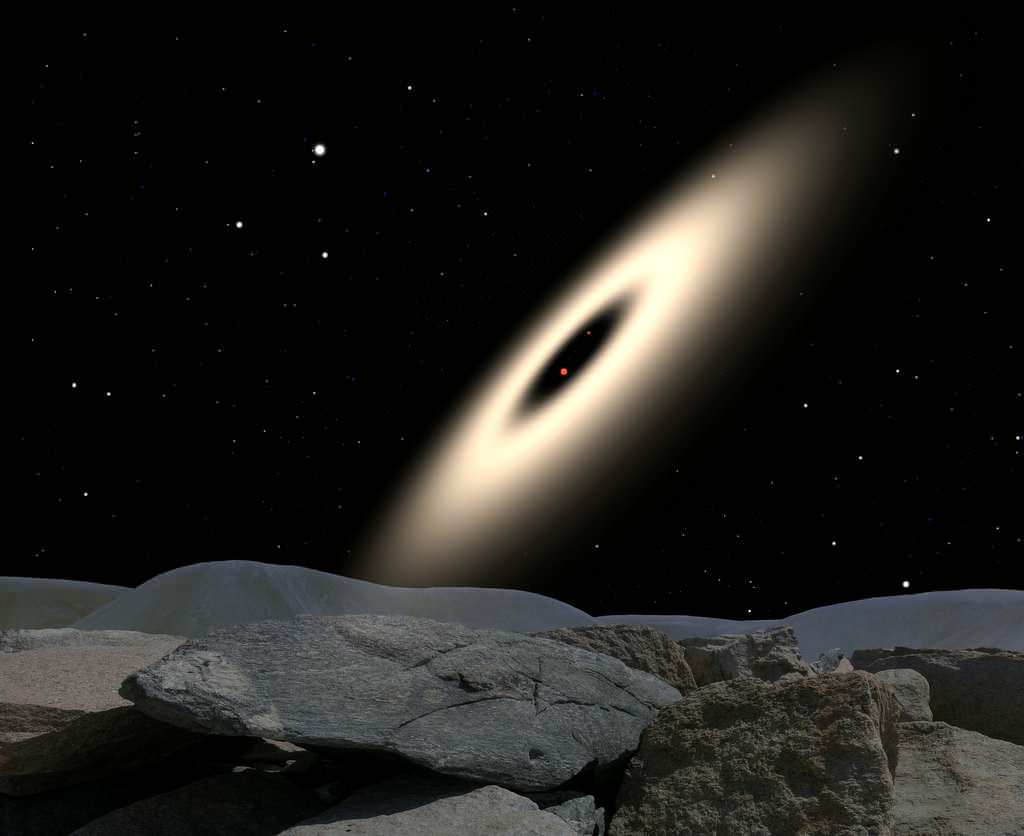
Astronomers demonstrate that you don't have to see a planet to discover it. You only need to see its Lagrange points.
Continue reading
Continue reading
Continue reading
Continue reading
Continue reading
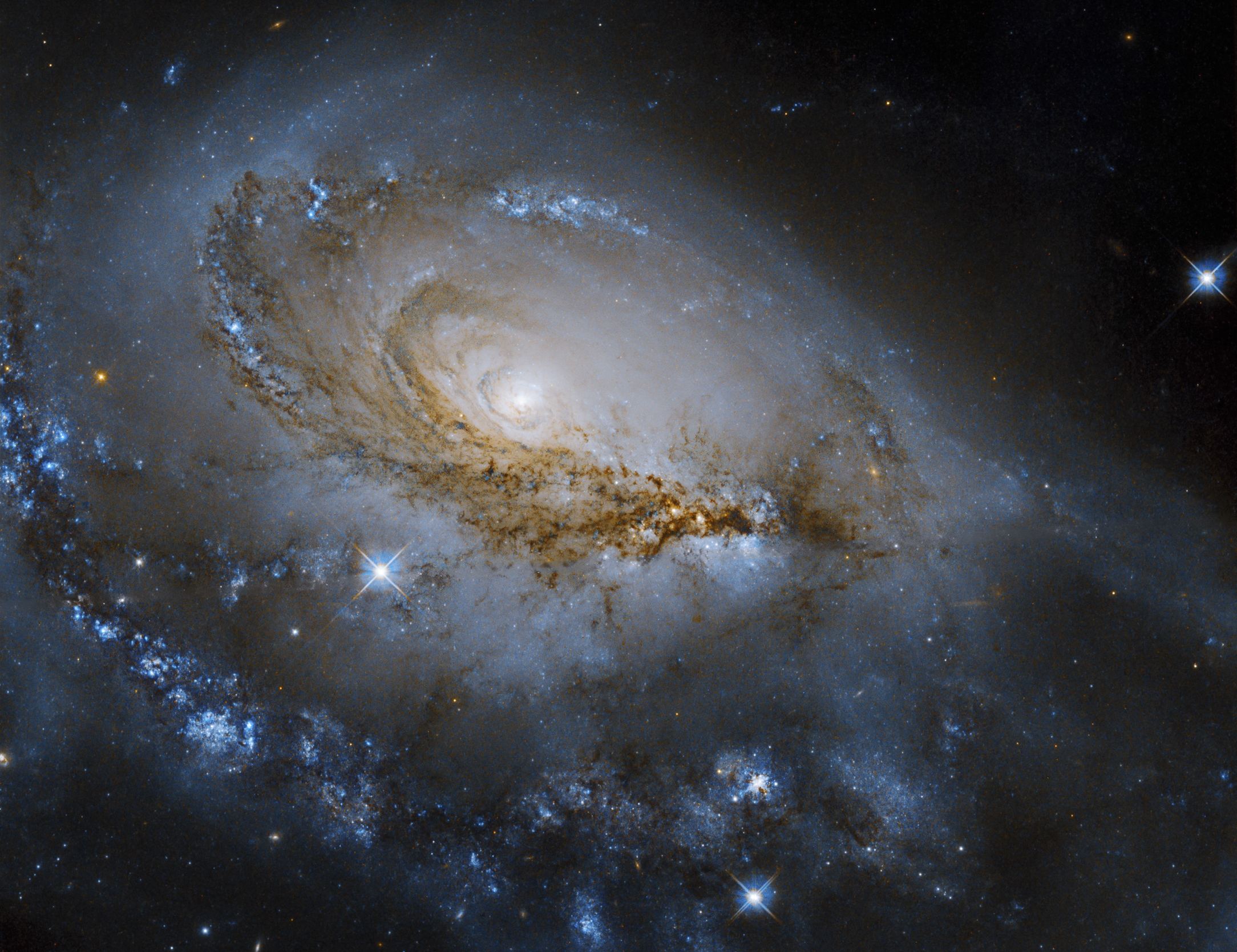
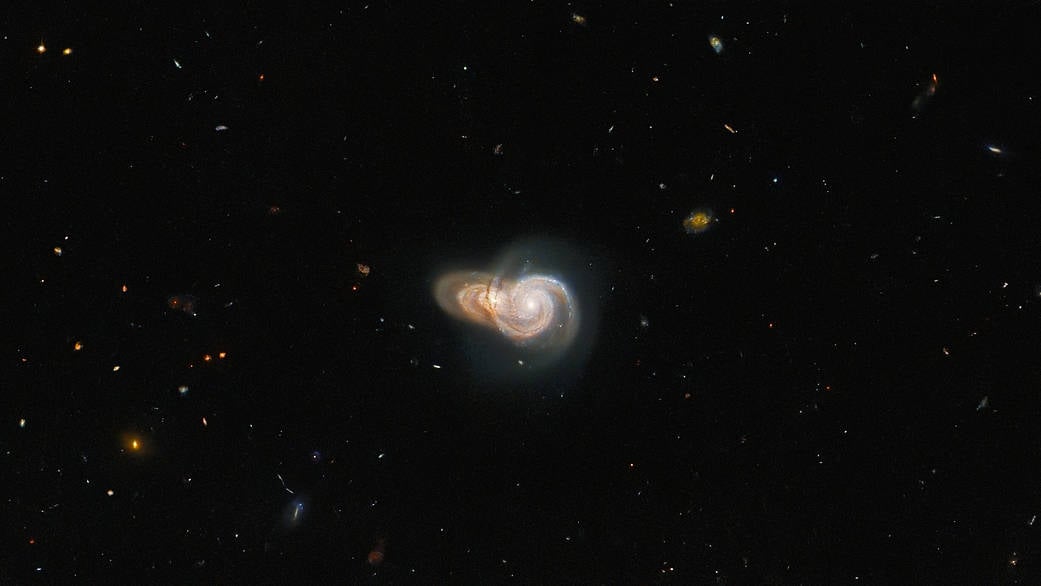
In a new image, Hubble provides a breathtaking view of the intermediate spiral galaxy NGC 1961 that showcases its peculiar features.
Continue reading
Continue reading
Continue reading
Continue reading
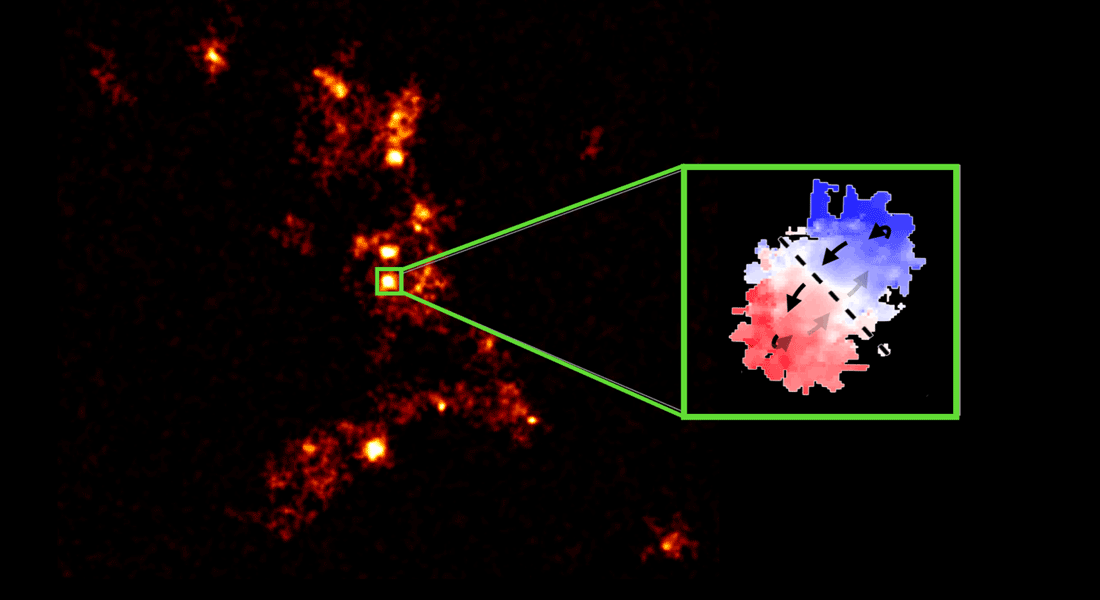
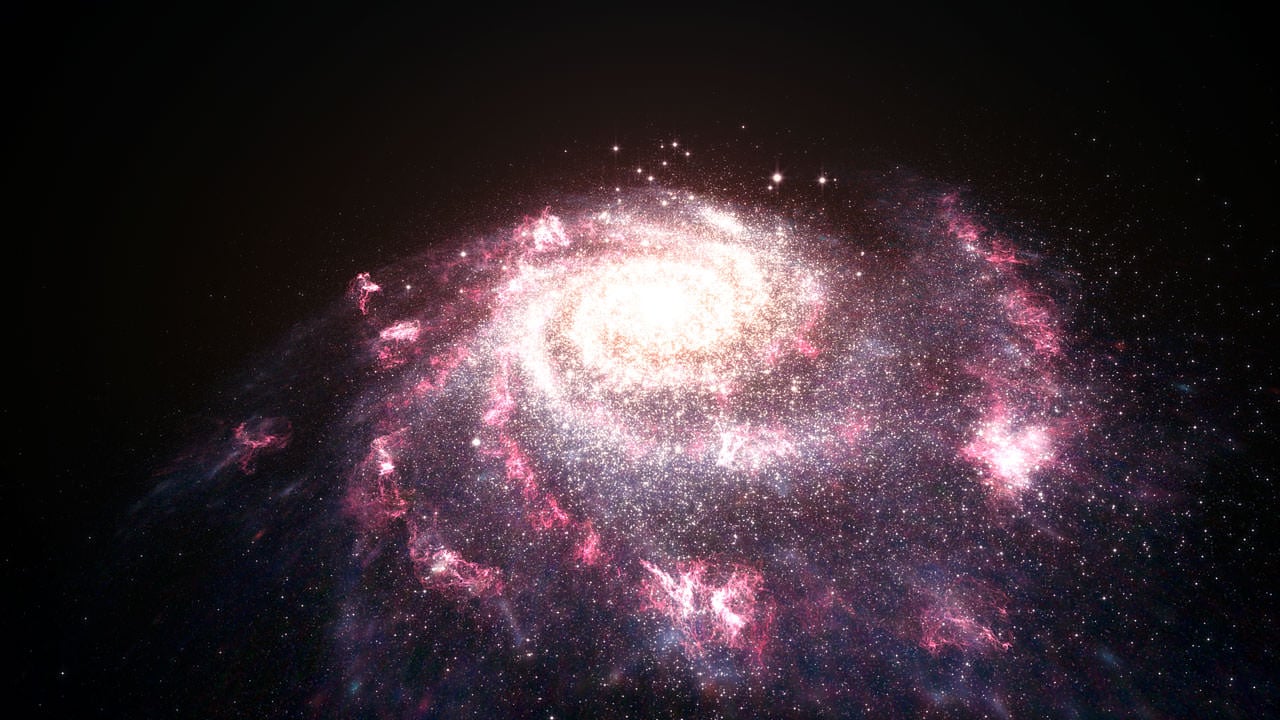
New research by an international team of scientists has revealed new insight into how rare, dusty galaxies evolved during the early Universe.
Continue reading
Continue reading
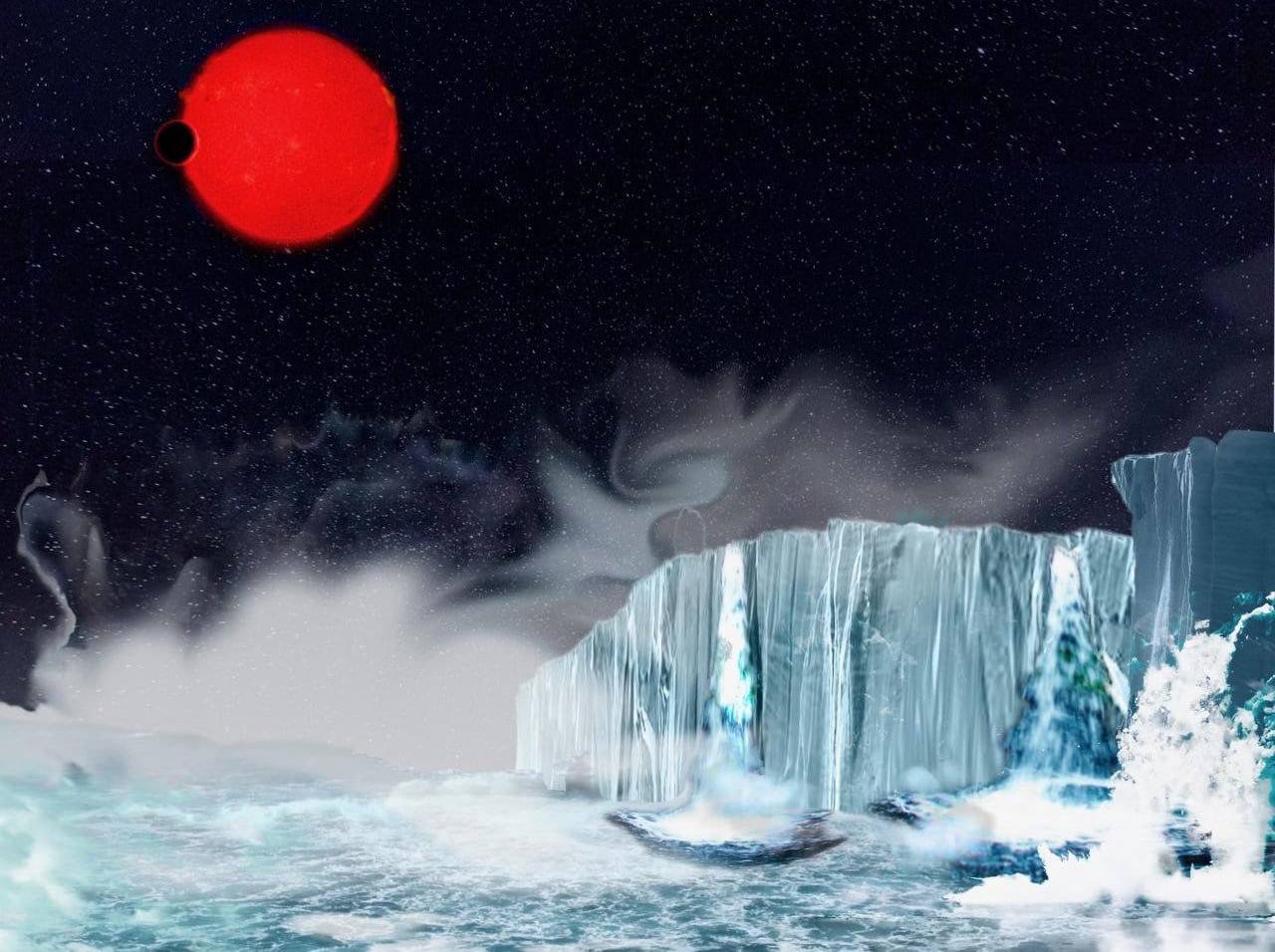
A new study has examined all the rocky planets around red dwarf stars and determined that "water worlds" are as common as "Earth-like" rocky planets.
Continue reading
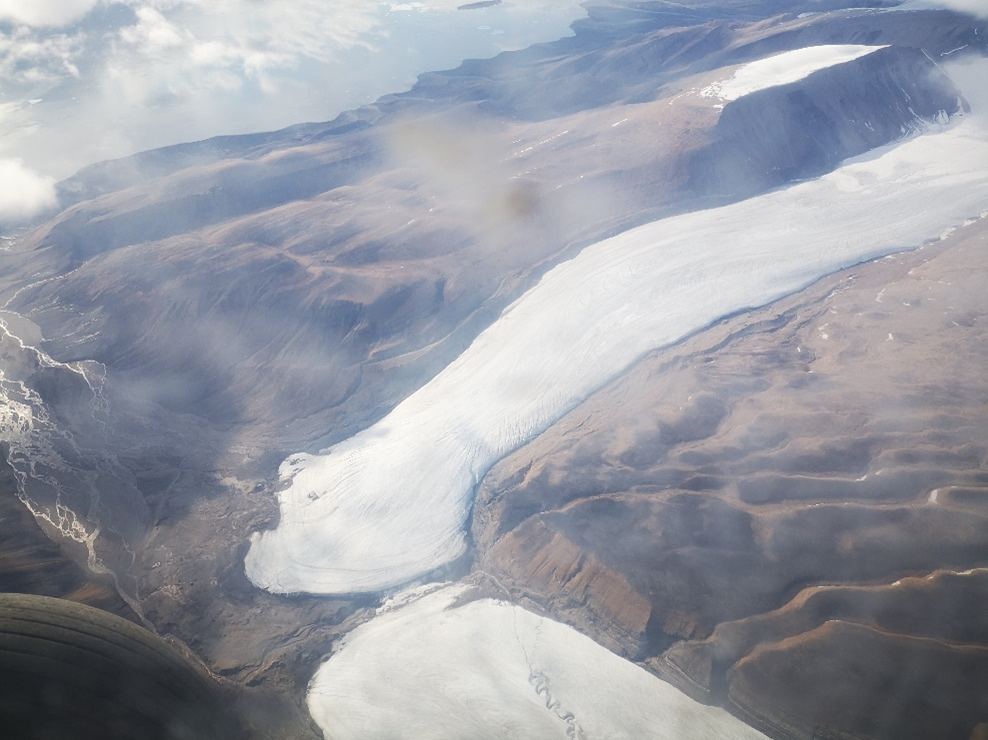
New research shows that glaciers on Mars moved very slowly, which could have allowed ancient life there to survive.
Continue reading
Continue reading

The Vespera telescope offers power and portability in a deep-sky imaging package.
Continue reading
Continue reading
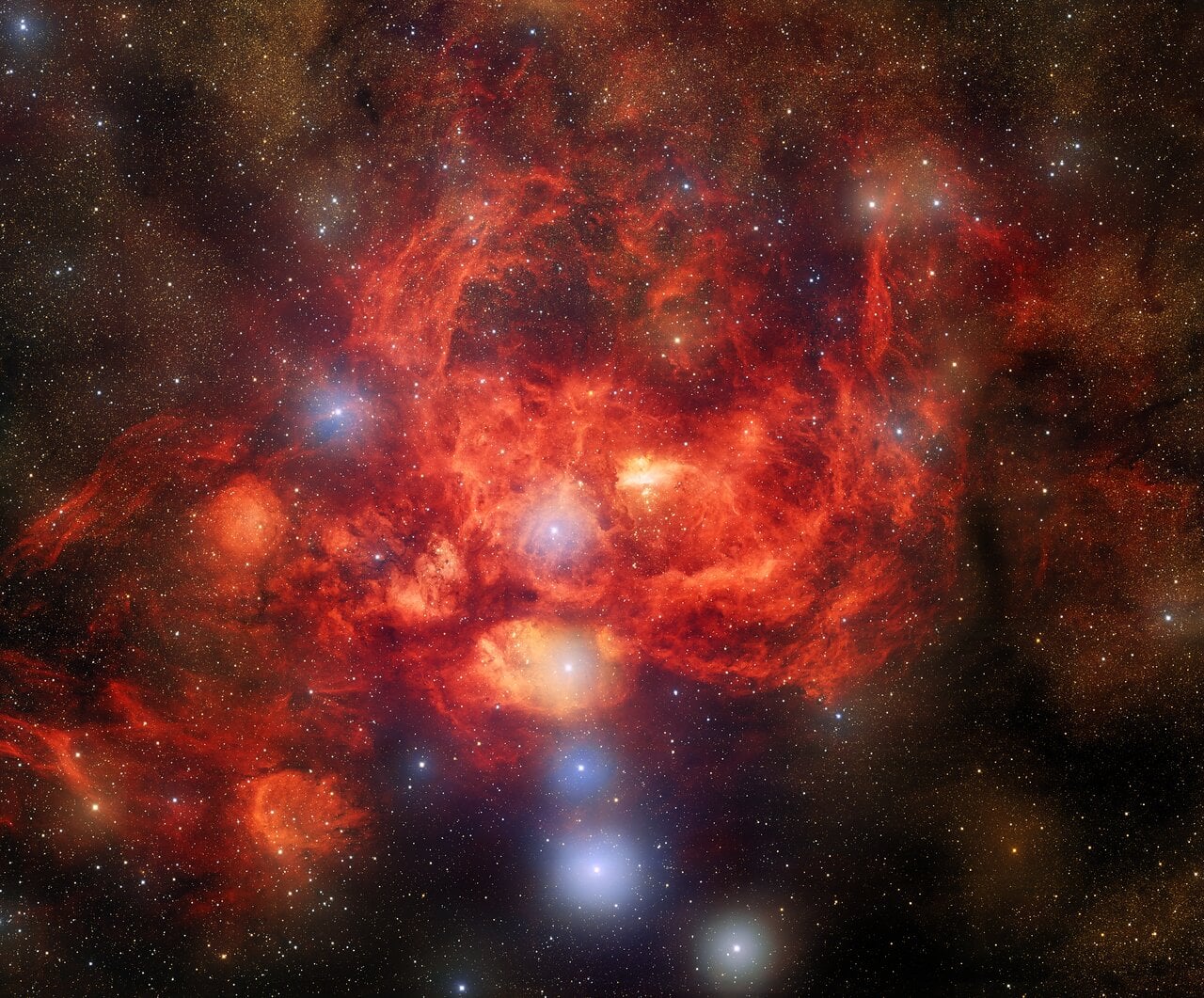
It takes a wide view to study dark energy, which also gives us a great look at some nebulae.
Continue reading
Continue reading
Continue reading
Continue reading

A new study involving fruit flies aboard the ISS demonstrates the importance of artificial gravity for missions to deep-space.
Continue reading
Continue reading
Continue reading
Continue reading
Continue reading

Jupiter has helped sustain life on Earth, but it might have done a better job with a more eccentric orbit.
Continue reading

Continue reading
 Universe Today