Continue reading
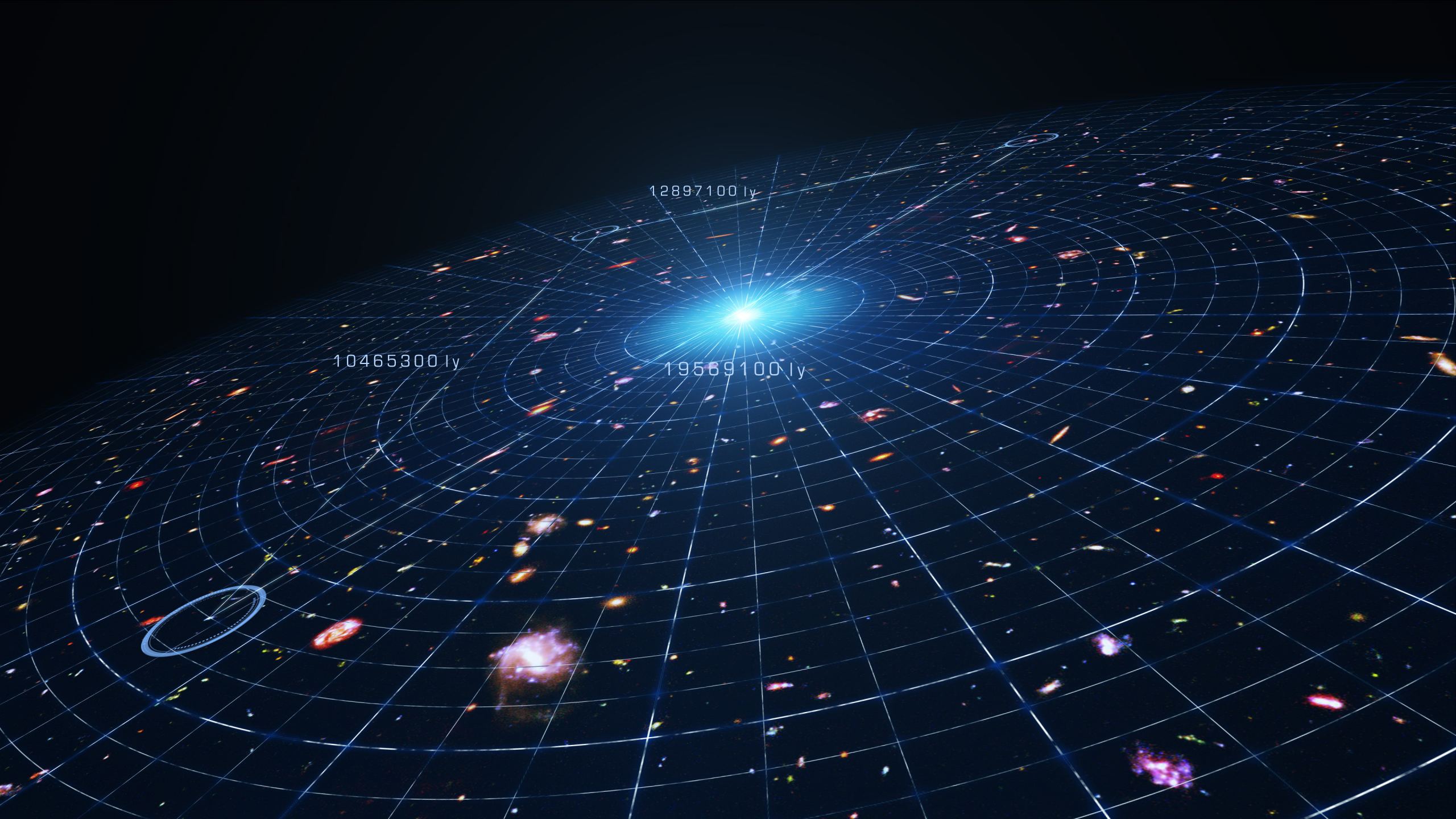
New research shows how intelligent life might expand in an ever-expanding Universe, which has serious implications for SETI and the fate of our civilization.
Continue reading
Continue reading
Checking out the October Hunter's Full Moon this coming weekend? This Full Moon is also special, as it features the final eclipse of 2023. The eclipse is a partial lunar, and occurs on the night of Saturday/Sunday, October 28th/29th.
Continue reading

Continue reading

Continue reading
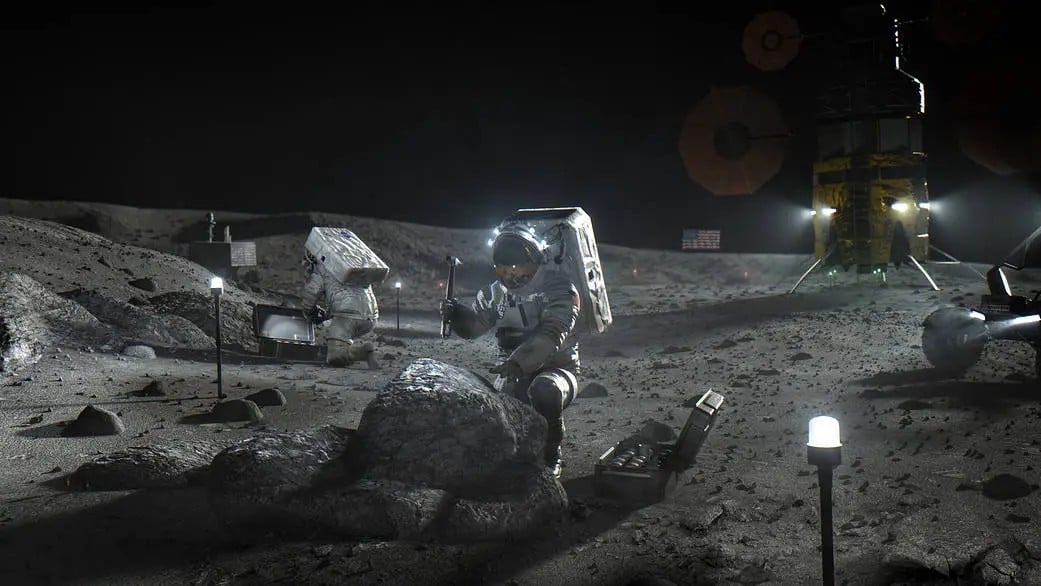
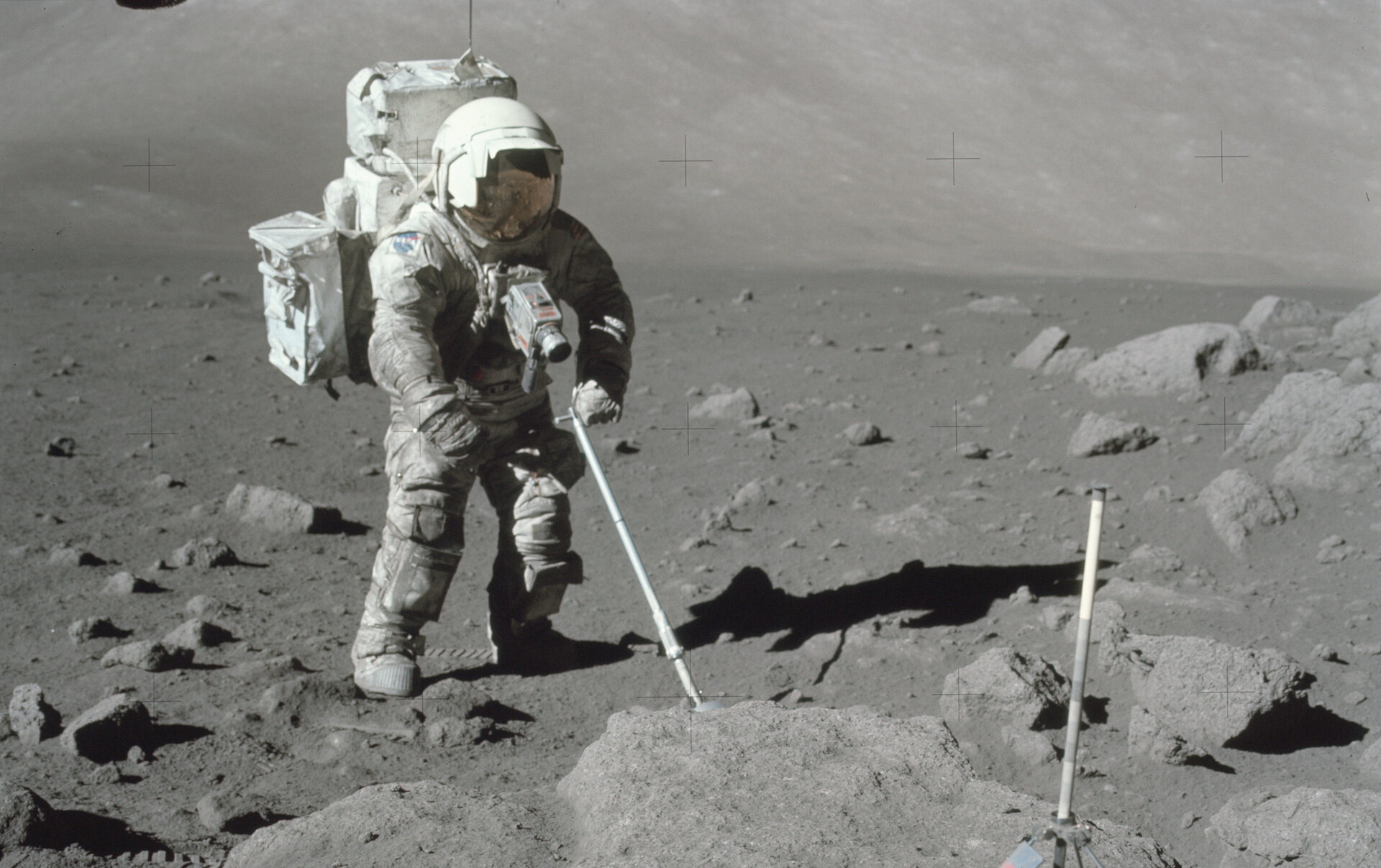
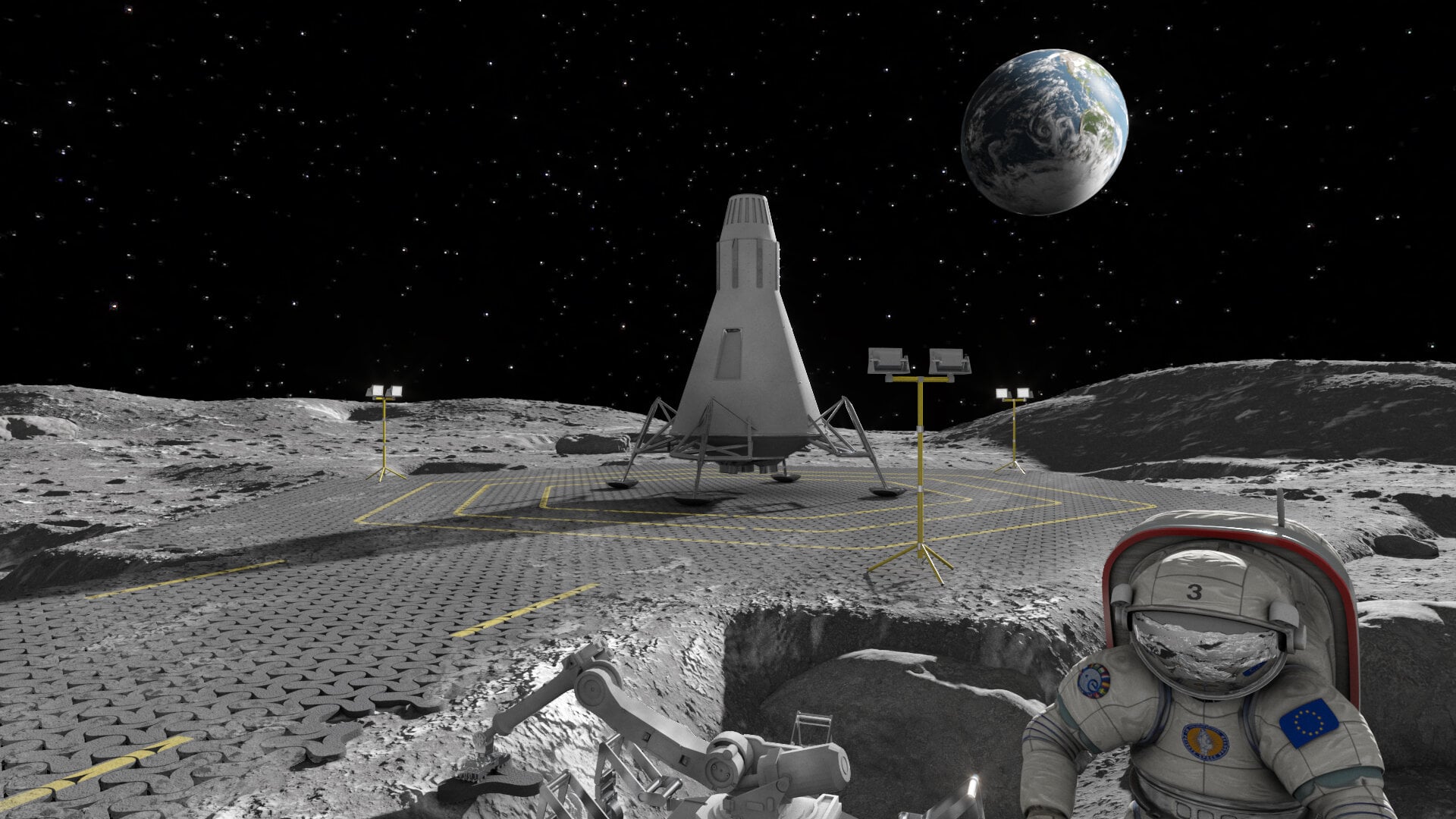
An international team of scientists used topographical data of the Moon's southern polar region to determine the optimal routes for Artemis and other astronauts to follow during EVAs.
Continue reading
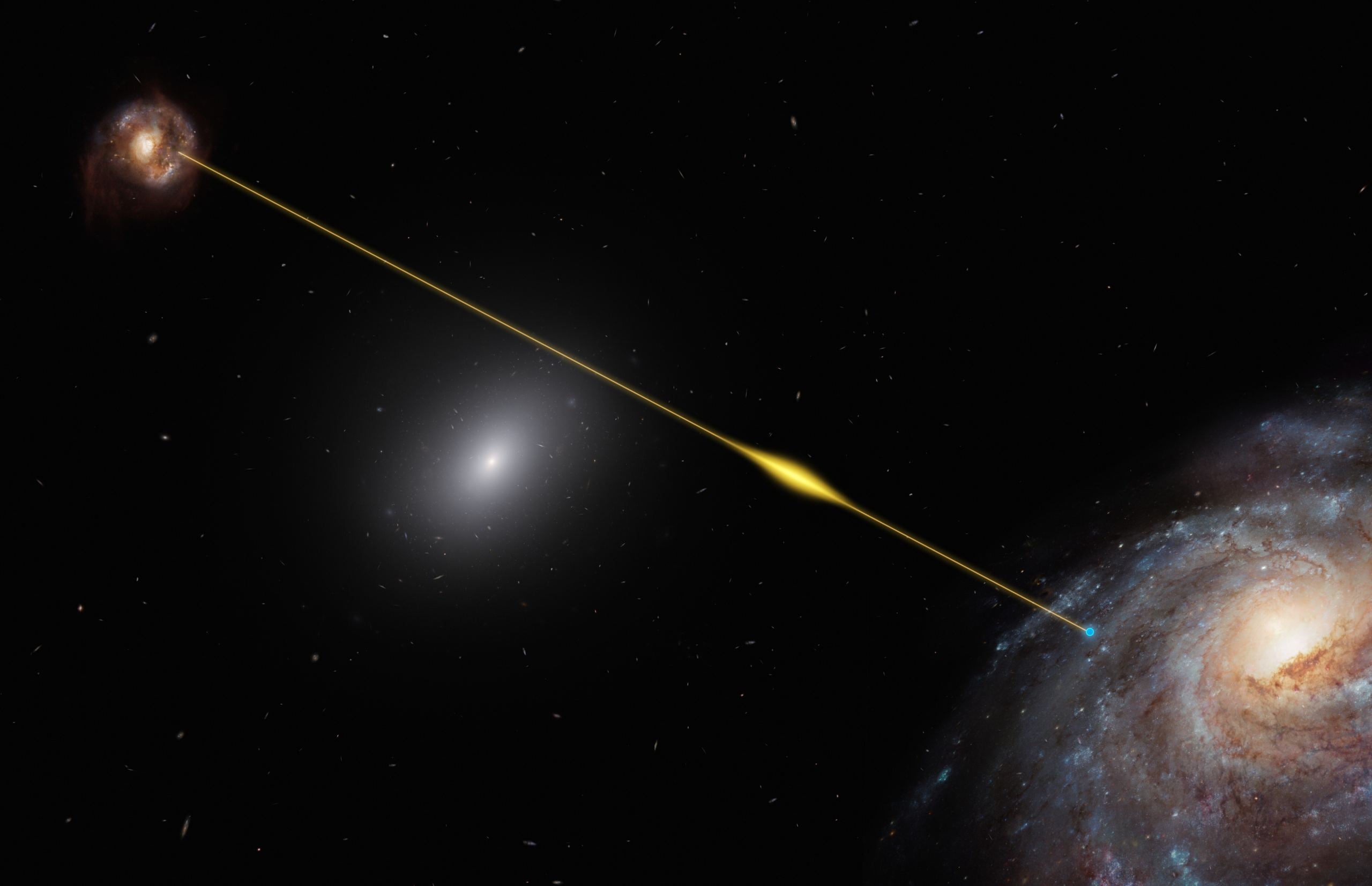
A newly discovered fast radio burst (FRB) absolutely smashed the record for the most distant ever discovered. The burst was found in June 2022 at Australia's ASKAP radio telescope after it had spent 8 billion years crossing the Universe. The FRB released the equivalent of 30 years of solar radiation in milliseconds. The burst could also help astronomers weigh the Universe, measuring how much gas it had to pass through on its long journey to reach Earth.
Continue reading
Continue reading
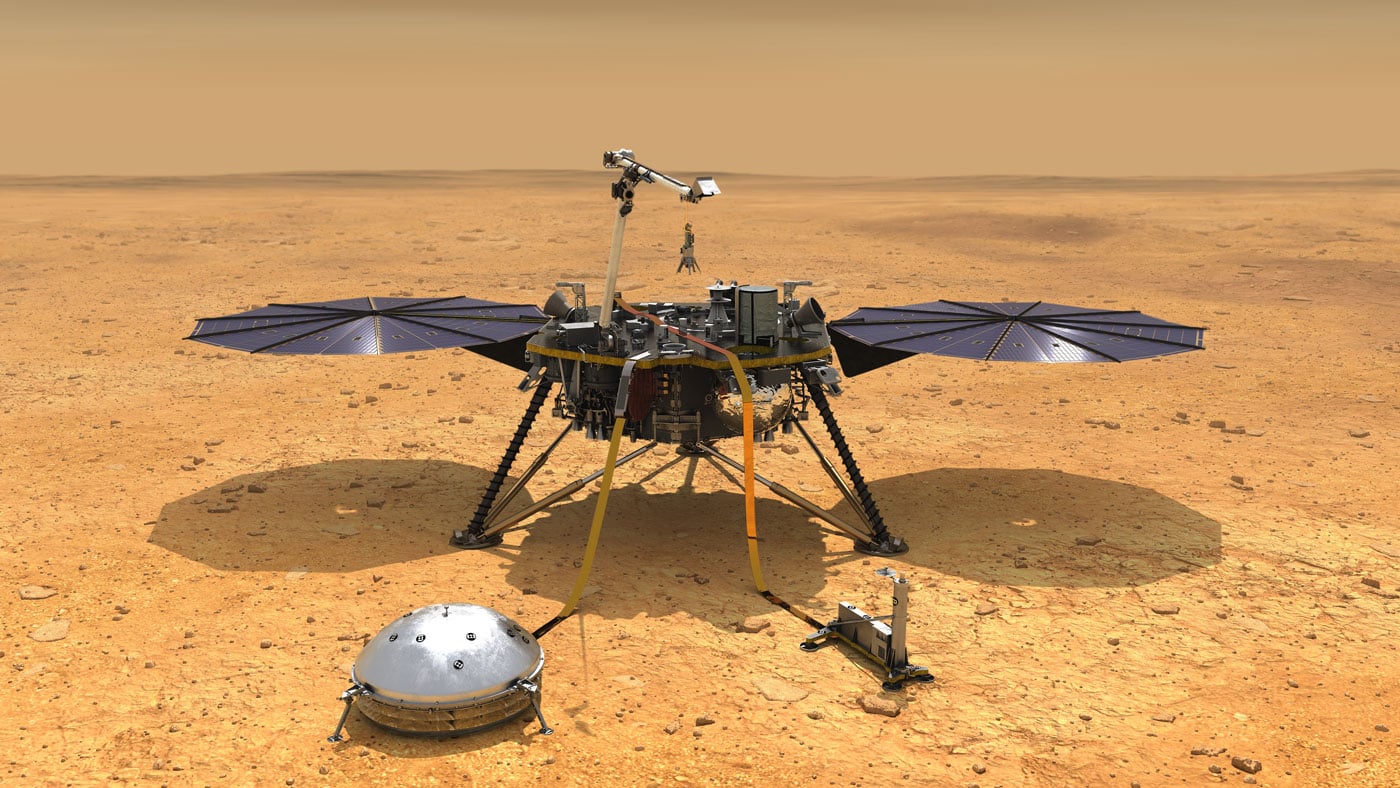
A new paper in the Geophysical Research Letters explains how the largest recorded seismic event on Mars provided evidence for a different sort of tectonic origin -- the release of stress within the Martian crust.
Continue reading
Continue reading

Continue reading
Continue reading
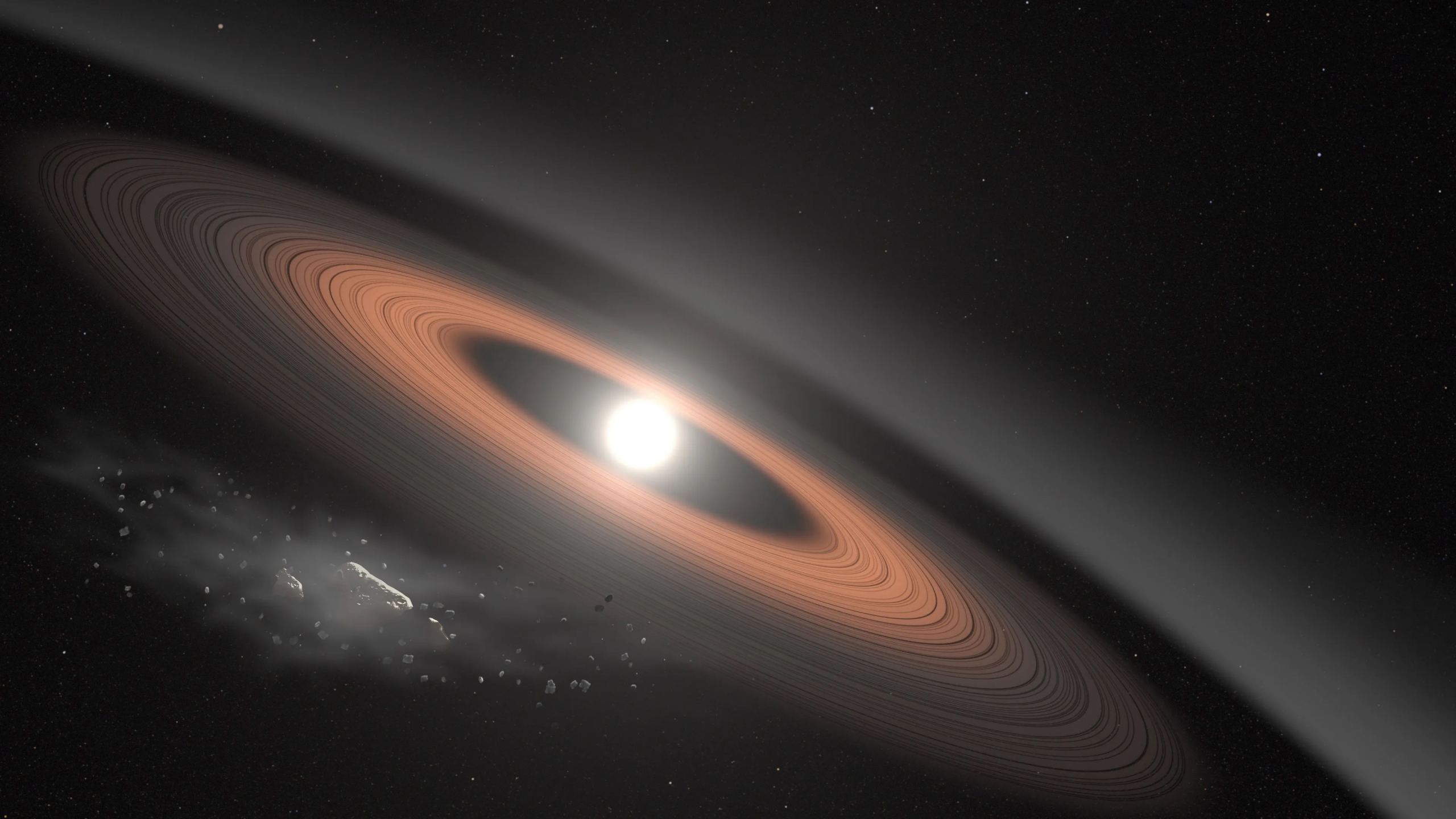
White dwarfs are the ultimate fate of stars like our Sun, and one of the most exciting examples is located 95 light-years from Earth. In 2018, astronomers saw it suddenly flare up, suggesting that an exoasteroid was disrupted, leading to observations of dust and debris around the star. Astronomers think the star is surrounded by the remnants of its planetary system, crushed into a debris disk. Now, JWST has made its first observations of this intriguing star.
Continue reading
Continue reading

NASA recently test fired an engine that uses 3D-printed aluminum rocket nozzles, which could be a game changer for space exploration!
Continue reading
Continue reading

The Mercury , part of the BepiColombo International Mercury Exploration Project, has revealed some interesting things about Mercury's magnetosphere.
Continue reading
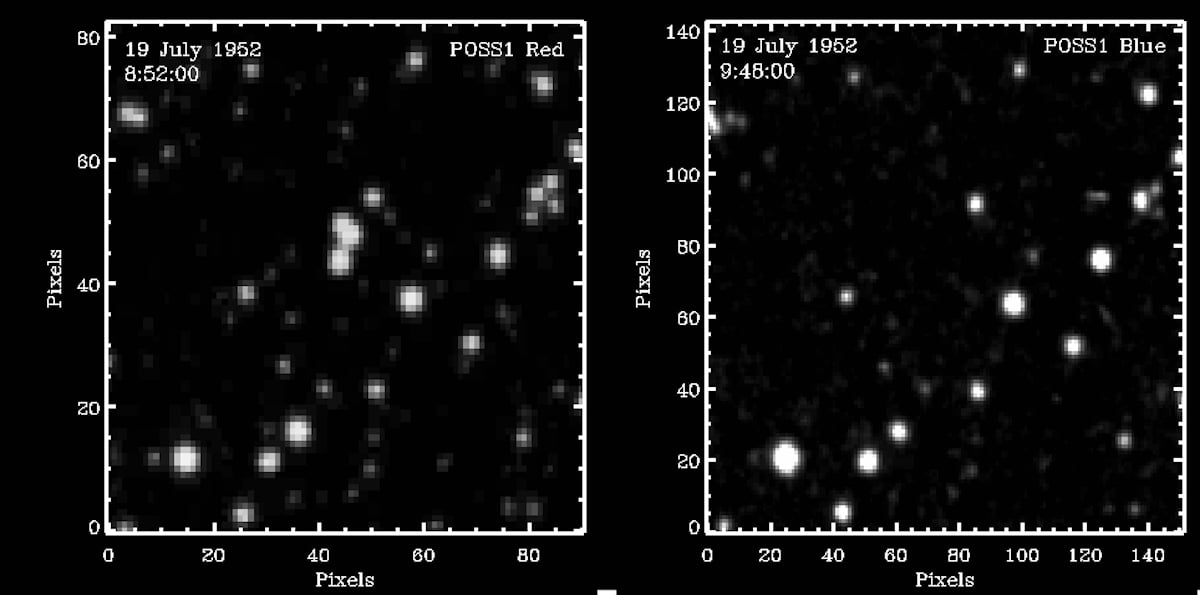
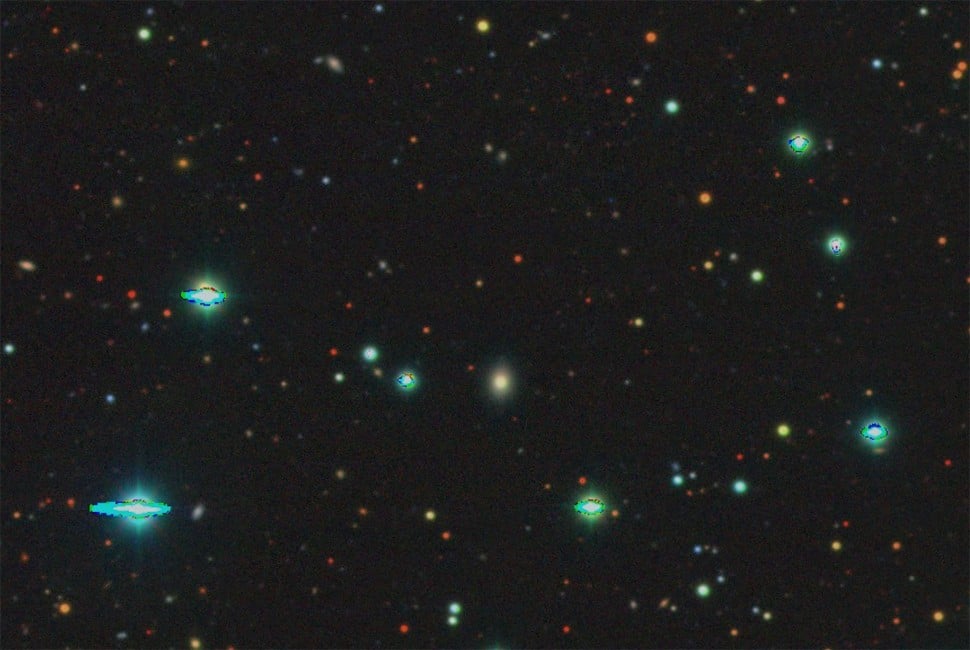
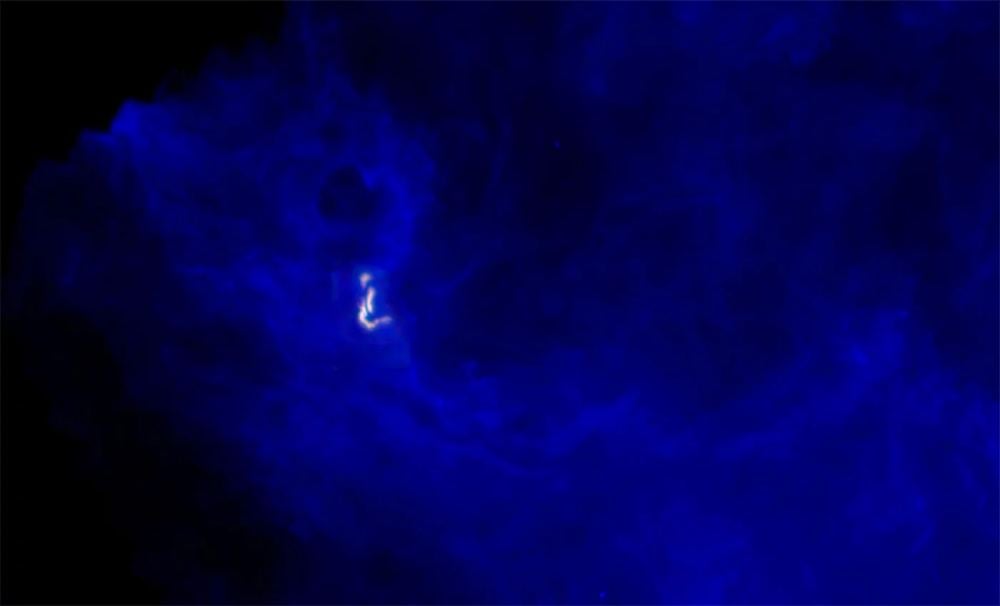
In 1952, the Palomar Observatory imaged a close grouping of three point-like light sources, measuring 15th magnitude in brightness. It took another image an hour later, and the three objects had vanished. Follow-up observations scanned the area down to 21st magnitude and they were still missing. Now astronomers have used the 10.4-m Gran Terescopio Canarias, which should have seen anything brighter than 25.5 mag. Still nothing. What were they, and where did they go?
Continue reading
Continue reading
Continue reading
Continue reading
Continue reading

An experiment at Cambridge University shows how quantum entanglements can be harnessed to change past outcomes.
Continue reading
Continue reading
Continue reading
Continue reading
Continue reading
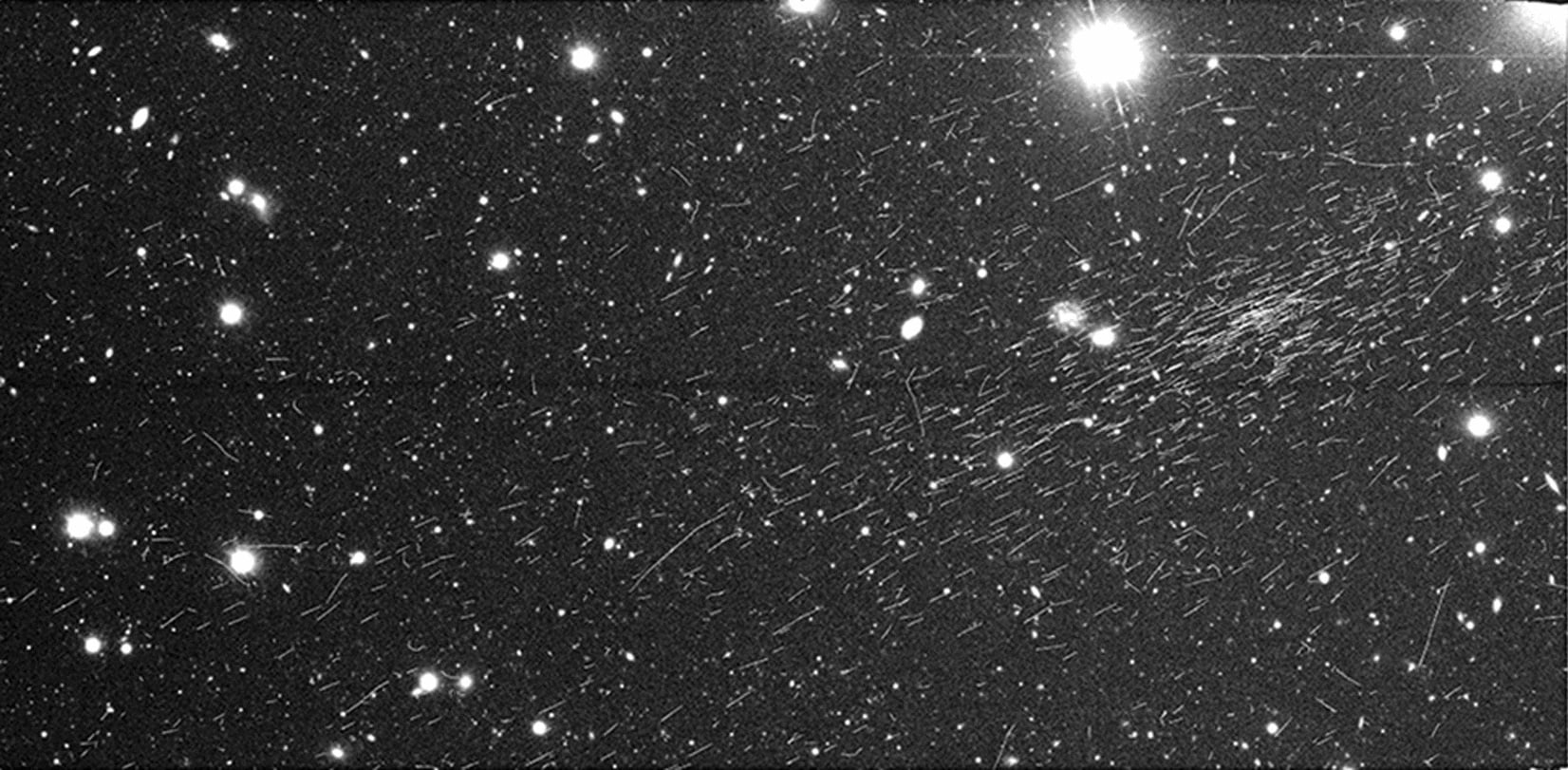
New research from Japan has shown how cosmic ray air showers could be studied to learn more about the nature of these energetic particles.
Continue reading
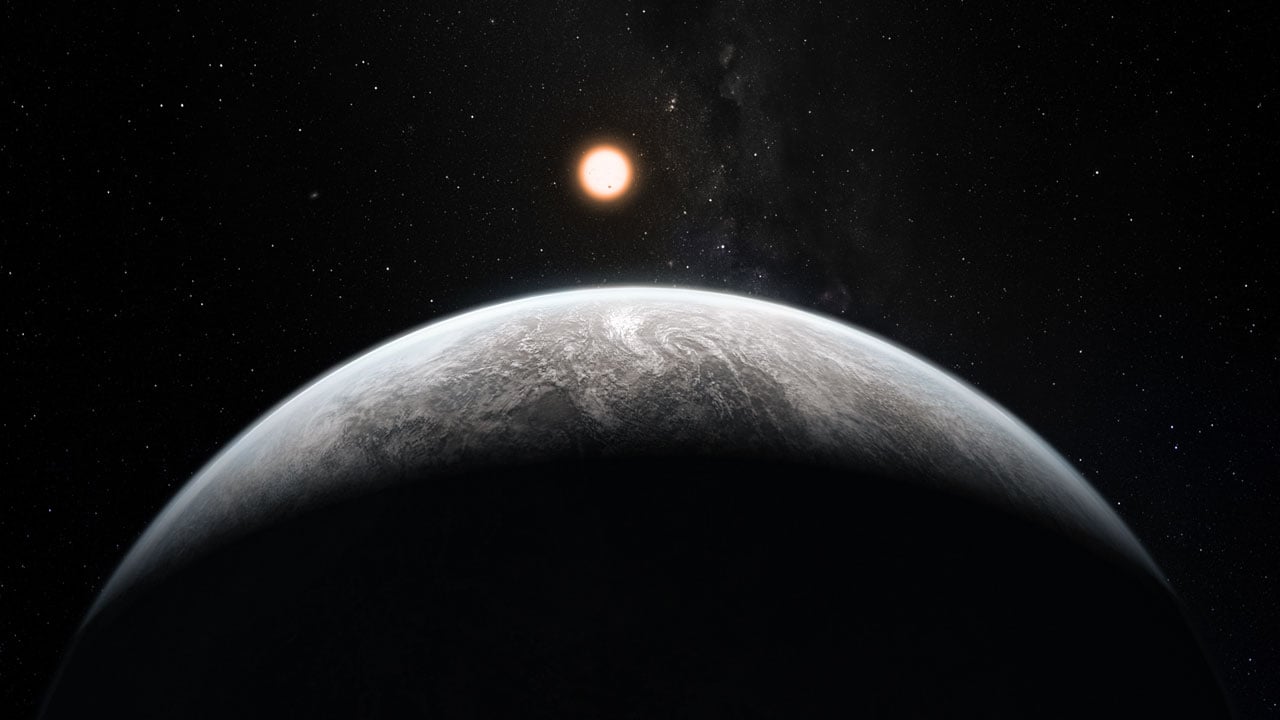
In a recent study, a pair of researchers from the Carl Sagan Institute developed a model for finding exoplanets similar to Earth - when the dinosaurs still roamed!
Continue reading

Continue reading
Continue reading

Continue reading
Continue reading
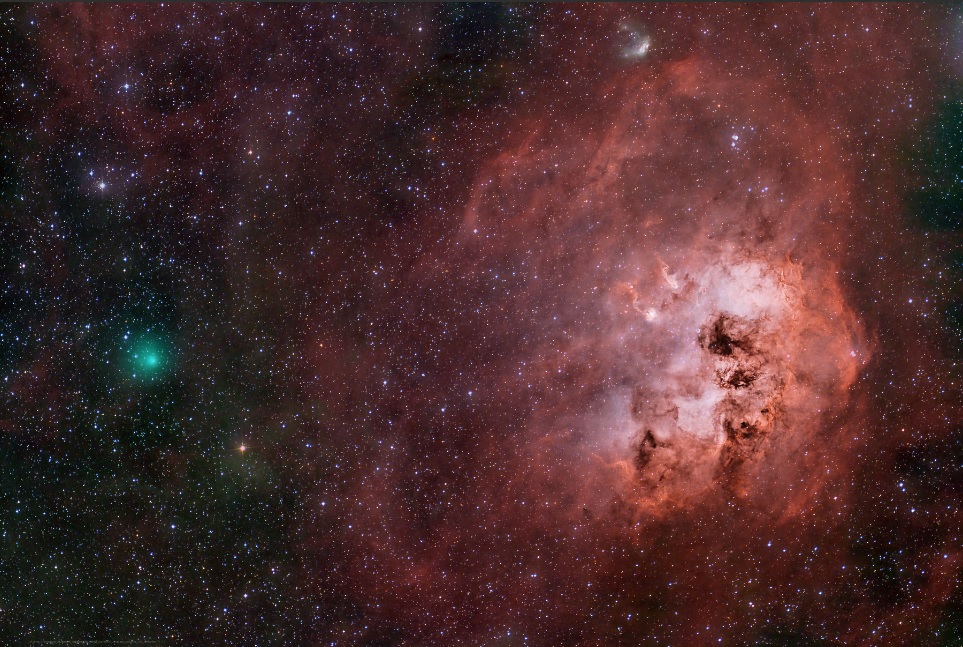
Will Comet 2/P Encke 'trick' or 'treat' observers this year?
Continue reading
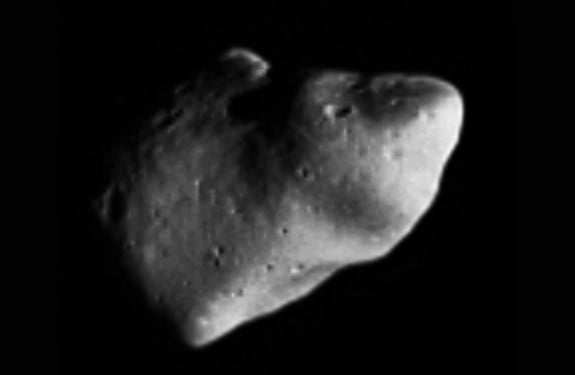
Uranium is the heaviest element found in large amounts on Earth, with an atomic number of 92. Although heavier elements were formed in supernovae and particle accelerators, they decay into lighter elements. Physicists have long hoped for an island of stability where heavier elements could be stable, but they've failed to find them on Earth, where they would sink to the core. A physicist team thinks these heavier elements could be found in dense asteroids.
Continue reading
Continue reading
Continue reading
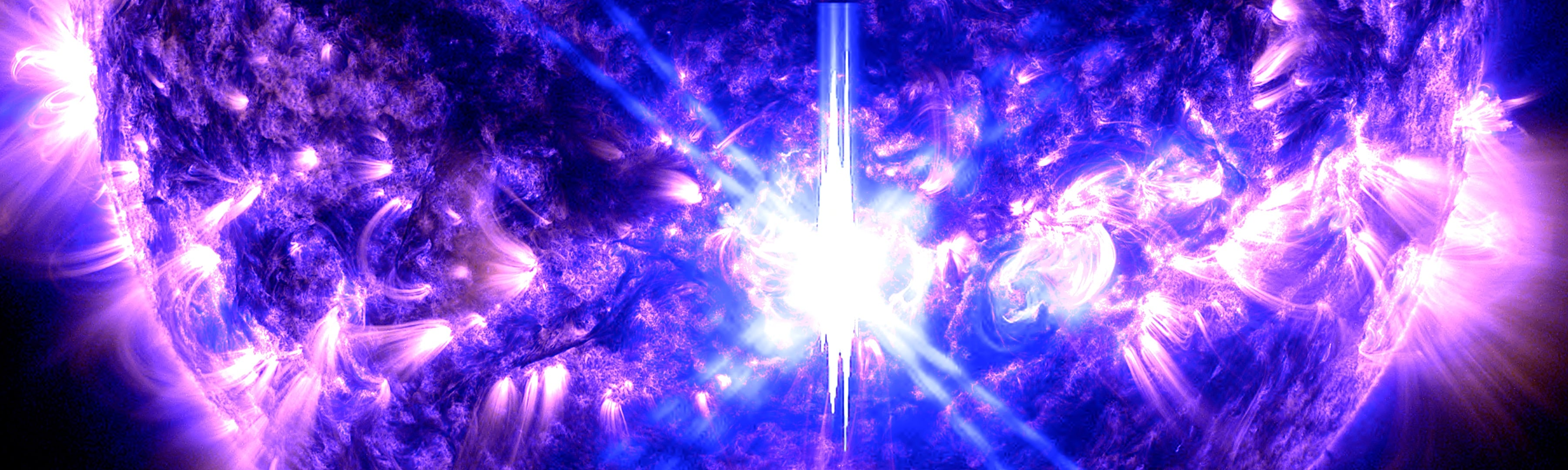
Because of our dependence on technology, a powerful solar storm would be a catastrophe, shutting down the electrical grid and deactivating satellites. Researchers studying tree rings have found what they think is the most powerful solar storm ever to hit our planet - 14,300 years ago. So far, scientists have found nine extreme solar storms, called Miyake Events, in the last 15,000 years, but this newly identified one is twice as powerful as anything found.
Continue reading

Continue reading
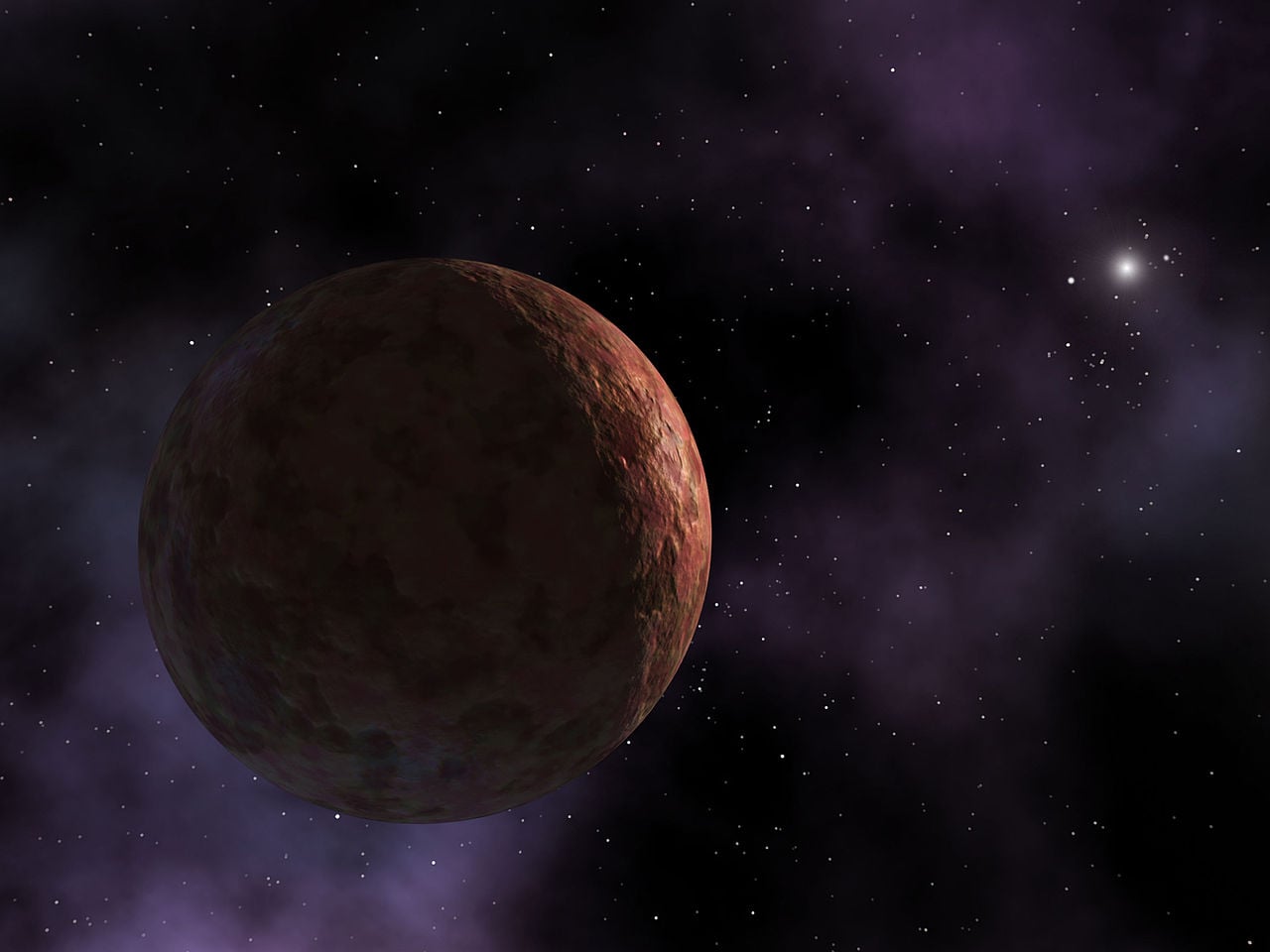
Using data acquired by the JWST, an international team of planetary scientists have revealed new insights about some of the most distant bodies in our Solar System.
Continue reading
Continue reading
Continue reading
Continue reading
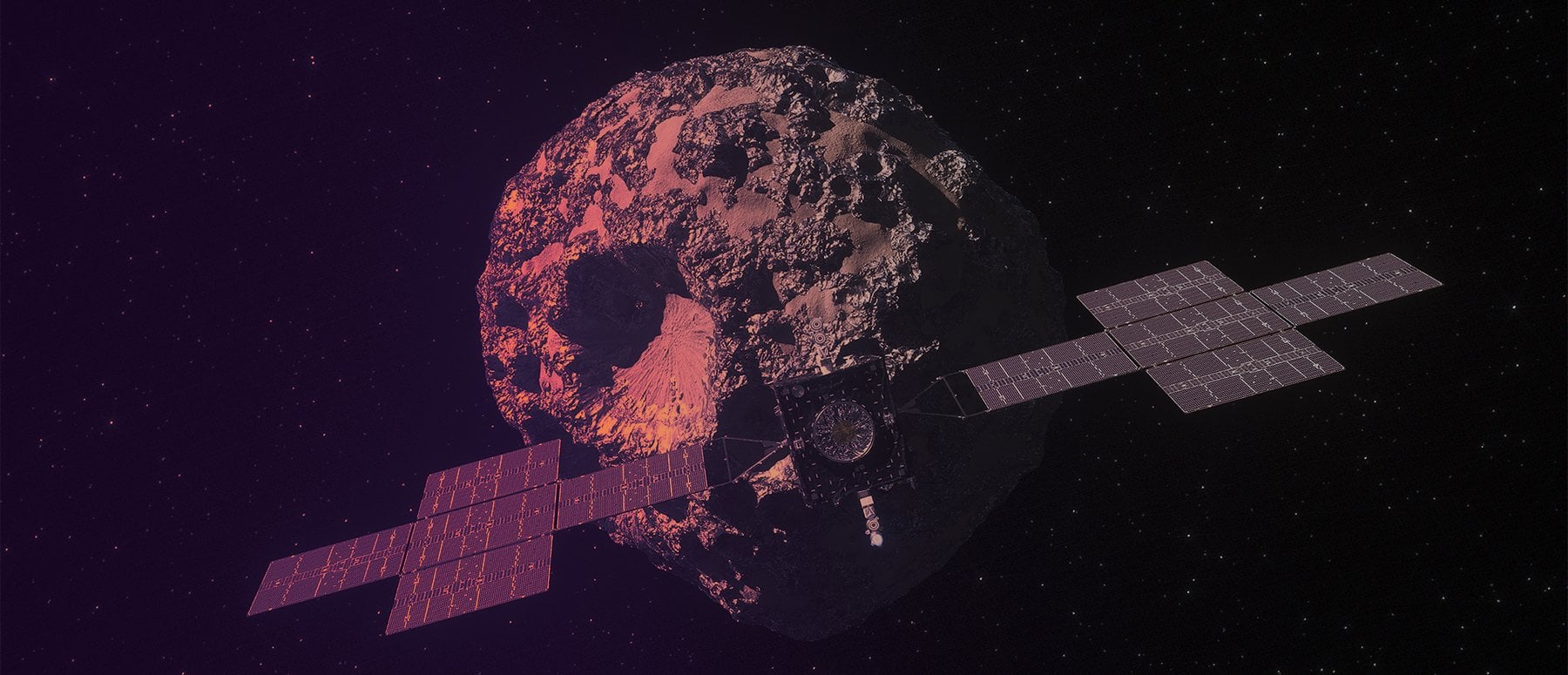
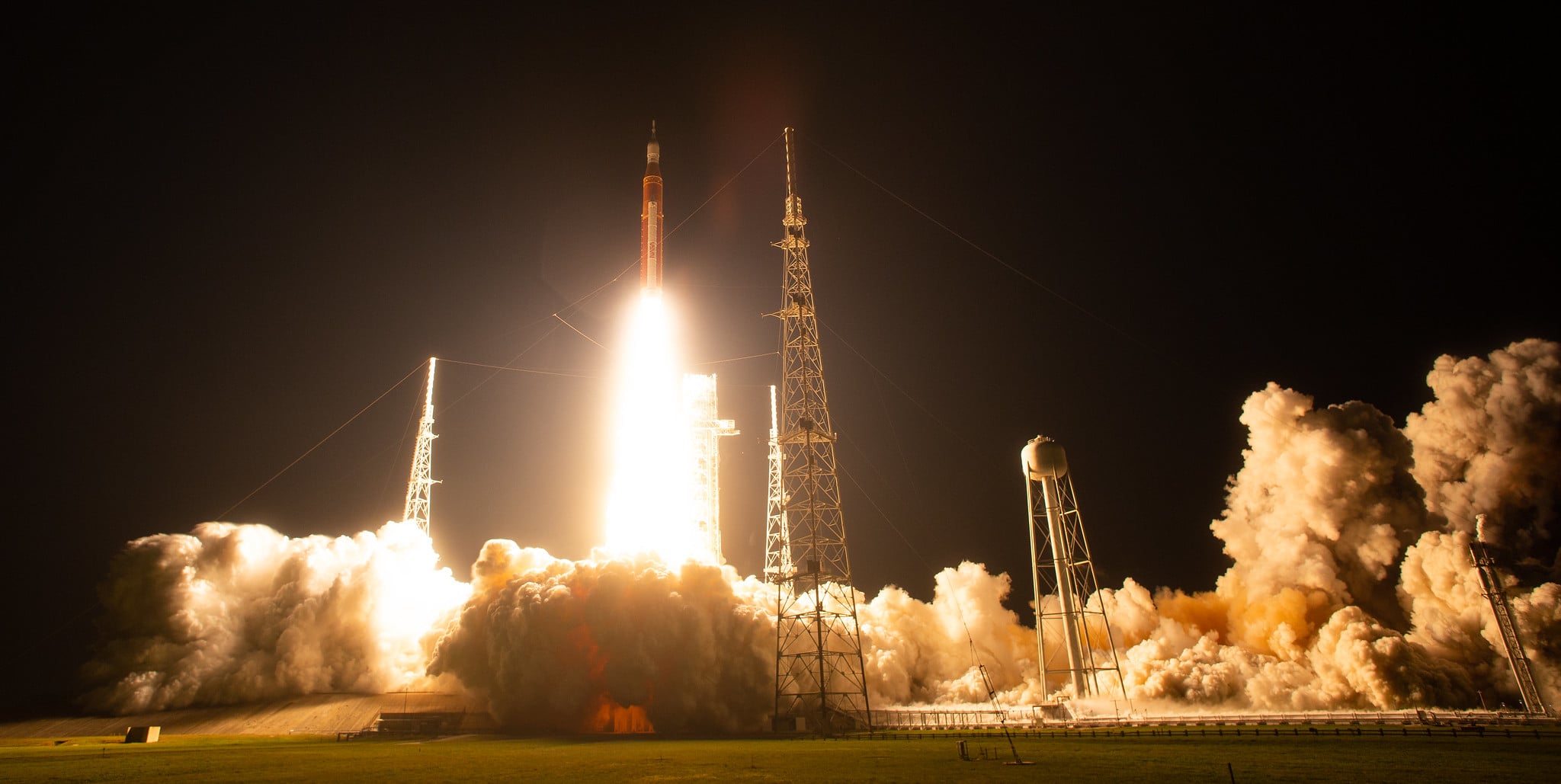
NASA's Psyche mission just launched on a six year journey to explore a metal world in the Asteroid Belt.
Continue reading

Continue reading
Continue reading
Continue reading
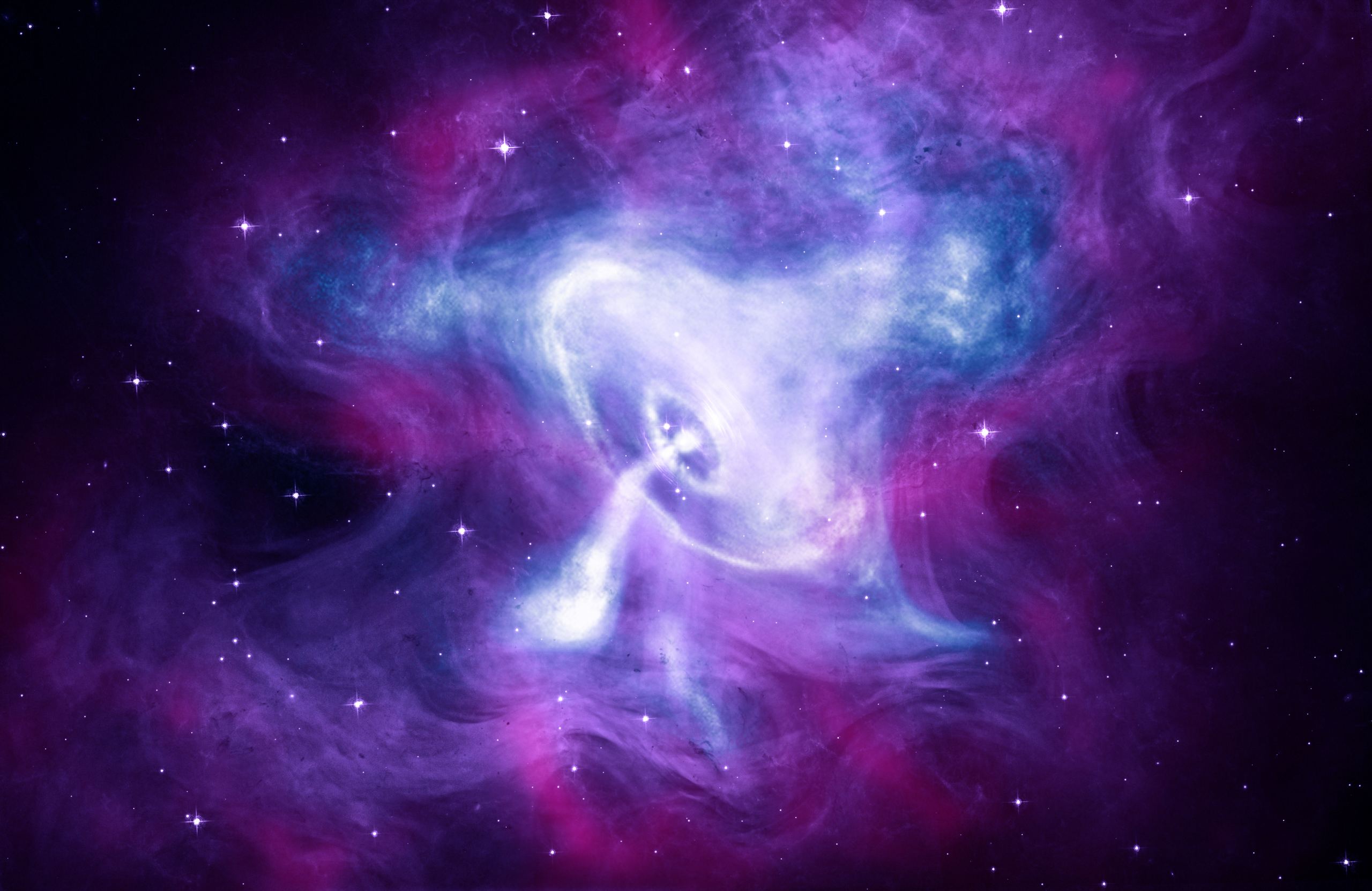
The search for dark matter continues, with astronomers developing new hypotheses to search for this invisible gravitational influence on the Universe. One proposed dark matter particle candidate is the axion, which physicists have searched for since the 1970s. One characteristic of axions is that they should convert into light in a strong electromagnetic field. According to a new paper, they should create a faint glow around pulsars, generating intense magnetic fields.
Continue reading

Continue reading
 Universe Today