More JWST Observations are Finding Fewer Early Massive Galaxies

By Brian Koberlein - October 12, 2023 01:31 PM UTC | Extragalactic
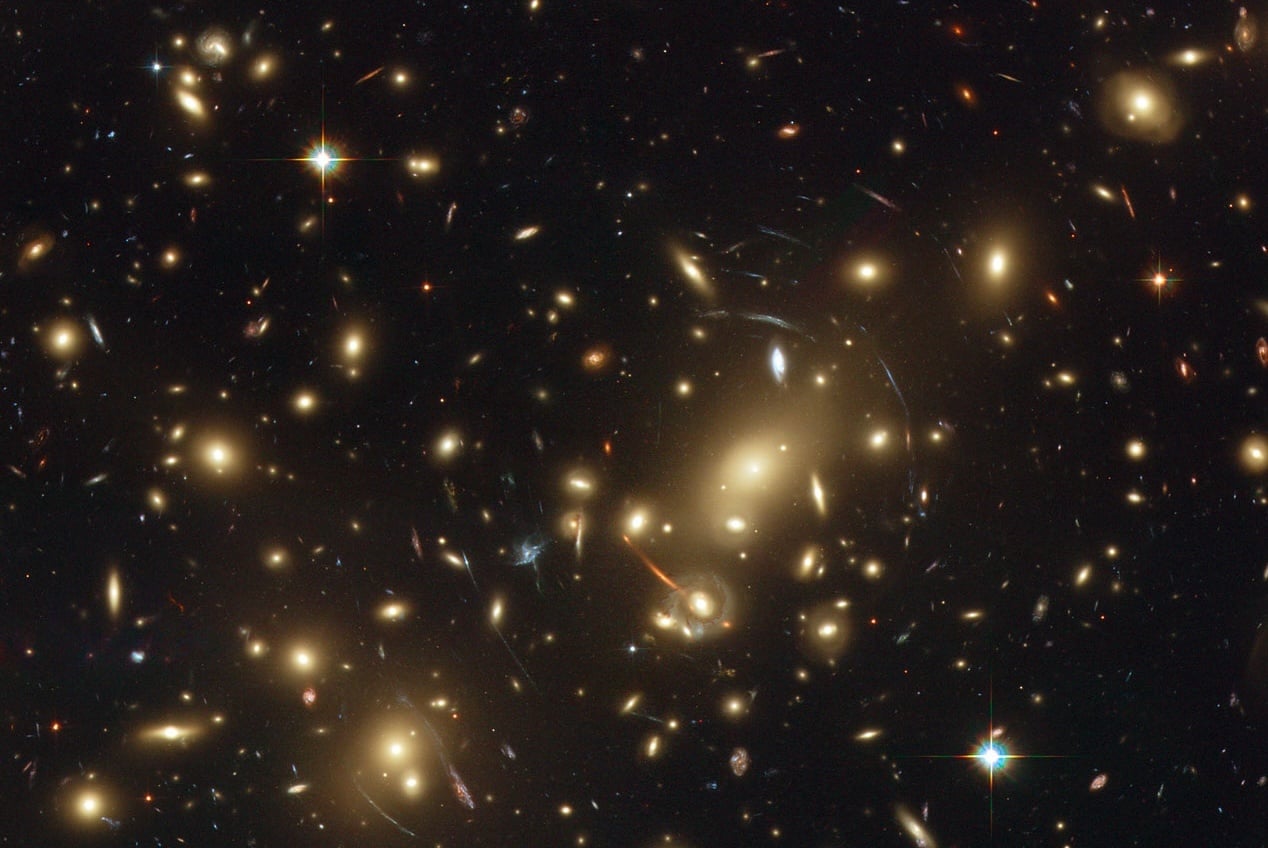
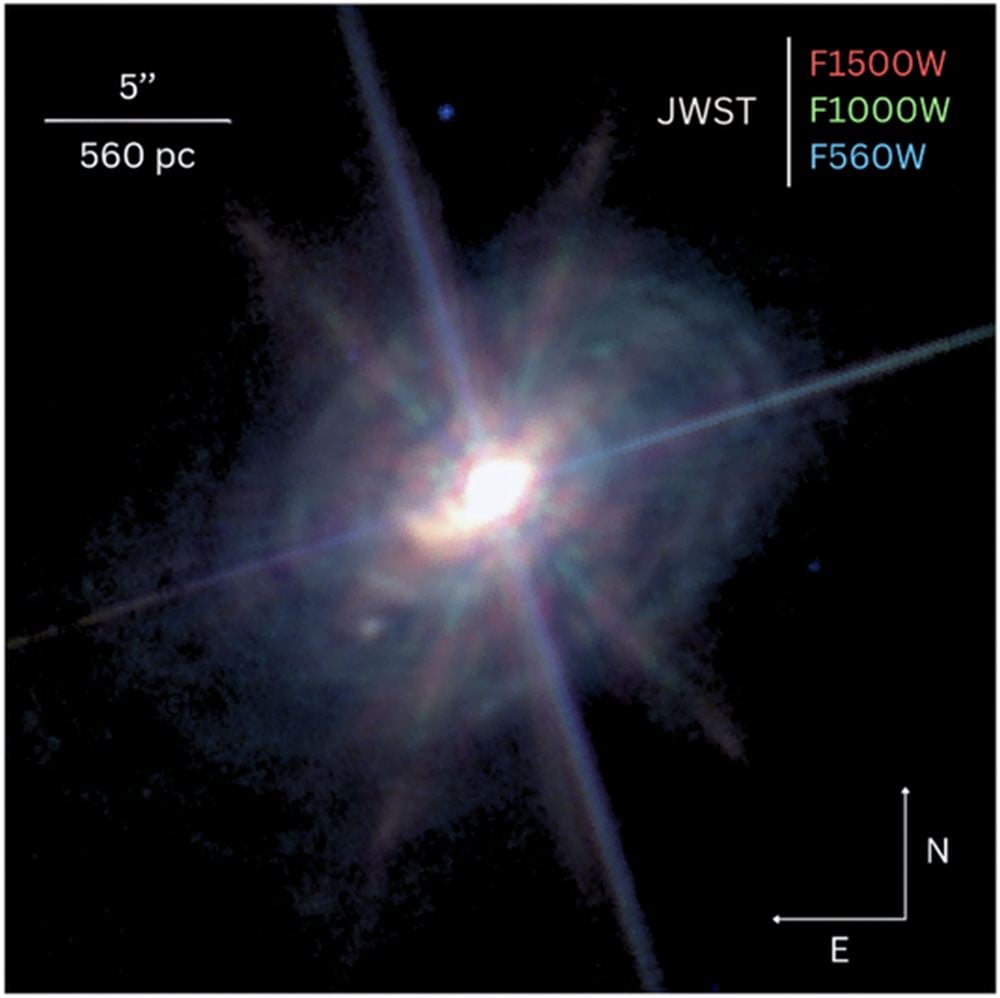
Astronomers using JWST were surprised to find mature-looking galaxies in the early Universe; they challenged existing models of cosmology. Astronomers wanted to see if these were ubiquitous, so they examined 19 galaxies in a different part of the sky. They measured high-redshift galaxies but did not find the same unusual mass distribution. This led them to suggest that those initial discoveries were outliers and not indicative of the early Universe.
Continue reading

A Pulsar Suddenly Threw Out Radiation 200 Times More Energetic

By Brian Koberlein - October 09, 2023 10:16 AM UTC | Physics
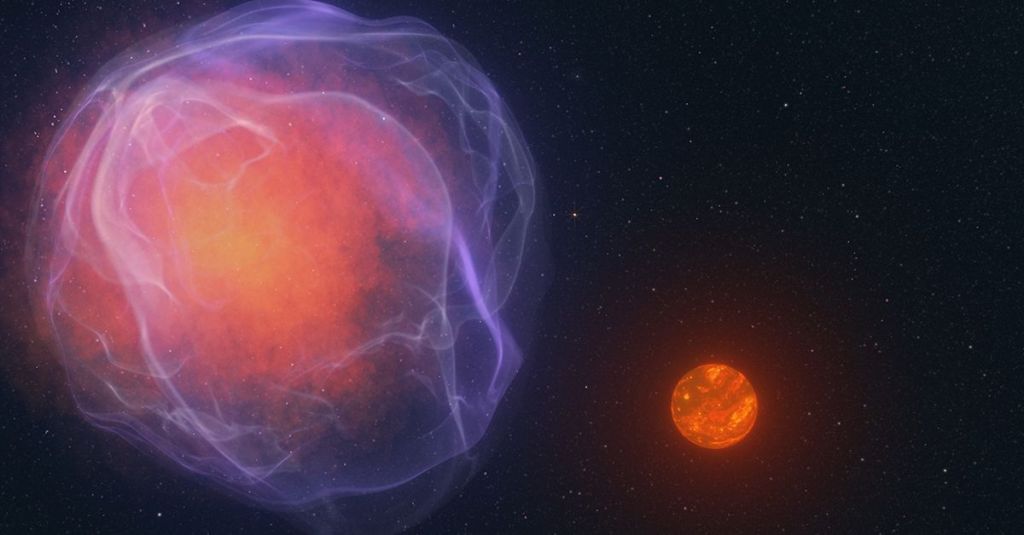
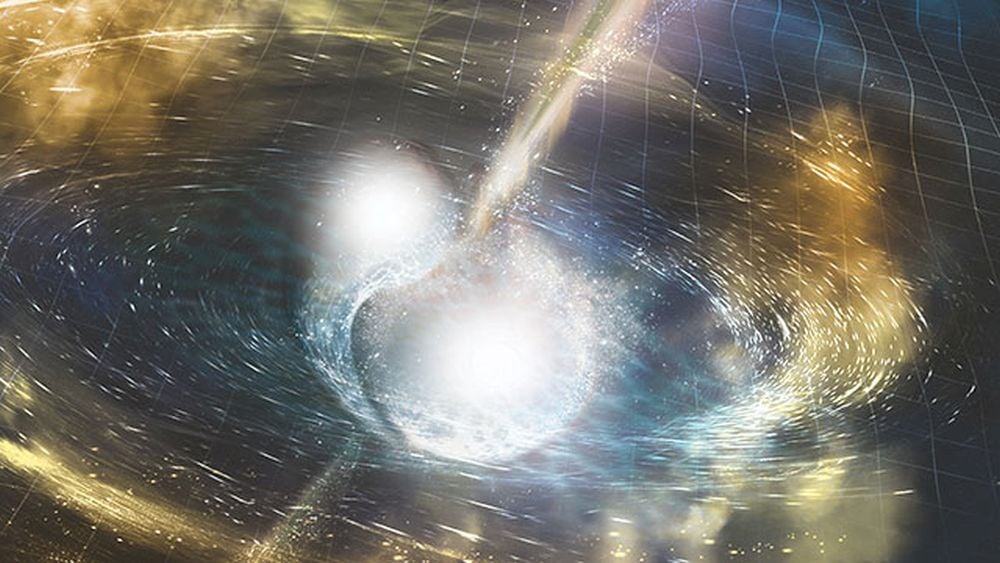
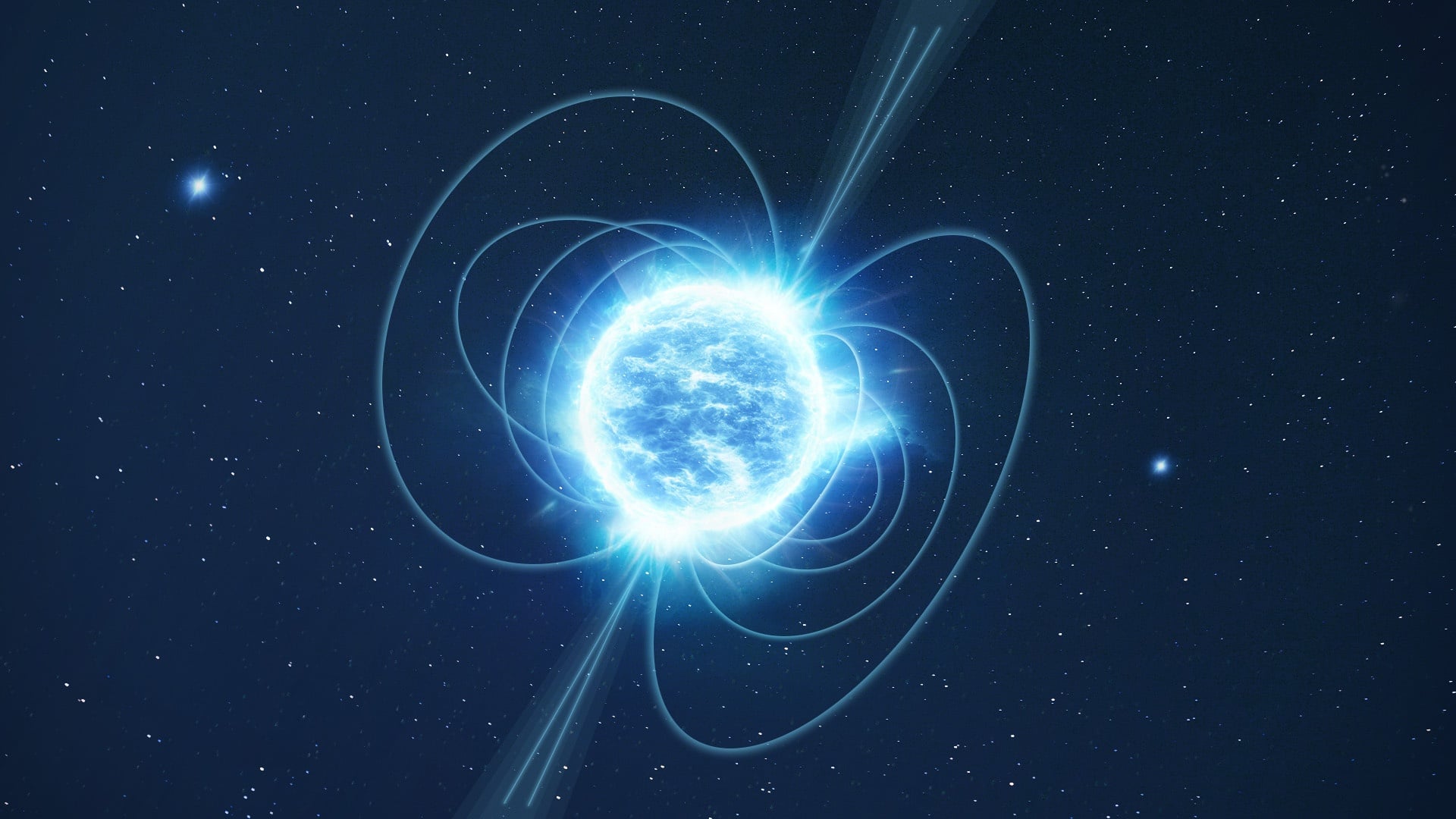
Pulsars are so dependable you could set your watch to them, sometimes turning hundreds of times a second with incredible accuracy. One well-studied pulsar suddenly unleashed a torrent of radiation 200 times more energetic than anything astronomers had seen from this object before. The radiation levels were so high that it challenged established theories about how particles are accelerated by the powerful magnetic fields surrounding the pulsar. What's going on?
Continue reading

Here's What it Would Take to See a Black Hole's Photon Ring

By Brian Koberlein - October 08, 2023 11:34 AM UTC | Black Holes
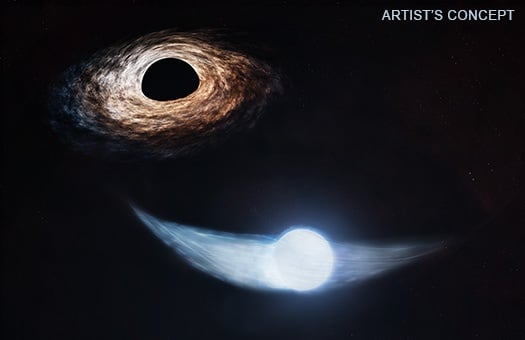
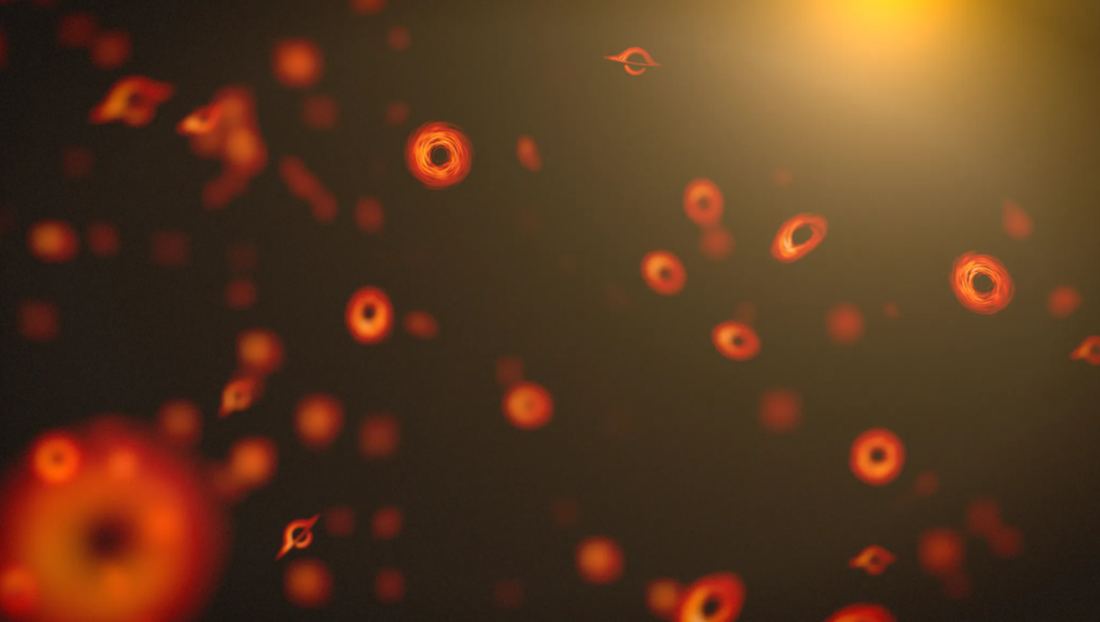
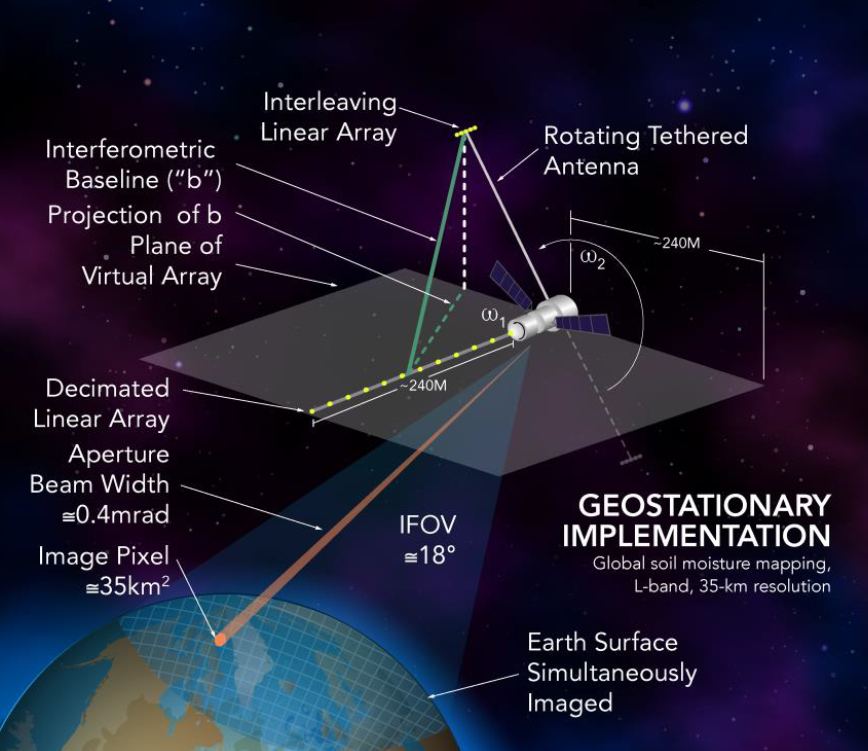
In 2019, the Event Horizon Telescope gave us the first-ever image of a black hole's event horizon, revealing the area around the heart of M87. The event horizon is the closest we've seen to a black hole, but not the closest we can see. That would be the photon ring, where light itself is pulled into orbit around the black hole. To build an observatory that can see the photon ring, we'll have to extend the Event Horizon Telescope to space, creating an even larger virtual telescope that might include the Earth and various Lagrange points.
Continue reading

Starlinks are Easily Detected by Radio Telescopes

By Brian Koberlein - October 07, 2023 12:31 PM UTC | Observing
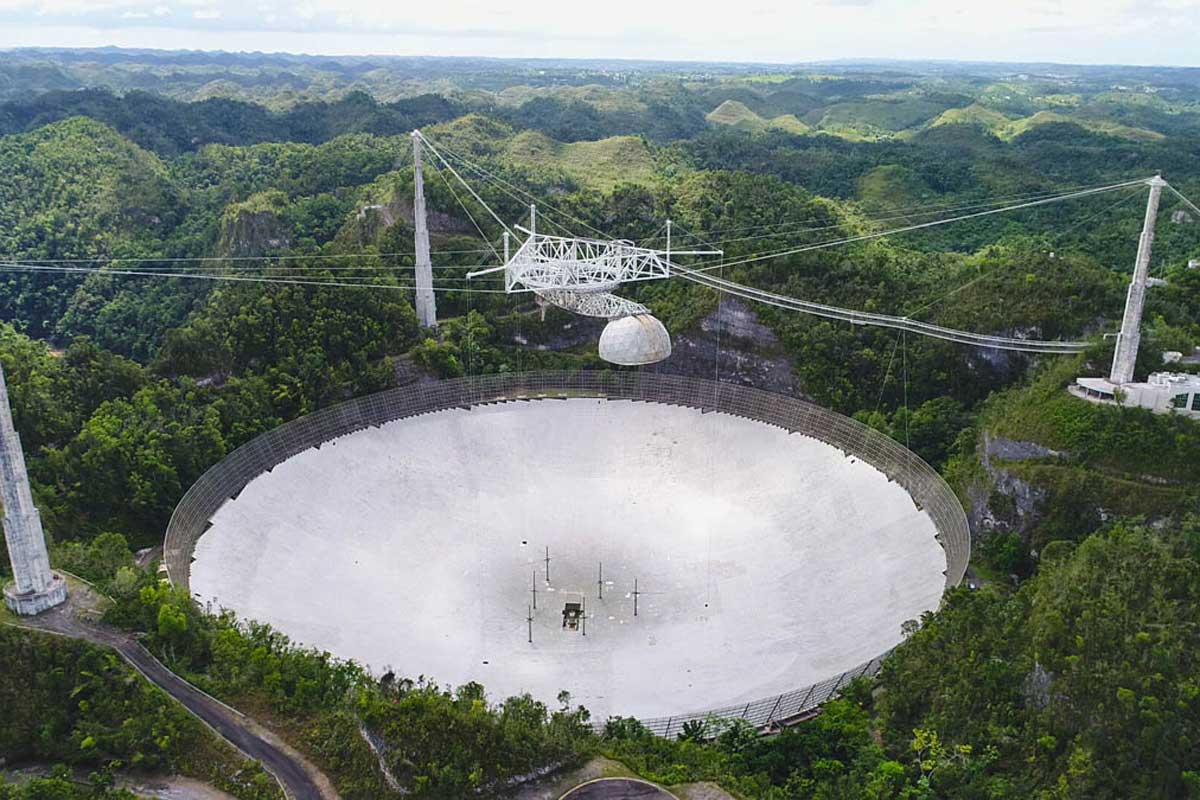
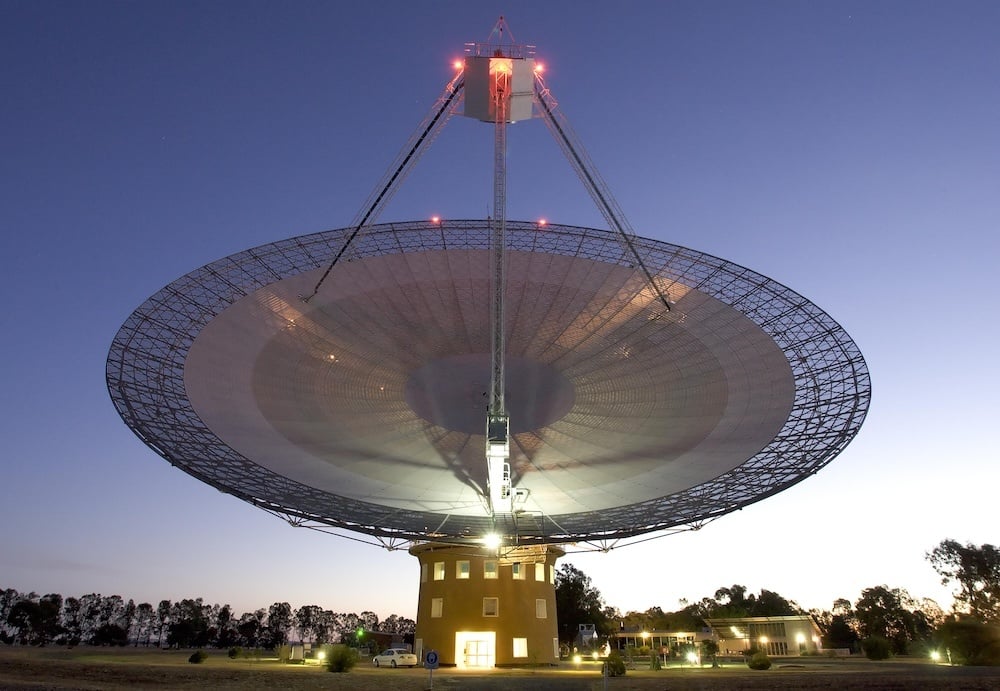
Visible and infrared astronomers are concerned about light pollution from satellite megaconstellations, and radio astronomers should be concerned too. A team of astronomers used radio telescopes in Australia to image the sky as Starlink satellites overhead. The tests were done at the future Square Kilometer Array facility in Western Australia, using prototype stations that will become part of the array. According to the team, the satellites were easily detectable, and they could see them performing periodic bursts and steady transmissions. When the full SKA comes online, satellites will be another source of radio interference to contend with.
Continue reading

What Caused Eta Carinae's 1840 "Great Eruption?"

By Brian Koberlein - October 06, 2023 12:07 PM UTC | Stars
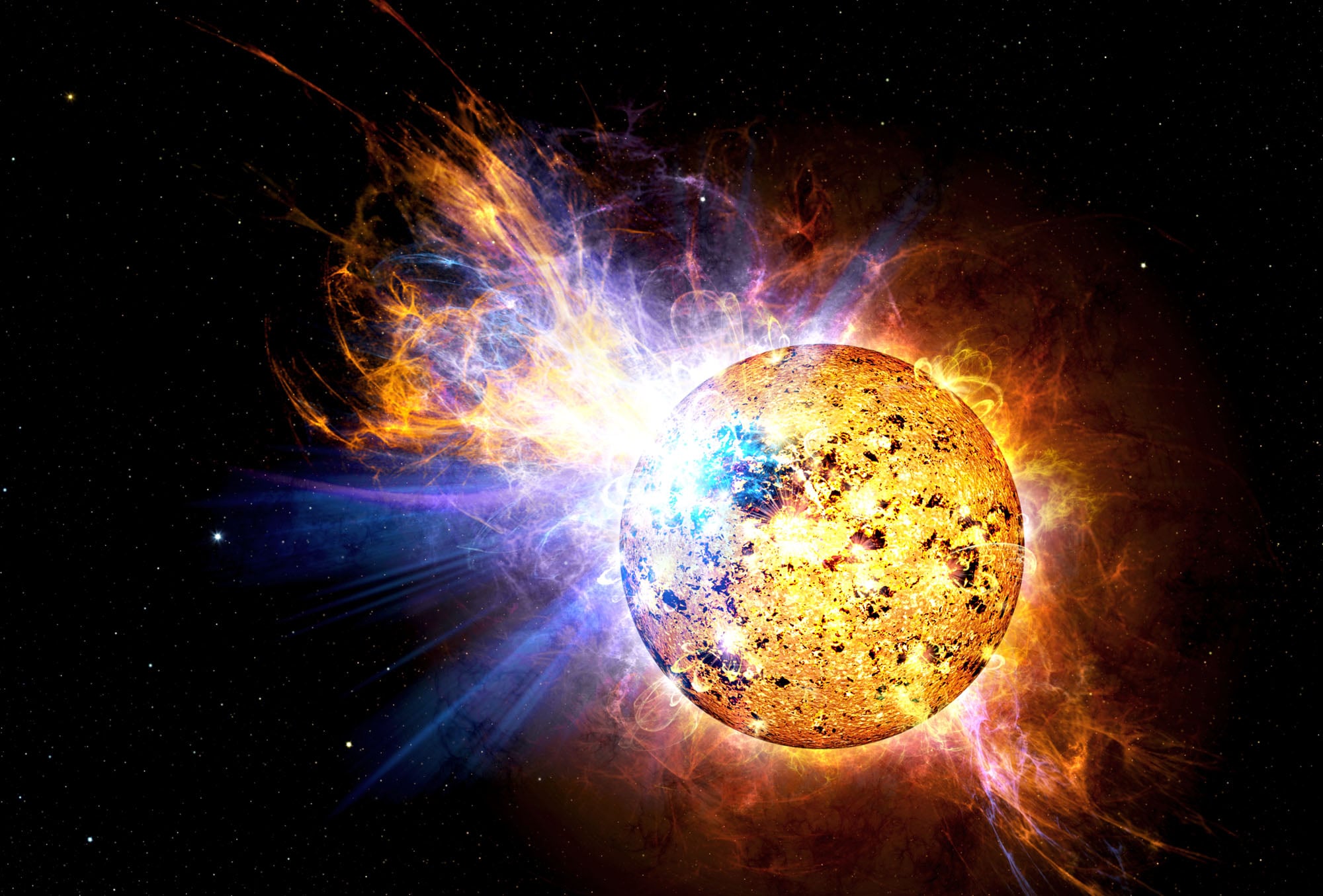
n 1840, a seemingly innocuous star, Eta Carinae, suddenly brightened to become one of the brightest stars in the sky before slowly fading again. We now know that Eta Carinae is one of the most massive stars in the Milky Way, and this event - dubbed "the Great Eruption" - released 10 to 45 times the mass of the Sun into space. And yet, the star survived. What happened? The Chandra X-Ray Observatory has peered at the star and helped astronomers discover new details about the explosion and what might have led to this event.
Continue reading

Will Solar Panels Work at Proxima Centauri?

By Brian Koberlein - October 05, 2023 11:04 AM UTC | Exoplanets
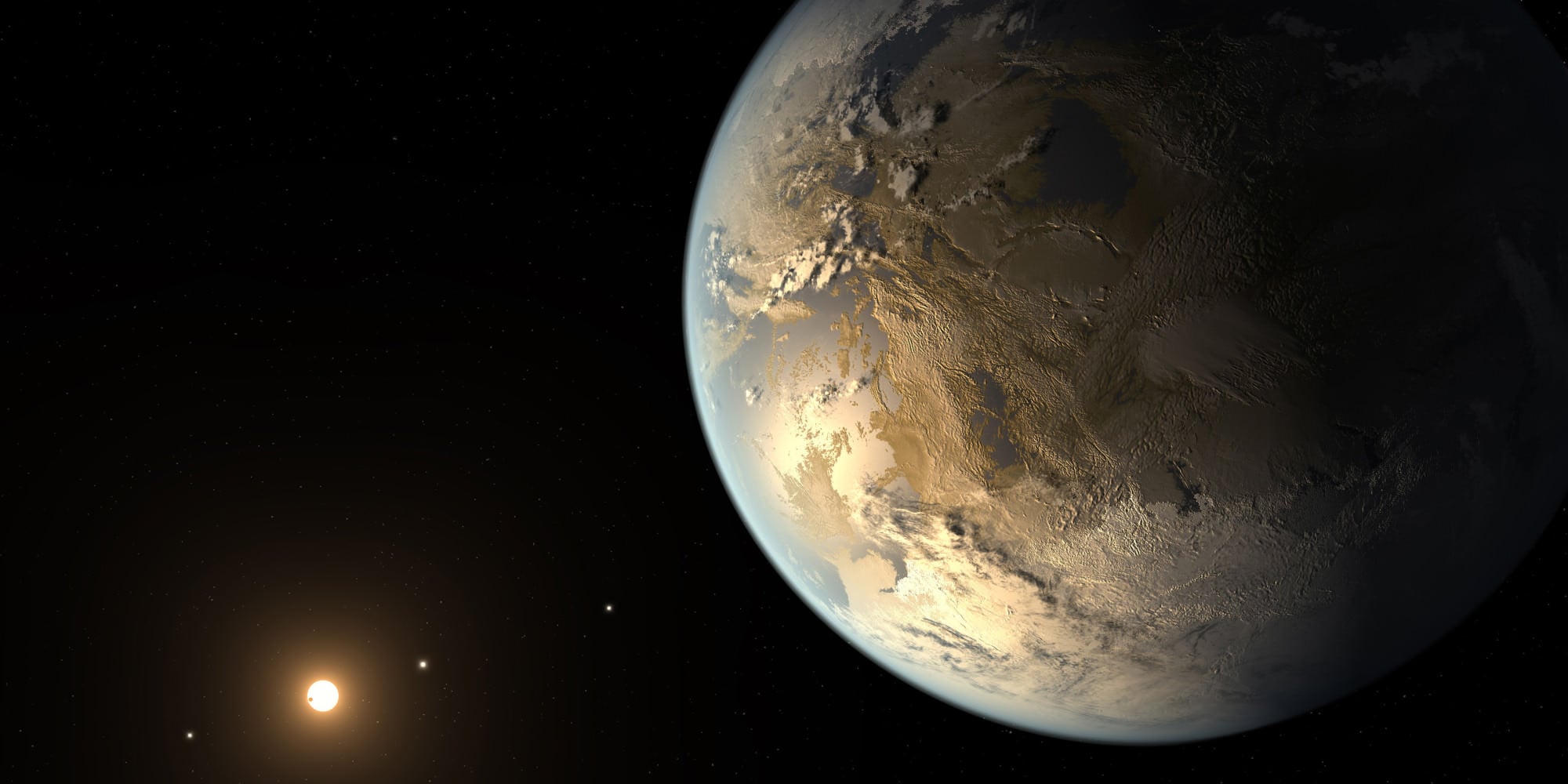
Solar panels are the perfect way to provide electricity for spacecraft operating near the Sun. Spacecraft as far out as Jupiter can still power their instruments with solar panels. But would these devices work at other stars? A new study looked at the light output of different types of stars and compared them to solar panels using the Sun. An interesting example is Proxima Centauri, which could be the first star we visit with an interstellar probe.
Continue reading

Old Stars Don't Have Hot Jupiters

By Brian Koberlein - October 04, 2023 02:17 PM UTC | Exoplanets
Hot jupiters are giant planets that orbit extremely close to their stars, completing an orbit in a few days or hours. We have nothing like them in the Solar System, but astronomers think they're present in roughly 1% of star systems. But all stars? According to a new study, hot jupiters are mainly a young star thing. They looked at all the hot jupiters discovered so far, compared them against the estimated age of the stars, and found that the young stars had hot jupiters. They suggest that orbital decay pulls hot jupiters closer and close until they're inevitably consumed, which is why we don't see them around old stars.
Continue reading