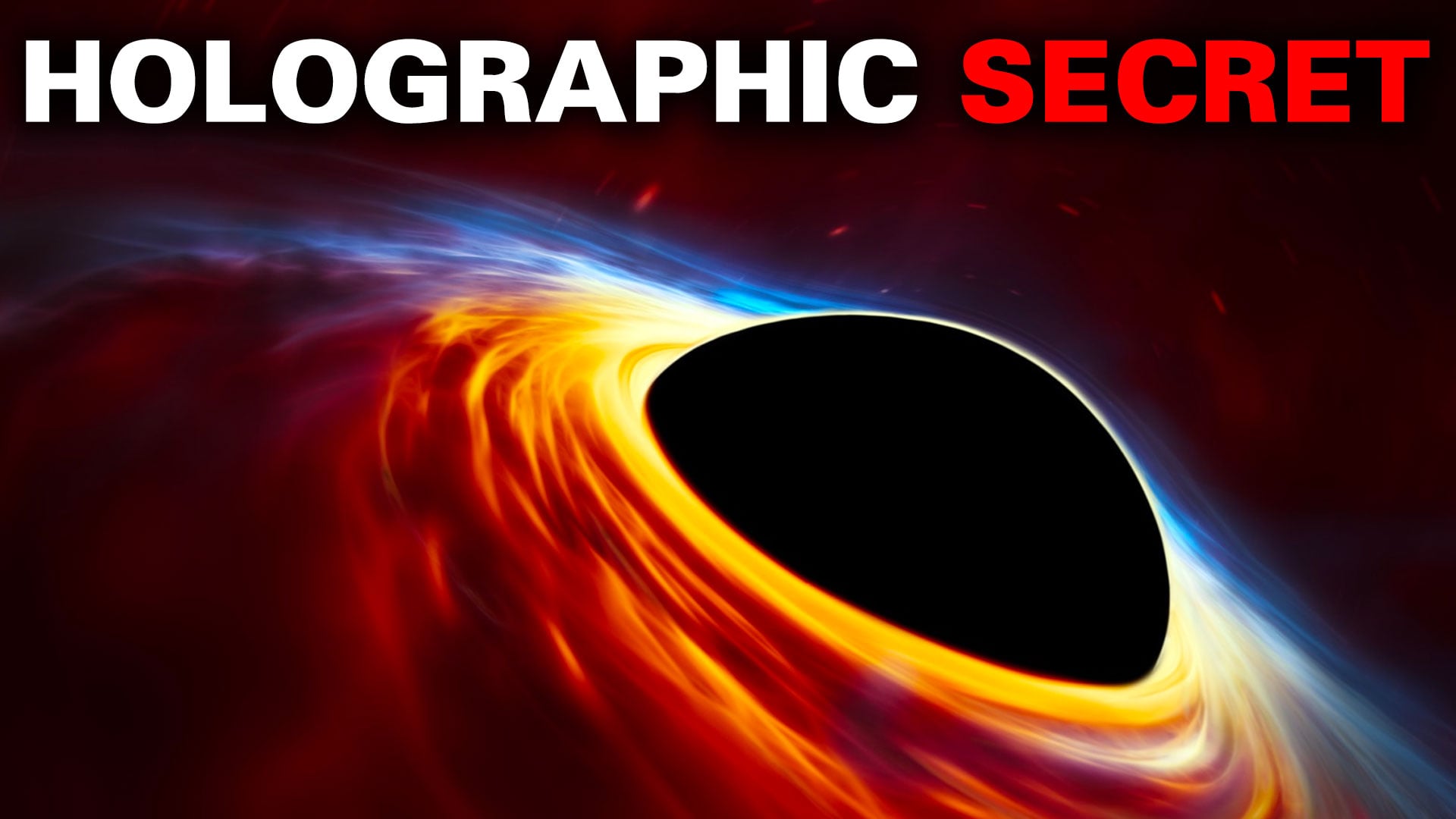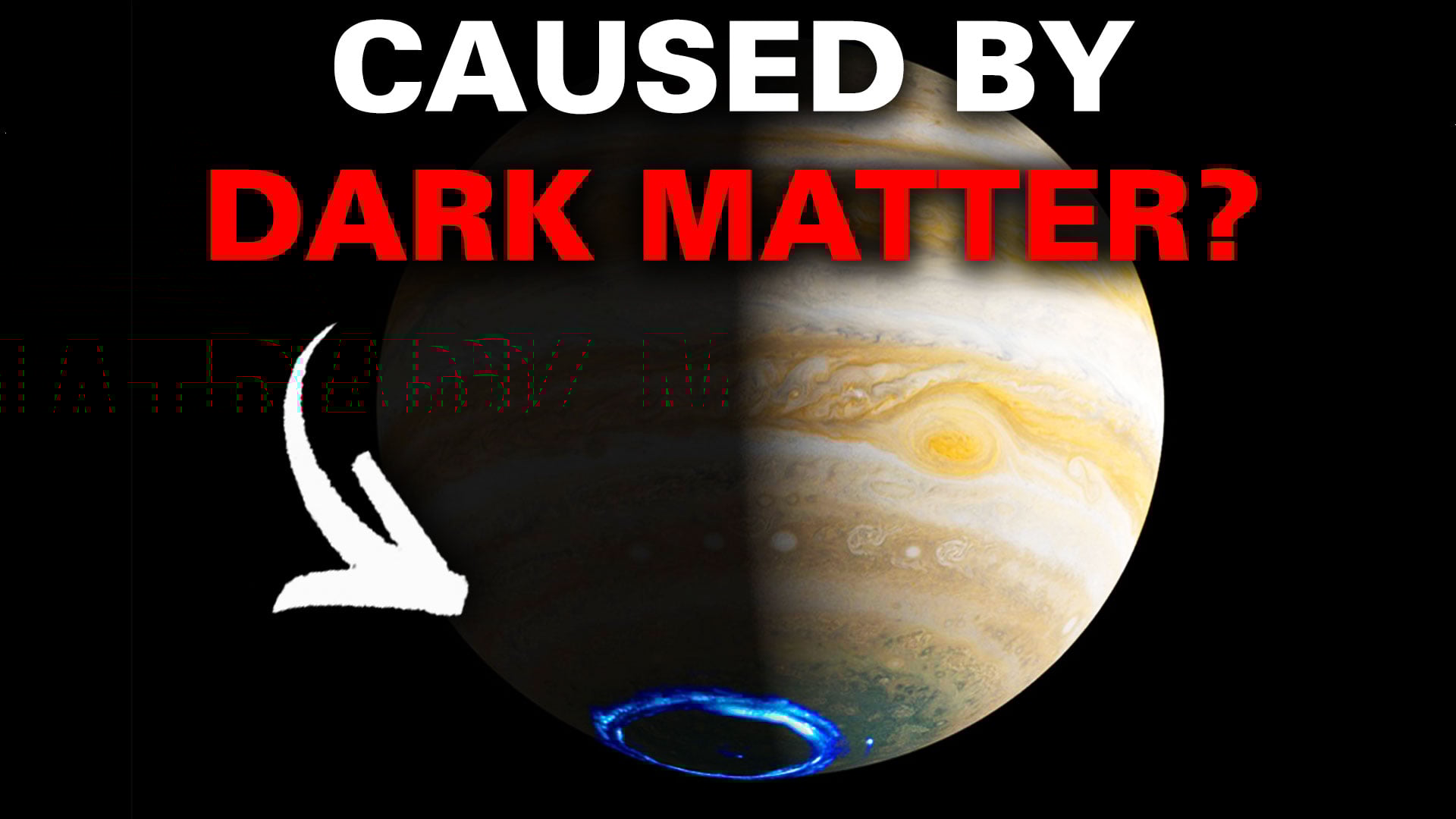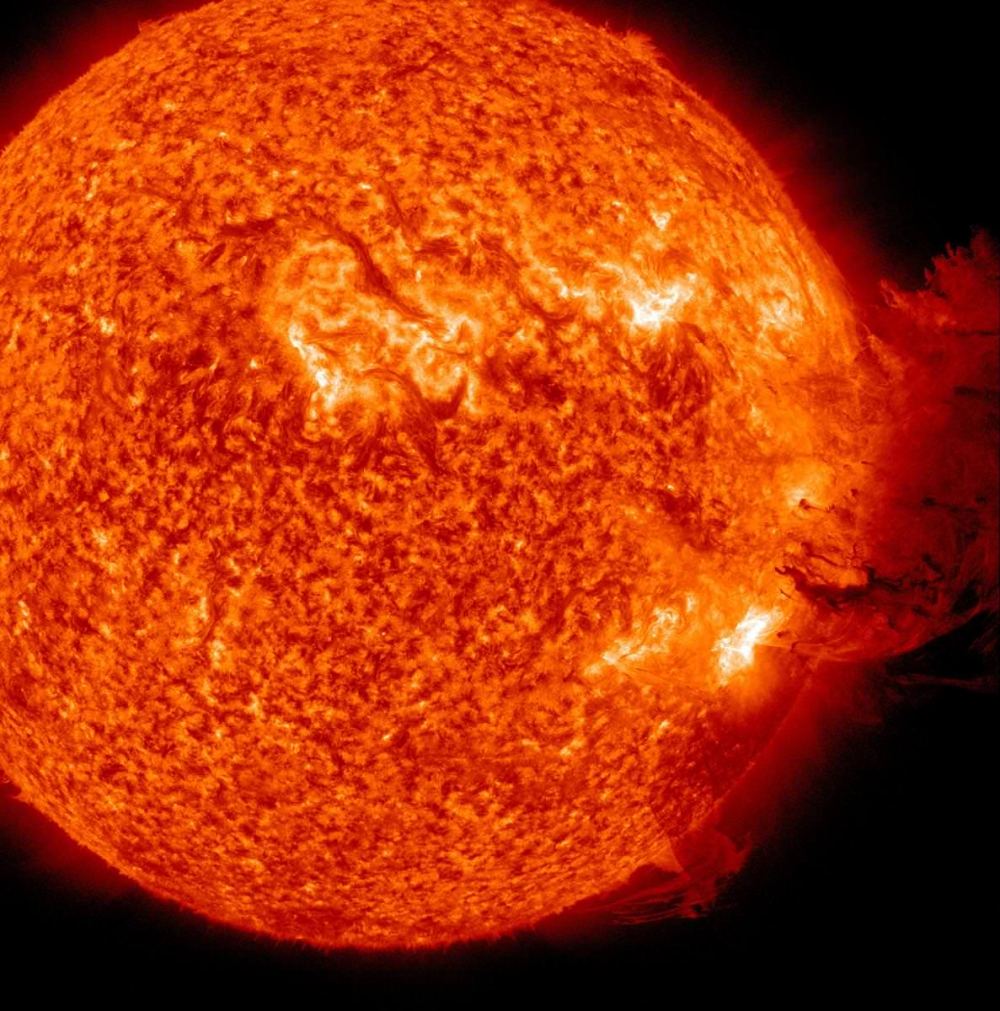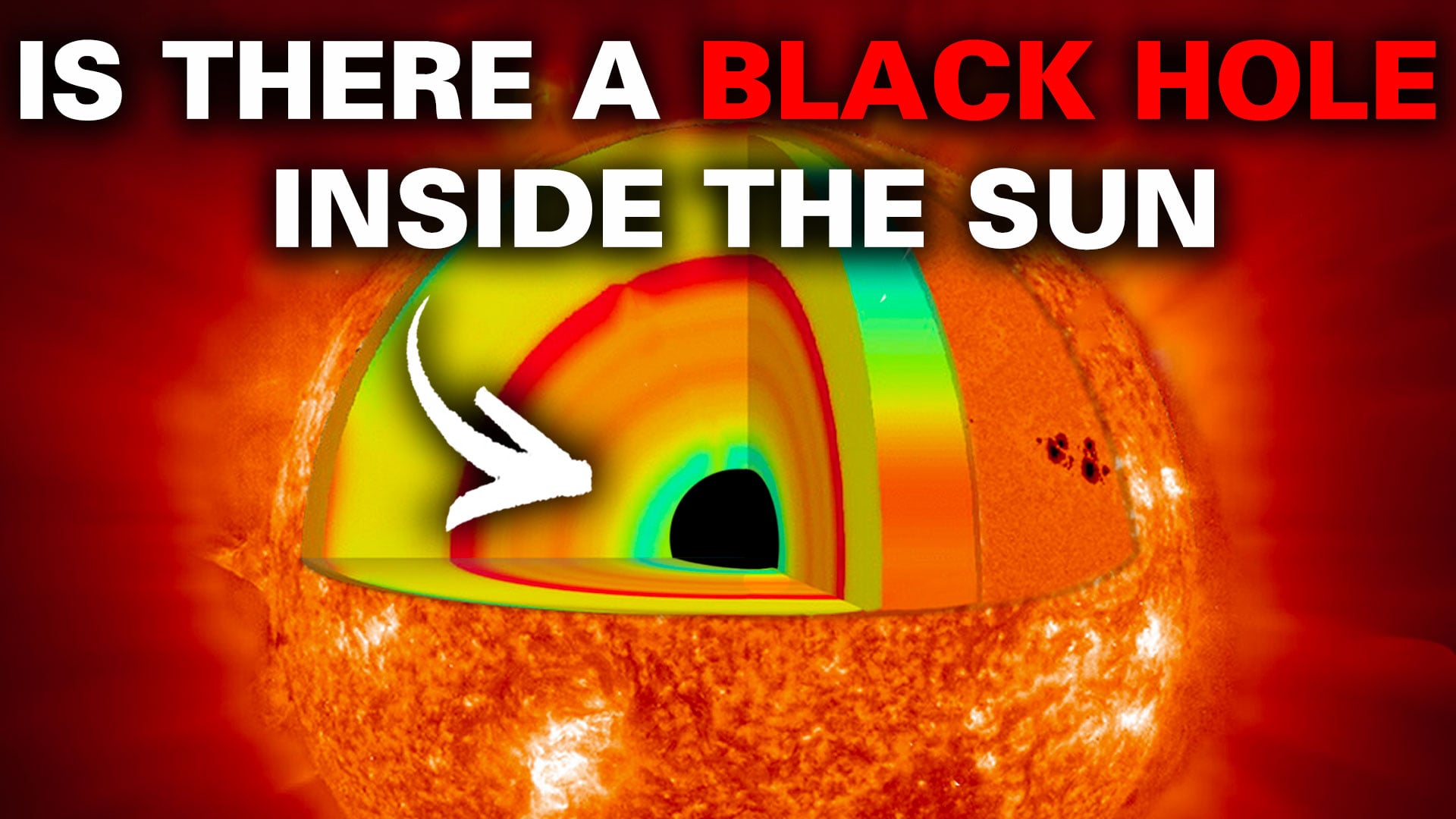
Primordial black holes are one explanation for dark matter, although it's not widely accepted. These black holes would have formed at the beginning of the Universe and would be at least the mass of a medium-sized asteroid. These black holes may have fallen into the stars if they are out there. These low-mass black holes would emit Hawking radiation, contributing to the star's radiation pressure. Is there a way we could know if there's a black hole inside the Sun?
Continue reading
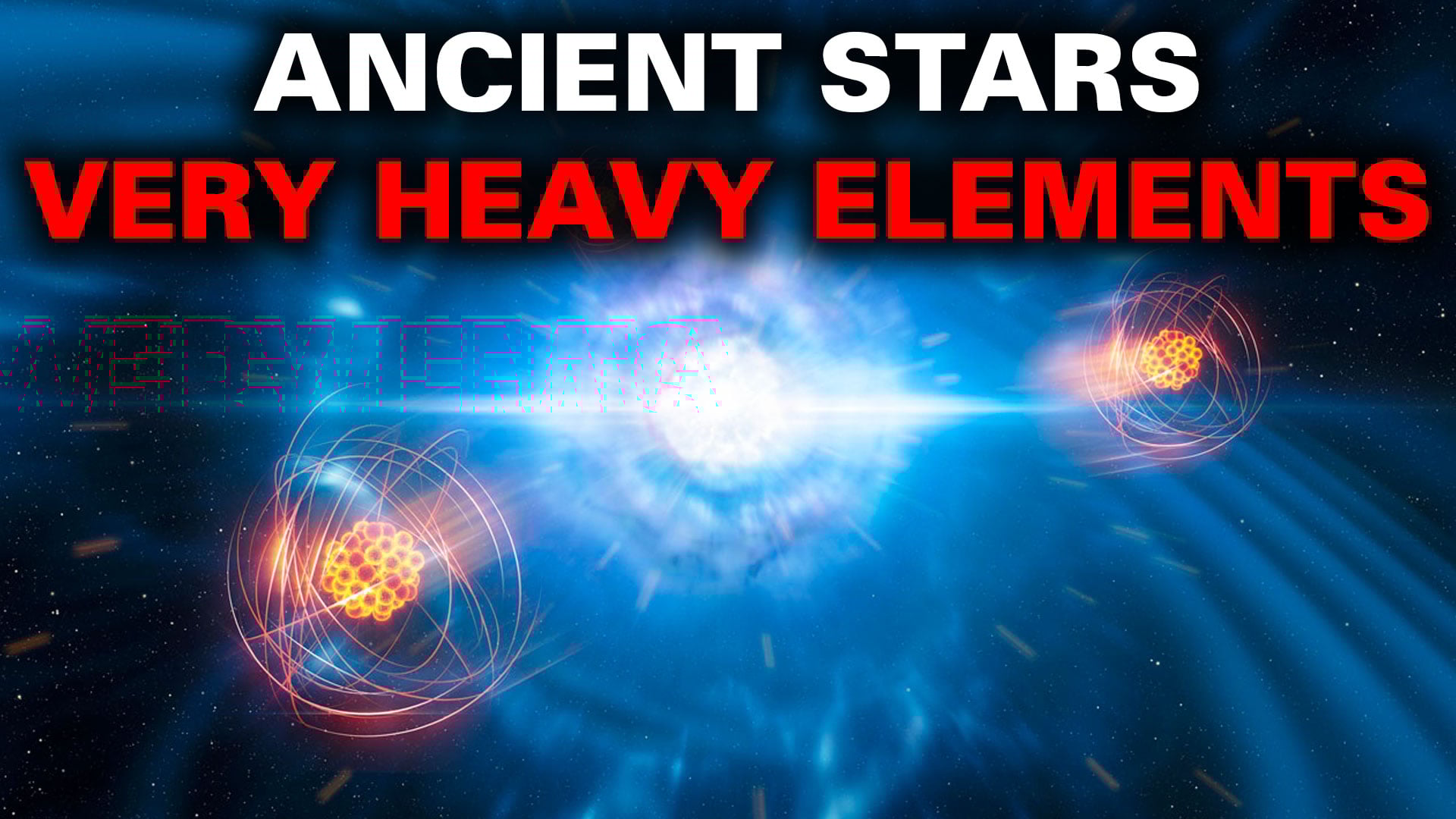
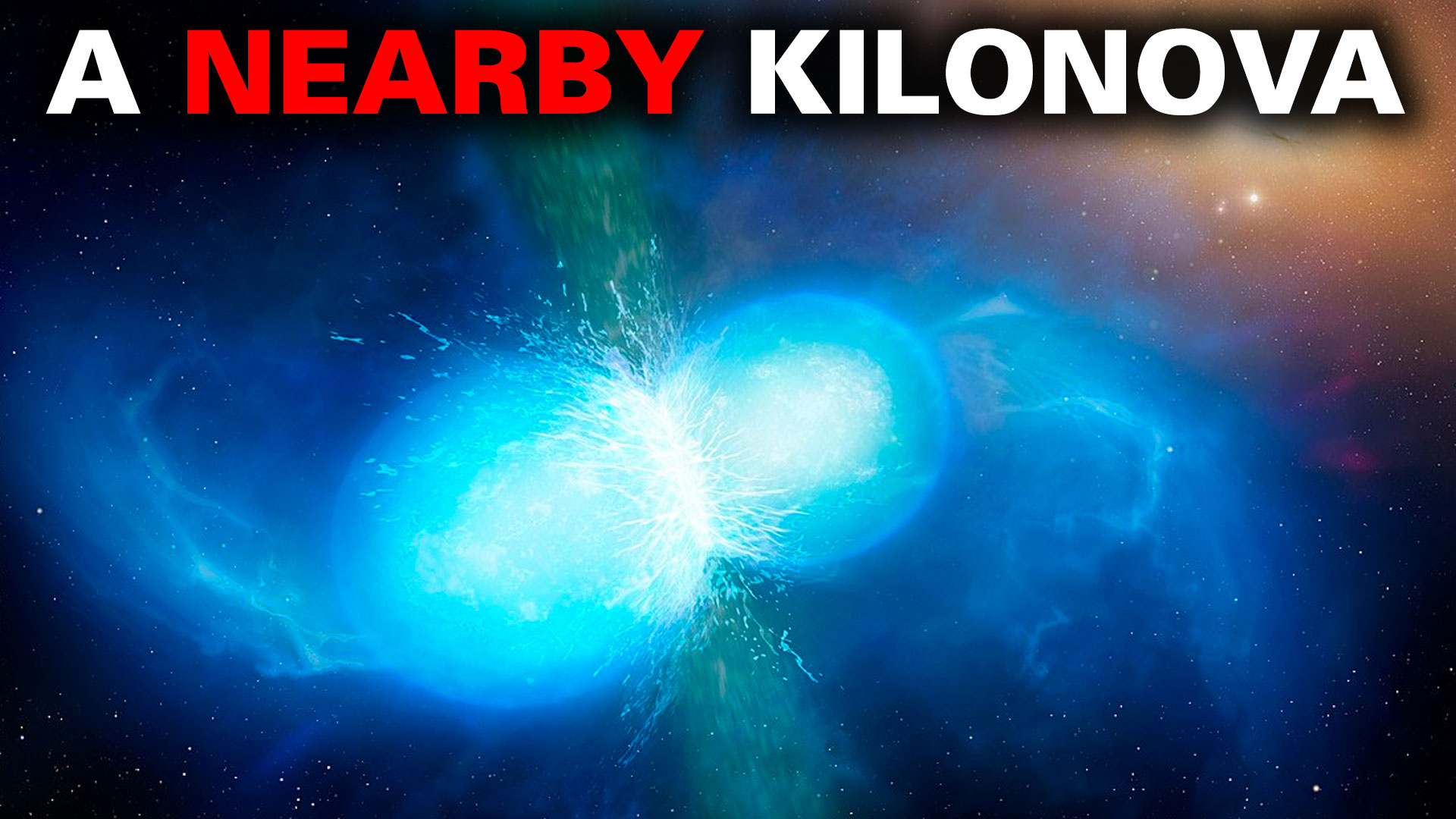
Elements heavier than iron, like gold or platinum, were created when massive stars died or through colliding neutron stars. Some of our heavy elements on Earth resulted from an even heavier element decaying through fission. Astronomers studied several stars and found elements that must have been formed through the death of previous generations of stars and the fission of their matter. Some of these elements would have been more than an atomic mass of 260.
Continue reading
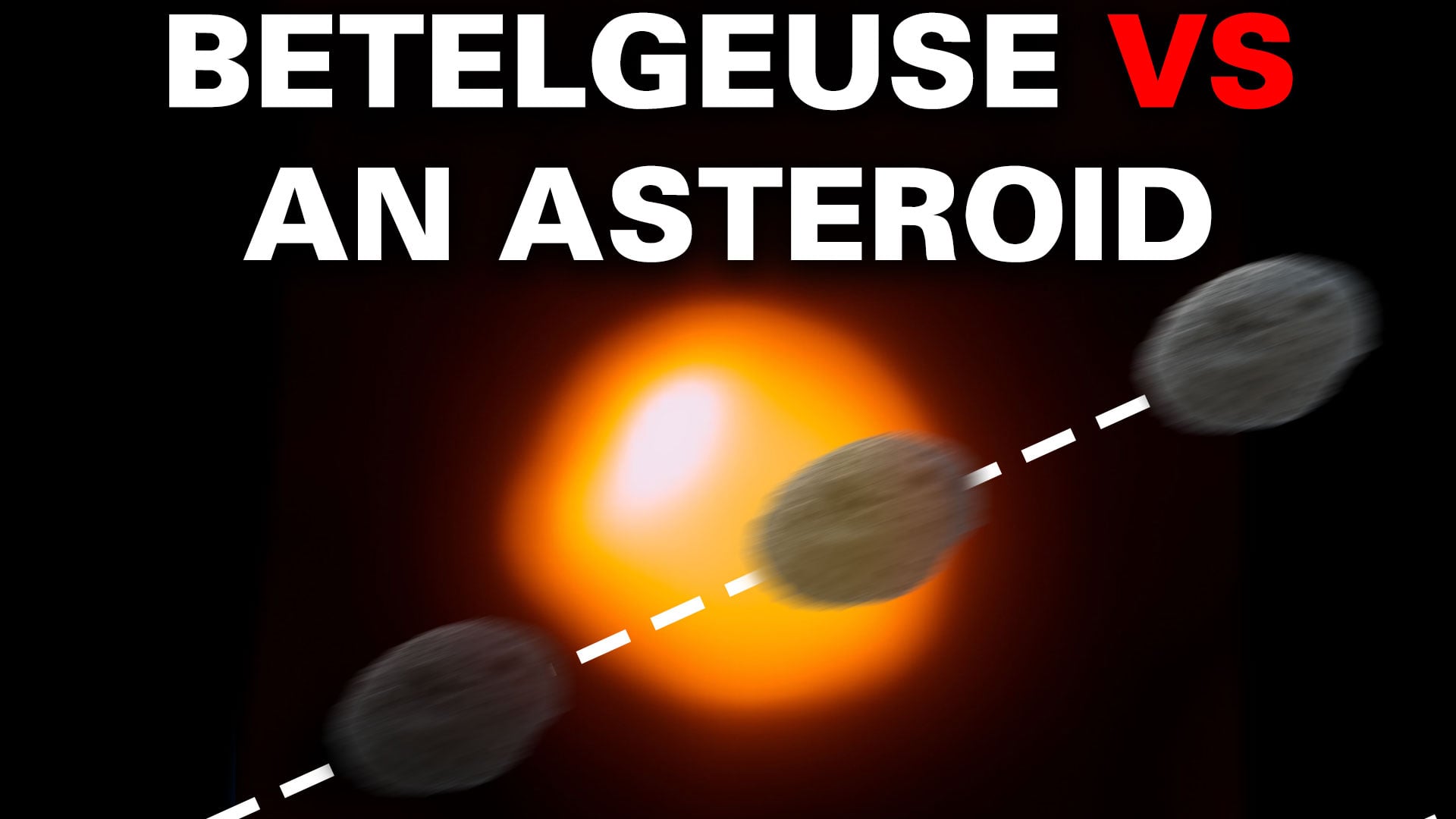
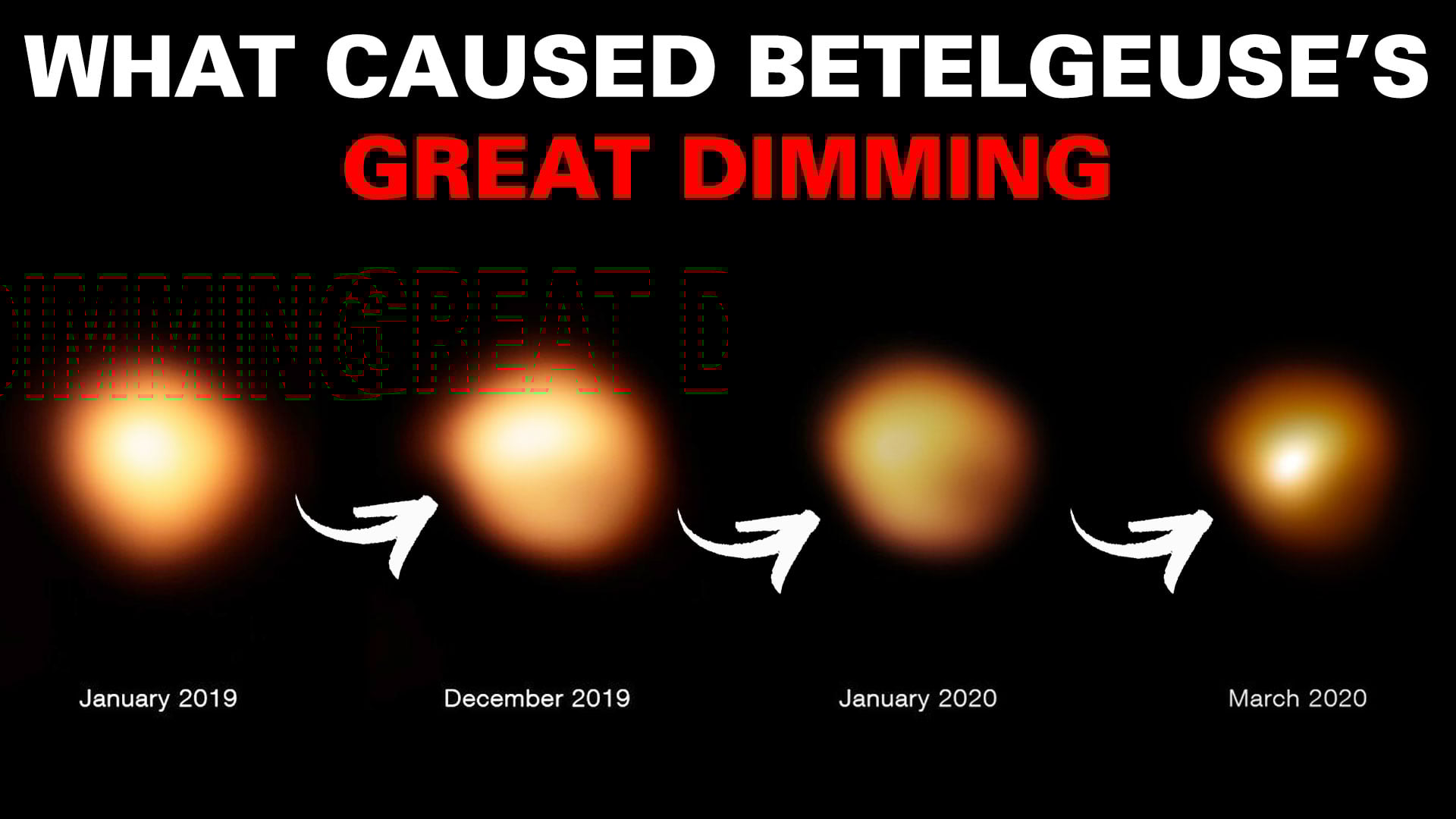
A rare occultation of the bright star Betelgeuse by asteroid 319 Leona turned up mixed results.
Continue reading
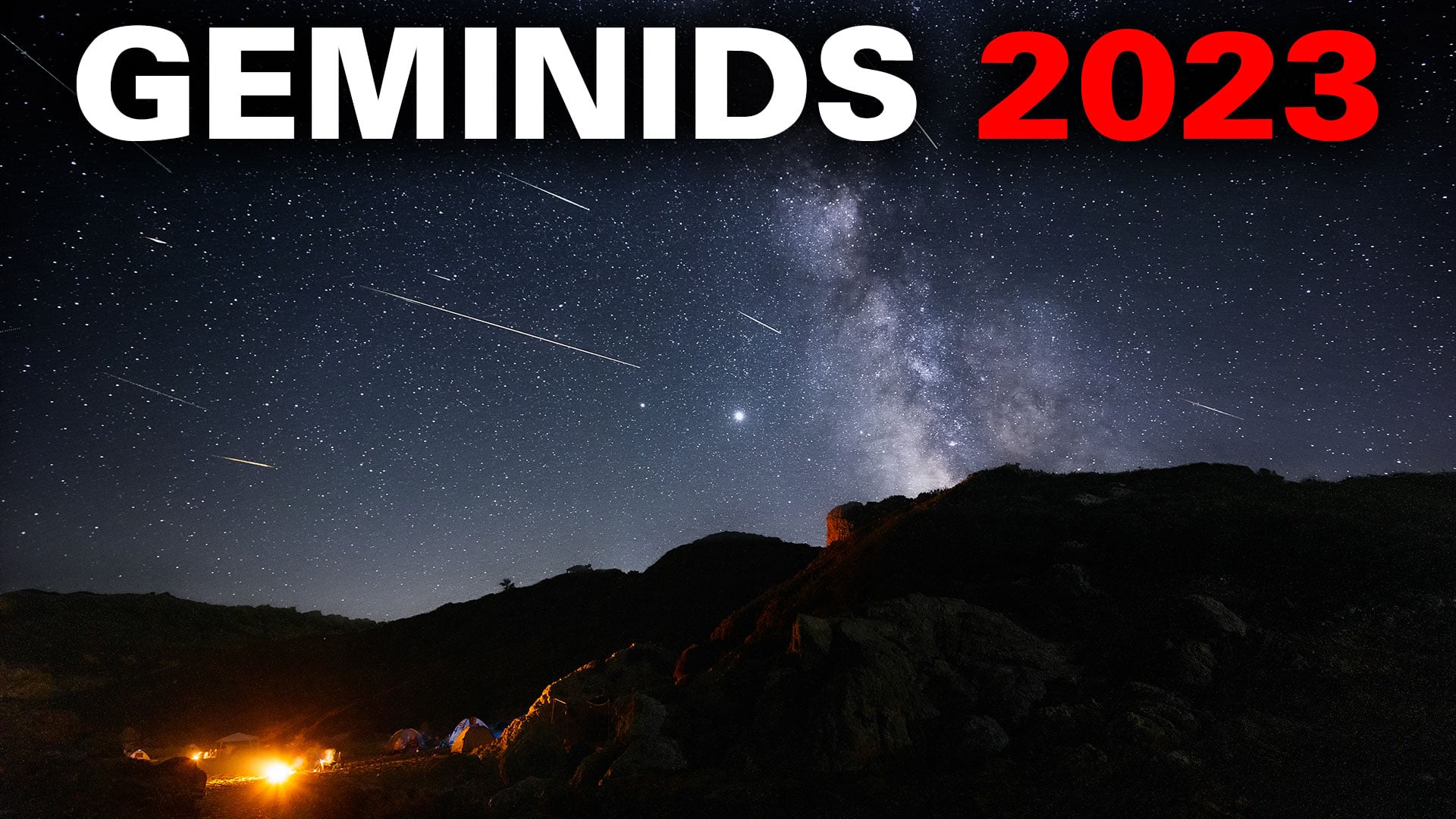
One of the best meteor showers of the year puts on a fine display in 2023.
Continue reading
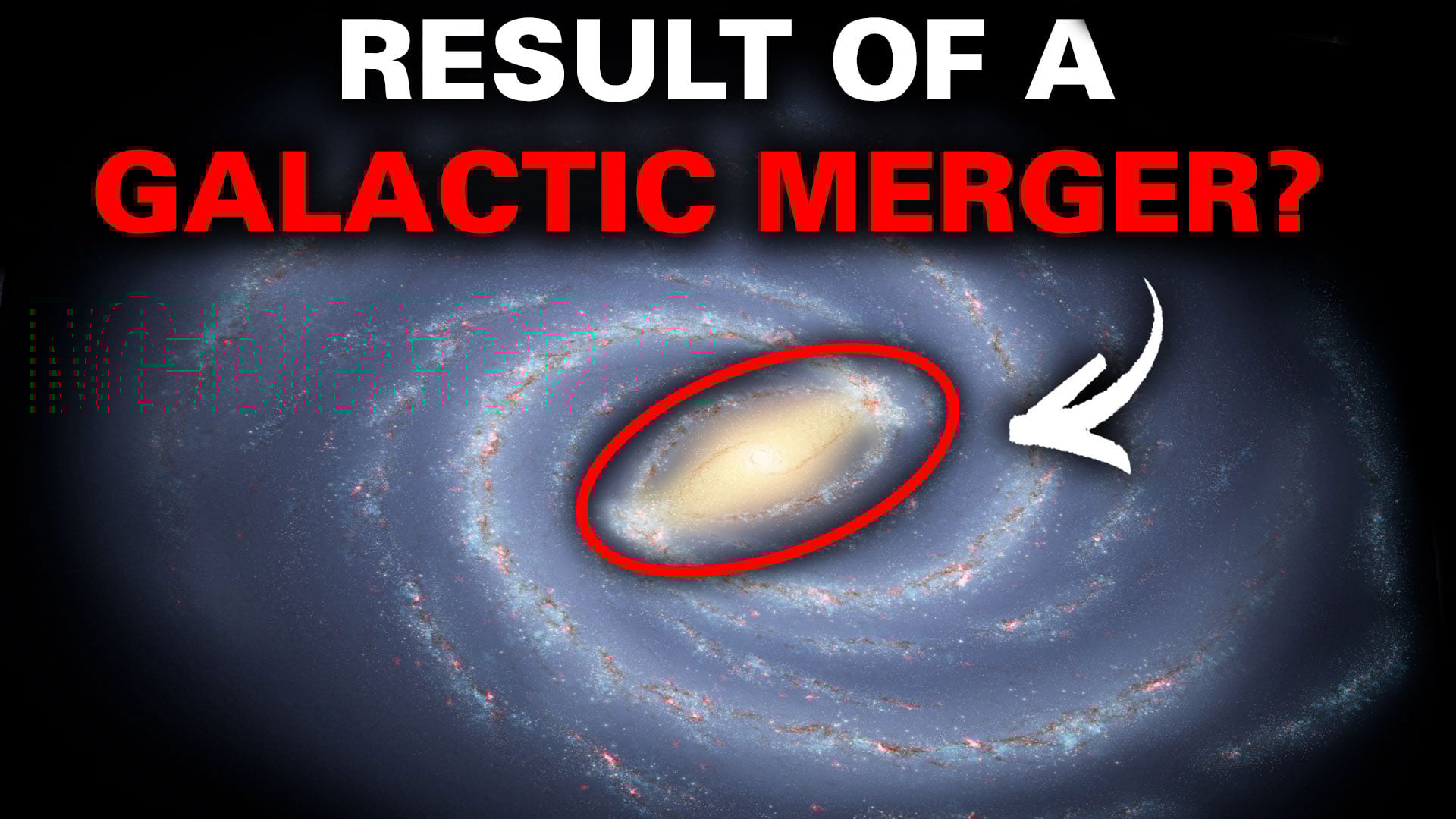
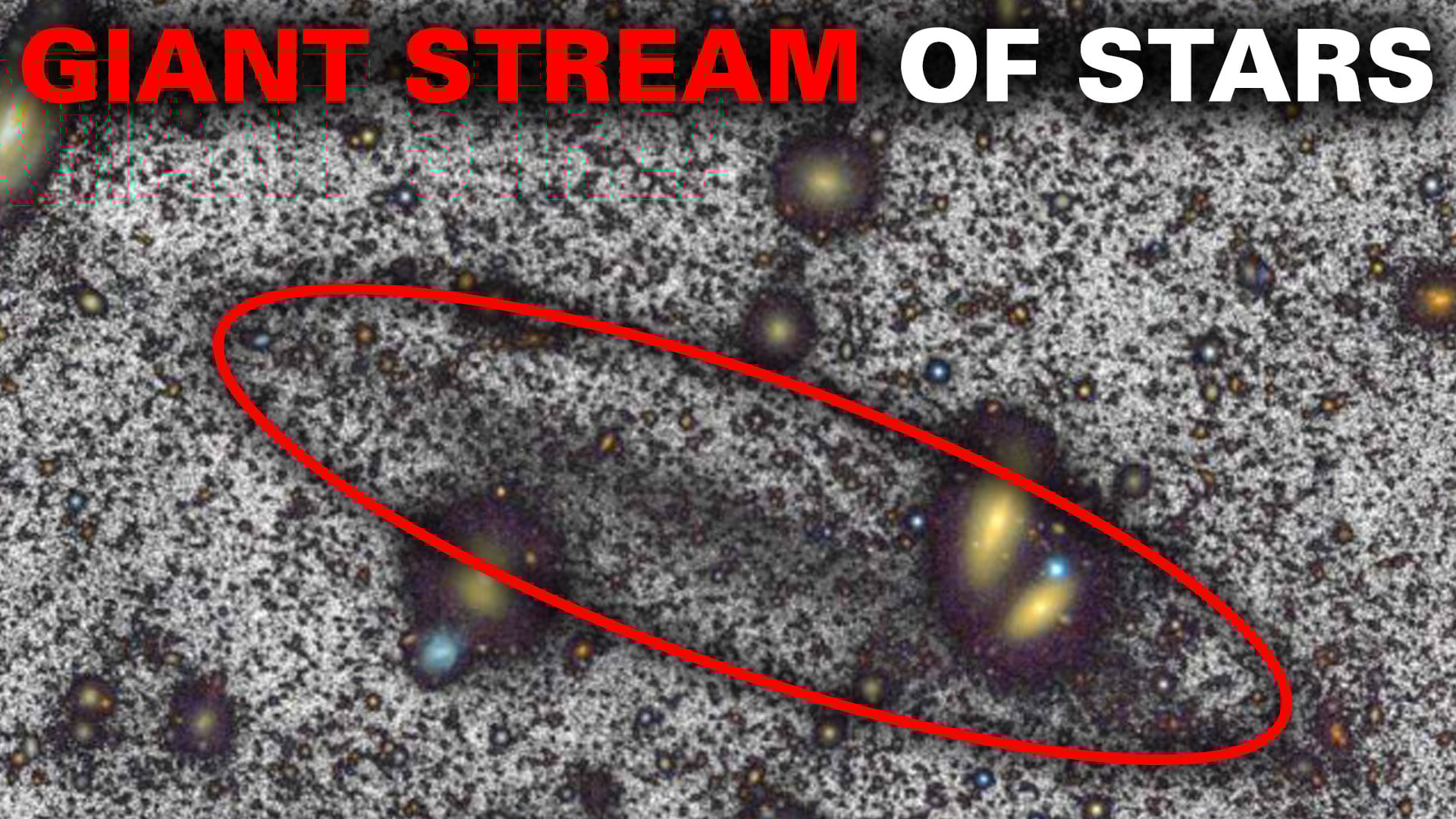
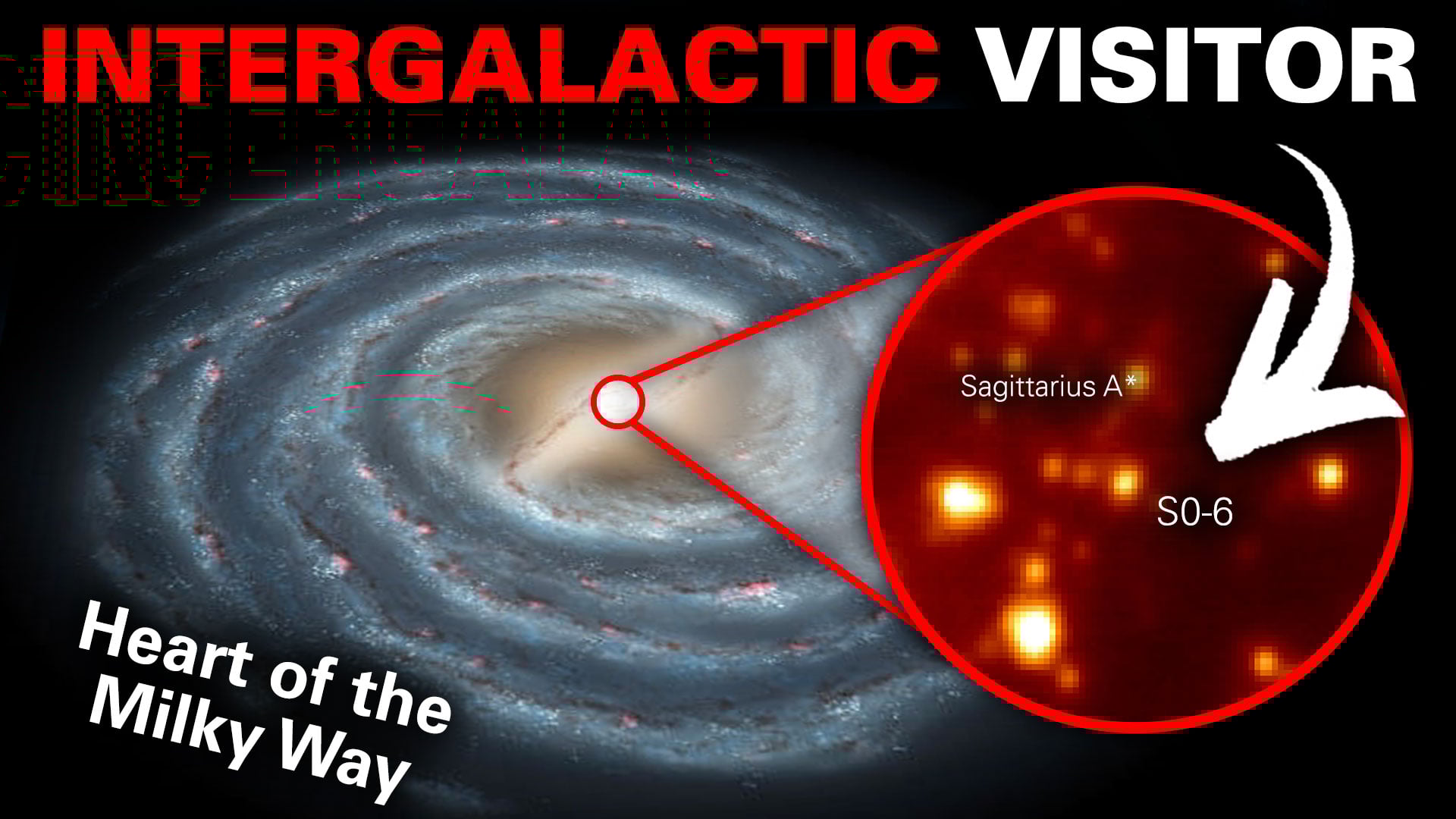
About 8-11 billion years ago, a dwarf galaxy merged with the Milky Way, adding 50 billion solar masses of stars, gas, and dark matter. The object is known as the "Gaia Sausage" because of the extended stream of stars found using ESA's Gaia mission. Astronomers think the Milky Way's central bar formed roughly the same time as the merger. A new paper suggests that merging with the Gaia Sausage triggers the formation of the Milky Way's bar and the build-up of its disk.
Continue reading
 Universe Today