Cosmic Dust Could Have Helped Get Life Going on Earth

By Brian Koberlein - February 24, 2024 01:38 PM UTC | Astrobiology
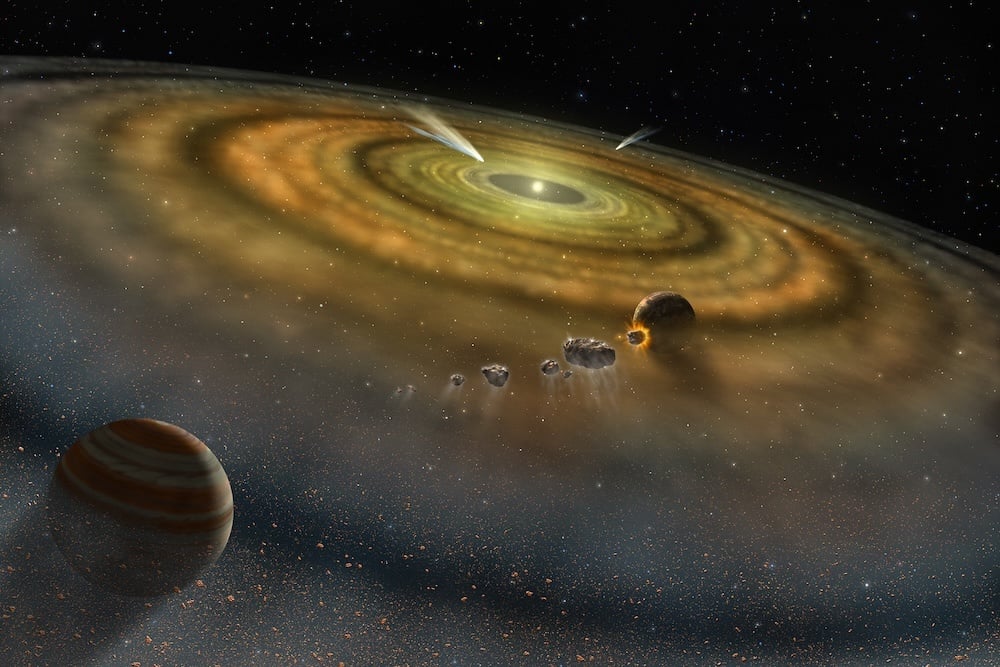
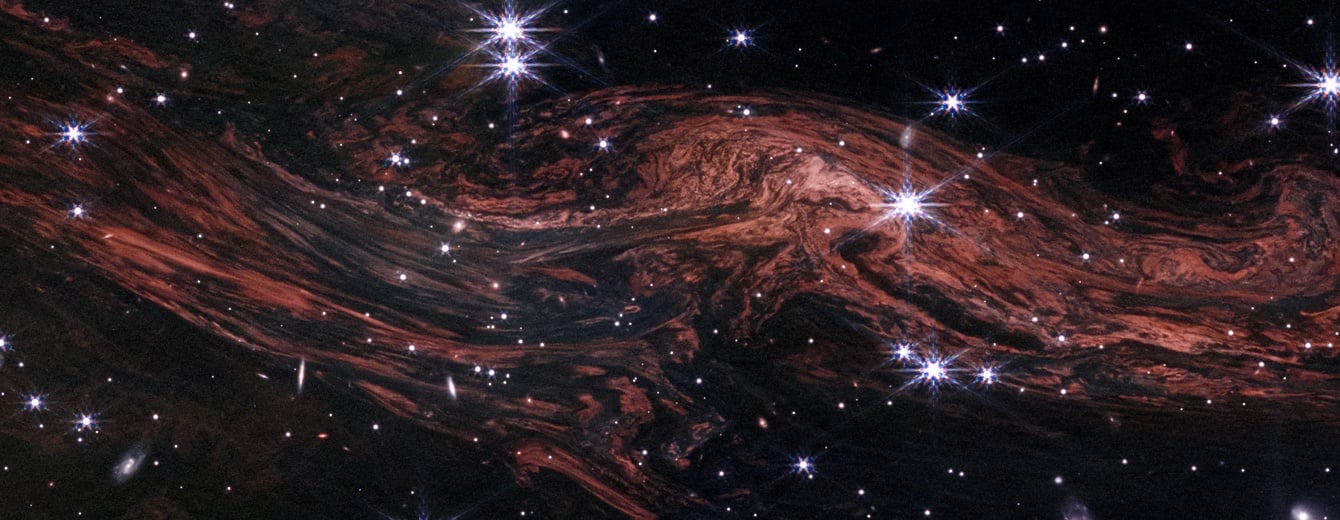
The early Earth didn't have many chemicals needed for life on its surface, but they were present in asteroids and comets. Astronomers think they were delivered by countless objects crashing into the planet early in its history. But there's also a constant rain of organic-rich cosmic dust entering the Earth's atmosphere, and some can even pile up into sedimentary deposits left behind by glaciers. Did cosmic dust help fertilize prebiotic chemistry?
Continue reading

We Could Snoop on Extraterrestrial Communications Networks

By Brian Koberlein - February 22, 2024 02:07 PM UTC | Astrobiology
SETI researchers have directed their search toward interesting star systems where extraterrestrial civilizations could send signals toward Earth. According to a new paper, sufficiently advanced civilizations will communicate across the galaxy, sending signals between stars, rogue planets, and interstellar objects. They'll probably be using pulsars as a navigation system to coordinate their activities at a vast scale. To confirm their existence, we just have to listen in.
Continue reading

Gravastars are an Alternative Theory to Black Holes. Here's What They'd Look Like

By Brian Koberlein - February 19, 2024 12:17 PM UTC | Black Holes
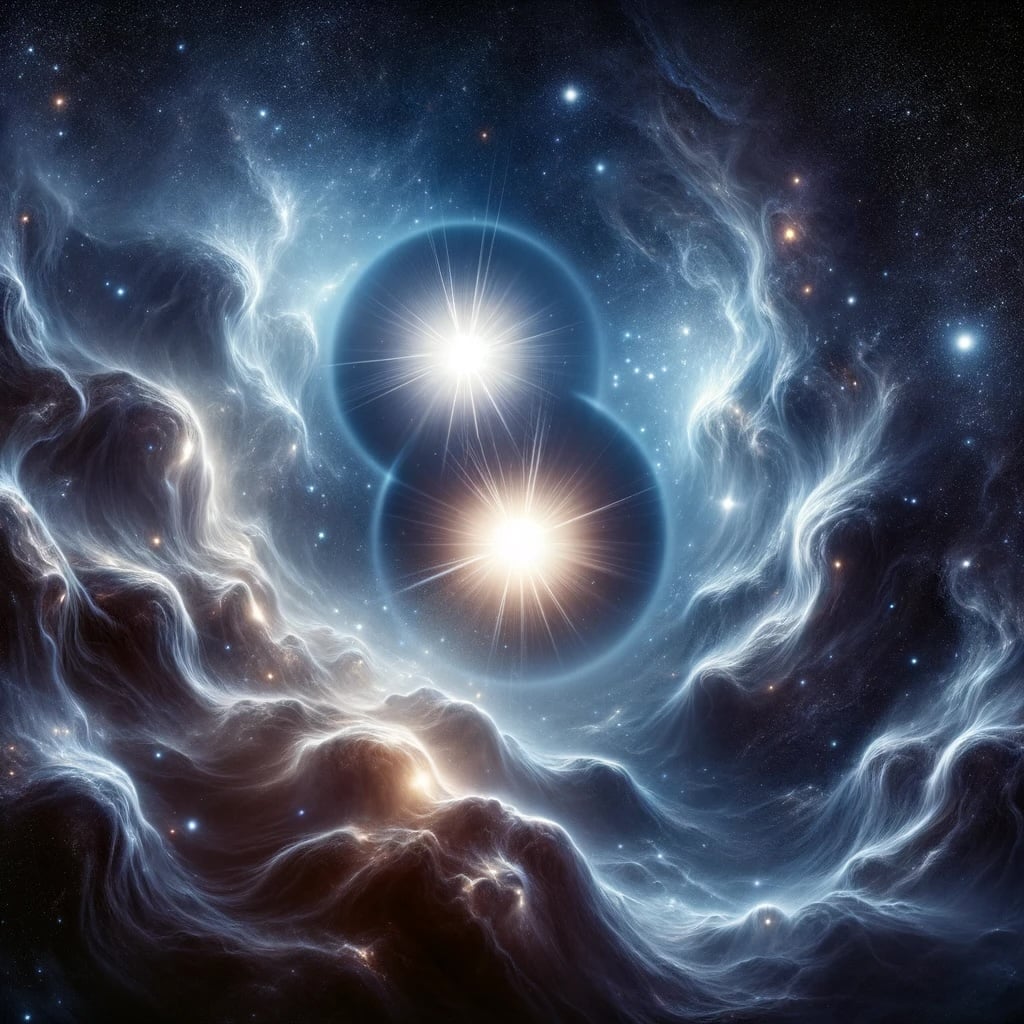
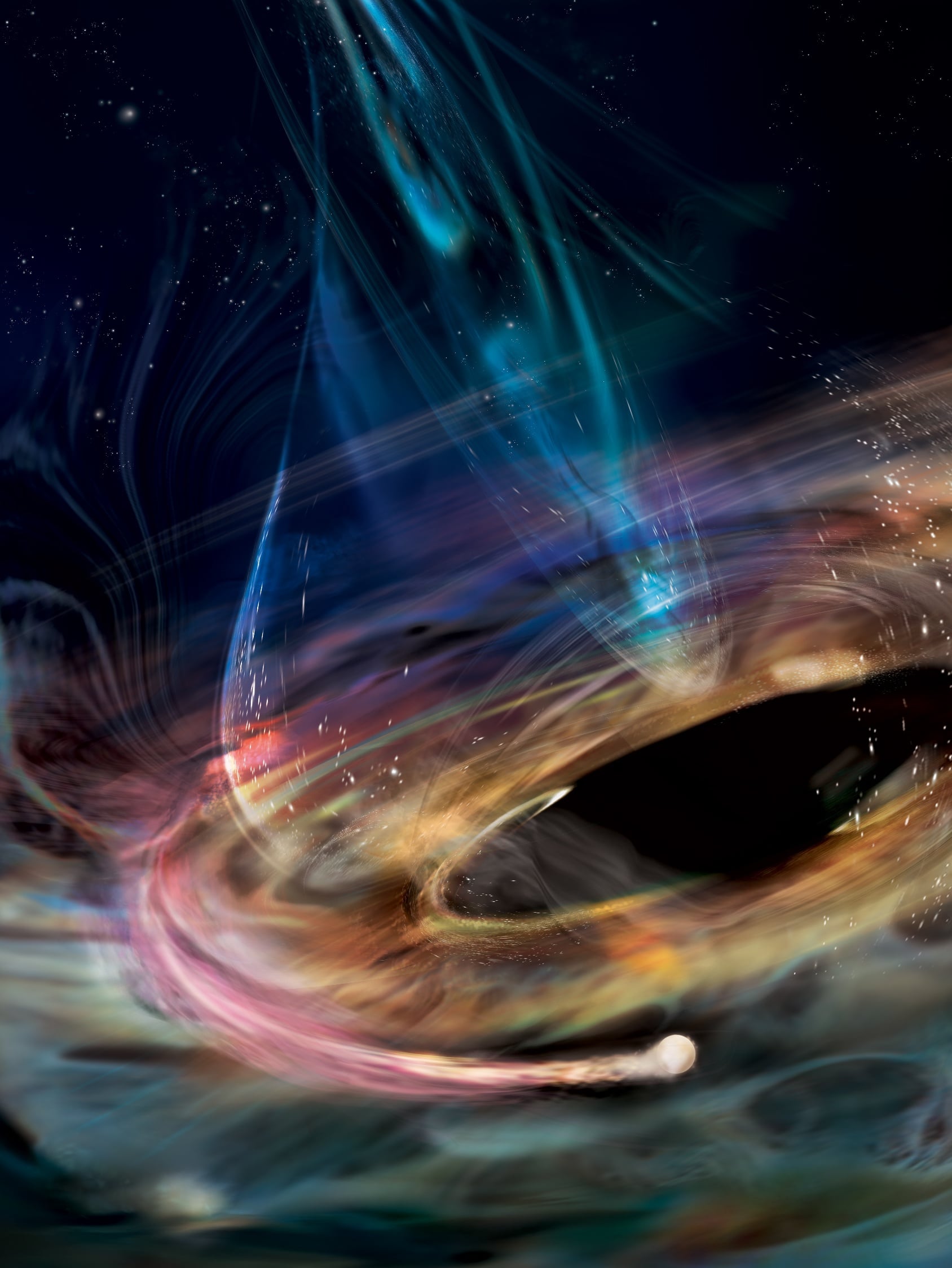
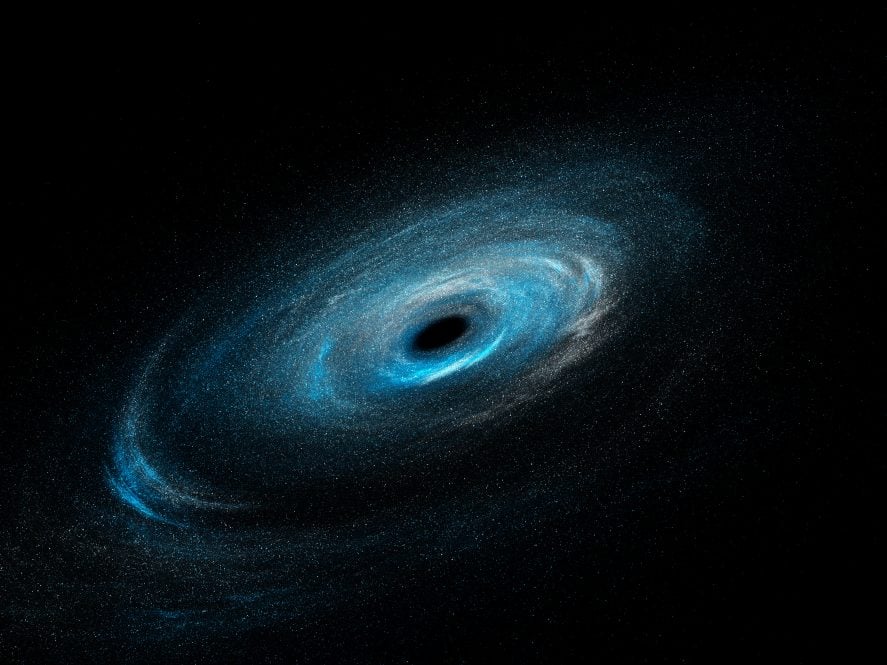
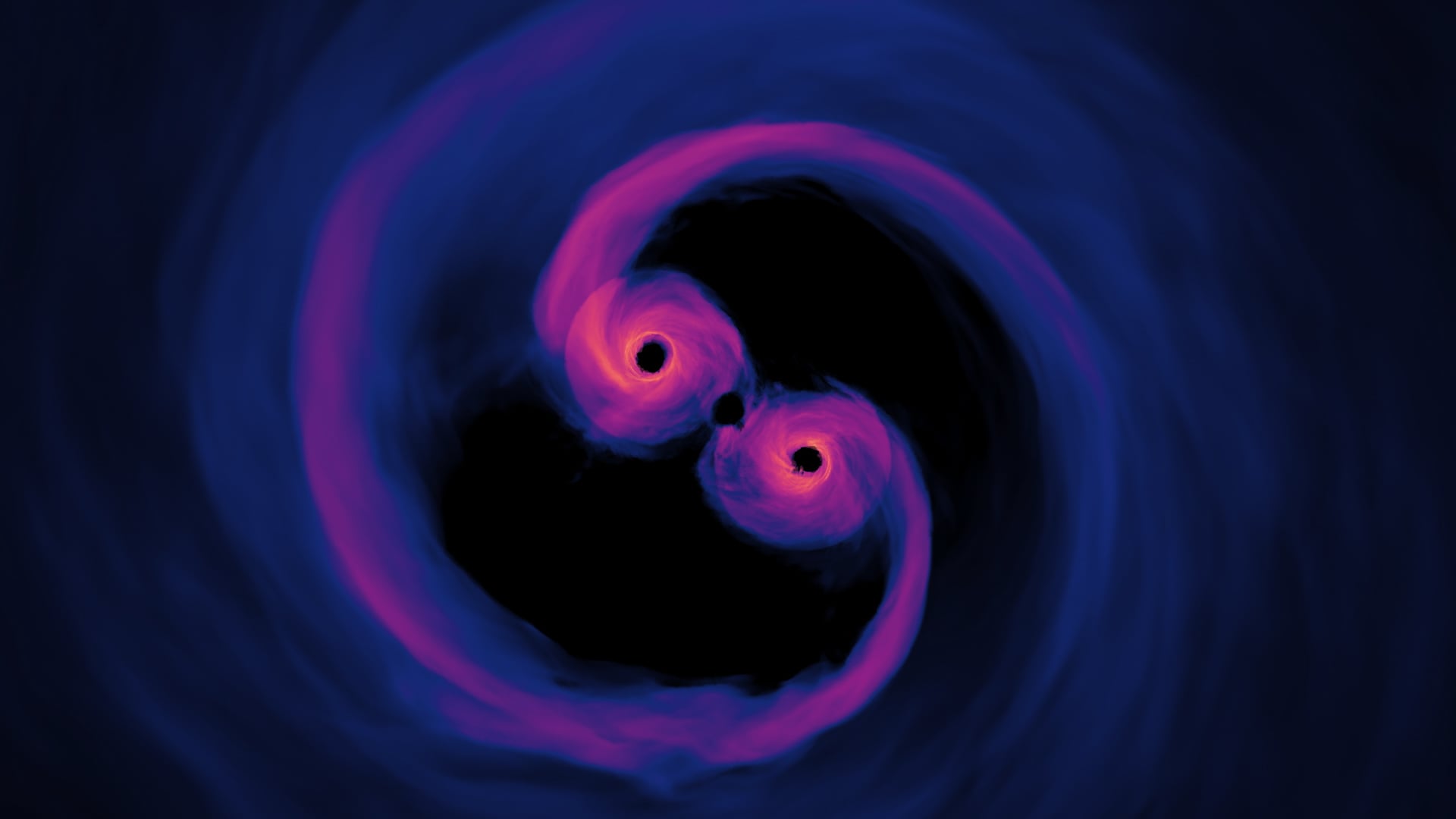
Astronomers continue to find more and more evidence of black holes, but there's an alternative theory that could explain the observations: gravastars. First proposed in 2001, these objects are one possible solution to Einstein's field equations, having the same impact on the Universe. But they won't have an event horizon or singularity. Instead, they'd contain thin shells of matter surrounding an exotic dark energy that pushes back against the star's gravitational force.
Continue reading

Even Eris and Makemake Could Have Geothermal Activity

By Brian Koberlein - February 18, 2024 01:39 PM UTC | Planetary Science
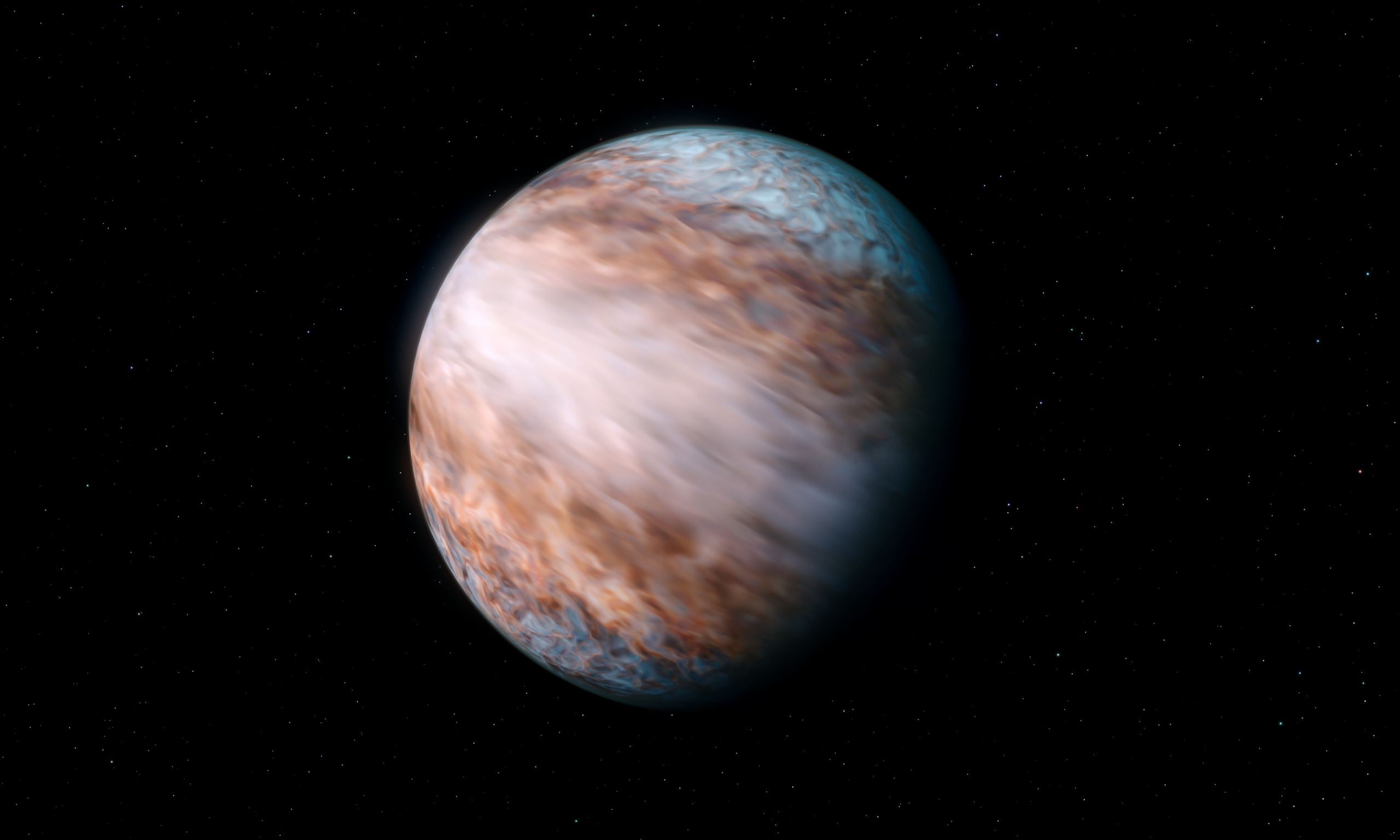
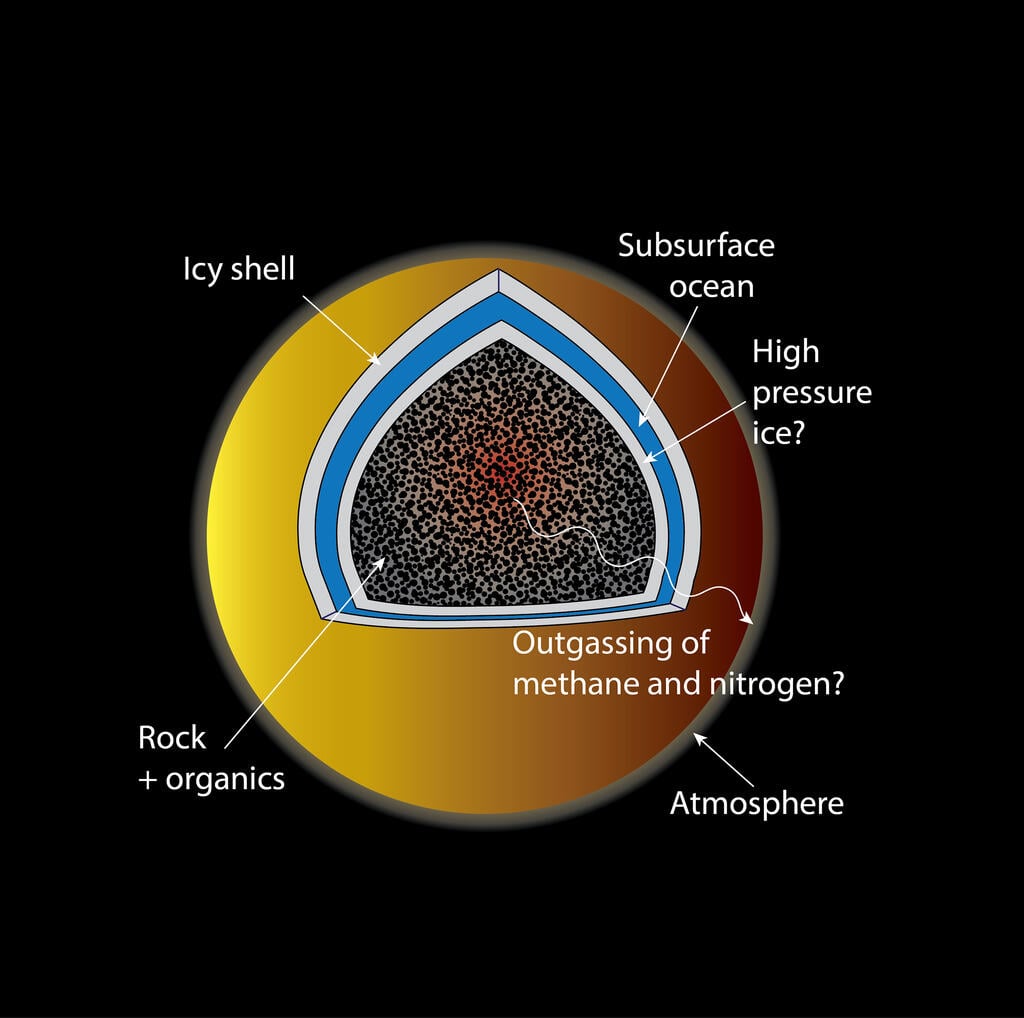
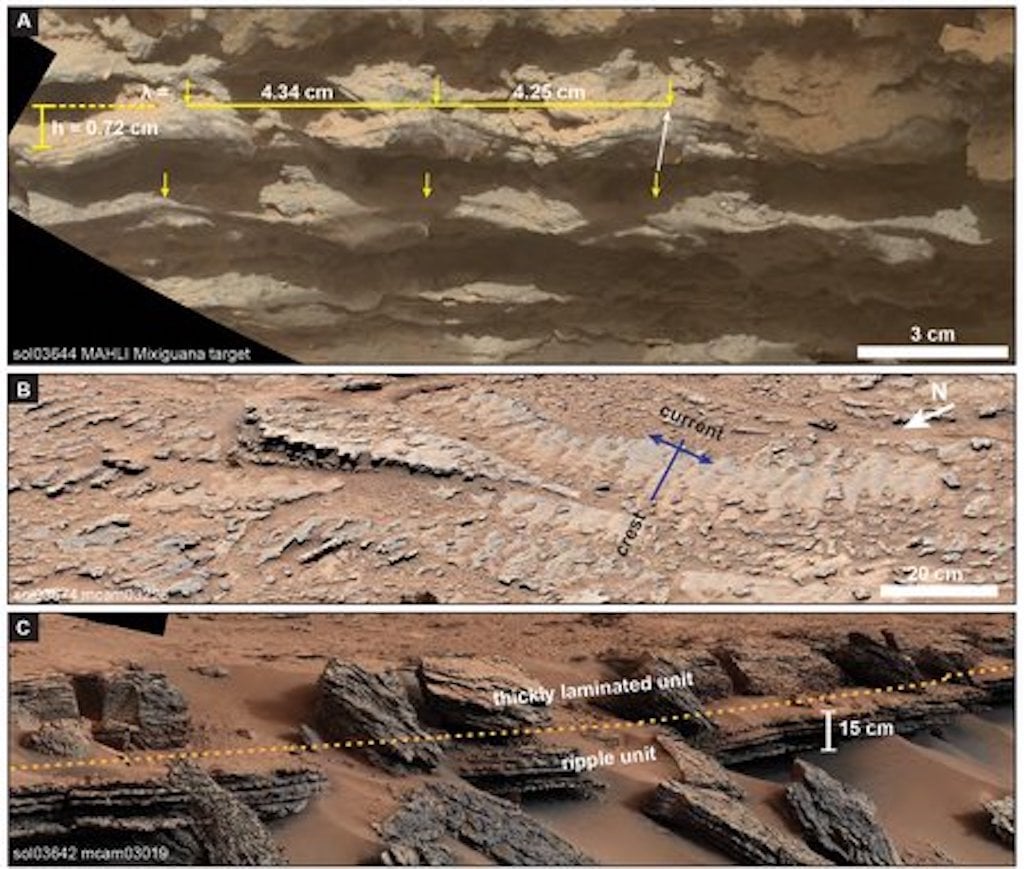
Astronomers have found evidence of geothermal activity across the Solar System, from planets like Mars, icy moons like Europa and Enceladus, and even dwarf planets like Pluto. They've used JWST to find evidence of geothermal activity in Kupiter Belt Objects Eris and Makemake. It was thought that these tiny worlds were long dead and cold, but they found evidence of elements on the surface that indicate geothermal activity, like geysers or cryovolcanoes.
Continue reading

Euclid Begins its 6-Year Survey of the Dark Universe

By Brian Koberlein - February 16, 2024 12:50 PM UTC | Cosmology
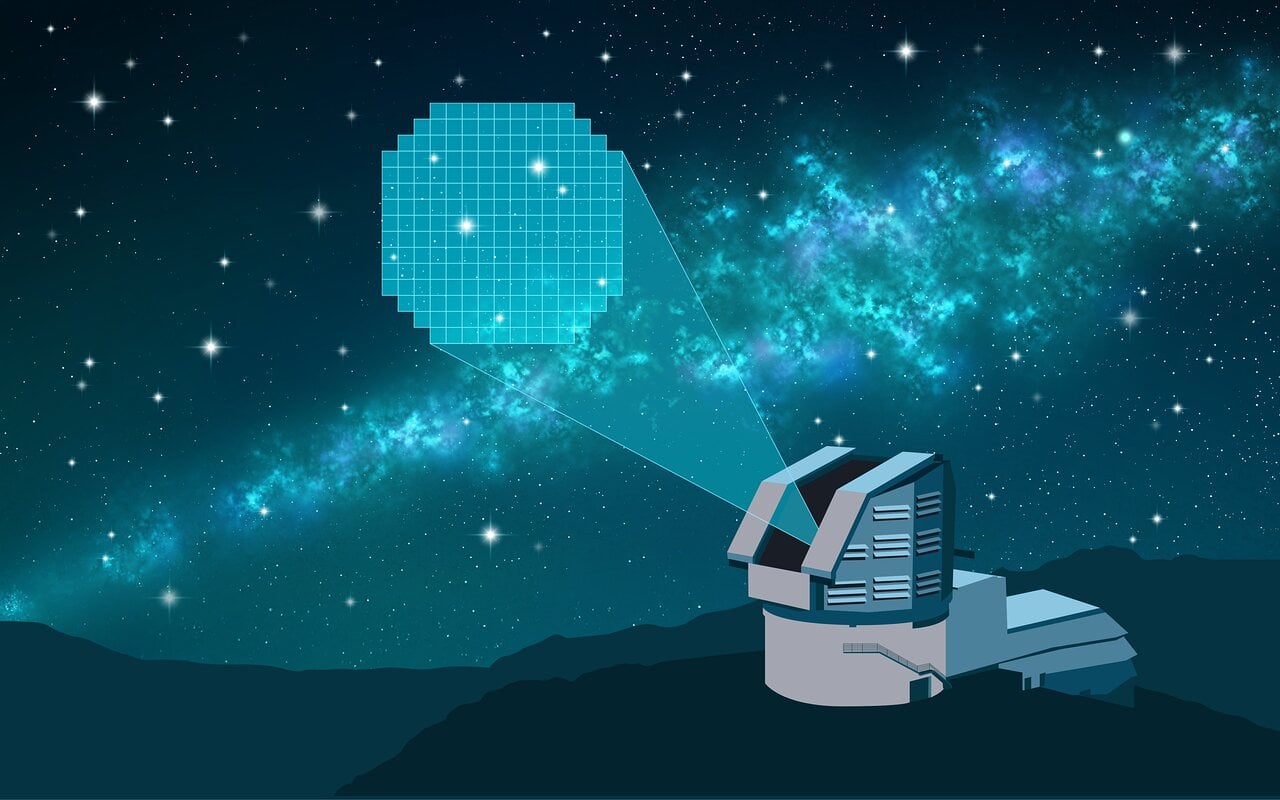
ESA's Euclid mission was launched in July 2023 and has already sent home test images showing that its instruments are ready to go. Now, the space telescope begins mapping huge swaths of the sky, focusing on an area for 70 minutes at a time. Throughout its 6-year mission, it will complete 40,000 of these "pointings", eventually observing 1.5 billion galaxies in the sky. Astronomers will use this map to measure how dark matter and dark energy have changed over time.
Continue reading

Another Clue Into the True Nature of Fast Radio Bursts

By Brian Koberlein - February 15, 2024 01:37 PM UTC | Physics
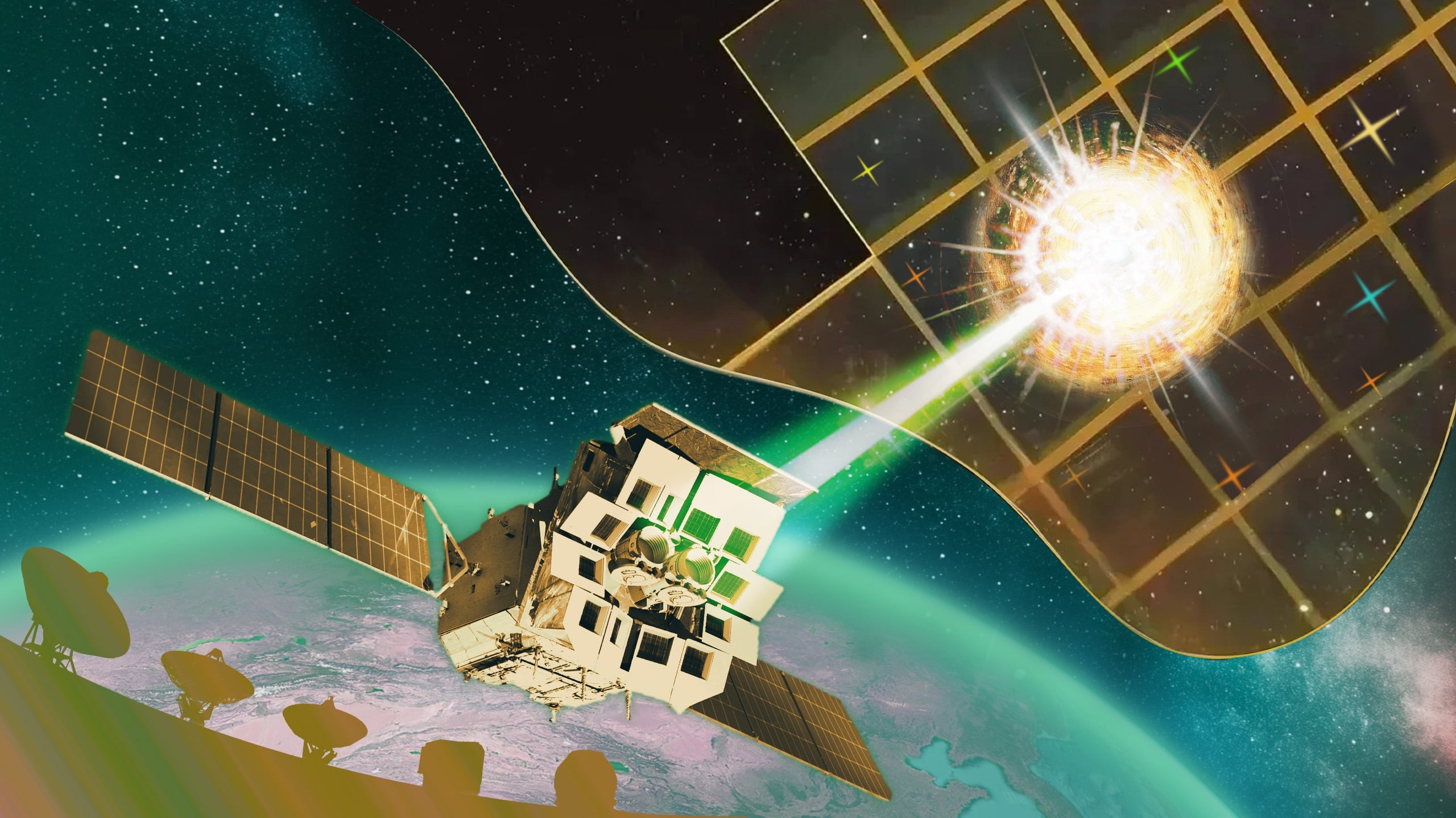
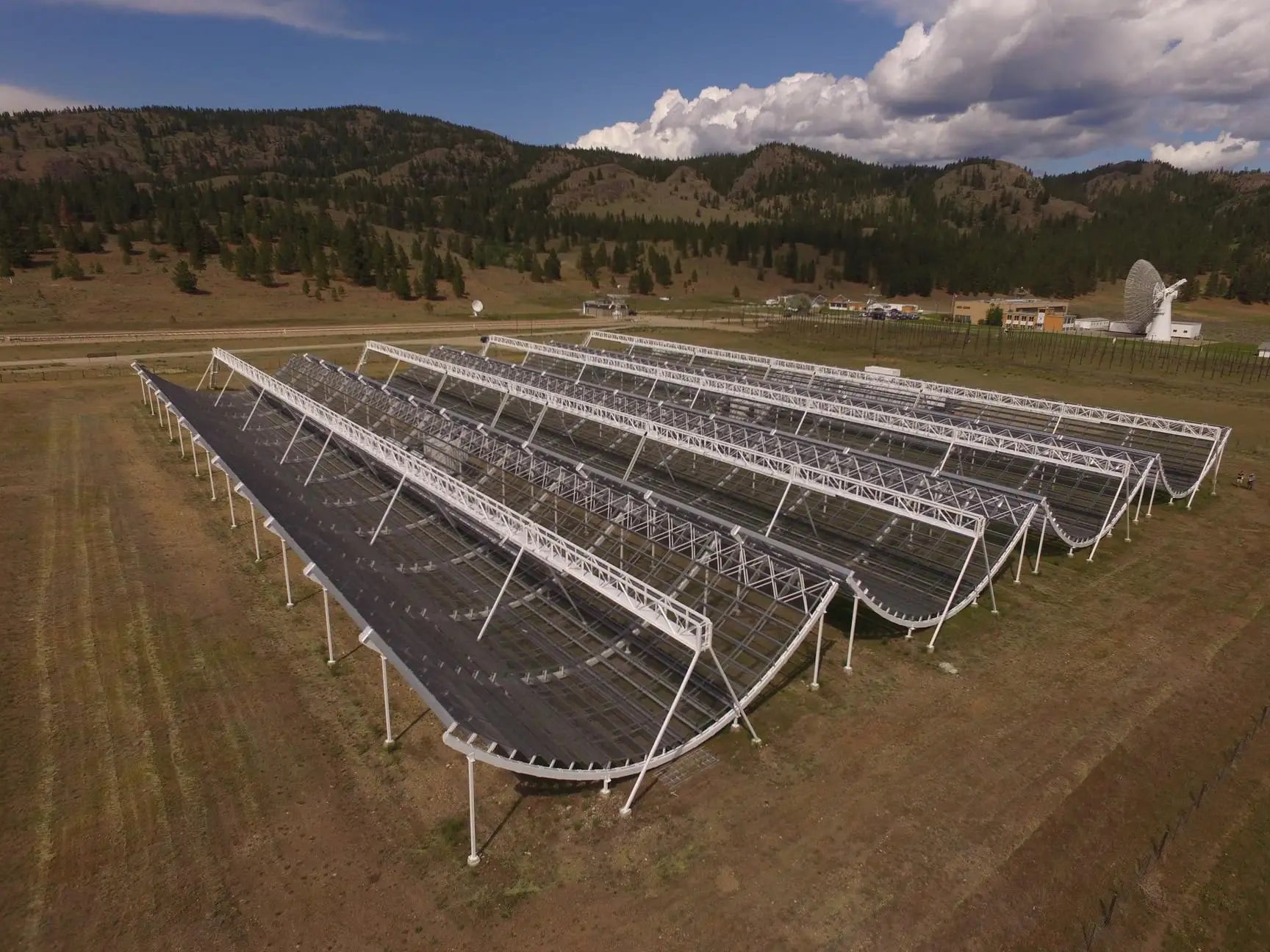
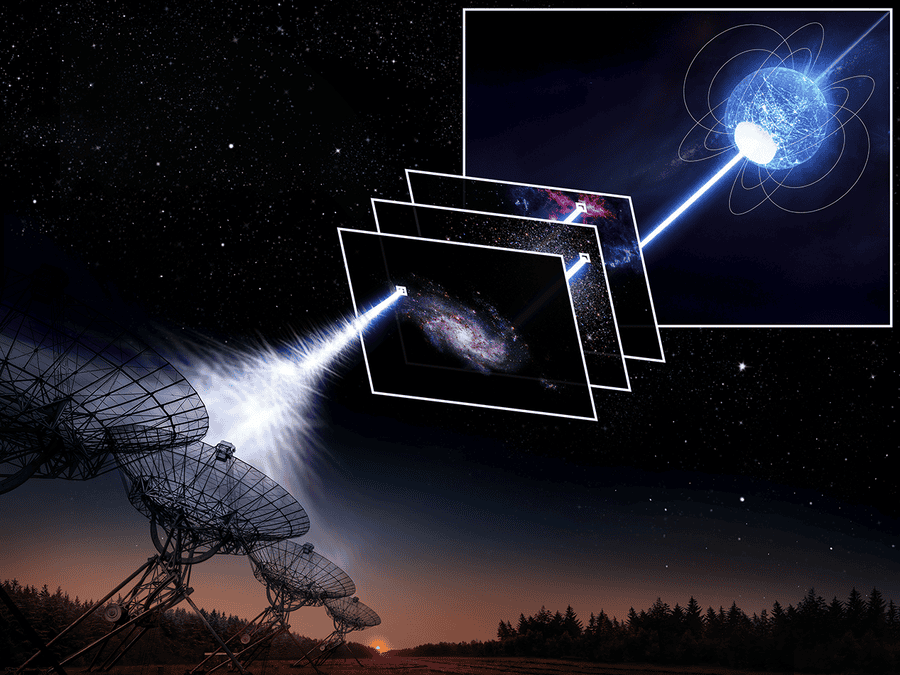
Astronomers have used two X-ray telescopes to study a neutron star and have discovered a link between it and mysterious fast radio bursts (FRBs). In October 2022, NASA's NICER and NuSTAR missions watched a type of neutron star called a magnetar for hours and detected the release of energy from its surface as it glitched, suddenly spinning faster. At the same time, radio telescopes detected an FRB from the star. These two events are connected.
Continue reading

Passing Stars Changed the Orbits of Planets in the Solar System

By Brian Koberlein - February 14, 2024 02:13 PM UTC | Stars
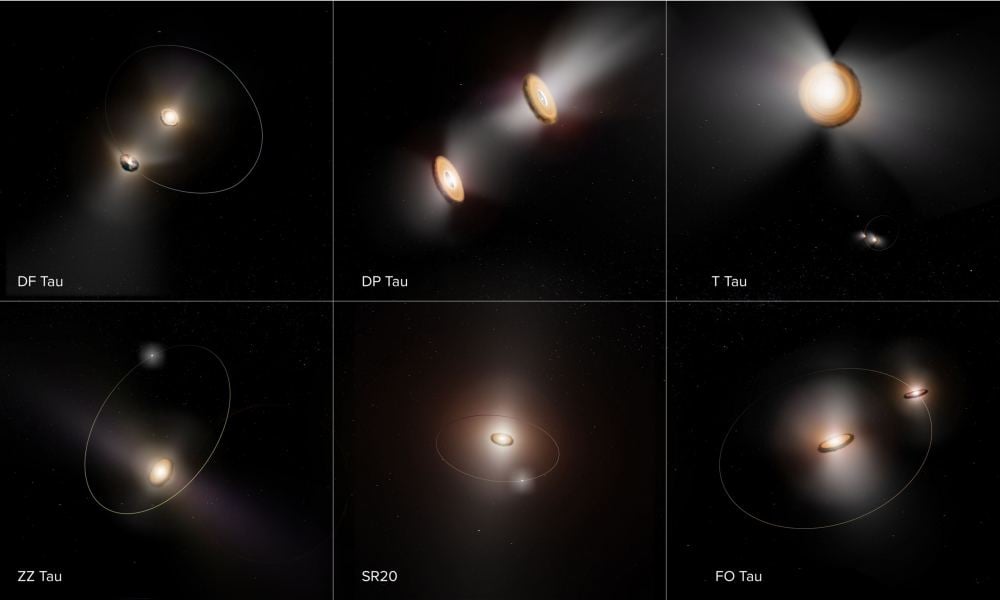
We're light-years away from the closest stars, but in the billions of years of history in the Milky Way, our Sun has come much closer to other stars. For example, a star passes within 0.8 light-years every millions years and 0.16 light-years every 20 million years. These close passes have had a collective effect on the planets, shifting their orbits and helping to explain some of the eccentricities of the planets. Some of these might even have affected Earth's climate.
Continue reading