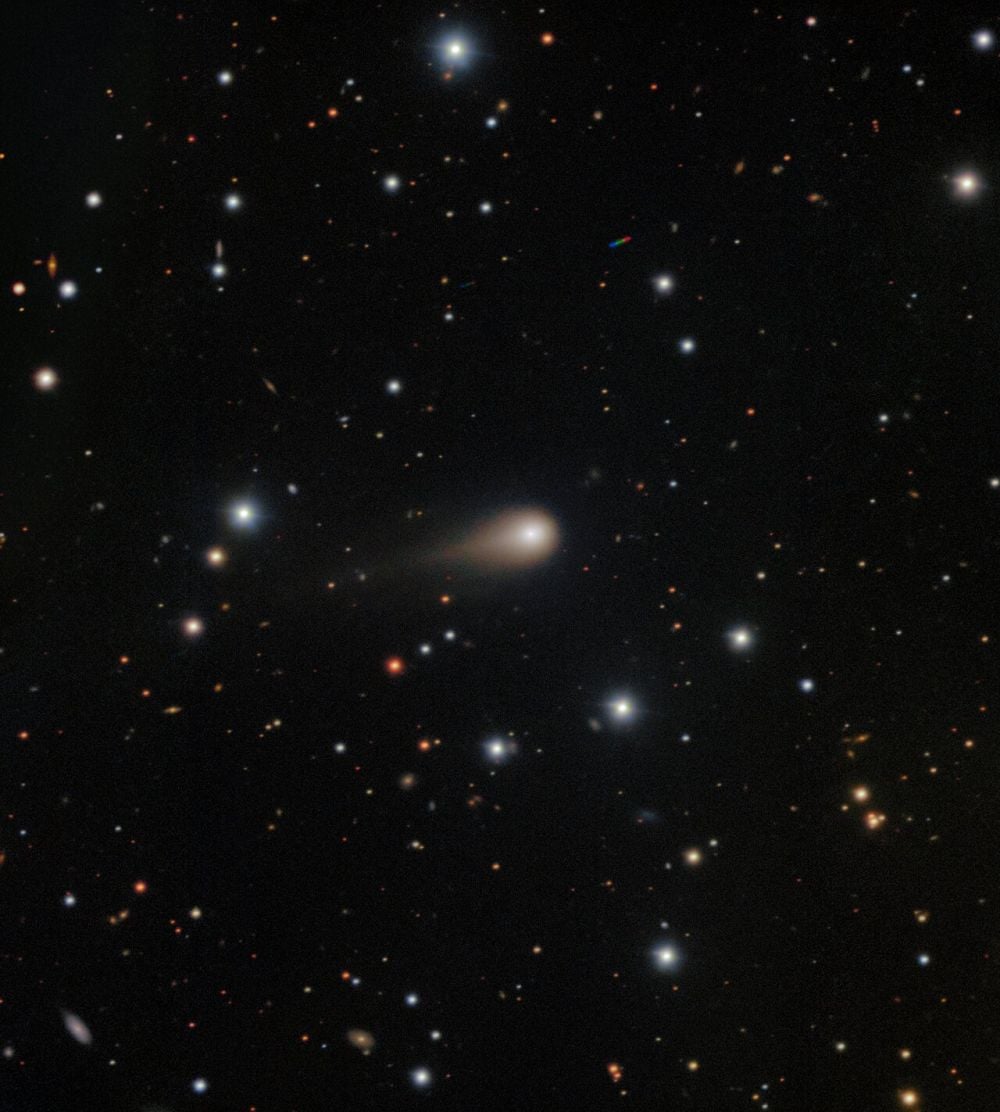
ISOs like Comet 3I/ATLAS are fascinating yet fleeting visitors from distant solar systems. New research suggests that when captured by a young solar system that's still forming planets, these objects could act as planetary seeds for the formation of planets.
Continue reading
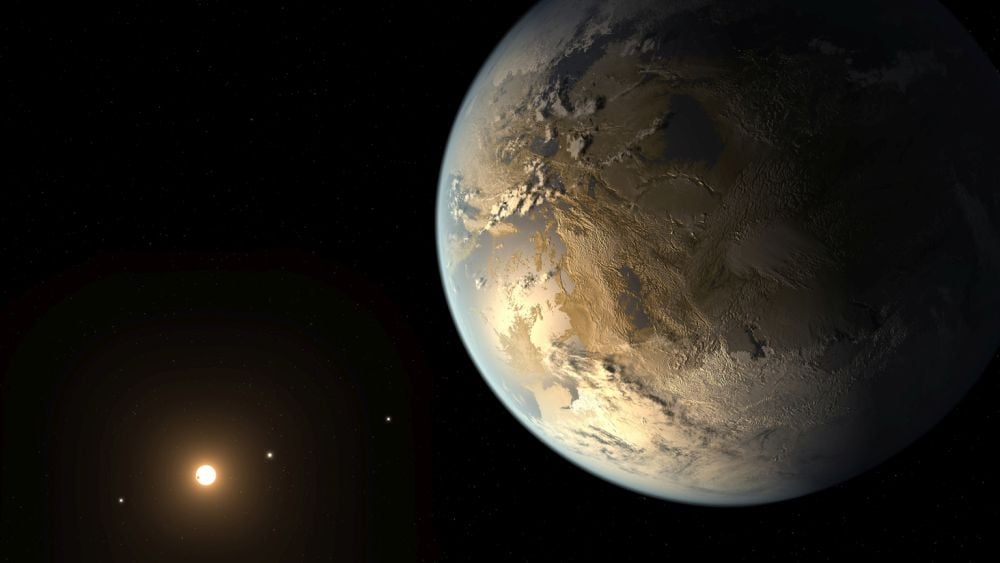
Can a planet that lacks plate tectonics and has very little carbon dioxide support life? Maybe. Can it support life long enough for a technological civilization to arise? New research says no.
Continue reading

According to every experiment, the constants of nature appear to be constant.
Continue reading
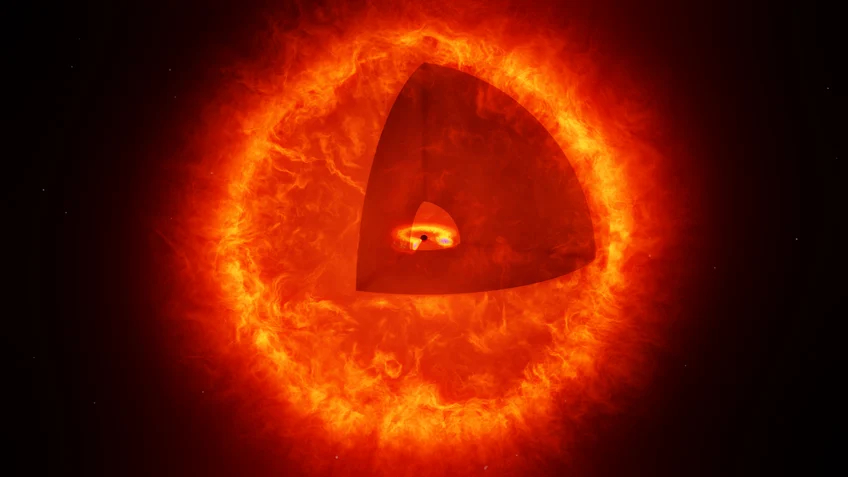
A bizarre new type of object could solve one of astronomy's most puzzling mysteries. The James Webb Space Telescope spotted some “little red dots” and until now, it’s been thought they were galaxies. Now, a team of astronomers have come up with an alternative theory, supermassive black holes wrapped up in a thick envelope of gas and they are calling them ‘black hole stars!’
Continue reading
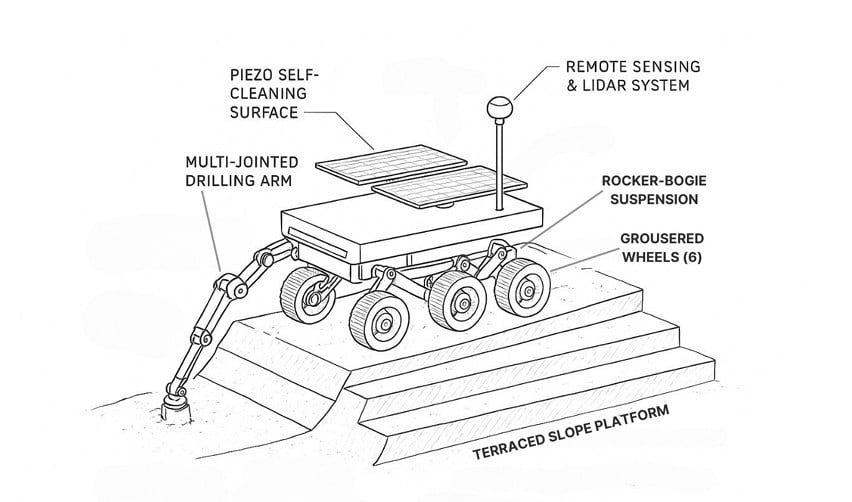
Different parts of Mars have different advantages and disadvantages when it comes to their available resources, just like Earth. The polar caps are likely the most valuable in terms of their water content, which will be critical to any early stage crewed mission to the Red Planet. But to really unlock the fully potential of Mars, geologists think we’ll need to look to the volcanoes, where there is likely to be easily accessible valuable materials like nickel, titanium, and chromium, that were placed there when the volcanoes were active. Reaching those deposits on the side of some of the largest mountains in the solar system safely is a challenge, and one that is tackled in a new paper by Divij Gupta and Arkajit Aich, where they look at the necessary requirements to set up an effective mining operation on the slopes of Olympus and Elysium Mons.
Continue reading

David Bowie once sung ‘Is there life on Mars?’ and along with being a question in a hit song, its also a question that has driven decades of missions to the red planet. From early orbital surveys to rovers hunting for evidence that life once existed beyond Earth the search has become more and more sophisticated. Europe's upcoming Mars rover mission is one such mission and it has received an unexpected boost in its search for signs of ancient life, as two new studies reveal that natural Martian processes could deliver rich organic materials directly to the rover, eliminating the need for long distance travel to find the building blocks of life.
Continue reading
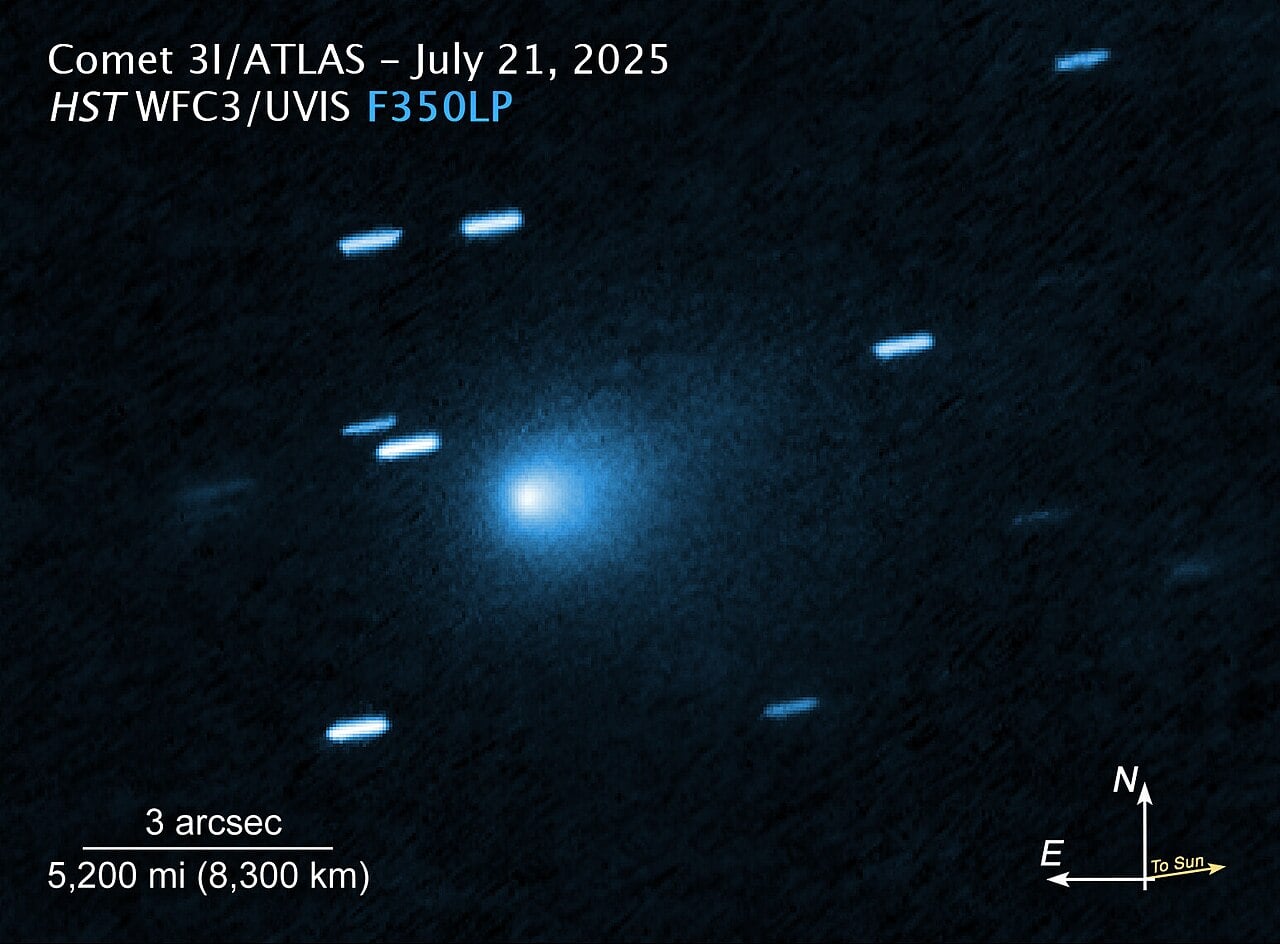
An examination of the interstellar object 3I/ATLAS shows that it is likely to be a remnant of the Galaxy's “Cosmic Noon” period, ca. 9 to 13 billion years ago. An examination of the object by an active mission could provide clues about stellar and planetary formation, and maybe the emergence of life, during this early period of galactic history.
Continue reading
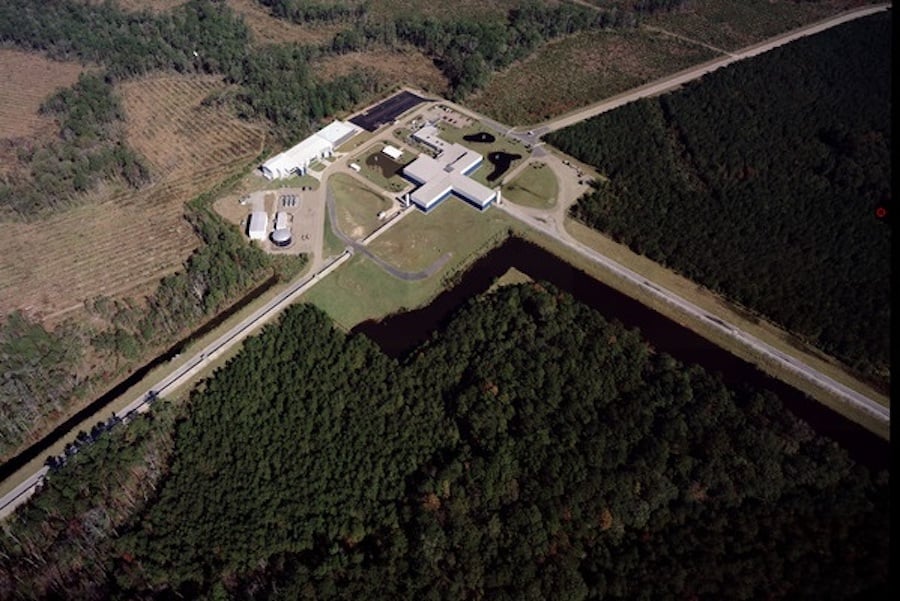
Ten Years Later, LIGO is a Black-Hole Hunting Machine
lexigault60428
Fri, 09/12/2025 - 10:00
Ten Years Later, LIGO is a Black-Hole Hunting Machine
https://www.caltech.edu/about/news/ten-years-later-ligo-is-a-black-hole-hunting-machine
Continue reading
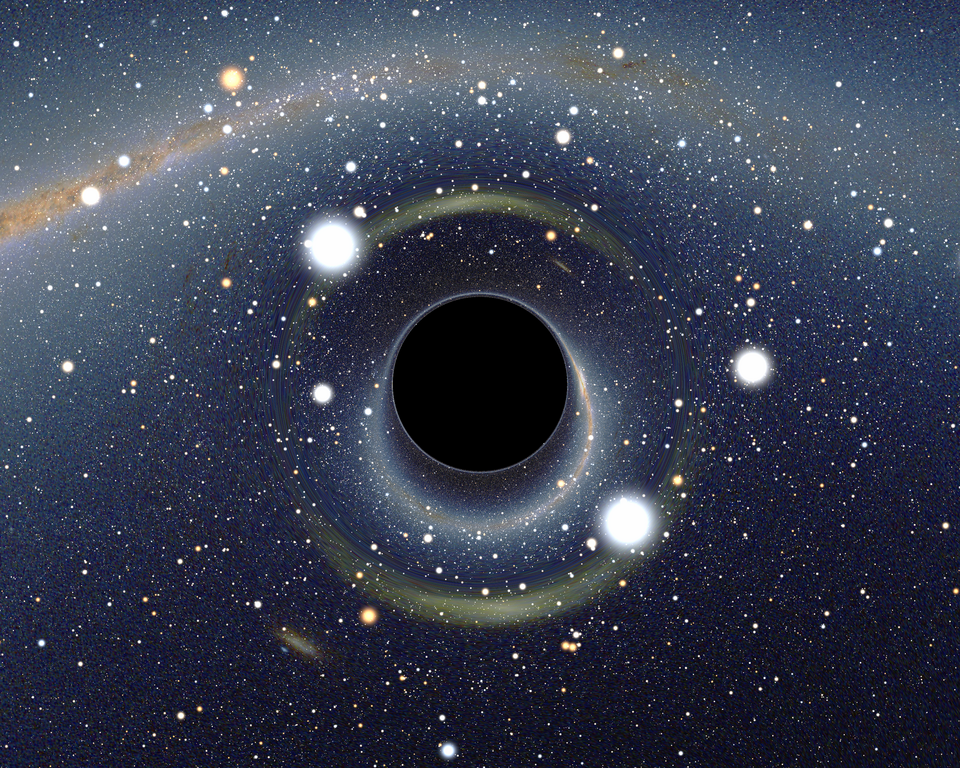
Physicists at the University of Massachusetts Amherst have calculated a more than 90% probability that we'll observe an exploding black hole within the next ten years. An event like this in our own celestial backyard may well be quite the spectacle but would revolutionise our understanding of physics and reveal the fundamental building blocks of everything in existence. Bold claims but a real possibility.
Continue reading

Of course physicists debate about which of the constants are the important ones, because physicists debate EVERYTHING.
Continue reading

A recent discovery solves a decades old mystery about the chemistry of Jupiter and Saturn's atmosphere. Using powerful telescopes, a team of researchers detected a molecule in the atmosphere of an ancient brown dwarf offering new ideas into how clouds form on gas giant planets.
Continue reading
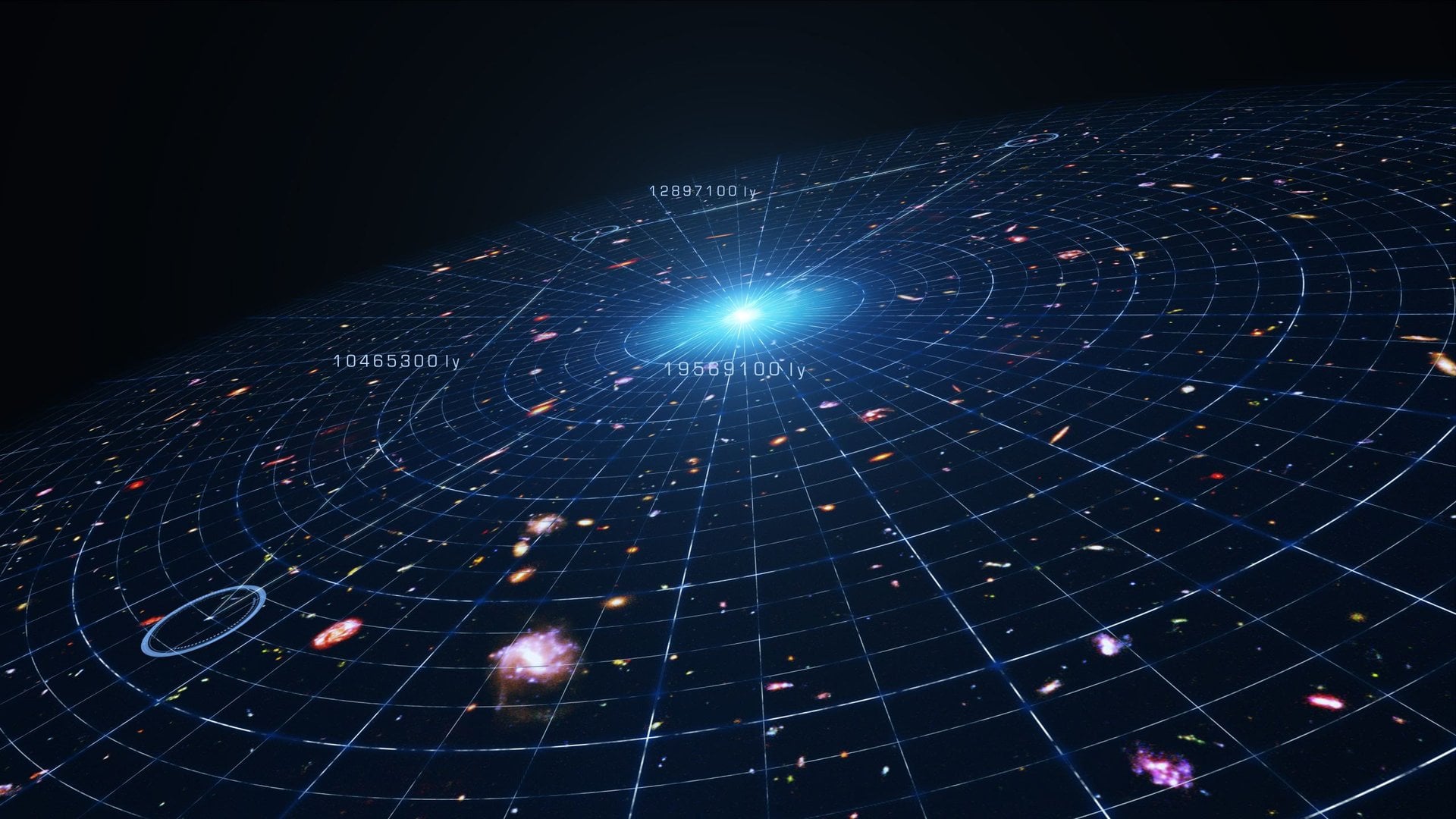
Science is a story of coming up with theories then doing our best to disprove them. That is especially true for theories on a grand, cosmological scale, though disproving them can be particularly hard. One of the most famous examples of a hard to disprove theory is that of dark energy and dark matter. In large parts of space we see unequivocal evidence that something is messing with general relativity. But down at the scale of our own solar system, there’s no evidence of it whatsoever, at least as far as we can see. A new paper from Slava Turyshev, a physicist at NASA’s Jet Propulsion Laboratory, discusses a way scientists might be able to deal with this discrepancy - by being very, very selective with the way we test for evidence of dark matter and energy in our solar system.
Continue reading

Is it possible that Mars could have once been warm enough to support life? New research suggests that volcanic emissions billions of years ago may have created a greenhouse effect that made the red planet surprisingly hospitable, challenging our understanding of early Martian climate. The key lies in unusual sulphur compounds that ancient Martian volcanoes released into the atmosphere.
Continue reading
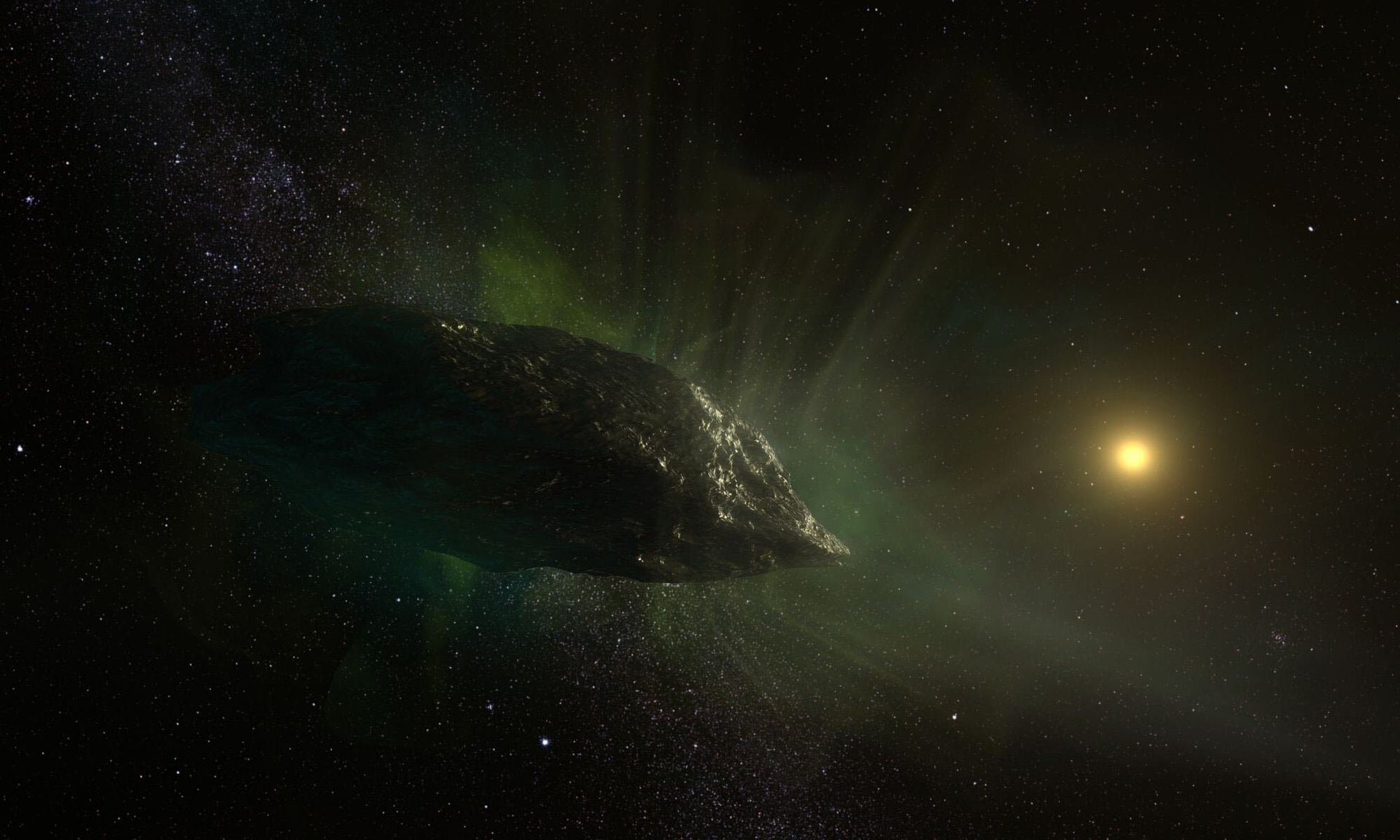
The earliest images of 3I/ATLAS, newly uncovered by Michigan State University, reveal how the interstellar object evolved as it traveled through our solar system—and how other distant solar systems might be different from our own.
Continue reading

What are the constants of nature? What do they do? What do they tell us…and what do they not tell us?
Continue reading
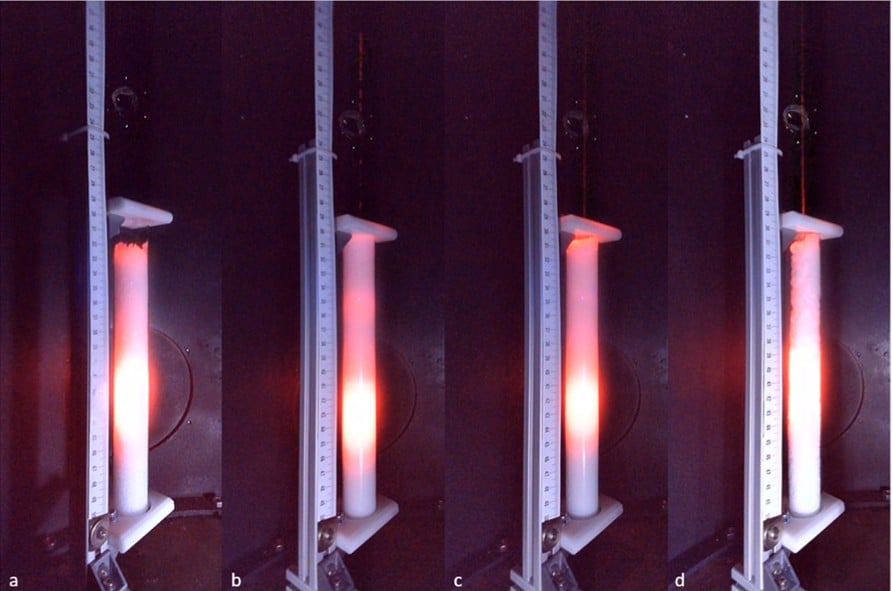
Lasers aren’t just useful for entertaining cats or pointing out features of powerpoint slides. They can also drill holes on icy extraterrestrial bodies from comets to Mars polar caps. At least according to a new paper in Acta Astronautica by researchers at the Technical University of Dresden, who describe a new laser drill for use on icy surfaces throughout our solar system.
Continue reading
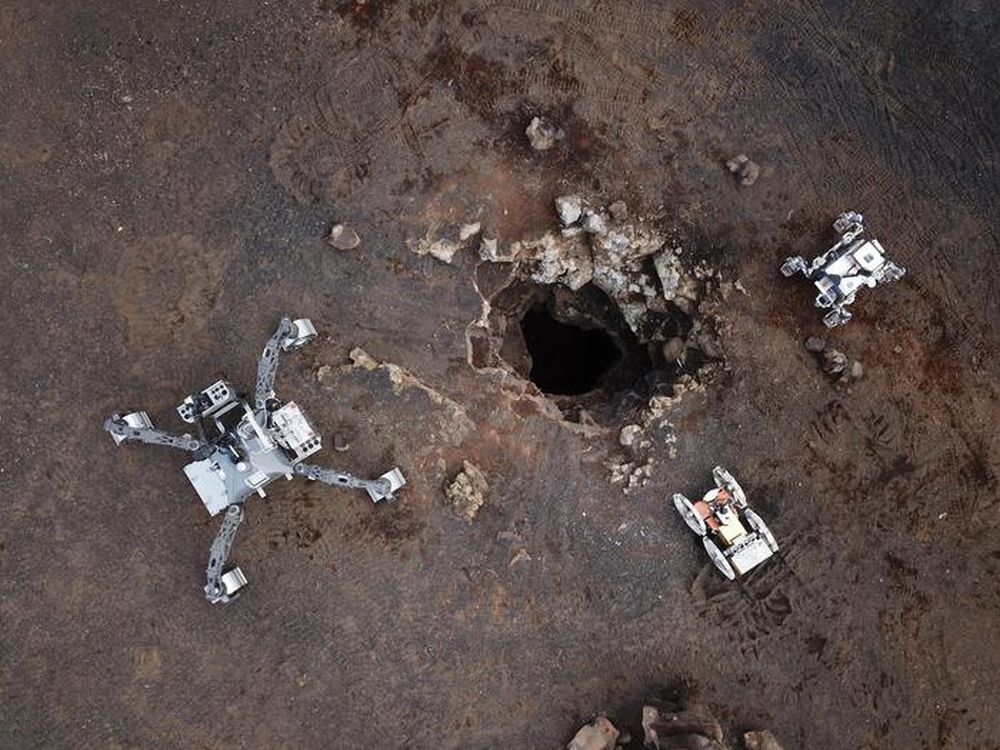
Seeking refuge in caves is natural. Animals do it, and so did our ancestors. Future lunar astronauts may do the same when they visit the Moon. Lunar caves can provide protection from the harsh radiation that bathes the Moon, the wild temperature swings on its surface, and from meteorites that can damage spacesuits and equipment. But these caves need to be explored first, and new research outlines how a team of three diverse robots working together could do the job.
Continue reading
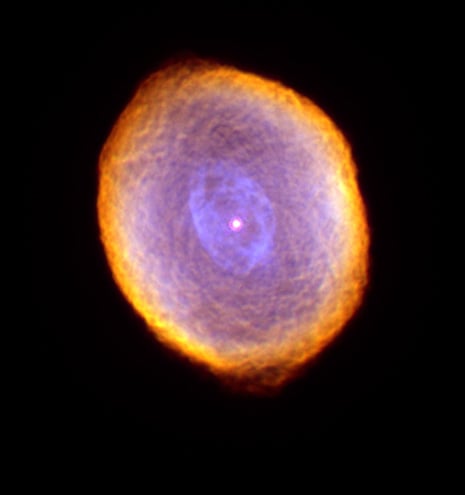
A study published in a recent edition of Astrophysical Journal Letters by researchers at the University of Manchester and Hong Kong University has charted the growth and evolution of IC418, spanning observations going all the way back to years after its discovery in the late 19th century.
Continue reading
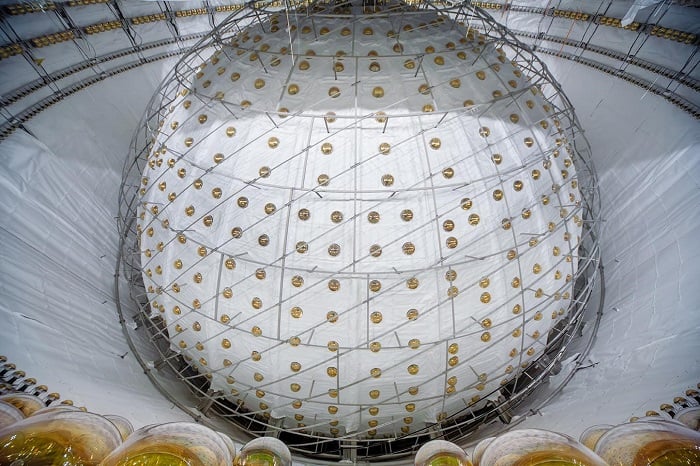
Neutrinos are one of the most enigmatic particles in the standard model. The main reason is that they’re so hard to detect. Despite the fact that 400 trillion of them created in the Sun are passing through a person’s body every second, they rarely interact with normal matter, making understanding anything about them difficult. To help solve their mysteries, a new neutrino detector in China recently started collecting data, and hopes to provide insight on between forty and sixty neutrinos a day for the next ten years.
Continue reading
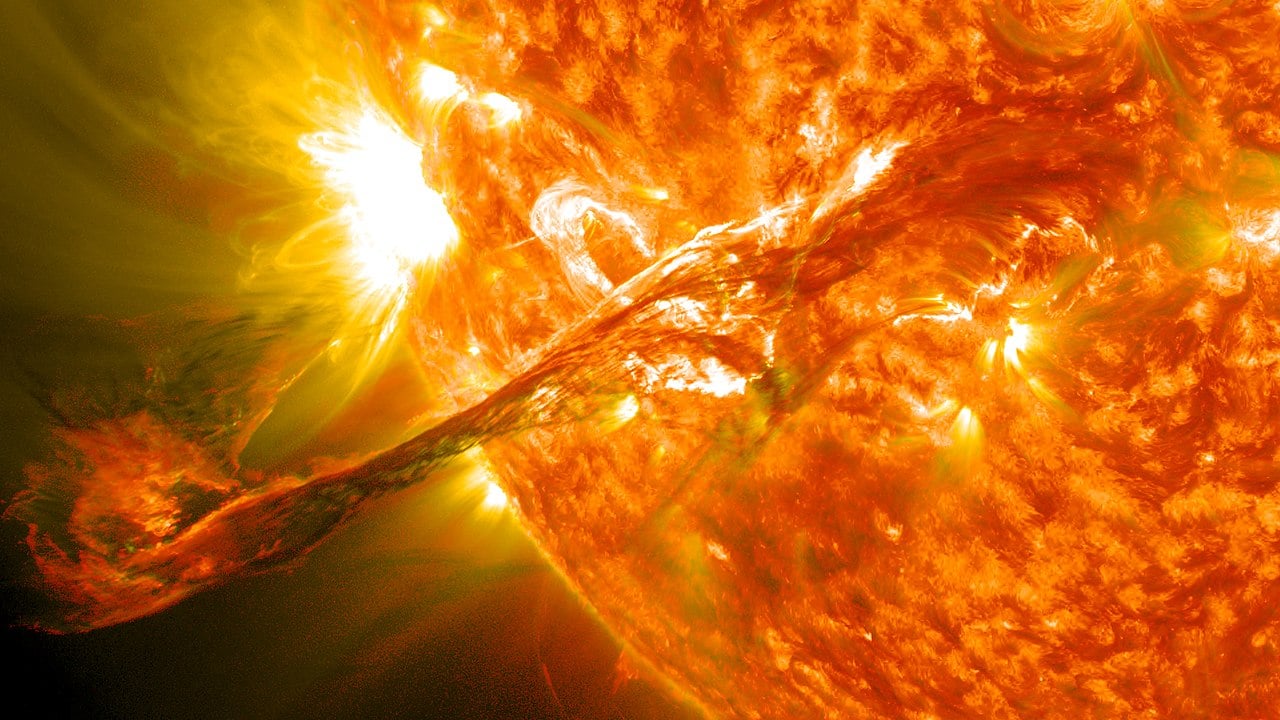
Just as Earth has its four familiar seasons, our Sun experiences its own version of seasonal cycles that affect life on our planet. But unlike Earth's yearly rhythm, the Sun's "seasons" unfold over an 11 year magnetic cycle that scientists are now understanding in entirely new ways.
Continue reading
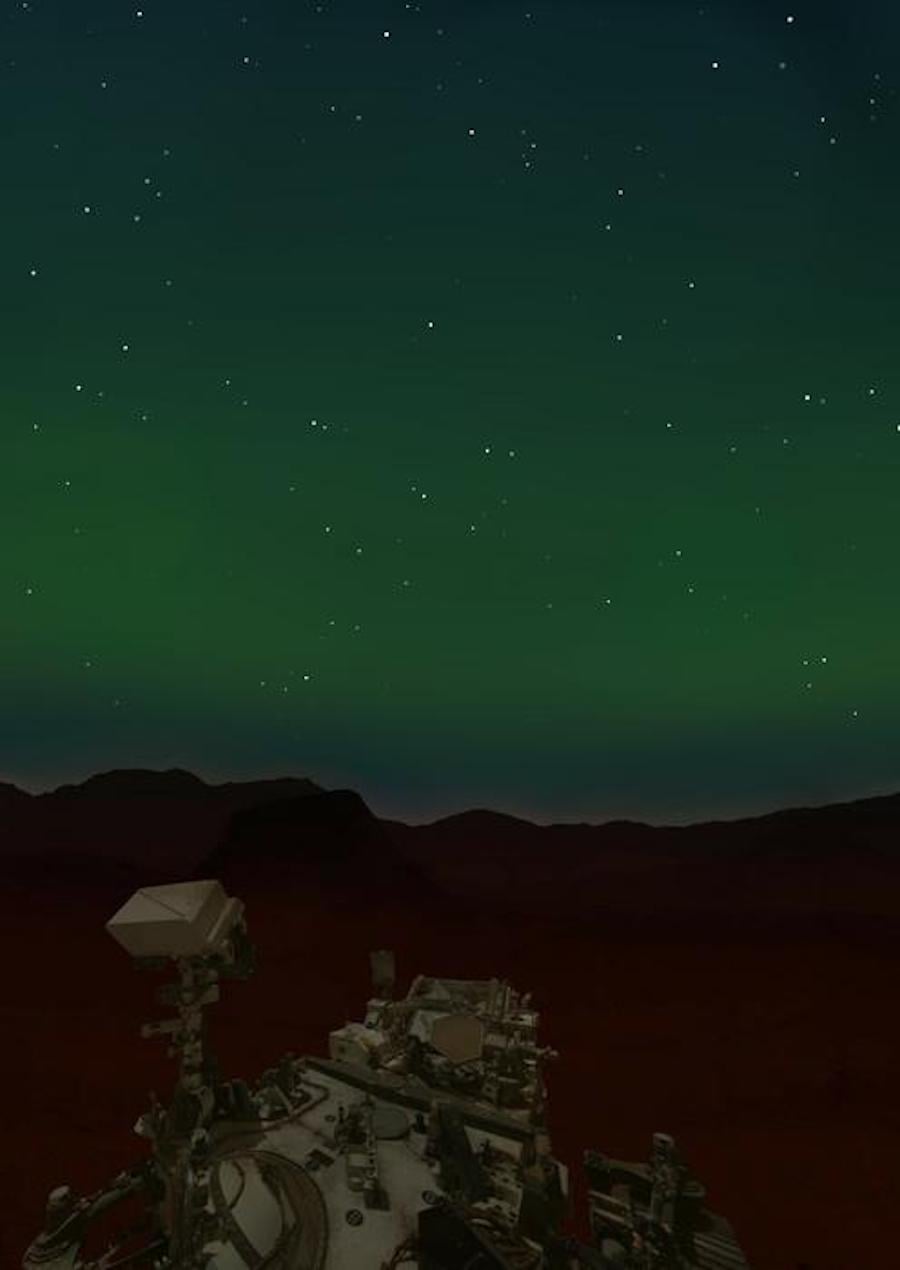
For the second time in history, the gentle glow of the aurora has been captured in Mars's night sky. It’s a phenomenon we enjoy here on Earth and we can, to a varying degree of success predict its appearance. Now a team of scientists are learning how to predict when these spectacular light shows will happen on Mars too. It's a breakthrough that could one day help protect future astronauts on the red planet while also helping us to understand these beautiful displays work in alien skies.
Continue reading
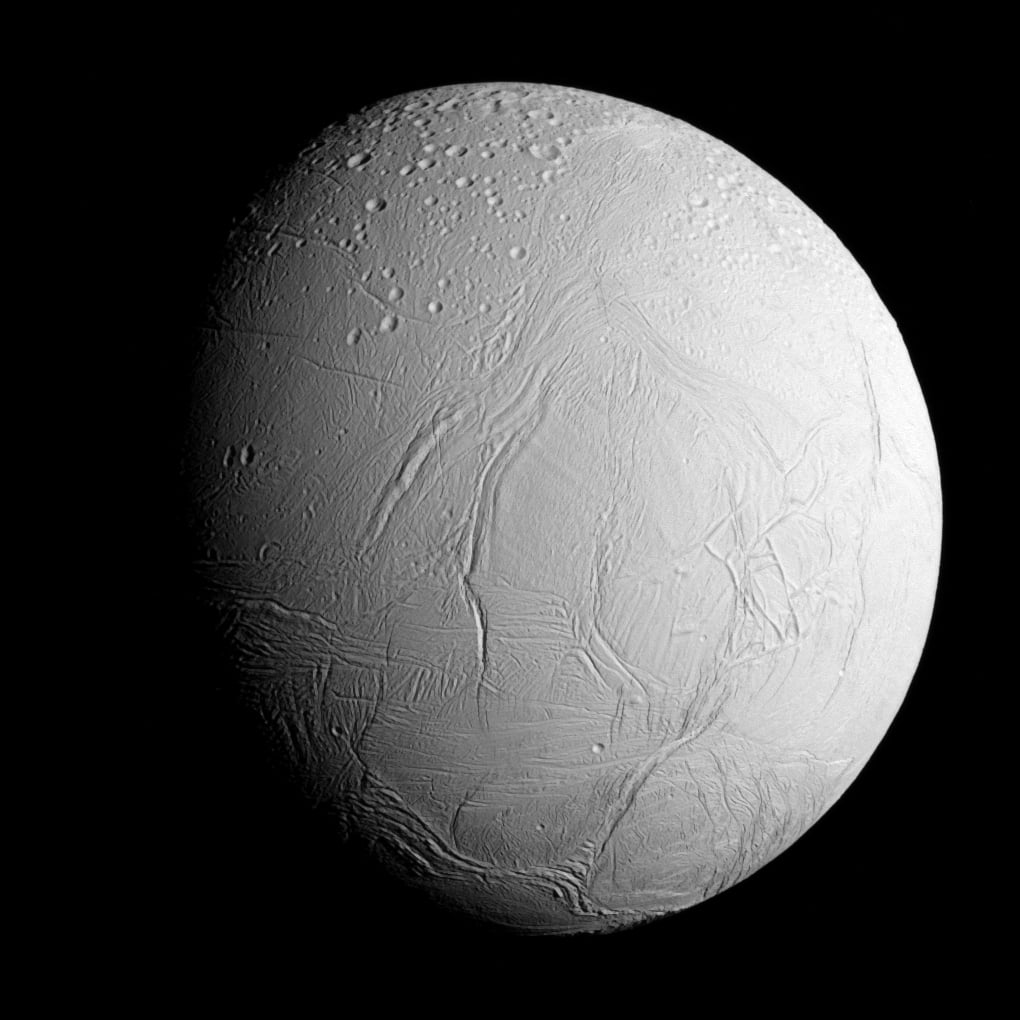
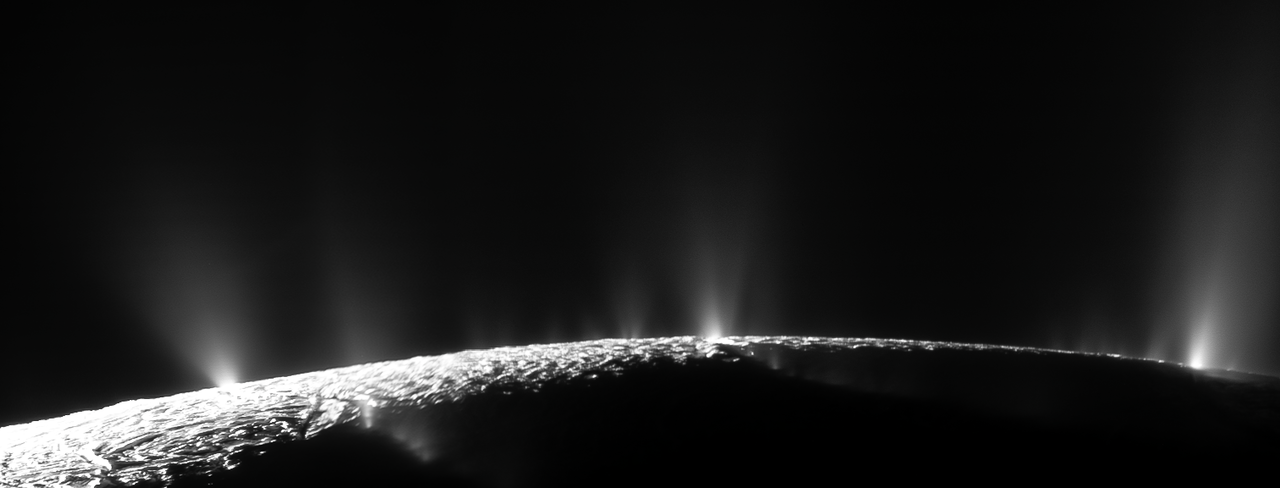
I still remember the first time I saw Saturn through a 10 inch telescope when I was ten years old. It looked just like it did in pictures, a pale yellow disk circled by its stunning ring system. What I couldn't see then were Saturn's moons, including the small, icy world of Enceladus that has since become one of the most exciting targets in the search for life beyond Earth. This tiny moon shoots spectacular plumes of water from cracks in its frozen surface, plumes that contain organic molecules. But a new study suggests we shouldn’t get too excited about what these molecules actually tell us about the possibility of life.
Continue reading
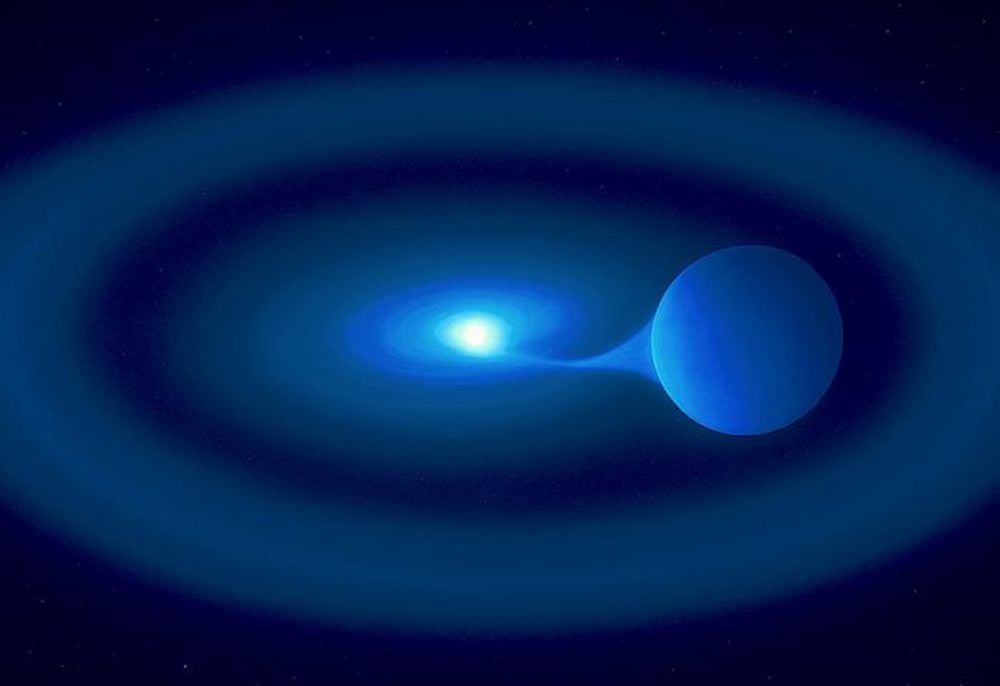
A binary star that has puzzled astronomers for decades may finally be explained. The accretor star is sucking material from its donor star so rapidly that it can't contain it all and is forming a bright, circumbinary ring.
Continue reading

In a new study, a team led by [Prof. Heidi Newberg](https://faculty.rpi.edu/heidi-newberg) from the [Rensselaer Polytechnic Institute](https://www.rpi.edu/) (RPI) recommended building a telescope with a triangular mirror rather than a traditional circular one. Such a telescope could greatly aid in the search for Earth analogs around nearby stars.
Continue reading
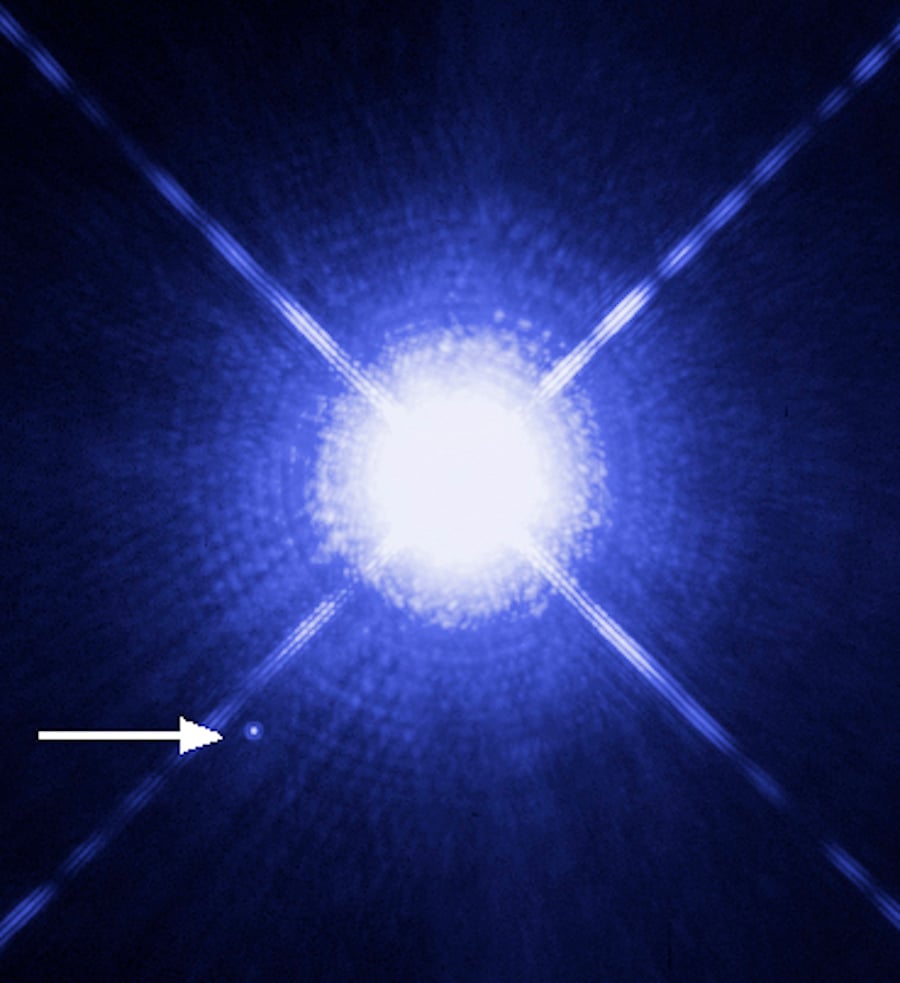
It’s really quite reasonable to assume the stars don’t move! Indeed that was the opinion of our ancestors however we now know they are far from stationary. Imagine a star racing through space so fast it could travel from Earth to the Moon in just three minutes. These are known as hypervelocity white dwarfs and they have puzzled astronomers for years. Now, a team of researchers have finally cracked the mystery of how they get launched at such incredible speeds.
Continue reading
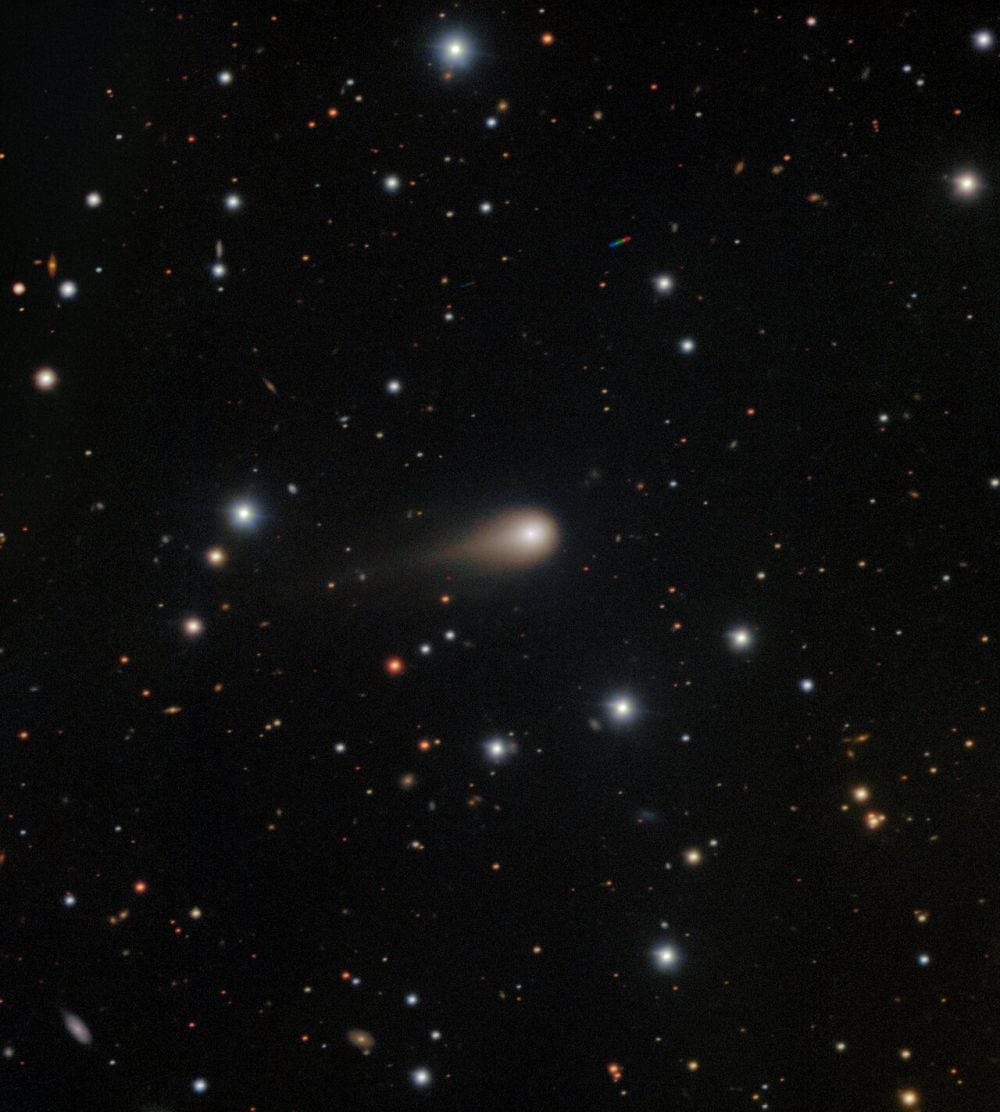
When an interstellar object (ISO) travels through our inner Solar System, the immediate question is "Where did it come from?" There are only fleeing opportunities to study these, since their trajectories take them out of the Solar System pretty quickly. A new research effort aims to understand where the most recent ISO, 3I/ATLAS, originated.
Continue reading
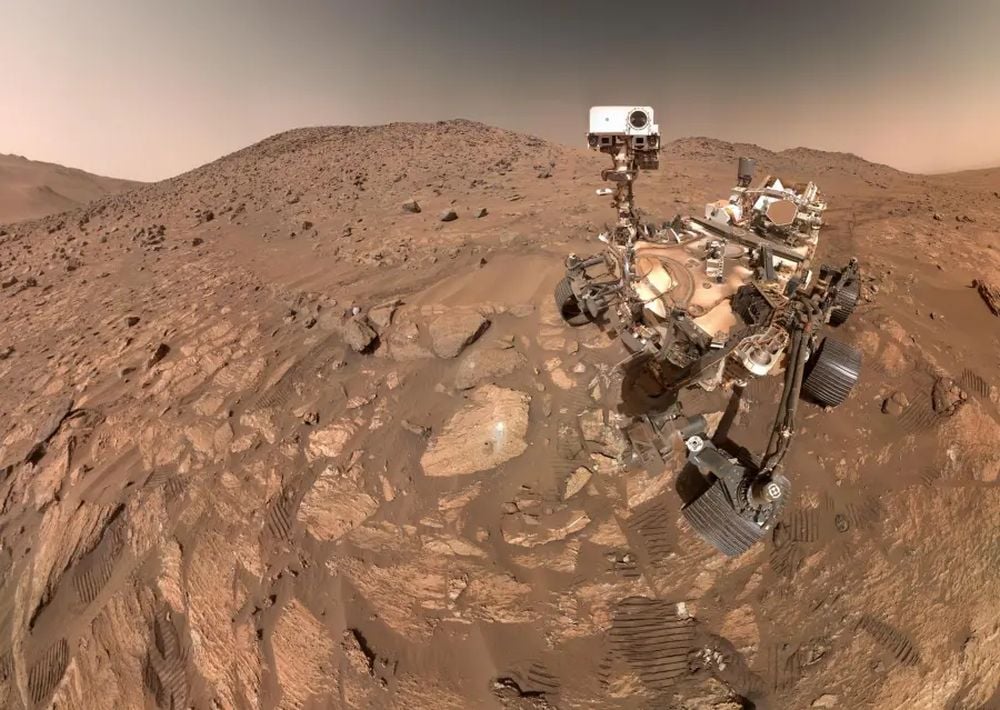
NASA Says Mars Rover Discovered Potential Biosignature Last Year - https://www.nasa.gov/news-release/nasa-says-mars-rover-discovered-potential-biosignature-last-year/
Redox-driven mineral and organic associations in Jezero Crater, Mars - https://www.nature.com/articles/s41586-025-09413-0
Continue reading
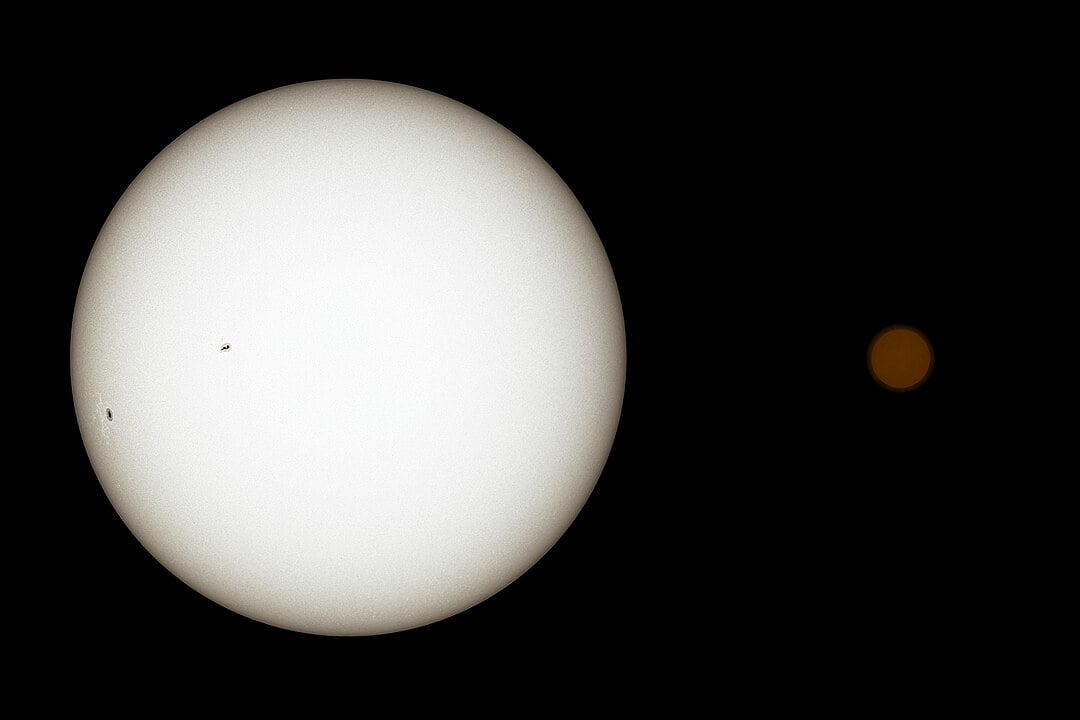
Are we alone in the universe? It’s a question that has, despite extensive and sometimes ingenious attempts, yet to be answered. In one of the most ambitious searches for extraterrestrial intelligence ever conducted, Chinese scientists have used the world's largest radio telescope to scan the famous TRAPPIST-1 star system for signs of alien technology. The Five hundred metre Aperture Spherical Telescope is the world's largest single dish radio telescope, and the search for extraterrestrial intelligence (SETI) is one of its five key science objectives.
Continue reading
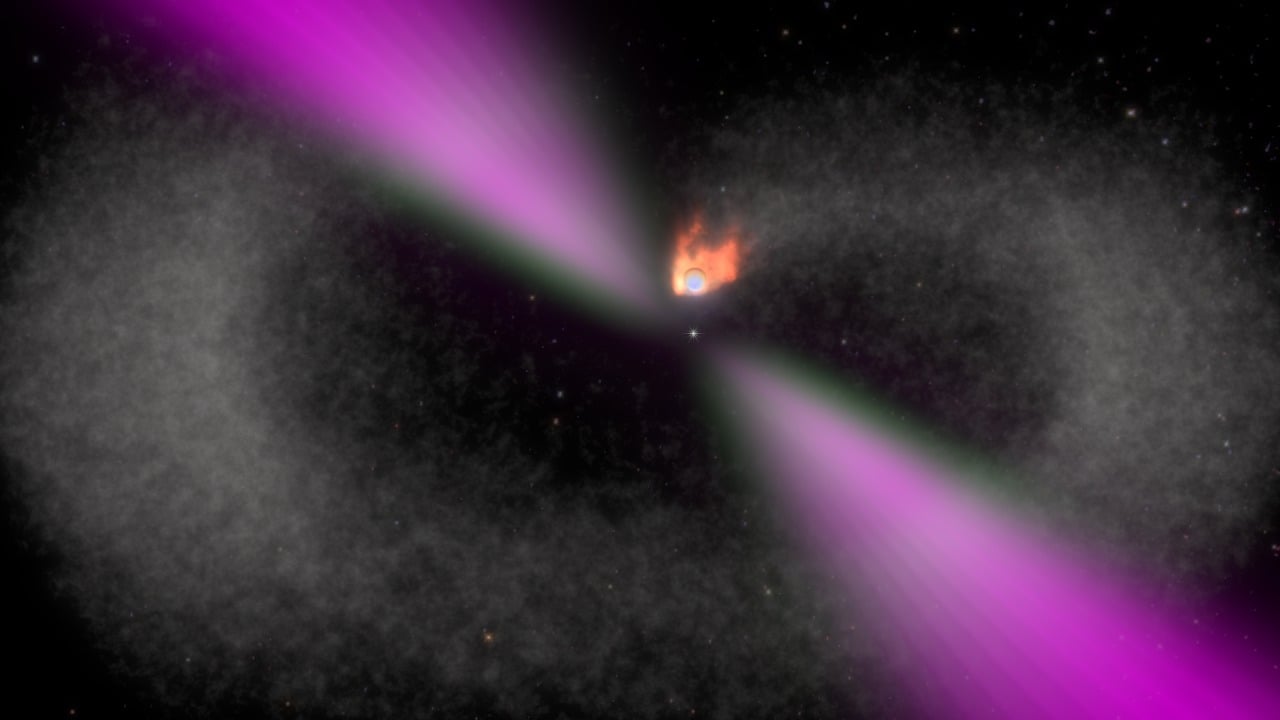
Science advances through data that don’t fit our current understanding. At least that was Thomas Kuhn’s theory in his famous On the Structure of Scientific Revolutions. So scientists should welcome new data that challenges their understanding of how the universe works. A recent paper, available in pre-print on arXiv, using data from the James Webb Space Telescope (JWST) might just have found some data that can do that. It looked at an exoplanet around a millisecond pulsar and found its atmosphere is made up of almost entirely pure carbon.
Continue reading
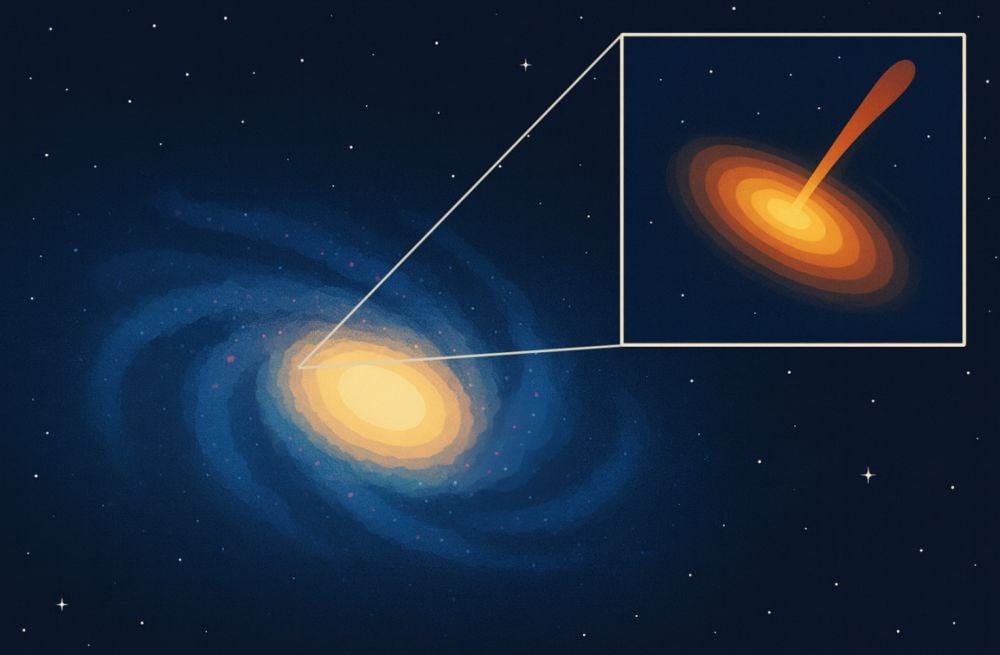
Traditionally, black holes are usually thought to reside at the centers of galaxies. However, a research team led by Dr. An Tao from the Shanghai Astronomical Observatory of the Chinese Academy of Sciences has discovered a wandering black hole in a dwarf galaxy located about 230 million light-years away.
Continue reading

It was a chilly night when I peered through my 10” Meade LX200 telescope from Norfolk in the UK! I wasn’t completely convinced it would appear nor even be visible but bang on the prediction, asteroid 2002 MN drifted by my field of view and I was amazed at how accurately we could predict its path! That precision in tracking asteroid trajectories has become even more critical now that we're actively exploring how we can deflect them. A team of scientists have made a discovery about asteroid deflection that's both fascinating and sobering at the same time. Hit an asteroid in the wrong spot, and you might accidentally steer it through a "gravitational keyhole" that sending it back toward Earth years later.
Continue reading
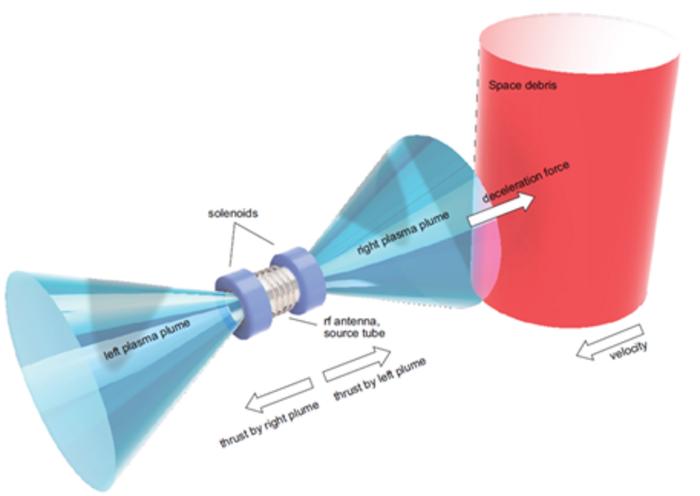
There are plenty of labs working on solutions to Kessler Syndrome, where there’s so much debris in low Earth orbit that rockets are no longer capable of reaching it without being hit with hypersonic parts of defunct equipment. While we haven’t yet gotten to the point where we’ve lost access to space, there will come a day where that will happen if we don’t do something about it. A new paper from Kazunori Takahashi of Tohoku University in Japan looks at a novel solution that uses a type of magnetic field typically seen in fusion reactors to decelerate debris using a plasma beam while balancing itself with an equal and opposite thrust on the other side.
Continue reading
As someone who has lectured for more years than I care to remember and written books about space, I've grown accustomed to constantly rewriting sections as new discoveries emerge. The discovery of the dwarf planet Makemake led to such rewrites, but until now we didn't know much about this elusive world. A team of scientists at the Southwest Research Institute has recently changed that with their detection of methane gas on Makemake using the James Webb Space Telescope. It's exactly the kind of discovery that sends authors like me back to the drawing board, because this finding doesn't just add another detail to Makemake's story, it fundamentally changes how we view these distant worlds.
Continue reading
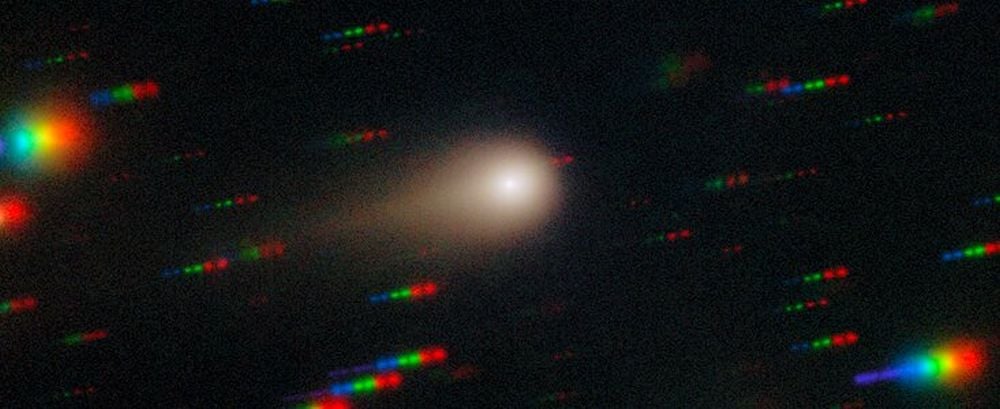
Interstellar comets are rare, and astronomers don't like to miss an opportunity to observe one. Now the Gemini South Telescope has taken a turn at imaging Comet 3I/ATLAS, the visitor from another star system. The images help show that the comet's tail is growing as it approaches the Sun.
Continue reading
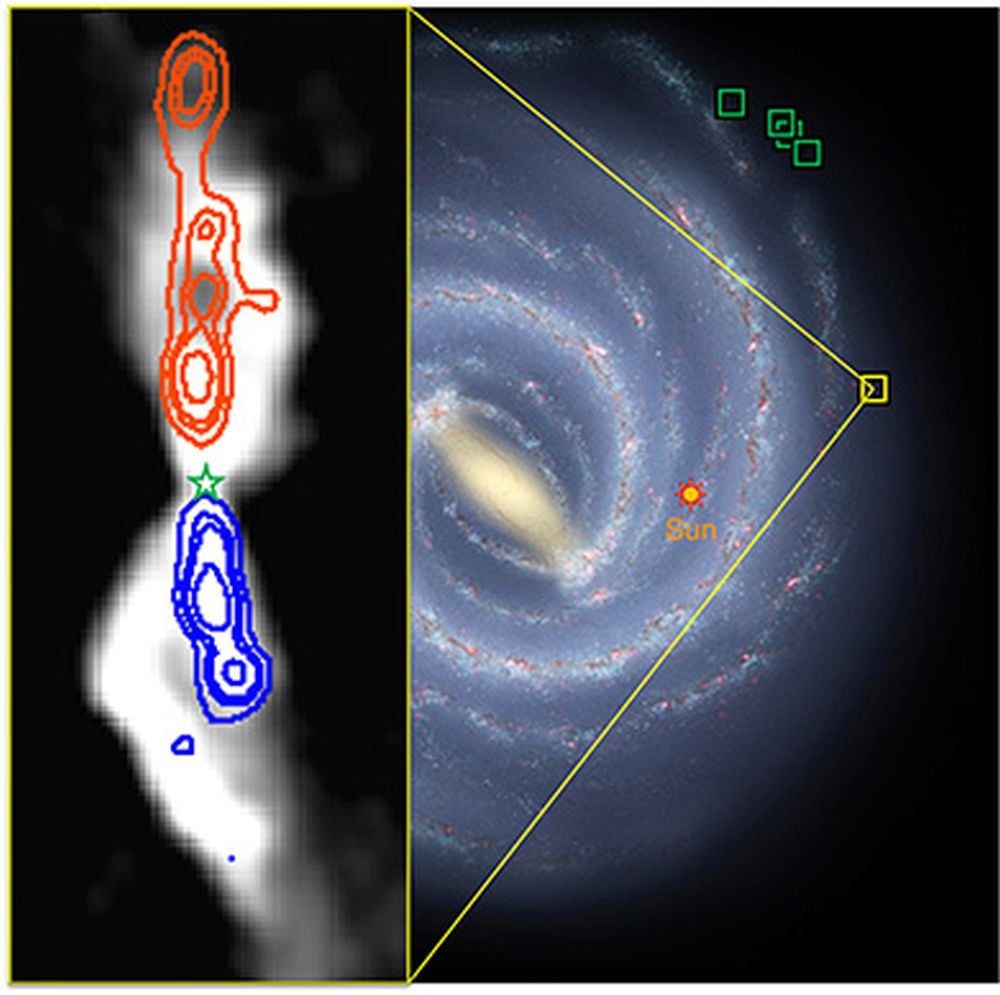
A team of Japanese astronomers has detected protostellar outflow jets in the outer regions of the Milky Way. This is the first detection of this type of jets in this part of the galaxy. Since this part of the galaxy is similar to the more ancient Universe, it's evidence that star formation in the modern Universe is similar to star formation in the ancient Universe.
Continue reading
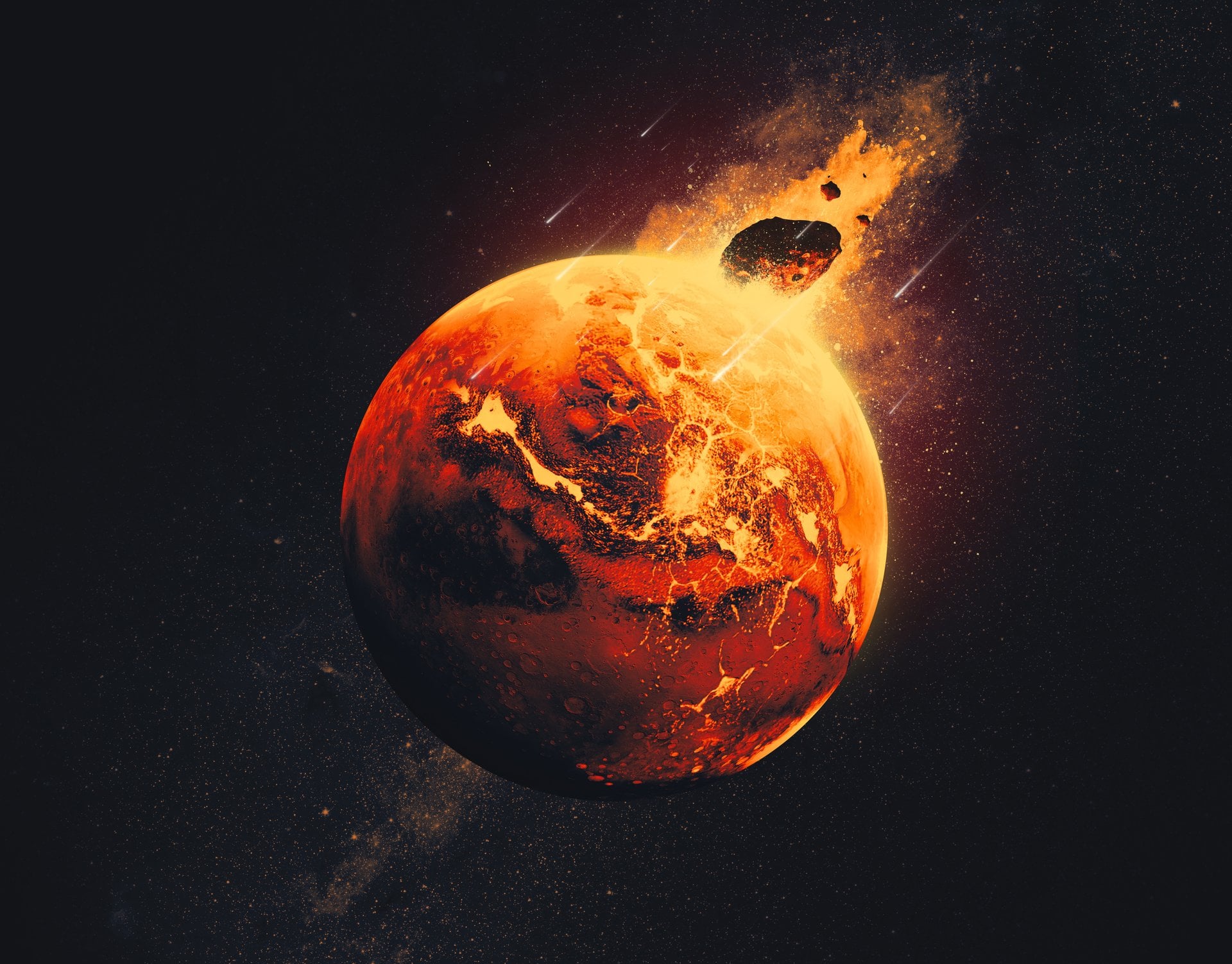
Rocky material that impacted Mars lies scattered in giant lumps throughout the planet’s mantle, offering clues about Mars’ interior and its ancient past. Data provided by the now-retired InSight lander is shedding light on how this shaped Mars' structure and evolution.
Continue reading
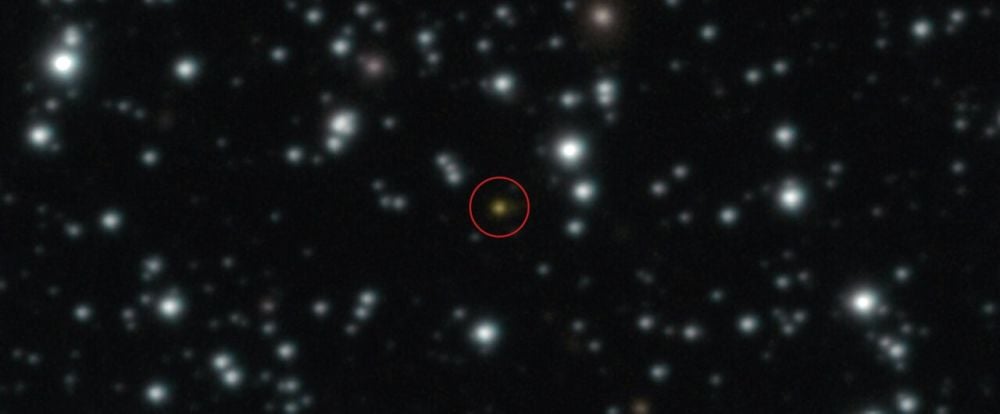
Astronomers have detected an explosion of gamma rays that repeated several times over the course of a day, an event unlike anything ever witnessed before. It took place in a distant galaxy and was first detected on July 2nd. Scientists are trying to understand what could've caused it.
Continue reading
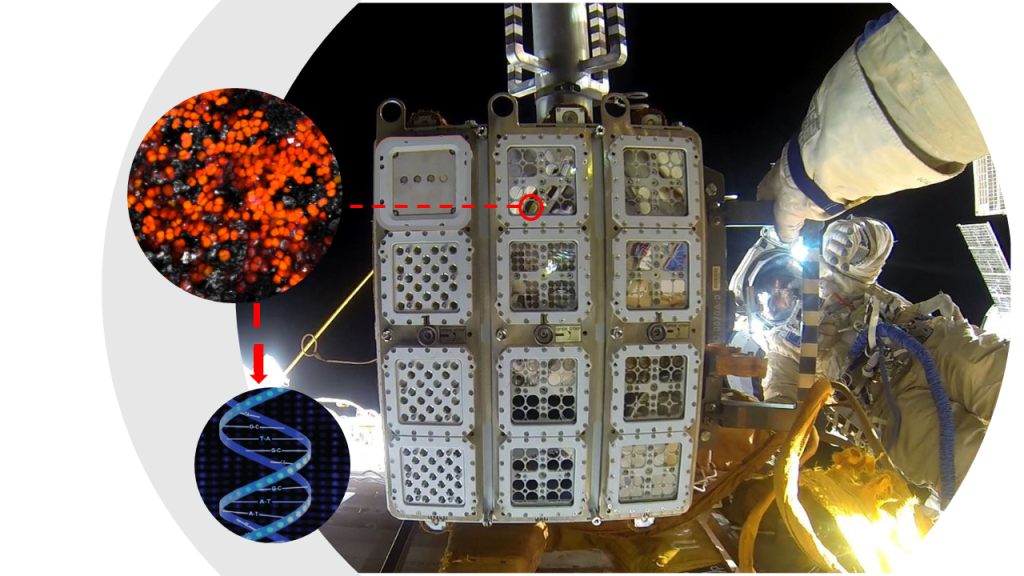
Extremophiles are a favorite tool of astrobiologists. But not only are they good for understanding the kind of extreme environments that life can survive in, sometimes they are useful as actual tools, creating materials necessary for other life, like oxygen, in those extreme environments. A recent paper from Daniella Billi of the University of Rome Tor Vergata , published in pre-print form in Acta Astronautica, reviews how one particular extremophile fills the role of both useful test subject and useful tool all at once.
Continue reading
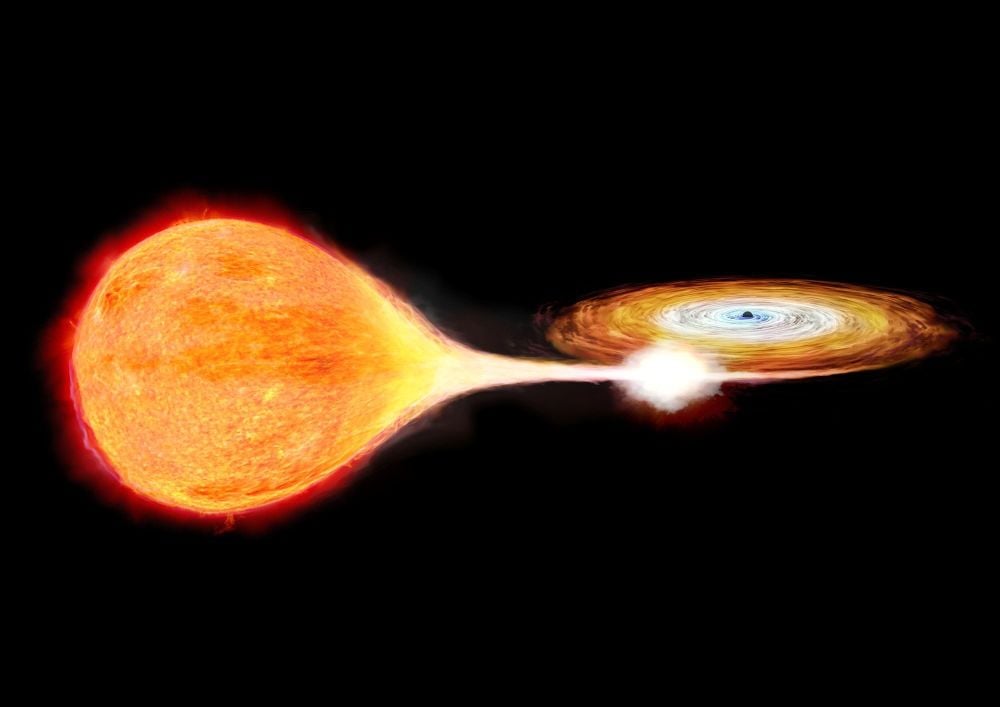
Stellar mass black holes have only a few solar masses, and are much different from their gigantic counterparts, supermassive black holes. When these modestly-massive black holes are actively accreting matter, new research shows that the process is anything but orderly. Instead, it's characterized by different velocities, different ionization zones, and other complexities.
Continue reading
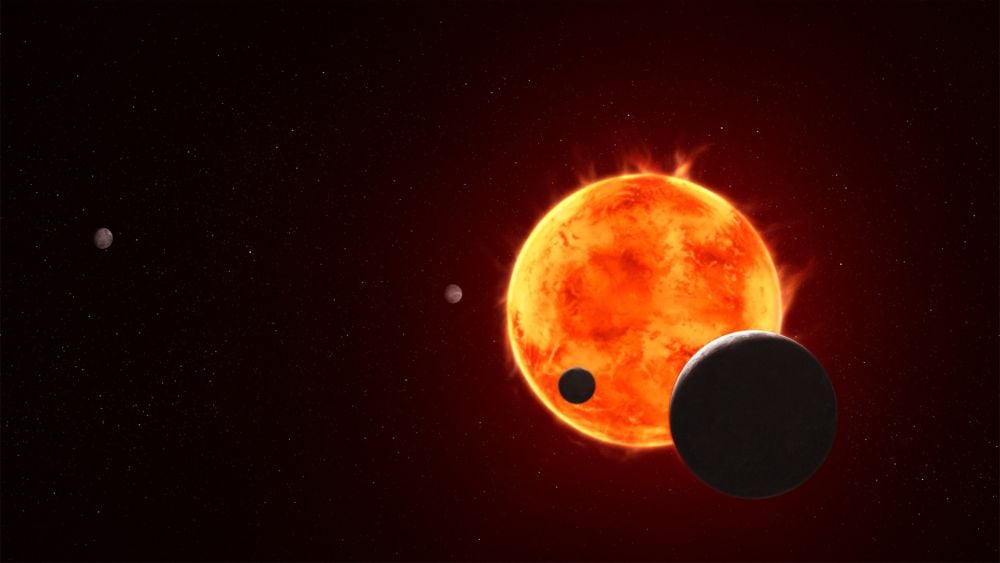
The JWST has begun examining the atmosphere of the habitable zone planet TRAPPIST-1 e. It's not finished yet, but the first observations indicate that the the planet hasn't retained its primary, or original, atmosphere. The TRAPPIST-1 star exhibits powerful flaring that likely stripped it away.
Continue reading

Fomalhaut is one of the brightest stars in the night sky and has been observed in great detail for decades. Some research suggests it hosts exoplanets, while other research counters that. The latest observations of the star's disk with ALMA favour the existence of a planet.
Continue reading
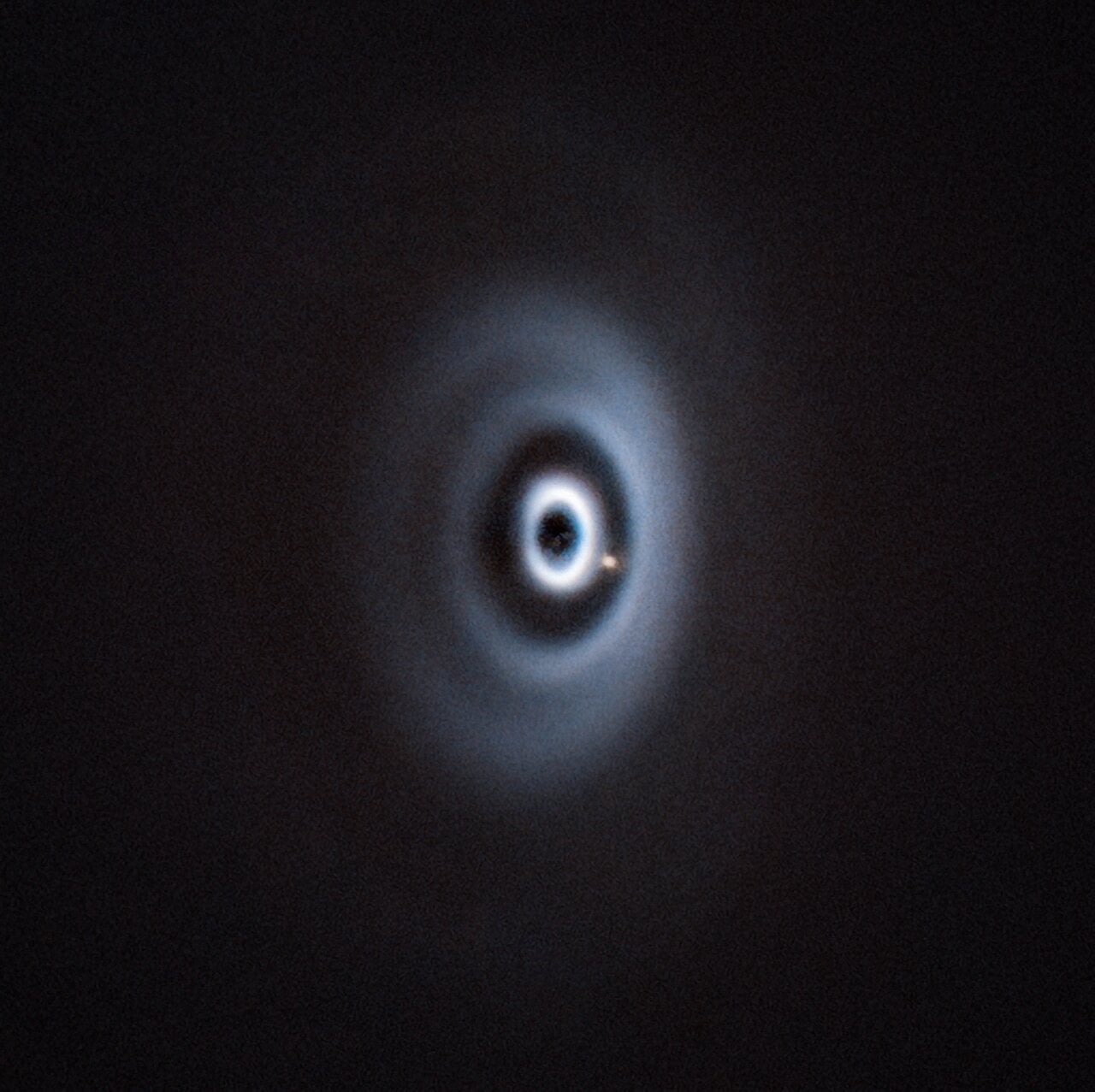
Circumstellar discs are believed to be key components in planetary formation. However, we have very little actual evidence of planets growing in the “rings” that surround young stars. So planet formation theorists were ecstatic to learn that two new papers in Astrophysical Journal Letters describe a planet that is actively forming in the gap it most likely created in the ring system of a young, Sun-like star.
Continue reading
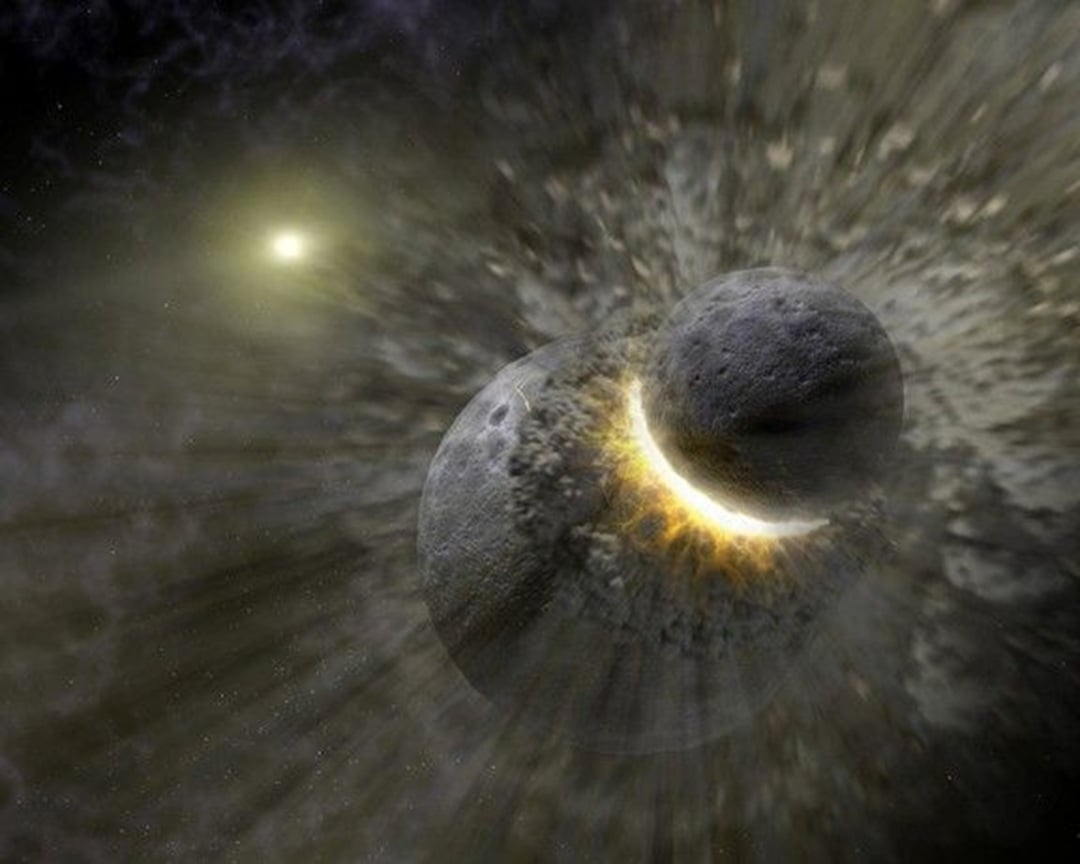
After the formation of the Solar System, it took a maximum of three million years for primordial Earth's chemical composition to settle. At the time, there was hardly any water, carbon compounds, or other ingredients necessary for life to emerge. Only a planetary collision that came later would have brought water to Earth, according to a new study by researchers from the Institute of Geological Sciences at the University of Bern.
Continue reading
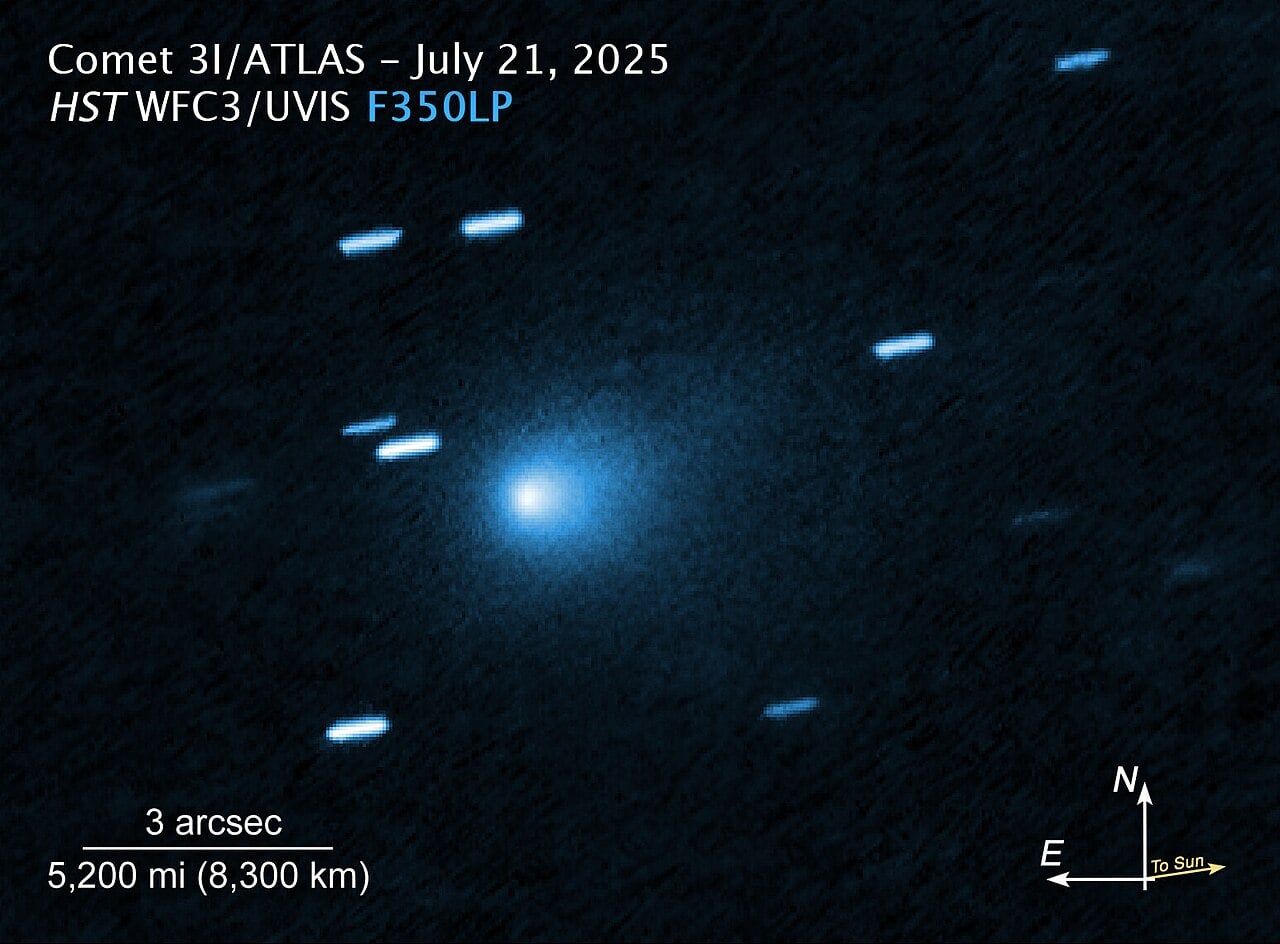
A new development study from the Southwestern Research Institute outlines a possible mission that could rendezvous with and explore the interstellar comet 3I/ATLAS.
Continue reading
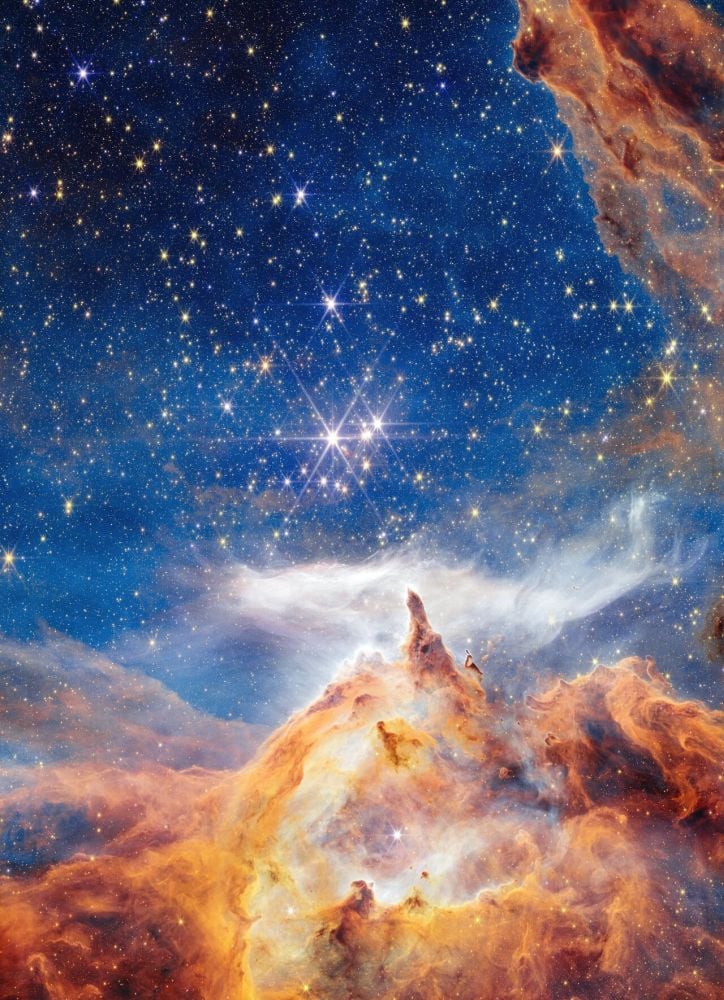
This sparkling scene of star birth was captured by the NASA/ESA/CSA James Webb Space Telescope. What appears to be a craggy, starlit mountaintop kissed by wispy clouds is actually a cosmic dust-scape being eaten away by the blistering winds and radiation of nearby, massive, infant stars.
Continue reading
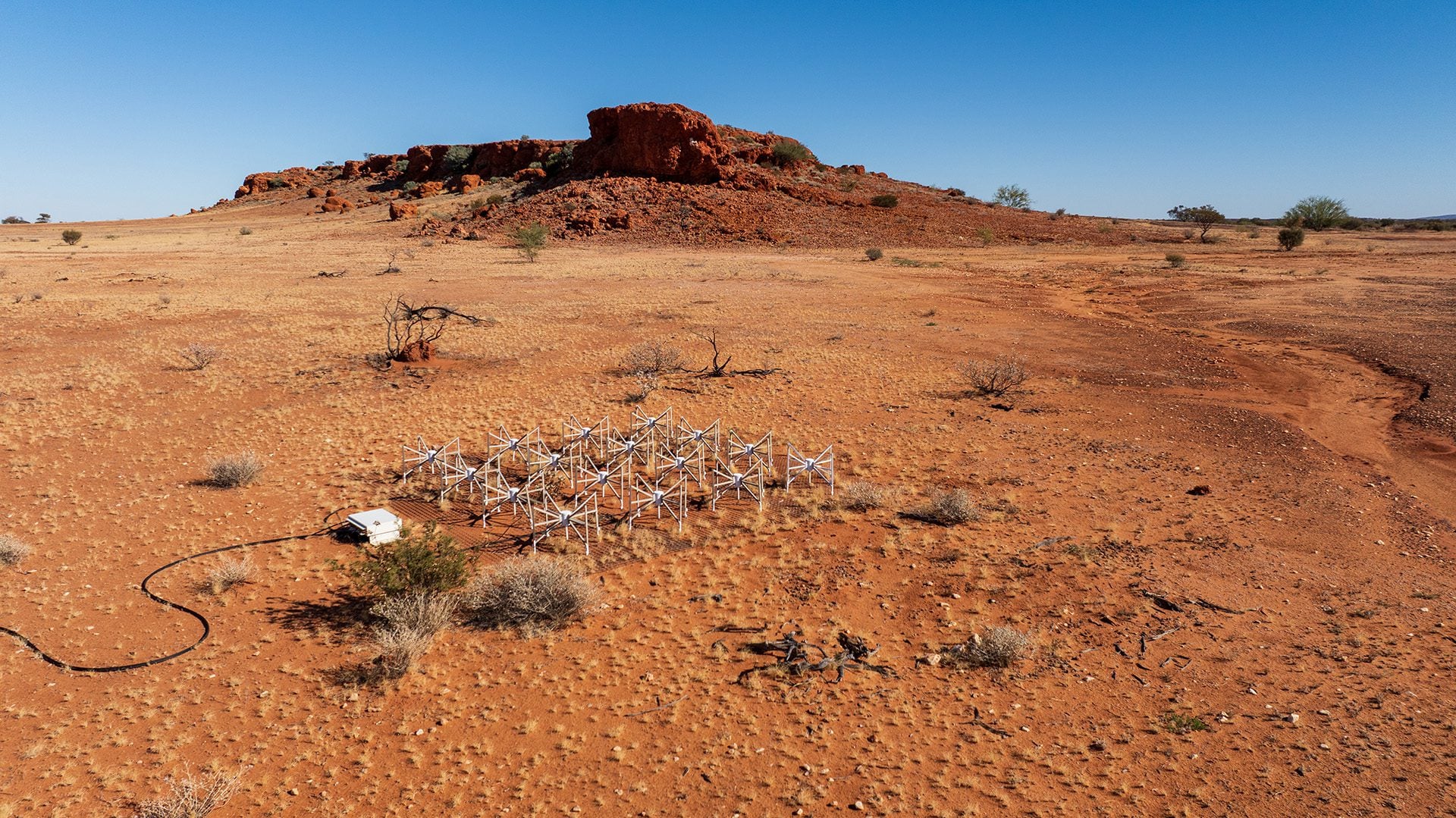
Radio astronomy took another step forward recently, with the completion of Phase III of the Murchison Widefield Array (MWA) in Western Australia. We’ve reported before on how the MWA has investigated everything from SETI signals to the light from the earliest stars. WIth this upgrade, the MWA will continue to operate with much needed improvements while the radio astronomy awaits the completion of the successor it helped enable - the Square Kilometer Array (SKA).
Continue reading

Jupiter hosts the brightest and most spectacular auroras in the Solar System, and its largest moons (the Galileans) create their own auroral signatures known as “satellite footprints” in the planet’s atmosphere. Until now, astronomers had detected the auroral signatures of three Galileans (Io, Europa, and Ganymede), but not Callisto. Thanks to an international team, close-up images of Callisto's footprints have been seen at last.
Continue reading

The JWST is performing a new multi-wavelength survey called MINERVA (Medium-band Imaging with NIRCam to Explore ReVolutionary Astrophysics). It'll study four extragalactic fields in greater detail and depth, and will help us understand the Cosmic Dawn.
Continue reading
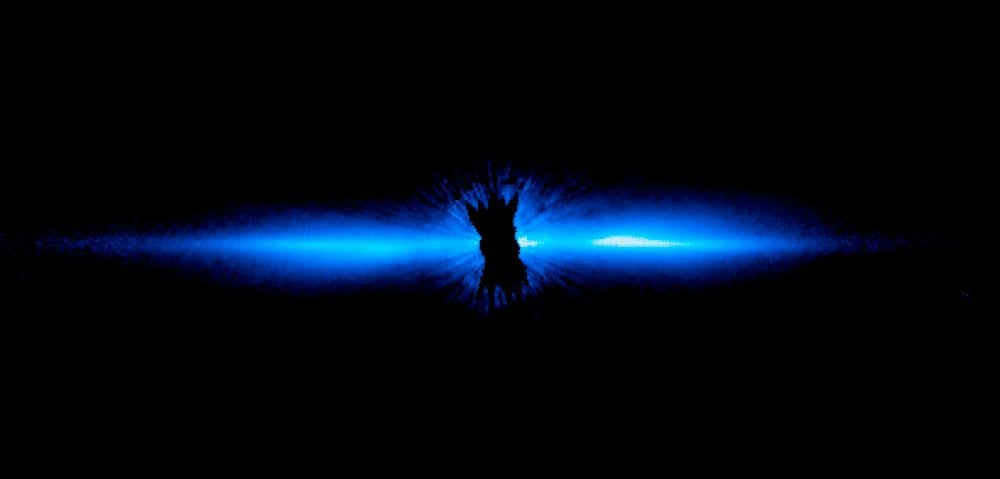
Astronomers struggle to detect small exoplanets directly. One tool they use is to search for the effects these planets have on debris disks around stars. Clues in these disks tell astronomers where they can find sub-Jupiter mass exoplanets.
Continue reading
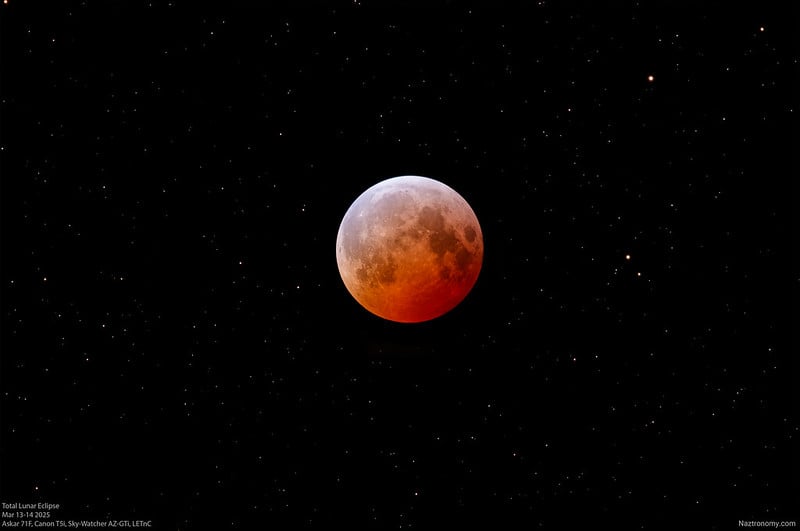
Live in the eastern hemisphere? If skies are clear, you have a chance to see a remarkable sight this Sunday night into Monday morning: the ‘Blood Moon’ of a total lunar eclipse. The eclipse favors the Indian Ocean region in its entirety. Europe sees the eclipse already underway at Moonrise, while Australia catches it in progress at Moonset. Only the Americas sit this one out in person... though you can still catch it live online.
Continue reading
 Universe Today