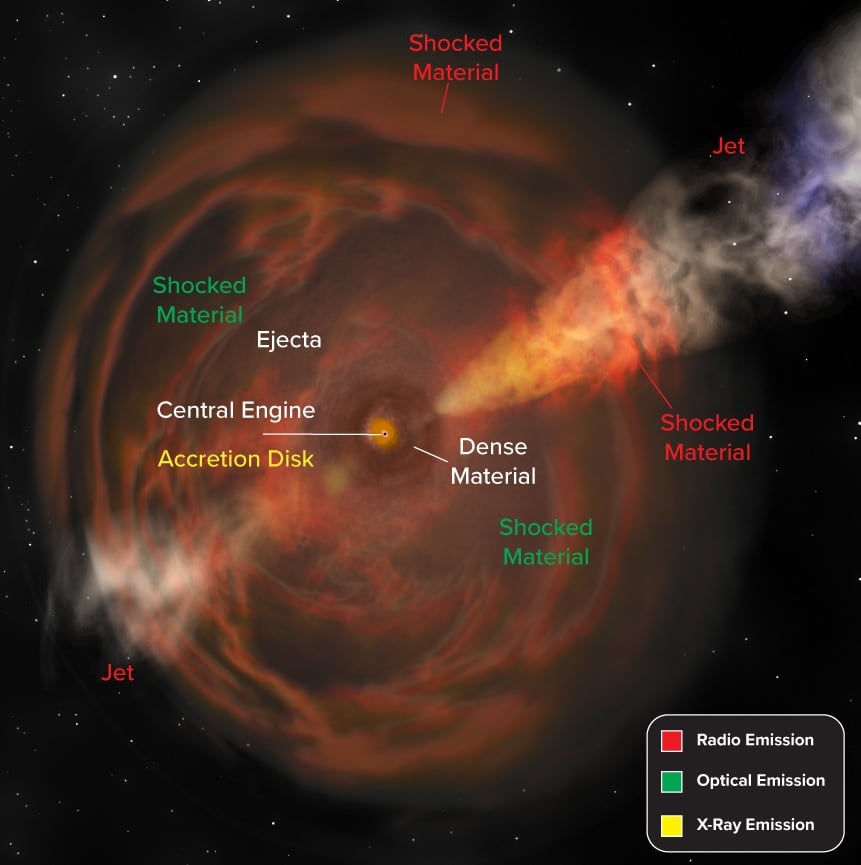
Brief, brilliant flashes of blue light occasionally appear across the universe, burning hundreds of times brighter than ordinary supernovae before fading within days. Astronomers have puzzled over these luminous fast blue optical transients for years, unable to determine whether they were unusual stellar explosions or something else entirely. Observations of AT 2024wpp, the brightest example ever detected, have finally solved the mystery.
Continue reading
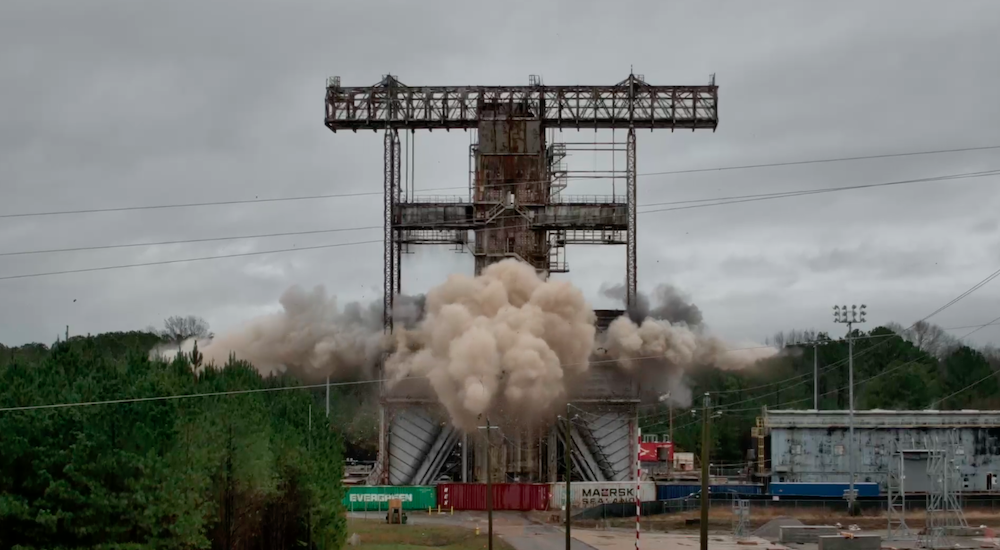
Two towering buildings that helped launch humanity's greatest space achievements came down on January 10 at NASA's Marshall Space Flight Centre in Alabama. The Dynamic Test Stand and the T-tower, both designated National Historic Landmarks, played crucial roles in developing the Saturn V rockets that carried Apollo astronauts to the Moon and the Space Shuttle that defined an era of spaceflight. Their carefully orchestrated demolition marks a transformation, as NASA clears the way for a modernised infrastructure ready to support the next generation of space exploration.
Continue reading
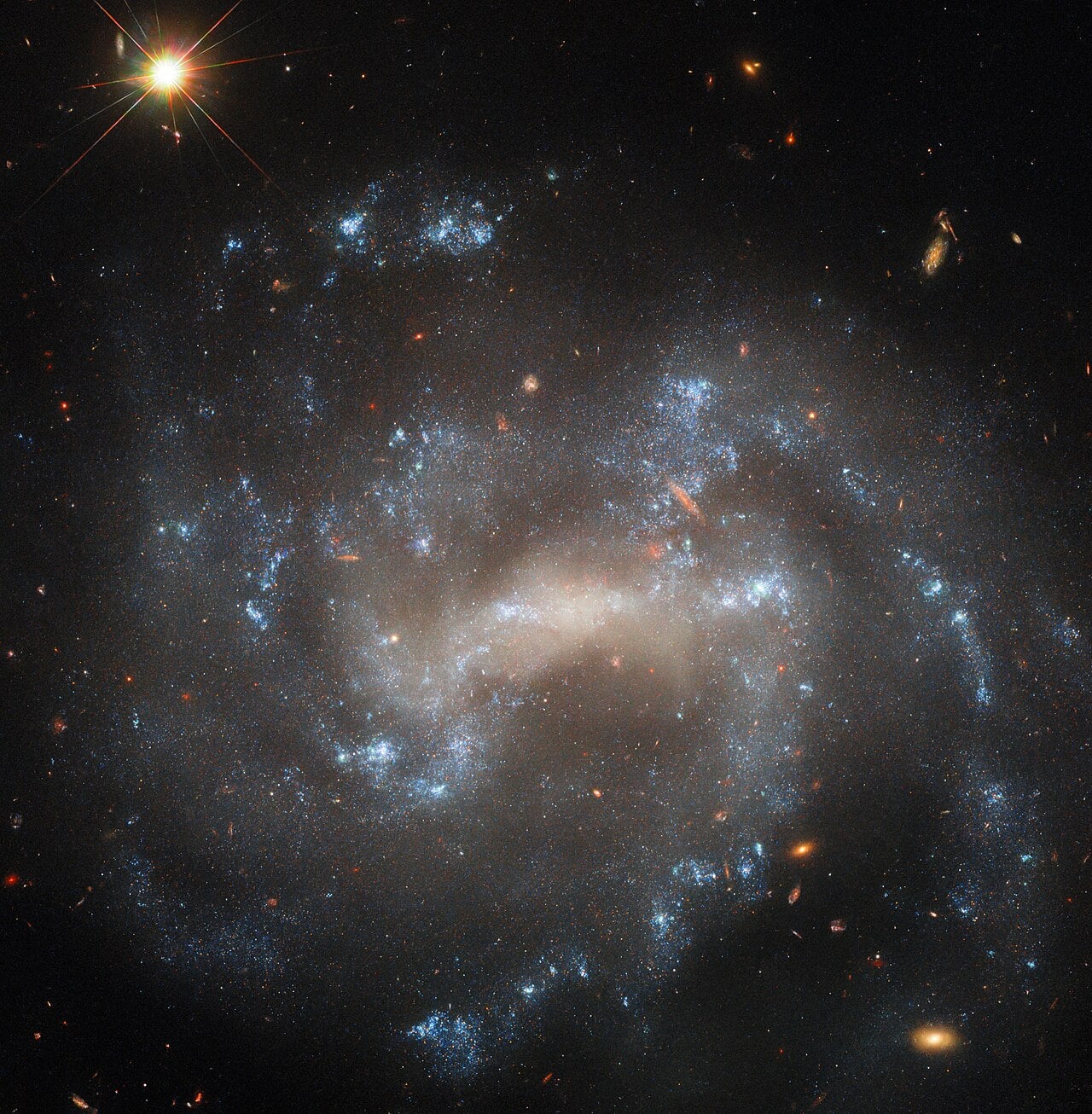
For decades, astronomers believed that the most massive stars in the universe lived fast and died quietly, collapsing directly into black holes without the spectacular fireworks of a supernova explosion. That understanding has been dramatically overturned by observations of SN 2022esa, a peculiar supernova that erupted from an incomprehensibly massive star and is now destined to become a black hole binary system.
Continue reading
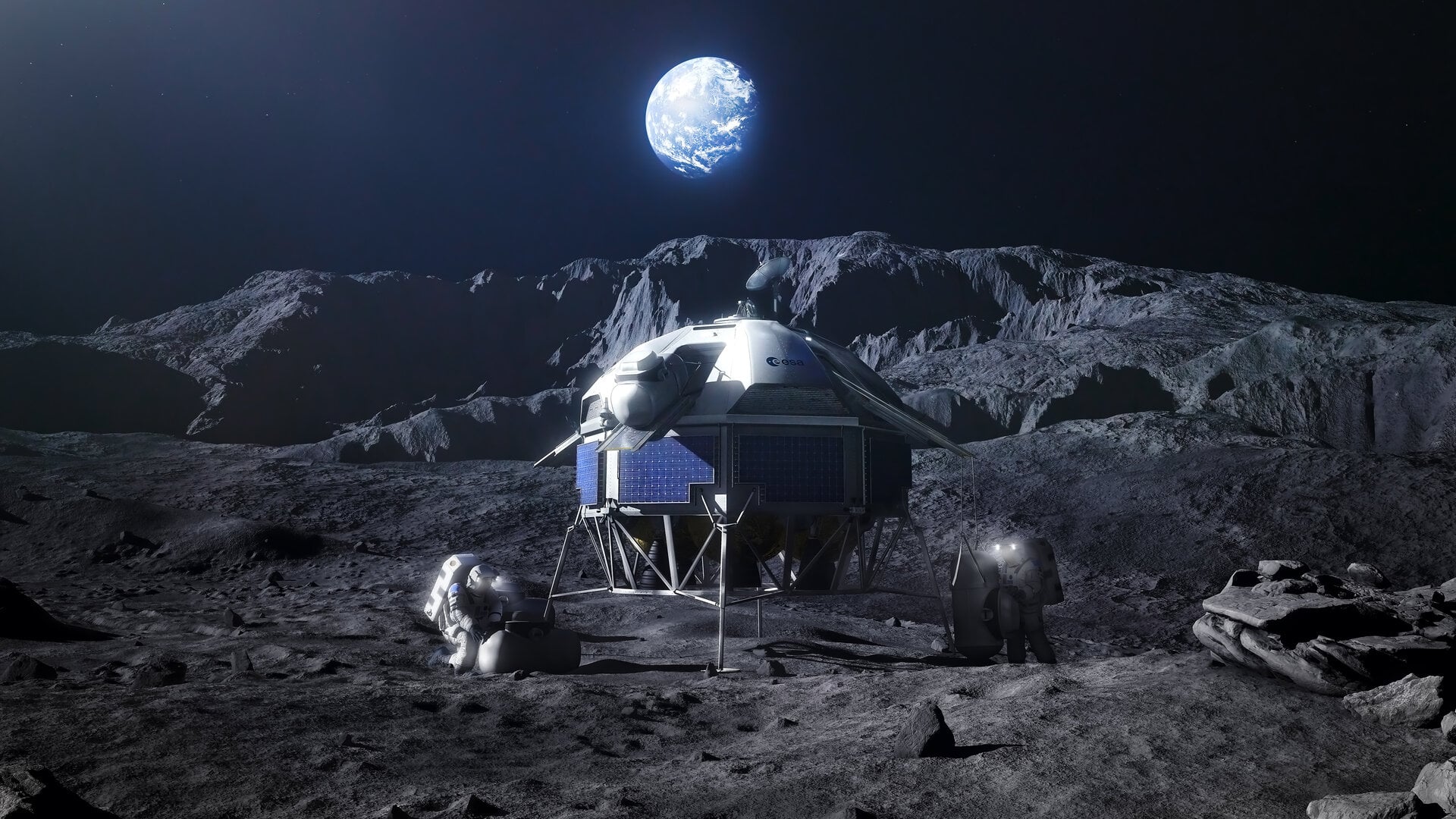
There is a fundamental tension in space exploration that has created ongoing debates for decades. By creating the infrastructure we need to explore other worlds, we damage them in some way, making them either less scientifically interesting or less “pristine,” which some would argue, in itself, is a bad thing. A new paper available in JGR Planets, from Francisca Paiva, a physicist at Instituto Superior Técnico, and Silvio Sinibaldi, the European Space Agency’s (ESA’s) planetary protection officer, argues that, in the Moon’s case at least, the problem is even worse than we originally thought.
Continue reading
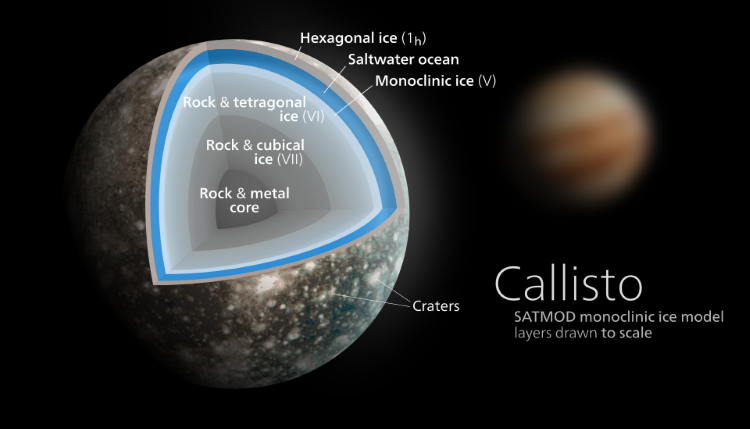
What exists beneath the surface of Jupiter’s icy moon, Callisto? This is what a recent study accepted by The Planetary Science Journal hopes to address as a team of researchers investigated the subsurface composition of Callisto, which is Jupiter’s outermost Galilean satellite. This study has the potential to help scientists better understand the interior composition of Callisto, which is hypothesized to possess a subsurface liquid water ocean, and develop new techniques for exploring planetary subsurface environments.
Continue reading
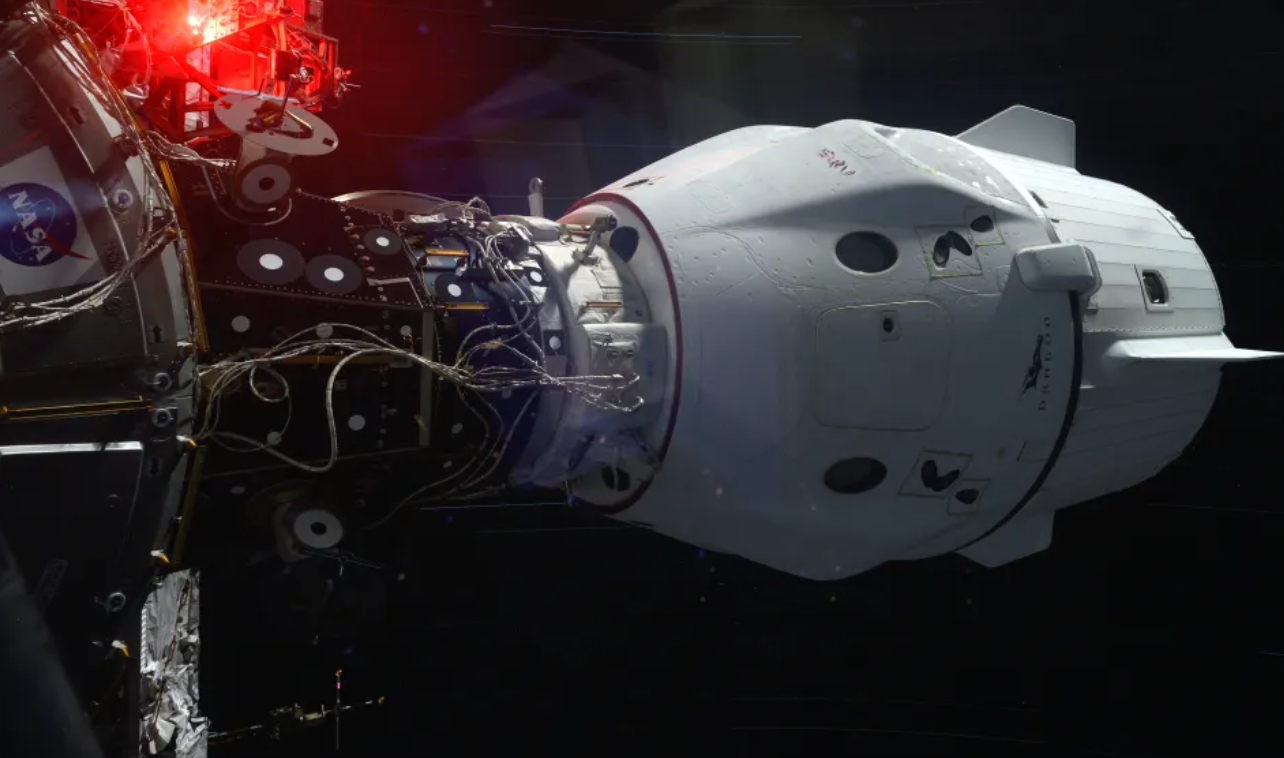
In a historic first, an unspecified medical issue is prompting an early return from the International Space Station on Wednesday night, January 14th. And while the return will be featured live online from undocking to splashdown, if skies are clear, you might just be able to see the pair crossing the night sky tonight, shortly after undocking.
Continue reading
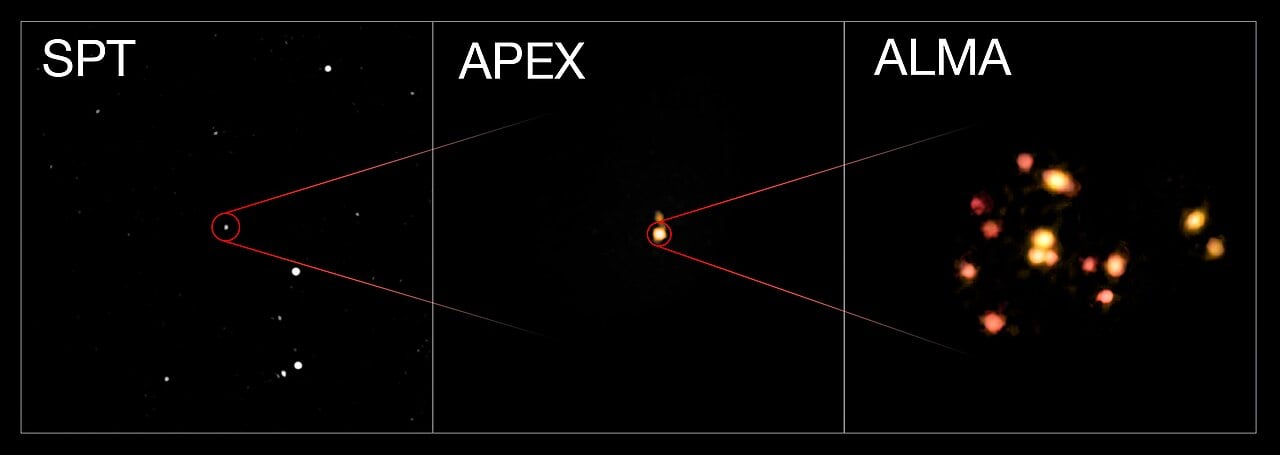
Astronomers using ALMA have detected the earliest hot galaxy cluster atmosphere ever observed, revealing a massive reservoir of superheated gas in the infant cluster SPT2349-56 just 1.4 billion years after the Big Bang. The gas is far hotter and more pressurised than current theories predicted for such a young system, forcing scientists to completely rethink how galaxy clusters evolved in the early universe. This discovery suggests that violent processes like supermassive black hole outbursts and intense starbursts heated these cluster atmospheres much earlier and more efficiently than anyone expected, fundamentally challenging our understanding of how the universe’s largest structures formed.
Continue reading
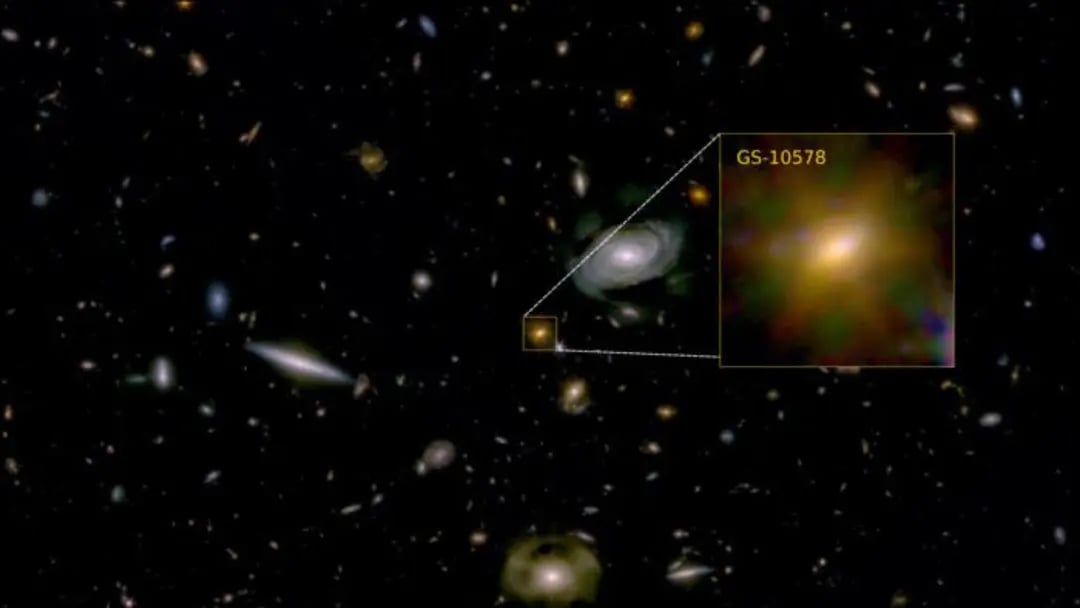
Astronomers using the James Webb Space Telescope and ALMA have discovered one of the oldest ‘dead’ galaxies in the universe, revealing that supermassive black holes can kill galaxies through slow starvation rather than violent destruction. The galaxy, nicknamed ‘Pablo’s Galaxy’, formed most of its 200 billion solar masses of stars between 12.5 and 11.5 billion years ago before abruptly stopping, not because its black hole blew away all the gas in one catastrophic event, but because it repeatedly heated incoming material over multiple cycles, preventing fresh fuel from ever replenishing the galaxy’s star forming reserves.
Continue reading
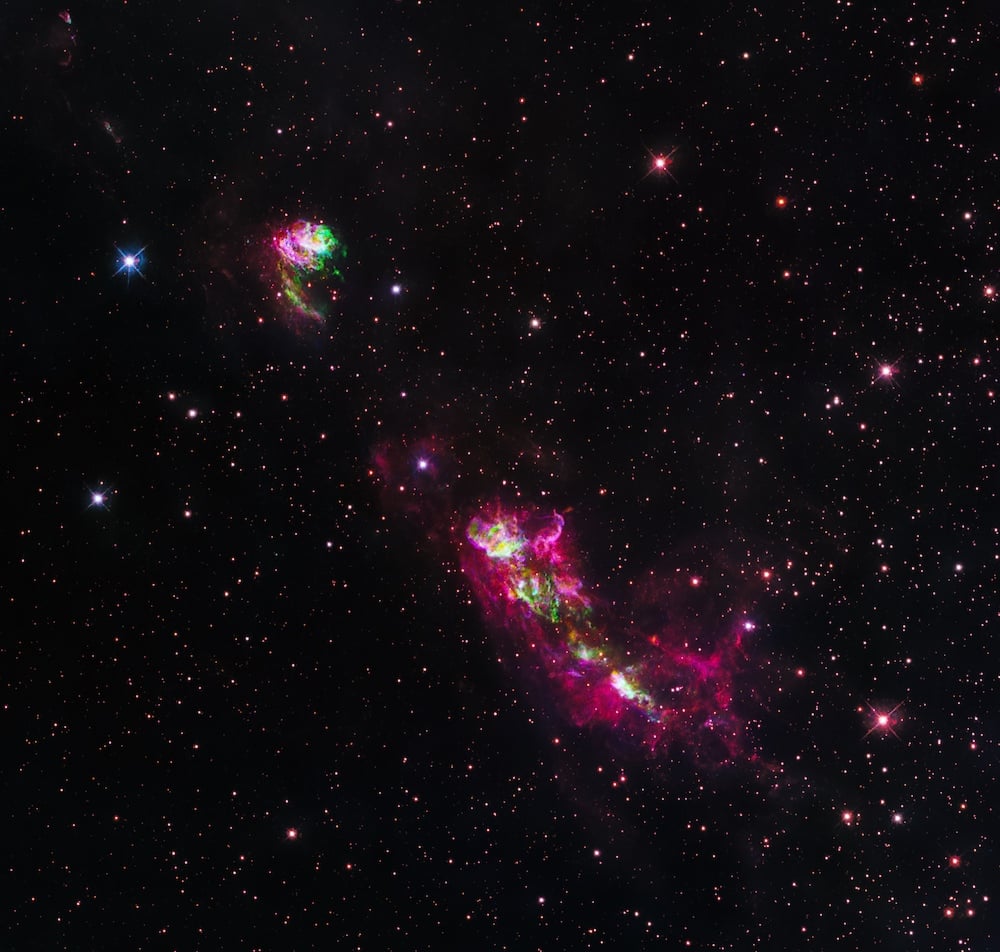
NASA’s Hubble Space Telescope has captured stunning new image of HH 80/81, a pair of objects created when supersonic jets from a newborn star slam into previously expelled gas clouds, heating them to extreme levels. These jets, powered by a protostar 20 times more massive than our Sun, stretch over 32 light years through space and travel at speeds exceeding 1,000 kilometres per second, making them the fastest outflows ever recorded from a young star.
Continue reading
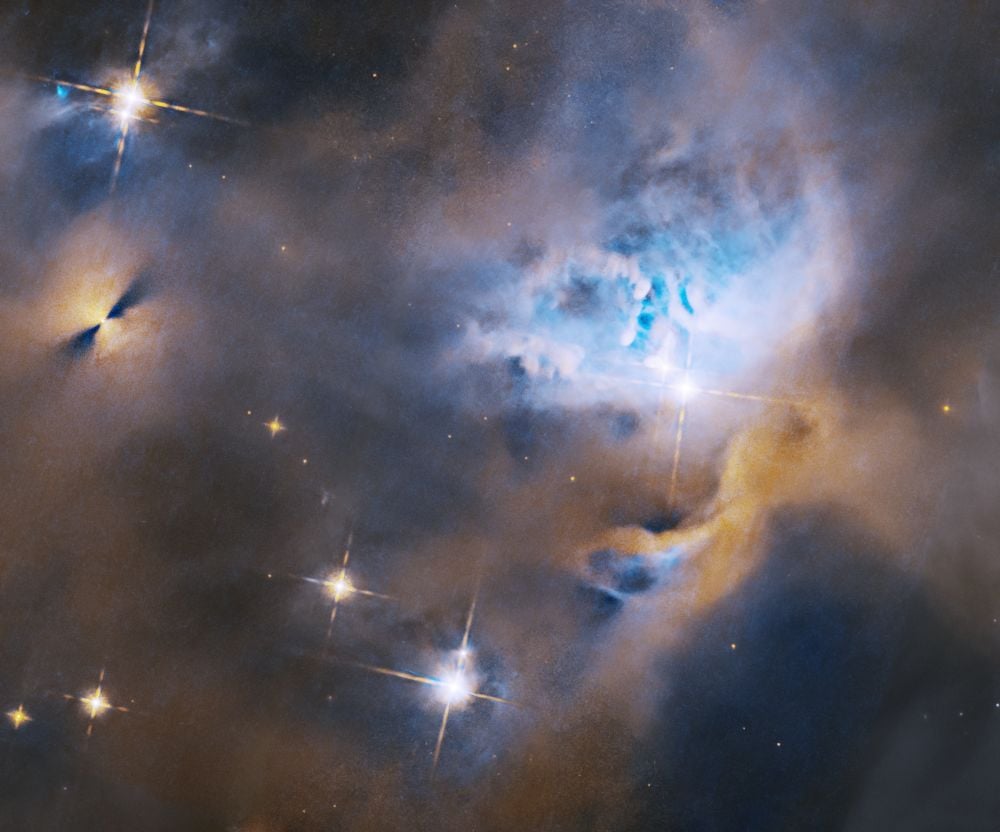
A disparate collection of young stellar objects bejewels a cosmic panorama in the star-forming region NGC 1333 in this new image from NASA’s Hubble Space Telescope. To the left, an actively forming star called a protostar casts its glow on the surrounding gas and dust, creating a reflection nebula. Two dark stripes on opposite sides […]
Continue reading
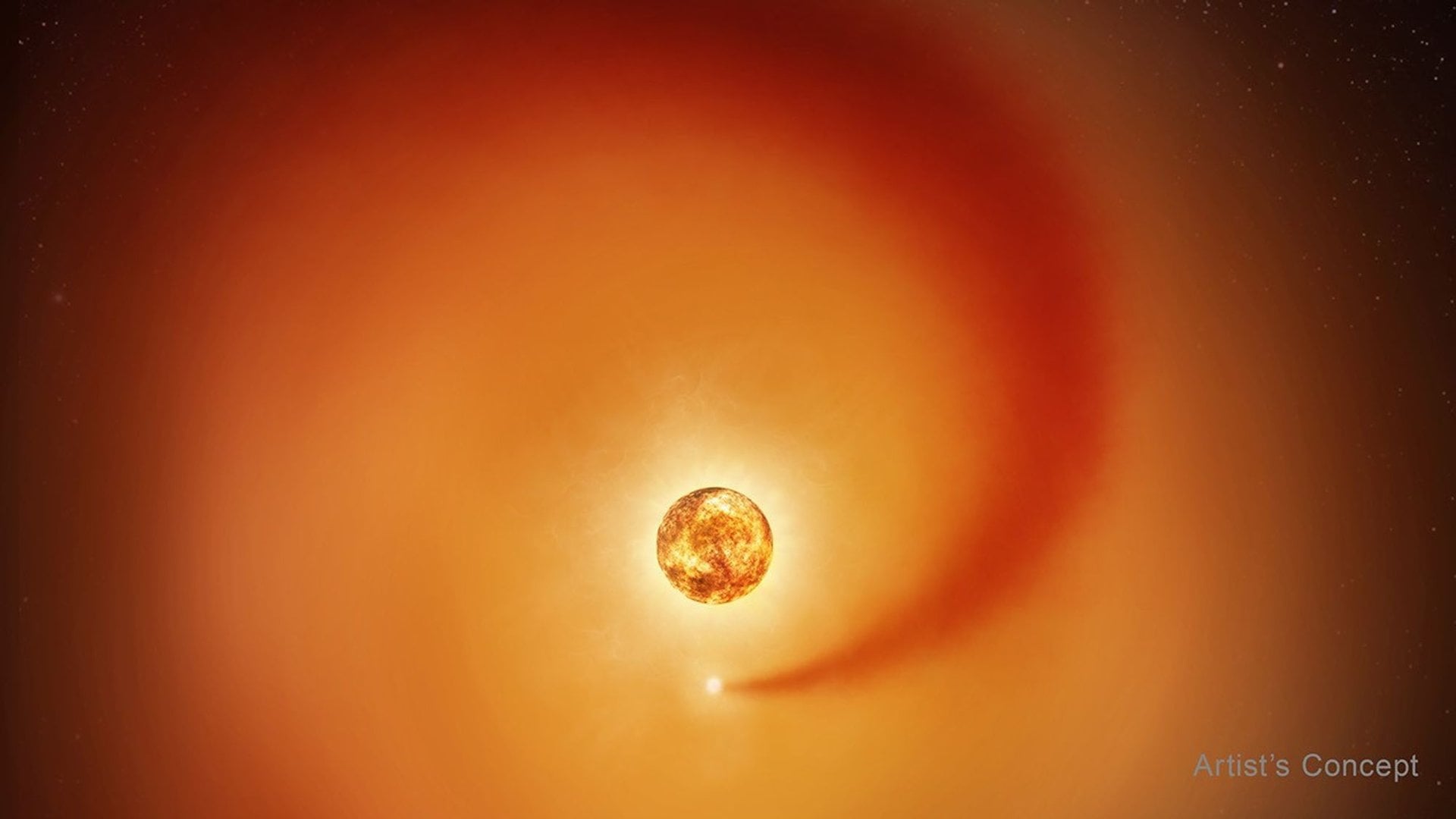
Betelgeuse is the star that everybody can't wait to see blow up, preferably sooner than later. That's because it's a red supergiant on the verge of becoming a supernova and there hasn't been one explode this close in recorded human history. It's been changing its brightness and showing strange surface behavior, which is why astronomers track its activity closely. Are these changes due to its aging process? Do they mean it's about to blow up? Probably not.
Continue reading
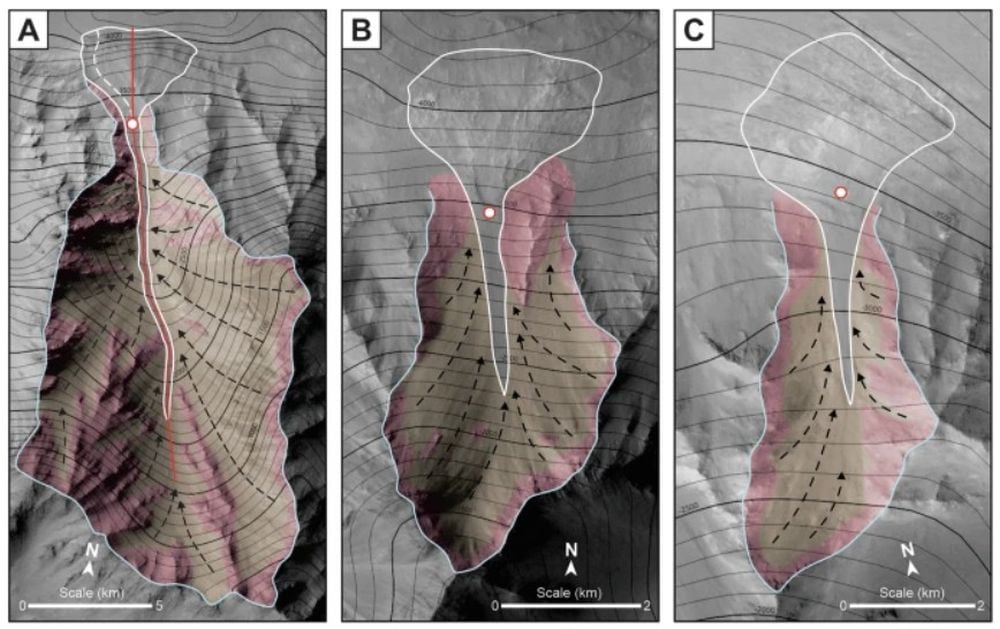
Mars Was Half Covered by an Ocean
susannakohler33808
Mon, 01/12/2026 - 12:00
Mars Was Half Covered by an Ocean
https://mediarelations.unibe.ch/media_releases/2026/media_releases_2026/mars_was_half_covered_by_an_ocean/index_eng.html
Continue reading
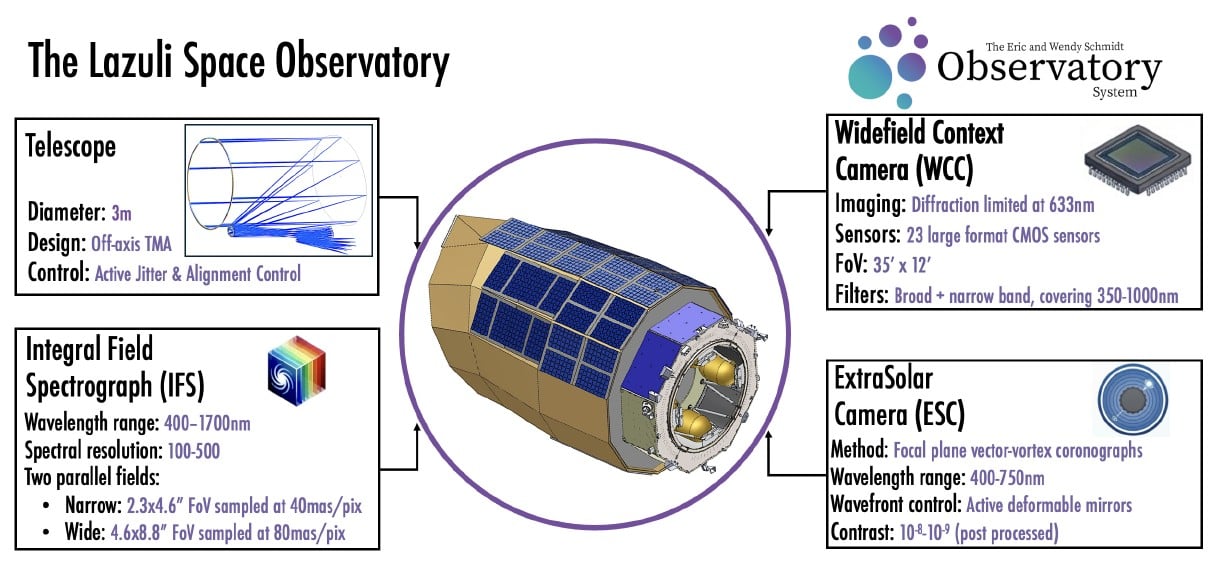
New Space is a term now commonly used around the rocketry and satellite industries to indicate a new, speed focused model of development that takes its cue from the Silicon Valley mindset of “move fast and (hopefully don’t) break things.” Given that several of the founders of rocketry and satellite companies have a Silicon Valley background, that probably shouldn’t be a surprise, but the mindset has resulted in an exponential growth in the number of satellites in orbit, and also an exponential decrease in the cost of getting them to orbit. A new paper, recently published in pre-print form in arXiv from researchers at Schmidt Sciences and a variety of research institutes, lays out plans for the Lazuli Space Observatory, which hopes to apply that same mindset to flagship-level space observatory missions.
Continue reading
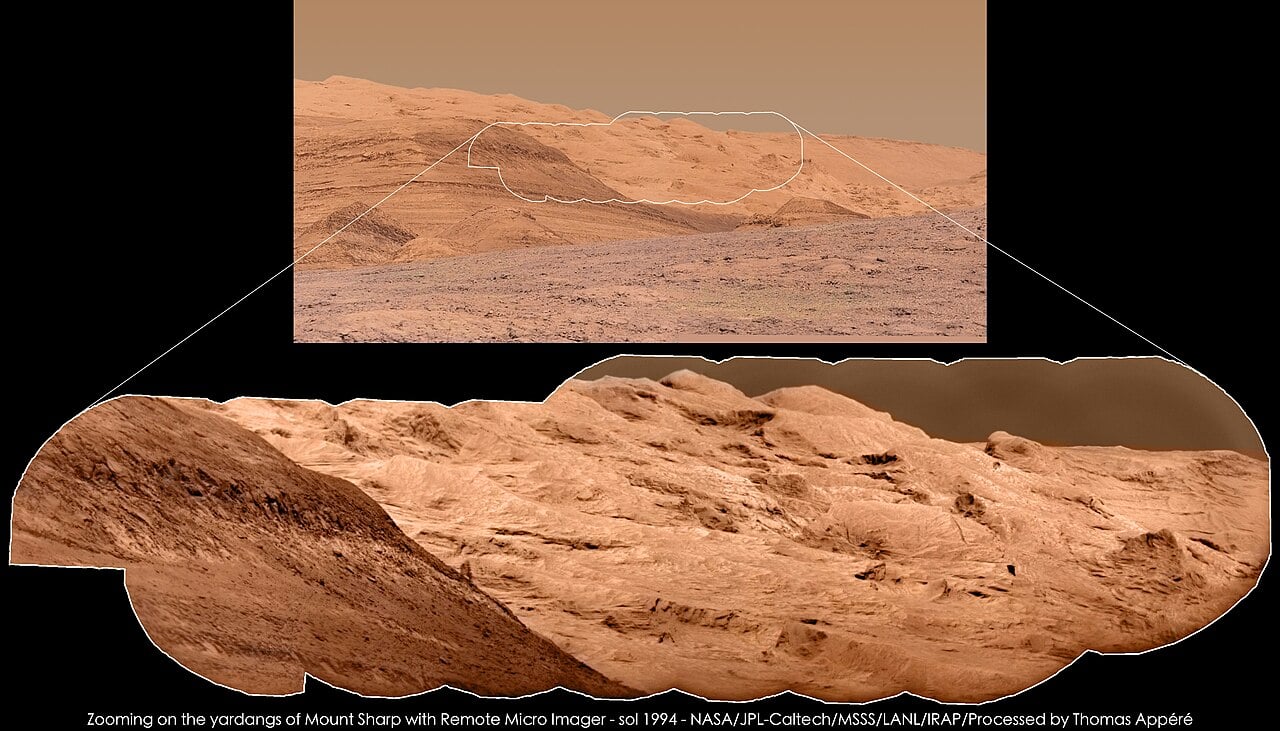
Mars Express has captured stunning images of wind sculpted terrain near the planet’s equator, revealing how Martian winds act as a sandblaster across geological timescales. The spacecraft’s high resolution camera spotted amazing ridges called yardangs, features carved by sand carrying winds that extend tens of kilometres across the surface. These dramatic erosional features share the landscape with impact craters and ancient lava flows, creating a fusion of three different geological forces that together tell the story of Mars’s violent and dynamic past.
Continue reading
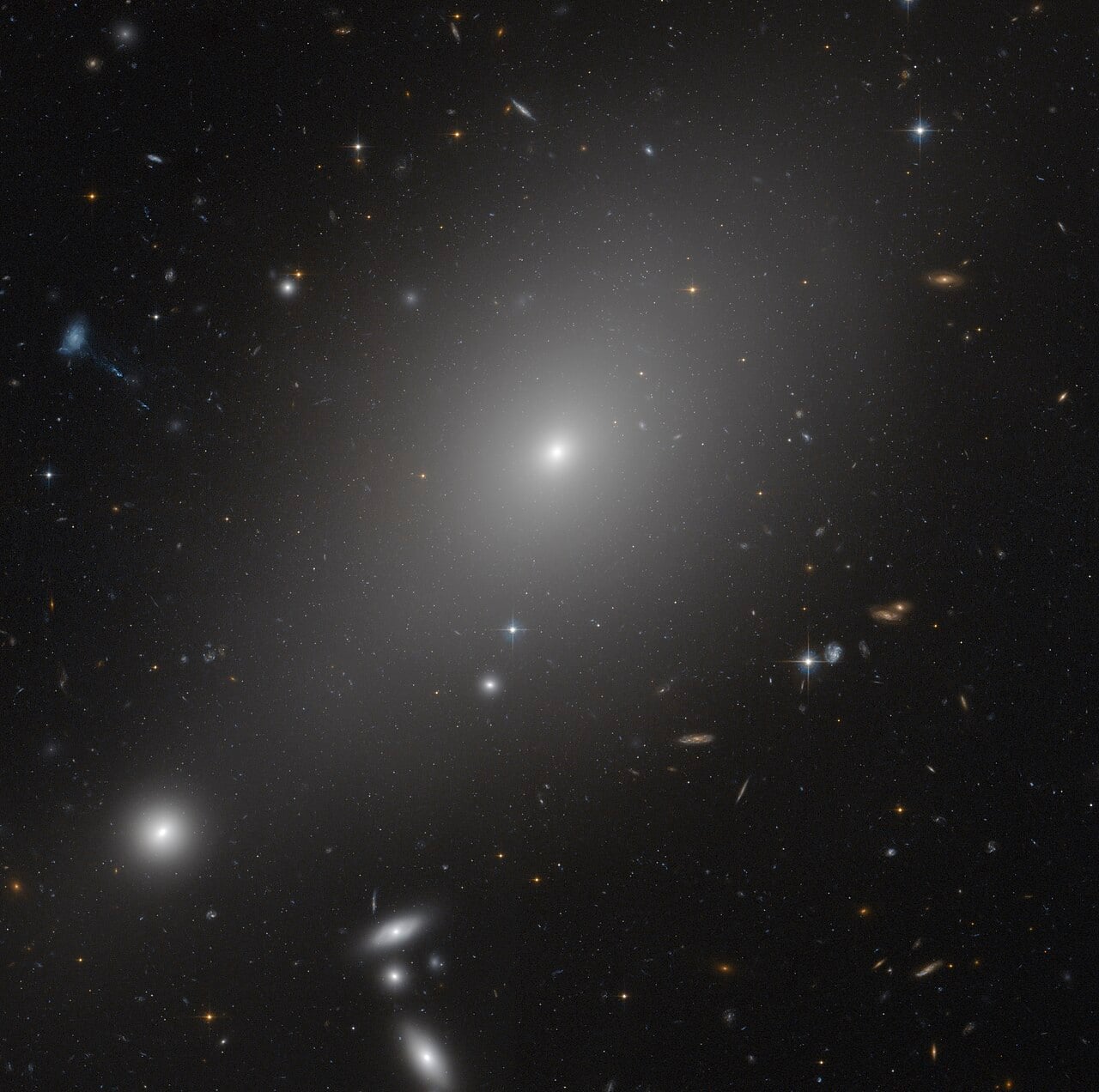
Astronomers have revealed a surprising diversity in the evolutionary paths of the universe’s most massive galaxies. Using multi-wavelength observations combining Keck Observatory spectroscopy with far infrared and radio data, researchers found that less than two billion years after the Big Bang, some ultramassive galaxies had already shut down star formation and shed their dust, while others continued building stars behind thick dusty veils.
Continue reading
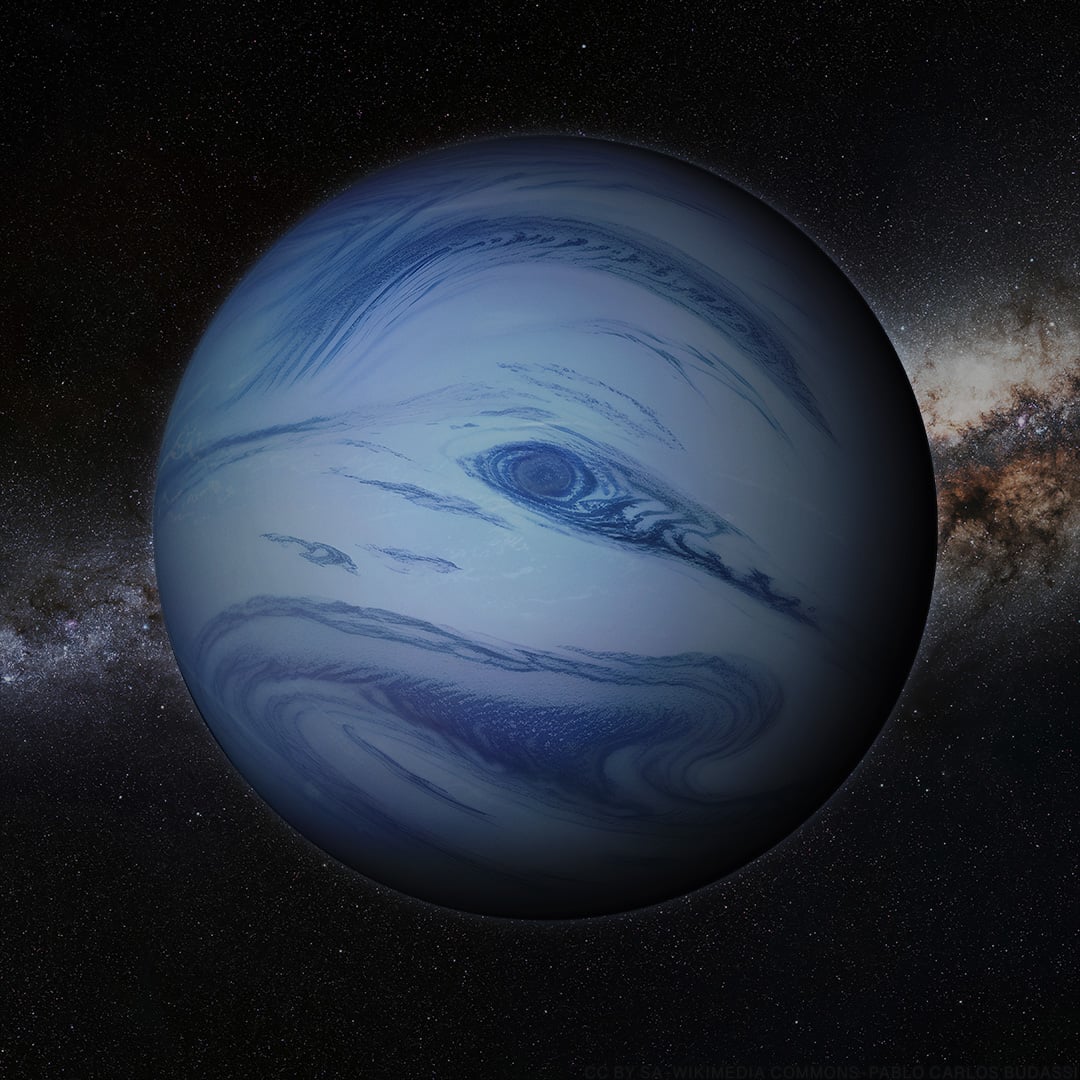
Astronomers have discovered a crucial missing link in understanding how the Galaxy’s most common planets form. By studying four young, extraordinarily puffy planets orbiting a 20 million year old star, researchers have captured a rare snapshot of worlds actively transforming into super Earths and sub Neptunes. This discovery reveals that the universe’s most successful planets start as bloated giants before shrinking dramatically over billions of years, fundamentally changing our understanding of how planetary systems evolve.
Continue reading
Like I said at the beginning, I’m not really keen on the idea of the mathematical universe. My own personal biggest objection stems from the whole point of occam’s razor: make things as simple as possible.
Continue reading
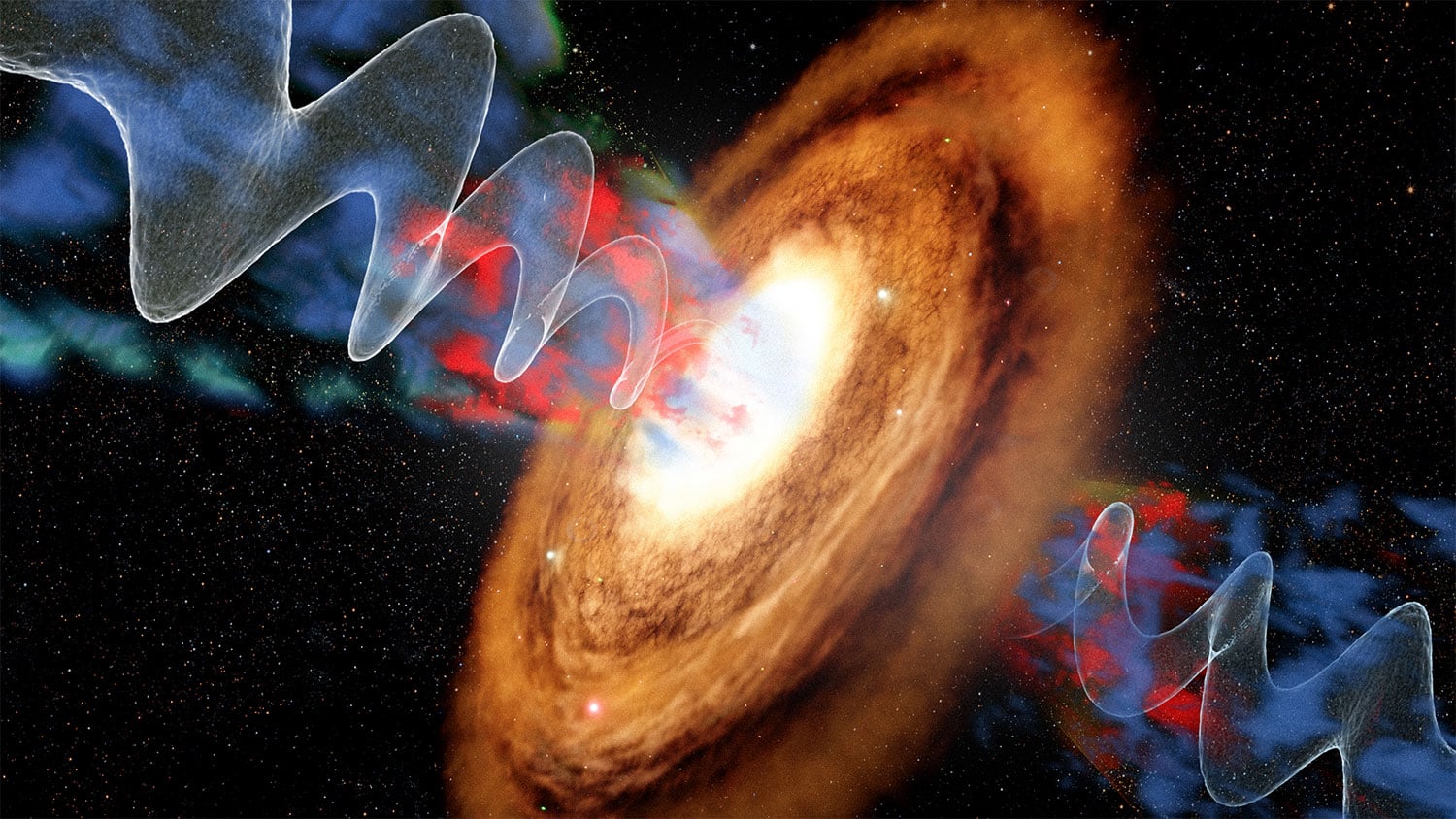
Astronomers using W. M. Keck Observatory on Maunakea, Hawaiʻi Island have uncovered the largest and most extended stream of super-heated gas ever observed flowing from a nearby galaxy, providing the clearest evidence yet that a supermassive black hole can dramatically reshape its host galaxy far beyond its core.
Continue reading
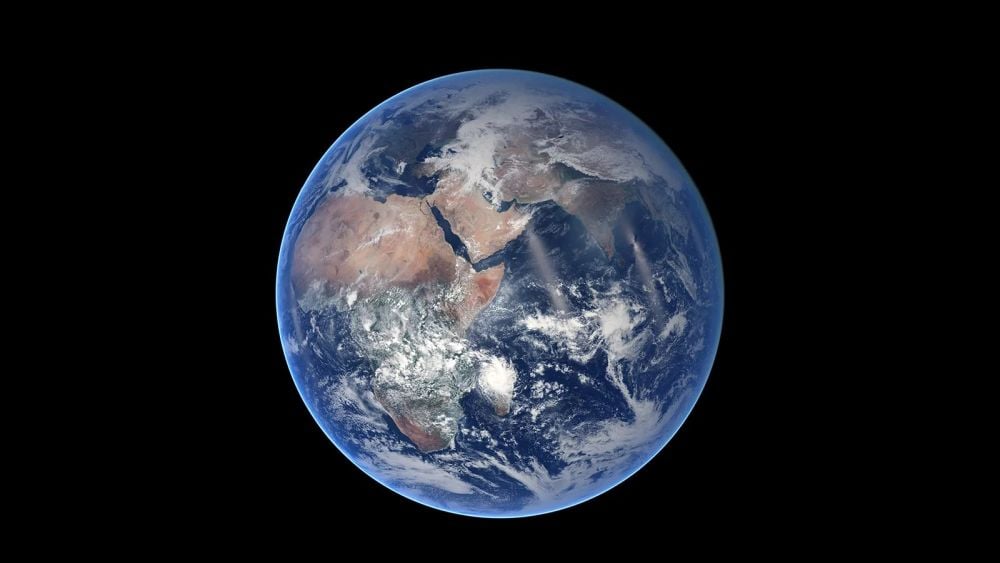
The oceans' check engine light is on and is starting to flash violently. For the eighth year in a row, the world’s oceans absorbed a record-breaking amount of heat in 2025. That means more powerful storms for us, and changing ocean chemistry that could spell the end for some living things.
Continue reading
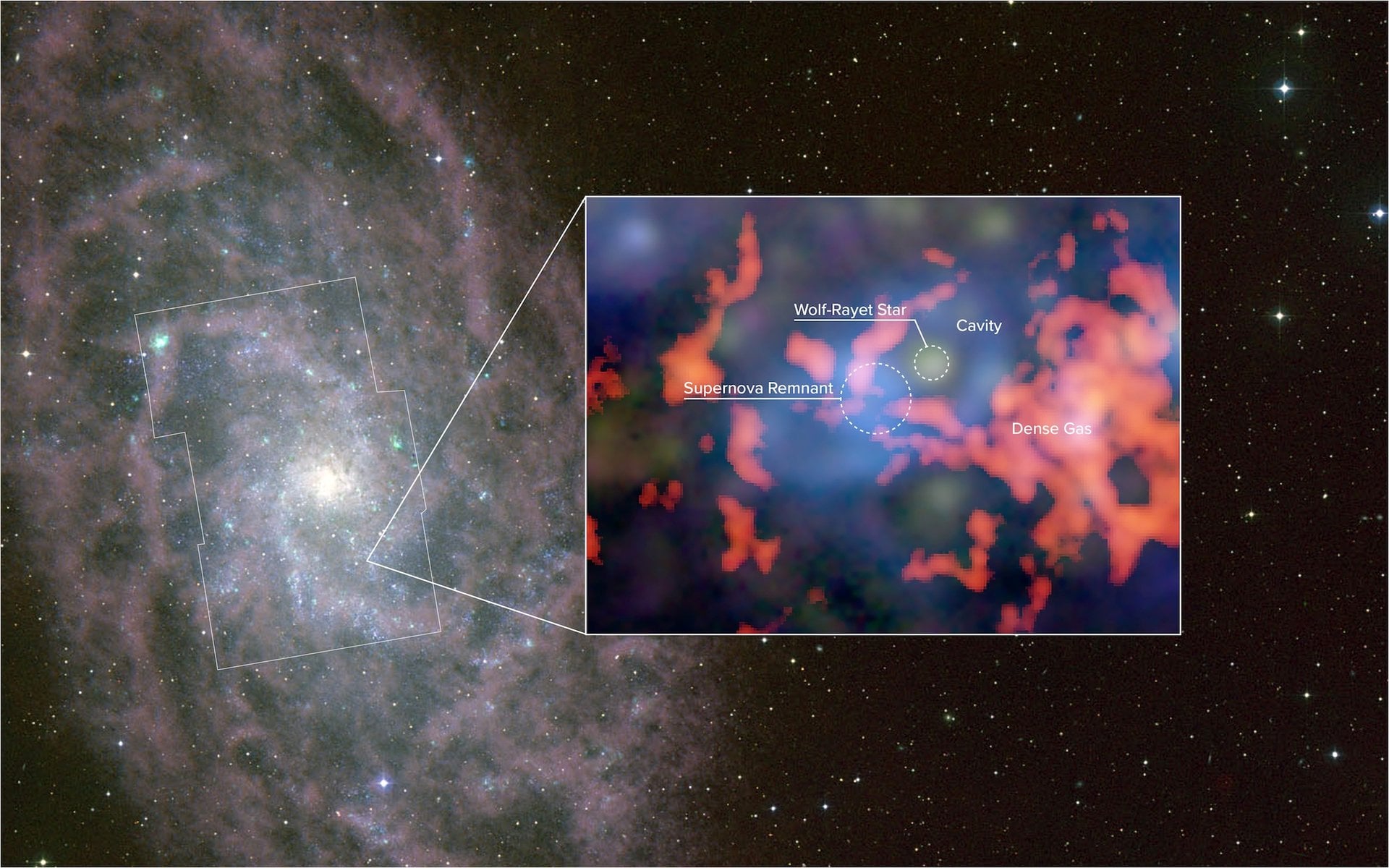
Supernovae play a crucial role in the formation and evolution of new stars. But where they occur is nearly as important as when. A new study looks at where supernovae will occur in the Triangulum Galaxy, which will help astronomers understand the role of supernovae in more detail.
Continue reading
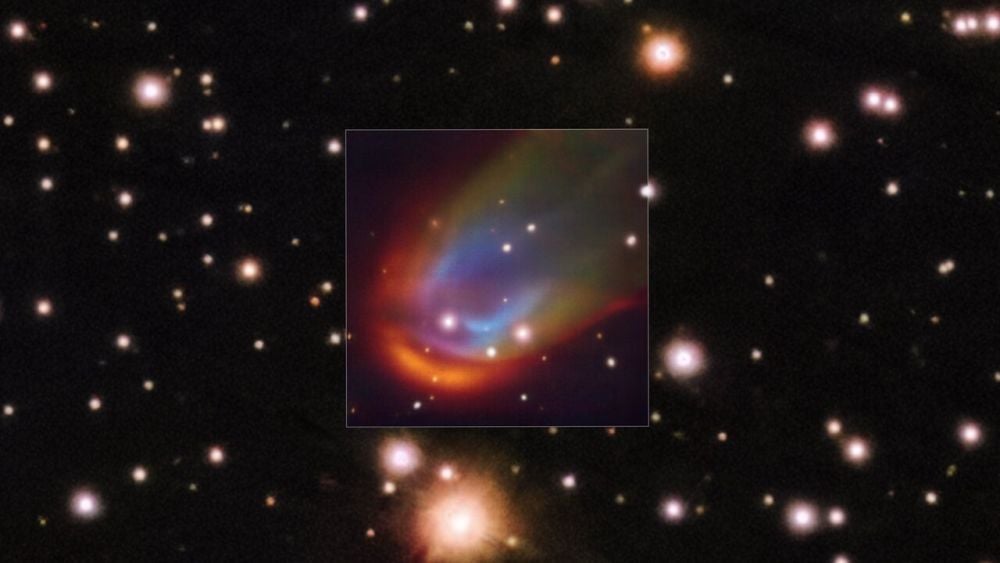
Gas and dust flowing from stars can, under the right conditions, clash with a star's surroundings and create a shock wave. Now, astronomers using the European Southern Observatory's Very Large Telescope (ESO's VLT) have imaged a beautiful shock wave around a dead star—a discovery that has left them puzzled. According to all known mechanisms, the small, dead star RXJ0528+2838 should not have such a structure around it. This discovery, as enigmatic as it's stunning, challenges our understanding of how dead stars interact with their surroundings.
Continue reading
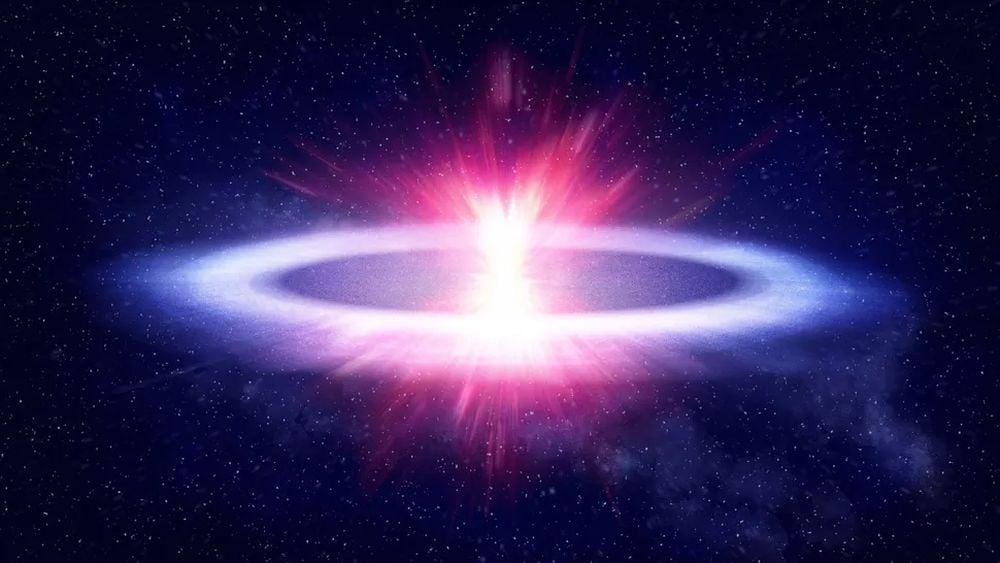
A distant black hole shredded a companion star that got too close. The star was torn to pieces and the explosion was an extremely powerful event, more energetic than a supernova. At its peak, the energy released was 400 billion times brighter than the Sun.
Continue reading
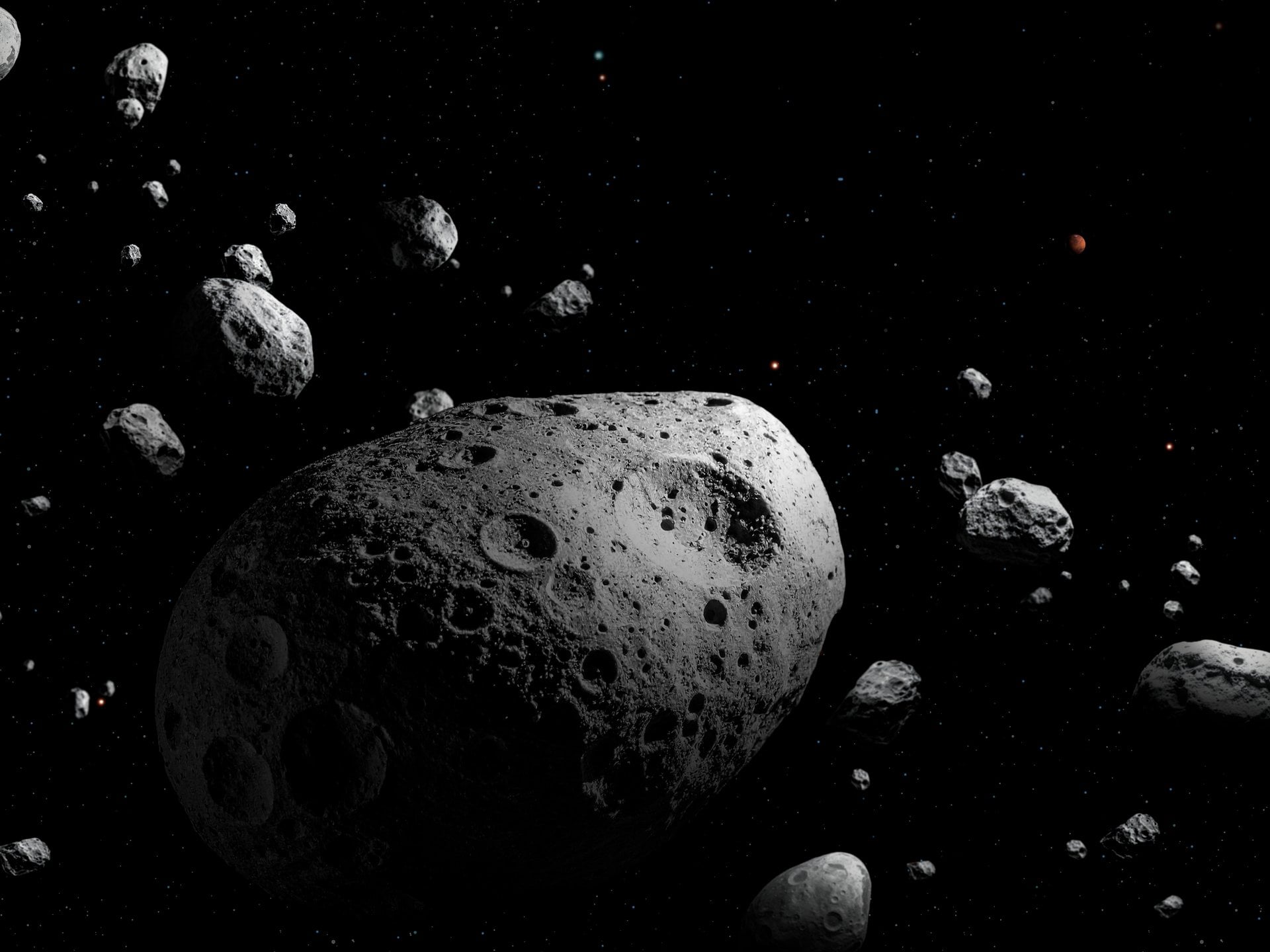
The Vera C. Rubin Observatory has discovered the fastest-spinning asteroid ever over 500 meters in size.
Continue reading
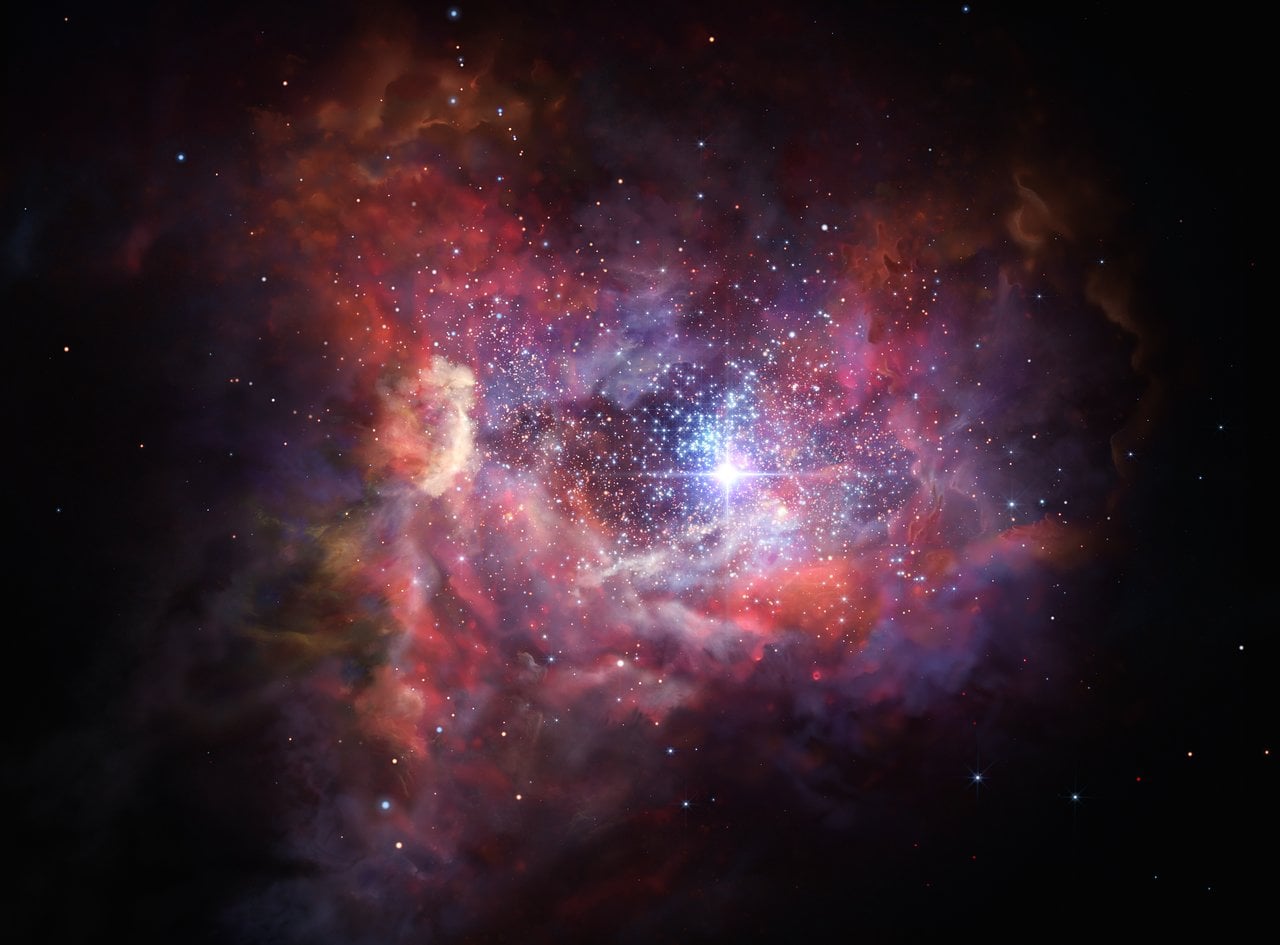
Combining data from different telescopes is one of the best ways to get a fuller picture of far-off objects. Because telescopes such as Hubble (visible light), the James Webb Space Telescope (infrared), and the Atacama Large Millimeter Array (radio) each collect data in different wavelengths, they are able to capture distinct features of objects like galaxies that other telescopes cannot observe. A new paper by a large group of authors, headed by Andreas Faisst of Caltech, presented at the American Astronomical Society Meeting last week and published in The Astrophysical Journal Supplement tracks eighteen early galaxies in as broad of a spectrum as those instruments can collect, and most significantly found that they seem to “grow up” faster than expected.
Continue reading
Beginning in the 1980’s, another physicist, Roger Penrose, came up with what he called the Triangle of Reality, which sounds like the nerdiest cult in history (and when later I get to talk about the Pythagoreans you’ll see that I’m right).
Continue reading
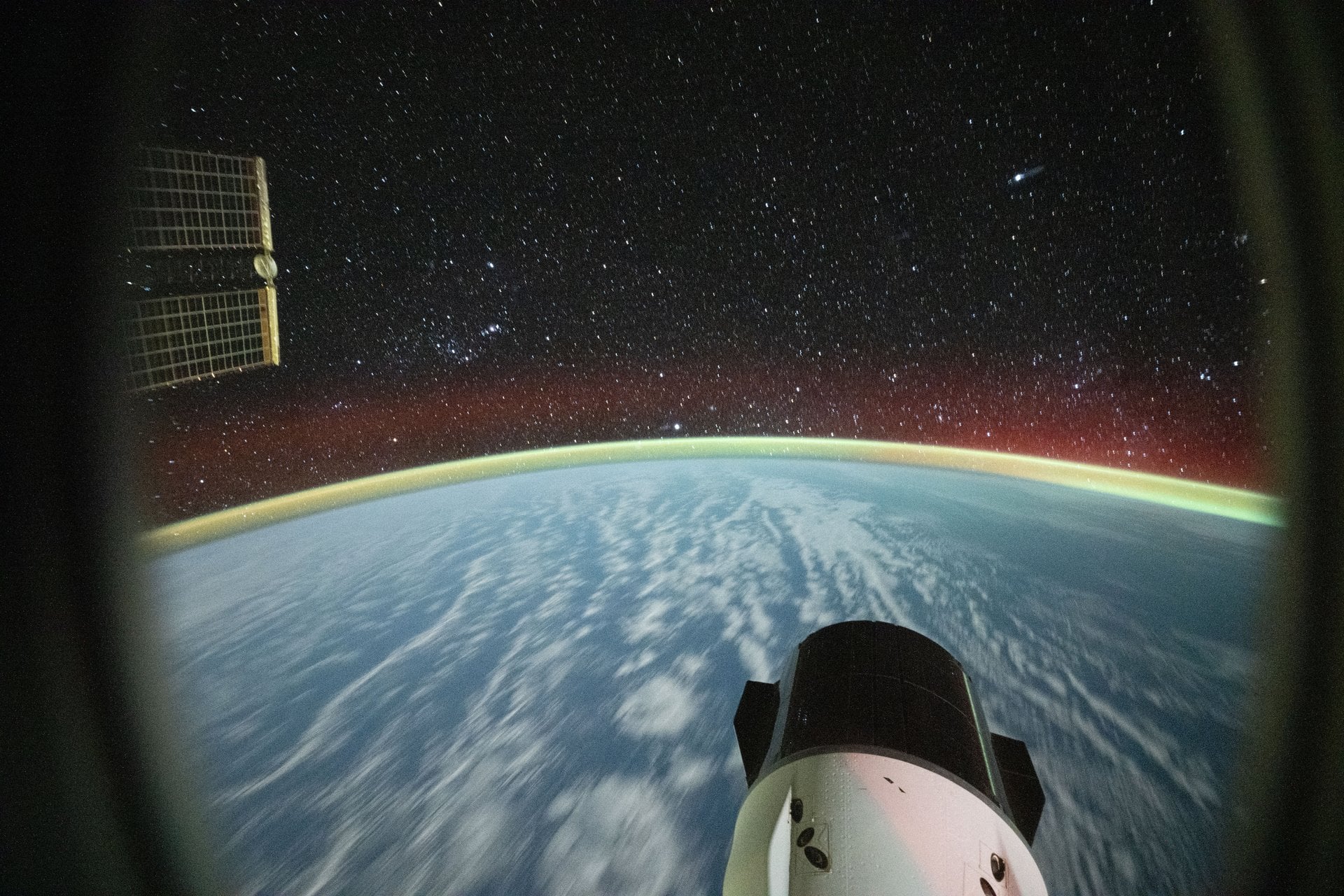
NASA has announced that it and SpaceX will return the Crew-11 mission team to Earth from the ISS (due to medical concerns with a crew member) no earlier than 5 p.m. EST (2 p.m. PST) on Wednesday, Jan. 14th.
Continue reading
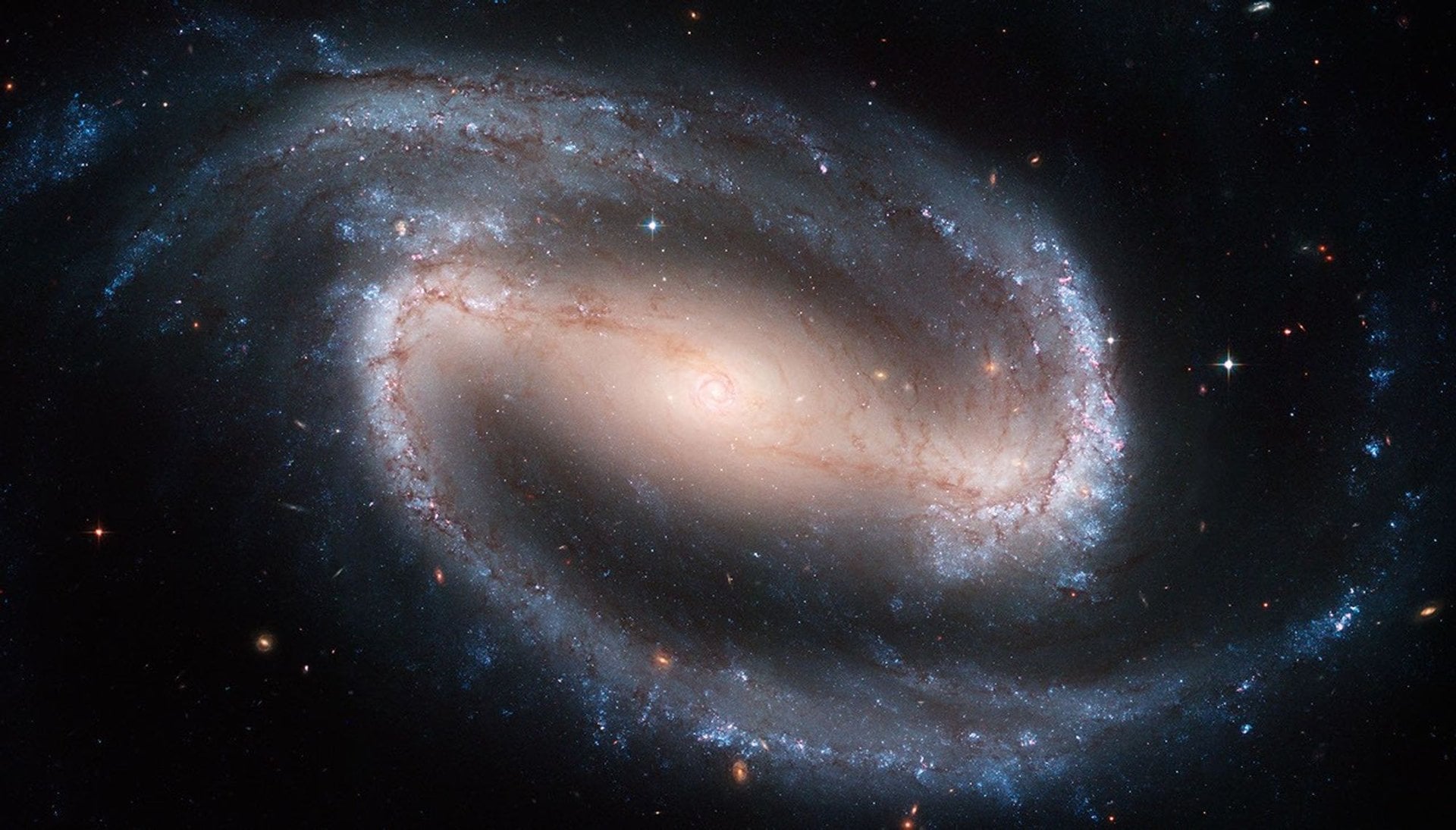
Astronomers have uncovered a barred spiral galaxy that existed over 2 billion years after the Big Bang, potentially making it the earliest barred spiral galaxy ever observed.
Continue reading
Like, it shouldn’t be this easy. Yeah I know physics is kind of hard, and it has taken us centuries to reach our present level of knowledge, and we know we’re still a long way from complete knowledge of time and space.
Continue reading
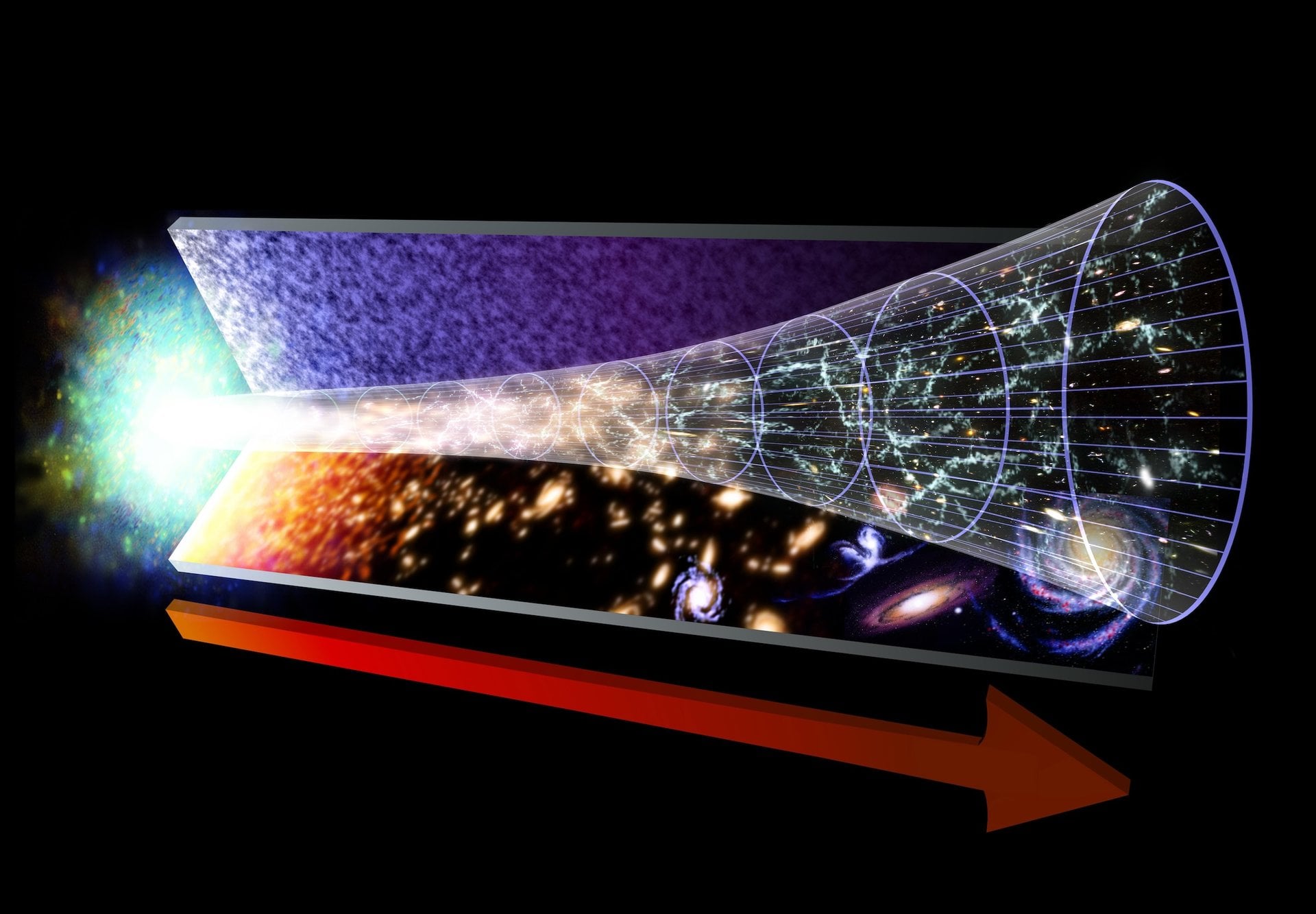
Scientists are a step closer to solving one of the universe's biggest mysteries as new research finds evidence that dark matter and neutrinos may be interacting, offering a rare window into the darkest recesses of the cosmos.
Continue reading
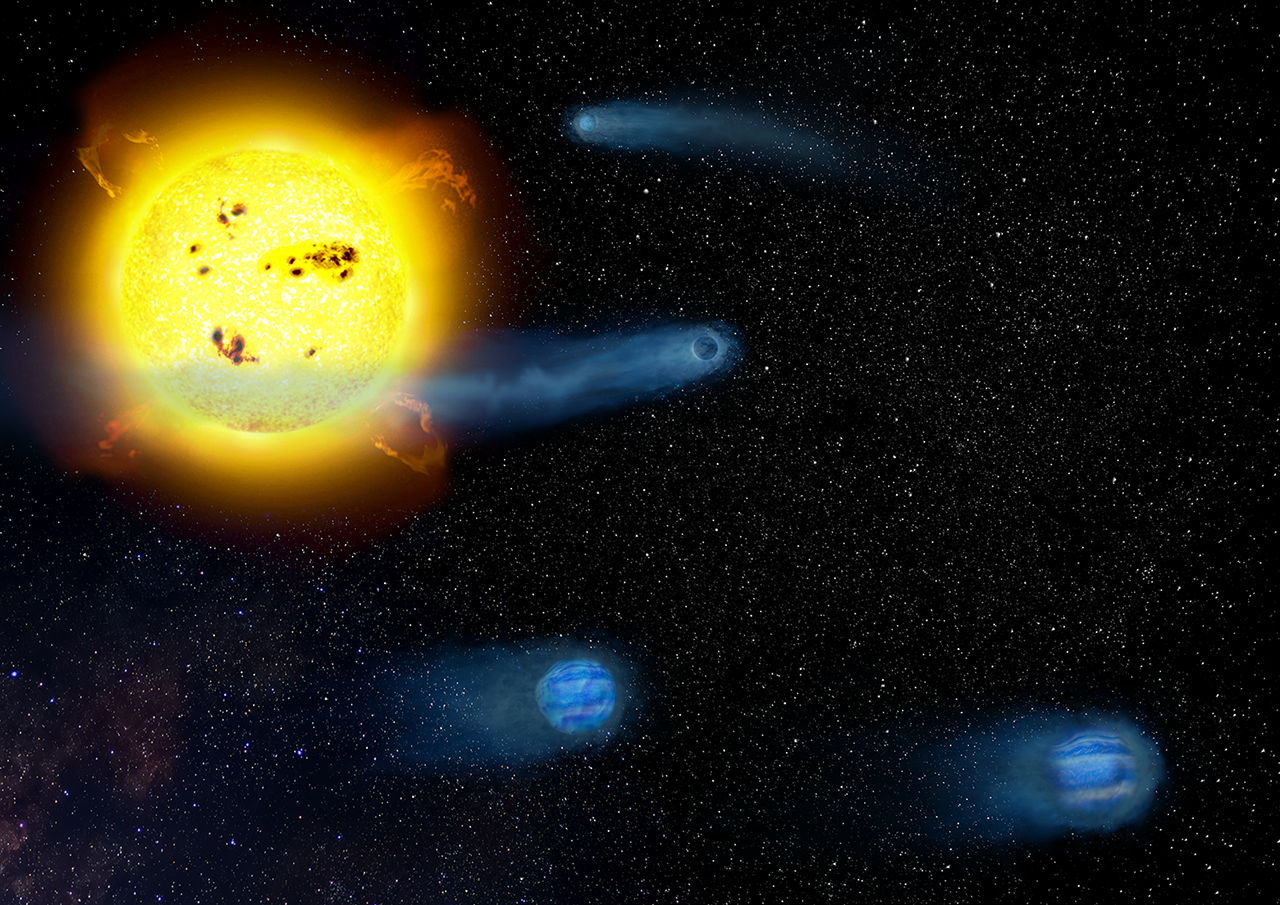
One of the best things about being able to see thousands of exoplanetary systems is that we’re able to track them in different stages of development. Scientists still have so many questions about how planets form, and comparing notes between systems of different ages is one way to answer them. A new paper recently published in Nature by John Livingston of the National Astronomical Observatory of Japan and his co-authors details one particularly interesting system, known as V1298, which is only around 30 million years old, and hosts an array of four “cotton candy” planets, which represent some of the earliest stages of planet formation yet seen.
Continue reading
Imagine you walk into a parking lot full of cars. You have in your pocket one single key. It’s the key to your car. The same key you’ve always used, the same key you’ve always trusted, the same key that you always manage to realize that you’ve lost right when you’re rushing out the door.
Continue reading
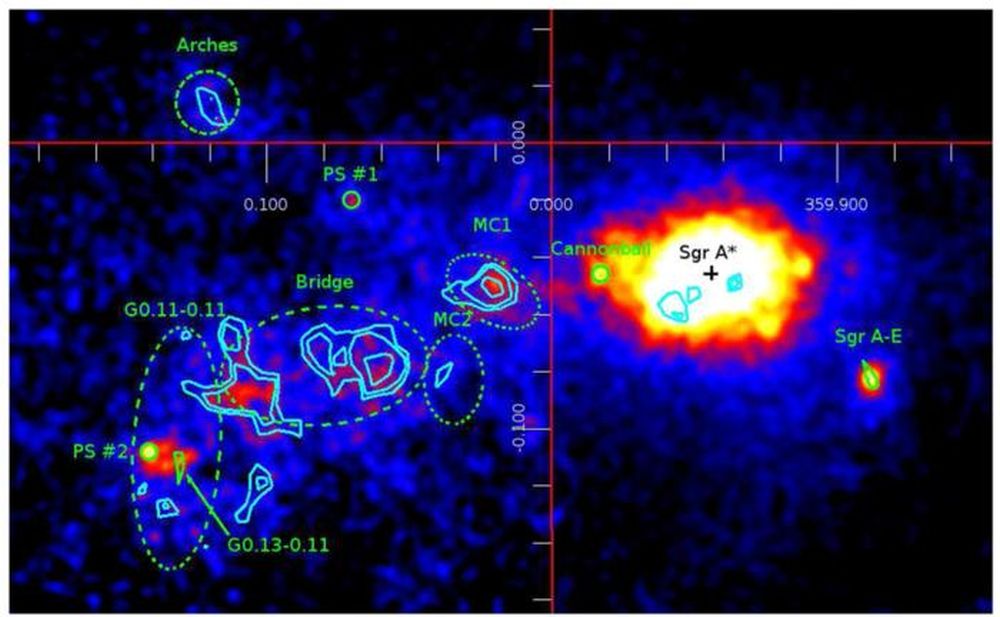
The supermassive black hole in the Milky Way's galactic center, Sagittarius A-star, is known for being quiet and dim. But that wasn't always the case. The powerful XRISM x-ray telescope shows that it flared brightly at least once in the very recent past.
Continue reading
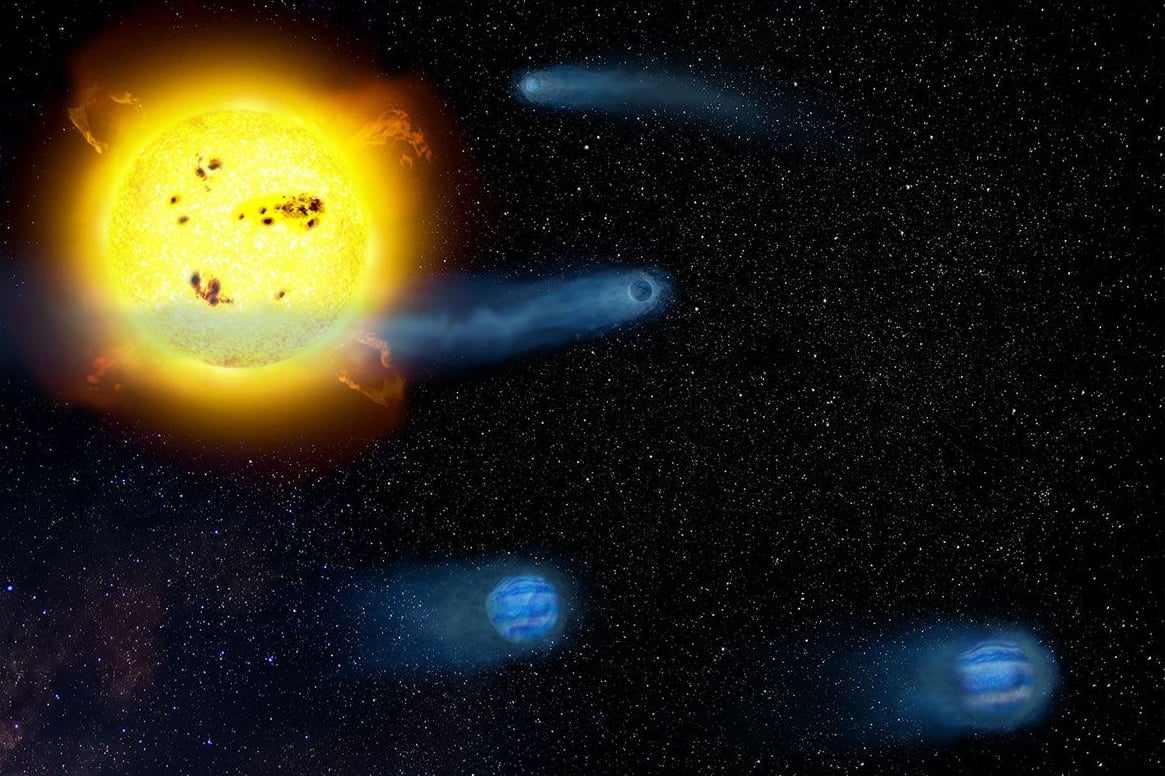
A new study finds that hot super-Earths begin as large puffy worlds with low densities. Over time their atmospheres are stripped away to leave more dense planets orbiting close to their stars.
Continue reading
But we’re not going for one thing or another, are we? We’re here to explore ideas – that’s most of the fun anyway. And there’s one more aspect of physics that takes part in the free will discussion, and that’s the concept of emergence.
Continue reading
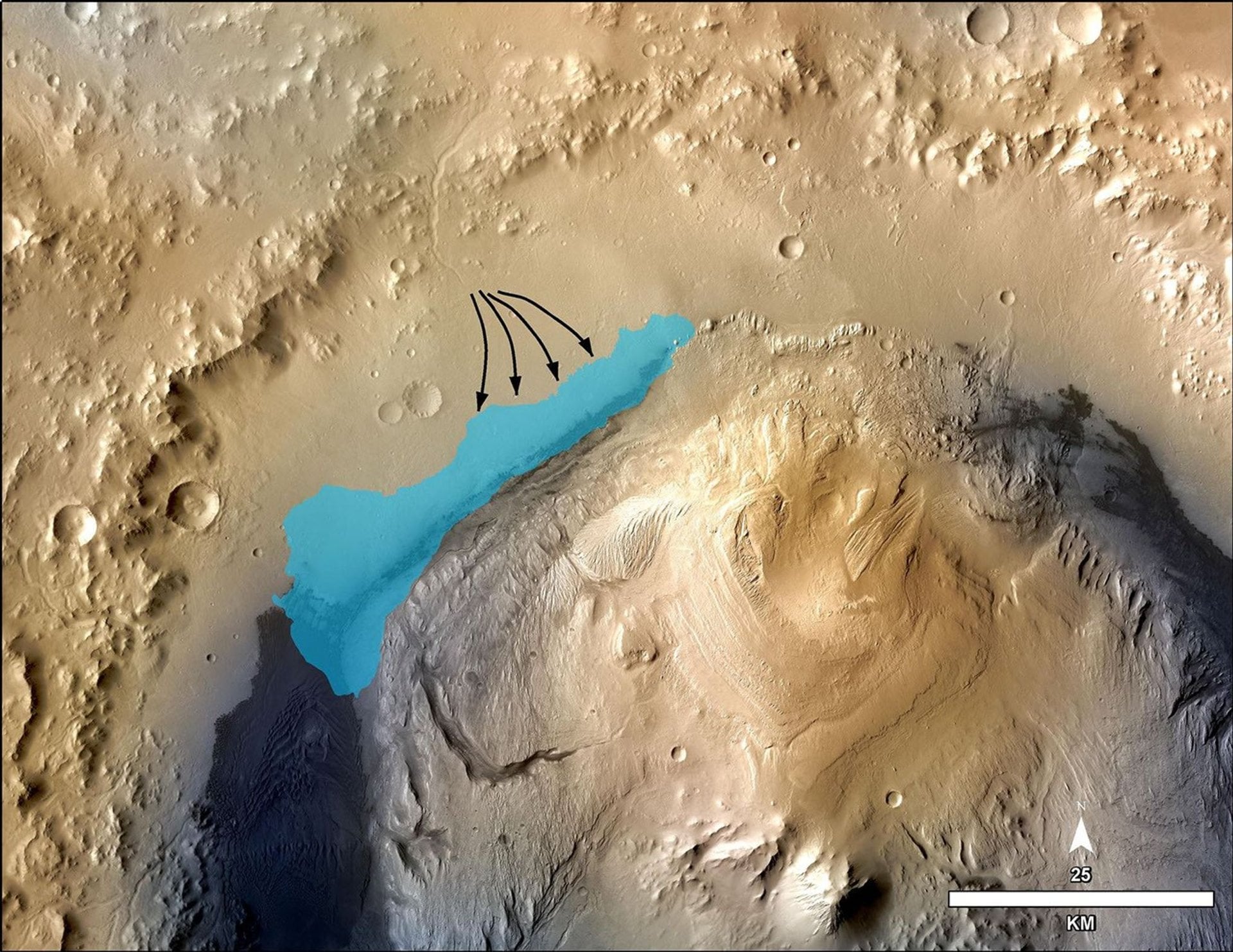
Mars has a curious past. Rovers have shown unequivocal evidence that liquid water existed on its surface, for probably at least 100 years. But climate models haven’t come up with how exactly that happened with what we currently understand about what the Martian climate was like back then. A new paper, published in the journal AGU Advances by Eleanor Moreland, a graduate student at Rice University, and her co-authors, has a potential explanation for what might have happened - liquid lakes on the Red Planet would have hid under small, seasonal ice sheets similar to the way they do in Antarctica on Earth.
Continue reading
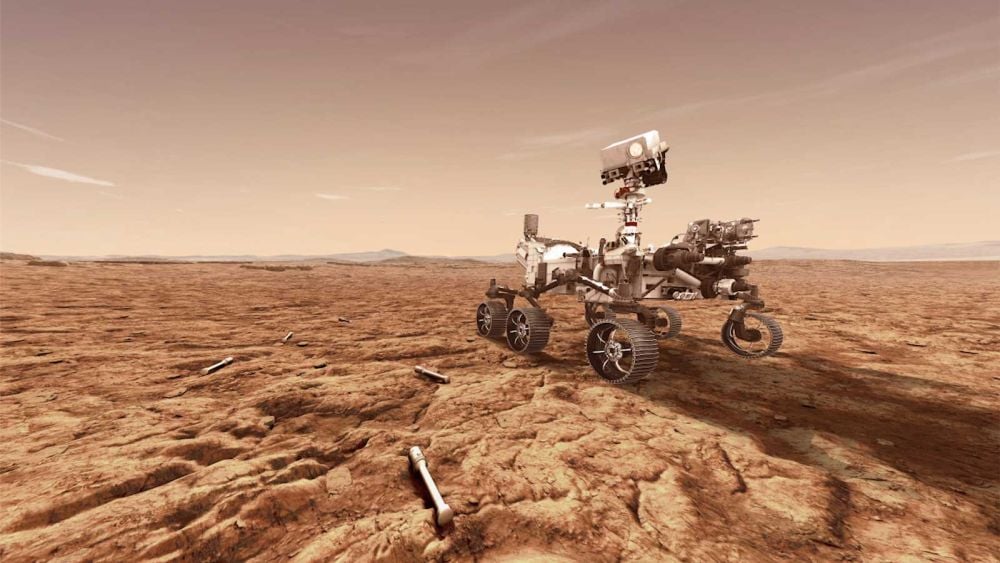
This year's funding for the Mars Sample Return mission has been cut. It seems unlikely that the mission will be revived in the coming years, barring some unforeseen development. This isn't a surprising development, so maybe NASA has some contingency plans.
Continue reading
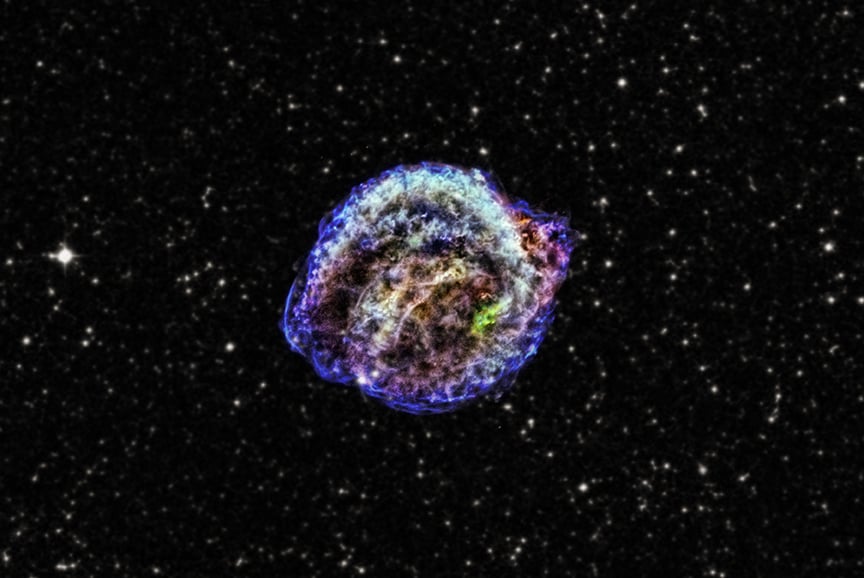
A new video shows the evolution of Kepler’s Supernova Remnant using data from NASA’s Chandra X-ray Observatory captured over more than two and a half decades.
Continue reading
So let’s say you set up an experiment to measure a quantum property of subatomic particles. Like, I don’t know, spin.
Continue reading

All of physics rests on causal determinism. It’s like…how we do physics. It IS physics.
Continue reading
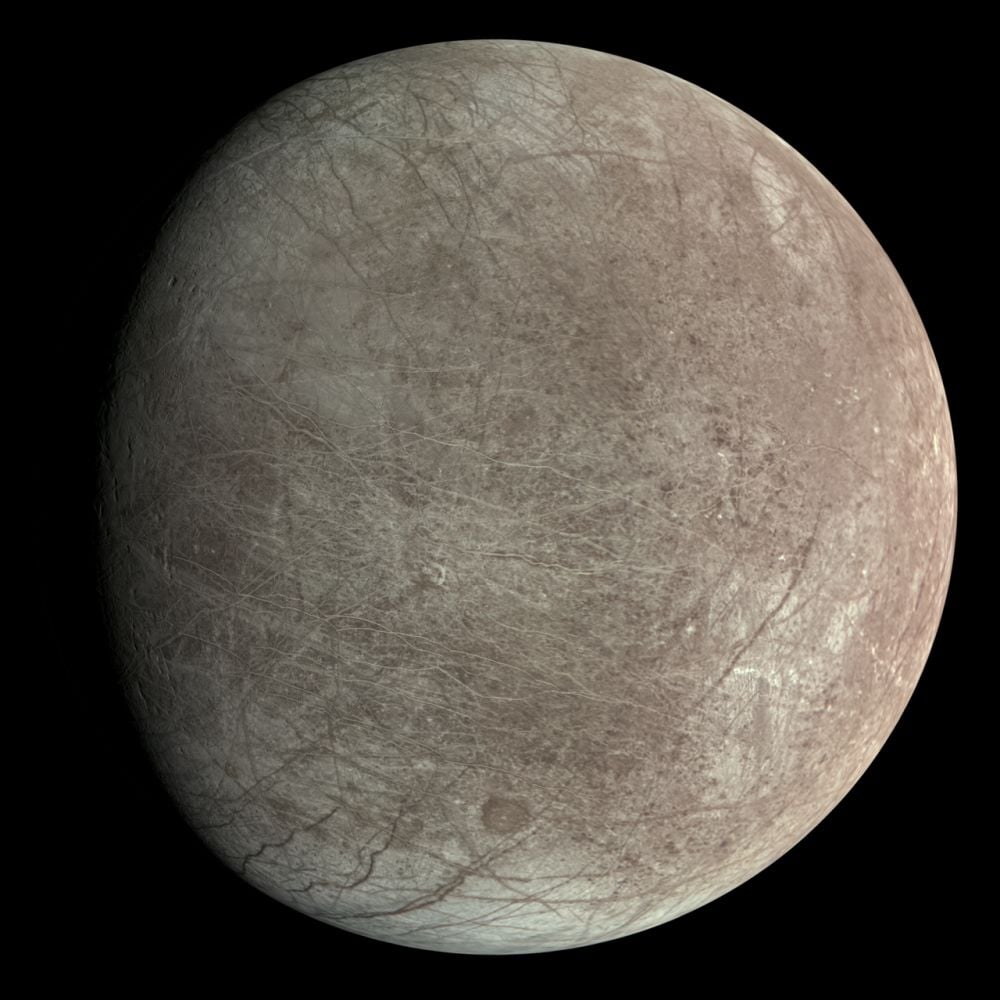
New research shows that Jupiter's moon Europa, one of the prime targets in the search for life, may not have the conditions required after all. The research shows that the moon lacks the type of active seafloor faulting needed to create habitability. Deep sea vents created by the faulting introduce nutrients into the water that organisms use to harness energy, and without those nutrients, the moon's subsurface ocean is likely dead.
Continue reading
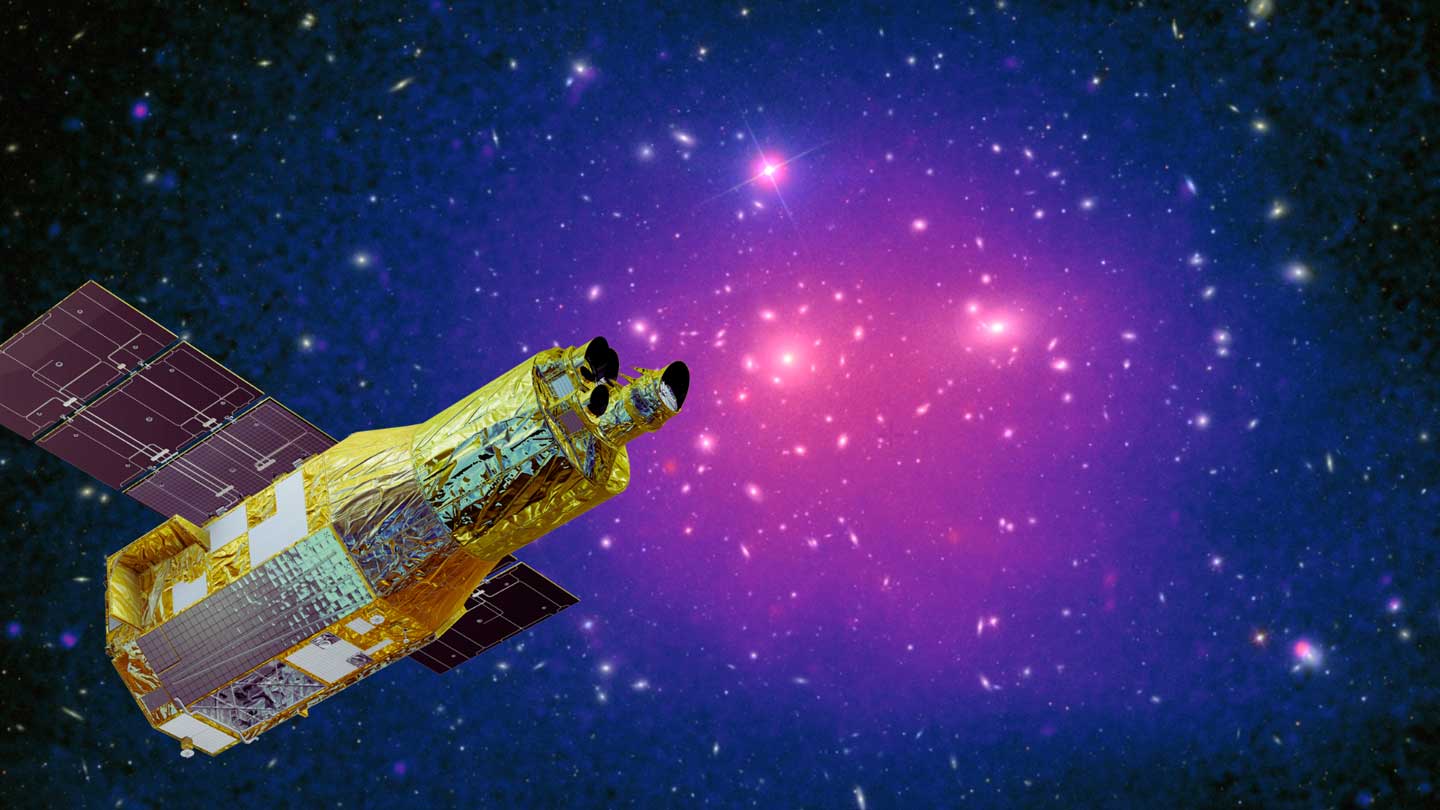
A study published in the Astrophysical Journal Letters demonstrates that decaying dark matter (DDM) can potentially be detected in unidentified X-ray emission lines in the spectra of galaxy clusters.
Continue reading
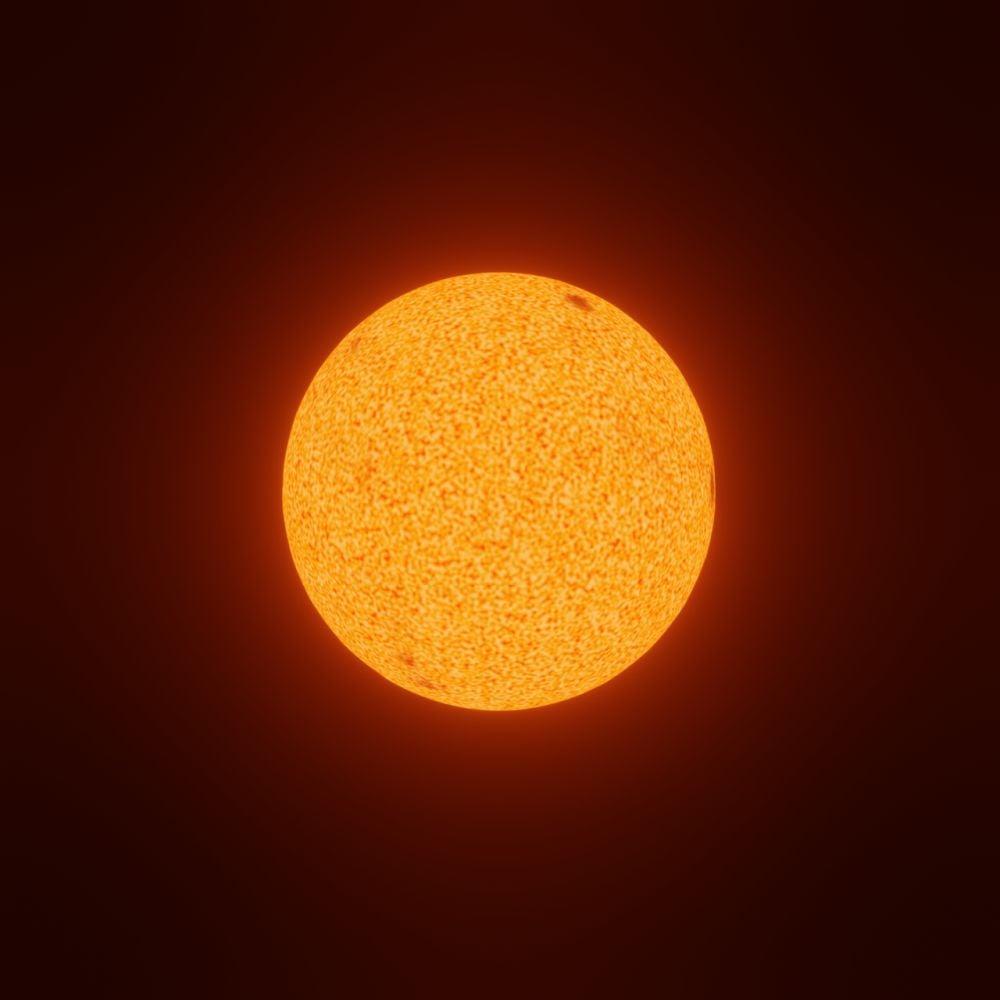
A new survey of K-type stars in the Sun's neighbourhood reveals important information about their ability to sustain their habitable zones. These stars are less massive, cooler, and dimmer than the Sun, but stay on the main sequence for many tens of billions of years. Their long lives can create the stable conditions necessary for life to develop on exoplanets.
Continue reading
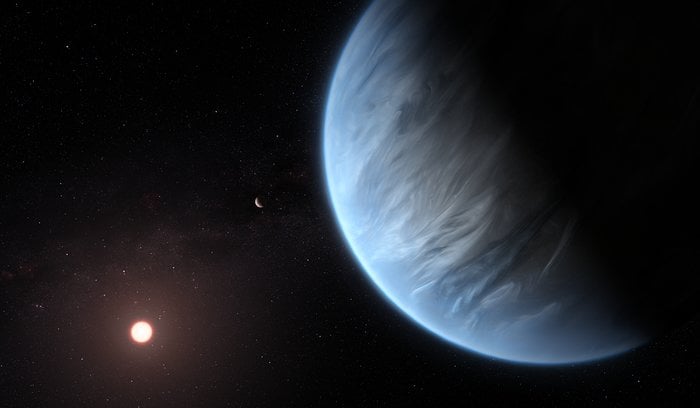
It feels like every time we publish an article about an exciting discovery of a potential biosignature on a new exoplanet, we have to publish a follow-up one a few months later debunking the original claims. That is exactly how science is supposed to work, and part of our job as science journalists is to report on the debunking as well as the original story, even if it might not be as exciting. In this particular case, it seems the discovery of dimethyl sulfide in the atmosphere of exoplanet K2-18 b was a false alarm, according to a new paper available in pre-print form on arXiv by Luis Welbanks of Arizona State University and his co-authors.
Continue reading
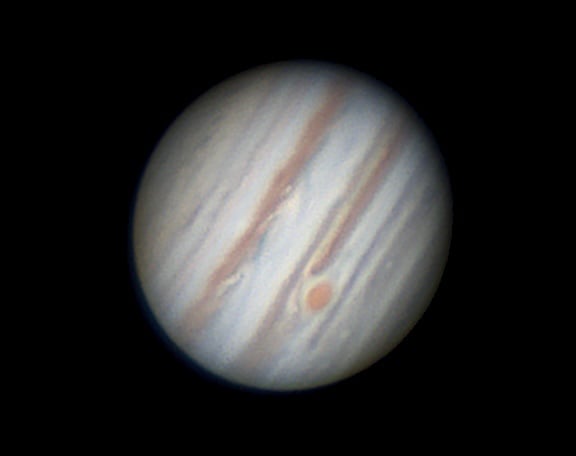
It was a question I heard lots this past weekend. “What’s that bright star near the Full Moon?” That ‘star’ was actually a planet, as Jupiter heads towards opposition rising ‘opposite’ to the setting Sun this coming weekend. This places the King of the Planets high in the northern sky, in the same general spot the Full Moon occupies in January.
Continue reading

Check this out. There are some experiments that just make you…stop. That make you reconsider everything you’ve ever known.
Continue reading
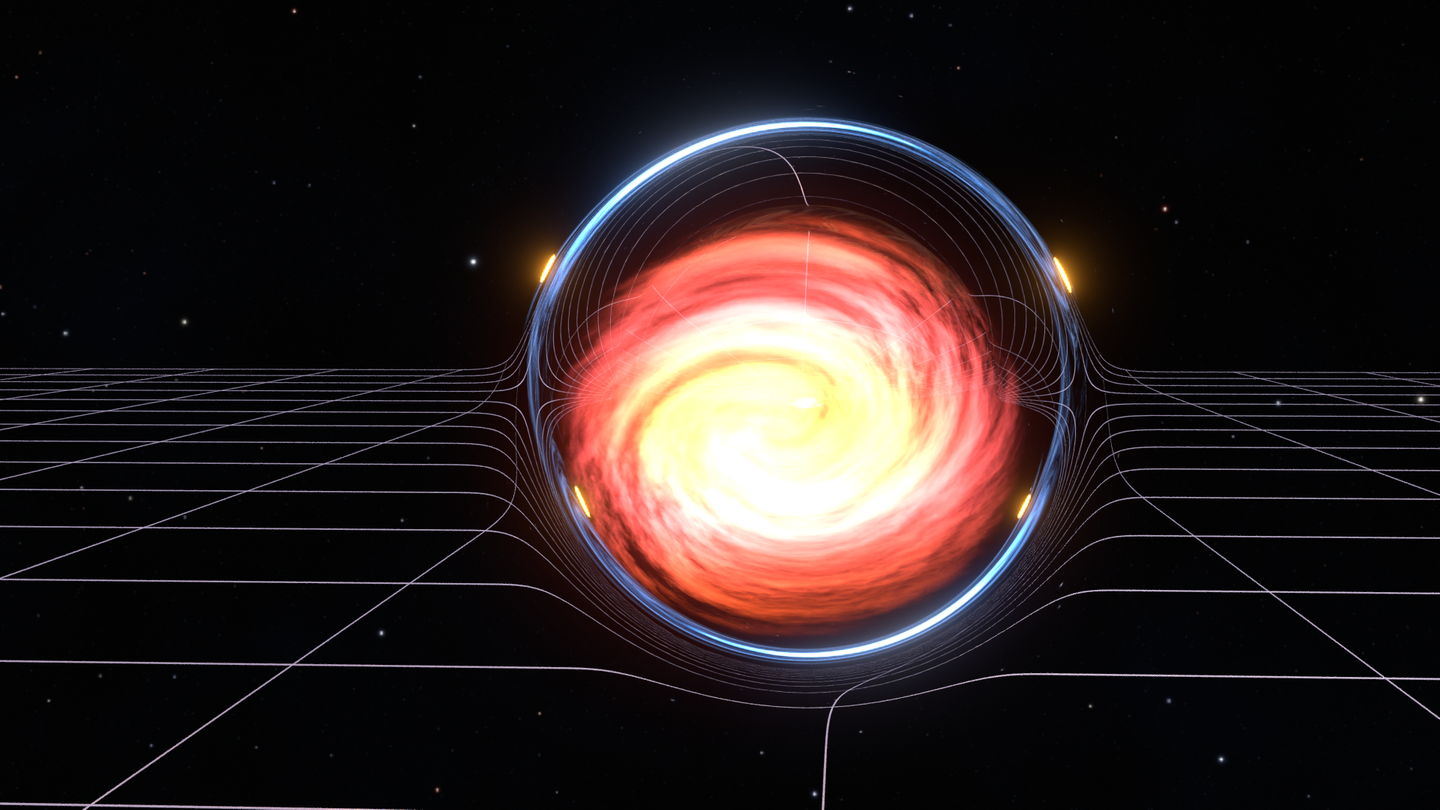
An international team of astronomers using a combination of ground-based telescopes, including the W. M. Keck Observatory on Maunakea, Hawaiʻi Island, has discovered the first-ever spatially resolved, gravitationally lensed superluminous supernova. The object, dubbed SN 2025wny, offers a rare look at a stellar cataclysm from the early Universe and provides a striking confirmation of Einstein’s theory of general relativity.
Continue reading

Astronomers found a handful of unusual objects in JWST survey data. These 9 point sources are being called 'Astronomy's Platypus' because, like the animal, they seem to defy categorization. They're not like active galactic nuclei, and they're not like star-forming galaxies. What are they?
Continue reading
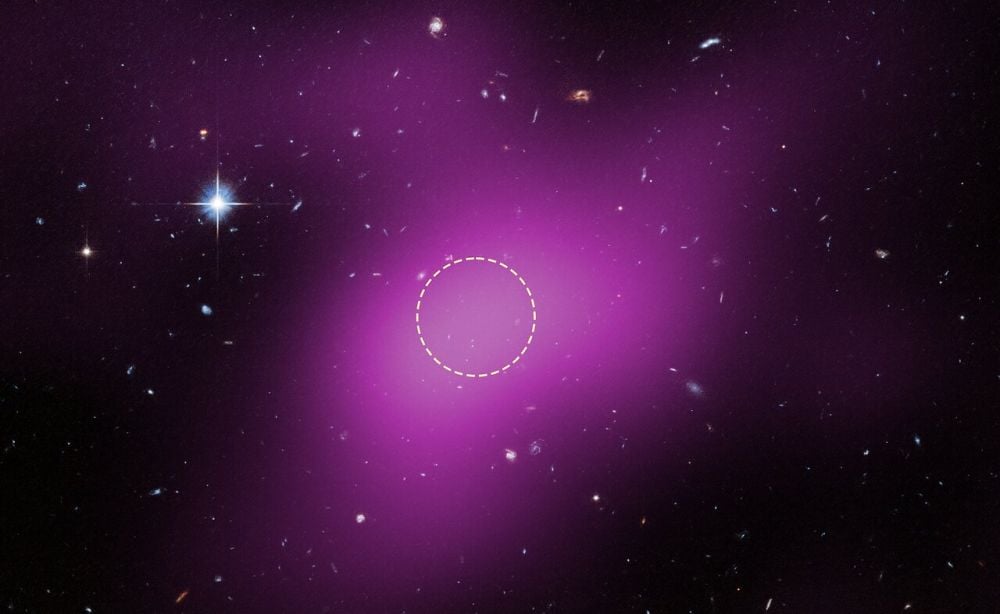
A team using the NASA/ESA Hubble Space Telescope has uncovered a new type of astronomical object —a starless, gas-rich, dark-matter cloud that is considered a “relic” or remnant of early galaxy formation. Nicknamed “Cloud-9,” this is the first confirmed detection of such an object in the Universe. The finding furthers the understanding of galaxy formation, the early Universe, and the nature of dark matter itself.
Continue reading
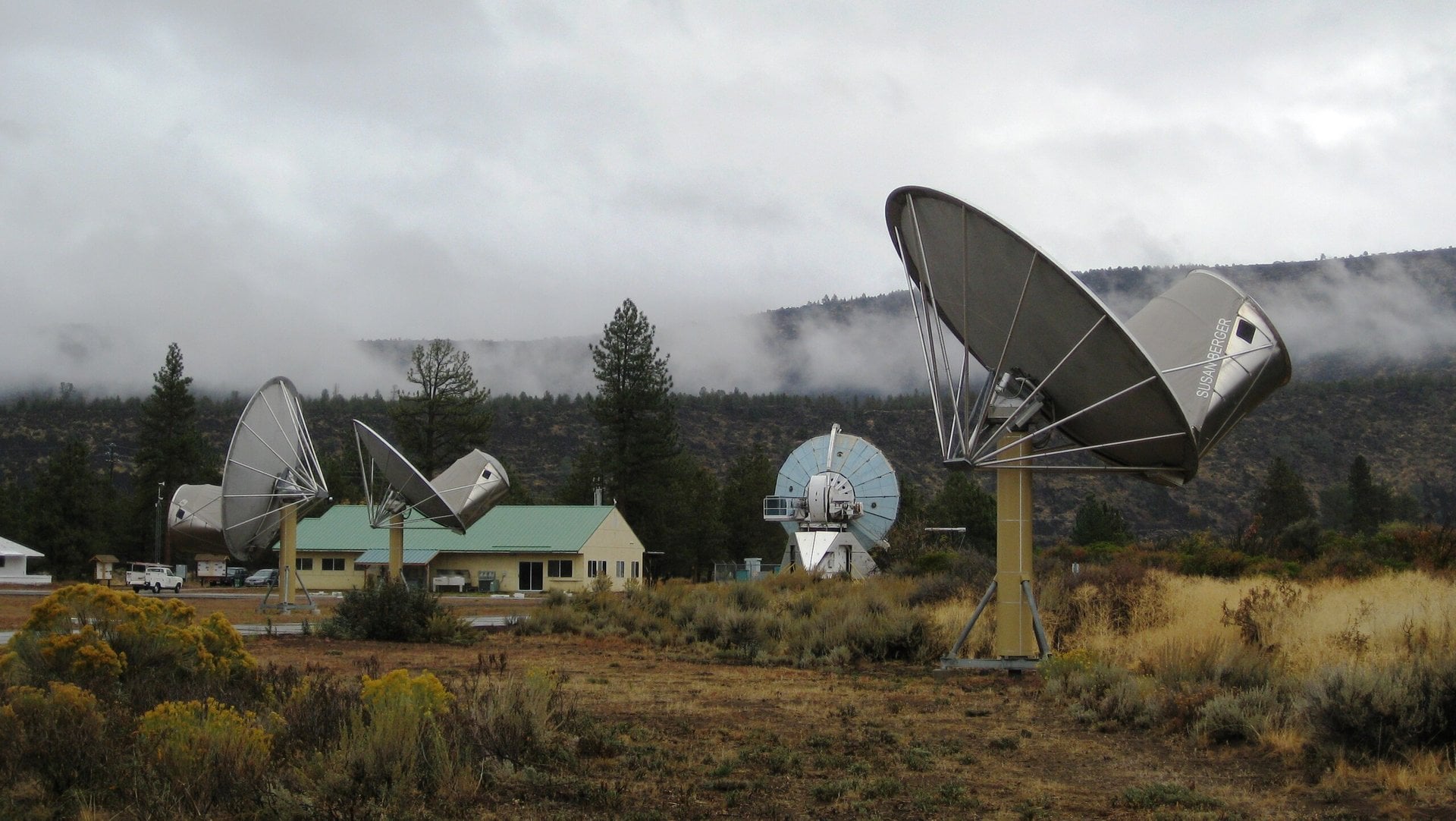
It feels like every week now we’re writing a new article about how 3I/ATLAS is not an alien technology. But it’s worth re-iterating, and perhaps taking a look at the methodology we used to prove that statement. A new paper, available in pre-print form on arXiv from Sofia Sheikh of the SETI Institute and her co-authors, details how one specific instrument - the Allen Telescope Array (ATA) - contributed to that effort.
Continue reading
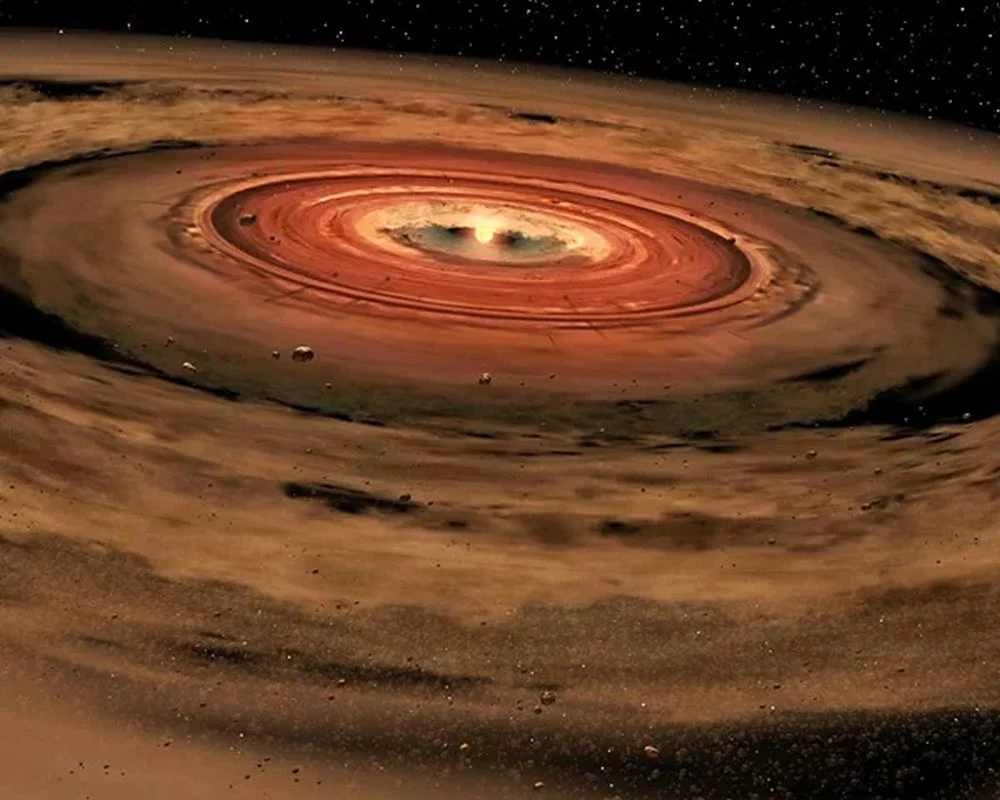
Stars and planets are linked together in their formation, evolution, and even in their demises. But many of the details behind this are yet to be revealed. New research outlines an observing strategy that could uncover more critical details.
Continue reading
 Universe Today