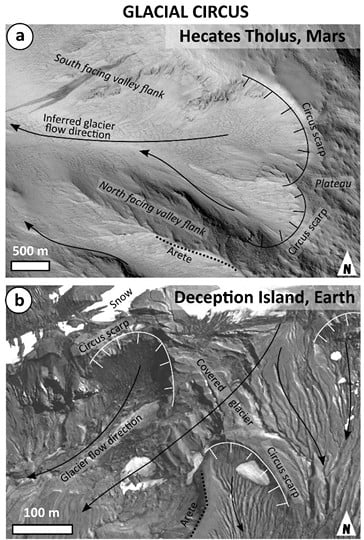
When we think of ice on Mars, we typically think of the poles, where we can see it visibly through probes and even ground-based telescopes. But the poles are hard to access, and even more so given the restrictions on exploration there due to potential biological contamination. Scientists have long hoped to find water closer to the equator, making it more accessible to human explorers. There are parts of the mid-latitudes of Mars that appear to be glaciers covered by thick layers of dust and rock. So are these features really holding massive reserves of water close to where humans might first step foot on the Red Planet? They might be, according to a new paper from M.A. de Pablo and their co-authors, recently published in Icarus.
Continue reading
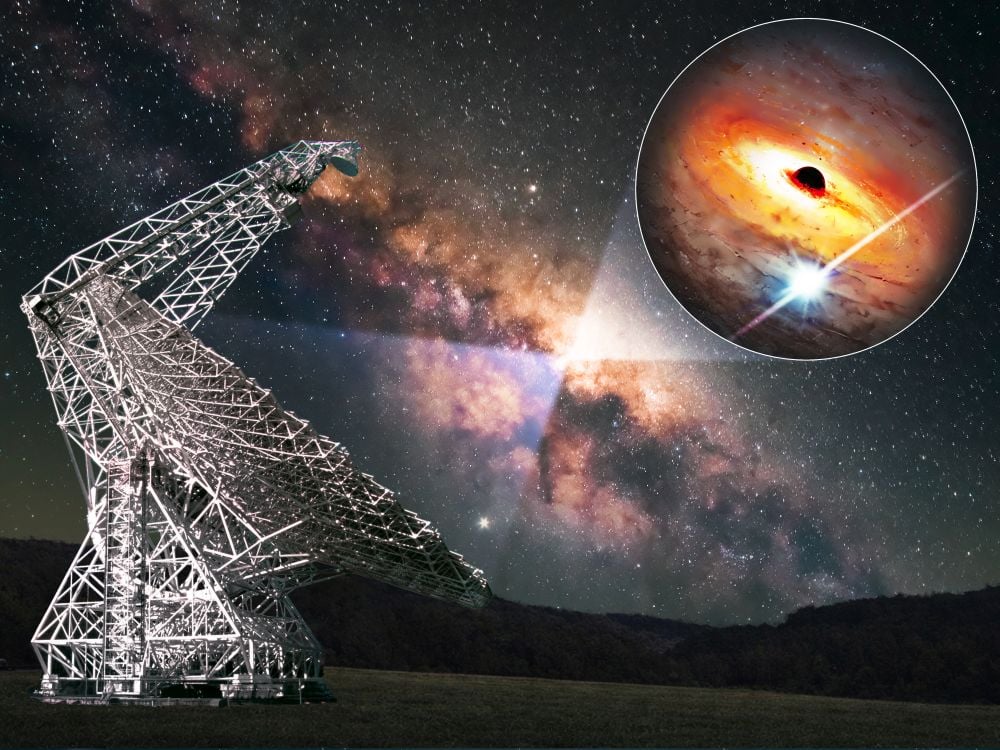
The Milky Way's center is densely-packed with stars and there should be abundant pulsars there. But for some reason, we can't find them. New research presents a candidate pulsar in the GC. It's close enough to the Milky Way's supermassive black hole that it can test Einstein's General Relativity. But first, it has to be confirmed.
Continue reading
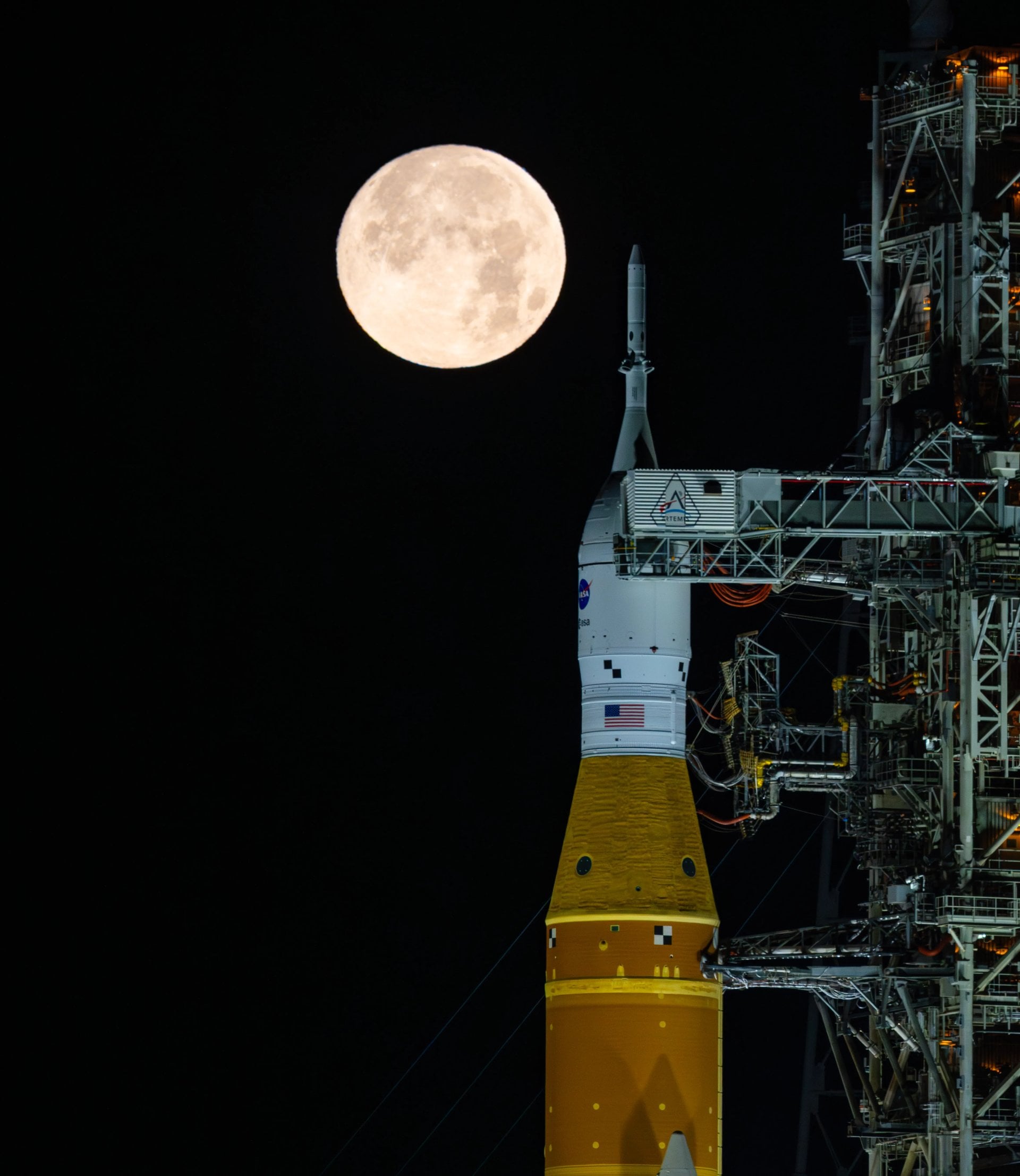
NASA said Tuesday it will now target a March launch of its new moon rocket after running into exasperating fuel leaks during a make-or-break test a day earlier.
Continue reading
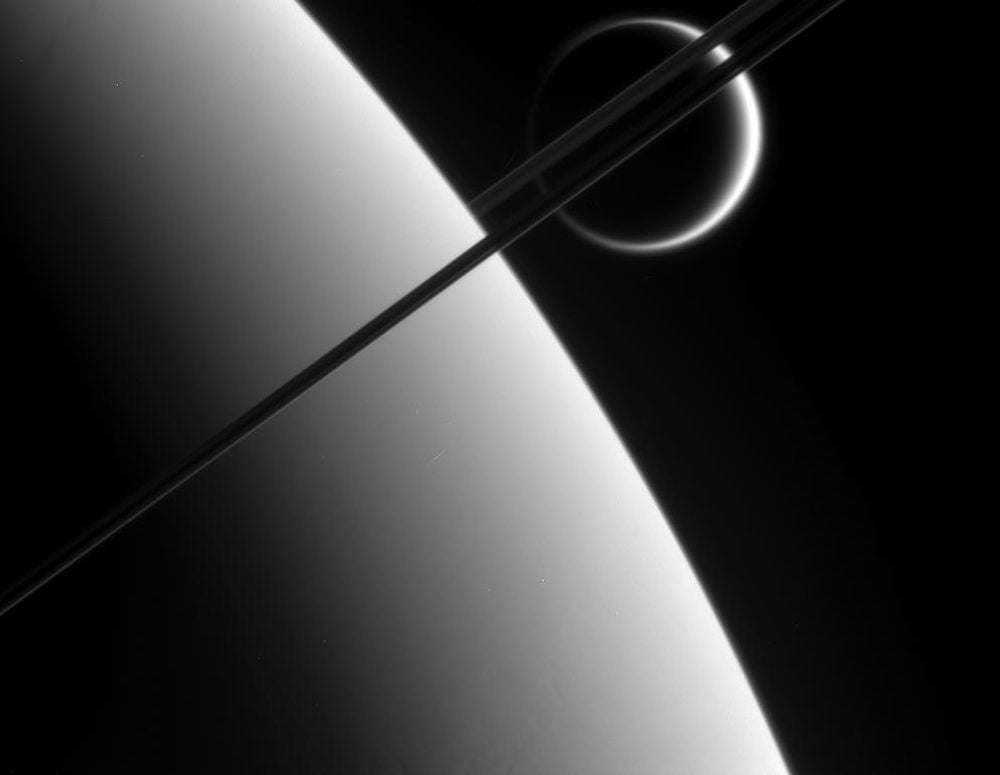
New research presents a timeline for recent (astronomically speaking) events in the Saturnian system. It shows that Titan collided with a proto-Hyperion, and the collision smoothed Titan's surface while some of the debris accreted onto a new Hyperion and also created Saturn's rings. The research can also explain some of the Saturnian system's other unusual characteristics.
Continue reading
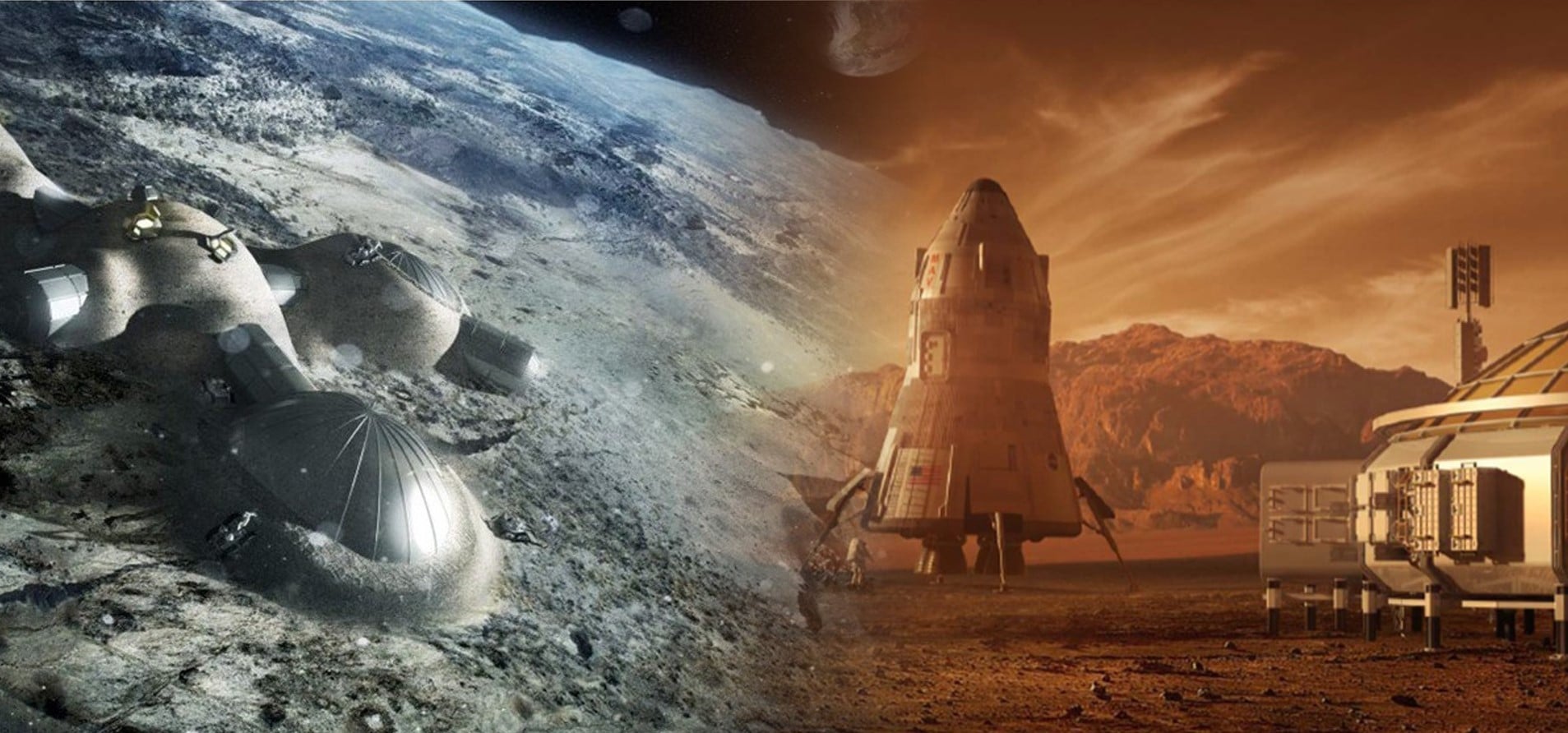
SpaceX founder Elon Musk now says he wants to build a city on the moon before building a city on Mars. Is either scenario realistic?
In the latest episode of the Fiction Science podcast, biologist Scott Solomon, the author of a new book titled "Becoming Martian," does a reality check on humanity's prospects for living on other worlds.
Continue reading
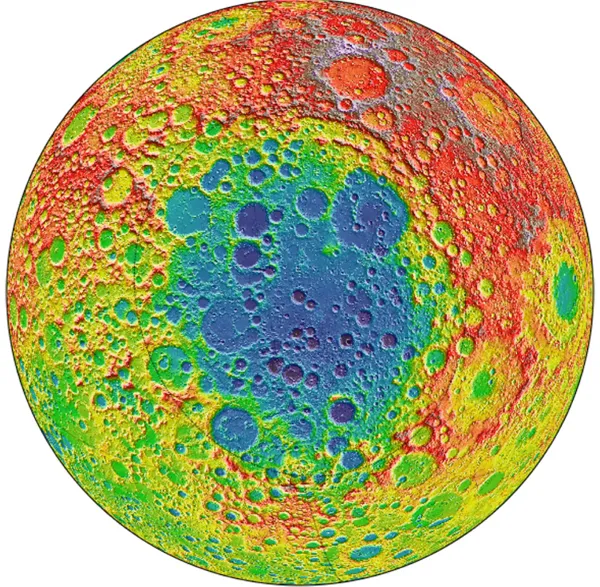
Results are coming out from the samples returned by China’s Chang’e-6 sample return mission to the far side of the Moon. They offer our first close-up look at the geology and history of the far side, and a recent paper published in Science Advances from researchers at the Chinese Academy of Sciences has very interesting insights about the impact history of the Moon itself, and even some for the solar system at large.
Continue reading
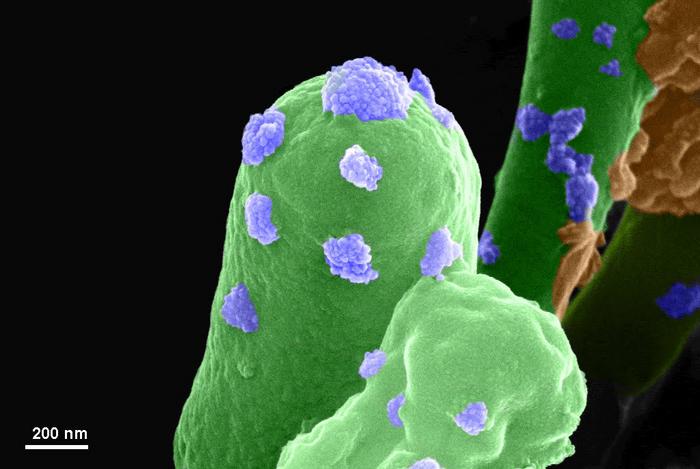
Using local resources will be key to any mission to either the Moon or Mars - in large part because of how expensive it is to bring those resources up from Earth to our newest outposts. But Mars in particular has one local resource that has long been thought of as a negative - perchlorates. These chemicals, which are toxic to almost all life, make up between 0.5-1% of Martian soil, and have long been thought to be a hindrance rather than a help to our colonization efforts for the new planet. But a new paper from researchers at the Indian Institute of Science and the University of Florida shows that, when making the bricks that will build the outpost, perchlorates actually help.
Continue reading
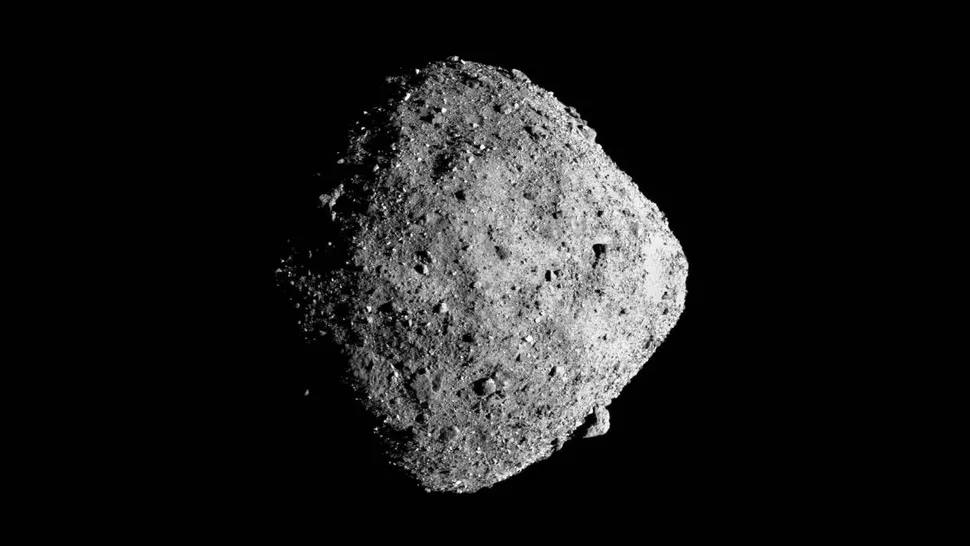
According to the researchers from the University of Pennsylvania, some of the amino acids found in the asteroid Bennu likely formed in a different way than was previously thought, effectively challenging what we thought we knew about the origins of life.
Continue reading
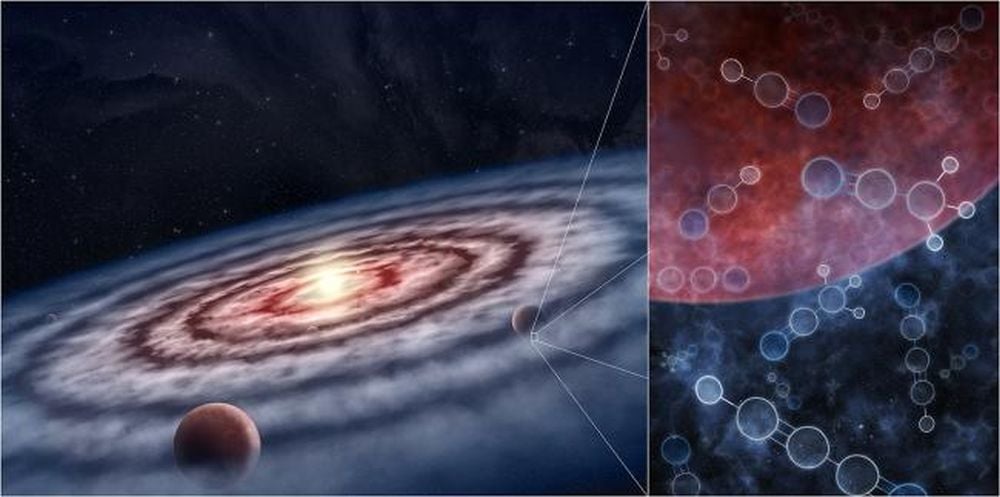
A complex web of interrelated factors make Earth a life-supporting planet, and some of those factors are chemical. New research shows how oxygen abundance regulates the availability of the important chemicals phosphorous and nitrogen on planets, and that few planets get it right. While discouraging, it could help us optimize our search for habitable worlds.
Continue reading
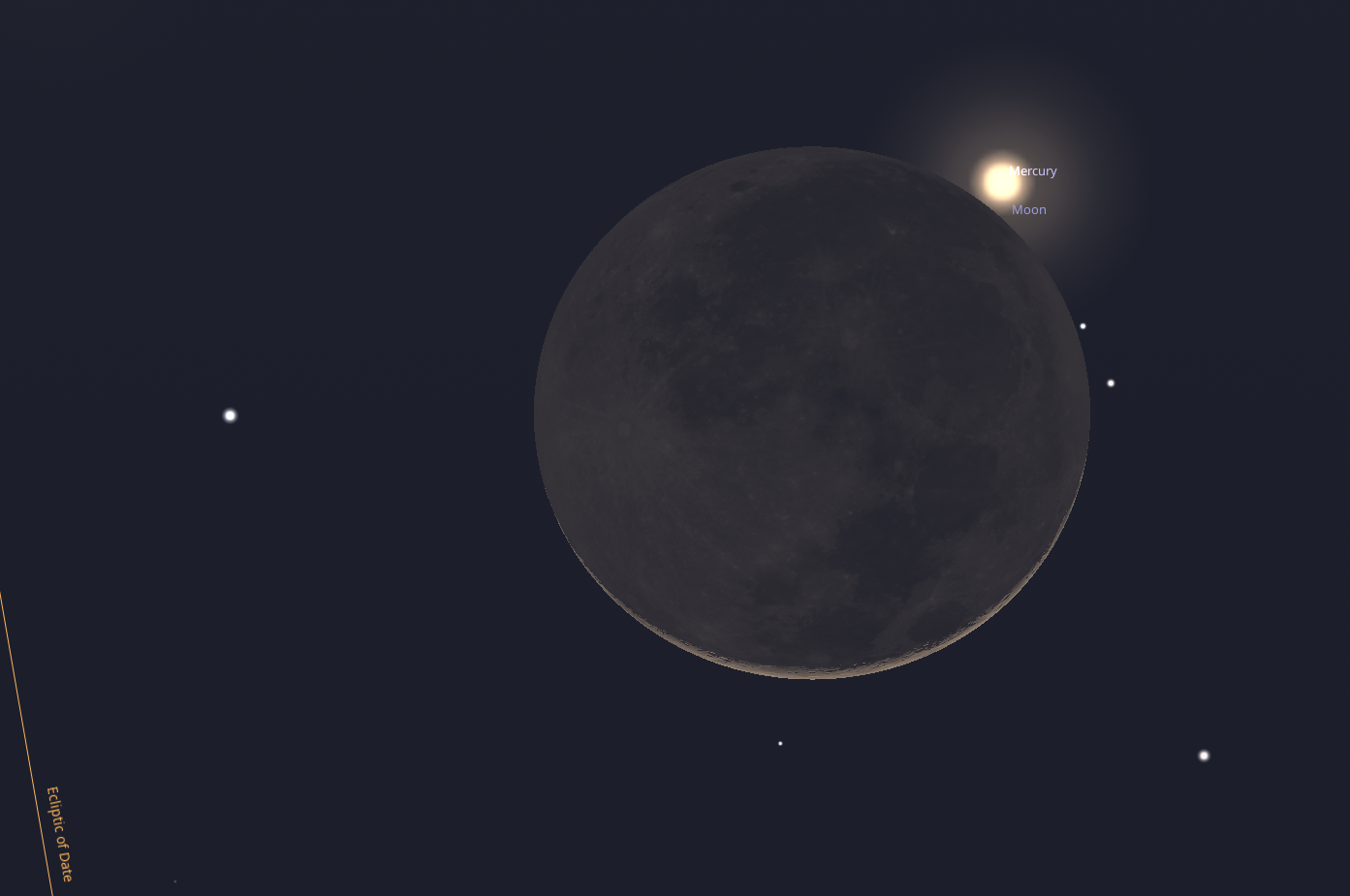
The Moon has a busy next two weeks ahead of it. Fresh off of Tuesday’s annular solar eclipse, the Moon begins an evening tour of the planets in the last half of February 2026. The waxing Moon actually slides by every planet except Mars over the next week. As a highlight, the waxing crescent Moon actually occults the planet Mercury in a rare celestial event on the night of Wednesday, February 18th.
Continue reading
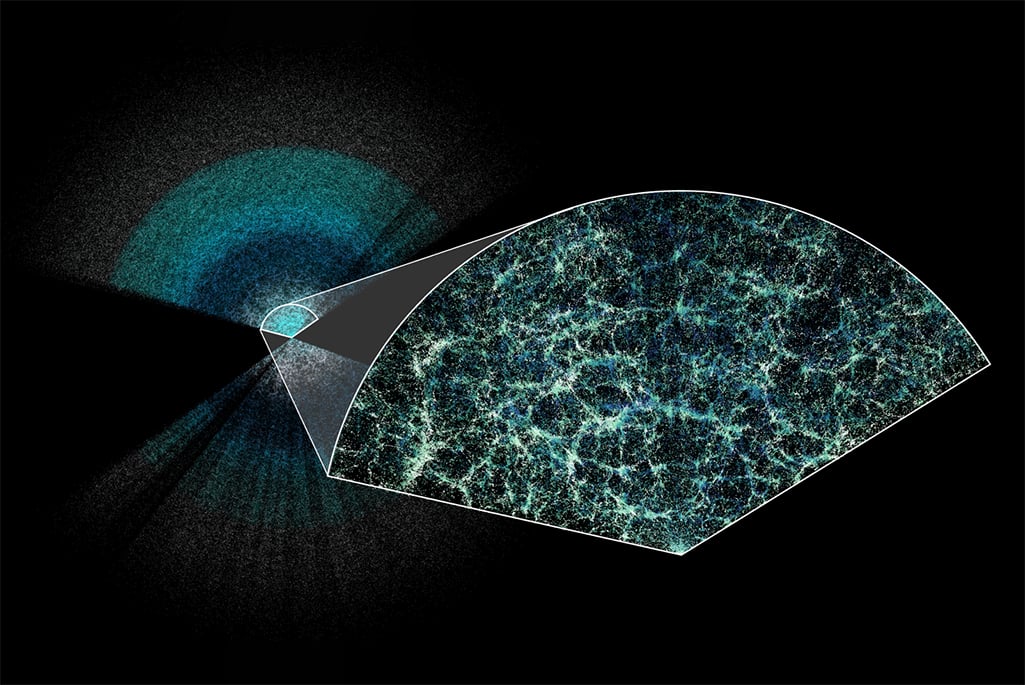
Dark energy is one of those cosmological features that we are still learning about. While we can’t see it directly, we can most famously observe its effects on the universe - primarily how it is causing the expansion of the universe to speed up. But recently, physicists have begun to question even that narrative, pointing to results that show the expansion isn’t happening at the same rate our math would have predicted. In essence, dark energy might be changing over time, and that would have a huge impact on the universe’s expansion and cosmological physics in general. A new paper available in pre-print on arXiv from Dr. Slava Turyshev, who is also famously the most vocal advocate of the Solar Gravitational Lens mission, explores an alternative possibility that our data is actually just messy from inaccuracies in how we measure particular cosmological features - like supernovae.
Continue reading
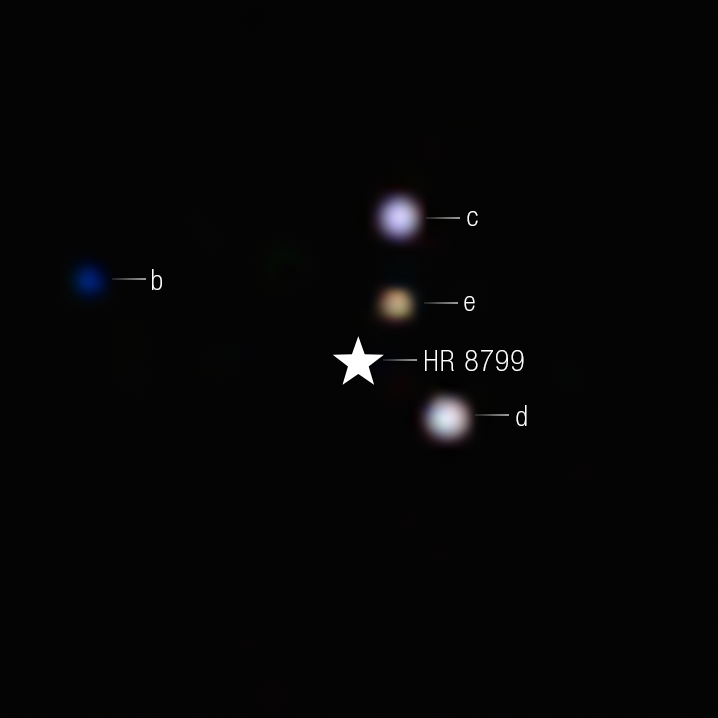
The smell of rotten eggs has solved one of exoplanet science's most persistent mysteries. Astronomers using the James Webb Space Telescope have detected hydrogen sulfide gas in the atmospheres of four massive Jupiter like planets orbiting the star HR 8799, marking the first time this molecule has been identified beyond our Solar System. The discovery settles a long standing debate about whether these enormous worlds are truly planets or failed stars called brown dwarfs because the sulfur had to come from solid matter accreted during planet formation, not gas!
Continue reading
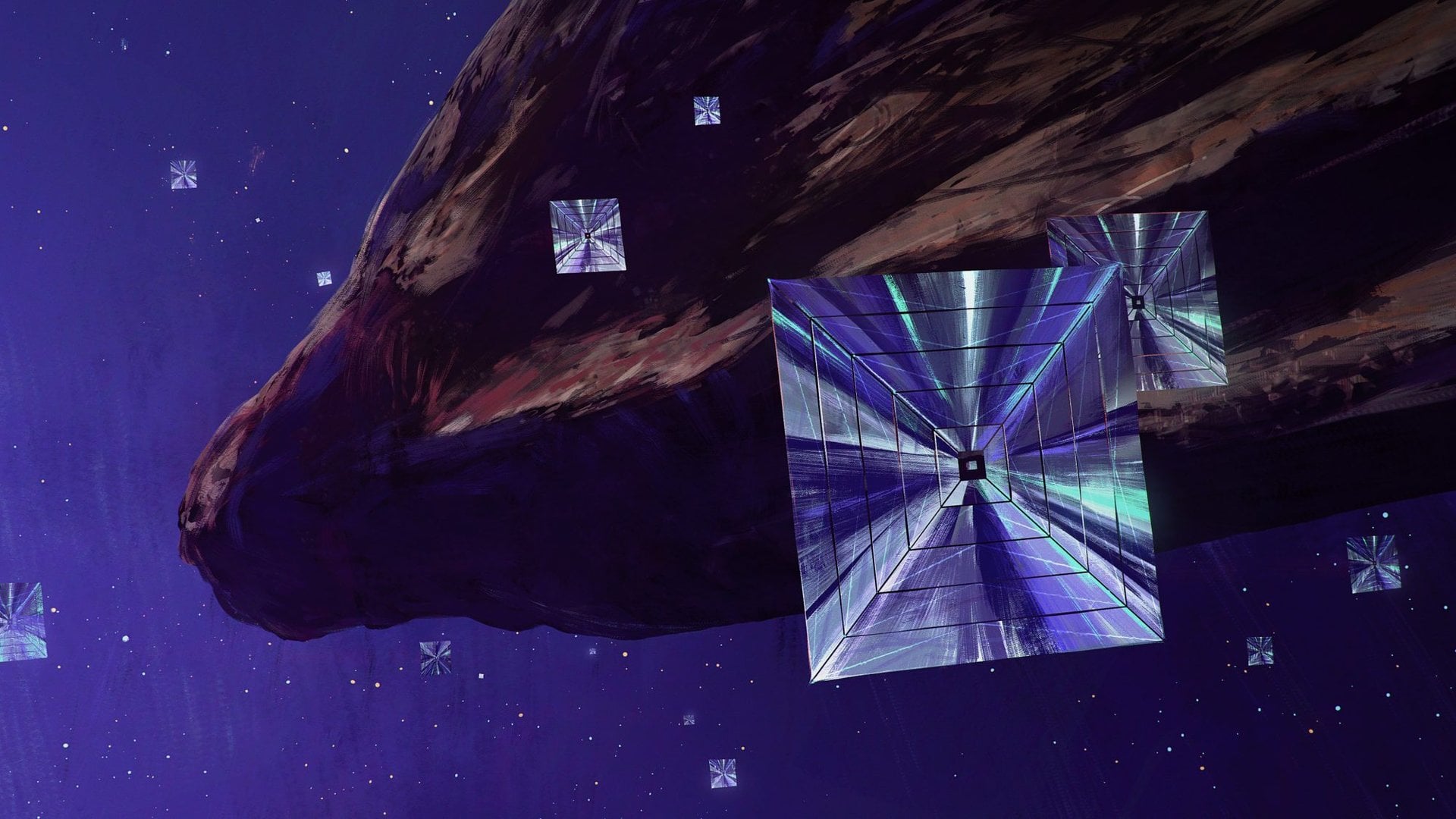
The third interstellar object detected in our Solar System (3I/ATLAS) has a unique and continually unfolding
story to tell of its nature and origin. In a recent paper, scientists from the i4is show how a spacecraft performing a Solar Oberth Manoeuvre (SOM) could intercept 3I/ATLAS to learn its secrets.
Continue reading
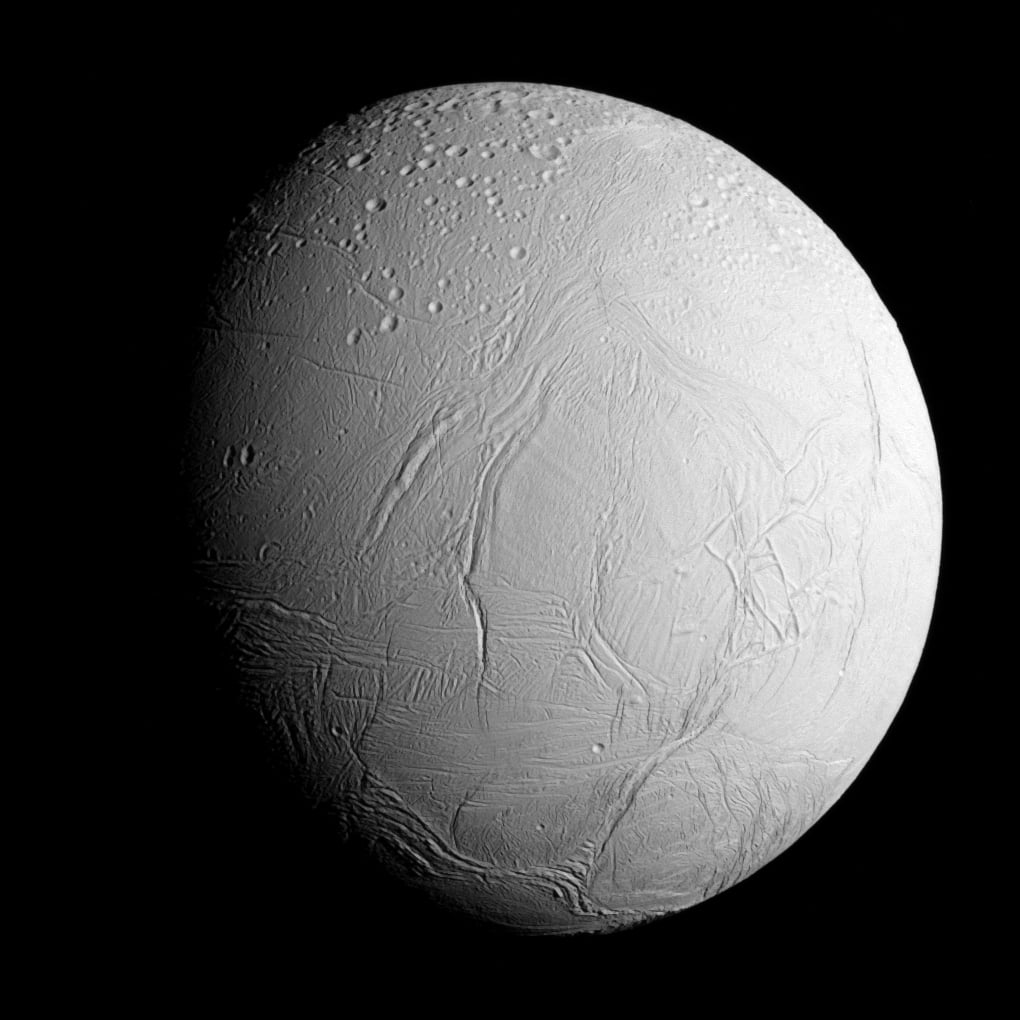
Saturn's tiny moon Enceladus, famous for its water geysers, has been revealed as a giant electromagnetic powerhouse whose influence extends over half a million kilometres through the ringed planet's magnetosphere. Analysis of 13 years of Cassini data shows the 500 kilometre wide moon creates a lattice like structure of crisscrossing electromagnetic waves known as Alfvén wings, that bounce between Saturn's ionosphere and the plasma torus surrounding Enceladus's orbit, reaching distances 2,000 times the moon's own radius. It changes our understanding of how small icy moons can influence their giant planetary hosts, with implications for the moons of Jupiter and perhaps even distant exoplanetary systems.
Continue reading
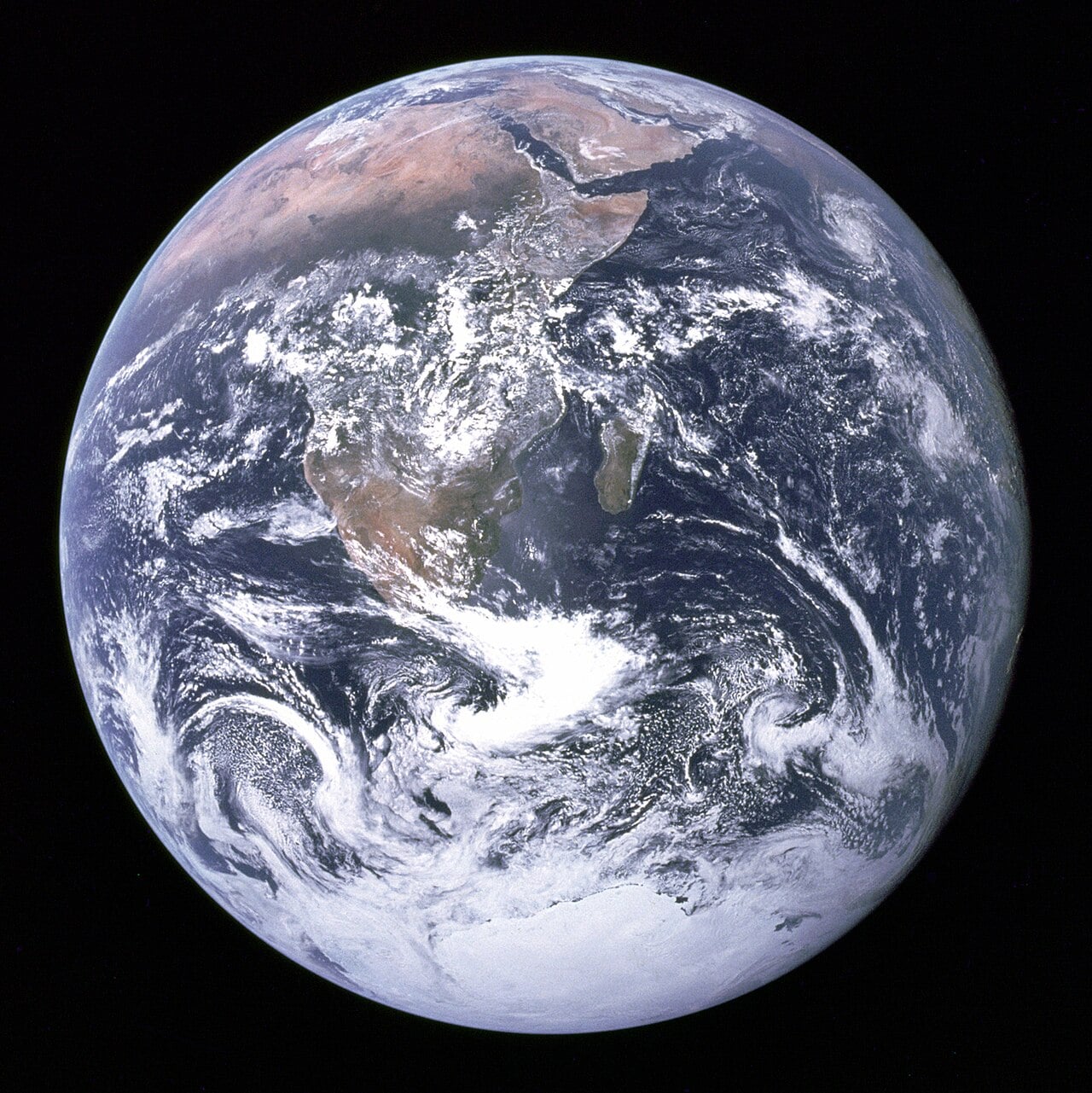
Scientists have discovered a revolutionary way to measure Earth's radiation budget by observing our planet from the Moon. A team of astronomers have revealed that lunar observations capture Earth as a complete disk, filtering out local weather noise and revealing planet scale radiation patterns dominated by spherical harmonic functions, effectively creating a unique "fingerprint" of Earth's outgoing radiation. This Moon based perspective solves fundamental limitations of satellite observations, which struggle to achieve both temporal continuity and spatial consistency, offering a new tool for understanding global climate change with unprecedented clarity.
Continue reading
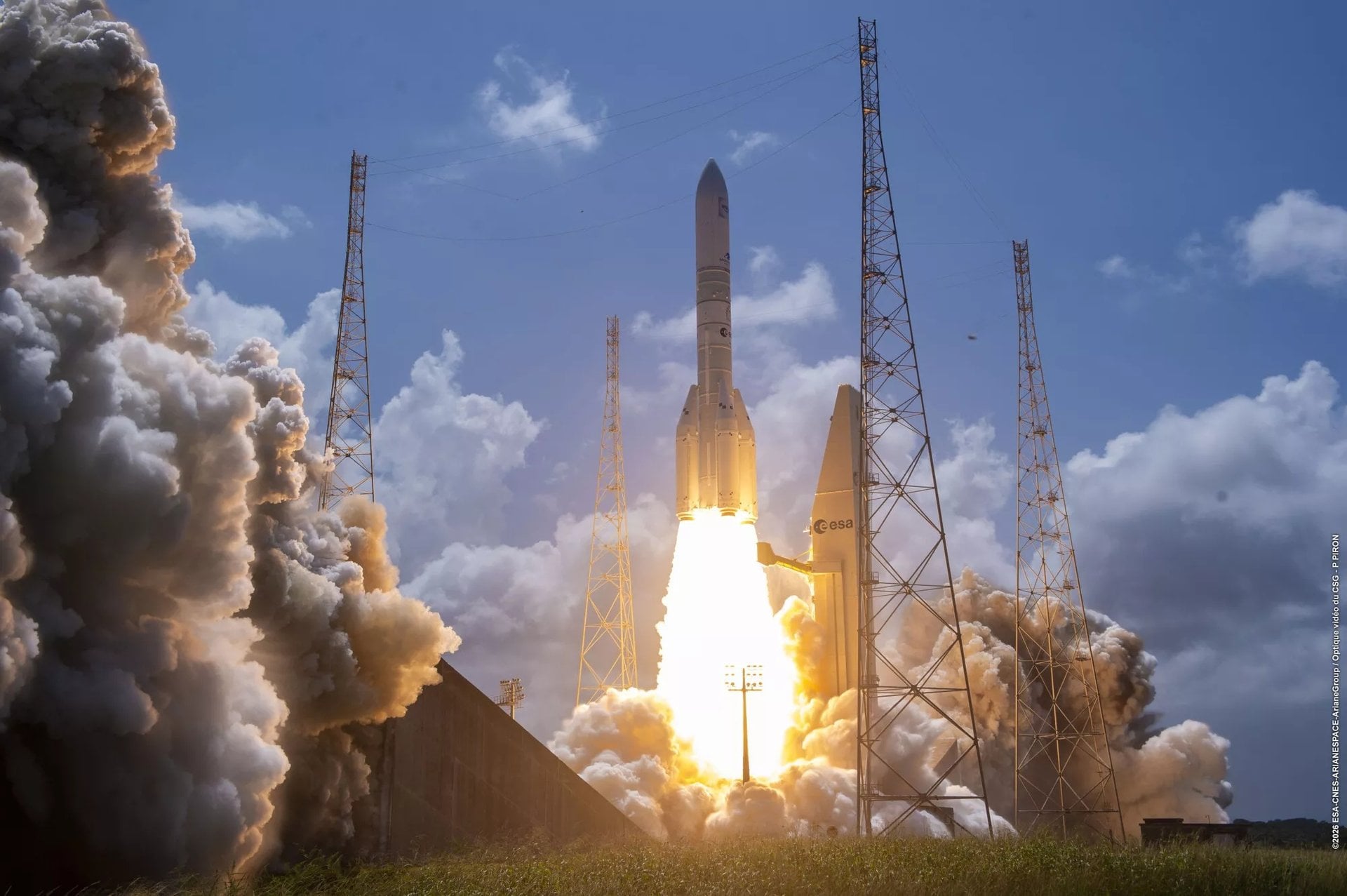
Designed for versatility, Ariane 6 can adapt to each mission: flying with two boosters for lighter payloads, or four boosters when more power is needed. In its four-booster configuration, Ariane 6 can carry larger and heavier spacecraft into orbit, enabling some of Europe’s most ambitious missions.
Continue reading
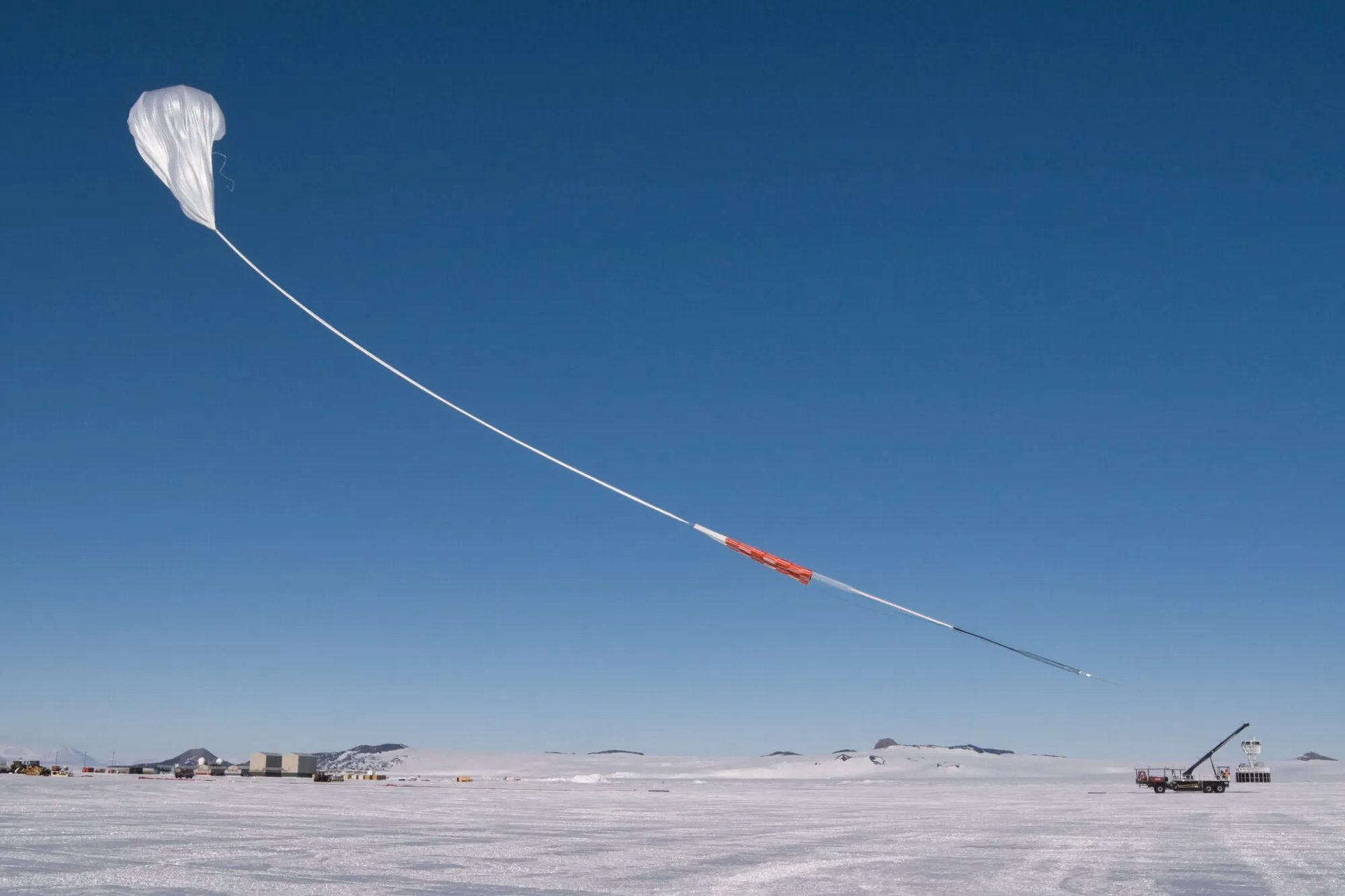
After five years of development and a nail biting launch from Antarctica, the PUEO experiment has completed a 23 day balloon flight at the edge of space, hunting for some of the most energetic particles in the universe. The instrument flew at 120,000 feet above Antarctica, using the entire continent as a detector to search for ultra high energy neutrinos, elusive particles that could reveal secrets about the universe’s most violent events. Now safely back on the ice with 50-60 terabytes of data, scientists are preparing to search through the results to see if they’ve caught these messengers from distant galaxies.
Continue reading
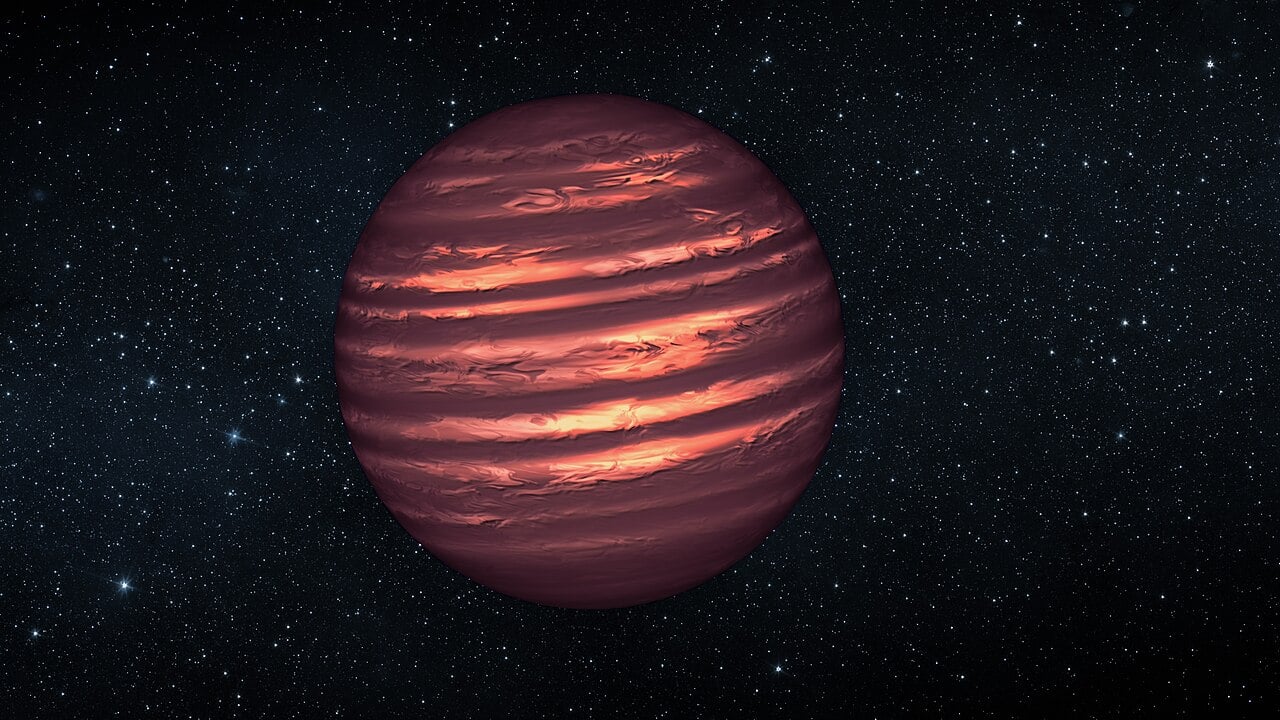
Astronomers have solved the mystery of a star that dimmed dramatically for nearly 200 days, one of the longest stellar dimming events ever recorded. The culprit appears to be either a brown dwarf or a super Jupiter with an enormous ring system, creating a giant saucer like structure that blocked 97% of the star’s light as it passed in front. This rare alignment offers scientists a unique opportunity to study planetary scale ring systems far beyond our Solar System.
Continue reading
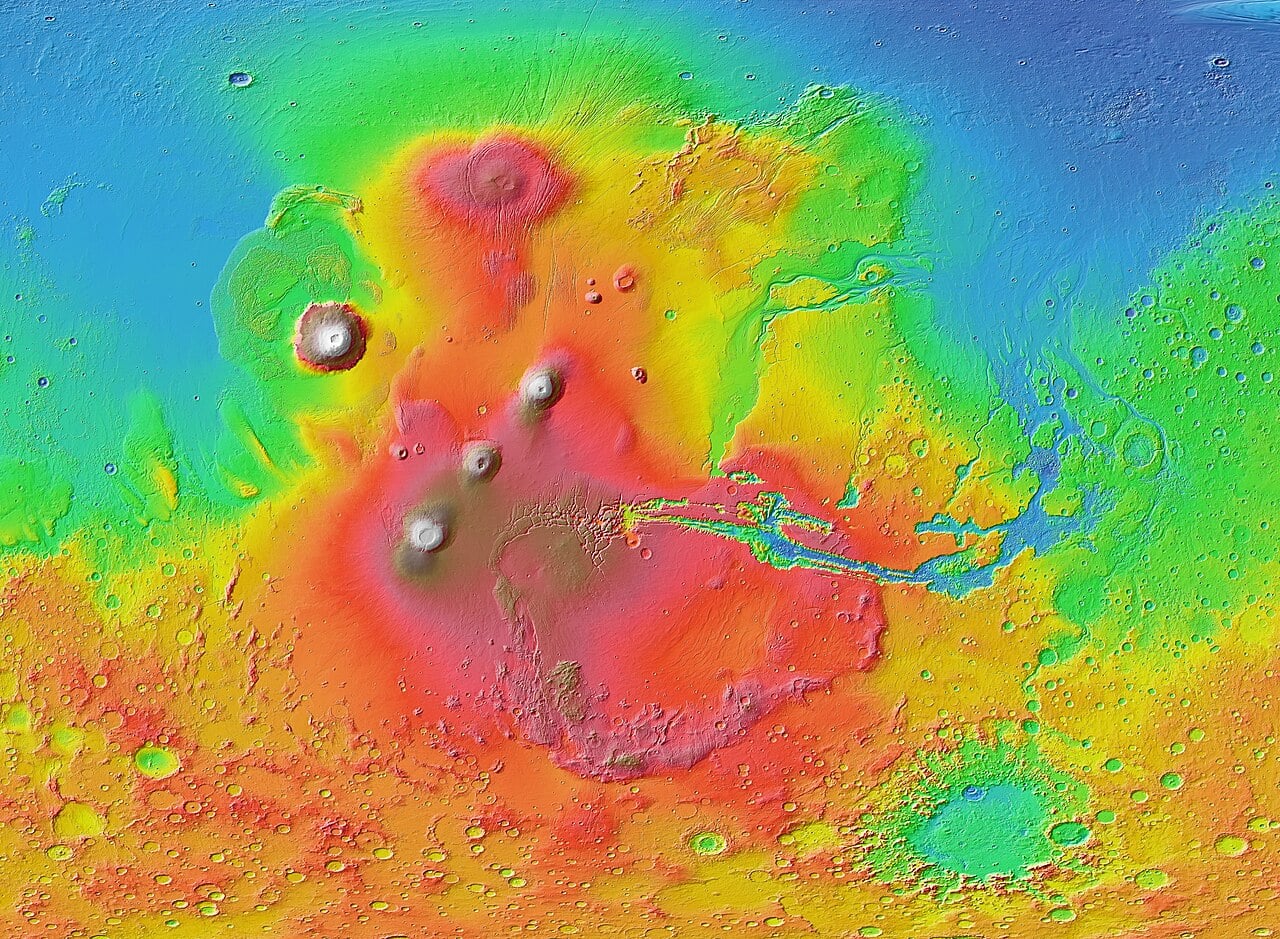
New research has revealed that Mars’ most recent volcanoes weren’t formed by simple, one off eruptions as scientists previously thought. Instead, these volcanic systems evolved over millions of years, fed by complex underground magma chambers that changed and developed over time. By studying surface features and mineral signatures from orbit, researchers have pieced together a far more intricate volcanic story than anyone expected.
Continue reading
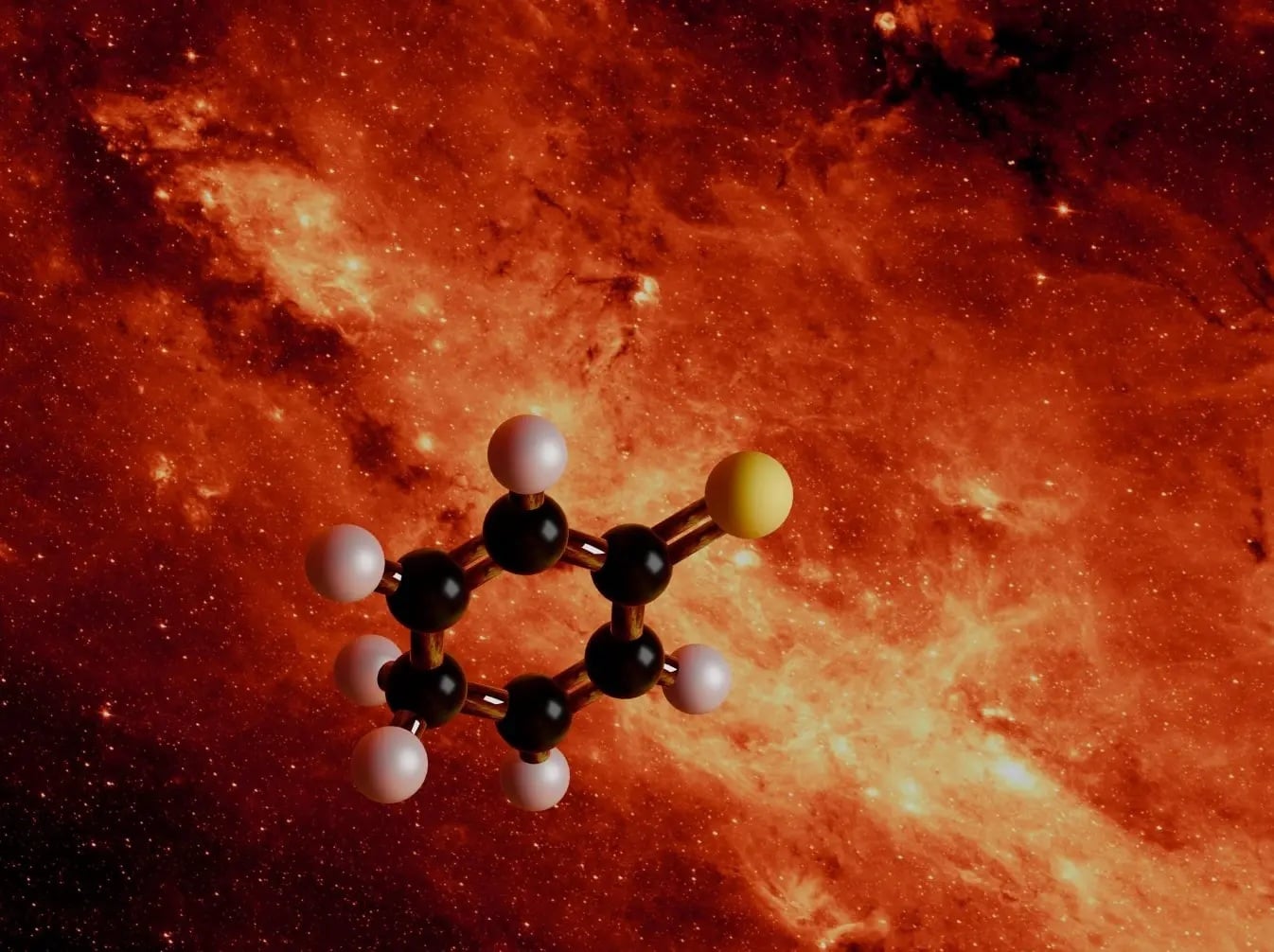
A recent study, led by the Center for Astrobiology (CAB), CSIC-INTA and using modelling techniques developed at the University of Oxford, has uncovered an unprecedented richness of small organic molecules in the deeply obscured nucleus of a nearby galaxy, thanks to observations made with the James Webb Space Telescope (JWST). The work, published in Nature Astronomy, provides new insights into how complex organic molecules and carbon are processed in some of the most extreme environments in the Universe.
Continue reading
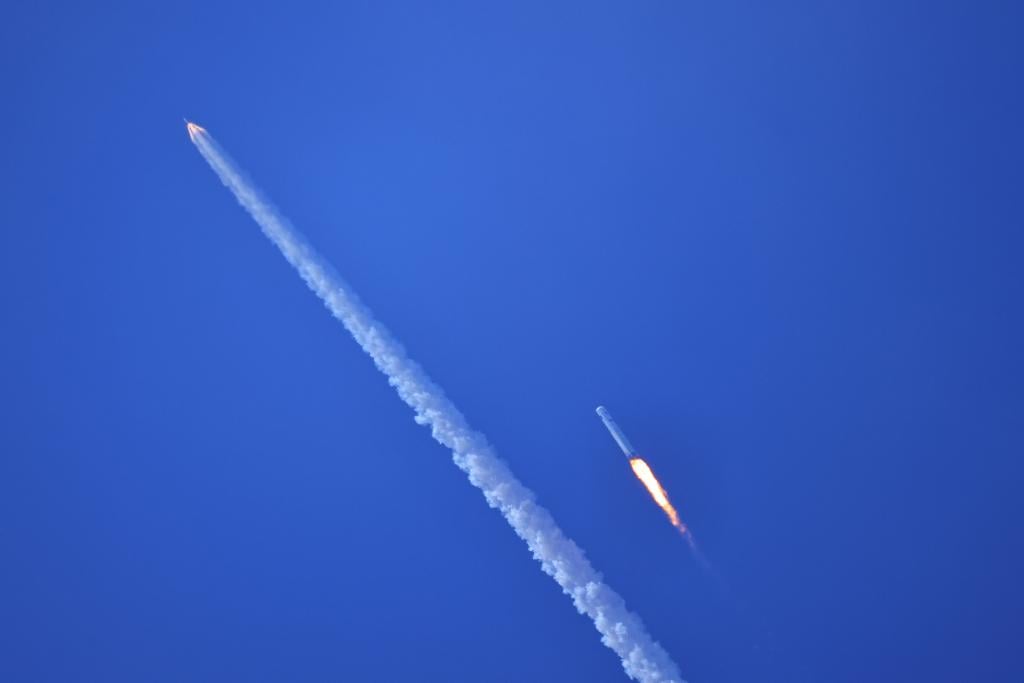
On Feb.11th, China successfully conducted a low-altitude demonstration and verification flight test of the Long March-10 rocket and a maximum dynamic pressure escape test of the Mengzhou crewed spaceship system. Credit: Xinhua]
Continue reading
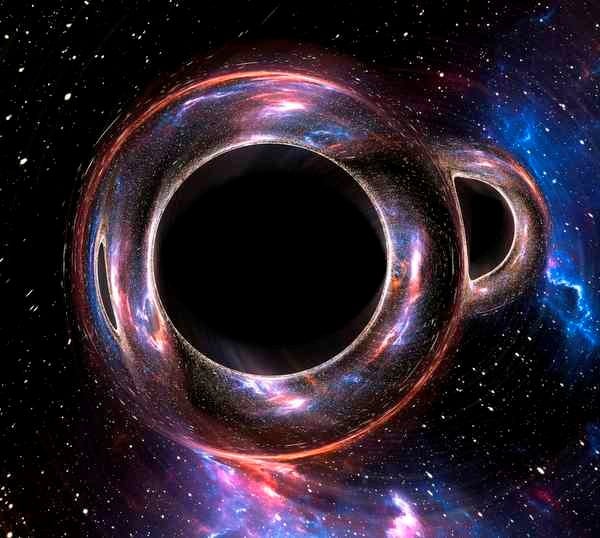
On 14 January, 2025, two colliding black holes sent the clearest gravitational wave signal ever recorded rippling across the universe to Earth’s detectors. This remarkably crisp signal, designated GW250114, has allowed physicists to conduct the most stringent test yet of Einstein’s general relativity by measuring multiple “tones” from the collision. The wave passed the test with flying colours, but researchers remain optimistic that future detections might finally reveal where Einstein’s century old theory breaks down, potentially offering the first glimpses of quantum gravity.
Continue reading
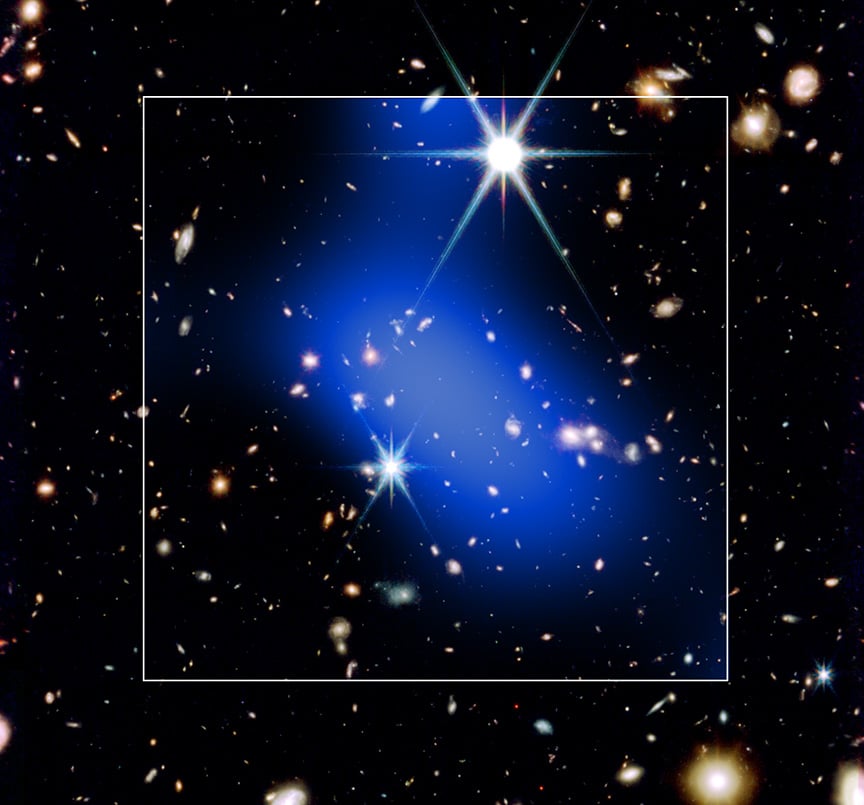
Astronomers have discovered a massive galaxy cluster assembling itself just one billion years after the Big Bang, there’s just one problem… it shouldn’t exist! Current models suggest it shouldn’t have formed when it did, Using NASA’s Chandra X-ray Observatory and James Webb Space Telescope working in tandem, scientists spotted JADES-ID1, a protocluster containing at least 66 galaxies wrapped in a vast cloud of million degree gas forming during what should have been the universe’s infancy.
Continue reading
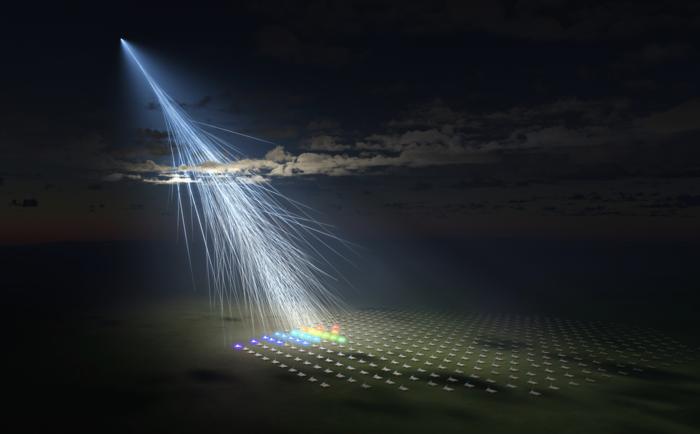
The Amaterasu particle was detected in 2021 by the Telescope Array experiment in the U.S. It is the second-highest-energy cosmic ray ever observed, carrying around 40 million times more energy than particles accelerated at the Large Hadron Collider. Such particles are exceedingly rare and thought to originate in some of the most extreme environments in the universe.
Continue reading
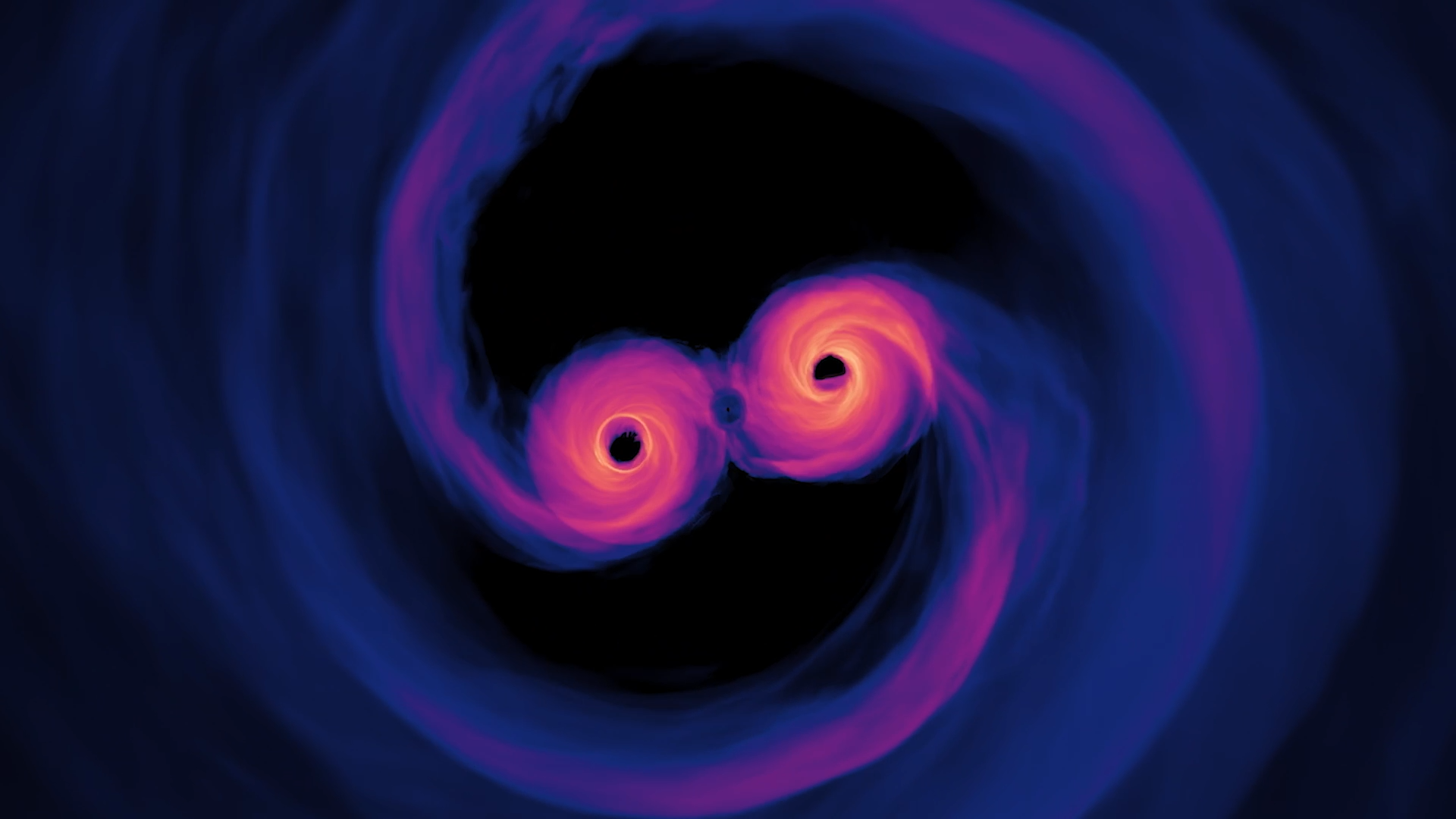
The universe is a big place, and tracking down some of the more interesting parts of it is tricky. Some of the most interesting parts of it, at least from a physics perspective, are merging black holes, so scientists spend a lot of time trying to track those down. One of the most recent attempts to do so was published in The Astrophysical Journal Letters by the North American Nanohertz Observatory for Gravitational Waves (NANOGrav) collaboration. While they didn’t find any clear-cut evidence of continuous gravitational waves from merging black hole systems, they did manage to point out plenty of false alarms, and even disprove some myths about ones we thought actually existed.
Continue reading
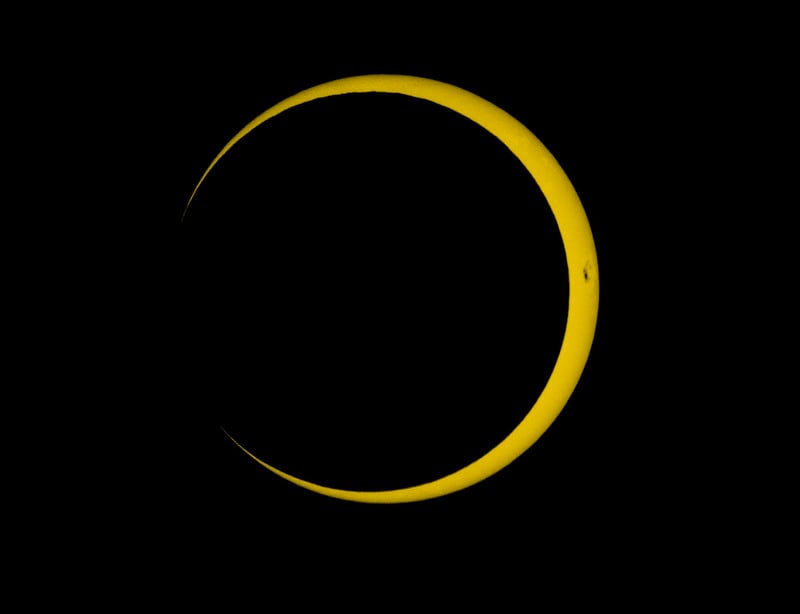
Eclipse season is nigh. The first of two eclipse seasons for 2026 kicks off next week on Tuesday, February 17th, with an annular solar eclipse. And while solar eclipses often inspire viewers to journey to the ends of the Earth in order to stand in the shadow of the Moon, this one occurs over a truly remote stretch of the world, in Antarctica.
Continue reading
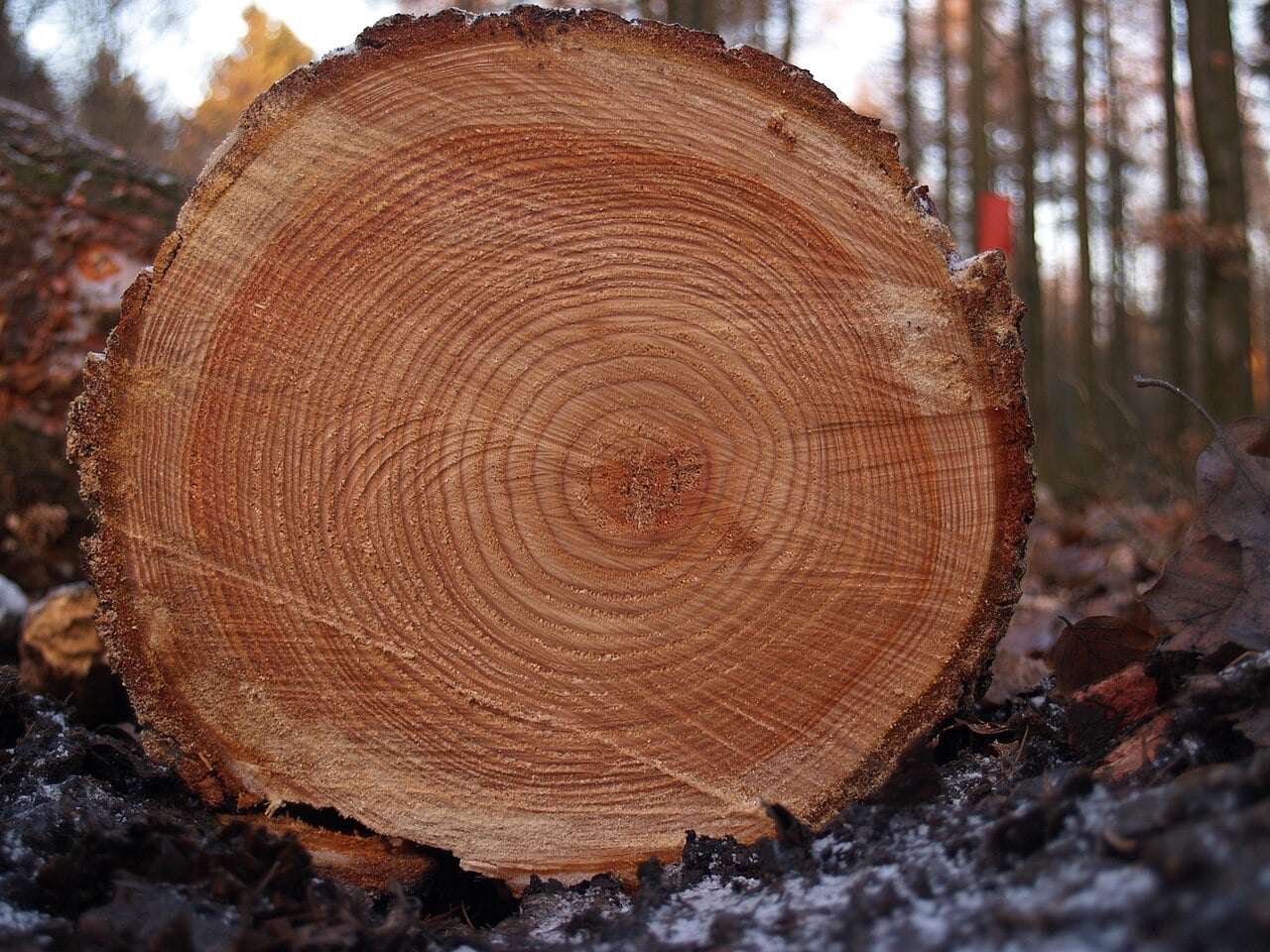
Ancient trees hold secrets about the most violent storms our Sun has ever unleashed, catastrophic bursts of radiation that dwarf anything modern civilisation has experienced. Scientists have discovered radioactive carbon signatures frozen in tree rings from solar storms so powerful they could cripple our satellite networks and power grids today.
Continue reading
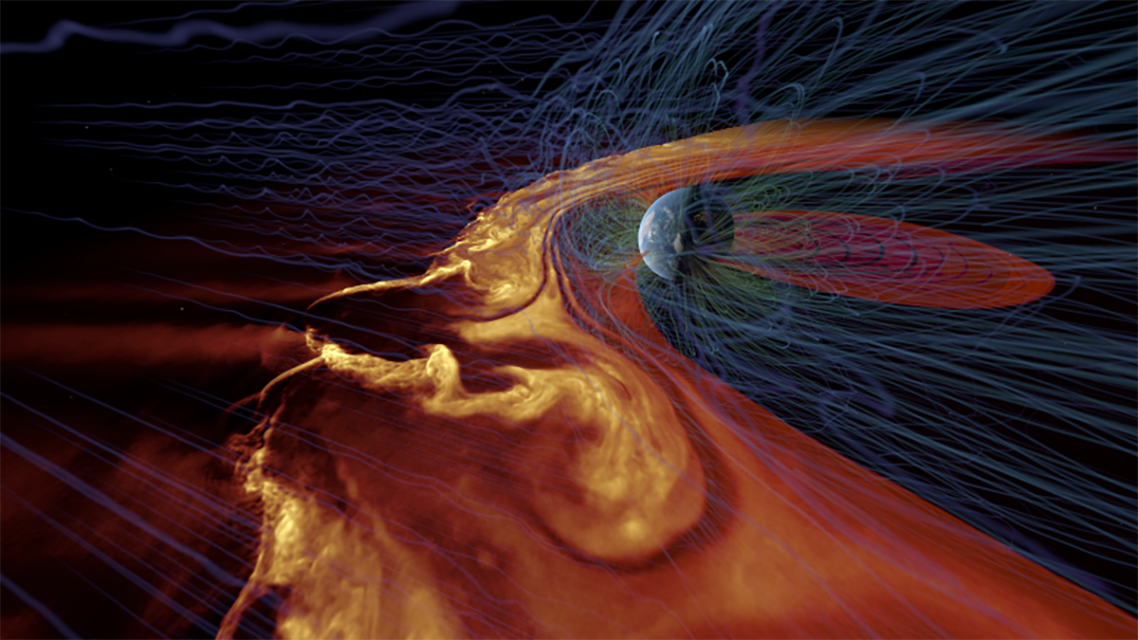
Every so often (in geologic time) Earth's magnetic field does a flip. The north and south magnetic poles gradually trade places in a phenomenon called a geomagnetic reversal. Scientists long thought this happened every ten thousand years or so. However, new evidence from deep ocean cores show that at least two ancient reversals didn't follow that script. One took about 18,000 years to flip and the other took 70,000 years. Such lengthy time lapses could have seriously affected Earth's atmospheric chemistry, climate, and evolution of life forms during the Eocene period of geologic history.
Continue reading
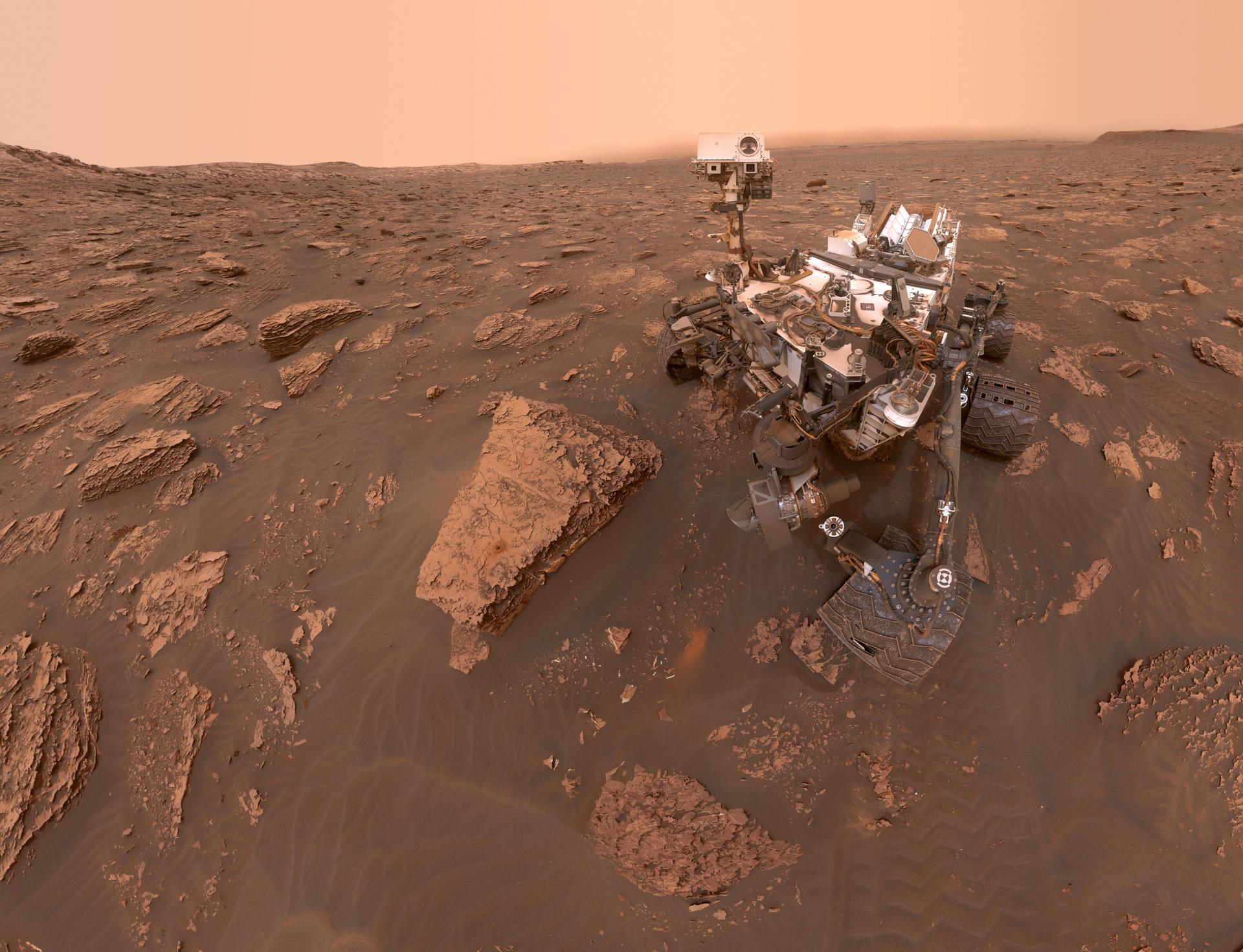
In a new study, researchers say that non-biological sources they considered could not fully account for the abundance of organic compounds in a sample collected on Mars by NASA’s Curiosity rover.
Continue reading
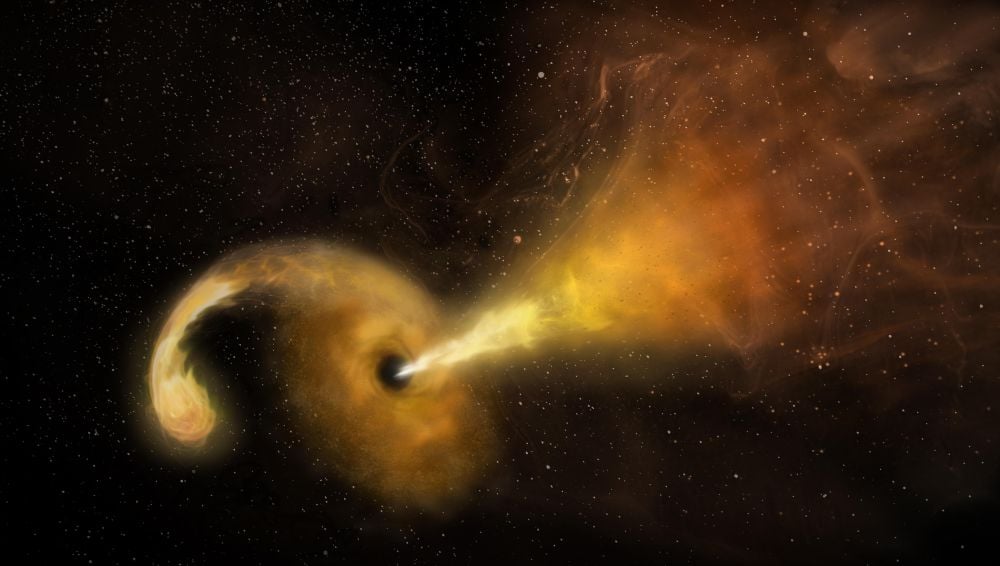
Several years ago, an automated sky survey spotted a distant supermassive black hole that tore apart a star. The star that got too close, and the resulting tidal disruption event released a lot of energy. But the SMBH is exhibiting a strong case of cosmic indigestion, and has been burping out the remains of the star for four years. And it keeps getting brighter and brighter.
Continue reading
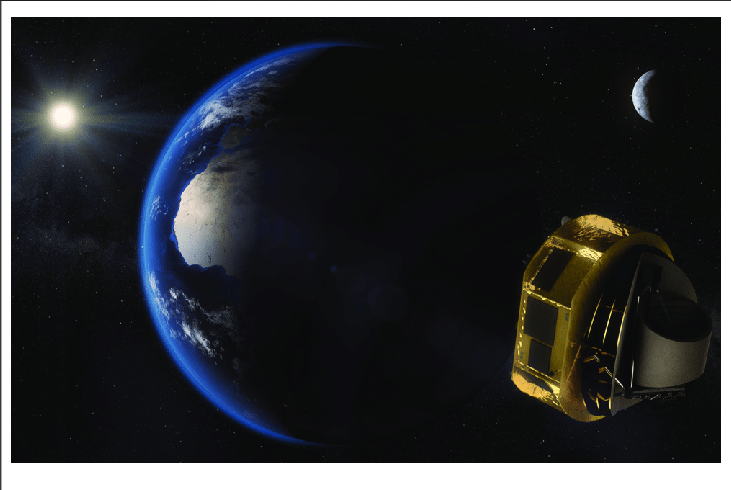
Astronomers want to collect as much data as possible using as many systems as possible. Sometimes that requires coordination between instruments. The teams that run the James Webb Space Telescope (JWST) and the upcoming Atmospheric Remote-sensing Infrared Exoplanet Large-survey (Ariel) missions will have plenty of opportunity for that once both telescopes are online in the early 2030s. A new paper, available in pre-print on arXiv, from the Ariel-JWST Synergy Working Group details just how exactly the two systems can work together to better analyze exoplanets.
Continue reading
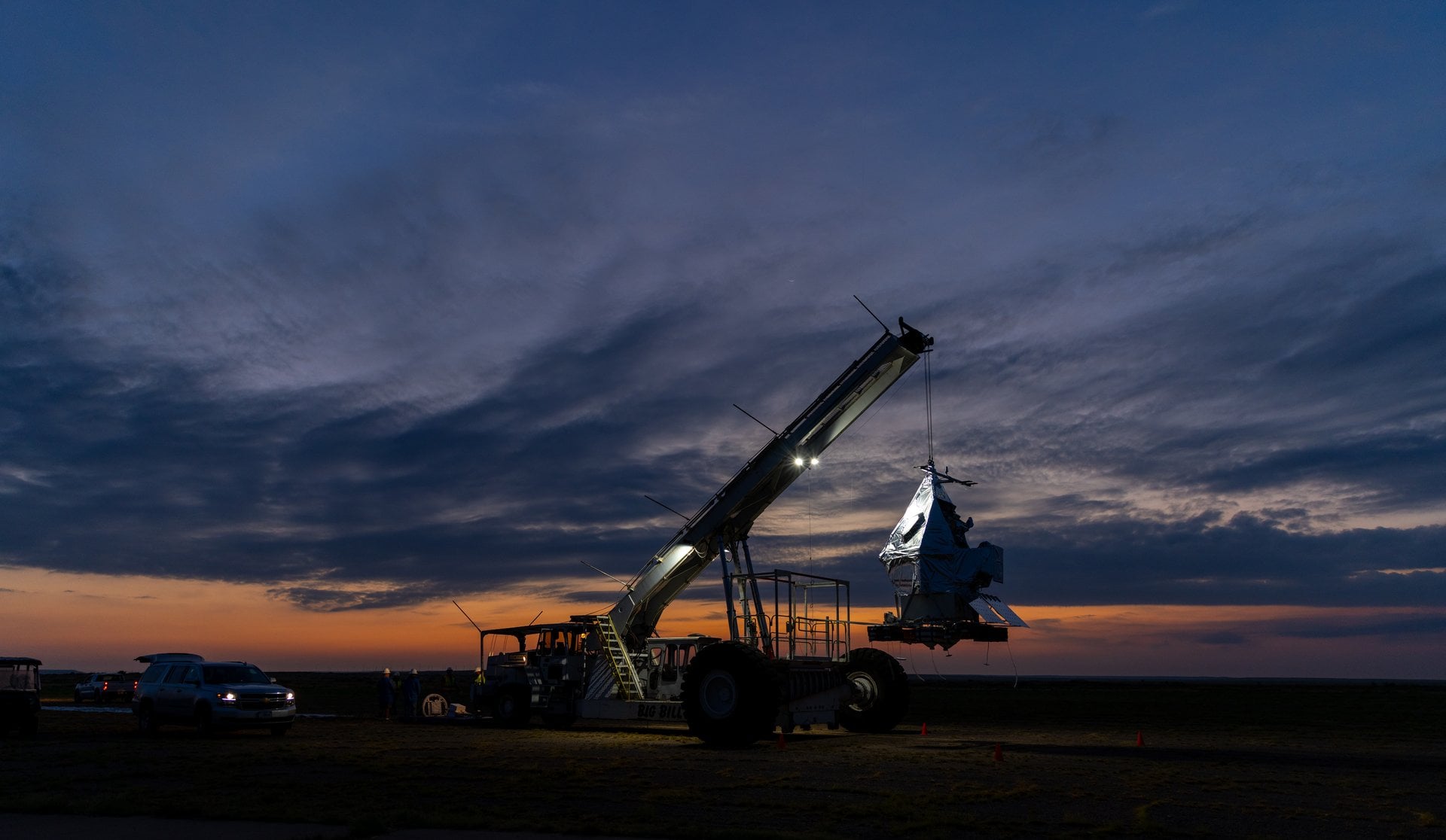
DOI: arXiv:2602.04840 | arXiv:2602.04840v1 Announce Type: new Abstract: The EXoplanet Climate Infrared TElescope (EXCITE) is a balloon-borne mission dedicated to measuring spectroscopic phase curves of hot Jupiter-type exoplanets. Phase curve measurements can be used to characterize an exoplanet's longitude-dependent atmospheric composition and energy circulation patterns. EXCITE carries a 0.5 m primary mirror and moderate resolution diffraction-limited spectrograph with spectral coverage from 0.8--3.5 um. EXCITE is...
Continue reading
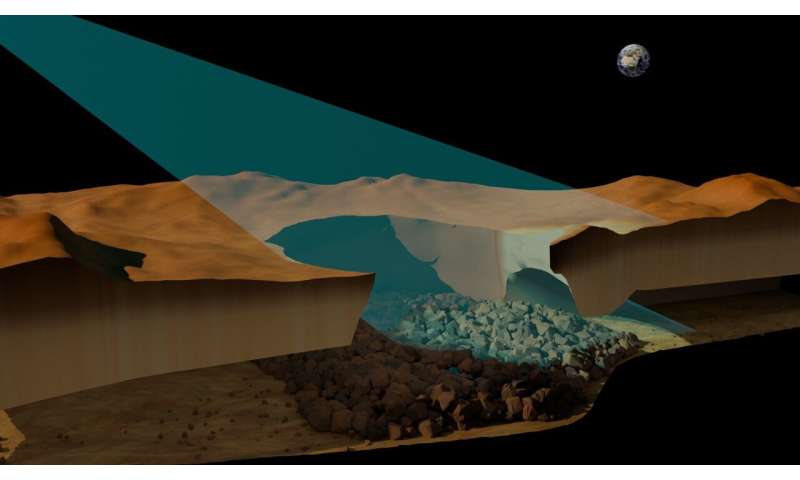
NASA’s Magellan Mission to Venus is the gift the keeps on giving, providing Italian researchers with the first solid detection of a massive subsurface lava tube on Venus. They detail their findings in a new paper appearing in the journal Nature Communications.
Continue reading
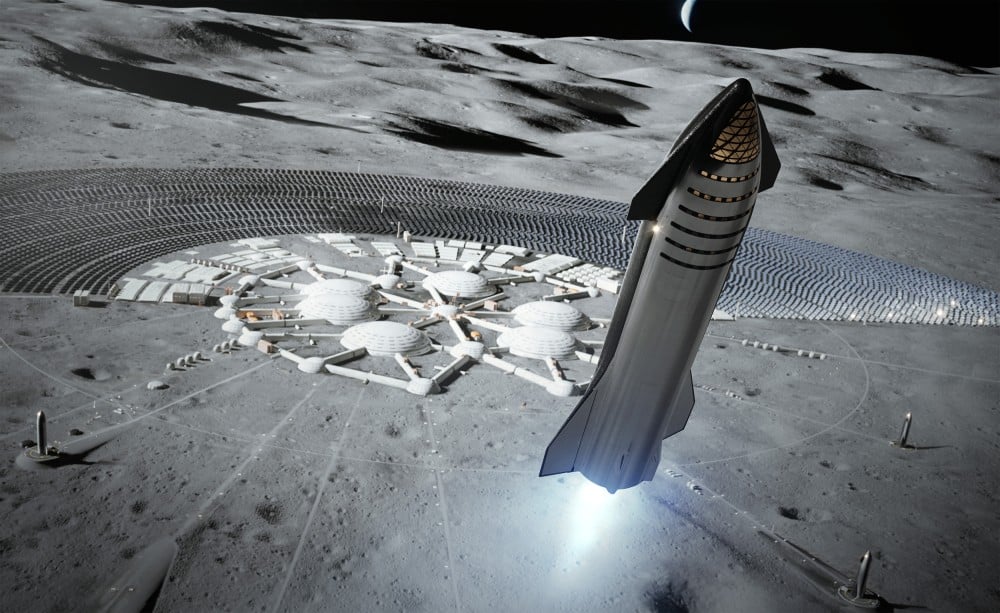
The commercial space giant SpaceX, which Elon Musk founded in 2002 to build a self-sustaining city on Mars, is no longer focusing on the Red Planet. According to a recent statement on X, SpaceX is now pivoting to the Moon as its intended destination for a human settlement.
Continue reading
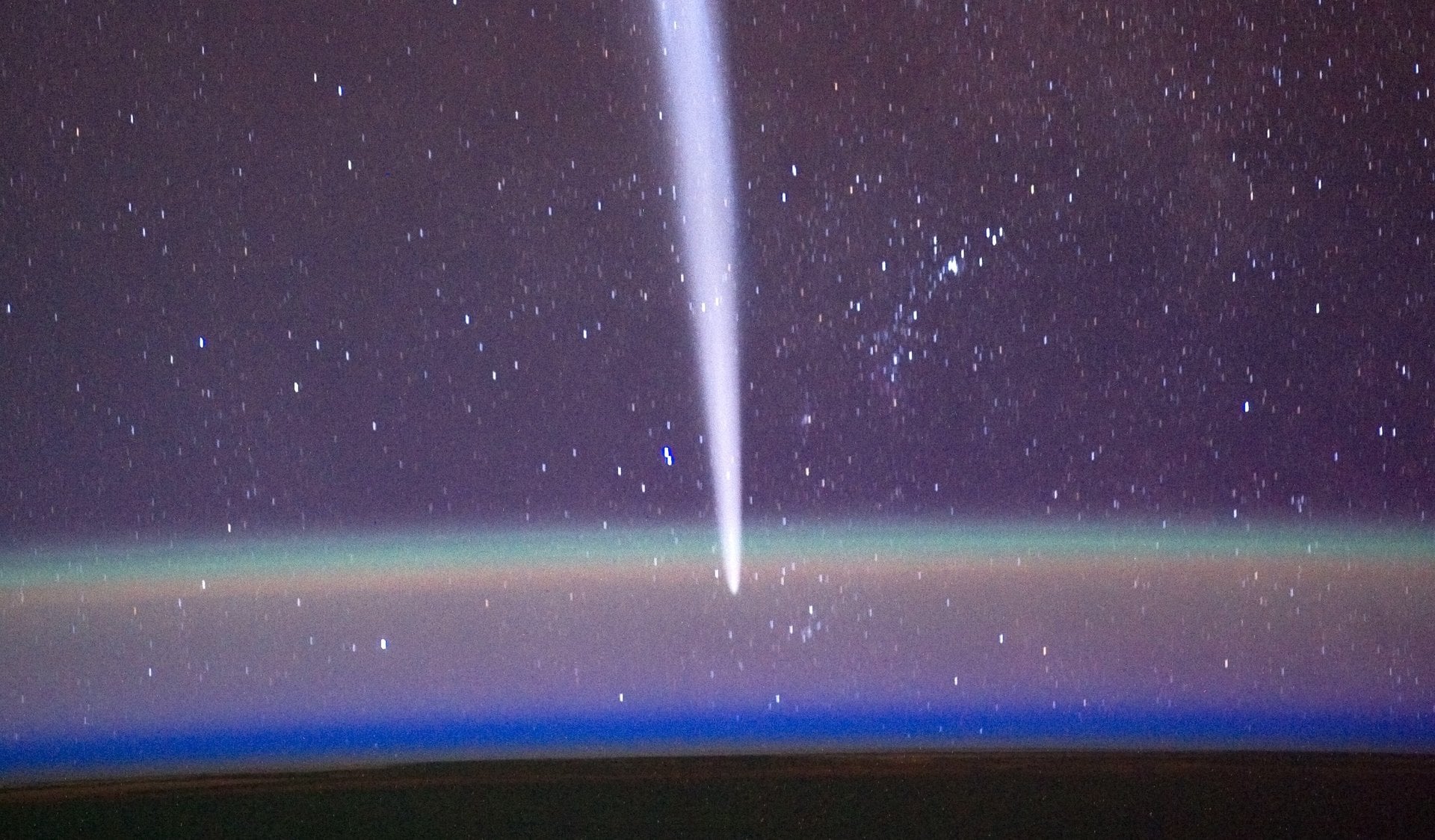
In a clockwork predictable Universe, comets and how they will ultimately perform is always a big wild card. A new sungrazer comet discovered at the start of this year has given astronomers pause. C/2026 A1 MAPS could put on a memorable if brief show in early April, if it doesn’t join the long list of comets that failed to live up to expectations.
Continue reading
Sending a mission to the Solar Gravitational Lens (SGL) is the most effective way of actually directly imaging a potentially habitable planet, as well as its atmosphere, and even possibly some of its cities. But, the SGL is somewhere around 650-900 AU away, making it almost 4 times farther than even Voyager 1 has traveled - and that’s the farthest anything human has made it so far. It will take Voyager 1 another 130+ years to reach the SGL, so obviously traditional propulsion methods won’t work to get any reasonably sized craft there in any reasonable timeframe. A new paper by an SGL mission’s most vocal proponent, Dr. Slava Turyshev of NASA’s Jet Propulsion Laboratory, walks through the different types of propulsion methods that might eventually get us there - and it looks like we would have a lot of work to do if we plan to do it anytime soon.
Continue reading
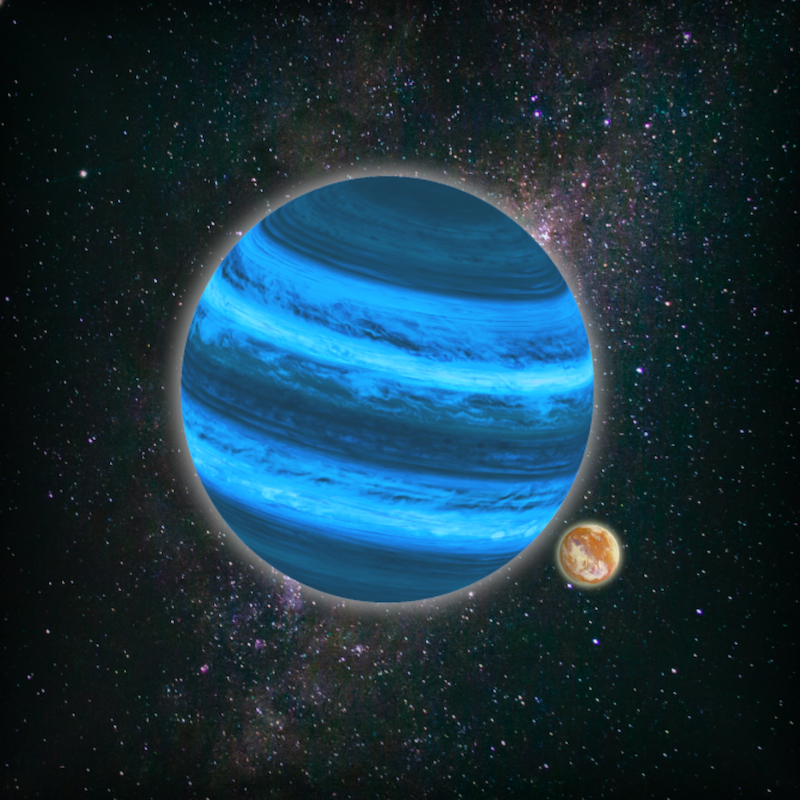
Free-Floating Planets, or as they are more commonly known, Rogue Planets, wander interstellar space completely alone. Saying there might be a lot of them is a bit of an understatement. Recent estimates put the number of Rogue Planets at something equivalent to the number of stars in our galaxy. Some of them, undoubtedly, are accompanied by moons - and some of those might even be the size of Earth. A new paper, accepted for publication into the Monthly Notices of the Royal Astronomical Society, and also available in pre-print on arXiv, by David Dahlbüdding of the Ludwig Maximilian University of Munich and his co-authors, describes how some of those rogue exo-moons might even have liquid water on their surfaces.
Continue reading
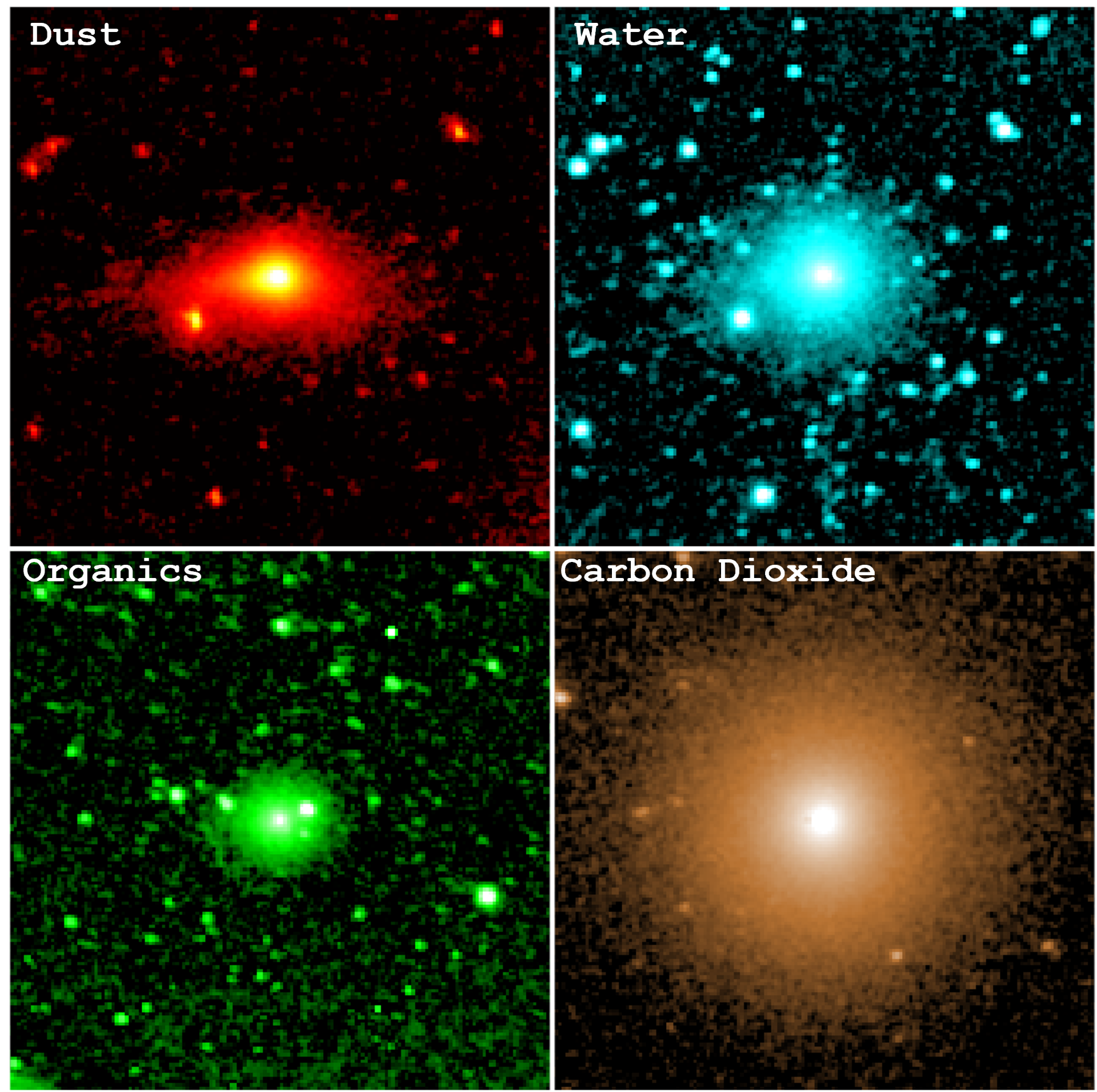
Observations by NASA’s SPHEREx (Spectro-Photometer for the History of the Universe, Epoch of Reionization and Ices Explorer) show the infrared light emitted by the dust, water, organic molecules, and carbon dioxide contained within comet 3I/ATLAS’s coma.
Continue reading
So we did that. And we found nothing. So far, with all of our experiments around the world, we find no evidence of missing momentum, and no signs of towers of gravitons slipping away into hidden dimensions.
Continue reading
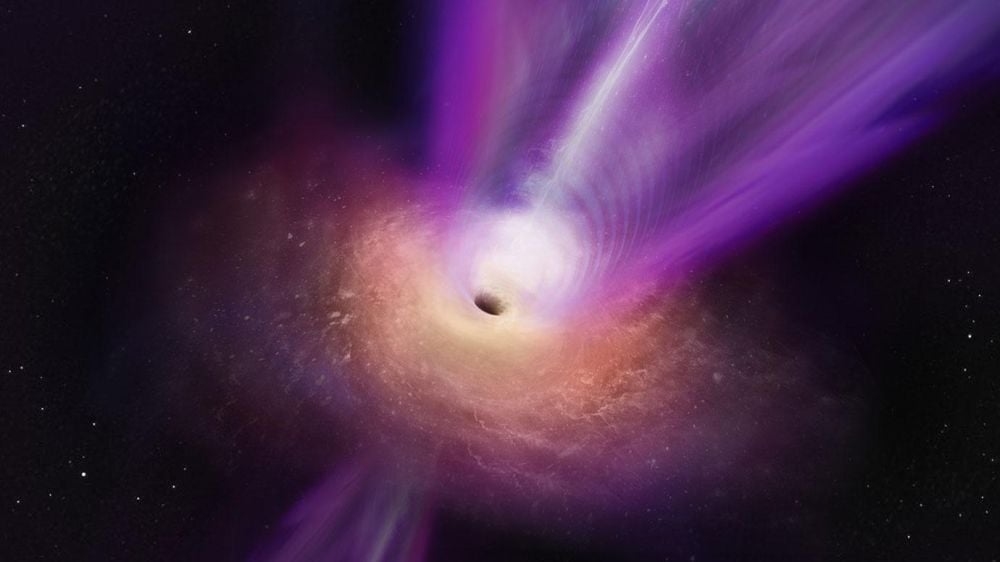
Astronomers used the XRISM x-ray satellite to observe two supermassive black holes in two separate galaxy clusters. Researchers know that SMBH have powerful effects on star formation and galaxy evolution. The observations reveal new details in how it all works.
Continue reading
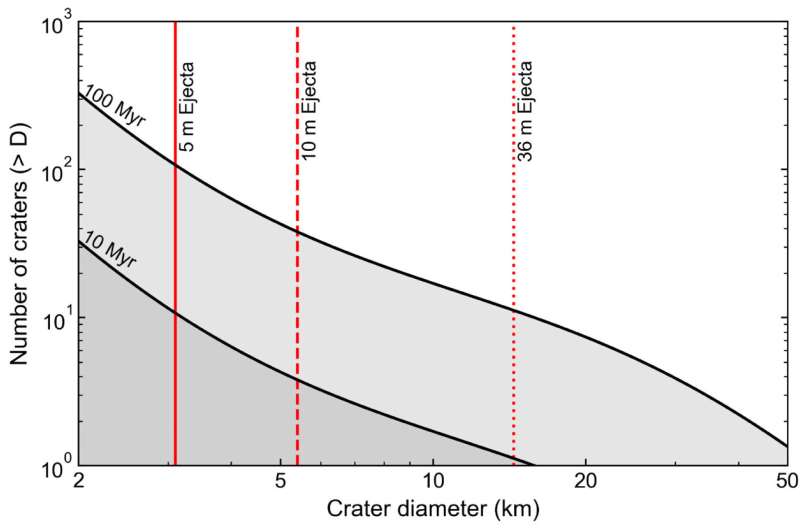
The Moon has a long history of being smacked by large rocks. Its pock-marked, cratered surface is evidence of that. Scientists expect that, as part of those impacts, some debris would be scattered into space - and that we should be able to track it down. But so far, there have been startlingly few discoveries of these Lunar-origin Asteroids (LOAs) despite their theoretical abundance. A new paper from Yixuan Wu and their colleagues at Tsinghua University explains why - and how the Vera Rubin Observatory might help with finding them.
Continue reading
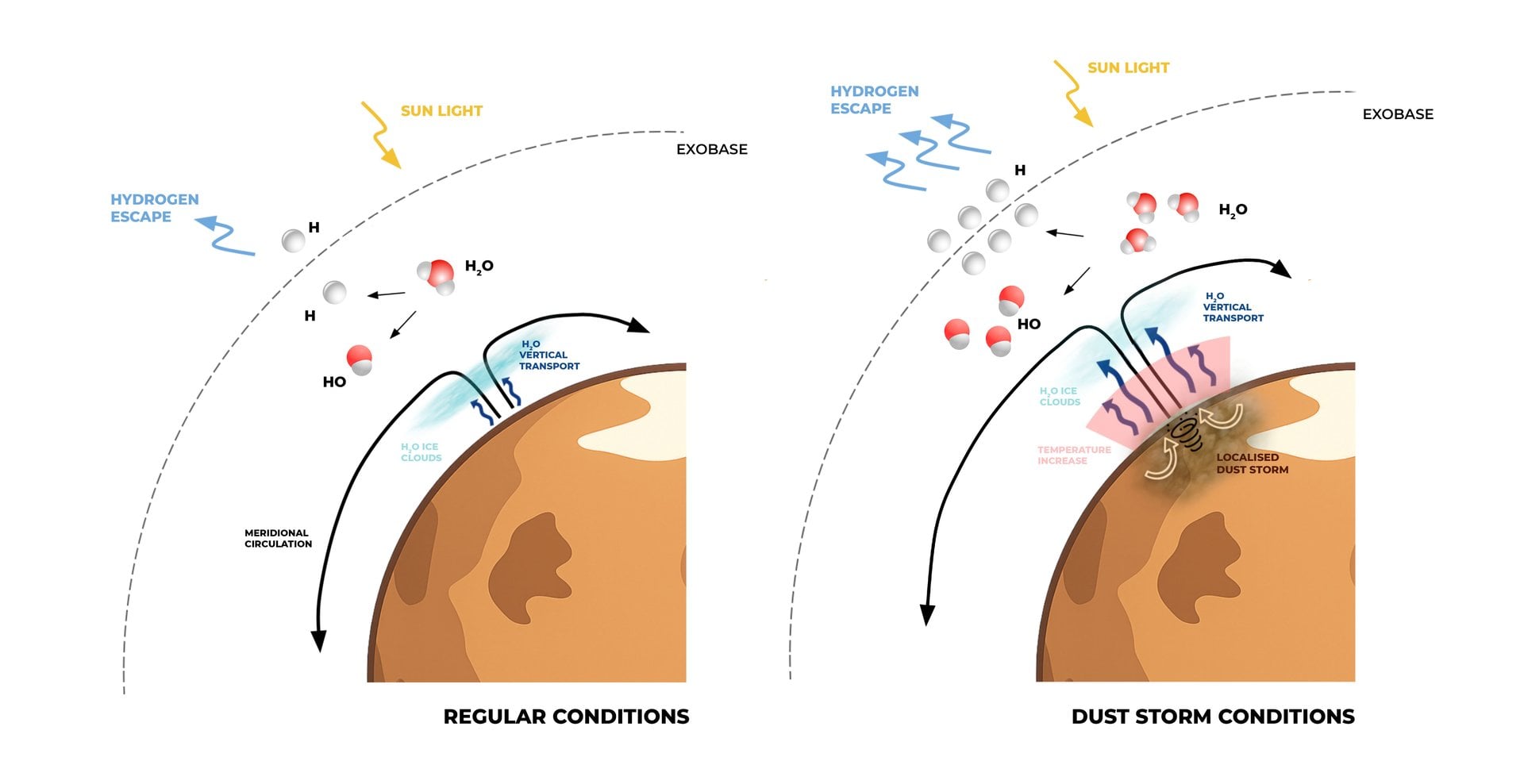
Mars’ water disappeared somewhere, but scientists have been disagreeing for years about where exactly it went. Data from rovers like Perseverance and Curiosity, along with orbiting satellites such as the Mars Reconnaissance Orbiter and ExoMars have shown that Mars used to be a wet world with an active hydrodynamic cycle. Obviously it isn’t anymore, but where did all the water go? A new paper that collects data from at least six different instruments on three different spacecraft provides some additional insight into that question - by showing that dust storms push water into the Red Planet’s atmosphere, where it is actively destroyed, all year round.
Continue reading
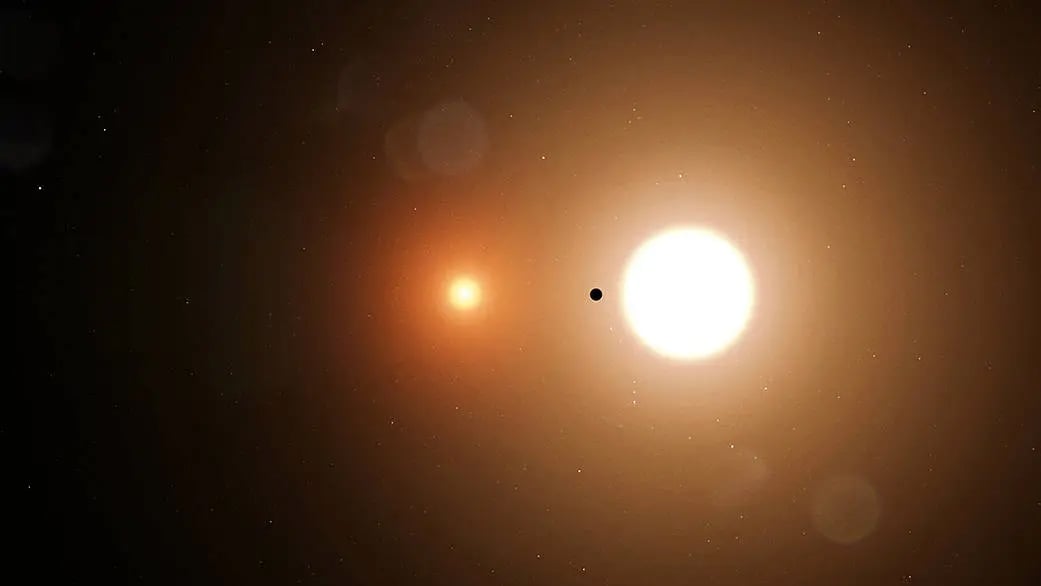
Why are planets rarely found orbiting a pair of stars? UC Berkeley and American University of Beirut physicists find that general relativity makes the orbit of a tight binary pair precess. As the orbit shrinks because of tidal effects, the precesion increases. Eventually the precession matches the orbital precession of any circumbinary planet, creating a resonance that makes the planet’s orbit wildly eccentric. The planet either gets expelled from the system or is engulfed by one of the stars.
Continue reading
To test it, I want you to imagine rolling up a piece of paper into a tight cylinder. Or, if you happen to be near a source of paper, doing it in real life. The analogy works either way.
Continue reading
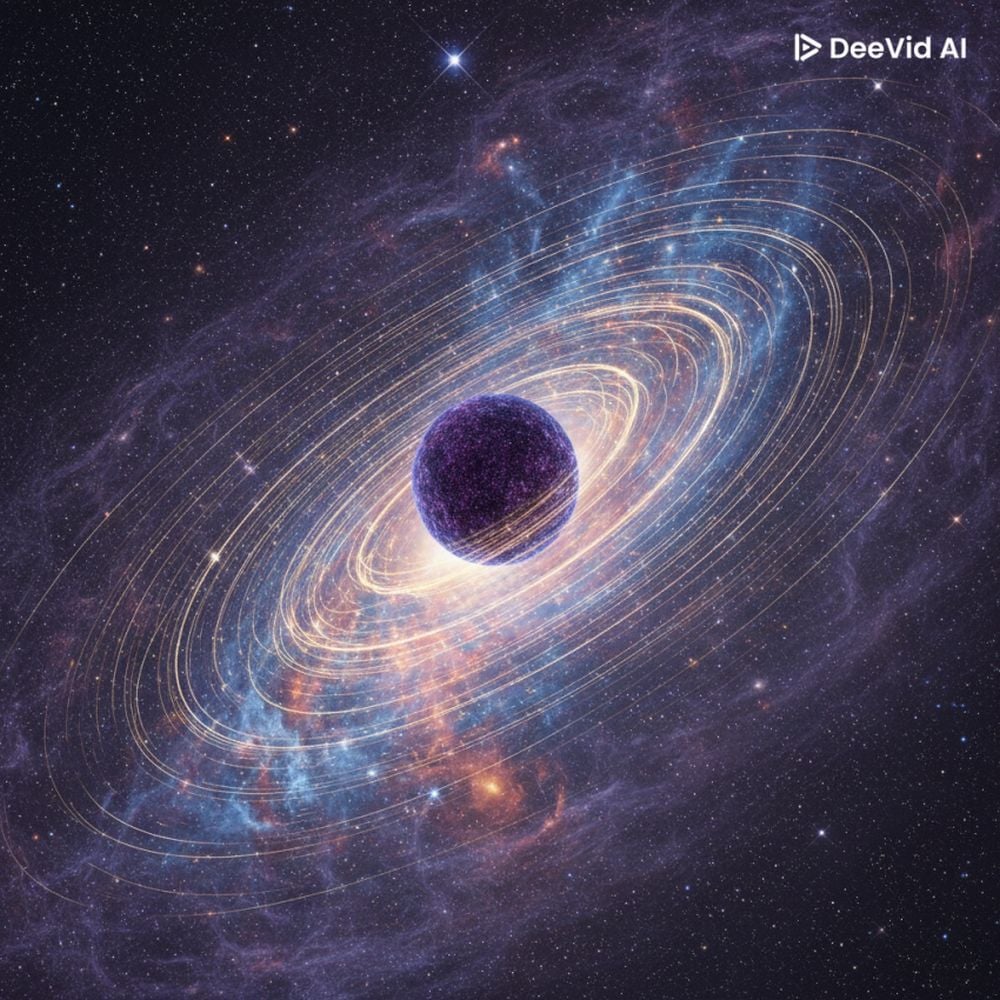
There's been widespread agreement that a supermassive black hole resides in the Milky Way's Center. But that may not be true. Researchers say that a dense clump of fermionic dark matter can also explain the motions of stars and gas clouds in the region. Crucially, it can also explain the famous Event Horizon Telescope image of the SMBH.
Continue reading
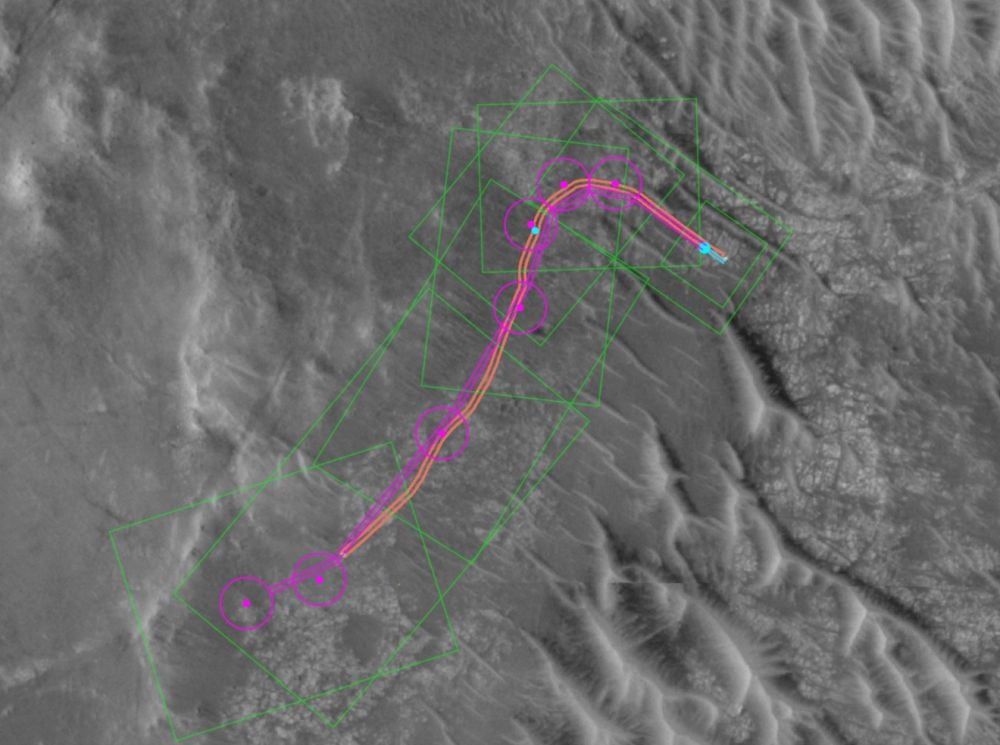
NASA has taken another step towards greater autonomy for planetary exploration rovers. In December, the space agency used AI to generate waypoints for Perseverance's route on two separate days. The rover drove more than 450 meters without human input.
Continue reading
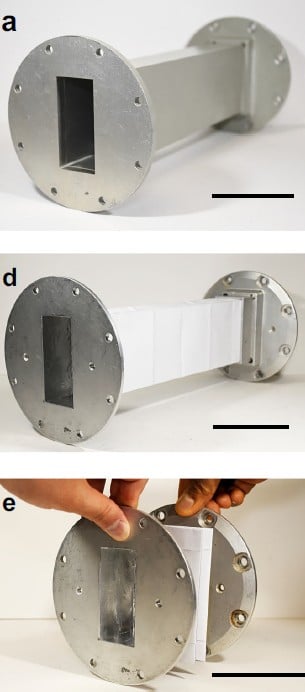
Origami and space exploration might not seem like they have much in common, but the traditional paper-folding technique solves one massive problem for space exploration missions - volume. Satellites and probes that launch in rocket housings are constrained by very restrictive requirements about their physical size, and options for assembling larger structures in orbit are limited to say the least. Anything that can fold up like an origami structure and then expand out to reach a fully functional size is welcome in the space community, and a new paper published in Communications Engineering by Xin Ning of the University of Illinois Urbana-Champaign (UIUC) and his lab describes a novel use case for the idea - electromagnetic waveguides.
Continue reading
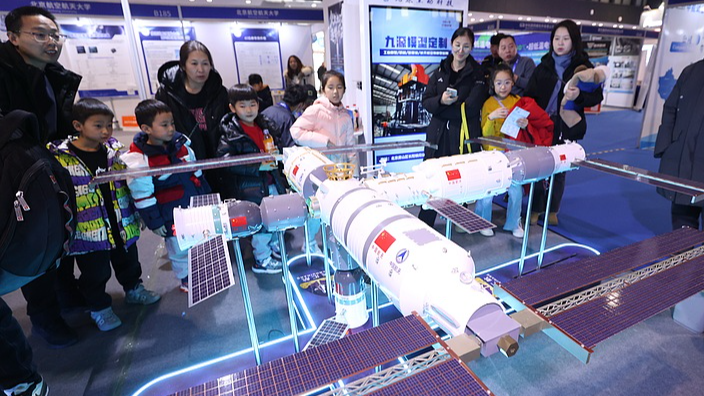
A major theme in communist governments is the idea of central planning. Every five years, the central authorities in communist countries lay out their goals for the country over the course of the next five years, which can range from limiting infant mortality to increasing agricultural yield. China, the largest current polity ruled by communists, recently released its fifteenth five-year plan, which lays out its priorities for 2026-2030. This one, accompanied by a press release of the China Aerospace Science and Technology Corporation (CASC), the country’s state-owned giant aerospace corporation, has plenty of ambitious goals for its space sector.
Continue reading
The problem that large extra dimensions just might solve is called the hierarchy problem, and it’s one of the nastiest outstanding problems in modern physics.
Continue reading
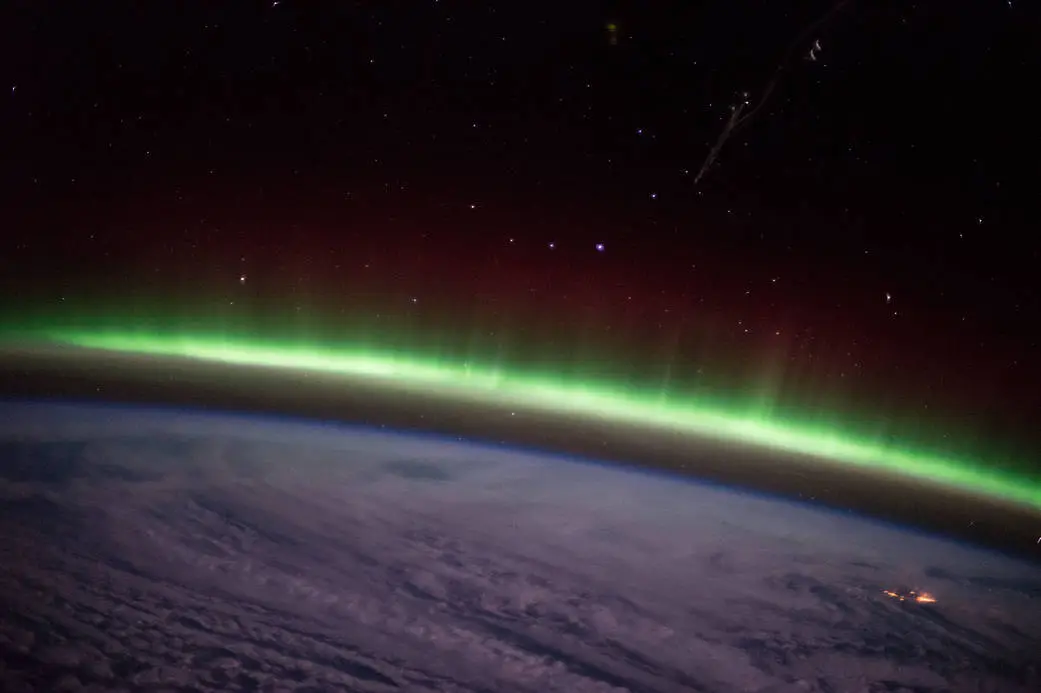
A new study co-led by the Department of Earth and Planetary Sciences at The University of Hong Kong (HKU) and the Department of Atmospheric and Oceanic Sciences at the University of California, Los Angeles (UCLA) reveals that plasma waves traveling along Earth’s magnetic field lines act like an invisible power source, fueling the stunning auroral displays we see in the sky.
Continue reading
 Universe Today