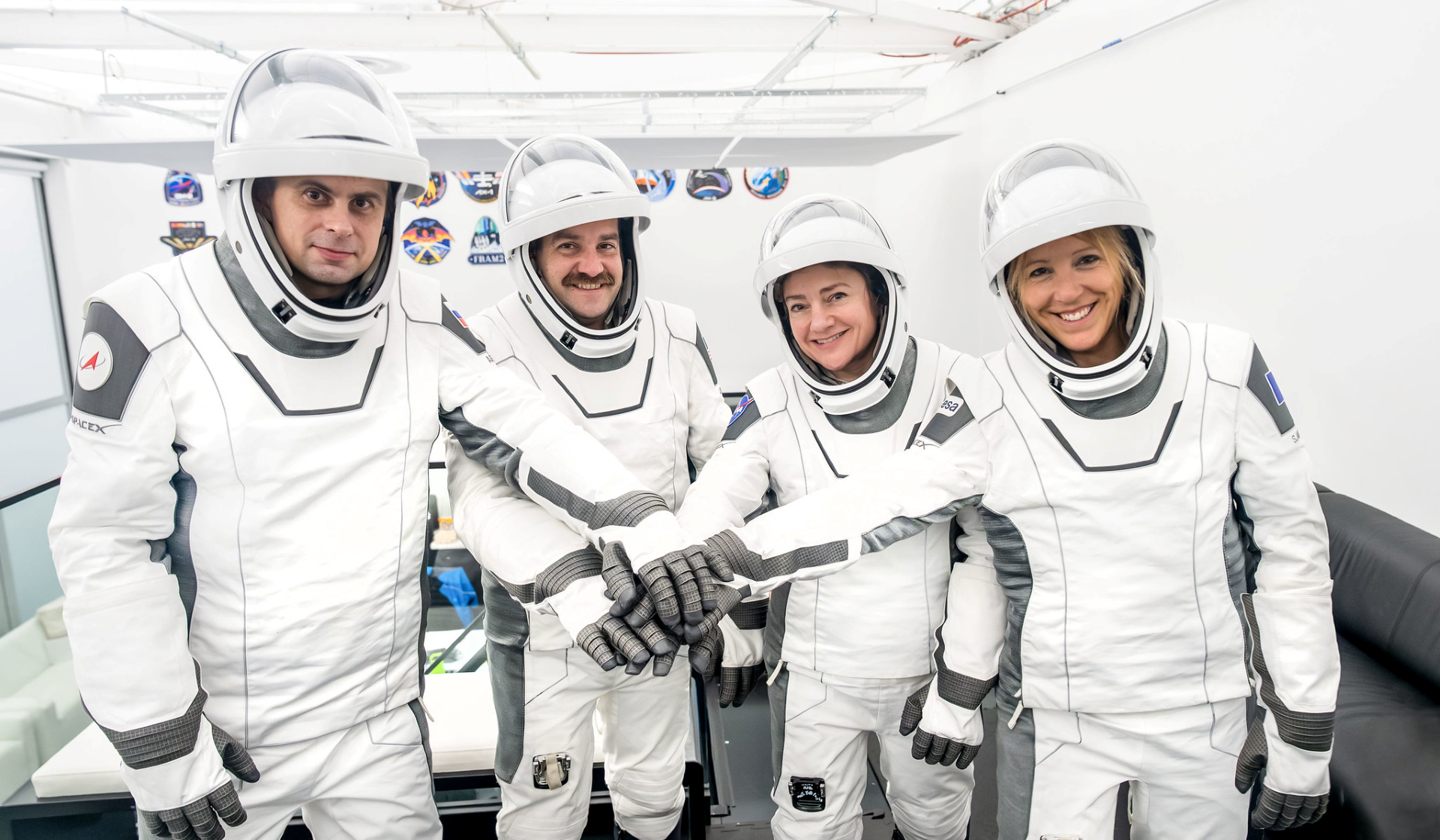
NASA’s SpaceX Crew-12 mission is preparing to launch for a long-duration science mission aboard the International Space Station. During the mission, select crew members will participate in human health studies focused on understanding how astronauts’ bodies adapt to the low-gravity environment of space, including a new study examining subtle changes in blood flow.
Continue reading
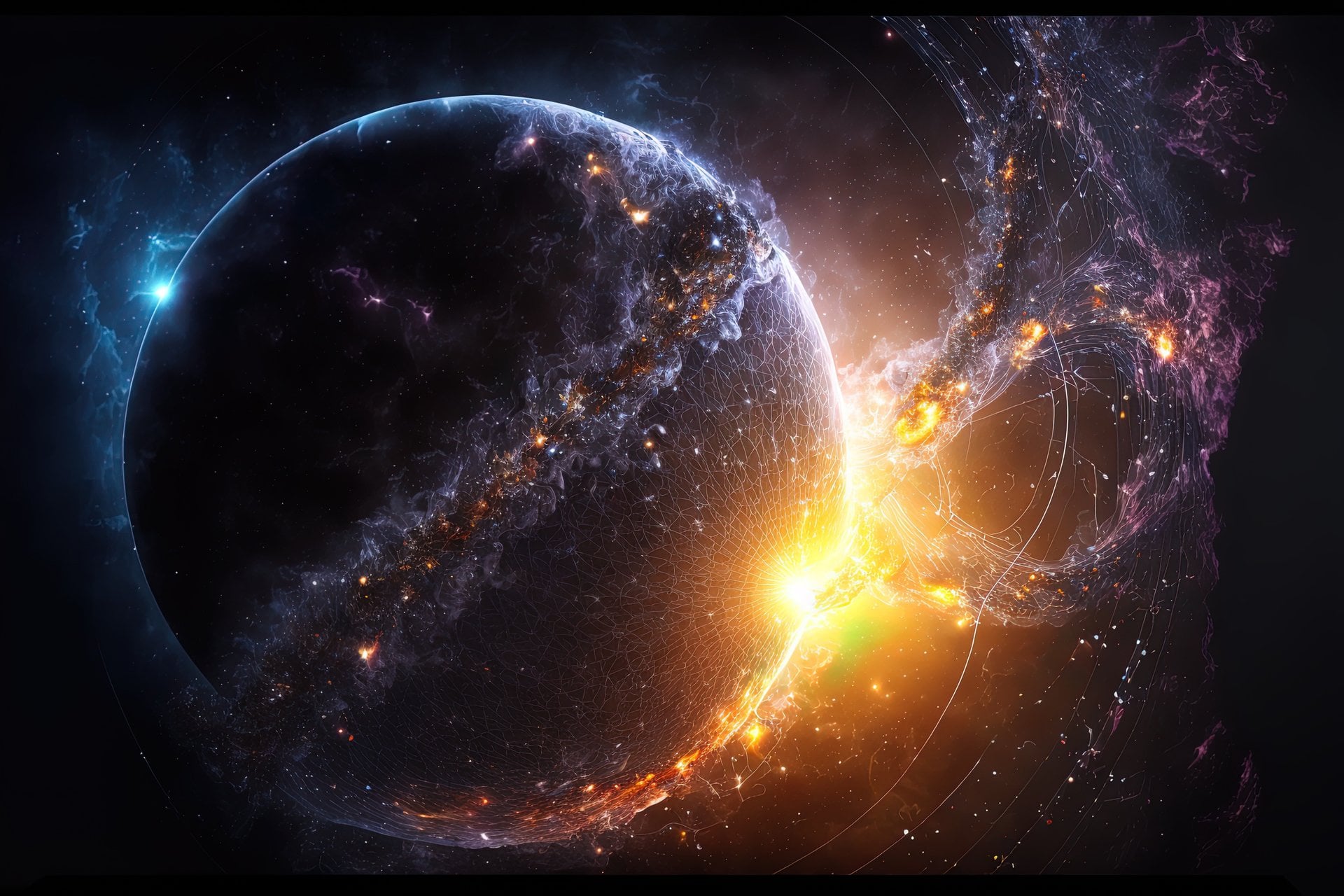
I always say that one of the things that separates real science from pseudoscience is that while in both you’re allowed to say whatever crazy idea pops into your mind, in real science you’re obligated to take that idea seriously.
Continue reading
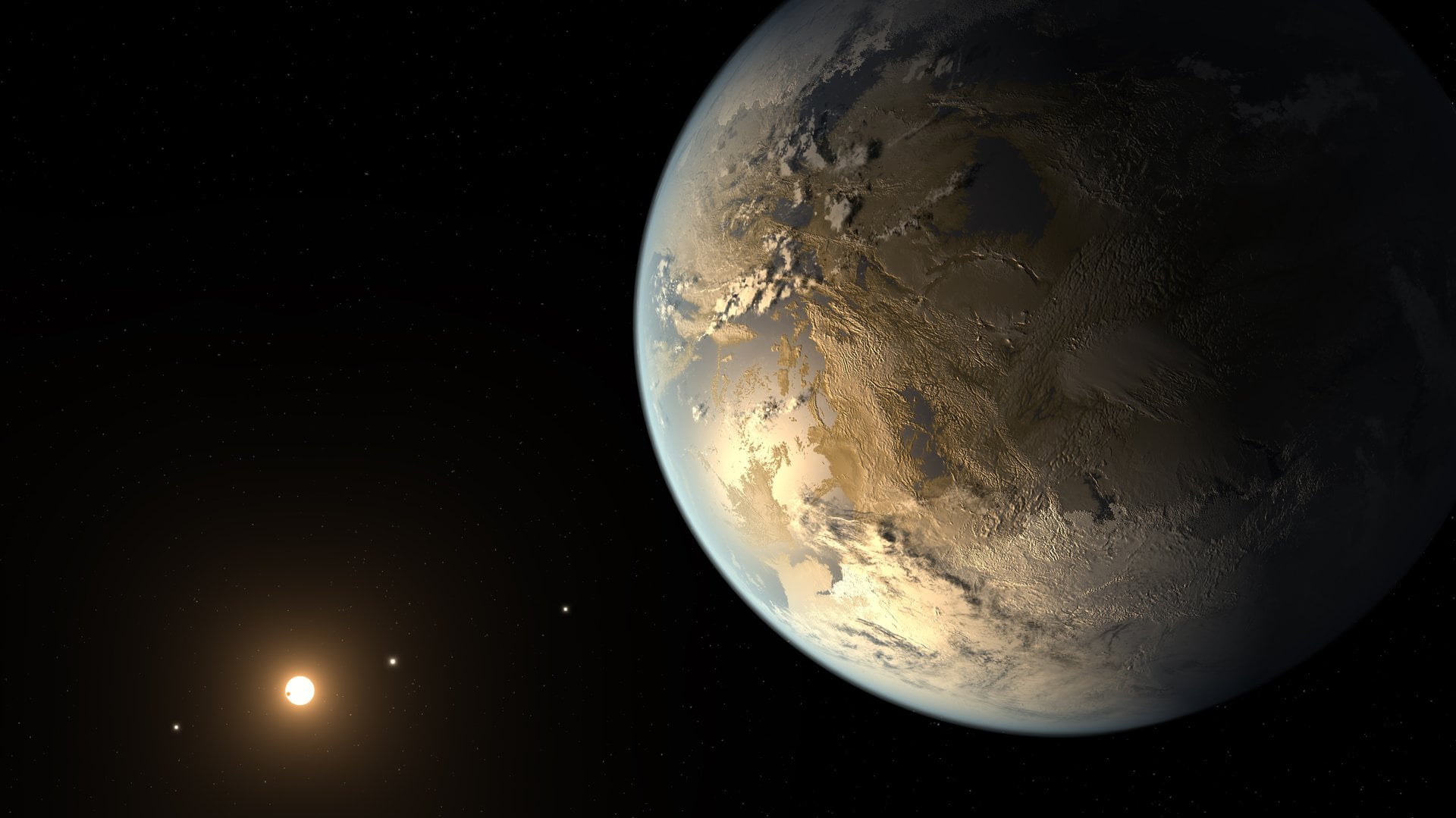
Strange as it may seem, the prospects of finding advanced high-tech aliens somewhere in the cosmos will likely depend on finding exoplanets that like our own earth harbor large amounts of accessible energy-dense coal.
Continue reading
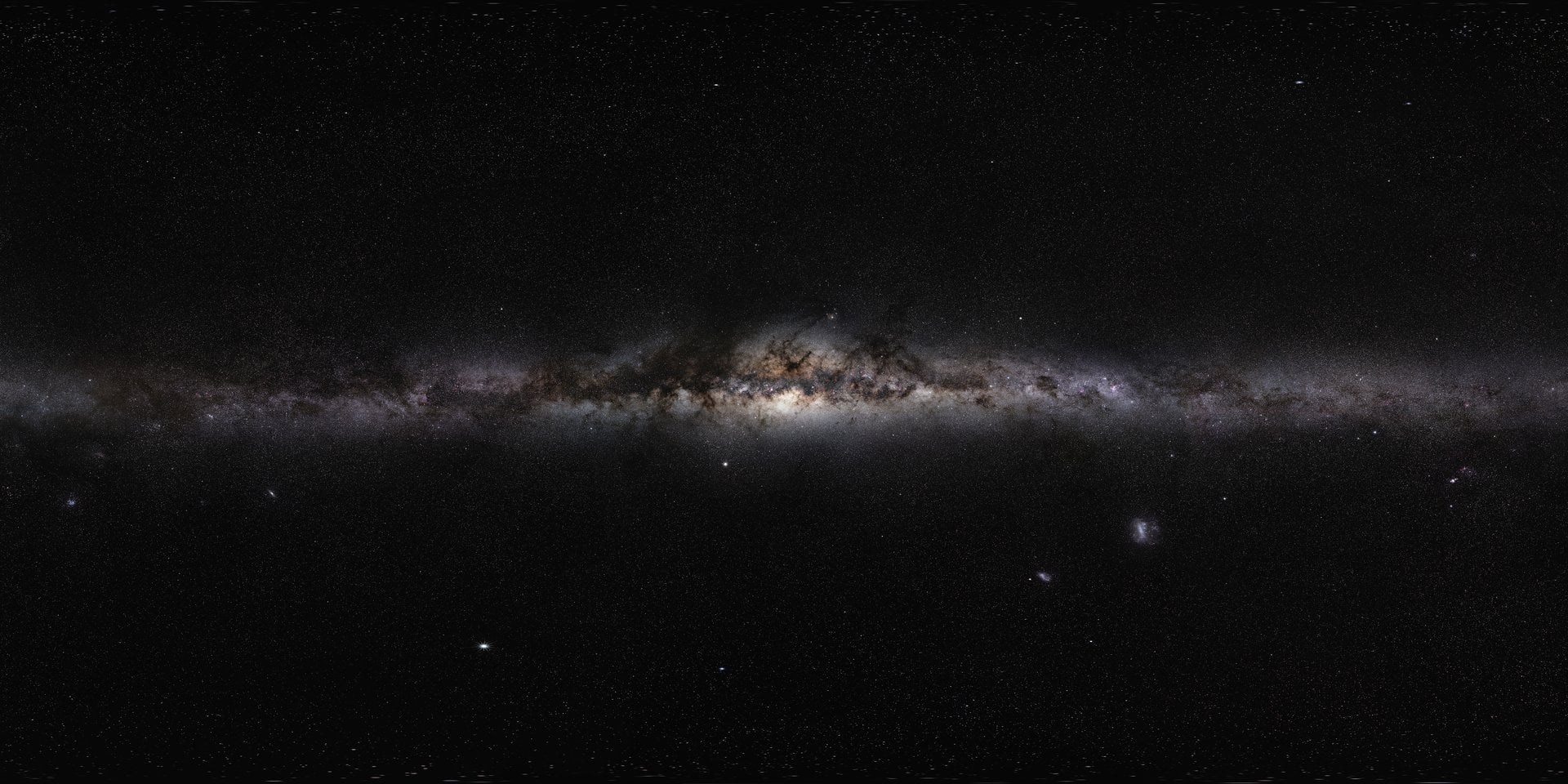
An international team of researchers have published two papers that reveal a new model for how the magnetic field of the Milky Way evolved.
Continue reading
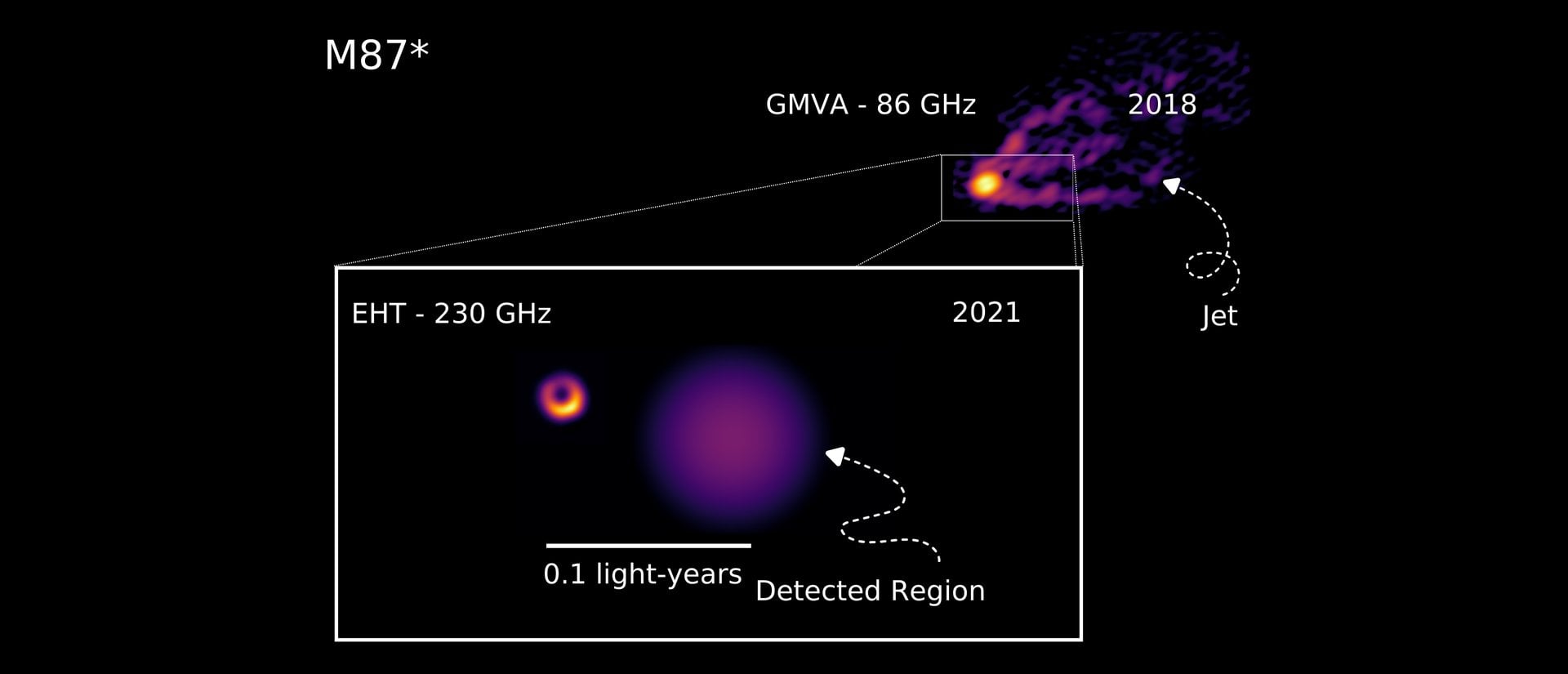
Recently published data from the Event Horizon Telescope (EHT) of the galaxy Messier 87 facilitate new insights into the direct environment of the central supermassive black hole. Measured differences in the radio light on different spatial scales can be explained by the presence of an as of yet undetected jet at frequencies of 230 Gigahertz at spatial scales comparable to the size of the black hole. The most likely location of the jet base is determined through detailed modeling.
Continue reading
Isn’t the FLRW metric way generic? It lays out the basic assumptions and tells us how the universe should behave, but it doesn’t say WHAT the universe is made of.
Continue reading
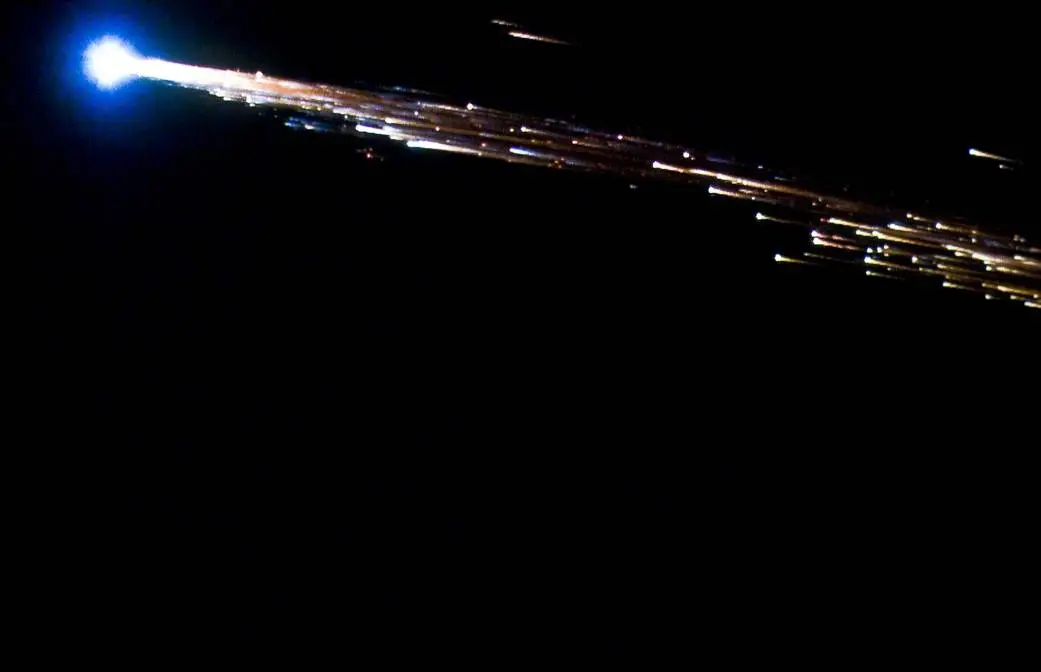
Sometimes humans get ahead of ourselves. We embark on grand engineering experiments without really understanding what the long-term implications of such projects are. Climate change itself it a perfect example of that - no one in the early industrial revolution realized that, more than 100 years later, the emissions from their combustion engines would increase the overall global temperature and risk millions of people's lives and livelihoods, let alone the impact it would have on the species we share the world with. According to a new release from the Salata Institute at Harvard, we seem to be going down the same blind path with a different engineering challenge in this century - satellite megaconstellations.
Continue reading
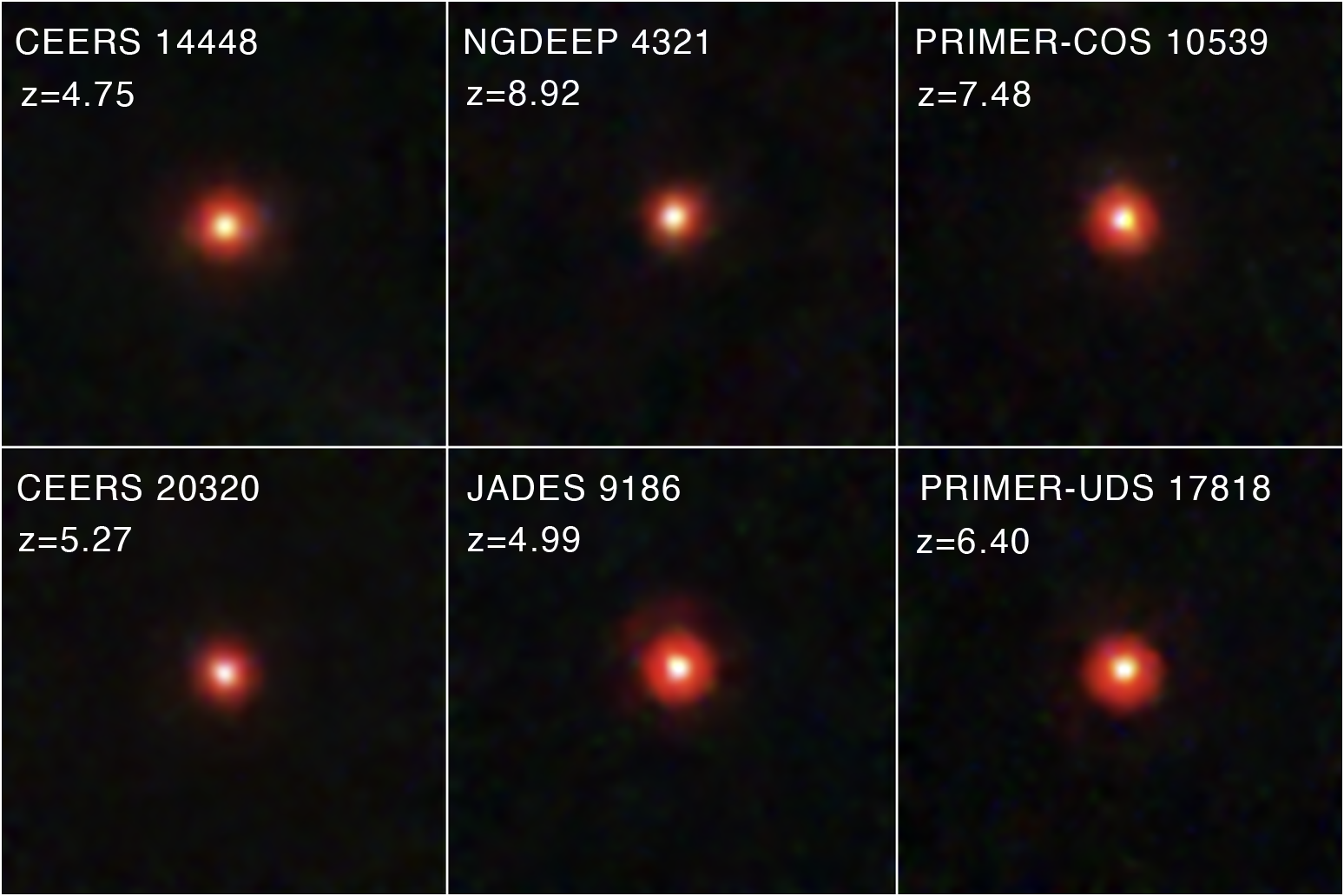
The discovery by JWST of a substantial population of compact "Little Red Dots" (LRDs) presented astronomers with a major mystery. By reproducing their spectra with simulations, a team argued that they were Direct Collapse Black Holes (DCBHs).
Continue reading
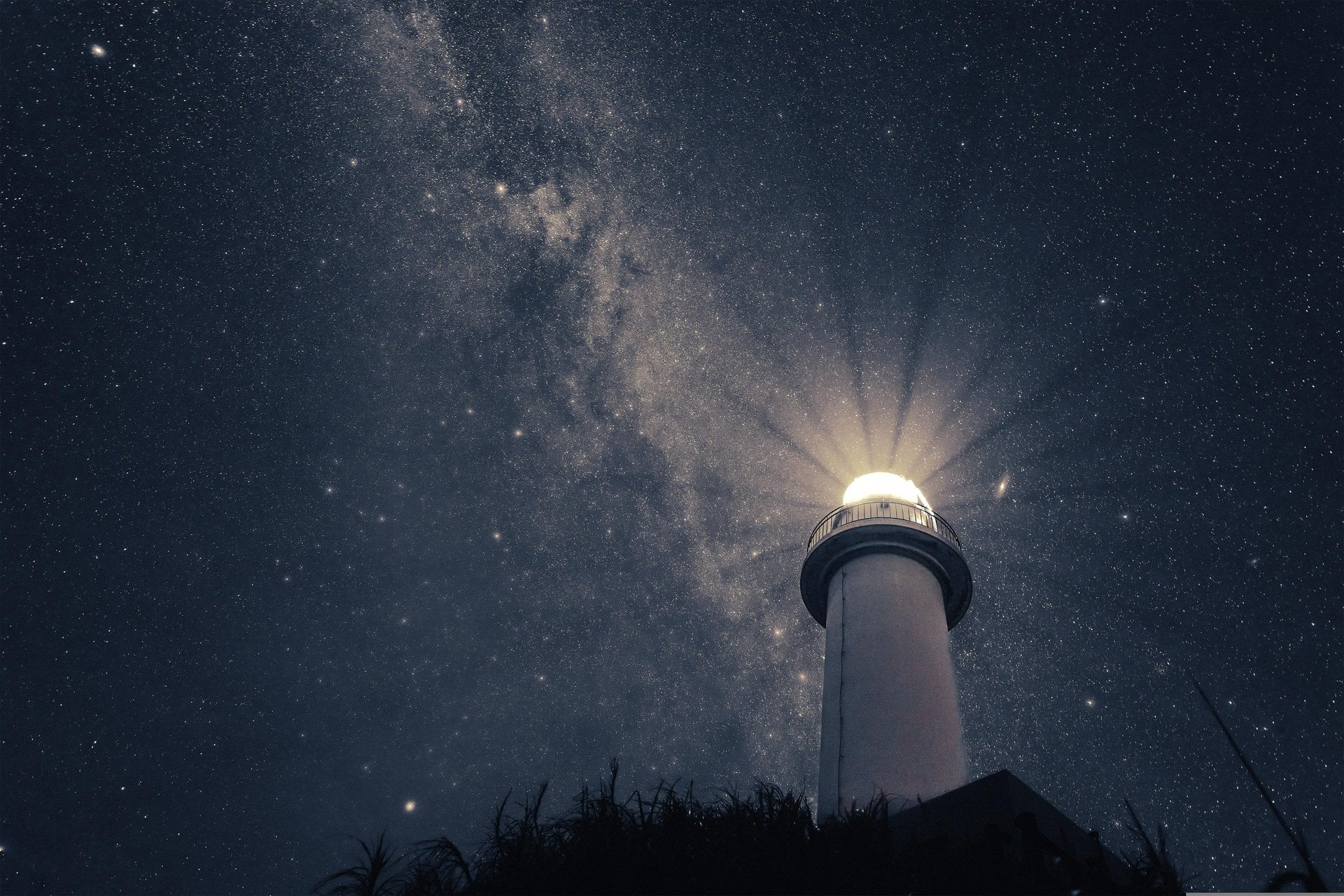
The FLRW metric is a model. And you know the saying, all models are wrong, but some are useful.
Continue reading
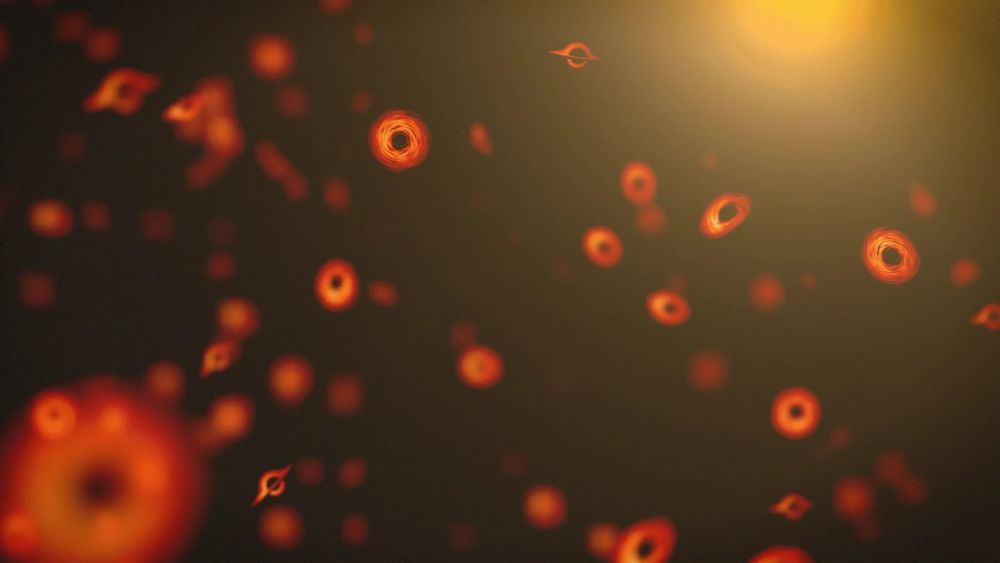
In 2023, a subatomic particle called a neutrino crashed into Earth with such a high amount of energy that it should have been impossible. In fact, there are no known sources anywhere in the universe capable of producing such energy—100,000 times more than the highest-energy particle ever produced by the Large Hadron Collider, the world's most powerful particle accelerator. However, a team of physicists at the University of Massachusetts Amherst recently hypothesized that something like this could happen when a special kind of black hole, called a "quasi-extremal primordial black hole," explodes.
Continue reading
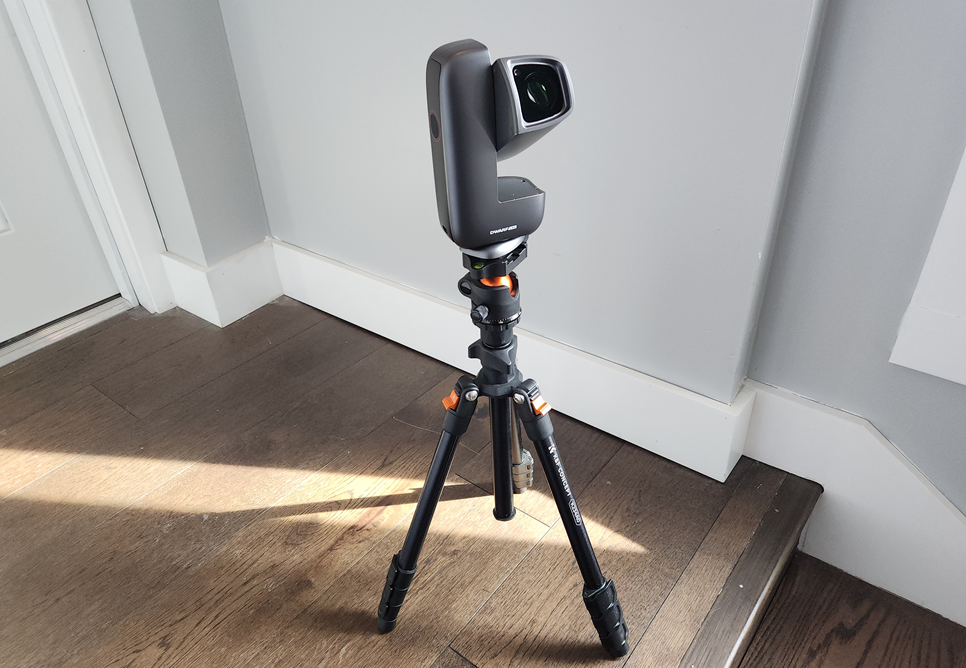
Telescopes are getting smaller. It’s strange to think: smartscopes have been with us for over half a decade now. Since 2020, we’ve tested units from Vaonis, Unistellar and more. In a short time, these smartscopes have revolutionized amateur astronomy, putting deep-sky imaging within reach of causal users. Recently, we had a chance to put Dwarf Lab’s latest unit the Dwarf Mini through its paces.
Continue reading
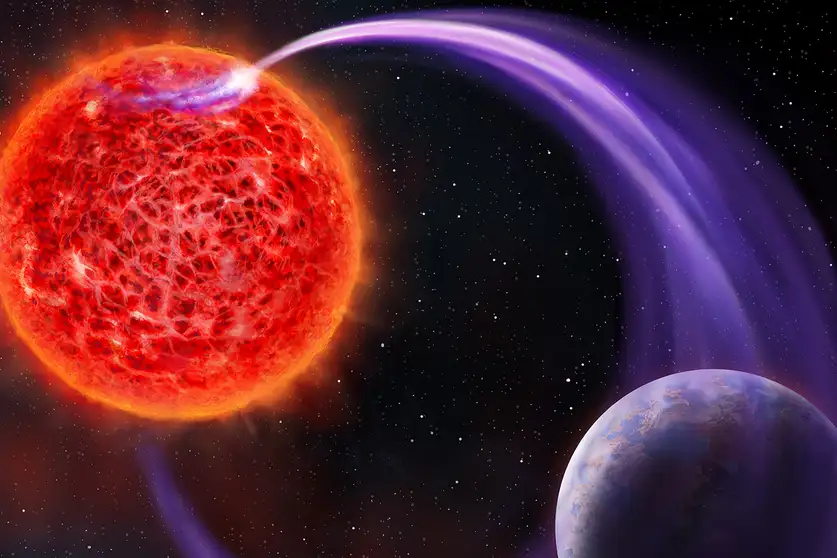
Astronomers have been collecting data for generations, and the sad fact is that not all of it has yet been fully analyzed. There are still discoveries hiding in the dark recesses of data archives strewn throughout the astronomical world. Some of them are harder to access than others, such as actual physical plates containing star positions from more than a hundred years ago. But as more and more of this data is archived, astronomers also keep coming up with ever more impressive tools to analyze it. A recent paper from Cyril Tasse of the Paris Observatory and his co-authors, published recently in Nature Astronomy describes an algorithm that analyzes hundreds of thousands of previously unknown data points in radio telescope archives - and they found some interesting features in it.
Continue reading
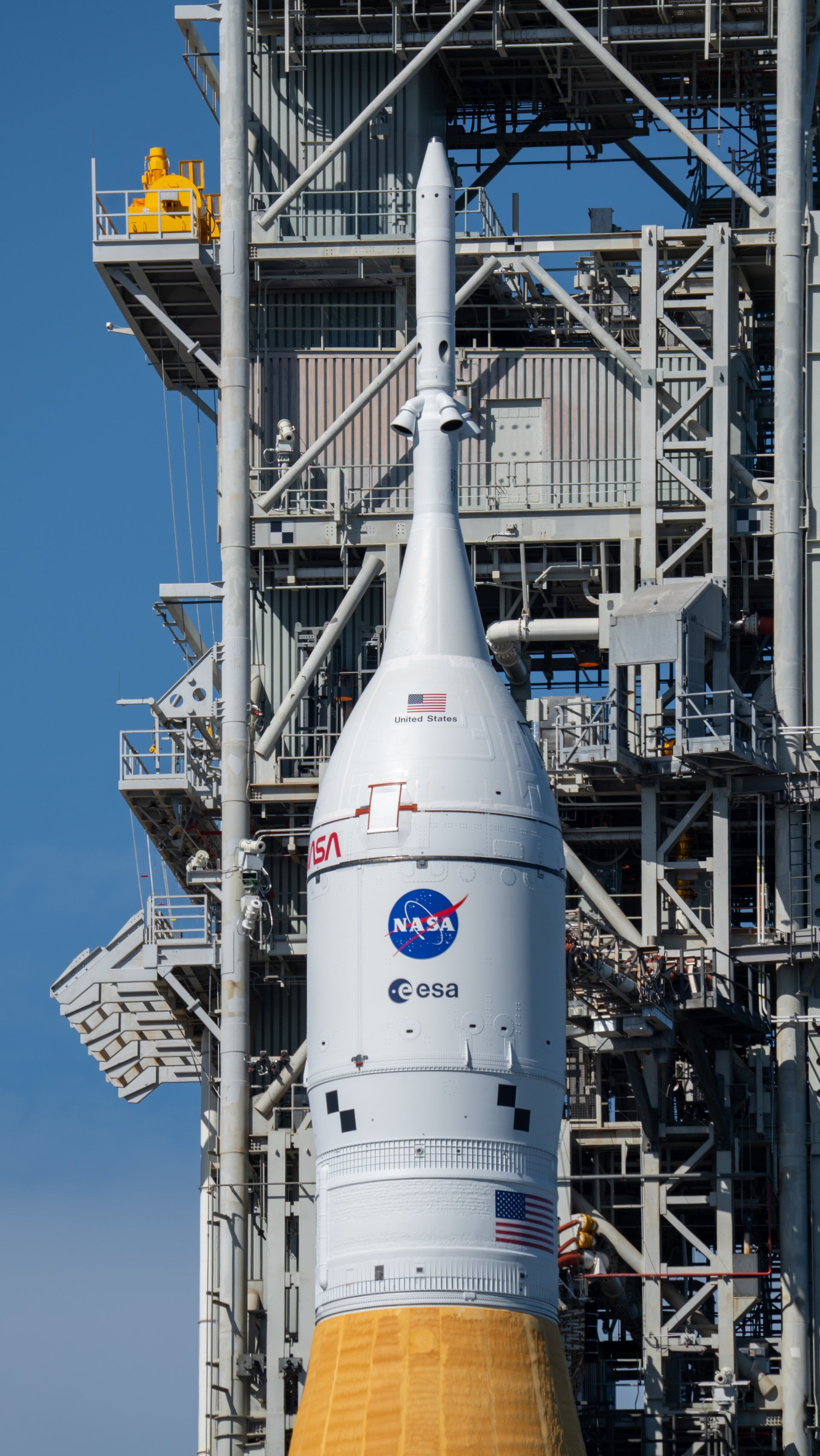
NASA’s Orion spacecraft, which will carry the Artemis II crew around the Moon, sits at the launch pad on Jan. 17, 2026, after rollout. It rests atop the SLS (Space Launch System) rocket. Orion can provide living space on missions for four astronauts for up to 21 days without docking to another spacecraft. Advances in technology […]
Continue reading
This is all based on the assumption that galaxies are receding away from us. And I actually cheated a little.
Continue reading
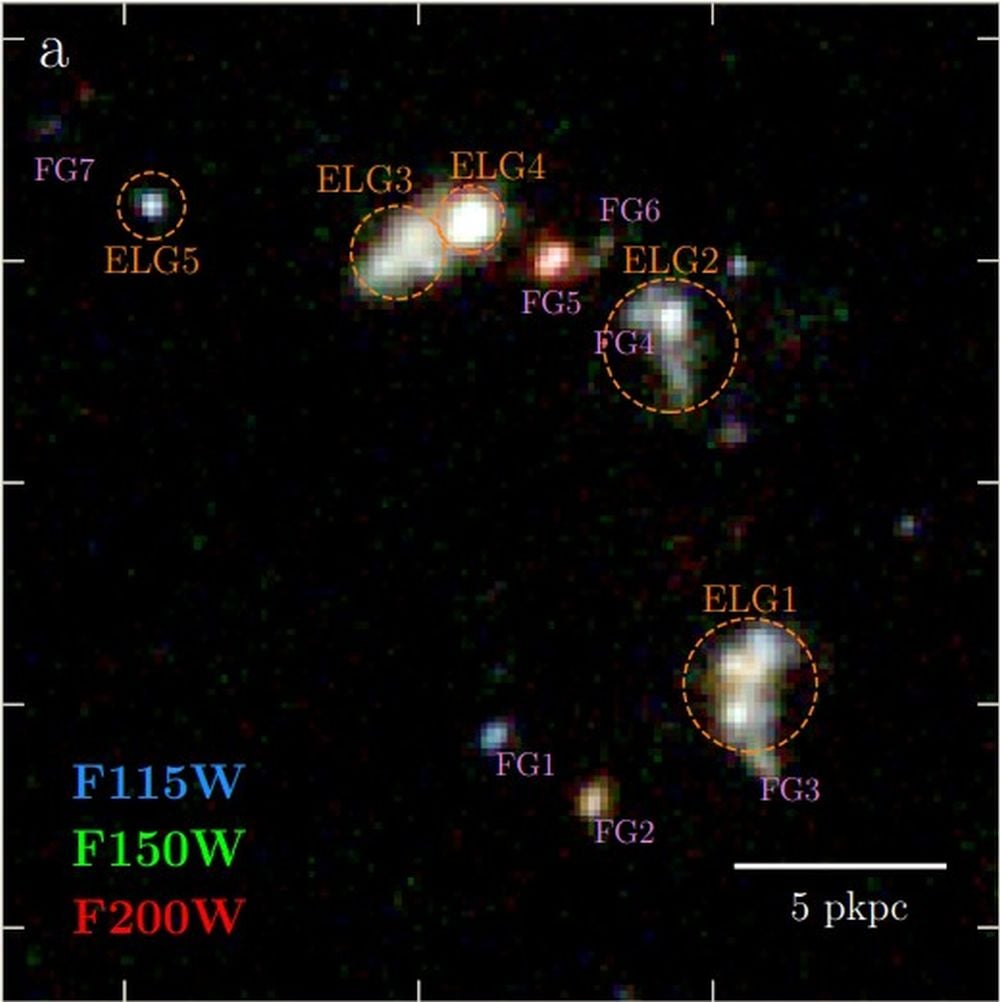
The JWST found a system of at least five interacting galaxies only 800 million years after the Big Bang. The discovery adds weight to the growing understanding that galaxies were interacting and shaping their surroundings far earlier than scientists thought. There's also evidence that the collision was redistributing heavy elements beyond the galaxies themselves.
Continue reading
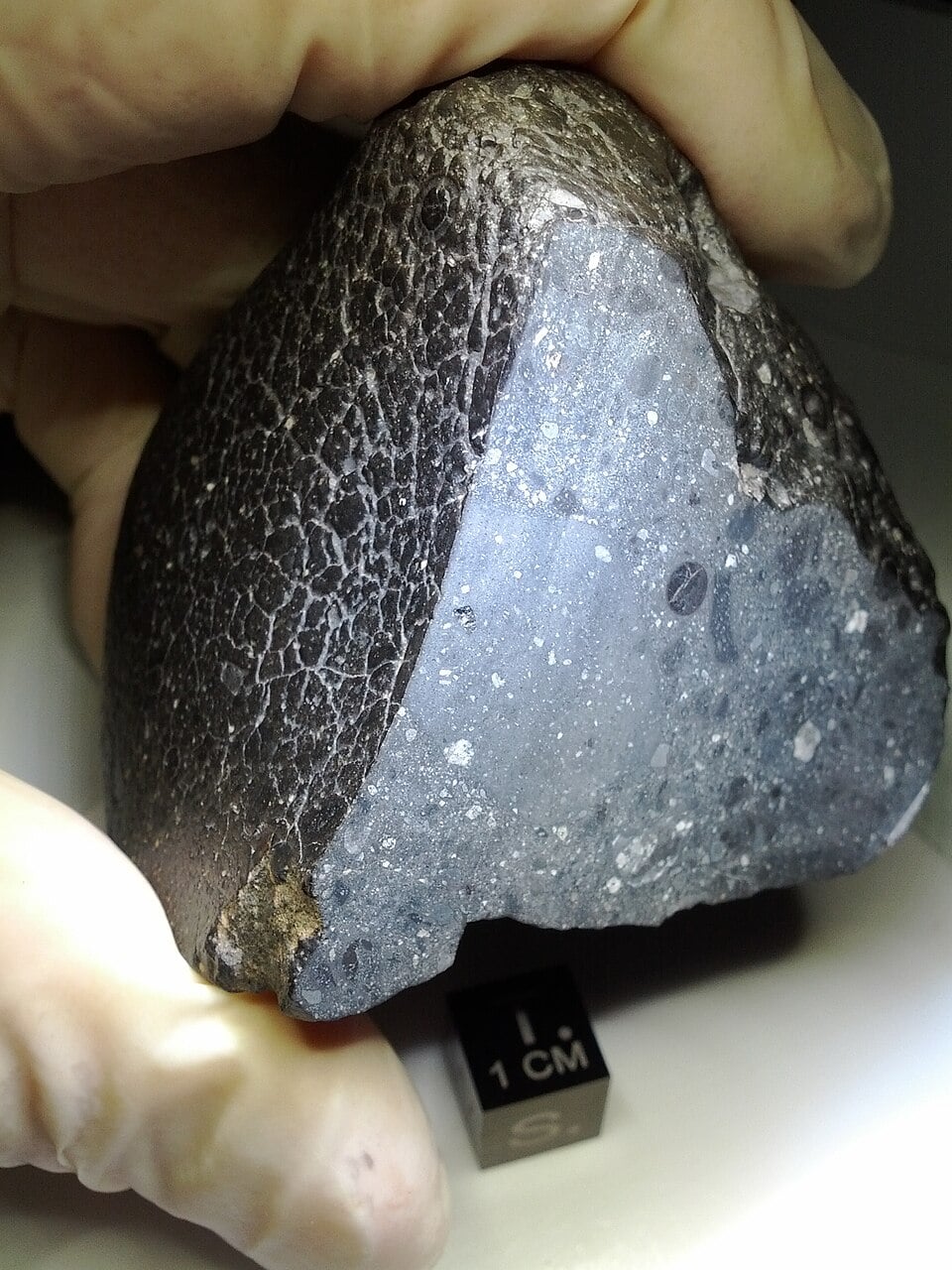
New tools unlock new discoveries in science. So when a new type of non-destructive technology becomes widely available, it's inevitable that planetary scientists will get their hands on it to test it on some meteorites. A new paper, available in pre-print on arXiv, by Estrid Naver of the Technical University of Denmark and her co-authors, describes the use of two of those (relatively) new tools to one of the most famous meteorites in the world - NWA 7034 - also known as Black Beauty.
Continue reading
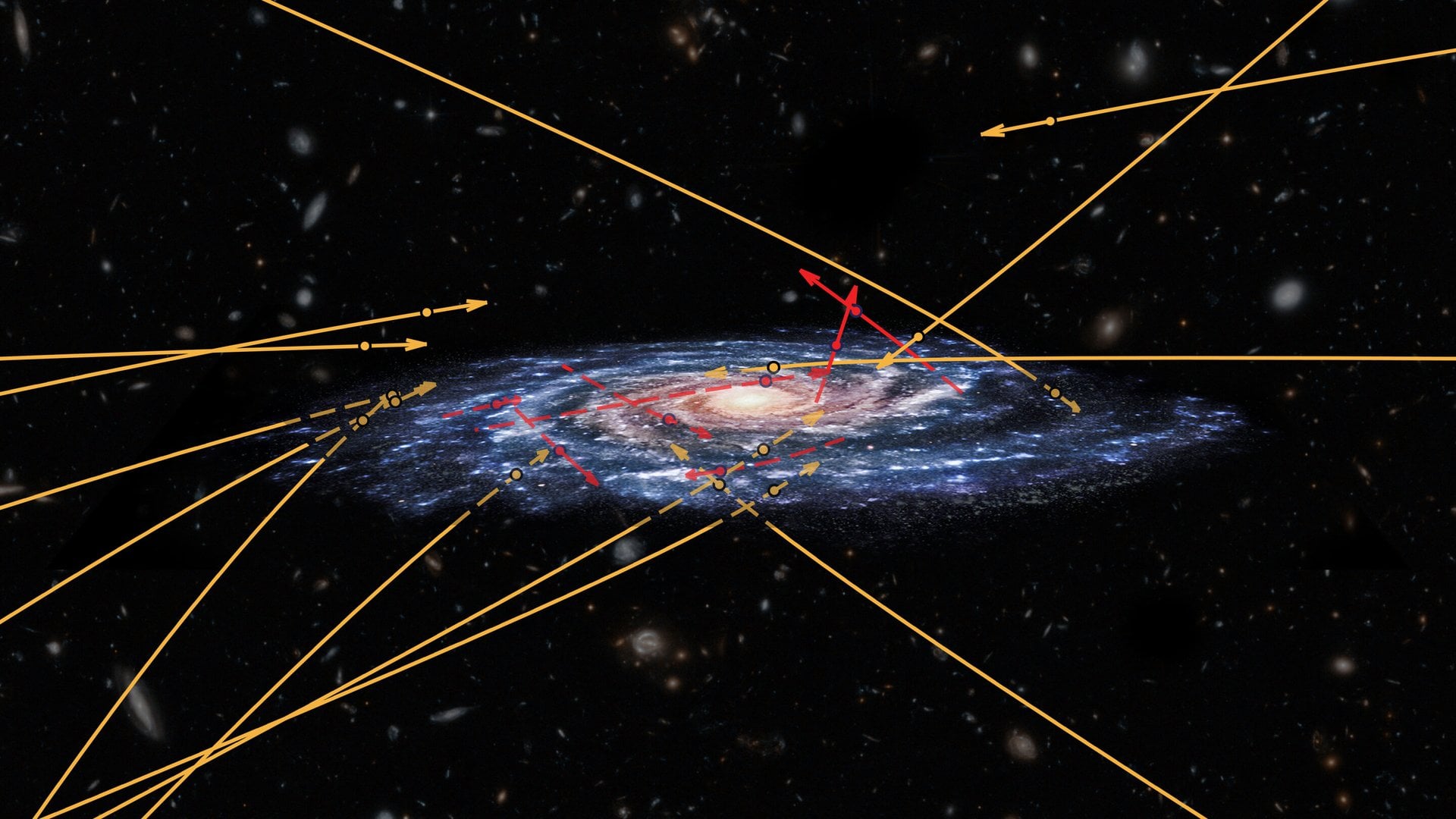
Researchers from the Institute of Cosmos Sciences of the University of Barcelona (ICCUB) and the Institute of Space Studies of Catalonia (IEEC), in collaboration with the Institute of Astrophysics of the Canary Islands (IAC), have led the most extensive observational study to date of runaway massive stars, which includes an analysis of the rotation and binarity of these stars in our galaxy.
Continue reading
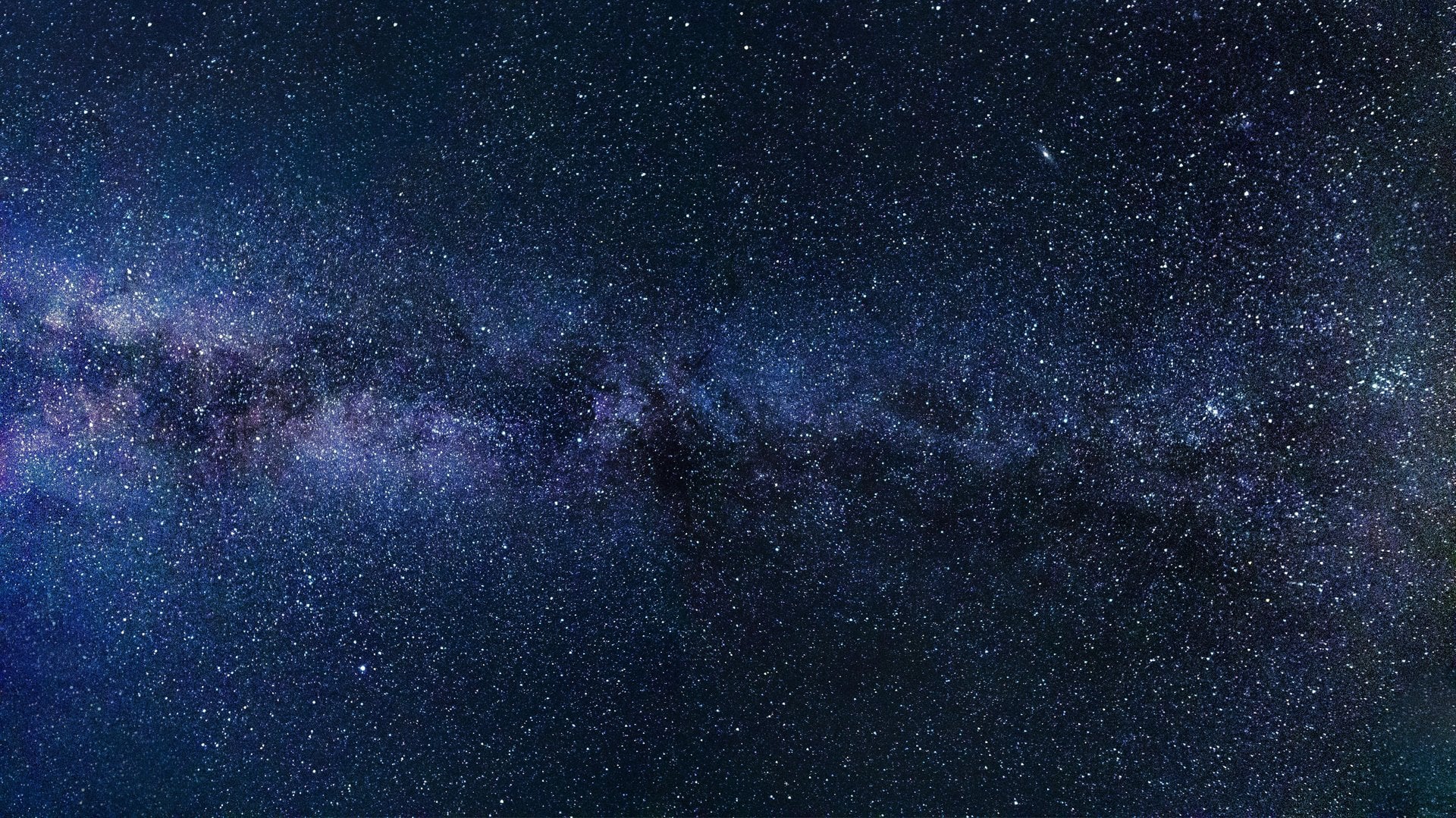
When I say that the universe is 13.77 billion years old, it sounds rather authoritative.
Continue reading
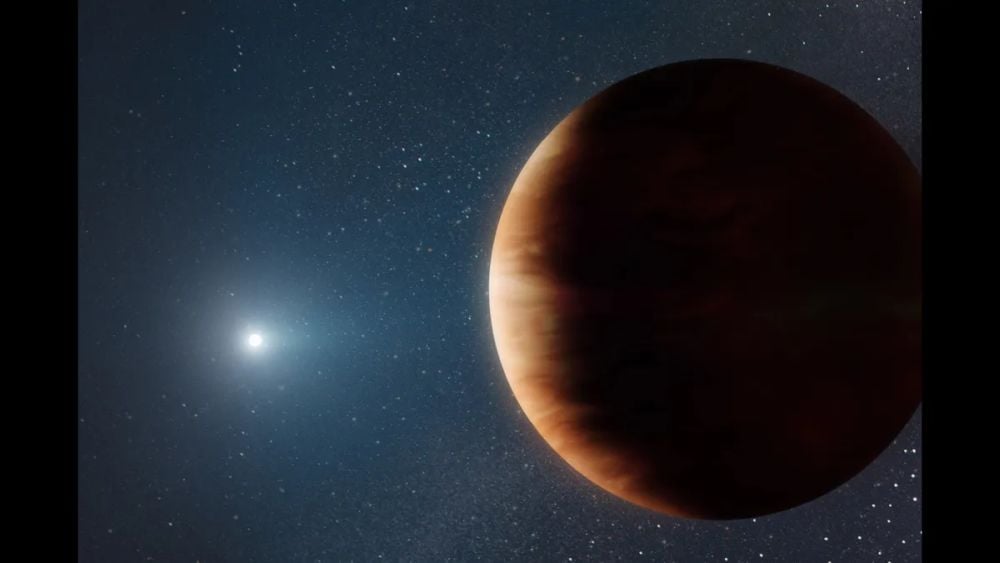
Astronomers haven't found many gas giants orbiting white dwarfs. But is that because they're so difficult to spot? Or is it because their survival rate is so low? New research probes the issue.
Continue reading
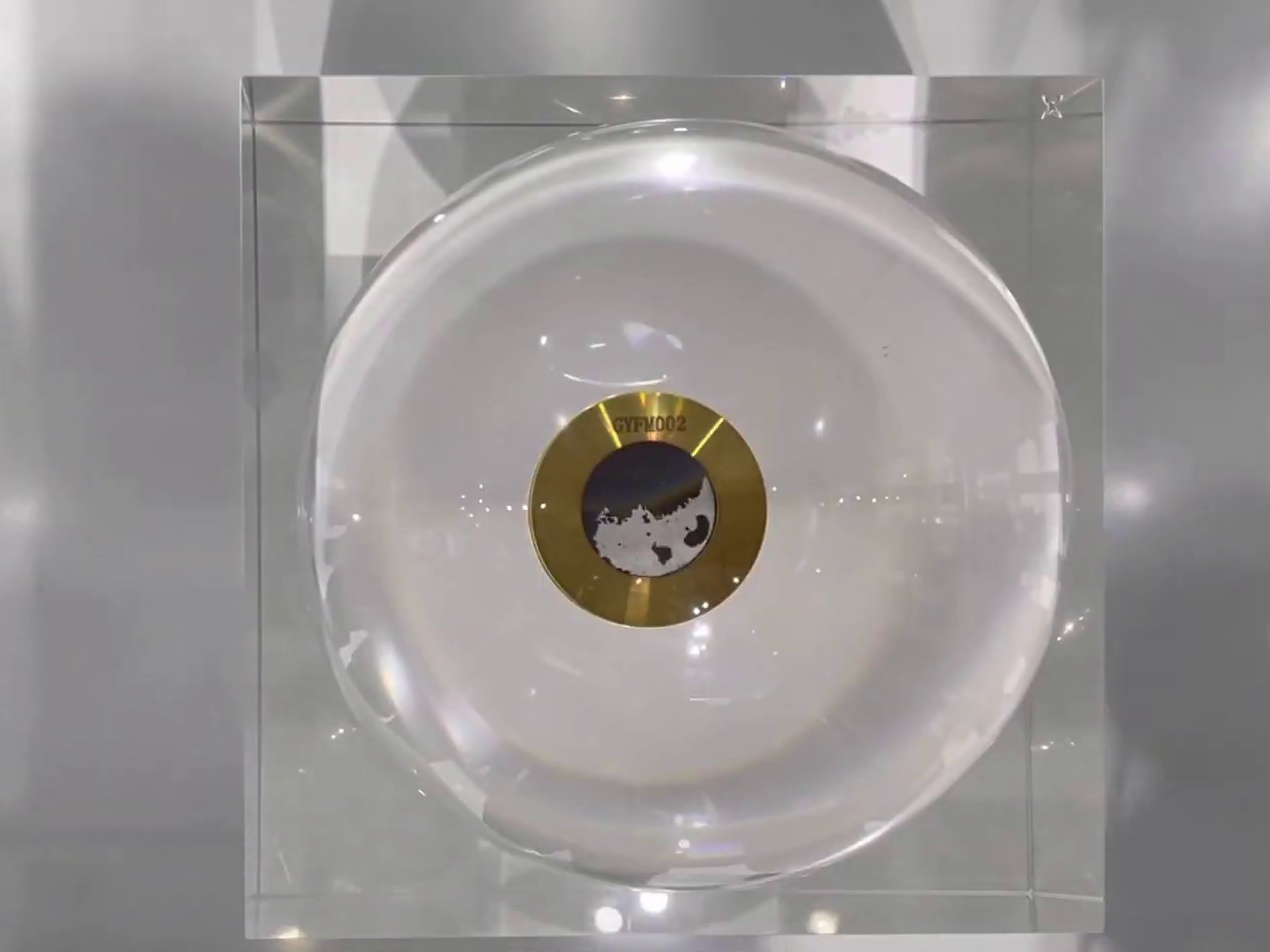
Magnetism on the Moon has always been a bit confusing. Remote sensing probes have noted there is some magnetic signature, but far from the strong cocoon that surrounds Earth itself. Previous attempts to detect it in returned regolith samples blended together all of the rocks in those samples, leading to confusion about the source - whether they were caused by a strong inner dynamo in ages past, or by powerful asteroid impacts that magnetized the rocks they hit. A new study from Yibo Yang of Zhejiang University and Lin Xing of the Chinese Academy of Sciences, published recently in the journal Fundamental Research, shows that the right answer seems to be - a little of both.
Continue reading
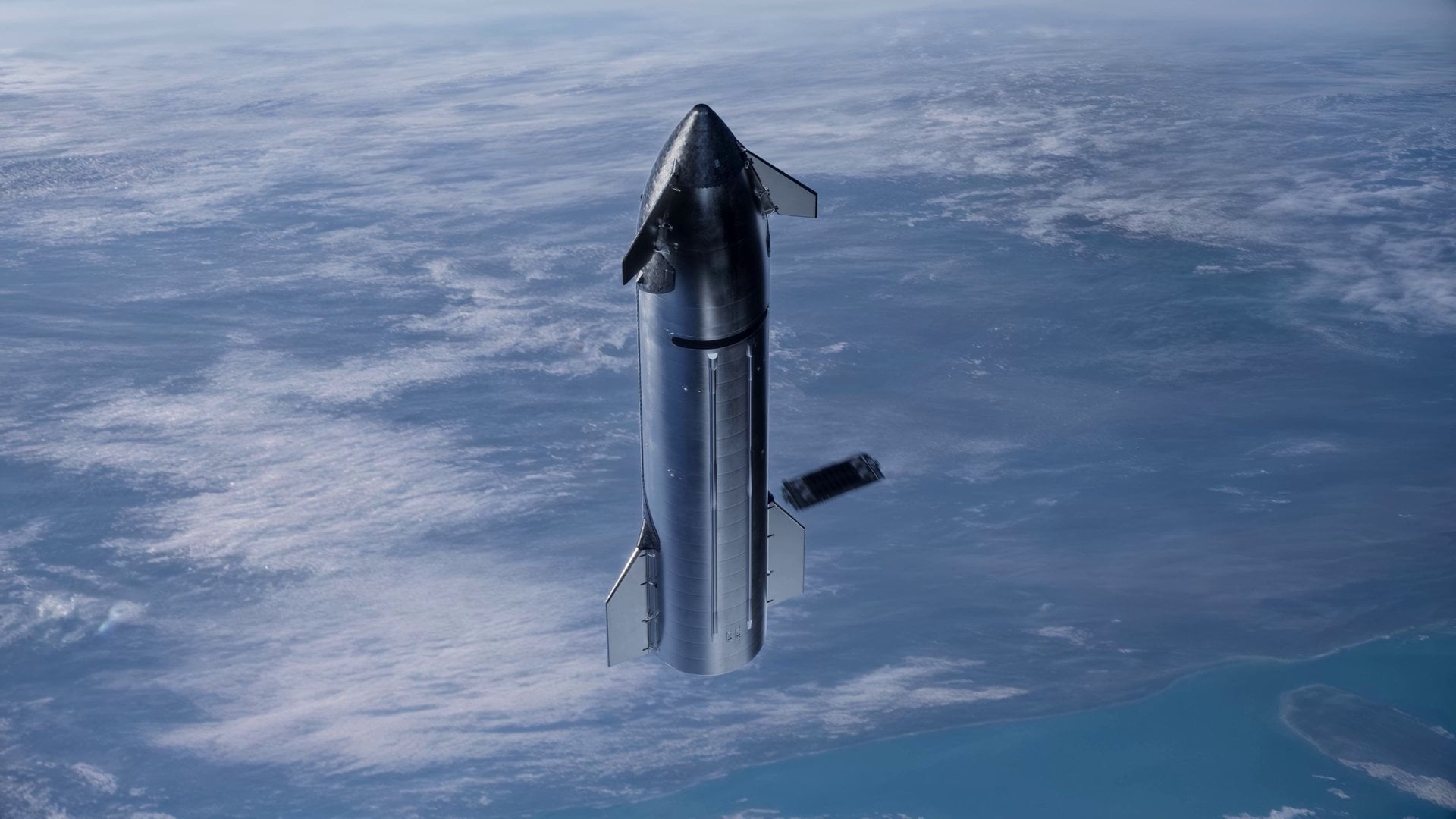
SpaceX CEO Elon Musk says he’s making space-based artificial intelligence the “immediate focus” of a newly expanded company that not only builds rockets and satellites, but also controls xAI’s generative-AI software and the X social-media platform. That’s the upshot of Musk's announcement that SpaceX has acquired xAI.
Continue reading
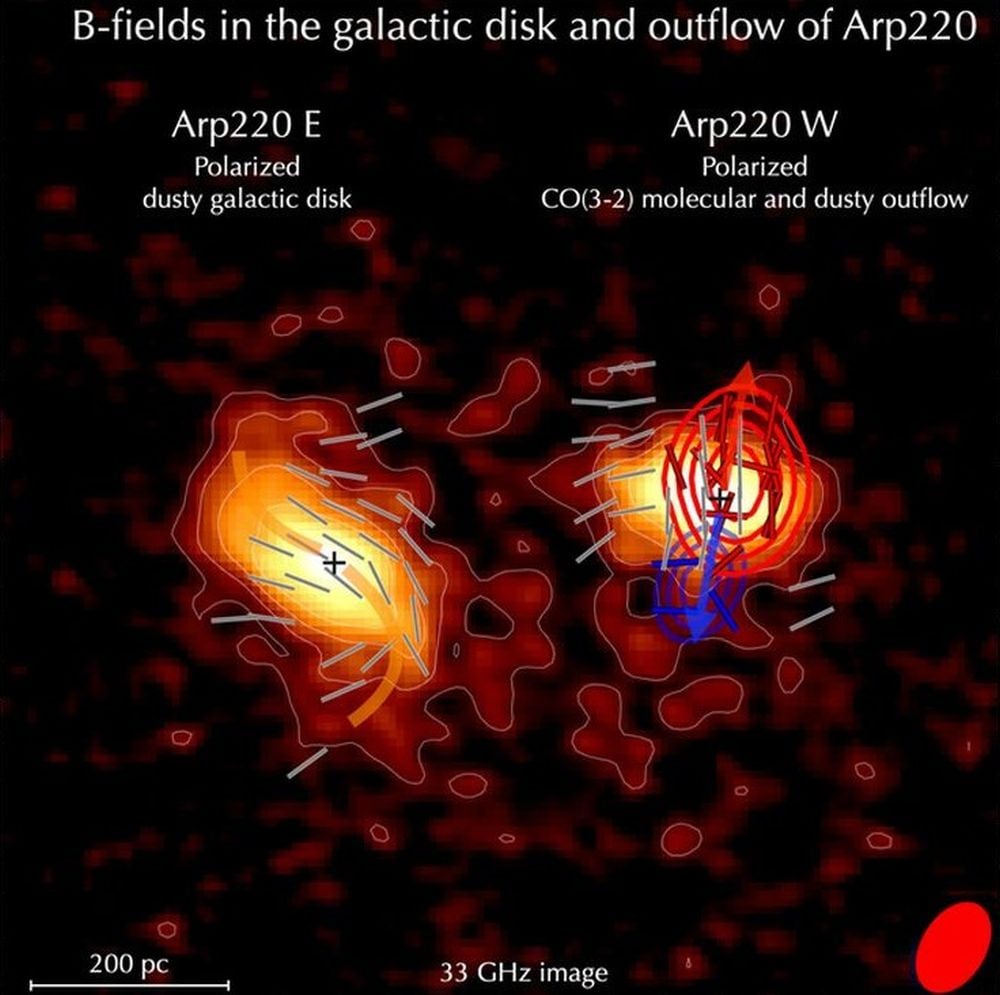
Arp 220 is a well-known pair of galaxies that are merging. New ALMA observations of polarized light reveal the complex and powerful magnetic fields that shape the process.
Continue reading
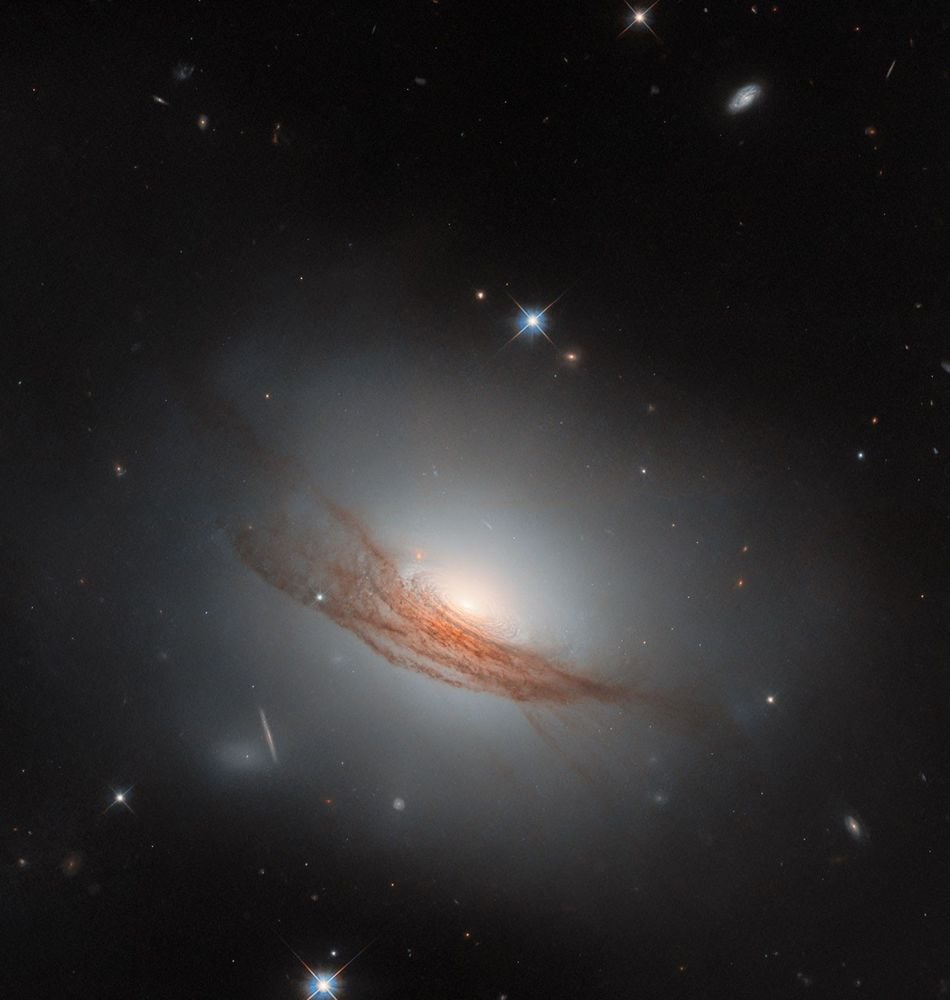
This NASA/ESA Hubble Space Telescope image shows NGC 7722, a lenticular galaxy about 187 million light-years away in the constellation Pegasus. This “lens-shaped” galaxy sits in between more familiar spiral alaxies and elliptical galaxies in the galaxy classification scheme. The dark, dramatic dust lanes are the fingerprints of an ancient galaxy merger.
Continue reading
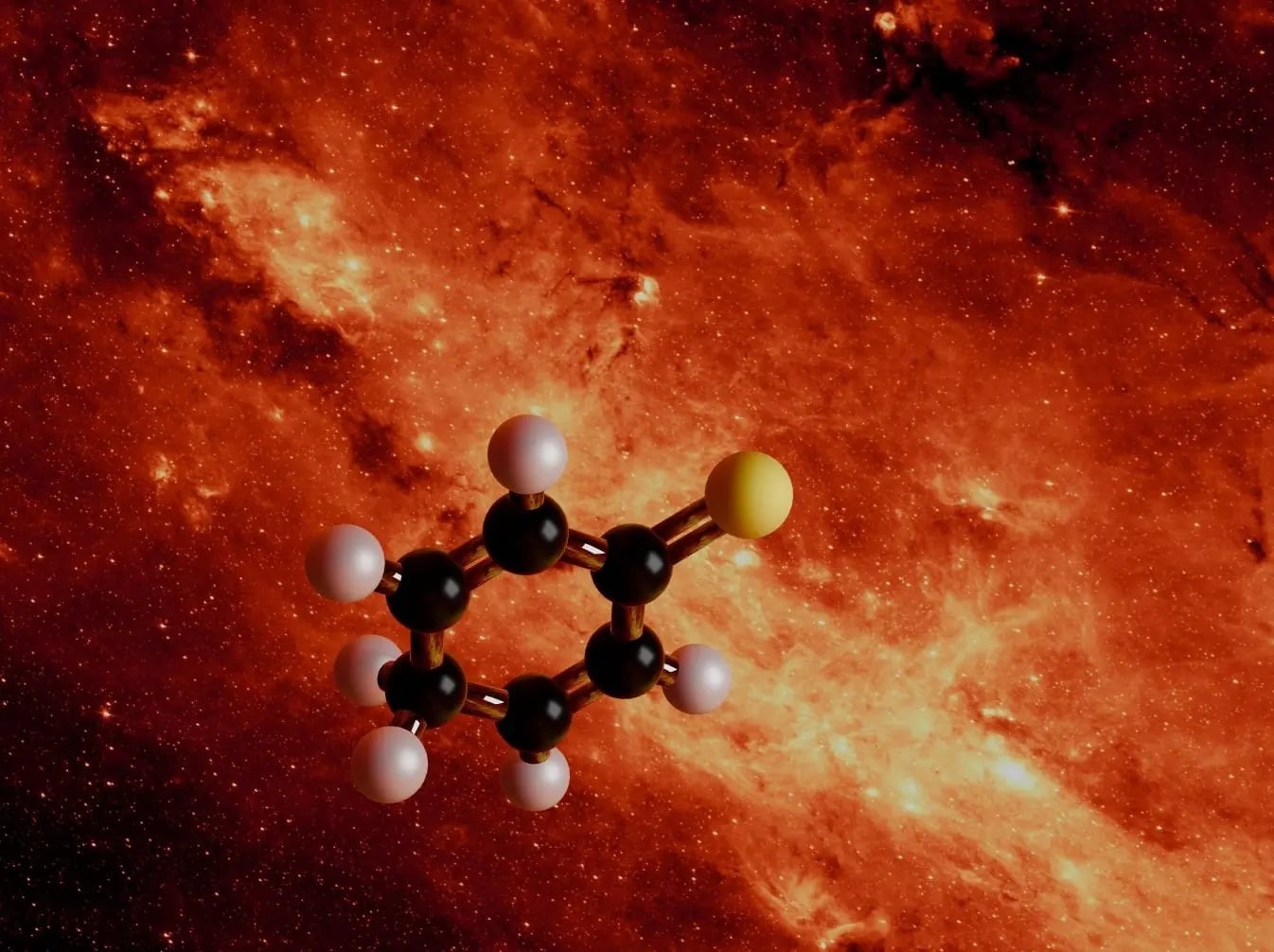
For the first time, a complex, ring-shaped molecule containing 13 atoms—including sulfur—has been detected in interstellar space, based on laboratory measurements. The discovery closes a critical gap by linking simple chemistry in space with the complex organic building blocks found in comets and meteorites. This represents a major step toward explaining the cosmic origins of the chemistry of life.
Continue reading
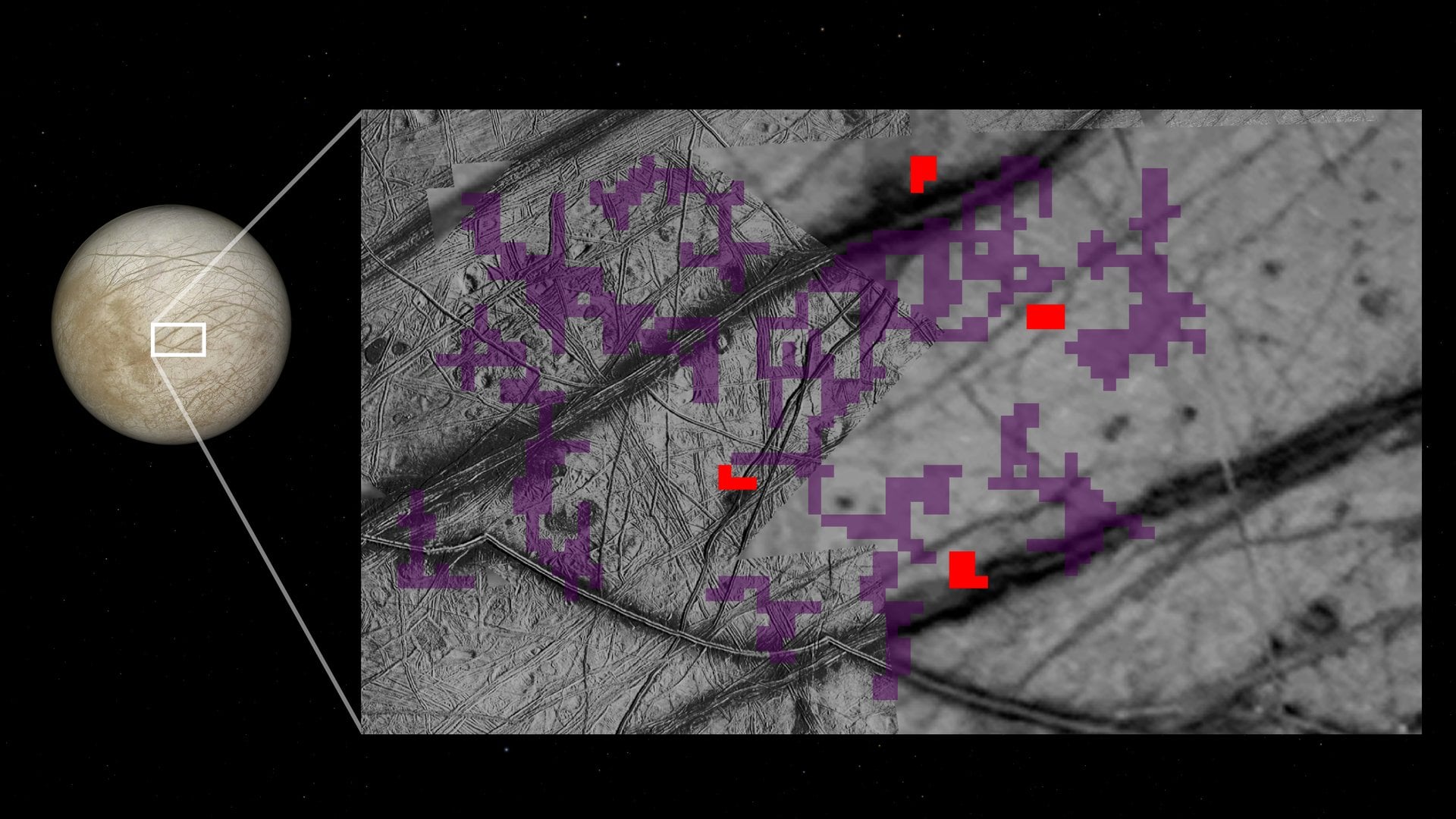
The search for life-supporting worlds in the Solar System includes the Jovian moon Europa. Yes, it's an iceberg of a world, but underneath its frozen exterior lies a deep, salty ocean and a nickel-iron core. It's heated by tidal flexing, and that puts pressure on the interior ocean, sending water and salts to the surface. As things turn out, there's also evidence of ammonia-bearing compounds on the surface. All these things combine to provide a fascinating look at Europa's geology and potential as a haven for life.
Continue reading
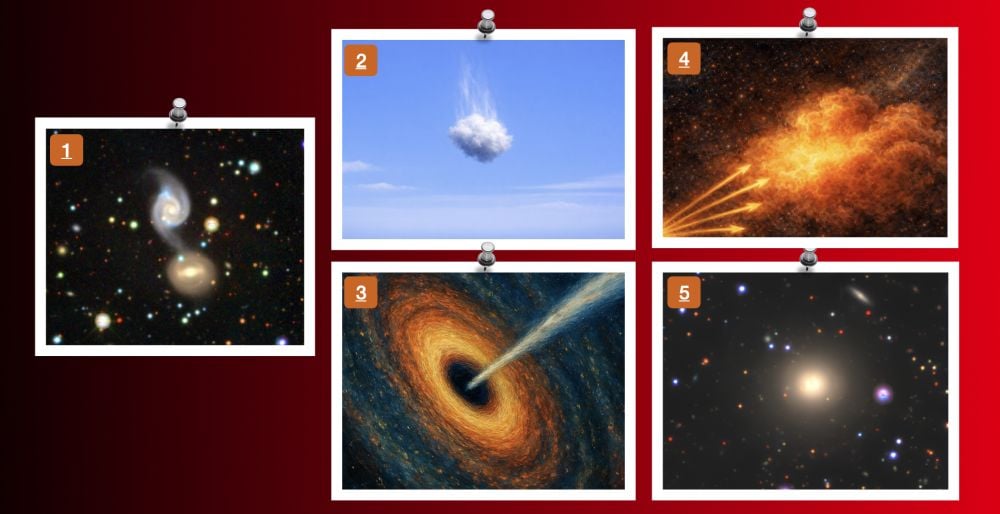
Red Geysers are an unusual class of galaxy that contain only old stars. Despite having plenty of star-forming gas, Red Geysers are quenched. Astronomers have mapped the flow of gas in these galaxies and figure out why they're dormant.
Continue reading
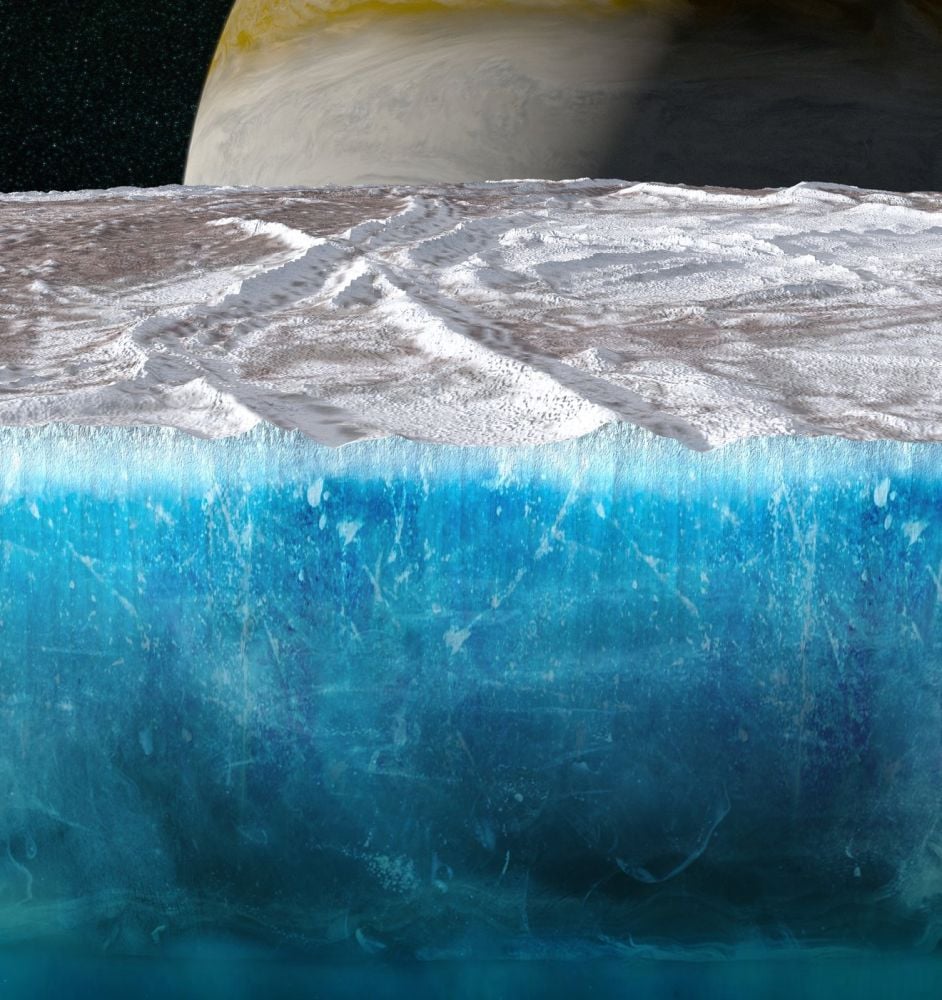
Jupiter's icy moon Europa is a tantalizing target in the search for habitability in our Solar System. Its thick, global ice sheet overlies a warm, salty, chemically-rich ocean. But for life to exist in that ocean, nutrients need to find their way from the surface to the ocean. New research says that may be very difficult.
Continue reading
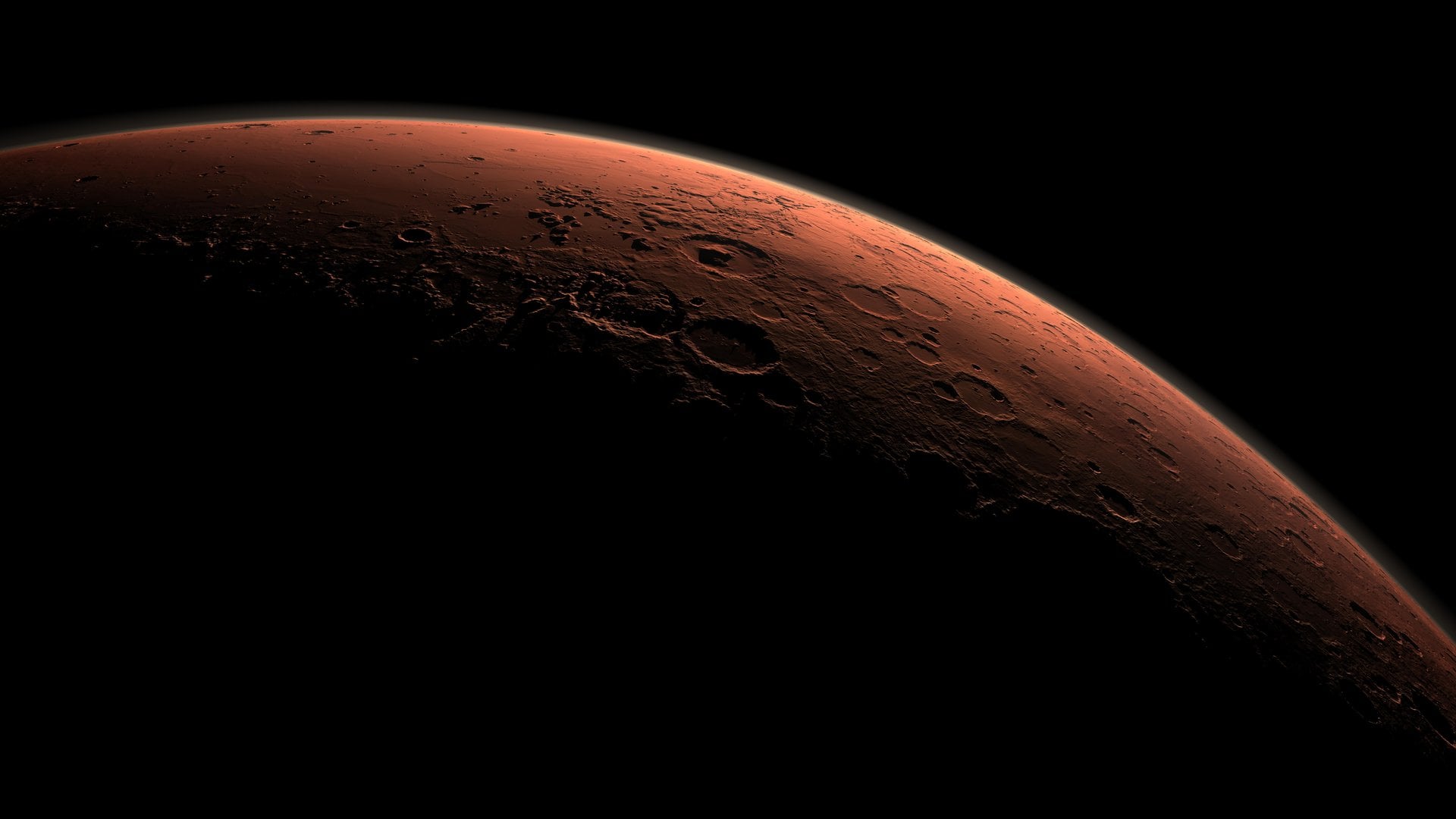
The light, rare element boron, better known as the primary component of borax, a longtime household cleaner, was almost mined to exhaustion in parts of the old American West. But boron could arguably be an unsung hero in cosmic astrobiology, although it's still not listed as one of the key elements needed for the onset of life.
Continue reading
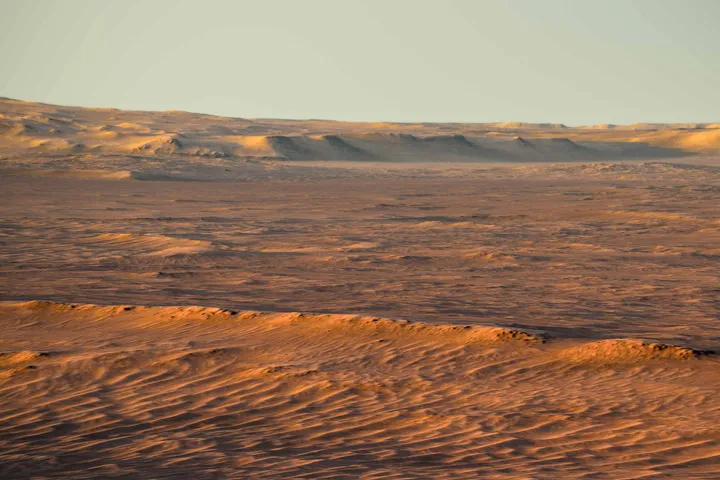
When the rover now named Perseverance landed in Jezero crater in early 2021, scientists already knew they had picked an interesting place to scope out. From space, they could see what looked like a bathtub ring around the crater, indicating there could once have been water there. But there was some debate about what exactly that meant, and it’s taken almost five years to settle it. A new paper from PhD student Alex Jones at Imperial College London and his co-authors has definitively settled the debate on the source of that feature - part of it was once a beach.
Continue reading
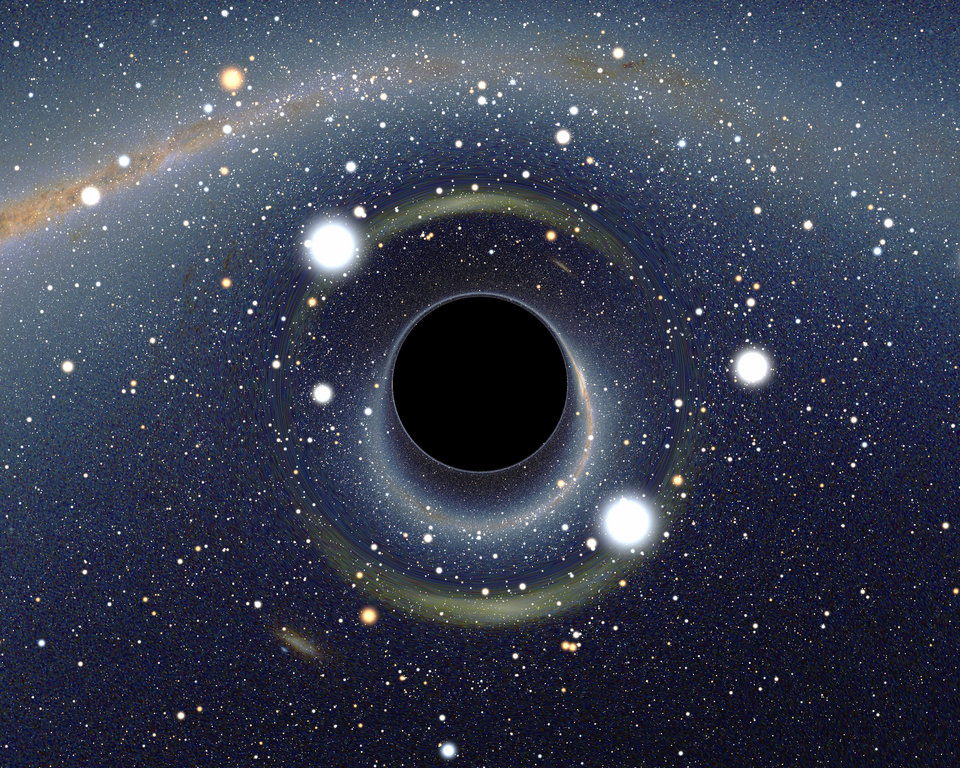
Researchers at KAIST have developed a breakthrough technology that could dramatically improve our ability to image black holes and other distant objects. The team created an ultra precise reference signal system using optical frequency comb lasers to synchronise multiple radio telescopes with unprecedented accuracy. This laser based approach solves long standing problems with phase calibration that have plagued traditional electronic methods, particularly at higher observation frequencies.
Continue reading
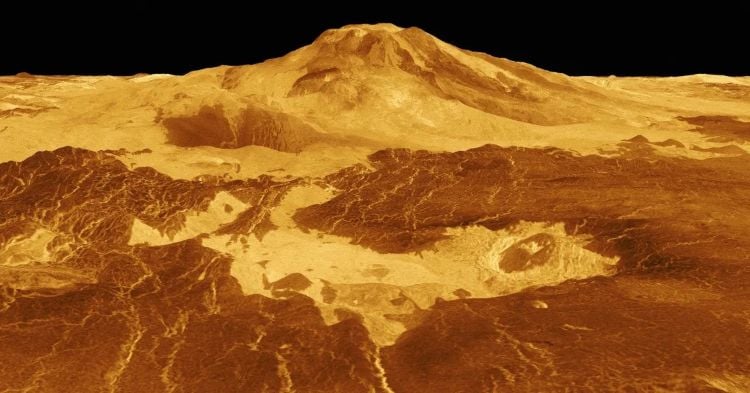
It’s 2050 and you’re living on Venus. This might come as a surprise due to the planet’s crushing surface pressures (~92 times of Earth) and searing surface temperatures (~465 degrees Celsius/870 degrees Fahrenheit), which is equivalent to ~900 meters (3,000 feet) underwater and hot enough to melt lead, respectively. But you’re not living on the surface. Instead, you’re safe and sound inside a lava tube habitat scanning data from the latest orbiter images while sipping on some habitat-made espresso.
Continue reading
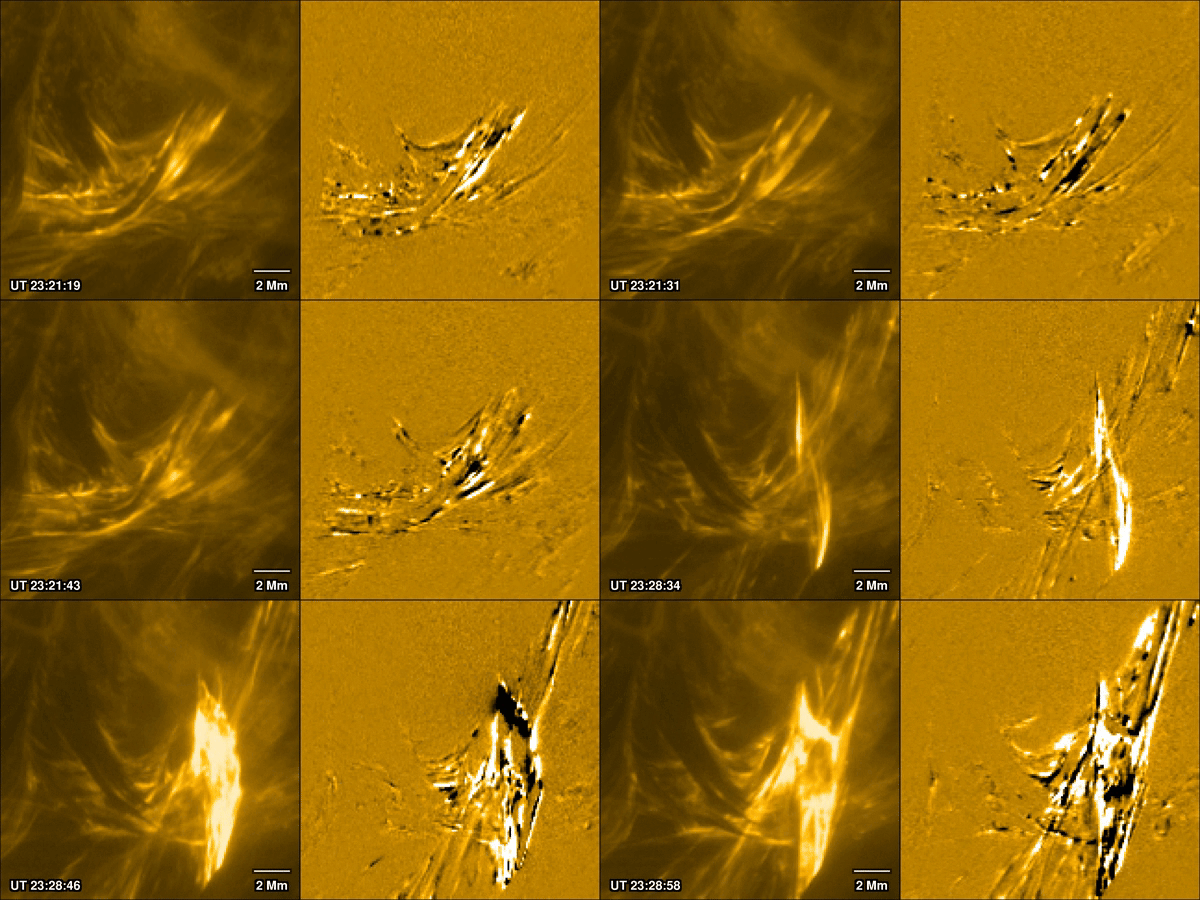
Solar flares are one of the most closely watched processes in solar physics. Partly that’s because they can prove hazardous both to life and equipment around Earth, and in extreme cases even on it. But also, it’s because of how interestingly complex they are. A new paper from Pradeep Chitta of the Max Planck Institute for Solar System Research and his co-authors, available in the latest edition of Astronomy & Astrophysics, uses data collected by ESA’s Solar Orbiter spacecraft to watch the formation process of a massive solar flare. They discovered the traditional model used to describe how solar flares form isn’t accurate, and they are better thought of as being caused by miniaturized “magnetic avalanches.”
Continue reading
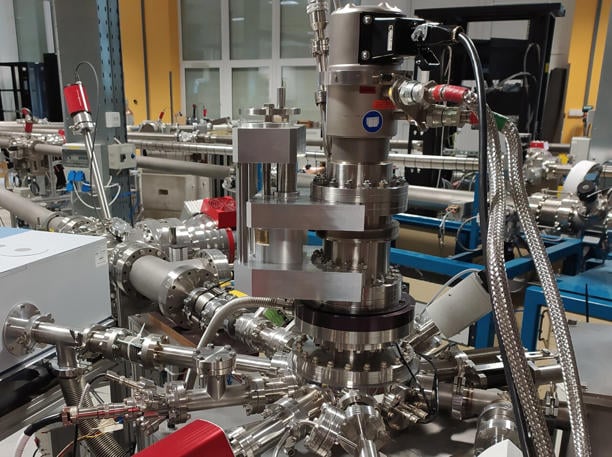
A new study led by researchers from Aarhus University showed that amino acids spontaneously bond in space, producing peptides that are essential to life as we know it. Their findings suggest that the building blocks of life are far more common throughout space than previously thought, with implications for astrobiology and SETI.
Continue reading
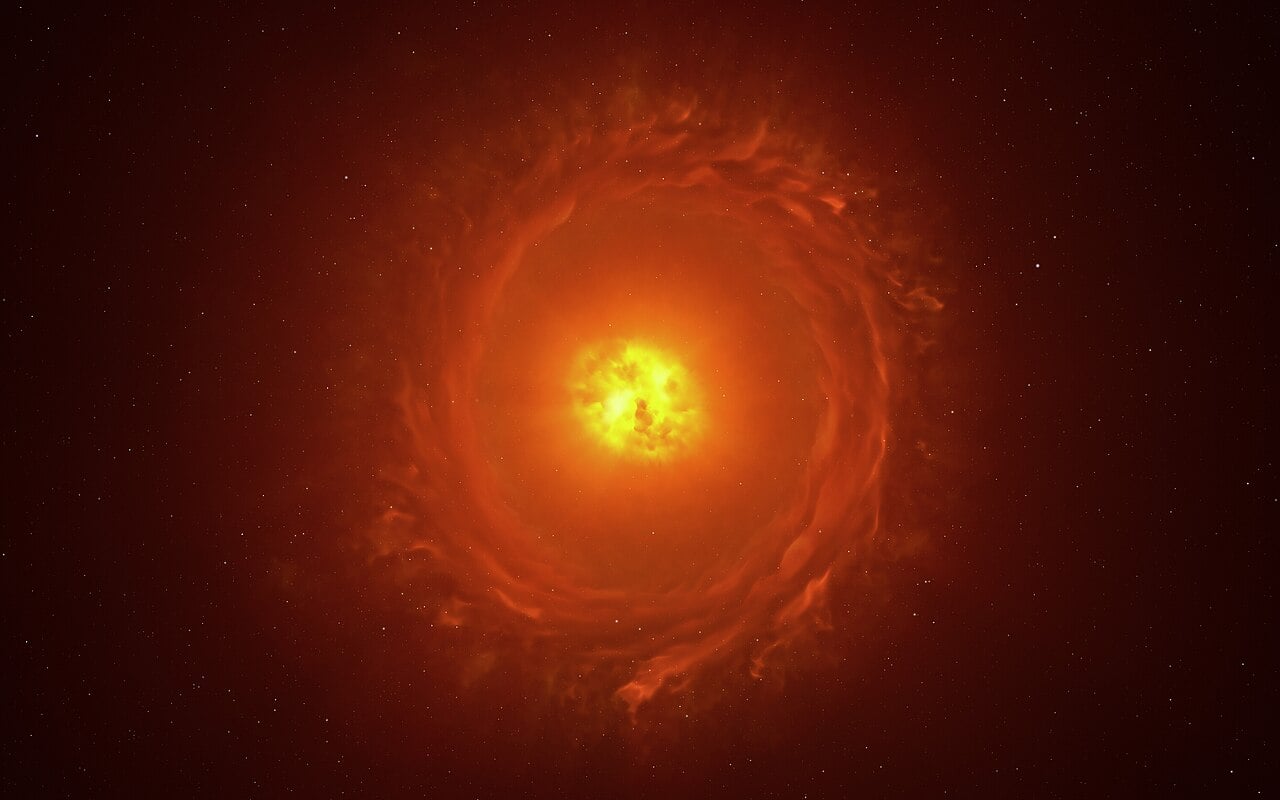
Astronomers have solved a bit of a mystery that had them questioning whether one of the most extreme stars ever observed was about to explode. WOH G64, a massive red supergiant in the Large Magellanic Cloud, began behaving so strangely that researchers suspected it had evolved into a rare yellow hypergiant on the brink of supernova. But new observations from the Southern African Large Telescope reveal the star is still very much a red supergiant, yet still exhibiting strange behaviour.
Continue reading
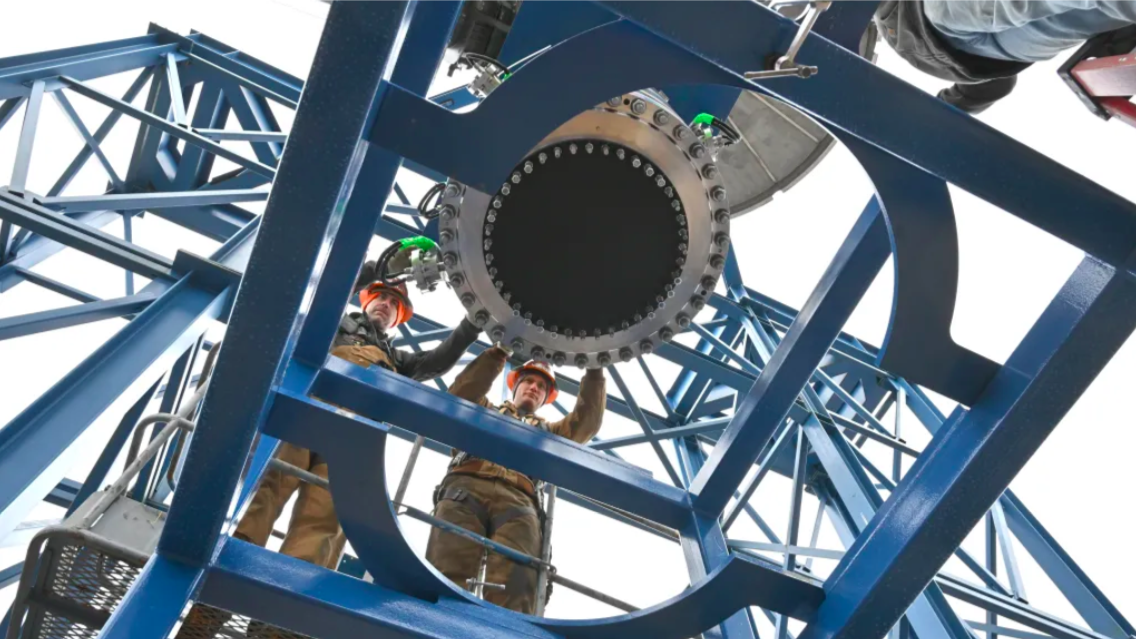
NASA has completed its first major testing of nuclear reactor hardware for spacecraft propulsion in over 50 years, marking a crucial step toward faster, more capable deep space missions. Engineers at Marshall Space Flight Center conducted more than 100 ‘cold flow’ tests on a full scale reactor engineering development unit throughout 2025, gathering vital data on how propellant flows through the system under various conditions.
Continue reading
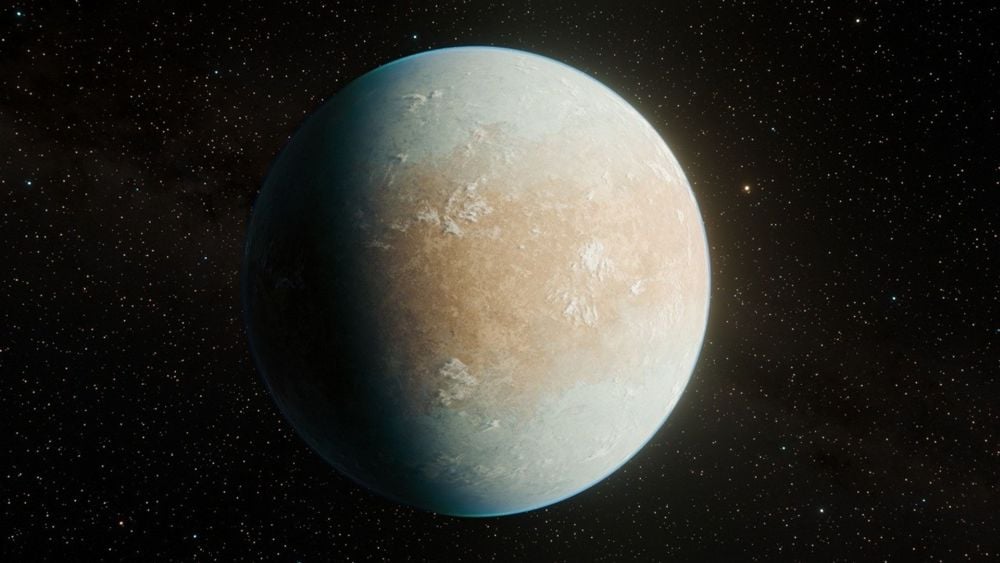
Finding Earth-like planets is the primary driver of exoplanet searches because as far as we know, they're the ones most likely to be habitable. Astronomers sifting through data from NASA's Kepler Space Telescope have found a remarkably Earth-like planet, but with one critical difference: it's as cold as Mars.
Continue reading
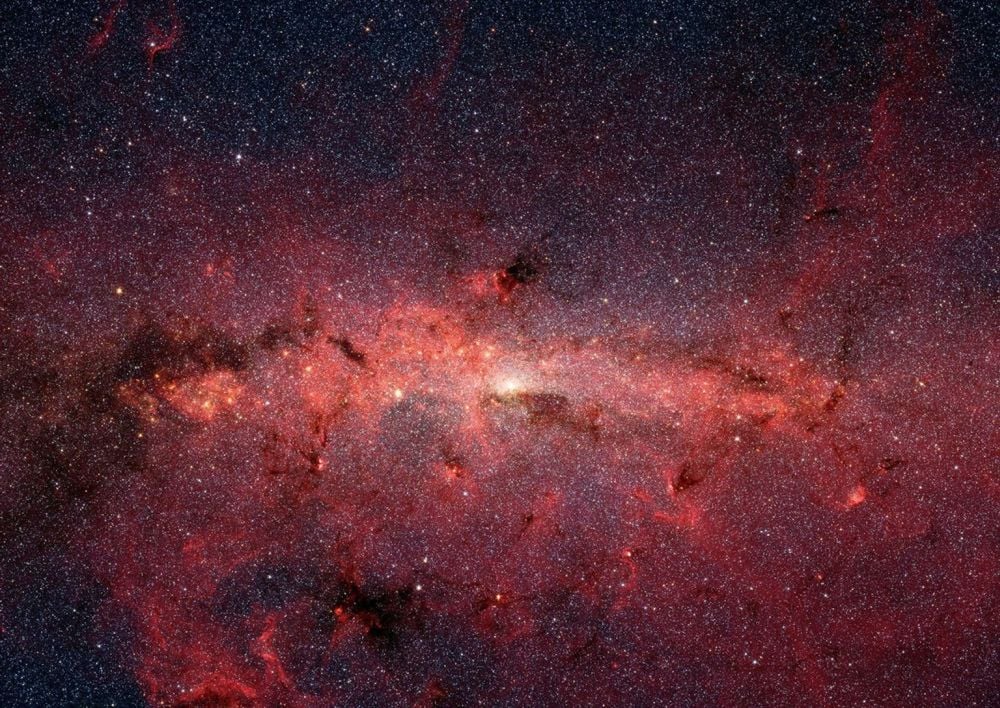
The Milky Way's Galactic Center and Bulge are shrouded in thick dust and tightly-packed with stars. It's a tough region to observe, but the Nancy Gracy Roman Space Telescope is built for the task. Its Galactic Bulge Time-Domain Survey will find more than 100,000 exoplanets, along with stars, black holes, neutron stars, and even rogue planets.
Continue reading
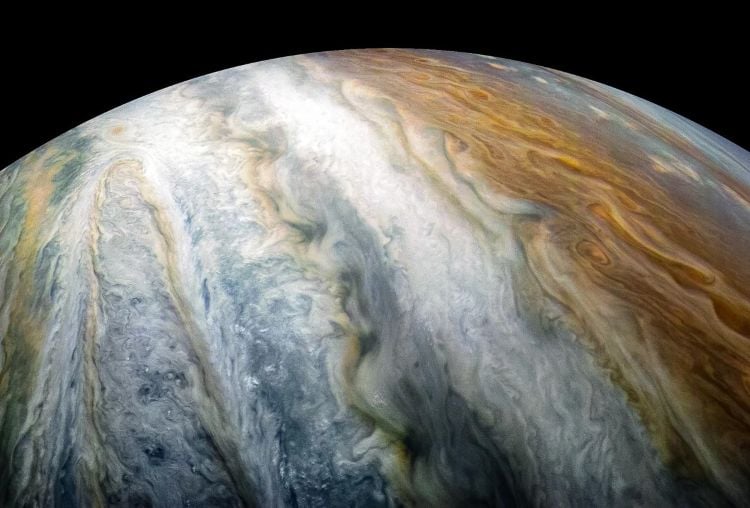
Jupiter’s atmosphere and clouds have mesmerized stargazers for centuries, as their multi-colored, swirling layers can easily be viewed from powerful telescopes on Earth. However, NASA’s Juno spacecraft has upped the ante regarding our understanding of Jupiter’s atmospheric features, having revealed them in breathtaking detail. This includes images of massive lightning storms, clouds swallowing clouds, polar vortices, and powerful jet streams. Yet, despite its beauty and wonder, scientists are still puzzled about the processes occurring deep inside Jupiter’s atmosphere that result in these incredible features.
Continue reading
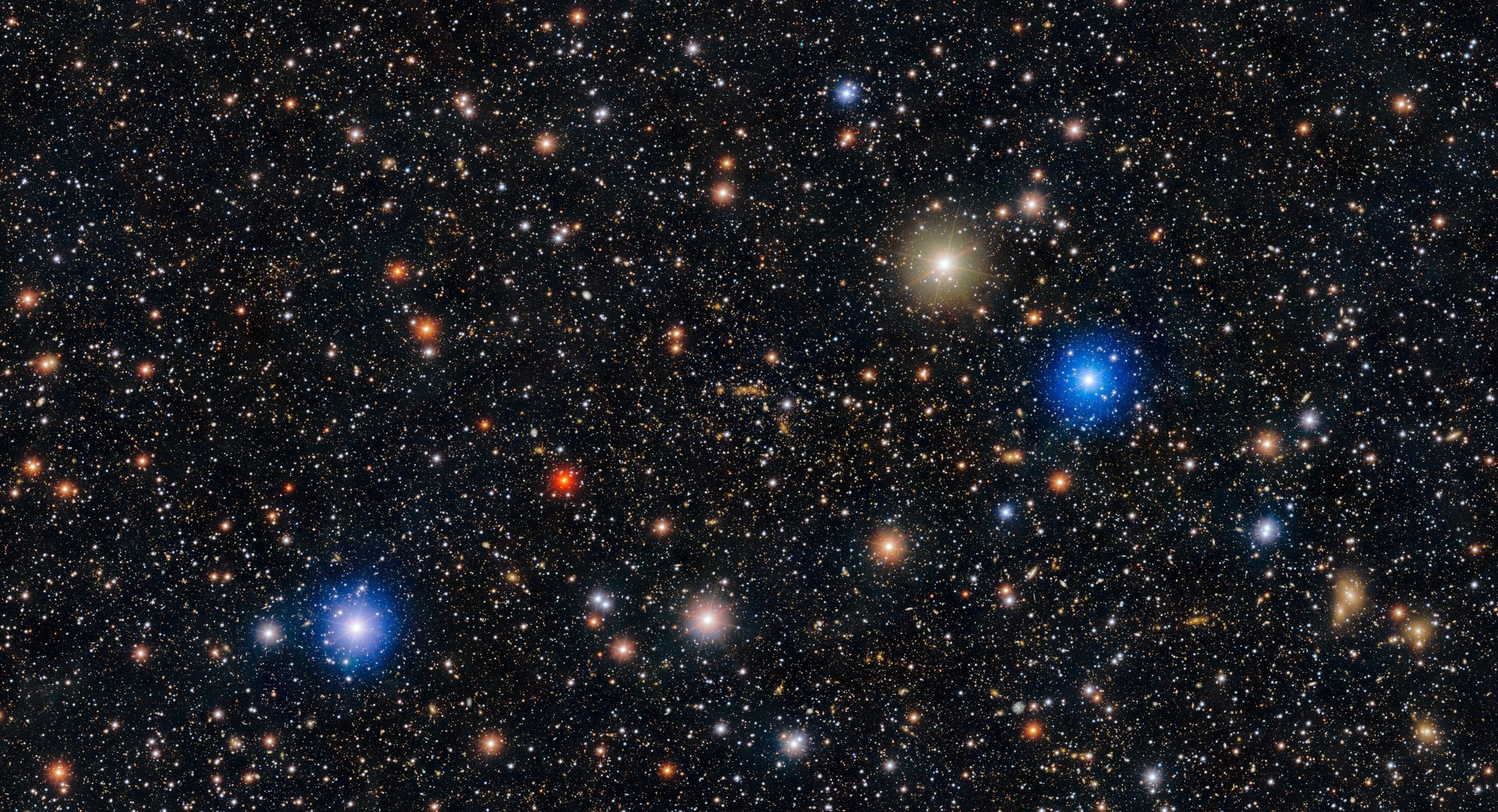
The Dark Energy Survey Collaboration collected information on hundreds of millions of galaxies across the Universe using the U.S. Department of Energy-fabricated Dark Energy Camera, mounted on the U.S. National Science Foundation Víctor M. Blanco 4-meter Telescope at CTIO, a Program of NSF NOIRLab. Their completed analysis combines all six years of data for the first time and yields constraints on the Universe's expansion history that are twice as tight as past analyses.
Continue reading
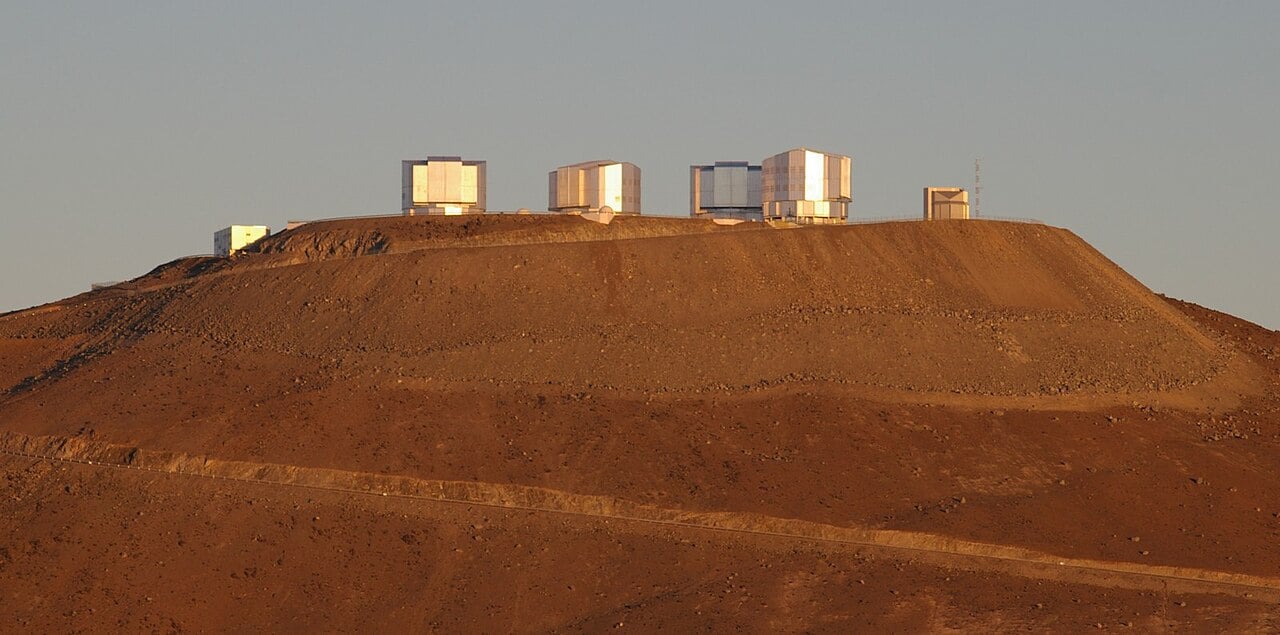
After months of protests led by Nobel laureate Reinhard Genzel, the American energy company AES Andes has abandoned plans to build a massive solar and wind facility just kilometres from one of the world's premier telescope sites. The decision preserves the pristine night skies above Chile's Paranal Observatory, where the European Southern Observatory operates some of humanity's most powerful eyes on the universe.
Continue reading
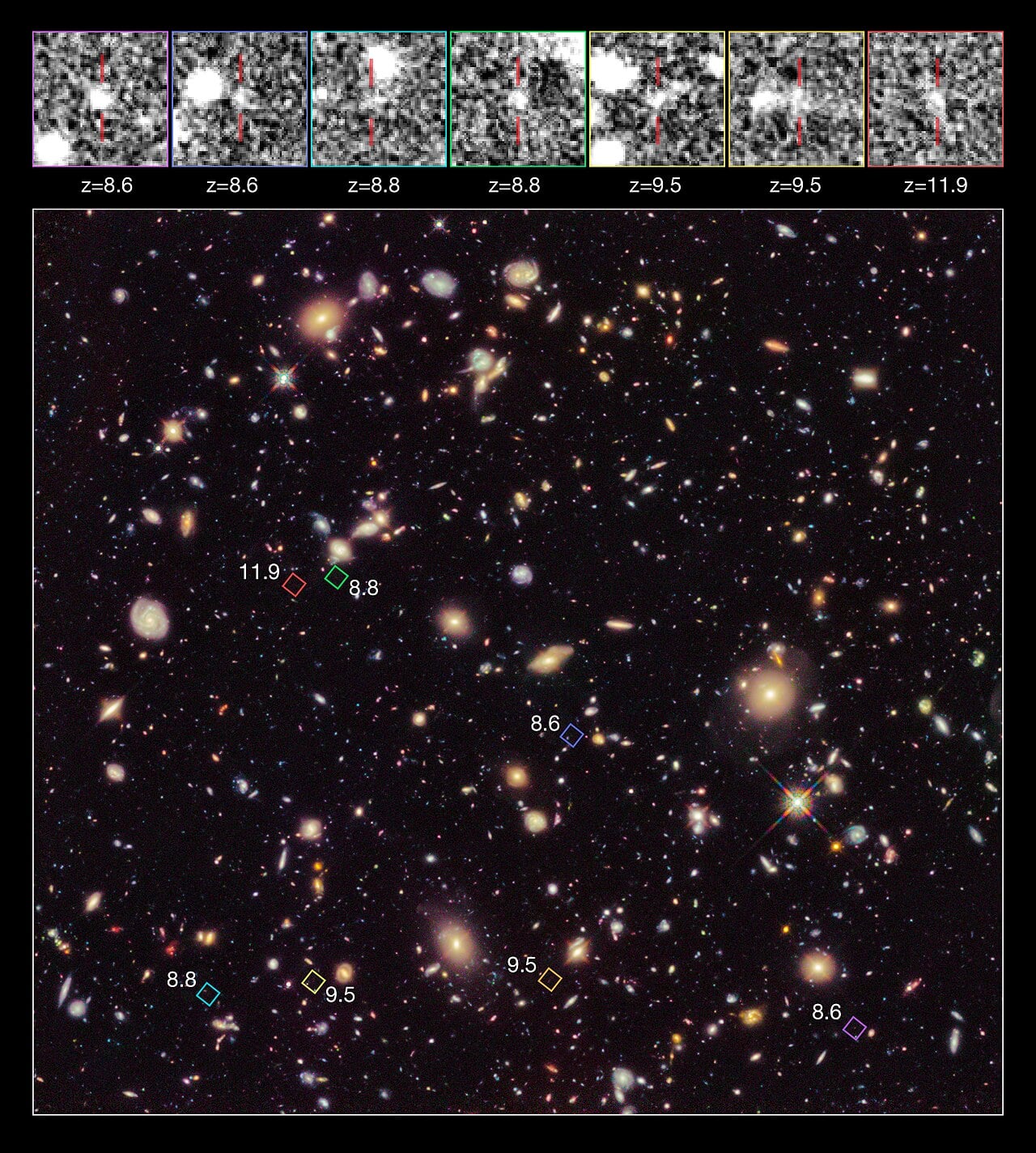
Nearly a century after Edwin Hubble discovered the universe's expansion, astronomers have finally explained the nagging mystery of why most nearby galaxies rush away from us as if the Milky Way's gravity doesn't exist? The answer lies in a vast, flat sheet of dark matter stretching tens of millions of light years around us, with empty voids above and below that make the expansion appear smoother than it should.
Continue reading
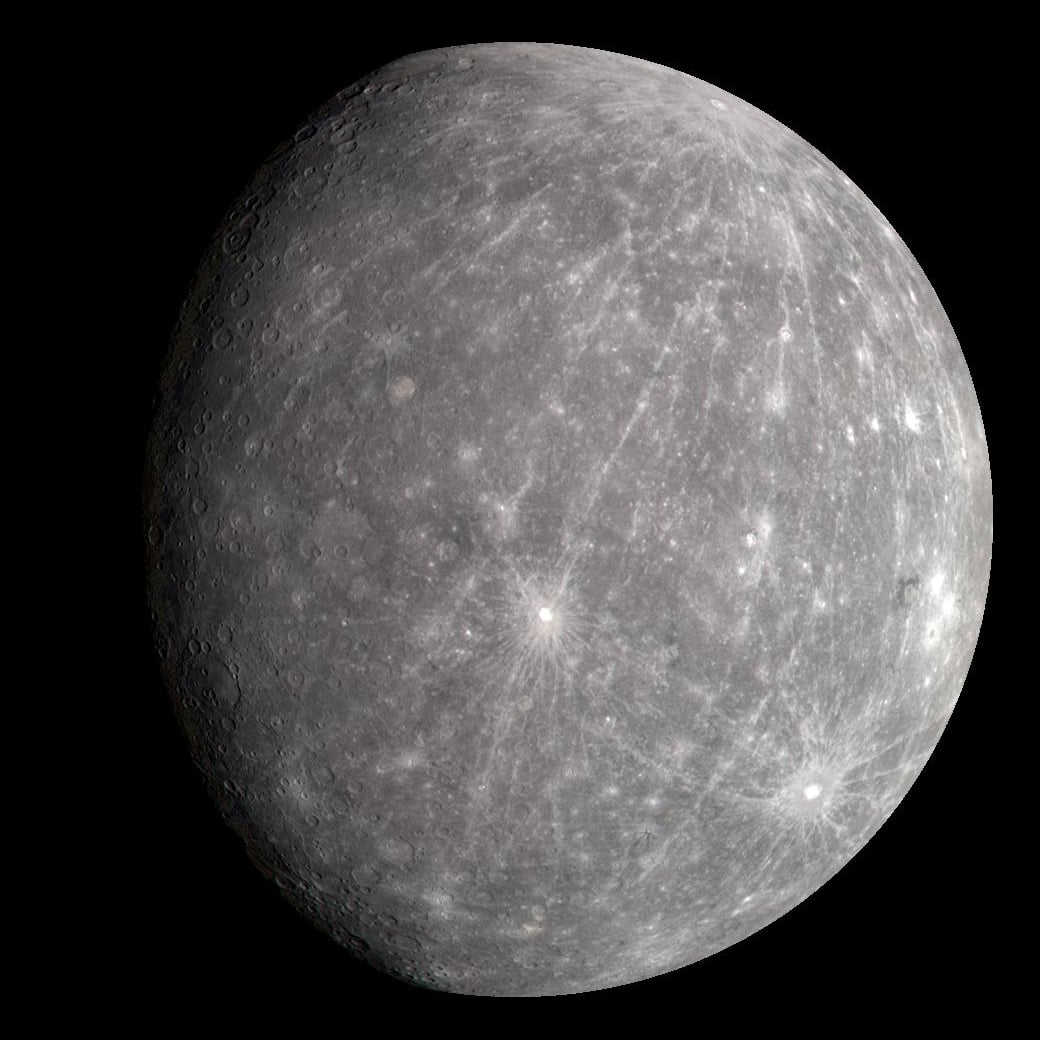
Researchers using machine learning have discovered hundreds of mysterious bright streaks on Mercury's surface that appear to be caused by gases escaping from the planet's interior. The finding suggests the Solar System's smallest planet isn't the static, geologically dead world we thought it was, Mercury might still be active today, continuously releasing material into space even billions of years after its formation.
Continue reading
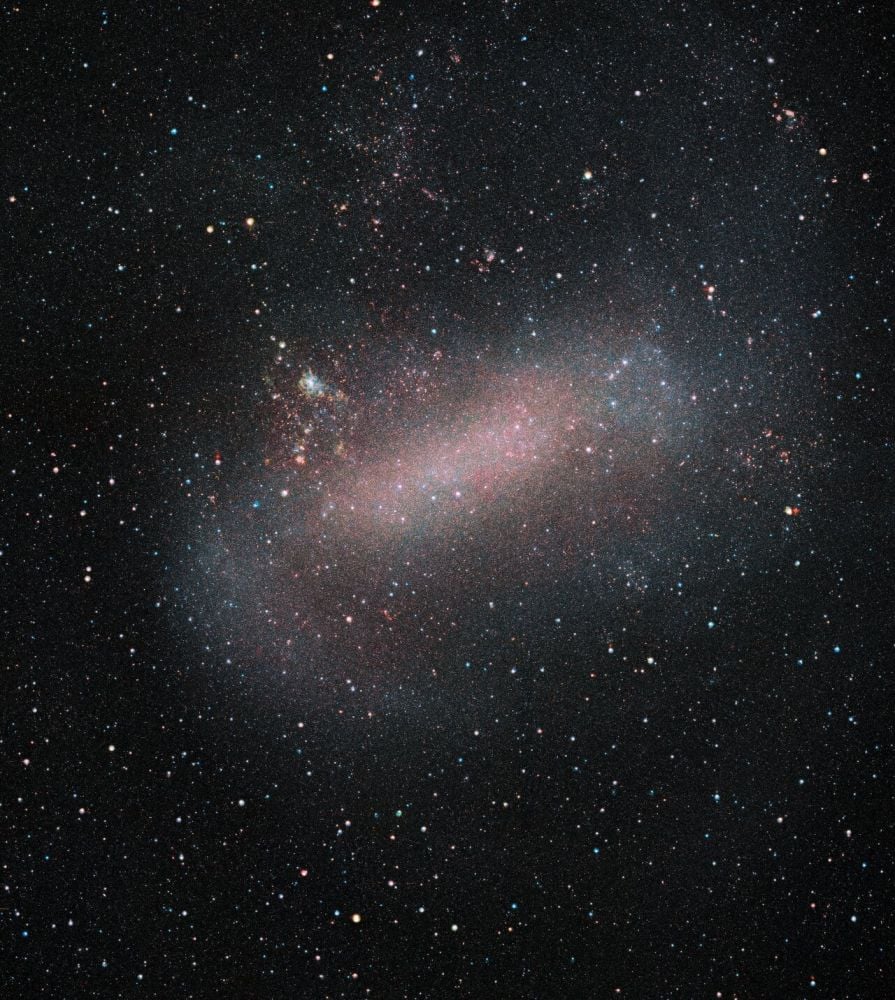
Our current understanding of the Cosmos shows that structures emerge hierarchically. First there are dark matter densities, then dwarf galaxies. Those dwarfs then merge to form more massive galaxies, which merge together into even larger galaxies. Evidence of dwarf galaxy mergers is difficult to obtain, but new research found some in the Milky Way's halo.
Continue reading
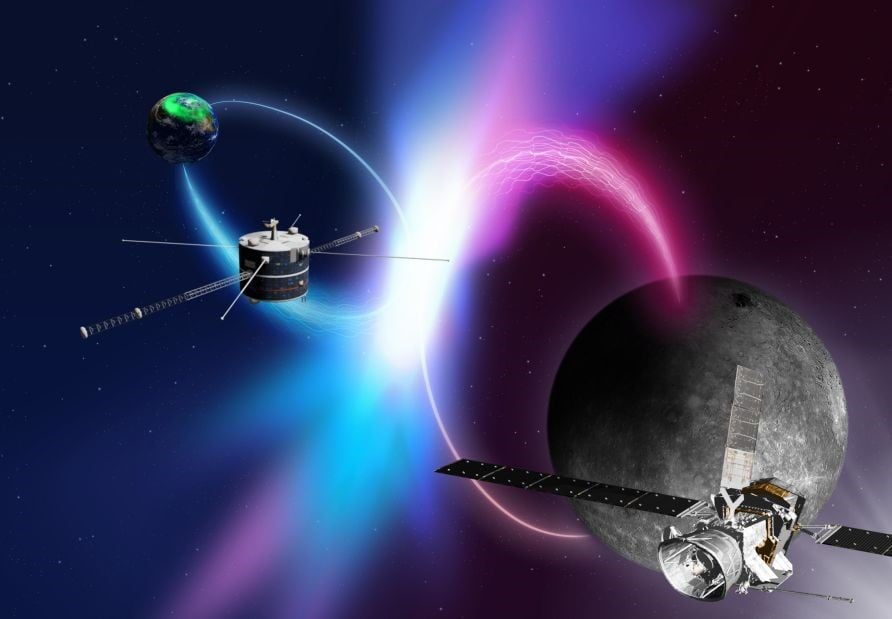
BepiColombo is slowly uncovering more and more fun facts about Mercury as it continues its preliminary mission. One of the more interesting things found so far is a magnetic “chorus” that appears similar to a phenomenon found in Earth’s much larger magnetic field. A new paper in Nature Communications from the researchers responsible for the probe’s Mio instrument that is studying Mercury’s magnetic field describes what could be thought of as a form of magnetic birdsong.
Continue reading

It's 2041 and an astronaut on Mars Station 1 orbiting the Red Planet is inspecting life support systems in the bowels of the habitat. They open a compartment and are aghast to discover a mysterious goop clinging to the walls in microgravity that definitely shouldn't be there. In their shock, they immediately have flashbacks from every alien-based science fiction movie they've ever seen, and are convinced they not only just discovered the first signs of alien life, but they won't live to tell about it. After telling the rest of the crew in a heated panic, they calmly explain it's not an alien menace, but a substance called biofilm, which has been present on Earth for billions of years.
Continue reading
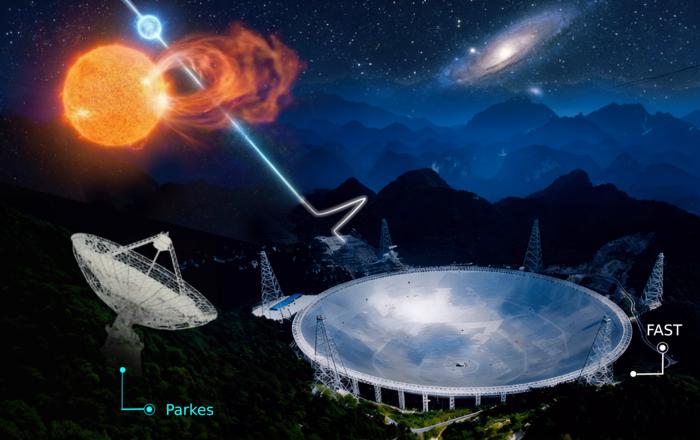
An international team of astronomers has uncovered the first definitive evidence that at least some fast radio bursts (FRBs) originate in binary stellar systems.
Continue reading
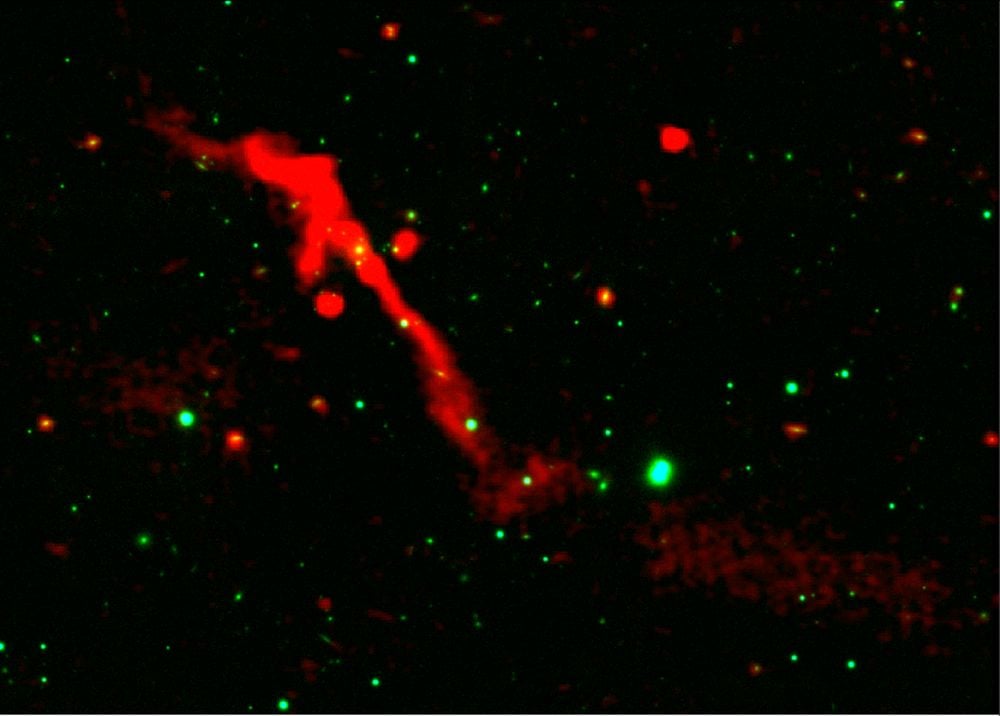
Supermassive black holes grow larger by accreting matter. When they're actively accreting matter they're called active galactic nuclei (AGN). AGN are the most luminous sources of persistent radiation in the Universe, yet they turn on and off as the SMBH passes through quiet and active phases. Astronomers have found one that is just turning on its powerful jets after a long period of dormancy.
Continue reading
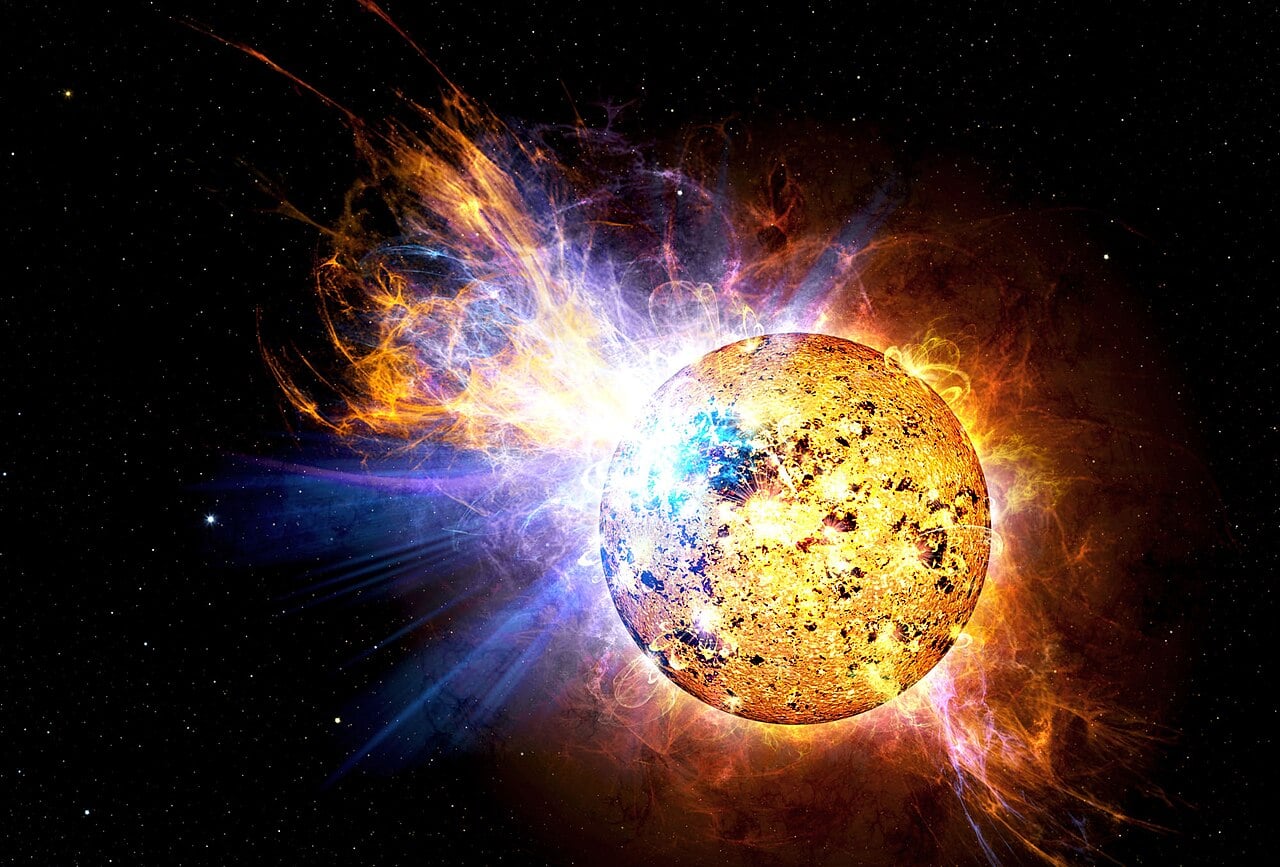
Using the South Pole Telescope, astronomers have detected powerful stellar flares erupting from stars near the supermassive black hole at the centre of the Milky Way. Operating at millimetre wavelengths that can penetrate the dust obscuring our view of the core of the Galaxy, the telescope caught these dramatic magnetic energy releases in one of the most extreme environments in our Galaxy. The discovery opens a new observational window for studying stellar behaviour in regions previously hidden from view and provides insights into how stars survive and behave in the intense gravitational and radiation environment surrounding the Milky Way's central black hole.
Continue reading
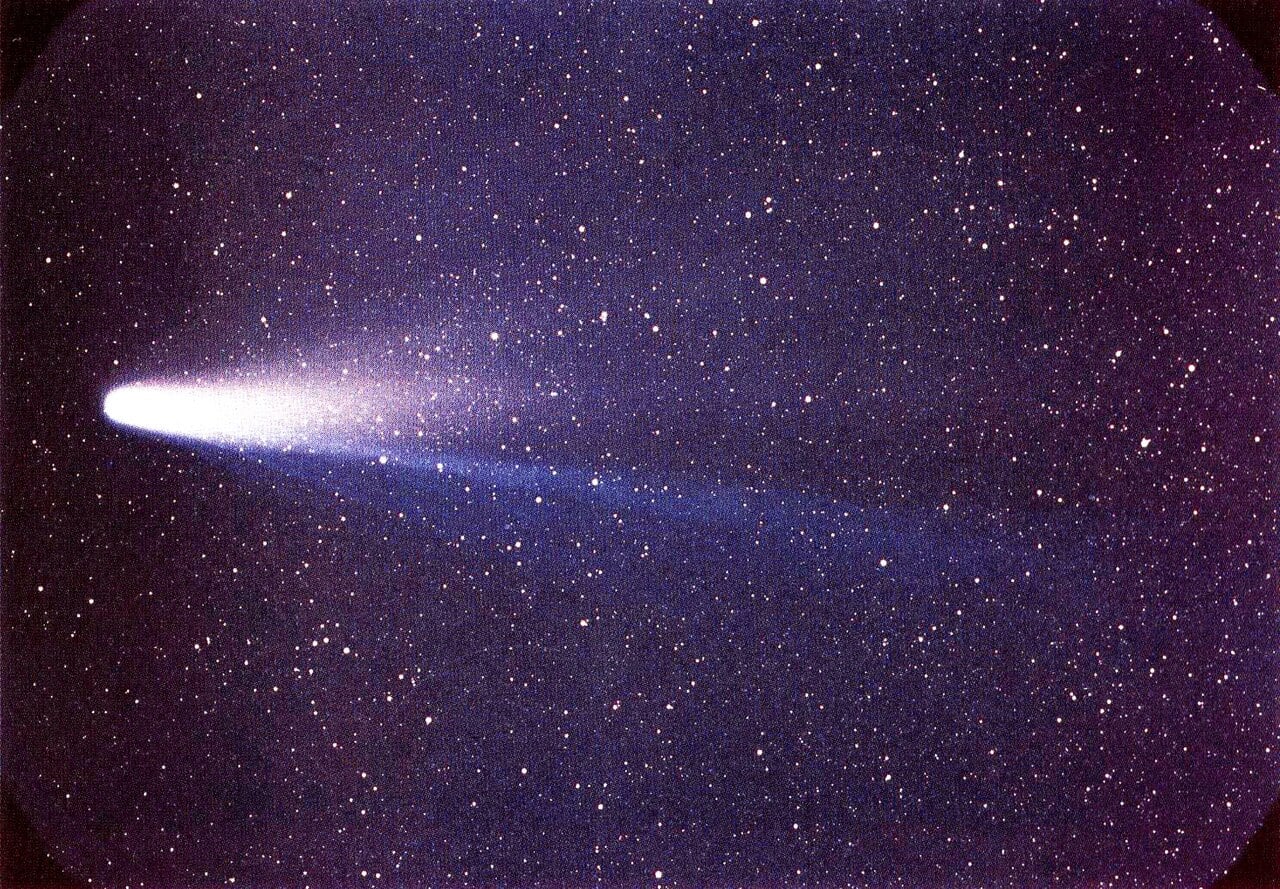
The comet bearing Edmond Halley's name may have been misnamed! New research from Leiden University reveals that an 11th Century English monk recognised the famous comet's periodicity centuries before the British astronomer. Eilmer of Malmesbury witnessed the comet's appearances in both 989 and 1066, linking the two observations and understanding they represented the same celestial visitor returning after decades, a realisation documented by the medieval chronicler William of Malmesbury but overlooked by scholars until now. The discovery challenges whether history's most famous comet should continue bearing Halley's name when a Benedictine monk beat him to the discovery by more than 600 years.
Continue reading
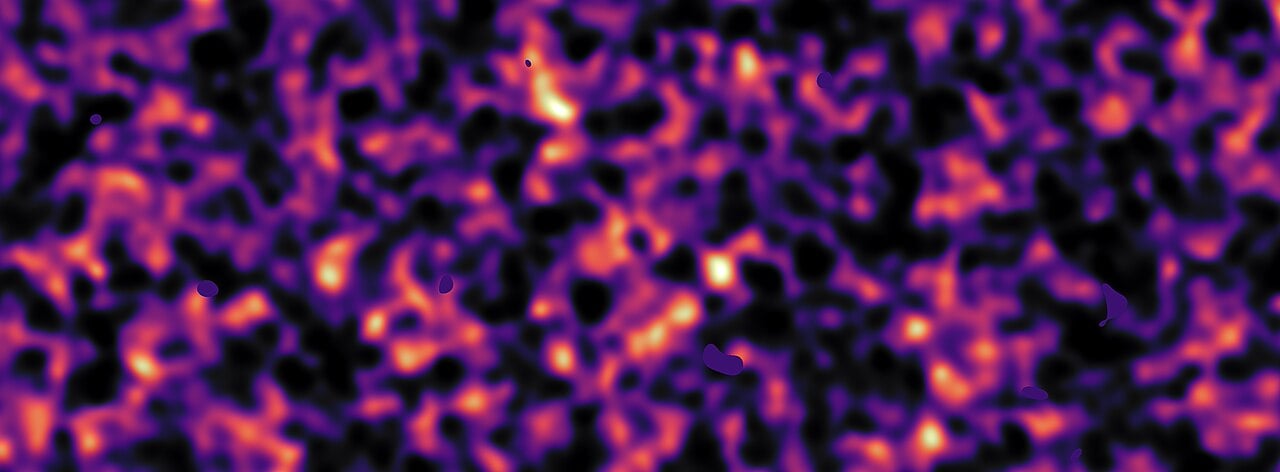
Dark matter remains invisible to our telescopes, yet its gravitational fingerprints pervade the universe. Using NASA's James Webb Space Telescope, scientists have produced one of the most detailed dark maps ever created, revealing with unprecedented clarity how dark matter and ordinary matter have grown up together. The map shows that wherever galaxies cluster in their thousands, equally massive concentrations of dark matter occupy the same space, a close alignment that confirms dark matter's gravity has been shepherding regular matter into stars, galaxies, and ultimately the complex planets capable of supporting life.
Continue reading
 Universe Today