
Continue reading
Continue reading
Continue reading
Continue reading
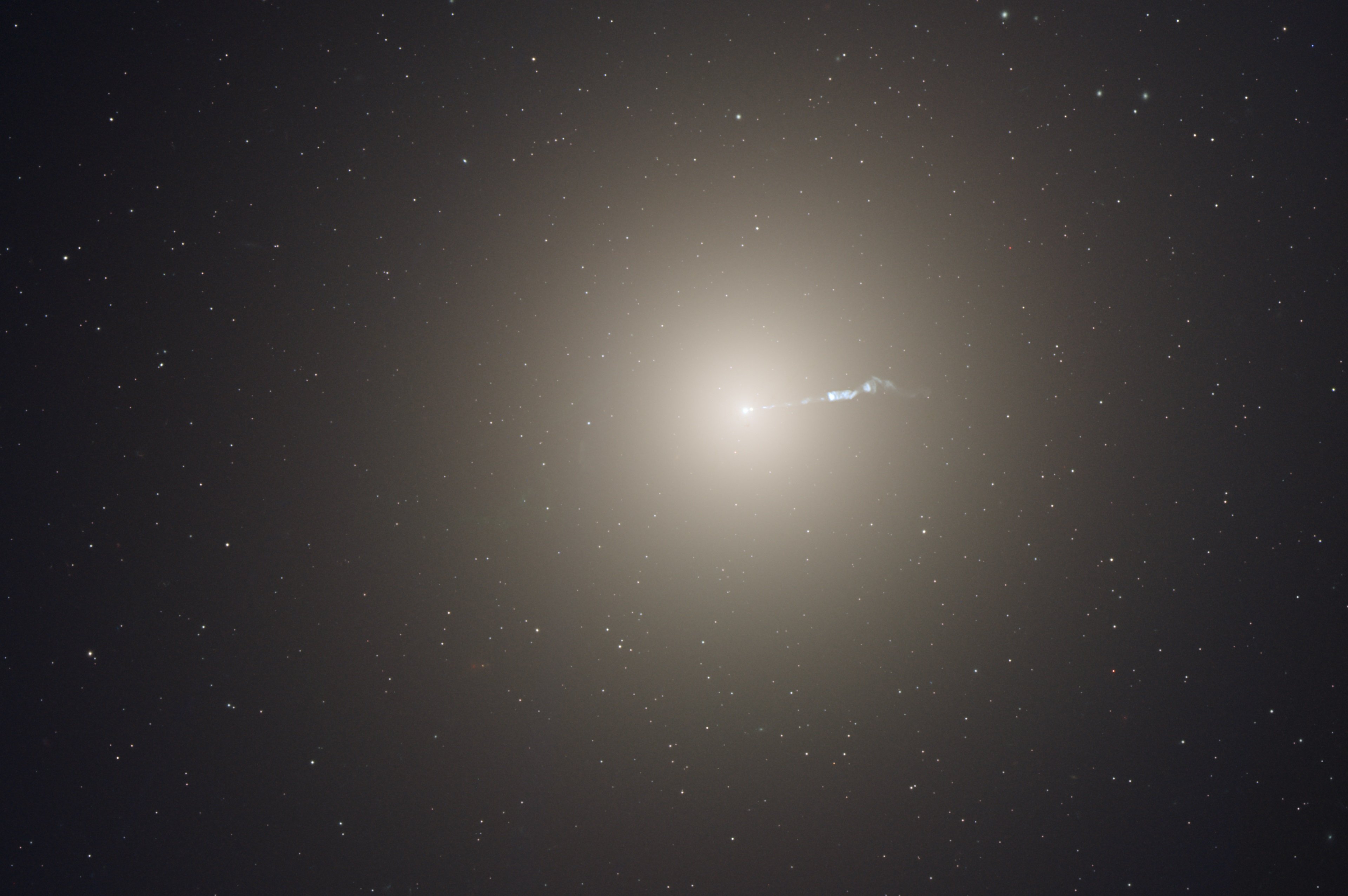
Located in the Virgo constellation, roughly 53.5 million light years from Earth, is the supergiant galaxy known as Messier 87 (Virgo A)
Continue reading
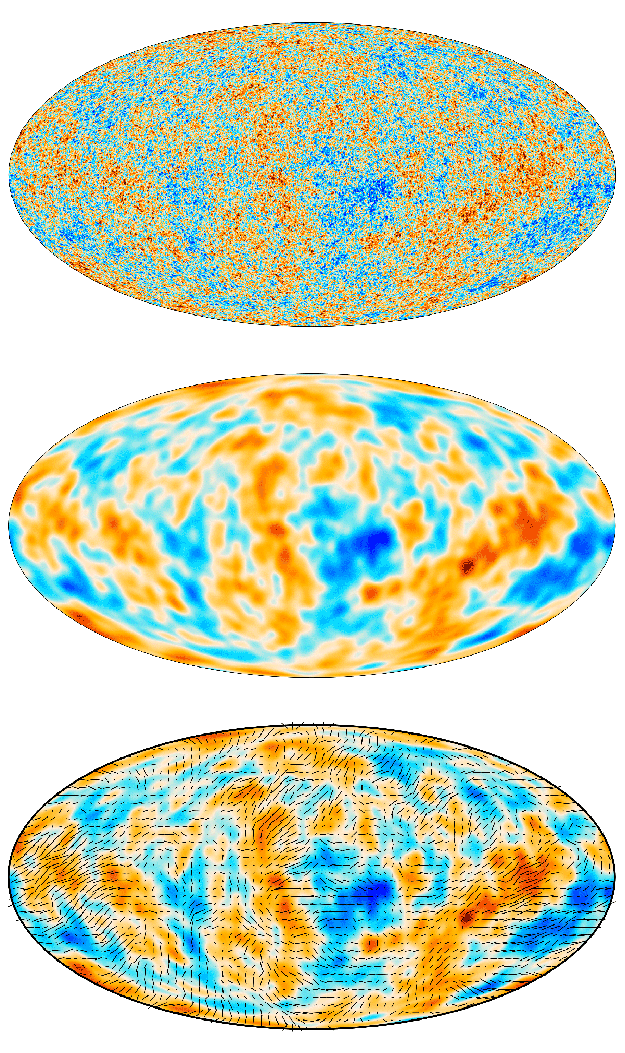
A new analysis of Planck mission data has provided no new insights into the anomalies it detected, leaving the door open for wild theories!
Continue reading

Continue reading
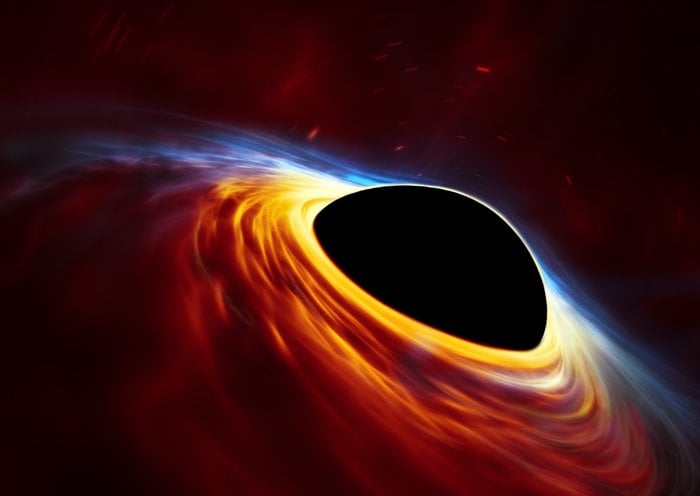
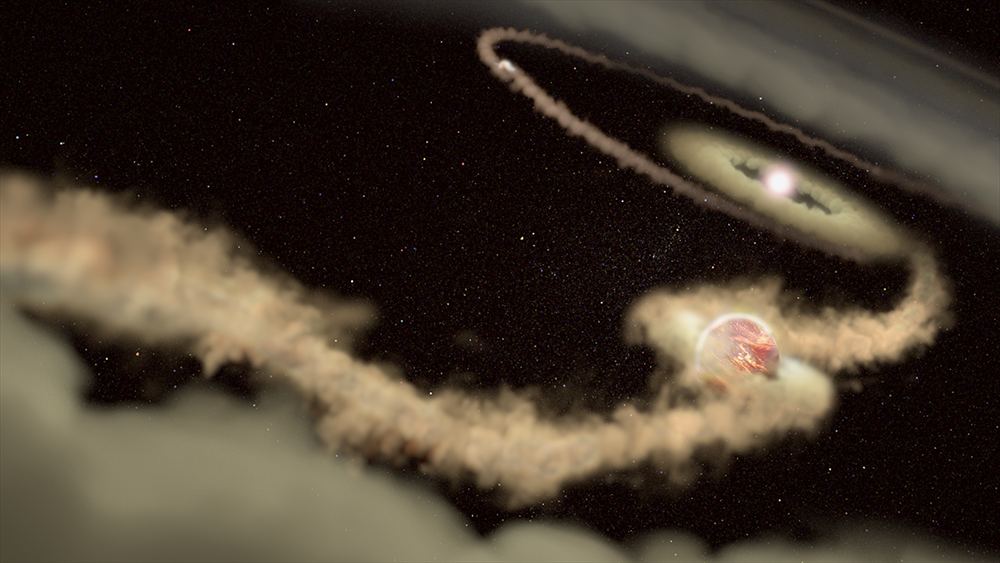
A new study by an international team of astrophysicists have validated an age-old theory about how accretion disks behave.
Continue reading

Continue reading
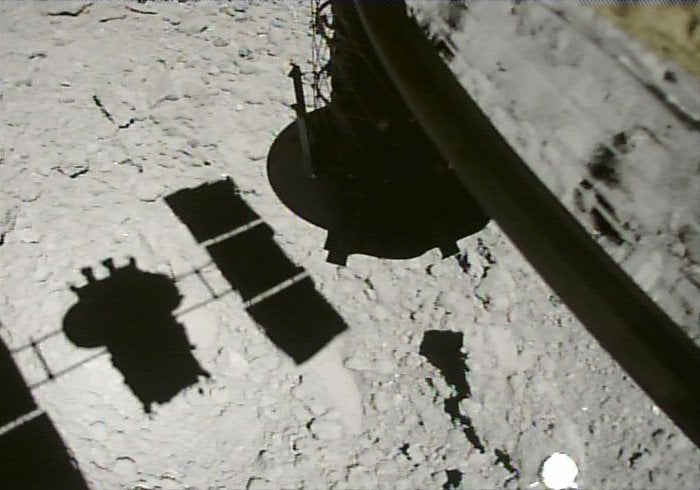
Japan's Hayabusa2 spacecraft just launched its second target marker to the surface of the asteroid Ryugu.
Continue reading
Continue reading
Continue reading
Continue reading
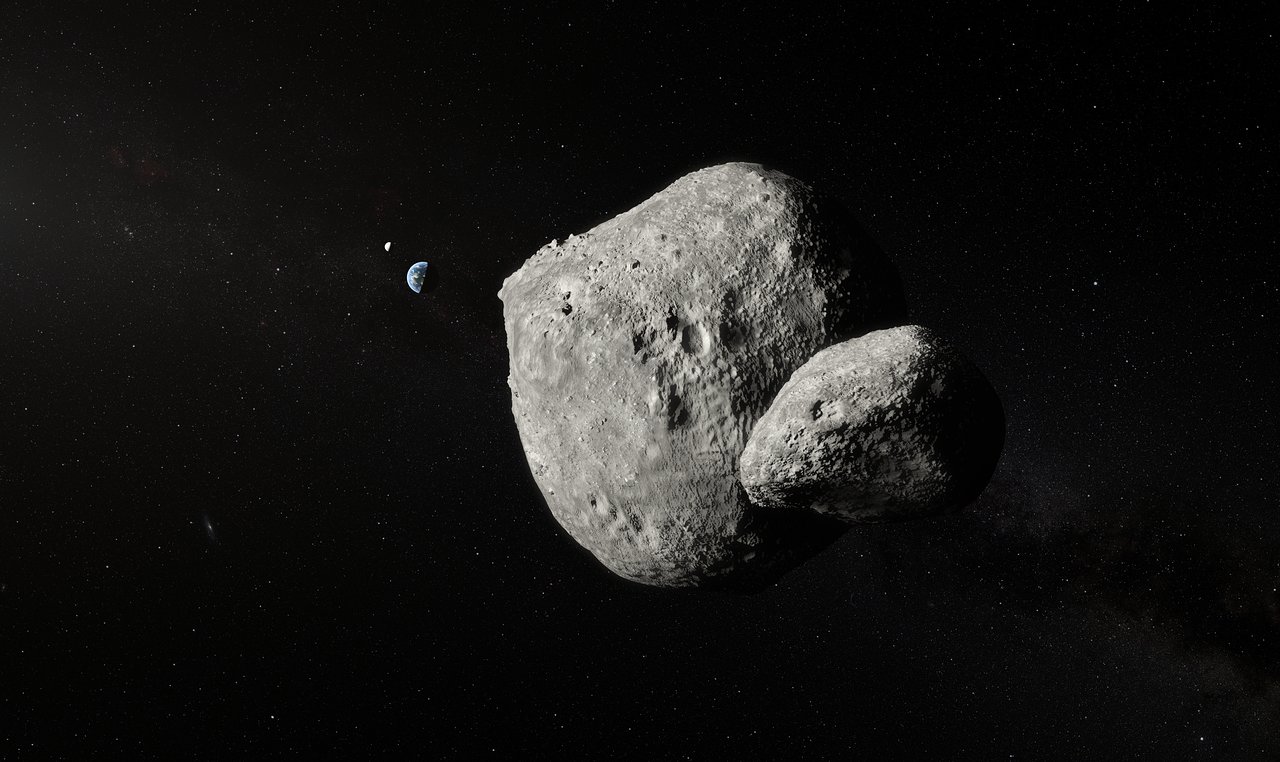
Using the Very Large Telescope, a team of ESO scientists took some stunningly clear images of a double asteroid that recently swung by Earth.
Continue reading
Continue reading
Continue reading
Continue reading
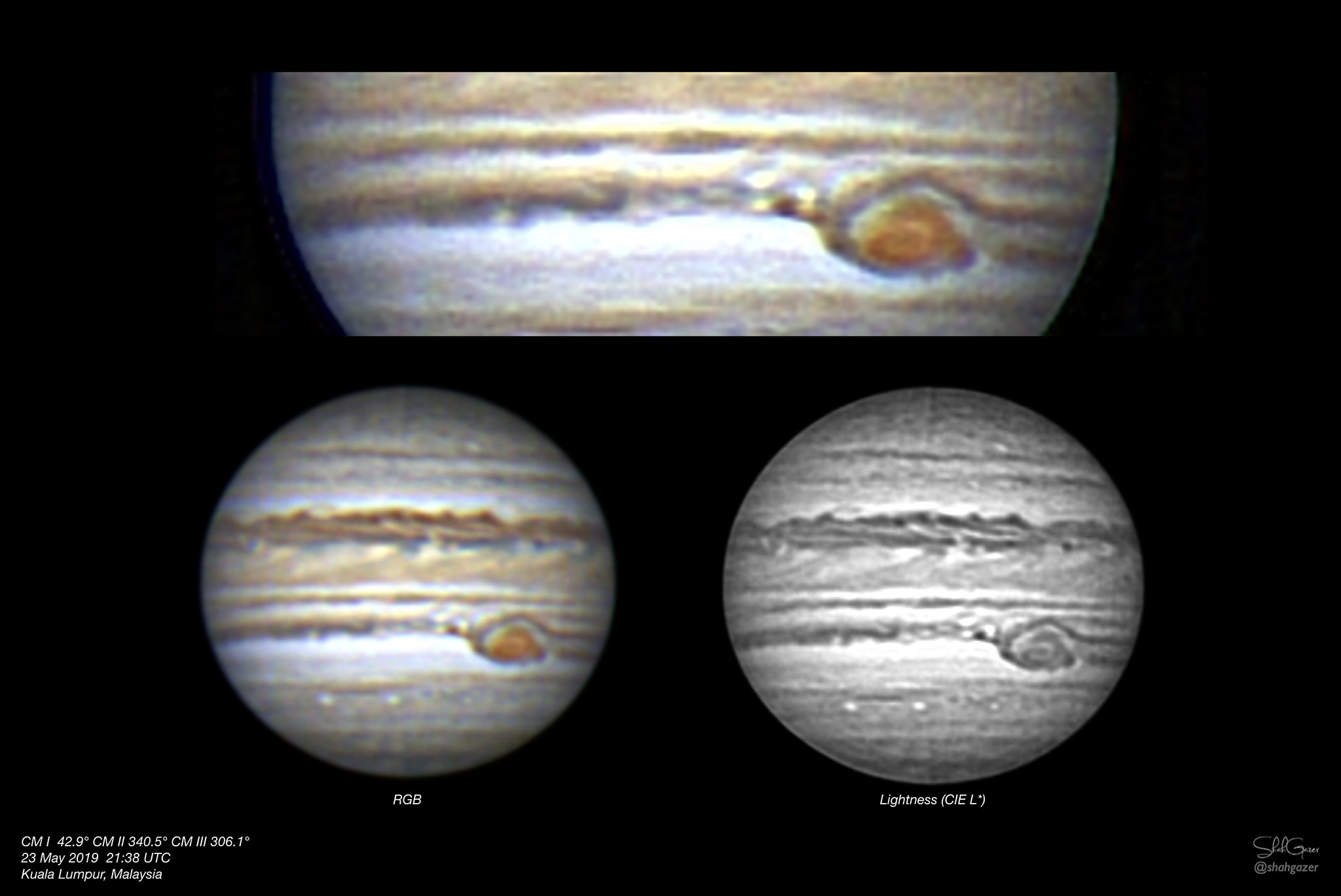
Jupiter observation season is neigh, and with it, the largest planet in our solar system is as mysterious as ever.
Continue reading
Continue reading
Continue reading
Continue reading
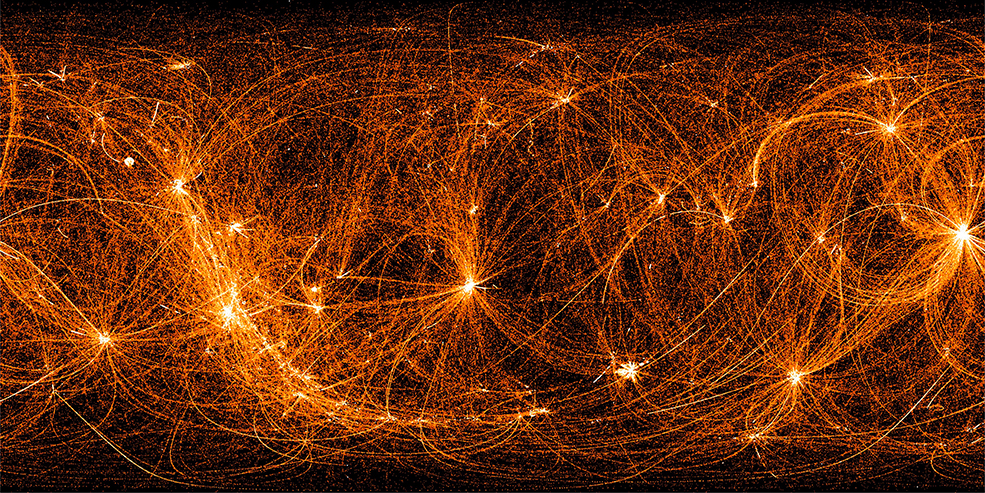
Using data from the first 22 months of the NICER instruments mission, NASA has constructed a beautiful image of what the X-ray sky looks like.
Continue reading

Continue reading
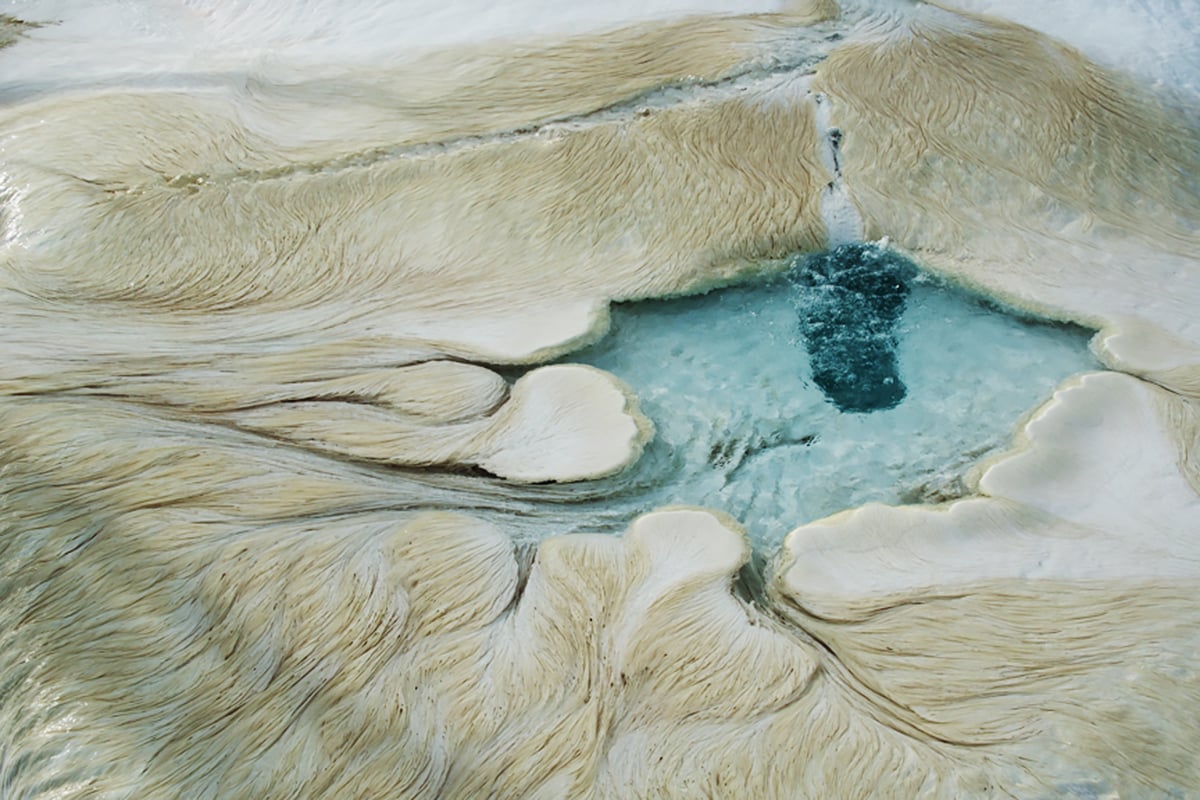
According to a new study, future NASA missions to Mars should look for "pasta-like" mineral structures, which are an indication of ancient bacteria here on Earth.
Continue reading
Continue reading

Continue reading
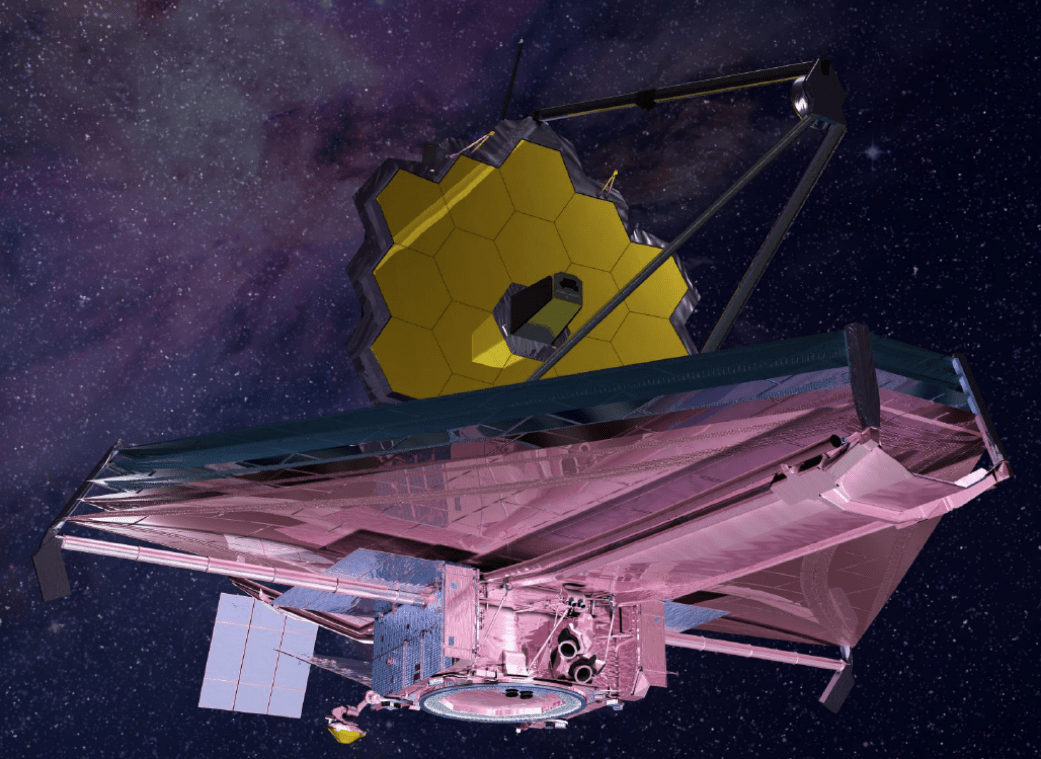
The James Webb Space Telescope recently completed vacuum chamber testing, and is good to go for its 2021 launch date!
Continue reading
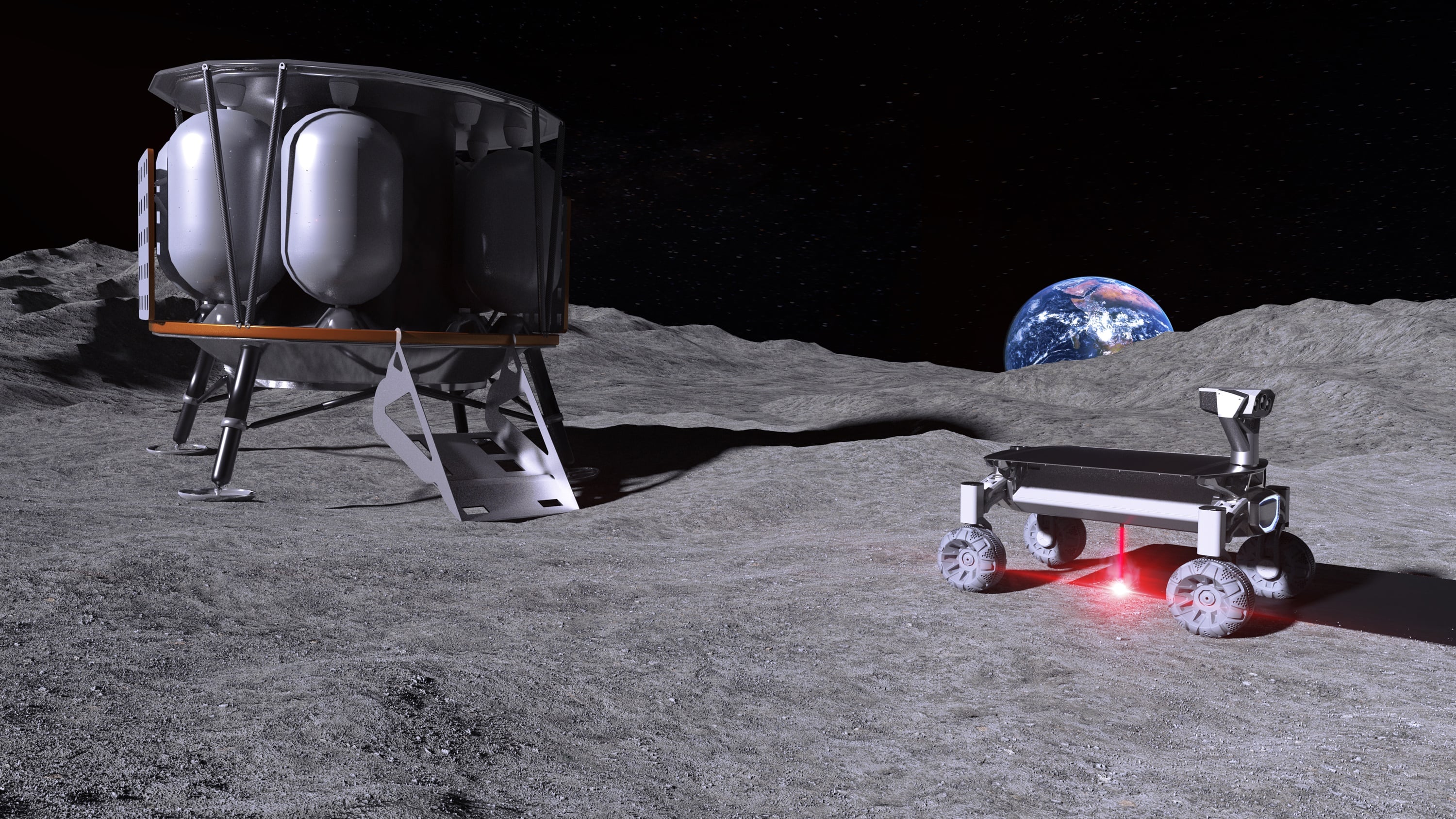
A team of German scientists have invented a new laser system that could be used to build a lunar base in the near-future.
Continue reading
Continue reading

Continue reading
Continue reading
Continue reading
Continue reading
Continue reading
Continue reading
Continue reading
Continue reading
Continue reading

Continue reading
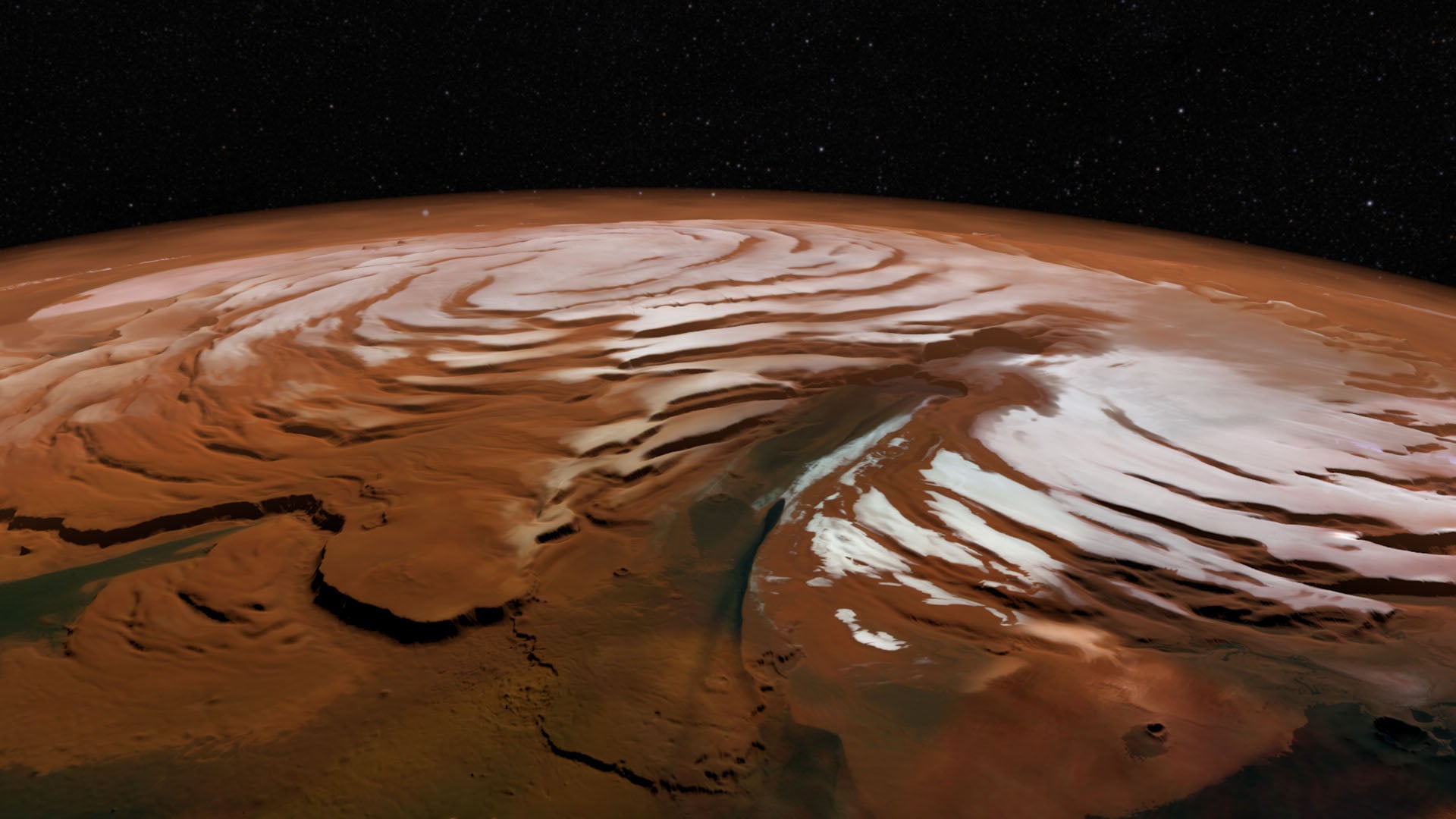
A new study has found evidence of glacier of water ice beneath Mars' north pole, enough to cover the entire planet in an ocean.
Continue reading

Continue reading
Continue reading
Continue reading
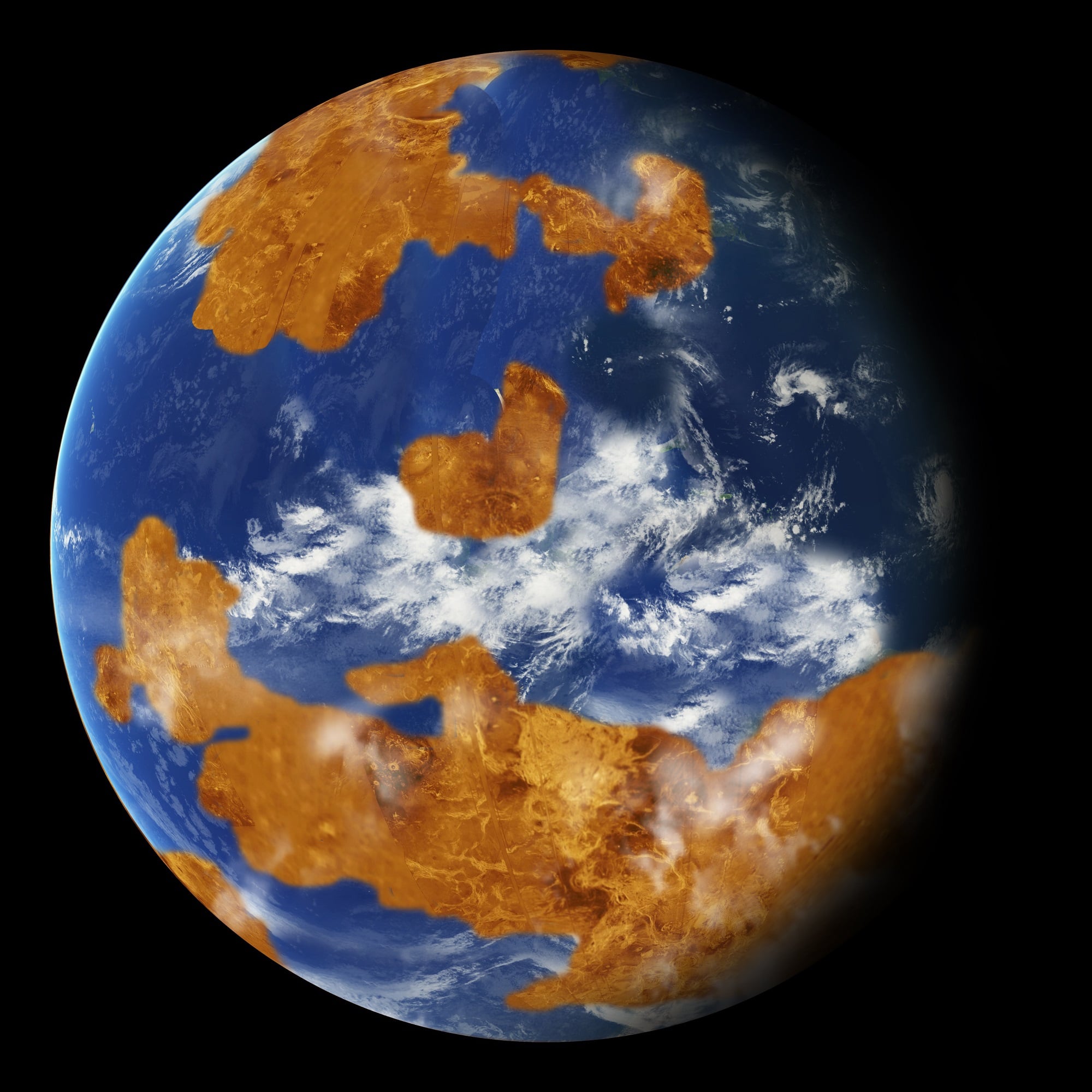
A new study supported by NASA has revealed that an ancient ocean on Venus might have been what slowed down its rotation, thus causing the runaway greenhouse effect that made it what it is today.
Continue reading
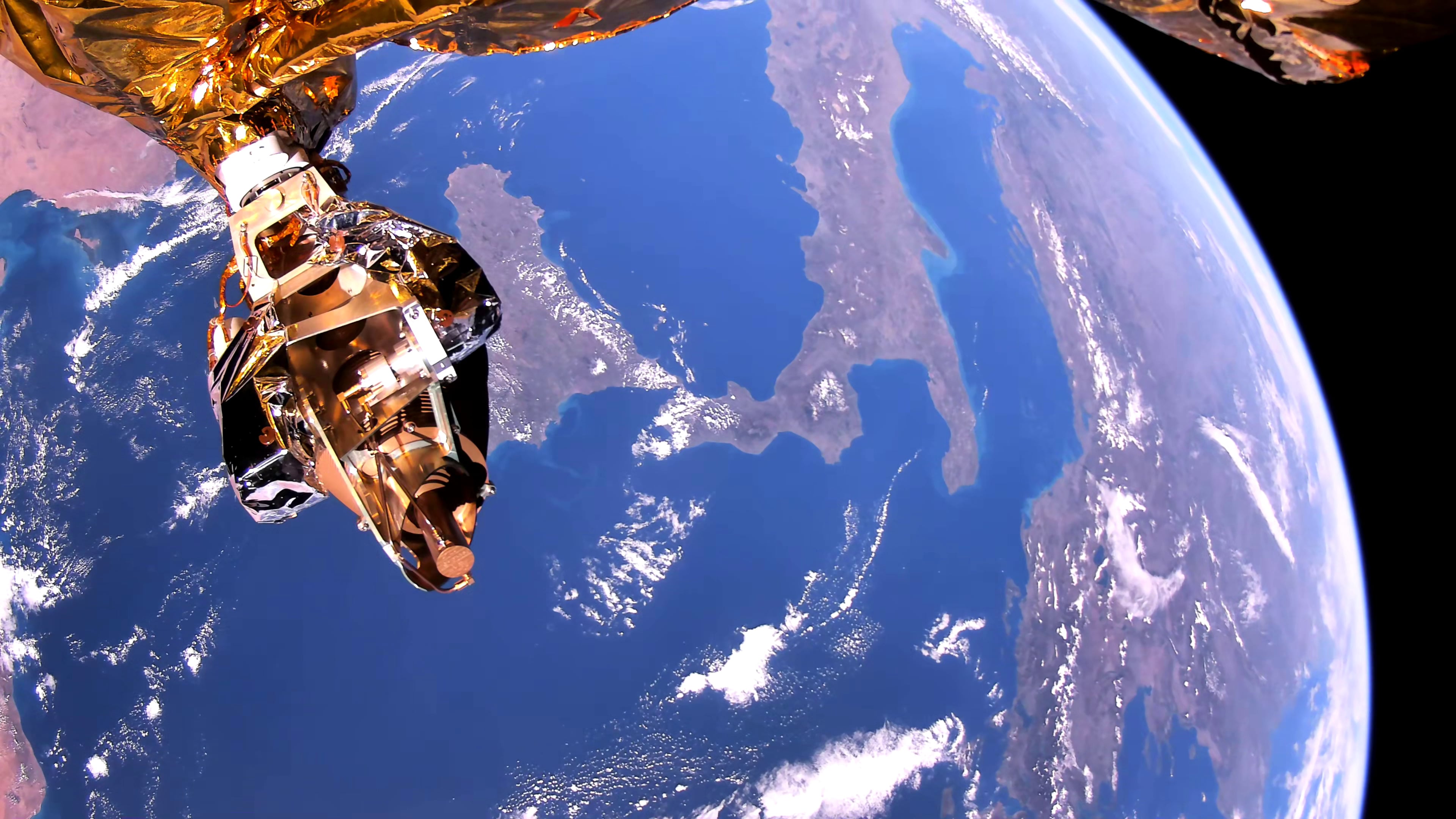
In their drive towards "democratizing space", the private aerospace company Sen recently demonstrated the capabilities of their 4K video streaming satellite.
Continue reading
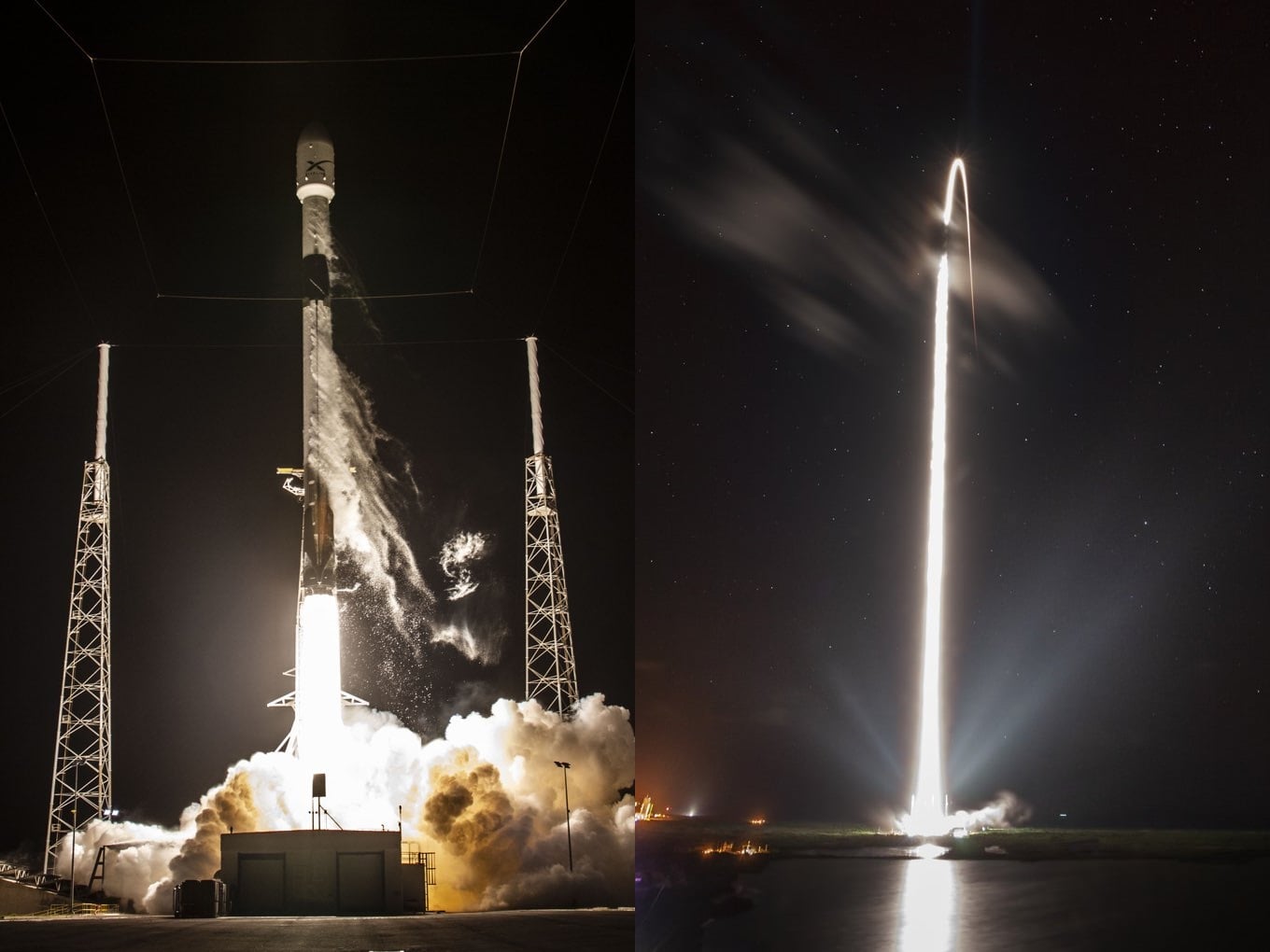
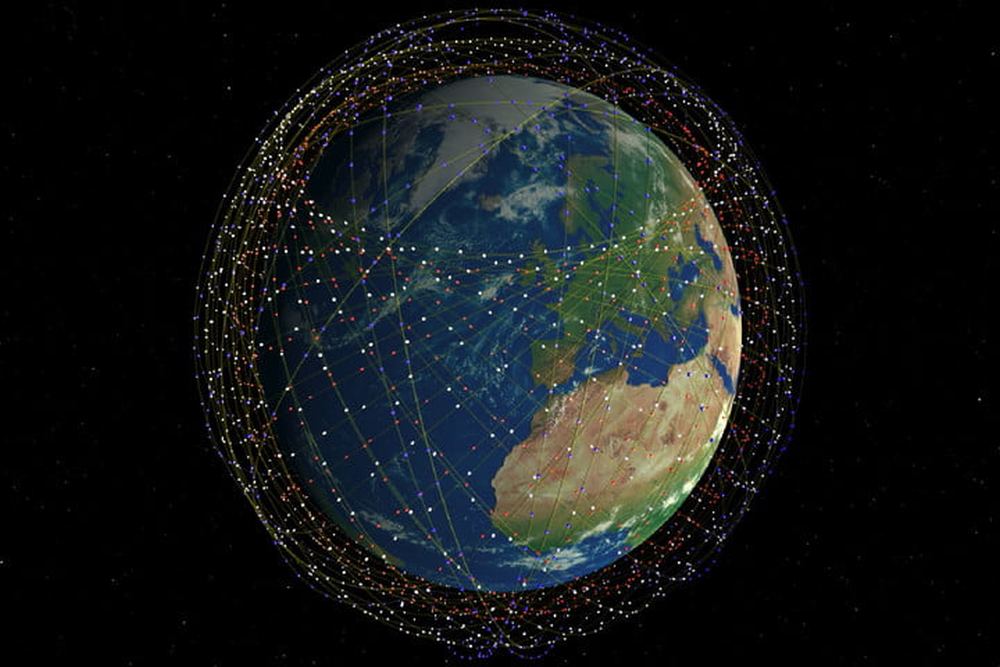
SpaceX just launched the first 60 satellites that will make up their Starlink broadband internet service provider.
Continue reading
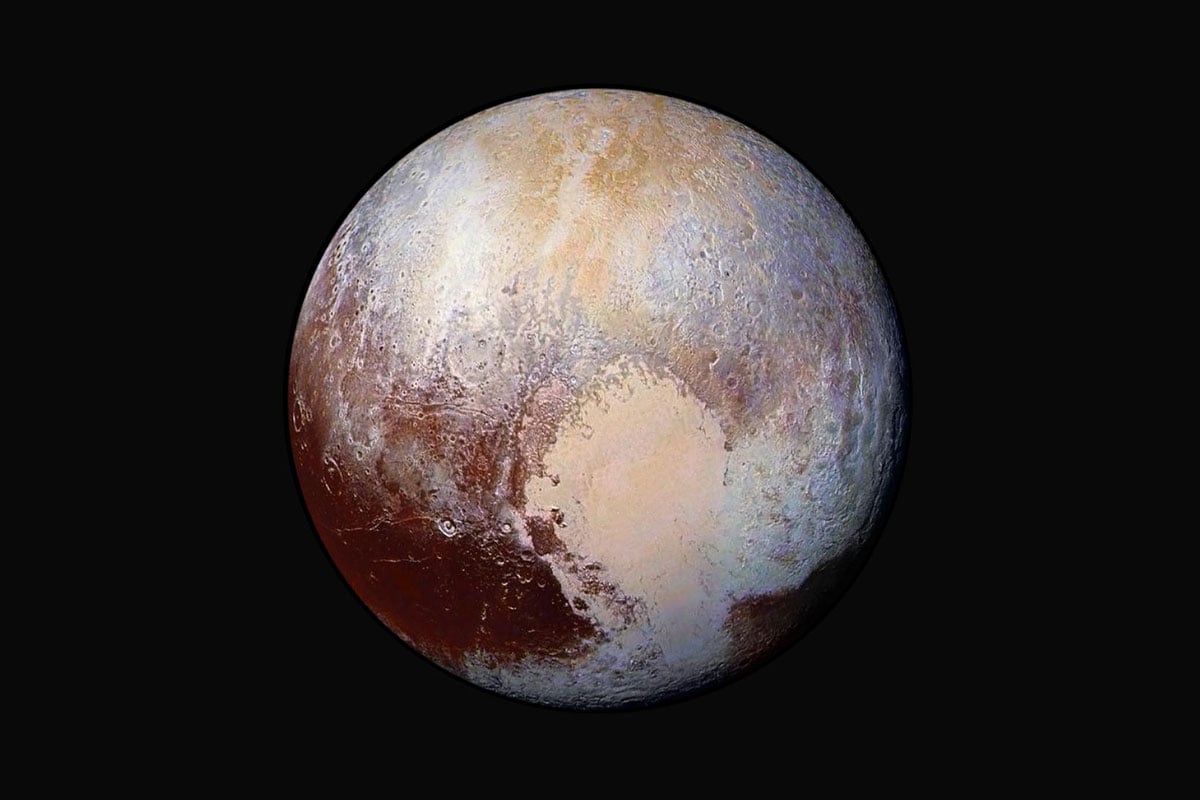
A new study led by Japanese researchers indicates that Pluto could have a subsurface ocean, provided there is an "insulating layer" beneath the ice.
Continue reading
Continue reading
Continue reading
Continue reading
 Universe Today