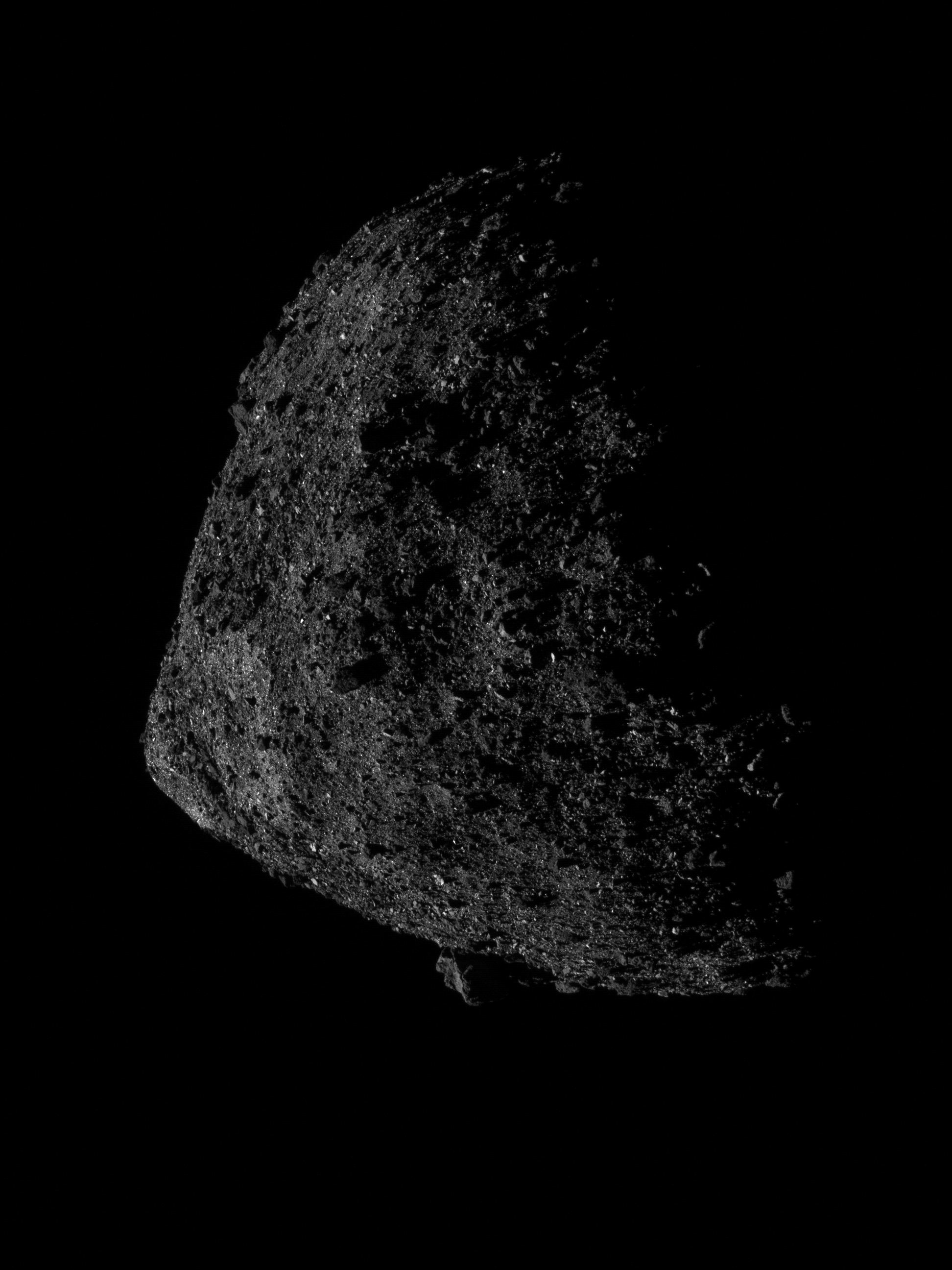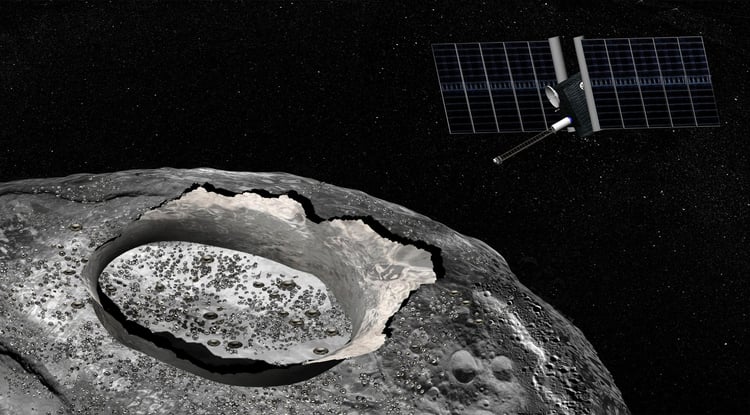
NASA's Psyche mission is sure to find some interesting things when it explores a metal asteroid, like quadrillions of dollars worth of precious metals!
Continue reading
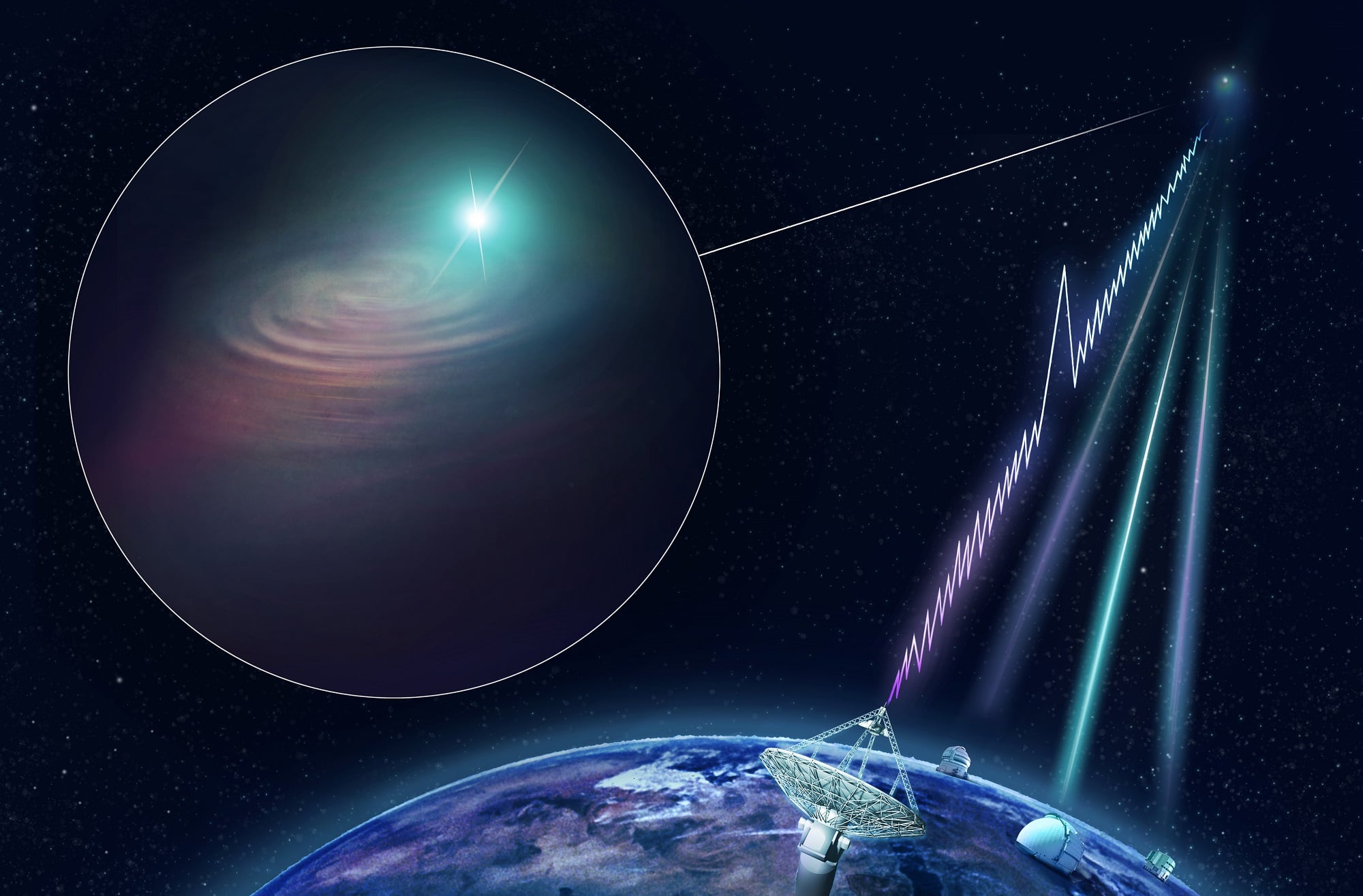
An Australian-led research effort has managed to pinpoint the location of the first non-repeating Fast Radio Burst, which could have immense implications for astronomy.
Continue reading
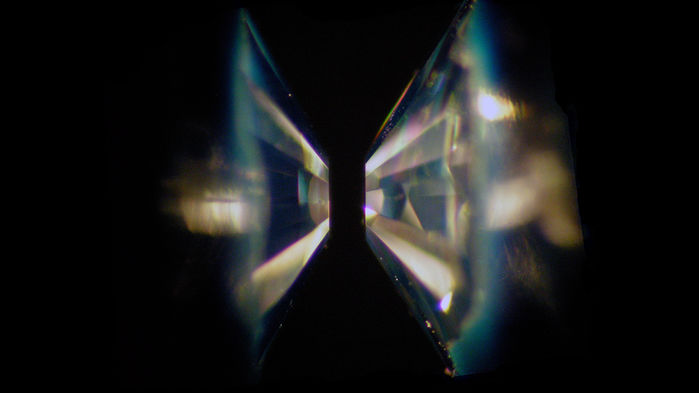
A team of French scientists recently claimed to have created metallic hydrogen in a laboratory, a claim which is triggering both enthusiasm and skepticism
Continue reading
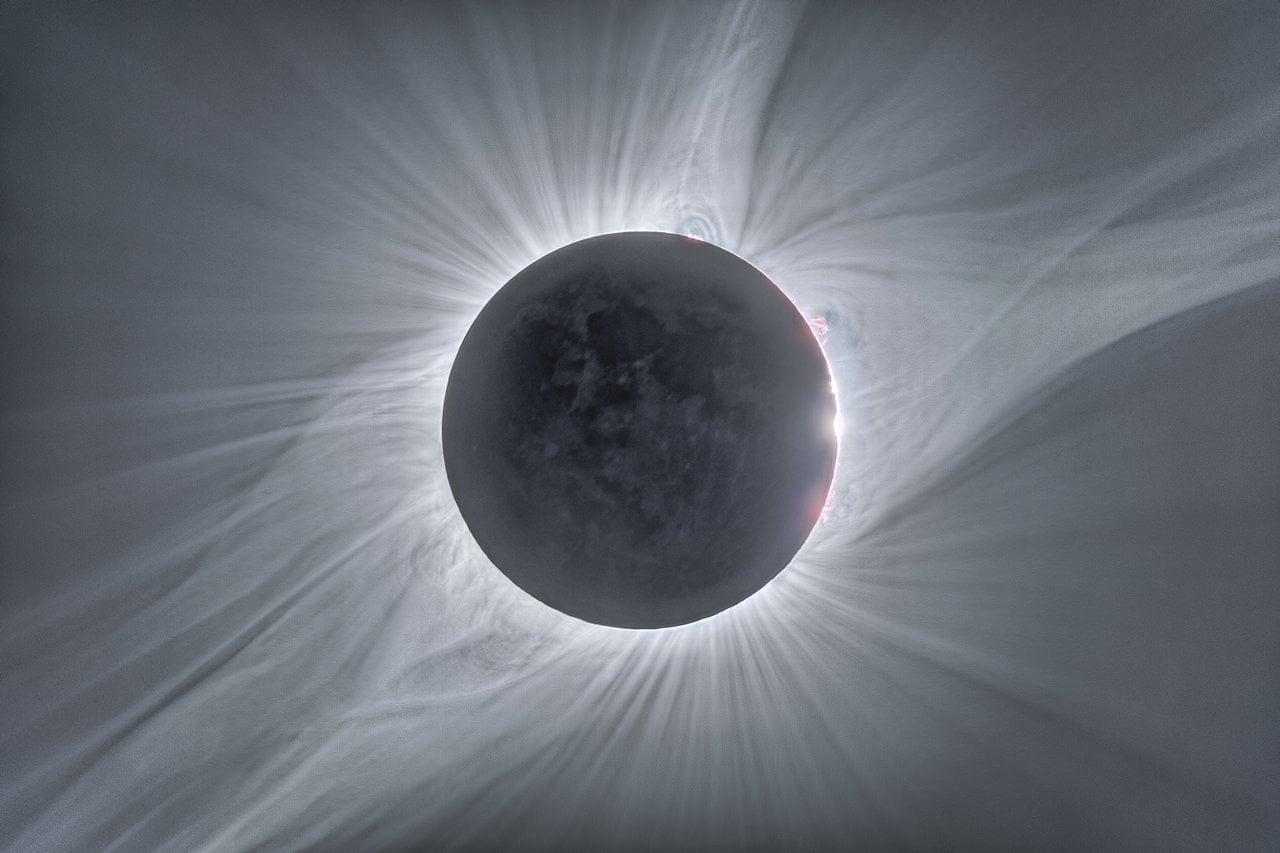
You couldn't order up a geekier celestial scene from the cosmos. Next Tuesday on July 2nd, the second of three seasons begins for 2019, with the only total solar eclipse of the year spanning the southern tip of South America, including the nations of Chile and Argentina. As an extra-special part of the spectacle, however, the path of totality for the eclipse passes right over the La Silla observatory complex in the Atacama Desert.
Continue reading
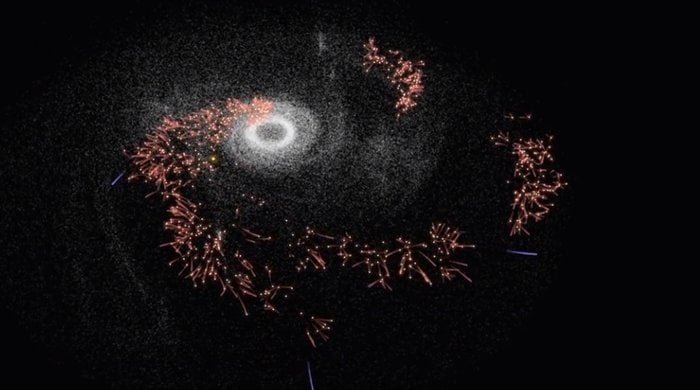
At this year's Global Trajectory Optimization Competition (GTOC), a team from the ESA presented a model for how humanity could settle the Milky Way galaxy.
Continue reading
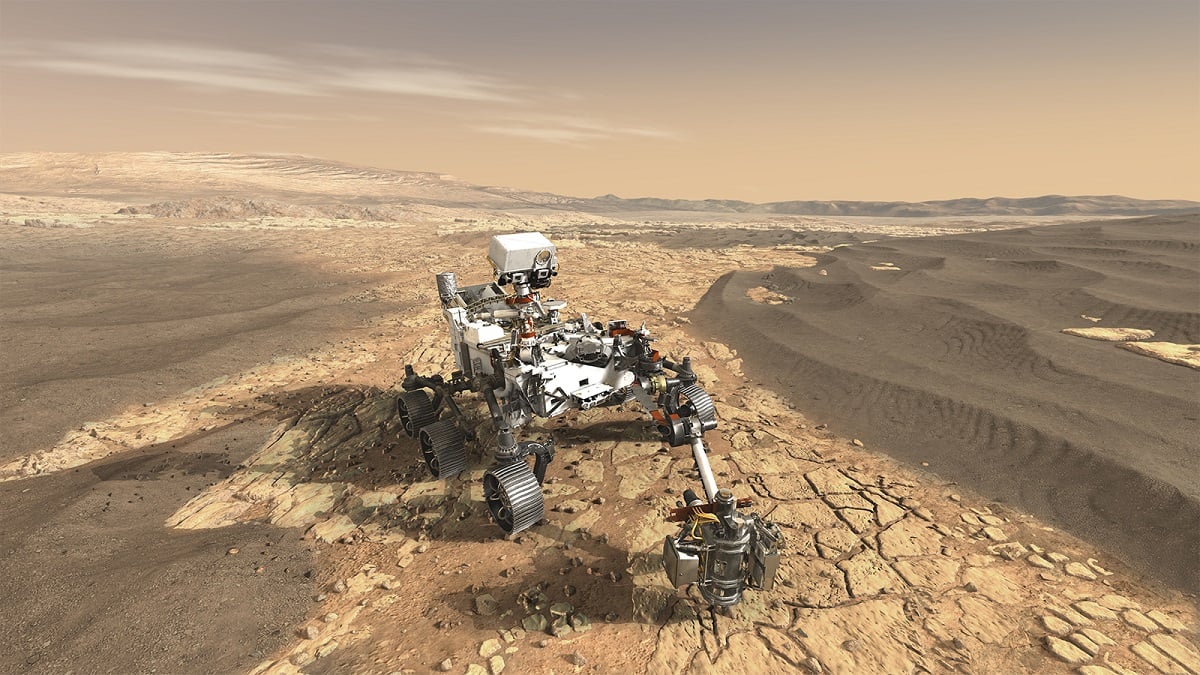
NASA and its partner organizations are launching the "Name that Rover" competition, which gives students from all over the US a chance to name the Mars 2020 rover.
Continue reading
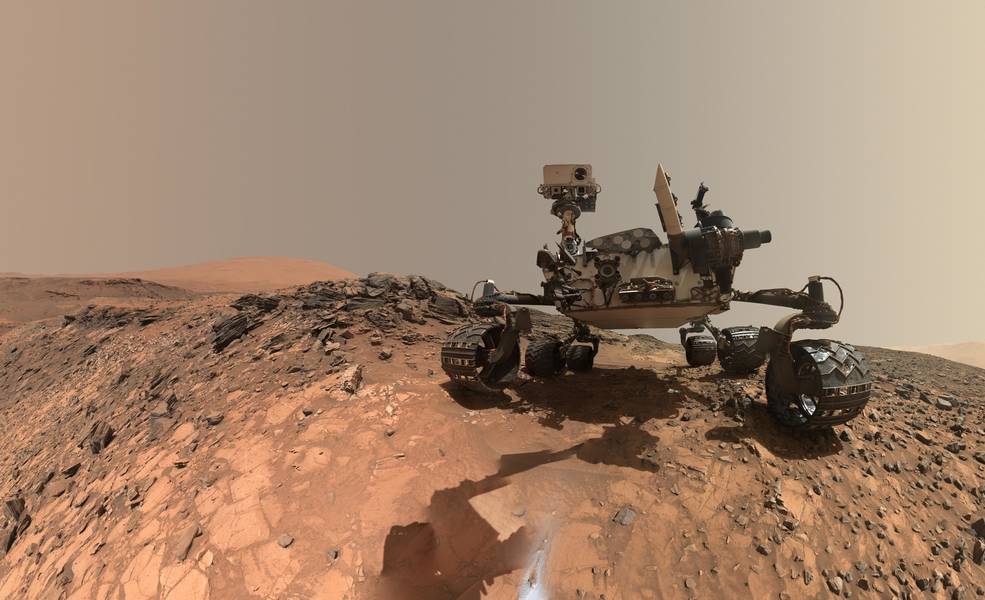
The Curiosity rover has detected another methane plume on Mars, once again raising the issue of whether or not there could be life somewhere beneath the surface.
Continue reading
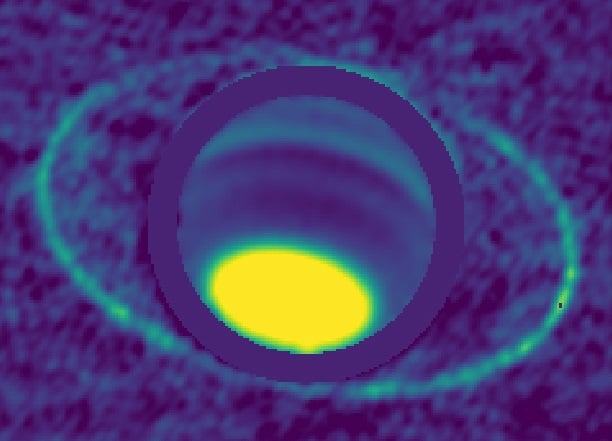
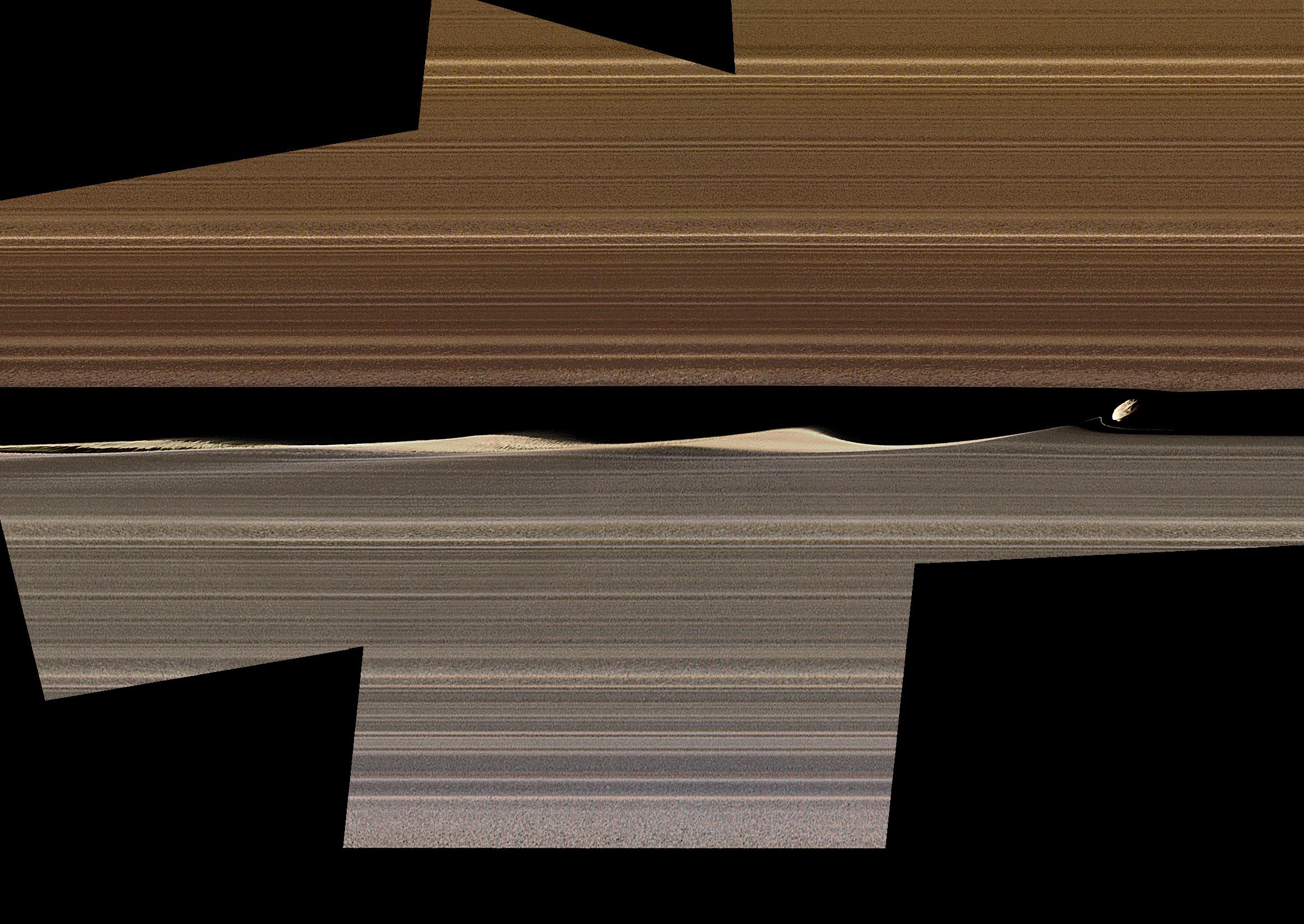
New observations by ALMA and the VLT provide the most-detailed look yet at Uranus' system of rings, revealing things about their temperature and particle distribution
Continue reading
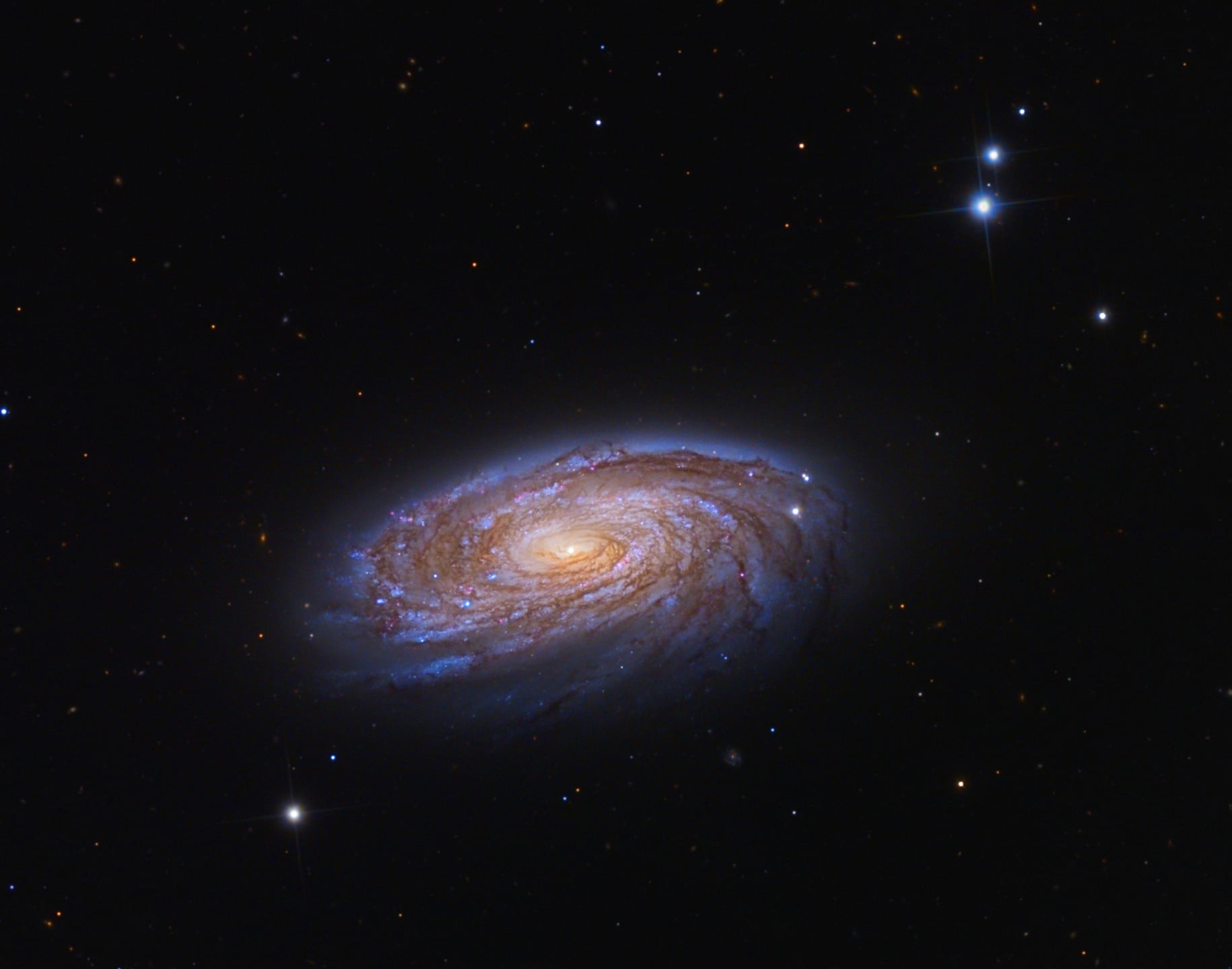
Located in the Coma Berenices constellation, about 50 to 60 million light-years from Earth, is the spiral galaxy known as Messier 88
Continue reading
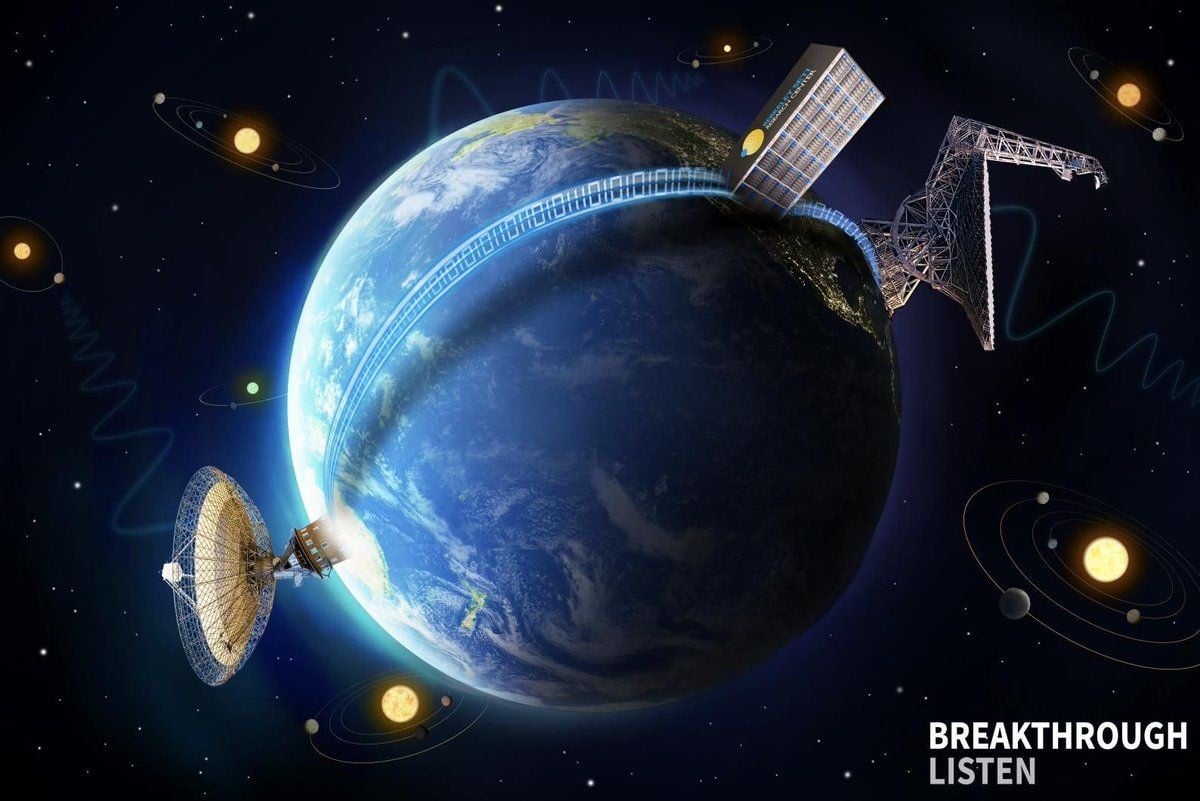
Breakthrough Listen has just released their latest analysis of the past three years of their SETI research, as well as all the info they collected in that time
Continue reading
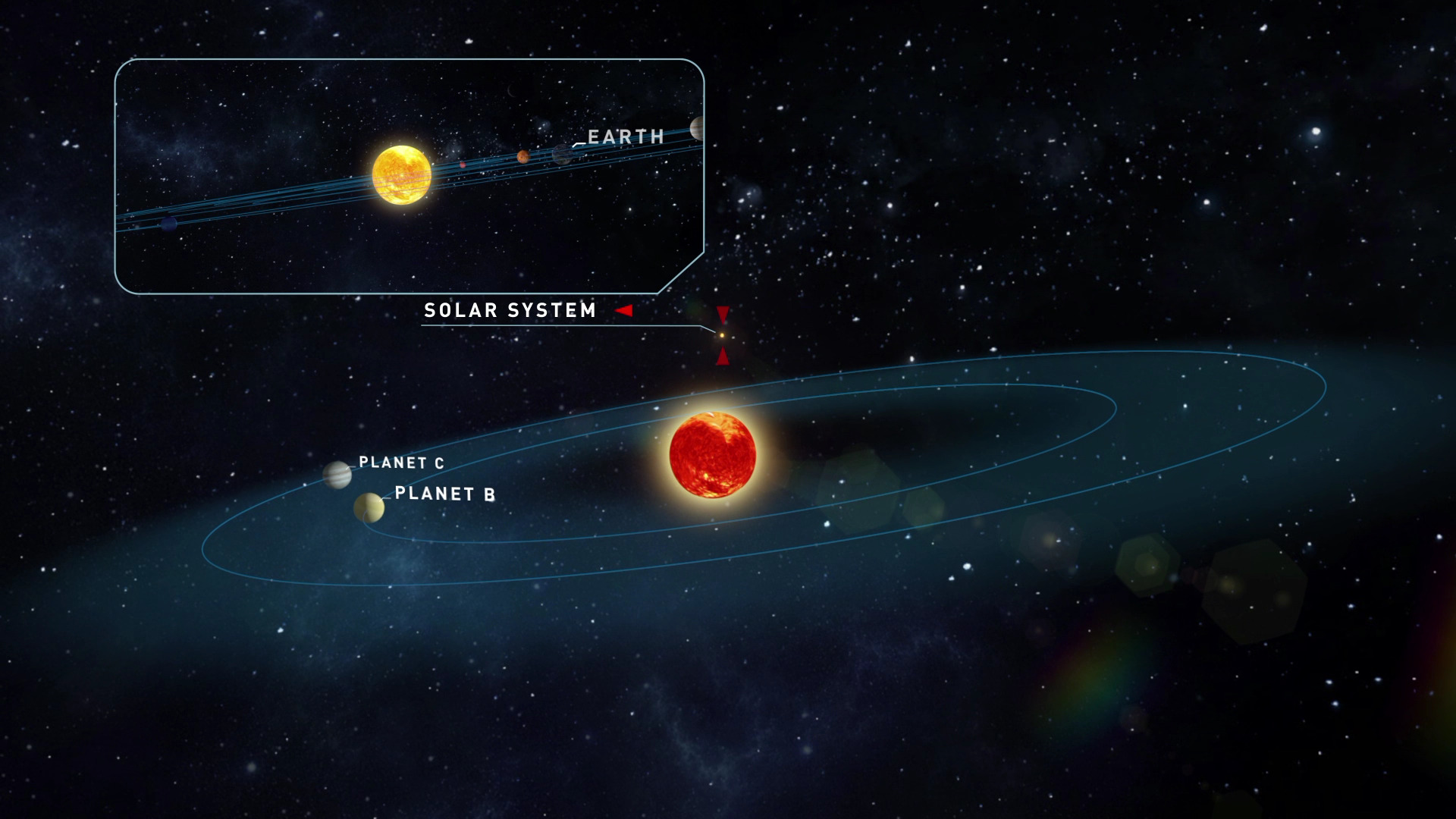
The CARMENES project has detected two more Earth-like planets that orbit a red dwarf star just 12.5 light years away
Continue reading
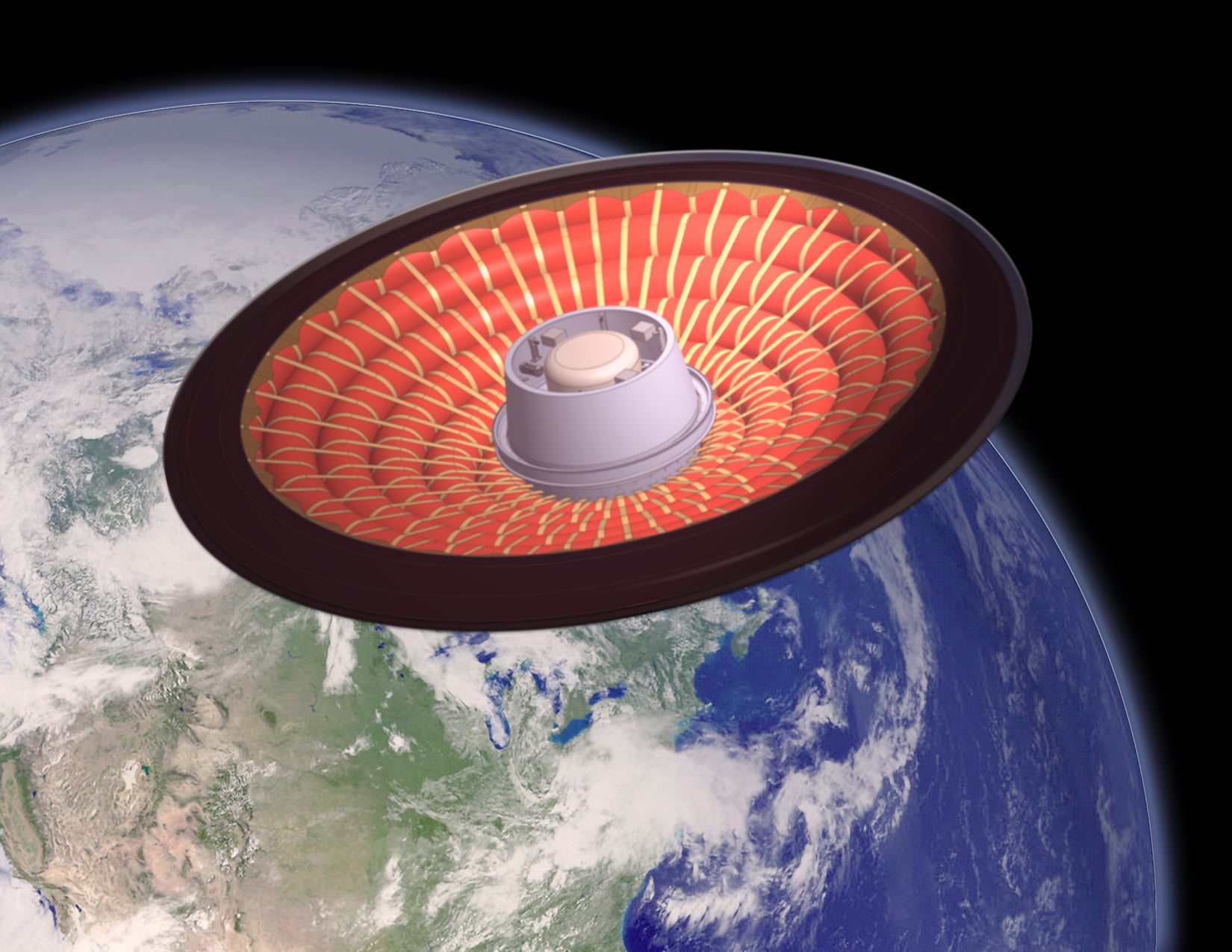
NASA is testing out a new inflatable heat shield which could enable them to send heavier missions to Mars, as well as Venus and Titan.
Continue reading
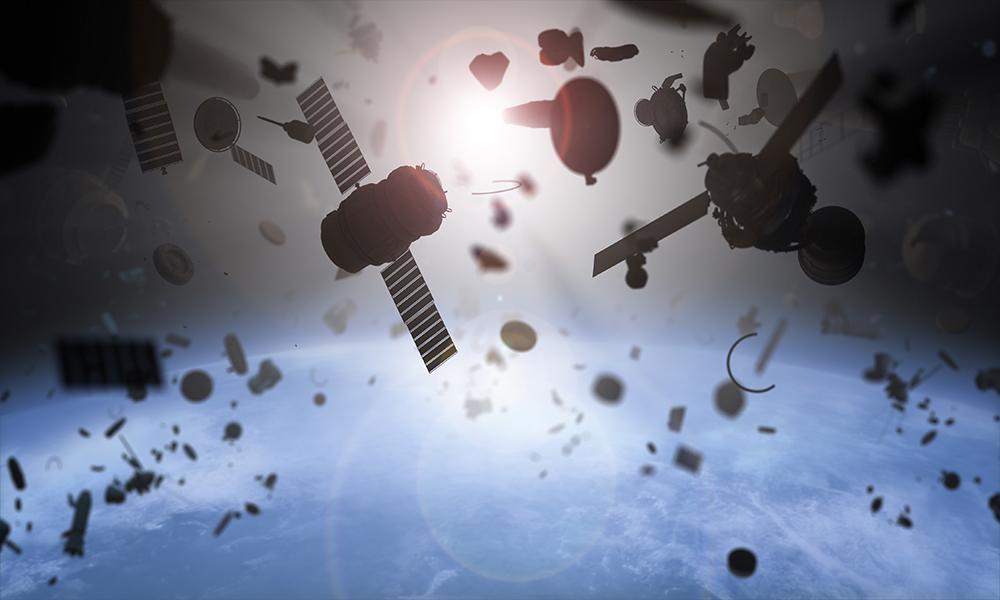
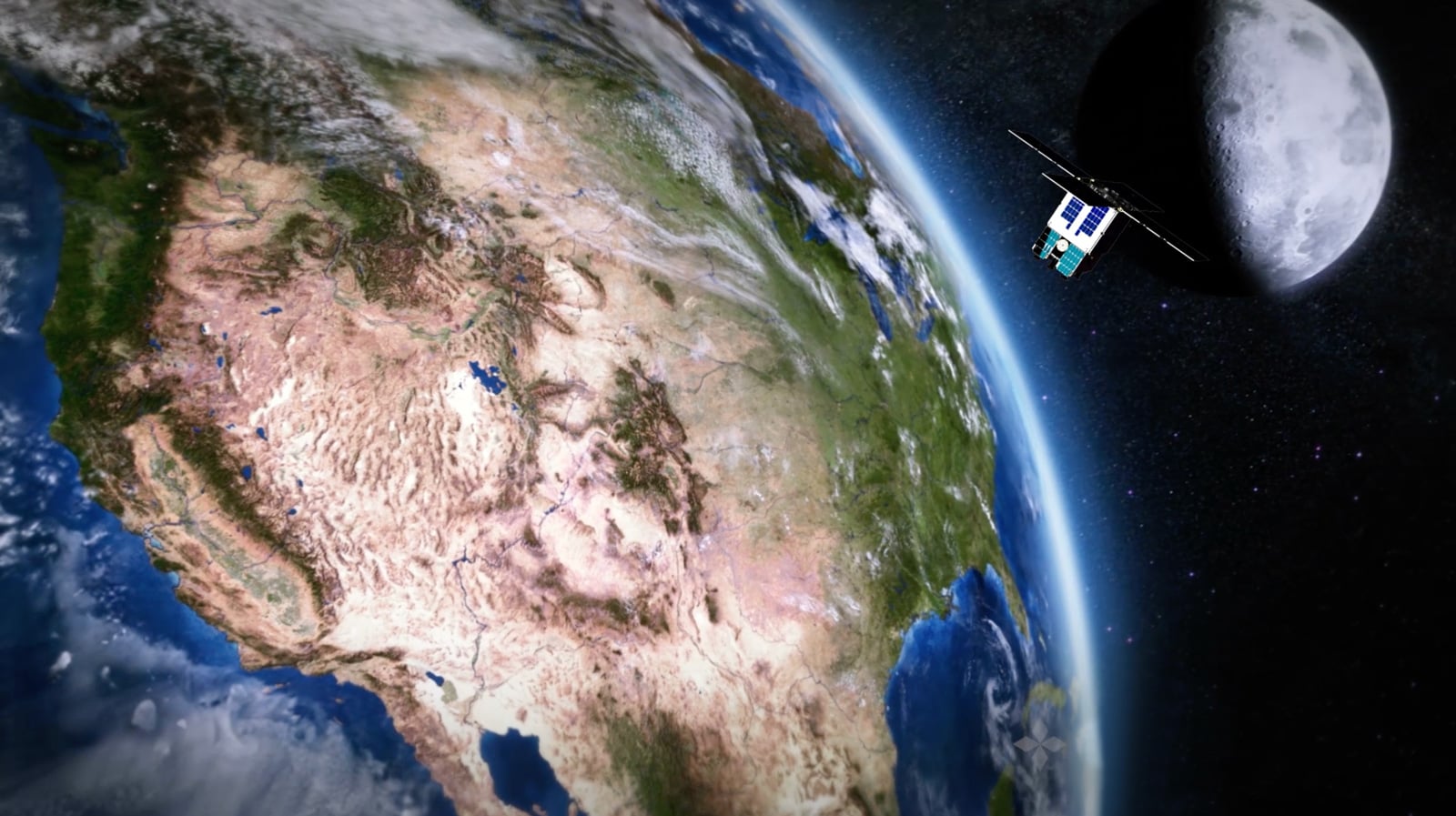
A new technology that allows satellites to de-orbit themselves at the end of their lives could help mitigate the problem of space debris.
Continue reading
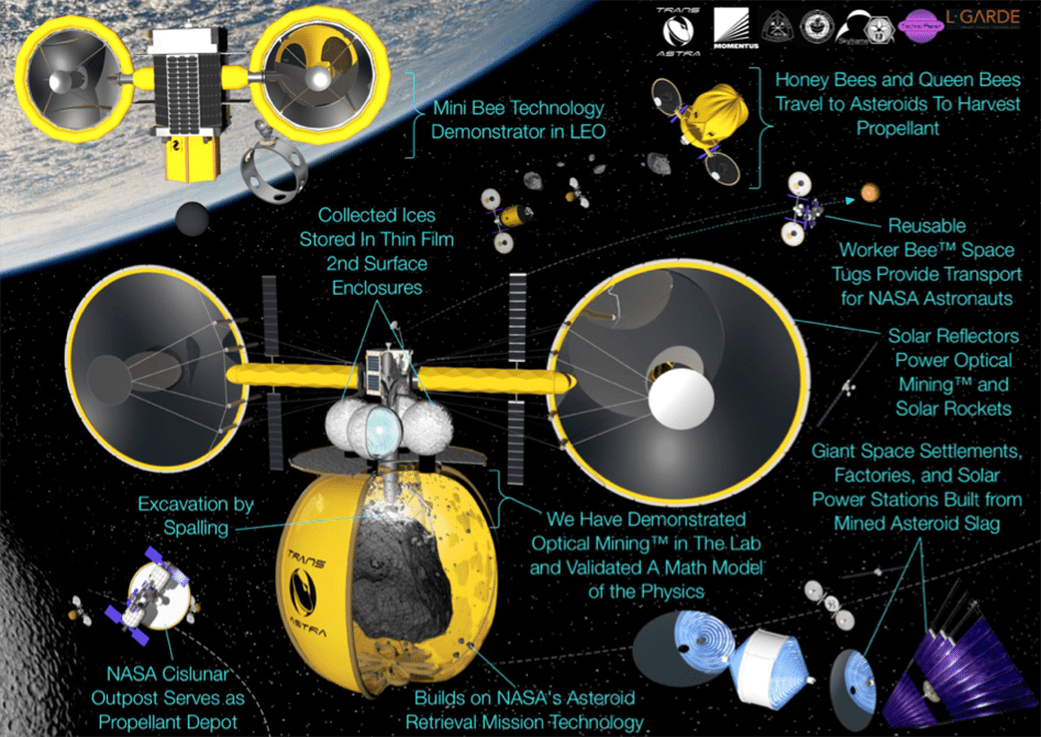
This year, the NASA's NIAC Program is looking at some really interesting ideas - such as a water-powered, laser-shooting, asteroid-mining spacecraft!
Continue reading
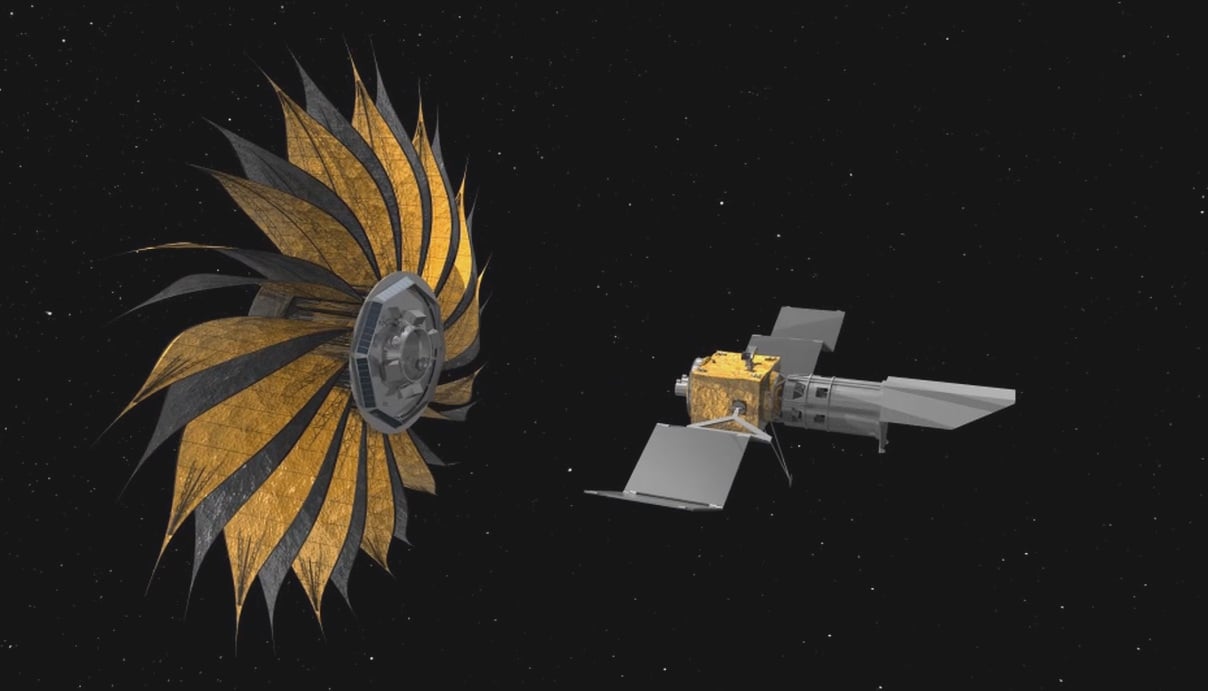
If NASA sends a Starshade into space, it will need to perform some very accurate formation flying with the space telescopes it is working with
Continue reading
New research by a team of UK scientists has located the site of the massive impact that took place in Scotland 1.2 billion years ago.
Continue reading
 Universe Today