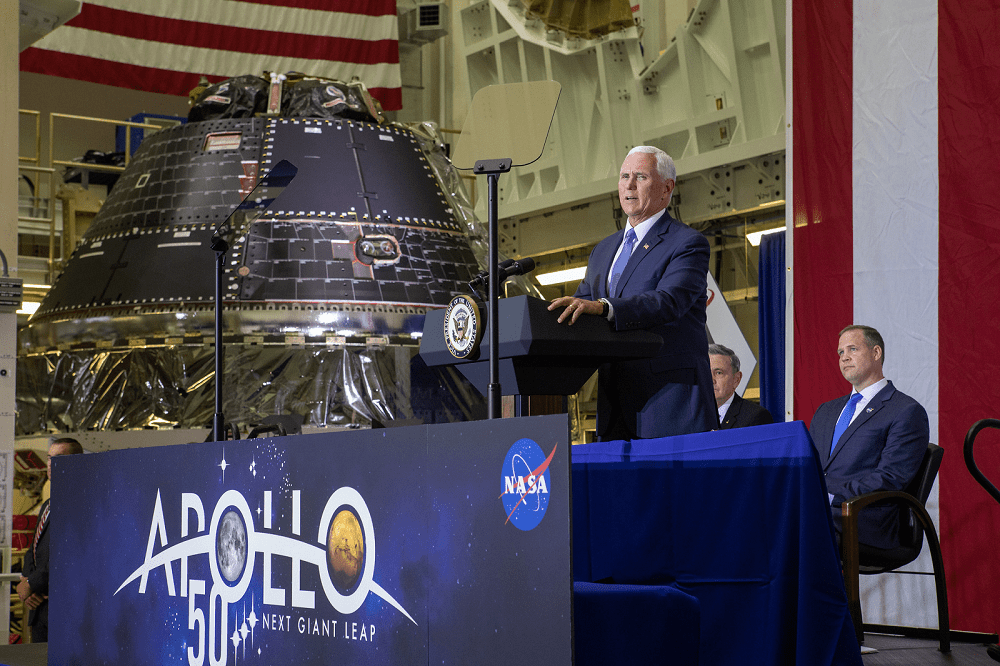
To mark the 50th Anniversary of the Moon Landing, VP Pence recently unveiled the the Orion capsule that will take astronauts back to the Moon in 2024.
Continue reading
Continue reading
Continue reading
Continue reading
Continue reading
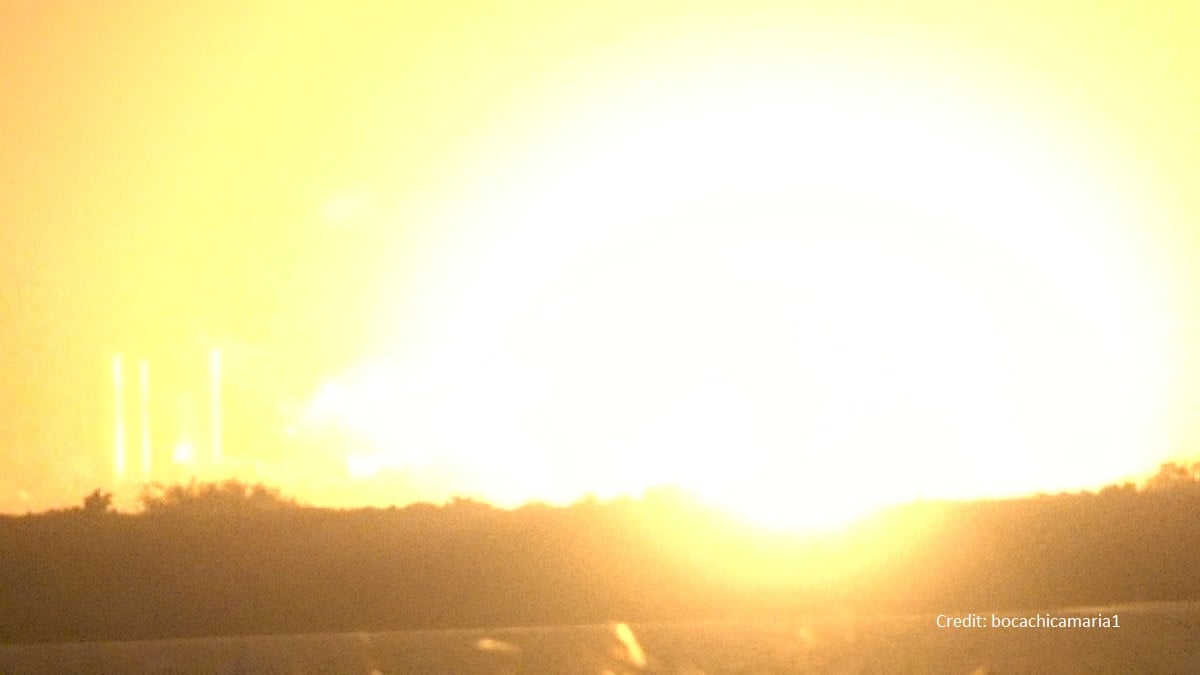
Despite the fireball that engulfed the Starshopper this past week, both the vehicle and its Draco engine appear to be unscathed.
Continue reading
Continue reading
Continue reading
Continue reading
Continue reading
Continue reading
Continue reading
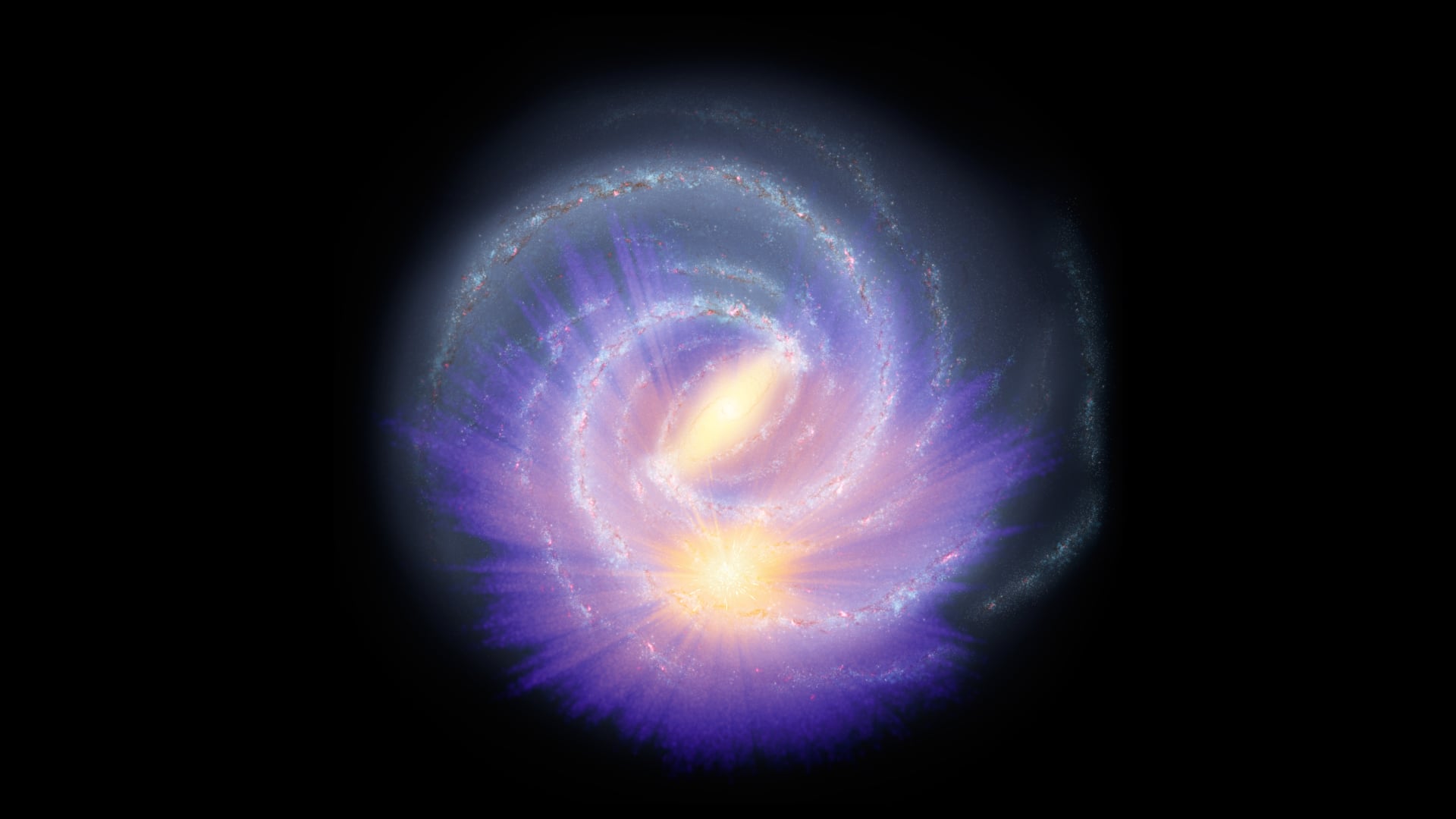
The latest discovery to come from Gaia's years of observing the Milky Way is the first 3D measurements of our galaxy's central bar structure.
Continue reading
Continue reading
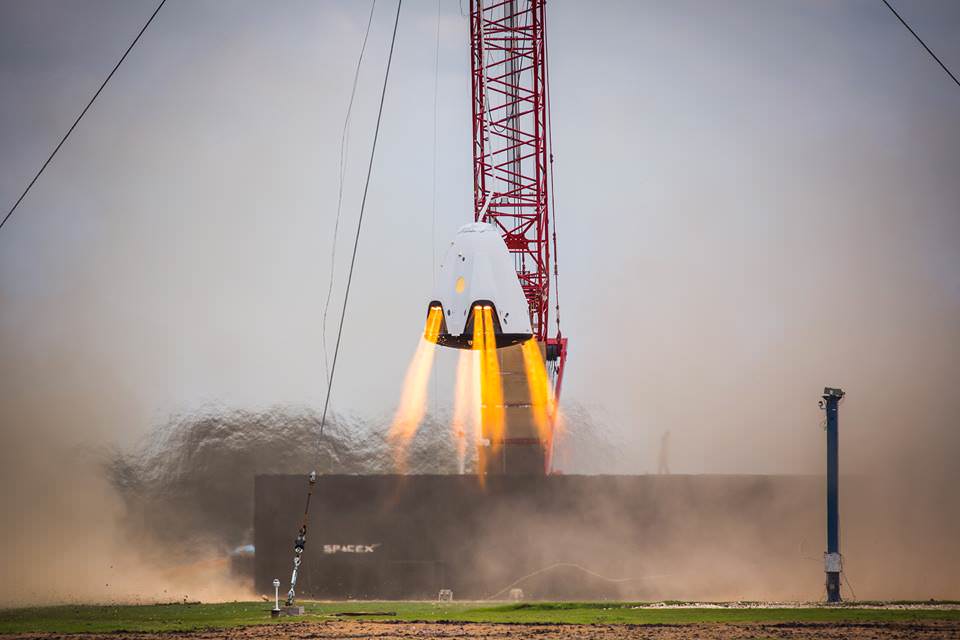
SpaceX has revealed the cause of the accident that took place back in April, attributing it to a leak that took place just prior to the final tactic engine fire test.
Continue reading
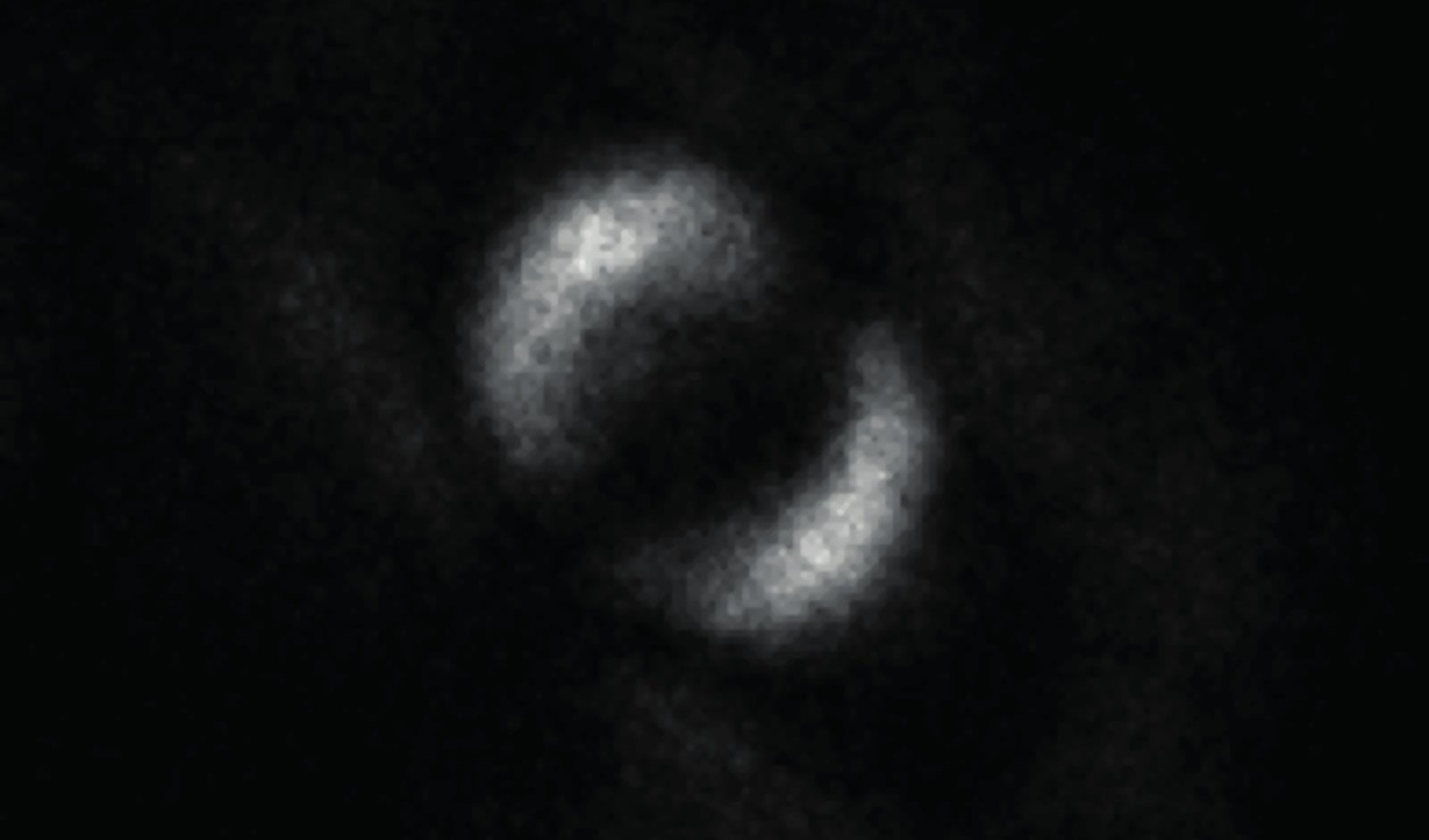
A research team from the University of Glasgow has, for the first time ever, captured an image of entangled photons.
Continue reading
Continue reading
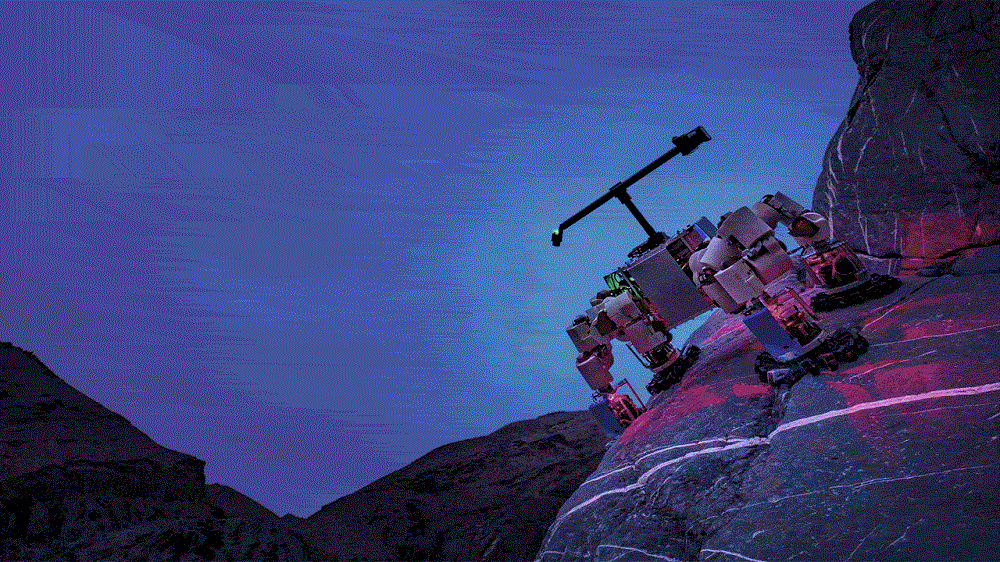
Engineers at NASA JPL are busy developing next-generation robotic missions that will allow astronauts to explore harder-to-reach places in the search for life.
Continue reading
Continue reading
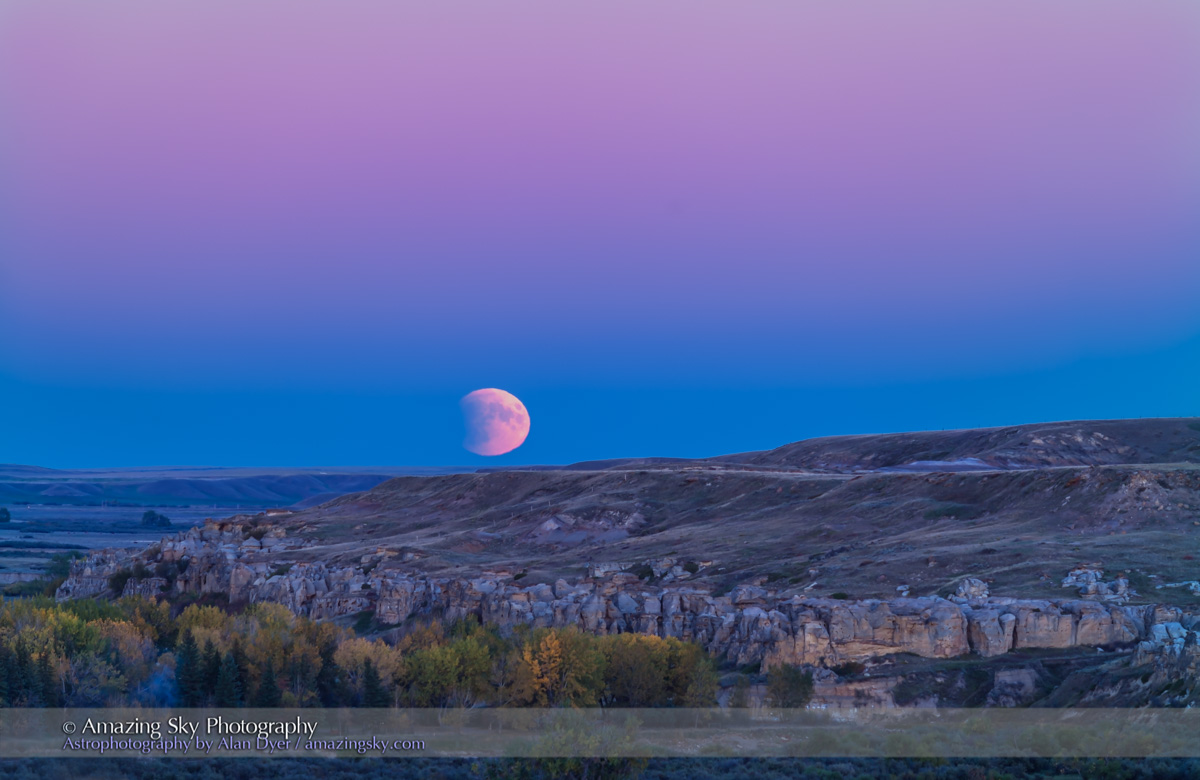
Happen to be in Europe, Africa, Asia or Australia on Tuesday night with clear skies? I July weather cooperates, you'll have a good view of the final lunar eclipse for 2019.
Continue reading
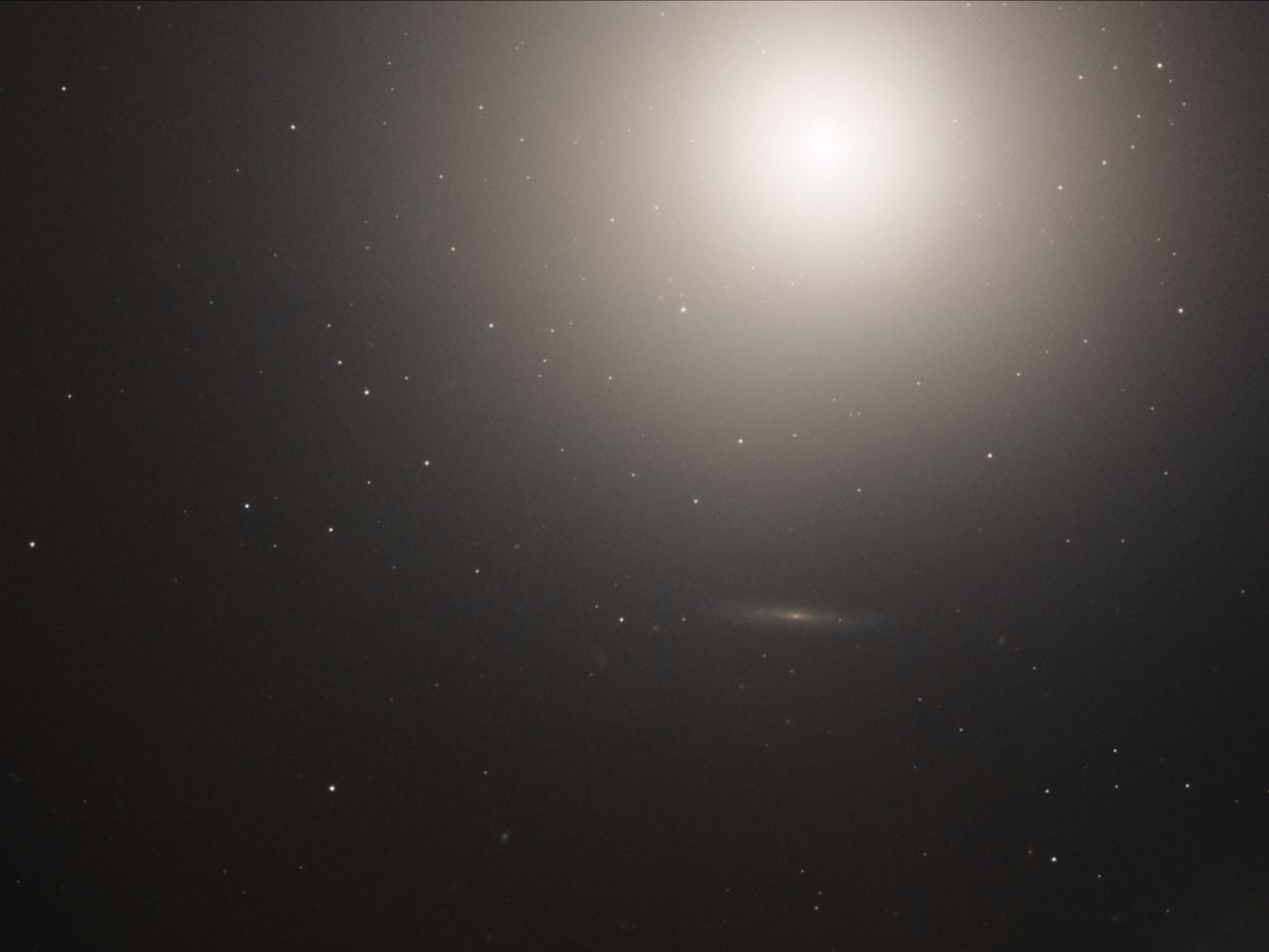
Located in the Virgo constellation, roughly 50 million light years from Earth, is the elliptical galaxy known as Messier 89.
Continue reading
Continue reading
Continue reading
Continue reading
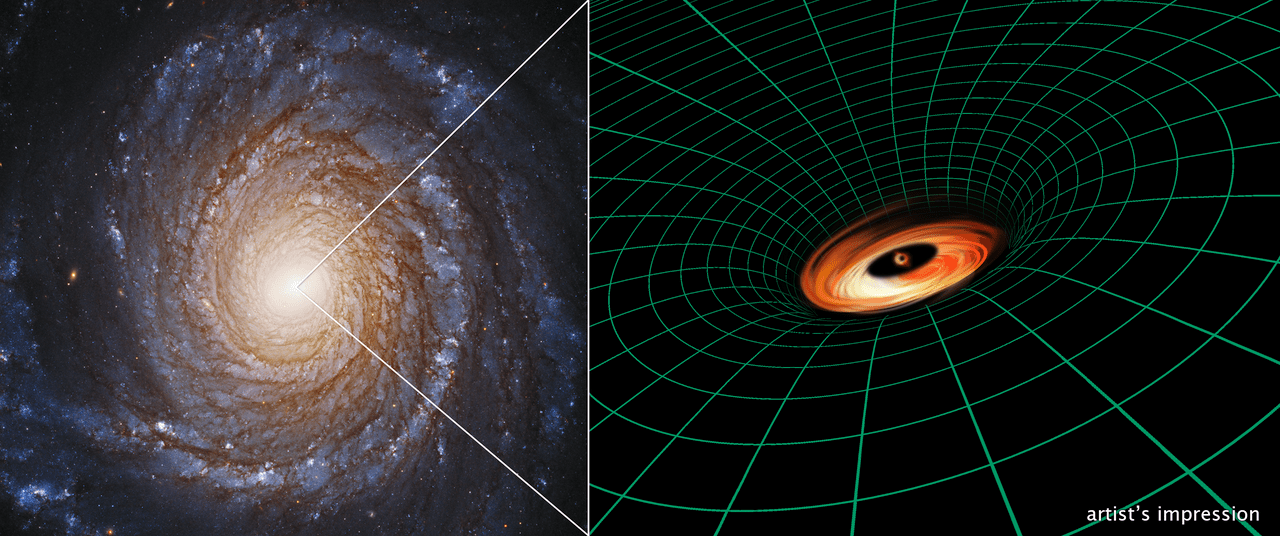
Using the Hubble Space Telescope, a team of astronomers recently observed a bright disk around a black hole that defies astronomical models.
Continue reading
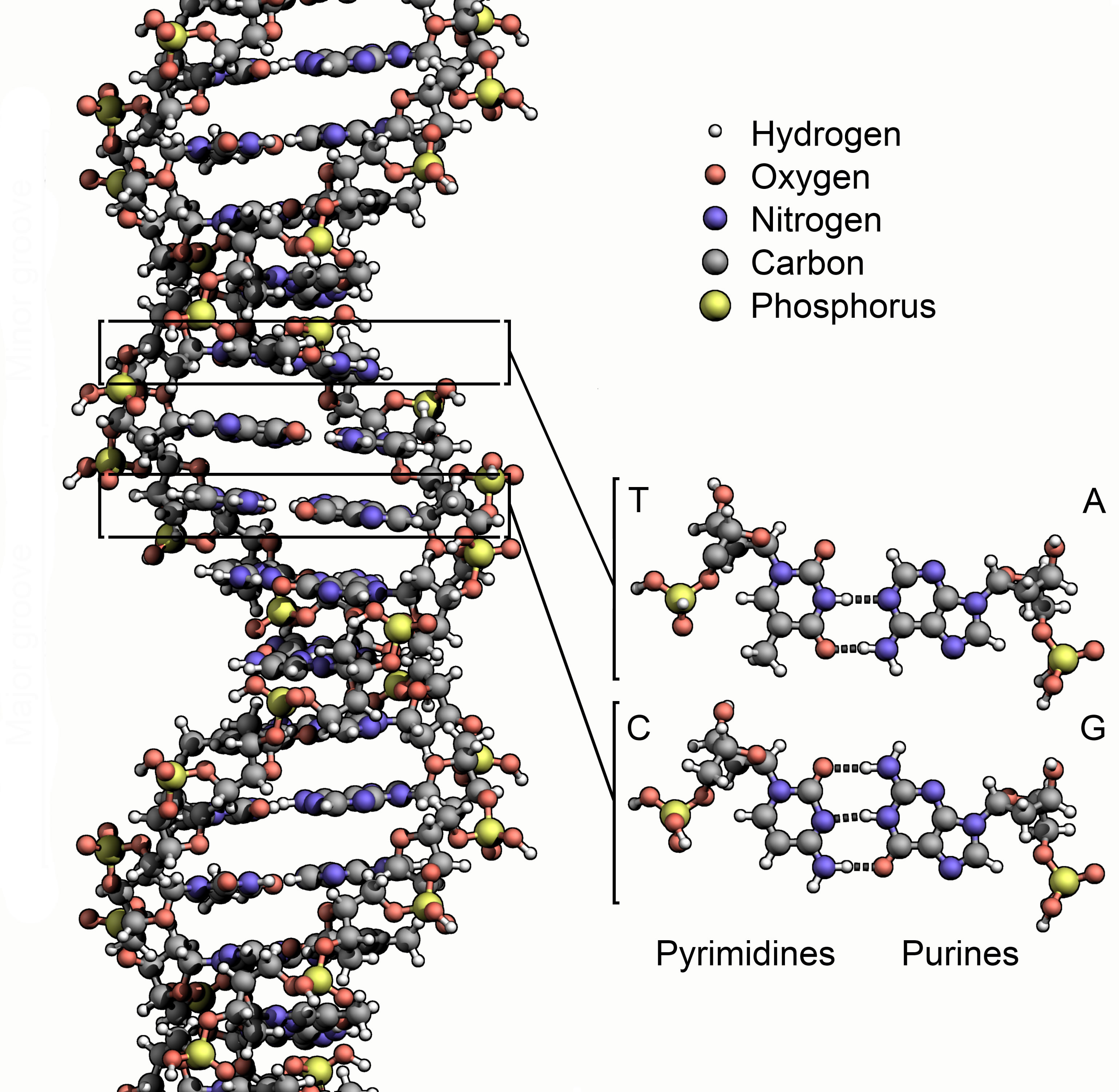
A team of researchers have shown how the basic building blocks of life could have arose on a primordial Earth, bringing us one step closer to resolving the mystery of abiogenesis.
Continue reading
Continue reading
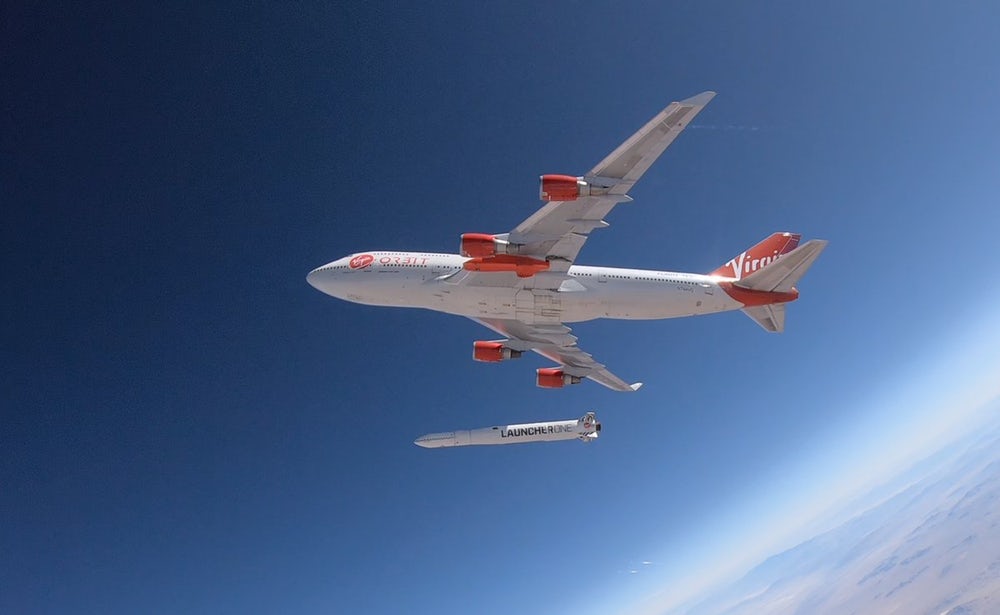
Virgin Orbit achieved a milestone with a successful drop test of their LauncherOne rocket. Once complete, this system will deliver satellites to orbit for less money.
Continue reading
Continue reading
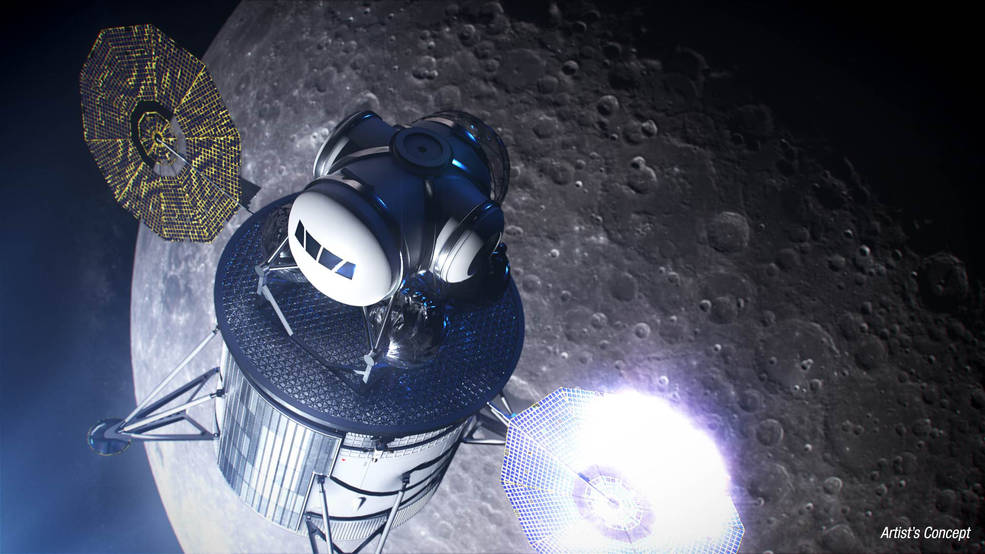
NASA is experiencing a shake-up, as evidenced by the recent announcement that two longtime program leaders have been demoted.
Continue reading
Continue reading
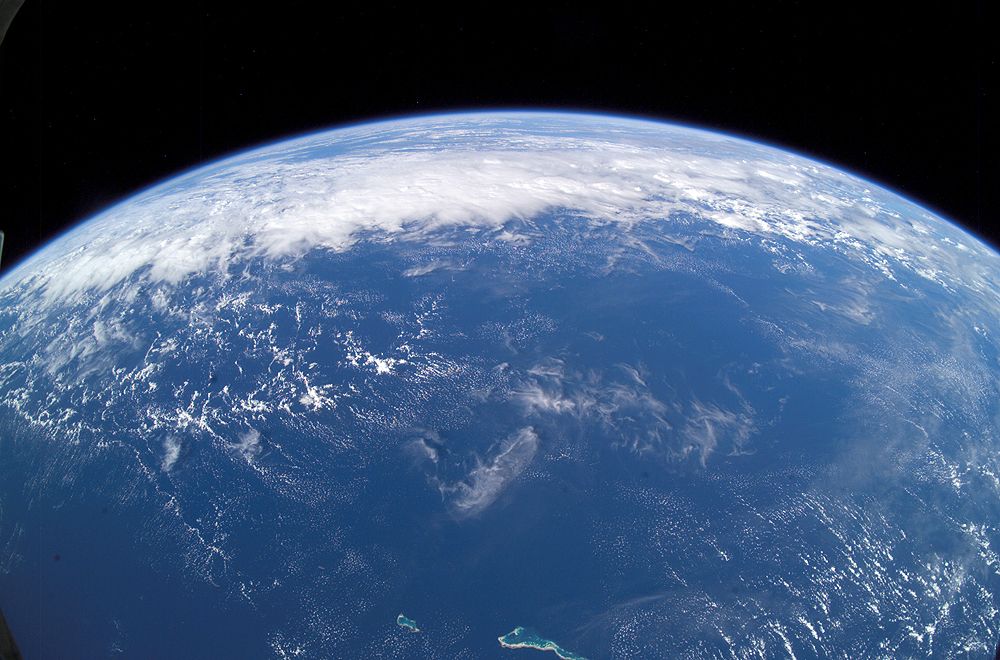
A NASA and NSF-supported study by an MIT geophysicist indicates that carbon emissions could push the Earth's oceans past a "threshold", leading to a possible mass extinction.
Continue reading
Continue reading
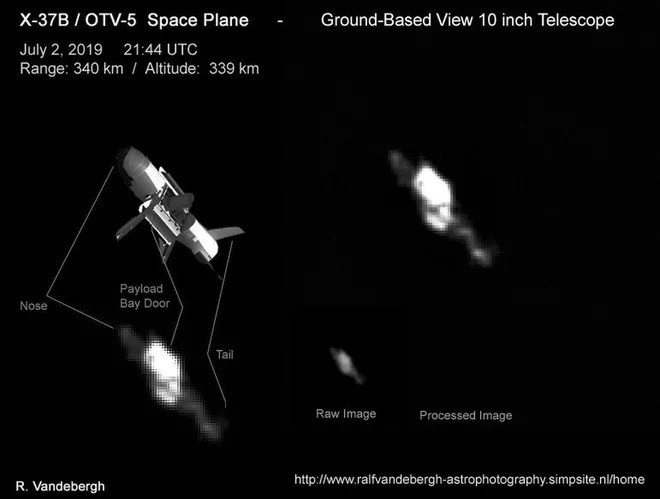
A satellite tracker from The Netherlands recently spotted and photographed the USAF's elusive and top-secret X-37B space plane.
Continue reading
Continue reading
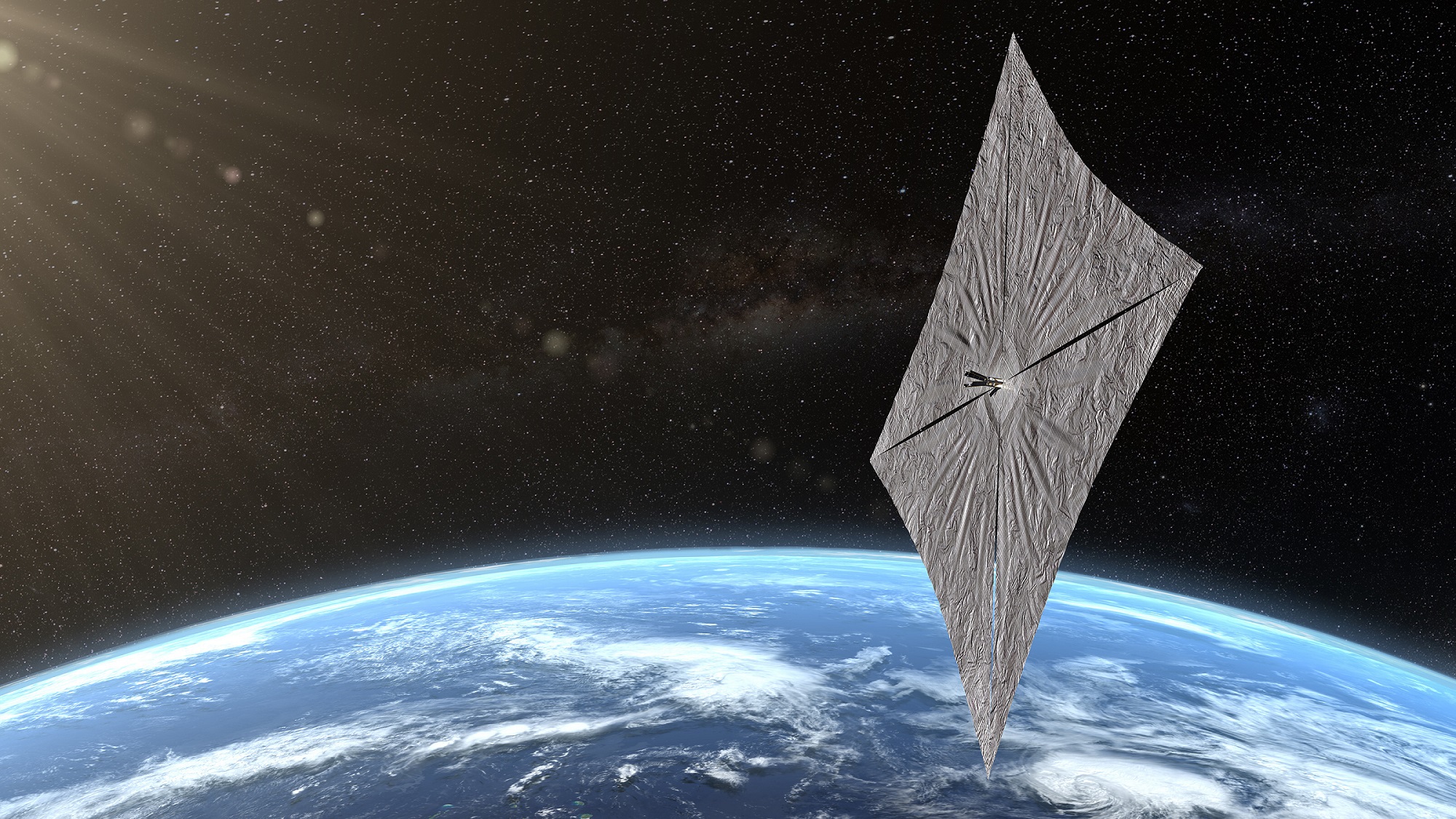
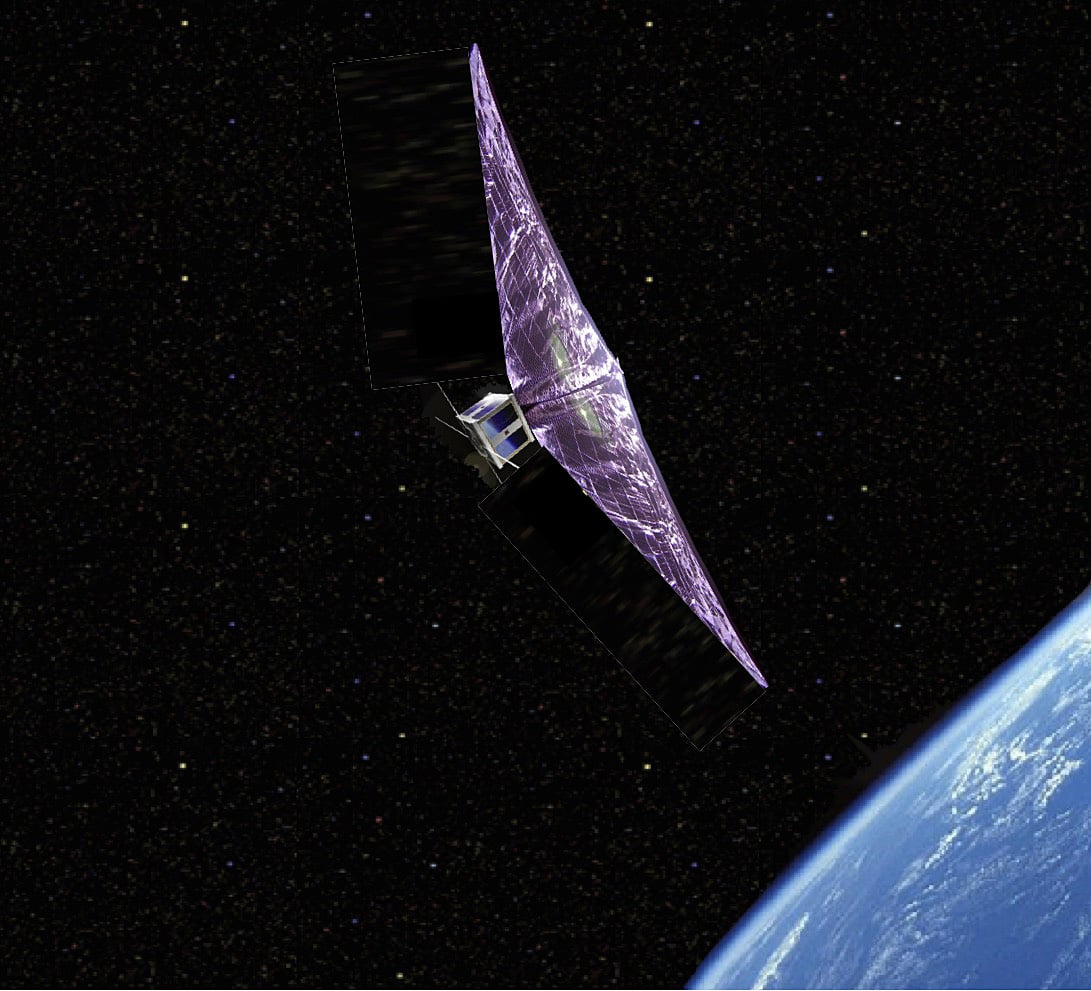
The Planetary Society recently launched its LightSail 2 technology demonstrator, which could prove to be an effective means of propulsion for CubeSats
Continue reading
Continue reading
Continue reading
Continue reading
Continue reading
Continue reading
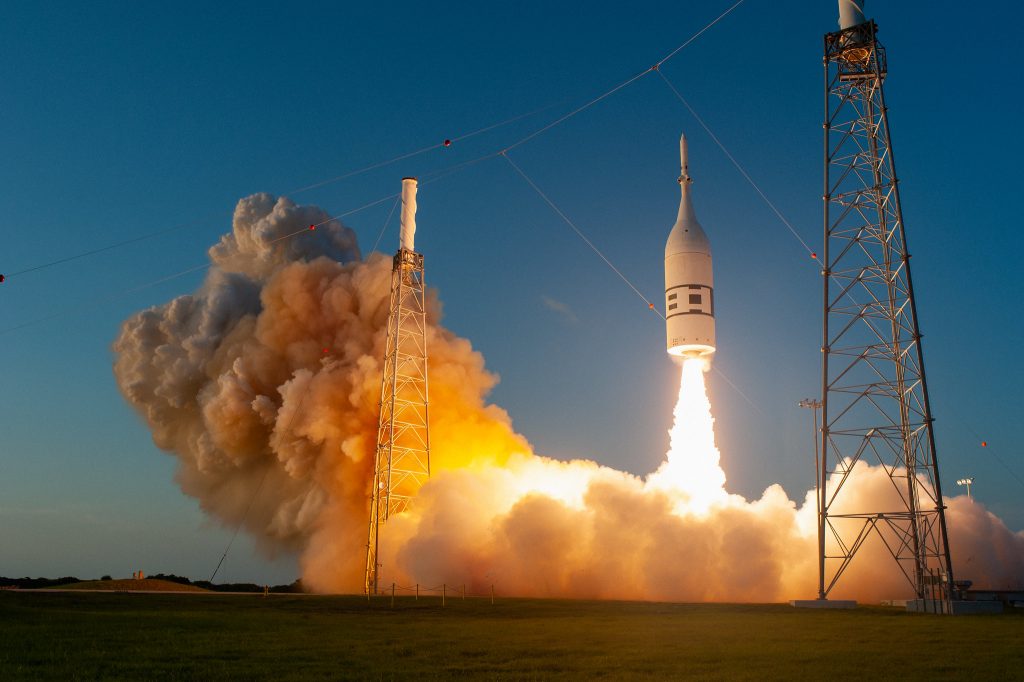
NASA recently conducted their second test of the Orion's Abort Launch System (ALS), bringing them one step closer to returning to the Moon in 2024.
Continue reading
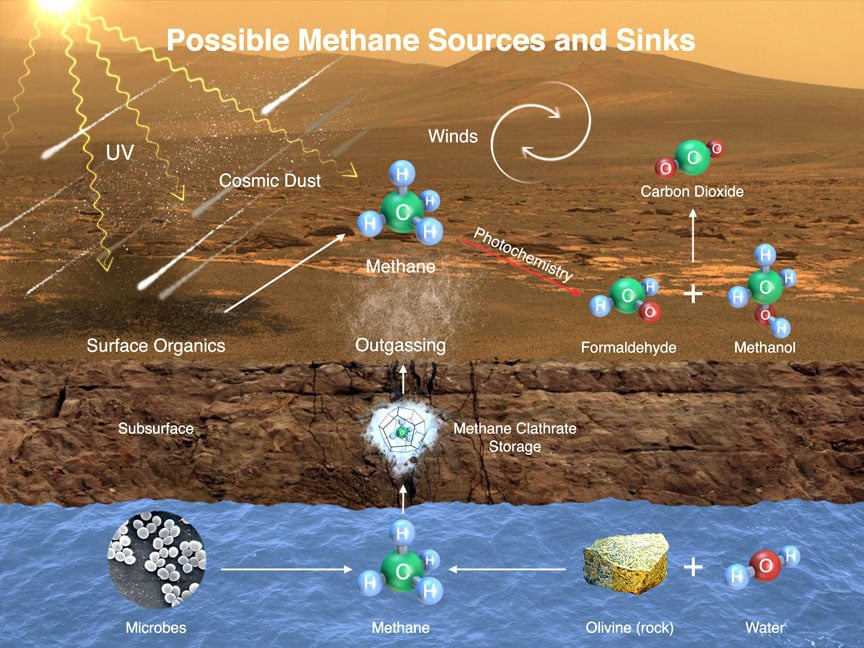
A new study from Aarhus University offers new insight into what is making Mars' methane "disappear" - with serious implications in the search for life.
Continue reading
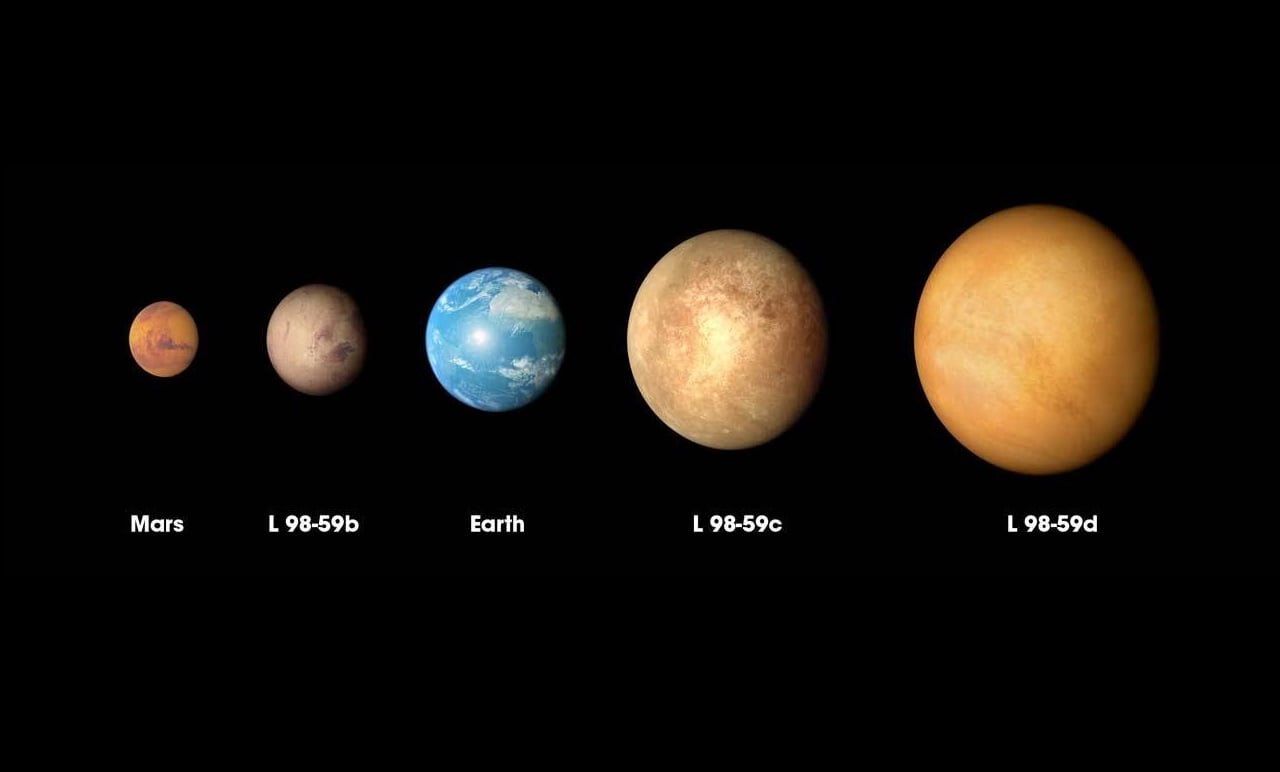
TESS recently discovered a three-planet system orbiting a red dwarf star 35 light years away, increasing the number of rocky planets orbiting nearby stars.
Continue reading
Continue reading
Continue reading
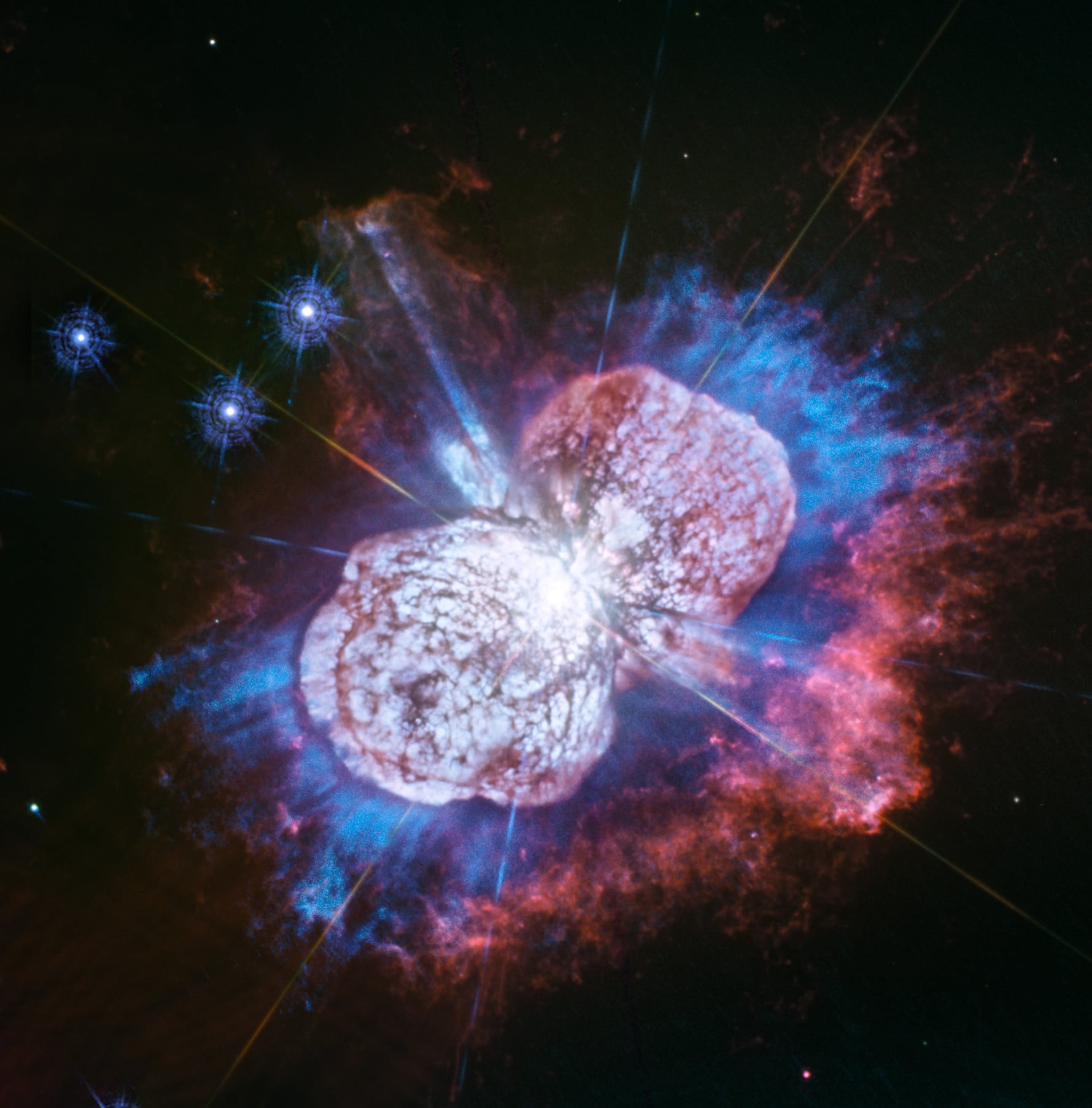
Continue reading
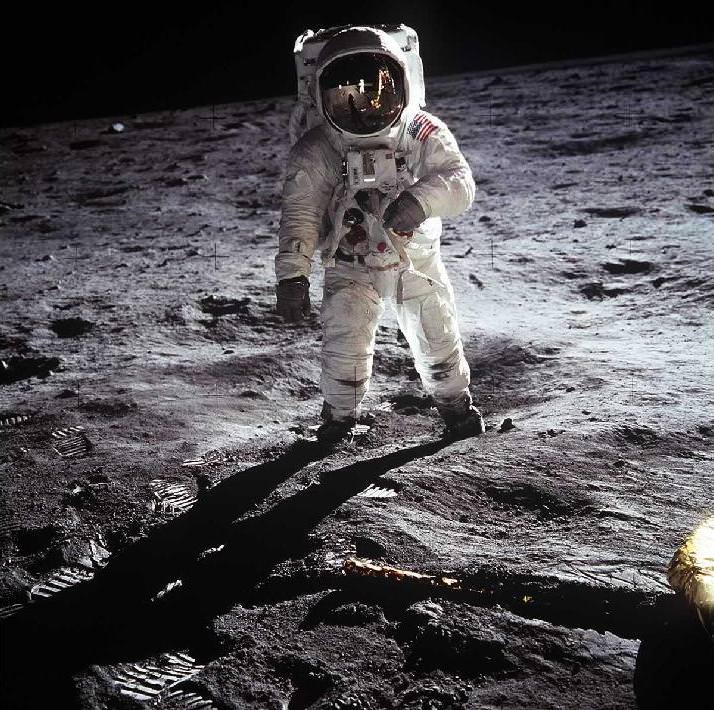
In honor of the 50th Anniversary of the Moon Landing, a Harvard Professor and former White House science advisor recommend that the US government remain invested in research and space exploration.
Continue reading
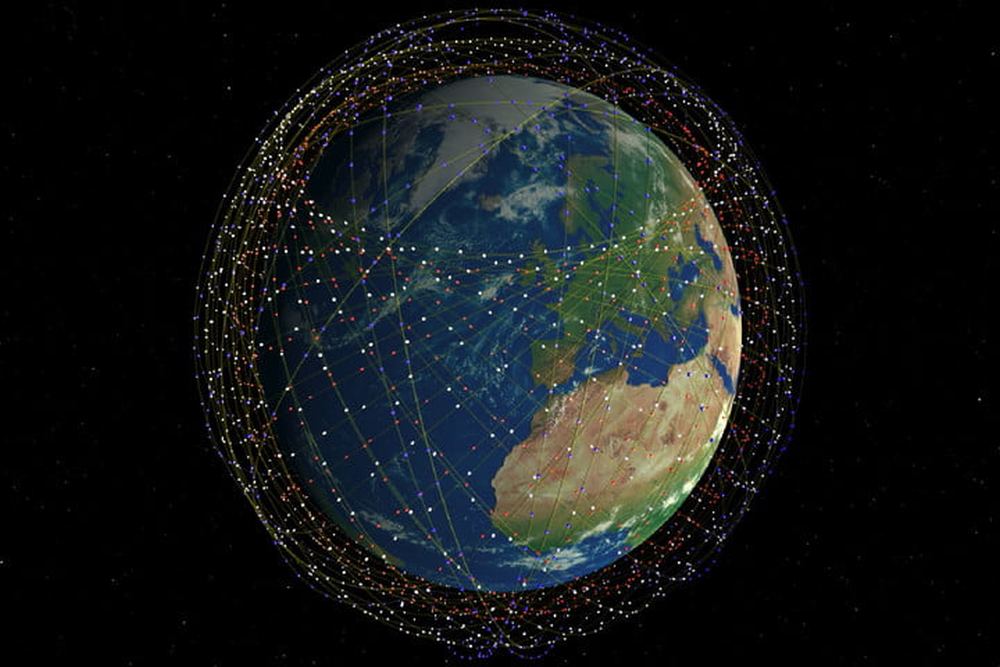
Continue reading
Continue reading
 Universe Today