Continue reading
Continue reading
Continue reading

Continue reading
Continue reading
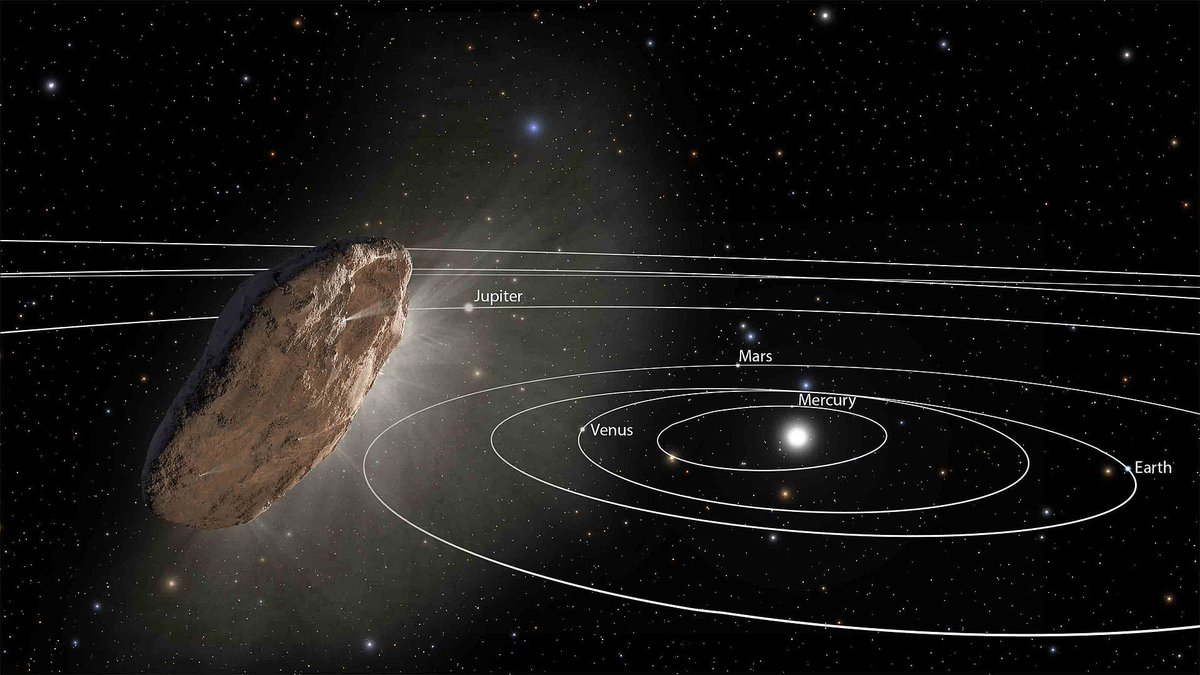
A recent study by members of i4is shows how we could intercept future interstellar visitors using existing technology.
Continue reading
Continue reading
Continue reading

Continue reading
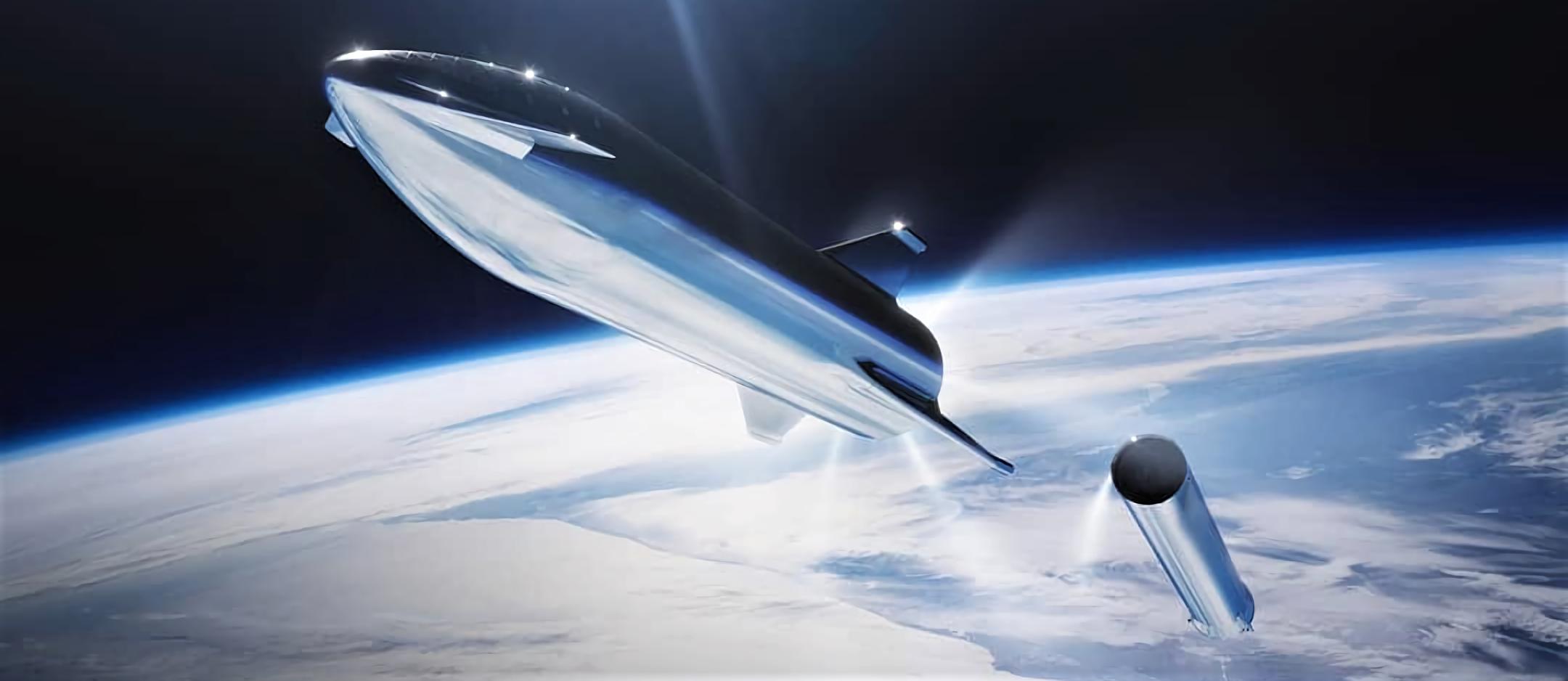
A Youtuber has proposed a rather interesting solution to the problem of microgravity and sending people to Mars - the Gravity Link Starship!
Continue reading

Thanks to the Gemini Observatory, we now have our first glimpse at the interstellar comet, C/2019 Q4, the second interstellar object to visit our Solar System in two years!
Continue reading
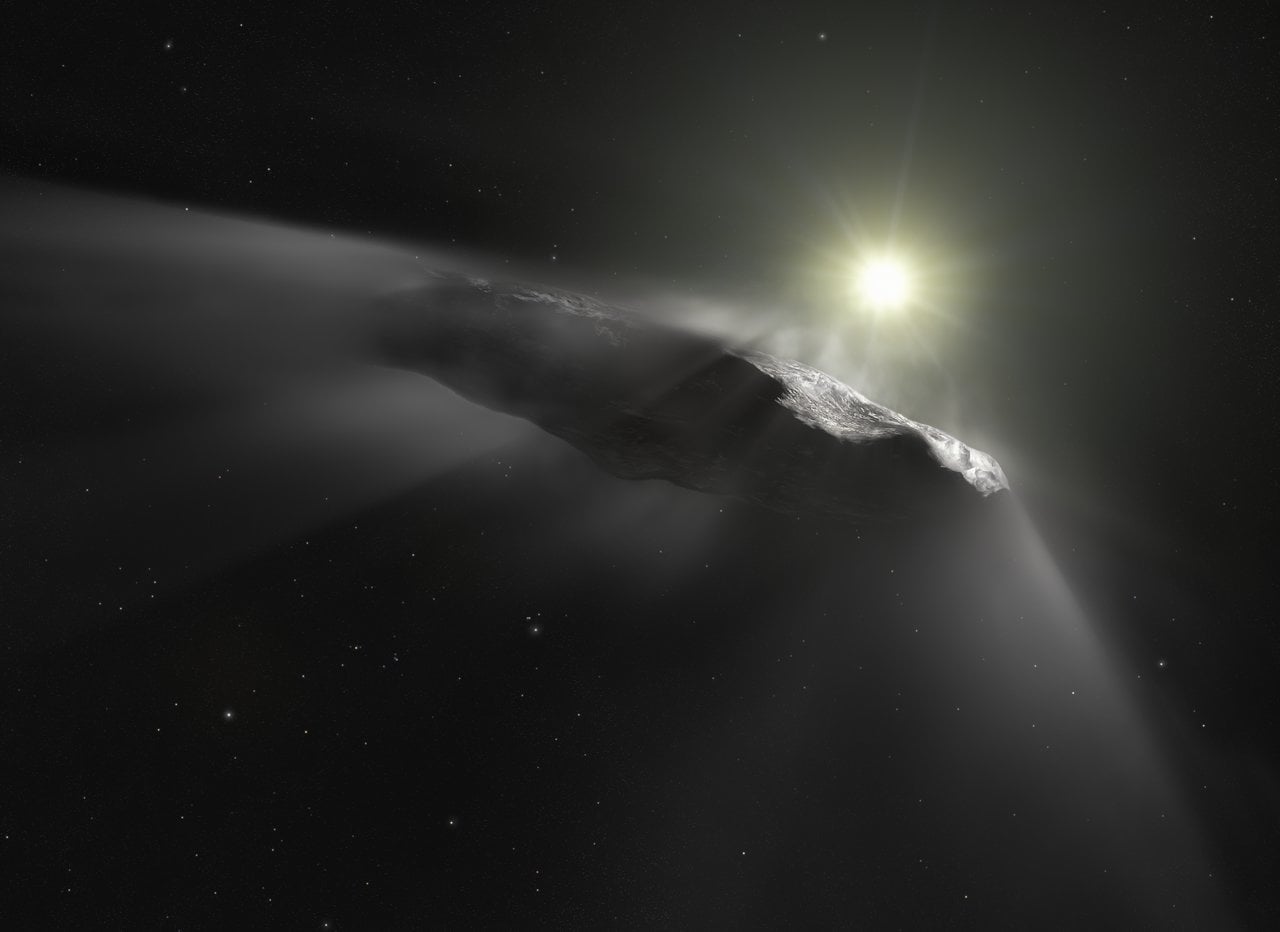
Astronomers with NASA and the ESA have confirmed that an object that could be interstellar in origin (like 'Oumuamua) is passing through the Solar System, the second object to do so in just two years.
Continue reading
Continue reading
Continue reading
Continue reading
Continue reading

The ISRO has confirmed the location of their Vikram lander on the lunar surface, but is uncertain if it survived its hard landing.
Continue reading
Continue reading

Continue reading
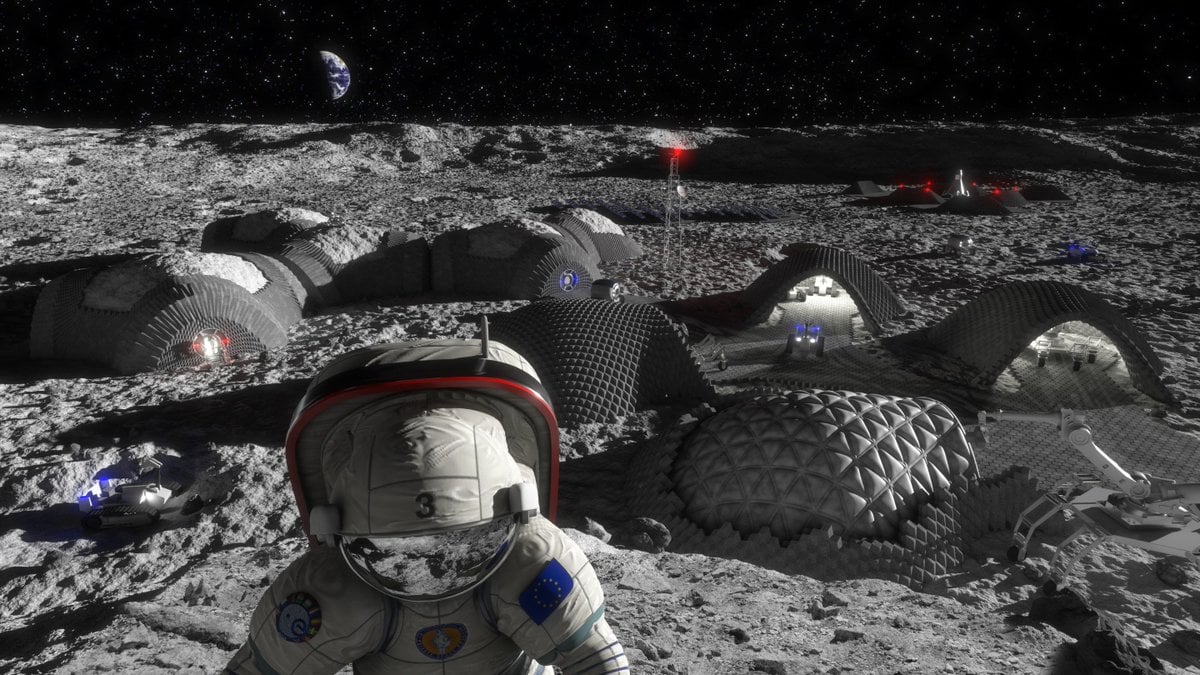
The OpenLuna Foundation wants to create a base on the Moon using crowdsourcing and open-source technology to allow the public to take part in lunar colonization.
Continue reading

Continue reading
Continue reading
Continue reading
Continue reading
Continue reading

According to a new study by a team of Japanese researchers, gravitational wave detectors could be used to confirm the existence of a major Dark Matter candidate.
Continue reading
Continue reading
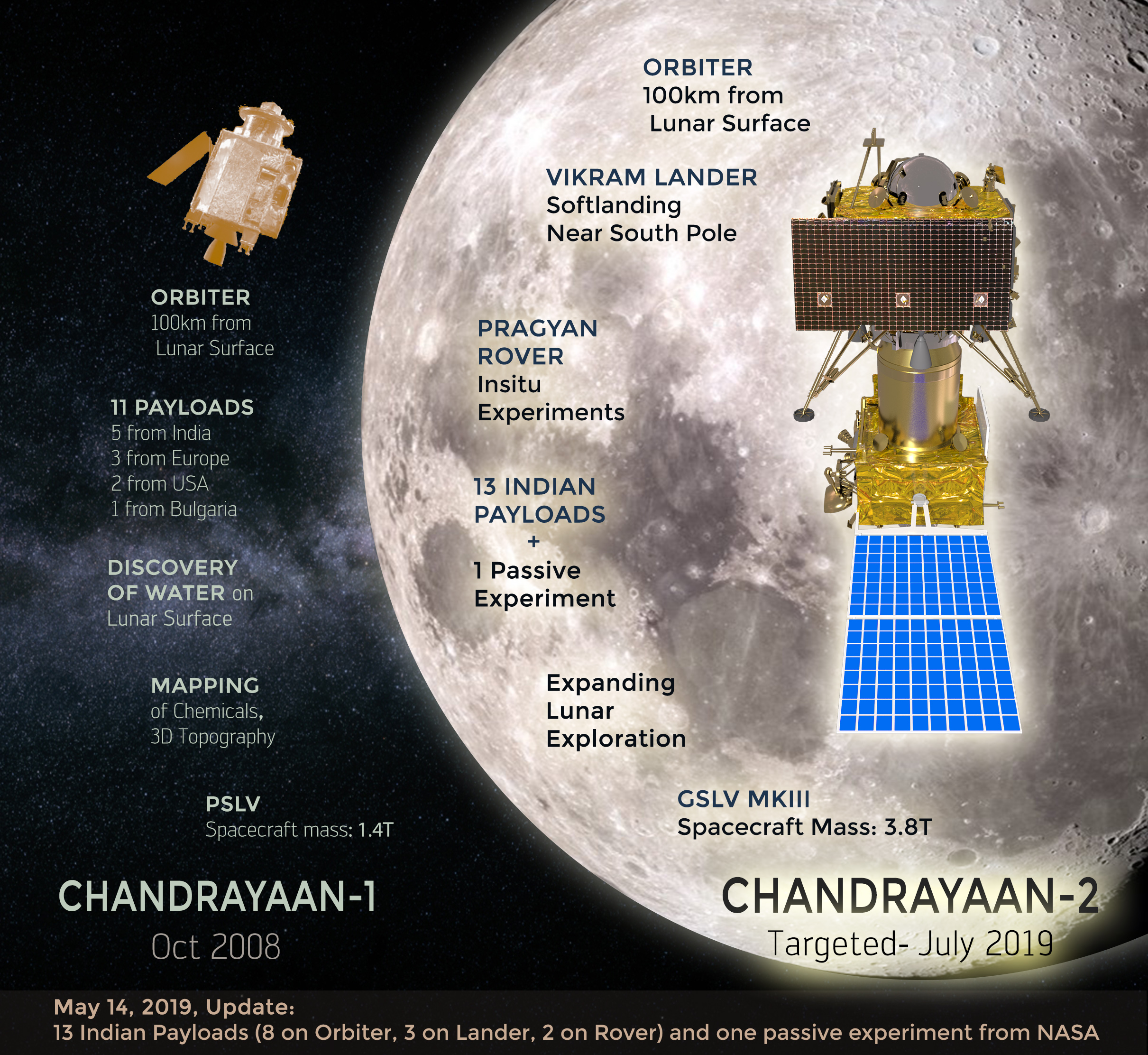
The ISRO dispatched their Vikram lunar lander towards the lunar surface today, but lost contact with it just before it was meant to touch down.
Continue reading
Continue reading
Continue reading
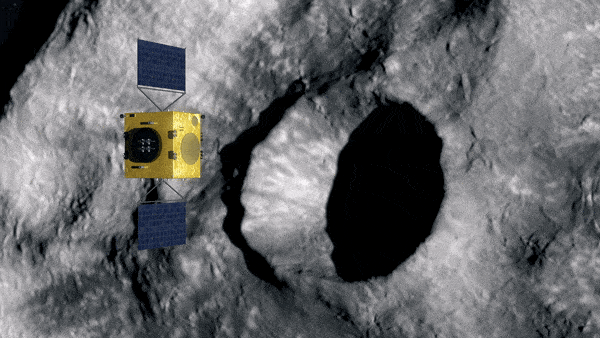
The ESA and NASA are getting closer to mounting the AIDA mission, which will will test the effectiveness of asteroid deflection in the coming years.
Continue reading

A recent image from the MRO shows rows of olivine-rich dunes in the Copernicus Crater on Mars, a feature that is quite rare here on Earth.
Continue reading
Continue reading
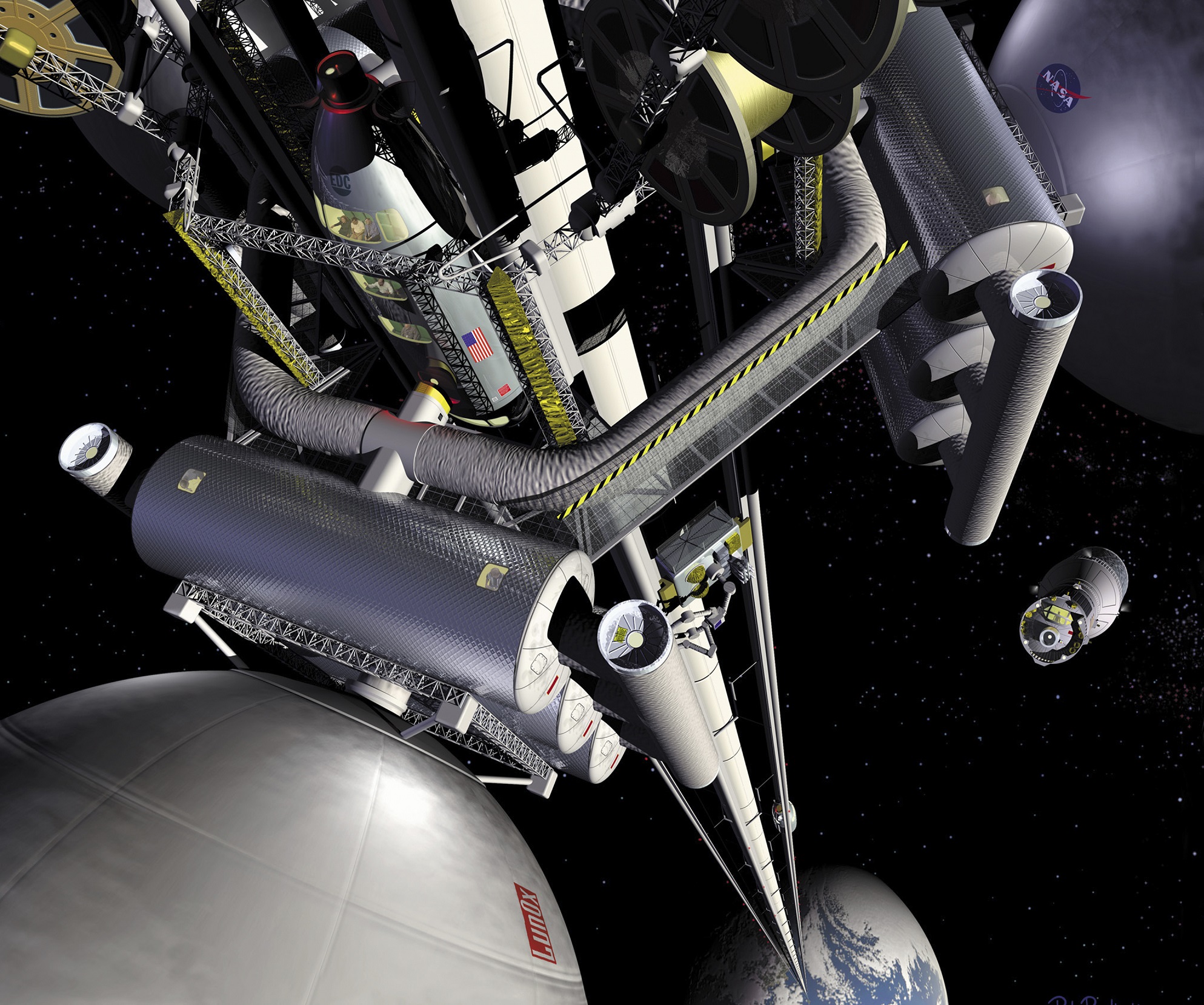
A team of scientists recently proposed an alternative to a Space Elevator - the "Spaceline", a tether that extends from the lunar surface into Earth's gravity well.
Continue reading
According to Musk's latest tweet, SpaceX's next rocket could be twice as big (and eight times the volume) as the Starship and Super Heavy!
Continue reading
Continue reading
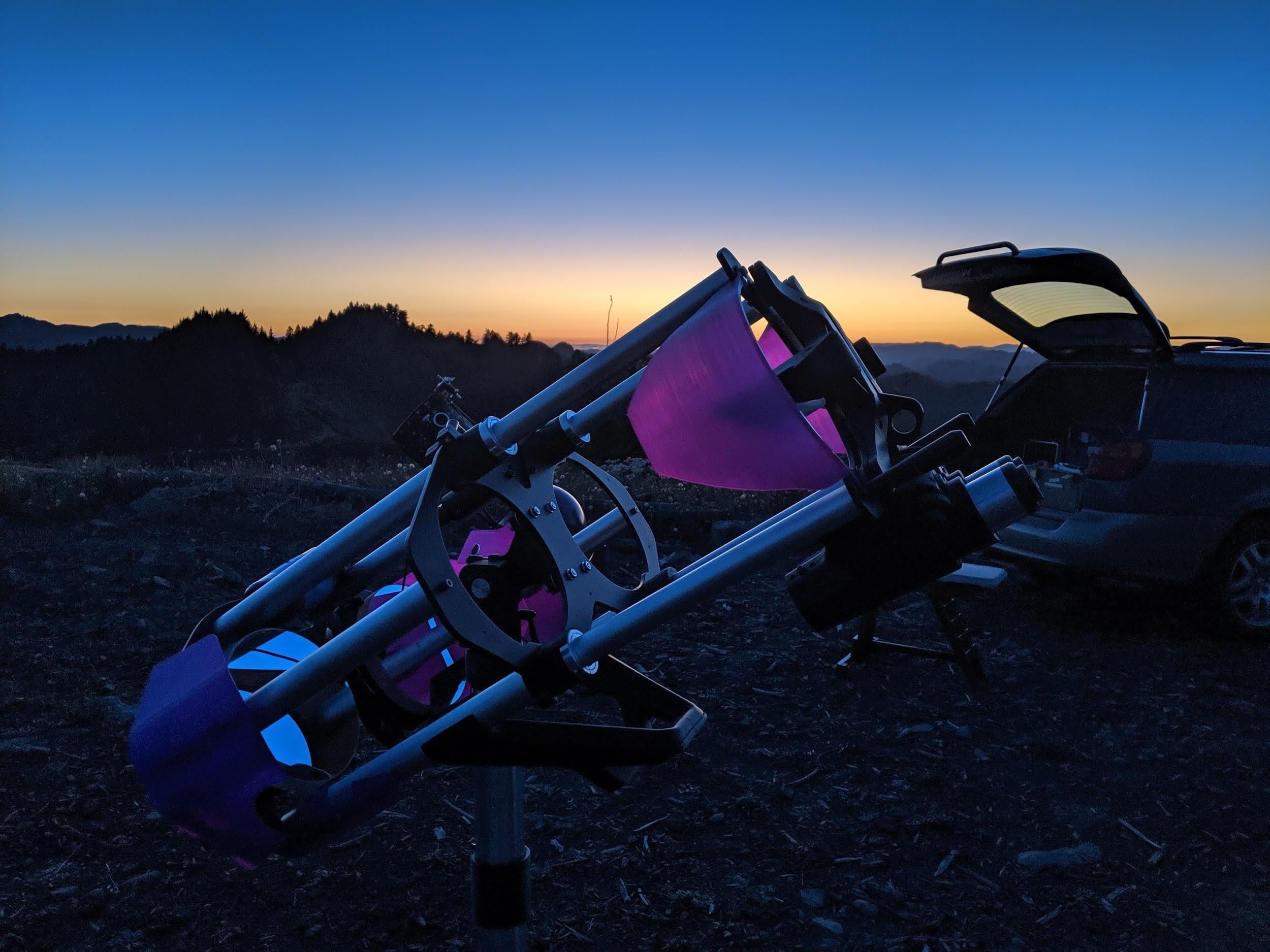
A unique 3d printed telescope named the Analog Sky Drifter may spark a revolution in amateur telescope making.
Continue reading
Continue reading
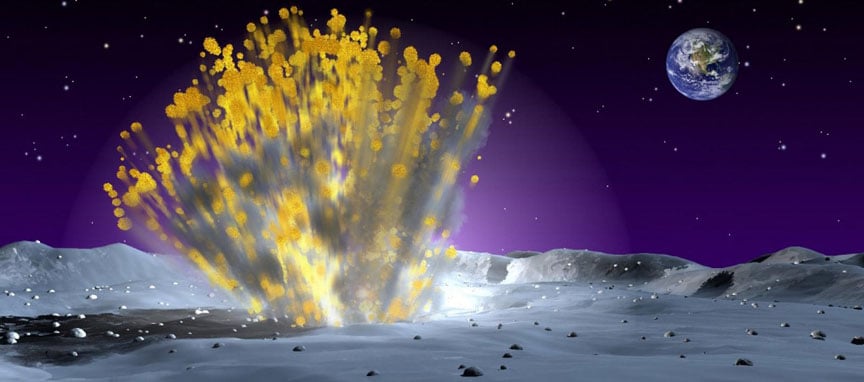
In a new study, a pair Harvard scientists calculated how often interstellar objects could collide with our Moon, and how we might study them to learn more of what lies beyond our Solar System.
Continue reading
Continue reading
Continue reading
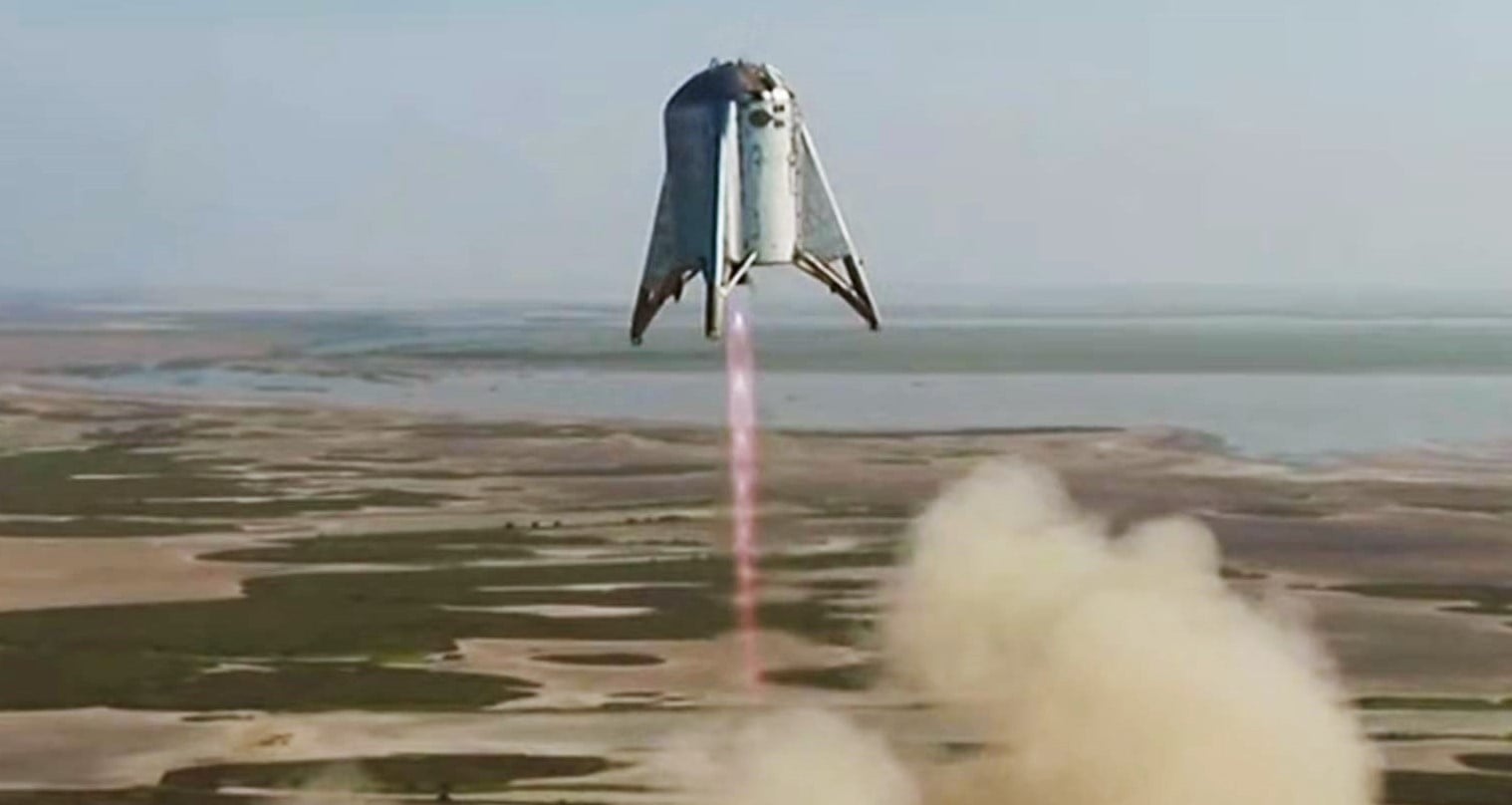
SpaceX just completed the second hop test of their Starship Hopper prototype, bringing the company one step closer to full-scale tests and commercial missions to the Moon and Mars!
Continue reading
Continue reading

According to a recent study presented at this year's Goldschmidt Geochemistry Congress, there may be exoplanets out there that are more habitable than Earth
Continue reading
Continue reading
Continue reading
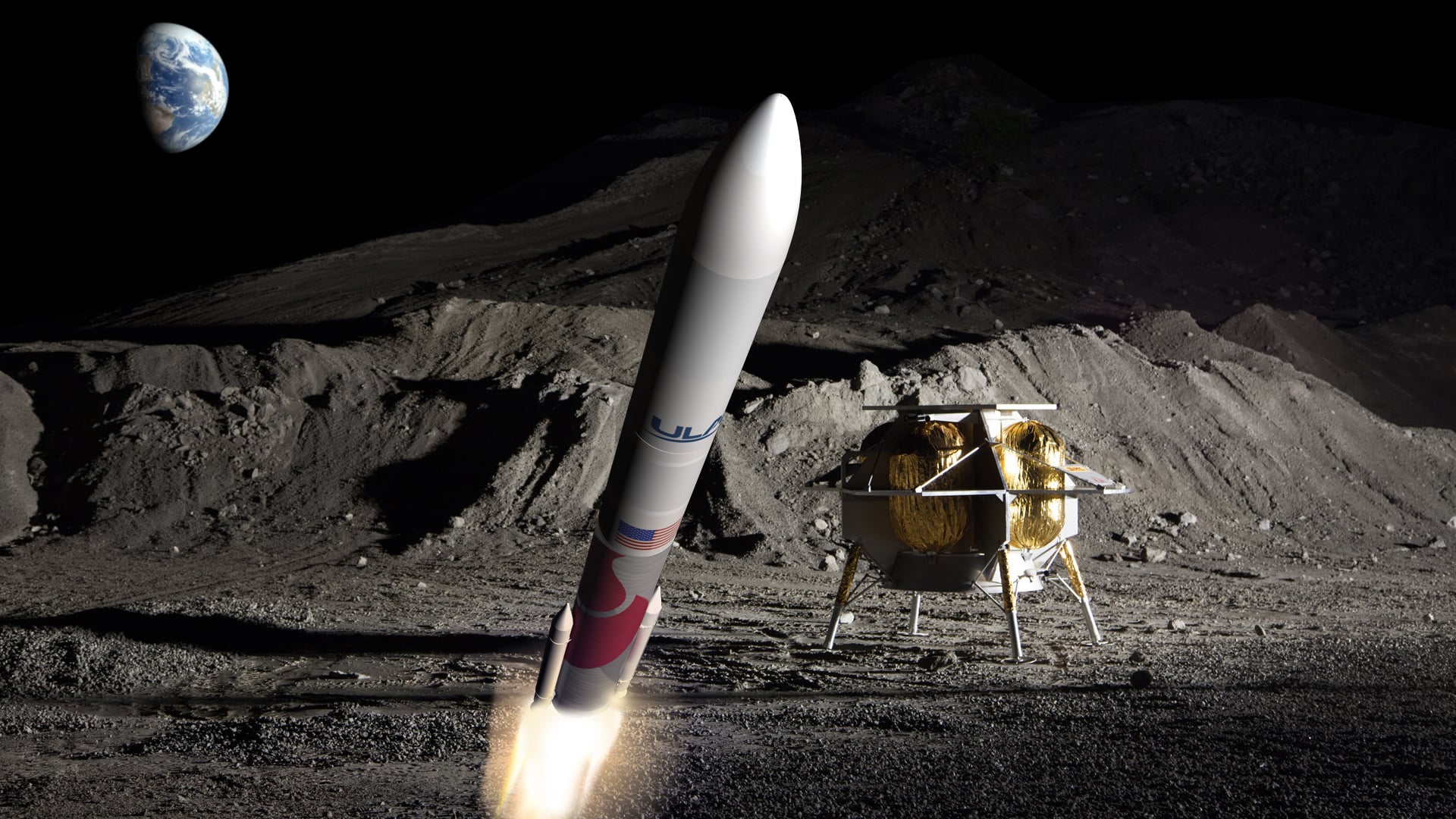
The commercial delivery company Astriobiotic will be working with the ULA to send payloads to the Moon for NASA beginning in 2021.
Continue reading
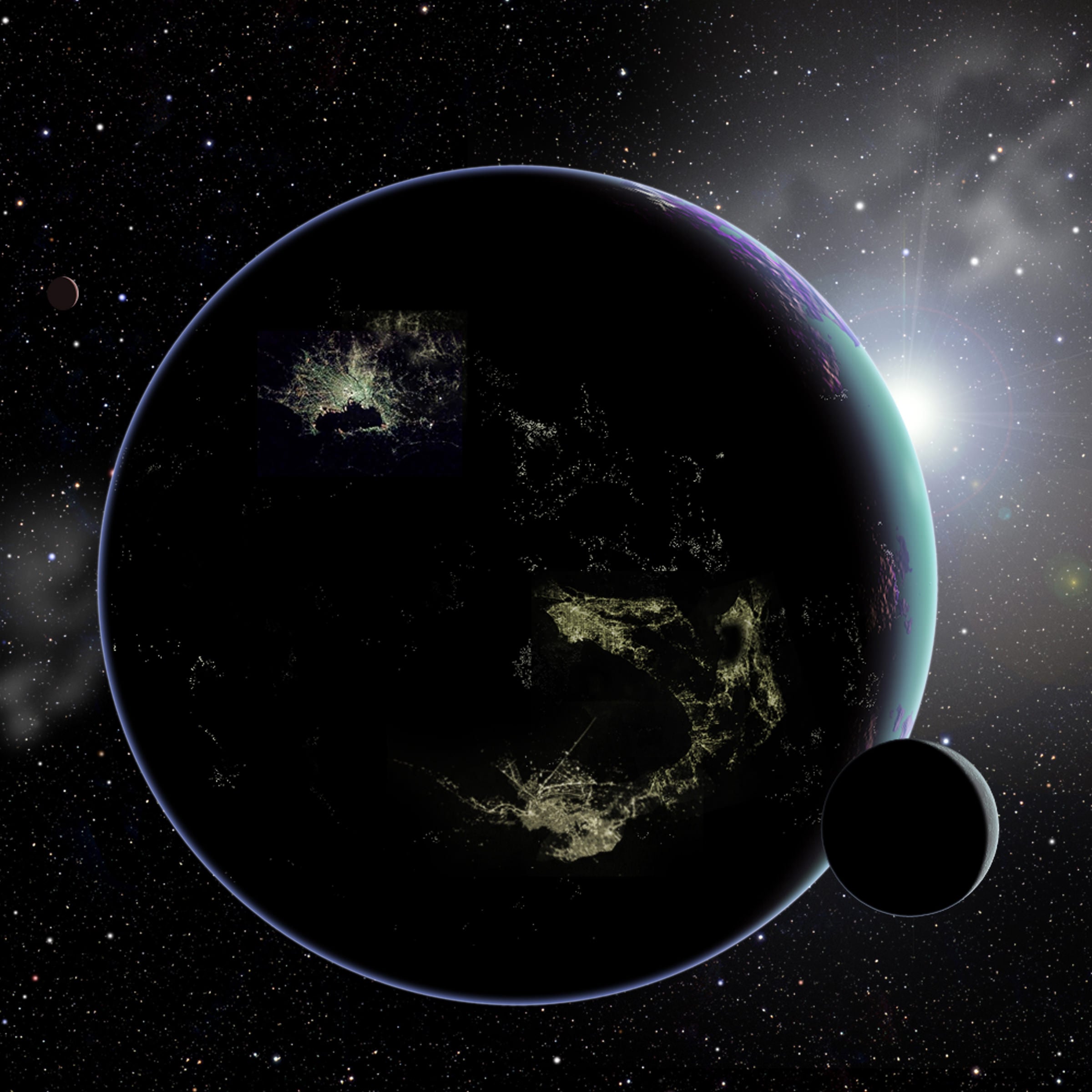
Using data from the Spitzer Space Telescope, a team of astronomers was able to study the surface of an exoplanet orbiting a nearby red dwarf star for the first time.
Continue reading
Continue reading
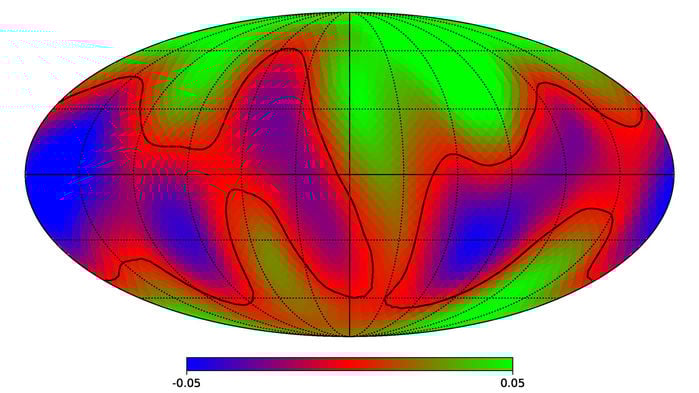
A team of Caltech researchers developed a new method that shows what Earth would look like to extra-terrestrial observers, which could seriously aid in the hunt for habitable exoplanets.
Continue reading
 Universe Today