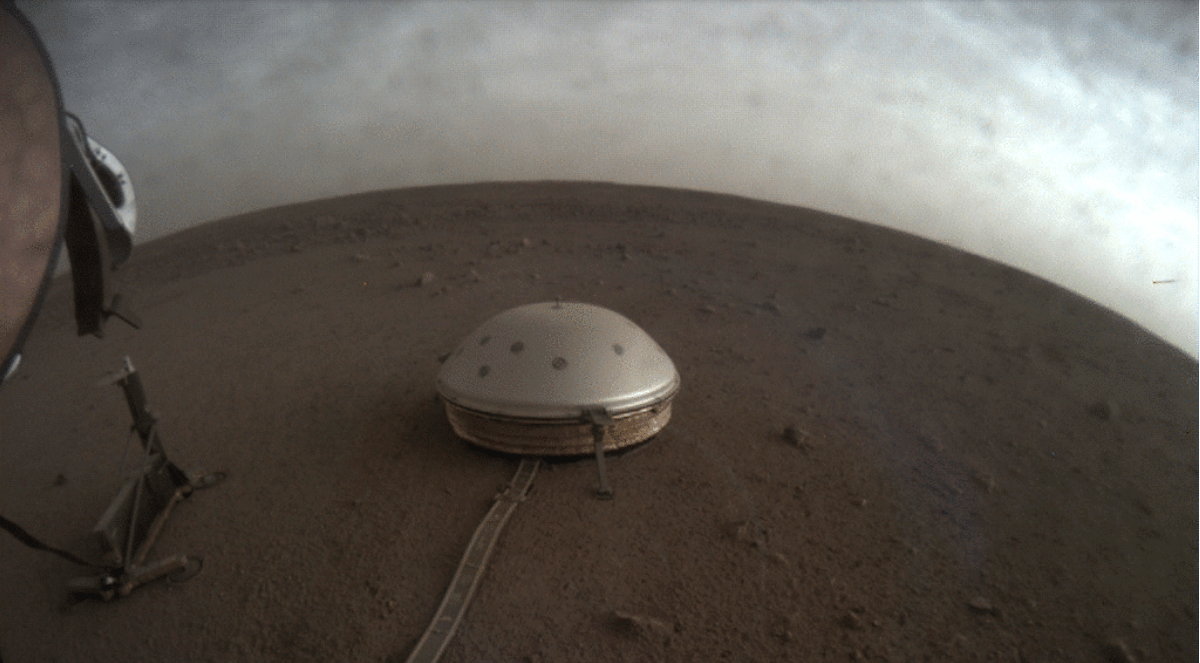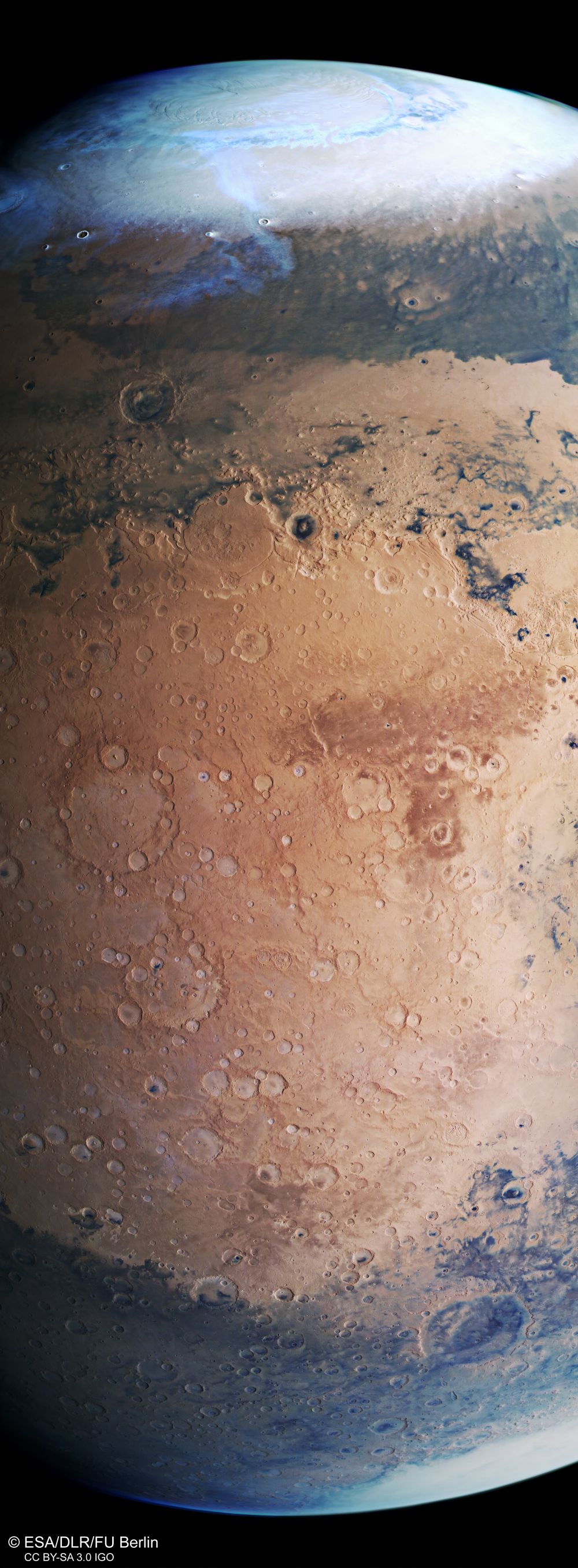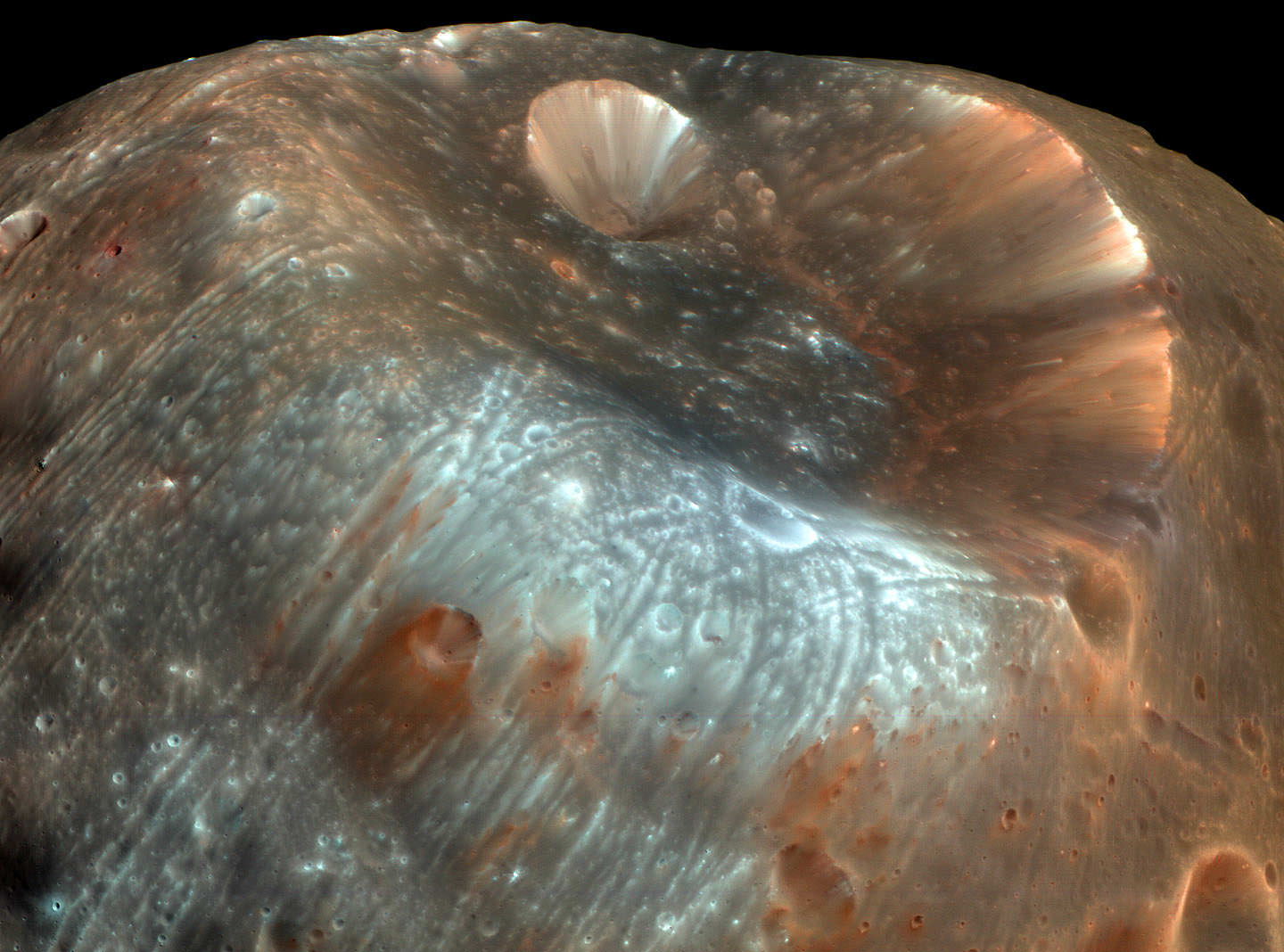
A new study by an international team of researchers has suggested that Mars formed farther from the Sun than previously thought.
Continue reading
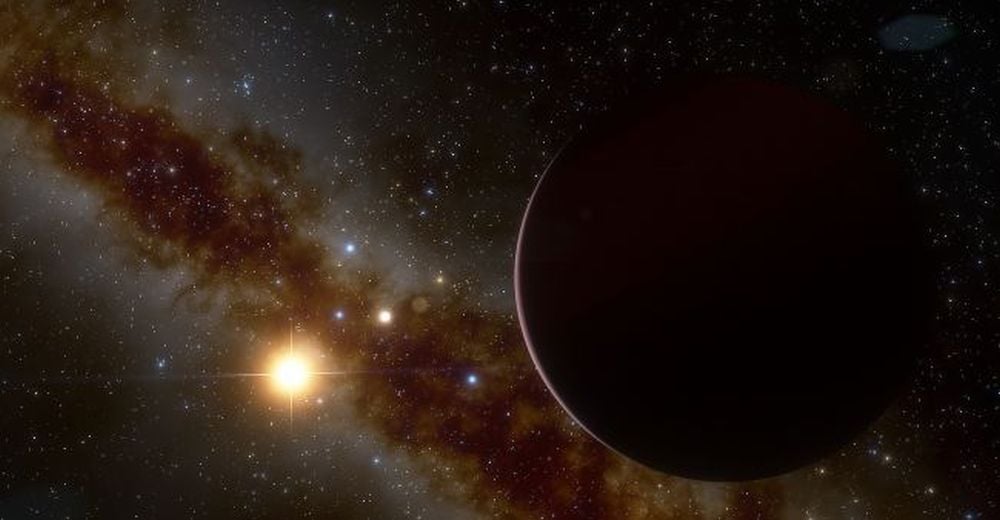
A new study of a well-known exoplanet has revealed something very strange. Apparently, the planet orbits its star from pole to pole.
Continue reading
Continue reading
Continue reading
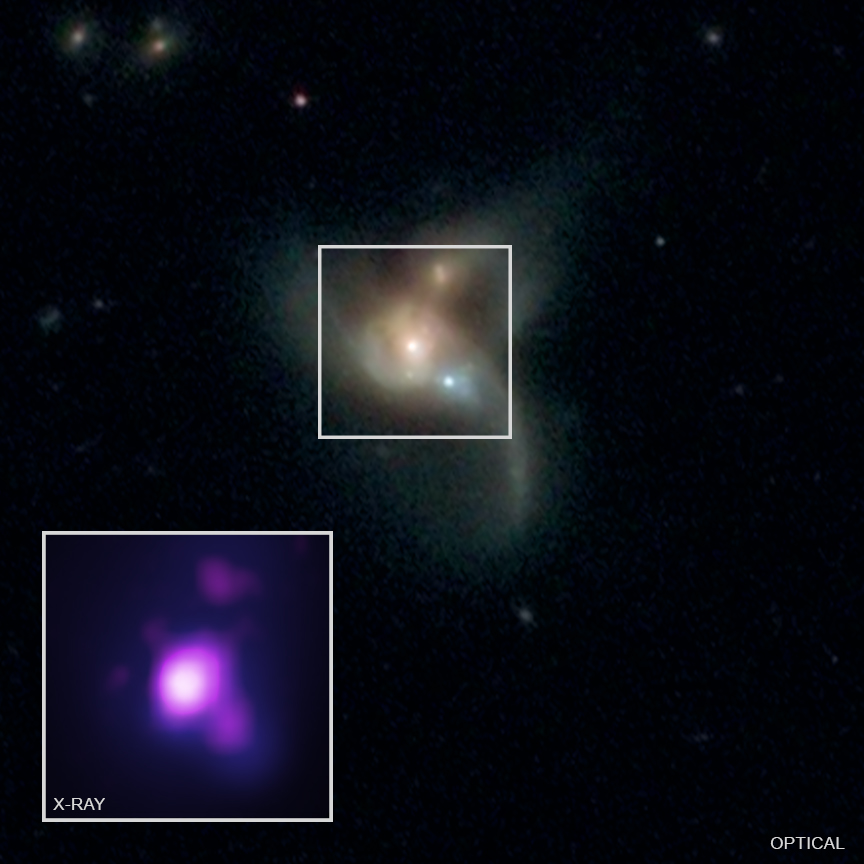
According to a new study, the recent merger of two neutron stars (which was detected thanks to the gravitational waves it created) most likely led to the creation of a black hole.
Continue reading
A research team recently applied a Google "neural net" to Kepler data, which conformed the existence of a star system with eight planets.
Continue reading
Continue reading
Continue reading
In a presentation at the Fall Meeting of the American Geological Union, a team of researchers showed how MAVEN data could help determine the habitability of rocky planets around red dwarf stars.
Continue reading
The latest scientific finds made from the first release of Gaia data include illuminating images of the Milky Way galaxy's neighbors.
Continue reading
Using data from the Hubble Frontier Fields program, a team of astronomers has produced a study that indicates how globular clusters could be the remnants of dwarf galaxies from the early Universe.
Continue reading
Having survived its eight winter in a row, the Opportunity rover continues to operate long past its original, anticipated lifespan.
Continue reading
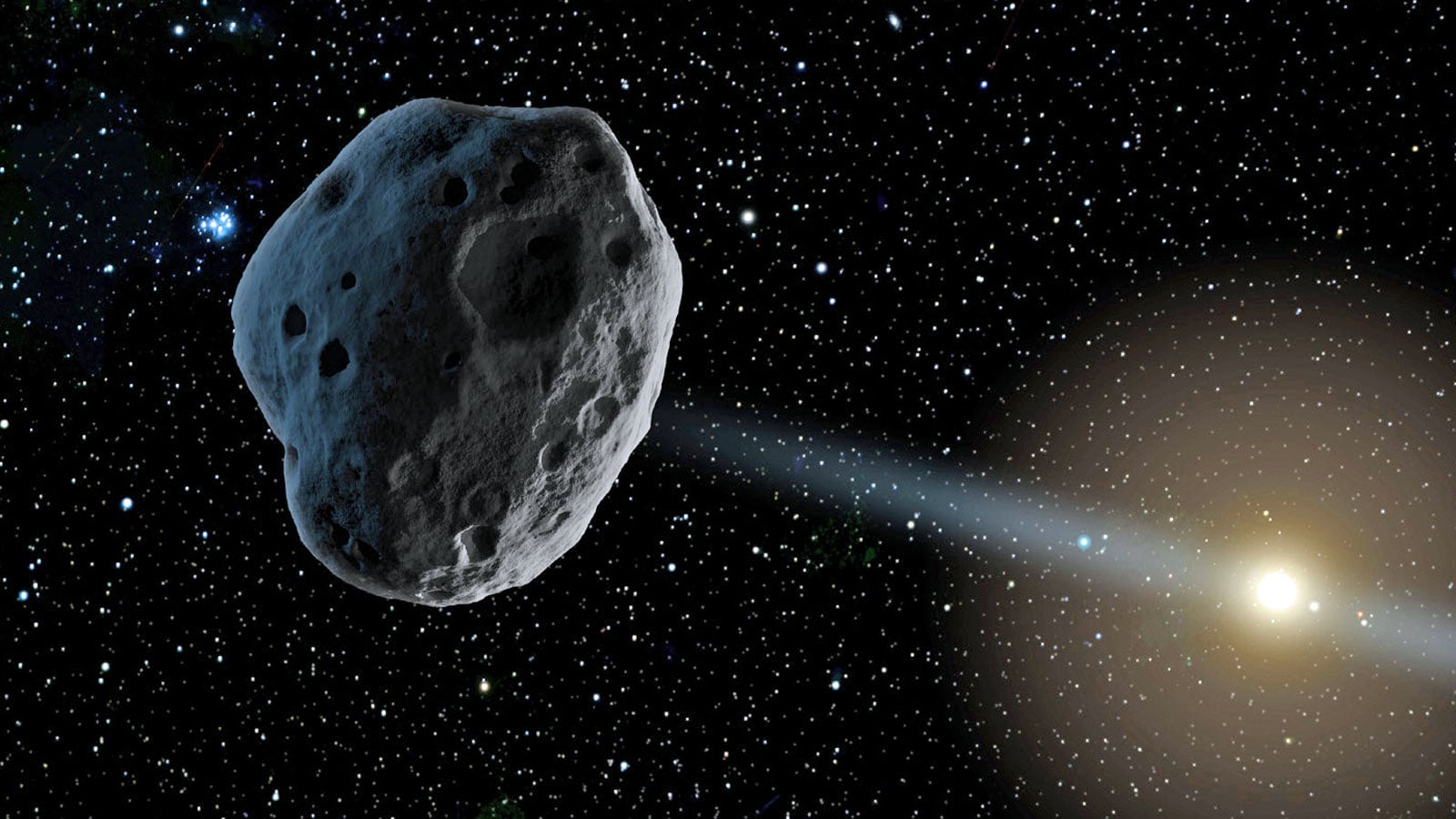
A new study from Purdue University indicates that Earth's atmosphere will break up small meteoroids, which is good news for planetary protection
Continue reading
The IAU just approved the names of 86 new stars, the majority of which are derived from Chinese, Hindu, Aboriginal, South African, Coptic, Mayan, and Polynesian traditions.
Continue reading
Continue reading
Continue reading
Continue reading
An international team of astronomers has created the largest map of the movements of galaxies within our Supercluster to date.
Continue reading
Using the Greenbank Radio Telescope, Breakthrough Listen plans to "listen" to 'Oumuamua to see if there are any signs of alien transmissions.
Continue reading
Located in the Canes Venatici constellation, roughly 37 million light-years from Earth, is the spiral galaxy know as Messier 63 (aka. the Sunflower Galaxy).
Continue reading
Continue reading
An international team of astronomers, using multiple observatories, have found the youngest and most distant quasar to date.
Continue reading
Located in the southern skies is the constellation of Dorado, one of the 88 modern constellations recognized by the IAU
Continue reading
A new study lays out why Venus doiesn't have a magnetic field like Earth's. Basically, it may come down to the impact that formed the Moon.
Continue reading
Massachusetts-based engineering company Draper recently filed a patent for a navigation system that will be able to bring astronauts home if they get in trouble
Continue reading
The Space Debris Sensor (SDS) aboard the International Space Station is allowing scientists to characterize the orbital debris environment
Continue reading
Continue reading
While examining a previously-discovered exoplanet, an international team of astronomers discovered a second Super-Earth around the star.
Continue reading
Of the many methods used to detect extra-solar planets, the most widely-used and effective is the Transit Photometry
Continue reading
Continue reading
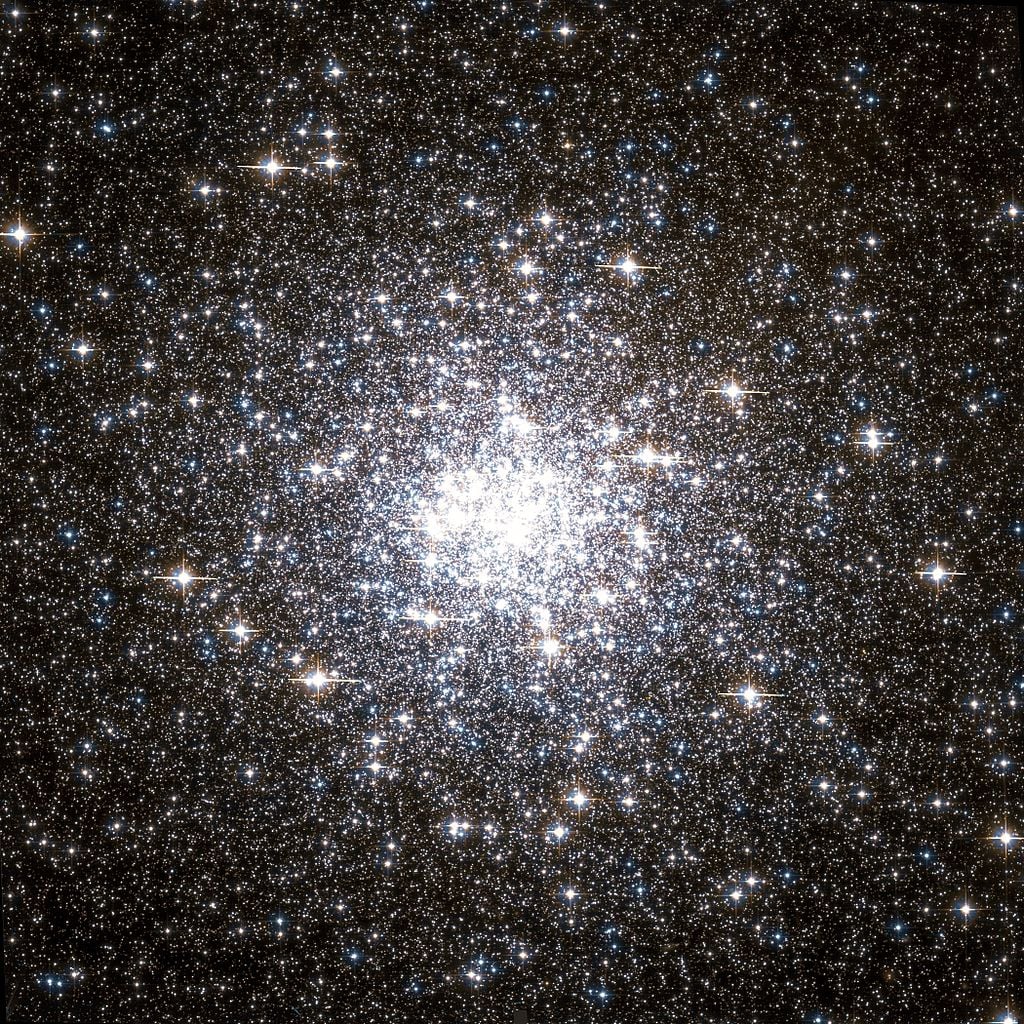
Located in the southern constellation of Ophiuchus, approximately 22,200 light-years from Earth, is the global cluster known as Messier 62.
Continue reading
A new survey using the ESO's Very Large Telescope found 72 never-before-seen galaxies in the Hubble Ultra Deep Field data.
Continue reading
According to a new study by members of the Harvard Smithsonian Center for Astrophysics, there could be
Continue reading
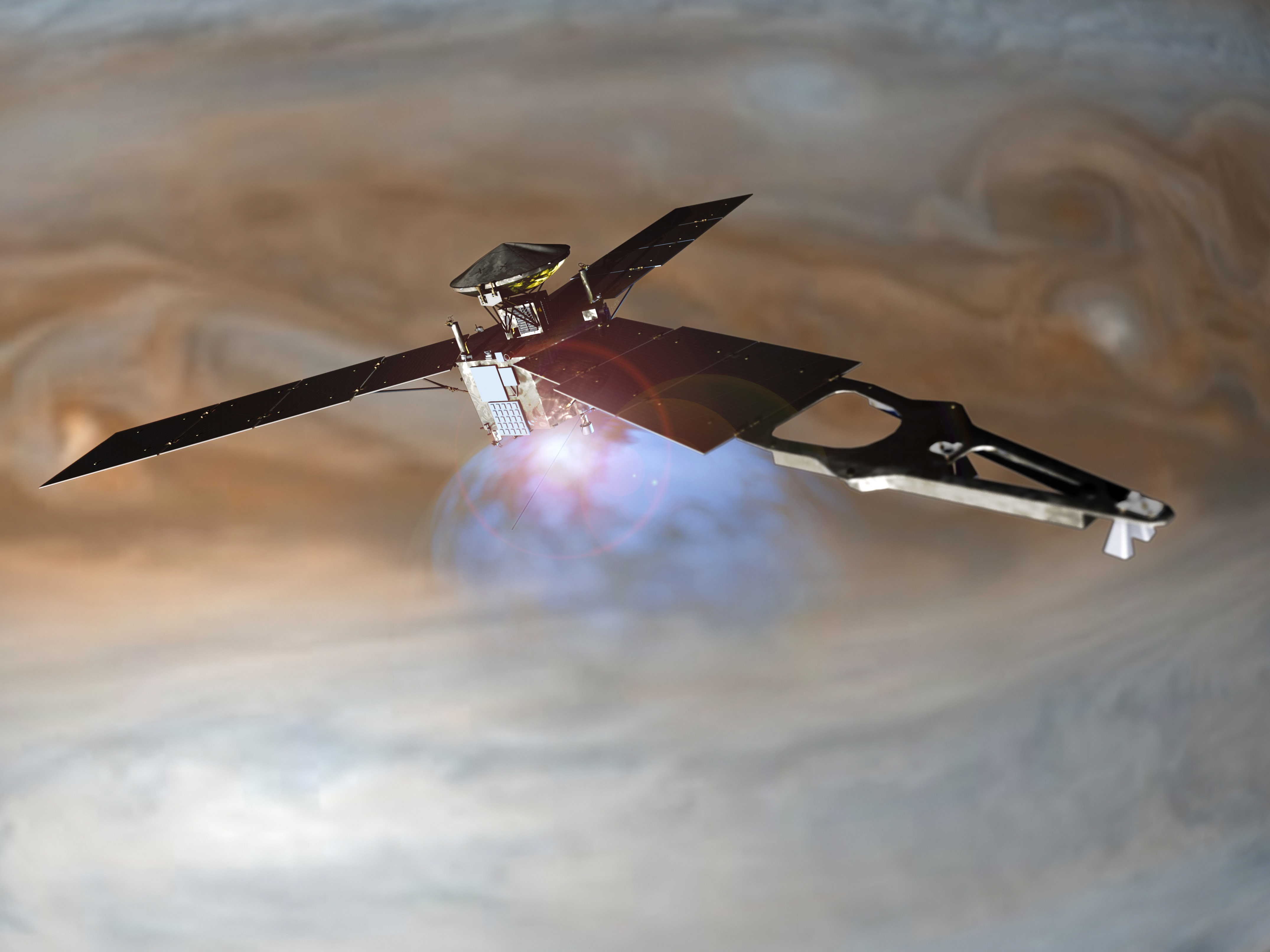
Using the Juno mission's orbit of Jupiter, a team of scientists has developed a possible explanation for the long-standing "flyby anomaly"
Continue reading
Yeah, we're still all waiting for that next great "Comet of the Century" to make its presence known. In the meantime, we've had a steady stream of good binocular comets over the past year both expected and new, including Comet C/2017 O1 ASASSN1 (name and link), 45/P Honda-Mrkos-Pajdušáková and Comet 41P Tuttle-Giacobini-Kresák (links). Now, another newcomer Comet Heinze is set to bring 2017 in over the finish line.
Continue reading
According to a new study by an international team of scientists, the widespread use of LED lights could be bad for the environment.
Continue reading
Dr. Claudius Gros explains the purpose, intent, and technology behind Project Genesis, which seeks to seed "transiently habitable" exoplanets with life to jumpstart the evolutionary process.
Continue reading
Continue reading
A study team led from the University of Hawaii recently studied two inflated gas giants, and revealed a possible explanation as to why they are so "puffy".
Continue reading
Continue reading
A new study from a team of Japanese researchers has shown that matter-antimatter annihilations happen as a result of lightning strikes.
Continue reading
Continue reading
Located in the Virgo cluster, roughly 52.5 million light-years from Earth, is the intermediate spiral galaxy known as Messier 61
Continue reading
A new study by the IceCube collaboration has shown that Earth stops the occasional neutrino, thus confirming a prediction made by the Standard Model.
Continue reading
Scientists and engineers at NASA's Glenn Research Center have prepared a next-generation tire which will fare much better on Mars and other harsh environments.
Continue reading
Members of Project Lyra recently published a study advocating a mission to `Oumuamua, the first interstellar asteroid discovered to date.
Continue reading
A new study from the U.S. Geological Survey has revealed that recurring slope lineae on Mars could be the result of granular flows and not flowing water.
Continue reading
A new study by Arjun Berera, of the University of Edinburgh, has indicated that space dust may be a possible mechanism for panspermia
Continue reading
Continue reading
KENNEDY SPACE CENTER, FL – After postponing last week's liftoff of the covert 'Zuma' spy satellite due to last minute concerns about the reliability of the payload fairing encapsulating it while poised for liftoff at KSC pad 39, SpaceX is set to at last resume launches from their previously damaged and now repaired Cape Canaveral pad 40 with a cargo resupply mission for NASA to the International Space Station (ISS) on Dec 4.
Continue reading