Continue reading
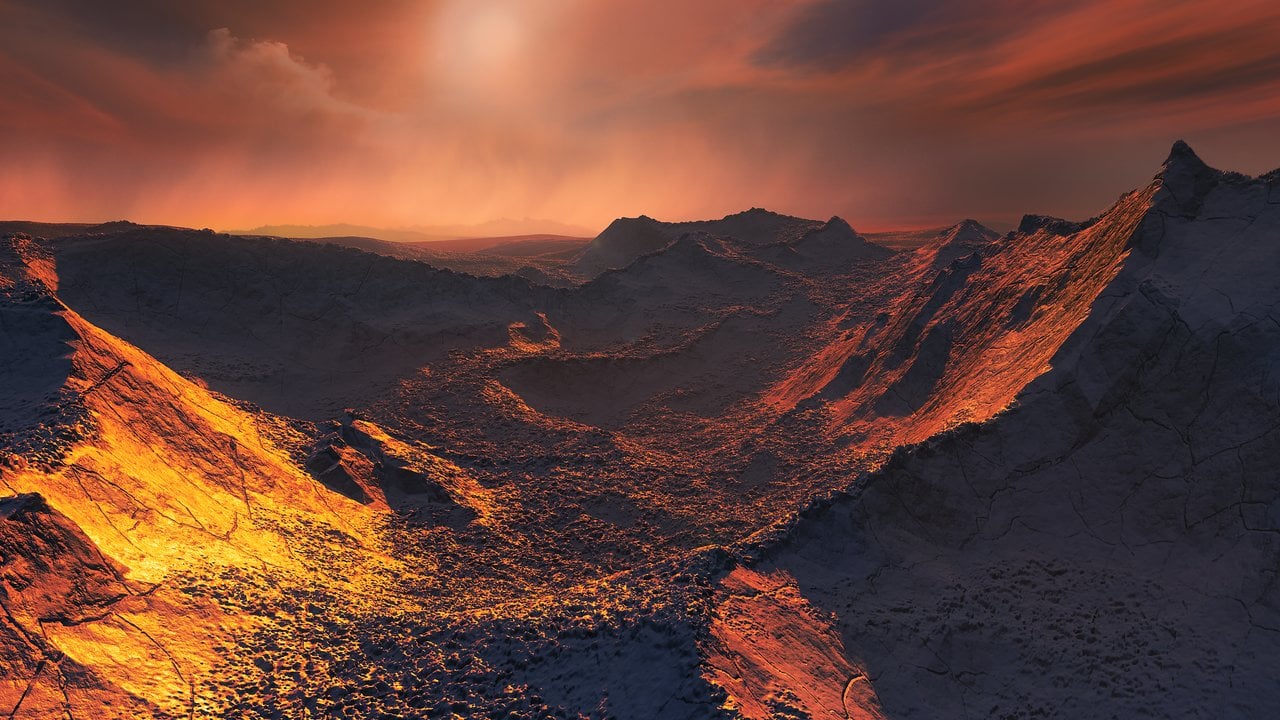
The Red Dots and CARMENES projects recently announced the discovery of a super-Earth around Barnard's Star, making it the second-closest exoplanet to Earth.
Continue reading
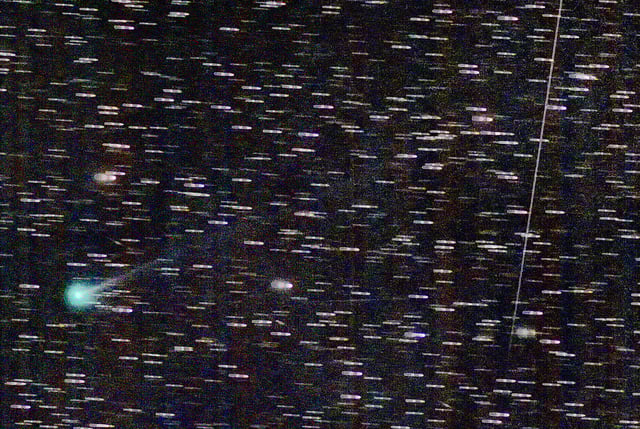
You just never know when it comes to comets. Here it is, mid-November, and we'd thought we had finished up writing about bright comets for 2018. That was, until this past weekend, when a flurry of messages flashed across the Yahoo! Comets mailing list hinting that a new, possibly bright comet had been discovered. Come Monday morning November 12th, long period Comet C/2018 V1 Machholz-Fujikawa-Iwamoto was formally added to the International Astronomical Union's Minor Planet list.
Continue reading
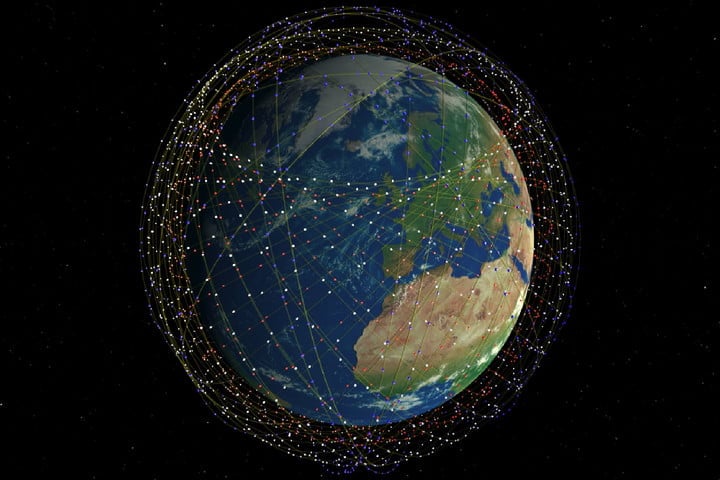
Professor Mark Handley of University College London has created a simulation that demonstrates how SpaceX's space-based internet (Starlink) will work.
Continue reading
Continue reading
Continue reading

Continue reading
Continue reading
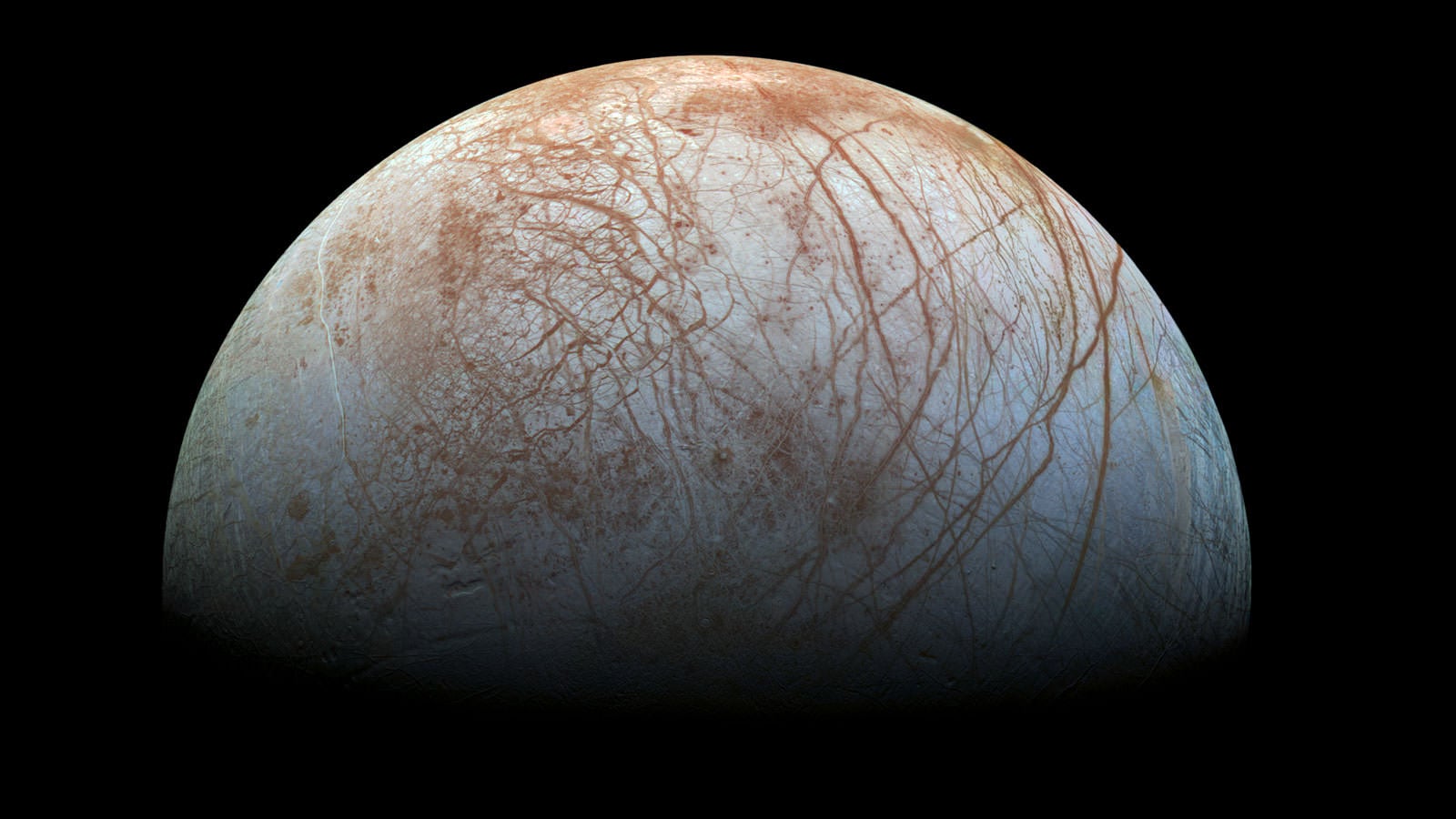
To explore Europa for signs of life, NASA in investing in a number of technologies, which includes a laser-mining concept known as ARCHIMEDES
Continue reading
Continue reading
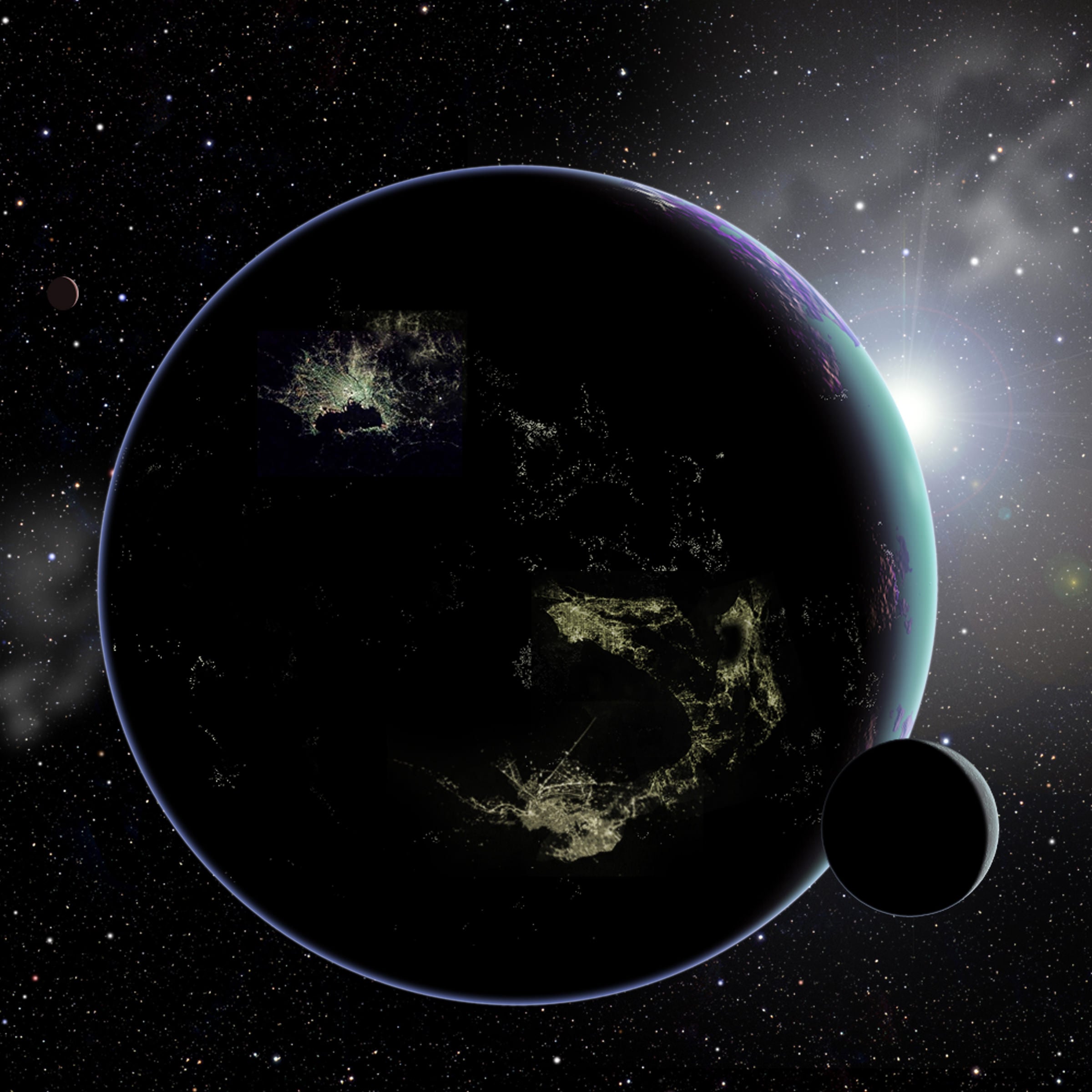
The VERITAS collaboration recently discovered a binary system with a very high-energy gamma-ray neutron star, the rarest and most extreme known object in the Universe.
Continue reading
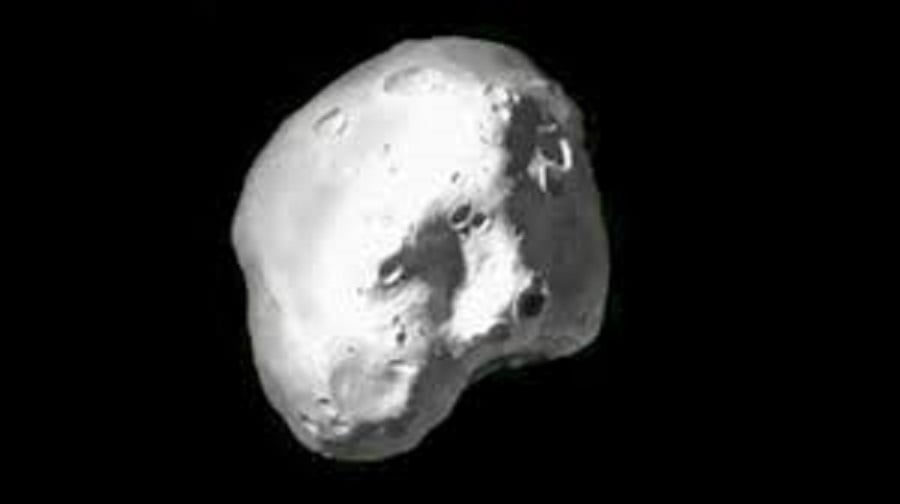
Not all oppositions are created equal. This week's target offers a good case in point, as asteroid 3 Juno reaches its most favorable viewing position for the decade.
Continue reading
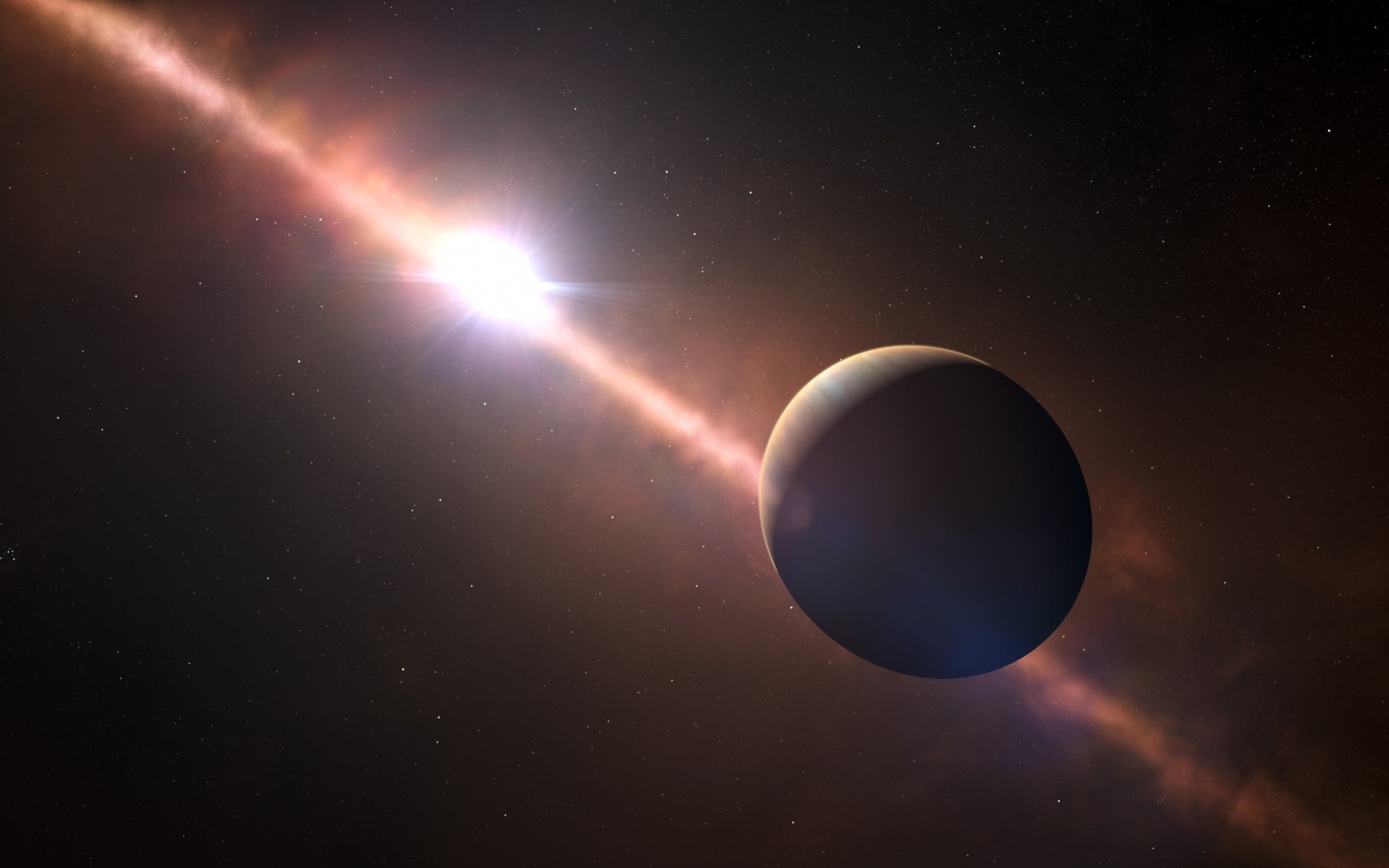
Using the Very Large Telescope, a team of ESO astronomers directly observed Beta Pictoris b over the course of four years and created a time-lapse video of its orbit.
Continue reading
Continue reading
Continue reading
Continue reading
Continue reading
Continue reading
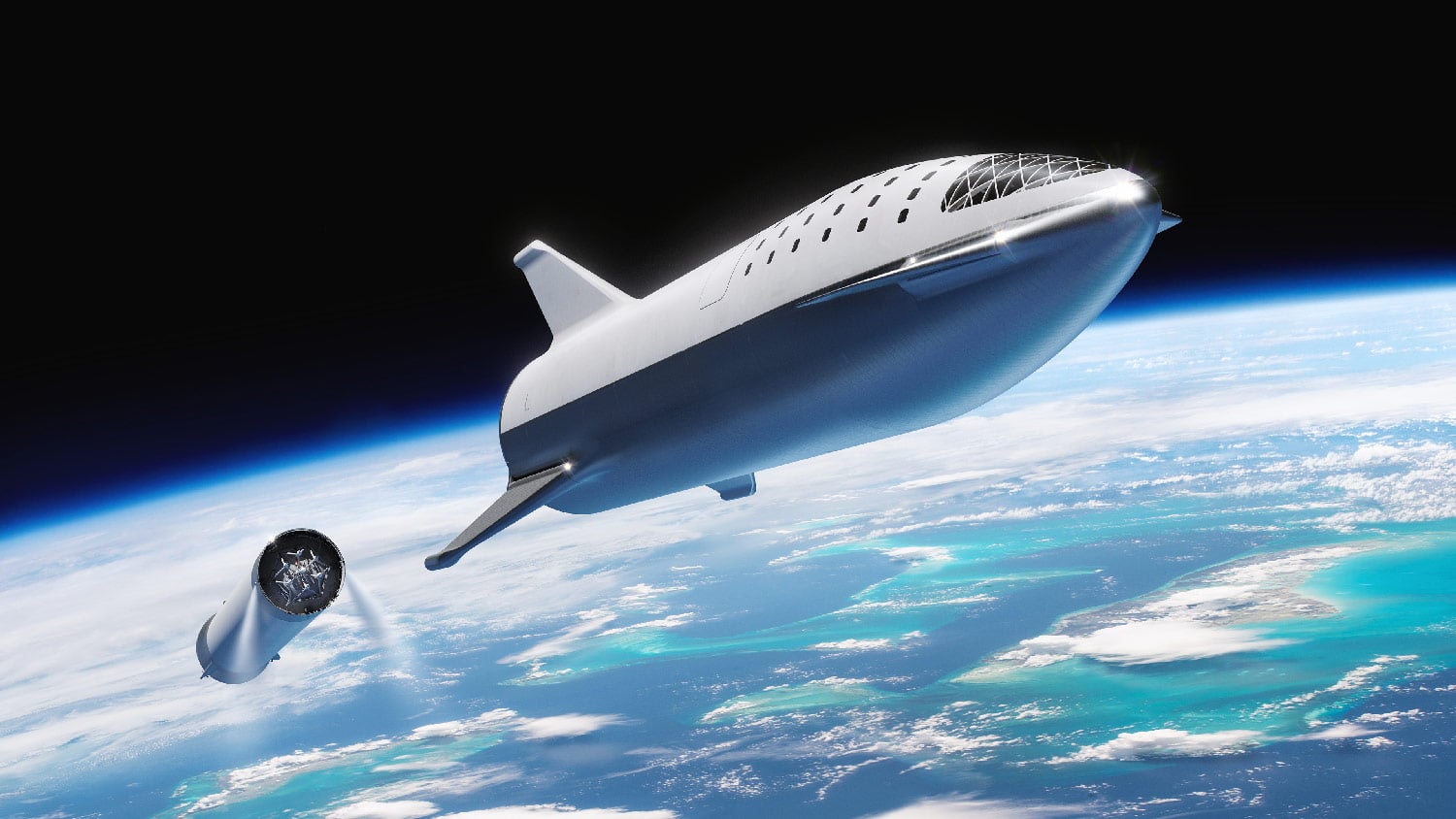
According to Musk's latest update, SpaceX will be conducting a test flight of their BFR system next year using a miniature version of the spacecraft.
Continue reading
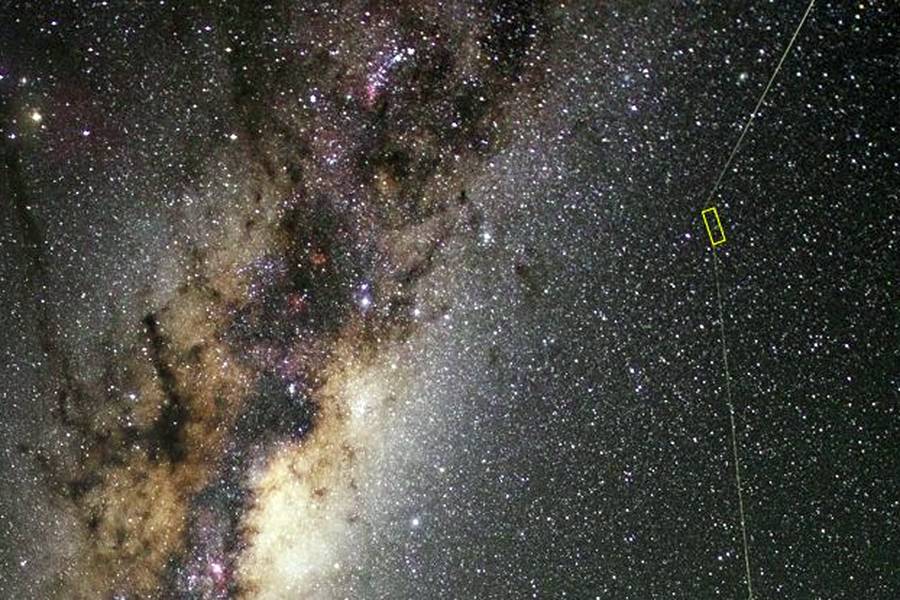
Thanks to a team from John Hopkins University, a star was recently discovered that is 13.5 billion years old, almost as old as the Universe itself!
Continue reading
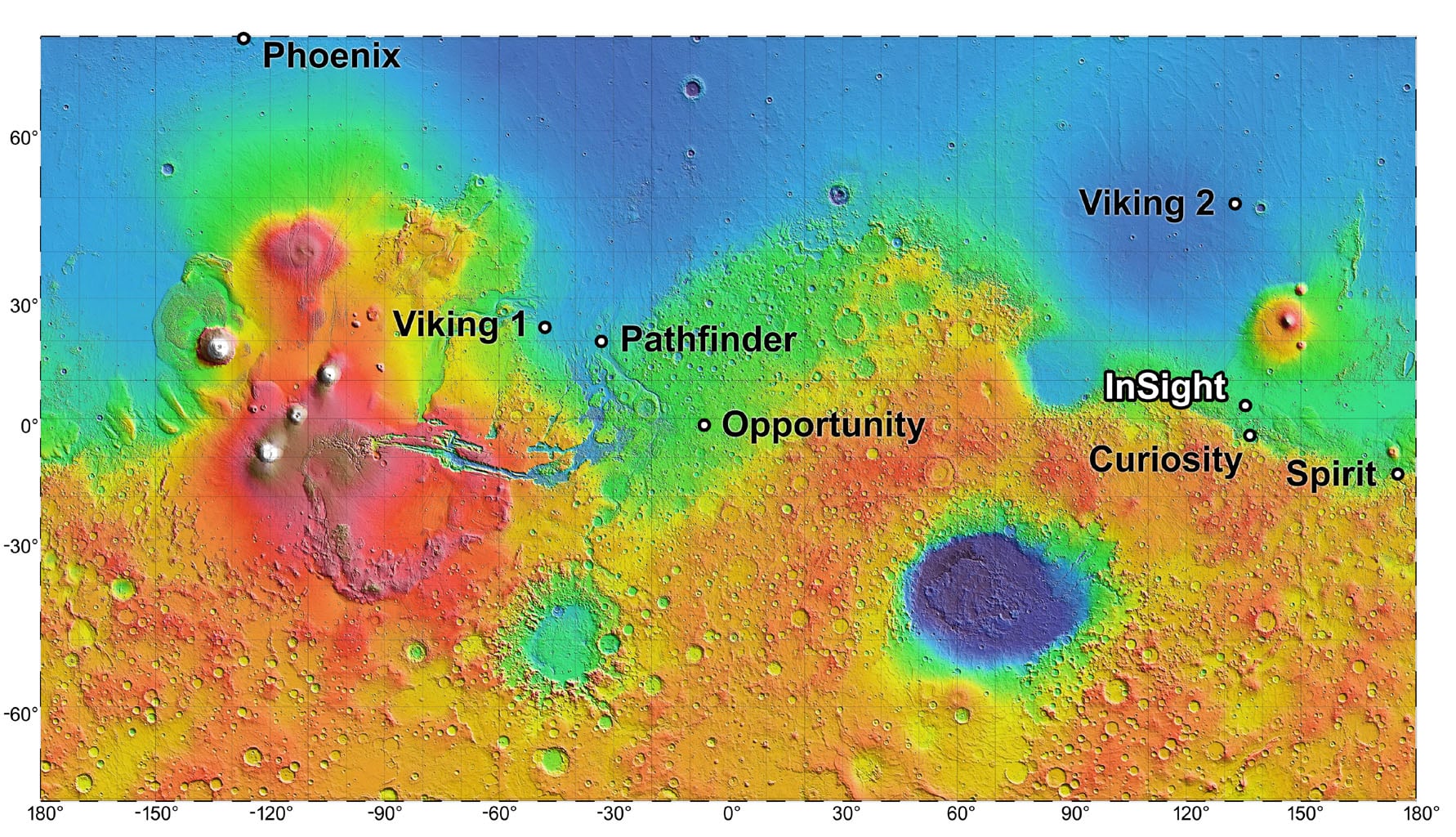
After careful consideration, NASA has selected the location where the InSight lander will set down and begin surveying the interior of Mars
Continue reading
Continue reading
Continue reading
Continue reading
Continue reading
Continue reading
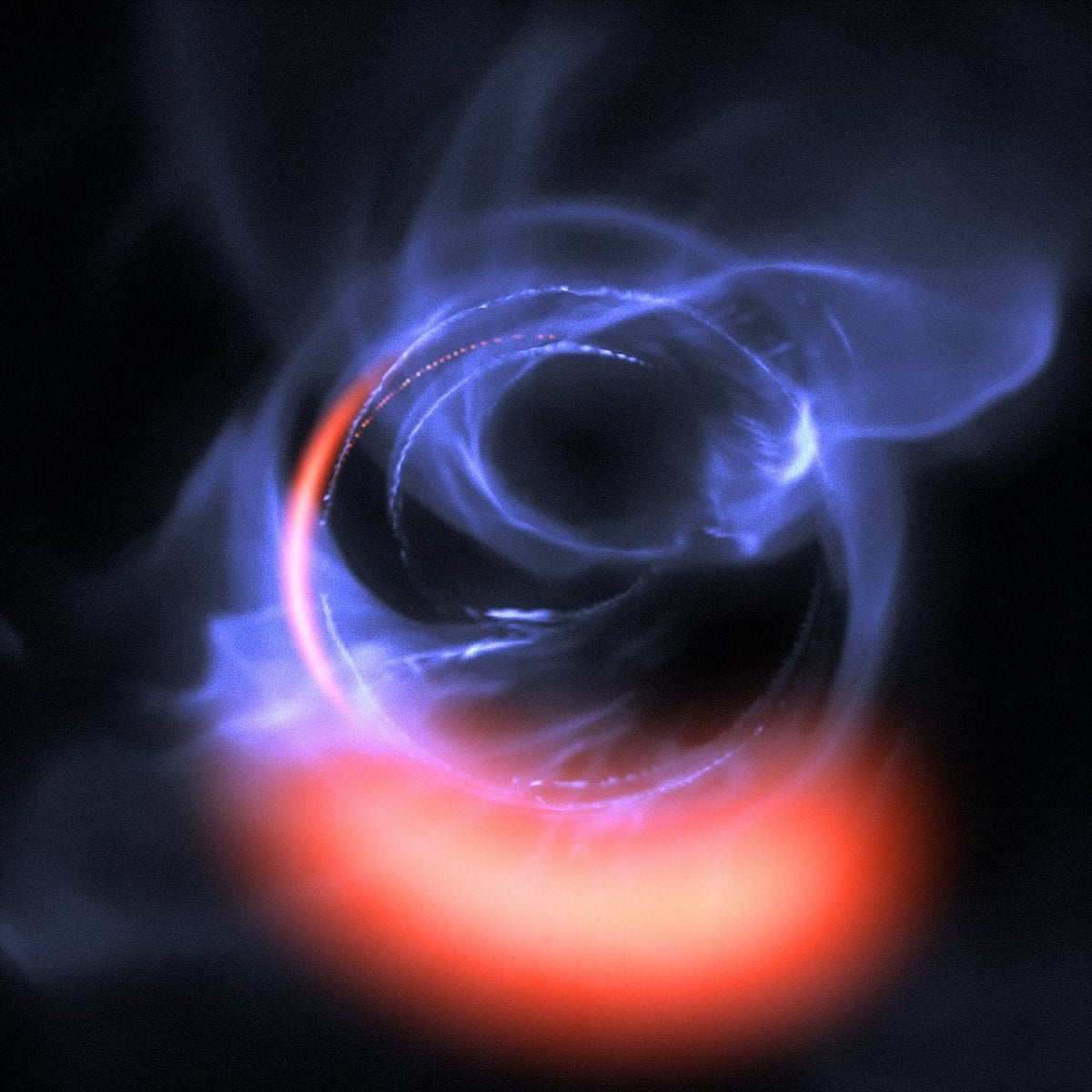
Thanks to the GRAVITY collaboration, astronomers have made the most detailed observations of the black hole at the center of the Milky Way to date.
Continue reading
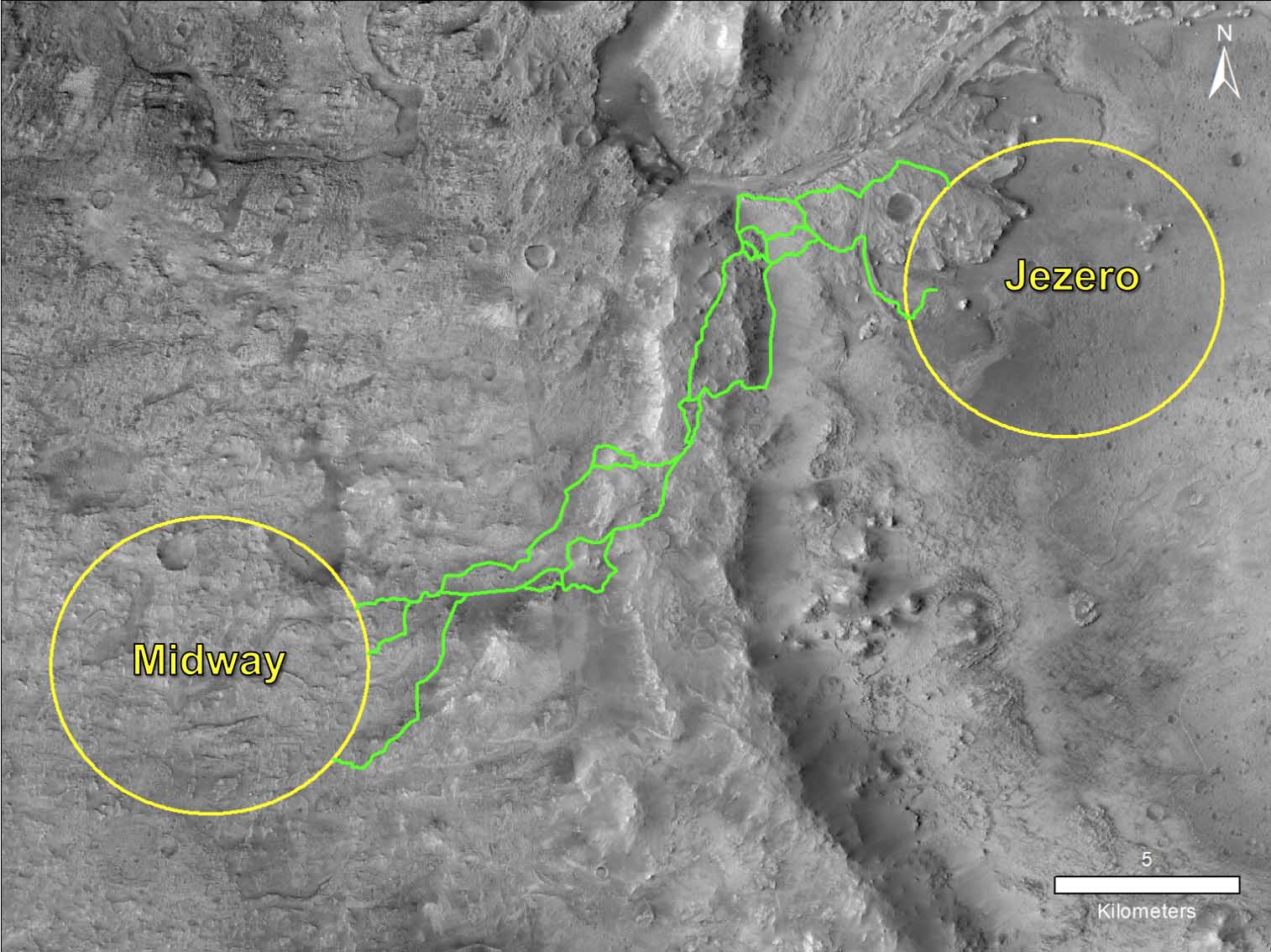
At the fourth Landing Site Workshop in October, NASA held a vote on where the Mars 2020 rover will land once it reaches the Red Planet
Continue reading
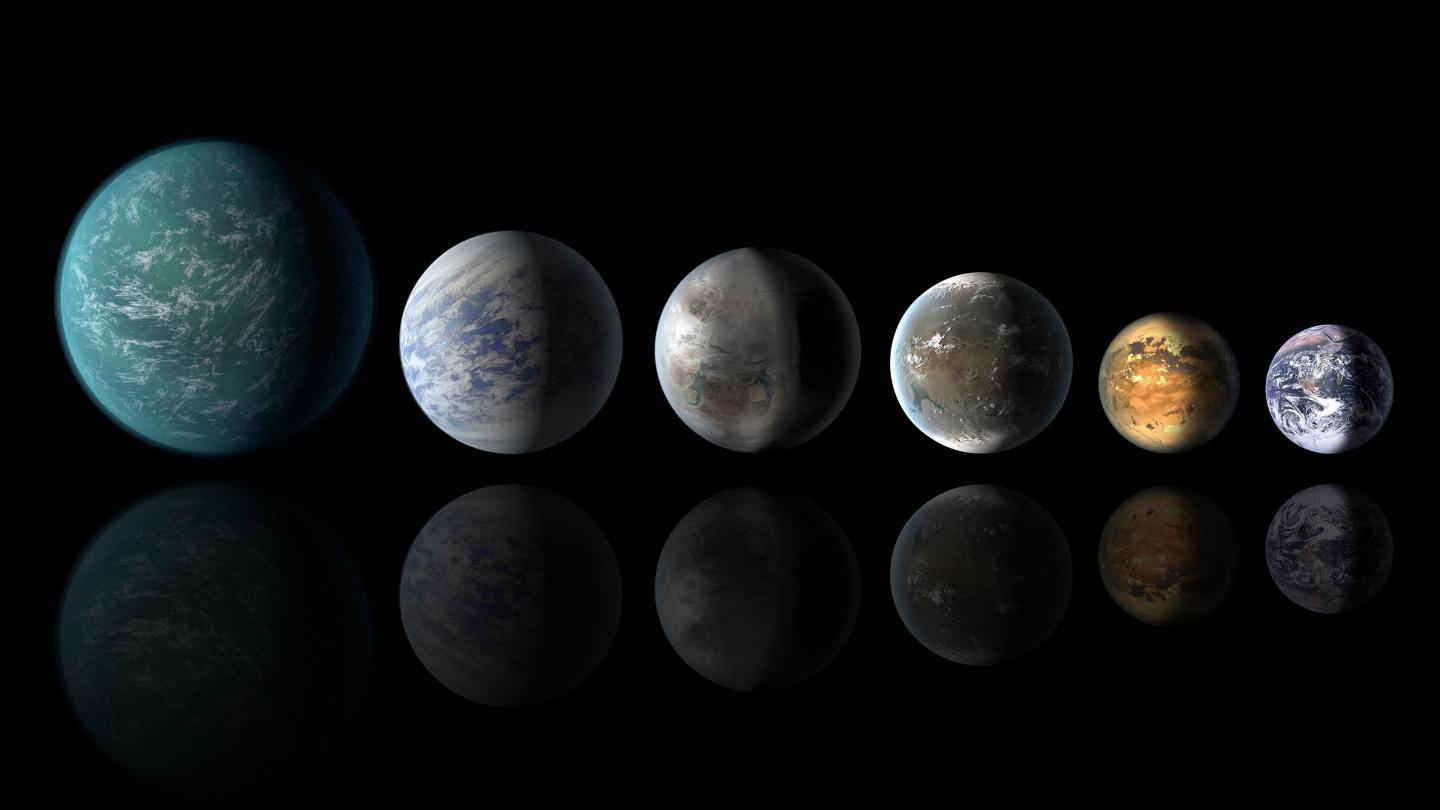
A new study from the Harvard-Smithsonian Center for Astrophysics indicates that exoplanets with too much water or too much landmass may not be a good place to look for life.
Continue reading
Continue reading
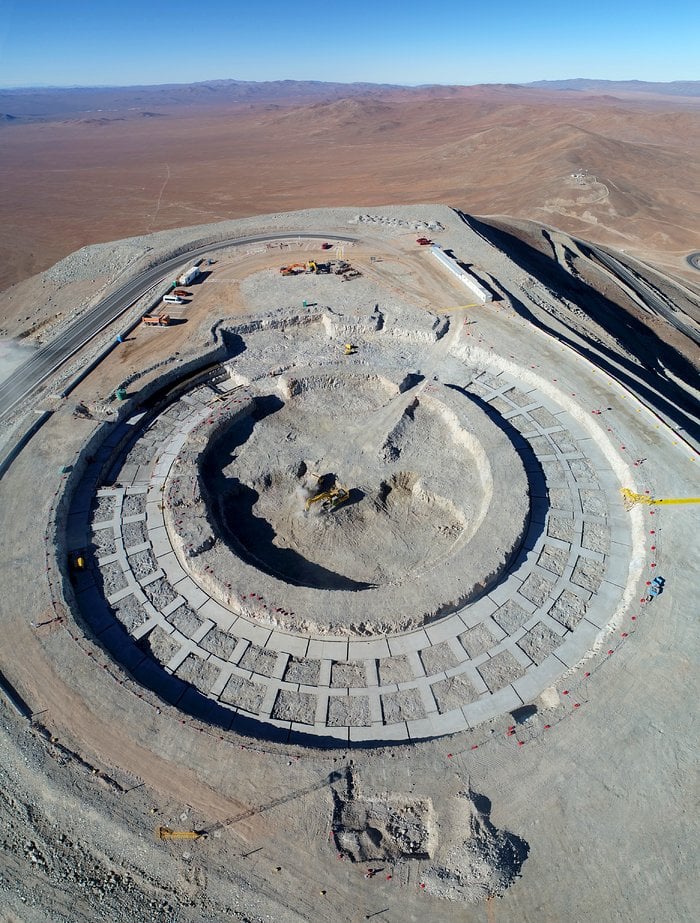
The ESO has broken ground on the Extremely Large Telescope, which will be the world's largest and most-advanced telescope once it is complete in 2024.
Continue reading
Continue reading
Continue reading
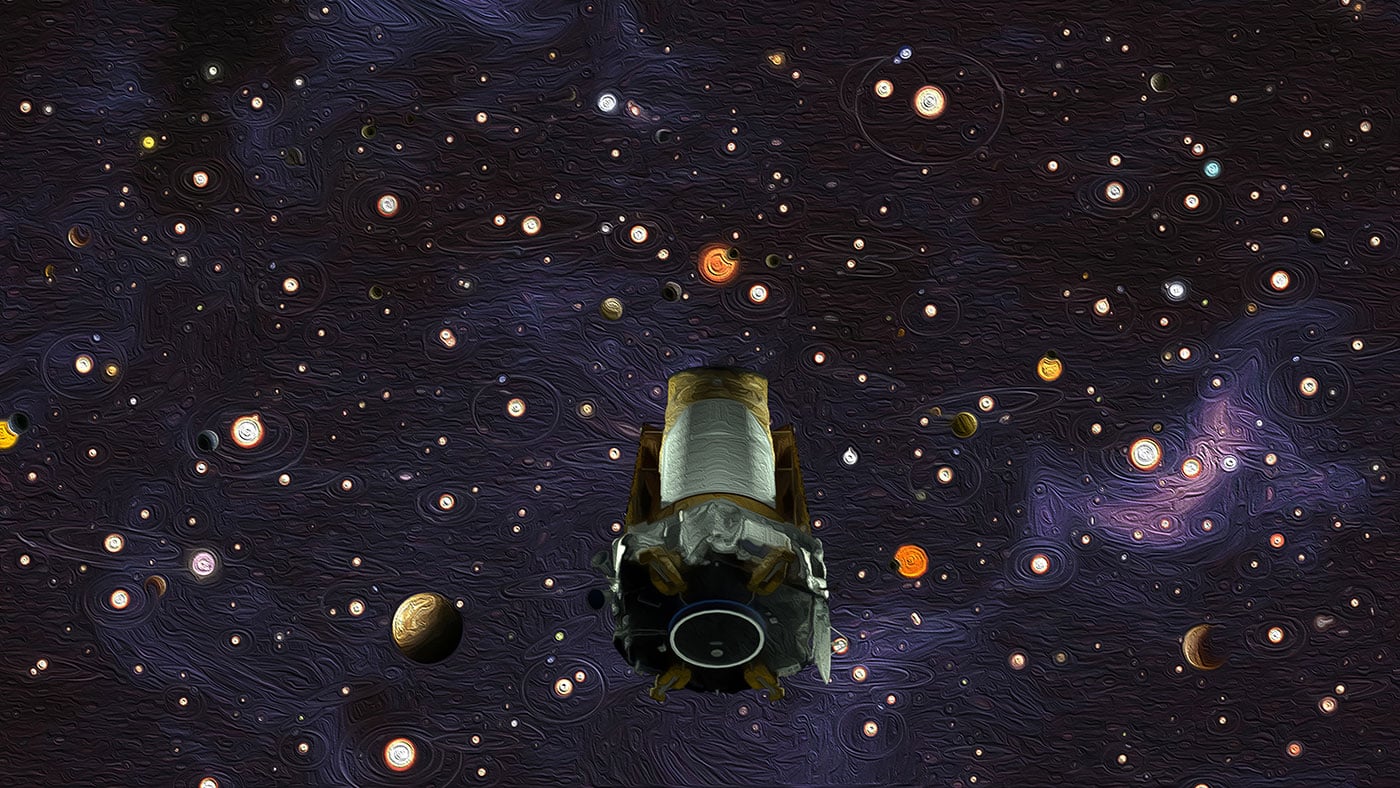
After eight years of service and thousands of exoplanet discoveries, the Kepler space telescope has run out of fuel and will be retired.
Continue reading
Continue reading
Continue reading
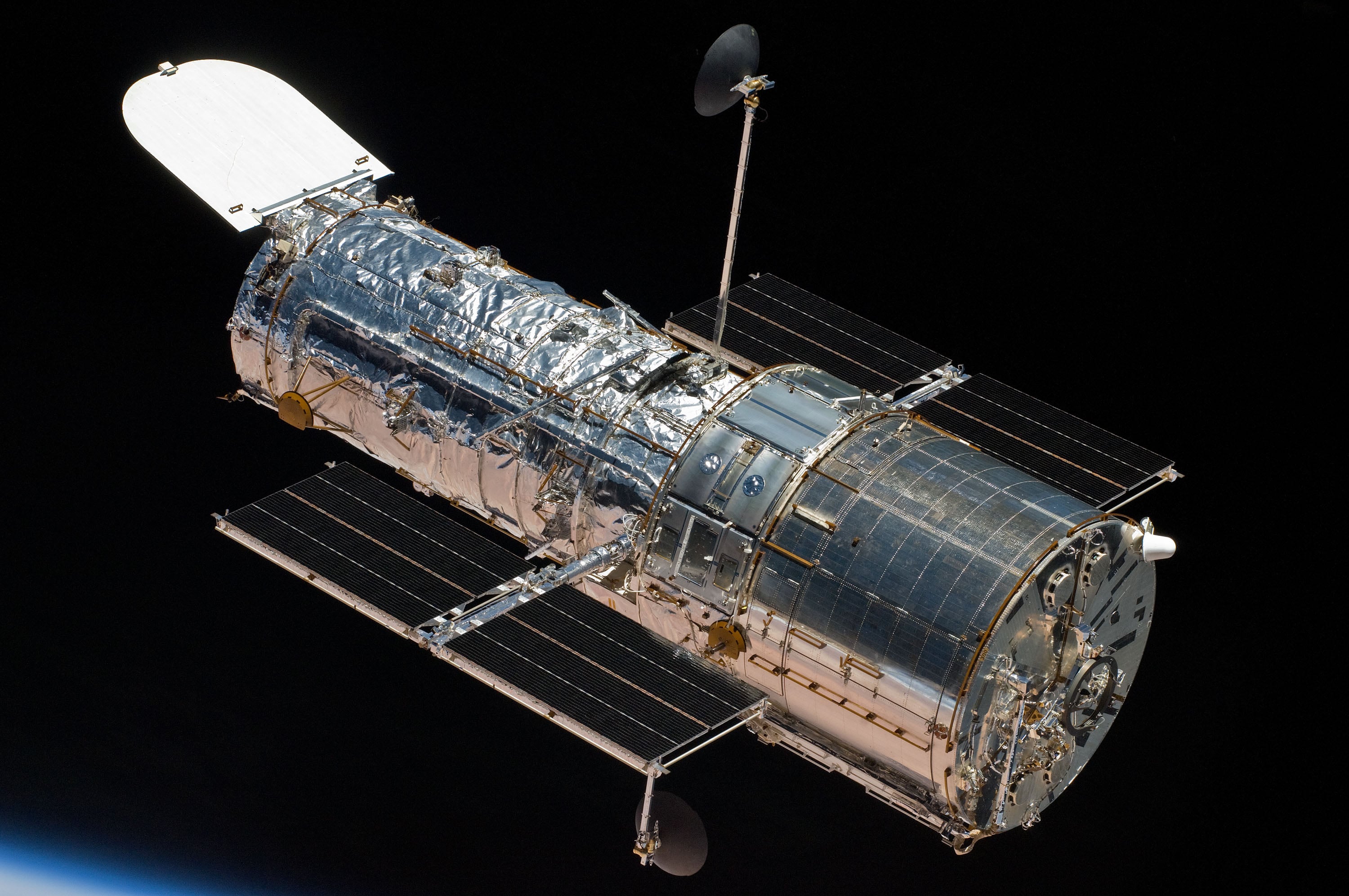
After a malfunction with one of its gyros placed it in safe mode, NASA has announced that Hubble is now back online!
Continue reading
Continue reading

A new study by researchers from the CfA offers a compelling explanation for 'Oumuamua strange appearance and behavior - could it be an interstellar solar sail sent by aliens?
Continue reading
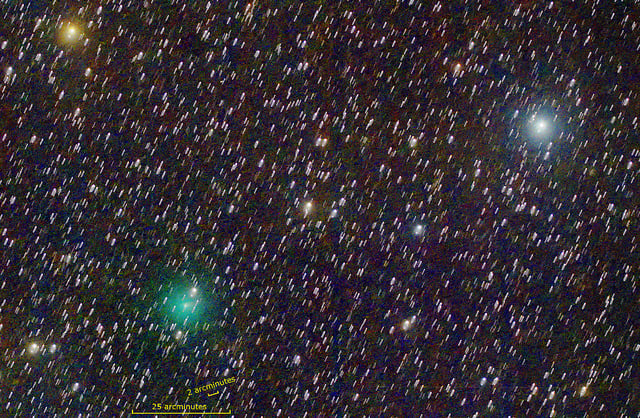
One. More. Comet. Though the next great 'Comet of the Century' has yet to make its appearance in 2018, we've had a steady stream of binocular comets this year, including Comets C/2017 S3 PanSTARRS, 38P Stephan-Oterma, and 21P Giacobini-Zinner.
Now, the calendar year may have saved the best for last, as periodic Comet 46P Wirtanen takes center stage.
Continue reading
Continue reading
Continue reading
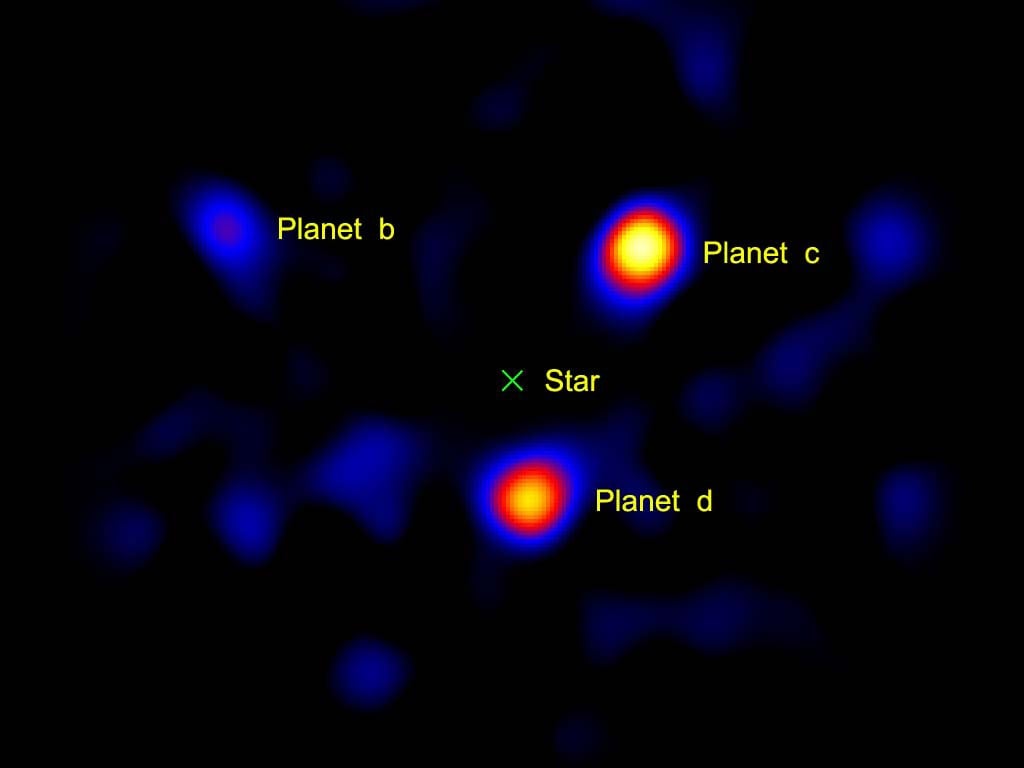
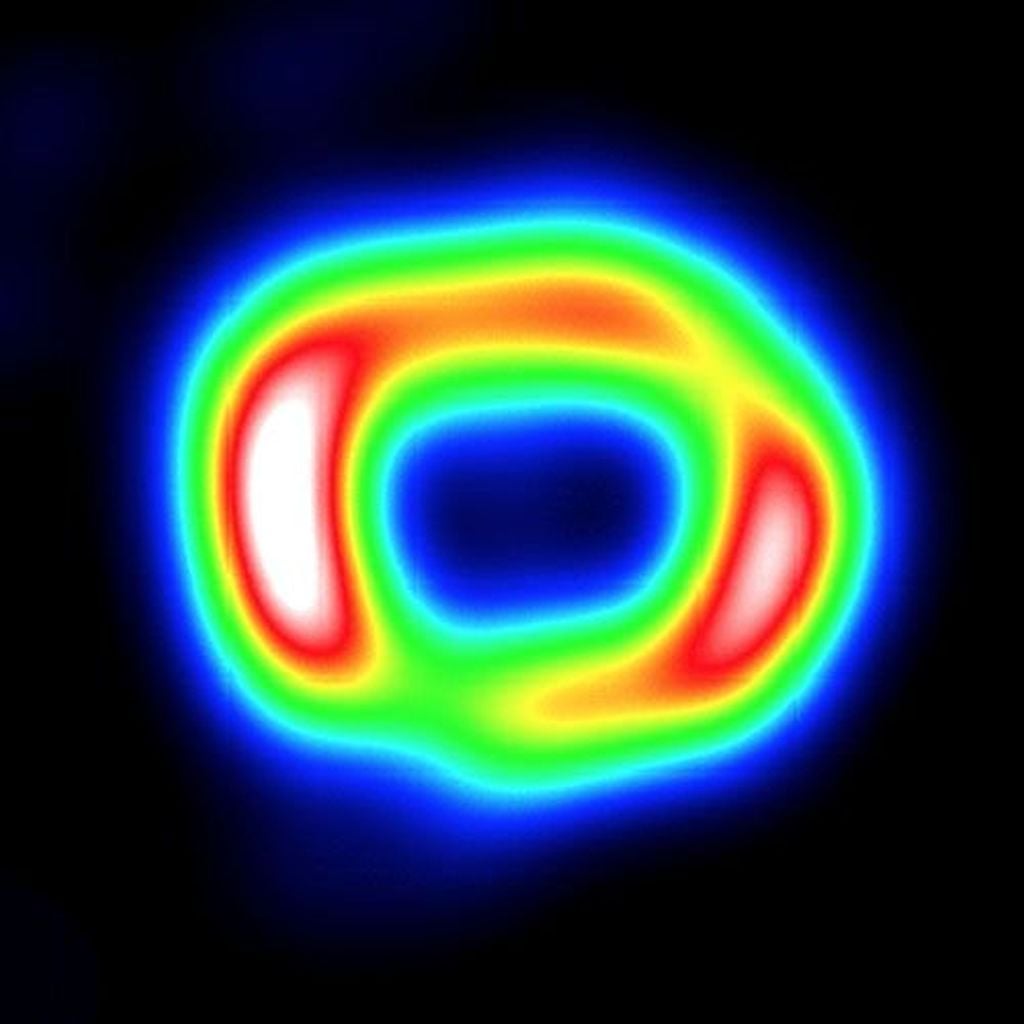
A highly effective (but very difficult) method of exoplanet detection involves capturing direct images of bodies orbiting distant stars from their reflected light or heat signatures.
Continue reading
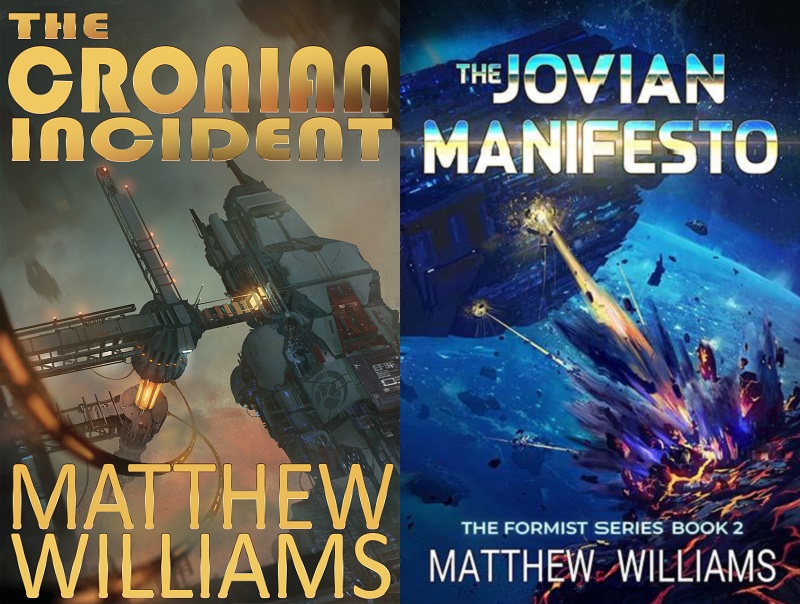
My work with Universe Today has helped fashion me into a better science fiction writer and led to the publication of my first books!
Continue reading
Continue reading
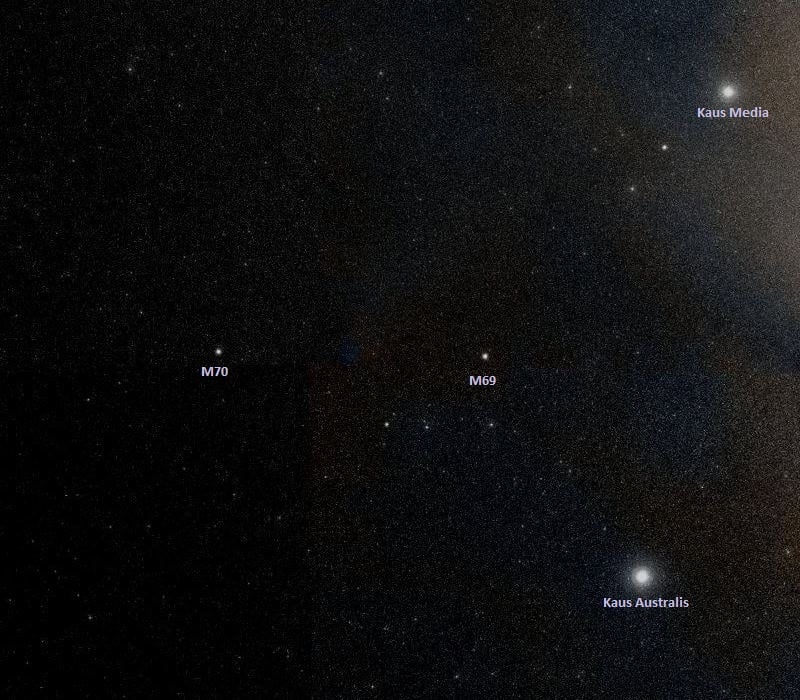
Located in the "tea pot" of the Sagittarius constellation, some 29,300 light years from Earth, is the globular cluster known as Messier 70
Continue reading
Continue reading

Blue Origin recently received a large cargo ship, which they will retool to retrieve the first stage of their reusable New Glenn rocket.
Continue reading
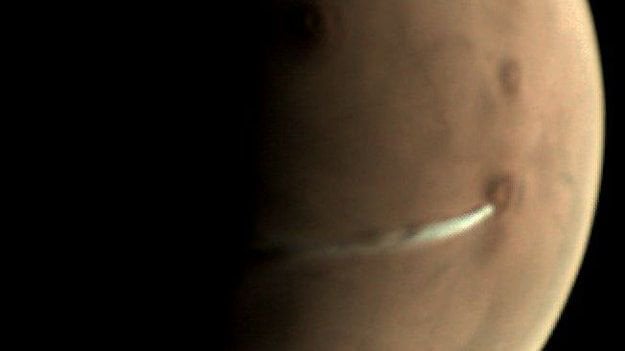
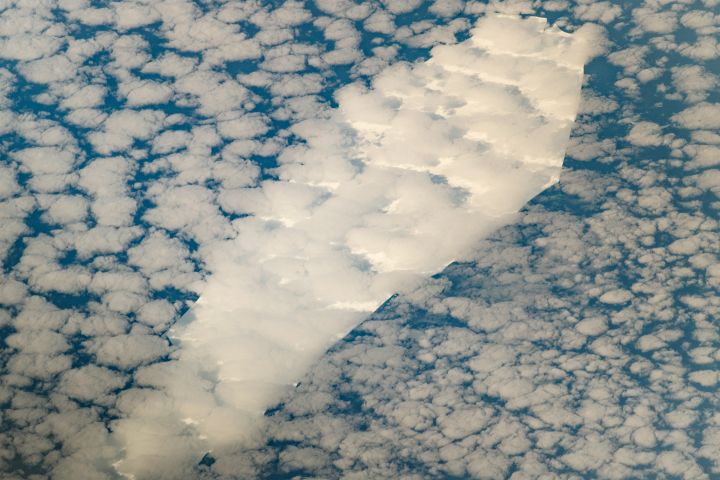
This 1500km long cloud on Mars is formed by the size and shape of Arsia Mons, but it's not related to any volcanic activity in this long-dead volcano.
Continue reading

Continue reading
 Universe Today