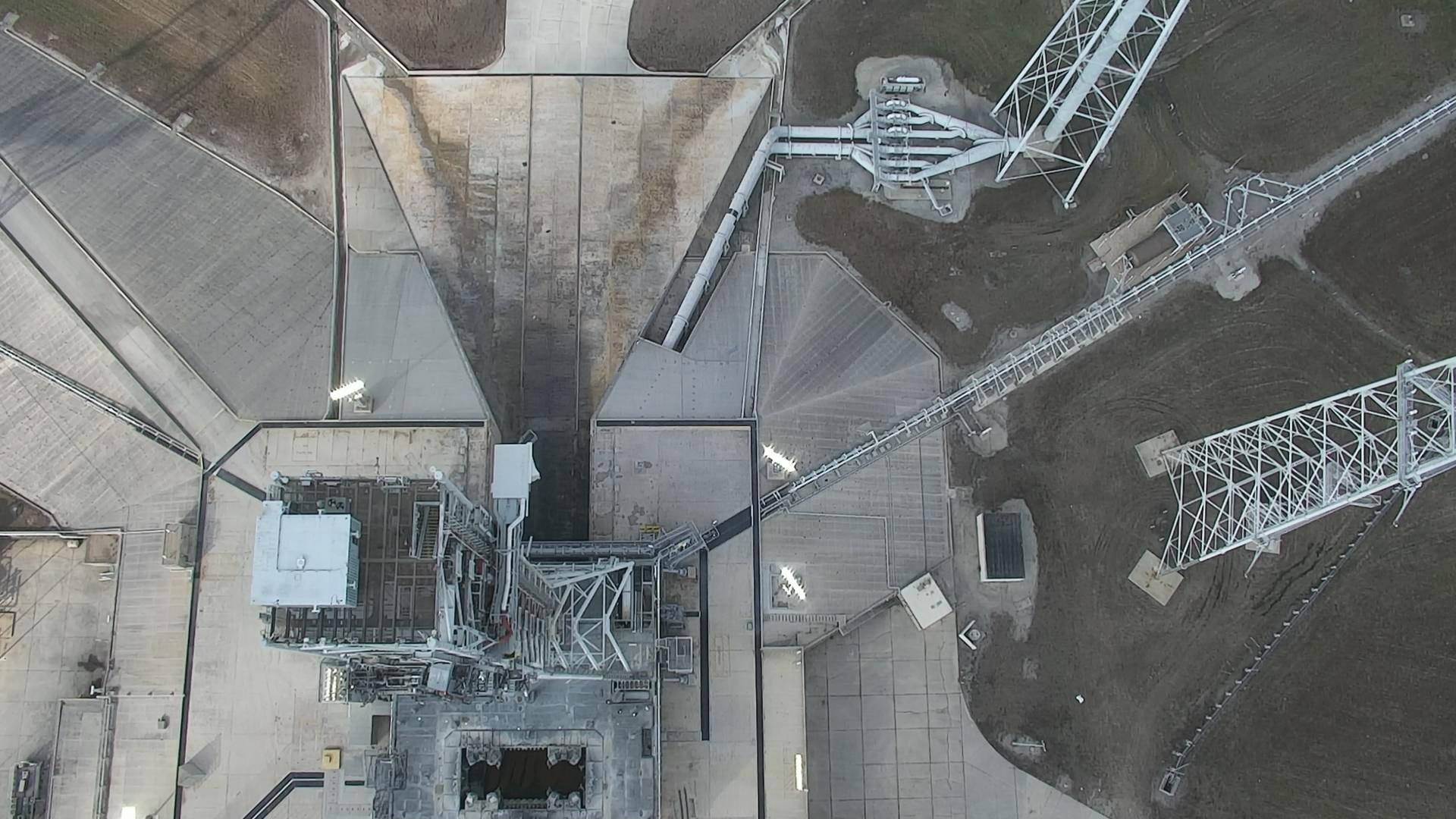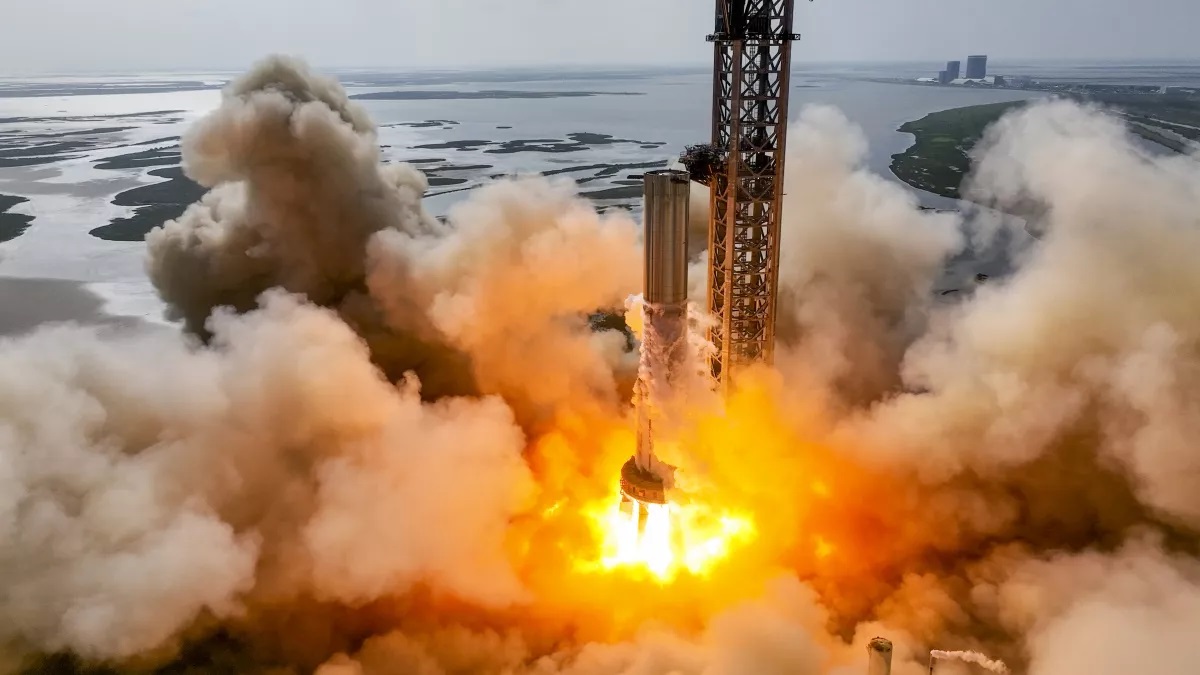
SpaceX conducted another static fire test with its BN7 prototype, this time firing up eleven of its Raptor 2 engines.
Continue reading
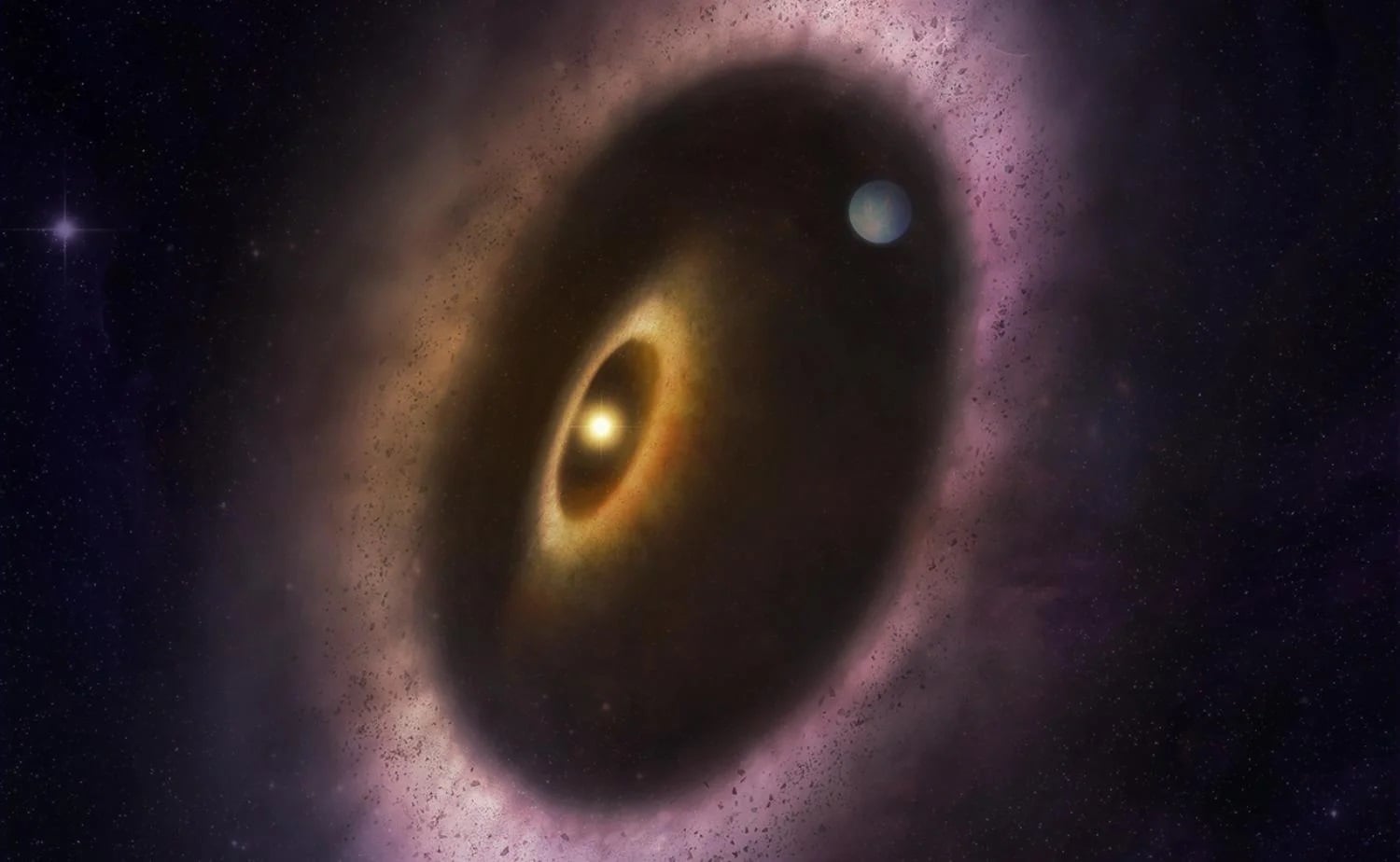
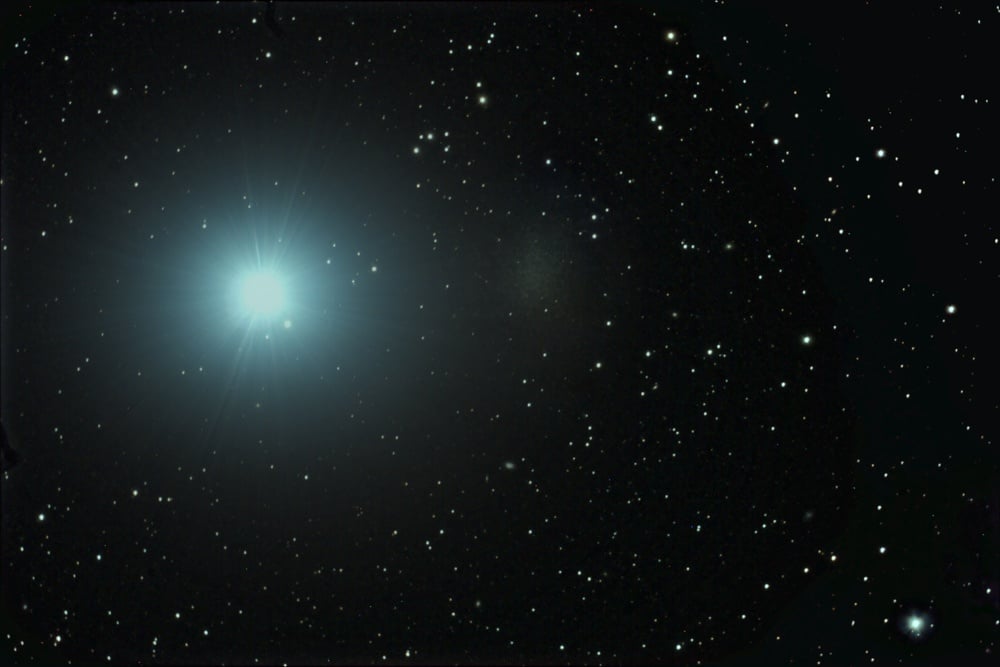
The SHINE collaboration recently observed a Super-Jupiter within a young debris orbiting a nearby star. Credit: ALMA (ESO/NAOJ/NRAO); M. Weiss (NRAO/AUI/NSF)
Continue reading
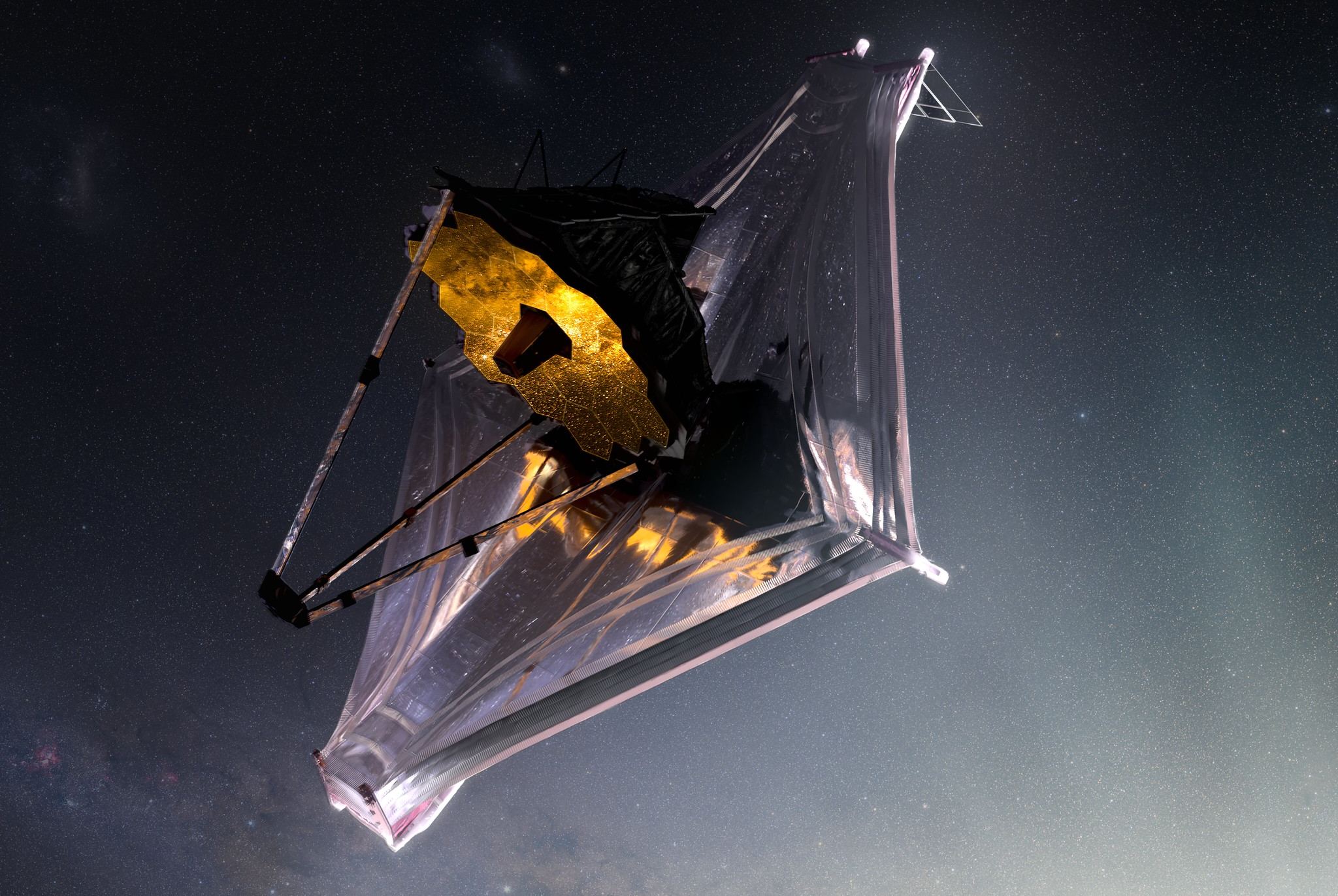
In a surprise twist, NASA has suggested it will reexamine its naming policies, due to the controversy surrounding the JWST.
Continue reading
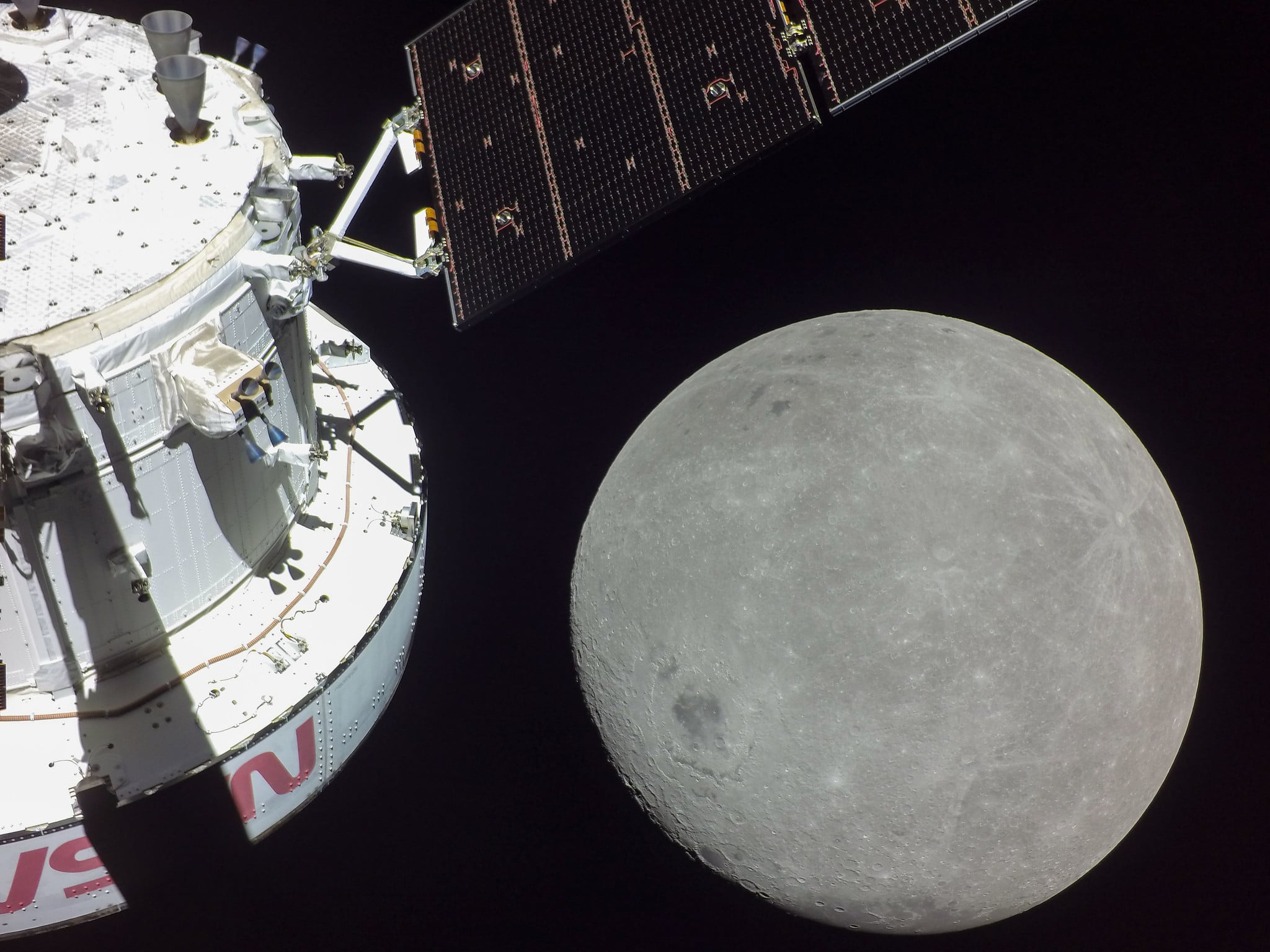
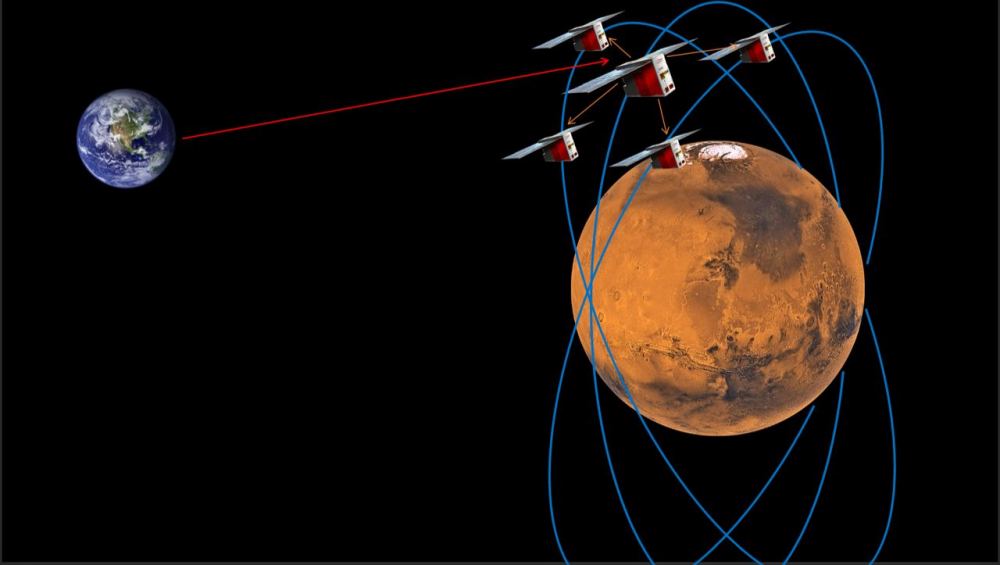
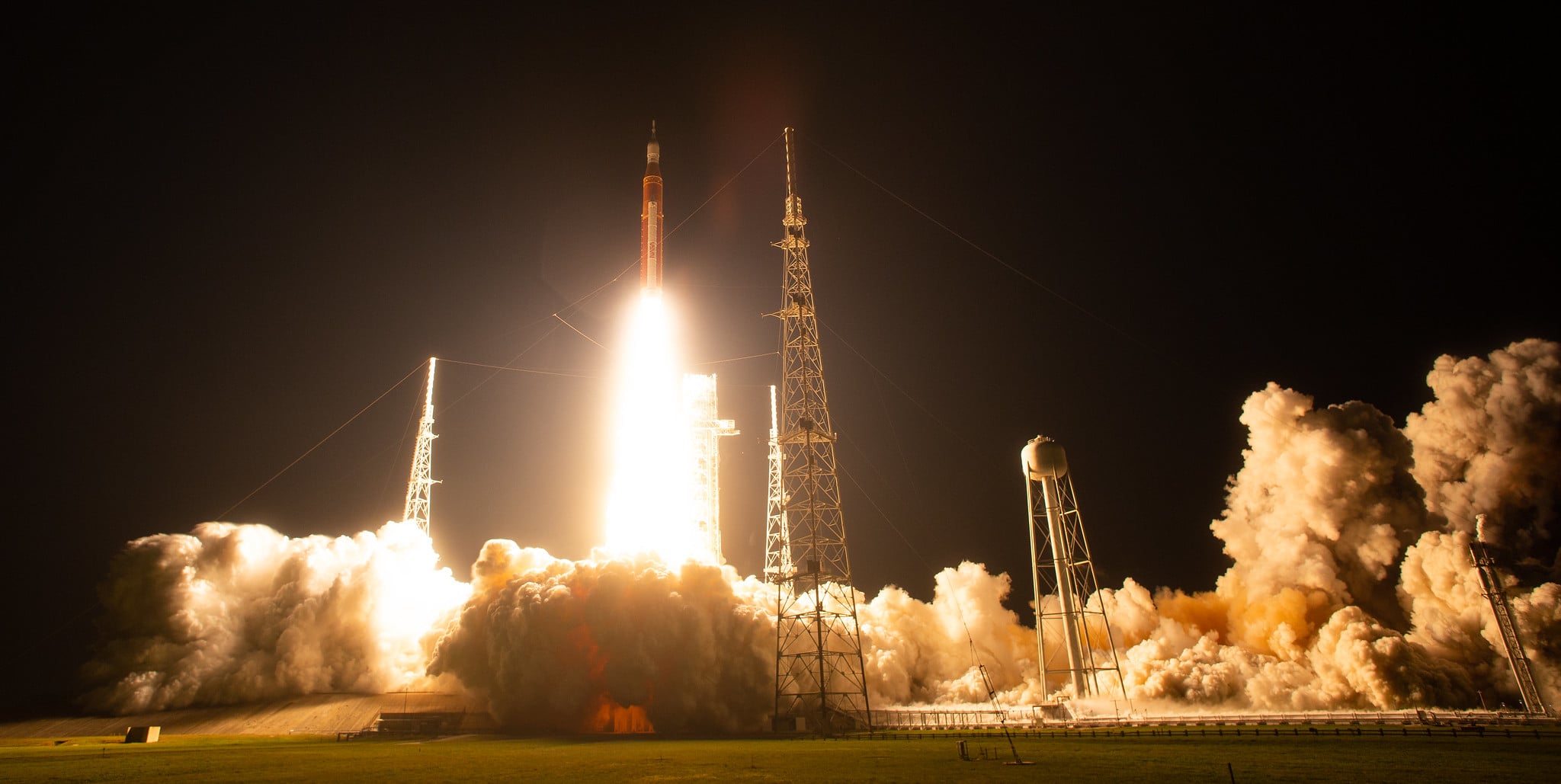
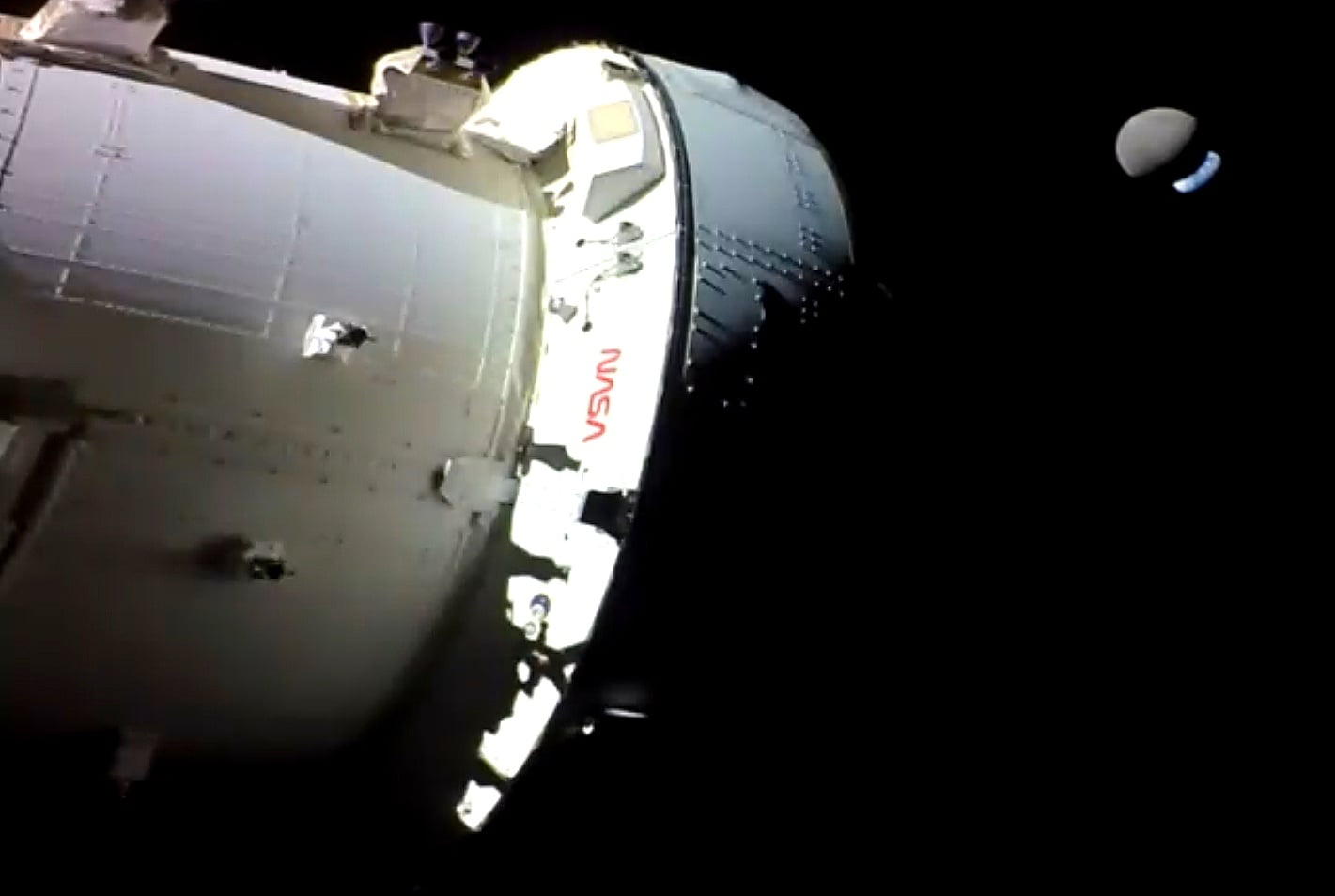
The Artemis I mission deployed ten CubeSat's as part of its mission, but only four appear to be operational.
Continue reading
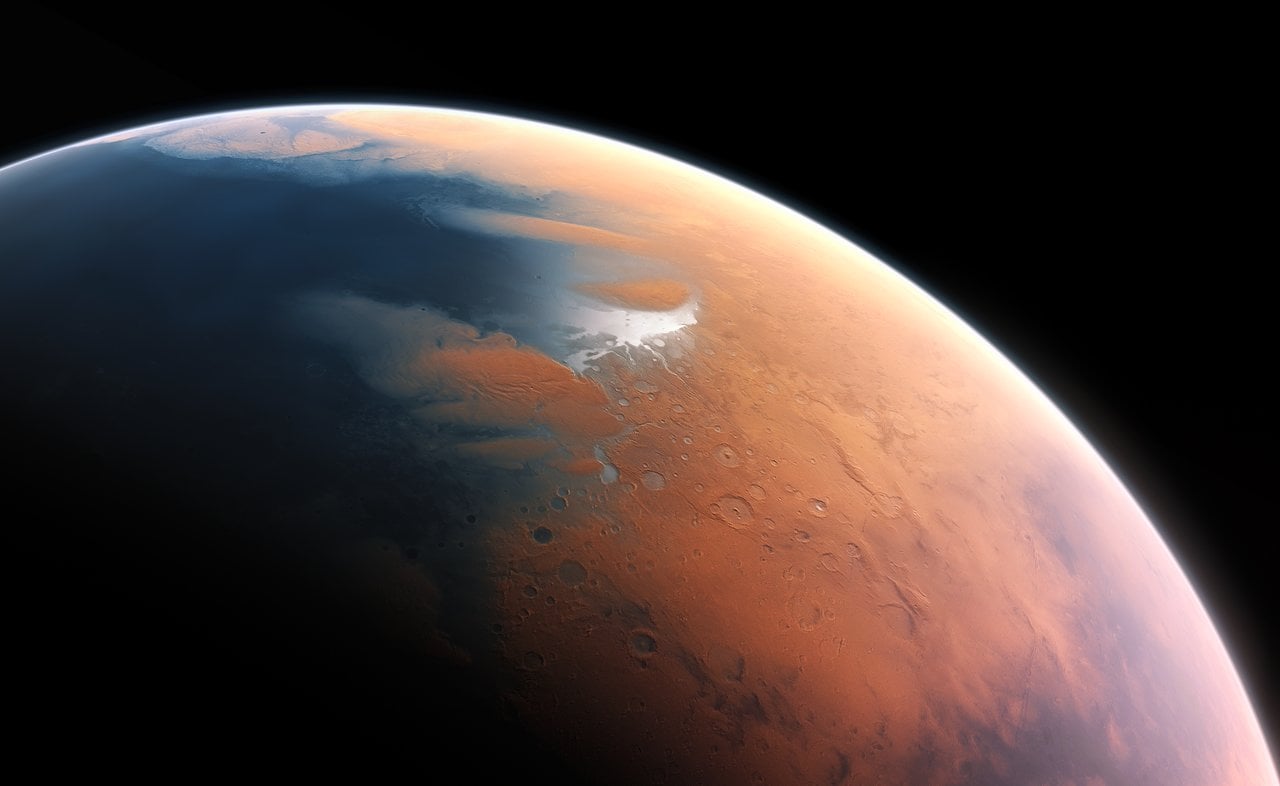
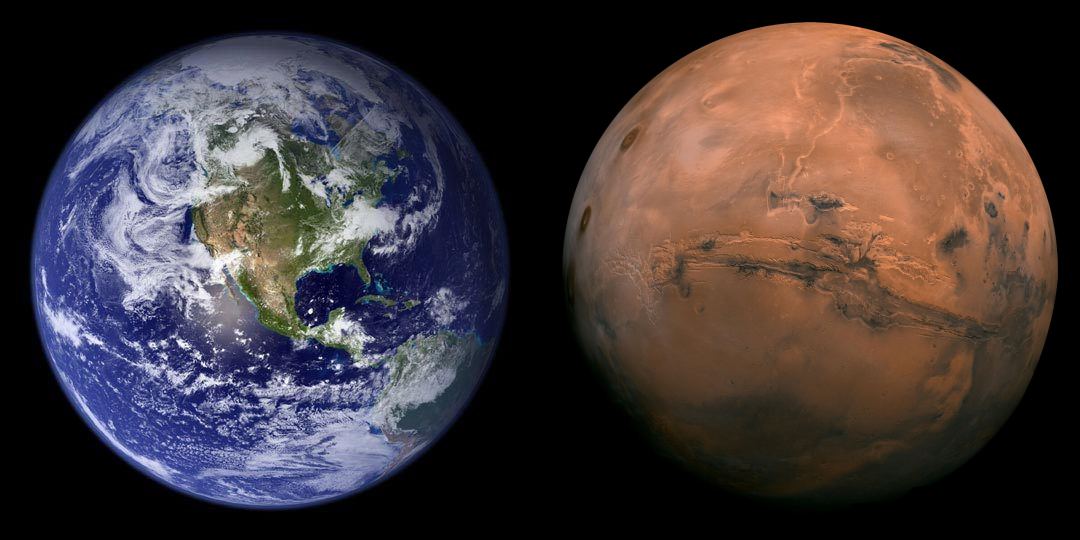
New research has shown that Mars may have been covered in a worldwide ocean when Earth was still covered in molten lava.
Continue reading

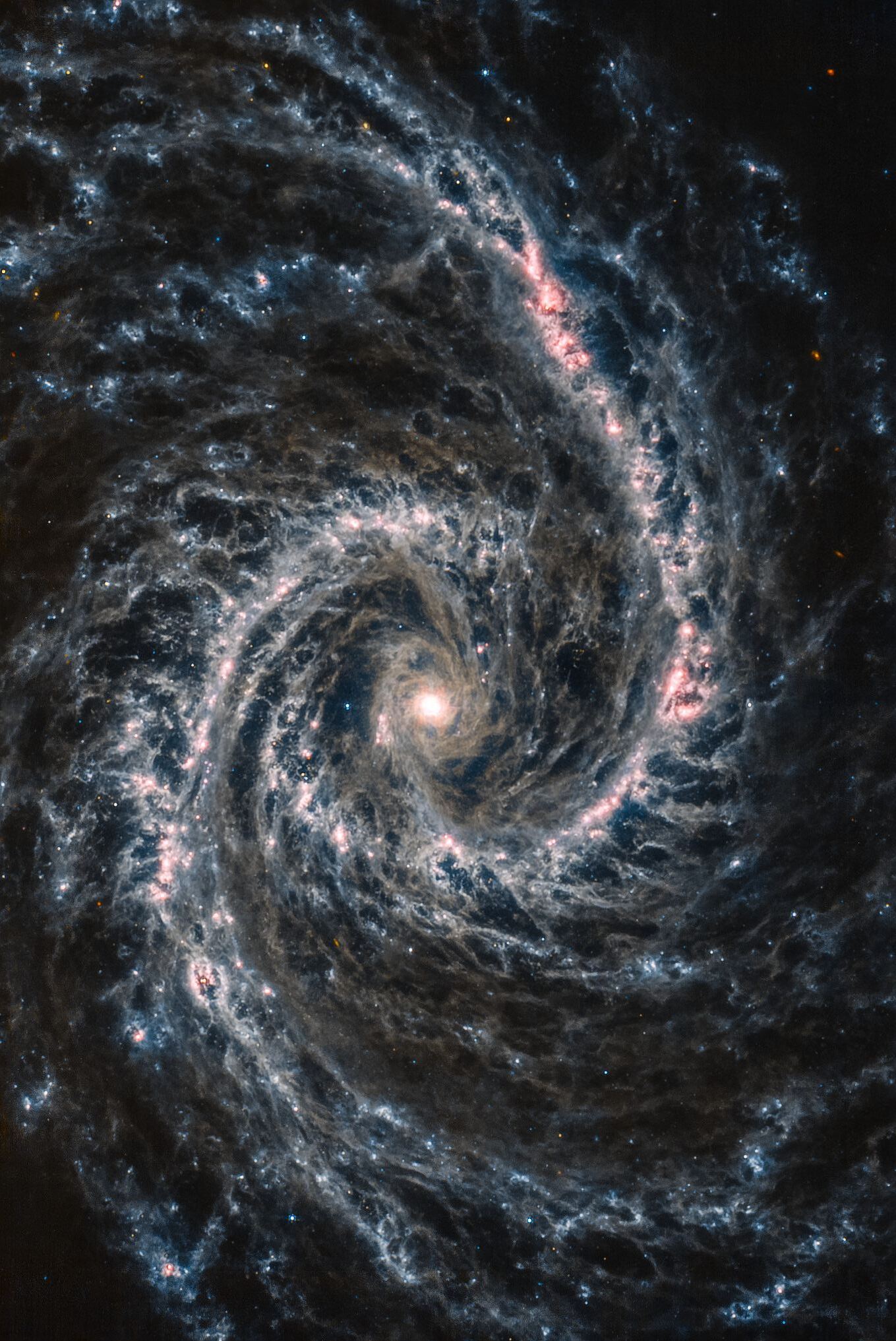
The James Webb's mid-infrared instrument (MIRI) is back online, and took a new image of Saturn's largest moon Titan!
Continue reading
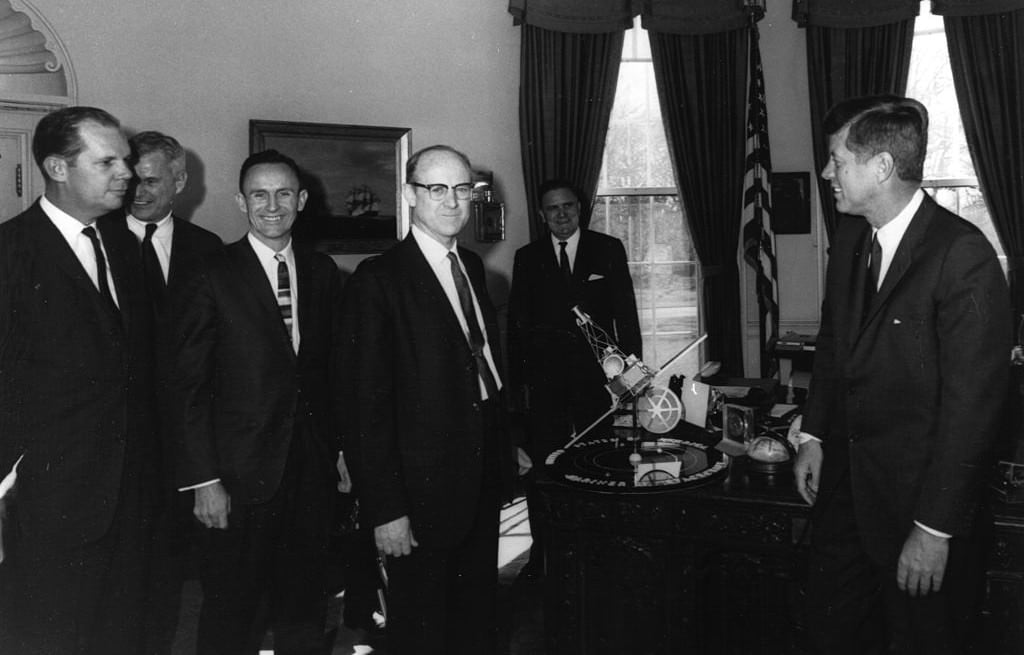
NASA has released its James Webb History Report, which explains why they are not changing the name of their flagship observatory.
Continue reading
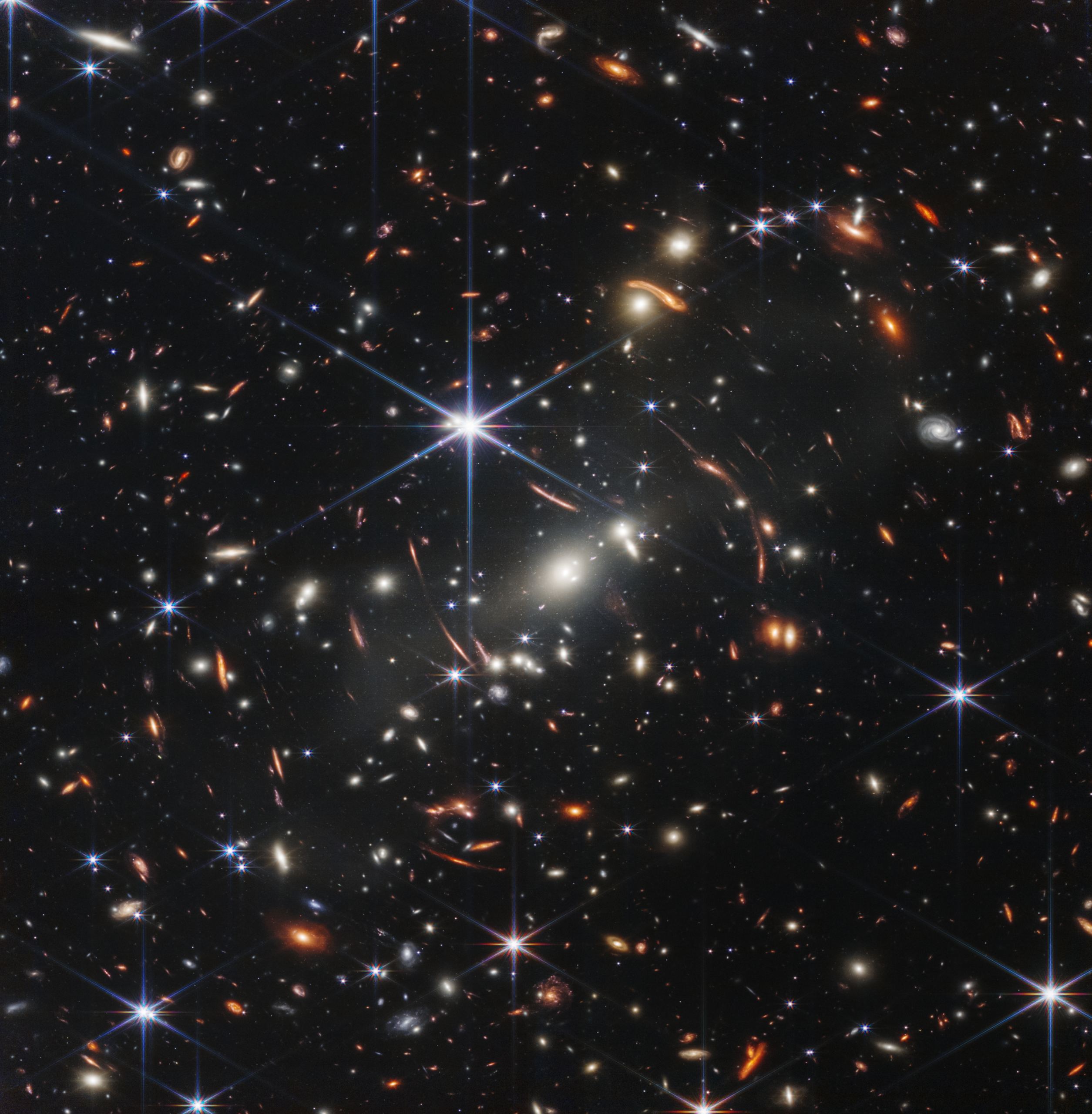
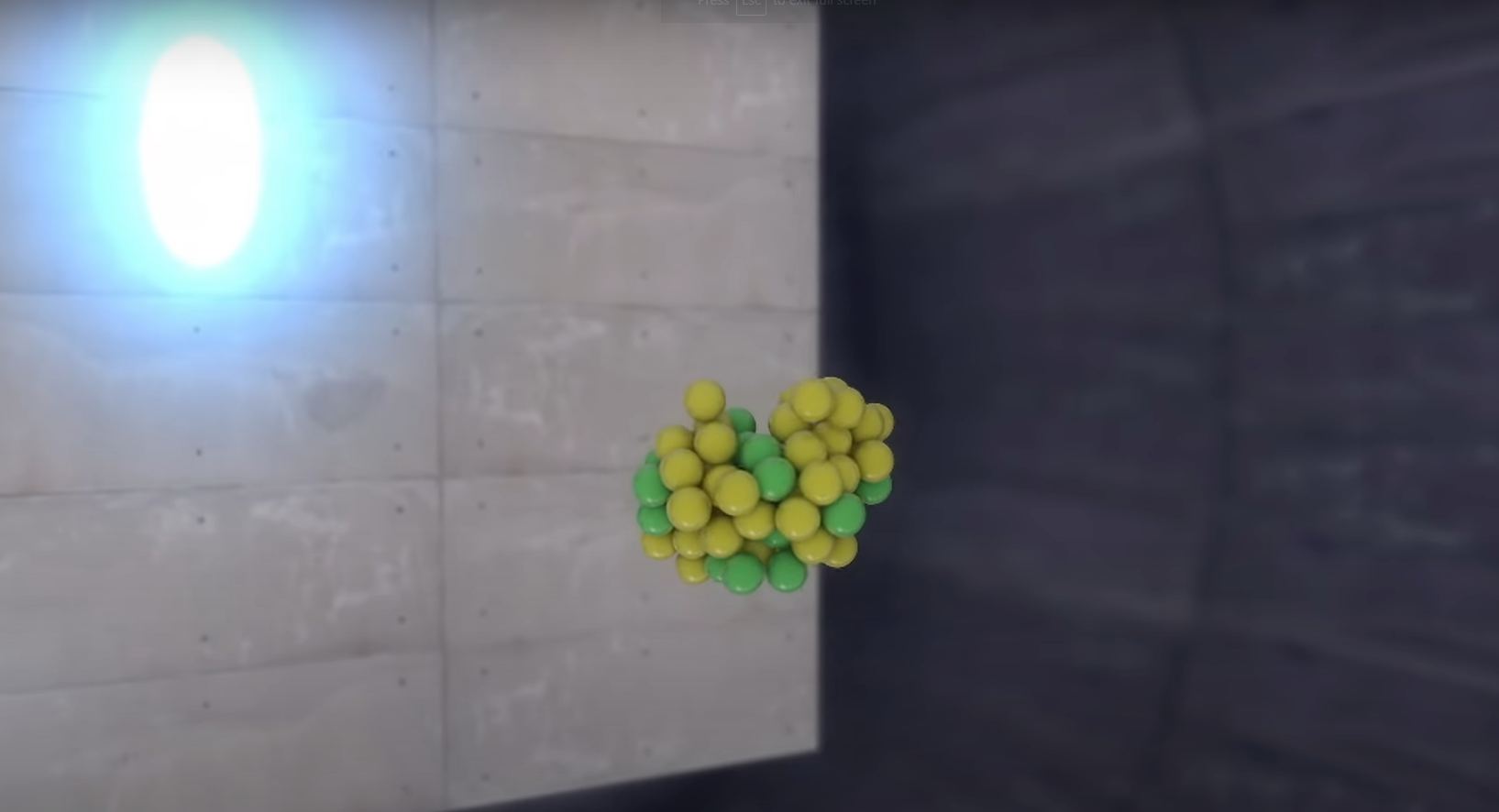
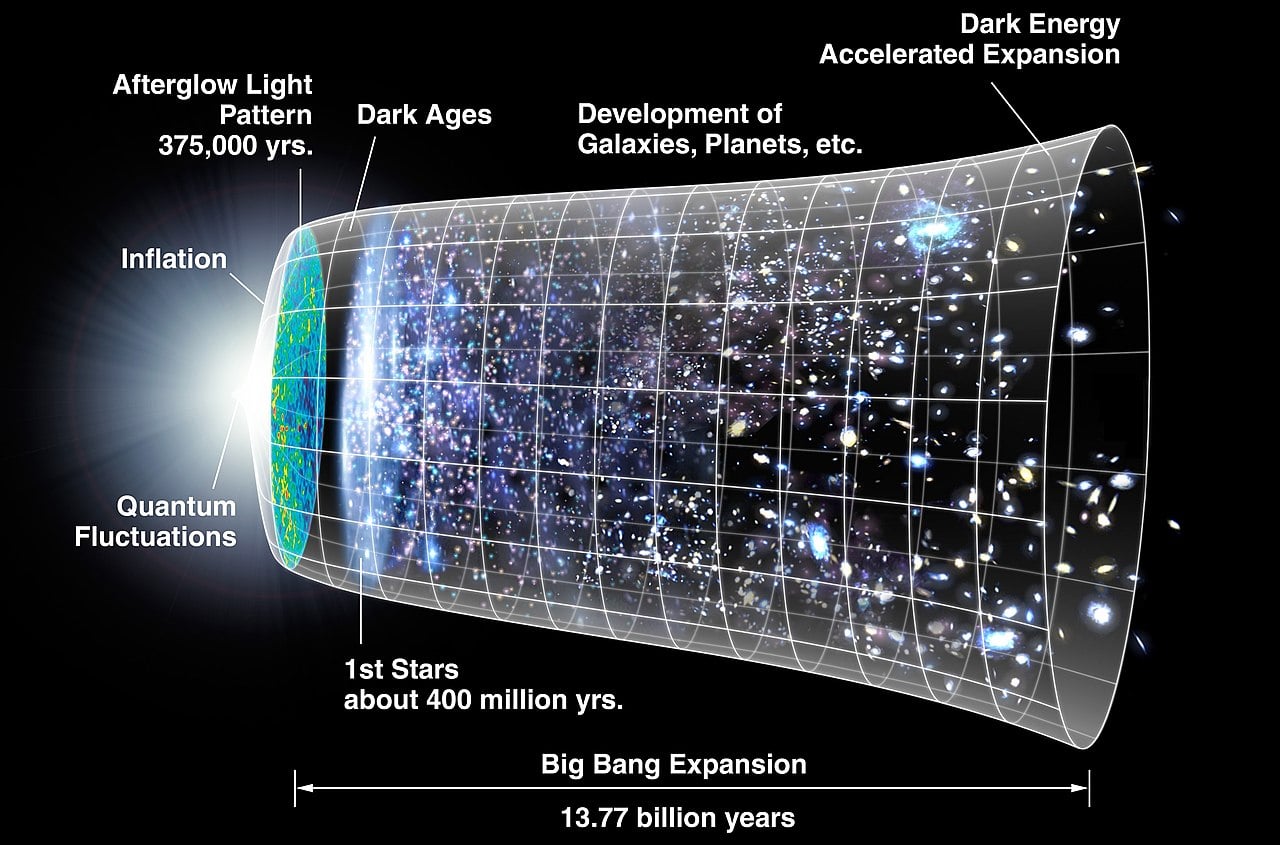
A new study by an international team indicates that either Einstein was wrong, or something else has been driving cosmic expansion from the beginning.
Continue reading
 Universe Today