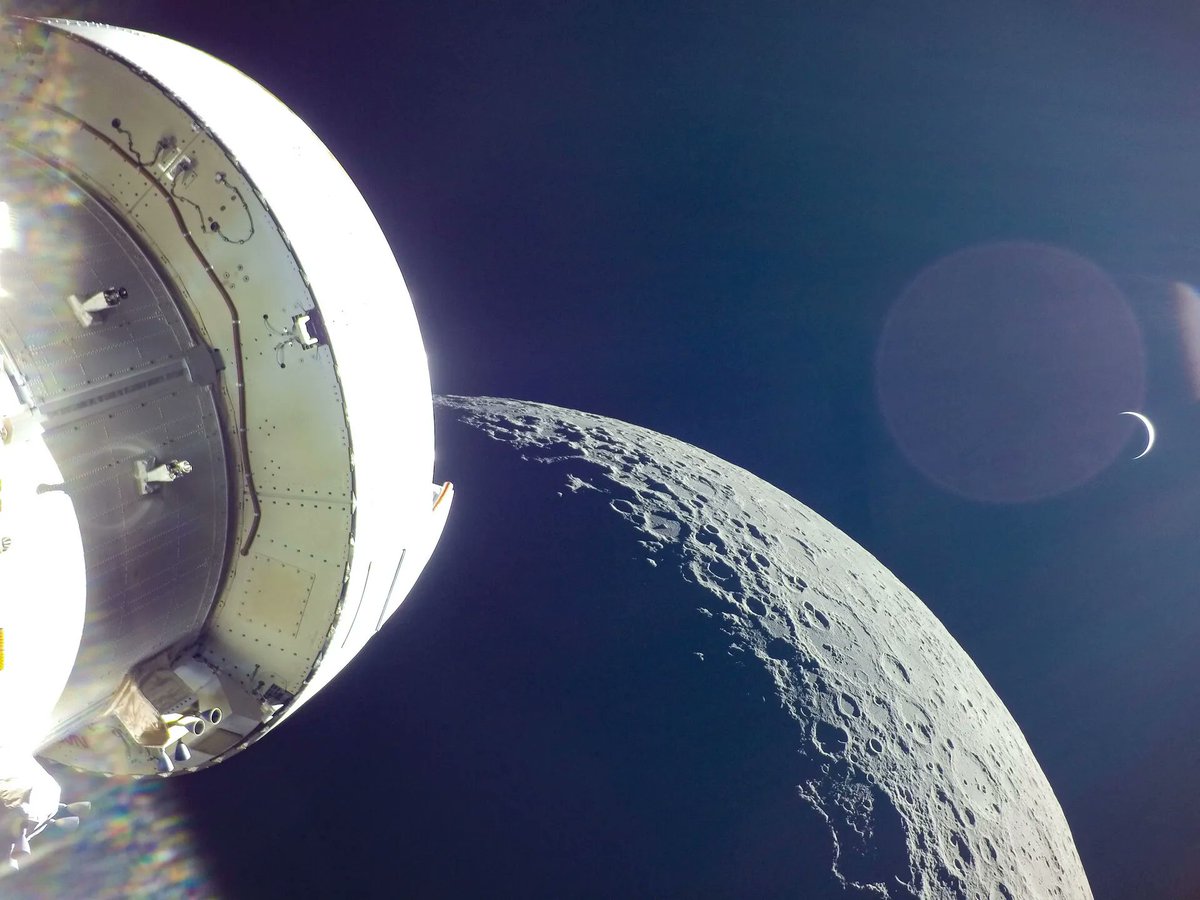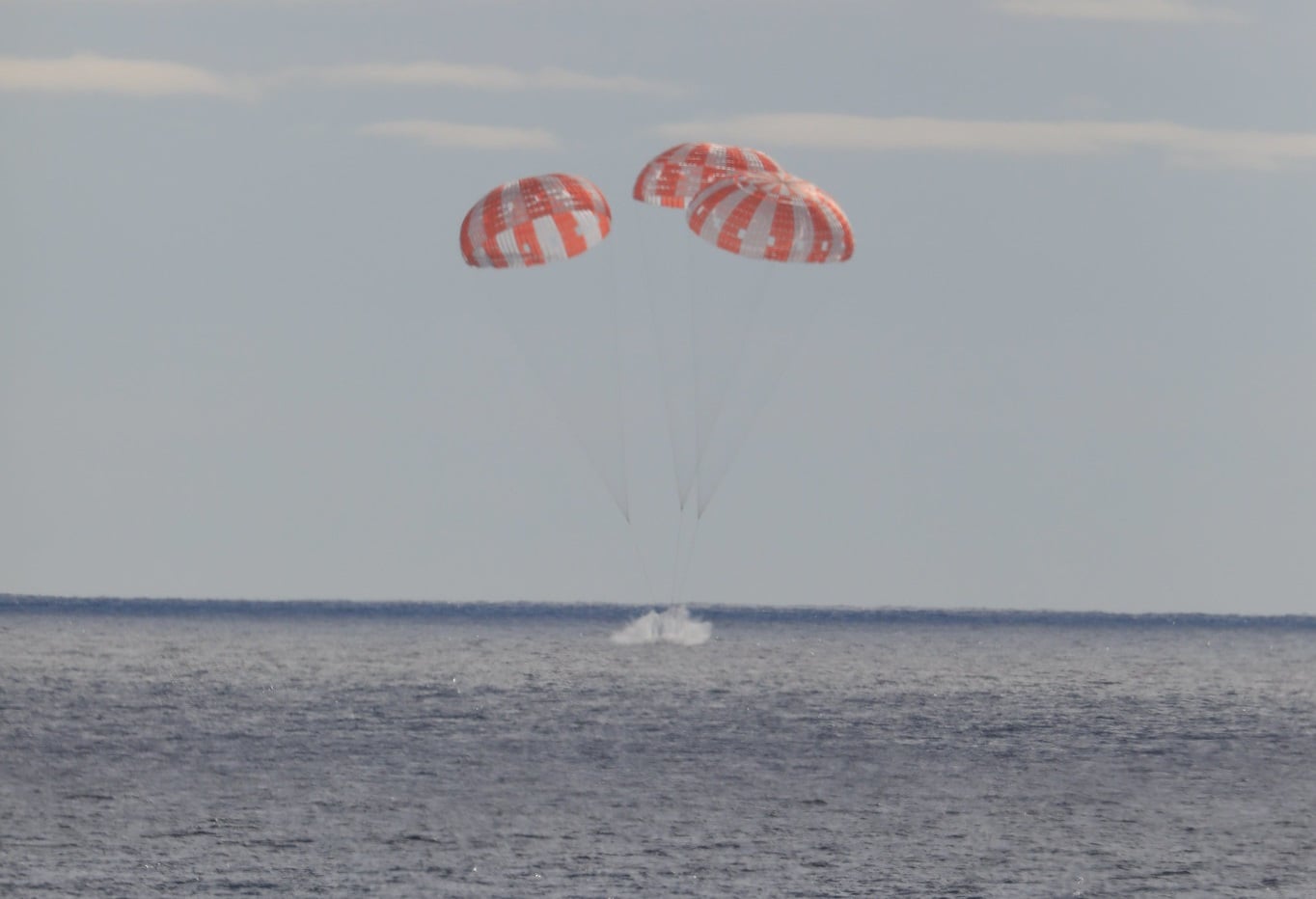
The Artemis I mission has splashed down, ending its mission and validating the technology that will take astronauts back to the Moon.
Continue reading
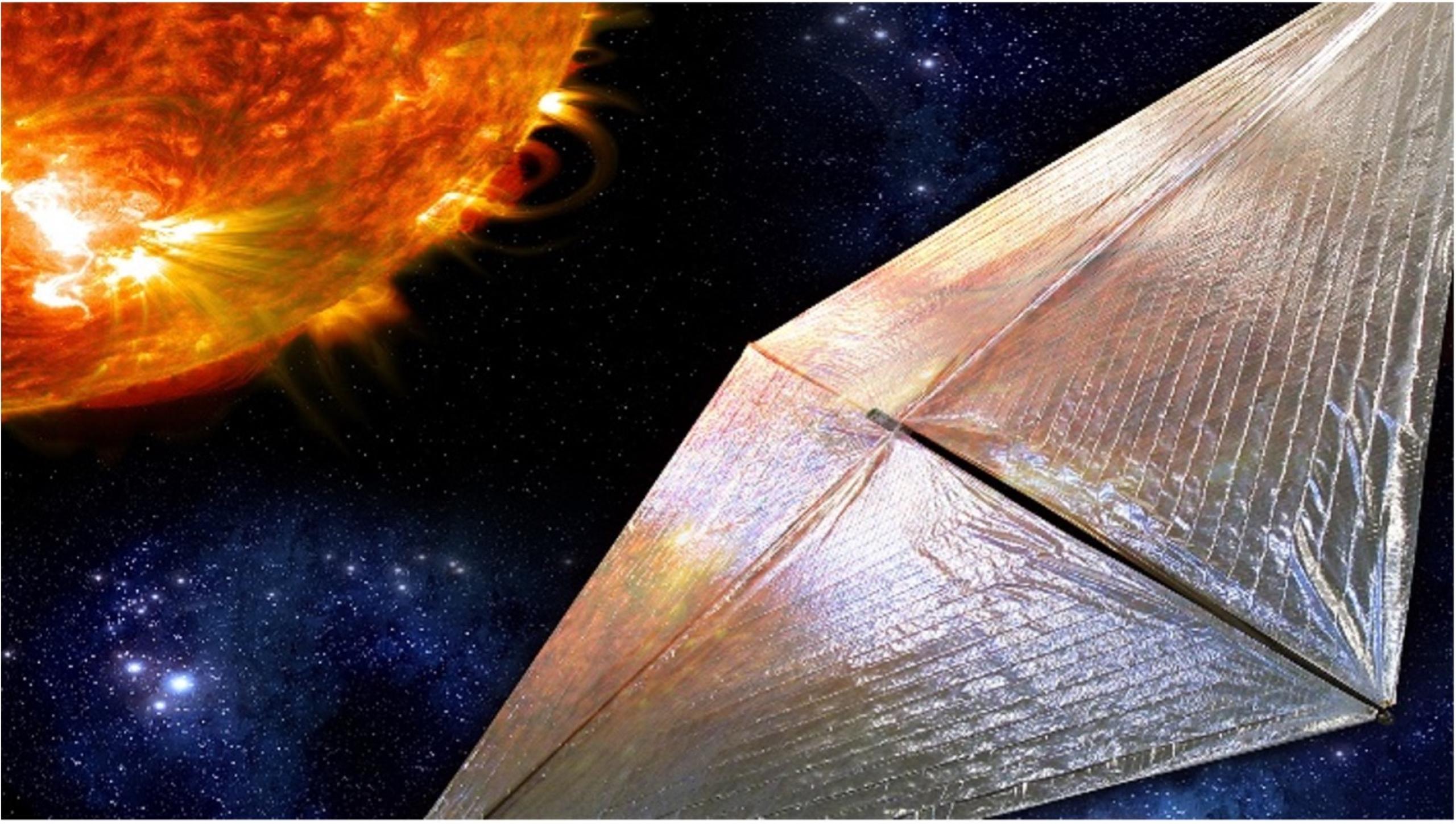
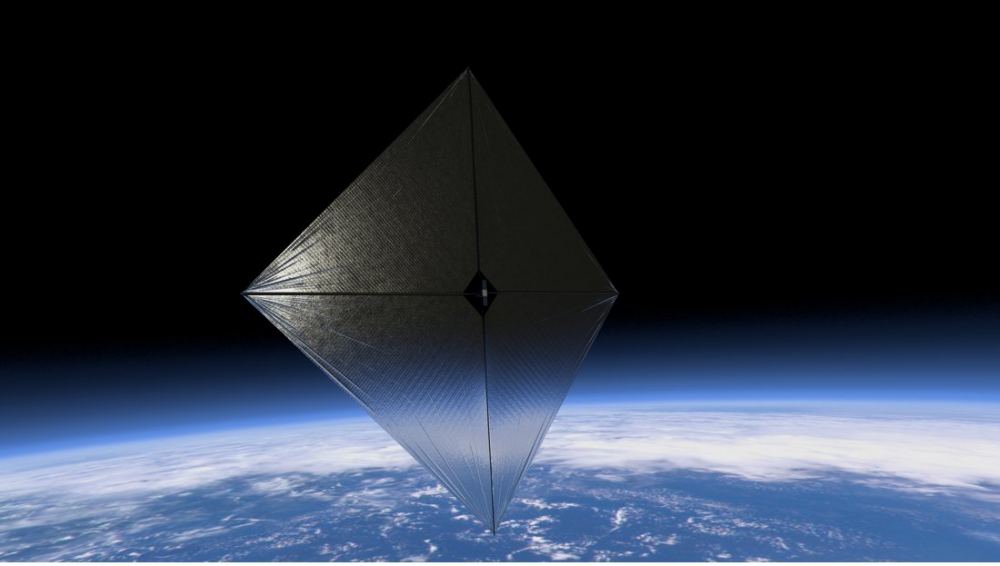
A team led by NASA Marshall was selected to build a technology demonstrator called the Solar Cruiser to mature solar sail technology
Continue reading
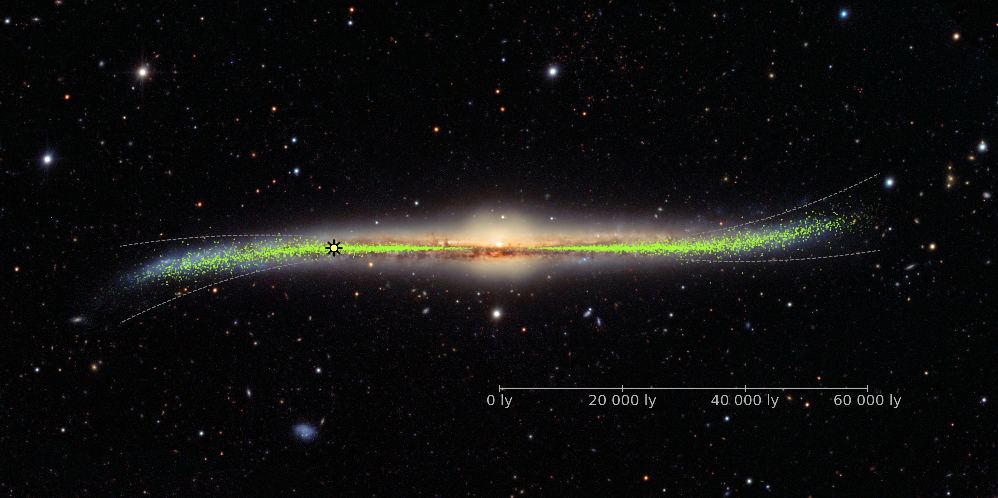
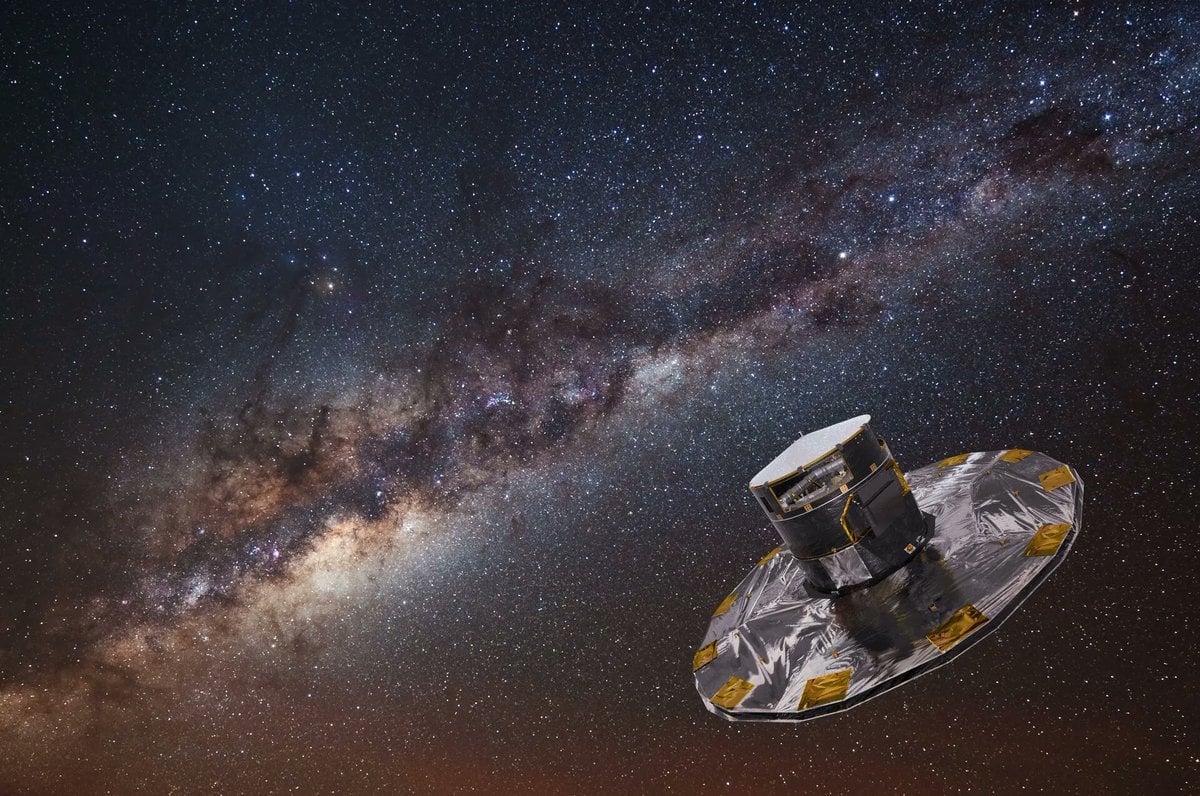
A new study by a team of Polish astronomers has revealed details about the shape of the Milky Way's center and disk.
Continue reading
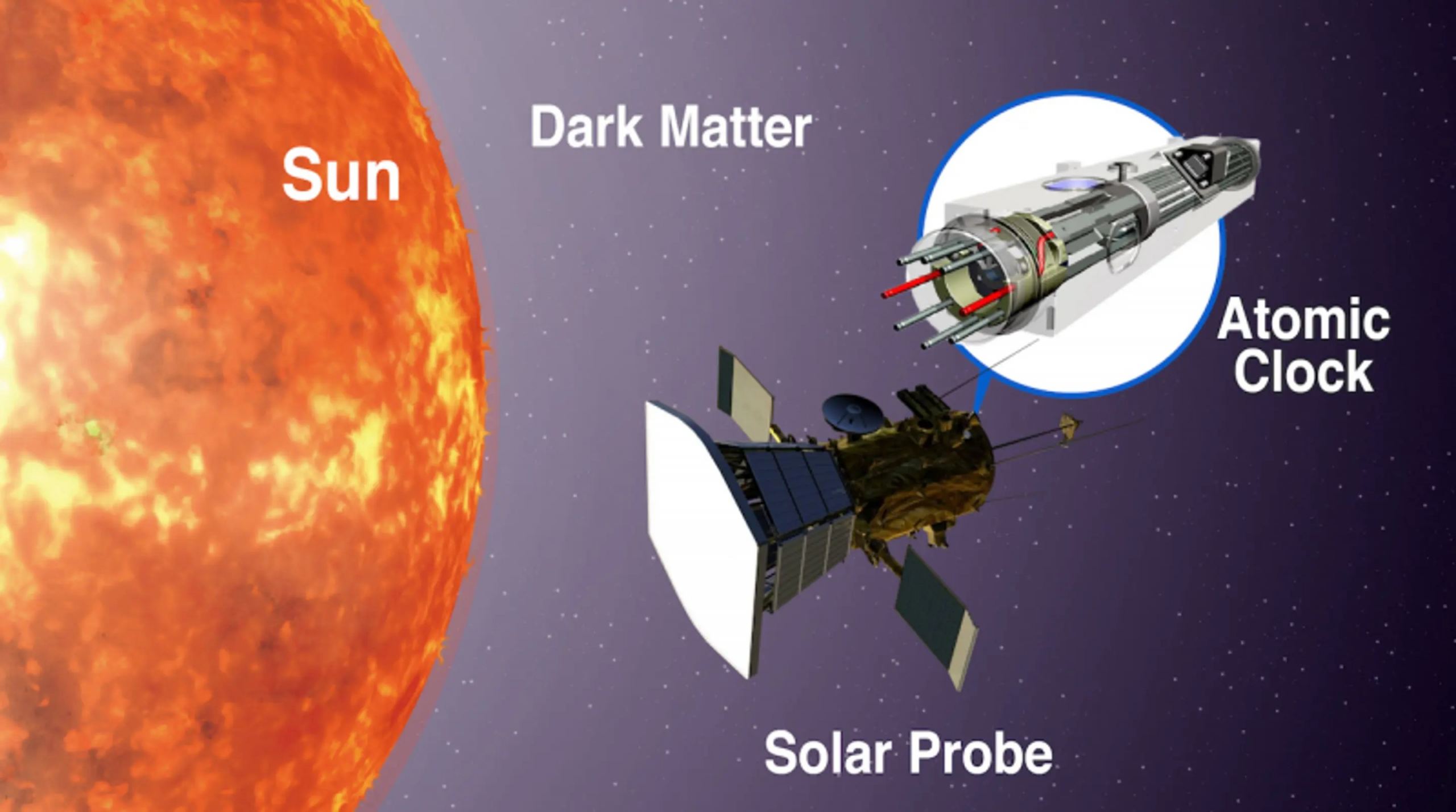
If dark matter exists in our solar system, atomic clock spacecraft might reveal its presence.
Continue reading
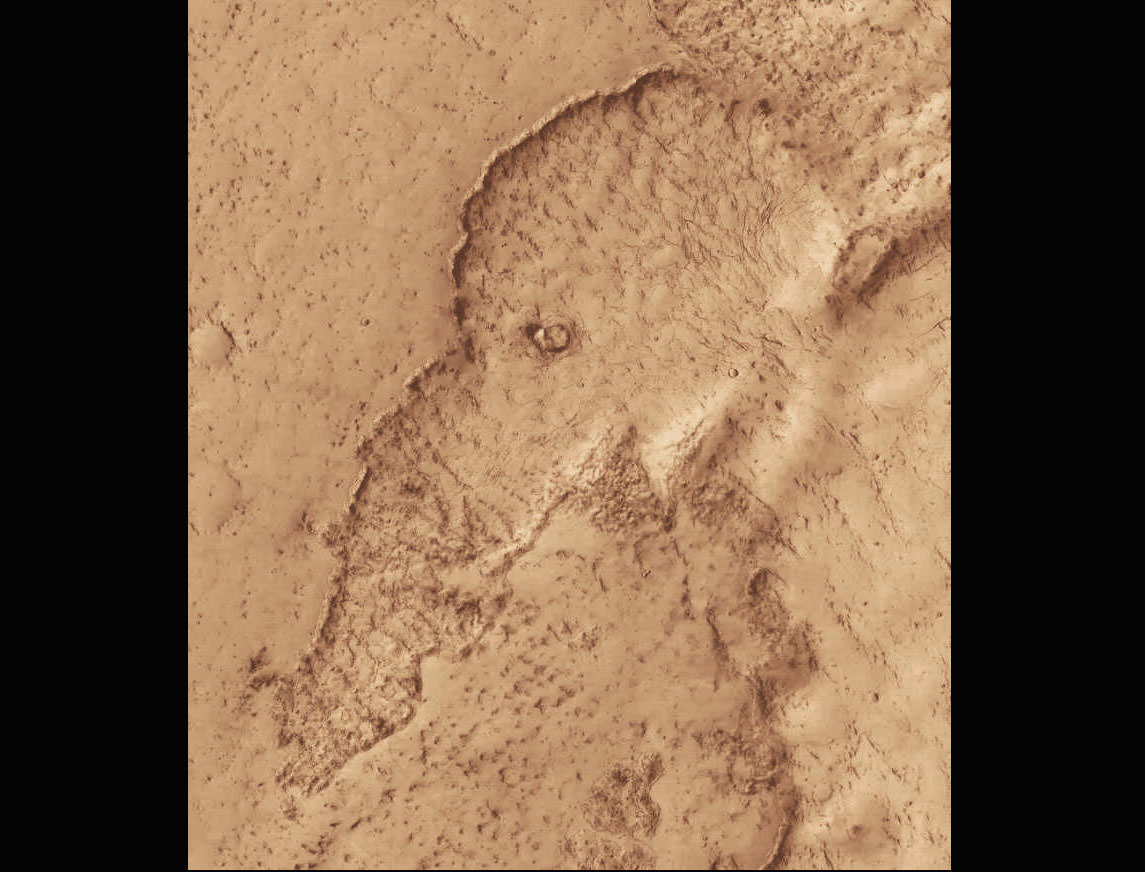
Scientists find more evidence that a magma plume could exist beneath Elysium Planitia, proving Mars might still be volcanically active
Continue reading
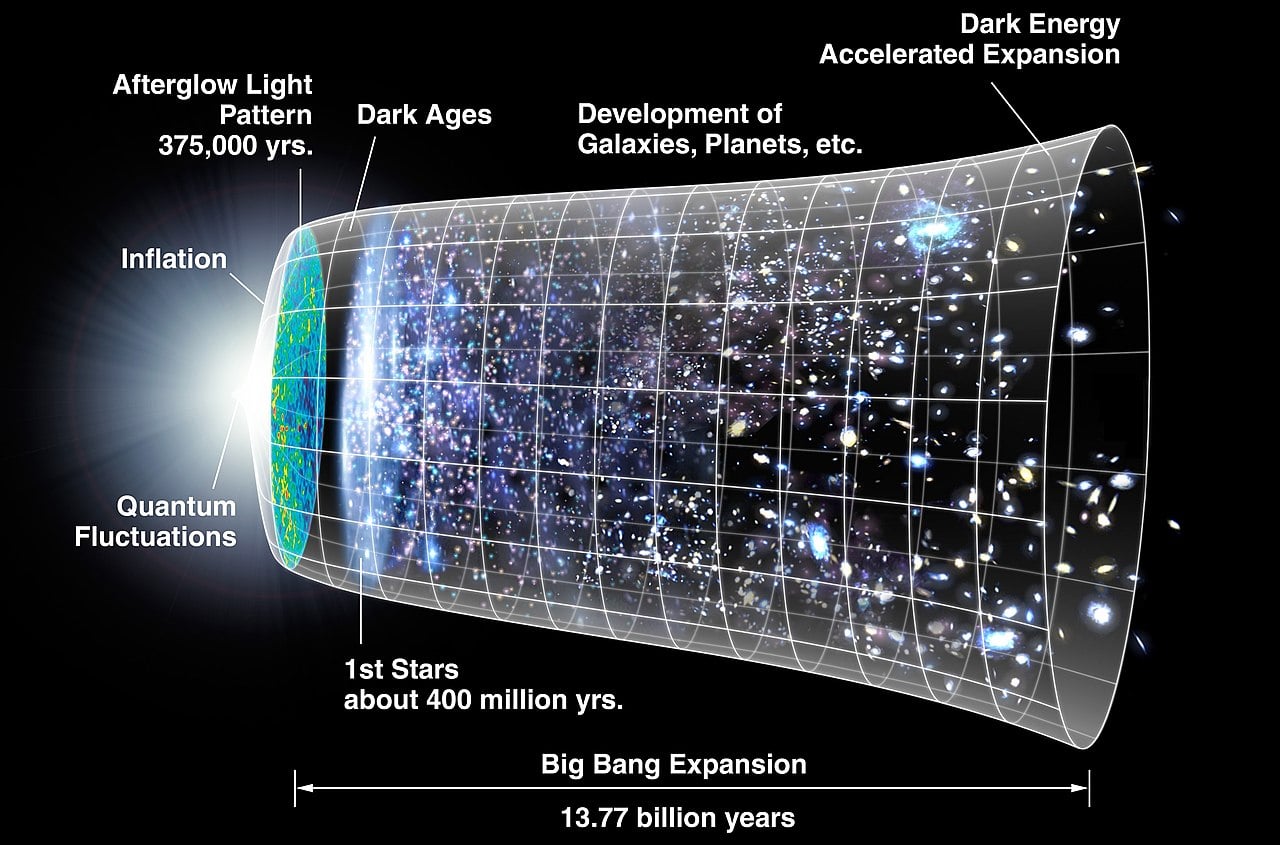
A new study considers how the presence of Early Dark Energy could help resolve one of the biggest cosmological mysteries today.
Continue reading
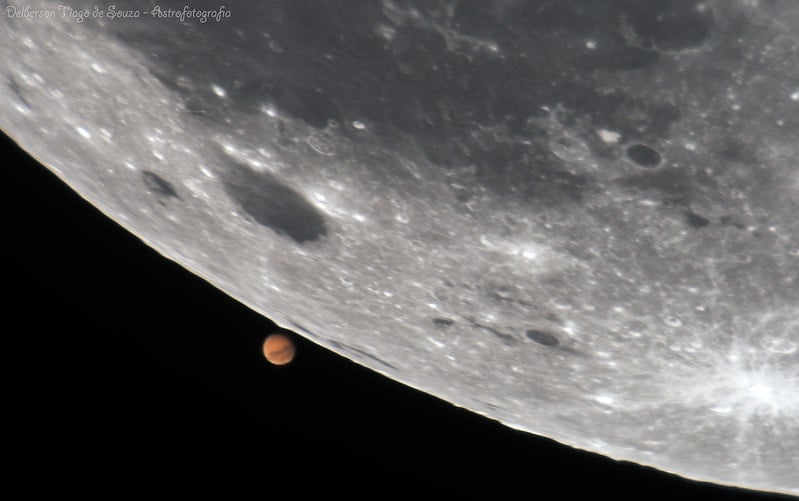
A rare event transpires Wednesday night, as the Full Moon occults Mars near opposition.
Continue reading
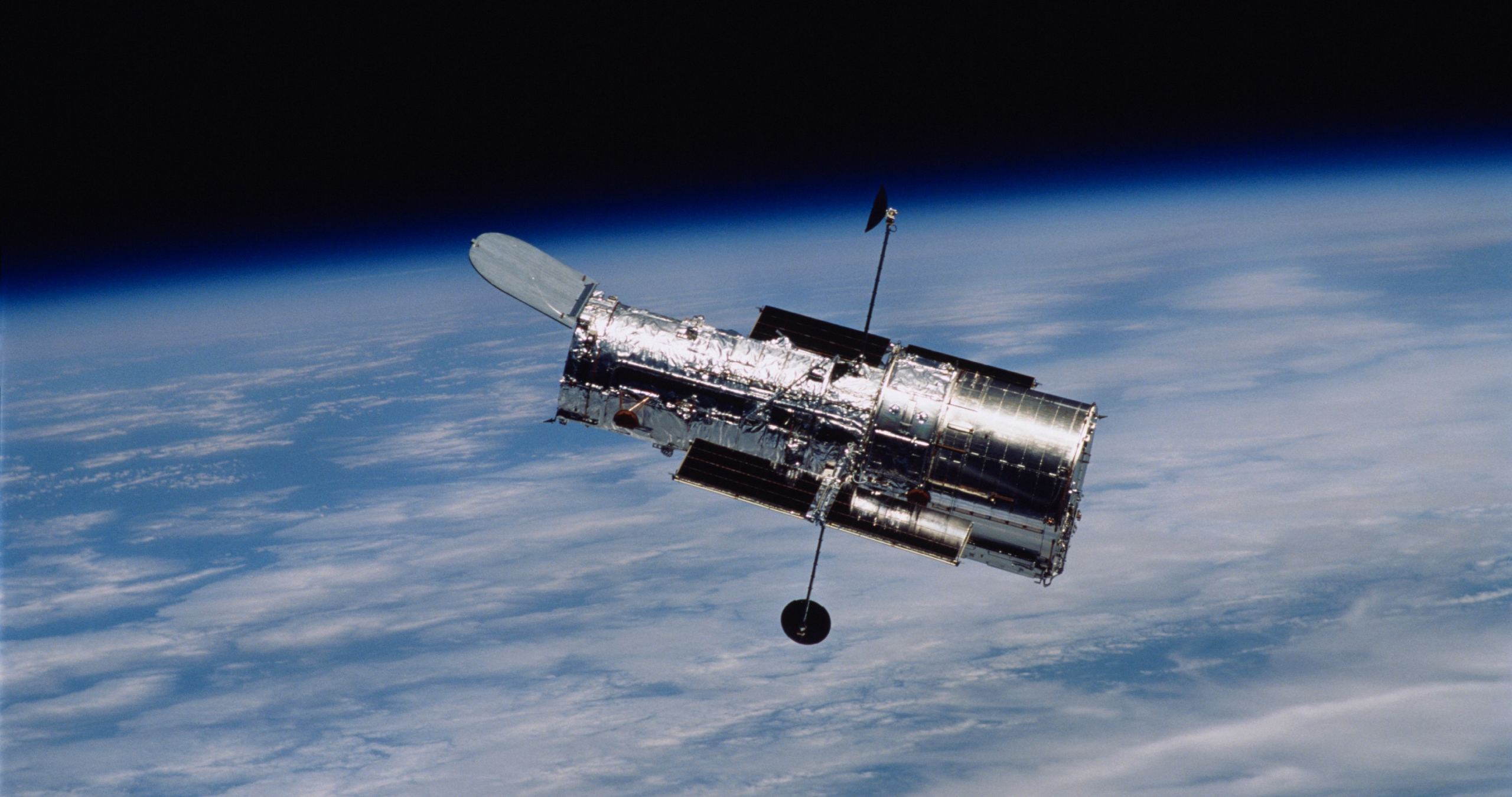
Using images from the Hubble Snapshot Program and archival data, a team of astronomers has located the progenitor stars of six supernovae.
Continue reading
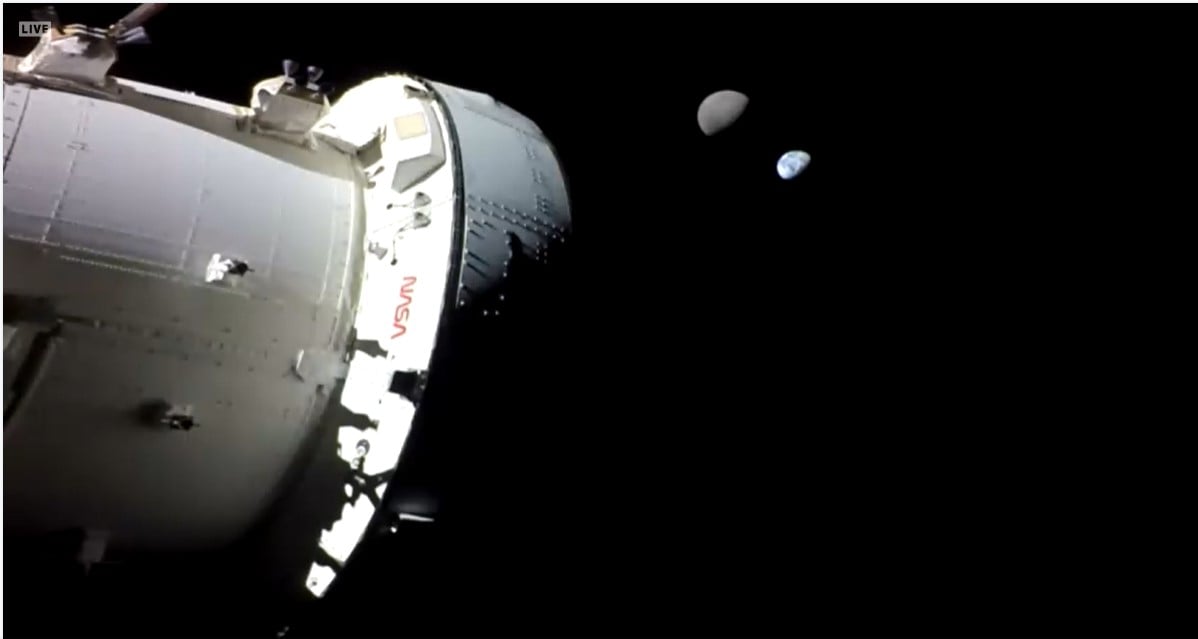
NASA has released a second supercut video of the Artemis I mission that captures the mission highlights
Continue reading
 Universe Today