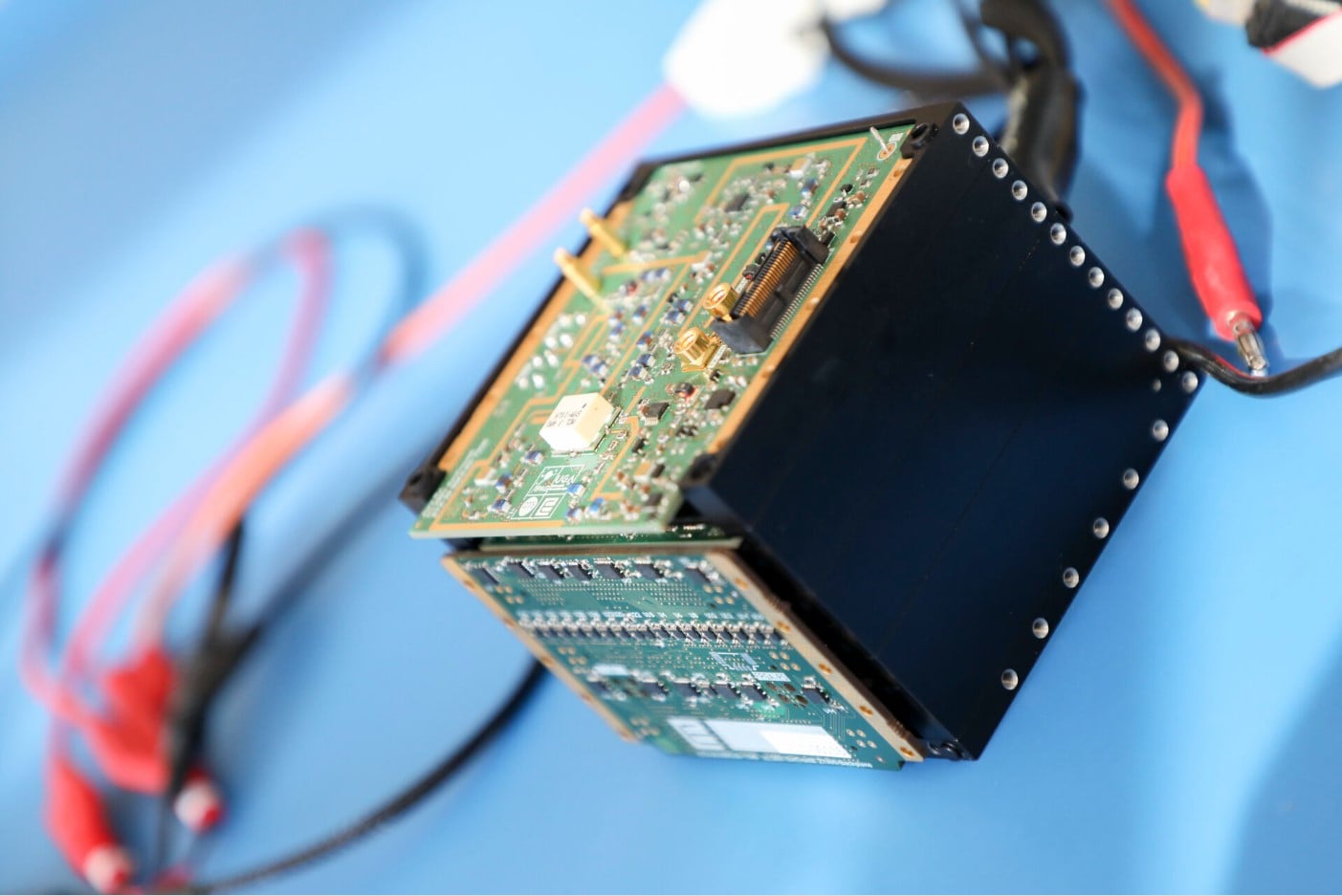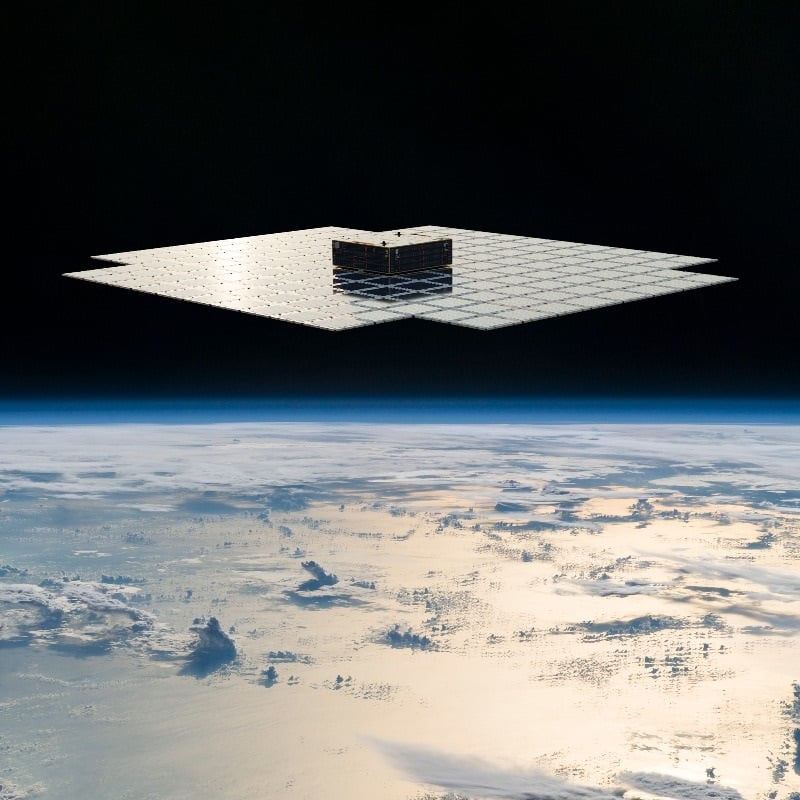
After months of waiting, we're getting our first good looks at a fully deployed BlueWalker-3 this coming weekend.
Continue reading
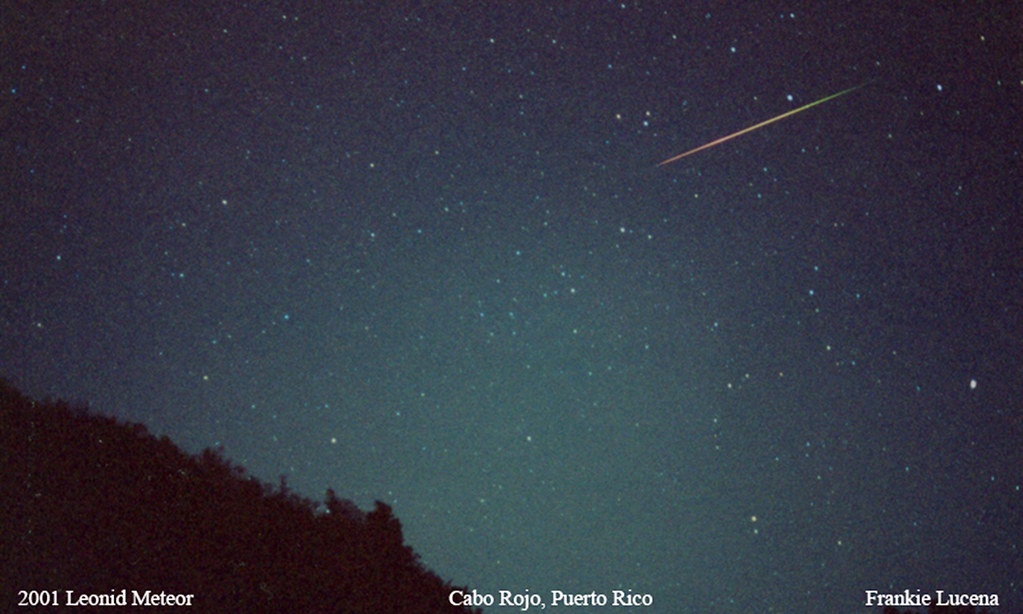
The November Leonid meteors may produce a surprise outburst this weekend.
Continue reading
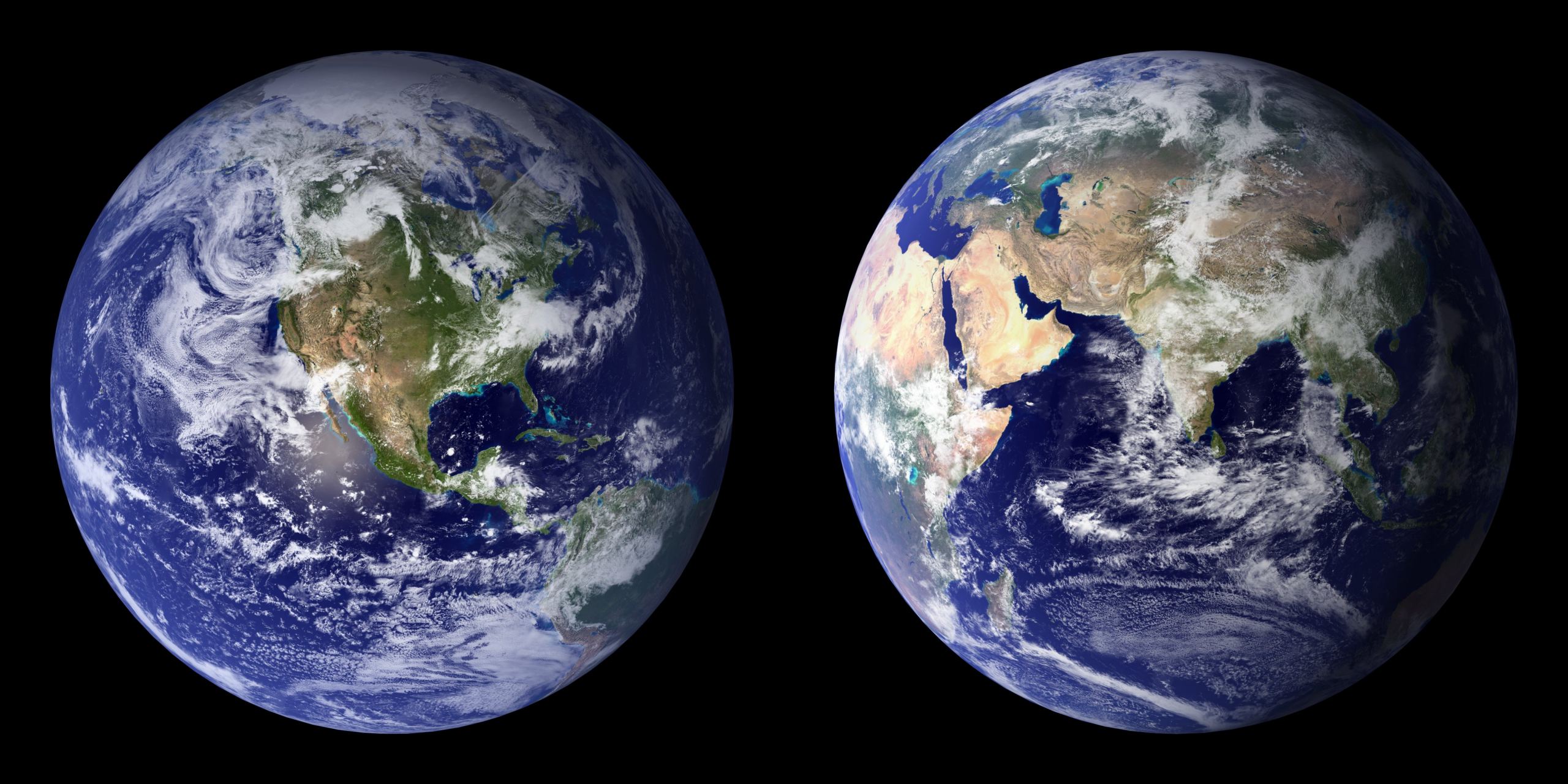
Locked within meterorites could be the key to understanding the origin of Earth's oceans. A new scanning technique could show us how.
Continue reading
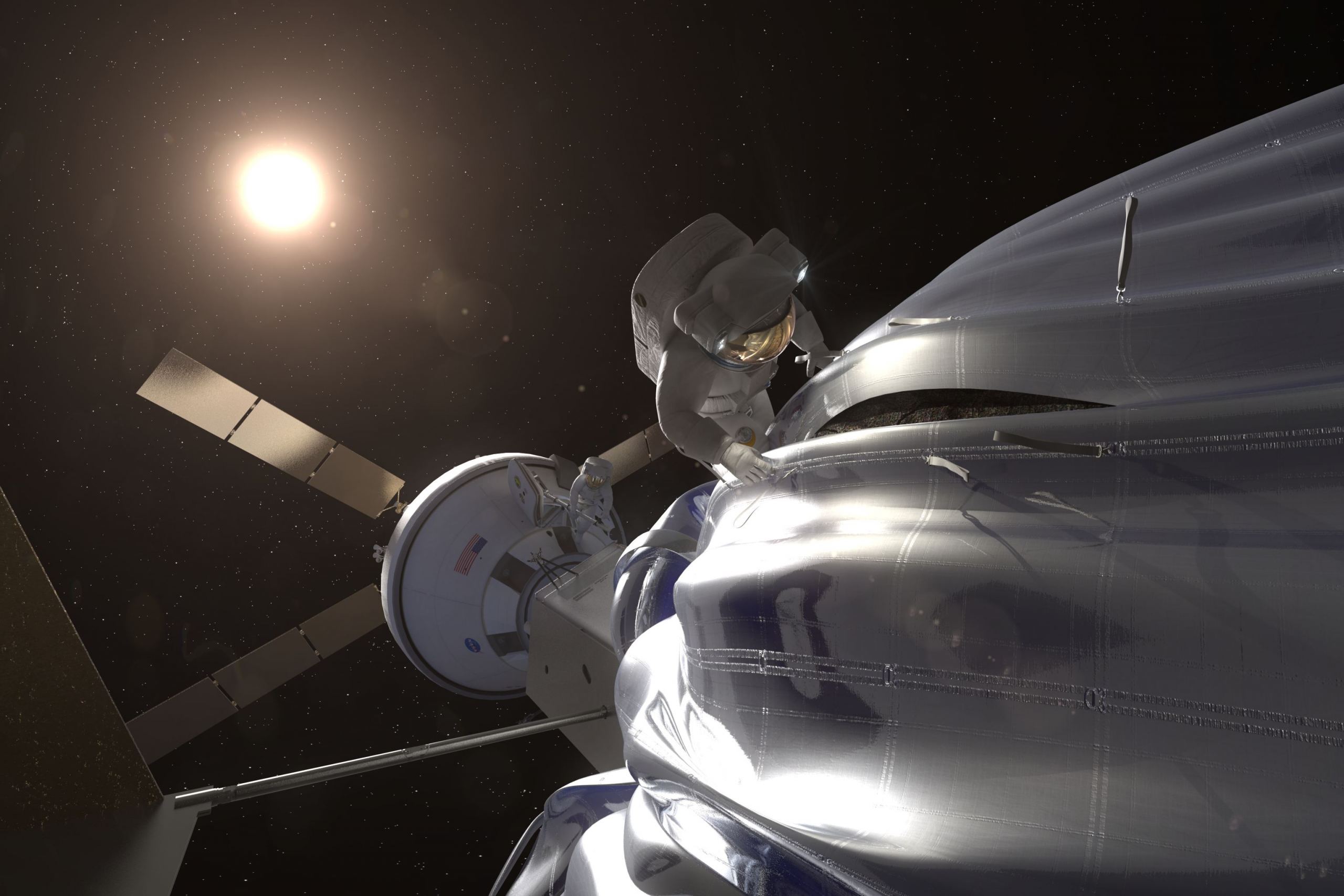
A new study by a team of Chinese researchers examines the impact asteroid mining with have on global equity.
Continue reading
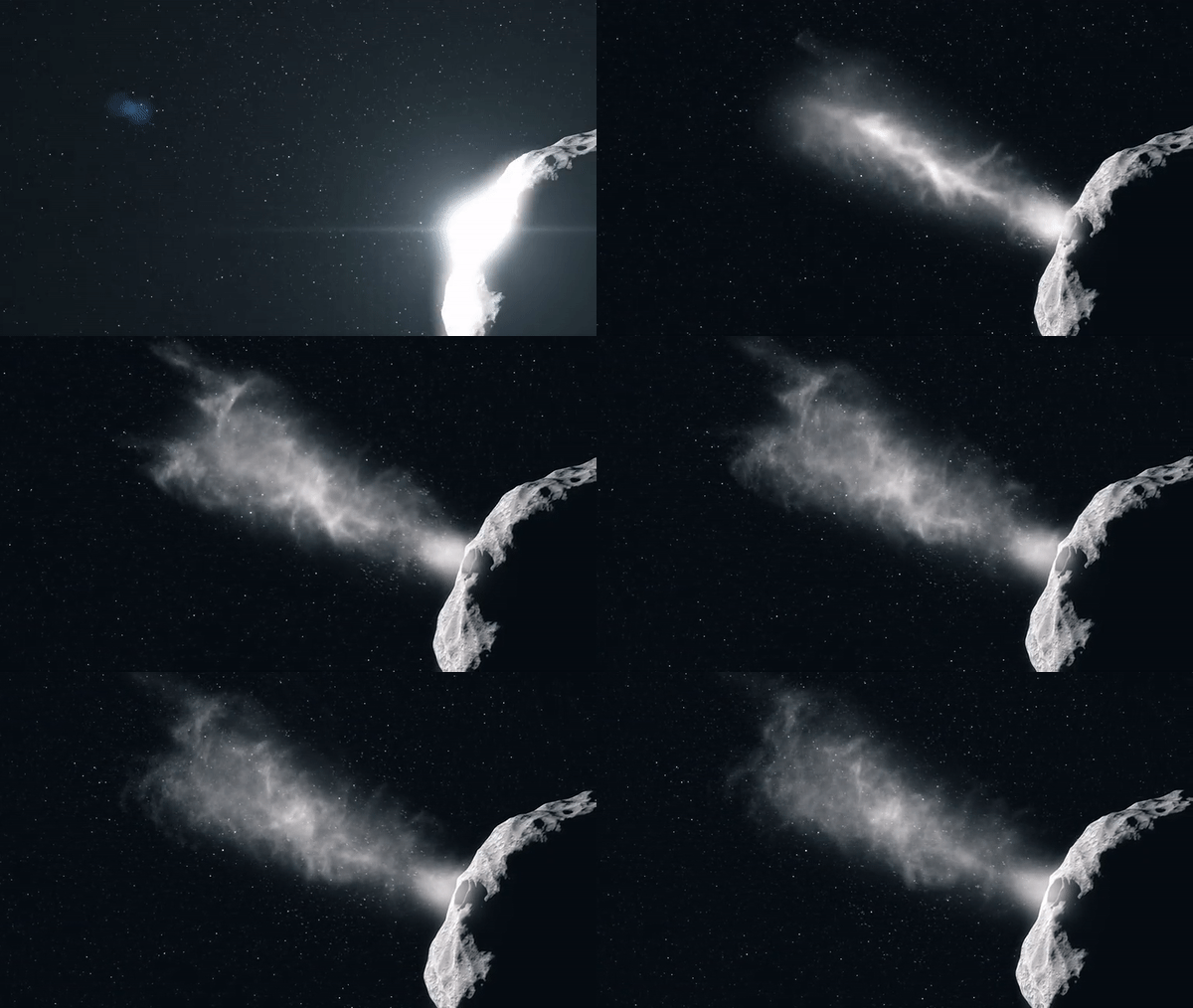
A team of satellite experts have designed a navigation system that could save Earth from a collision at the last minute.
Continue reading
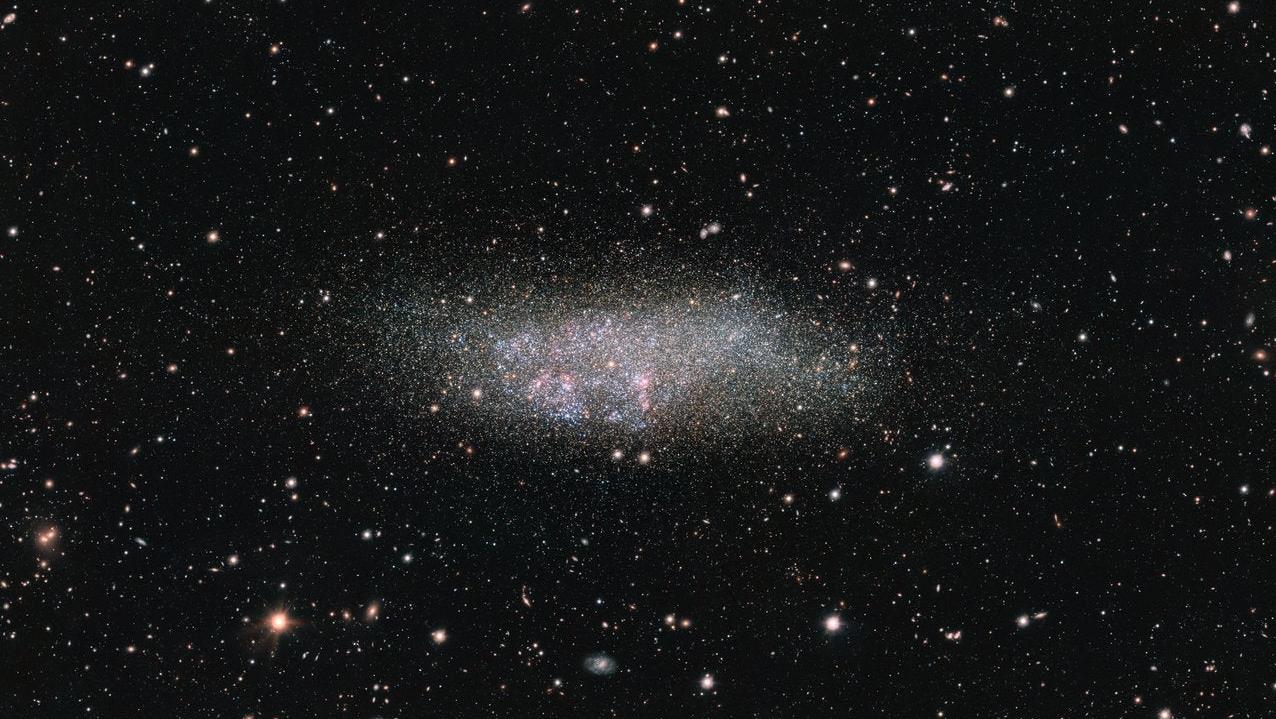
The James Webb Early Science Release has allowed for all kinds of groundbreaking research, including the study of the nearby dwarf galaxy that hasn't change much since it first formed.
Continue reading
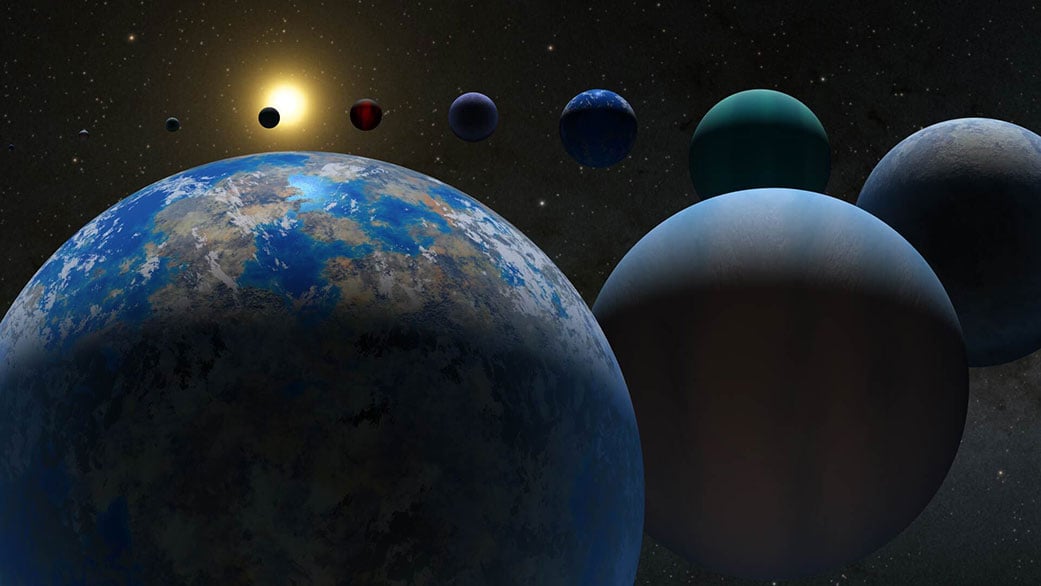
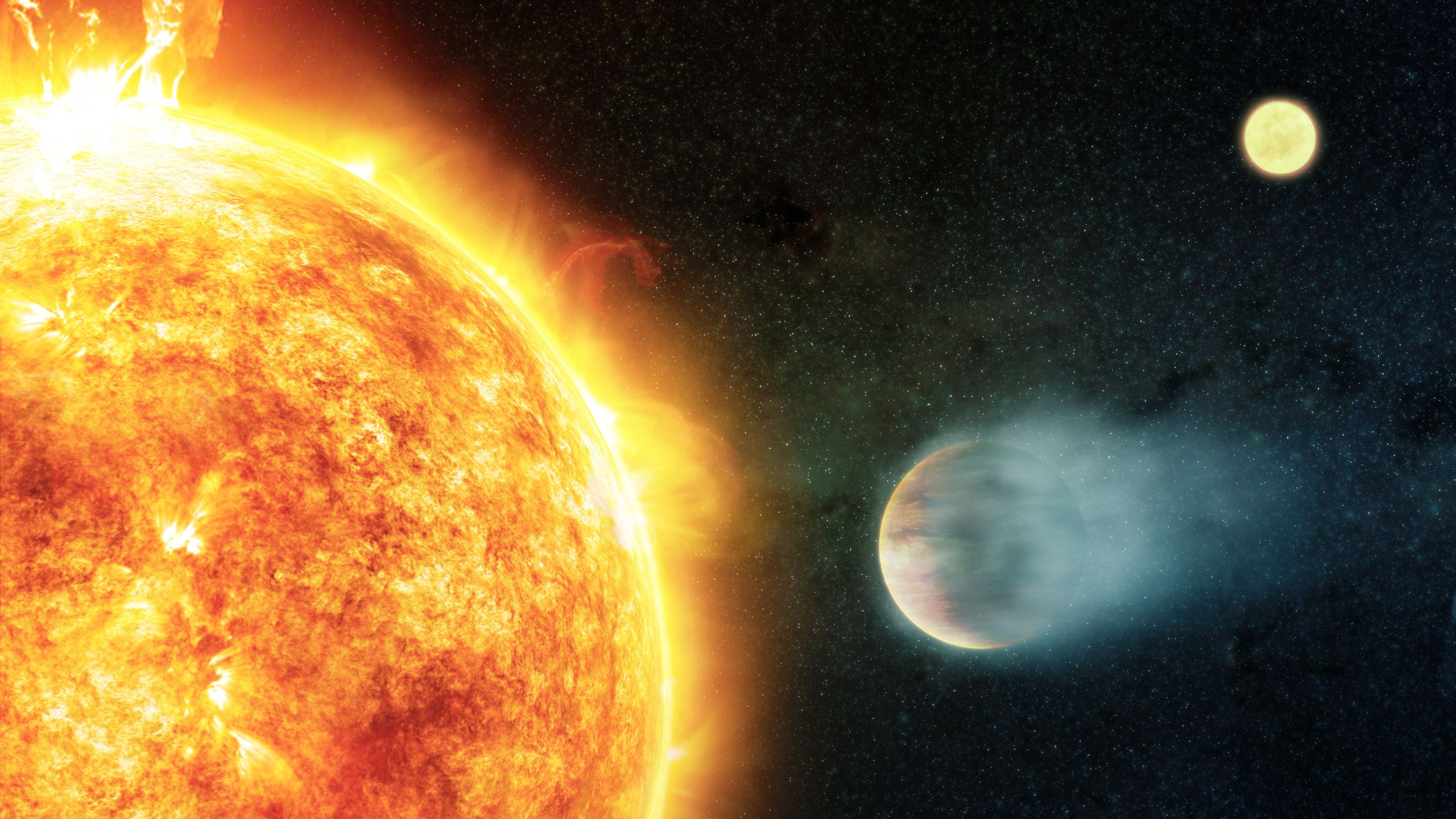
A team of astronomers with the CLEVER Planets project have developed a model that may explain the mystery of the "missing exoplanets."
Continue reading
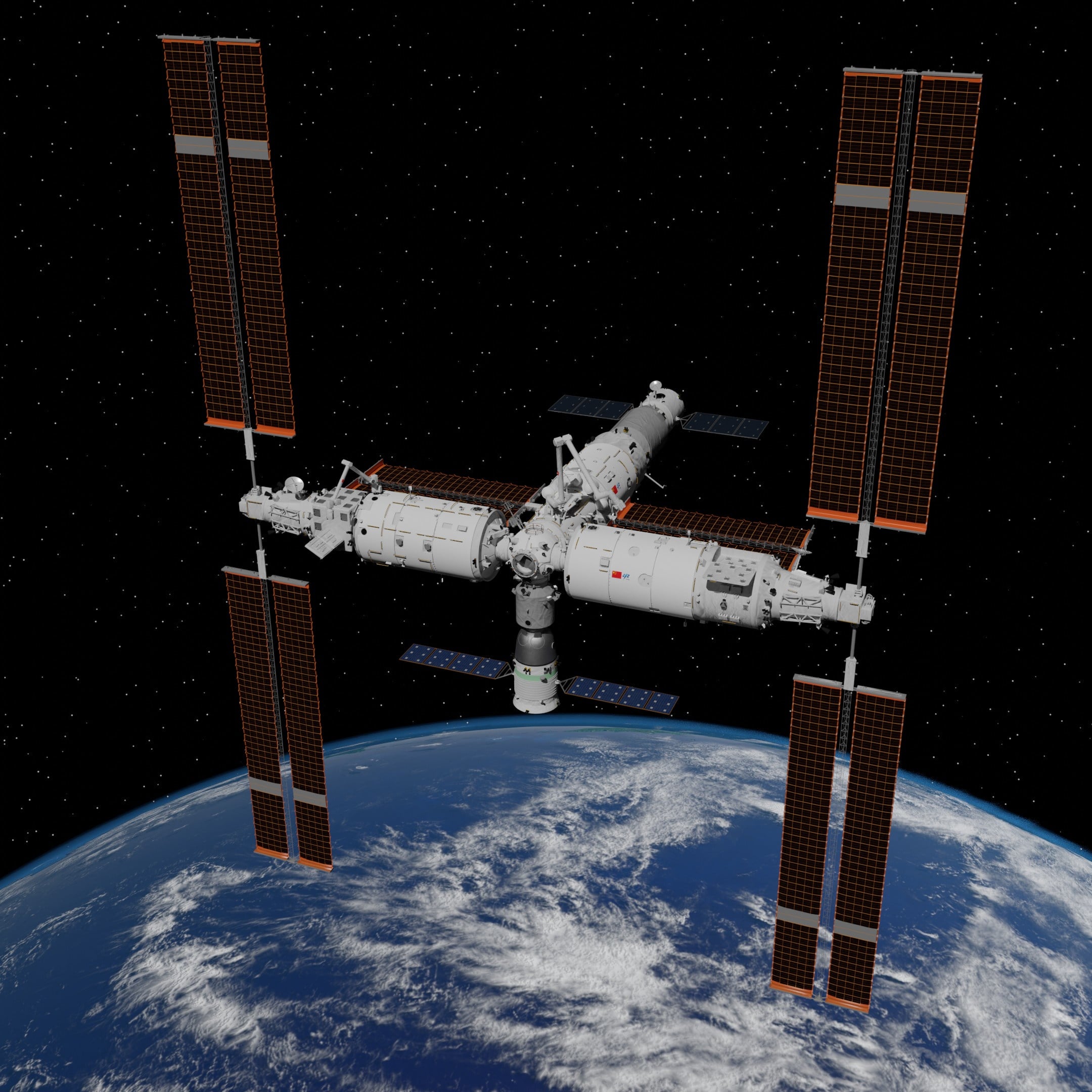
China's Tiangong space station just received its final module, the Mengtian laboratory, making it complete,
Continue reading
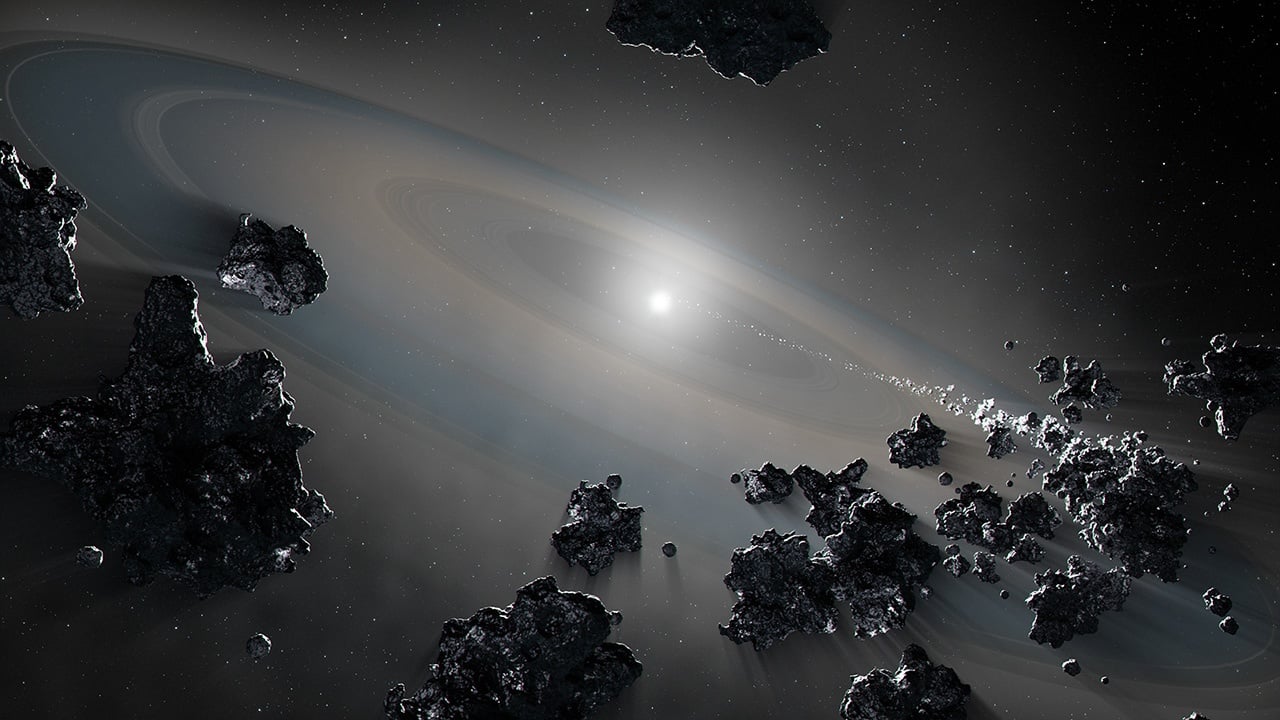
Astronomers find the remnants of ancient planetary systems, and a glimpse of our fate.
Continue reading
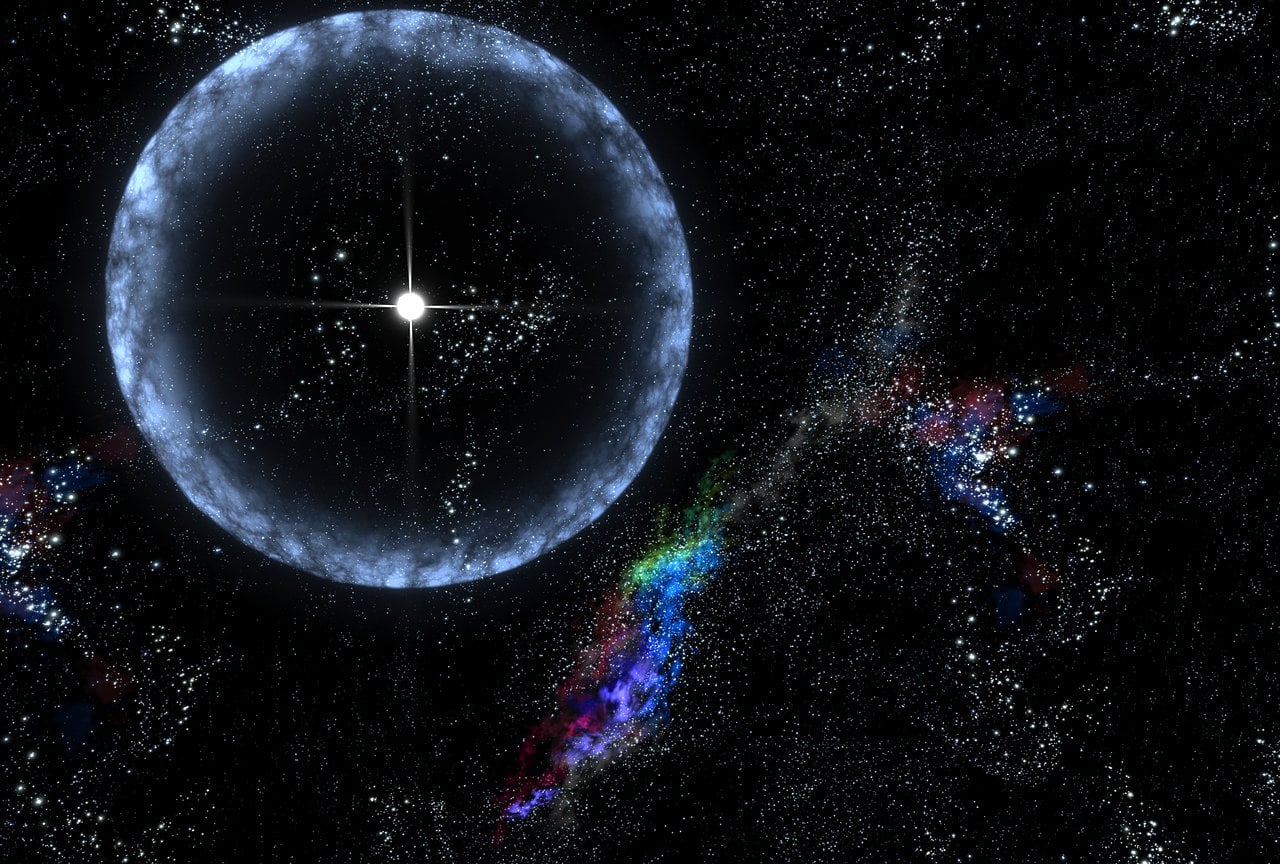
Using images from Hubble, an international team of astronomers created a video that shows the evolution of a supernova and the resulting light echo
Continue reading
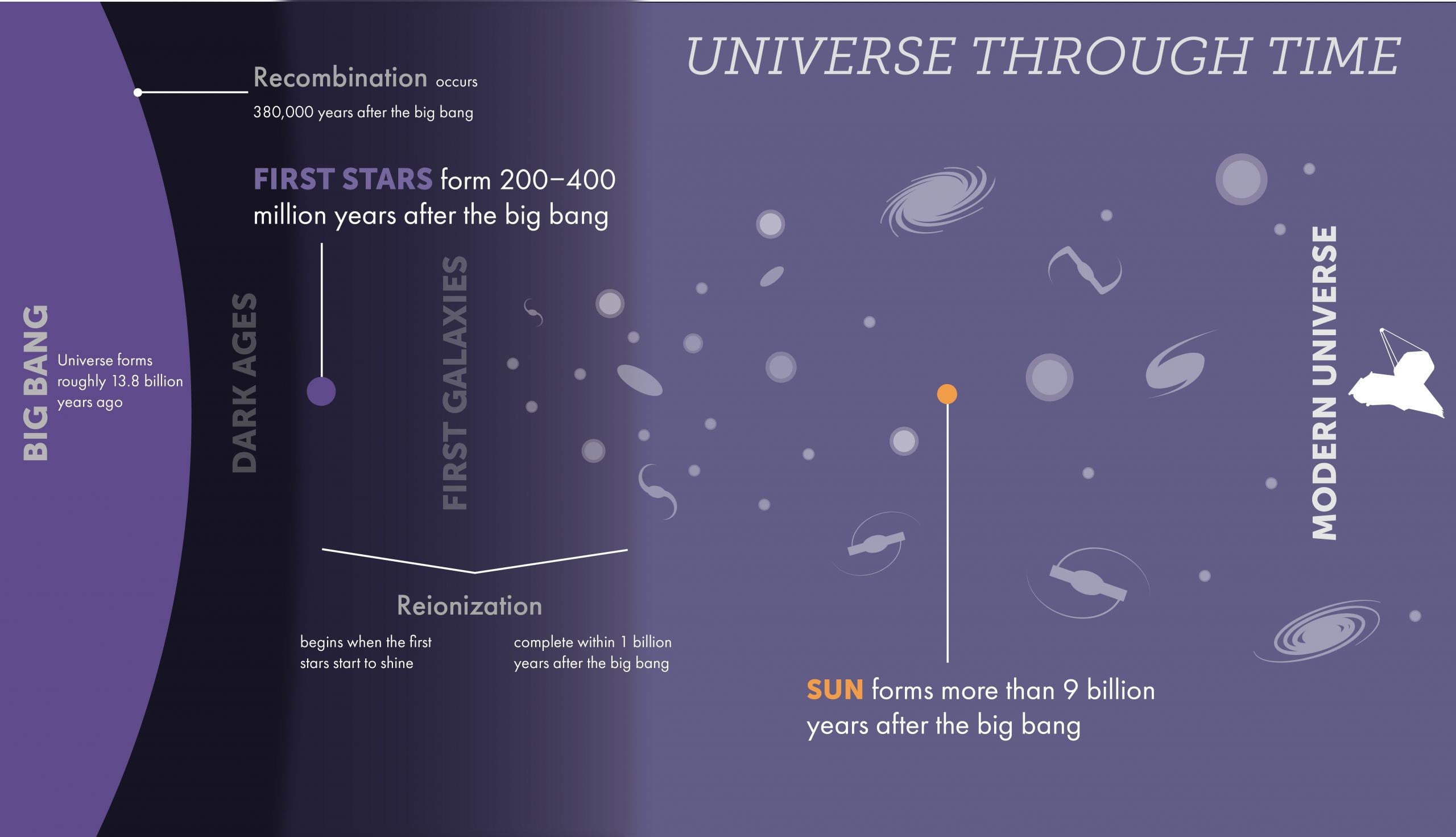
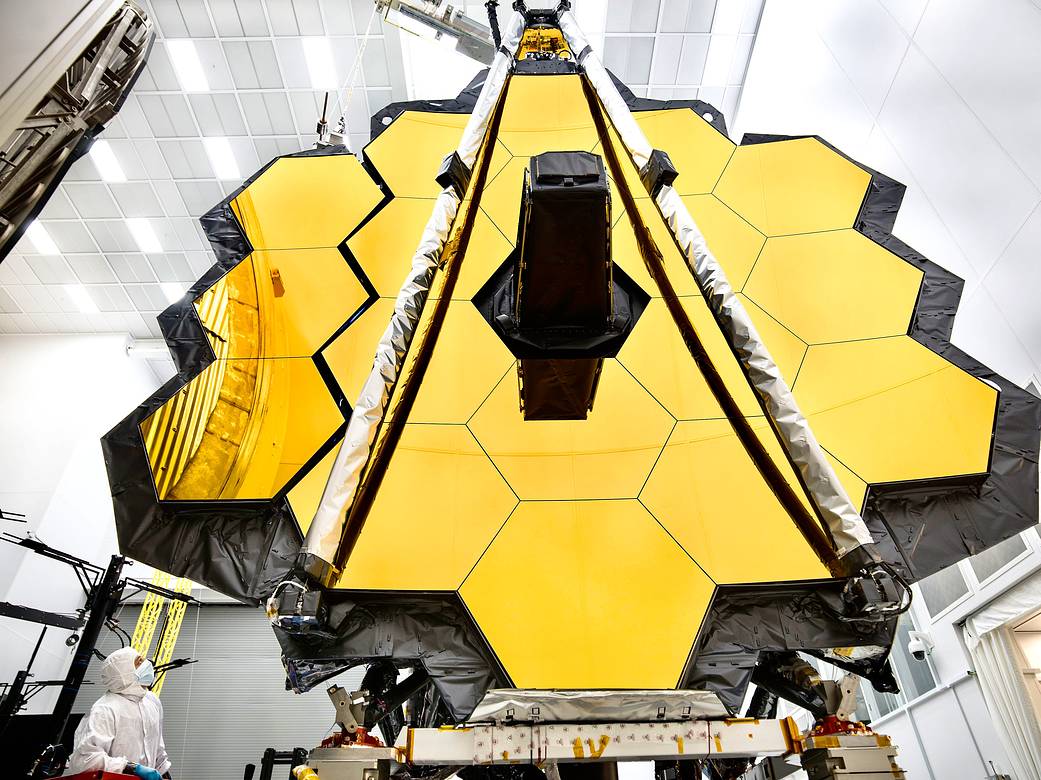
With a bit of luck, the Webb Space Telescope might be able to see a galaxy full of the first stars.
Continue reading
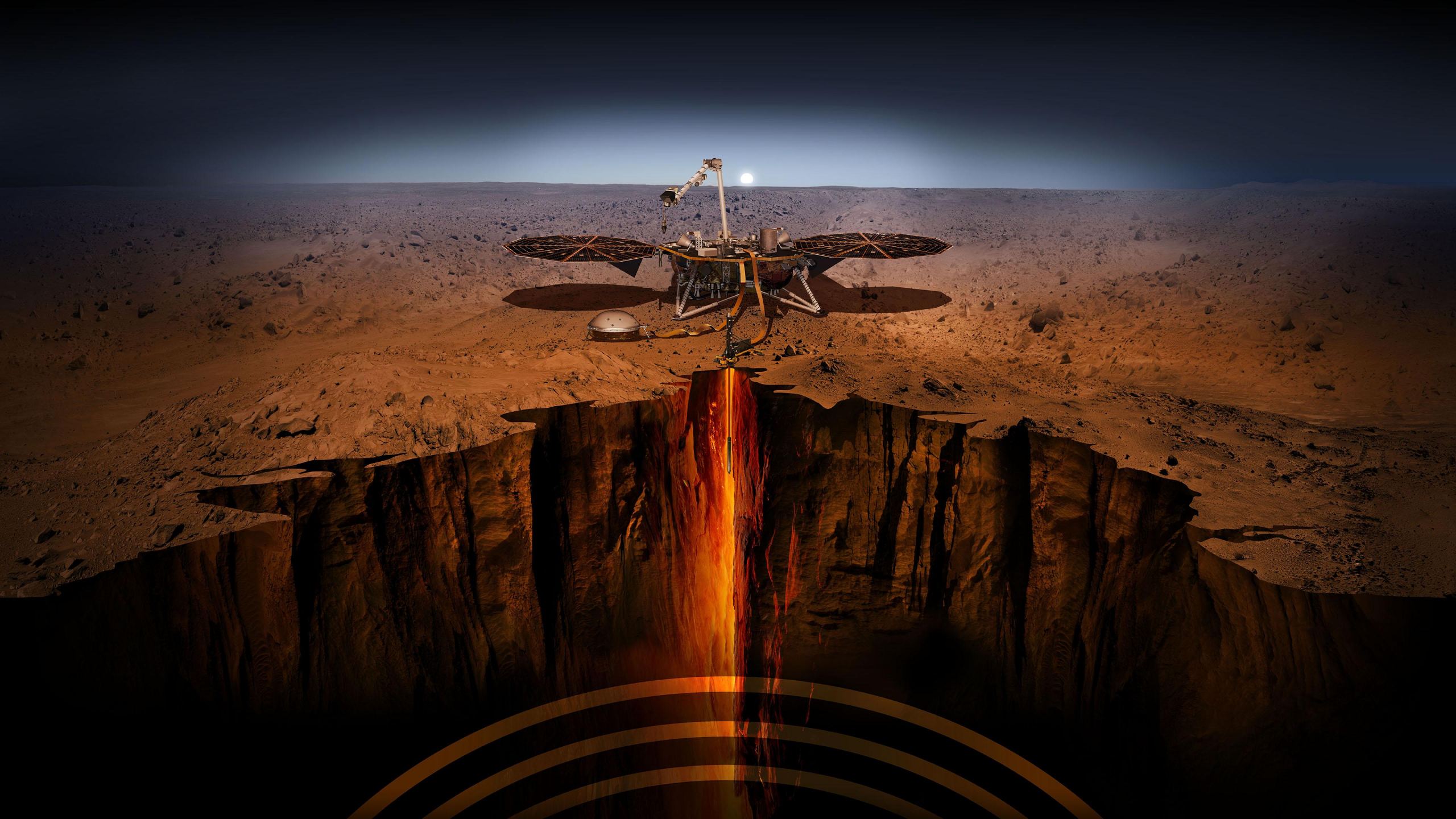
NASA's InSight lander has detected many marsquakes coming from the same region, which could mean that the Red Planet still experiences volcanic activity
Continue reading
 Universe Today