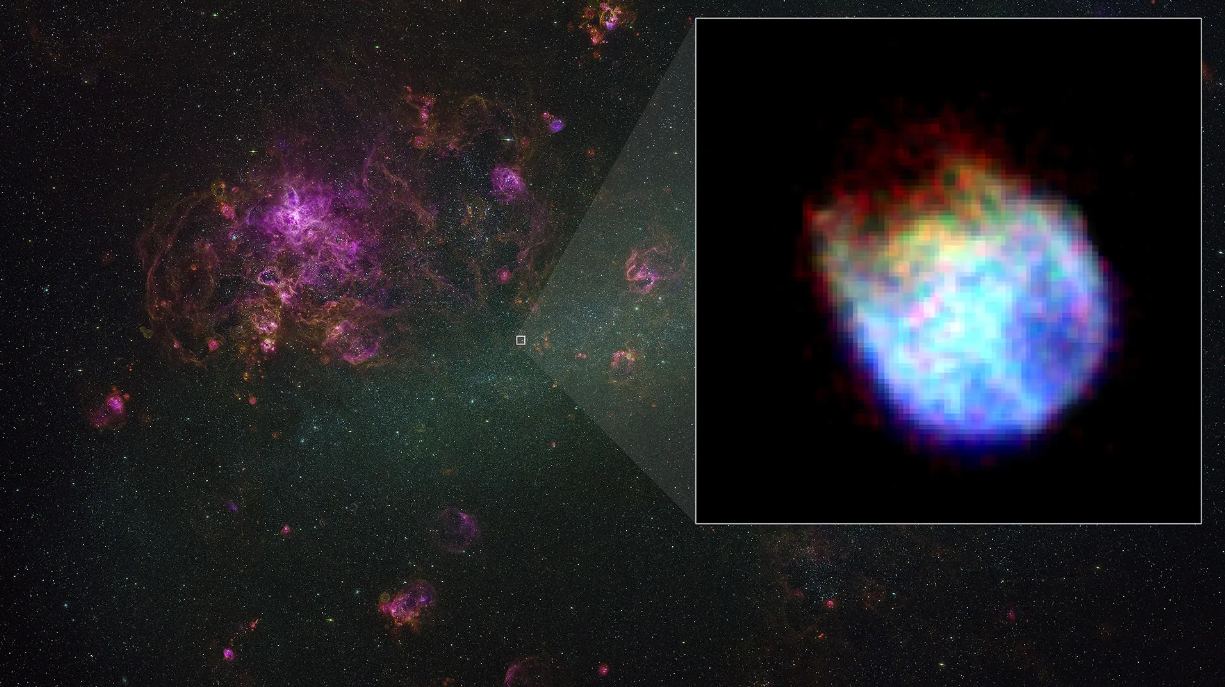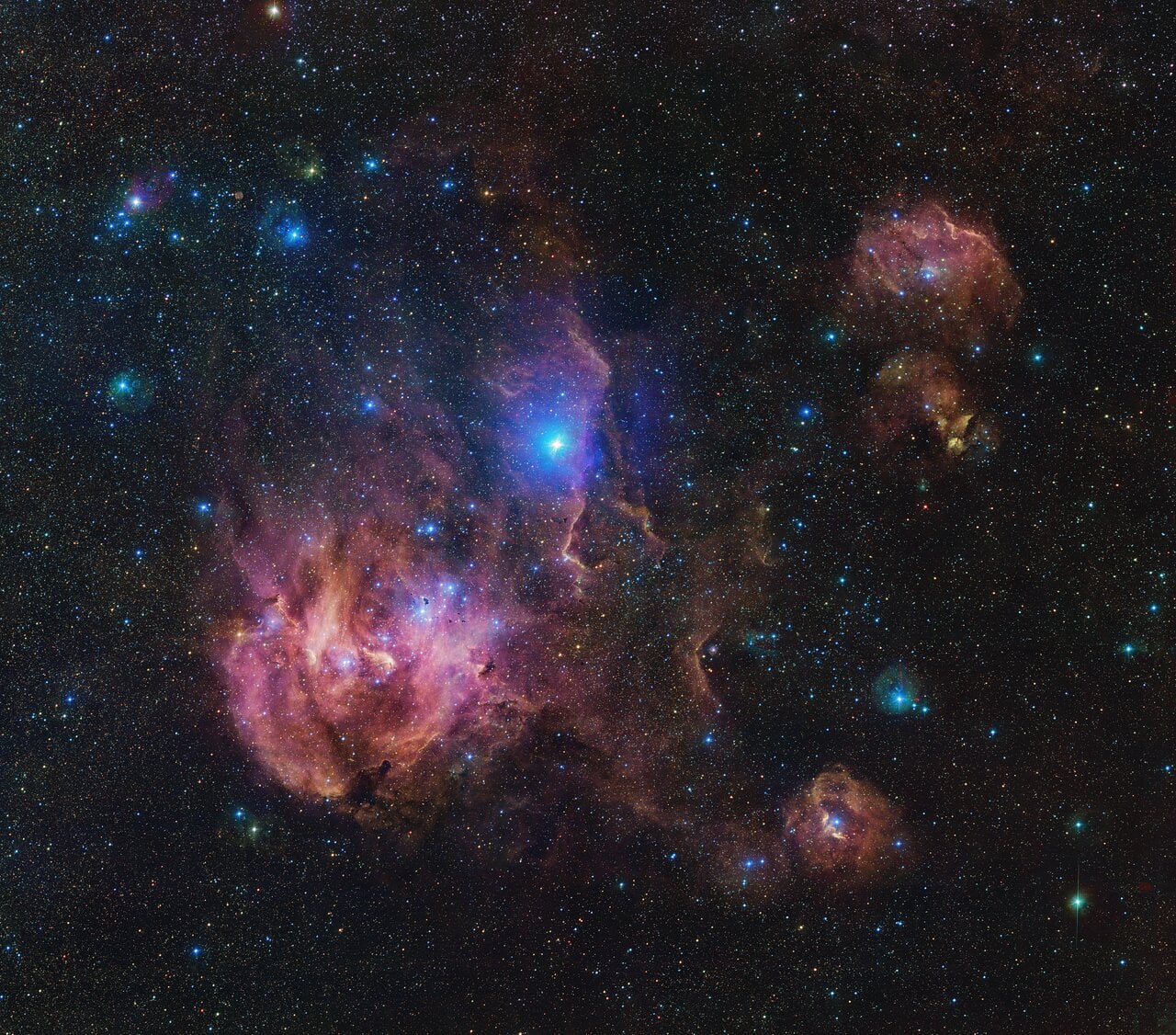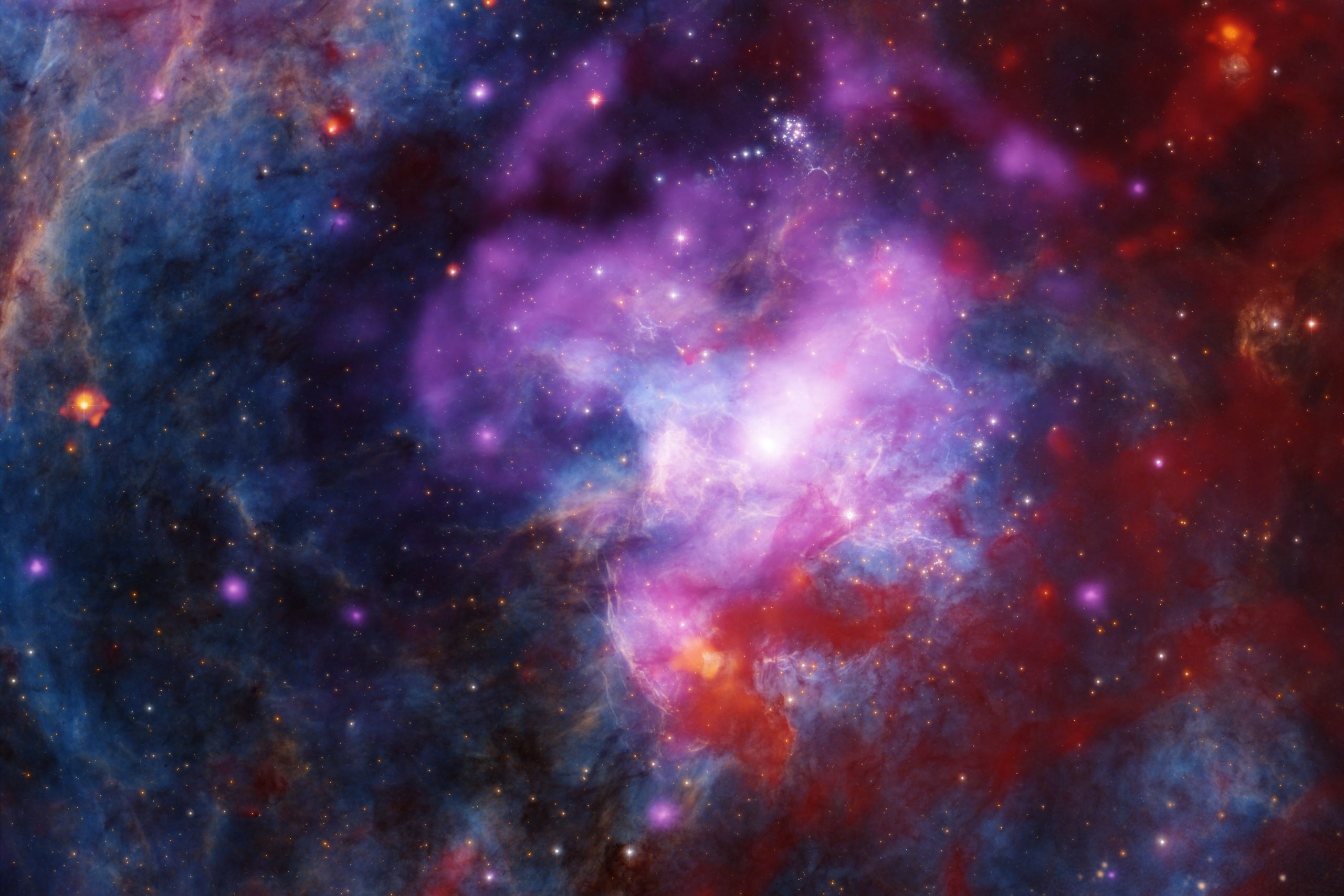
The 30 Dor B star-forming region is one of the most dramatic places in the Universe. It is located in the Large Magellanic Cloud, about 160,000 light-years from Earth, and is home to some of the most massive stars ever seen. It's been forming stars for the last 8-10 million years, the largest of which have detonated as supernovae, hurling material and seeding even more stars. A new image from Chandra has identified the remnants from at least two supernovae in the nebula.
Continue reading
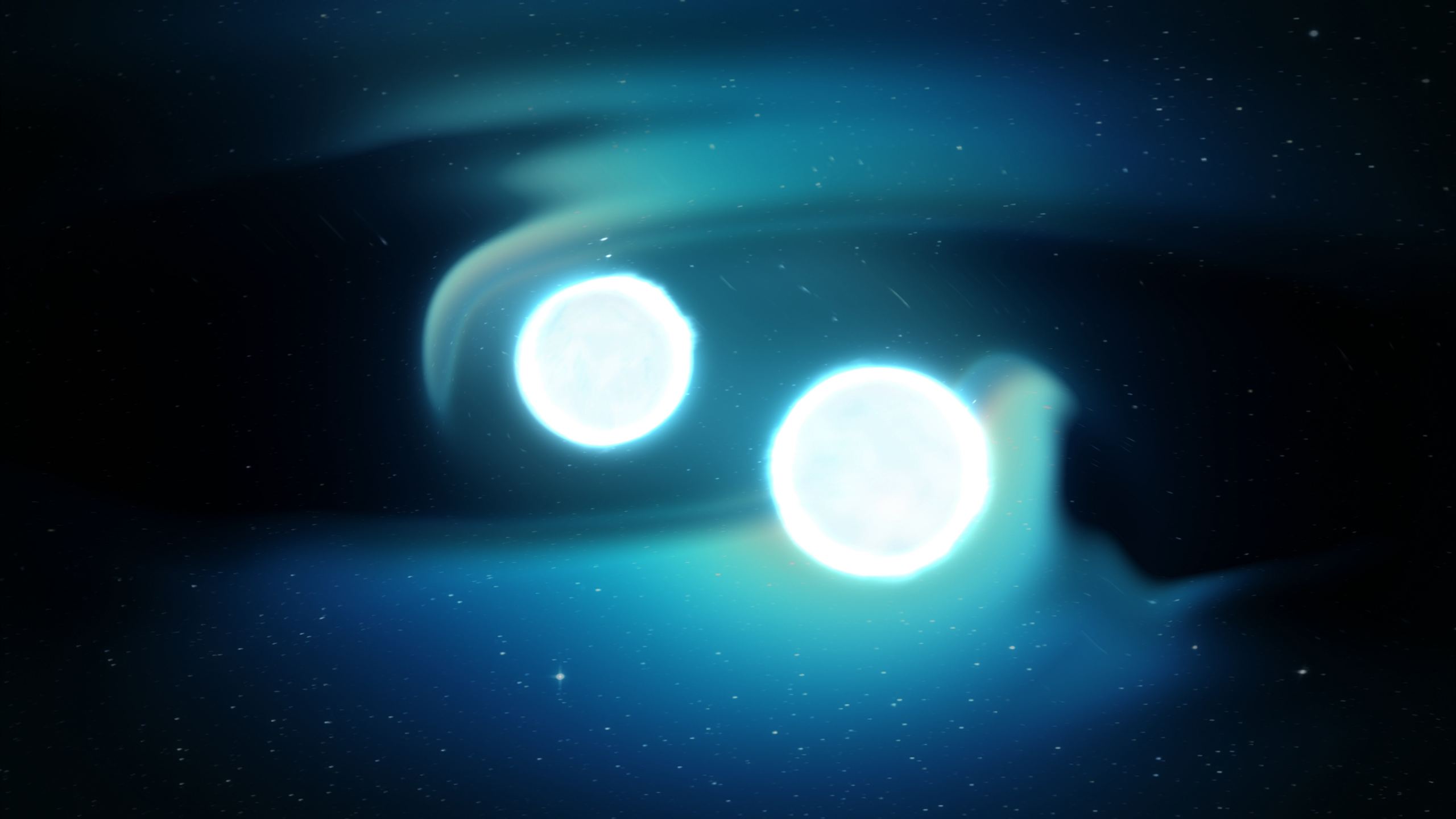
Neutron stars are the incredibly dense remnants from massive star supernovae. Although they're pulled into dense spheres by their intense gravity, it's believed that neutron stars could have slight deformations, known as "mountains," caused by crustal strains and interactions with magnetic fields. If the mountains are there, merging neutron stars should slightly distort the signal received by gravitational wave observatories.
Continue reading
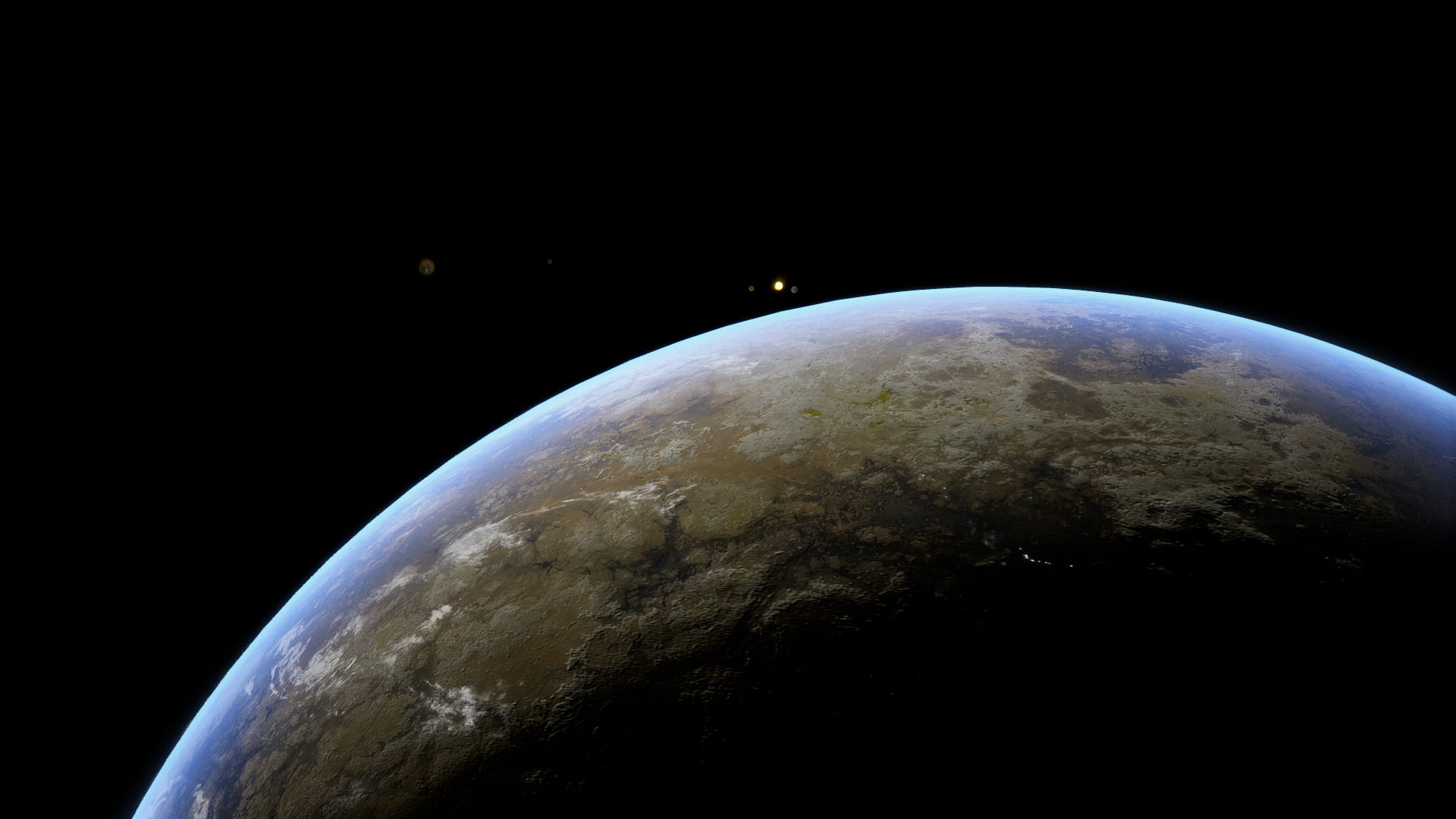
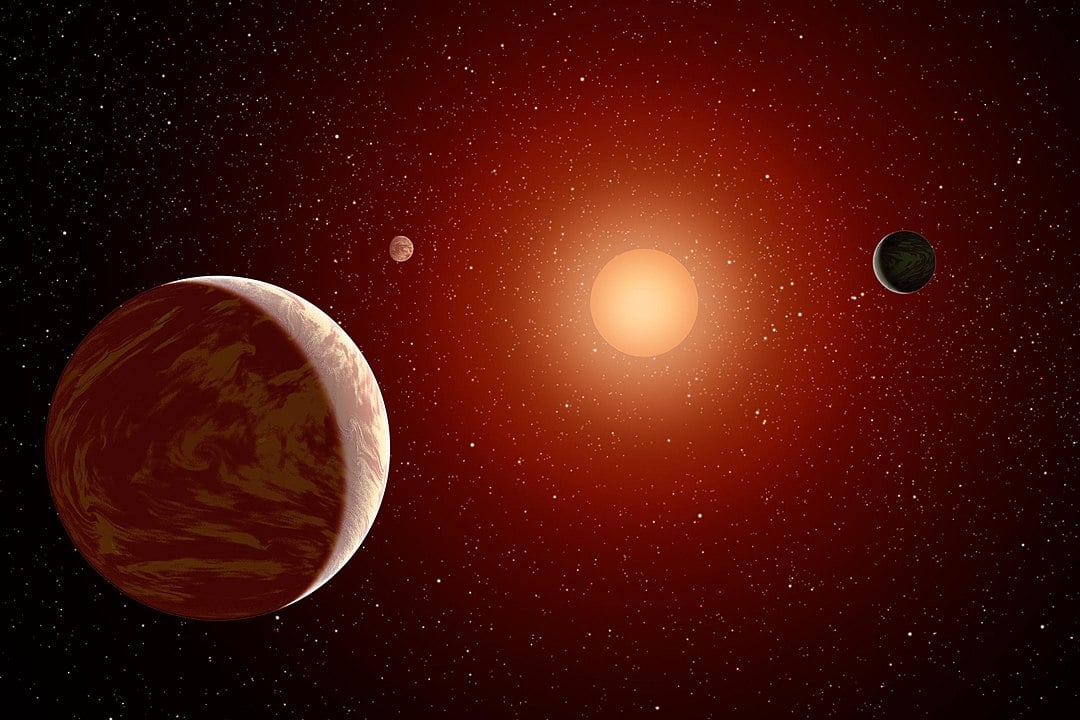
In the search for life, astrobiologists have proposed that various chemicals, like methane, could be potential biosignatures. But a new study suggests that missing chemicals might make an even stronger case there's life in the world. For example, if a terrestrial planet has much less carbon dioxide in its atmosphere than other planets in the same system, life could cause the difference. Fortunately, this is the kind of signal JWST could search for.
Continue reading
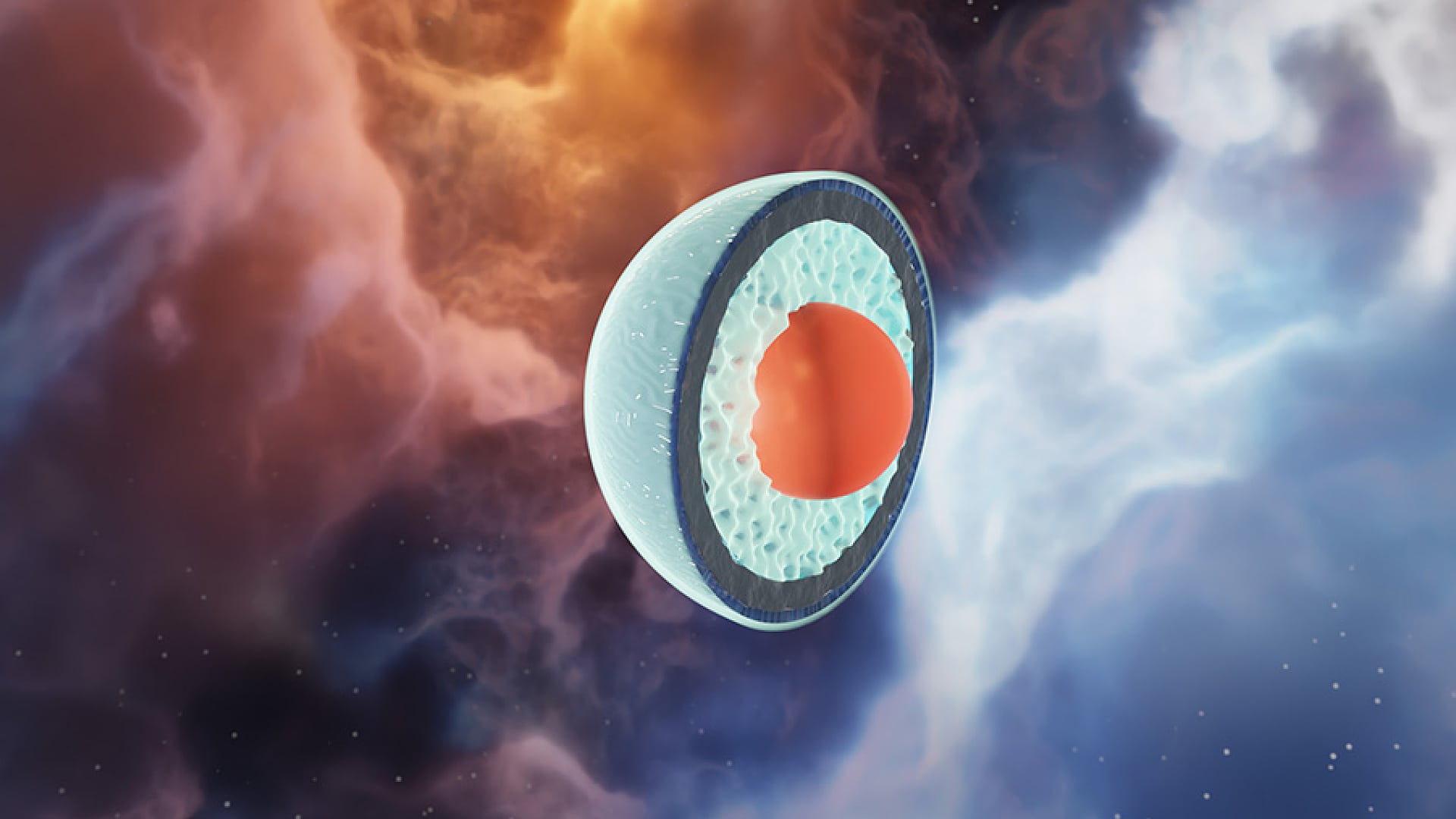
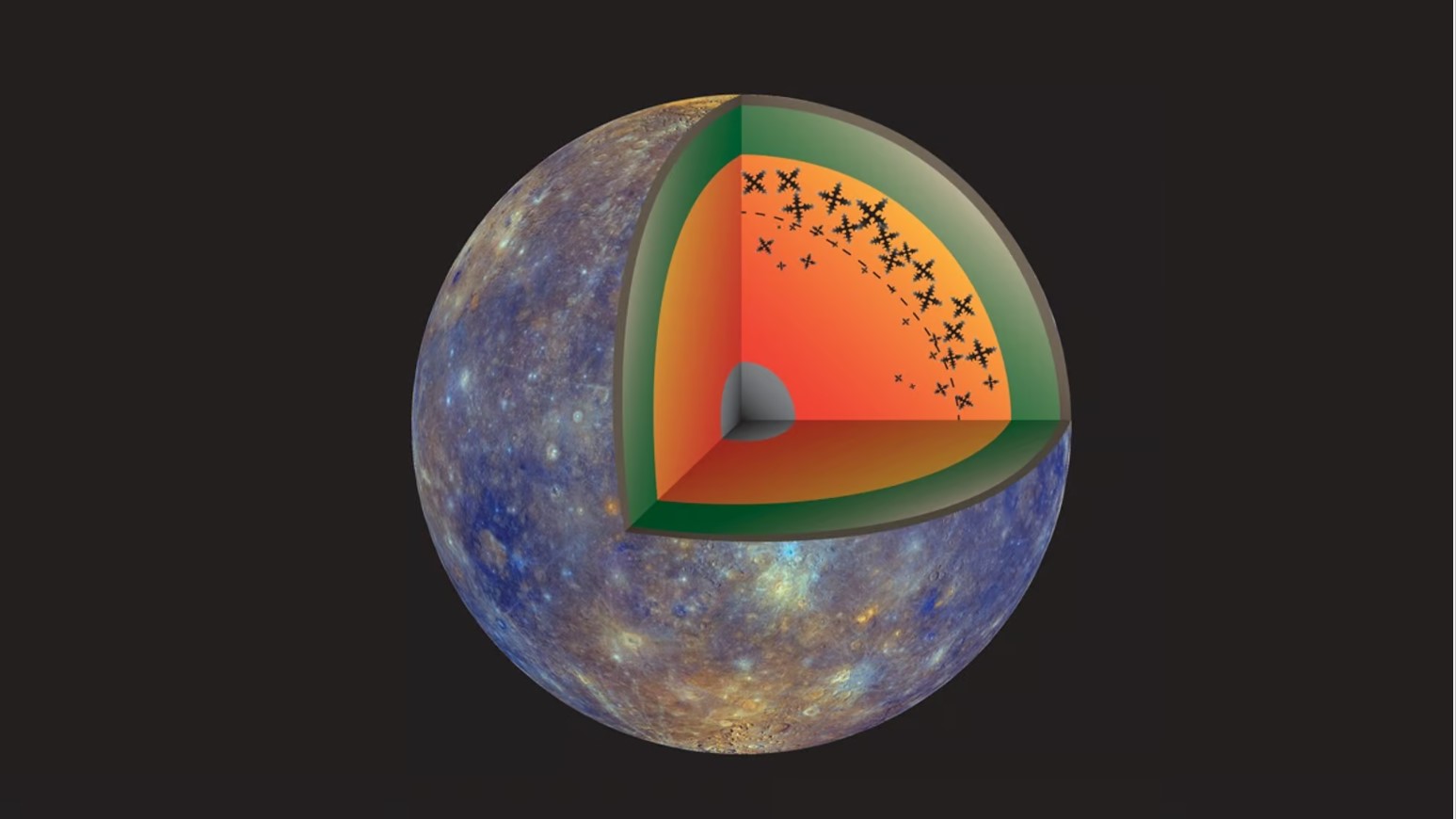
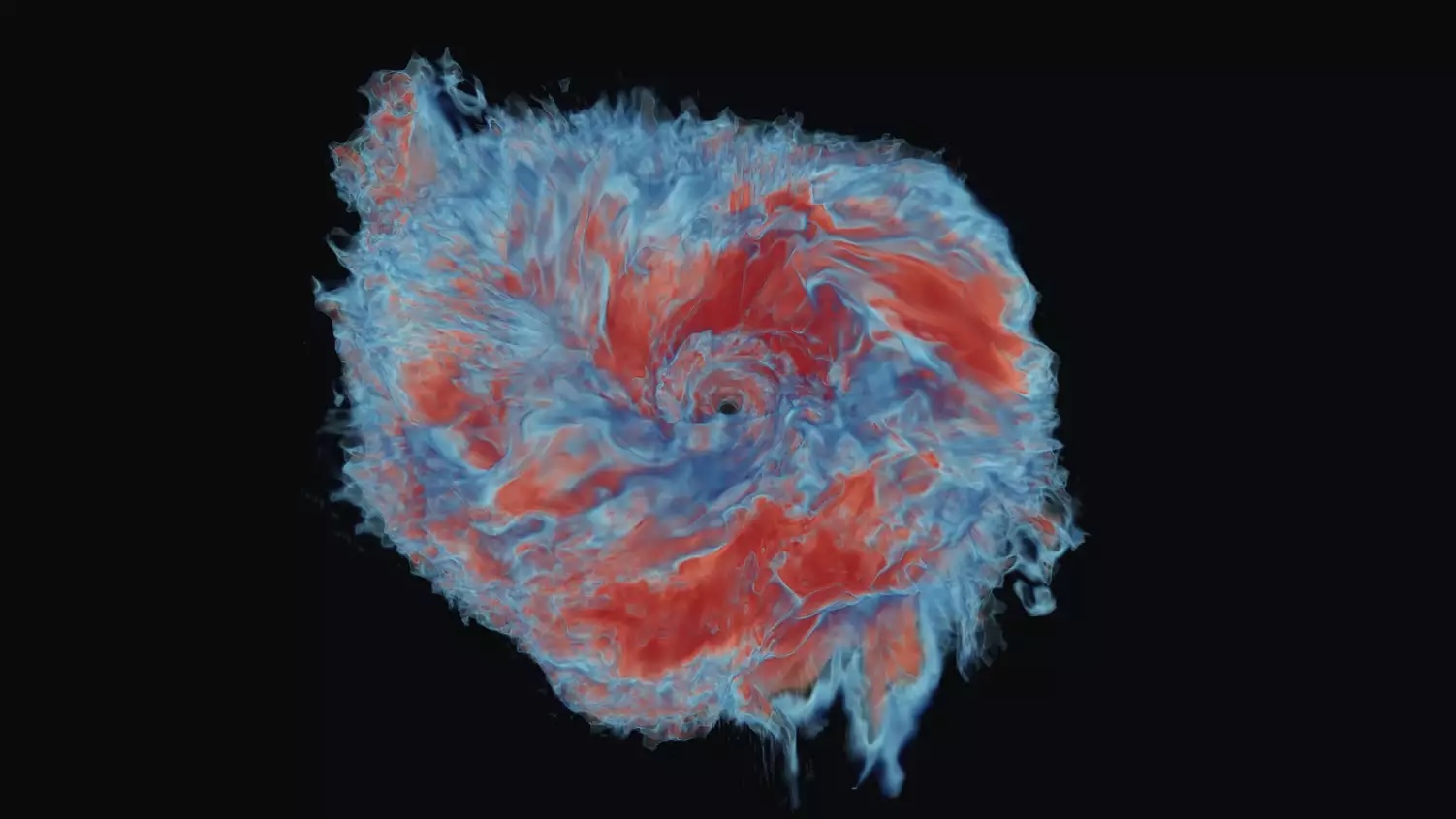
When a star with several times the mass of the Sun dies in a supernova explosion, it ends up as a neutron star, compressing its protons and electrons into neutrons. But neutron stars have layers, and the most massive ones there might have a core made of an even denser material called "deconfined quark matter." A new supercomputer simulation predicts that the most massive neutron stars almost certainly have these quark-matter cores.
Continue reading
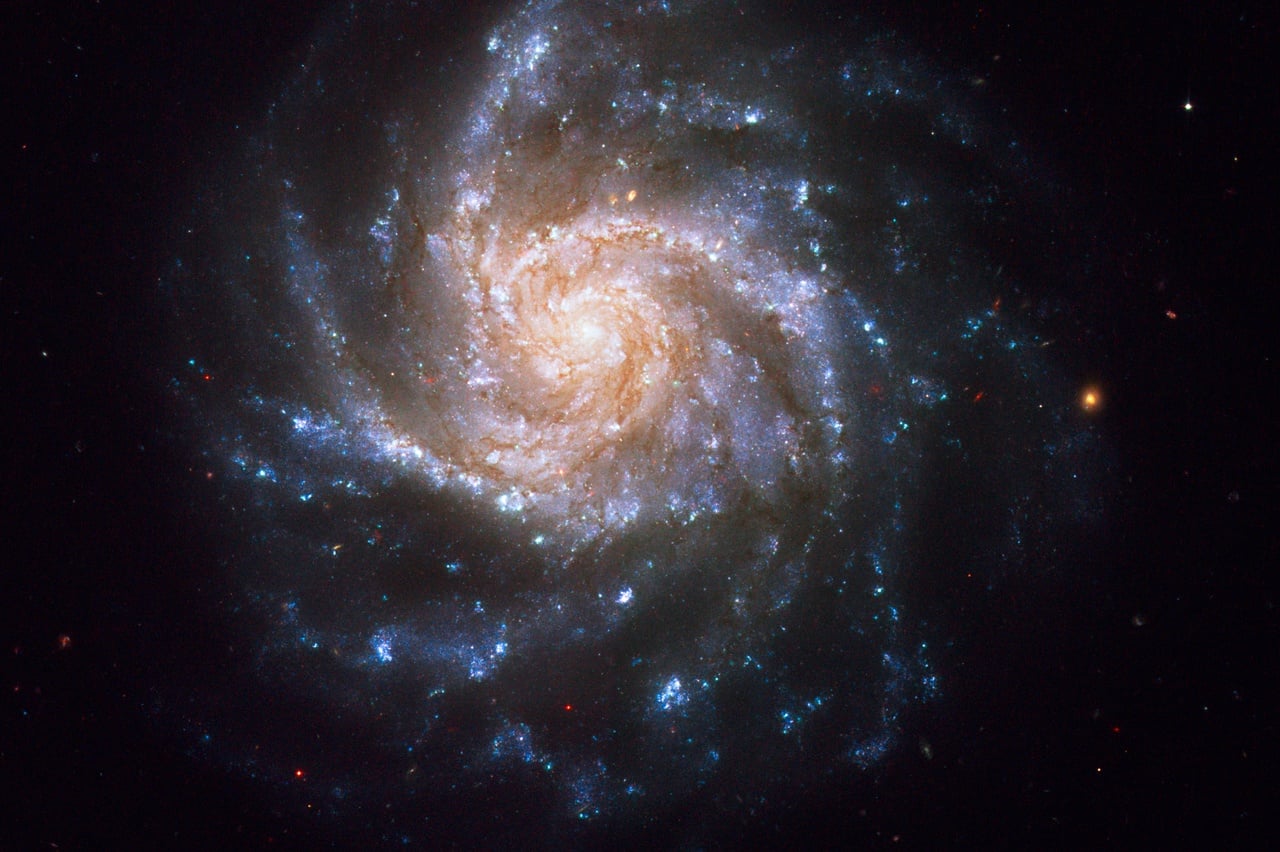
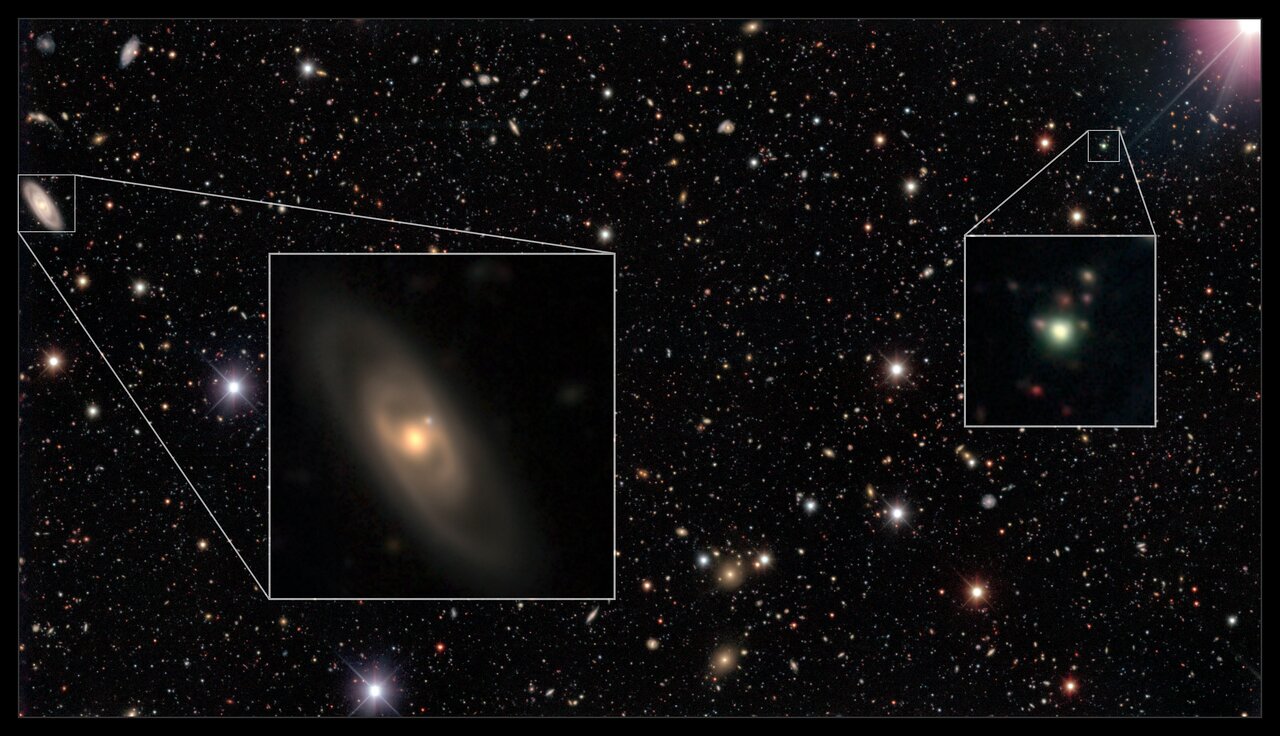
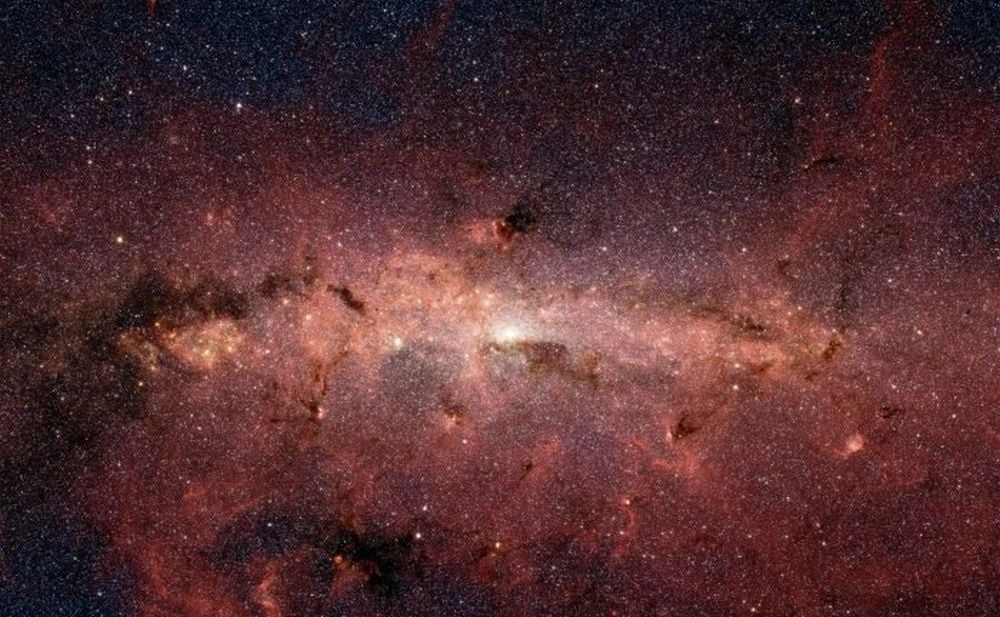
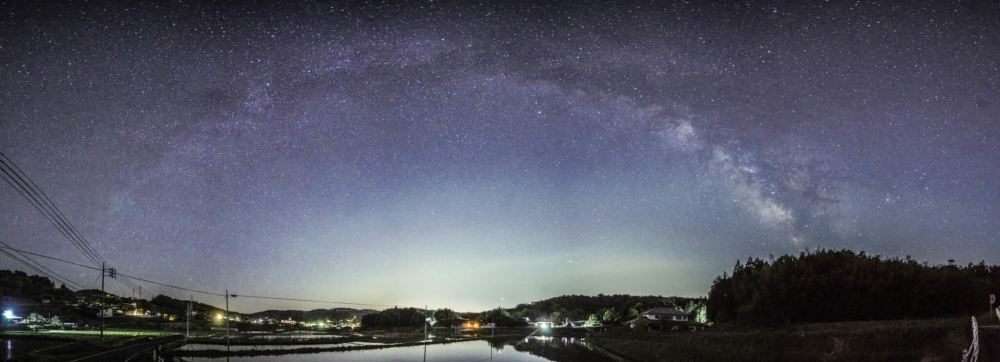
The Milky Way is a mature, grand spiral galaxy, and so are many galaxies around us. Astronomers have assumed that spiral galaxies are the result of many mergers between dwarf galaxies and shouldn't show up until later on in the Universe's evolution. New research using JWST has shown that's not true, with a surprising number of spiral galaxies in the first few billions years of the Universe's history. Spiral arms showed up much earlier than anyone expected.
Continue reading
 Universe Today