Continue reading
Dark stars are hypothetical objects that might have been present in the early Universe before the first stars and even modern supermassive black holes formed. A new study suggests that the upcoming Nancy Grace Roman Telescope could detect them when it comes online.
Continue reading
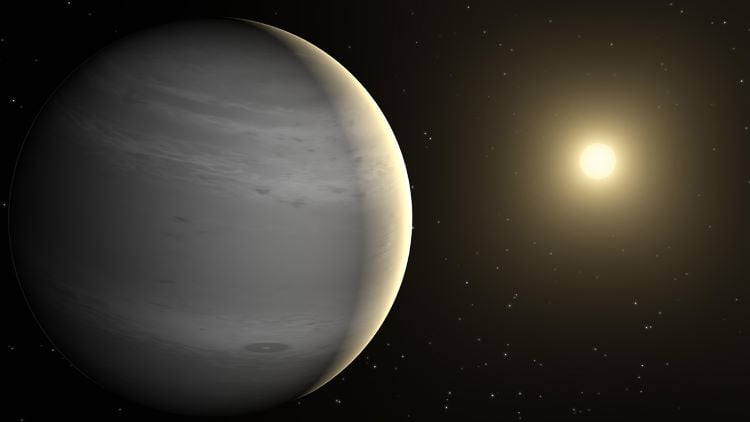
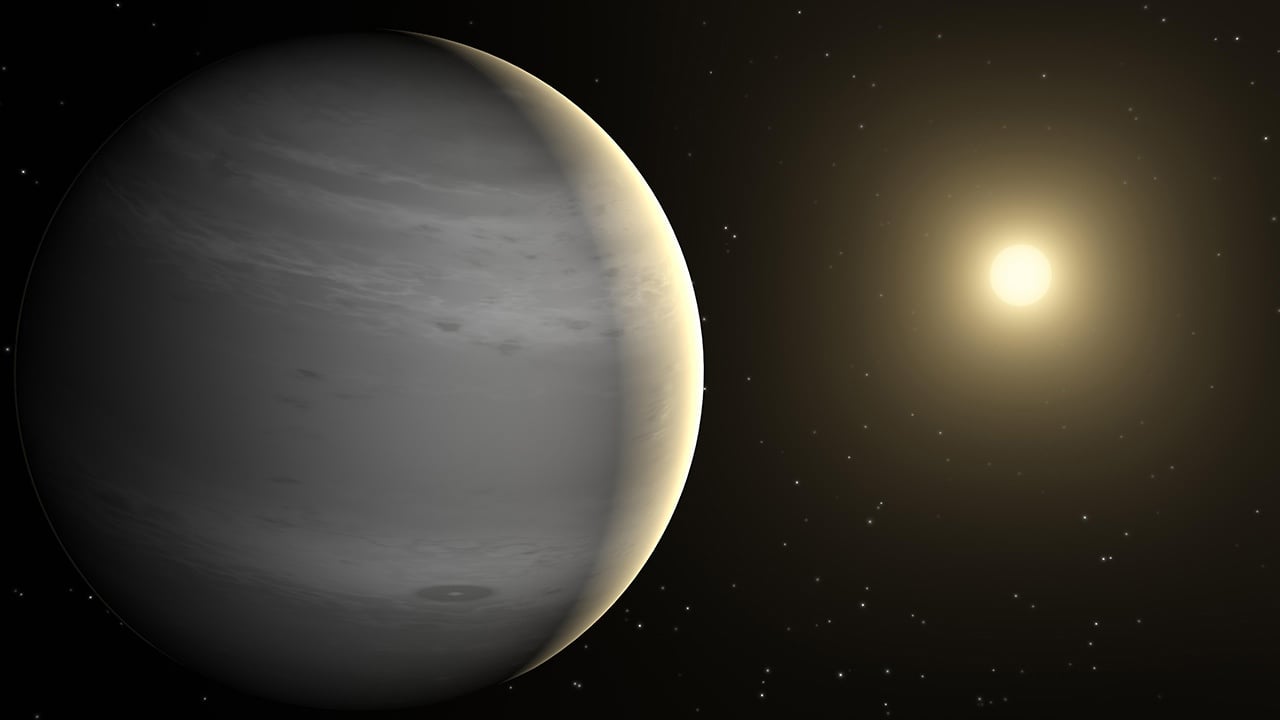
Astronomers have found a brown dwarf companion to a white dwarf star with a day-side temperature of around 8,000 kelvin and a night-side of 6,000 kelvin lower.
Continue reading
Continue reading
Through education, virtual tours, and outreach programs, Earthlings Hub is inspiring Ukrainians orphans and refugees to reach for the stars!
Continue reading
Continue reading
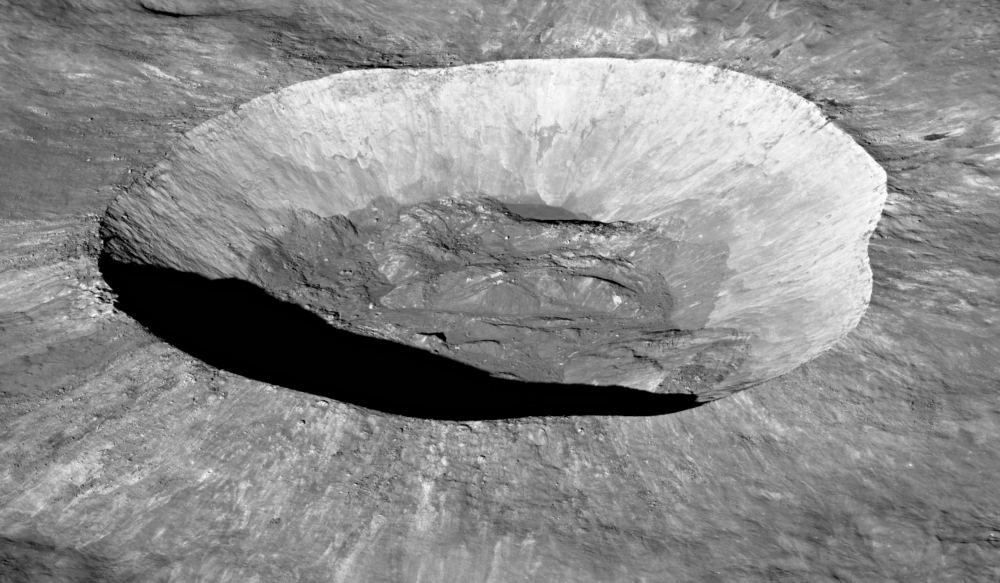
NASA's Parker Solar Probe happened to follow a trajectory that brought it close to a cloud of gas and dust that surrounds the Sun. The spacecraft gathered evidence that indicates the Geminids were formed by a sudden, powerful event, like a collision between asteroids.
Continue reading
Continue reading
Continue reading
Thanks to the JWST, galaxies that existed during the Cosmic Dawn have been observed for the first time!
Continue reading
Continue reading
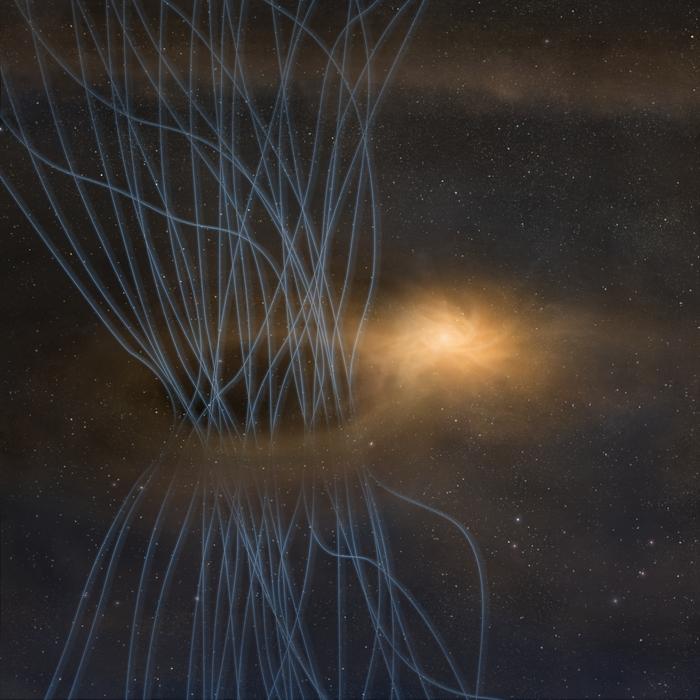
Astronomers have known something strange is happening at the star FU Ori for decades. The star brightened dramatically about 85 years ago, releasing a flare that's a trillion times brighter than anything the Sun can generate, and it hasn't dimmed back down the way everyone was expecting.
Continue reading
Continue reading
Continue reading
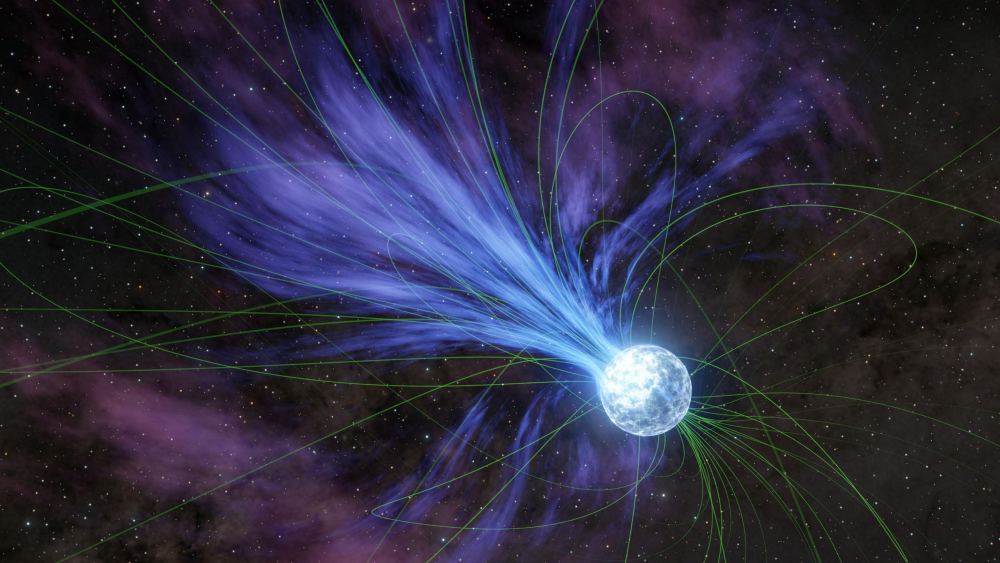
A new study suggests that pulsars could act as natural gravitational wave sensors, setting limits on supermassive black hole mergers or even detecting them.
Continue reading
Continue reading
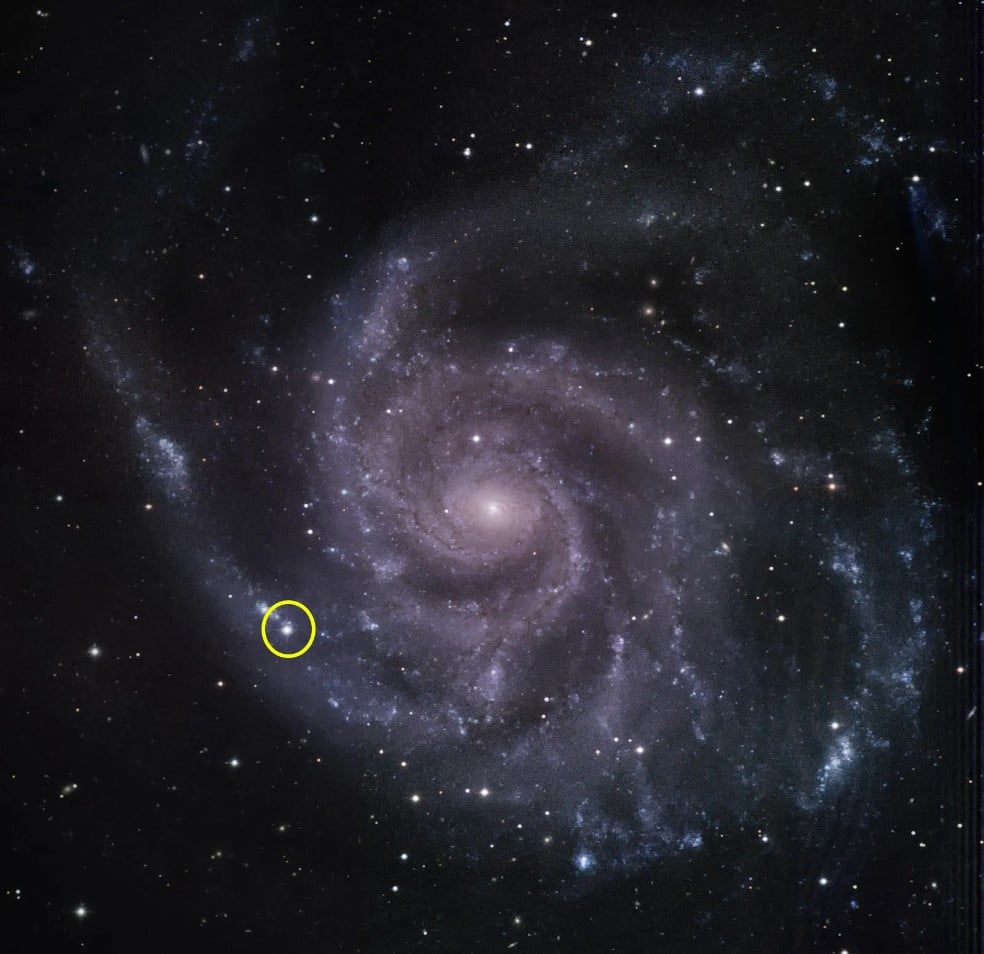
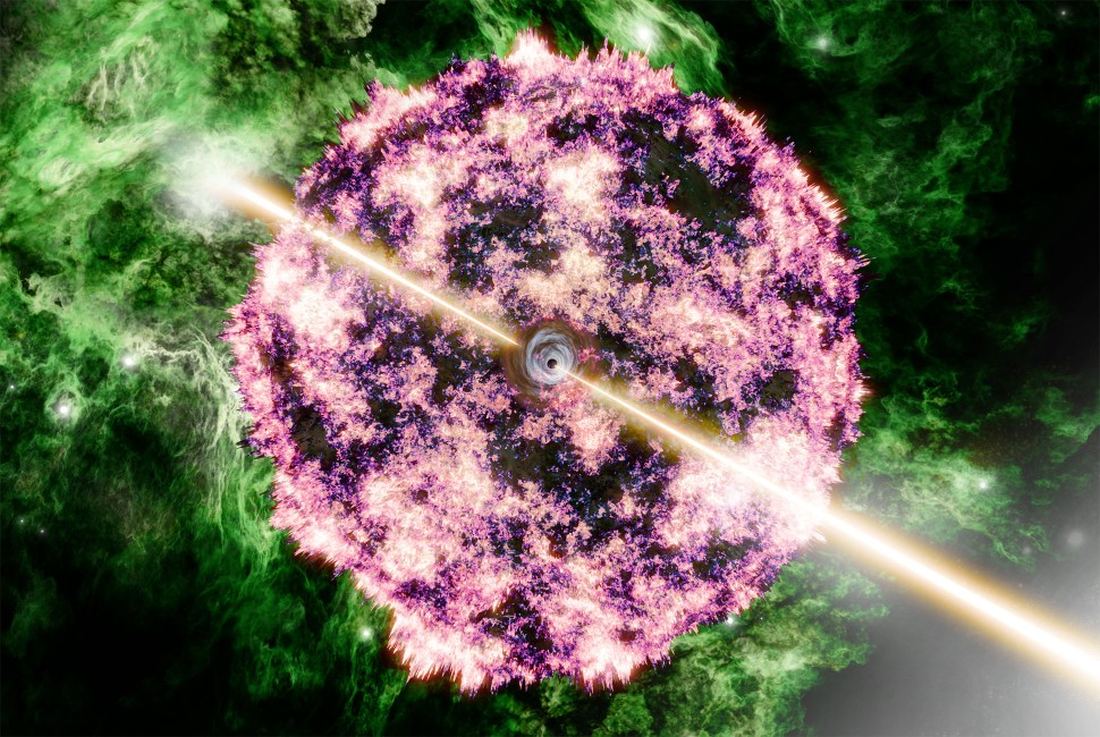
Thanks to a well-placed gravitational lens, a team of astronomers was able to observe a supernova four times!
Continue reading
Continue reading
Continue reading
According to a new study, JWST is powerful enough to detect the chemicals in the atmospheres of various terrestrial planets and could give a hint if there's life there.
Continue reading
Continue reading
Continue reading
Continue reading
The BlackHoleCam project, part of the Event Horizon Telescope consortium, will use the powerful EHT array to search for pulsars near Sagittarius A*
Continue reading
Continue reading
Continue reading
Continue reading
PLD Space could launch its suborbital Miura-1 rocket this month.
Continue reading
Continue reading
A new study has revealed that for 1 billions years, a day on Earth lasted for about 19 hours.
Continue reading
Continue reading
Continue reading
Continue reading
Continue reading
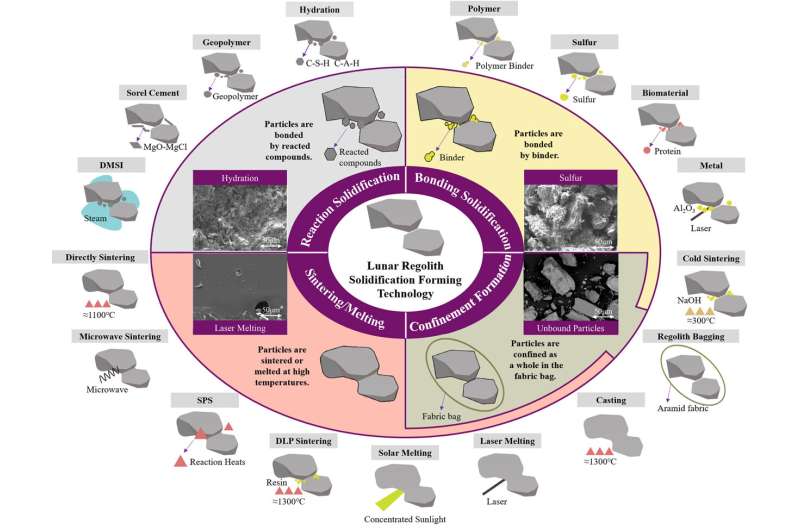
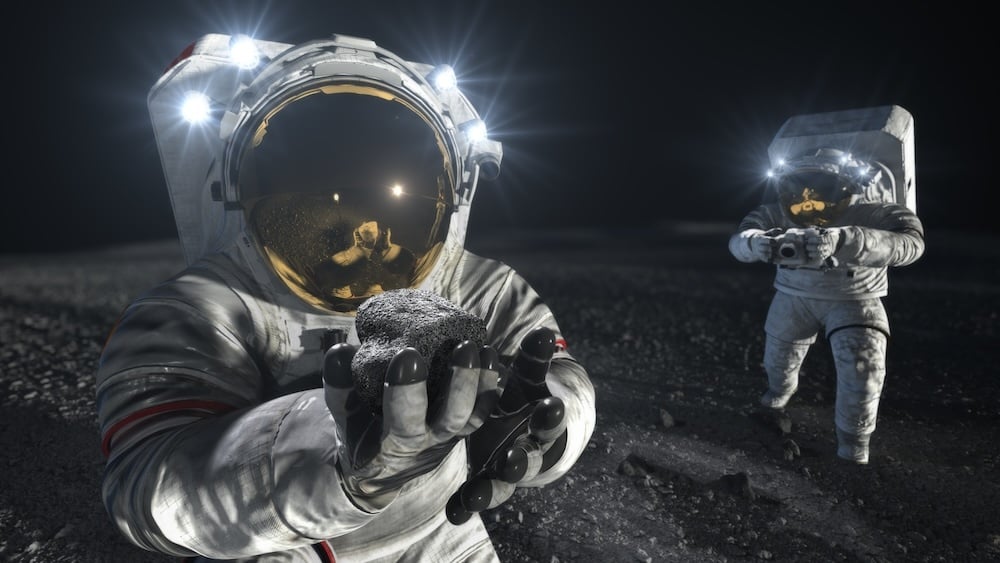
A NASA-supported study examines how lunar regolith could impact the Gateway and other aspects of NASA's Artemis Program.
Continue reading
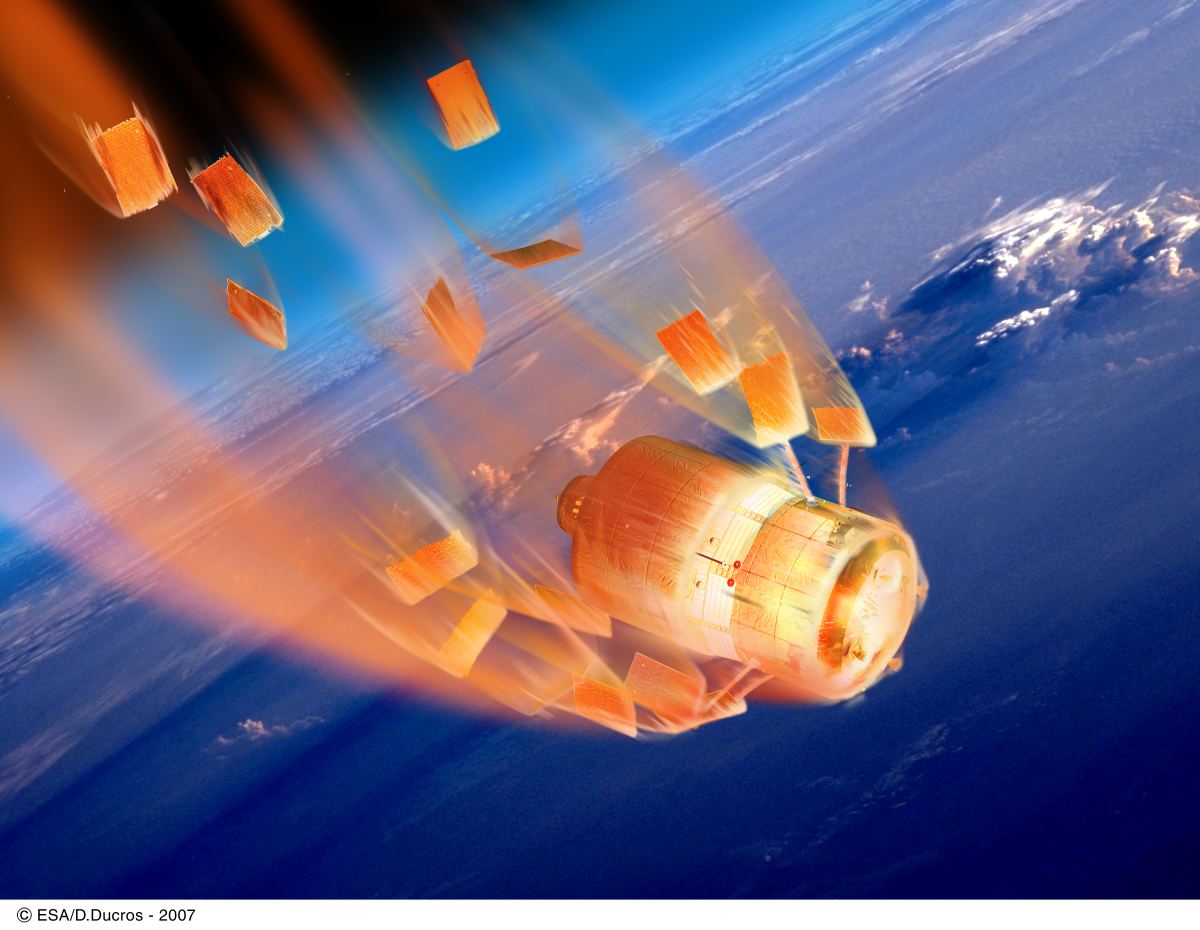
China has developed a new parachute system that they hope will help prevent uncontrolled reentries and crashes.
Continue reading
Continue reading
Continue reading
The United Launch Alliance took a major step with the first successful test firing of the Vulcan first stage.
Continue reading
Continue reading
Continue reading
Continue reading
Continue reading
Continue reading
Continue reading
Continue reading
Continue reading
New observations from JWST hint at pockets of new gas in the halo of more evolved galaxies, where these first-generation stars could still form.
Continue reading
In a recent study, a team led by the University of Warwick propose a new type of life support system that relies on artificial photosynthesis.
Continue reading
Continue reading