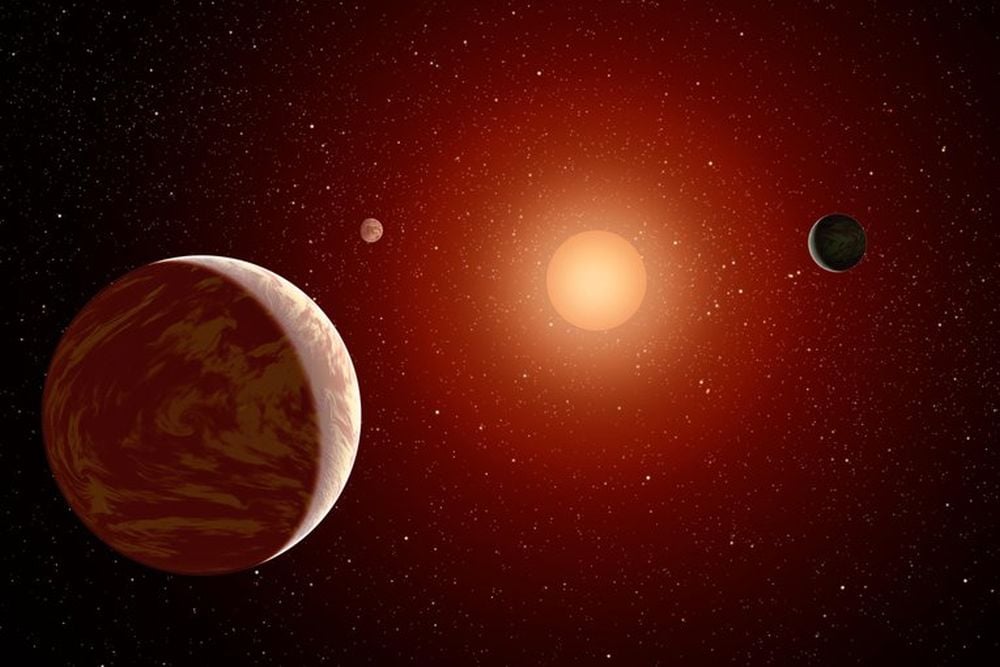
According to the latest studies led by Heidelberg University astronomers, low-mass stars quite often host Earth-like planets. Data collected as part of the CARMENES project were the basis of this finding. By analyzing the data, an international research team succeeded in identifying four new exoplanets and determining their properties.
Continue reading
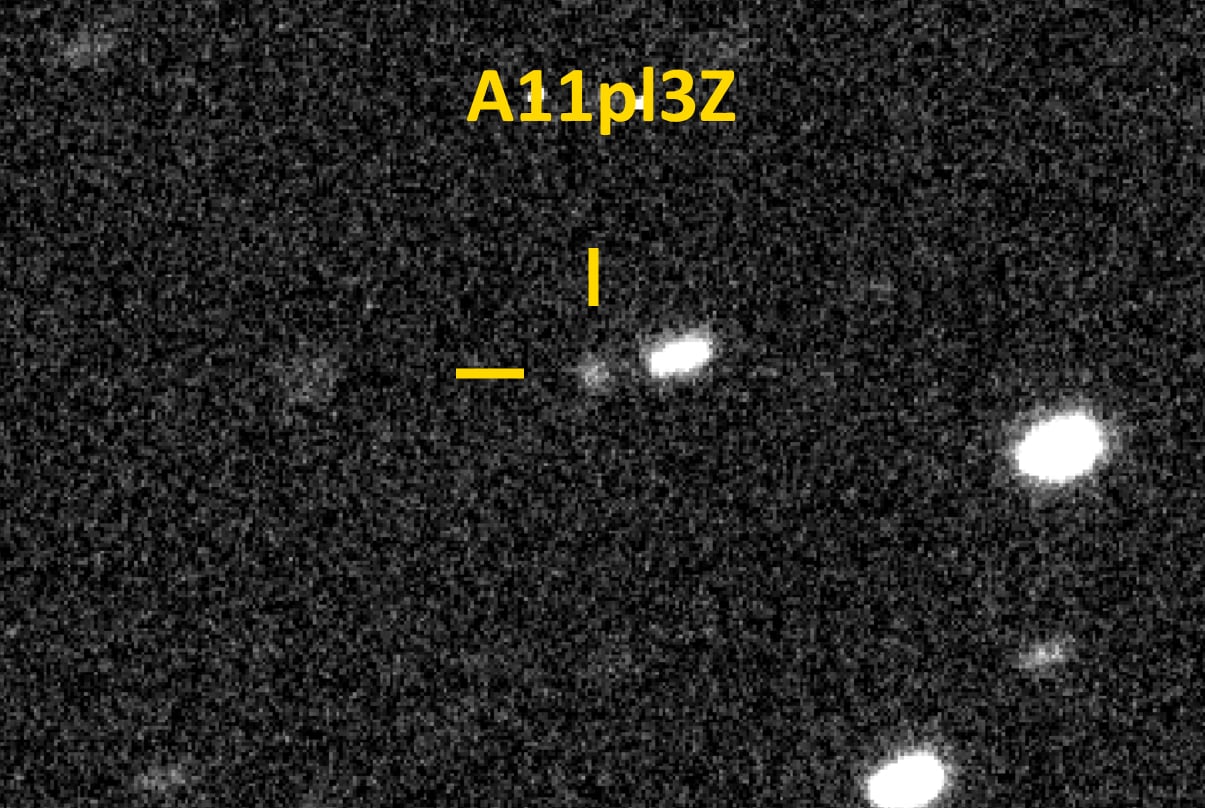
A newly discovered object may give astronomers an opportunity to study an interstellar visitor like never before. The object (A11pl3Z) is currently at +18th magnitude, moving slowly along the border of the constellations Serpens Cauda and Sagittarius, right near the galactic plane. The object was captured on July 2nd by the Deep Random Survey remote telescope in Chile. The Asteroid Terrestrial-impact Last Alert System (ATLAS) based in Rio Hurtado made the discovery on July 1st. Sam Deen soon backed this up with pre-discovery images from worldwide ATLAS sites in Chile, Hawaii and South Africa from June 25-29.
Continue reading

A pair of Japanese weather satellites took a break from monitoring Earth weather to sneak a peek at Planet Venus. Despite the fact that it's relatively tiny, and millions of kilometers away, they were able to detect changes in Venus' cloud-top temperatures and see patterns and structure in its upper atmosphere. There are long-term trends on Venus that these long-lasting satellites will be able to study, beyond the timeframe of a shorter mission.
Continue reading

For folks in the United States, July evenings mean 4th of July fireworks. While you’re waiting for the show, be sure to watch for the most elusive of the planets as twilight falls, as Mercury shines at its very best for 2025. If you’ve never seen the innermost world before, now is a good time to try. This is because Mercury reaches greatest elongation, or its greatest point from the Sun as seen from our Earthly vantage point later this week.
Continue reading
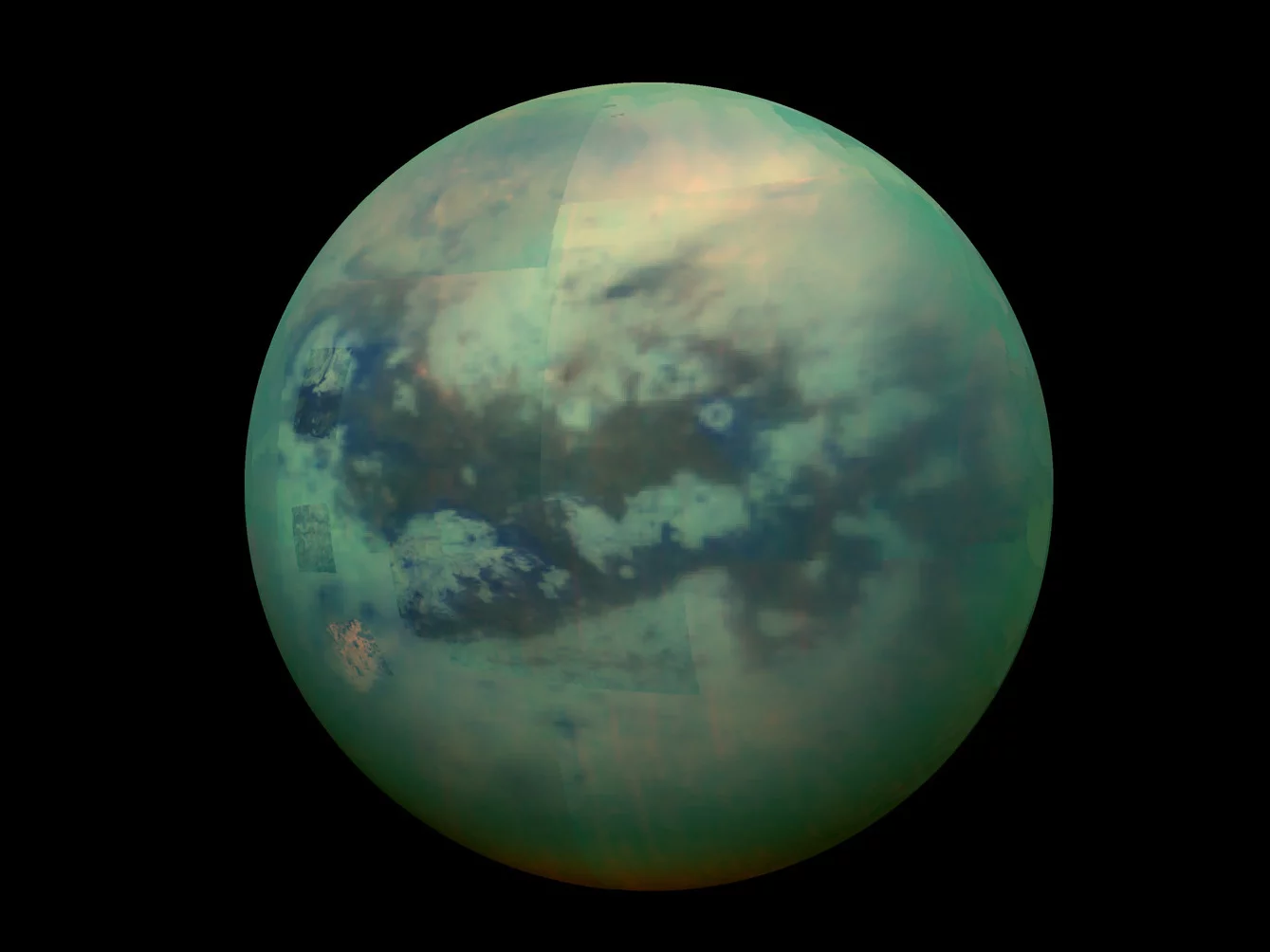
While we know of thousands of exoplanets, the science of studying their atmospheres is still in its early days. When astronomers analyze atmospheres, they have to decide which molecules to include in their models, which can bias the results. A new paper proposes that Cassini data on Titan could provide the perfect benchmark, helping to distinguish between different hydrocarbons detected in the atmosphere of an exoplanet.
Continue reading
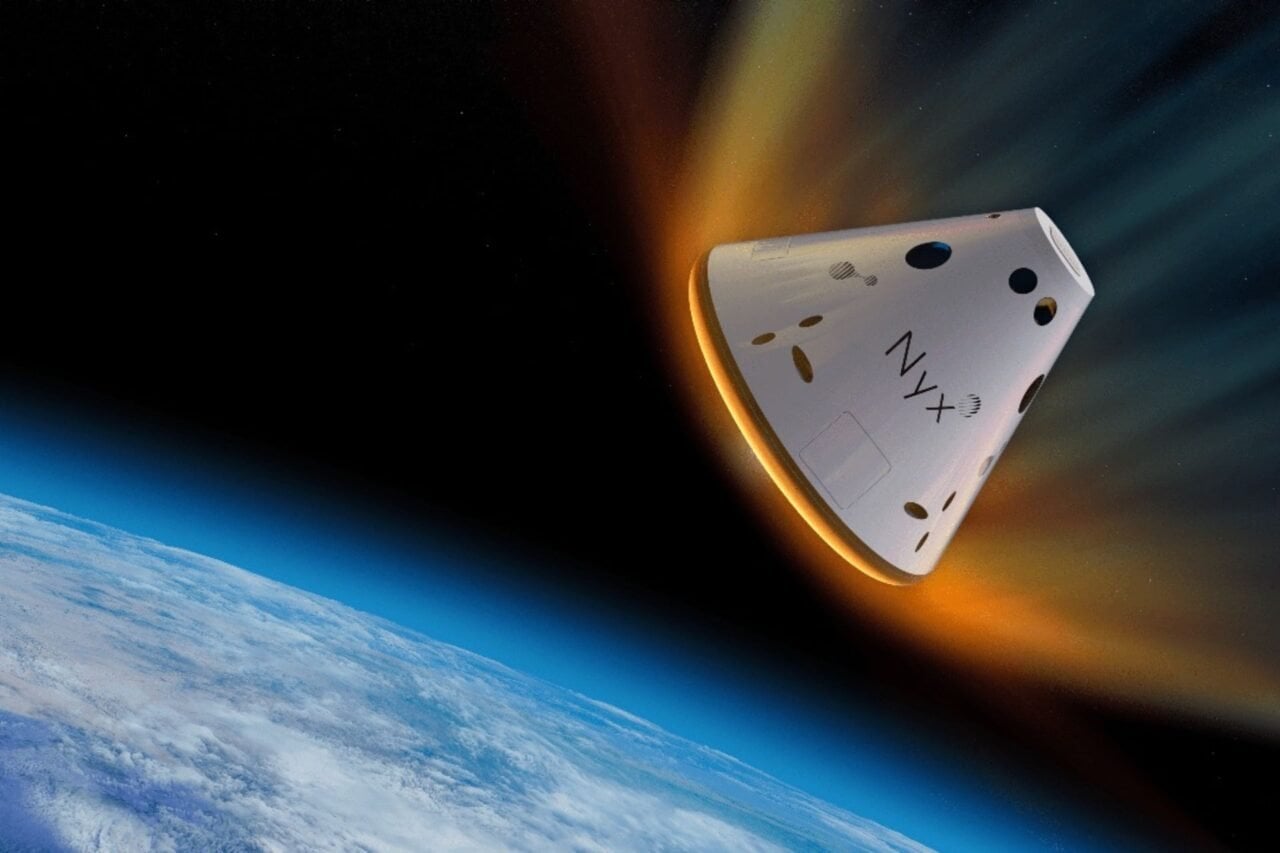
Failed Orbital Mission Loses Human Remains, Space Pot
Continue reading
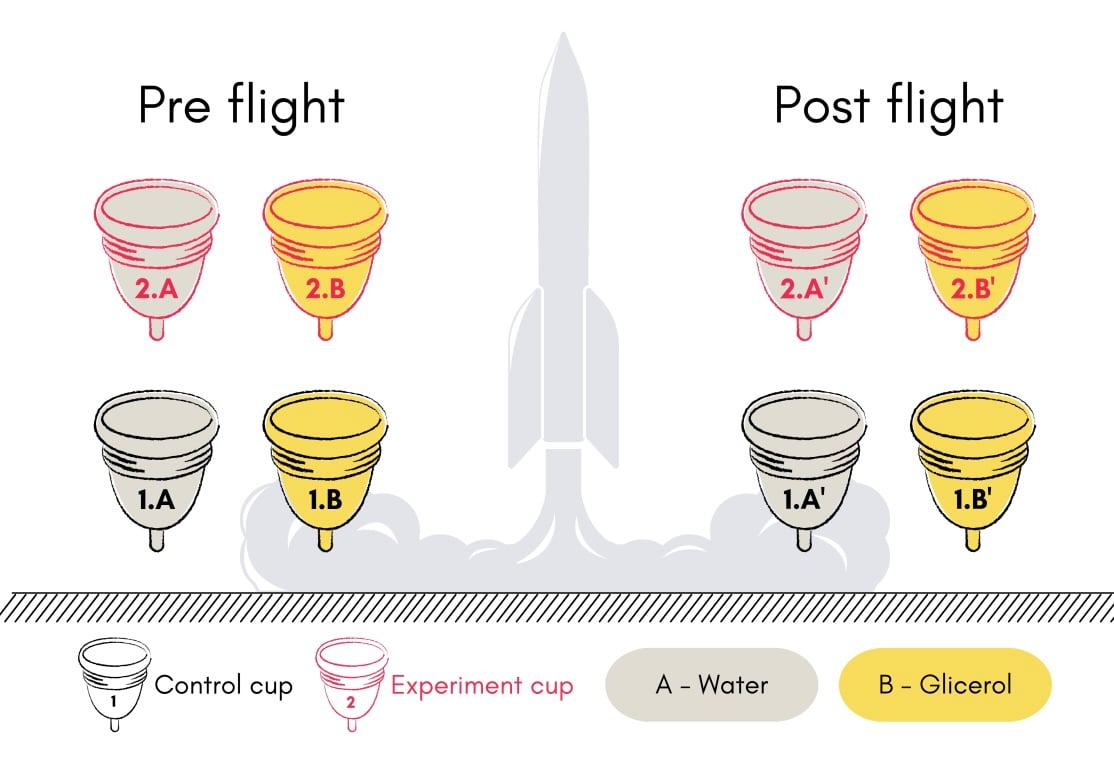
For long-duration missions, female astronauts generally use hormonal contraception to suppress their periods. But this method has potential health risks and requires special storage. Pads and tampons create waste in space. Now researchers have tested menstrual cups on a sub-orbital rocket flight, where they experienced the force of launch, and found they performed identically to ground control cups. This could provide a new option to female astronauts on future missions.
Continue reading
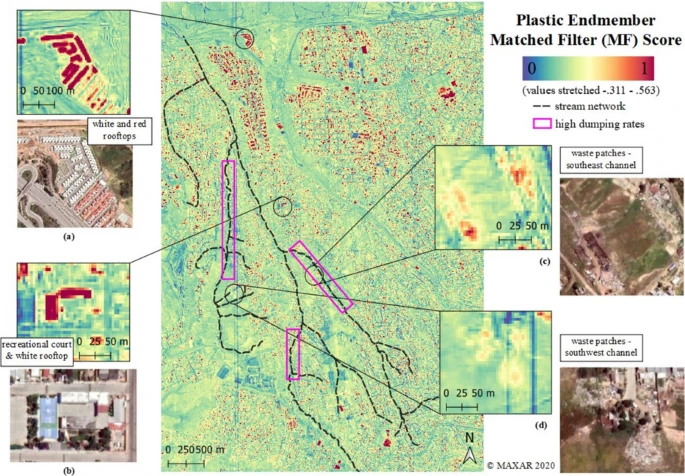
Rivers are one of the main ways that plastics get into the world's oceans, and now we can identify where plastic waste accumulates from space. Researchers used data from the Worldview-3 satellite to identify and map plastic material and polymer-coated surfaces in a watershed on the US-Mexico border. They collected different waste from stream channels and then identified their specific infrared absorption features, matching them to satellite imagery.
Continue reading
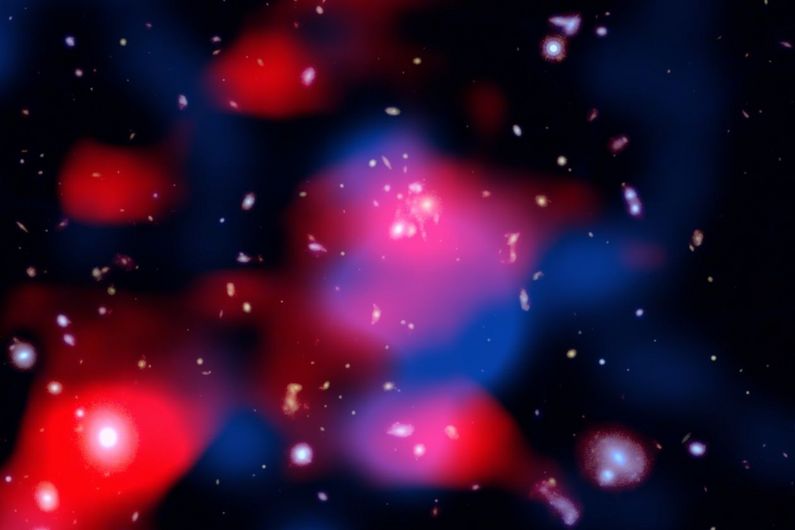
If you could see the Universe through a radio-wave "eye", you'd detect mini-halos of relativistic particles creating radio emissions around some galaxy clusters. Astronomers long figured those halos are relative "recent" happenings in the nearby Universe and didn't occur in the early epochs of cosmic history. That's all changed now that the Low Frequency Array (LOFAR) radio observatory in Europe has revealed newborn galaxies in the early Universe already surrounded by a halo of particles. It's a rare look at what such clusters were like soon after they formed.
Continue reading
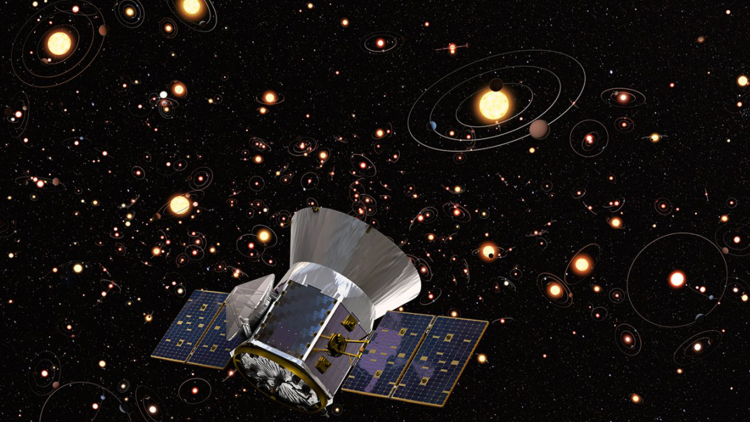
How accurate are the exoplanet radius measurements obtained by NASA’s Transiting Exoplanet Survey Satellite (TESS)? This is what a recent study accepted to The Astrophysical Journal hopes to address as a team of researchers investigated how hundreds of exoplanetary radii measured by TESS during its mission might be incorrect and the data could be underestimating the radii measurements. This study has the potential to help astronomers develop more efficient methods more estimating exoplanetary characteristics, which could influence whether or not they are Earth-sized.
Continue reading
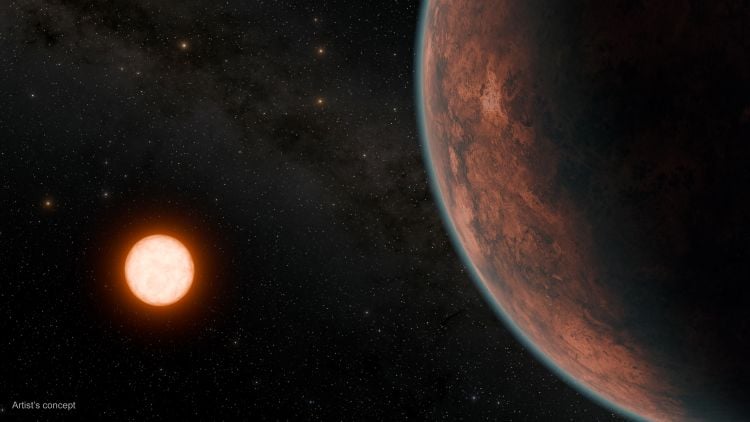
What can Earth-sized exoplanets teach scientists about the formation and evolution of exoplanets throughout the cosmos? This is what a recently submitted study hopes to address as an international team of researchers announced the discovery of an Earth-sized exoplanet that exhibits temperatures and a density comparable to Earth. This study has the potential to help scientists better understand the formation and evolution of Earth-sized exoplanets and what this could mean for finding life beyond Earth.
Continue reading
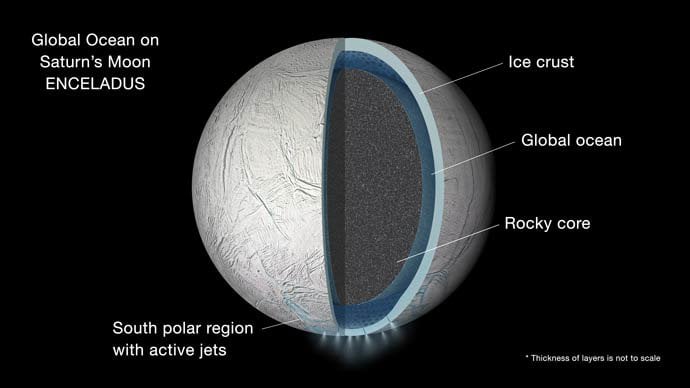
What can the pH level of the subsurface ocean on Enceladus tell us about finding life there? This is what a recent study accepted to Icarus hopes to address as a team of researchers investigated the potential pH level of Enceladus’ subsurface ocean based on current estimates. This study has the potential to help scientists better understand the composition of Enceladus’ subsurface ocean and what this can mean for finding life as we know it.
Continue reading
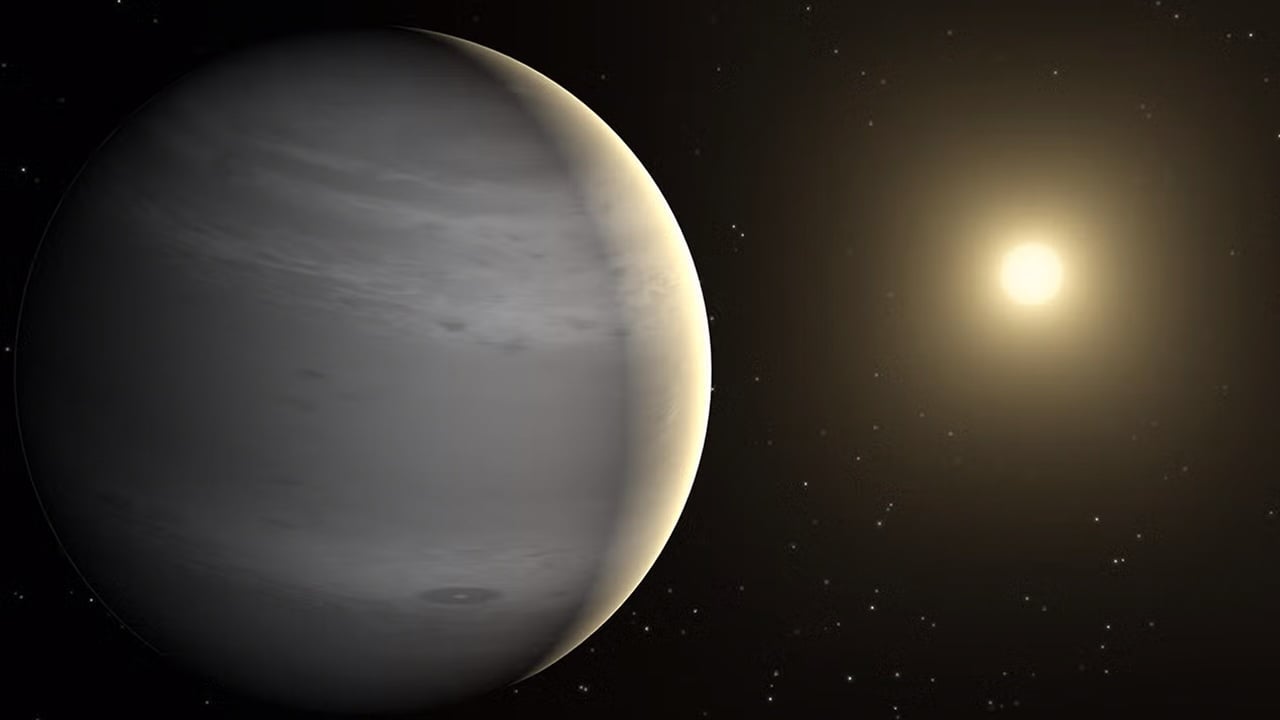
Distant exoplanets can be dodgy to spot even in the best of observations. Despite the challenges, a team of astronomers just reported the discovery of a gas giant exoplanet that lies about 400 light-years from Earth. It's called TOI-4465 b and it takes 12 hours to transit across the face of its star during its 102-day orbit.
Continue reading
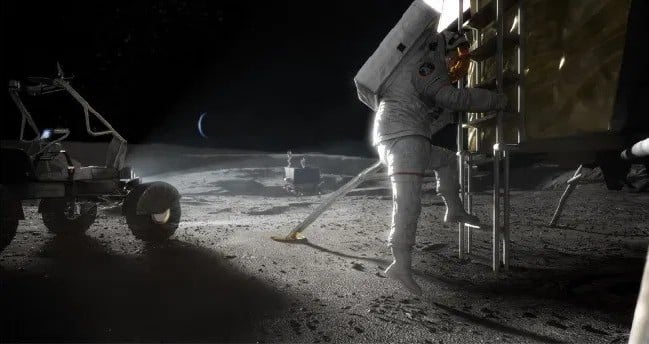
What is the importance of studying and utilizing lunar polar volatiles during the Artemis program, and specifically for first crewed mission, Artemis III? This is what a recent study presented at the Lunar and Planetary Science Conference hopes to address as an international team of researchers investigated using lunar polar volatiles for in situ resource utilization (ISRU) purposes. In geology, volatiles are substances that vaporize at low temperatures, and examples include water, carbon dioxide, and sulfur dioxide. In the case of the Moon, key volatiles are water located in permanently shadowed regions (PSRs) at the lunar south polar region.
Continue reading

Quasars provide some of the most spectacular light shows in the universe. However, they are typically exceedingly rare since they are caused by massive astrophysical forces that don’t happen very often. So it came as quite a surprise when scientists found a group of 11 of them hanging on in the same general area, in what appeared to be equivalent to the galactic countryside. A new paper from Yongming Liang and their co-authors at the University of Tokyo describes this finding, which they dubbed the Cosmic Himalayas, and some of the weird astronomical circumstances that place the discovery in context.
Continue reading

Spacecraft violently shake, rattle, and roll on their way into space aboard a giant explosion. Therefore, they must also be tested to make sure they can withstand those forces before getting to their orbit for deployment. One of NASA’s major observatories recently completed part of its trials, with the core portion of the Nancy Grace Roman Space Telescope successfully completing its shock and vibration testing a few weeks ago.
Continue reading
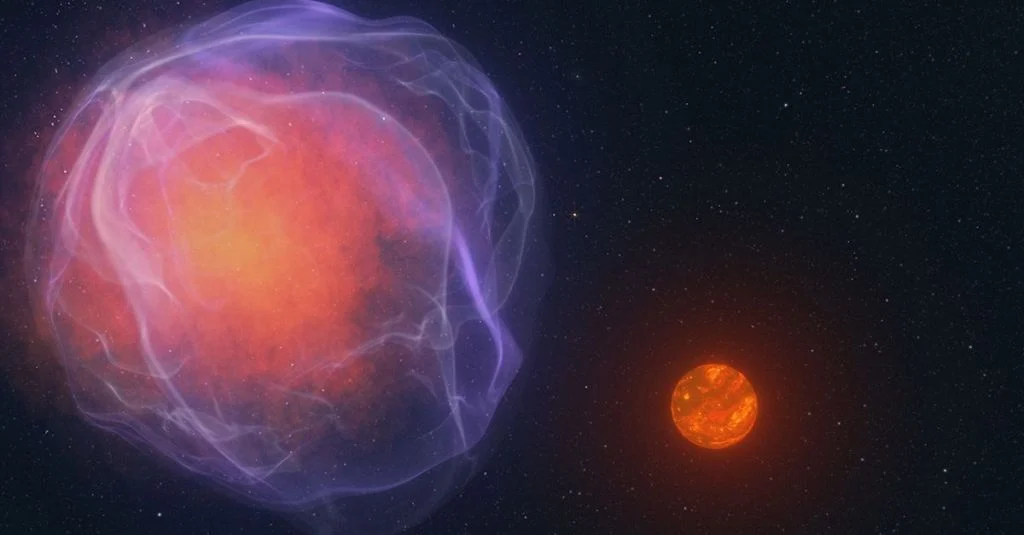
Scientists are constantly finding new ways to look at things, and that’s especially true for objects that represent an outlier of their specific type. Adjectives like “biggest”, “brightest”, or “fastest spinning” all seem to attract scientific studies - perhaps because they’re an easier sell to funding agencies. No matter the reason, that means we typically get a lot of good science on specific objects that represent their particular class of objects well, and a new paper from Ozcan Caliskan from Istanbul University in Turkey hits that nail on the head when it comes to the most massive known white dwarf star.
Continue reading
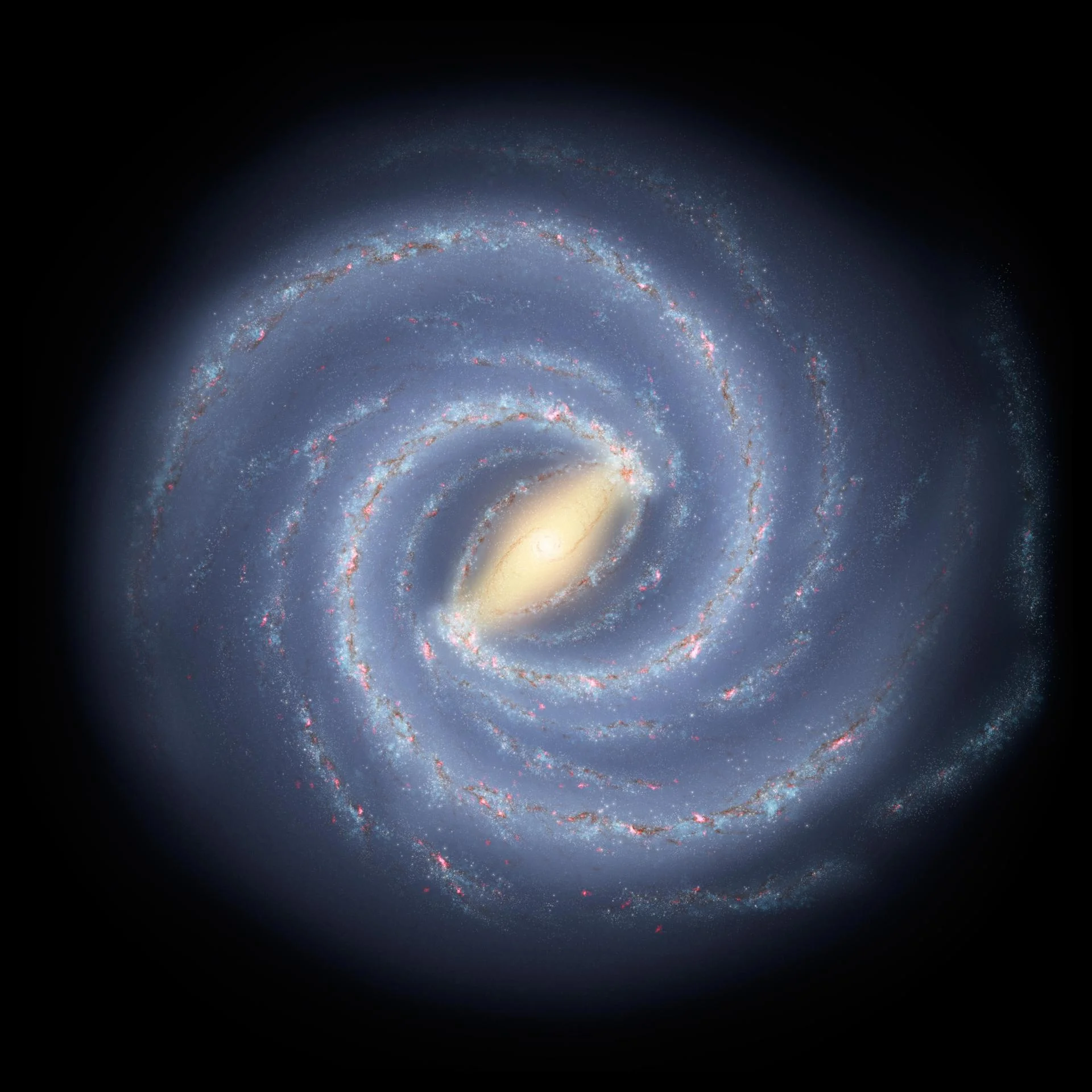
How do you search for a substance that doesn't give off any kind of light, but its gravitational influence shapes galaxies? That's the challenge researchers face as they try to find and explain the mysterious substance called dark matter. They're wrestling with an invisible "something" that appears to make up much of all matter in the Universe.
Continue reading
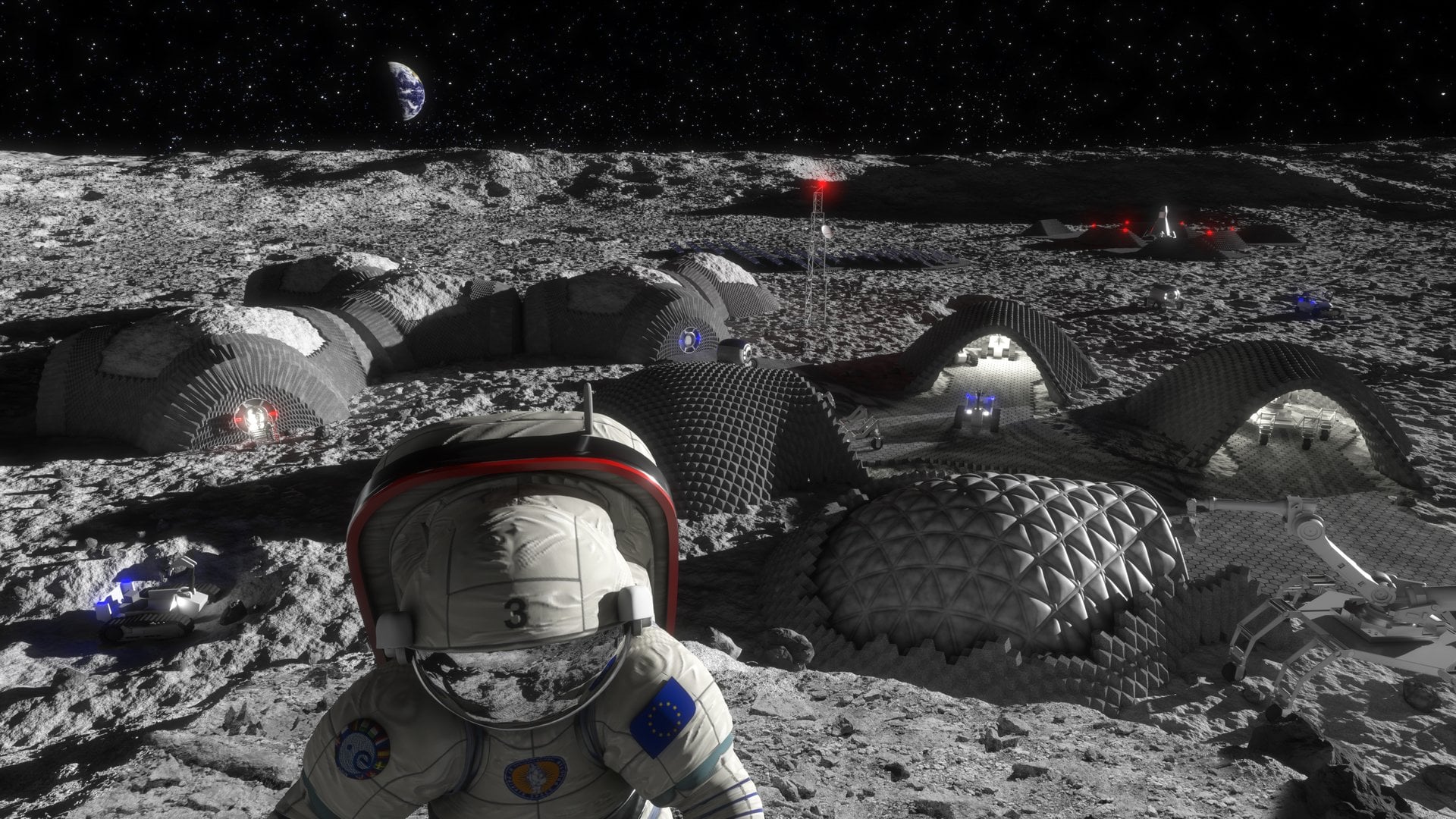
The challenge of building habitats on the Moon is considerable, mainly because most additive manufacturing (aka. 3-D printing) techniques are not feasible. By utilizing a 3-D printing method known as light-based sintering, future missions to the Moon could manufacture bricks out of lunar regolith, rather than trying to build whole structures. This would facilitate a long-term human presence on the lunar surface, consistent with the Artemis Program and other plans for lunar exploration and development.
Continue reading
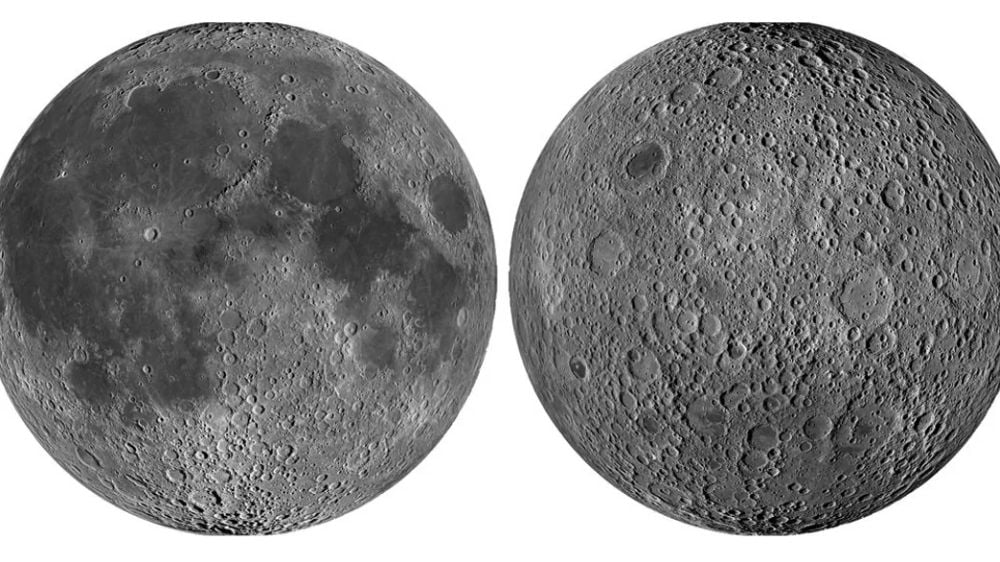
Why does the Moon have two different faces?. That question frames the lunar dichotomy: The nearside that faces us is different than the lunar farside. Scientists have worked hard to understand why that is, and new research says that the presence of certain minerals could explain why.
Continue reading
 Universe Today