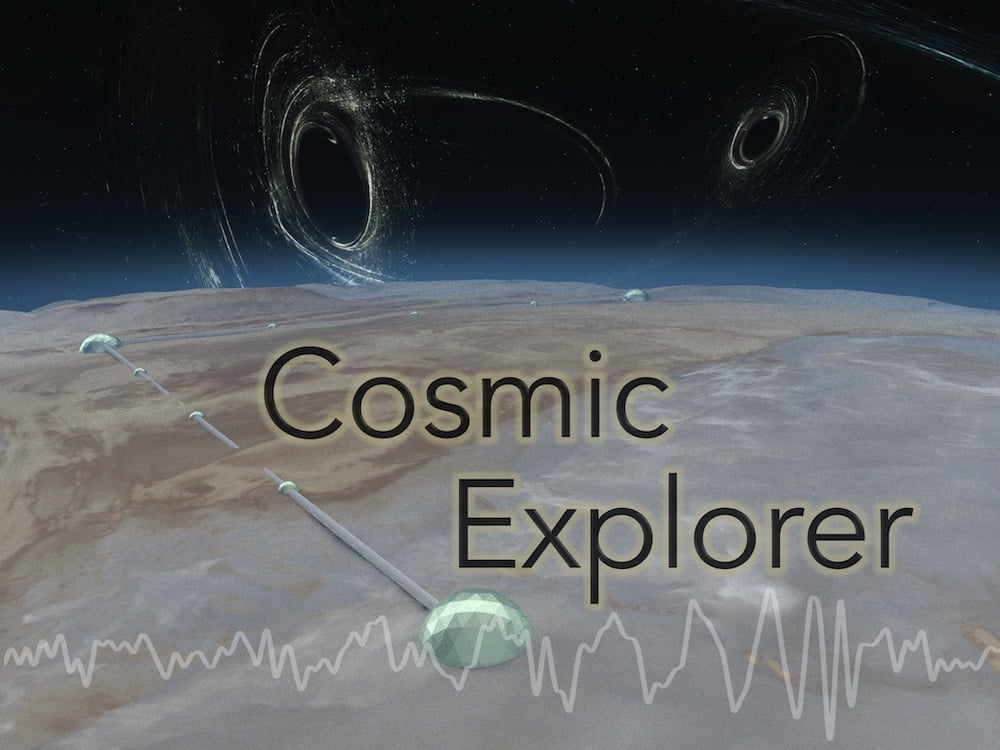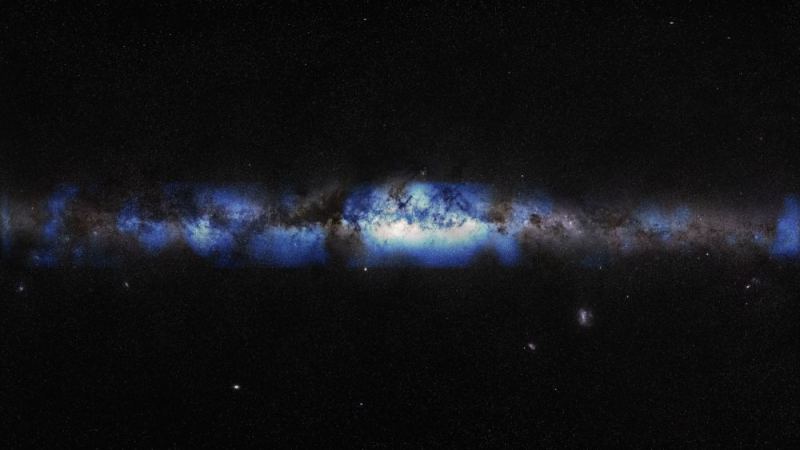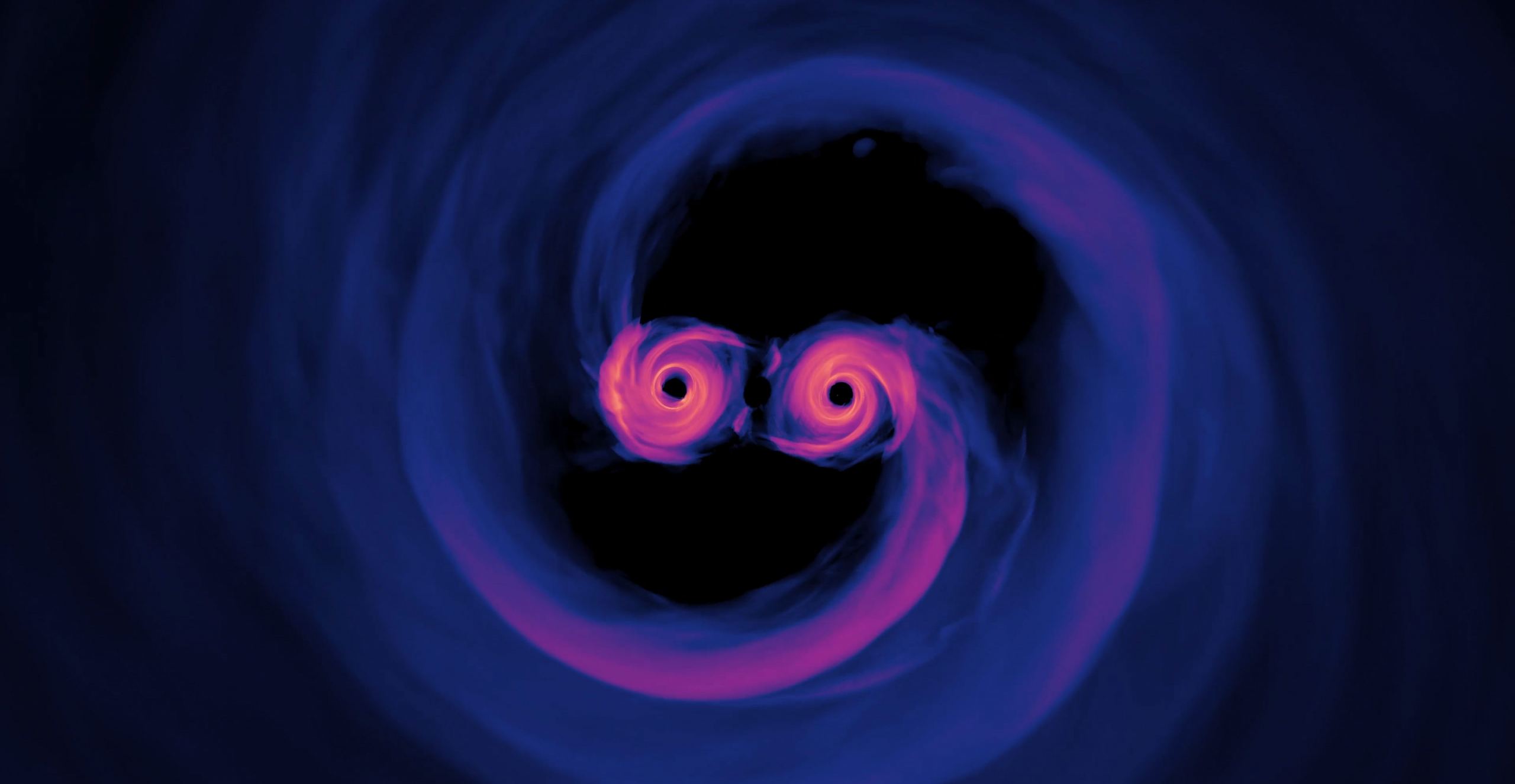
Astronomers can never have enough ways to measure the expansion in the Universe, from nearby stars to distant quasars. A new study suggests another method might come from the growing catalog of gravitational waves detected by LIGO and other observatories. As two black holes merge in a distant galaxy, the gravitational waves could pass close to a massive cluster that would create a gravitational lens. Some of the waves would take different paths around the gravitational lens, allowing astronomers to measure the expansion rate of the Universe. Gravitationally lensed gravitational waves.
Continue reading
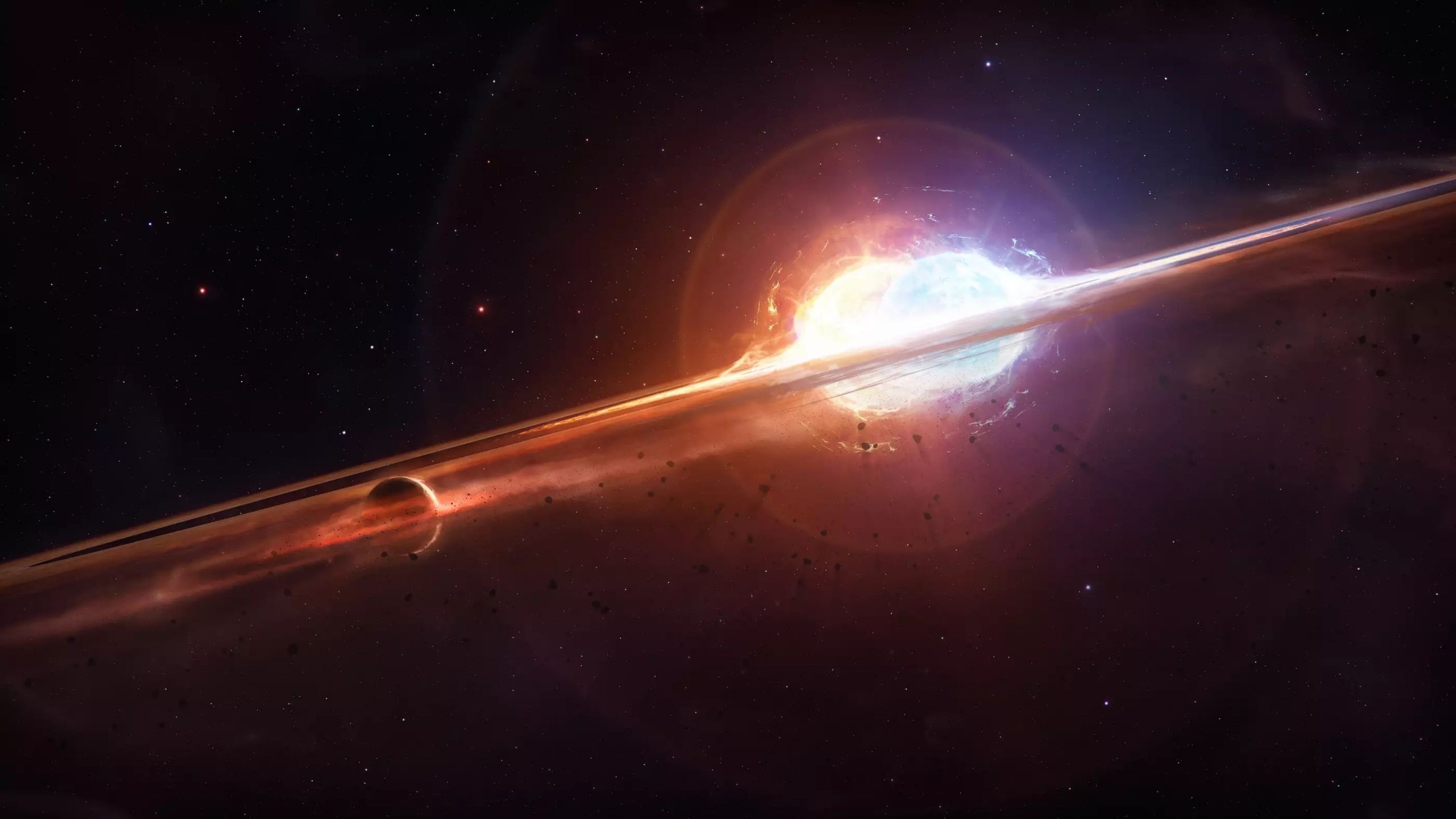
When our Sun runs out of hydrogen fuel in its core, it'll switch to burning helium and bloat up as a red giant. This will make it 100 times larger, gobbling up the inner planets and maybe even Earth. Maybe there's hope. Astronomers have found a planet orbiting a dying star that must have been swallowed up during that expansion phase. The star would have been 1.5 times bigger during the red giant phase than the planet's orbit. Being inside a red giant star doesn't lead to the inevitable death of a planet.
Continue reading
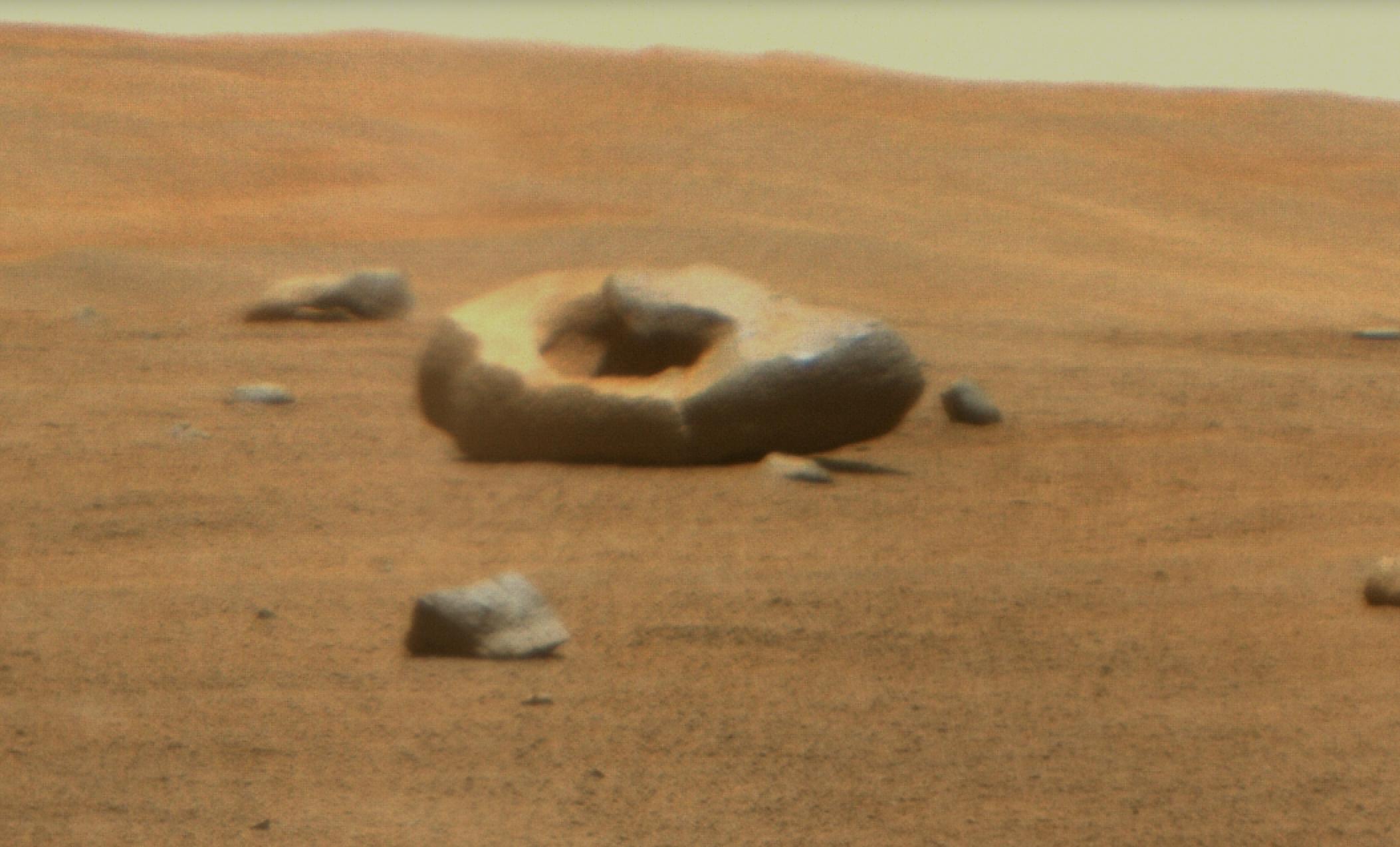
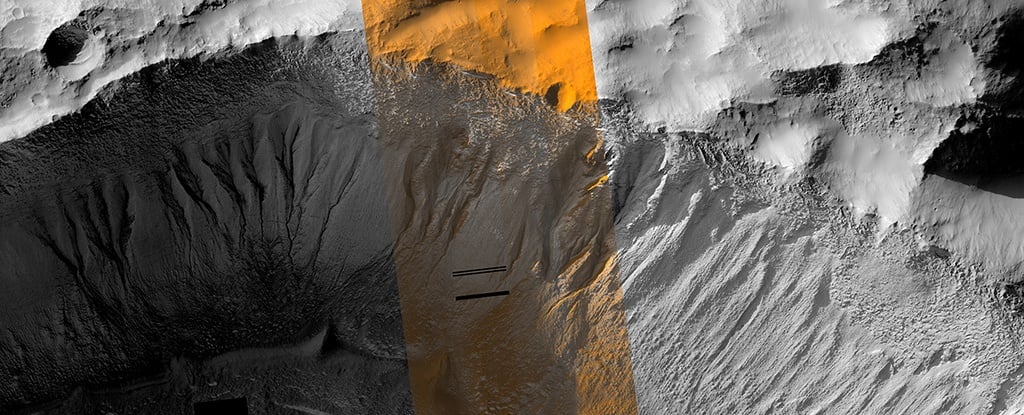
The Perseverance rover has spotted a donut shaped rock on Mars, which could be the remains of a crashed meteorite.
Continue reading
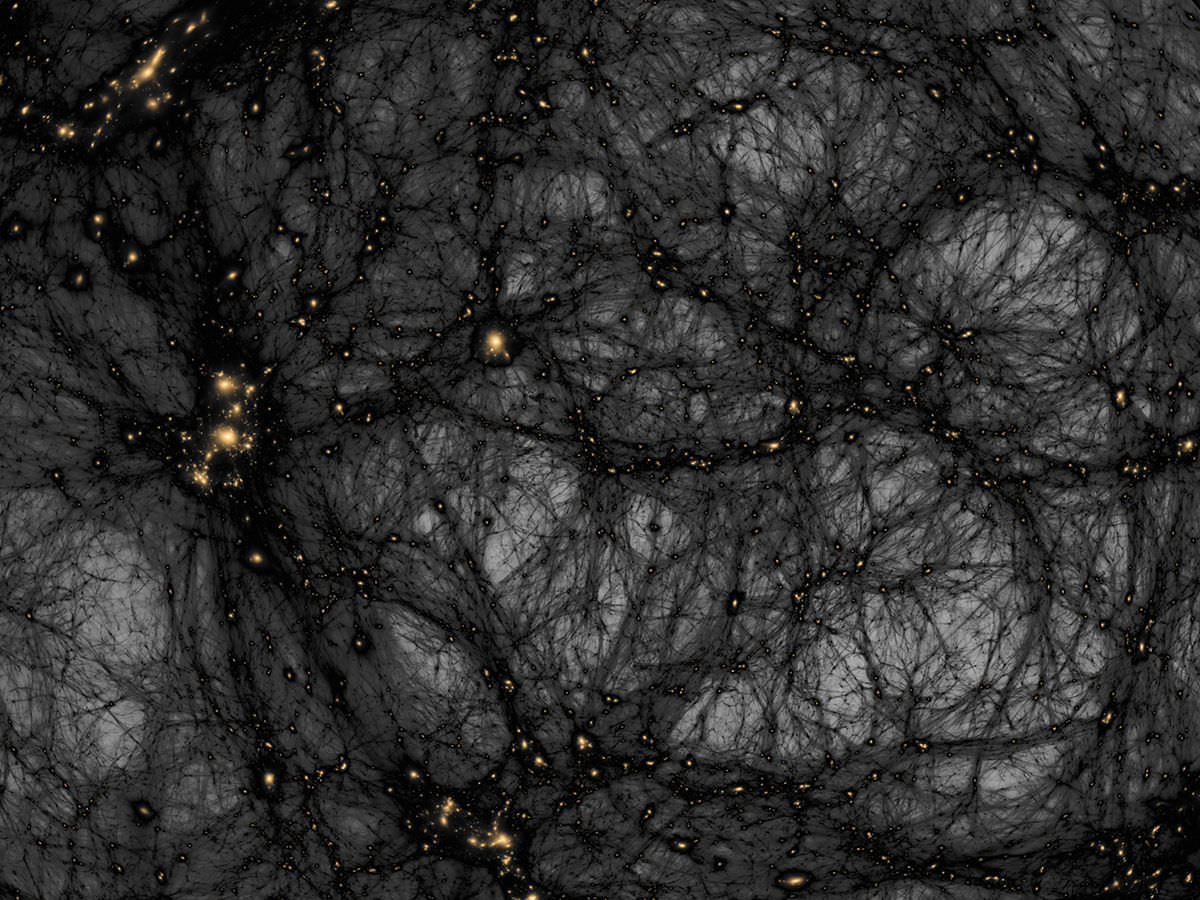
A new theory of Dark Matter suggests that it interact with normal matter in a non-localized way, potentially revolutionizing our understanding of physics!
Continue reading

Pulsars are rapidly spinning neutron stars which release blasts of radio waves with atomic clocklike accuracy. The fastest can be turning hundreds of times a second. But another class of pulsars turns agonizingly slowly in comparison, completing a rotation in hours. Astronomers have termed these "spider pulsars" because they have to feast on a binary companion star to slow down like this. Now researchers have discovered the fastest-turning spider pulsar, completing a rotation every 53 minutes, which fills in a gap in their observations.
Continue reading
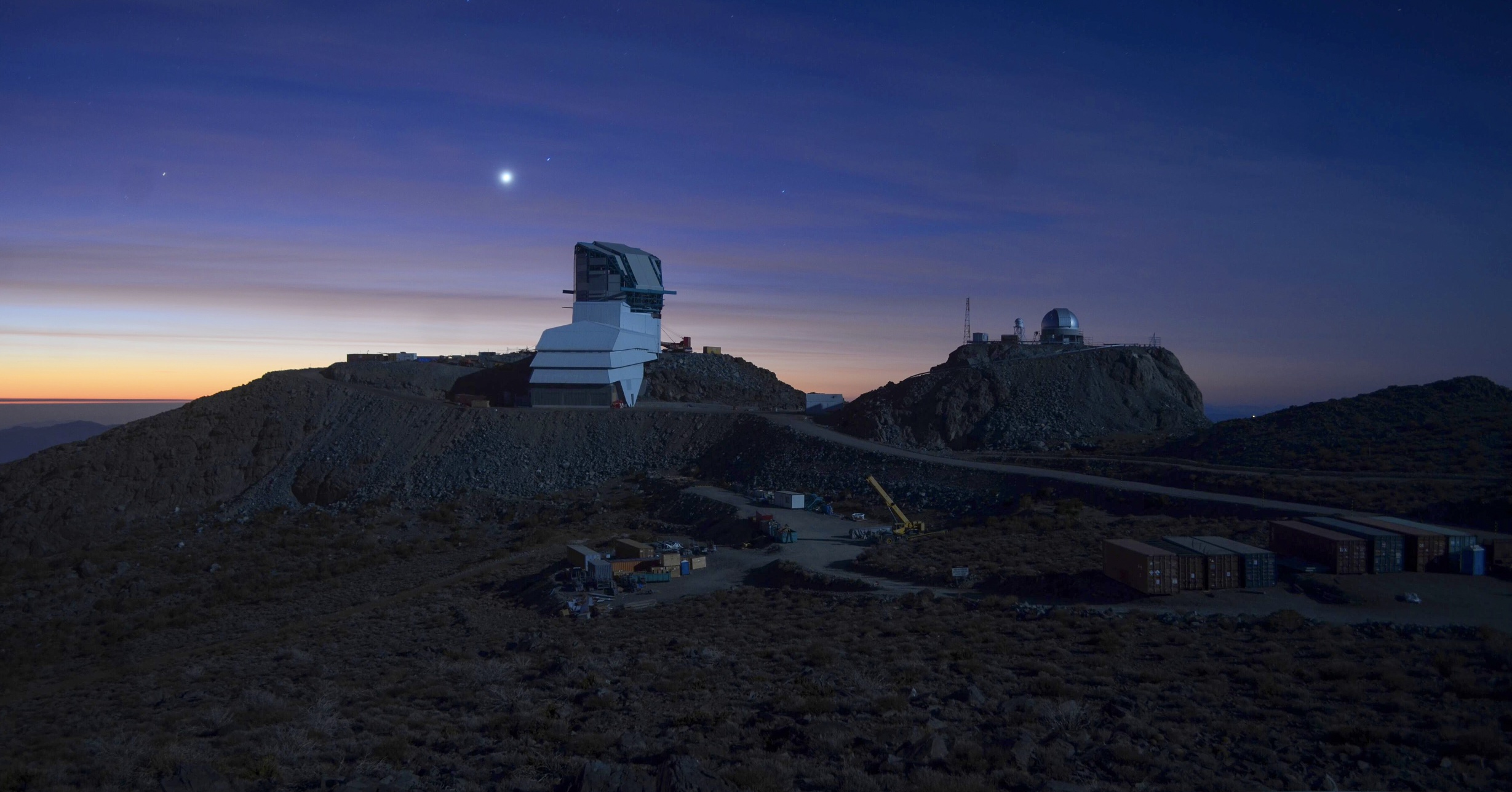
The Vera Rubin Observatory and the Nancy Grace Roman Telescope are two powerful astronomical instruments due to come online in the next couple of years. While Rubin is a ground-based telescope, scanning the southern hemisphere every few nights, Roman is a space telescope with a wide-field view of the cosmos. They're two different instruments but will work as powerful partners, studying gravitational microlensing events, using variable stars to measure distances in the cosmos, and much more.
Continue reading
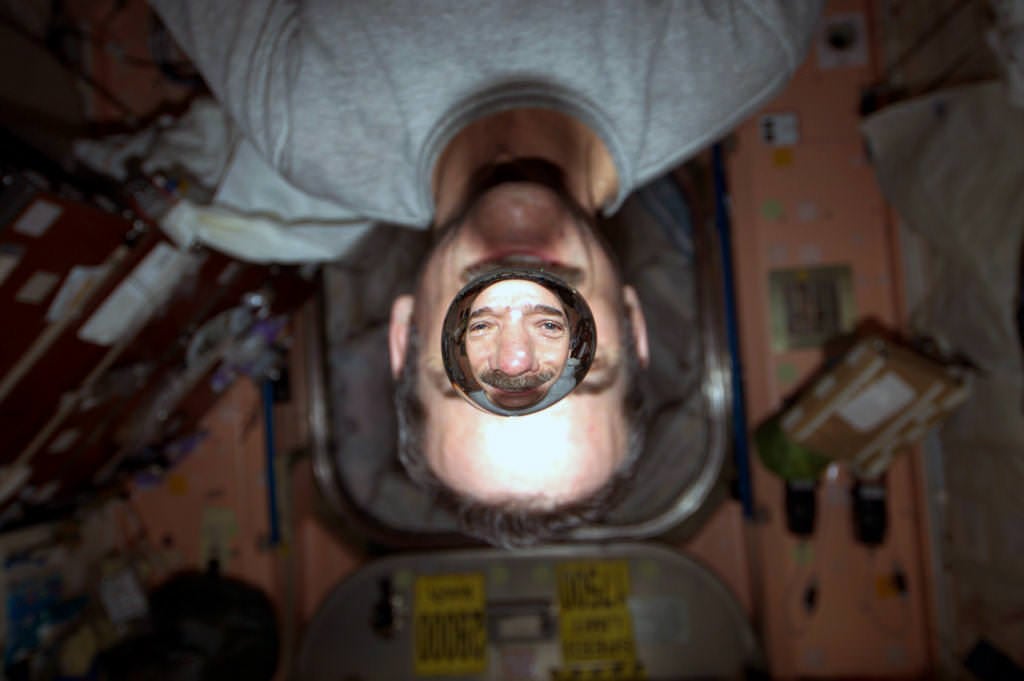
Thanks to a new subsystem, called the Brine Processor Assembly (BPA) astronauts aboard the ISS can now recover most of their urine for drinking!
Continue reading
 Universe Today