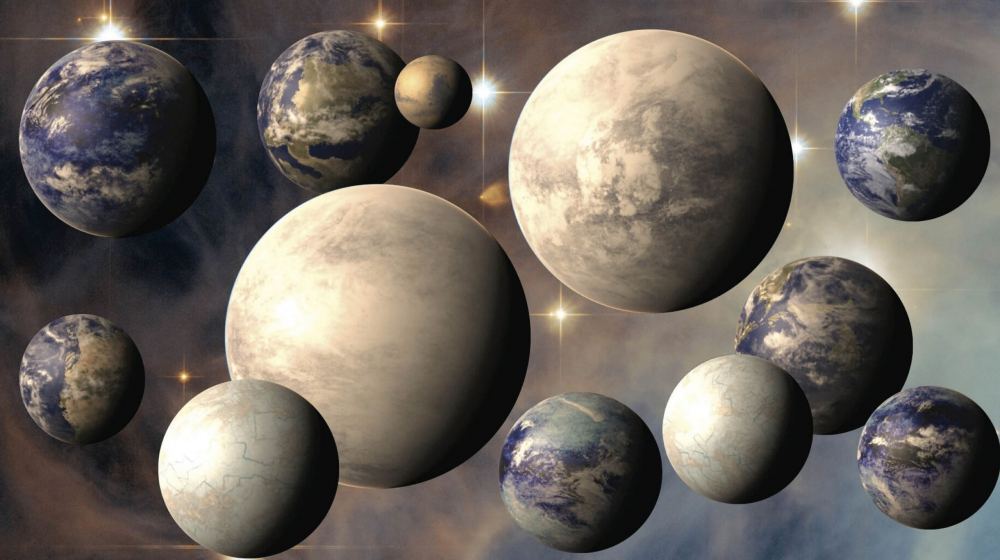
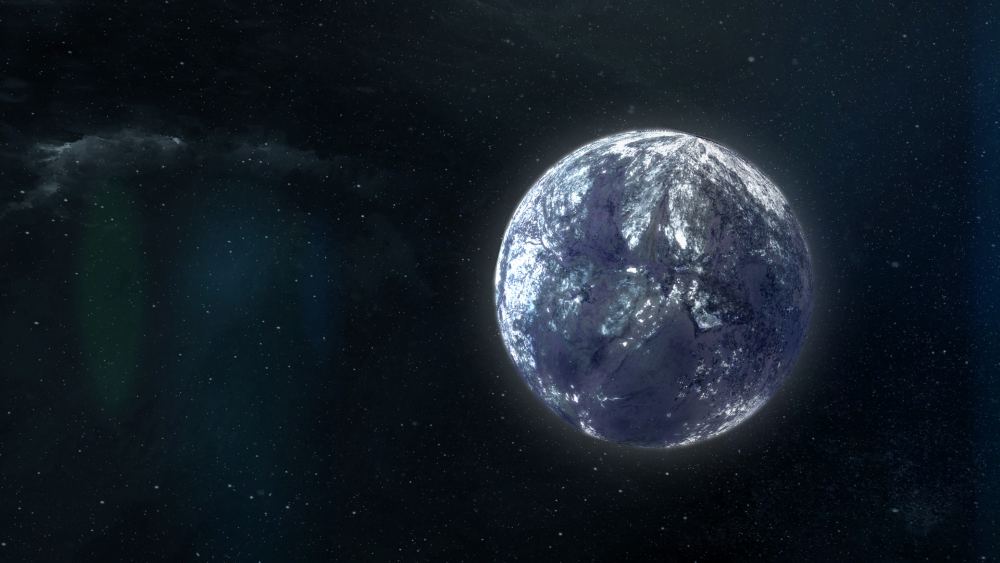
A new study estimates there could be hundreds of rogue planets nearby that we could explore for signs of extraterrestrial life!
Continue reading
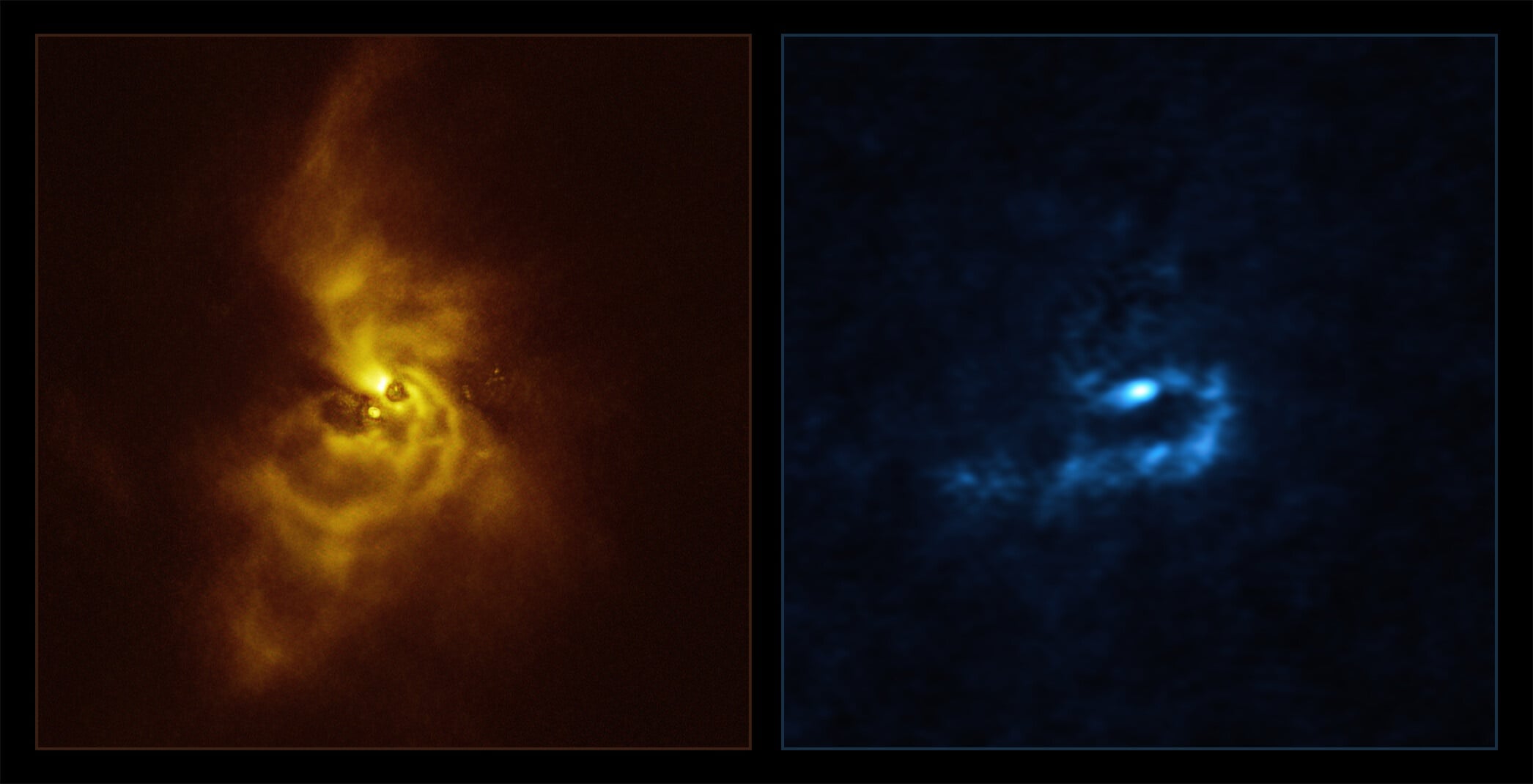
New images from the European Southern Observatory show a young star surrounded by dusty clumps that could collapse and create giant planets like Jupiter. The star is V960 Mon, located about 5,000 light-years away in the constellation Monoceros. The star brightened suddenly in 2014, leading astronomers to conclude it's assembling spiral arms in its protoplanetary disk. The new observations show that these arms are fragmenting into clumps, with masses similar to giant planets.
Continue reading
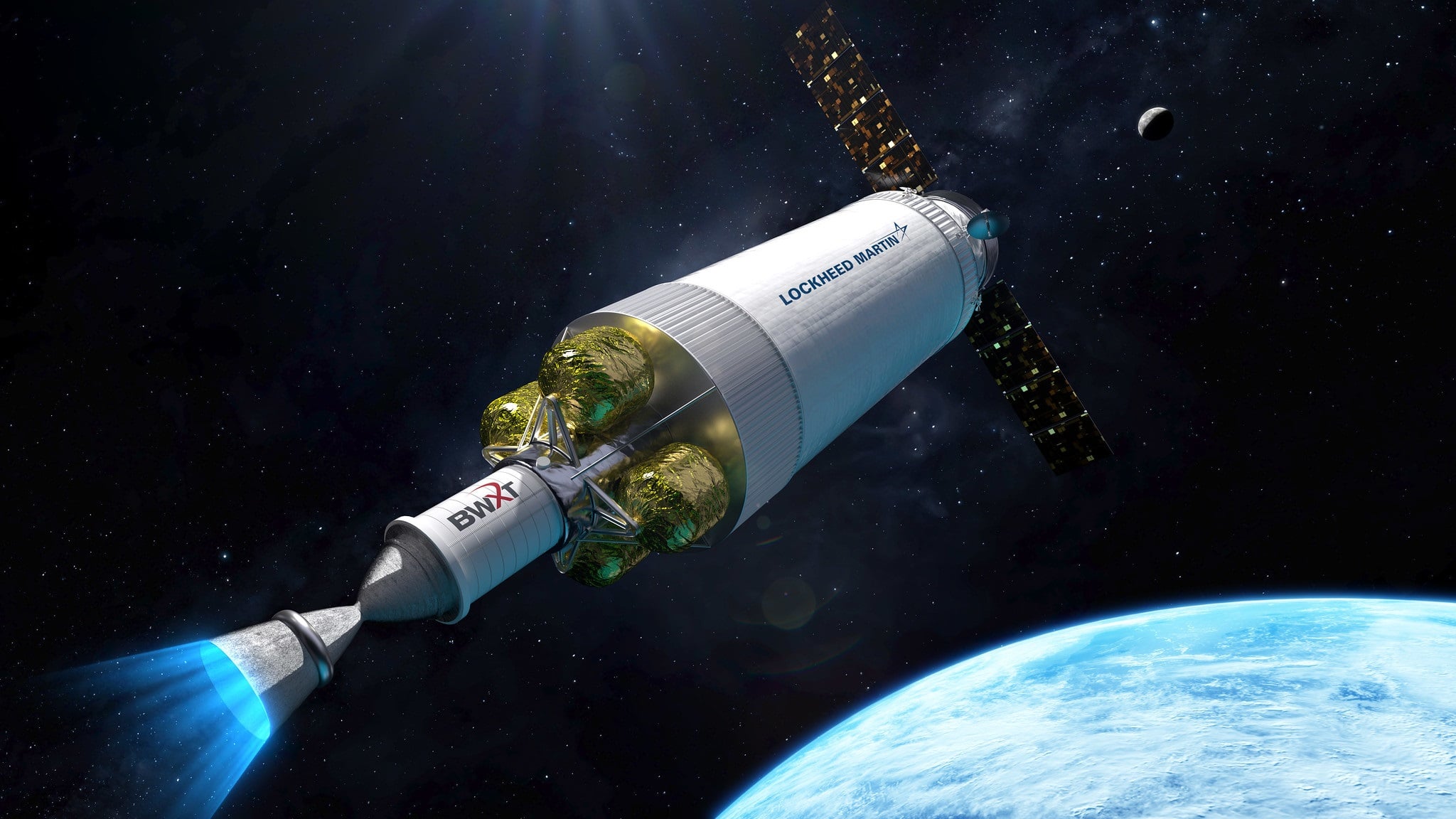
NASA and DARPA have announced the Lockheed Martin and partners will develop the prototype DRACO nuclear thermal engine.
Continue reading
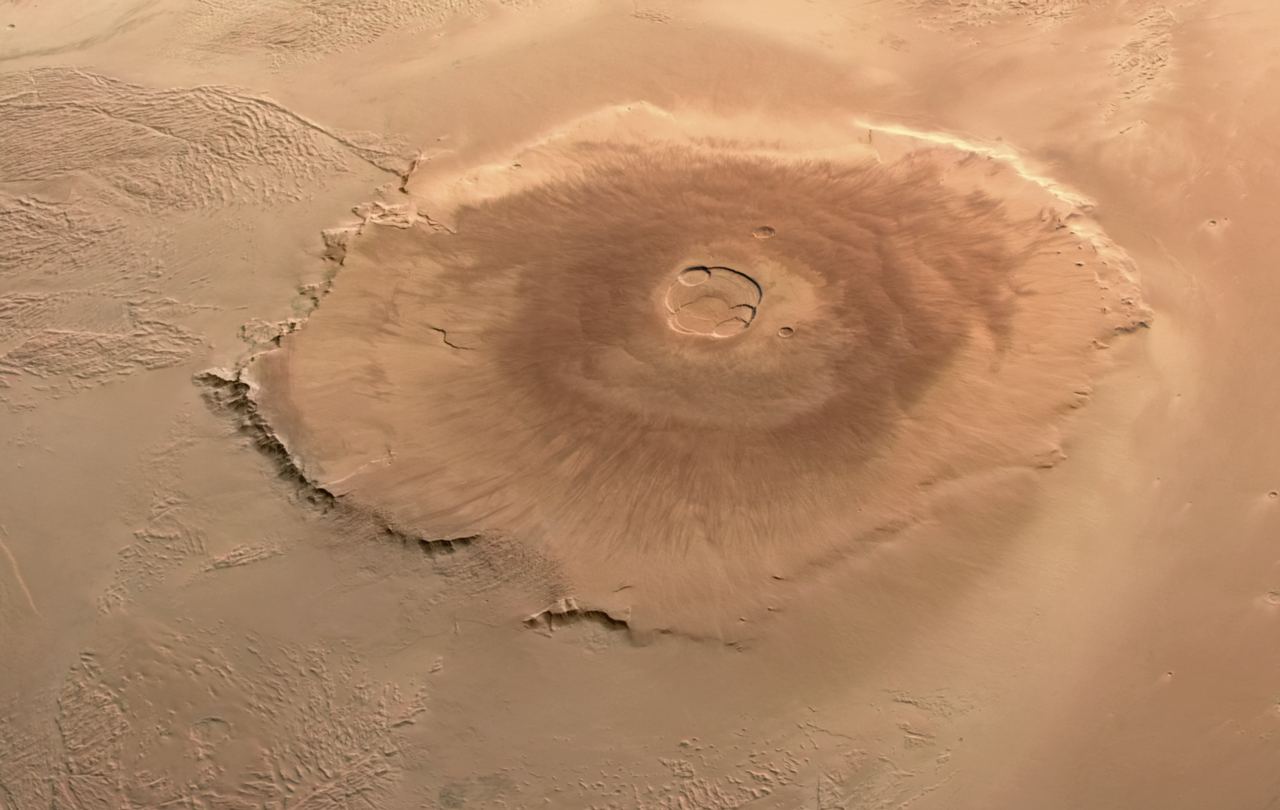
New research shows that Mars' Olympus Mons may have once been a volcanic island surrounding by ocean.
Continue reading

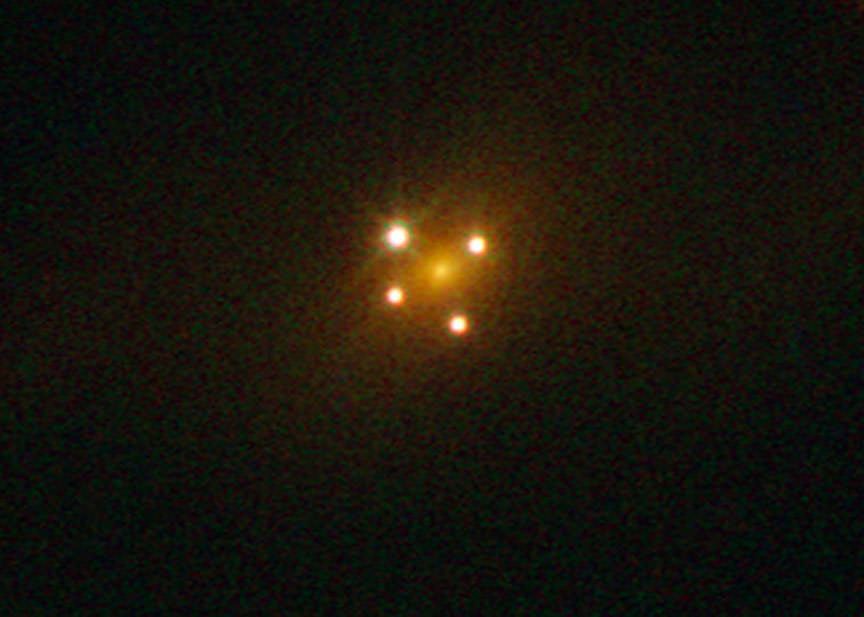
amma-ray bursts are the most powerful explosions in the Universe, briefly outshining all the stars in their galaxy combined. They typically last for just seconds or a few minutes at the most. In 2022, an ultra-long gamma-ray burst exploded in the sky, lasting so long, with two separate blasts of radiation that it triggered the Fermi Gamma-Ray Burst Monitor twice. The blast was clocked at almost 1000 seconds, with a double blast that made some astronomers wonder if it was due to a gravitational lens.
Continue reading
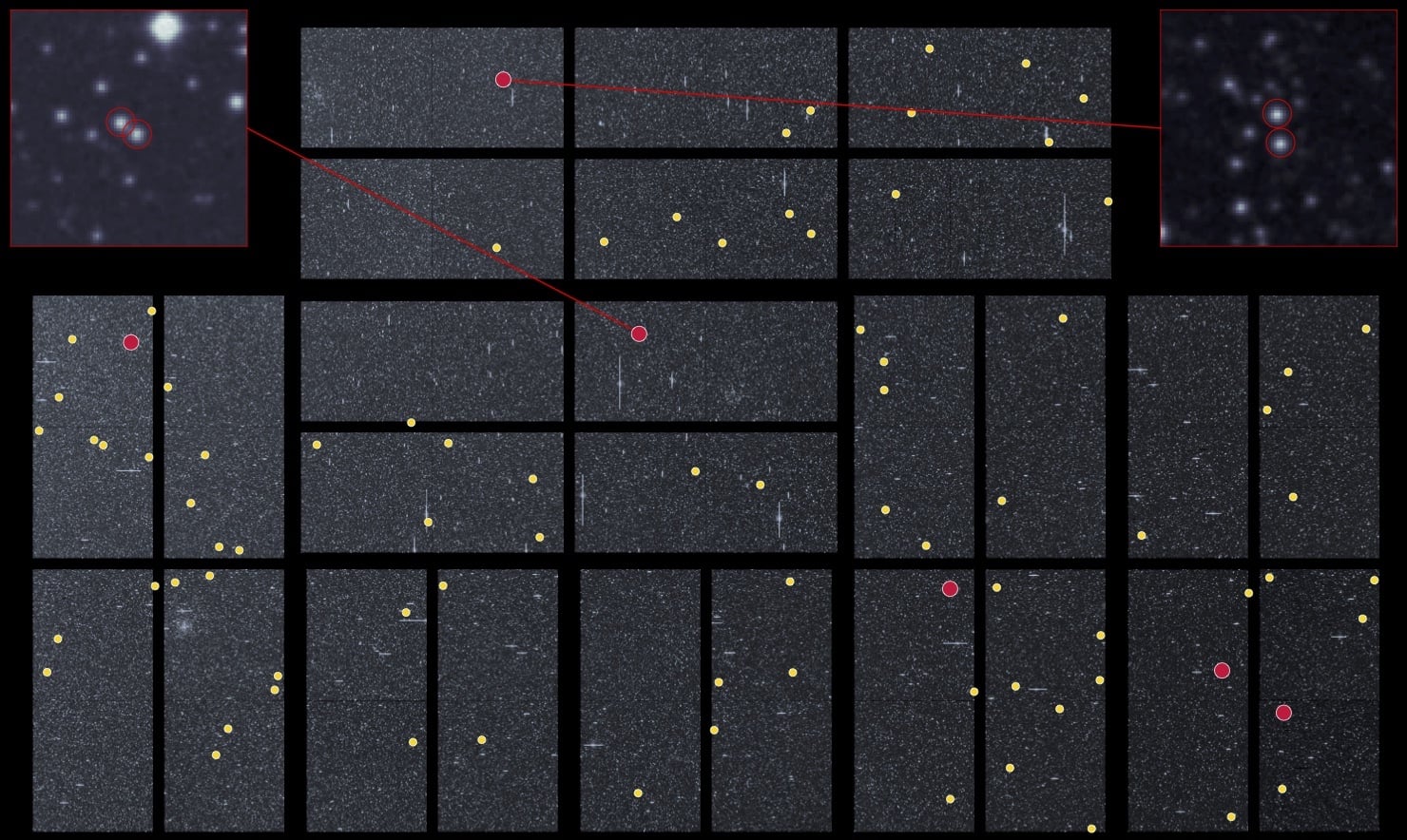
Determining the age of a star is surprisingly tricky and has wide error bars. It's only inside star clusters that you get a chance to accurately measure a star's age since they all had the exact origin and age. But a new technique hopes to discover the age of stars by measuring their rotation. As stars get older, their rotation rate slows down. By plotting the rotation rates of stars in clusters against their known ages, they can apply it to individual stars which aren't in clusters.
Continue reading
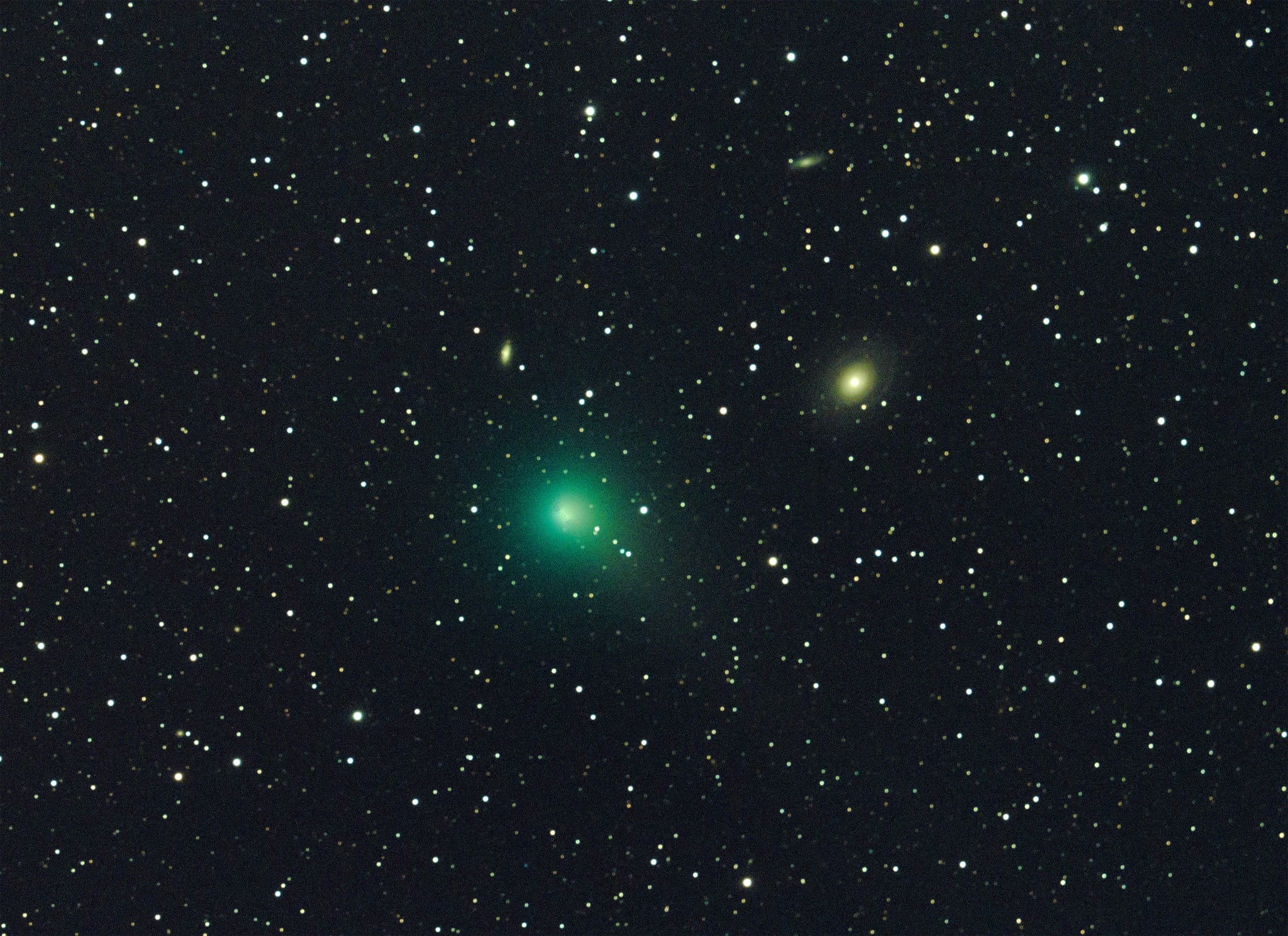
The time to catch Comet T4 Lemmon is now, before it vanishes for another 36,000 years.
Continue reading
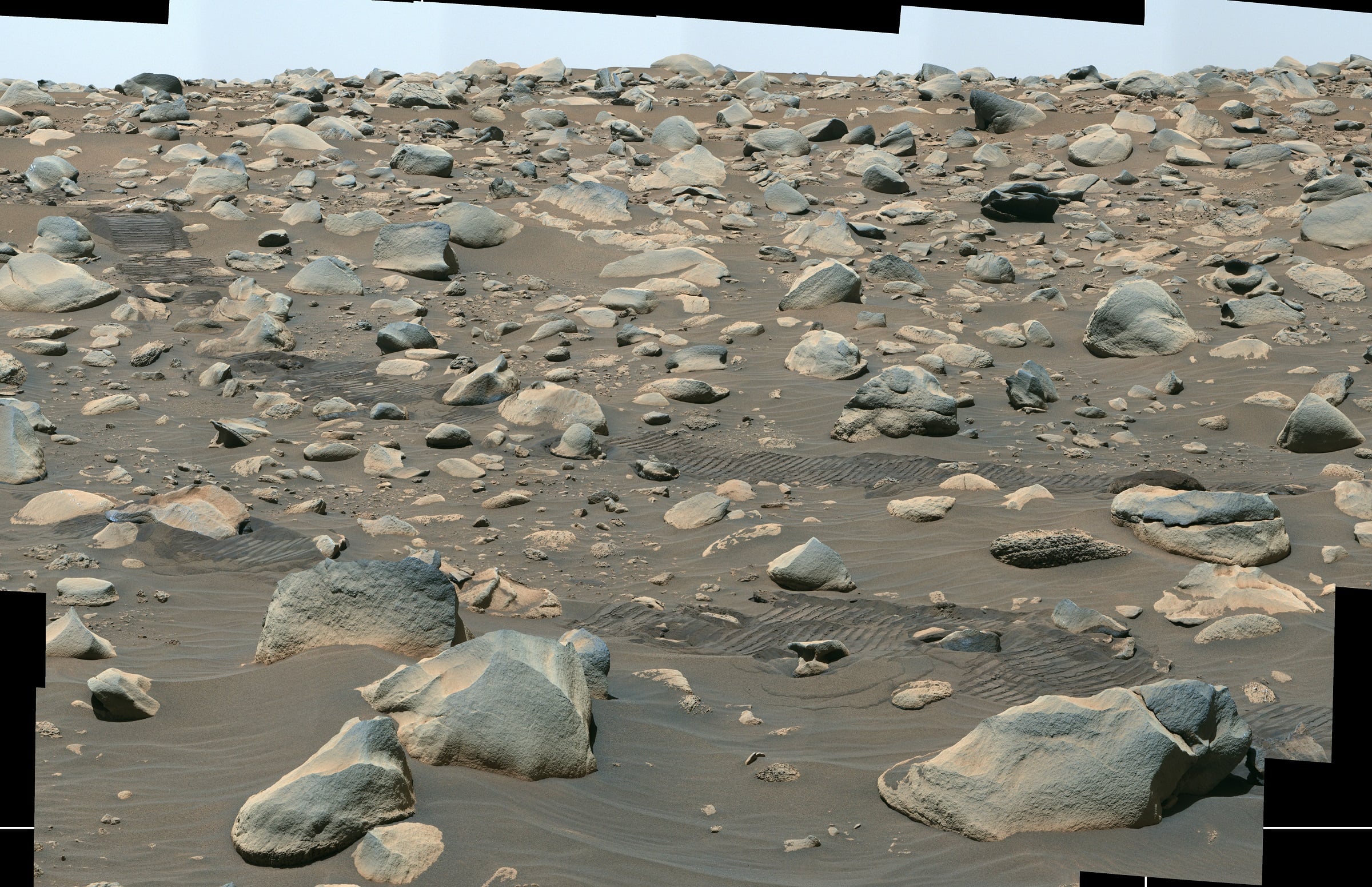
NASA's Perseverance rover took its 20th sample from "Emerald Lake," an area filled by rocks that were deposited by an ancient river.
Continue reading
 Universe Today