Continue reading

Continue reading
Continue reading

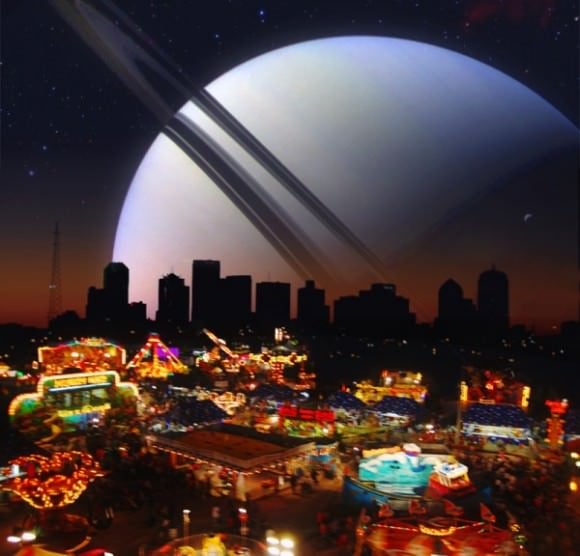
Astrophotographer Damian Peach raised the alarm on Twitter this past week, of a possible bright storm emerging of the planet Saturn. The spot was noticeable even with the naked eye and in the raw video Peach captured, a sure sign that the storm was a biggie.
Continue reading
Continue reading

Continue reading
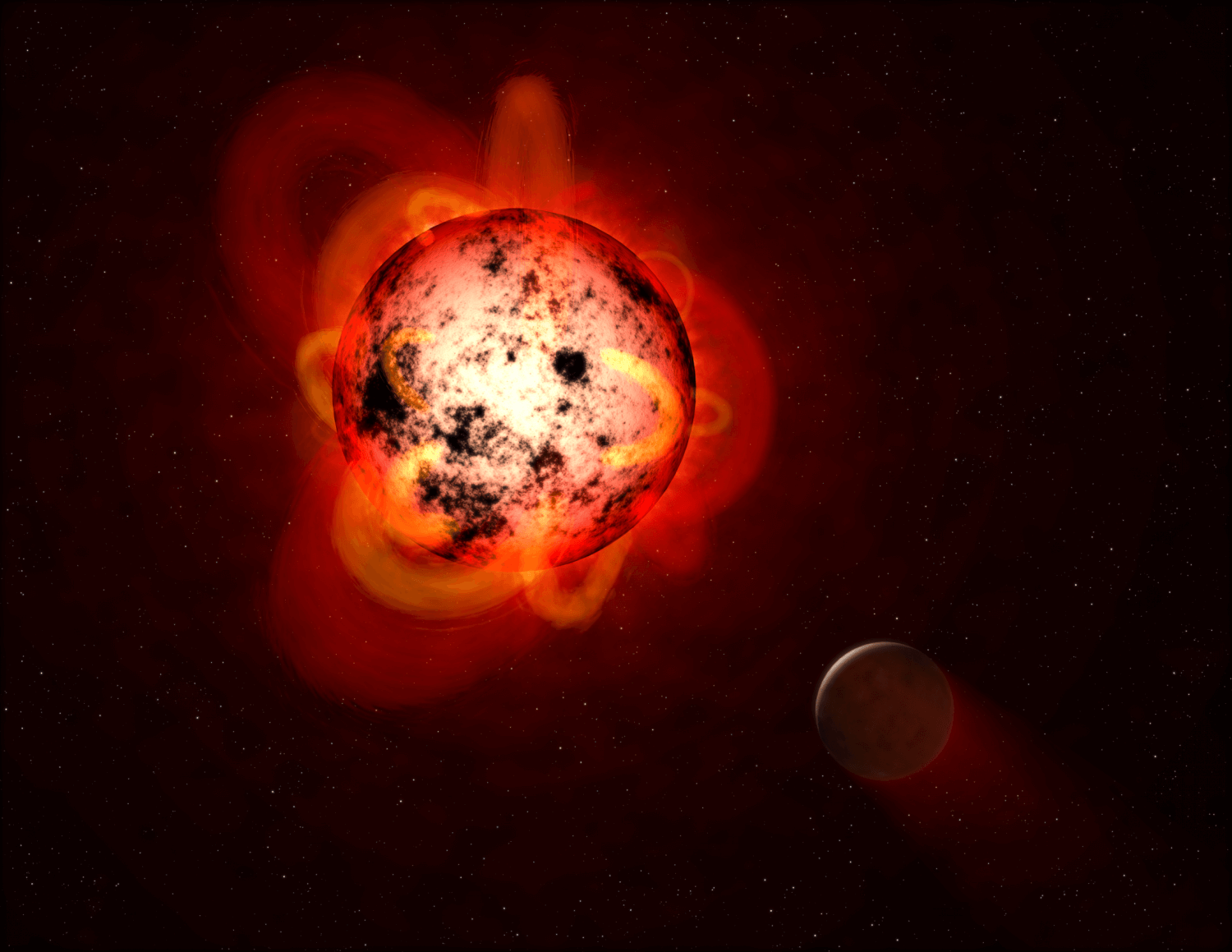
According to a new study, Proxima Centauri experiences superflare activity that would likely render its exoplanet (Proxima b) uninhabitable
Continue reading

Continue reading
Continue reading
A new study by a team of over 200 international scientists has revealed how a magnetar - a special class of neutron star - has awakened after three years of being dormant.
Continue reading
Continue reading
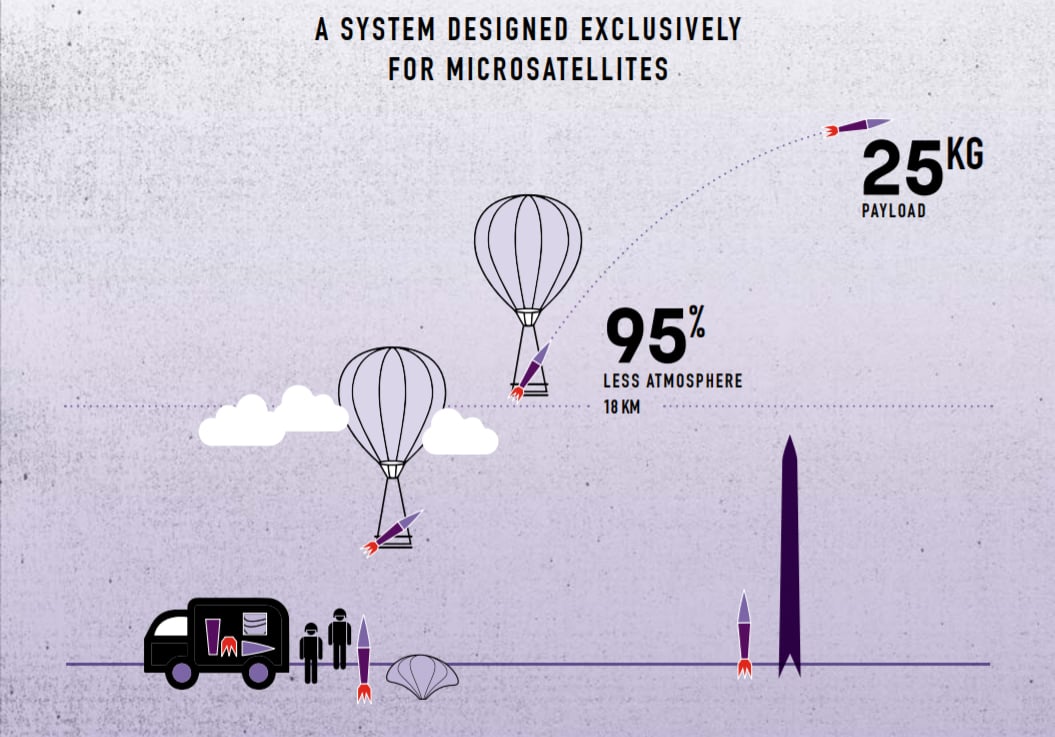
A new company is developing a hybrid rocket-balloon system to launch microsatellites cheaply from high altitude.
Continue reading

Using data from the Dark Energy Survey Supernova program, a team of astronomers recently found 72 supernovae, the largest number discovered to date
Continue reading
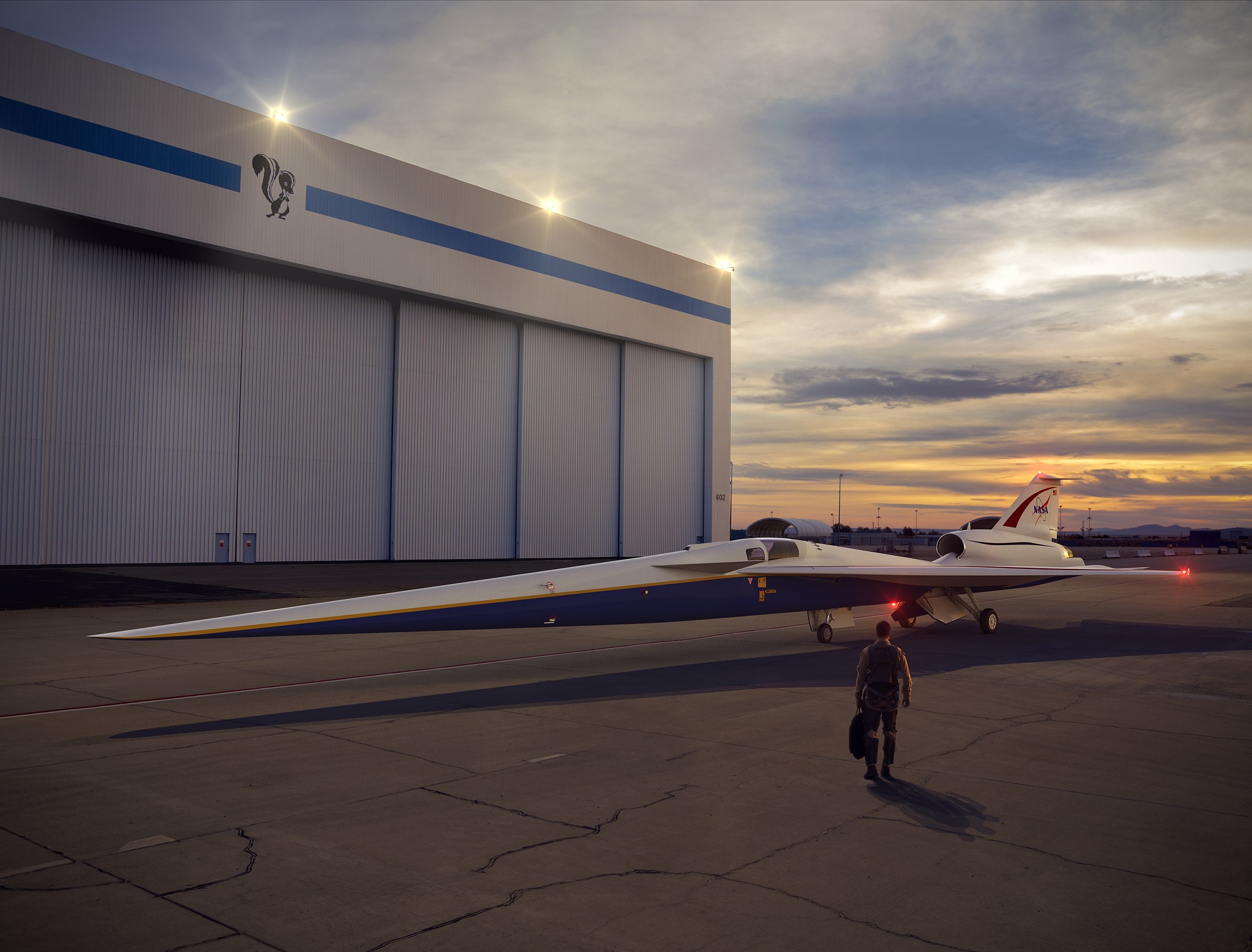
In partnership with Lockheed Martin, NASA has begun developing their quiet supersonic plane, a revolutionary aircraft that will generate quiet sonic booms
Continue reading

A new study by a team of international researchers shows how microbial life could exist in Venus' cloud tops, an idea suggested almost fifty years ago
Continue reading
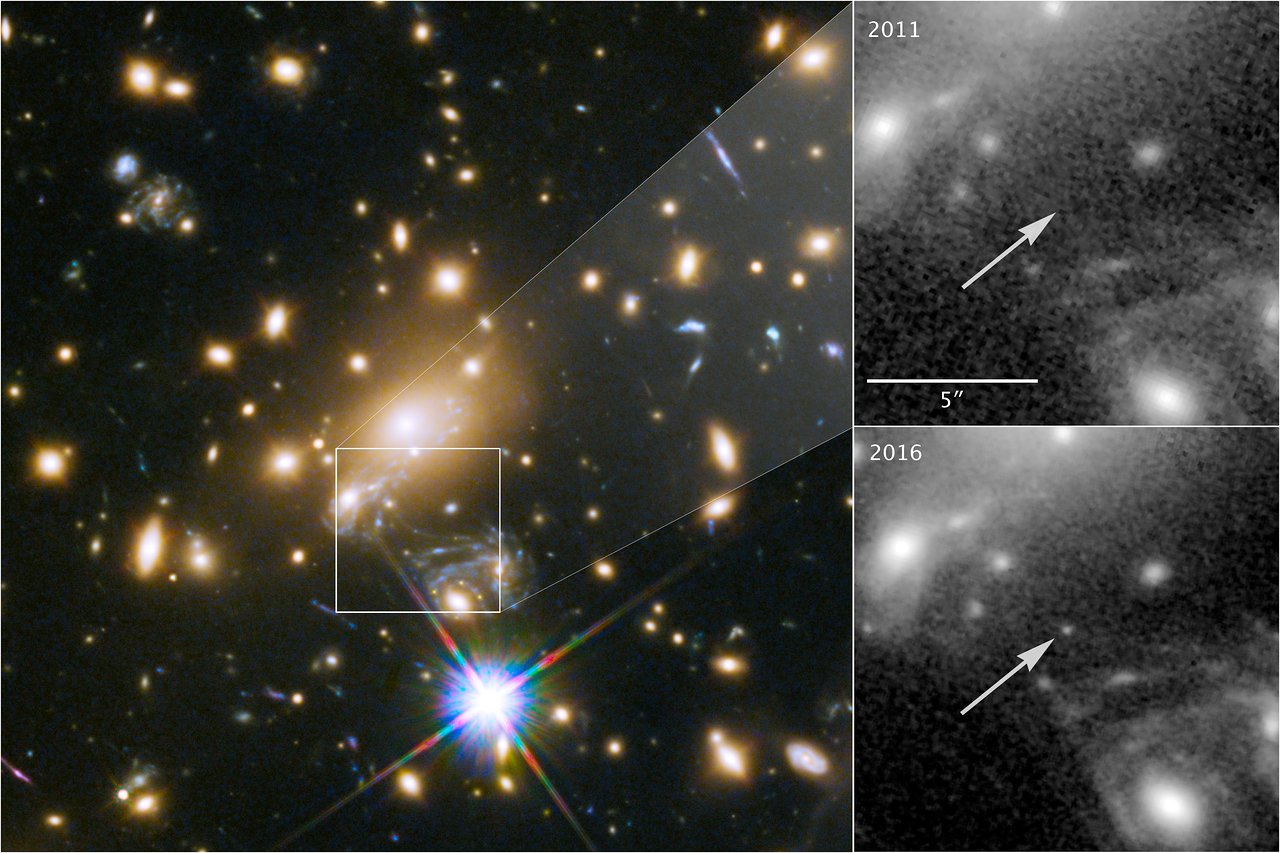
Using the Hubble Space Telescope, a team of astronomers recently imaged the most distant star ever seen in a distant galaxy cluster
Continue reading
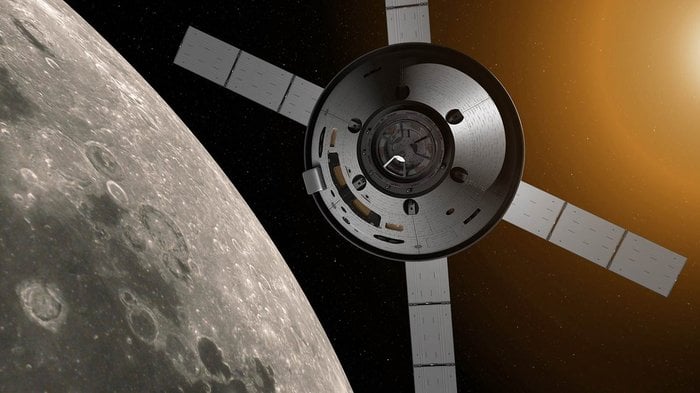
A team of research scientists recently conducted a series of simulations to see how the Orion Launch Abort System would fair in high speed conditions.
Continue reading
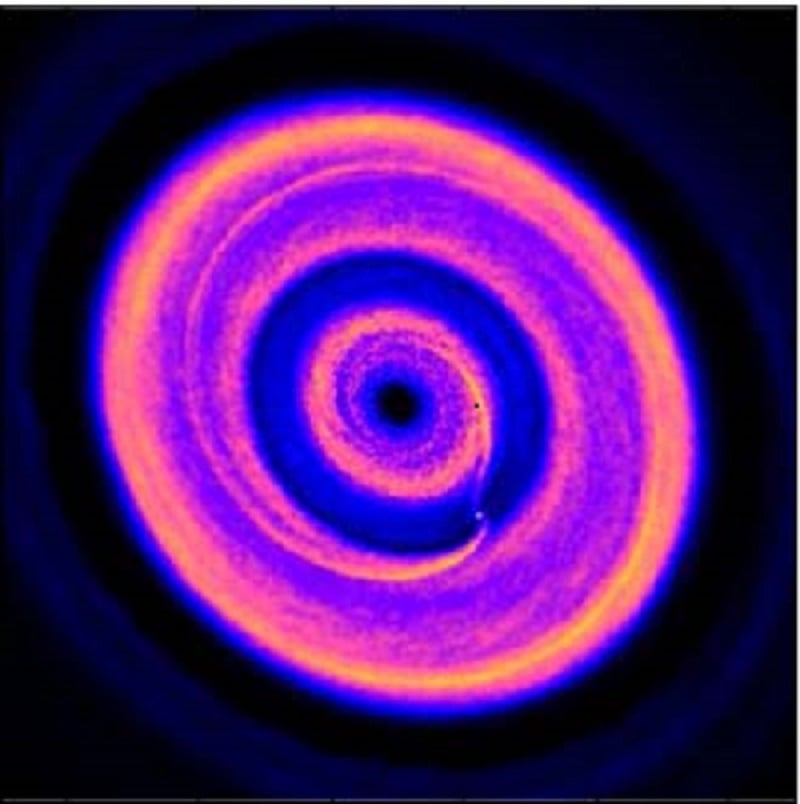
Using data from the ALMA array, a team of international astronomers was able to image a newly forming planetary system and predict the presence of a planet.
Continue reading
Continue reading
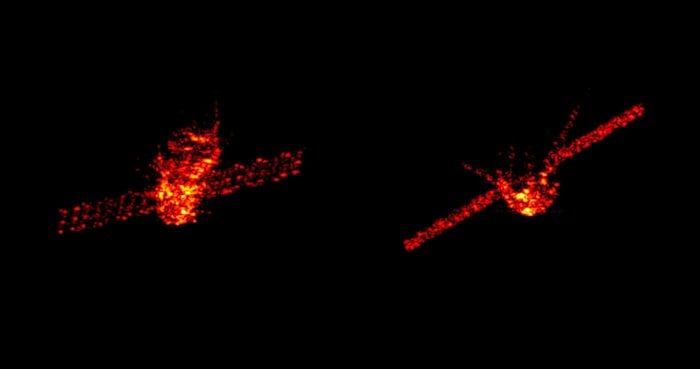
According to a statement made by the US Air Force, the reentry of the Tiangong-1 was confirmed over the Pacific Ocean on April 2nd.
Continue reading
Continue reading
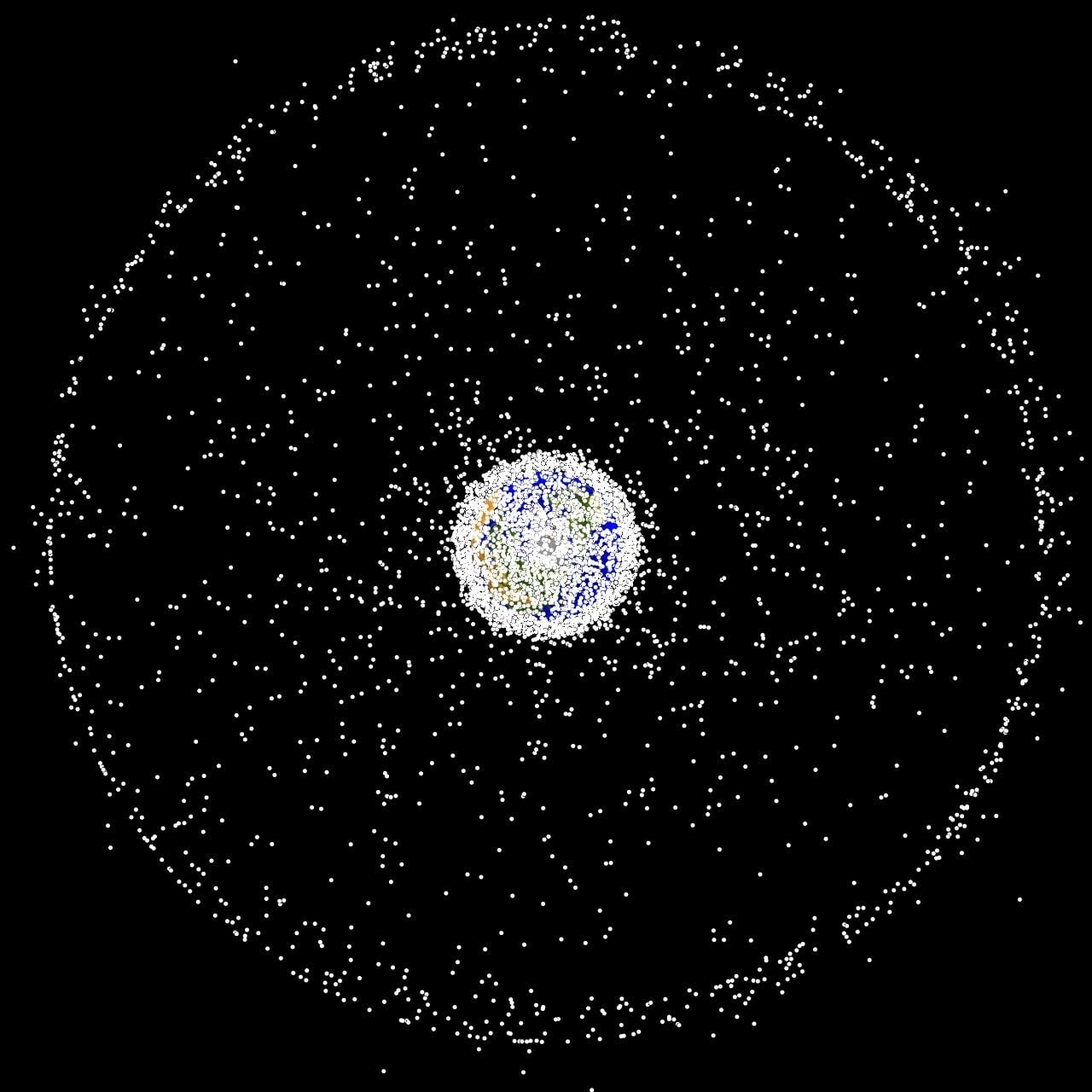
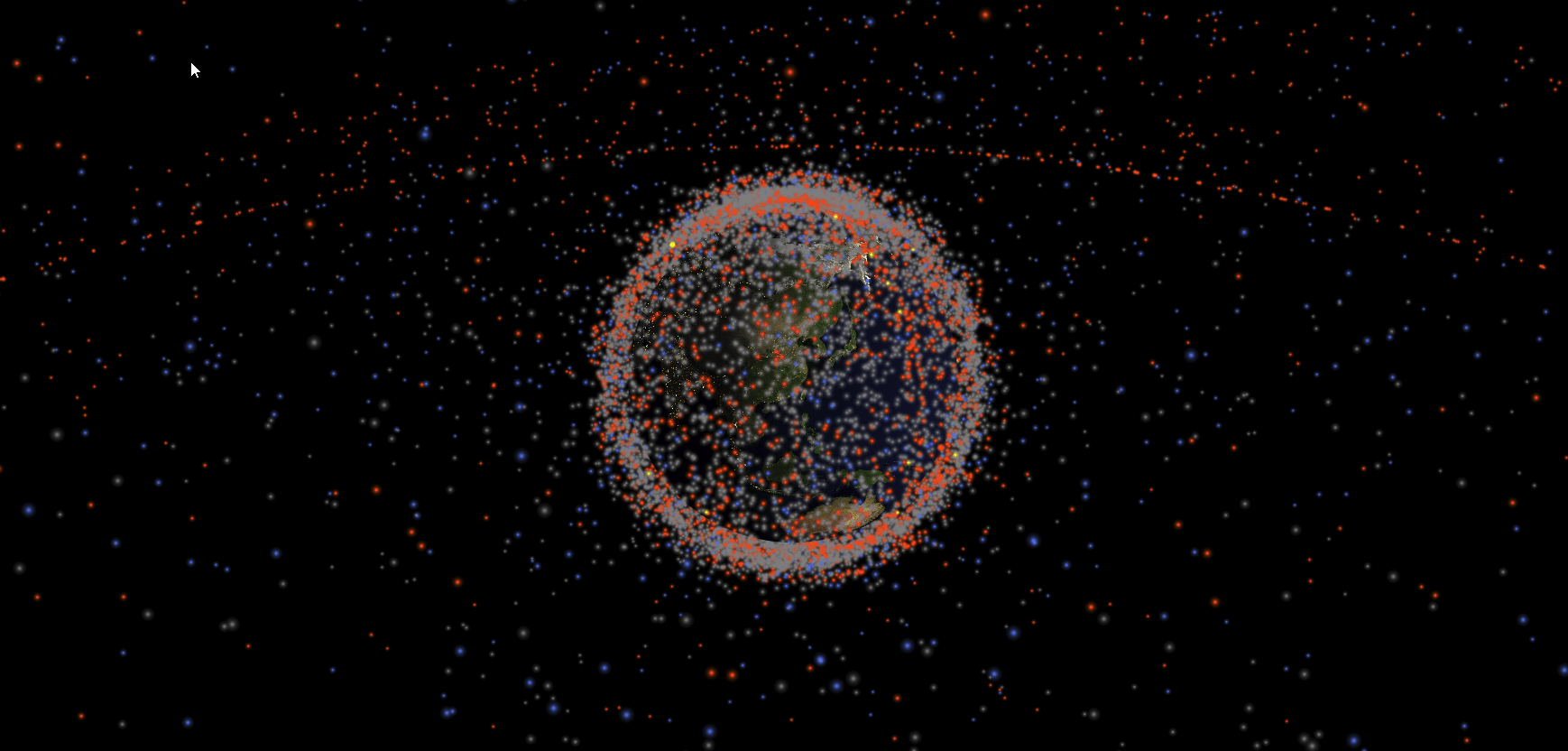
According to the ESA's Space Debris Office, about 100 tonnes of space debris enters our atmosphere every year on average.
Continue reading

Continue reading
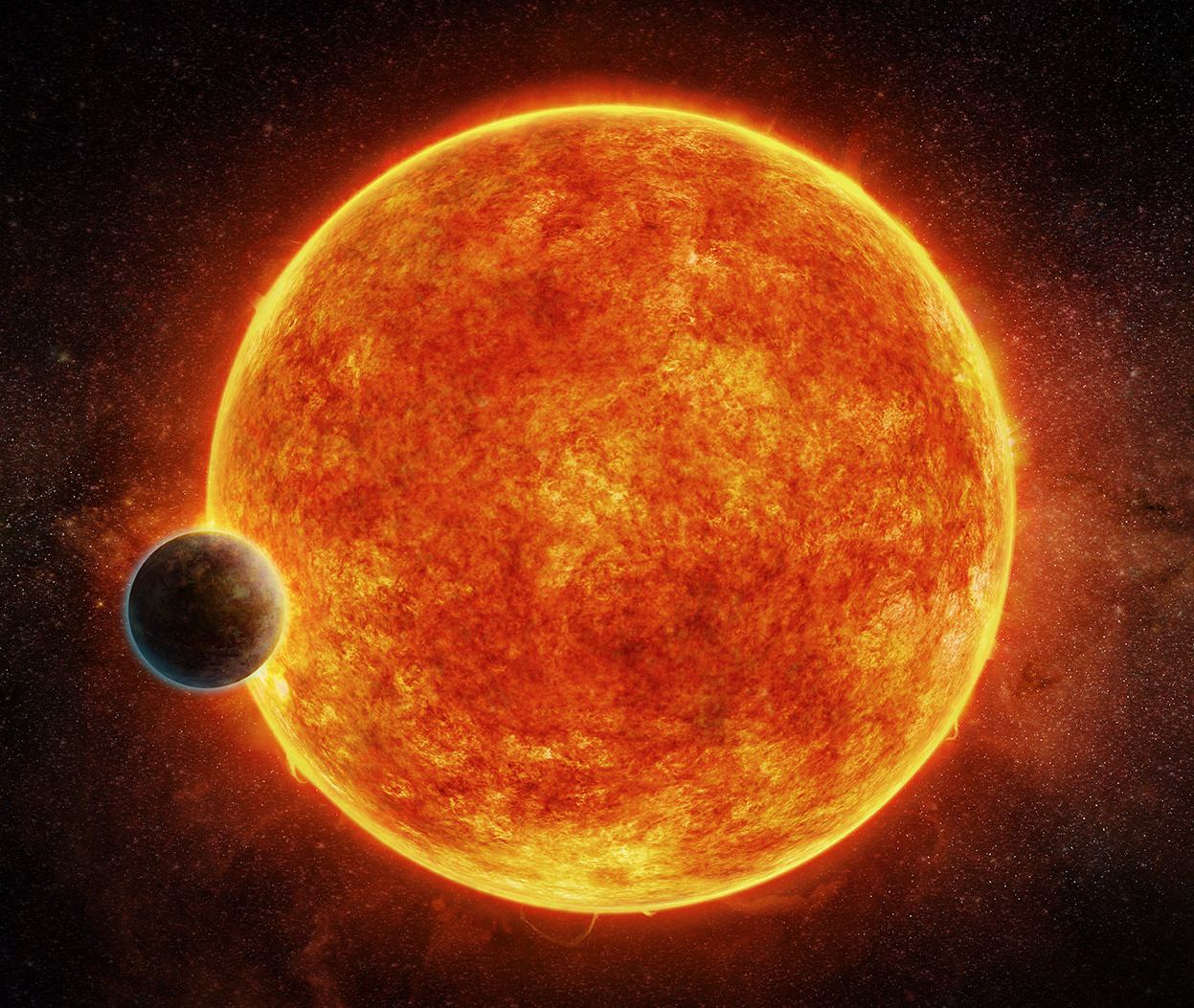
A team of international astronomers recently discovered a Super Earth with a similar composition of Mercury, and is several times hotter!
Continue reading
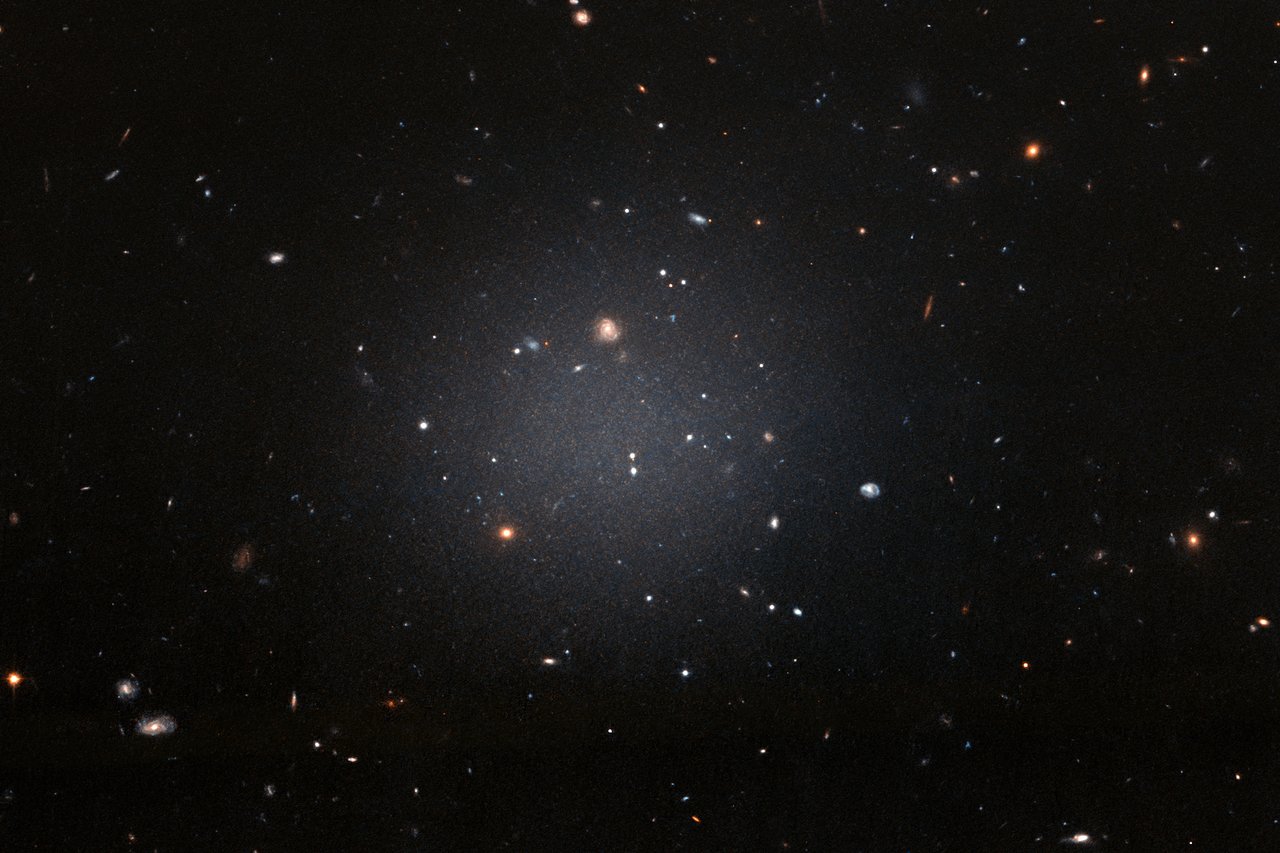
Using data from the Hubble Space Telescope and other ground-based observatories, a team of astronomers have found a galaxy that appears to have no dark matter.
Continue reading
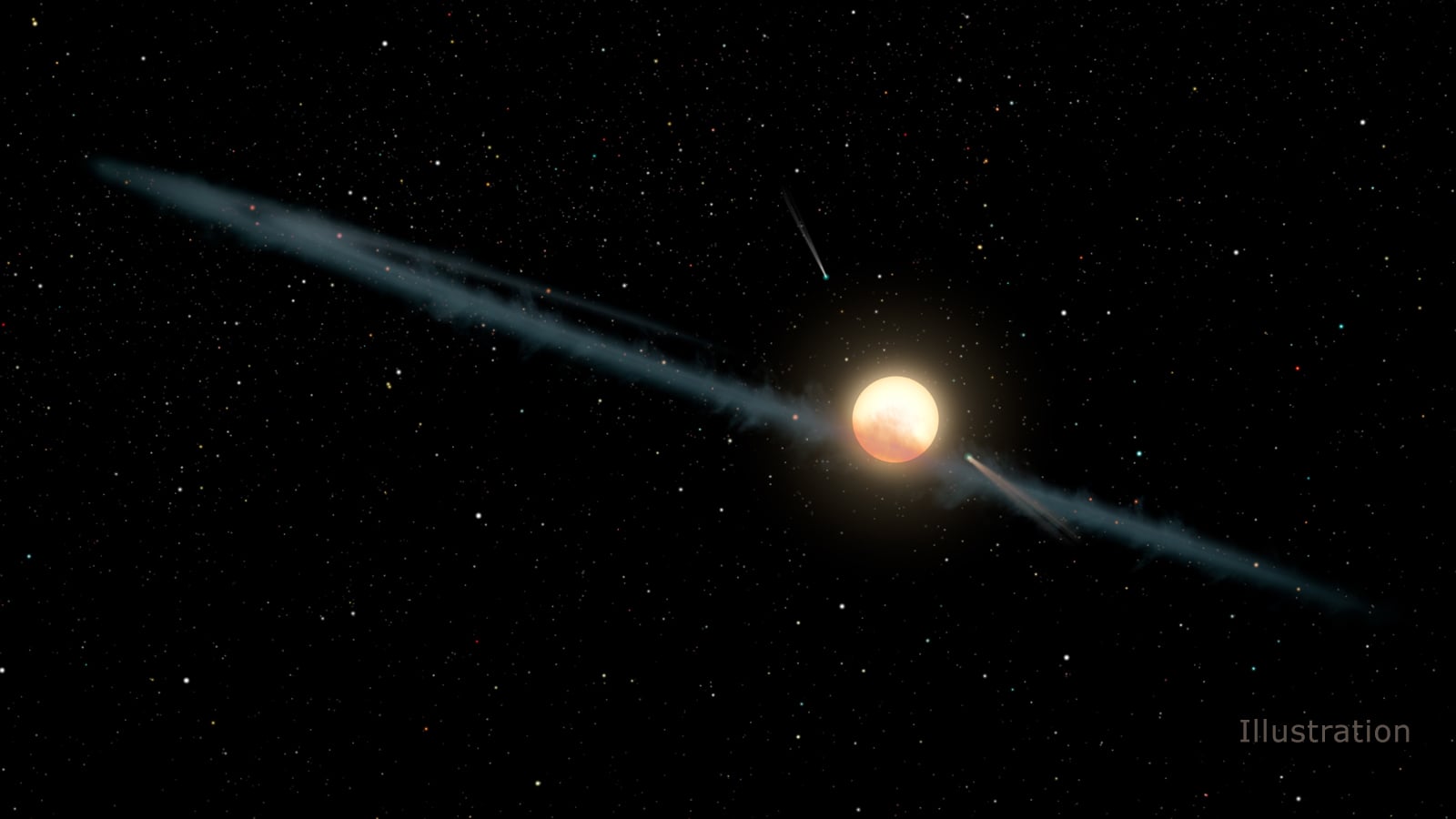
According to updates by Tabetha Boyajian and her team, it appears that Tabby's Star recently experienced another major dip in brightness.
Continue reading
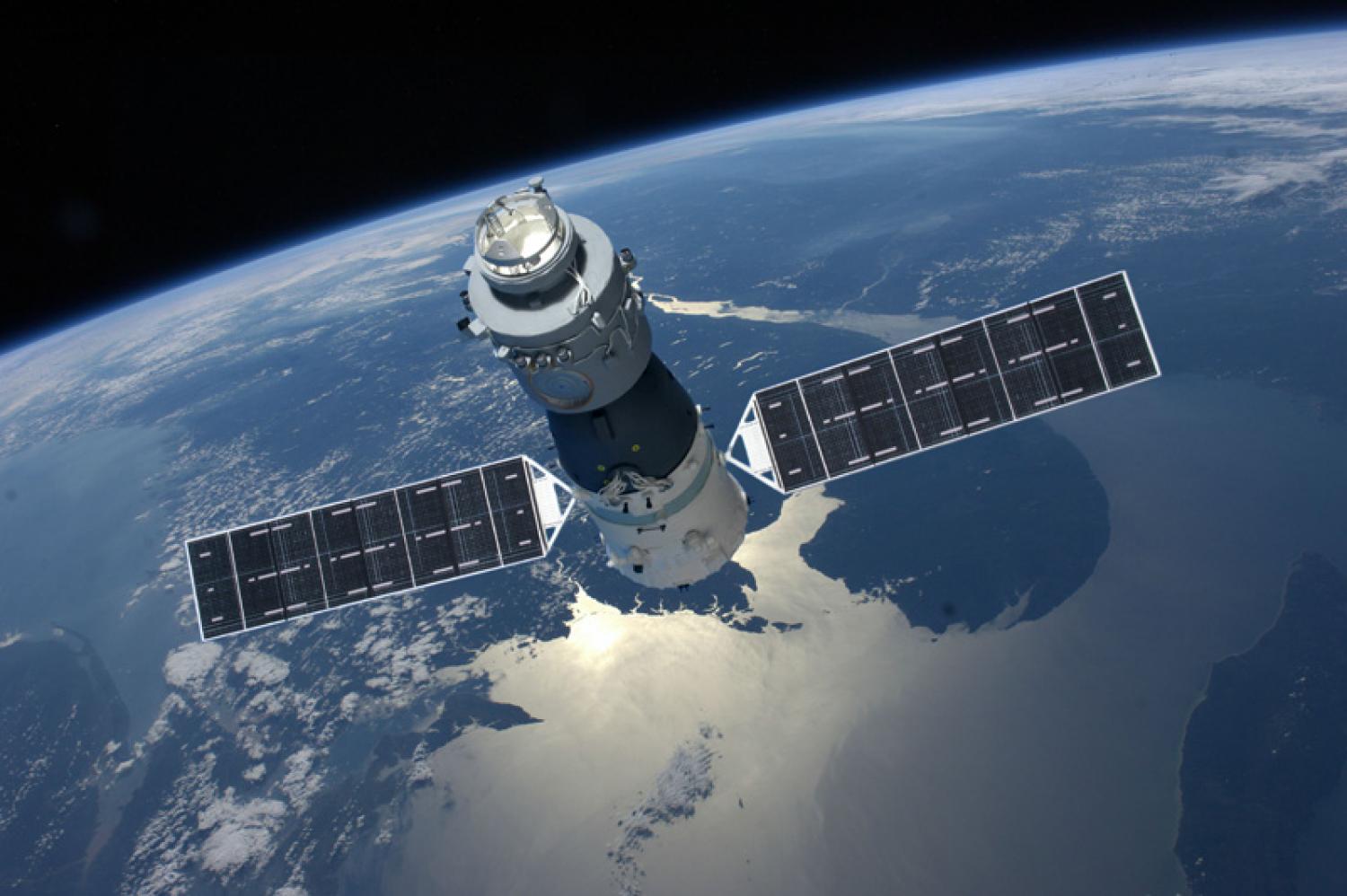
All across the world, space agencies and satellite trackers are predicting that China's Tiangong-1 space station will enter Earth's atmosphere around April Fool's Day.
Continue reading

Skywatchers have a busy weekend ahead. The Chinese space station is expected to burn up in the atmosphere, the Moon is full and Mars and Saturn meet at dawn.
Continue reading
Continue reading

Scientists are getting better at predicting colorful auroras here on Earth by closely watching the behavior of the Sun.
Continue reading
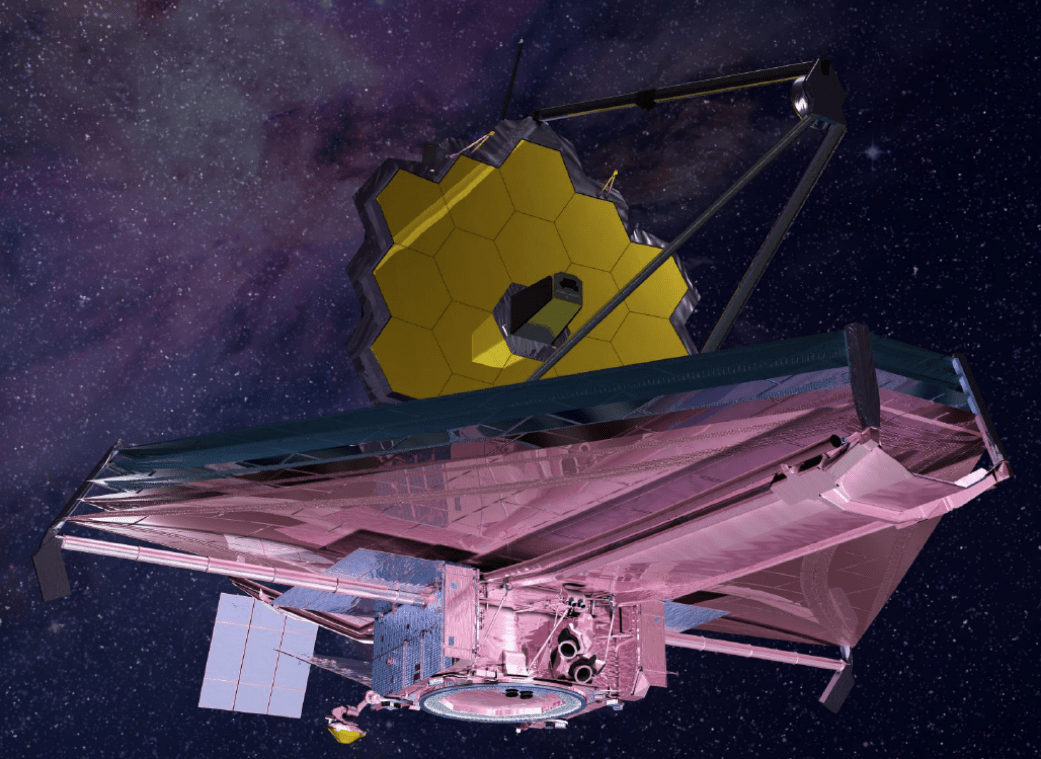
After being assessed by the Standing Review Board, NASA has announced that the launch of the James Webb Space Telescope's will be delayed until 2020.
Continue reading
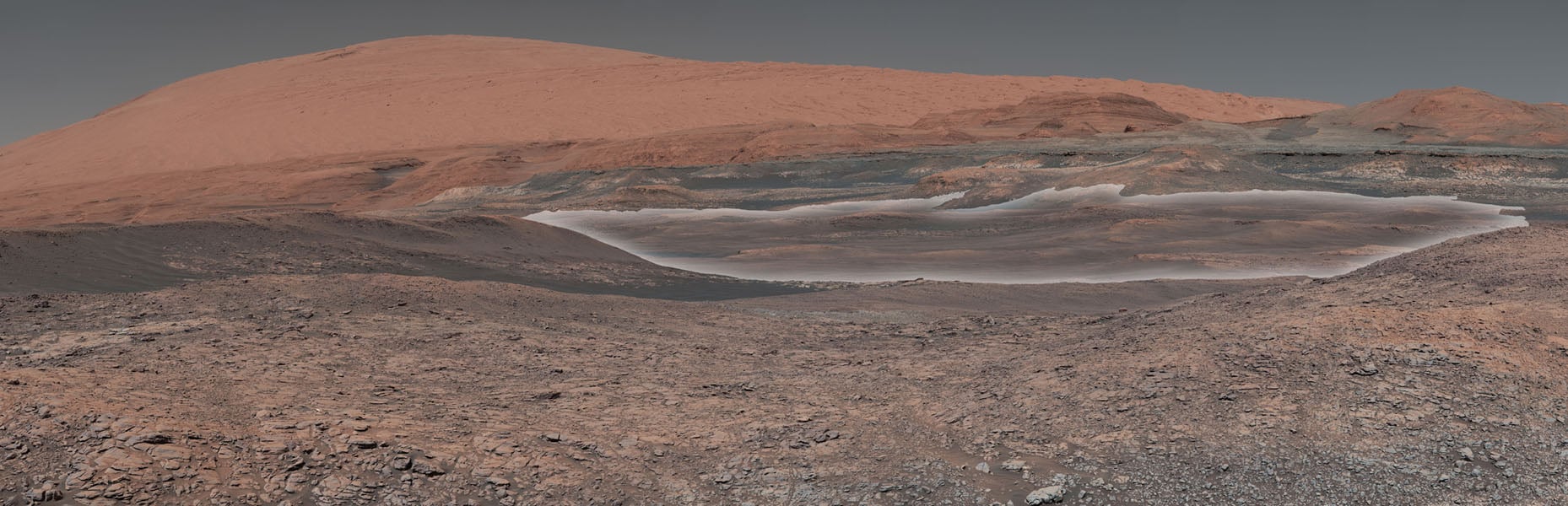
The Curiosity rover recently passed another major milestone. Since it landed in 2012, it has spent a total of 2000 Martian days (sols) exploring the Red Planet!
Continue reading
Continue reading

In response to the news of the Facebook data breach, SpaceX and Tesla founder Elon Musk has chosen to delete his companies official accounts
Continue reading
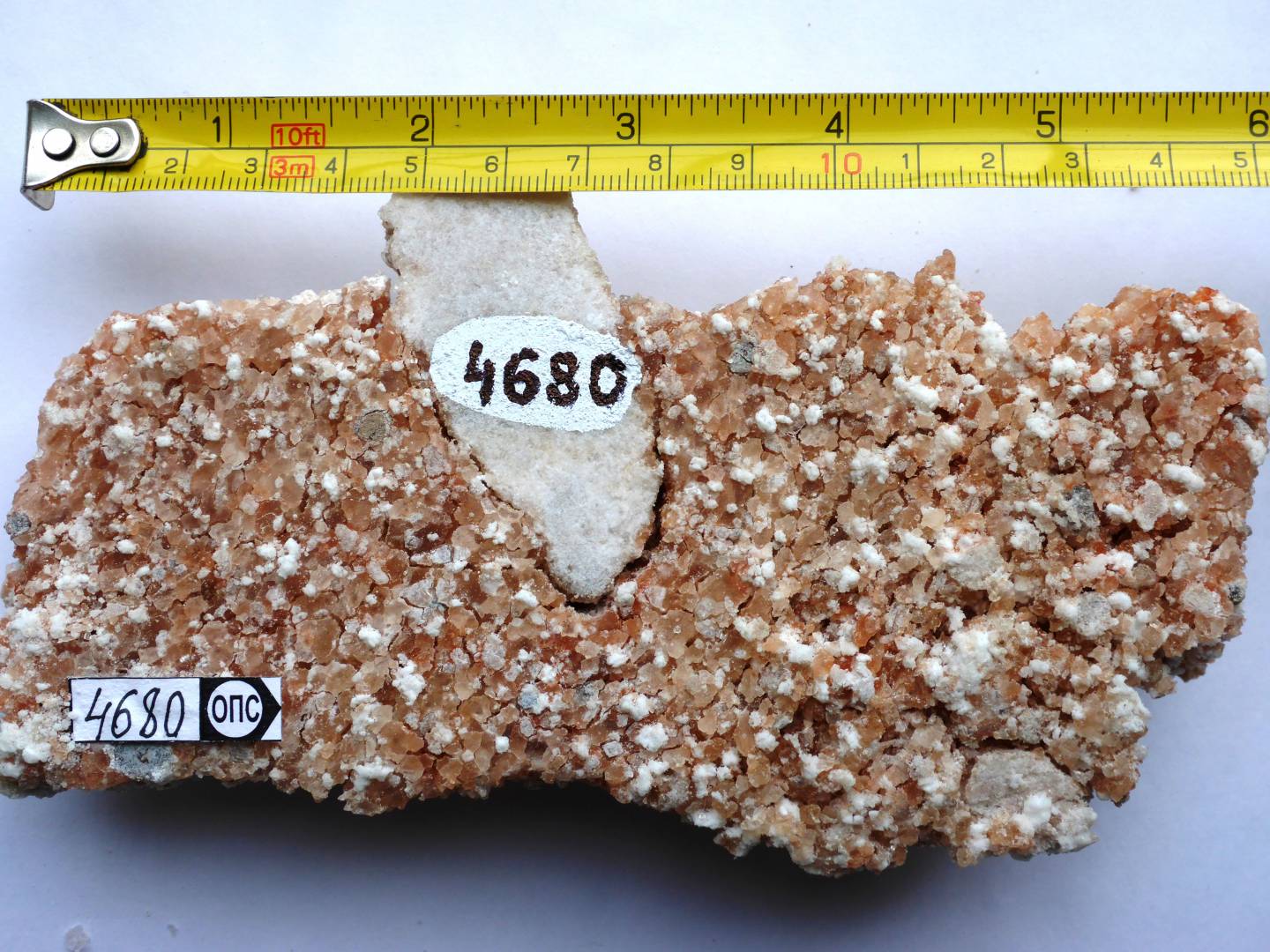
According to a new study by an international team of scientists, oxygen was introduced rather rapidly to Earth's atmosphere over 2 billion years ago
Continue reading
Continue reading

Join NASA's most daring mission to the Sun by sending your name along for the ride on the Parker Solar Probe that's set to launch this summer.
Continue reading
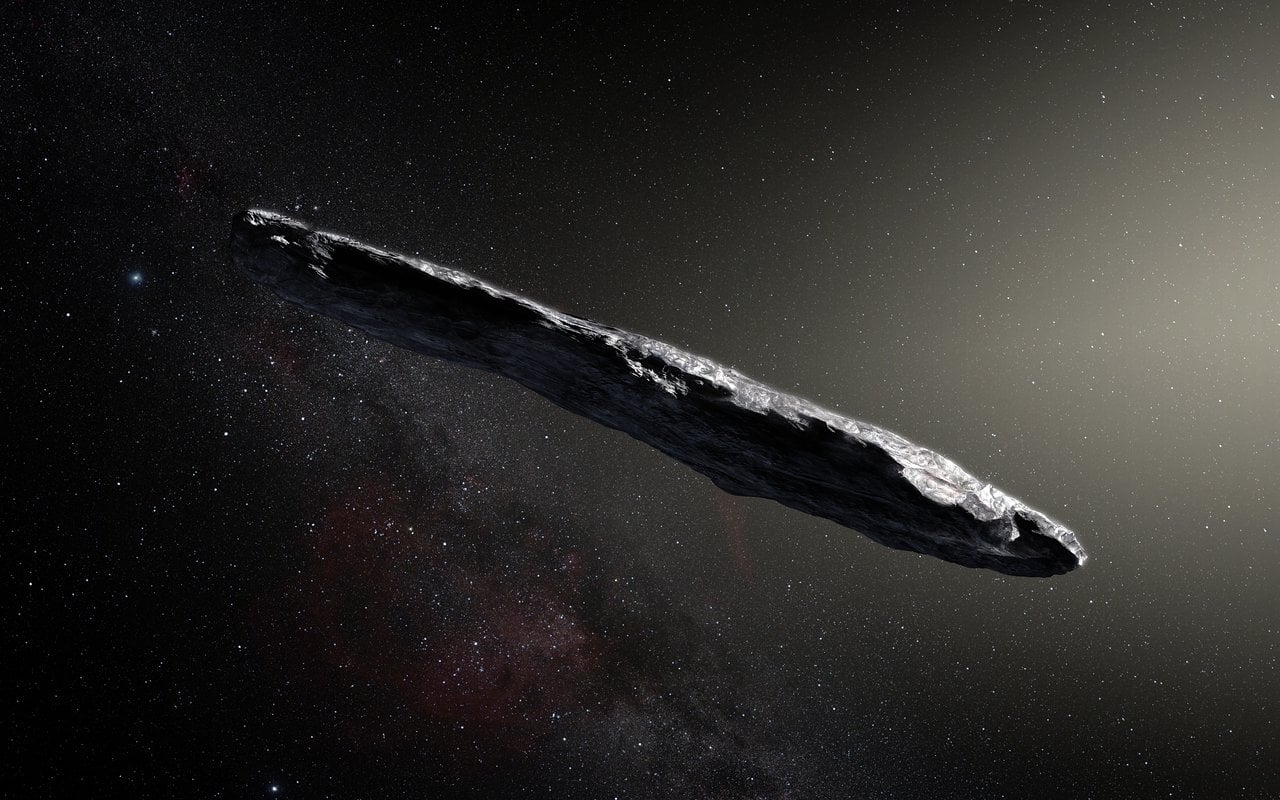
According to a new study by a team of Canadian astronomers, the interstellar asteroid 'Oumuamua likely came from a binary star system
Continue reading
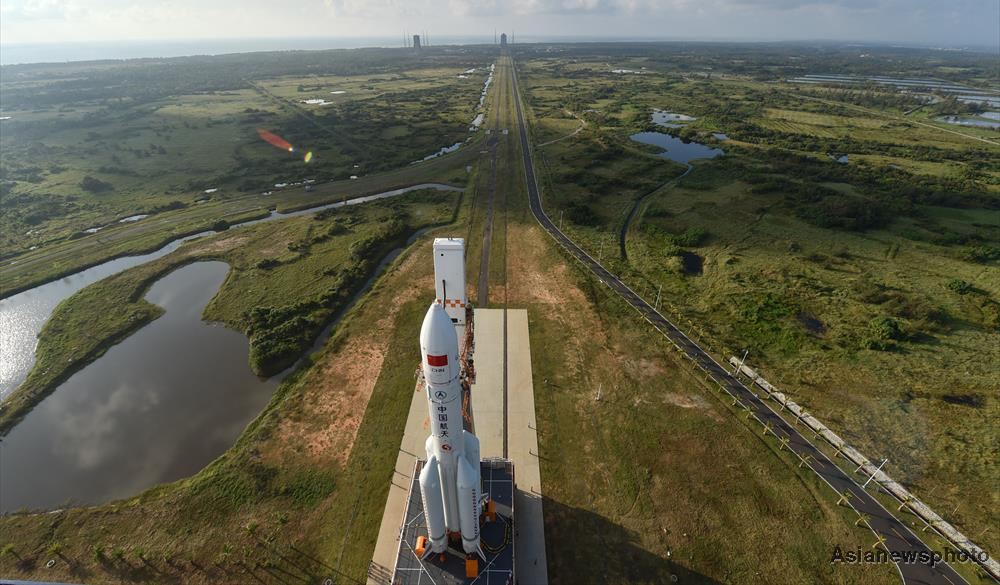
As part of their goal to conduct a crewed mission to the Moon, China is busy developing the Long March 9 - a heavy rocket as powerful as the Saturn V
Continue reading
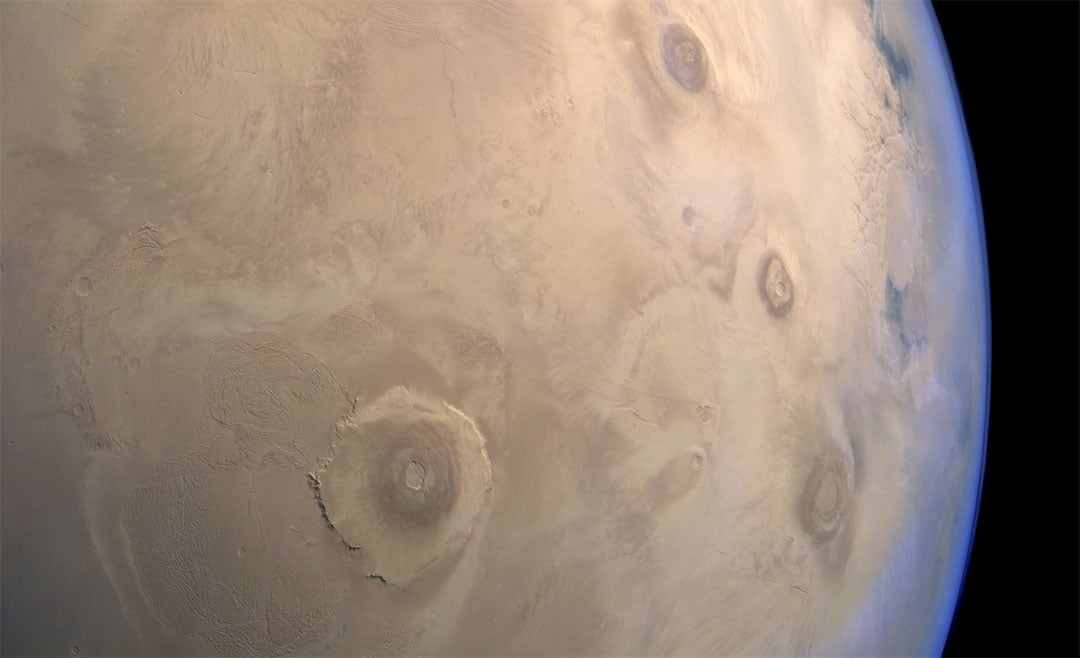
According to a new study by a team from UC Berkeley, the existence of oceans on Mars may have had to do a lot with early volcanic activity
Continue reading
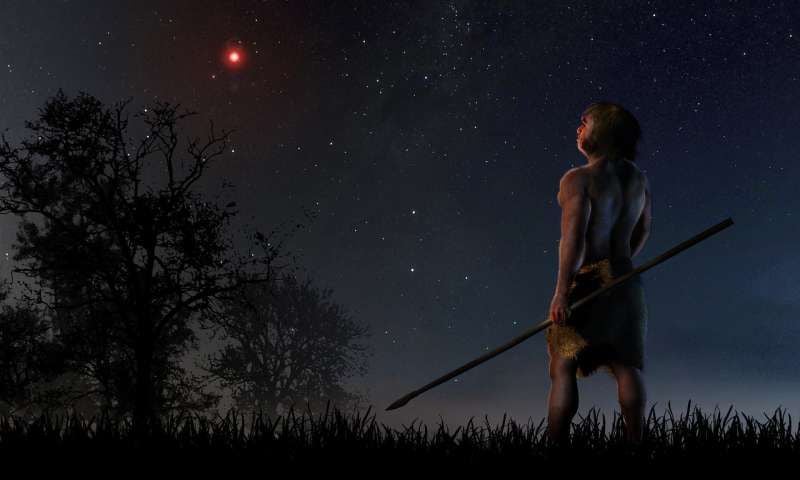
70,000 years ago, Scholz's Star visited our neighbourhood, and changed the trajectories of hundreds of objects in out Solar System.
Continue reading
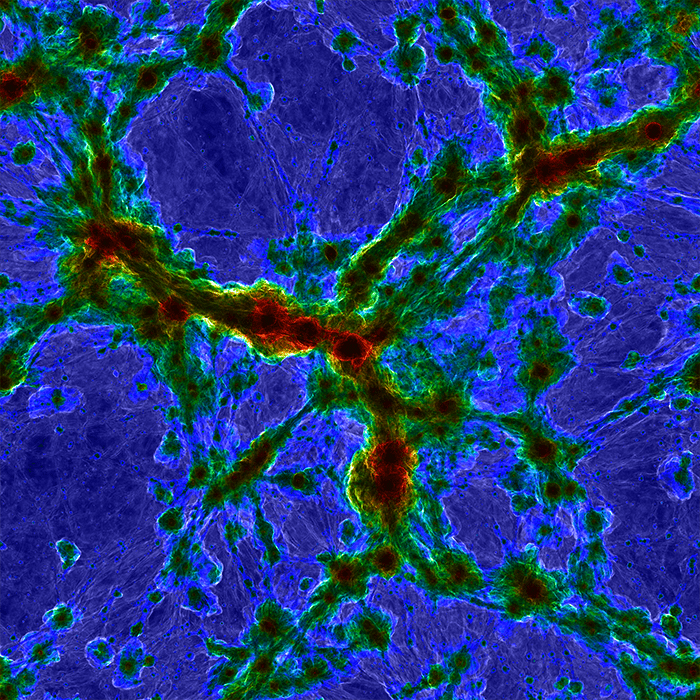
The team behind Illustris have now released the first results of their IllustrisTNG simulation, the most accurate simulation of the Universe to date.
Continue reading

Continue reading
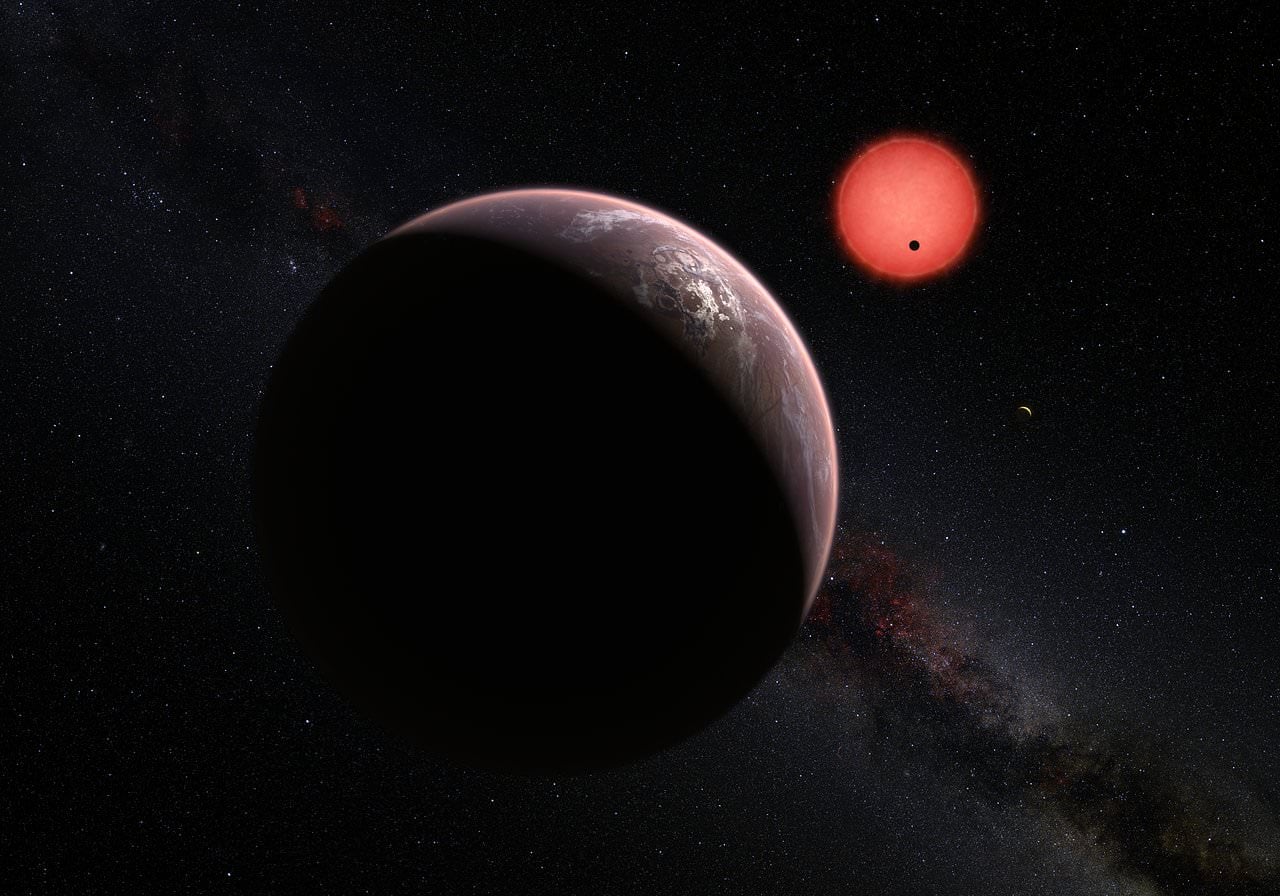
A new study has cast doubt on whether or not the TRAPPIST-1 system could be habitable, indicating that it has too much water to support life
Continue reading
Continue reading
Continue reading
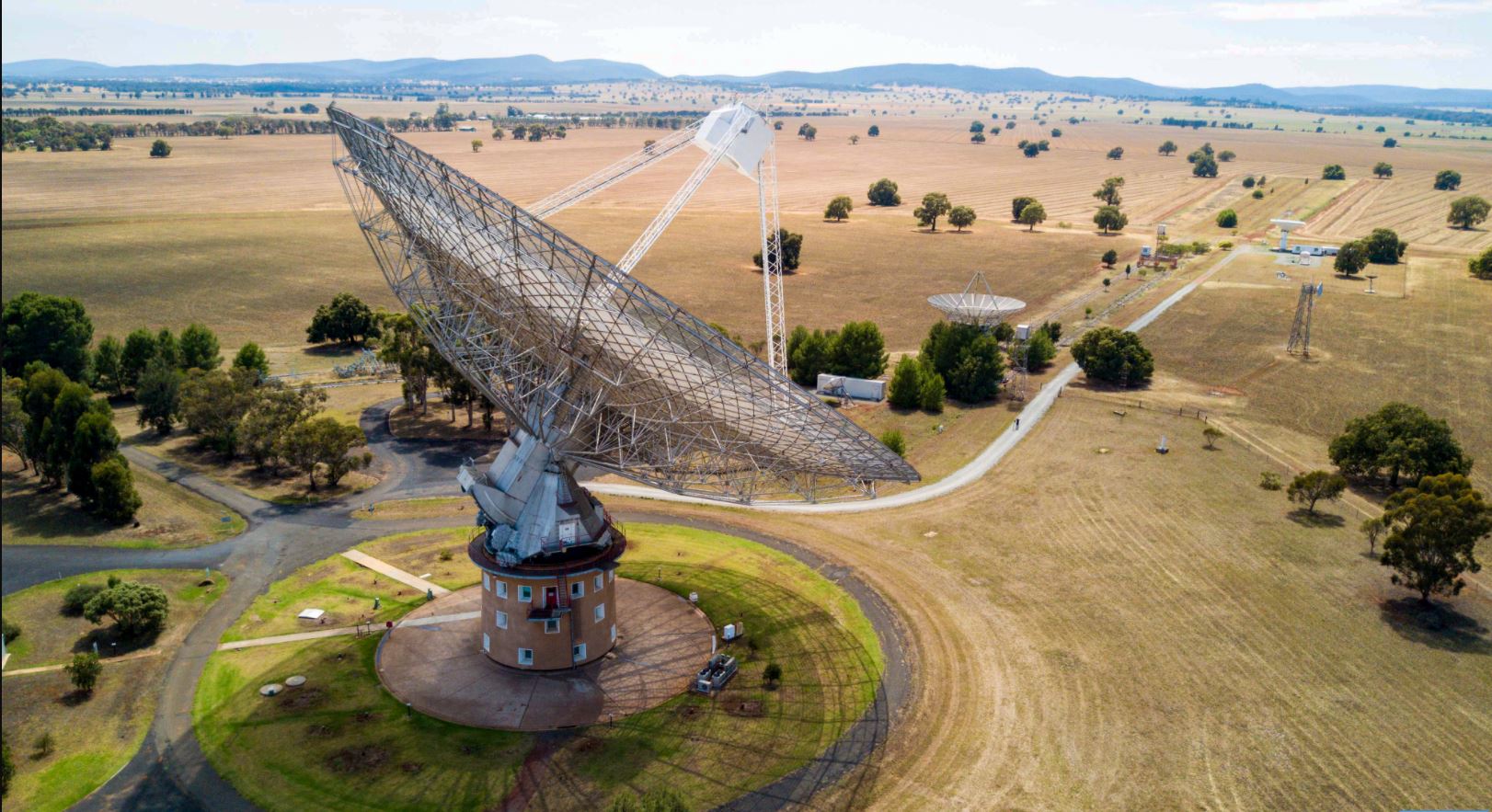
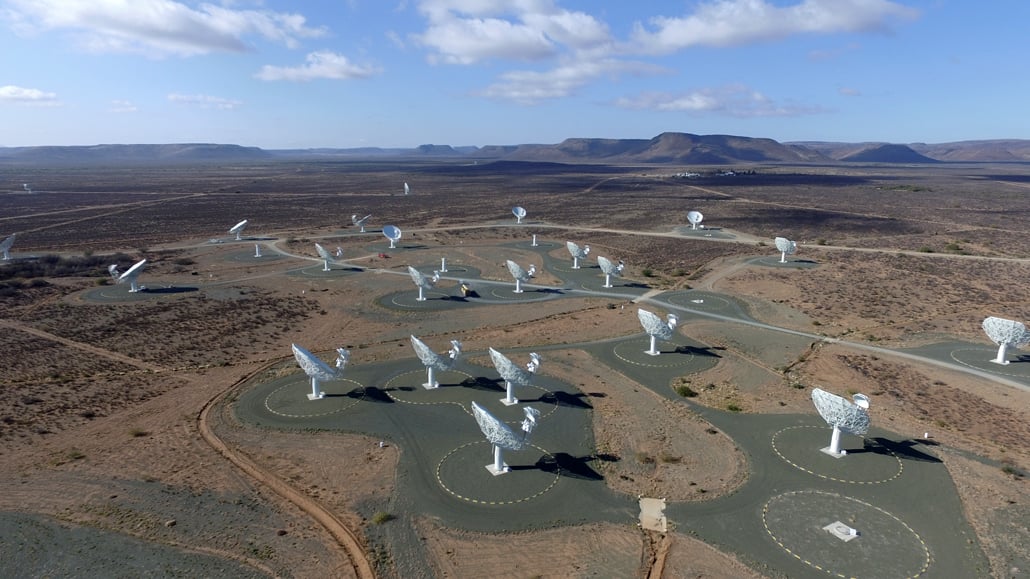
Earlier this month, scientists using the Parkes Radio Telescope detected three FRBs, one of which was the brightest ever observed
Continue reading
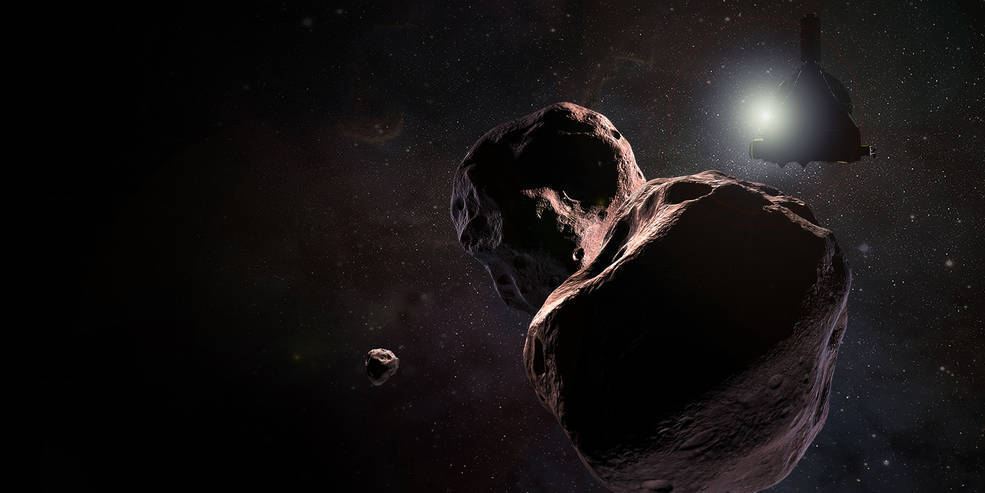
The first Kuiper Belt Object that the New Horizons mission will investigate - MU69 - just received the nickname "Ultima Thule"
Continue reading
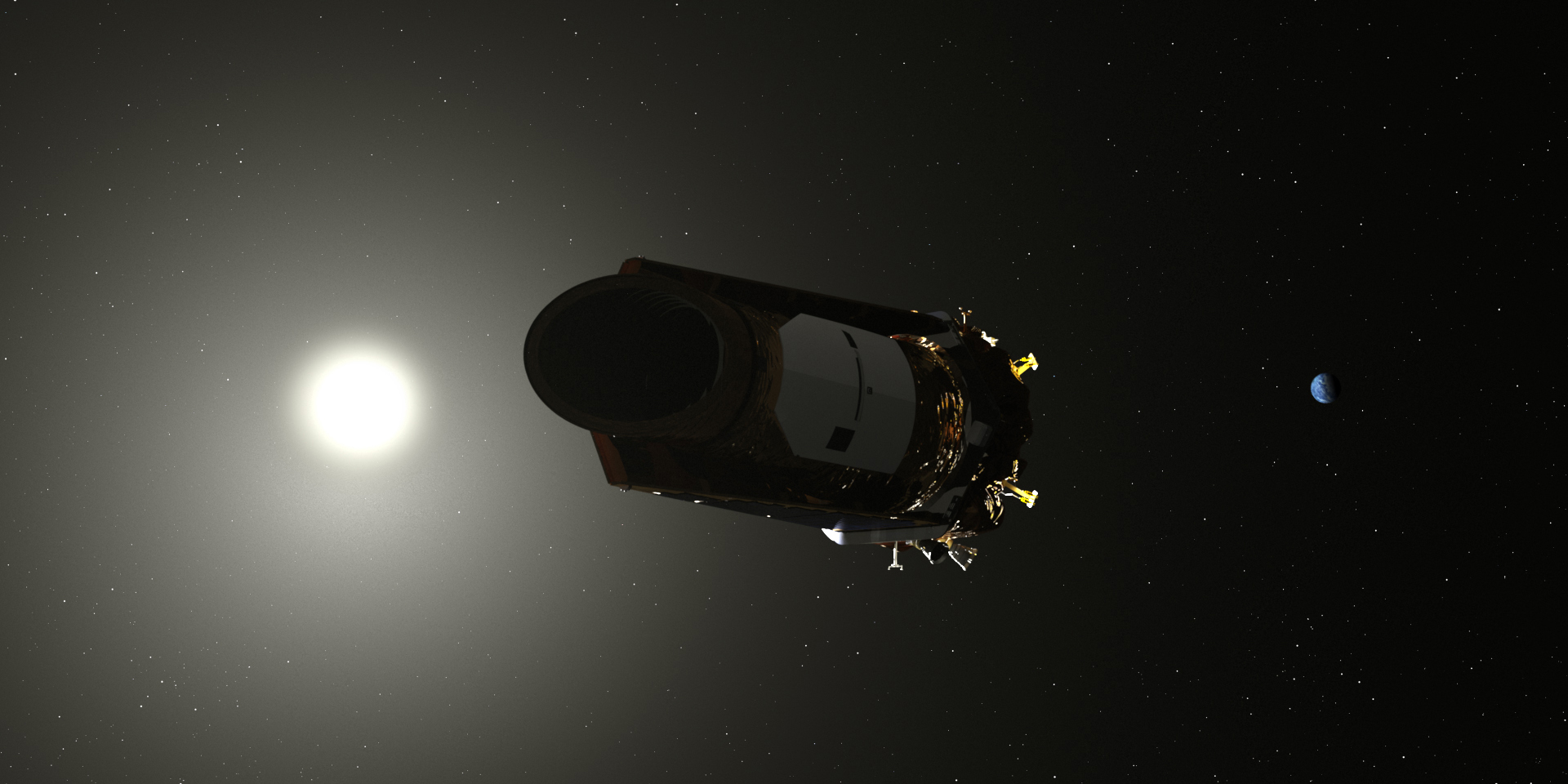
The Kepler mission, which is responsible for the majority of exoplanet discoveries, is running out of fuel and will be making its final discoveries over the next few months.
Continue reading
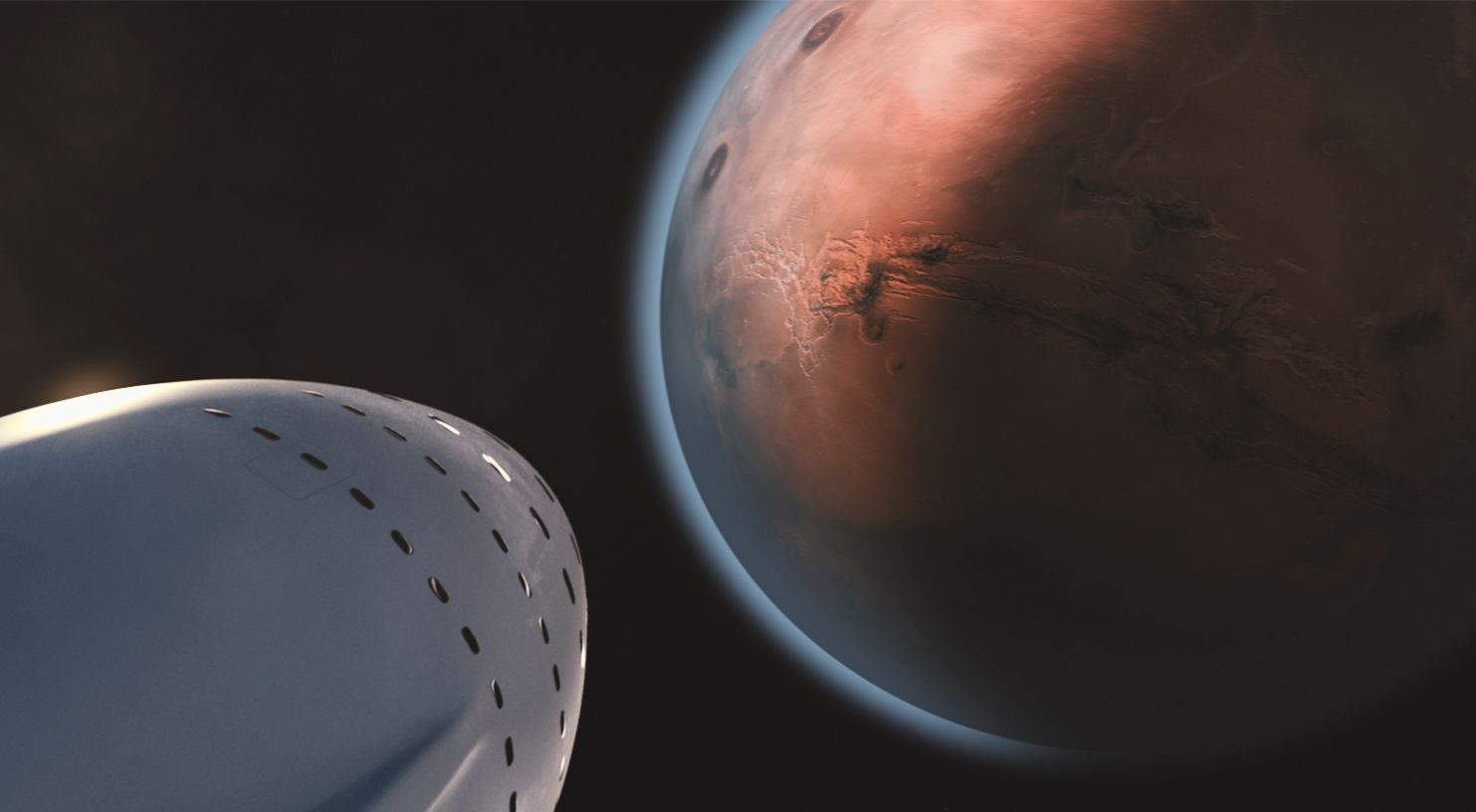
According to a recent interview Musk made at the 2018 SXSW conference, the BFR will be ready to conduct test launches in the next two years
Continue reading
 Universe Today