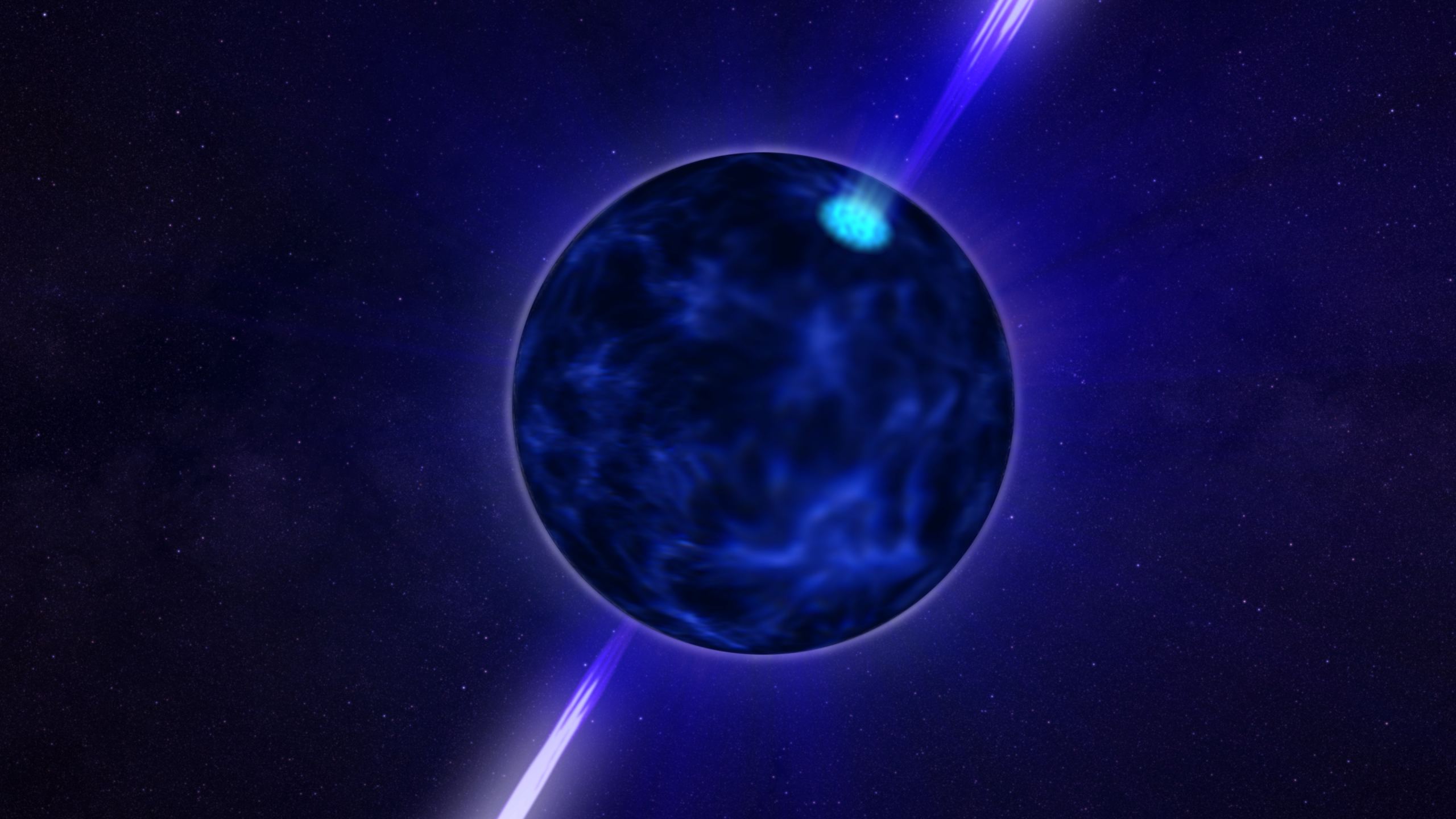
The Event Horizon Telescope is a collection of radio telescopes across the globe that simultaneously gathered data about the Milky Way's supermassive black hole, acting as a single telescope the size of planet Earth. This revealed the galaxy's heart in unprecedented detail, helping to confirm the black hole's event horizon and prove some of Einstein's predictions about General Relativity. But if those observations happened to contain any signals from pulsars in the area, it would allow for even more precise measurements, as if there were atomic clocks orbiting Sgr A*.
Continue reading
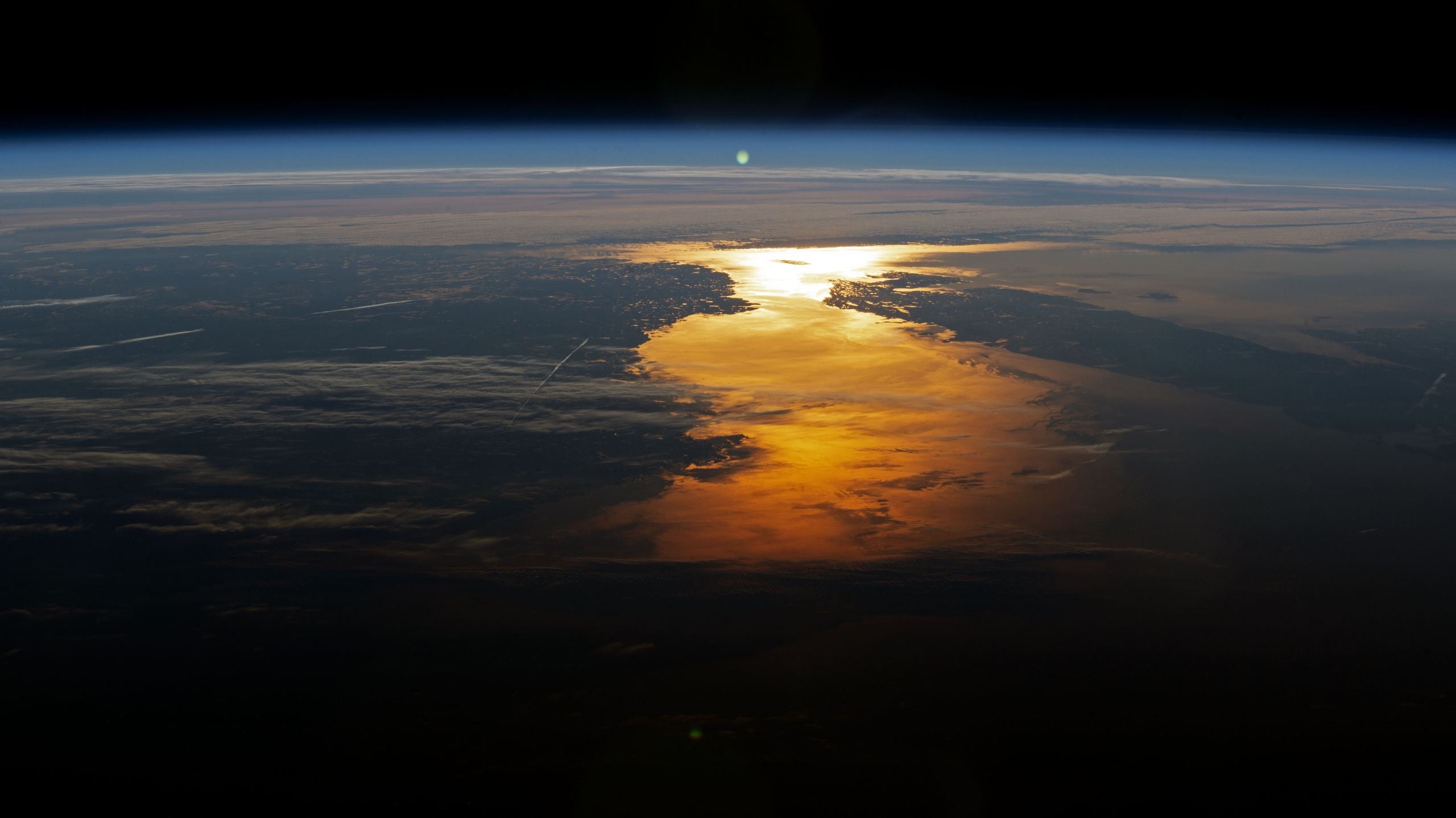
JWST is the most powerful instrument astronomers have to study the atmospheres of exoplanets, looking for trace gases that might indicate life on another world. What if Earth was an exoplanet orbiting a nearby star? What could JWST learn about our planet? In a new study, astronomers took observations of Earth from various spacecraft and then simulated what JWST would see if it got our home planet in the crosshairs. The telescope could detect various chemicals, from water vapor to methane, but it could also sense the presence of chlorofluorocarbons resulting from our industrial infrastructure.
Continue reading
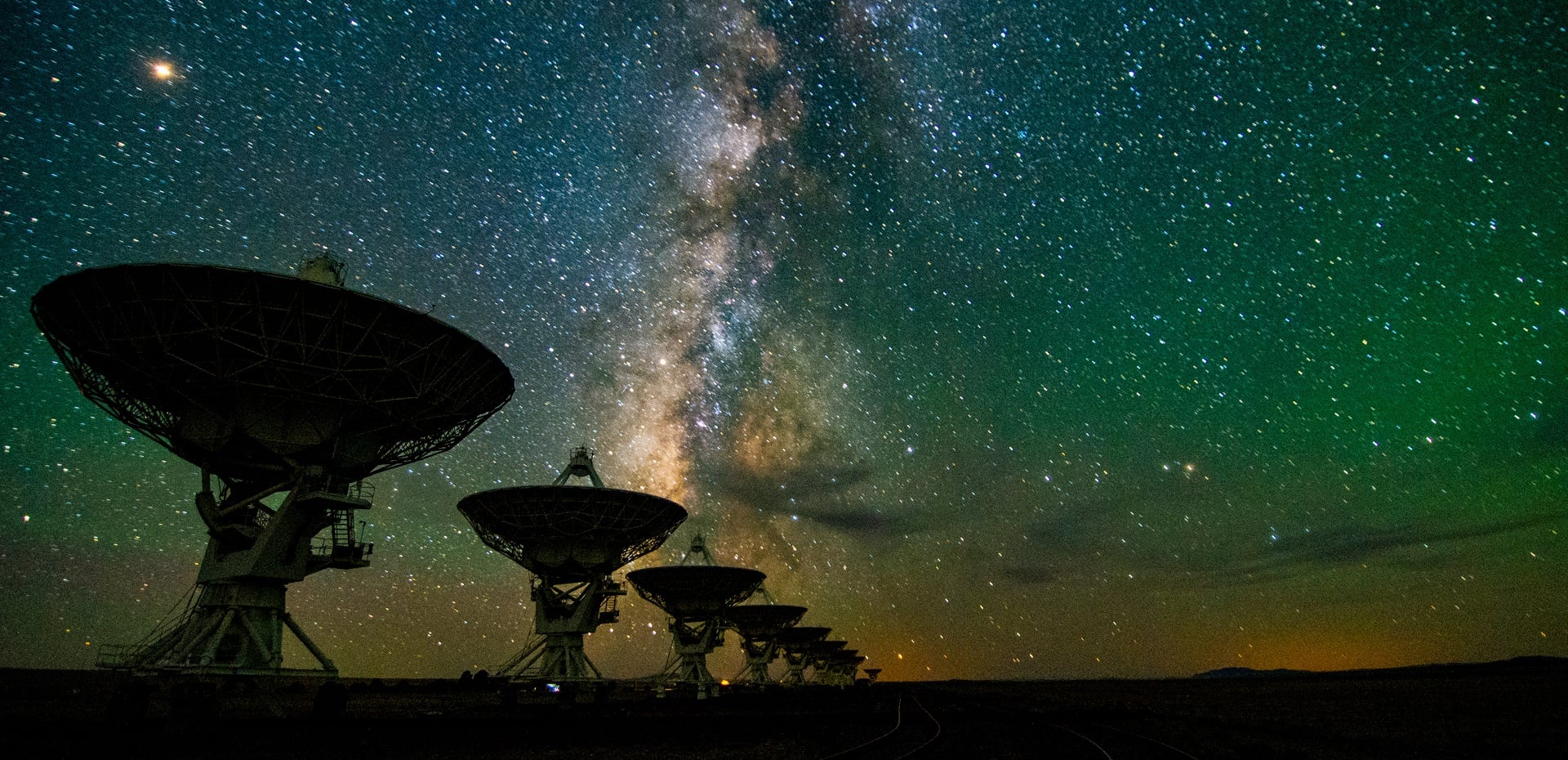
Although humans have only sent a couple of tentative signals into space, many are concerned about the risks. Should we let alien civilizations know we're here? According to a new paper, humanity has already been broadcasting its existence for thousands of years, and civilizations with advanced enough technology should be able to observe us. It's science fiction to us, but megastructure space telescopes could have baselines of millions of kilometers, powerful enough to detect structures on the surface of Earth from thousands of light-years away.
Continue reading
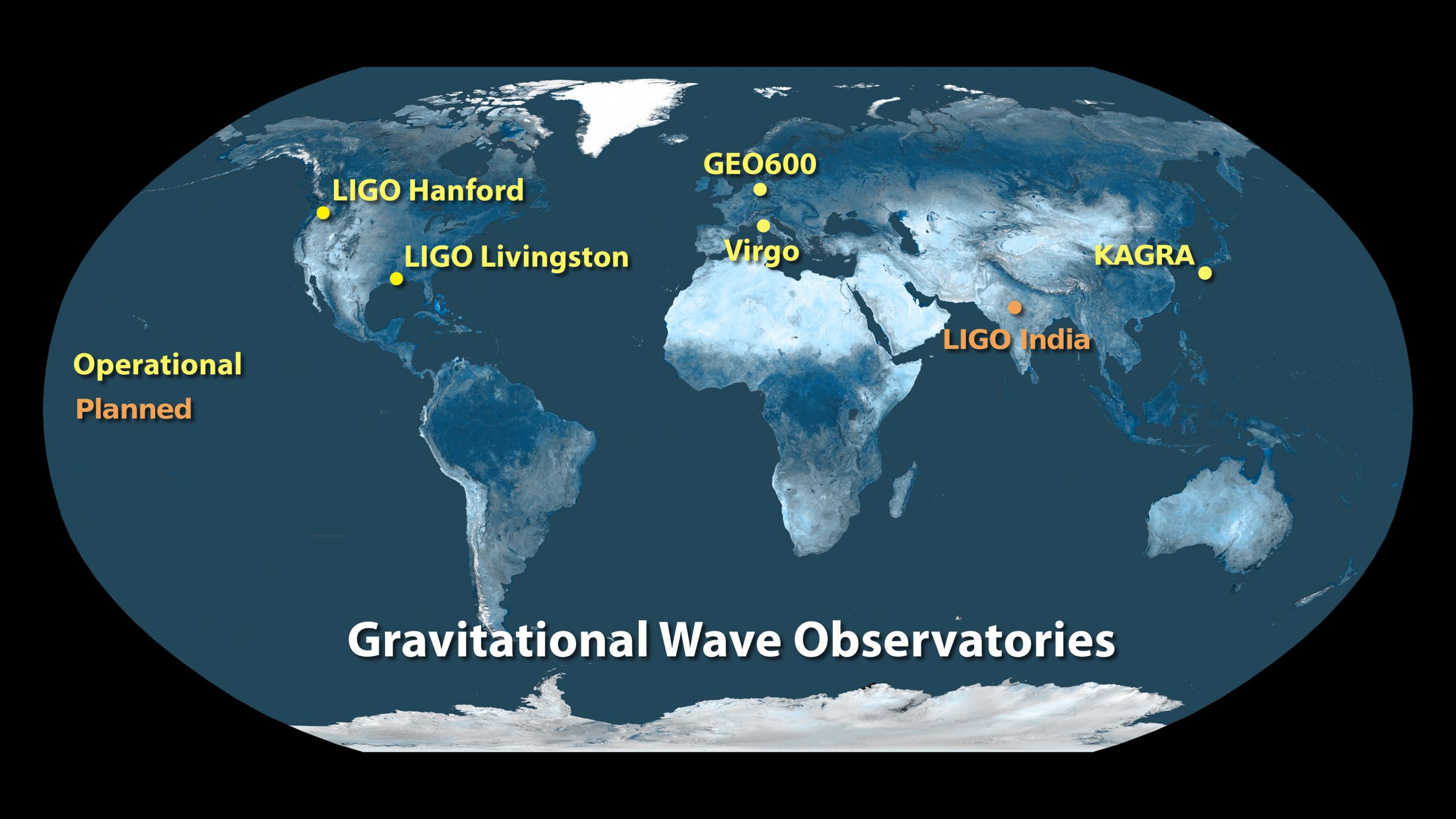
All current and planned gravitational wave observatories are located in the northern hemisphere, in the US, India, Europe, and Japan. Even the next-generation observatories like Cosmic Explorer 40-km and the Einstein Telescope will be in the north. But a telescope in the southern hemisphere would provide a much larger baseline, allowing the detection of fainter gravitational waves. A new paper makes the case for building an observatory south of the equator.
Continue reading
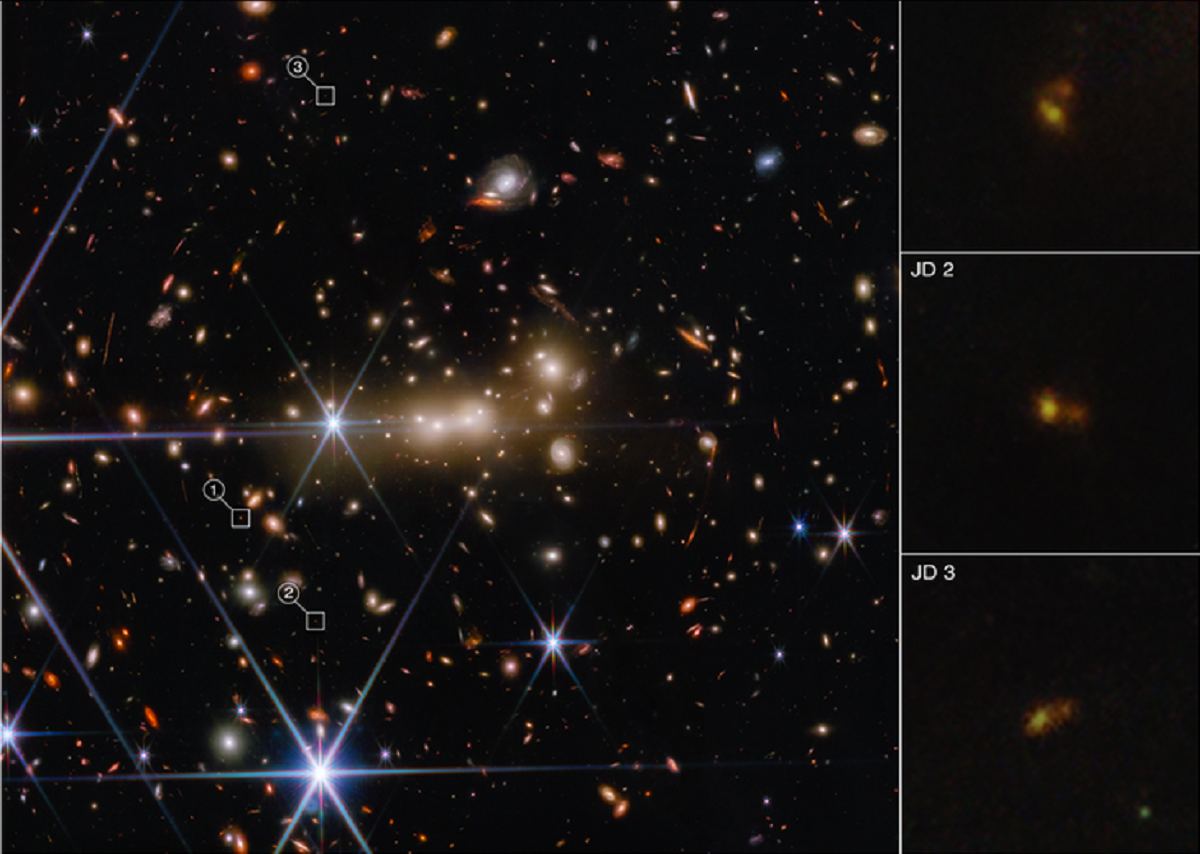
Thanks to data obtained by Webb, astronomers have confirmed that MACS0647-star-1 is the second farthest star observed to date.
Continue reading
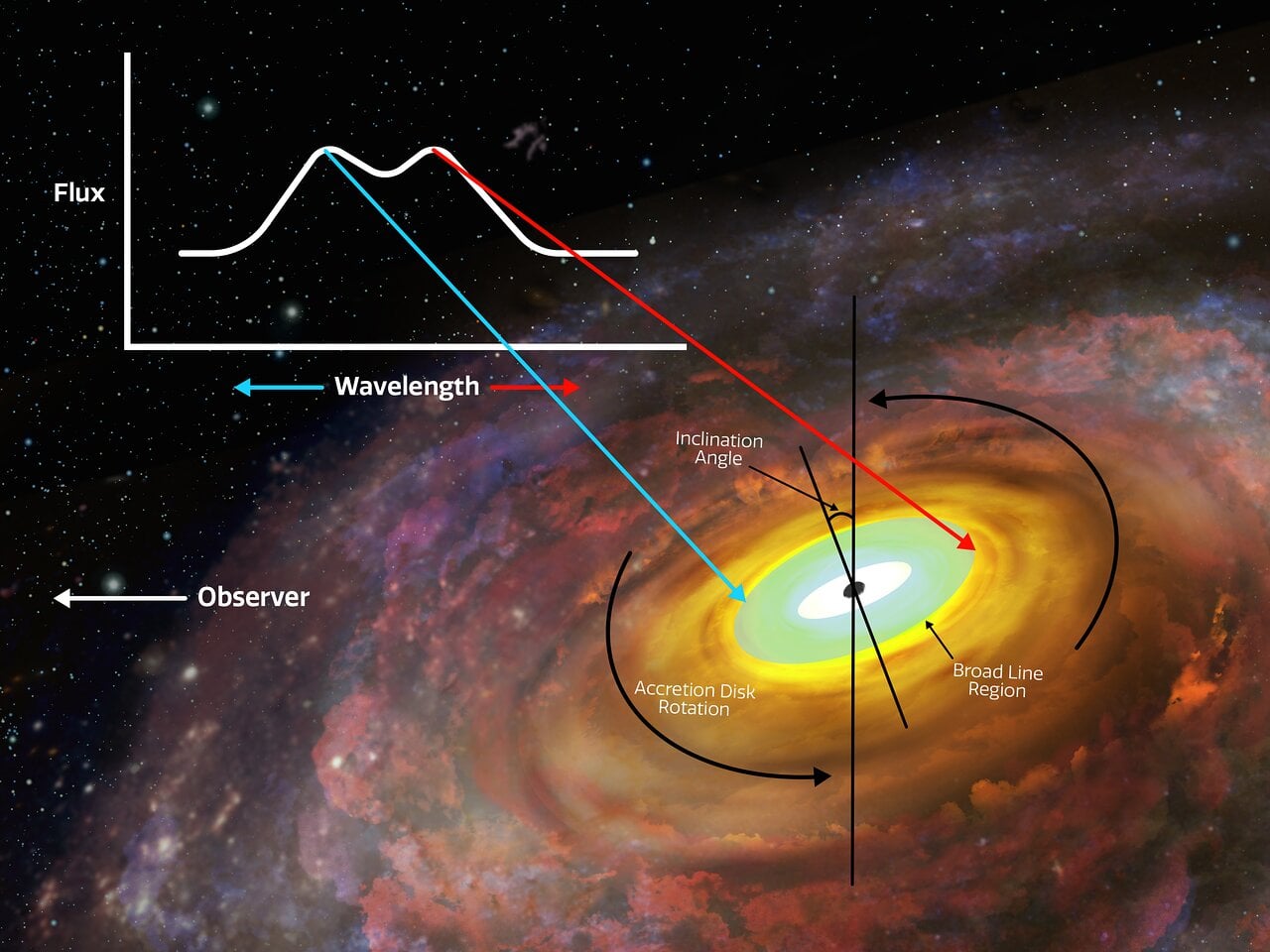
Actively feeding supermassive black holes are known as quasars, and they can outshine all the stars of their host galaxy. Part of their brightness comes from the accretion disk surrounding the black hole, but they're hard to image directly because quasars are so far away. New data from one of the world's largest telescopes has managed this feat, detecting near-infrared emission lines that mark significant regions in the accretion disk in a quasar.
Continue reading
 Universe Today