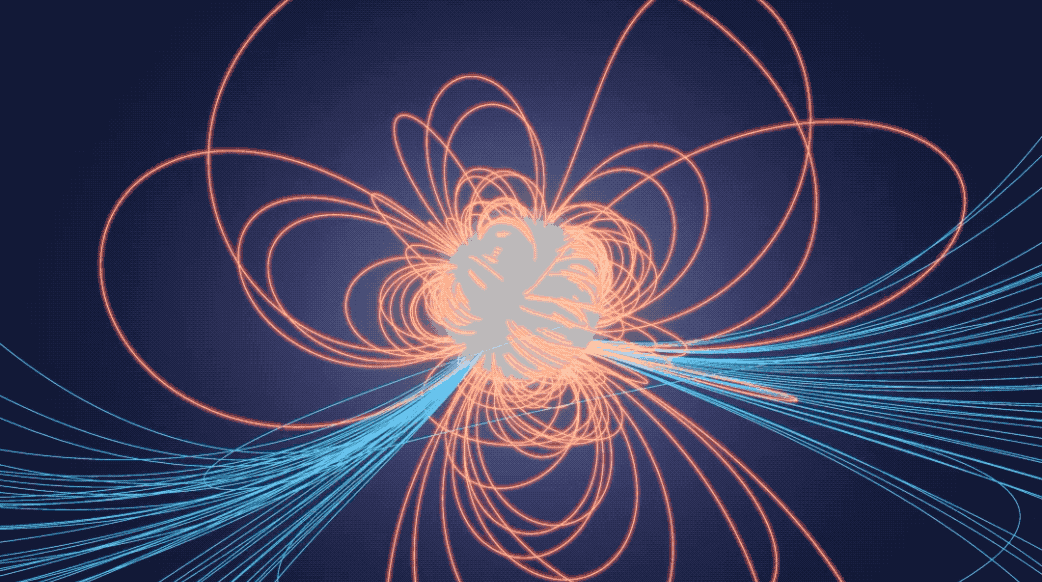
Using NICER data, two teams of researchers were able to map the surface of a pulsar for the first time in history!
Continue reading
Continue reading
Continue reading
Continue reading
Continue reading
Continue reading

A new study by a team of German physicists and an American biomedical engineer has solved a long-standing problem in how planets form.
Continue reading
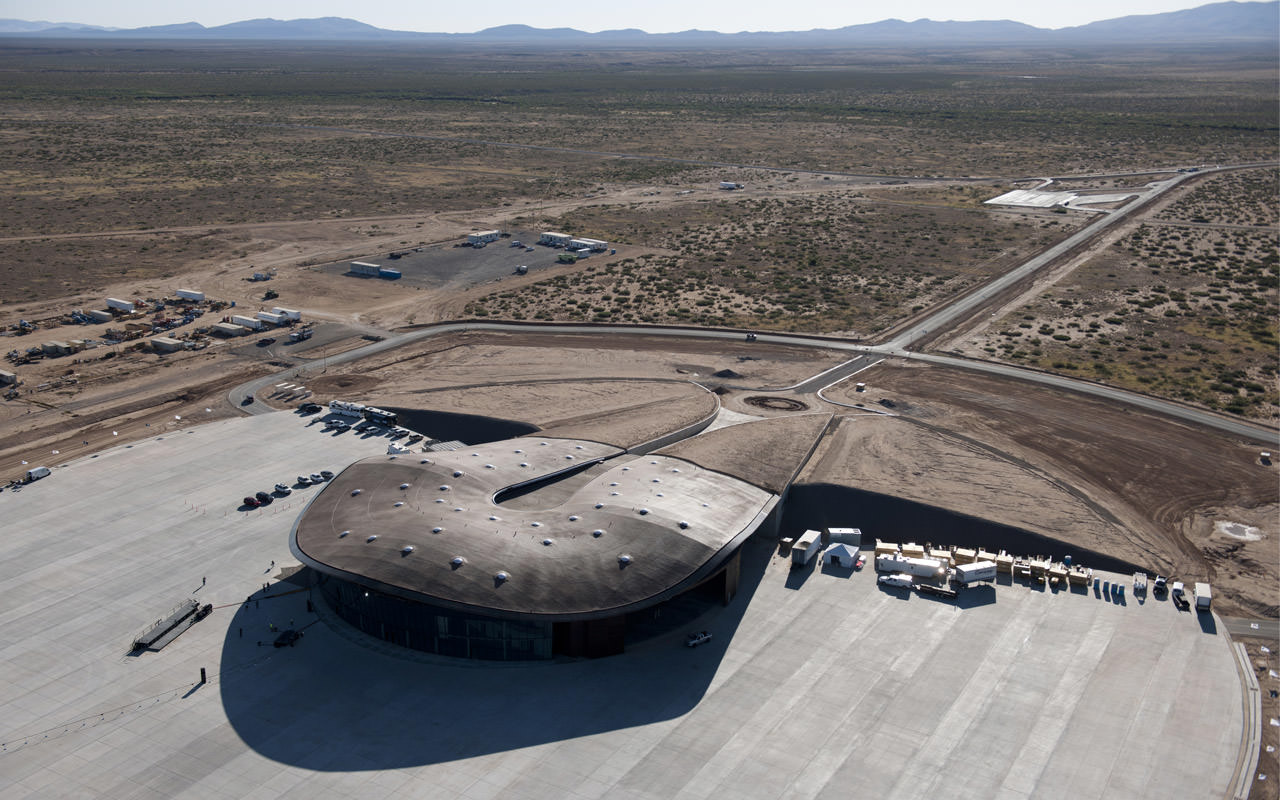
The 2020 Spaceport America Cup will be the largest to date, thanks to a new collaboration with crowdsourcing powerhouse HeroX!
Continue reading
Continue reading
Continue reading
Continue reading
Continue reading
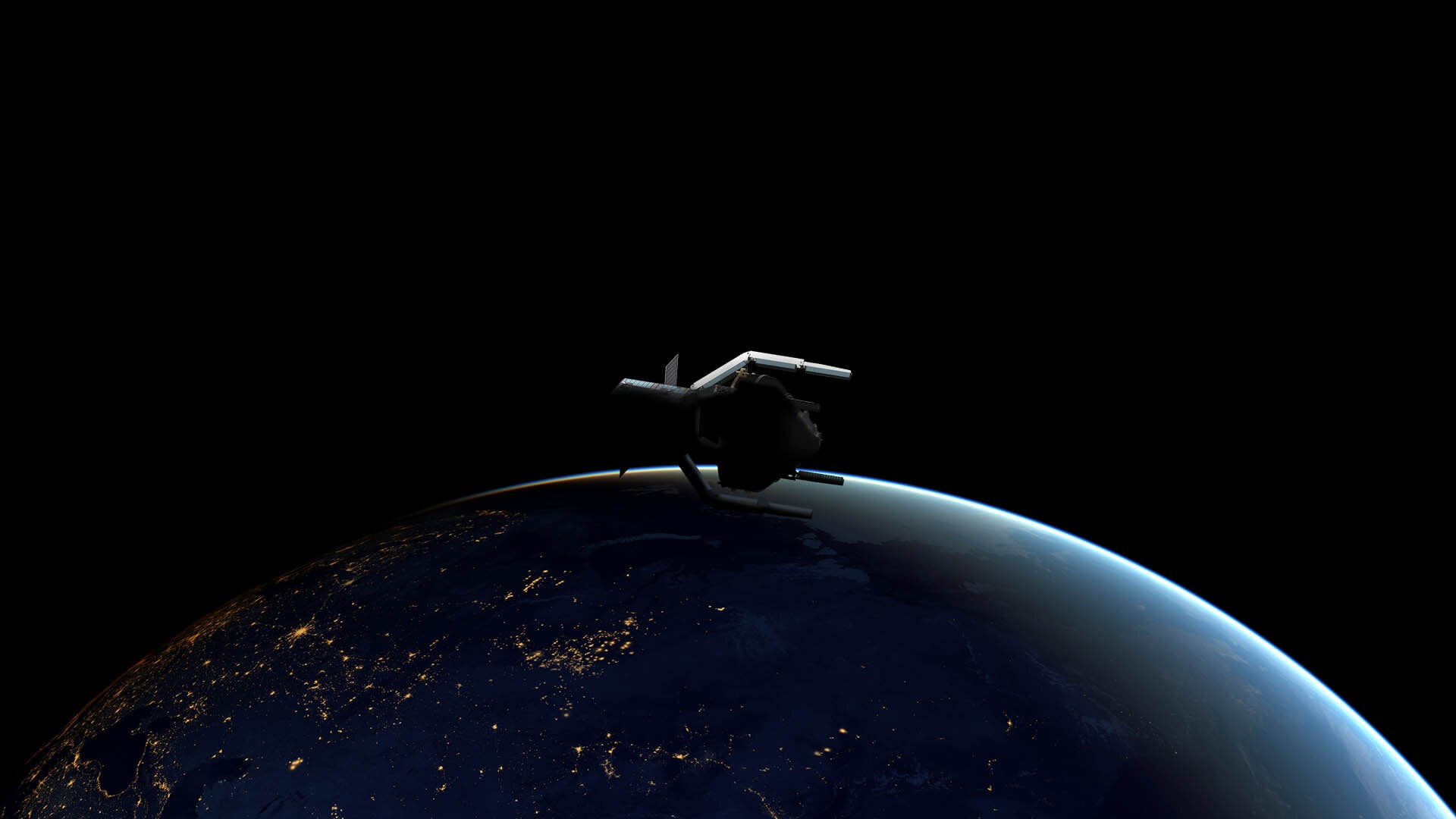
A specialized spacecraft will be sent to orbit by the ESA in 2025 to remove a piece of space debris, which will pave the way for future cleanup missions.
Continue reading
Continue reading
Continue reading

Continue reading
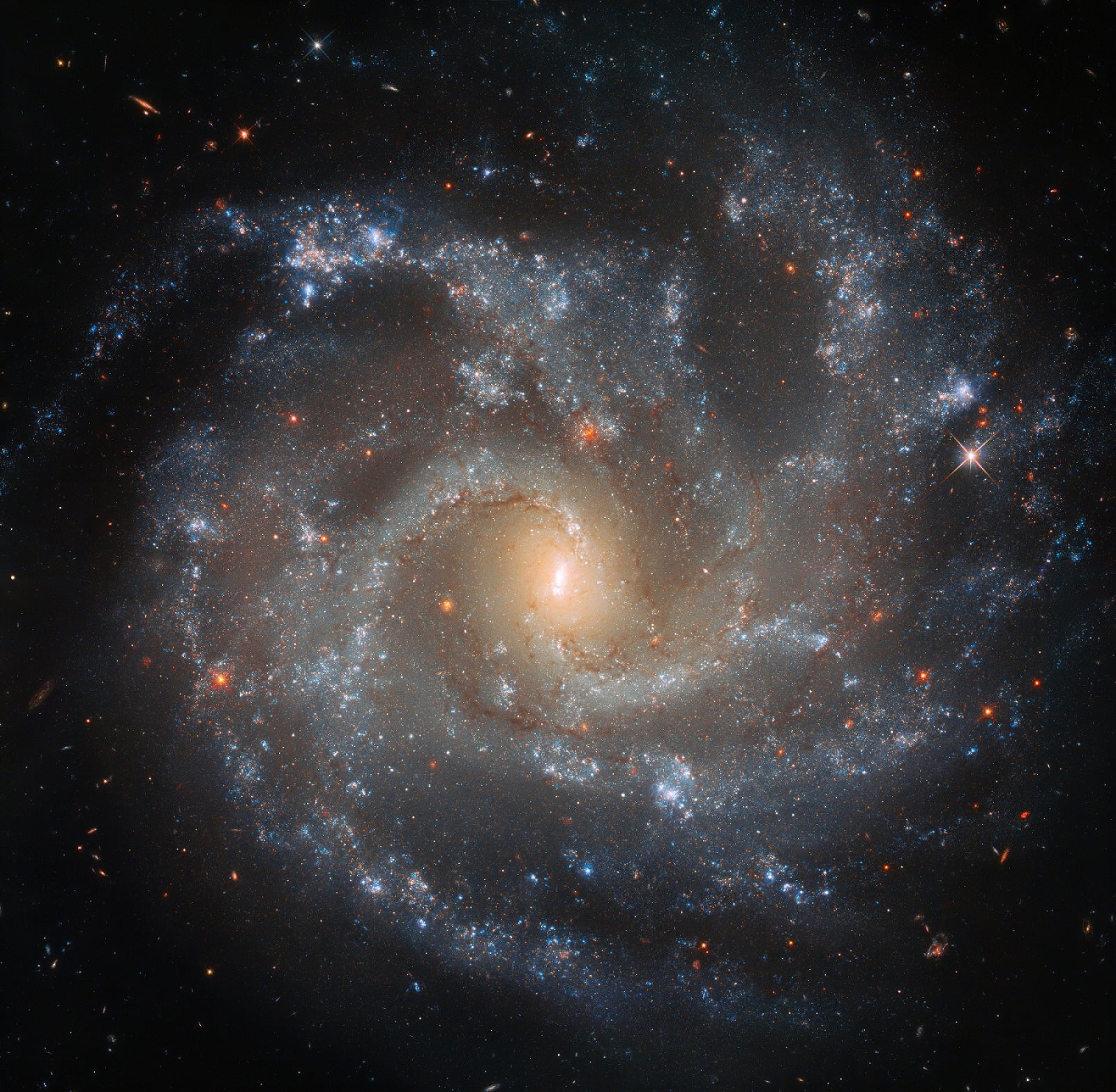
A NASA image showcases the beauty of the NGC 5468 galaxy, which has experienced 5 supernovae in the last 20 years (all of which we've witnessed).
Continue reading
Continue reading
Continue reading
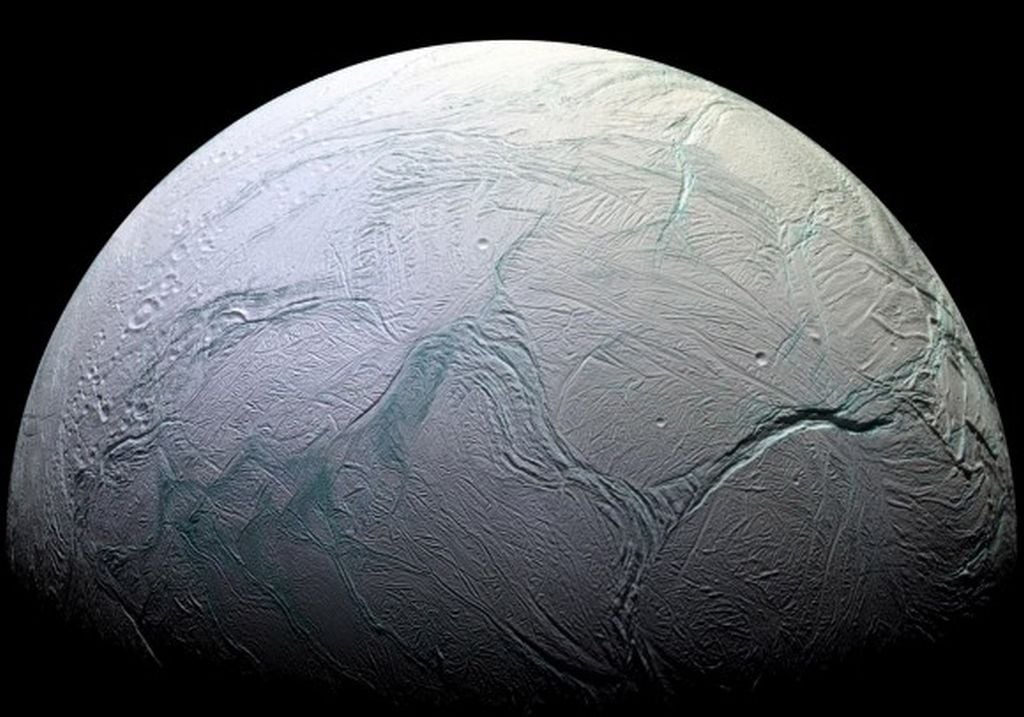
A study led by the Carnegie Institute of Science has determined why Enceladus' has its mysterious Tiger Stripes.
Continue reading
Continue reading
Continue reading
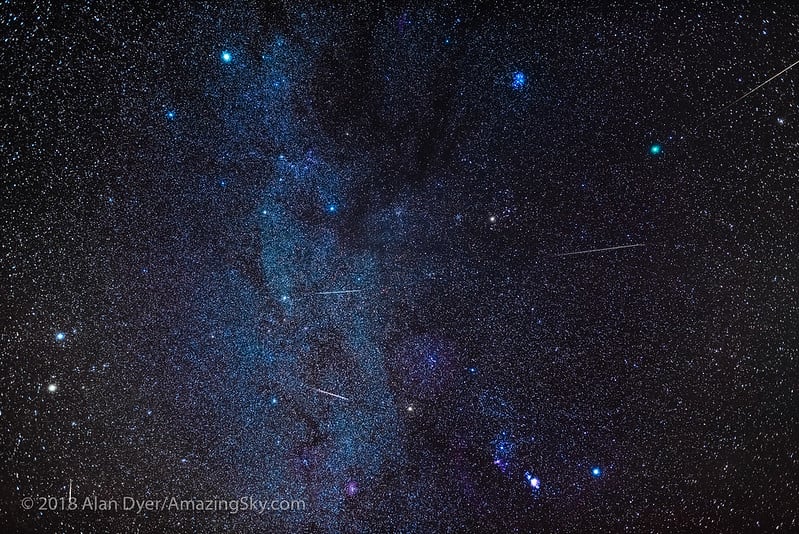
December means chillier climes for northern hemisphere residents, a time to huddle inside near the campfire, both real and cyber. I've always thought this was a shame, however, as the cold crisp nights of winter offer up sharp clear skies. Over the past decade or so, December gives observers another reason to brave the cold: the Geminid meteors.
Continue reading
Continue reading
Continue reading

Continue reading

As of Dec. 4th, the Yutu 2 rover element of the Chang'e-4 mission had traveled a total of over 345 m (377 yards) on the lunar surface.
Continue reading
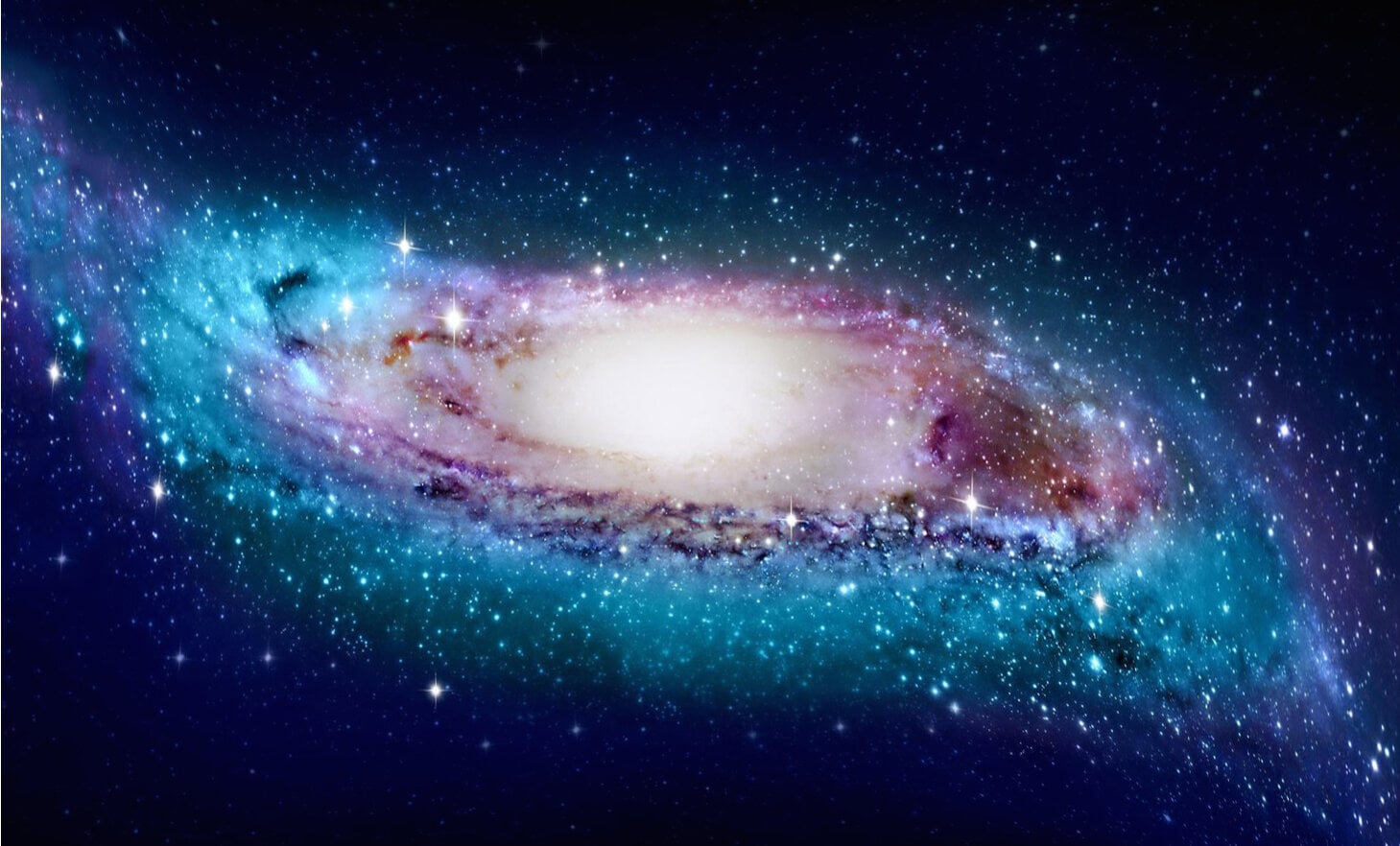
Using data collected by Kepler's K2 observation campaign, an international team of scientists was able to more accurately predict the ages of stars in the Milky Way's thick disk.
Continue reading
Continue reading
Continue reading
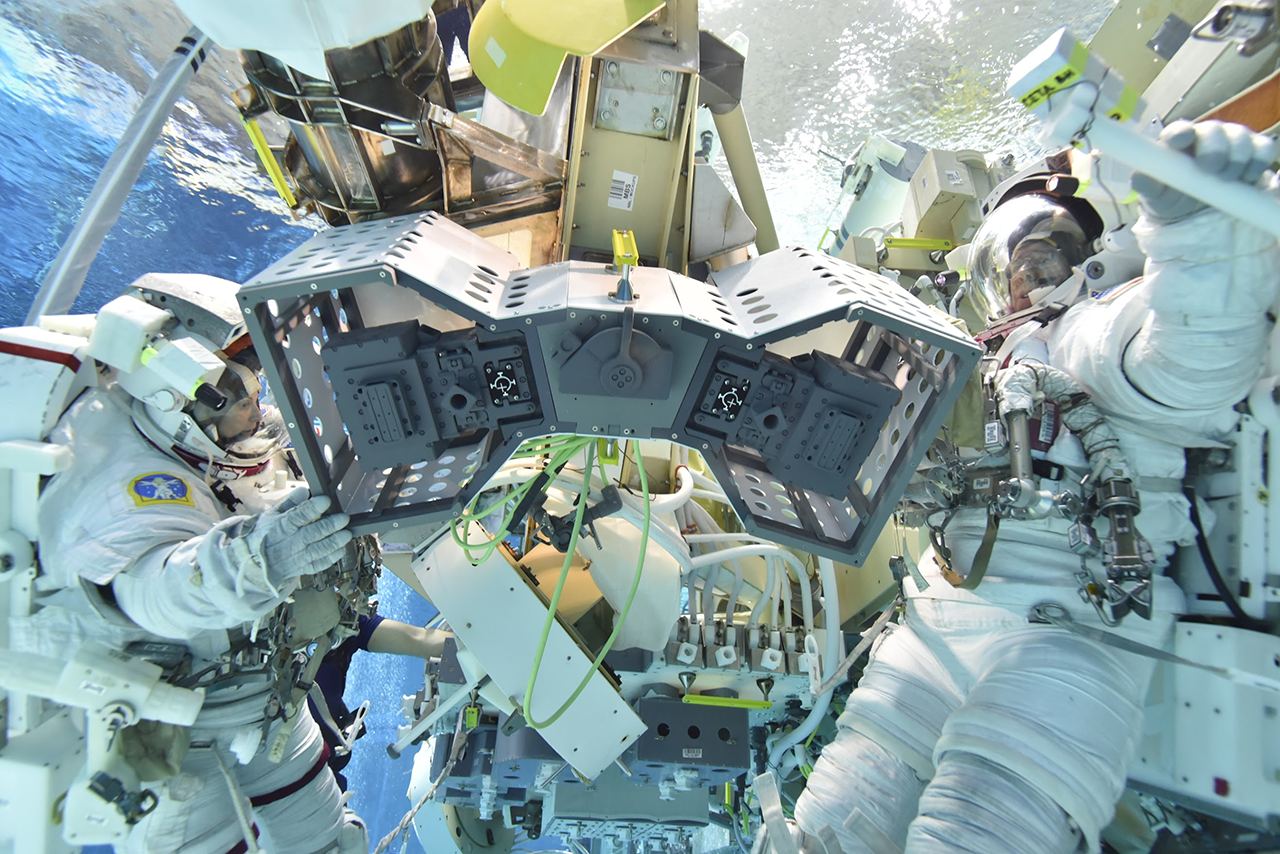
The Robotic Tool Stowage (RiTS) unit recently launched for the ISS, where it will be integrated and provide a home for the station's robotic helpers.
Continue reading
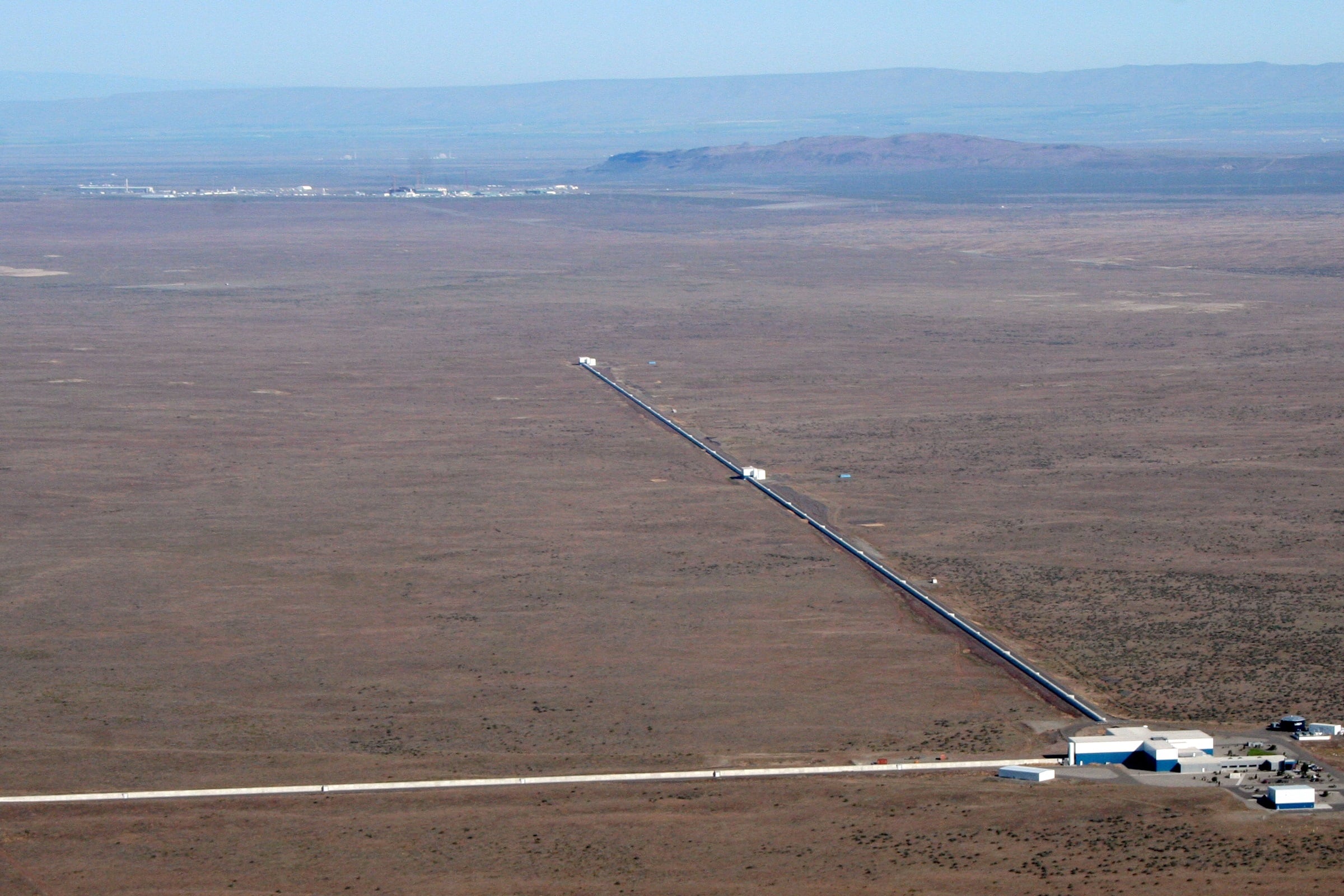
LIGO is so sensitive it can hear the quantum fluctuations of a vacuum. But by squeezing light it can make them a bit more quiet.
Continue reading
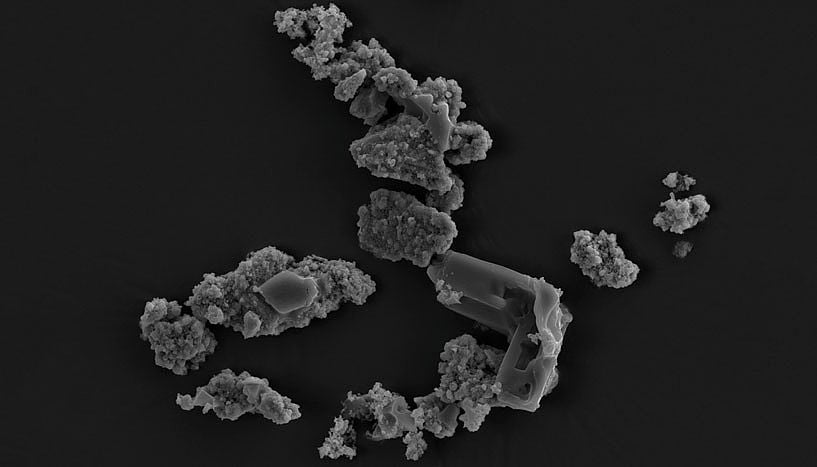
A new study by a team astrobiologists shows how certain types of extreme bacteria thrive on meteors, which could reveal things about the origins of life on Earth.
Continue reading
Continue reading
Continue reading
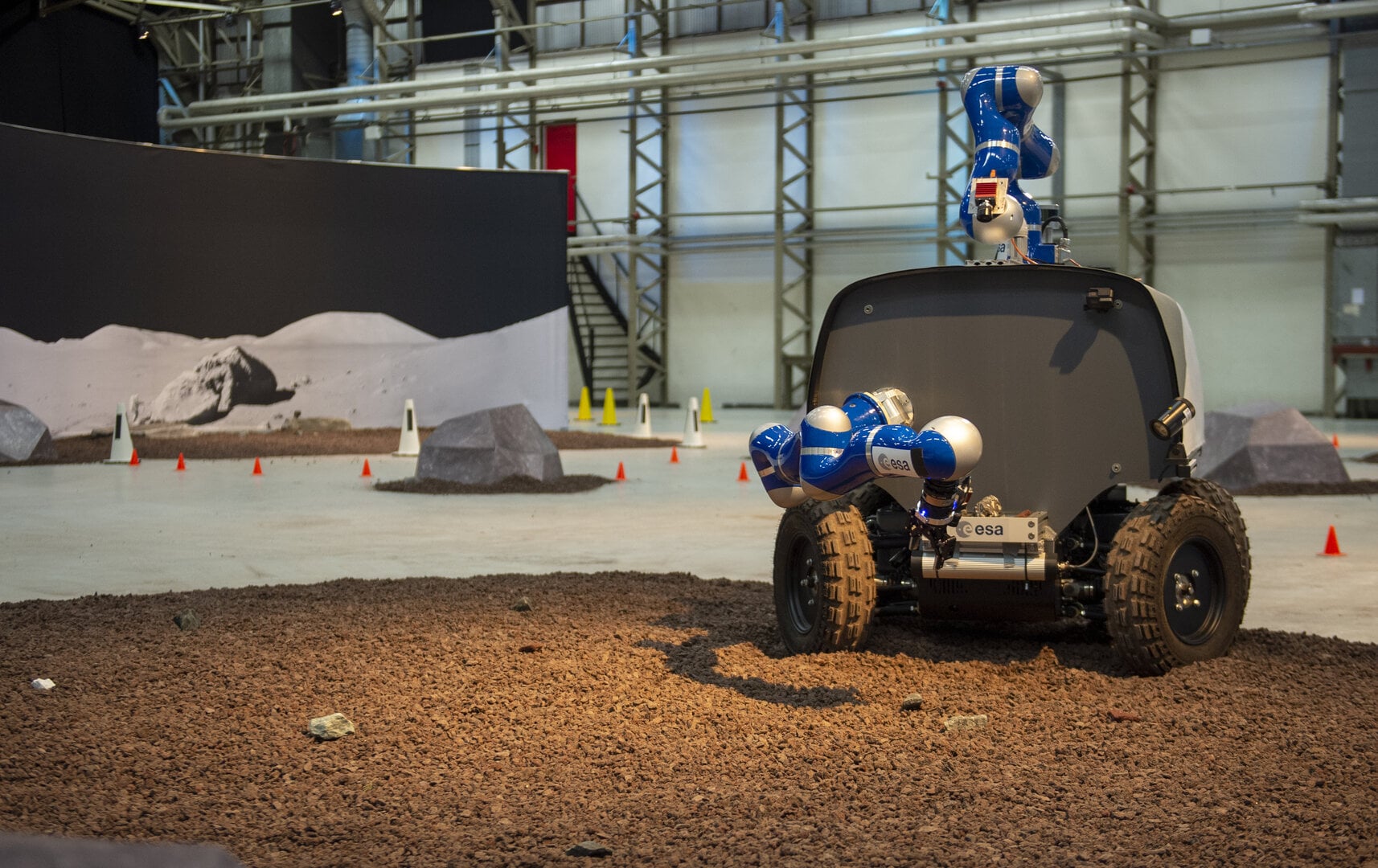
ESA astronaut Luca Parmitano just completed the second round of tests where he remotely-controlled a rover on Earth from the ISS.
Continue reading
Continue reading
Continue reading
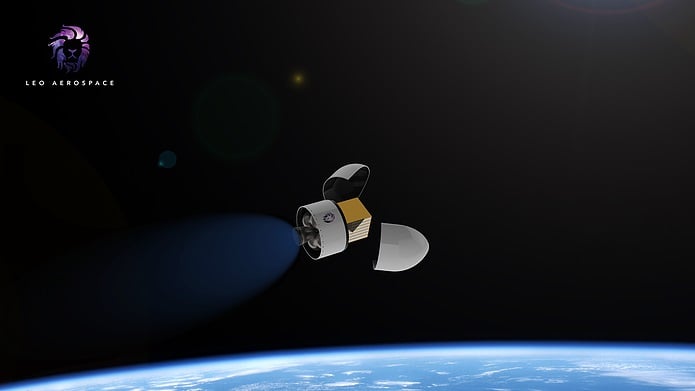
LEO Aerospace is developing a "Rockoon" system that will provide commercial launch services for microsatellites, as well as a platforms for conducting everything from scientific research to emergency rescues.
Continue reading
Continue reading
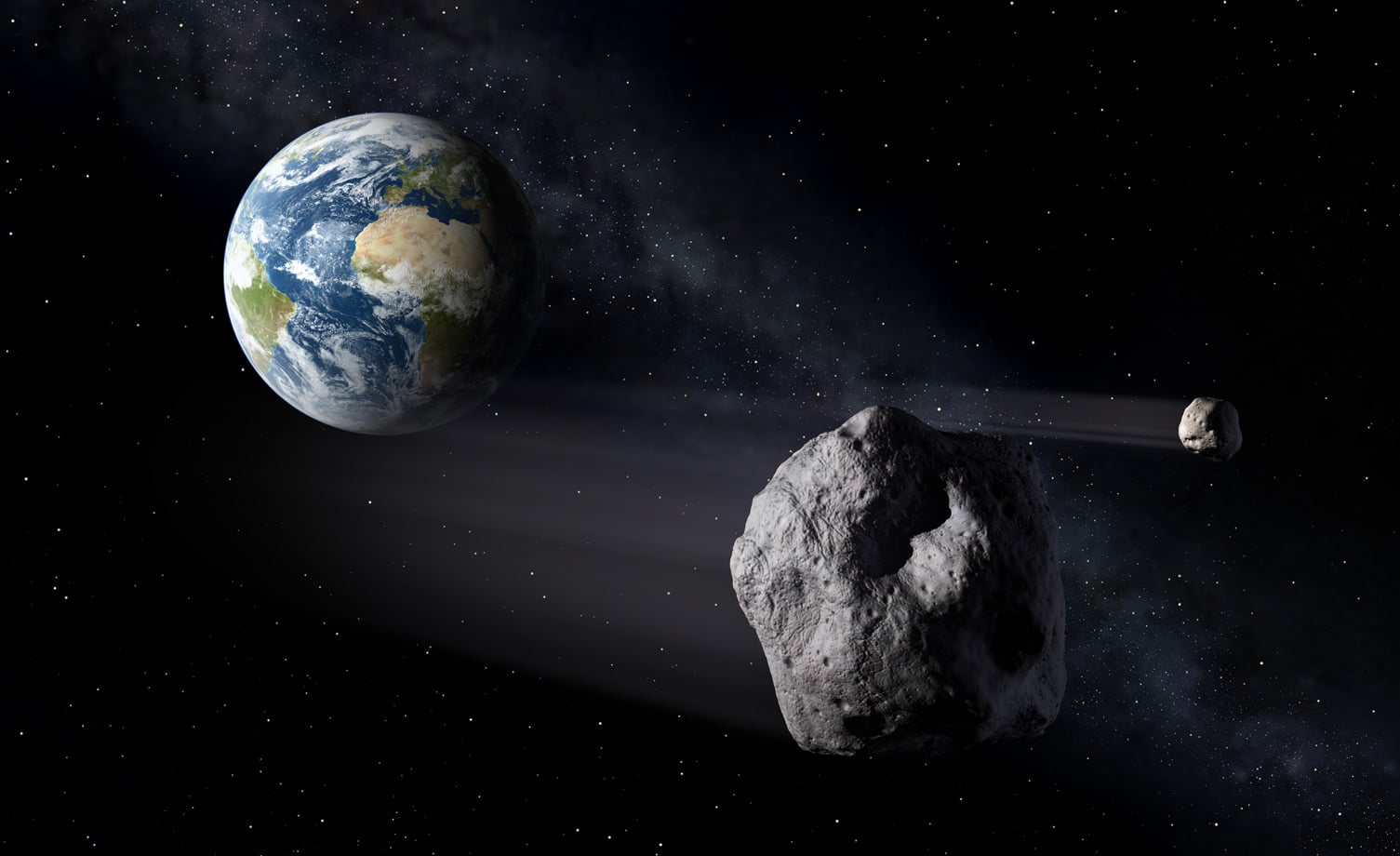
A new study by an Australian-US team has found that a large impact that happened ca. 3.2 billion years ago could be what started Earth's tectonics activity, which could be crucial to why Earth is able to support life.
Continue reading
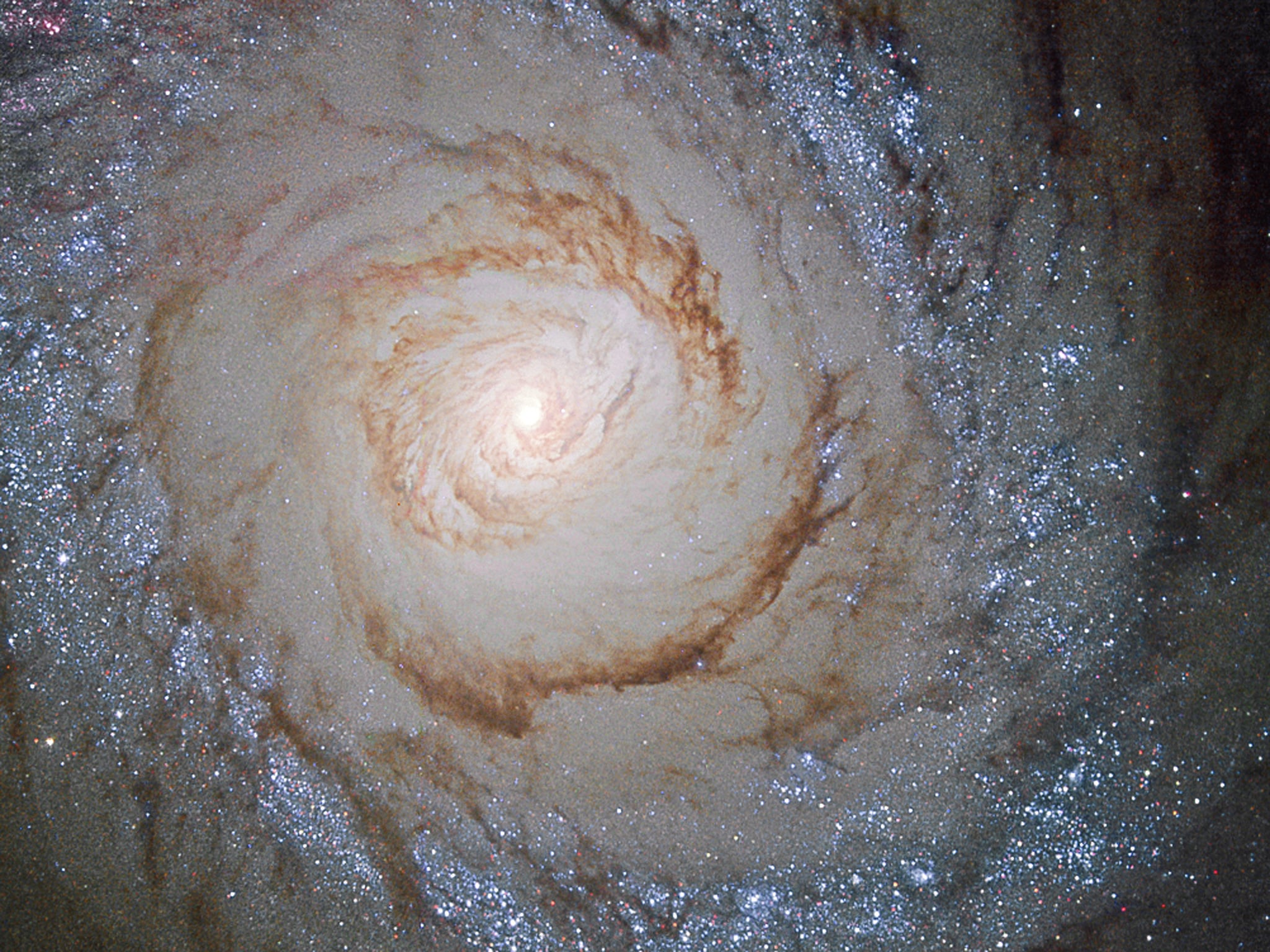
Located in the constellation Canes Venatici, roughly 15 million light years from Earth, is the spiral galaxy known as the Cat's Eye Galaxy (aka. Messier 94)
Continue reading

A team of Australian researchers have found evidence that microgravity can disrupt the spread of cancer cells, which could lead to new treatments.
Continue reading
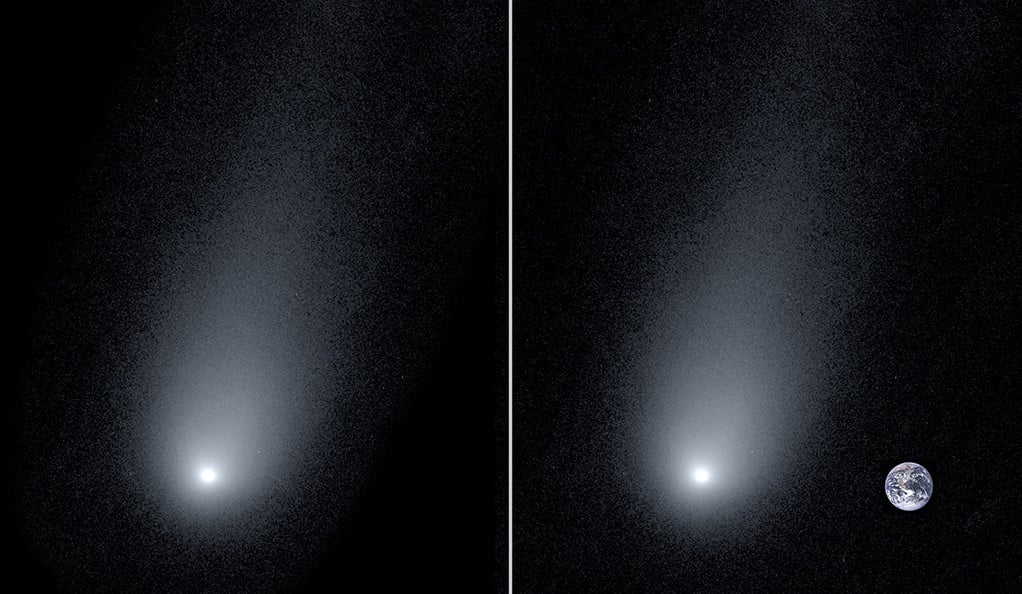
A team of astronomers from Yale have taken the clearest picture of the interstellar comet 2I/Borisov to date, showcasing its long tail!
Continue reading
Continue reading
Continue reading
Continue reading
Tonight we are excited to welcome amateur astronomer and astrophotographer extraordinaire Dylan O'Donnell to the WSH. Dylan is an Australian web developer, the Director of DNA Digital and zen10 Australia, and a Public Science Communicator. Dylan has a Masters of Information Technology and his astrophotography been featured by NASA and ESA, and to date, two of his images have been selected for NASA Astronomy Photo of the Day (APOD).
Continue reading
Continue reading
Continue reading
 Universe Today