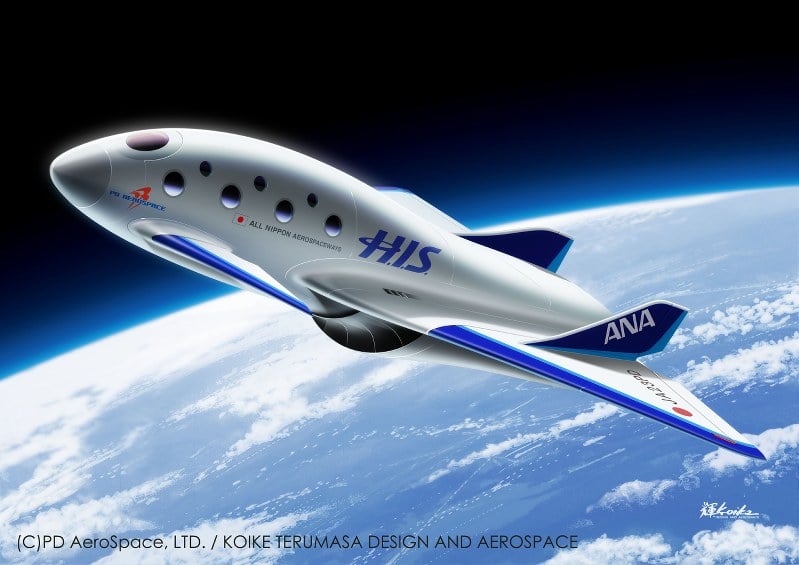
The Japanese startup PD Aerospace is developing a reusable space plane that will use a combination of jet engines and a rocket motor to take customers to space by as early as 2023.
Continue reading
Data from the Cassini mission has revealed a massive hexagonal shaped storm high in the stratosphere of Saturn's north pole.
Continue reading
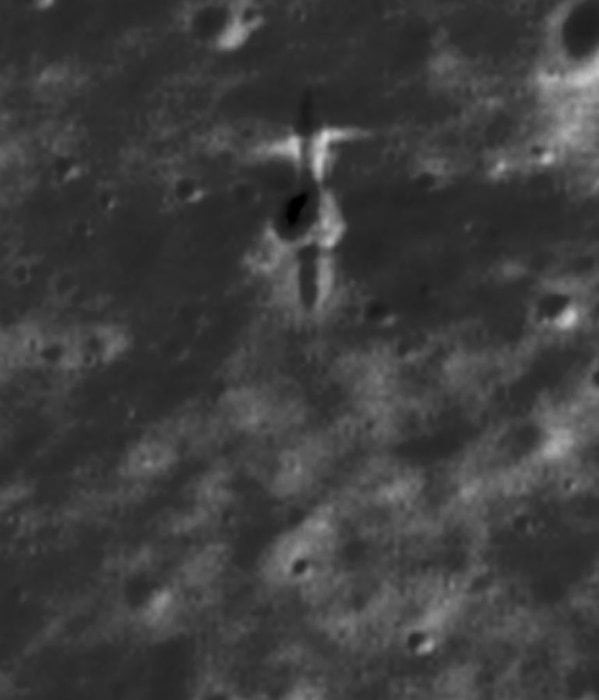
Thanks to images taken by the Lunar Reconnaissance Orbiter, it is now known exactly where the ESA's SMART-1 mission landed on the Moon.
Continue reading
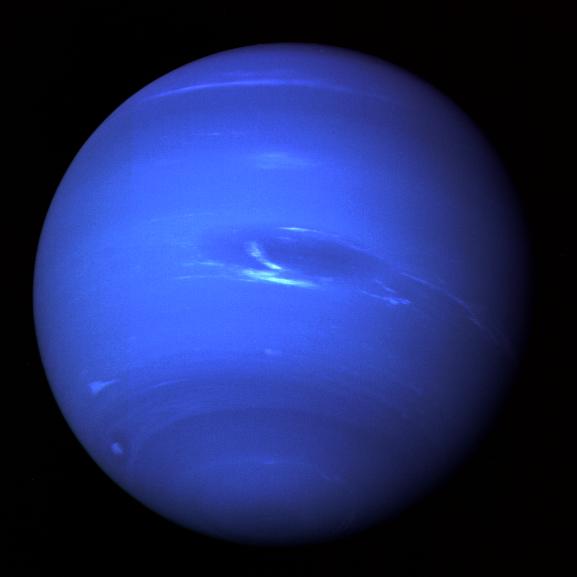
Have you seen all of the planets for yourself?
This week is a good time to check off the most difficult of the major planets off of your life list, as Neptune reaches opposition for 2018 on Friday, September 7th at at ~18:00 Universal Time (UT)/2:00 PM EDT.
Continue reading
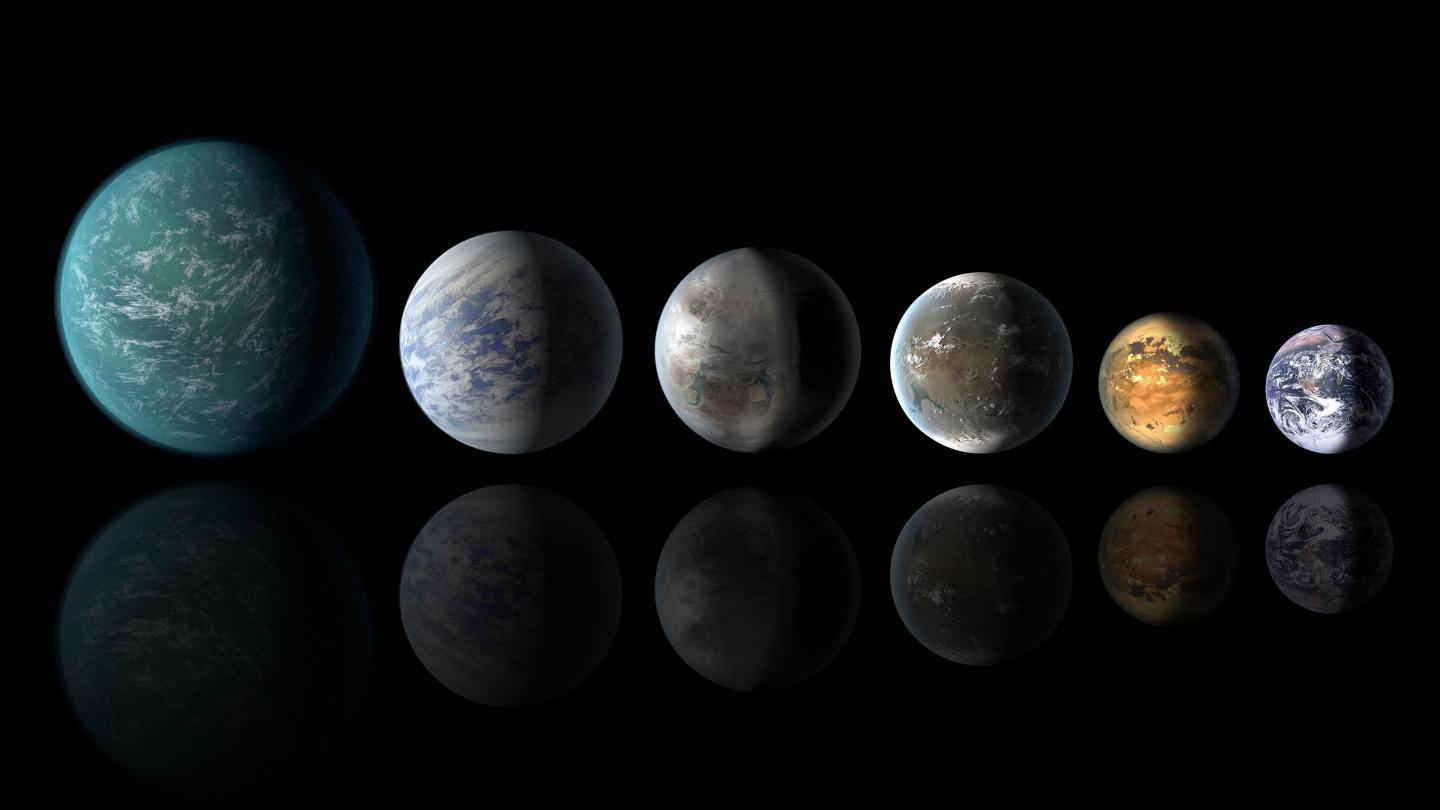
According to a new study by a pair of researchers, planets covered in deep oceans (aka. "water worlds") may be more habitable than previously thought.
Continue reading
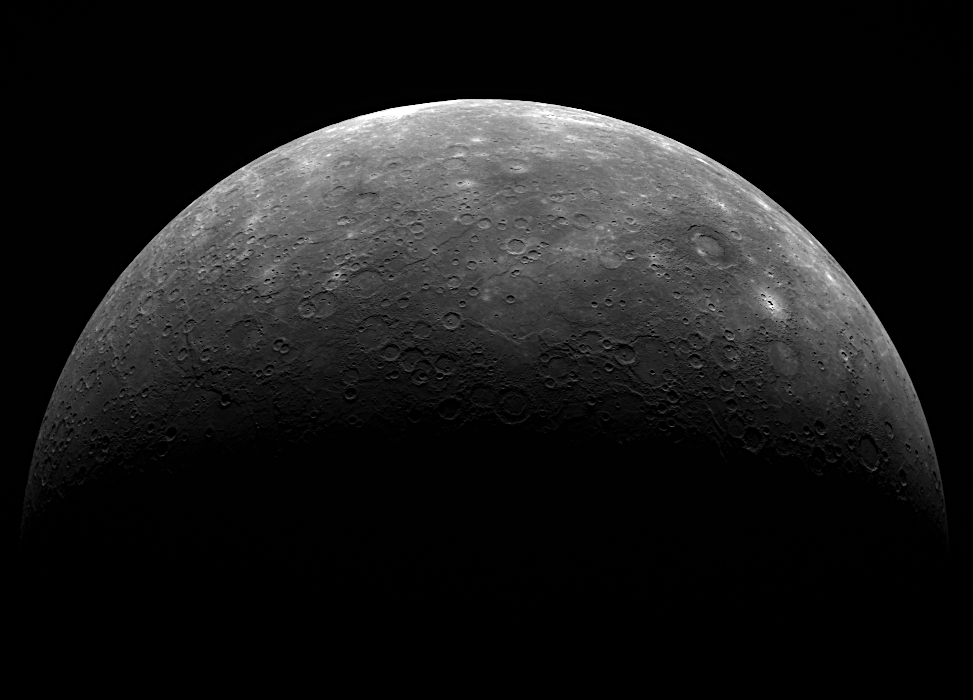
A new study by a team of Swiss astronomers indicates that Mercury-like planets, which have a high iron-to-rock ration, are probably a rare thing the Universe.
Continue reading
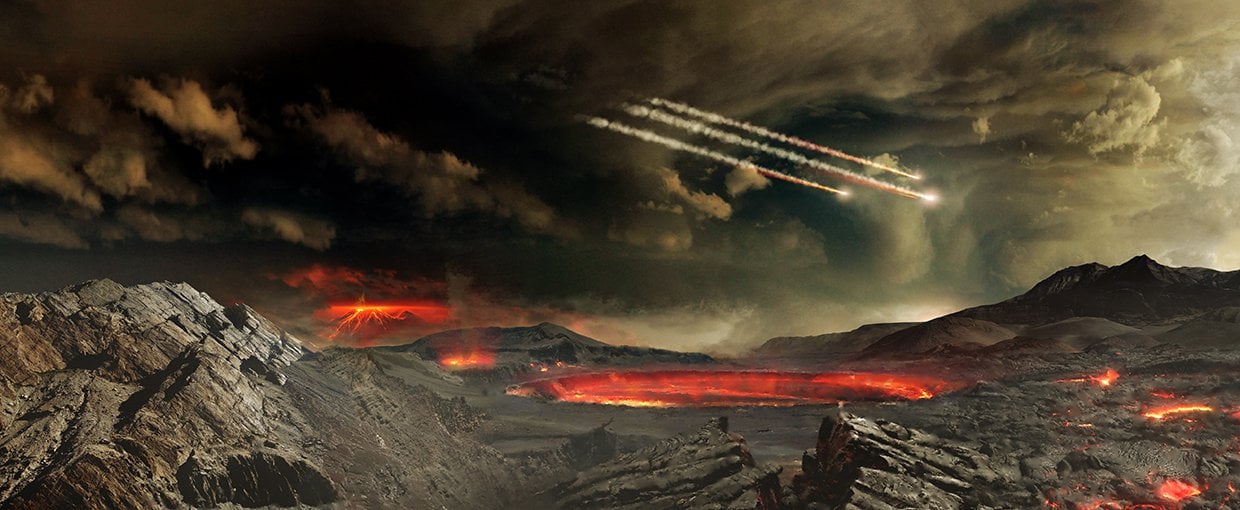
A new study by a team of Canadian researchers places new constraints on when life first emerged on Earth, which could implications for the study of exoplanets someday.
Continue reading
Continue reading
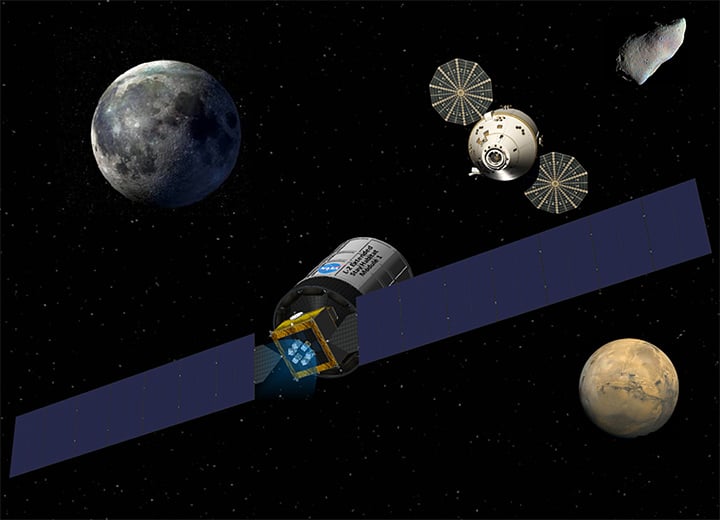
In partnership with NASA, Aerodyne Rocketdyne recently conducted a successful test of their new Solar Electric Propulsion (SEP) ion engine.
Continue reading
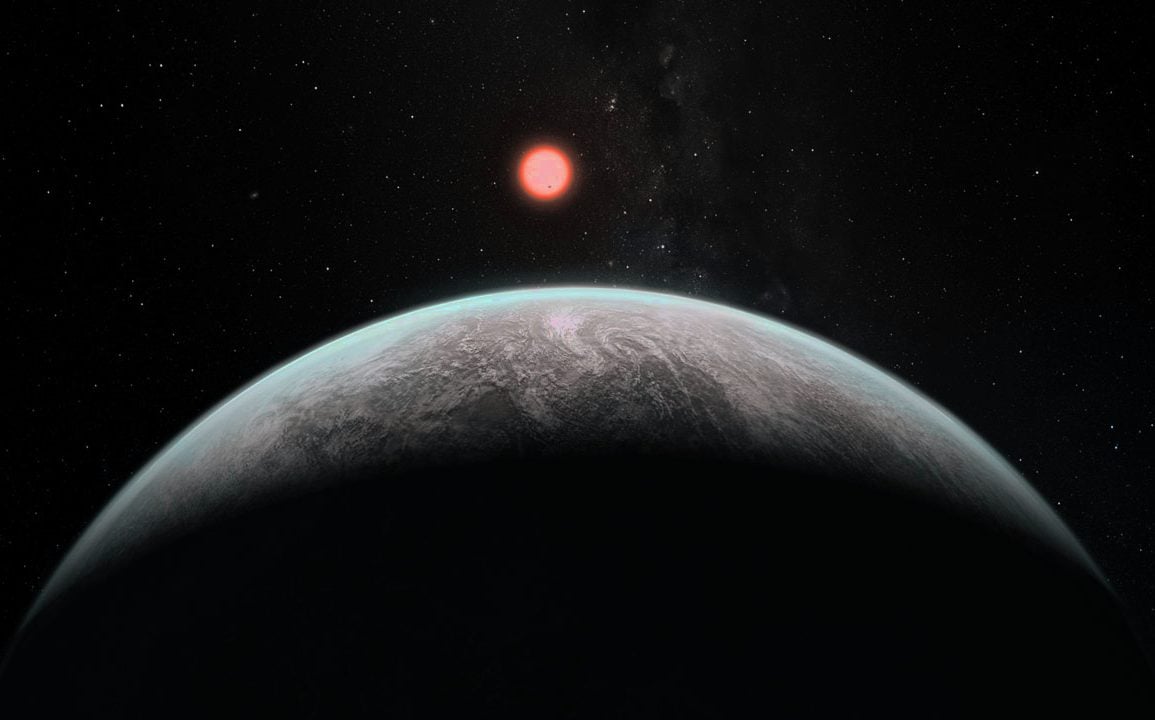
According to a new study by an international team of scientists, astronomers will be able to directly observe exoplanets using next-generation telescopes.
Continue reading
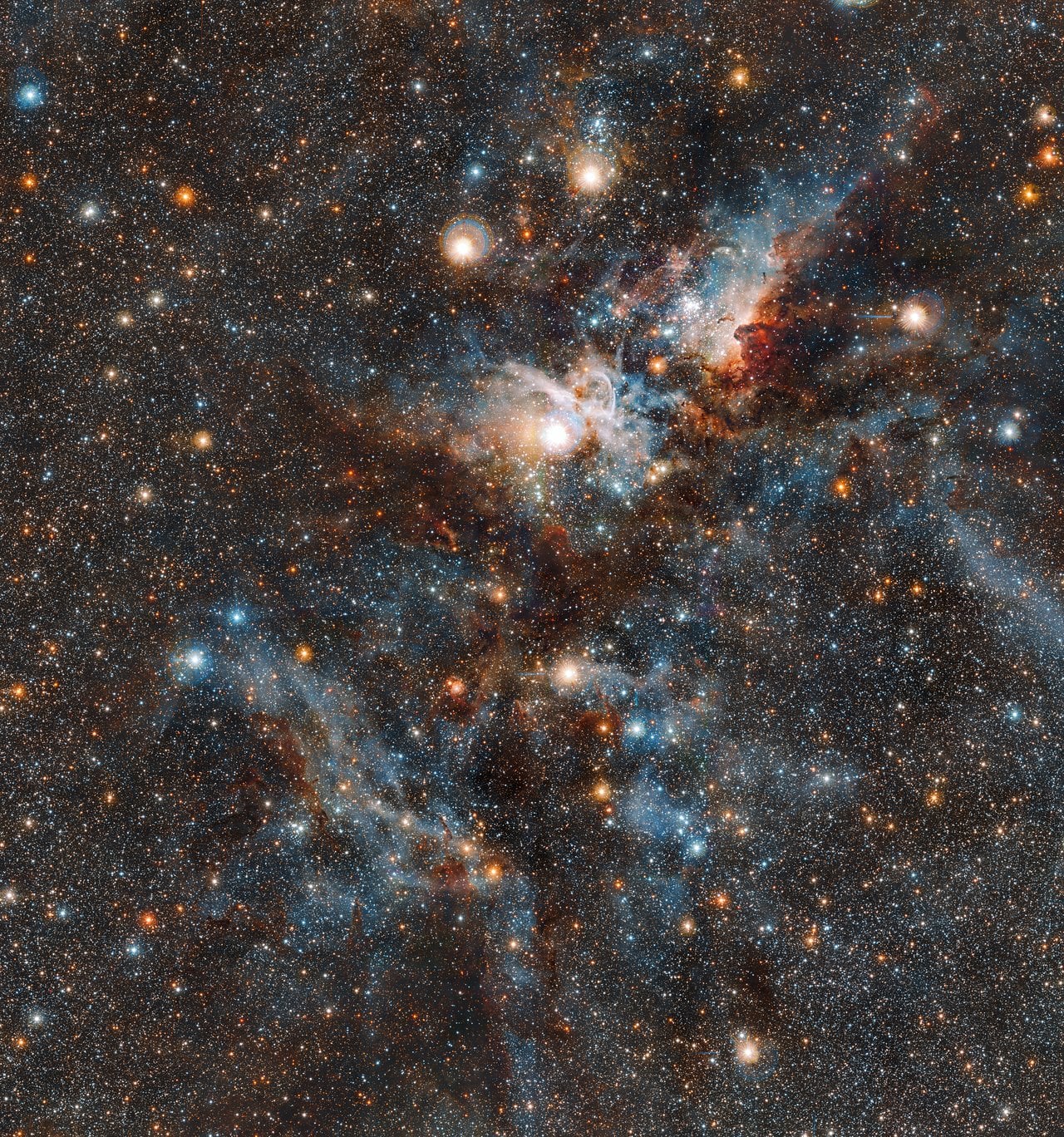
A recent survey conducted using the ESO's VISTA telescope revealed newly-formed stars and stars nearing their death in the Carina Nebula.
Continue reading
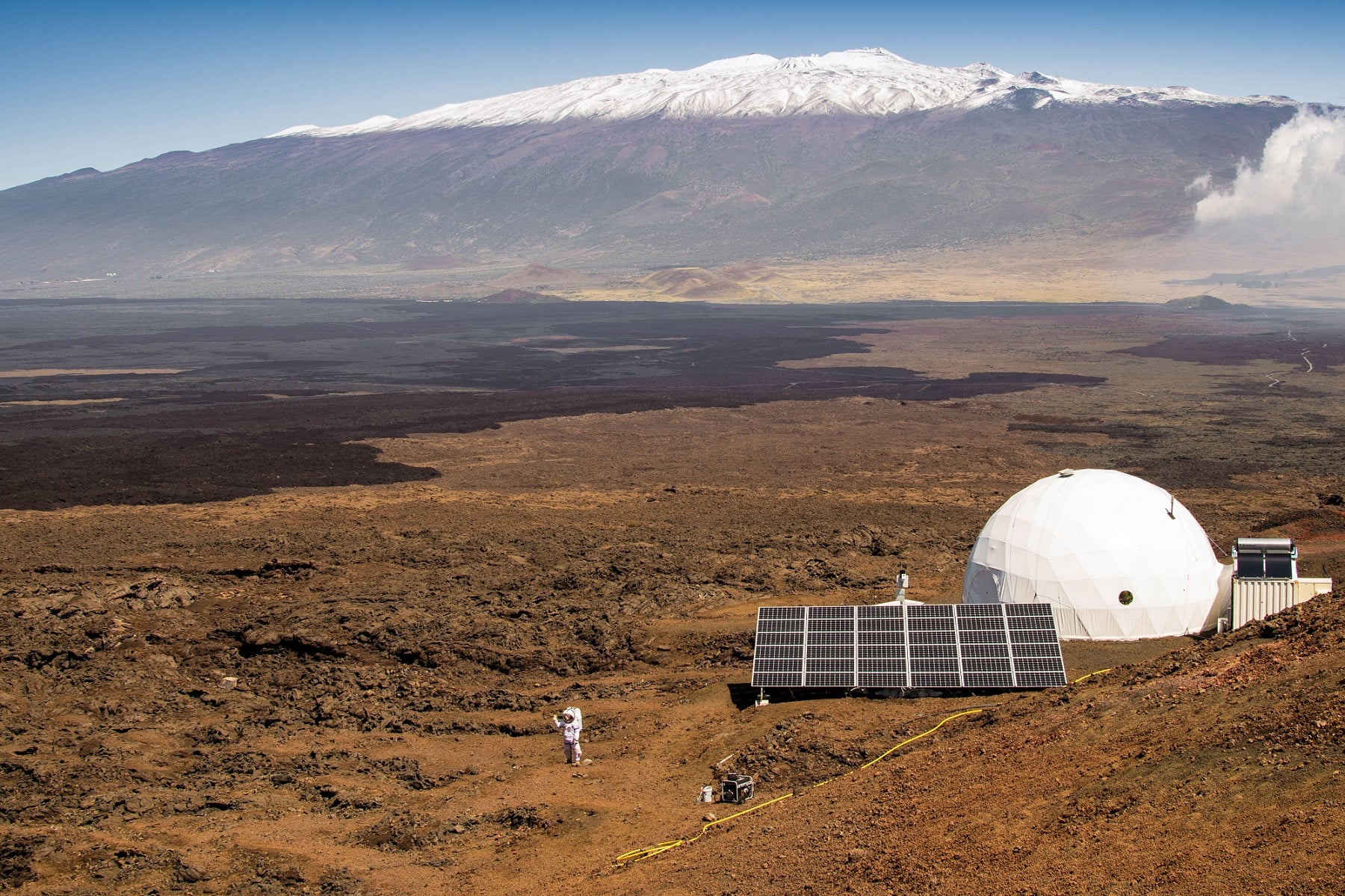
The NASA-funded Hawai'i Space Exploration Analog and Simulation (Hi-SEAS) program is preparing astronauts for long-term missions to Mars, which could include a lot of cave exploring!
Continue reading
Continue reading
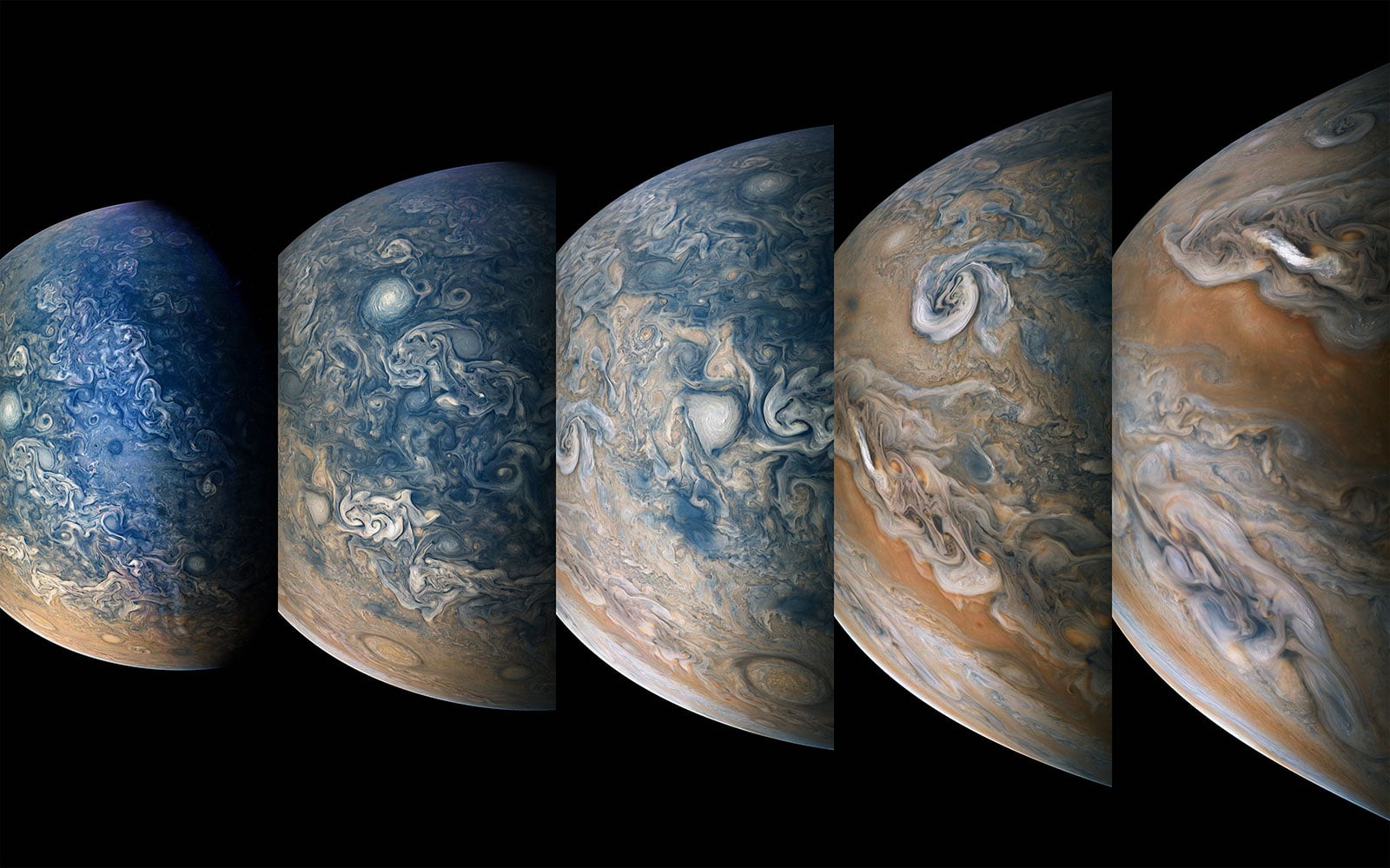
With its latest flyby of Jupiter, the Juno mission took more pictures with its JunoCam, which citizen scientists have once again processed to create a breathtaking image of the planet's atmosphere.
Continue reading

Earlier this month, the New Horizons team managed to capture the first images of Ultima Thule, the Kuiper Belt Object that it will rendezvous on Jan. 1st, 2019
Continue reading
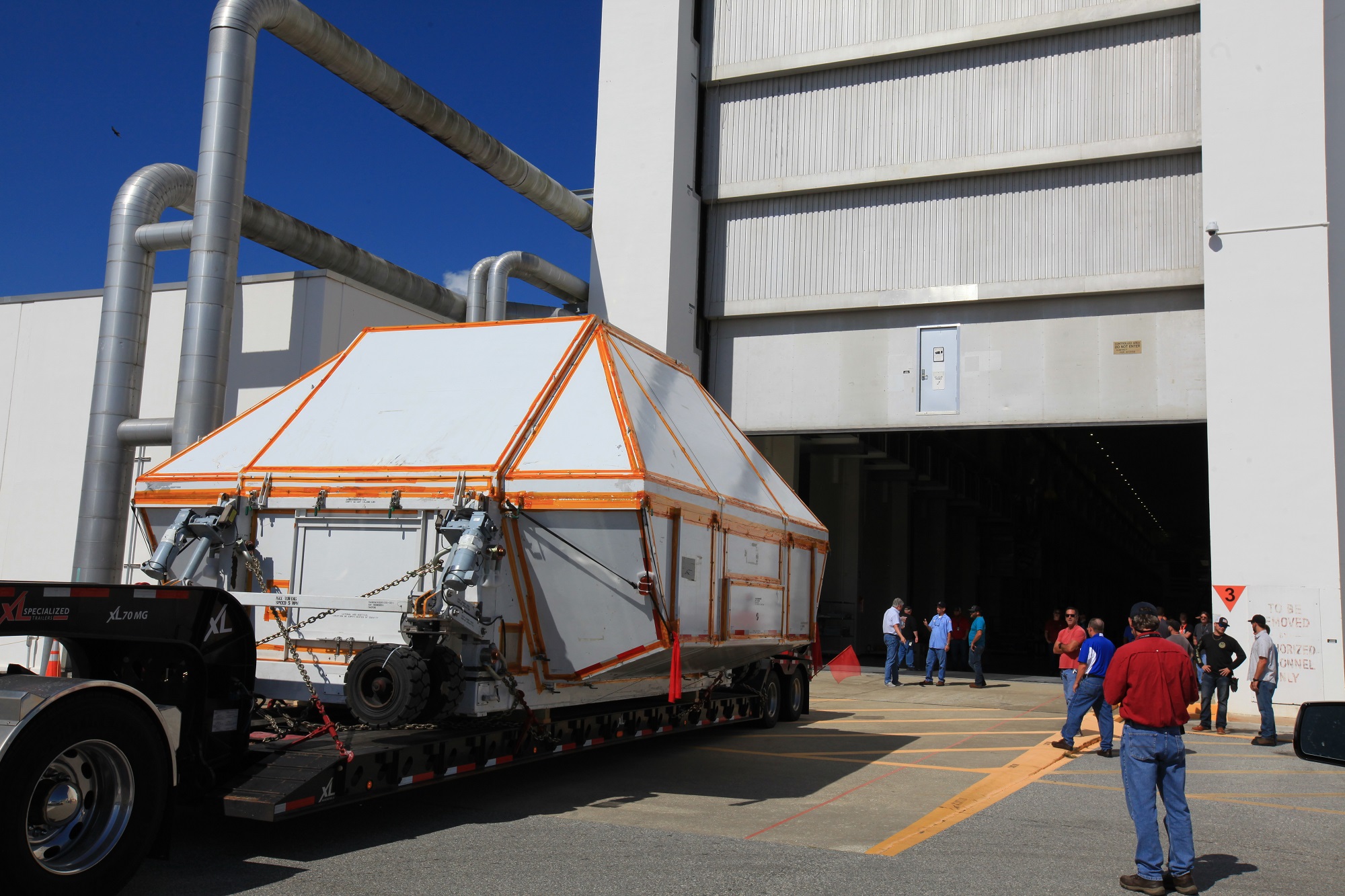
The Orion space capsule that will send astronauts on a flyby of the Moon just arrived at the Kennedy Space Center for final assembly.
Continue reading
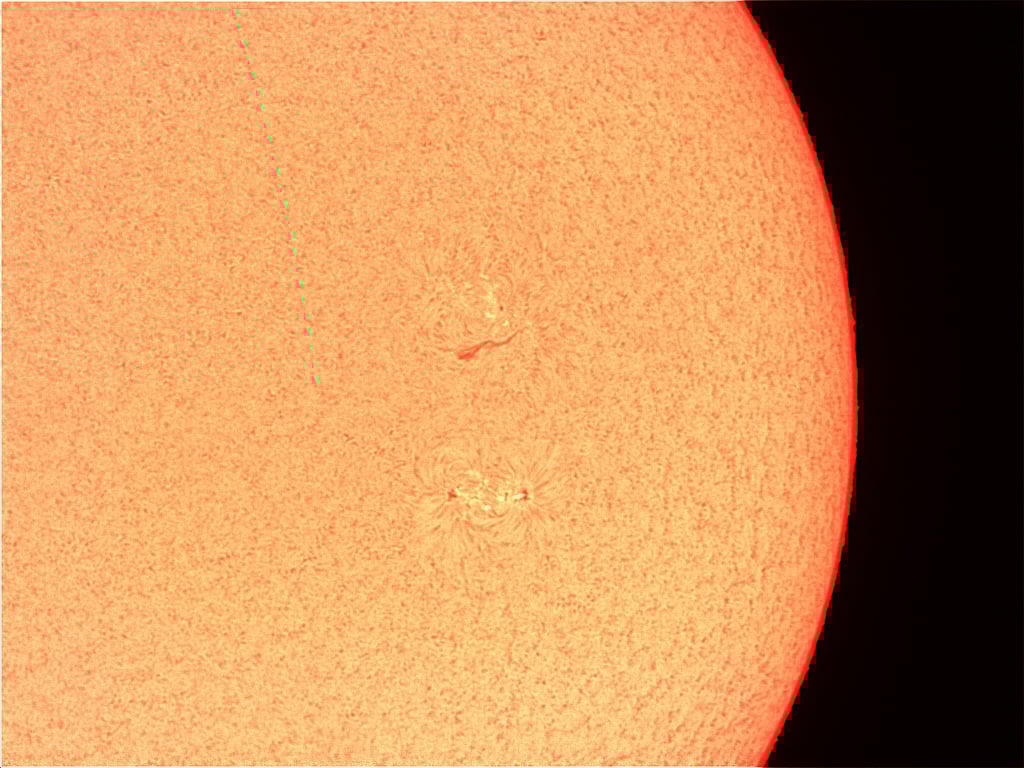
What's up with the Sun? As we've said previous, what the Sun isn't doing is the big news of 2018 in solar astronomy. Now, the Sun sent us another curve ball, with the strange tale of growing sunspot AR 2720.
Continue reading
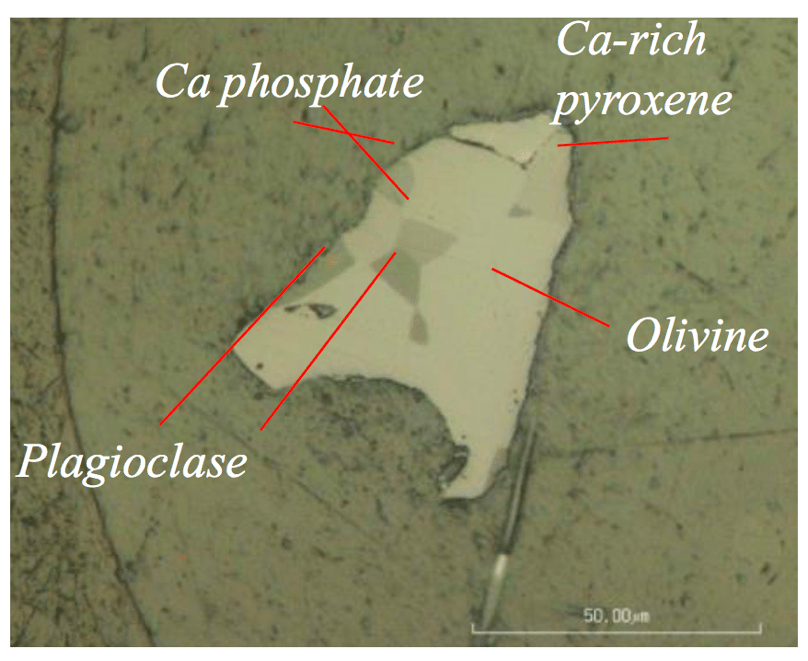
According to new research by a team of Japanese researchers, samples from the Itokawa asteroid provide new clues to the asteroid's evolutionary timeline.
Continue reading

Using the Goddard Earth Observing System Forward Processing (GEOS FP) model, NASA recently released a visualization that showed all the aerosols that existed in our atmosphere on a single day.
Continue reading
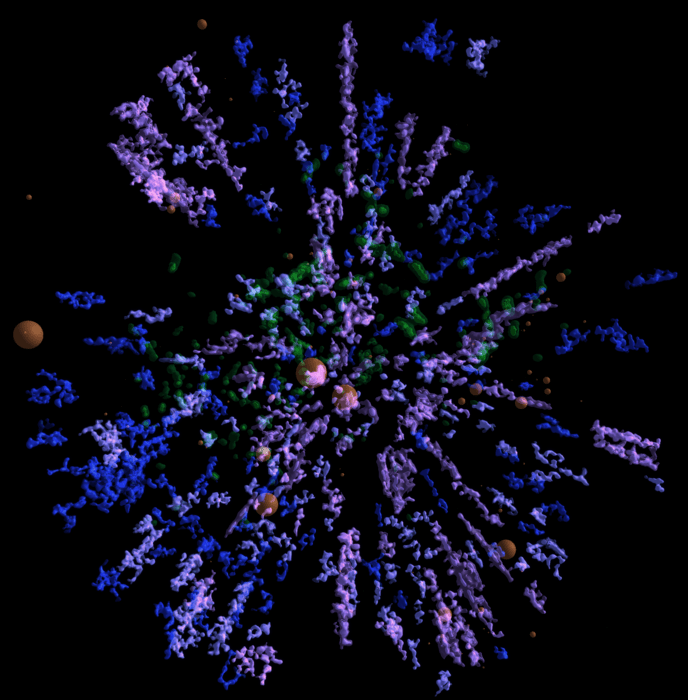
The latest gem to come from the second release of Gaia data is a 3D map that shows the positions of 400,000 stars within 10,000 light years.
Continue reading
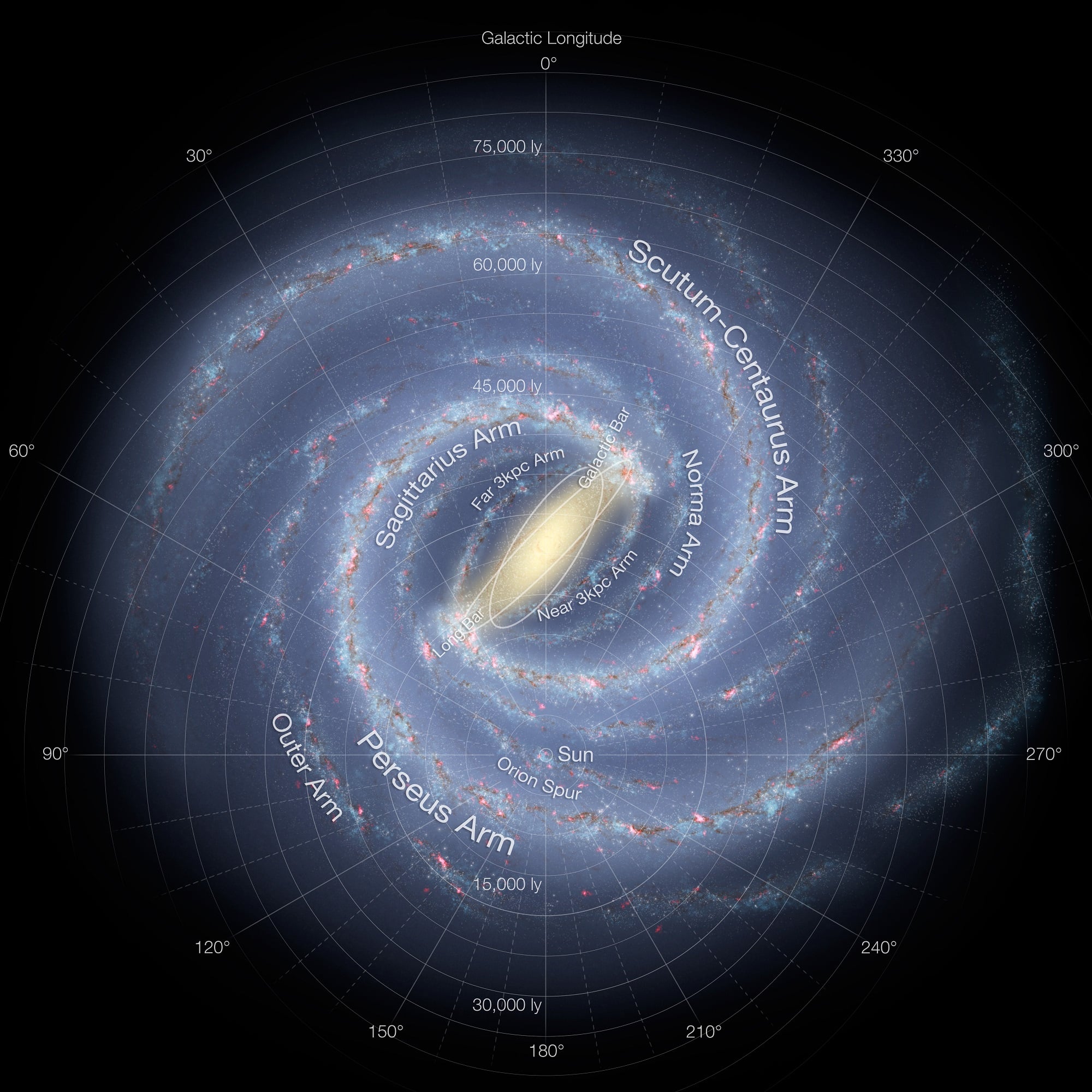
According to a new study, the Milky Way Galaxy experienced two periods of star formation, with a two-billion dormancy period in between.
Continue reading
According to new research that was presented at the 2018 Goldschmidt Conference, "water worlds" may be more common than previously thought.
Continue reading
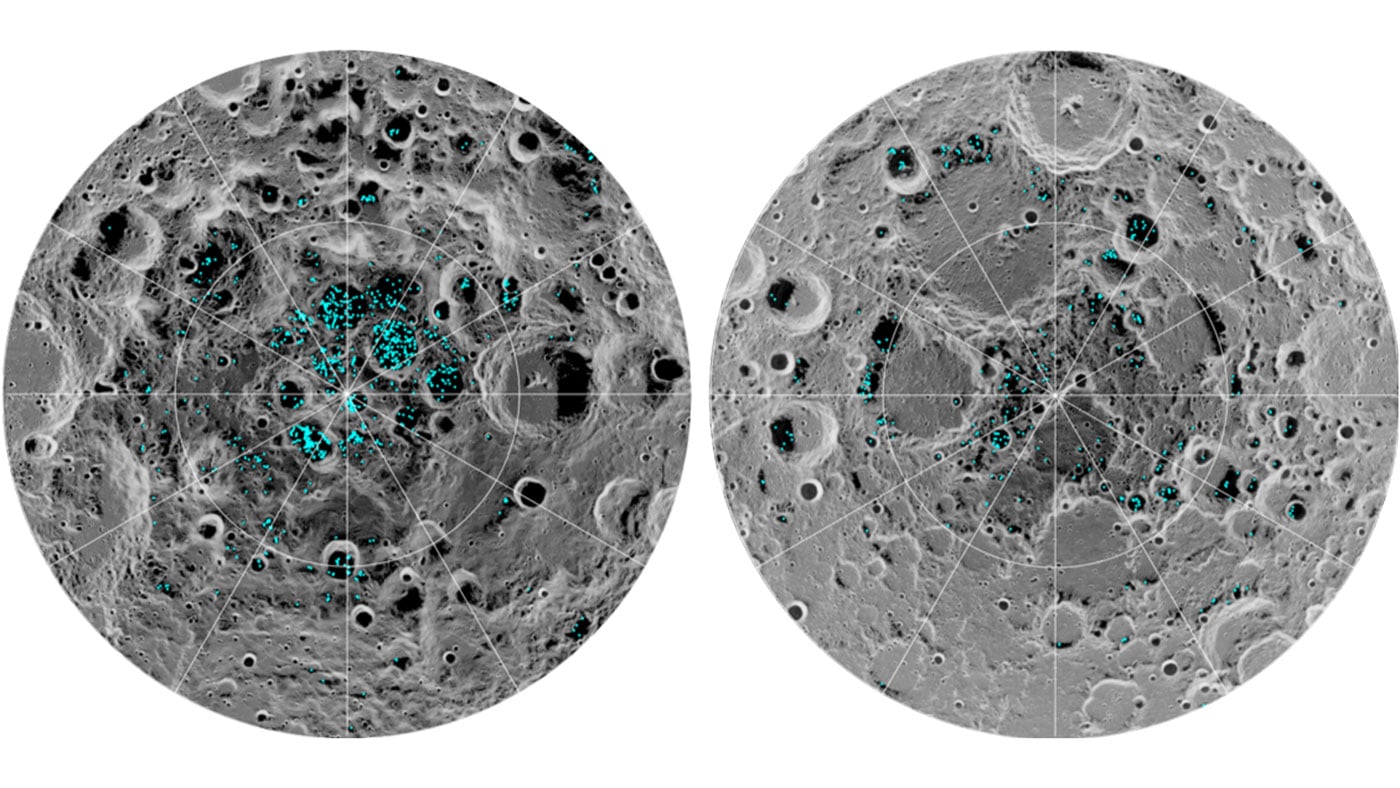
A team of American scientists have found the first definitive evidence of water on the Moon, which makes plans for a lunar base that much more feasible!
Continue reading
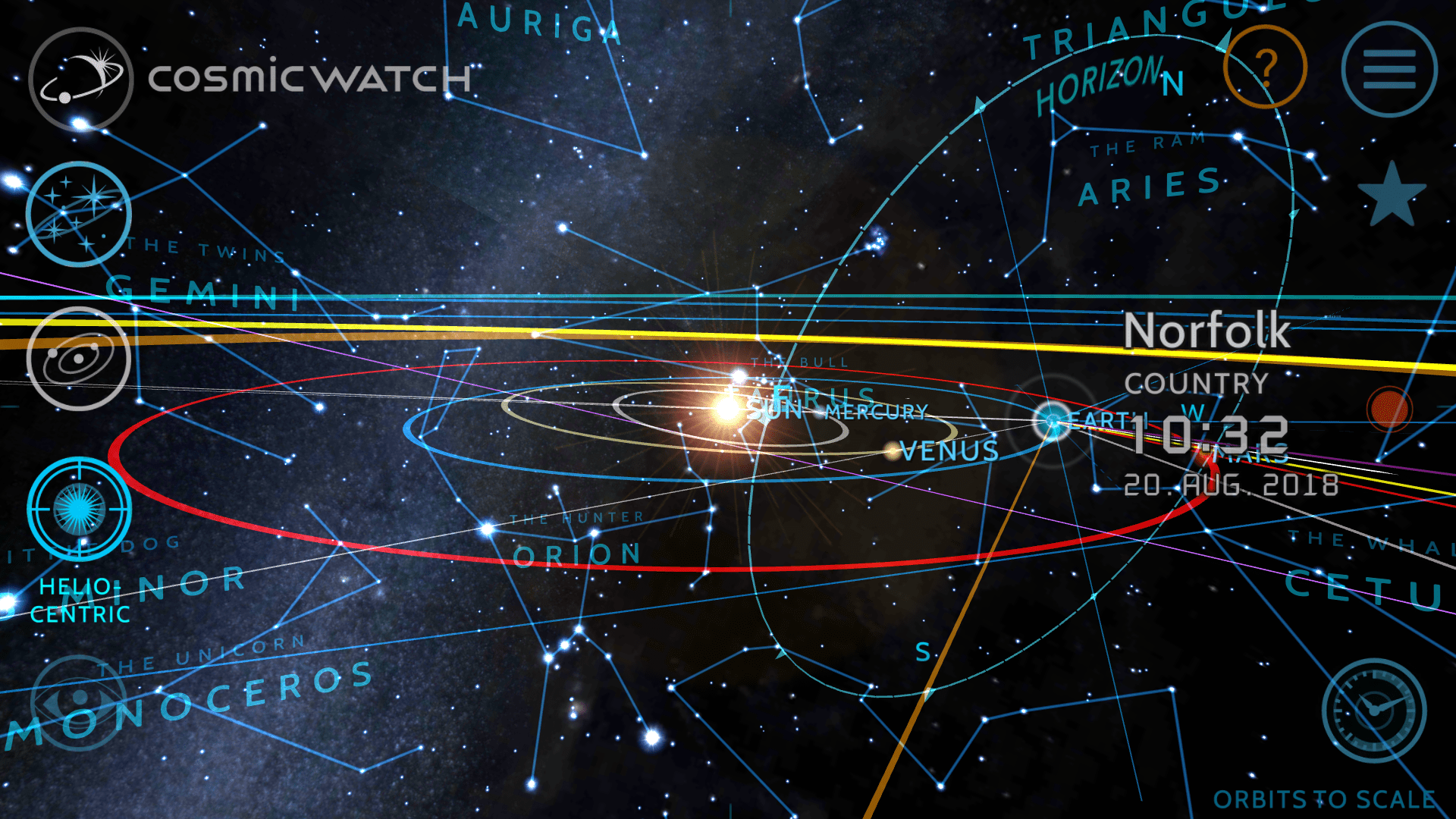
Watching the heavens on a nightly, or even casual basis? The web and modern technology has certainly altered the landscape of modern astronomy, (mostly) for the better. Once, we all huddled around cardboard planispheres, illuminated by red flashlights; now, it's now a common sight to see illuminated smartphone apps accompanying telescopes at star parties, all waving skyward with virtual planetarium programs guiding users around the night sky.
Continue reading
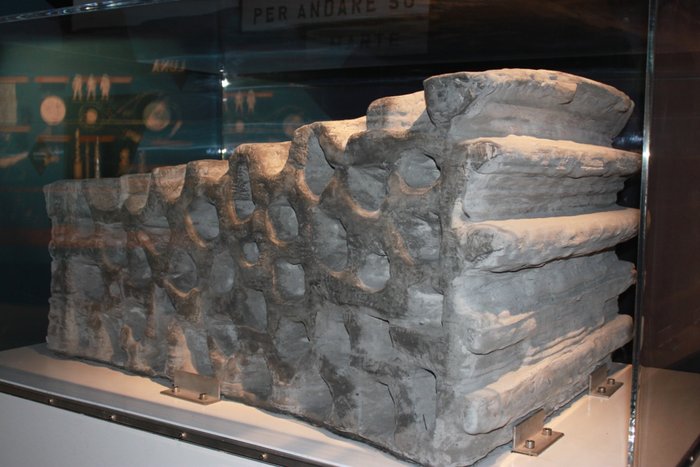
As part of their plan to establish an "international lunar village" on the Moon in the coming decades, the ESA is experimenting with making bricks out of lunar dust simulants.
Continue reading
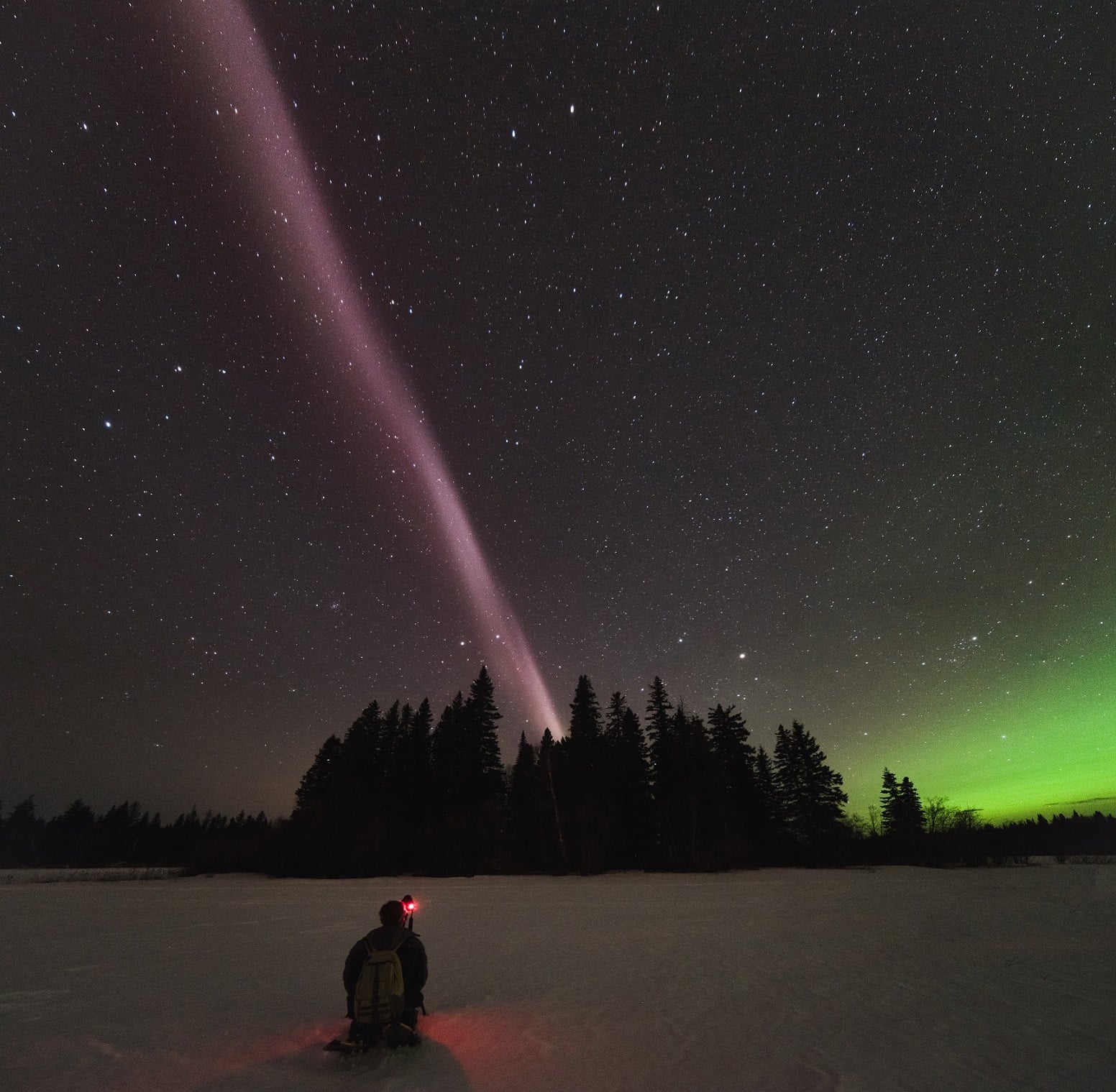
According to a new study by a Canadian-led team of researchers, the atmospheric phenomena known as STEVE is not an aurora, but something else entirely.
Continue reading
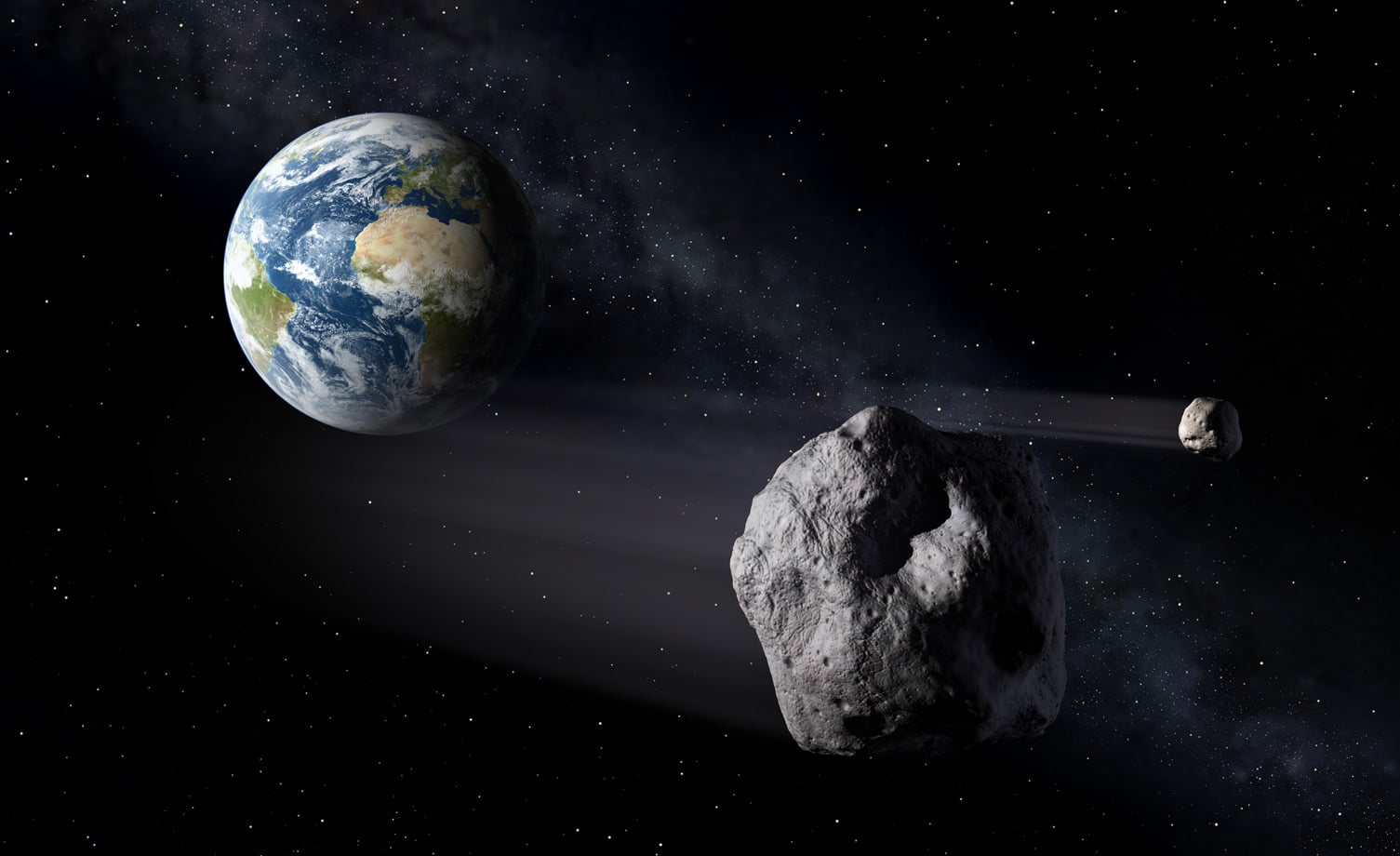
A new study by an international team of researchers indicates that "mini-moons" will soon be detectable, and could provide opportunities for research and asteroid mining.
Continue reading
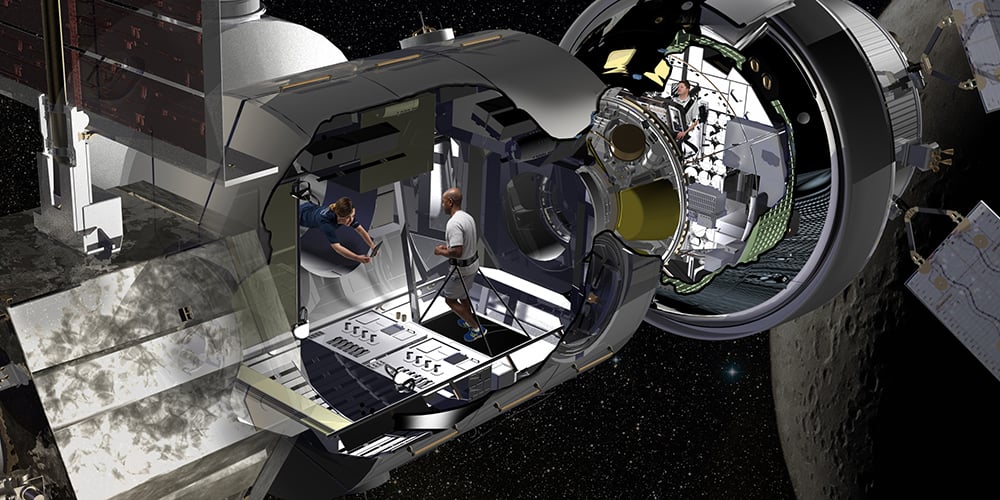
Lockheed Martin recently provided a first-look at the space habitat they are designing, as part of NASA's program to return astronauts to the Moon and sending crewed missions to Mars.
Continue reading

According to a new study by an international team of researchers, a good way to look for signs on life on exoplanets would be toe examine the ejected material of asteroid impacts.
Continue reading
Continue reading
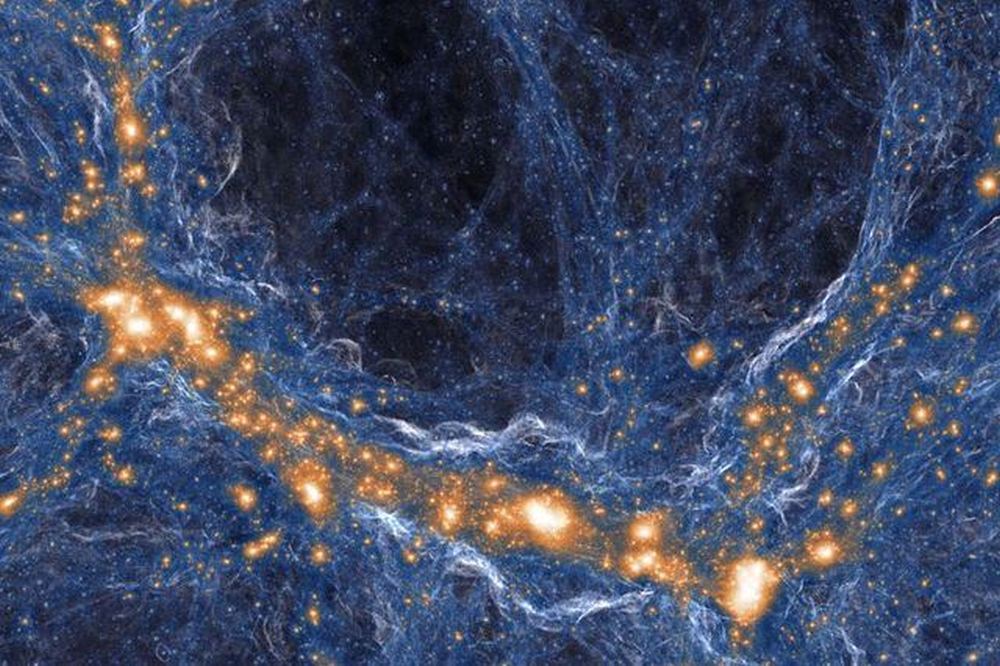
Using the Subaru Telescope, a team of astronomers recently probed a 500 light-year region of the early Universe and found that it contained less galaxies than they were expecting.
Continue reading
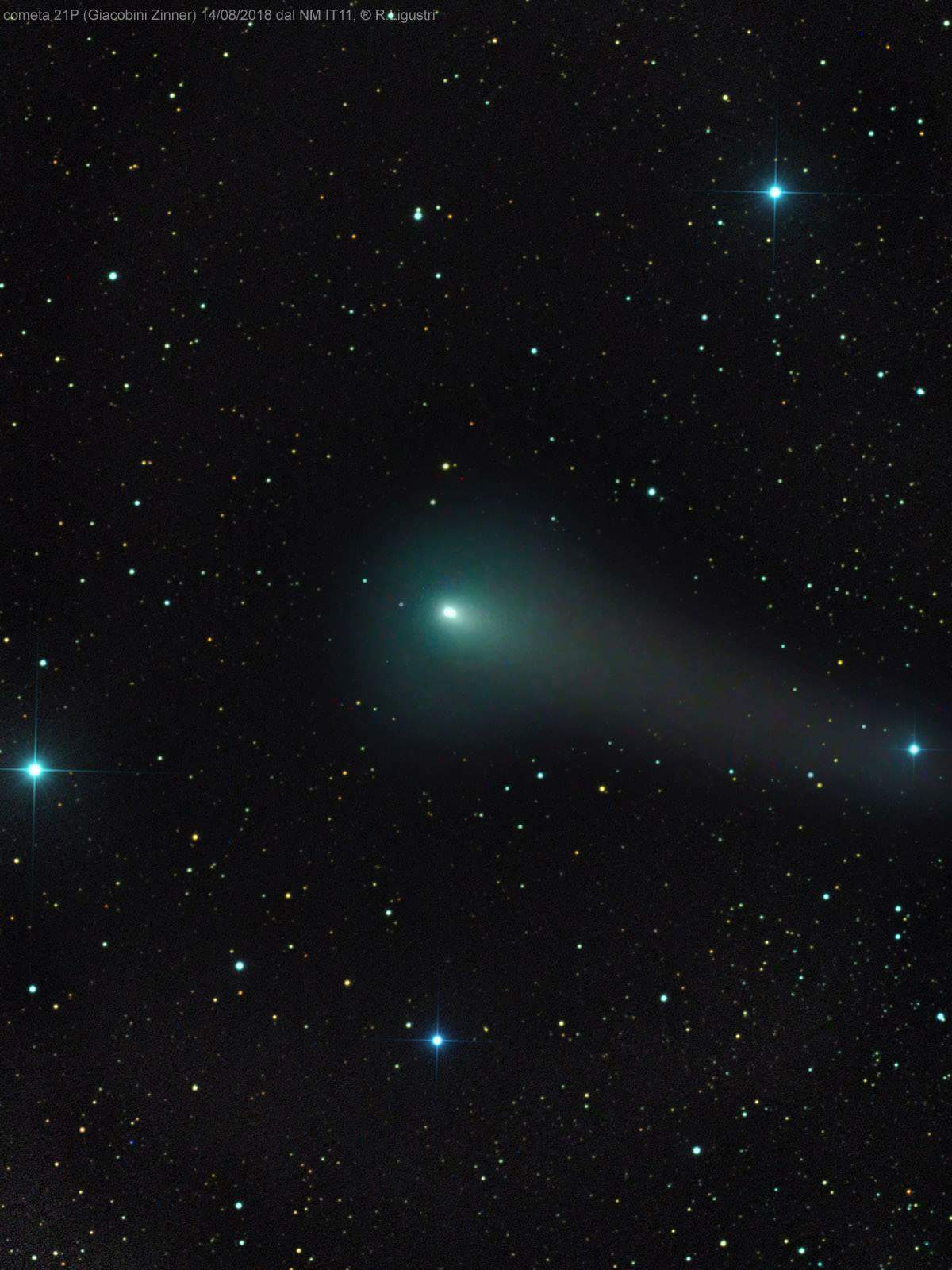
A periodic comet may put on a fine show for northern hemisphere viewers over the next few months.
Comet 21/P Giacobini-Zinner is currently a fine binocular comet shining at +8th magnitude and cruising across the constellation Cassiopeia. This places it above the horizon for the entire night for observers north of the equator in August, transiting the local meridian at local dawn.
Continue reading
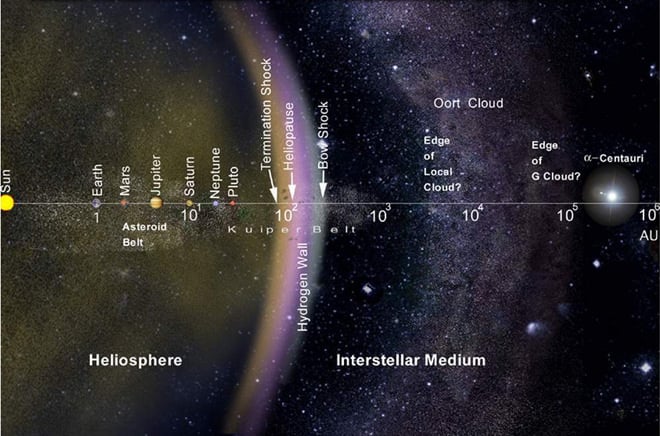
A new study by a team from the University of Pennsylvania suggests using maps of the Cosmic Microwave Background (CMB) to find evidence of extra-solar Oort Clouds (EXOCs).
Continue reading
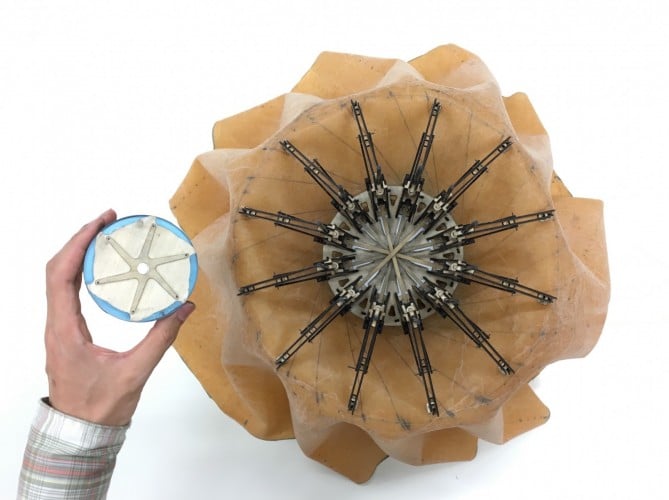
A team from the University of Manchester recently tested their prototype for a spinning heat shield, a lightweight, compact design that could provide cost-effective protection for future space missions.
Continue reading
Continue reading
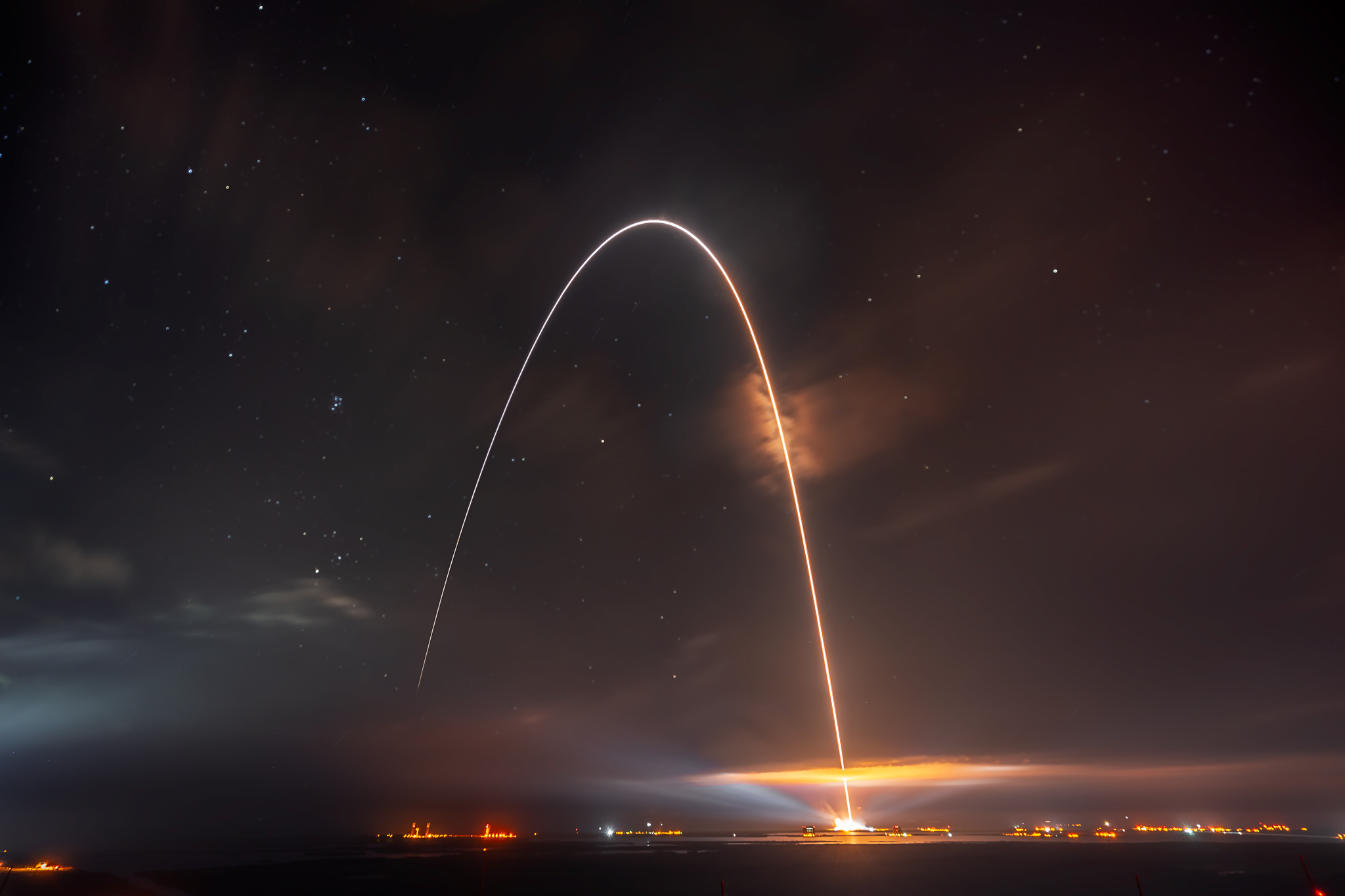
The Parker Solar Probe, which will spend the next seven years getting closer to the Sun than any previous mission, recently launched from Cape Canaveral.
Continue reading
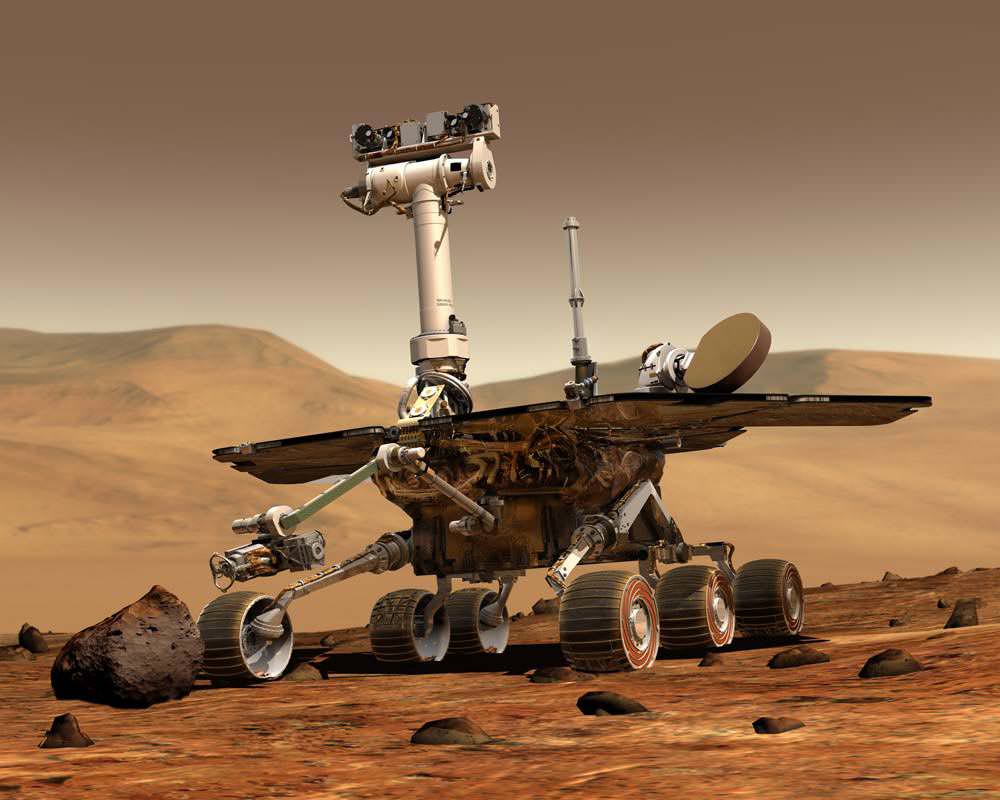
The Martian dust storm that has been raging for months finally appears to be subsiding, though it will still be some time before contact can be reestablished with Opportunity.
Continue reading
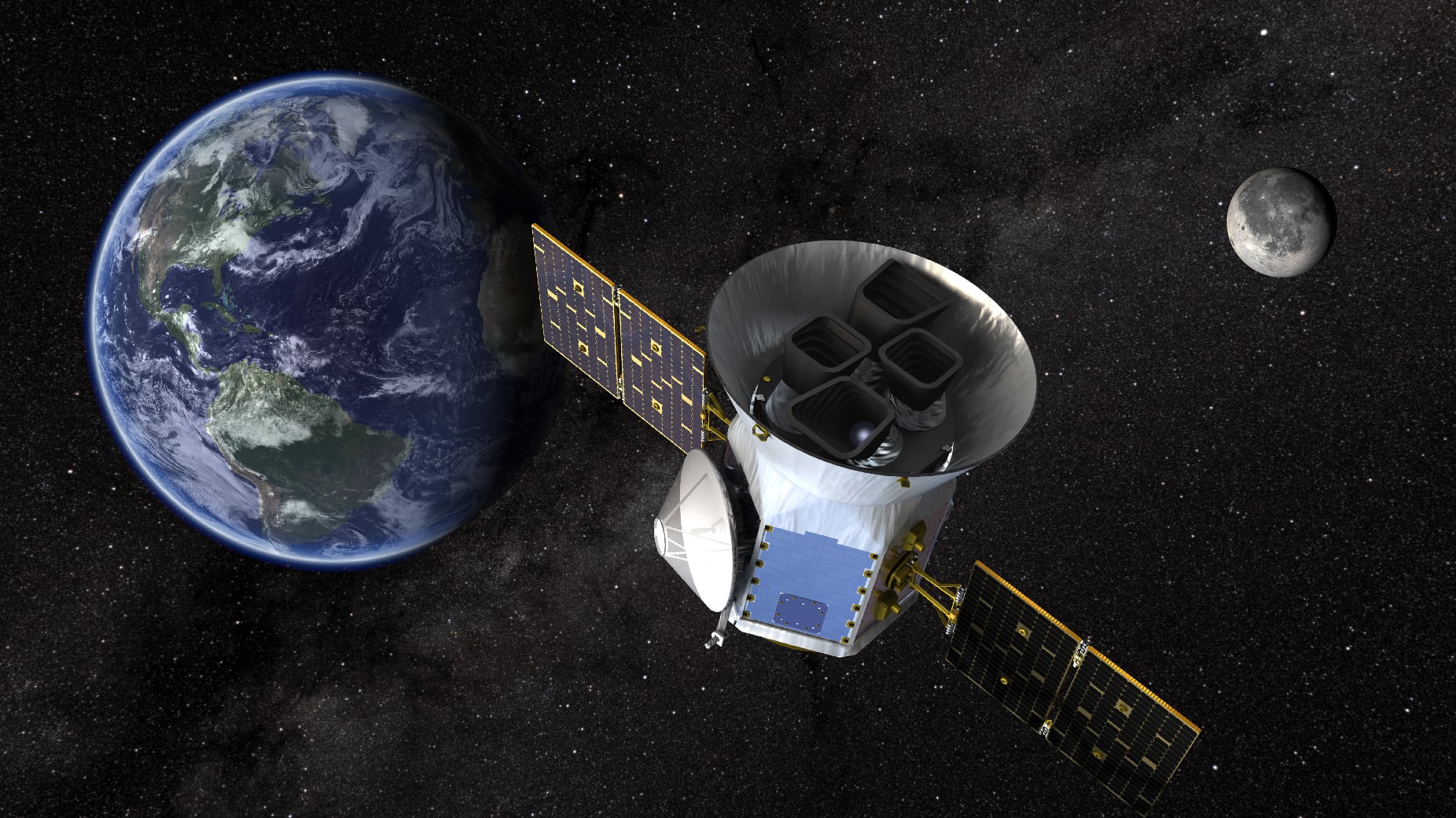
Before commencing its mission to find exoplanets, the Transiting Exoplanet Survey Satellite took some impressive images of a comet in our Solar System.
Continue reading
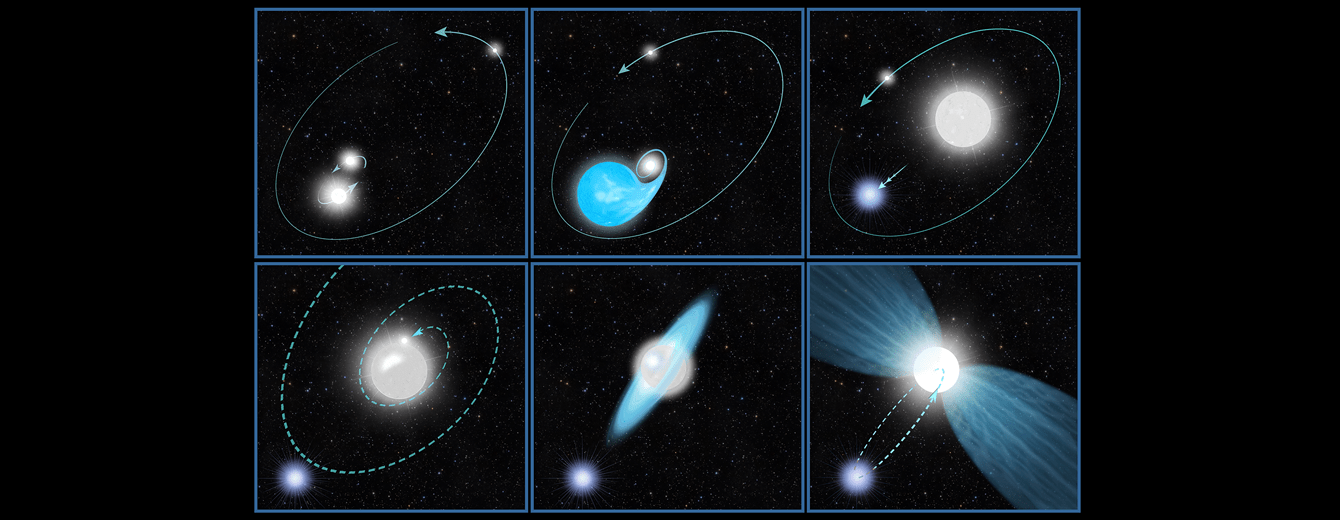
170 years after the star Eta Carinae erupted and became the second brightest star in the galaxy, astronomers now have a theory for what caused this.
Continue reading
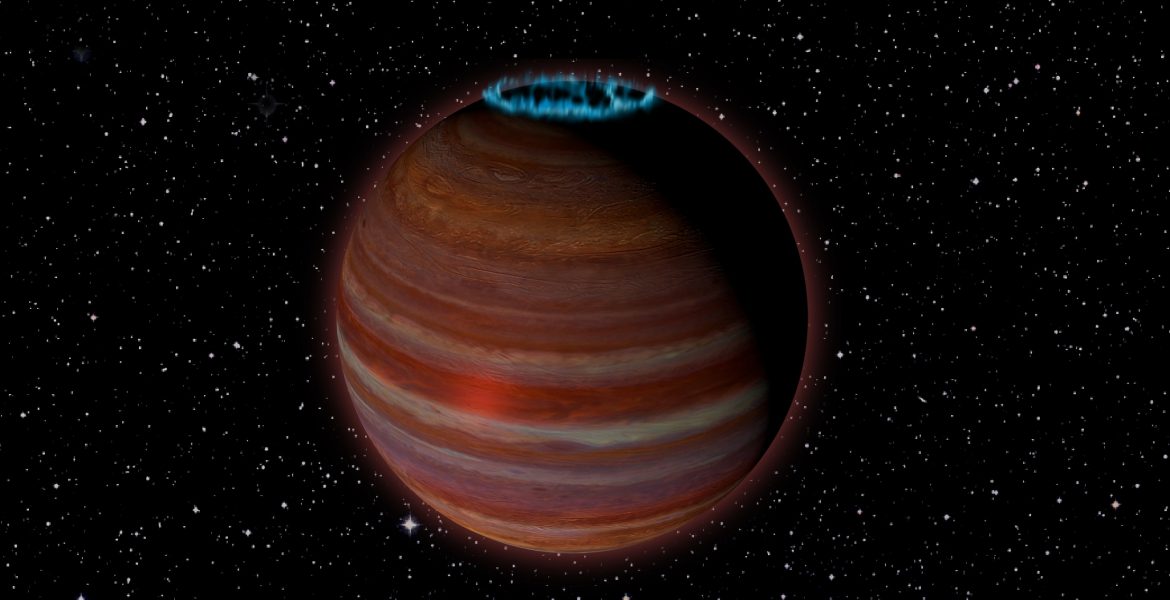
In a new study, a team from Caltech recently used the Very Large Array to confirm that a rogue planet just 20 light years away is on the cusp between being a planet and a brown dwarf
Continue reading
Continue reading
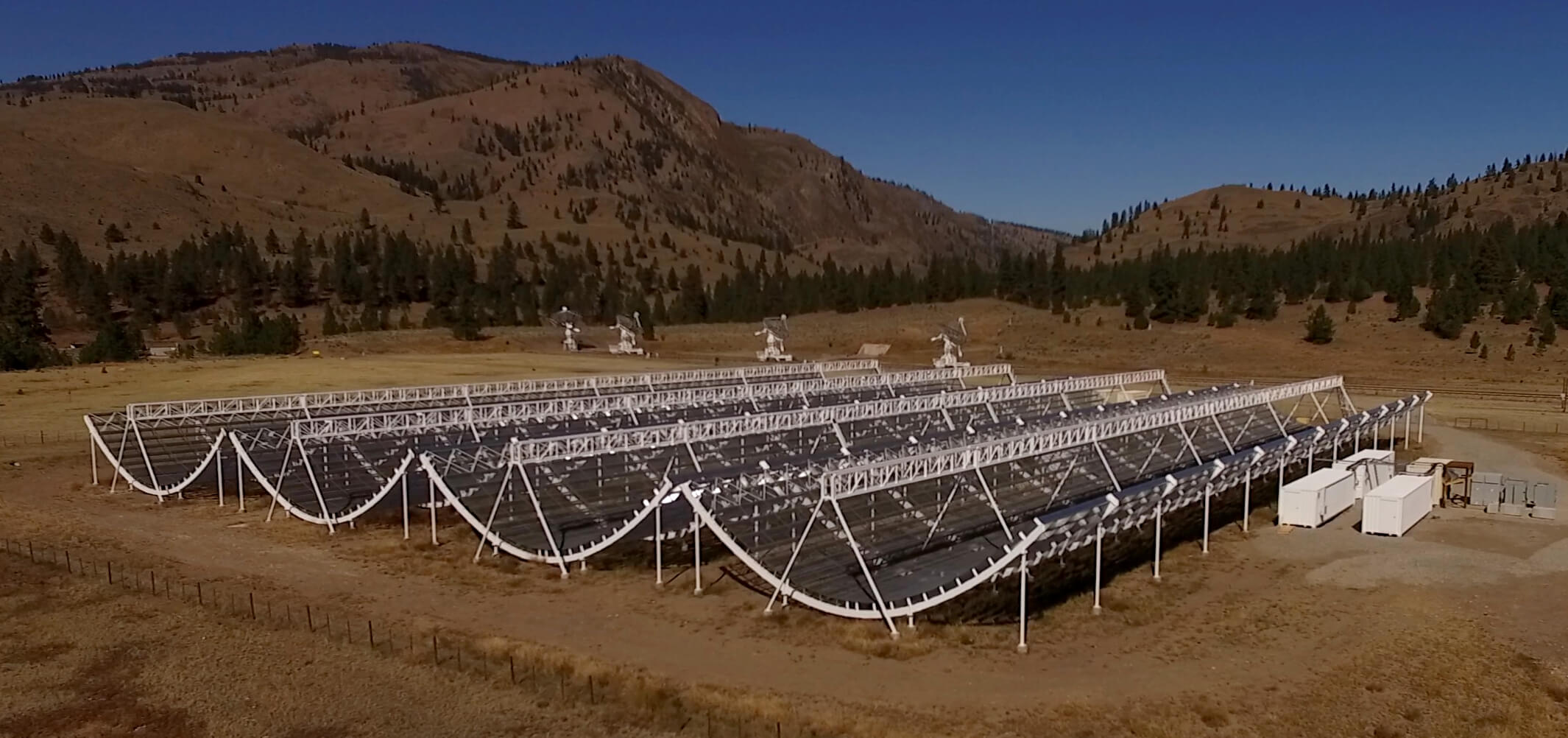
The Canadian Hydrogen Intensity Mapping Experiment (CHIME), a revolutionary new radio telescope, recently made its first-ever detection of a possible Fast Radio Burst (FRB)
Continue reading
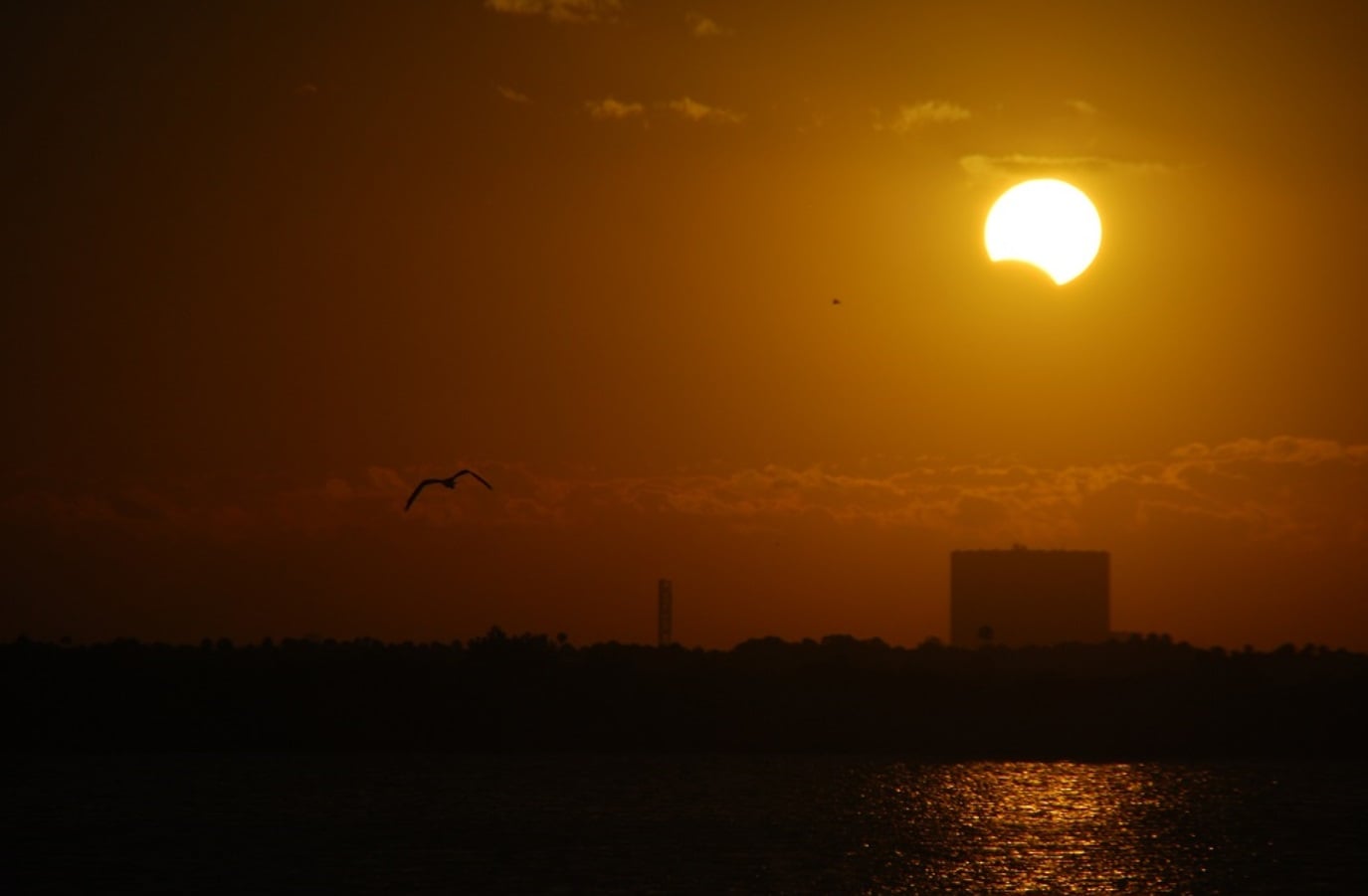
How about that Total Lunar Eclipse this past July 13th? It has been a busy year for astronomy for sure, with two total lunar eclipses, a comet fading out from an unexpected burst of glory and Saturn, Jupiter and Mars reaching opposition in quick succession.
Now, watch for a rare event, with the final eclipse for 2018 coming up on Saturday, August 11th, with a partial solar eclipse spanning northern Europe and the Arctic.
Continue reading
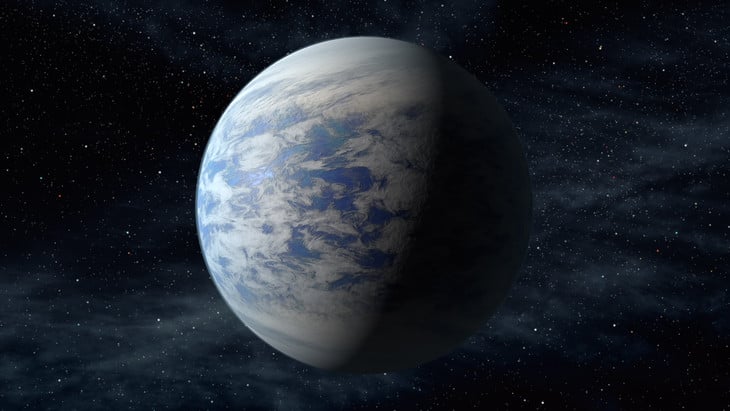
According to a new study, it is possible that extra-solar planets with no plate tectonics might be capable of supporting life, contrary to previous assumptions.
Continue reading
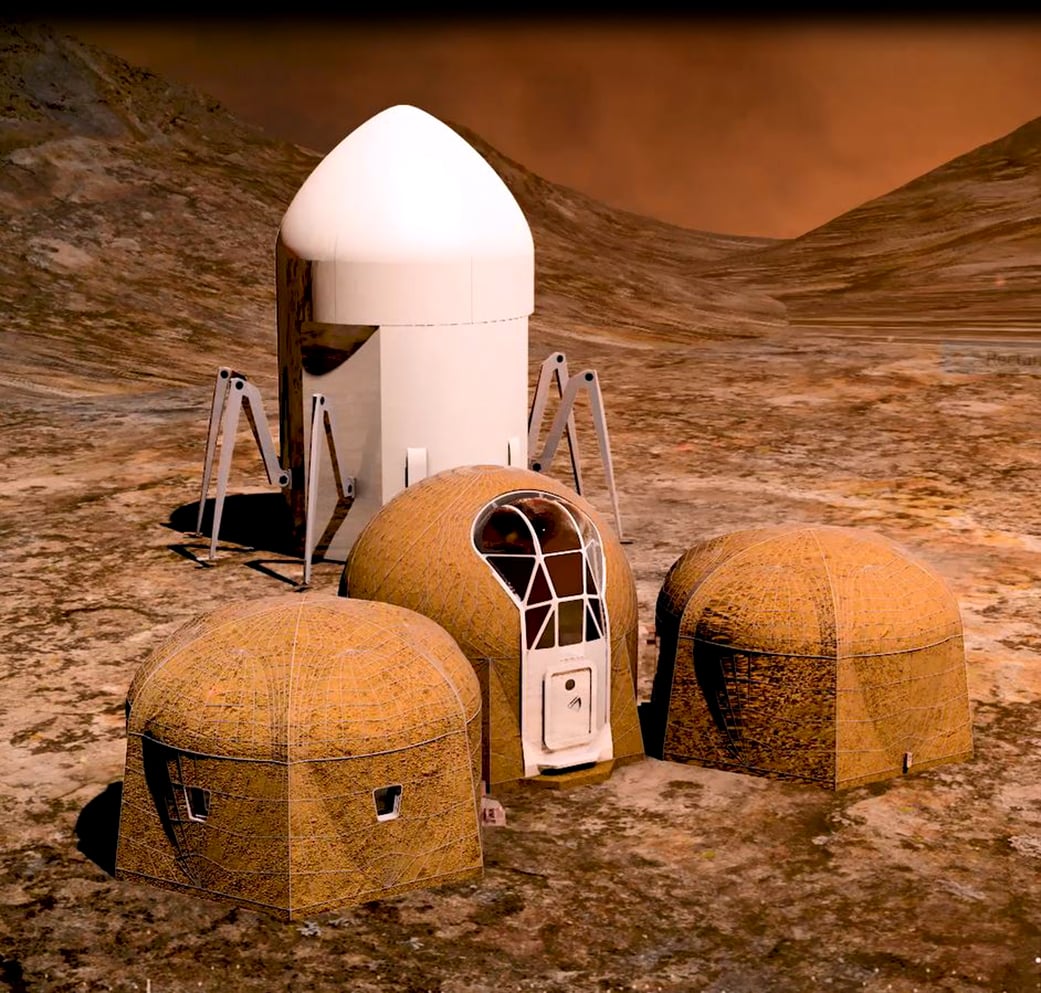
As part of their 3D-Printed Habitat Centennial Challenge, NASA recently awarded five teams with a total of $100,000 for their designs for Martian habitats.
Continue reading
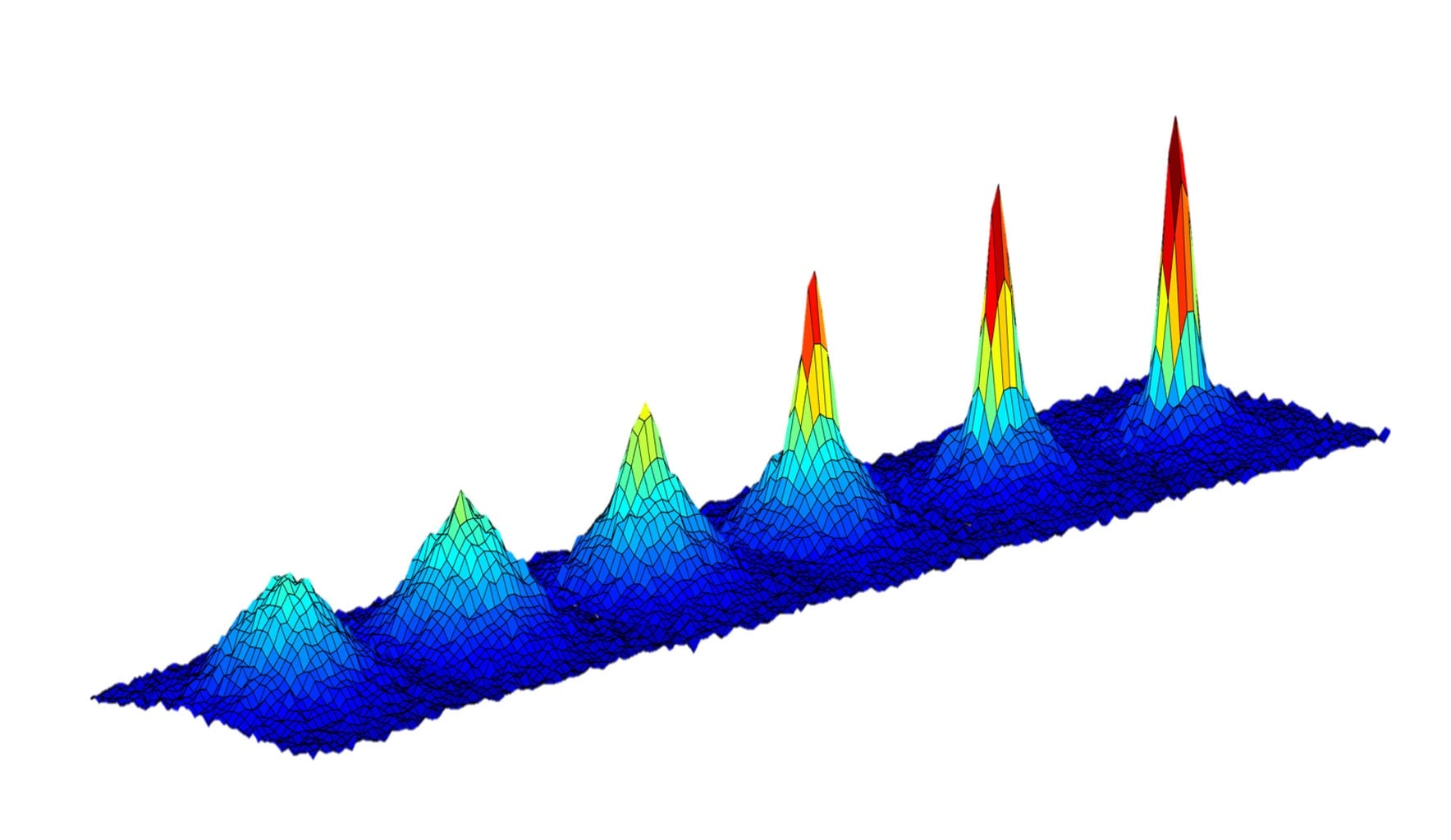
The Cold Atom Laboratory (CAL), which was installed aboard the ISS this past May, just reached a milestone by creating ultracold particles for the first time in space.
Continue reading
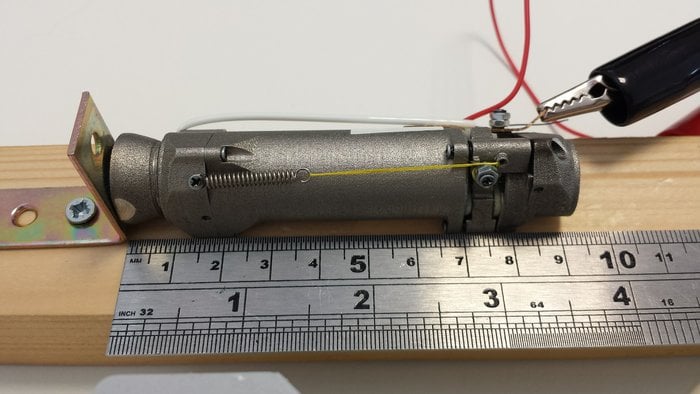
The Fenix propulsion system, a pen-sized thruster designed by Italian tech company D-Orbit, could revolutionize the way CubeSats operate in orbit.
Continue reading
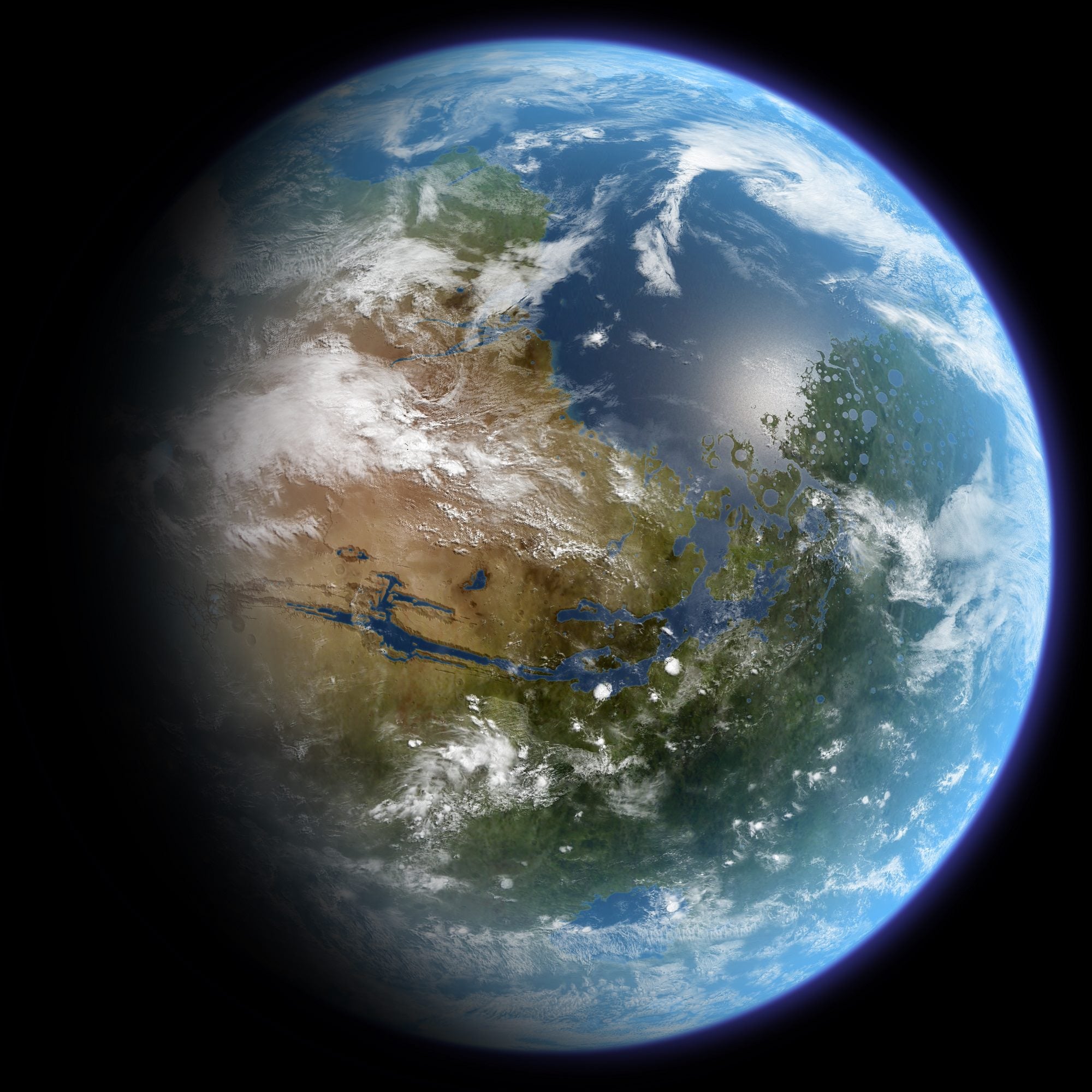
According to a new NASA-supported study, Mars does not have enough carbon dioxide to undergo the terraforming process
Continue reading
According to a new study from the Earth-Life Science Institute, it may be time to fine-tune what astronomers mean by "habitable zone"
Continue reading
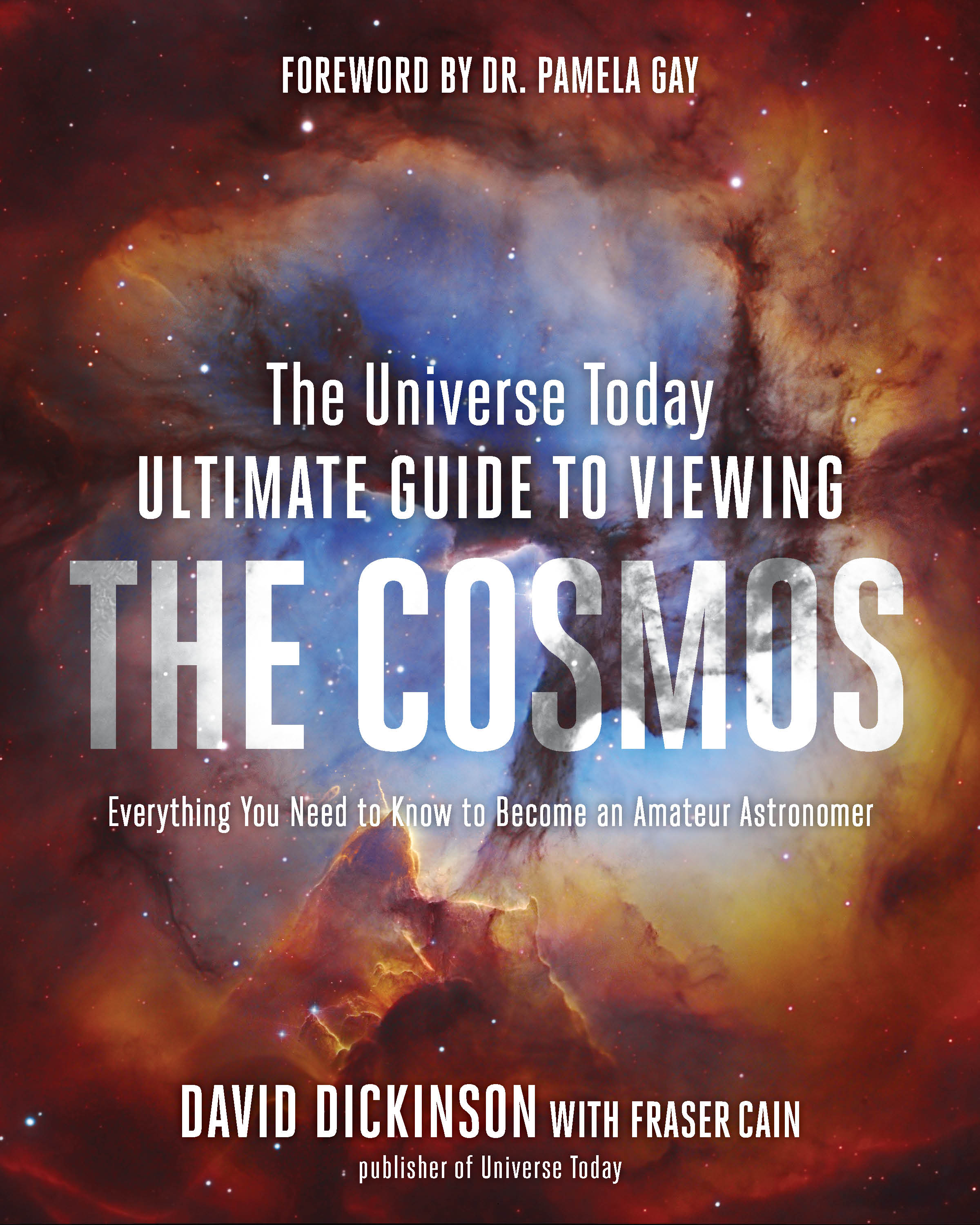
The Universe Today Ultimate Guide to Viewing the Cosmos is our practical book on how to get into astronomy, written by David Dickinson with Fraser Cain. It's filled with everything you need to become an amateur astronomer, with hundreds of photographs taken by other amateurs.
Continue reading
 Universe Today