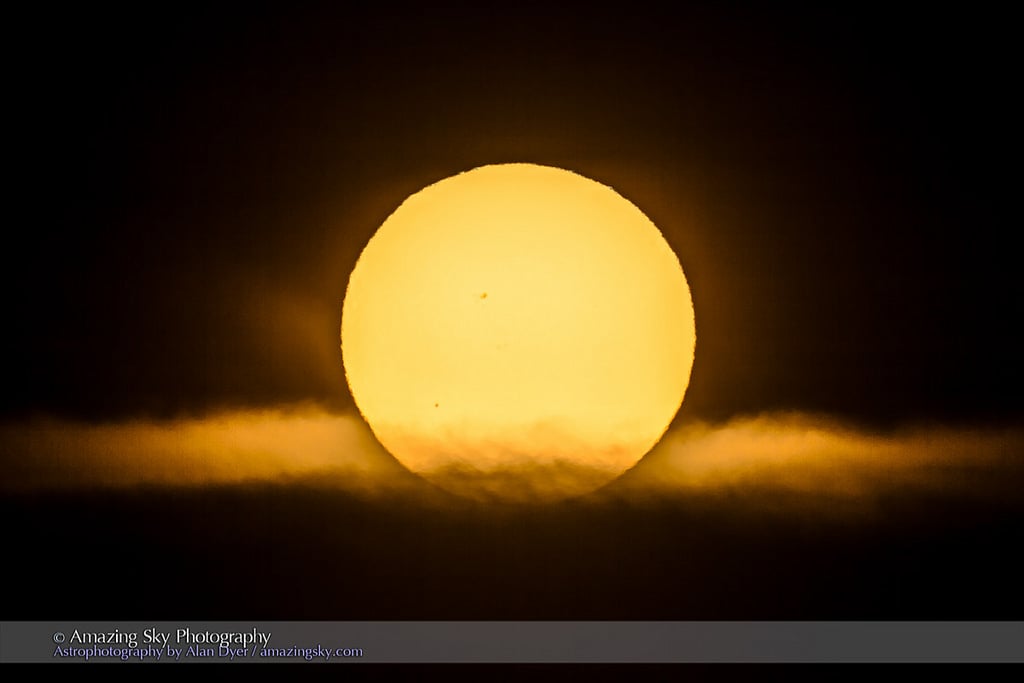
It's strange but true... we may not fully understand one of the simplest metrics in observational astronomy: just what time does the Sun rise... really?
Continue reading
Continue reading

Continue reading
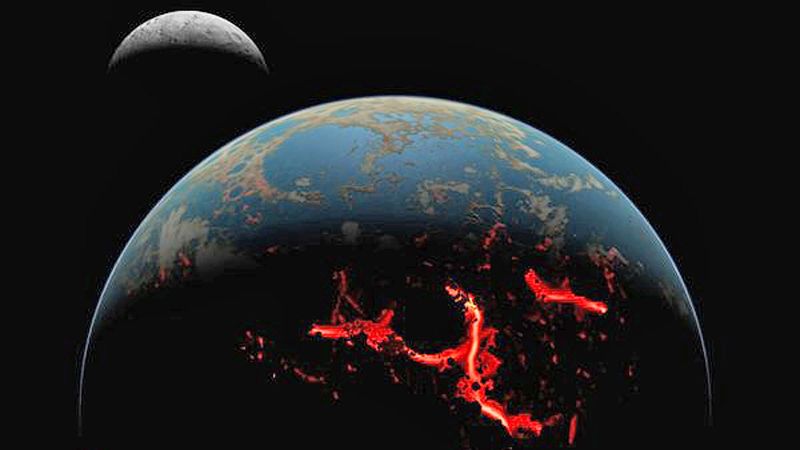
A recent study has determined that the oldest sample of Earth rock ever discovered (~4 billion years old) was actually found on the Moon.
Continue reading
Continue reading
Continue reading
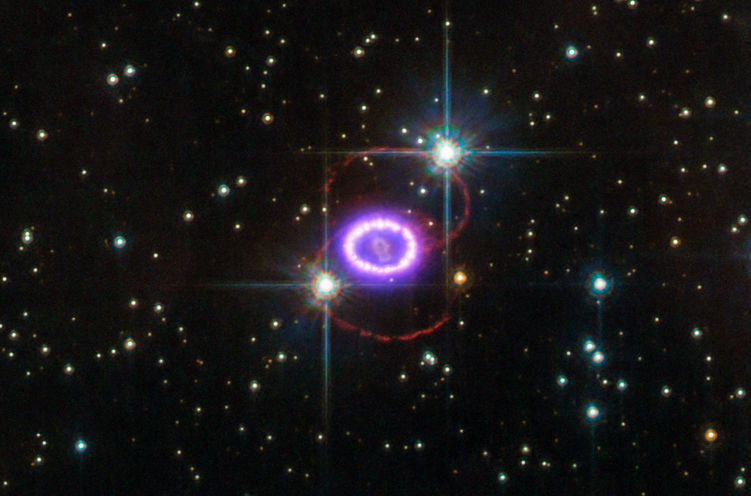
An international team of researchers was able to accurately measure the effect that a supernova shock wave had on the surrounding gas for the first time.
Continue reading
Continue reading
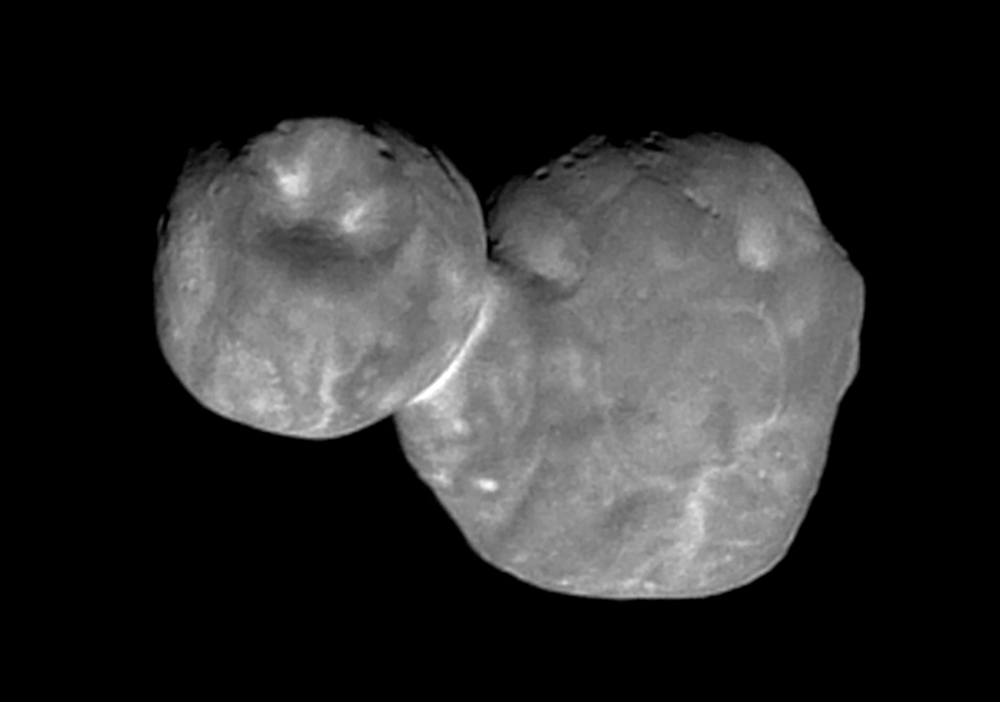
A newly-processed image of Ultima Thule provides the highest-resolution picture of the object to date.
Continue reading
Continue reading
Continue reading
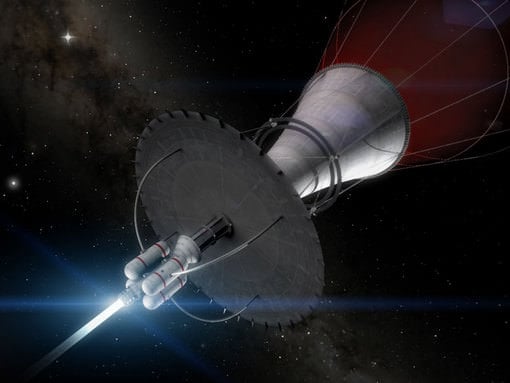
A new study from the Initiative for Interstellar Studies outlines the benefits and requirements of sending a probe on an interstellar mission.
Continue reading
Continue reading
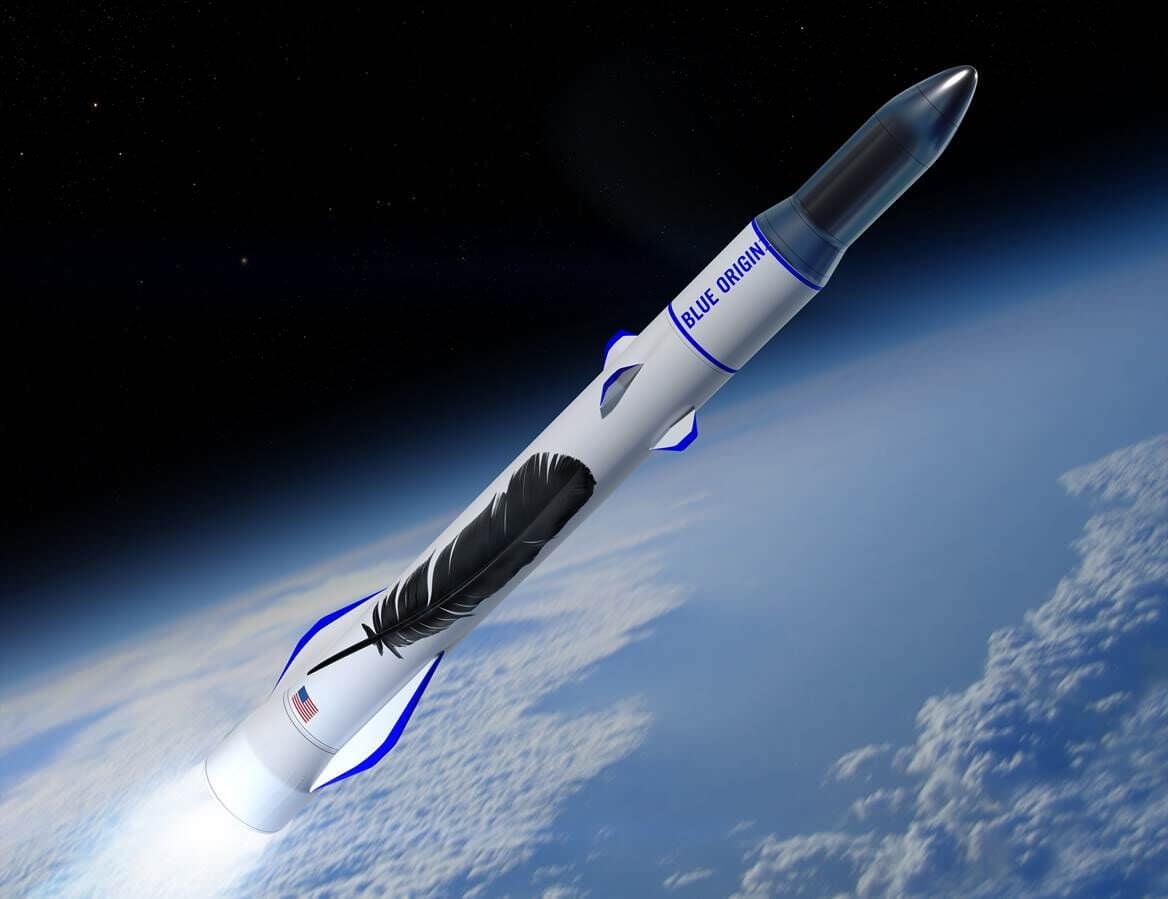
Blue Origin has released a new video of its proposed New Glenn launch vehicle, which will allow the company to send heavy payloads to space in the near future.
Continue reading
Continue reading

Continue reading
Continue reading
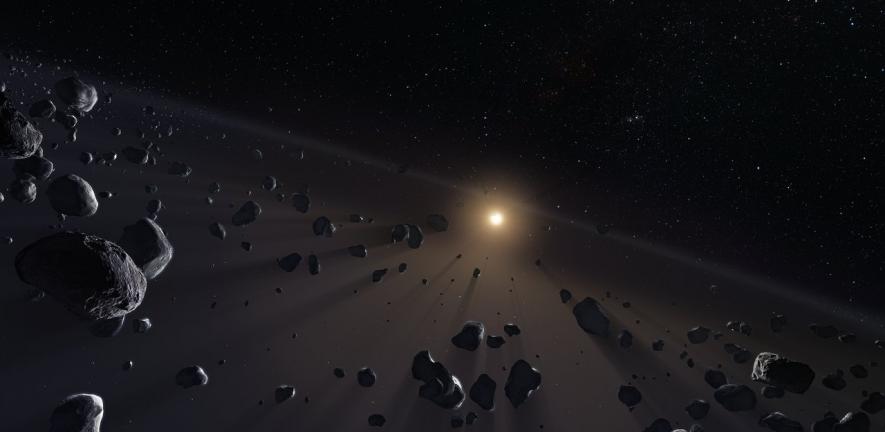
Continue reading

Continue reading
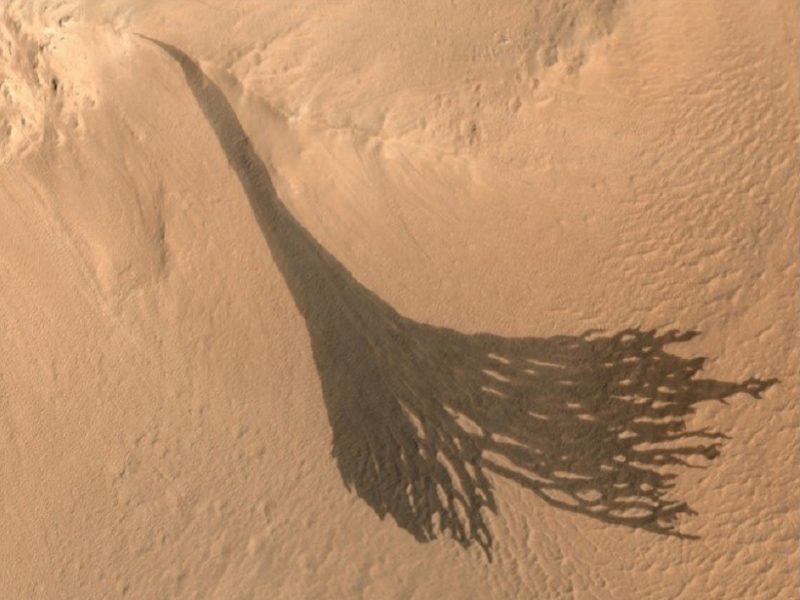
New research indicates what could be causing those mysterious slope streaks on Mars, using an Earth analog.
Continue reading
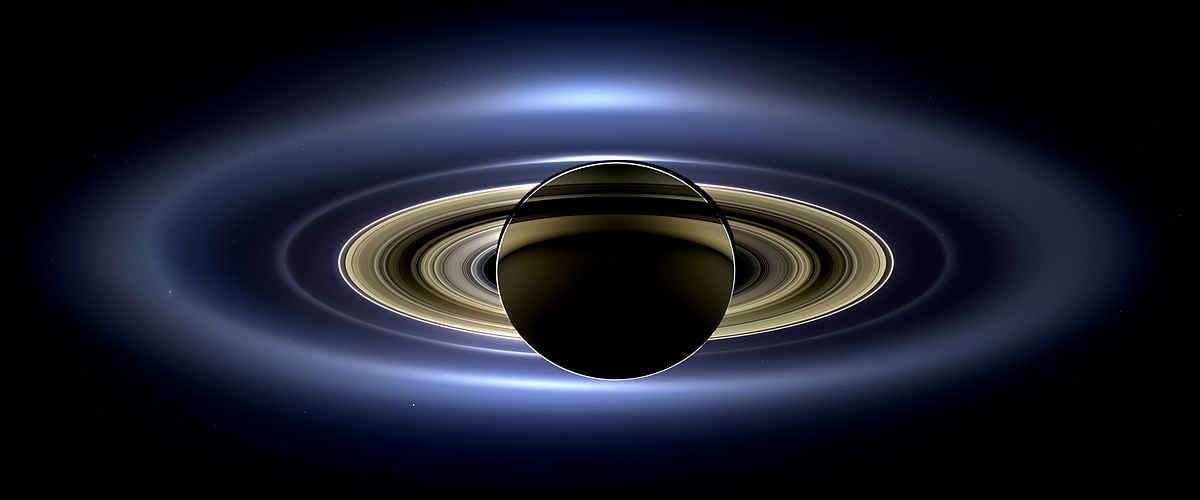
Continue reading
Continue reading
Continue reading
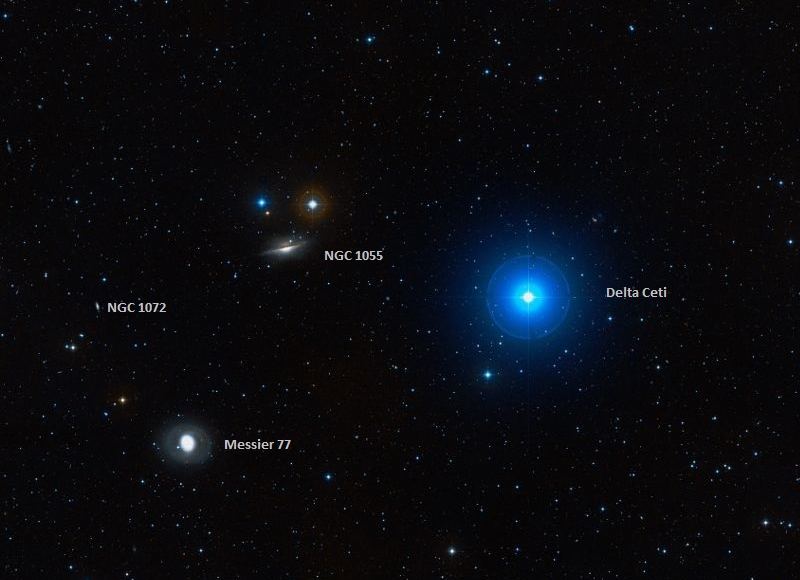
Located 47 million light years from Earth in the Cetus constellation is the barred spiral galaxy known as Messier 77.
Continue reading
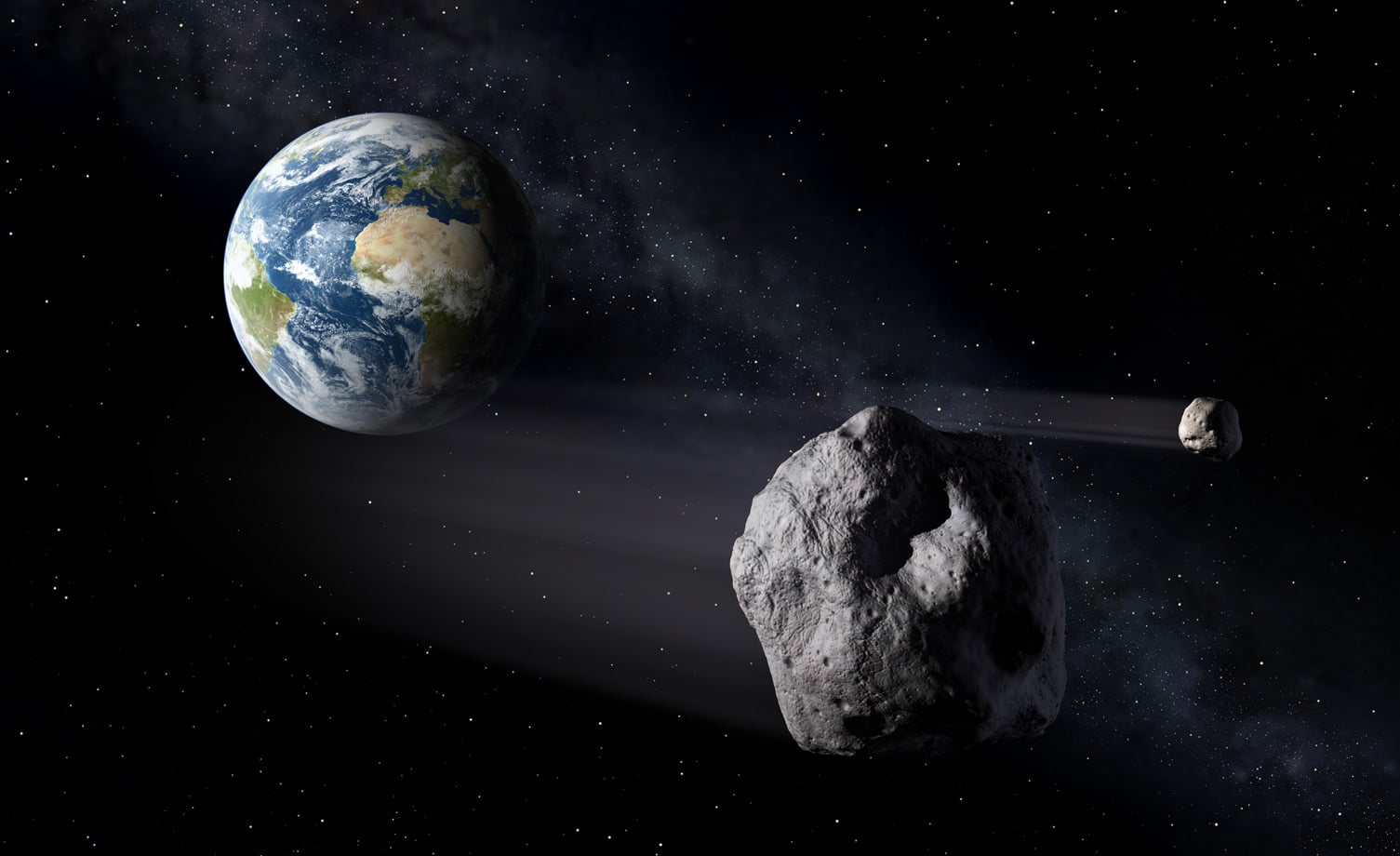
A partnership between Honeybee Robotics and the University of Central Florida has produced the first steam-powered spacecraft for asteroid mining.
Continue reading
Continue reading
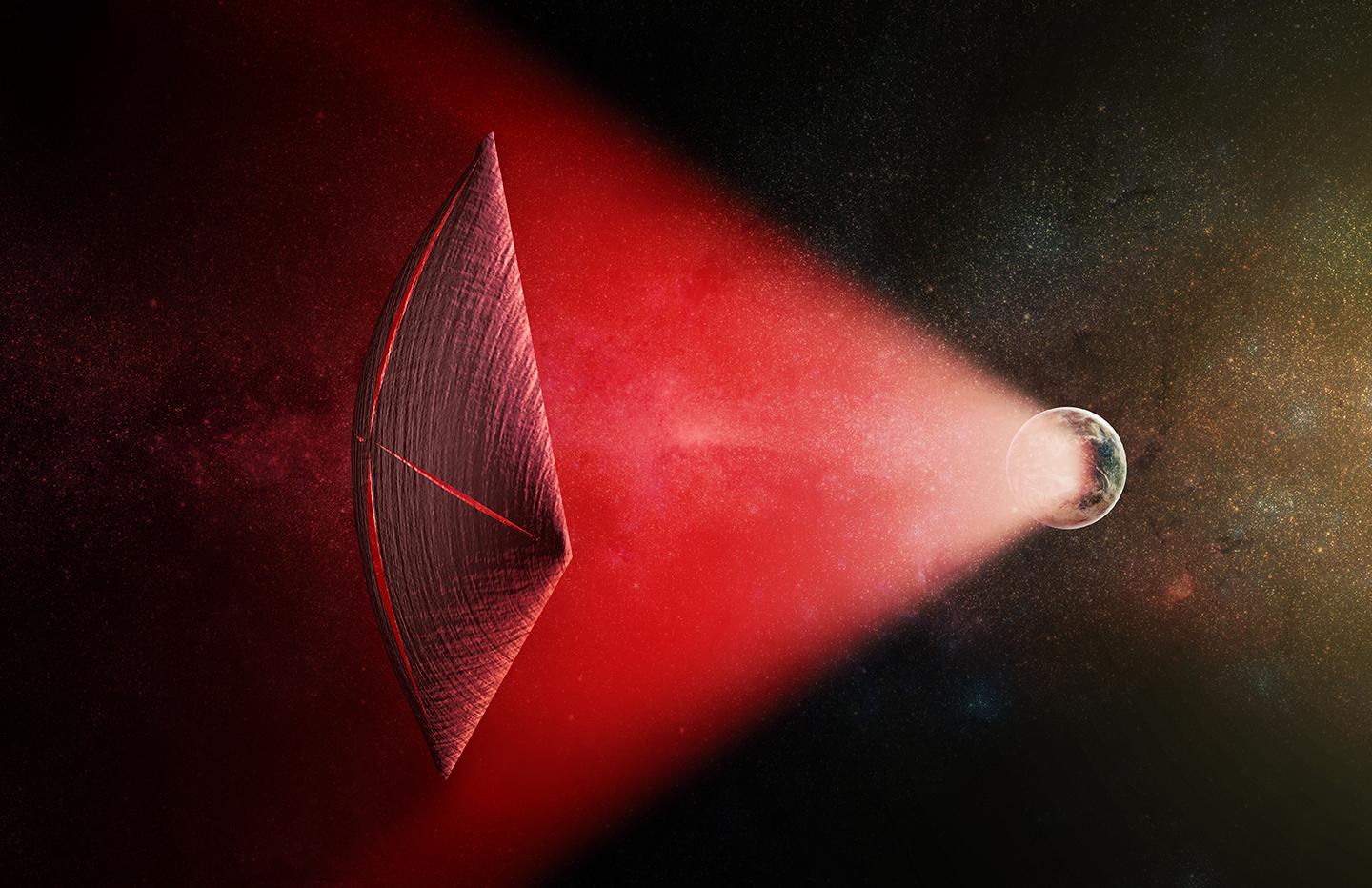
Claudius Gros, the founder of Project Genesis, makes the case that when it comes to extrasolar planets, the rules of planetary protection need not apply.
Continue reading
Continue reading
Continue reading
Continue reading
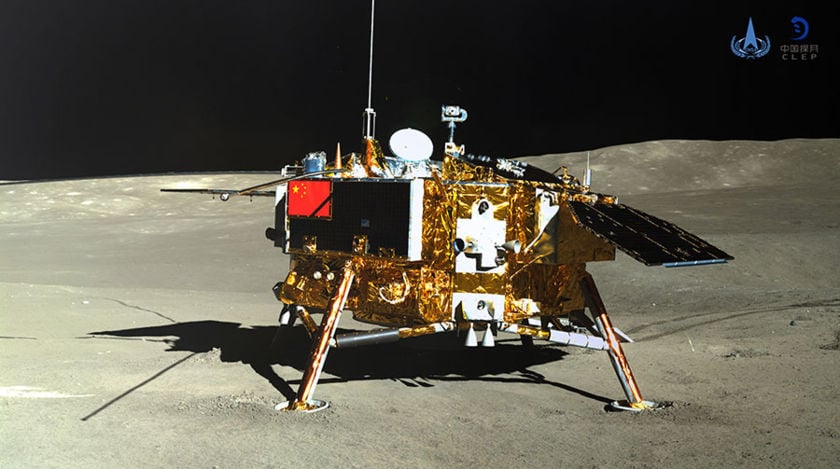
The Chang'e-4 mission accomplished another first by being the first mission to grow plant life on the Moon. Unfortunately, the experiment was short-lived.
Continue reading
Continue reading
Continue reading
Continue reading
Continue reading
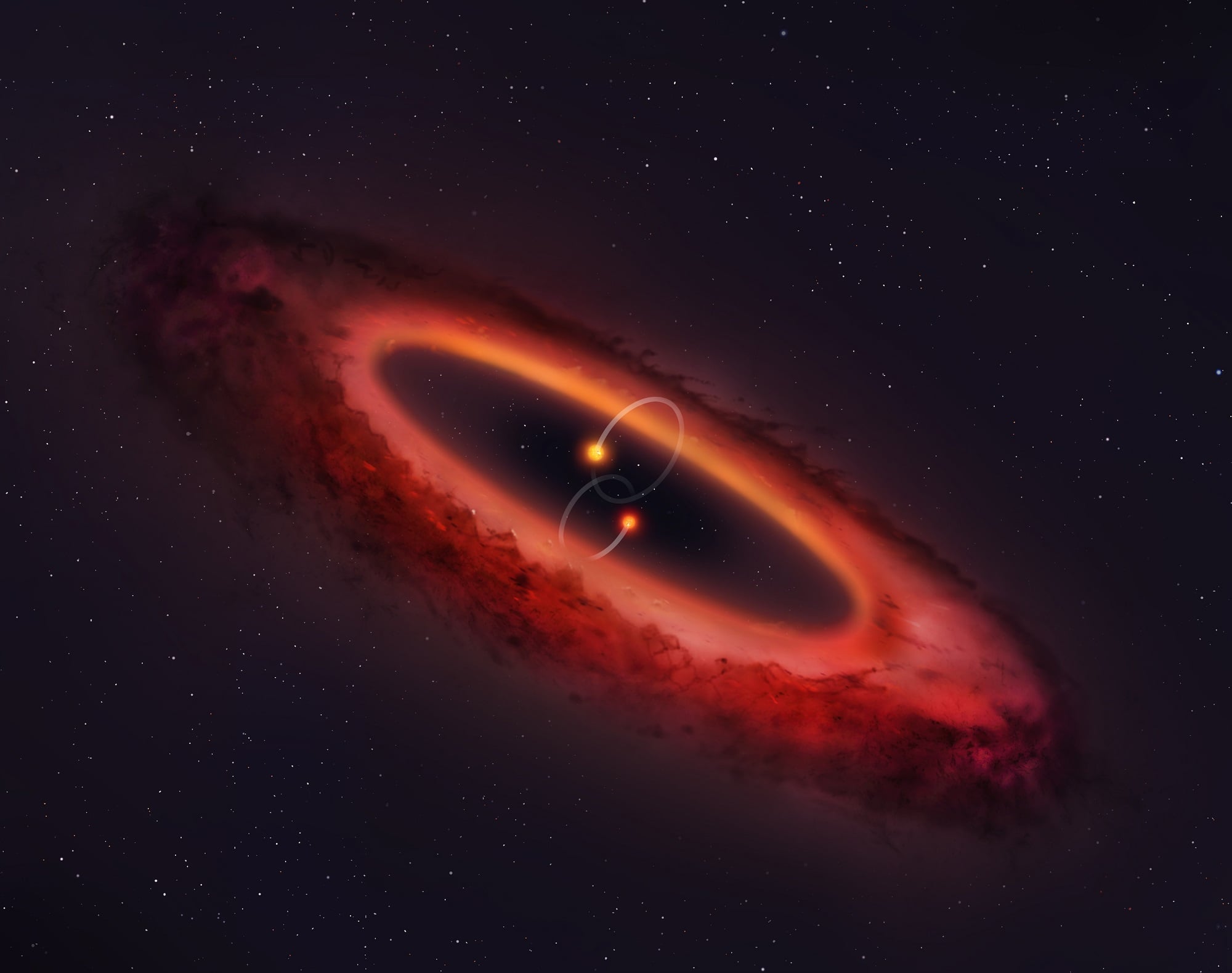
An international research team recently found a binary star system with a debris disk that orbits around their poles.
Continue reading
Continue reading
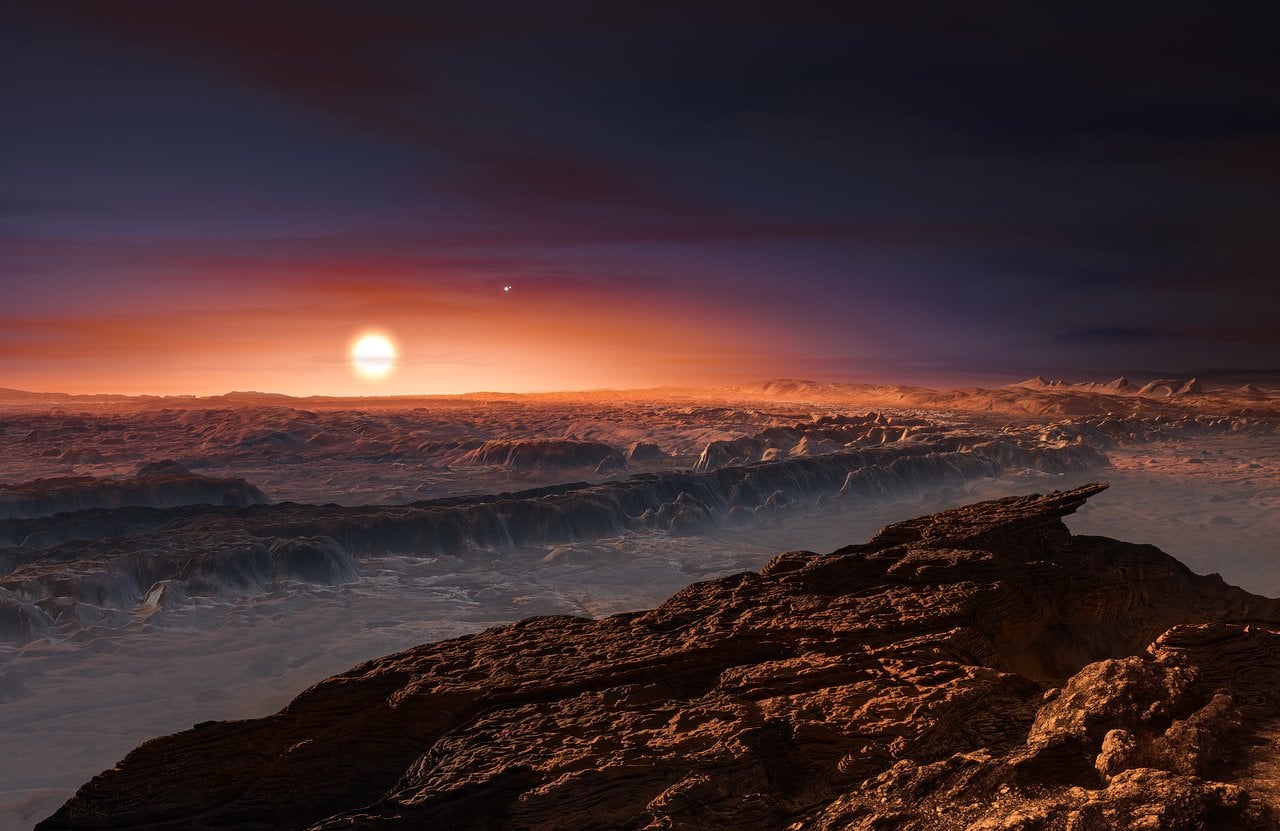
A new study shows that planets orbiting red dwarf stars may not get enough radiation to support photosynthesis.
Continue reading
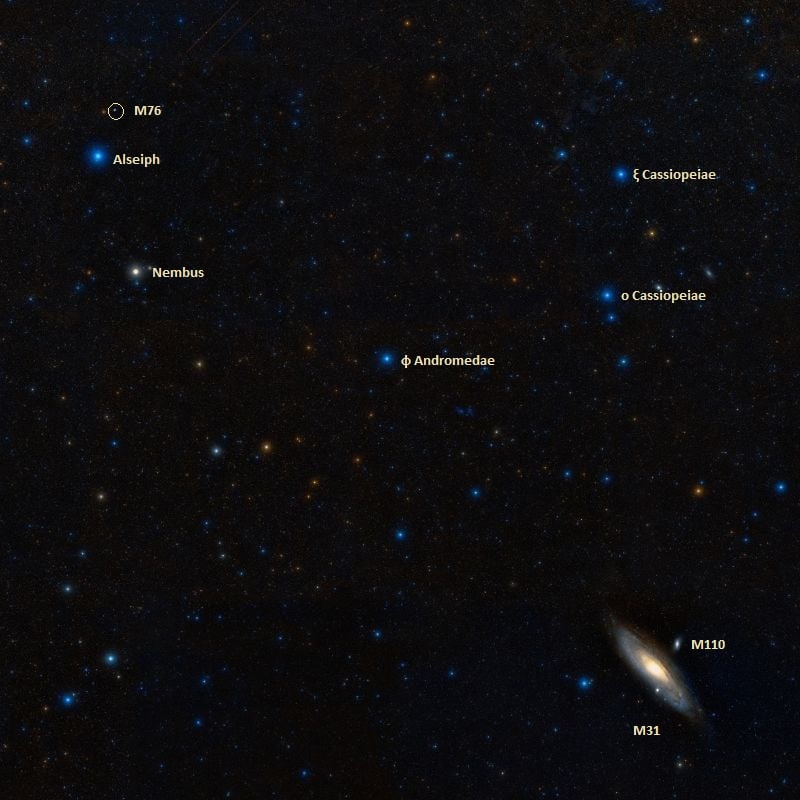
Located in the Perseus constellation, about 2,500 light years from Earth, is the planetary nebula known as Messier 76.
Continue reading
Continue reading
Continue reading
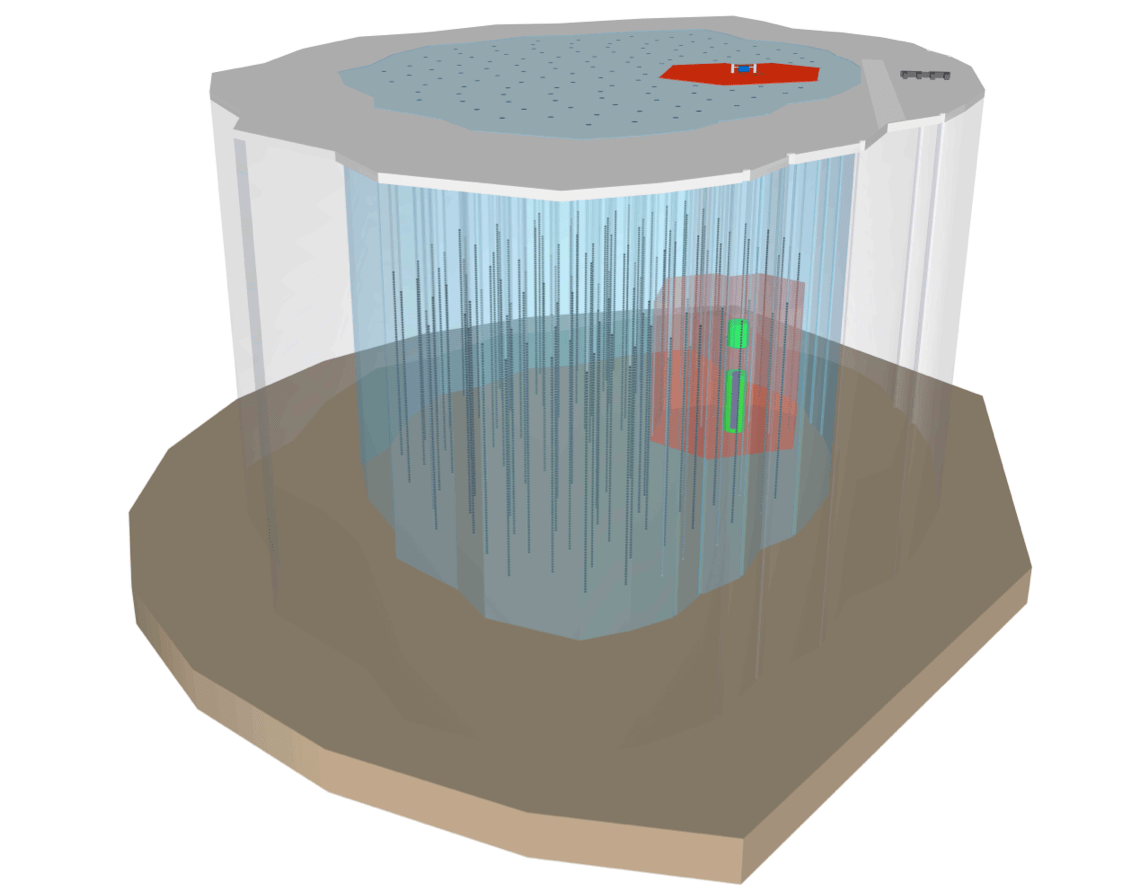
Neutrino telescopes are another kind of telescope to go alongside telescopes for visible light, x-rays, infrared, ultraviolet, microwave, radio, gamma ray and gravity waves.
Continue reading

Continue reading

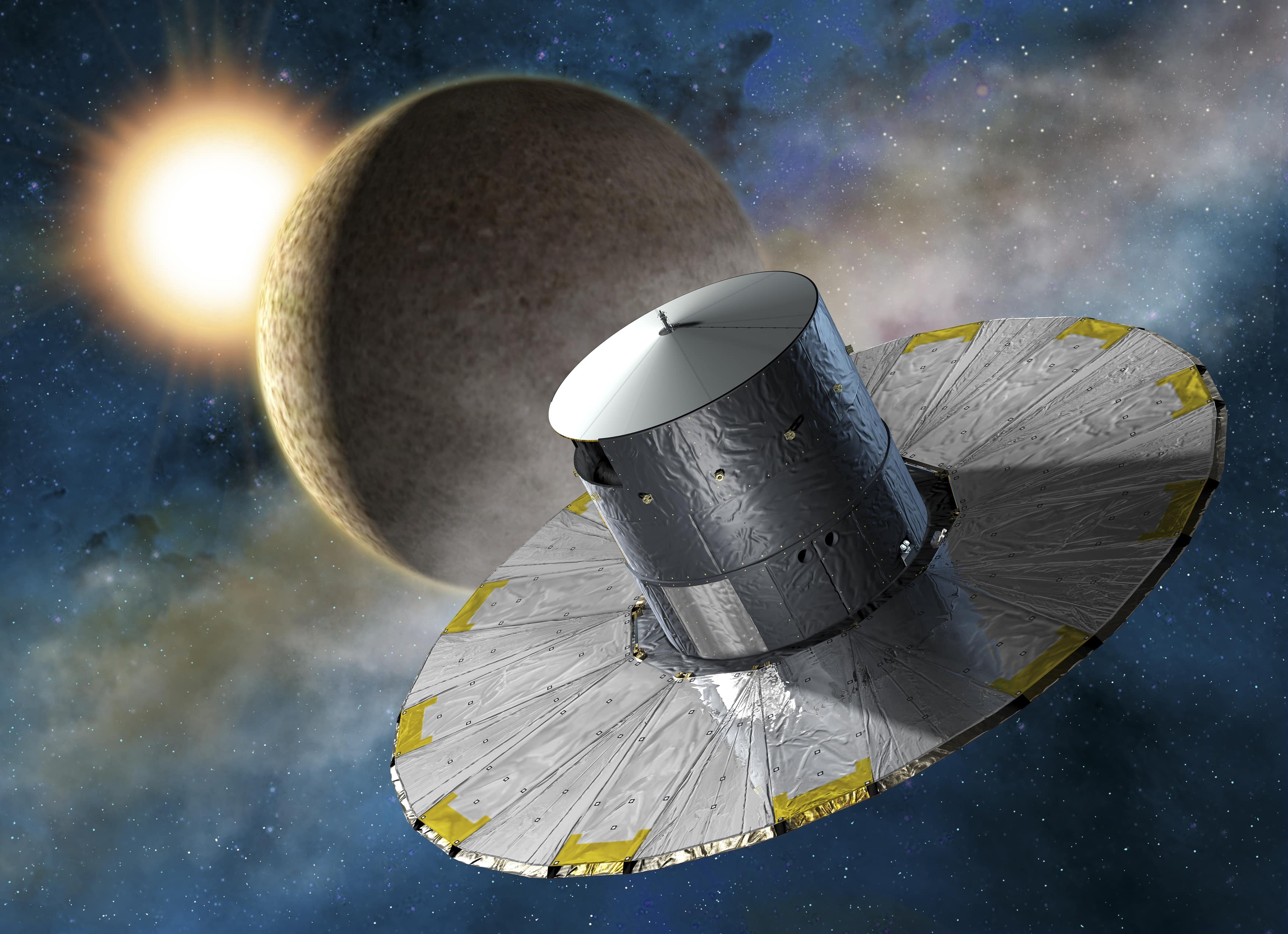
New research using some of the latest Gaia mission data has revealed what happens to stars like our Sun once they become white dwarfs.
Continue reading
Continue reading
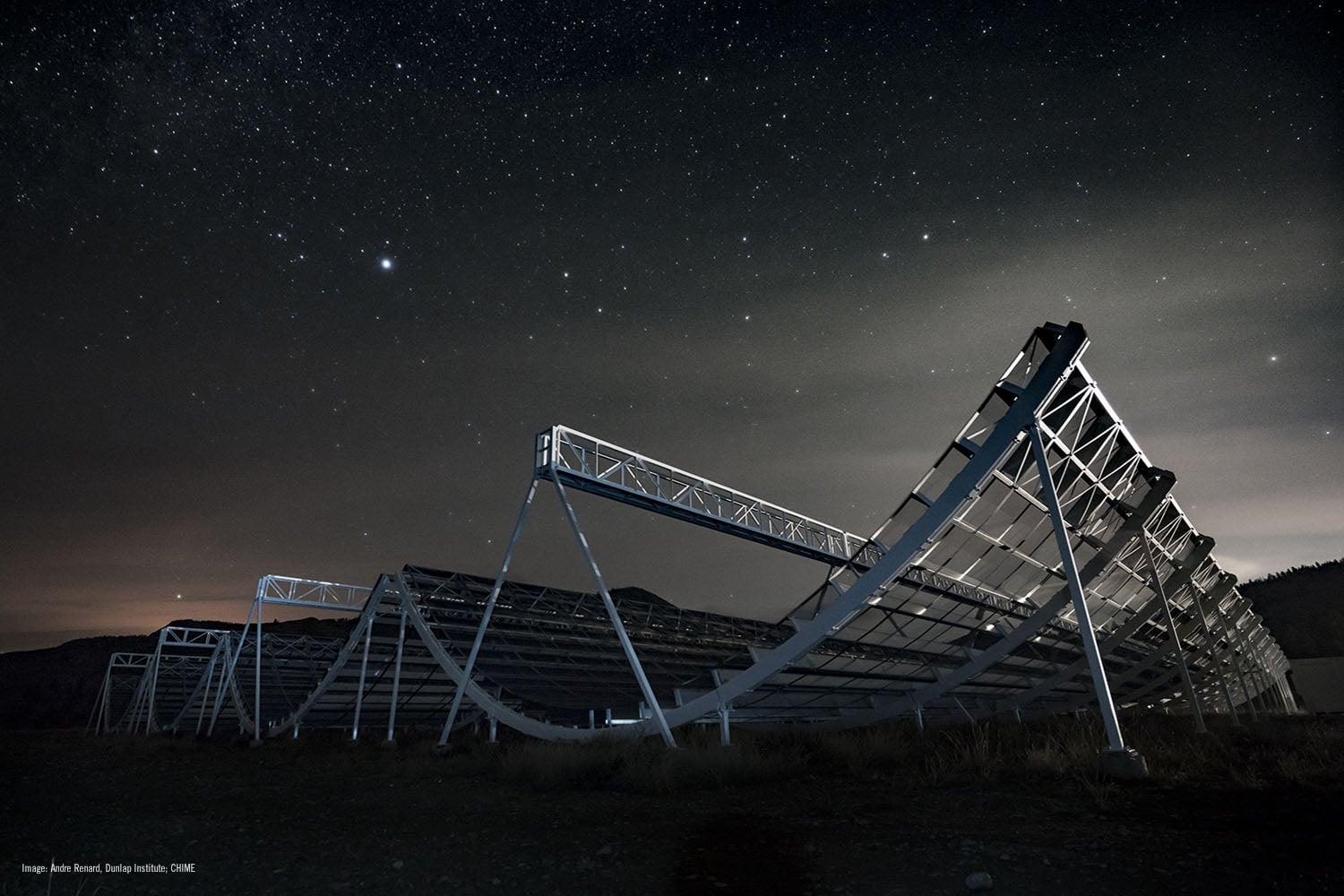
Continue reading
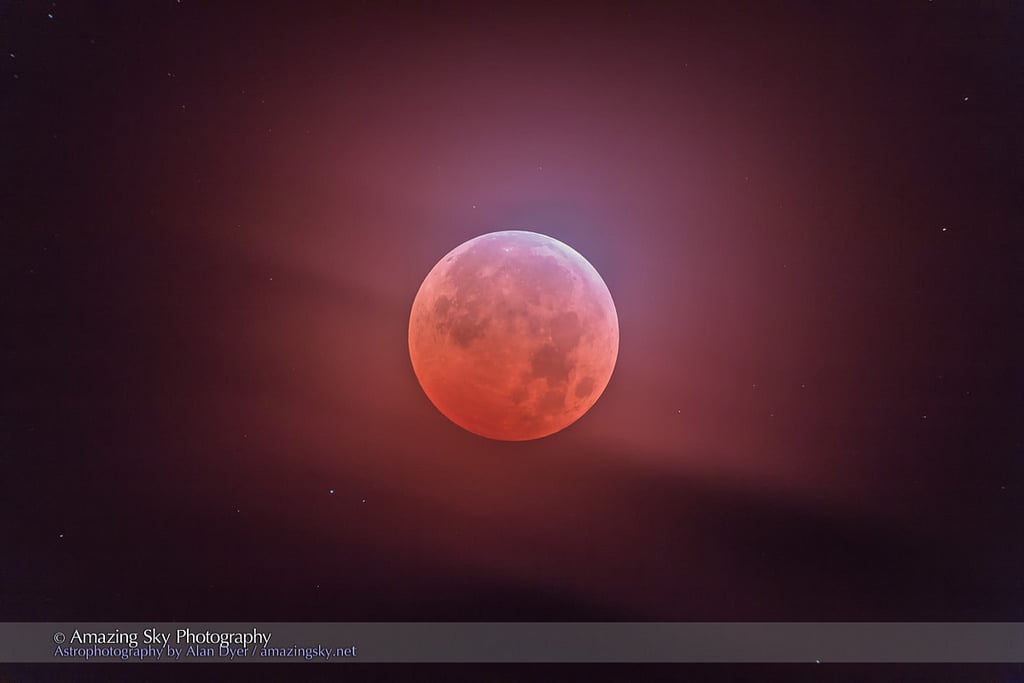
Continue reading

A new study conducted by researchers from NWU has shown that bacteria do not mutate into super bugs.
Continue reading
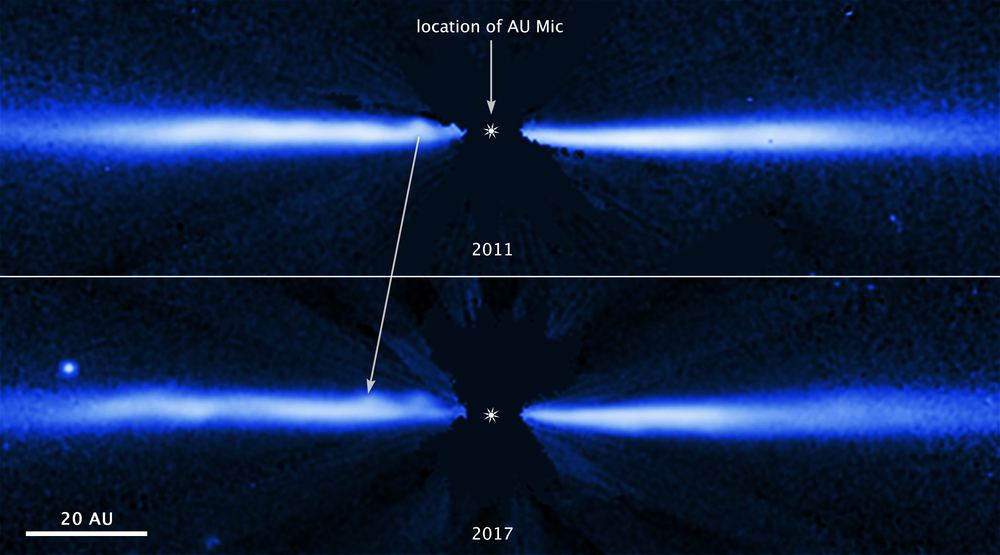
Continue reading
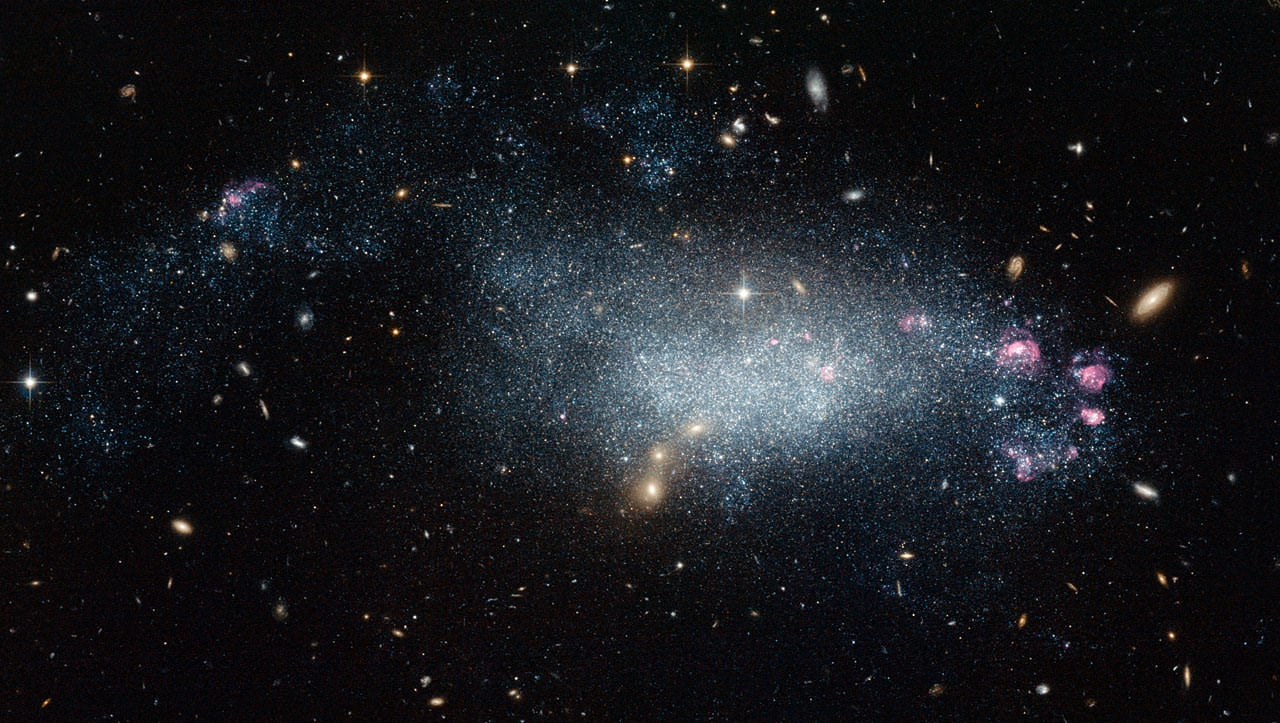
Continue reading
 Universe Today