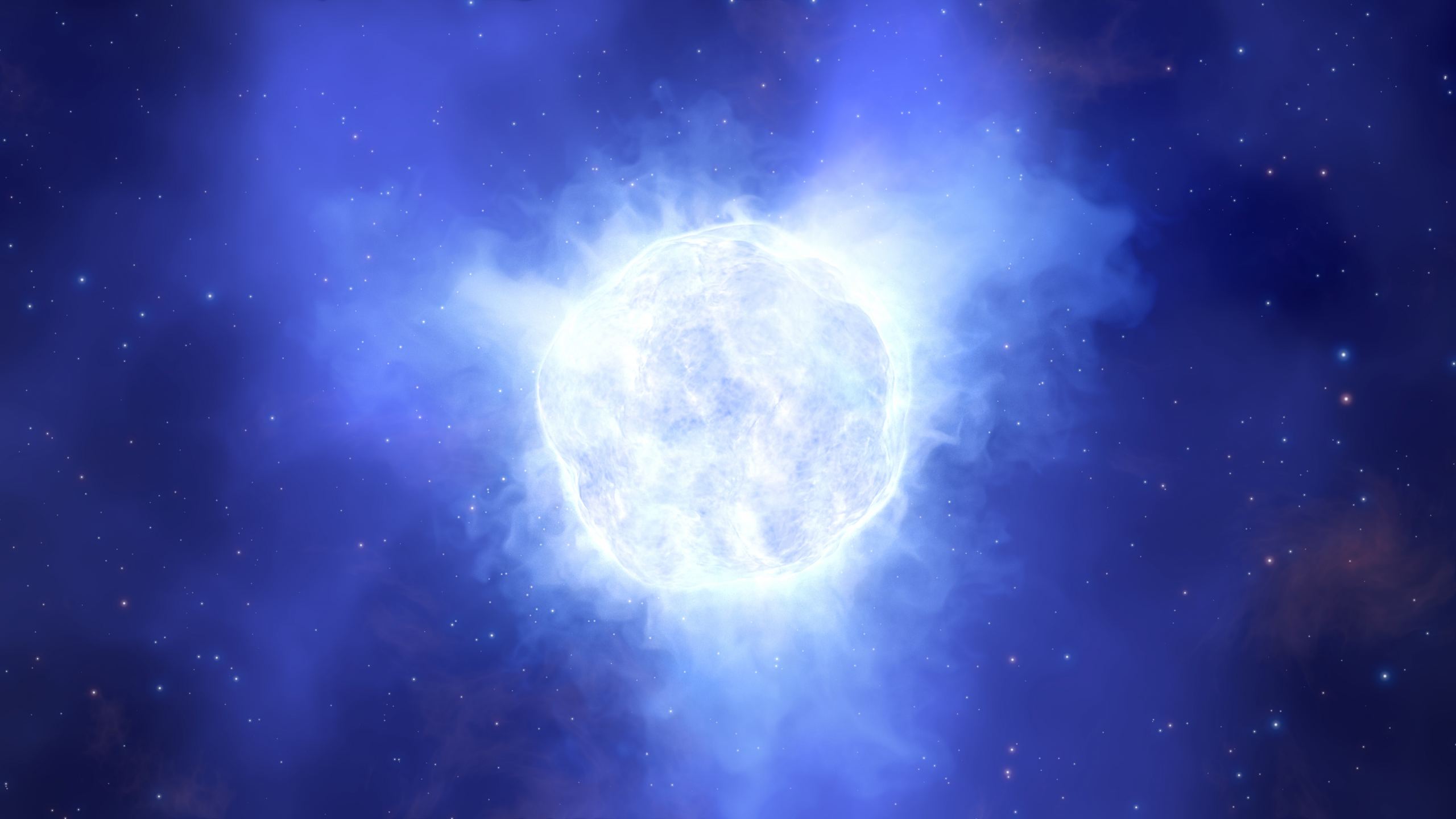
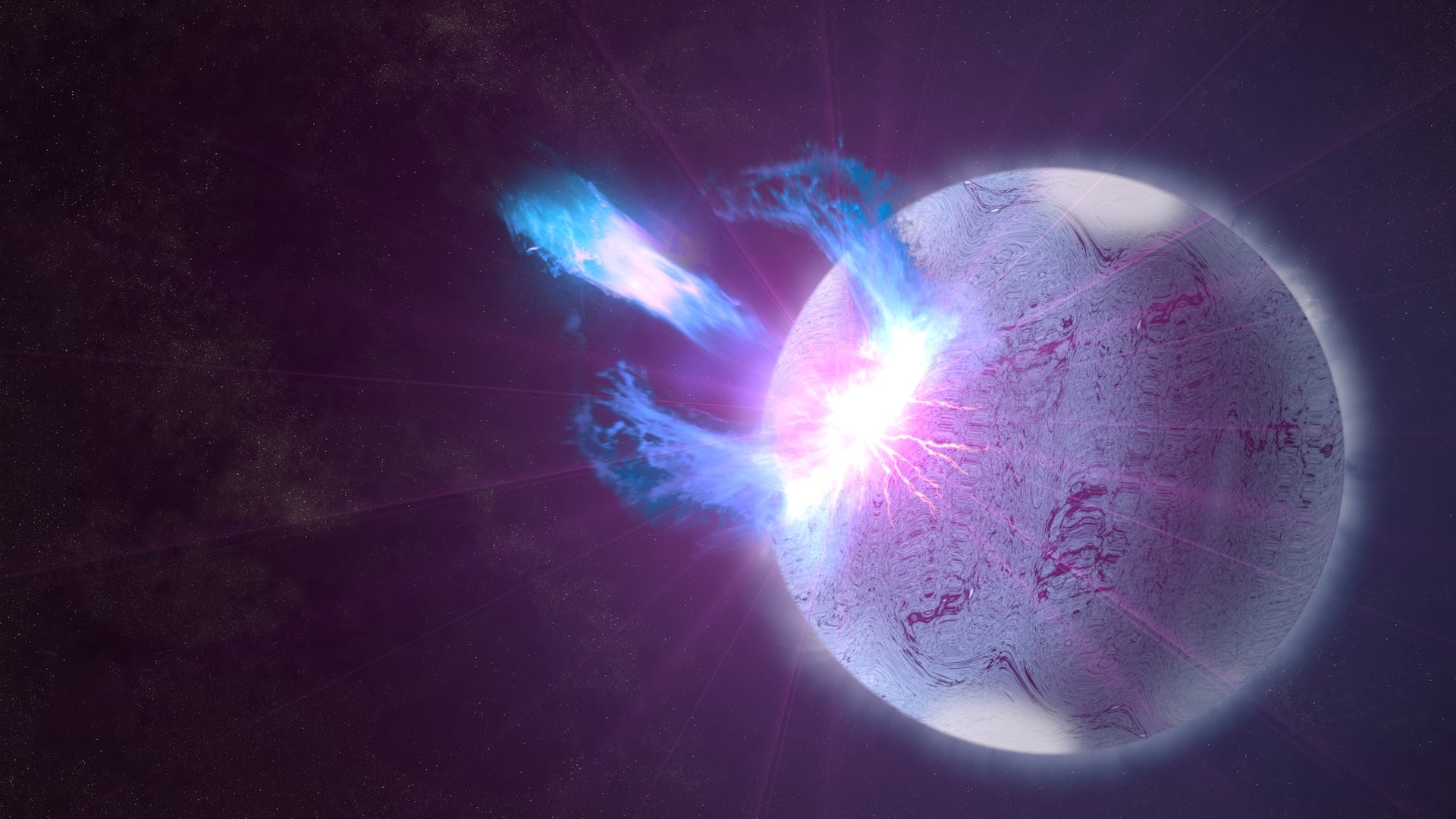
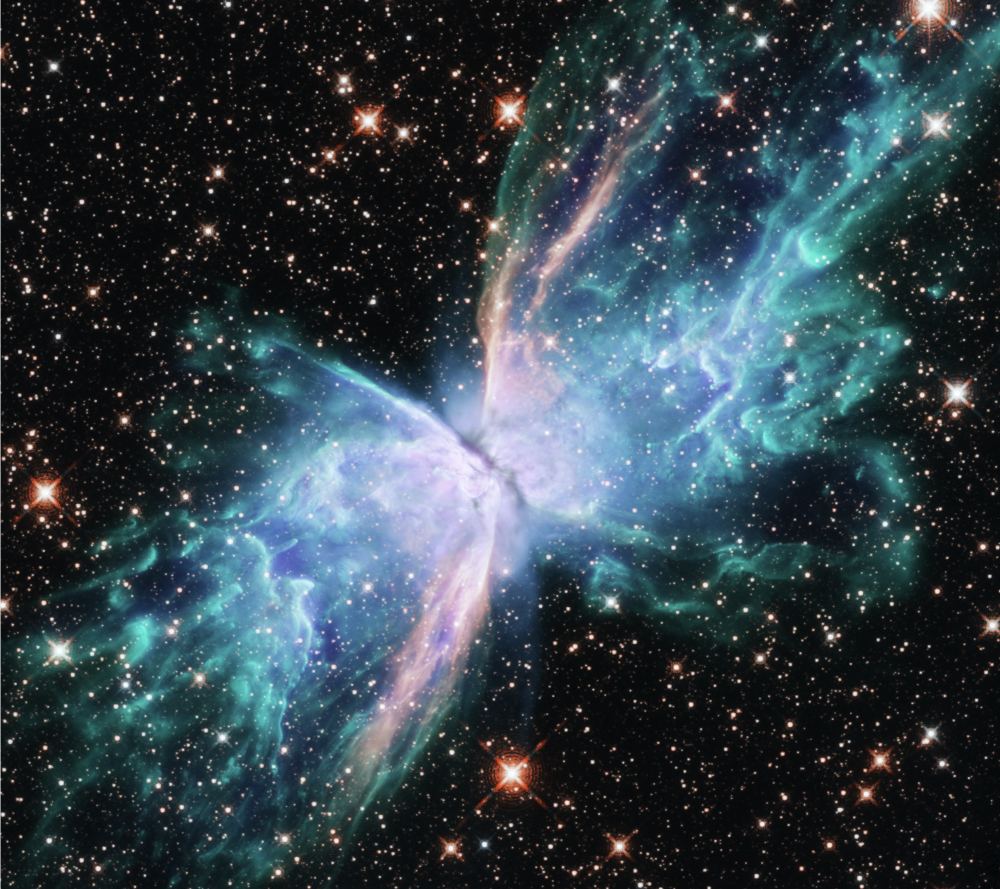
A brilliant blue star has disappeared from view, which could mean it became a black hole in a novel way.
Continue reading
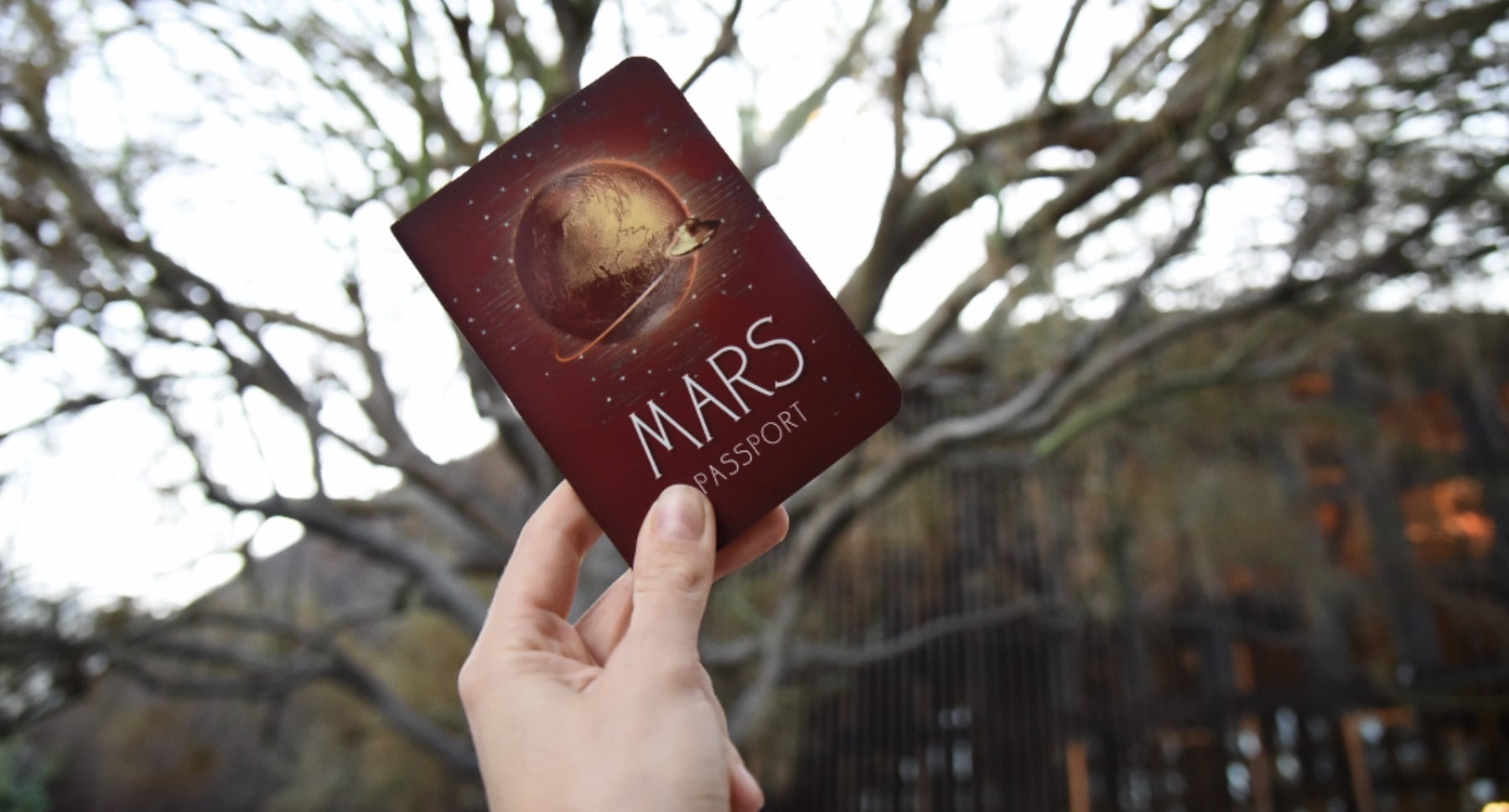
Every year since 2012, Mars City Design hosts the Mars Feast Gala, where talented chefs create tantalizing entrees based on what future generations could grow on Mars.
Continue reading
Continue reading
Continue reading
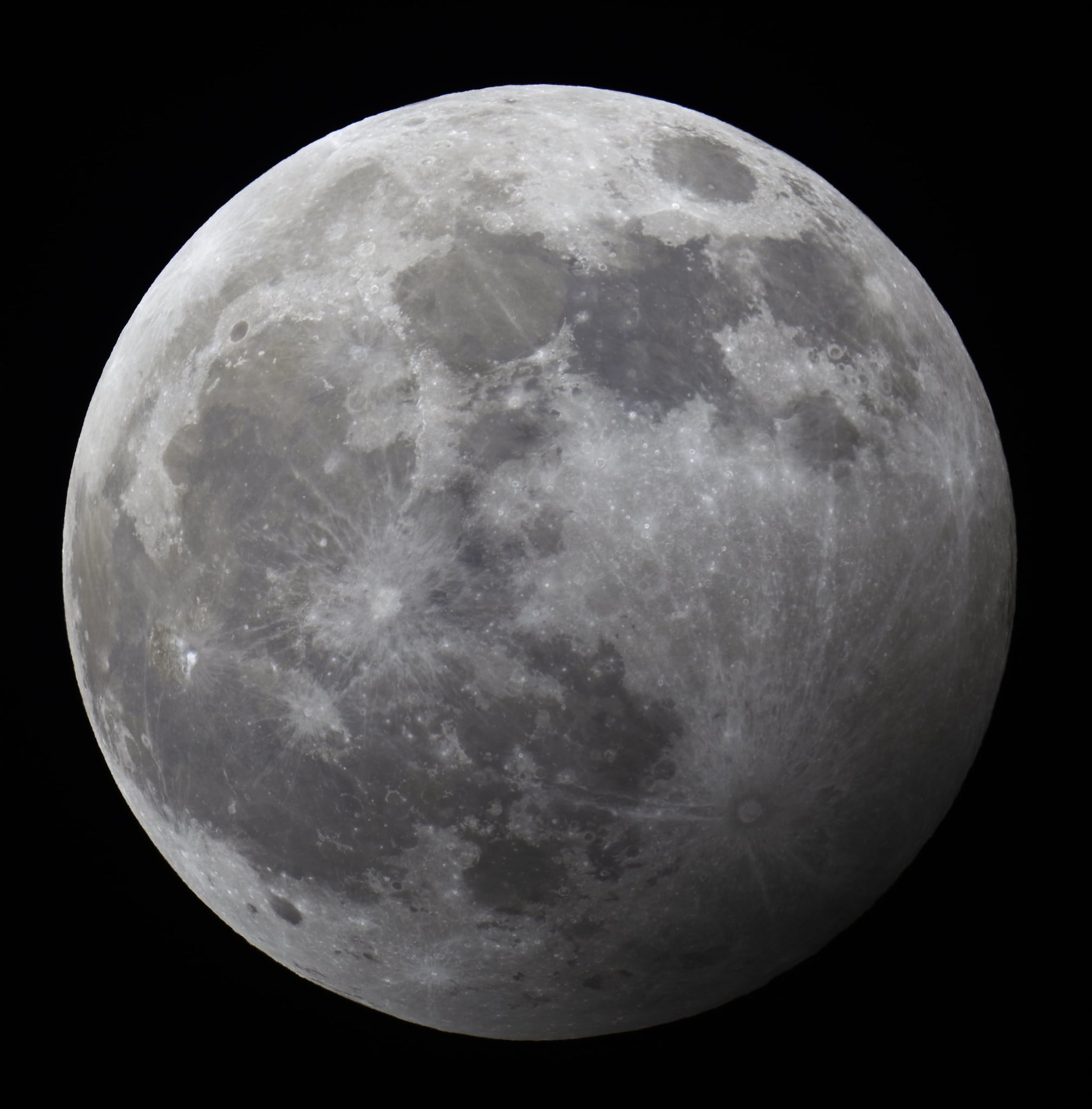
The July 4th Penumbral Lunar Eclipse Ends a Rare Triple Eclipse Season
Continue reading
Continue reading
Continue reading
Continue reading

Continue reading
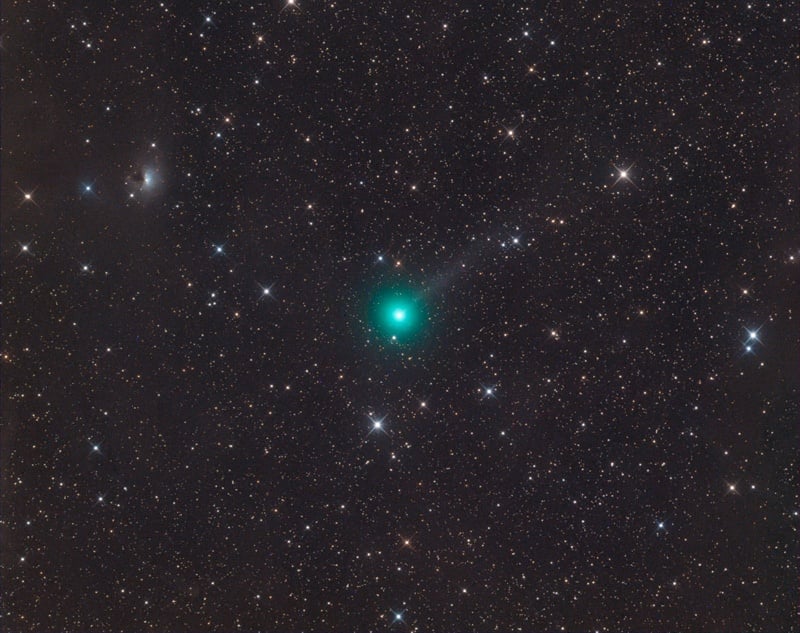
Watch for comet C/2020 F3 NEOWISE at dusk in late July... if it survives perihelion.
Continue reading
Continue reading
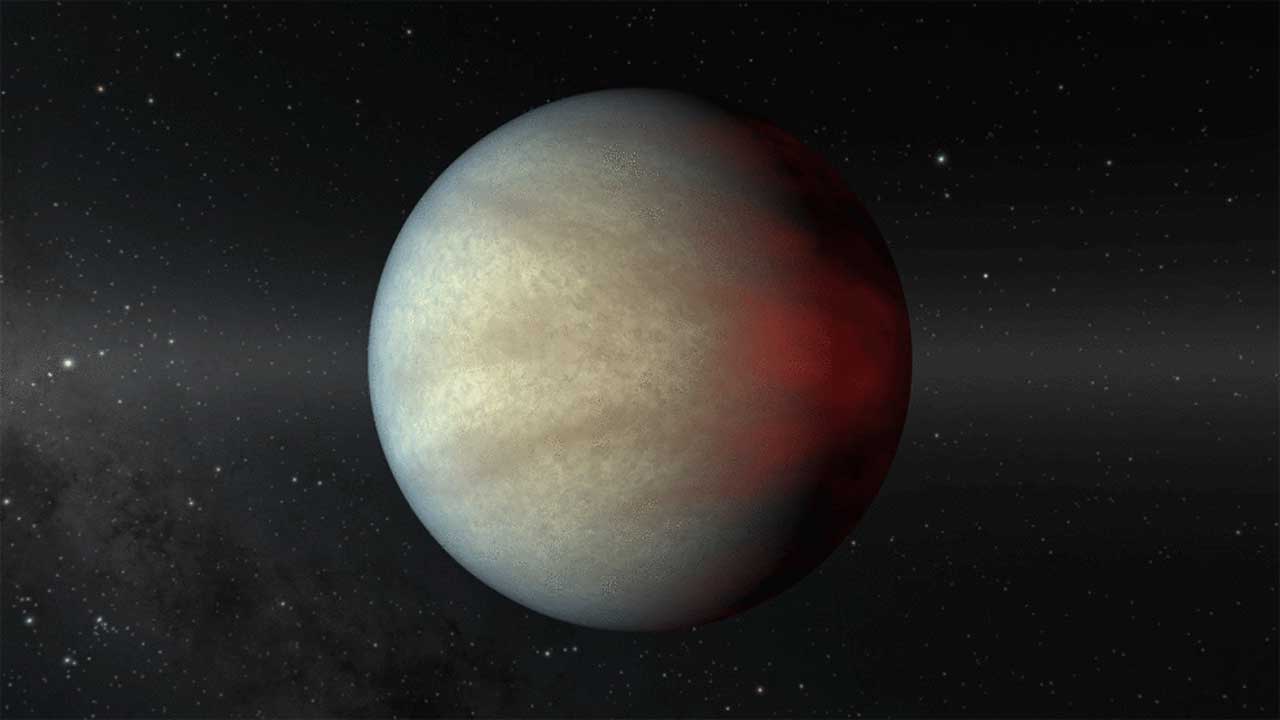
The recent discovery of a very young gas giant could offer clues about how "Hot Jupiters" form and whether or not they migrate over time.
Continue reading
Continue reading
Continue reading
Continue reading

Continue reading
Continue reading
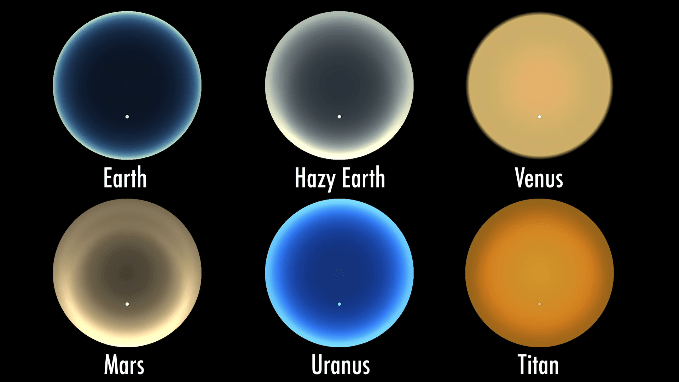
A new tool from NASA Goddard allows us to witness what a sunset would look like on other bodies in the Solar System, from Venus to Uranus.
Continue reading

As the only Mars analog environment in the Southern hemisphere, Habitat Marte is conducting research that will allow humans to live on Mars someday
Continue reading
Continue reading
Continue reading

NASA has announced that starting next year, SpaceX will be able to reuse its Crew Dragon spacecraft and Falcon 9 boosters to send astronauts to the ISS.
Continue reading
Continue reading

Continue reading
Continue reading
Continue reading

A new online tool created by a team of physicists allows users to calculate how many alien civilization could be out there for themselves!
Continue reading
Continue reading
Continue reading
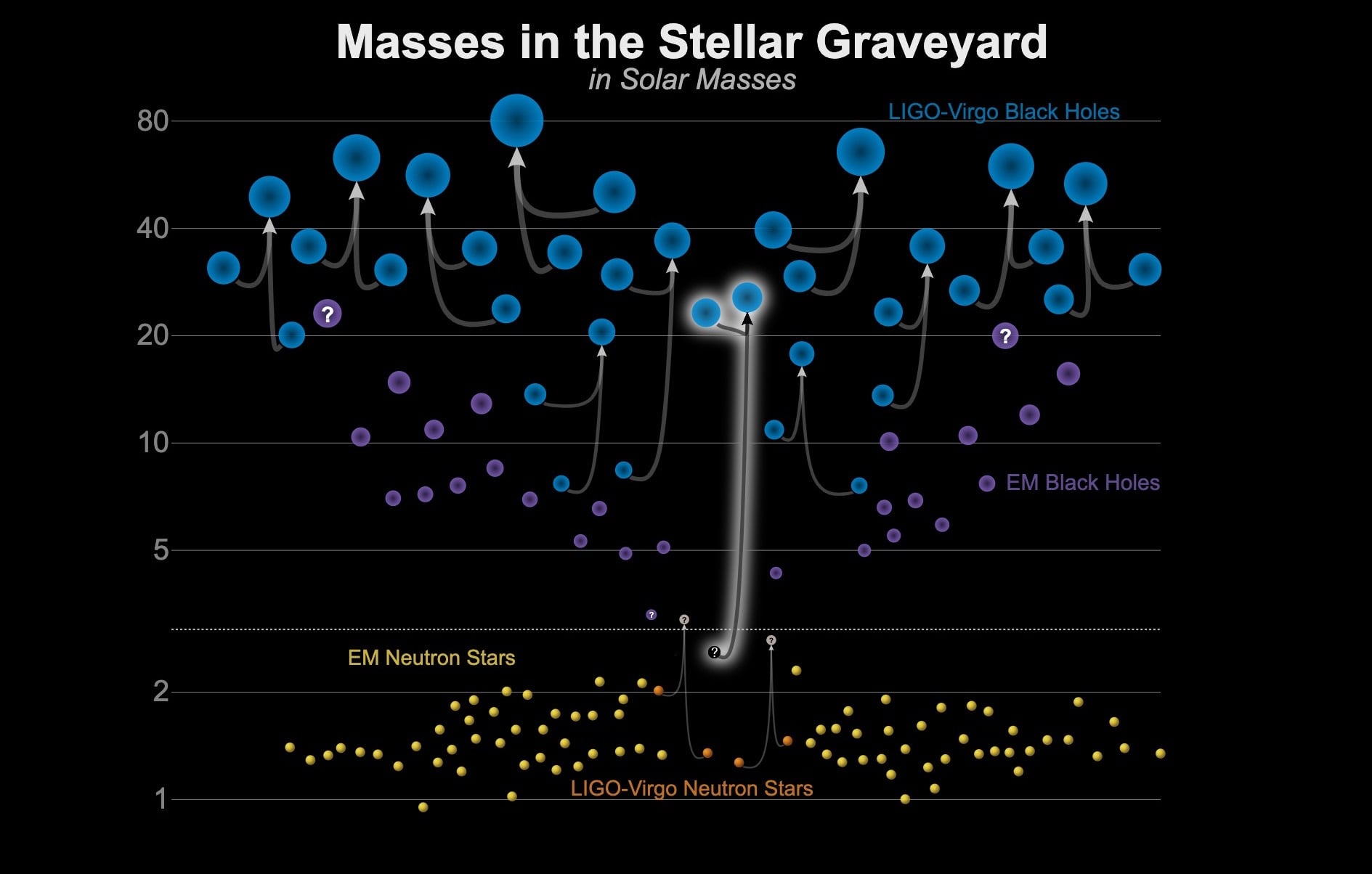
Somewhere around 2.5 solar masses is the line between black holes and neutron stars. Now we've found an object right on the edge.
Continue reading
Continue reading

At their Boca Chica test facility, SpaceX tested another Starship prototype (SN7) to the point of failure, which resulted in another explosive release of cryogenic liquid nitrogen.
Continue reading

Continue reading
Continue reading
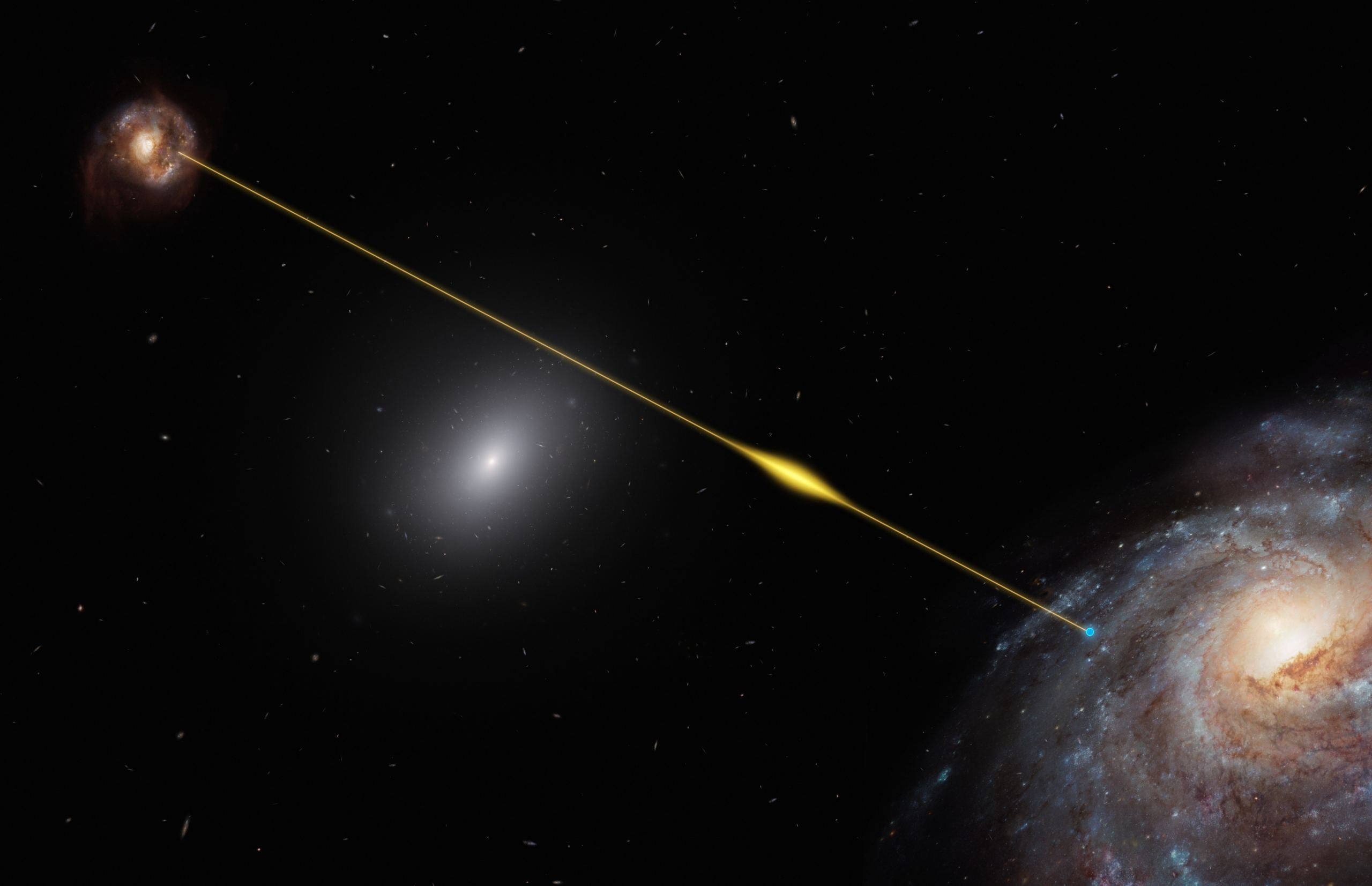
Five hundred million light-years from Earth, there is a deeply unusual object. It is radio silent for 12 days, then erupts in bright radio bursts. We still aren't sure what the object is.
Continue reading
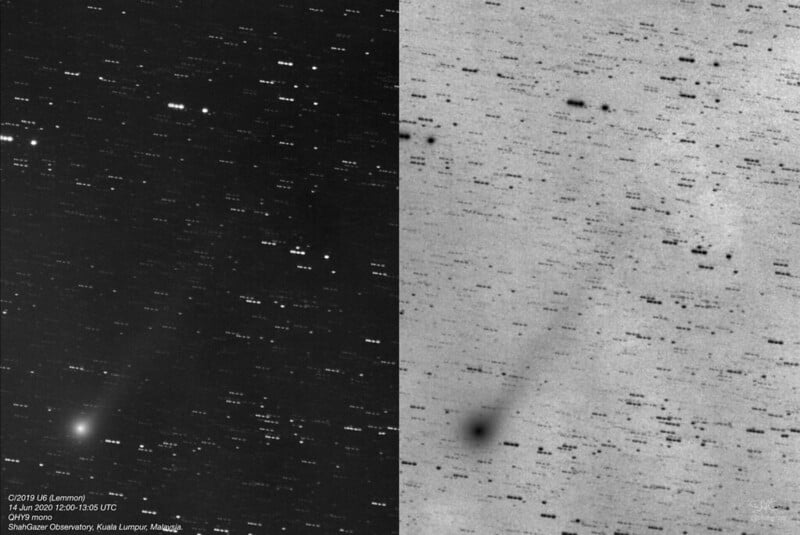
Comet U6 Lemmon promises to be a fine binocular object at dusk.
Continue reading
Continue reading
Continue reading

Scientists from the Harvard-Smithsonian Center for Astrophysics and University of Rochester have come together (with NASA funding) to launch a new search for advanced alien life!
Continue reading
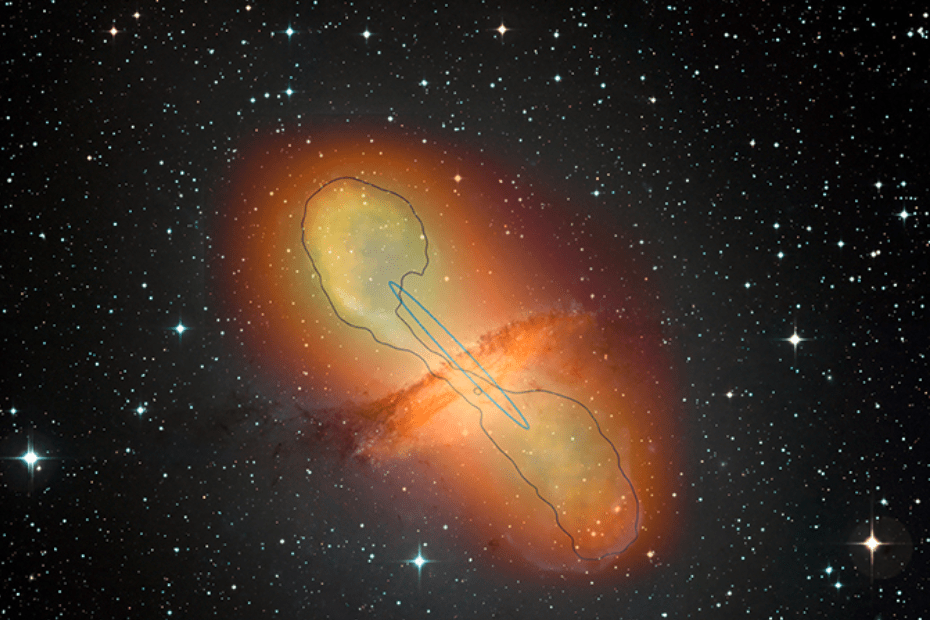
Continue reading

A new study supported by the Cassini mission shows how the northern polar region of Titan could still be experiencing volcanic activity.
Continue reading
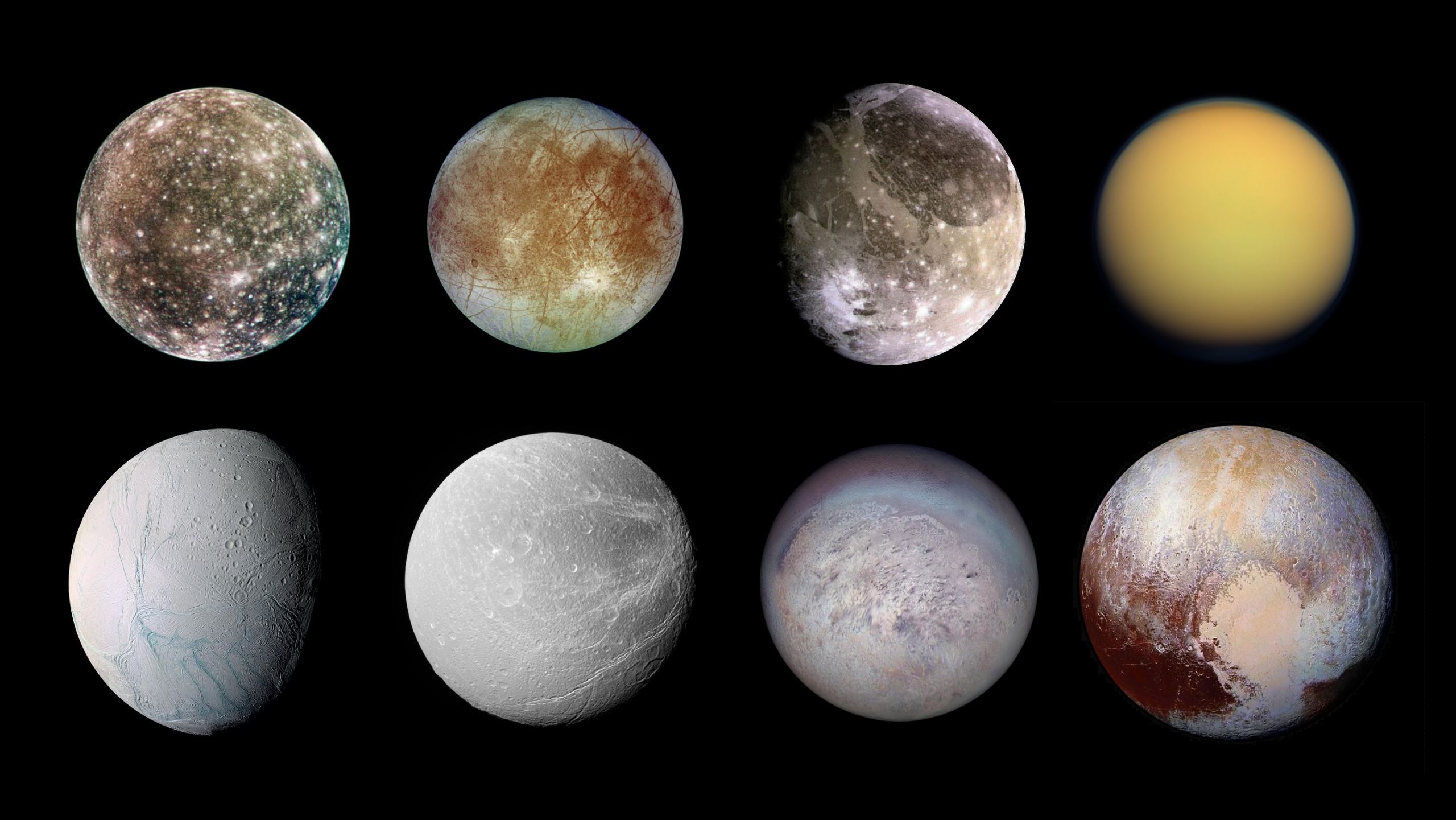
A new study by a team of NASA scientists indicates that "ocean worlds," like those in our Solar System, could be very common in our Universe.
Continue reading
Continue reading

Continue reading
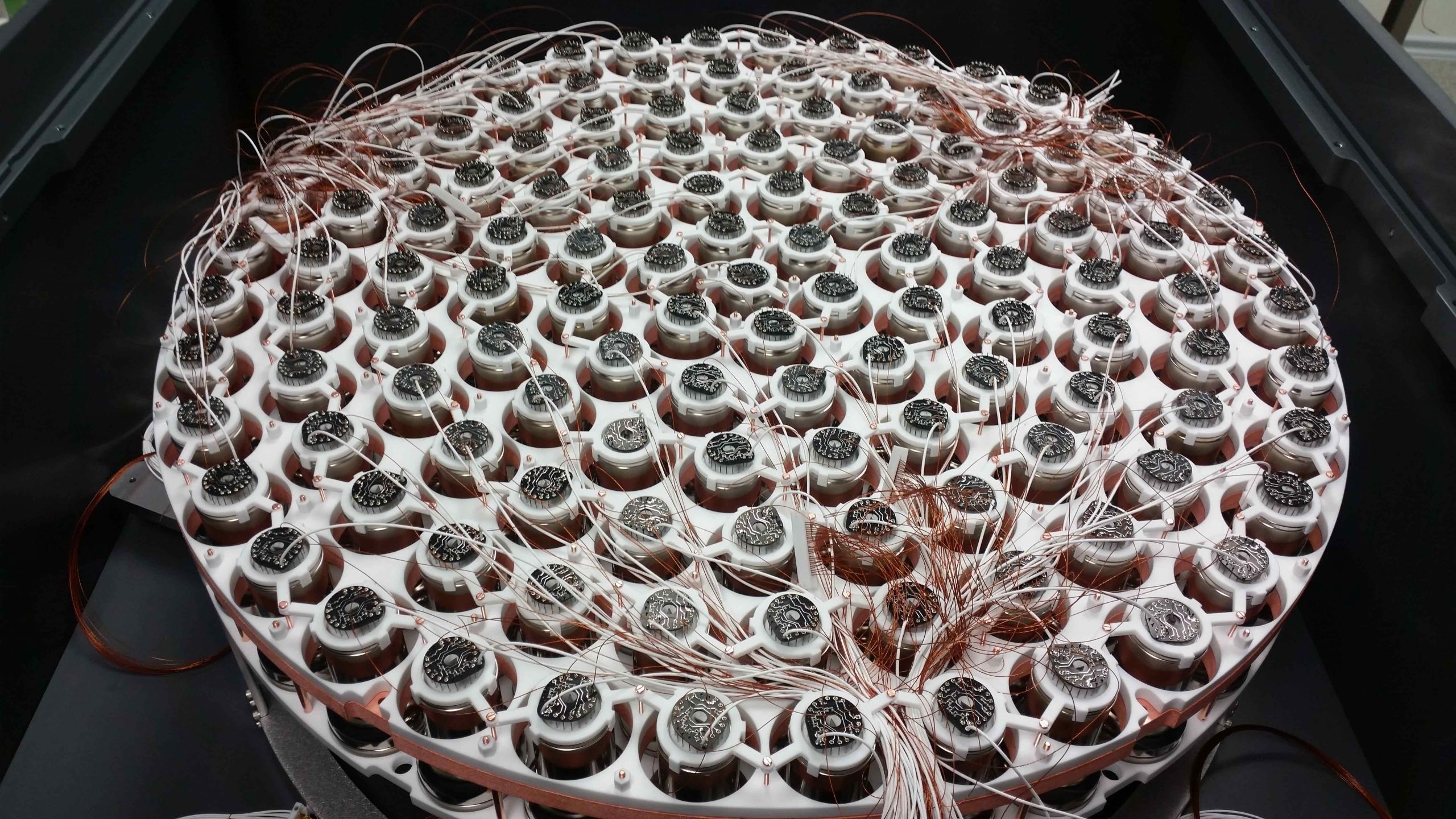
A search for dark matter has found an extra signal in their data that could point toward proof of dark matter.
Continue reading
Continue reading
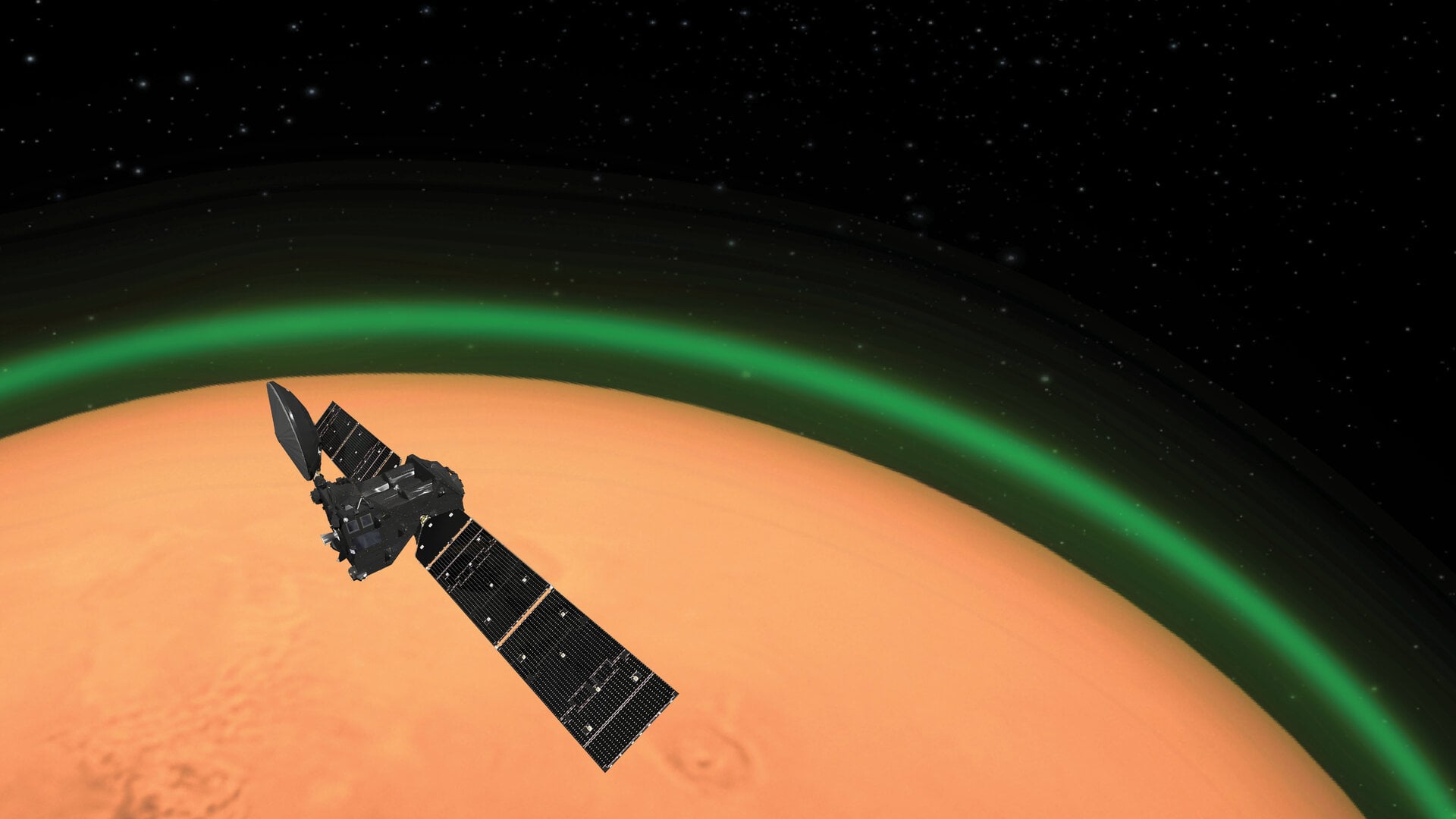
ExoMars' Trace Gas Orbiter (TGO) recently spotted a green glow in Mars' atmosphere, which is similar to what Earth's atmosphere experiences.
Continue reading
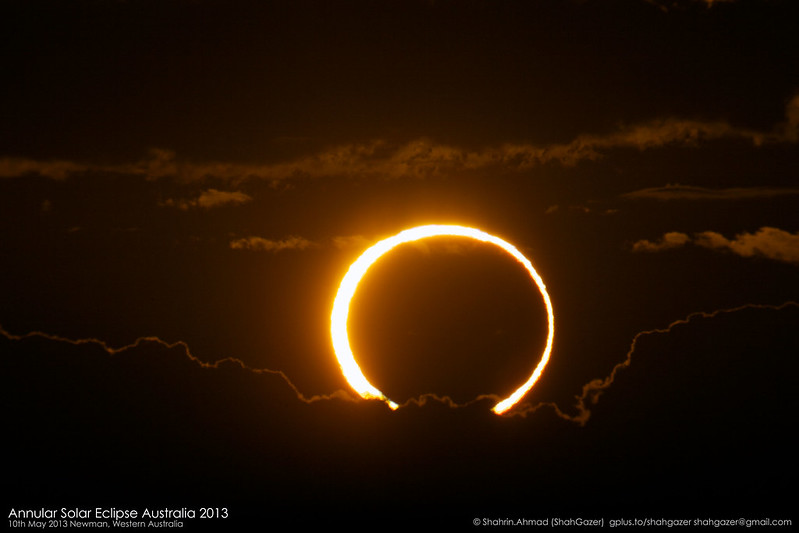
Ready for the first solar eclipse of the year? This weekend sees one of the top draw astronomical events for 2020, with an annular solar eclipse spanning eastern Africa and Southern Asia on Sunday, June 21st.
Continue reading
Continue reading
Continue reading
 Universe Today