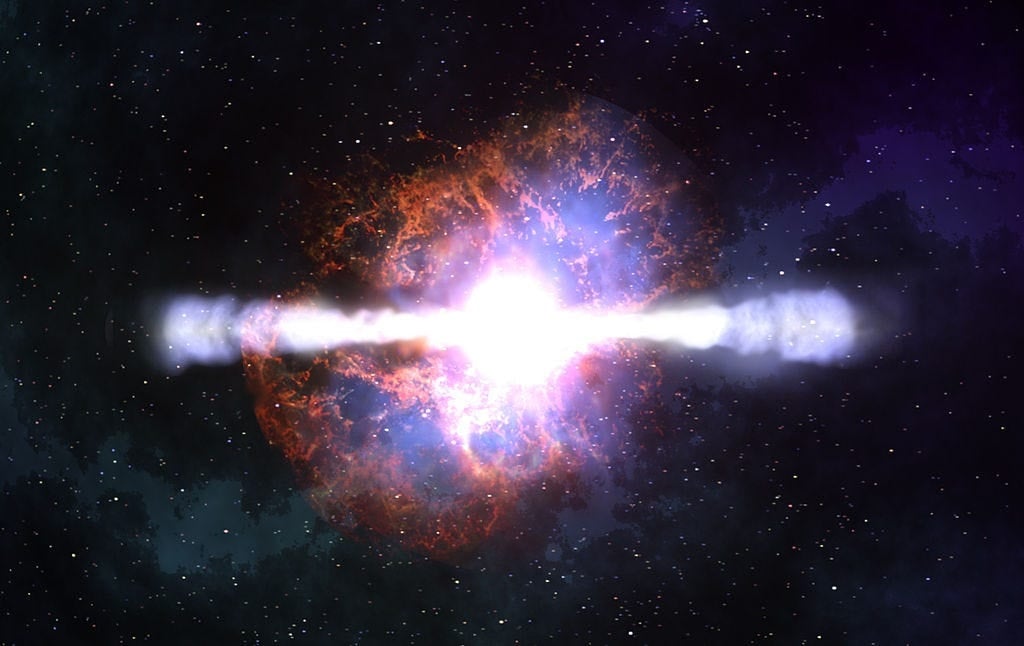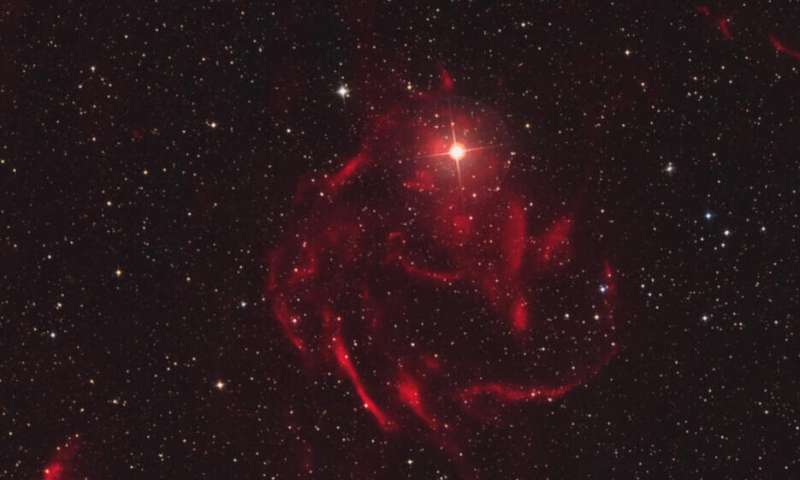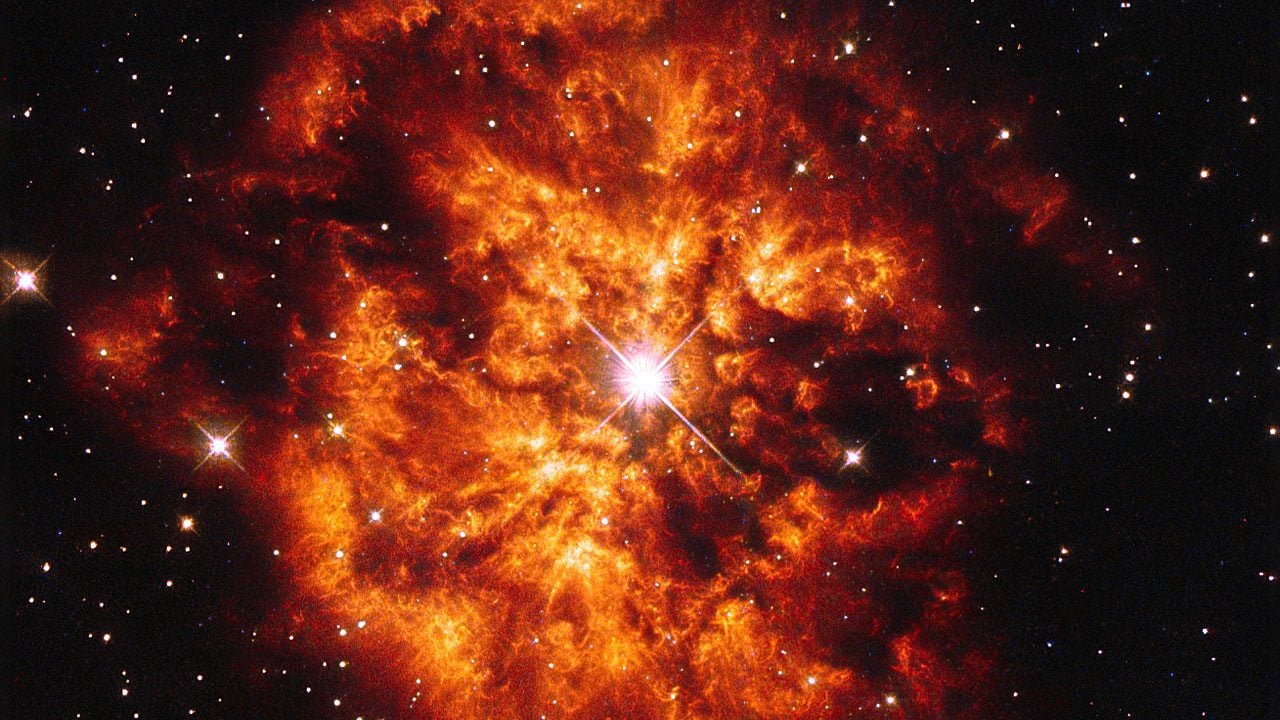
A new supernova discovery shows that Wolf-Rayet stars explode after all.
Continue reading
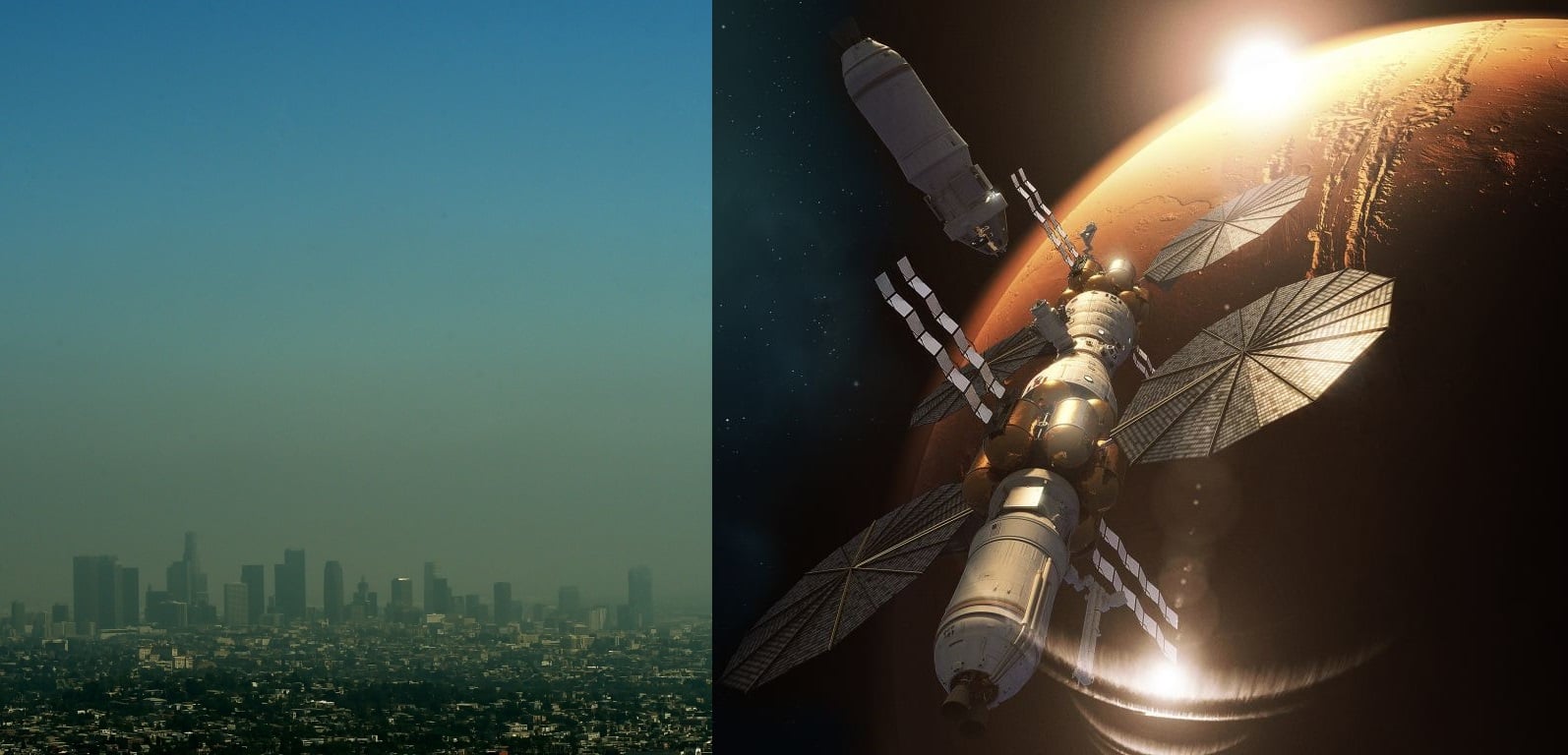
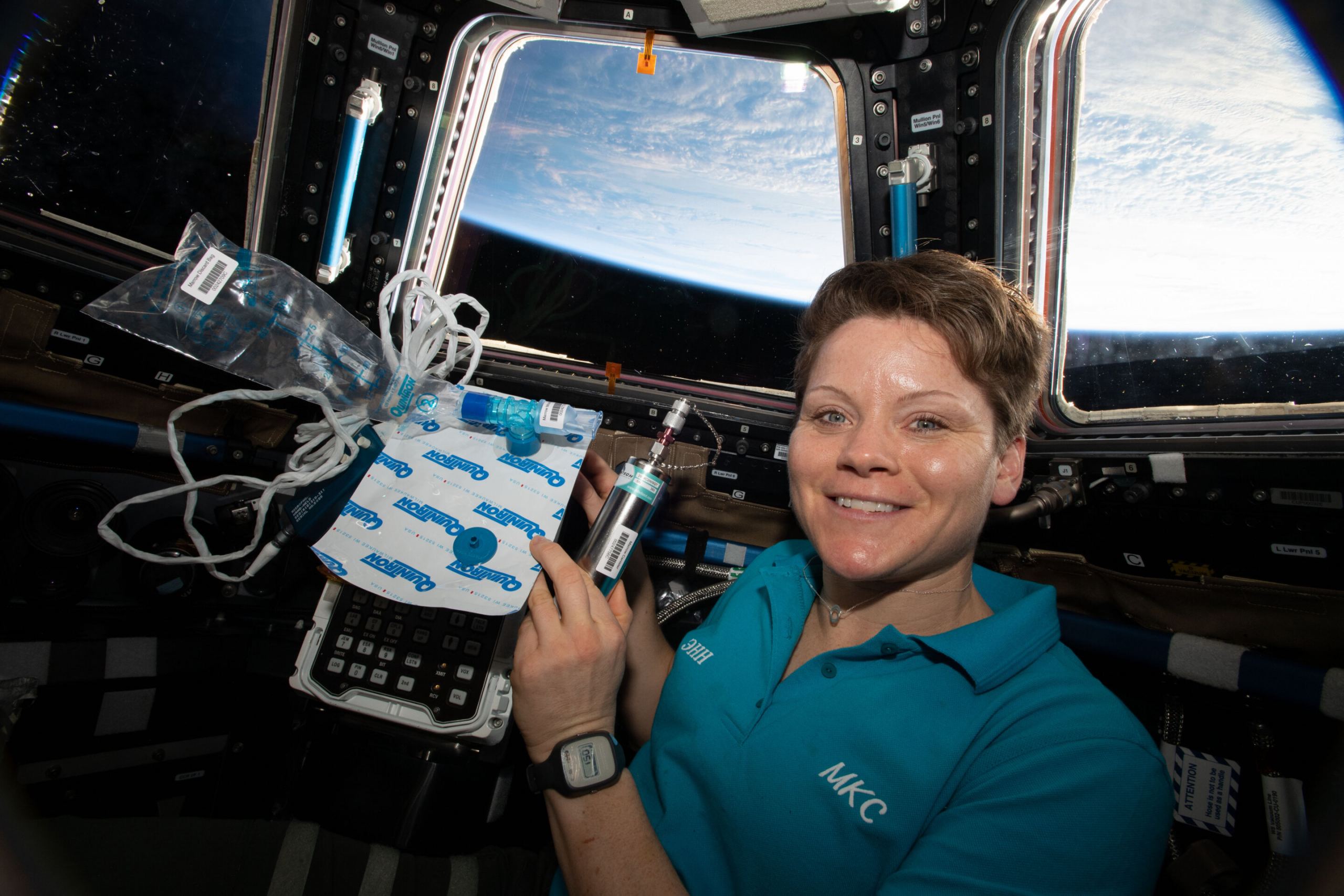
NASA and HeroX just launched two exciting incentive competitions to address the challenges of astronaut waste during missions to Mars and air quality here on Earth.
Continue reading
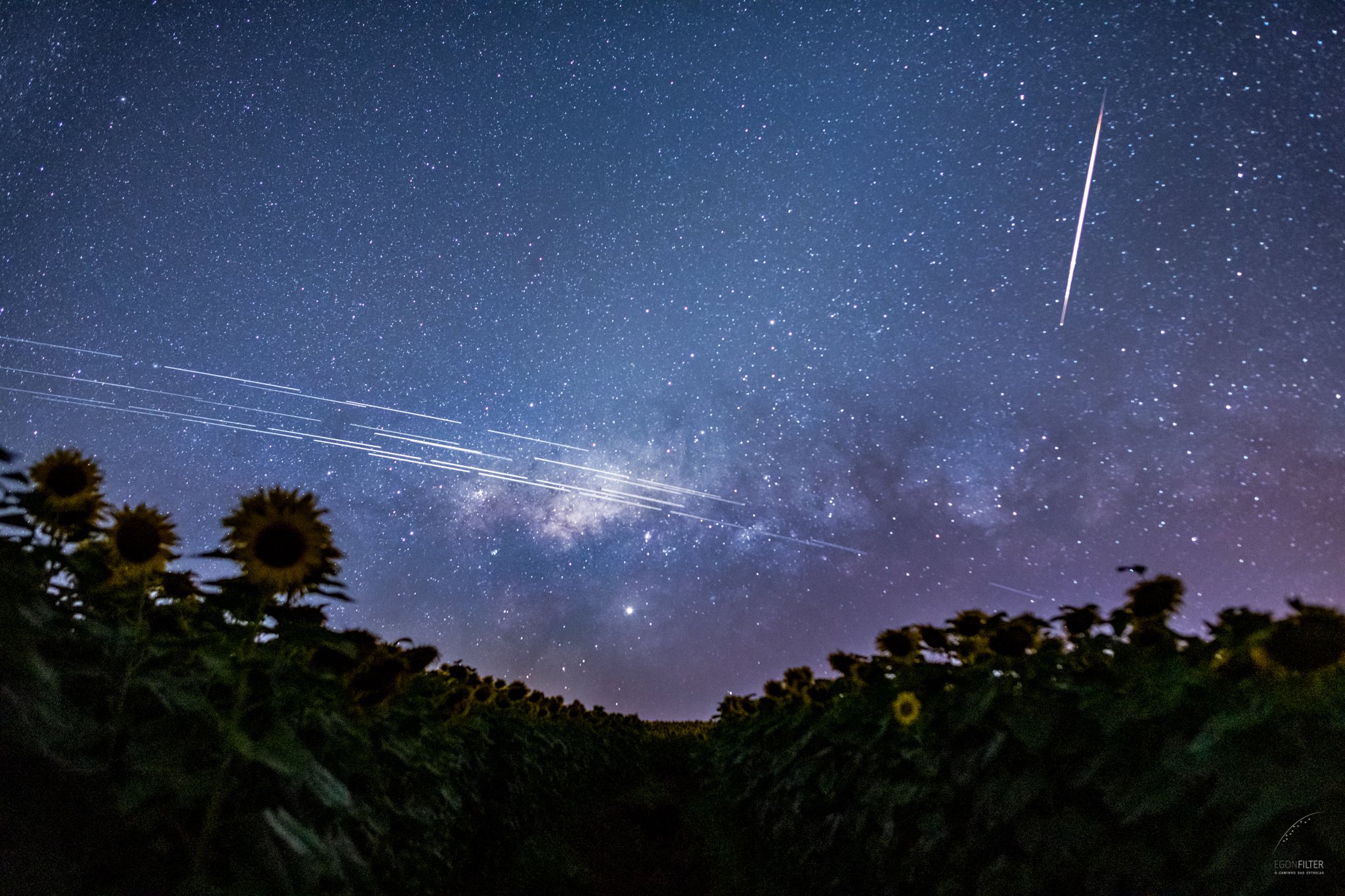
Starlink trails are now commonly seen in images looking for near Earth asteroids.
Continue reading
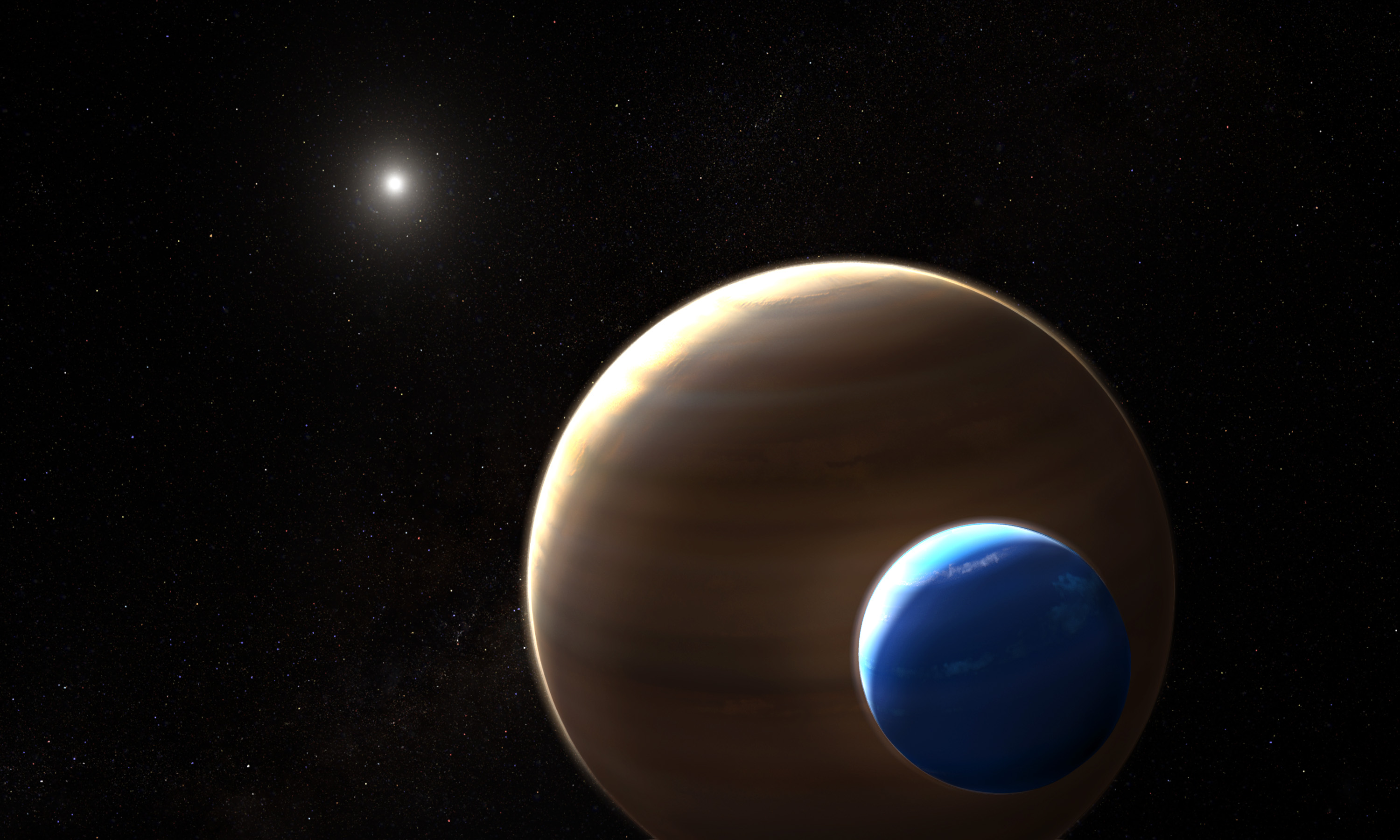
A new study by David Kipping and the Hunt for Exomoons with Kepler campaign has revealed another exomoon candidate!
Continue reading
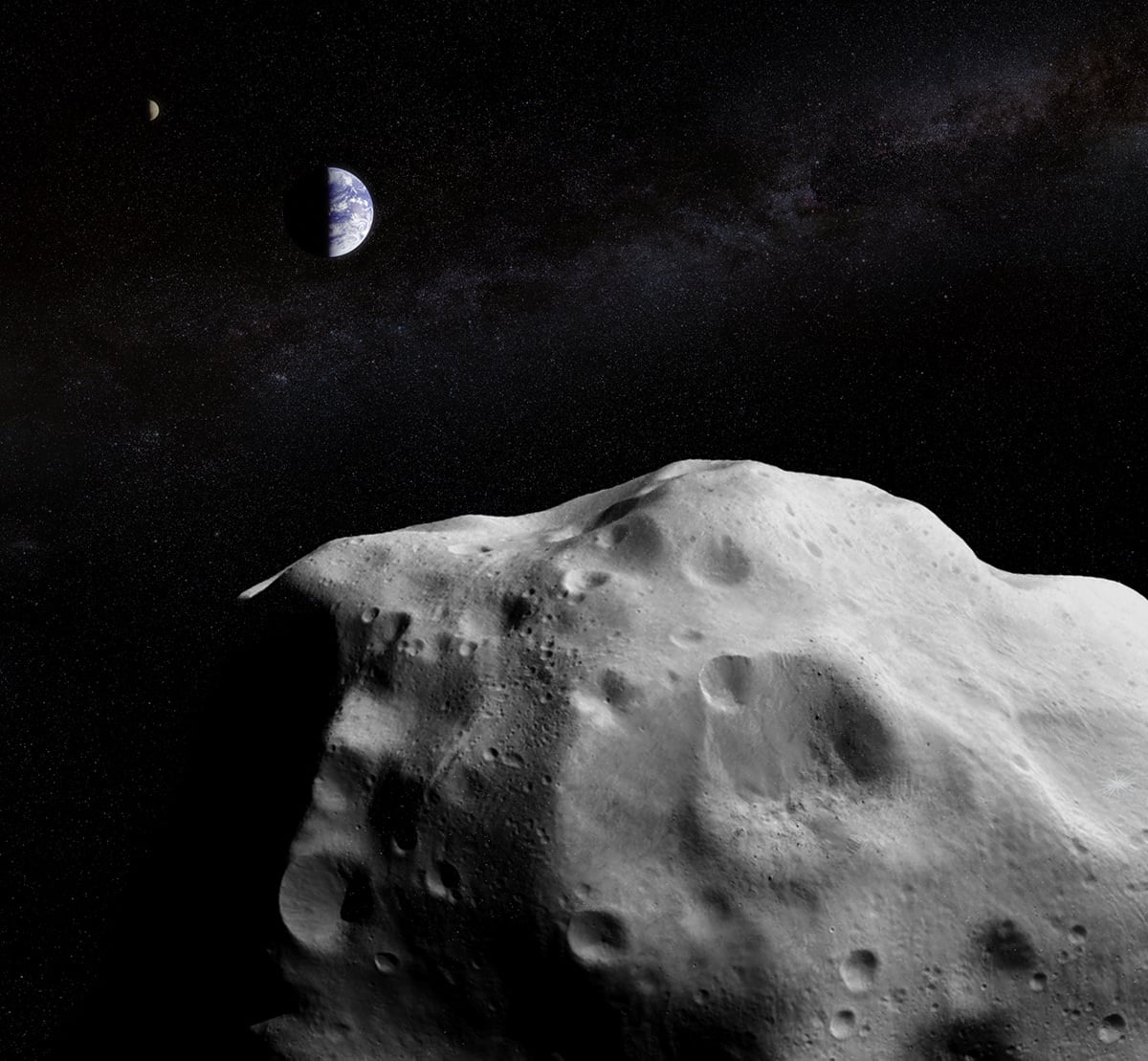
This week's apparition of asteroid 1994 PC1 offers observers a chance to see a space rock moving in real time.
Continue reading
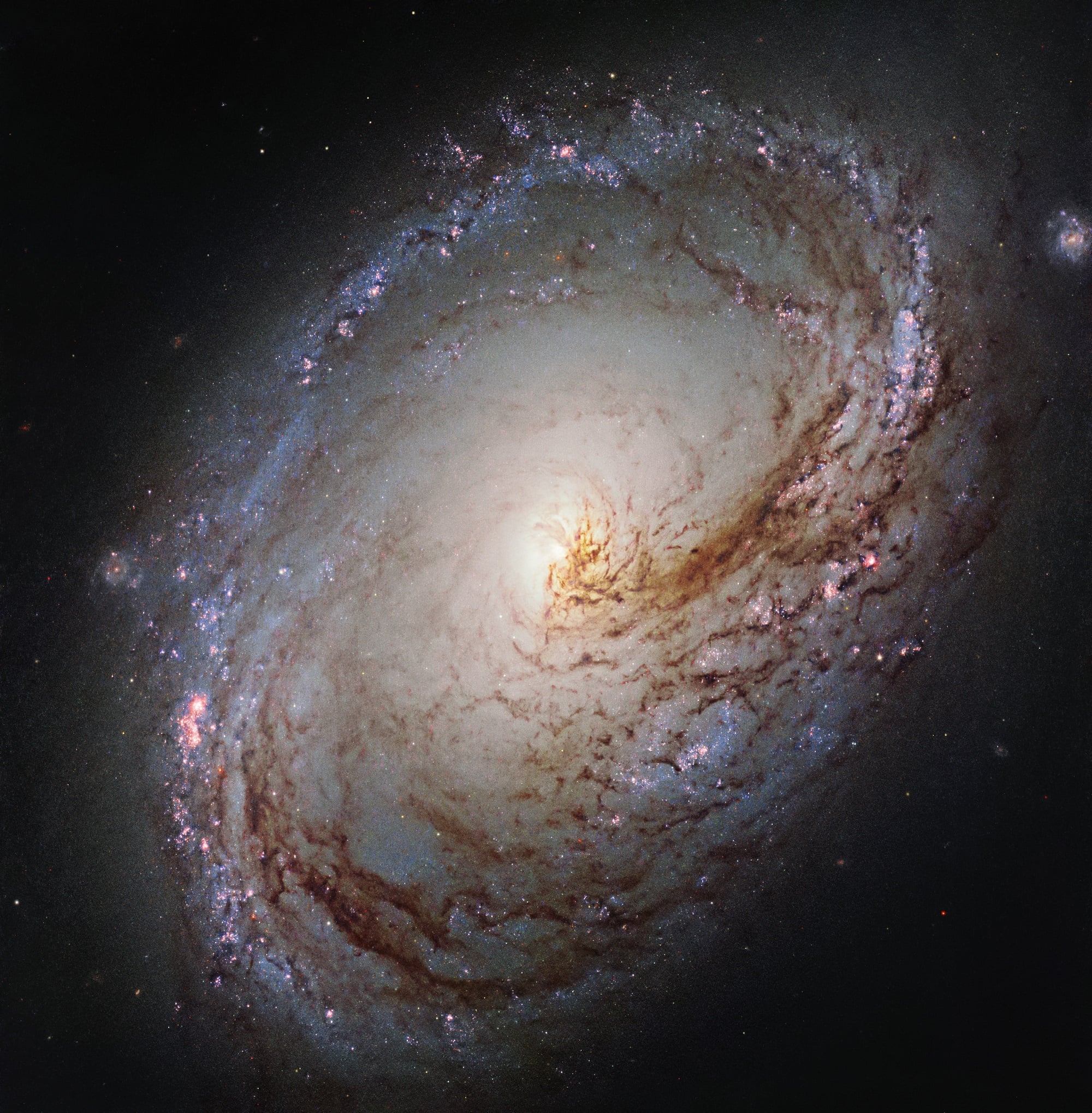
Located in the Leo constellation, about 31 million light-years from Earth, is the double-sparred spiral galaxy known as Messier 96.
Continue reading
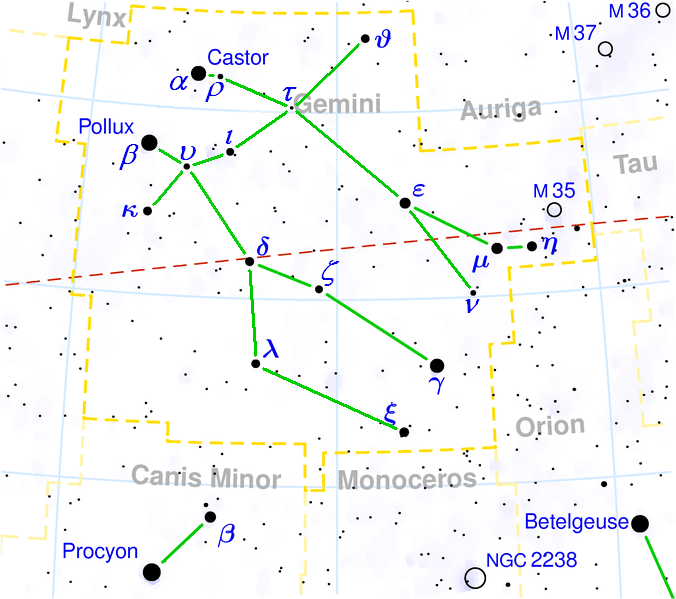
Located in the northern hemisphere, there's the constellation Gemini (aka. The Twins) one of the 48 compiled by Ptolemy and one of the 88 recognized by the IAU.
Continue reading
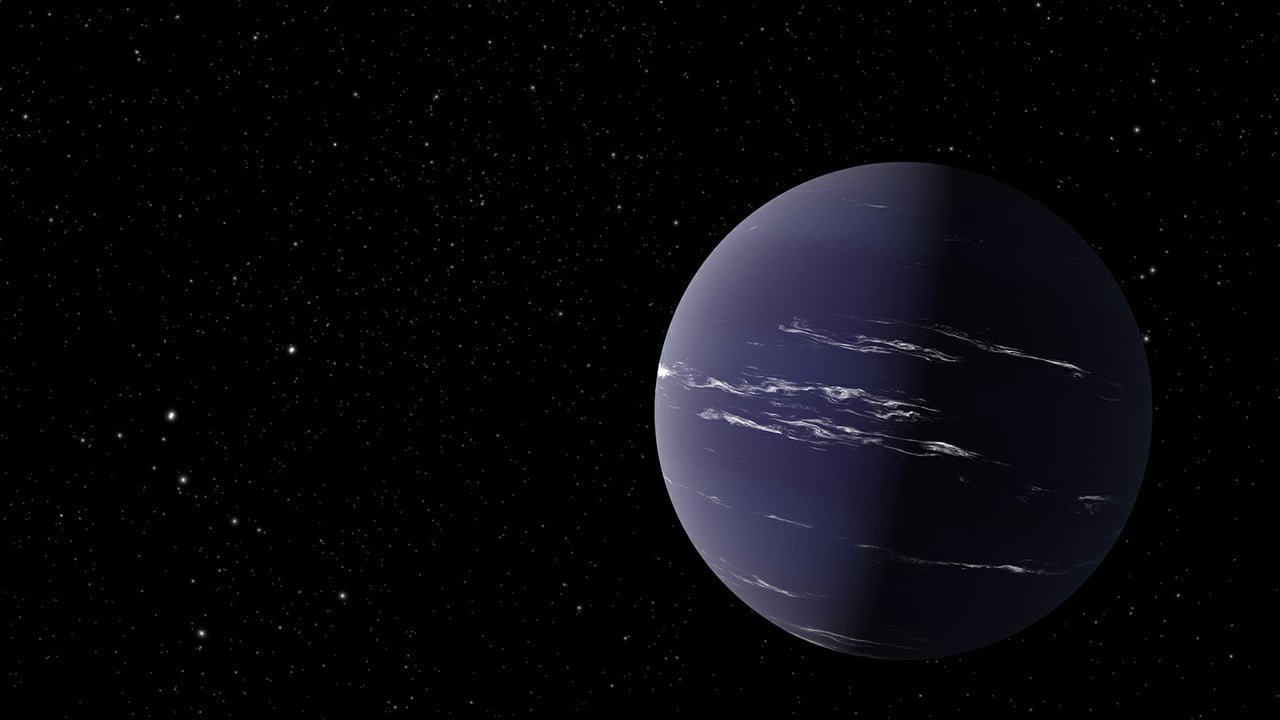
Observations made by an international team of researchers has found a mini-Neptune with the most eccentric orbit of any planet observed!
Continue reading
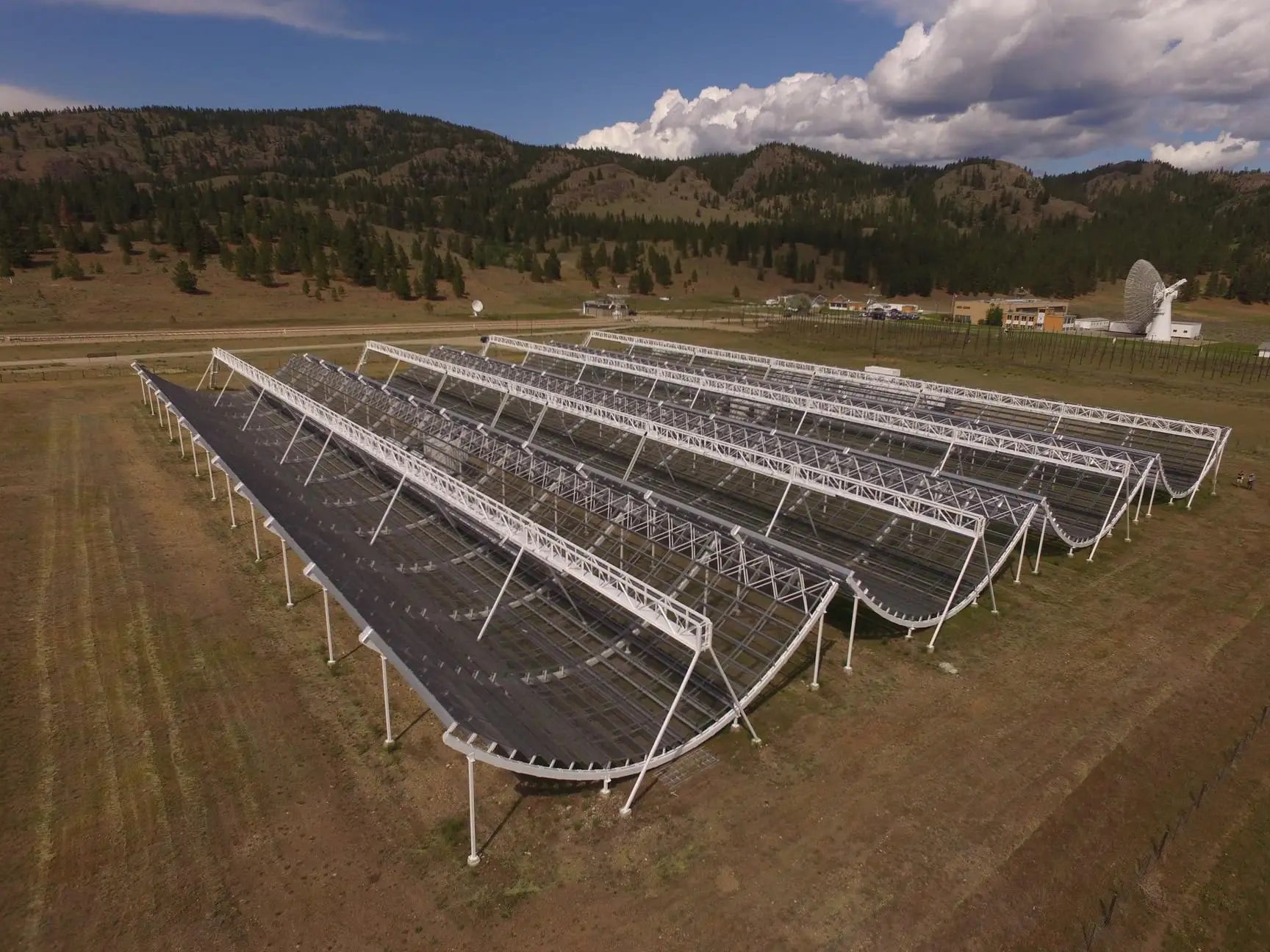
Researchers from the University of McGill have developed a new system that will share CHIME data in real-time with observatories worldwide, helping them solve the mystery of FRBs.
Continue reading
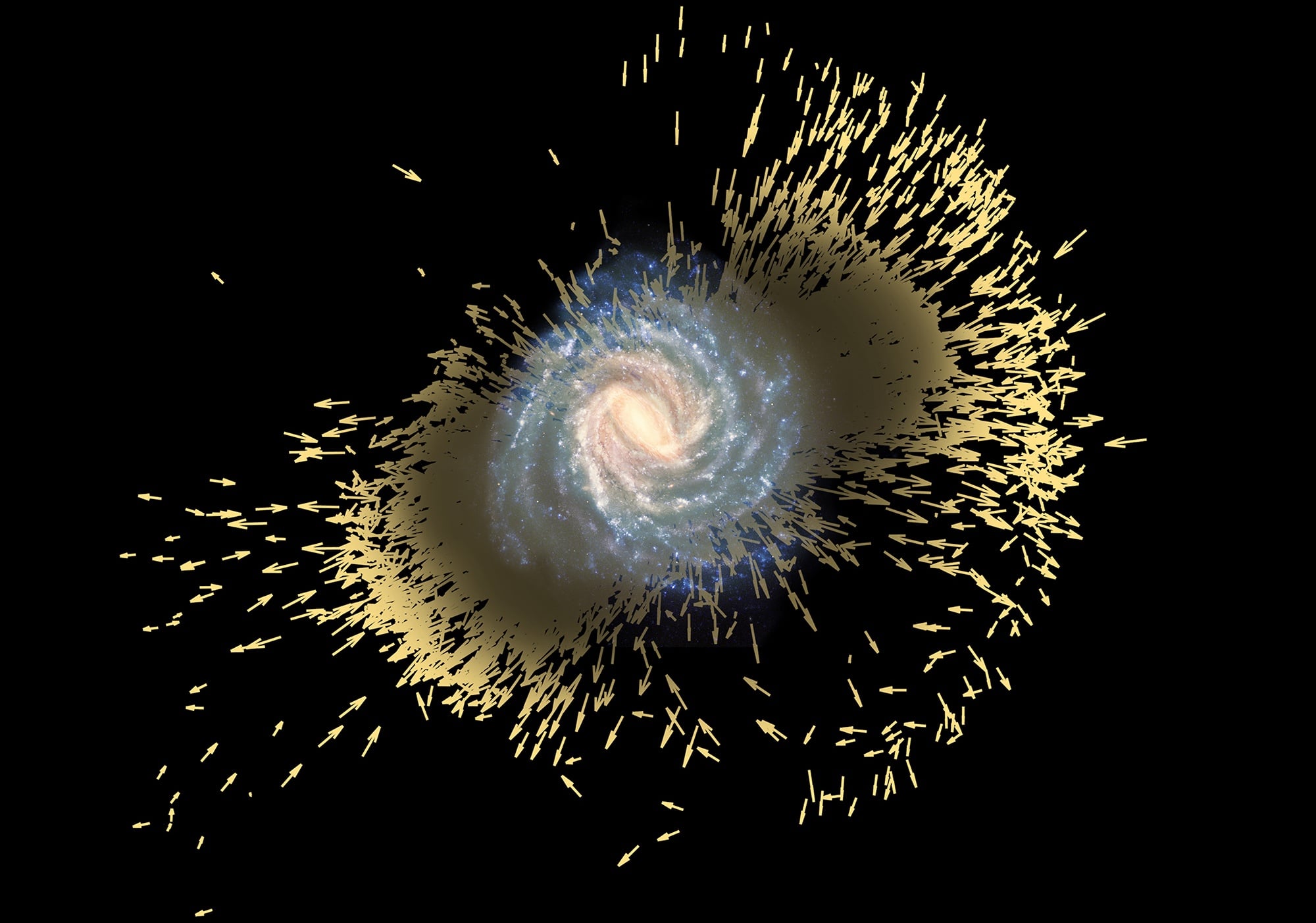
The Milky Way had a sausage galaxy breakfast about 8 billion years ago
Continue reading
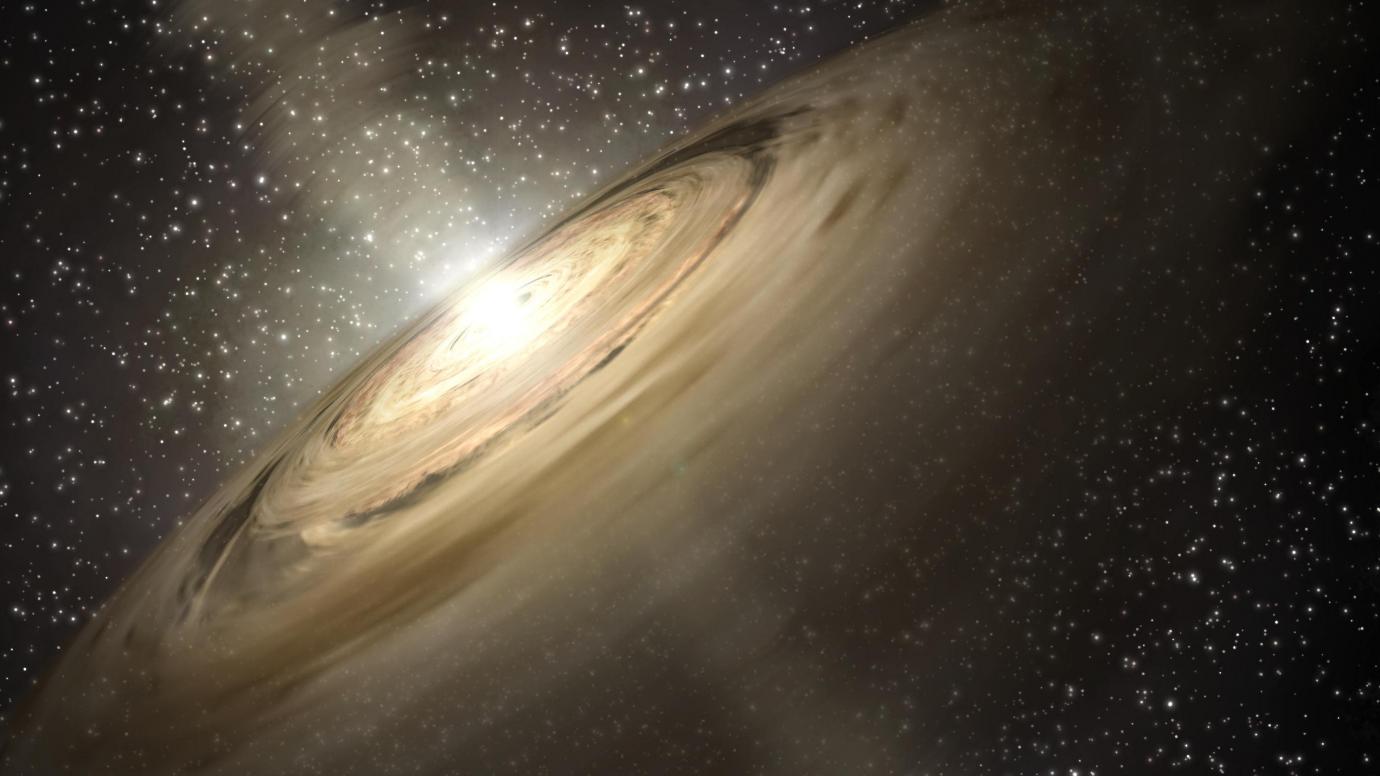
A team led by Rice University has created a new model of planetary formation that answer how the Solar System is the way it is.
Continue reading

In 1974, the famous Arecibo Message was sent into space, humanity's first and only attempt at messaging extraterrestrial intelligence.
Continue reading

A team from MIT has developed a concept for a robotic mission that would use ion beams to levitate on airless bodies like the Moon and asteroids.
Continue reading
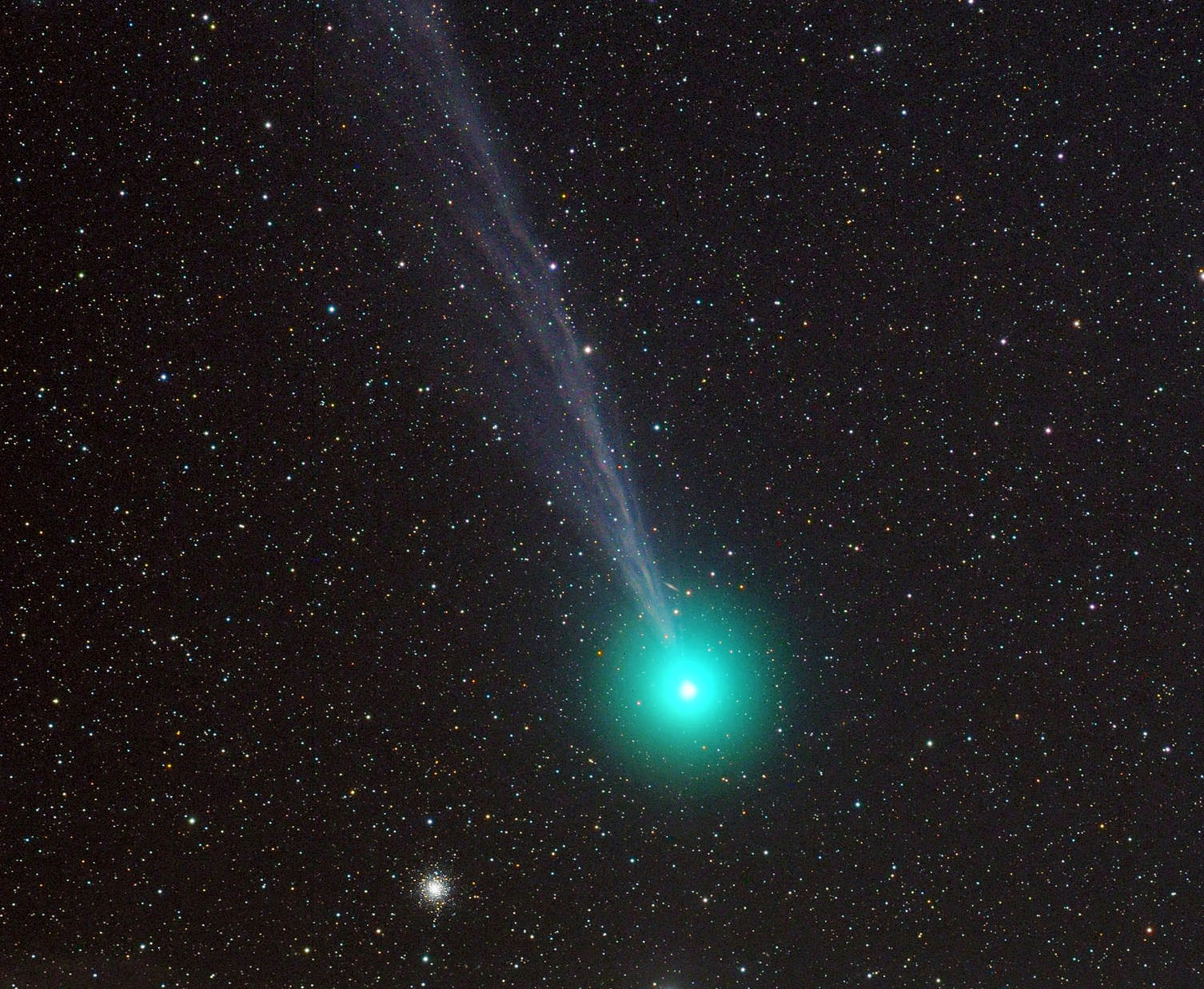
Comets with a green glow don't have green tails, and a new set of lab experiments tells us why.
Continue reading
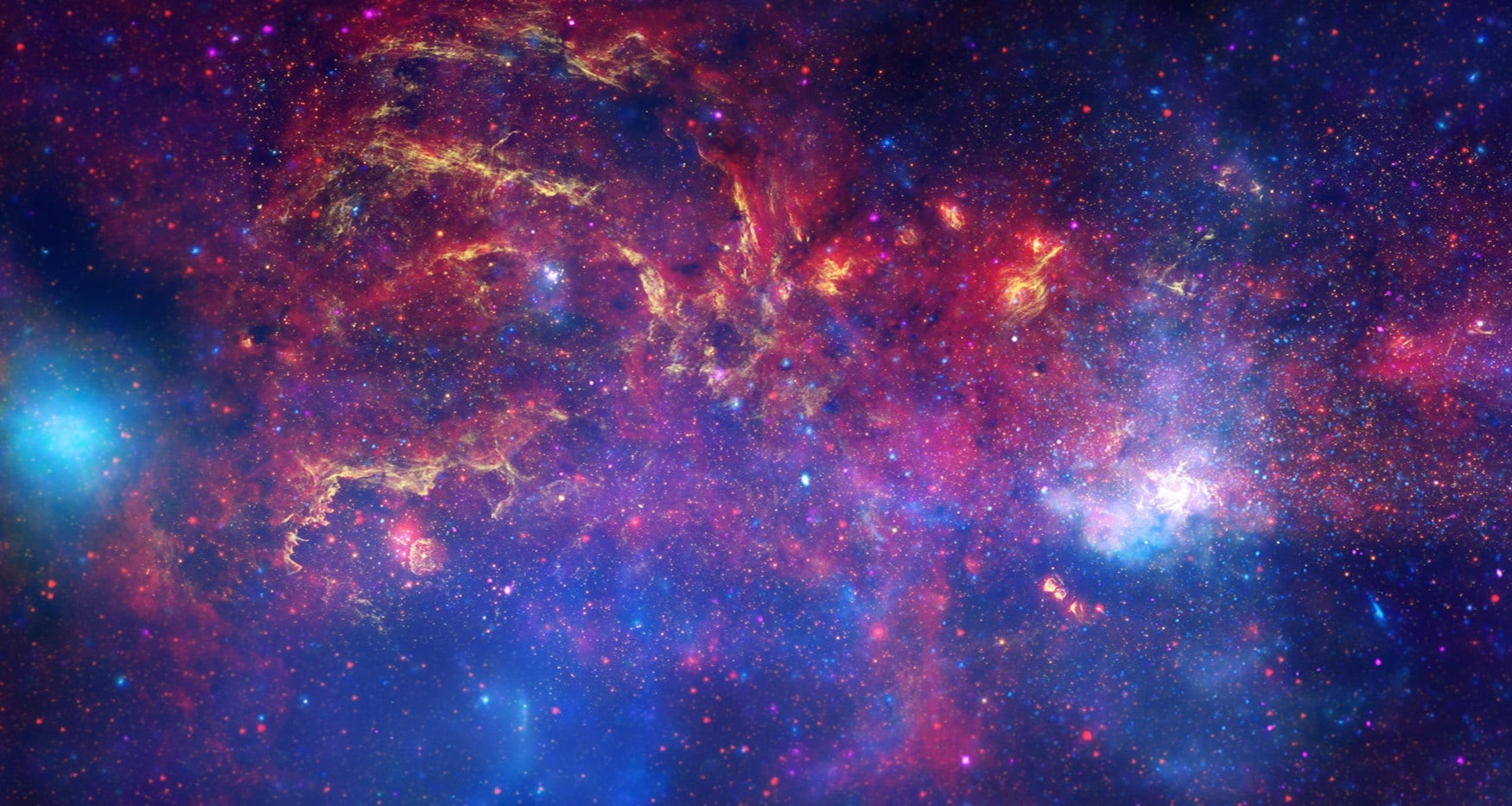
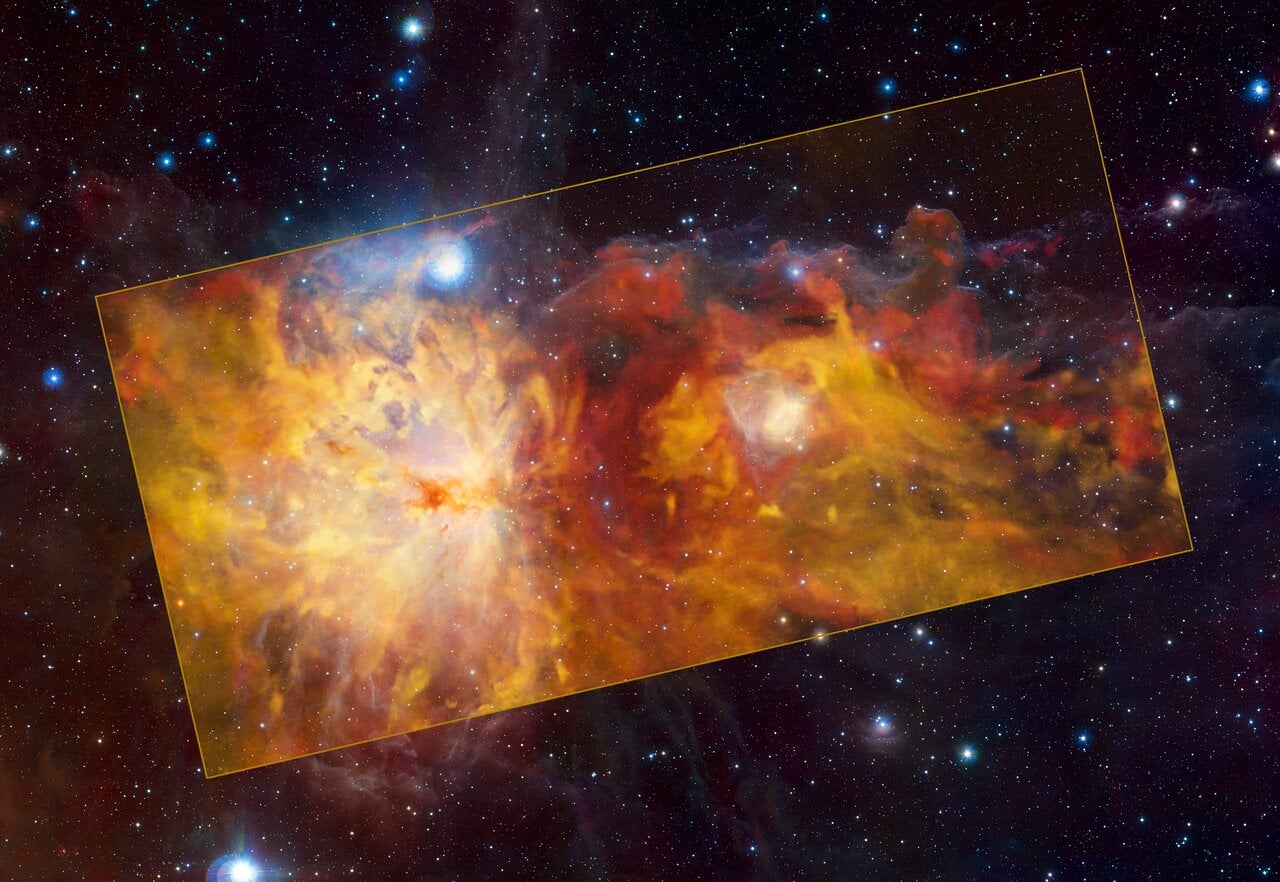
An international team of astronomers spotted the largest filament of hydrogen in our galaxy, which could offer tantalizing clues about how stars are born.
Continue reading
 Universe Today