Continue reading
Continue reading

Continue reading

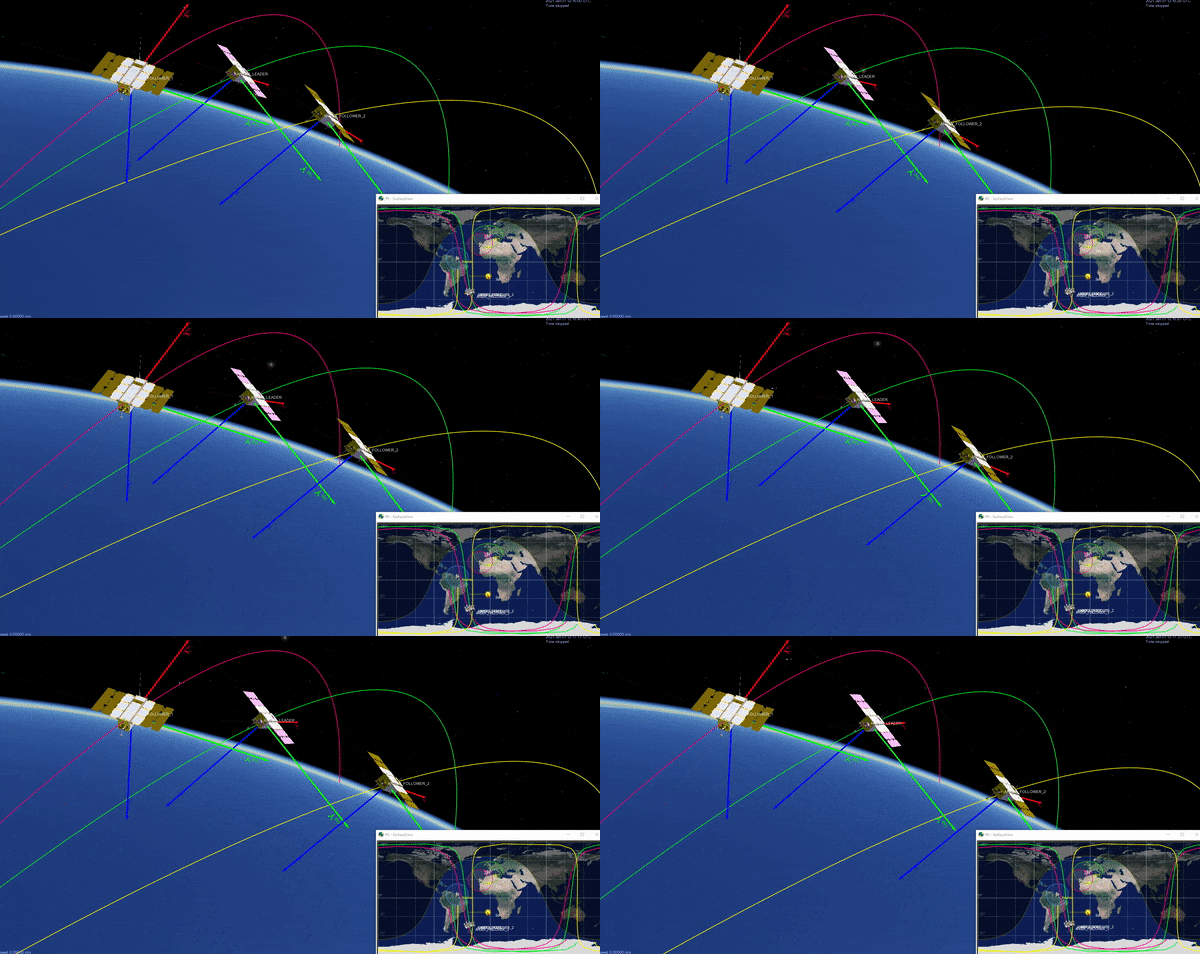
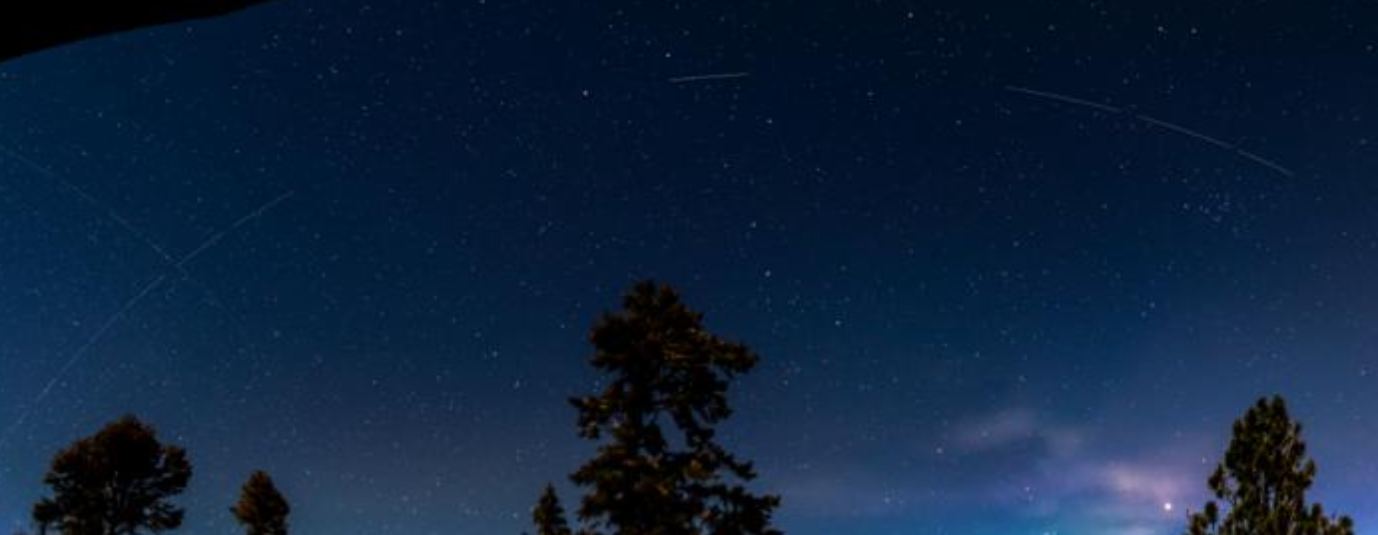
Visible and infrared astronomers are concerned about light pollution from satellite megaconstellations, and radio astronomers should be concerned too. A team of astronomers used radio telescopes in Australia to image the sky as Starlink satellites overhead. The tests were done at the future Square Kilometer Array facility in Western Australia, using prototype stations that will become part of the array. According to the team, the satellites were easily detectable, and they could see them performing periodic bursts and steady transmissions. When the full SKA comes online, satellites will be another source of radio interference to contend with.
Continue reading
Continue reading
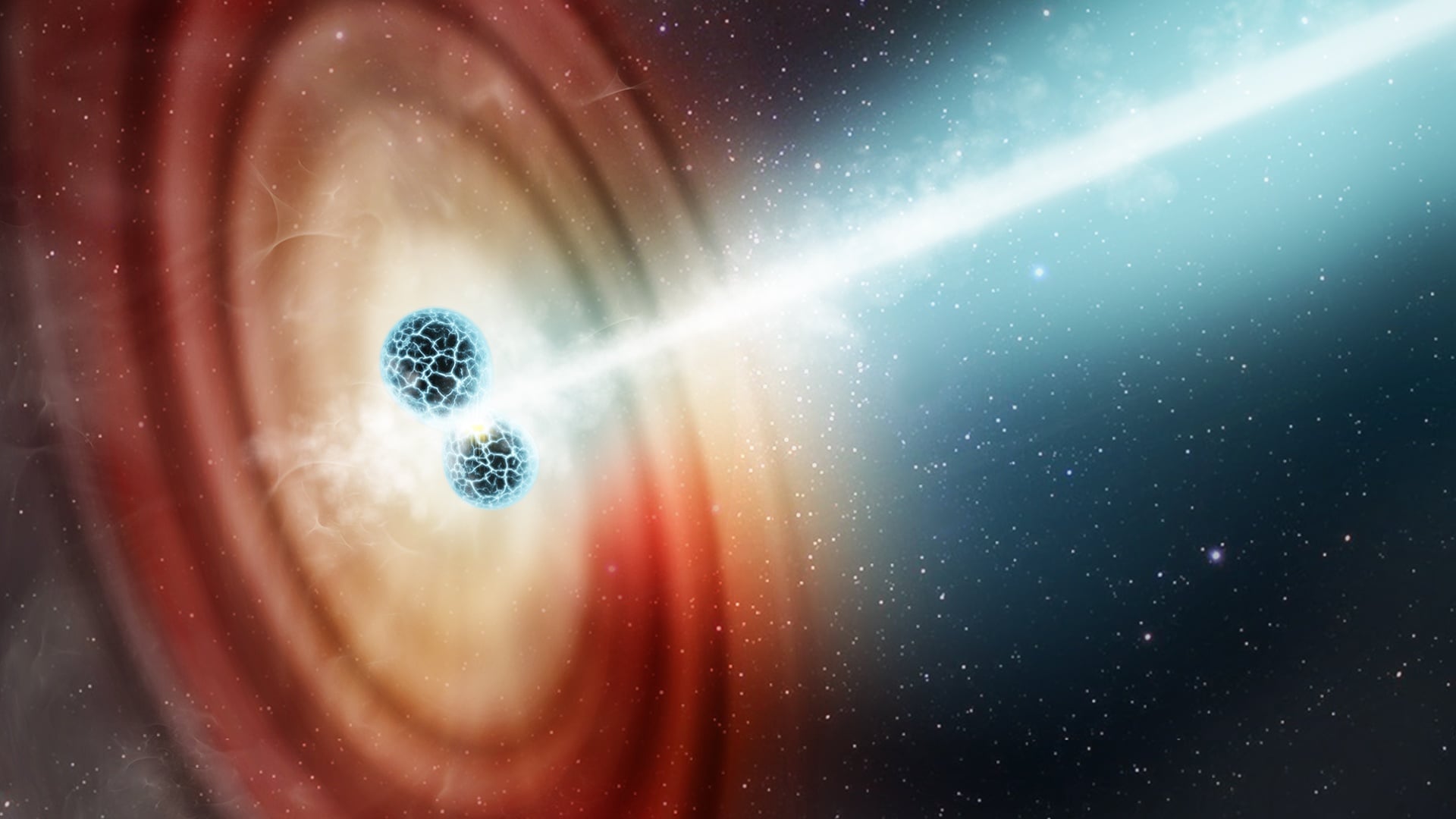
A new study presents a novel and independent method for measuring cosmic expansion using kilonova
Continue reading
Continue reading
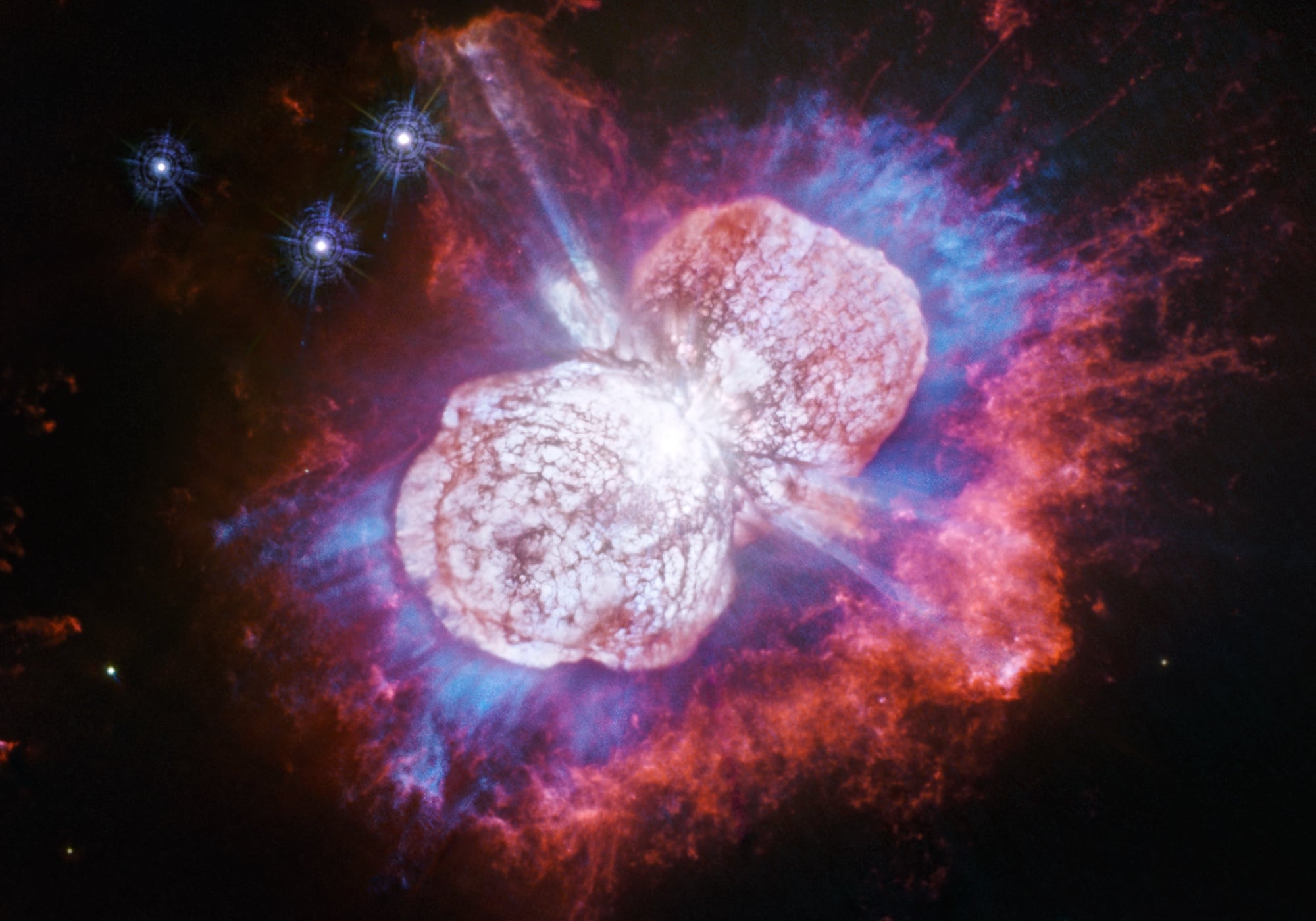
n 1840, a seemingly innocuous star, Eta Carinae, suddenly brightened to become one of the brightest stars in the sky before slowly fading again. We now know that Eta Carinae is one of the most massive stars in the Milky Way, and this event - dubbed "the Great Eruption" - released 10 to 45 times the mass of the Sun into space. And yet, the star survived. What happened? The Chandra X-Ray Observatory has peered at the star and helped astronomers discover new details about the explosion and what might have led to this event.
Continue reading
Continue reading
Continue reading
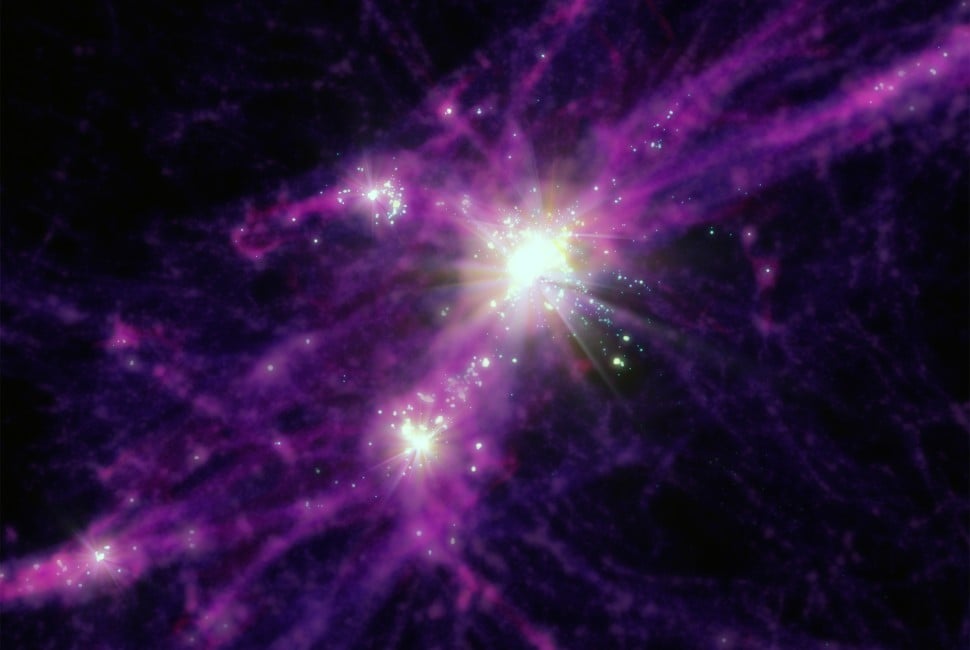
A new series of simulations from Northwestern shows that those impossibly large galaxies were actually just very, very bright!
Continue reading
Continue reading
Continue reading
Continue reading
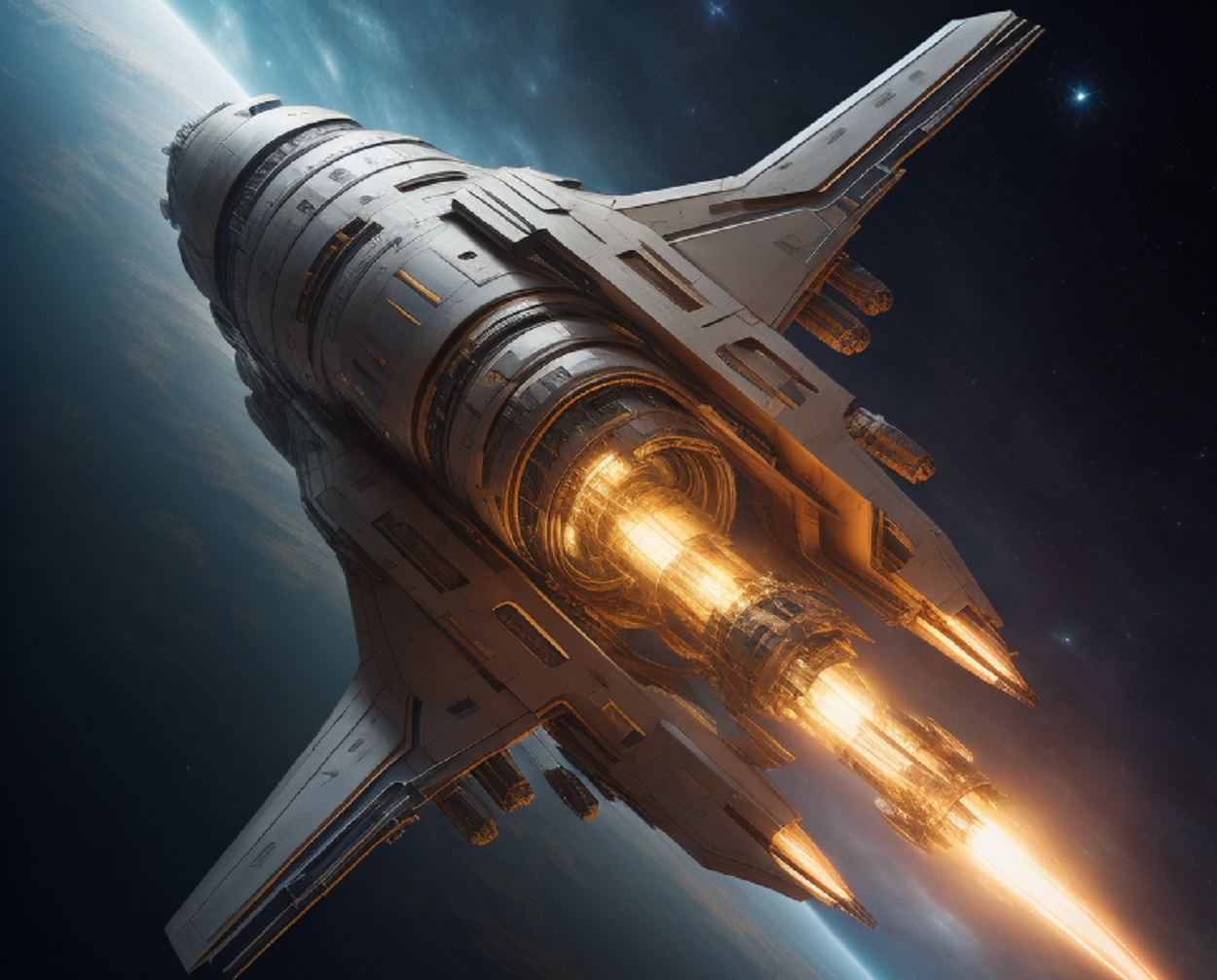
In a recent paper, Leiden Professor Florian Neukart describes a Magnetic Fusion Plasma Drive (MFPD) that could revolutionize space exploration.
Continue reading
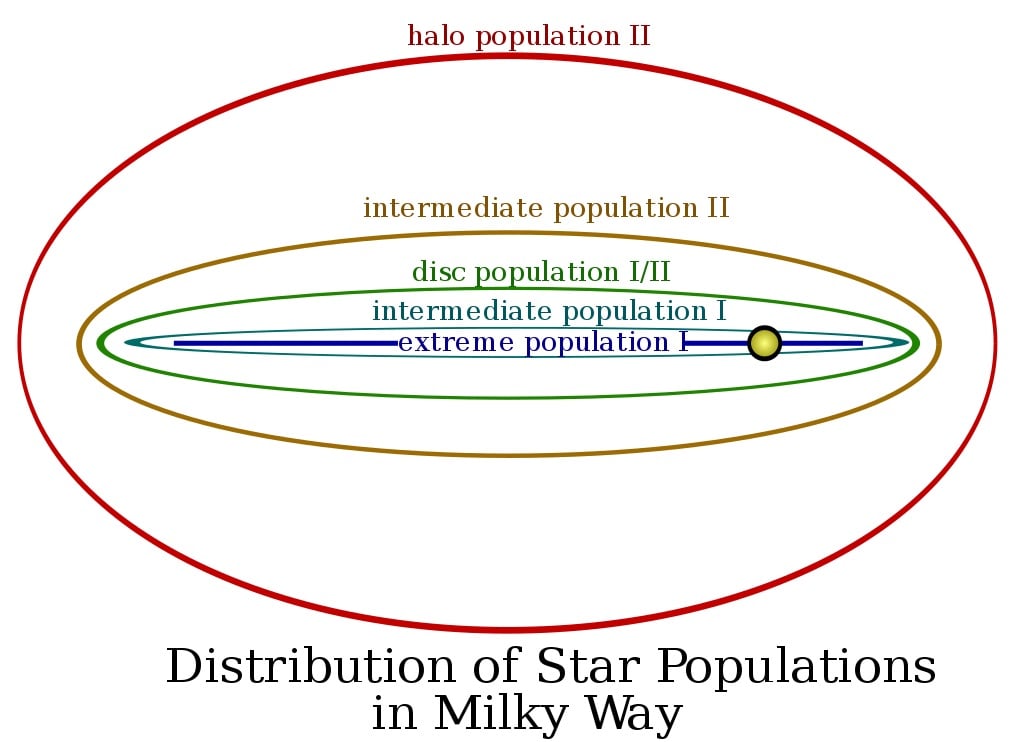
Solar panels are the perfect way to provide electricity for spacecraft operating near the Sun. Spacecraft as far out as Jupiter can still power their instruments with solar panels. But would these devices work at other stars? A new study looked at the light output of different types of stars and compared them to solar panels using the Sun. An interesting example is Proxima Centauri, which could be the first star we visit with an interstellar probe.
Continue reading

Continue reading
Continue reading
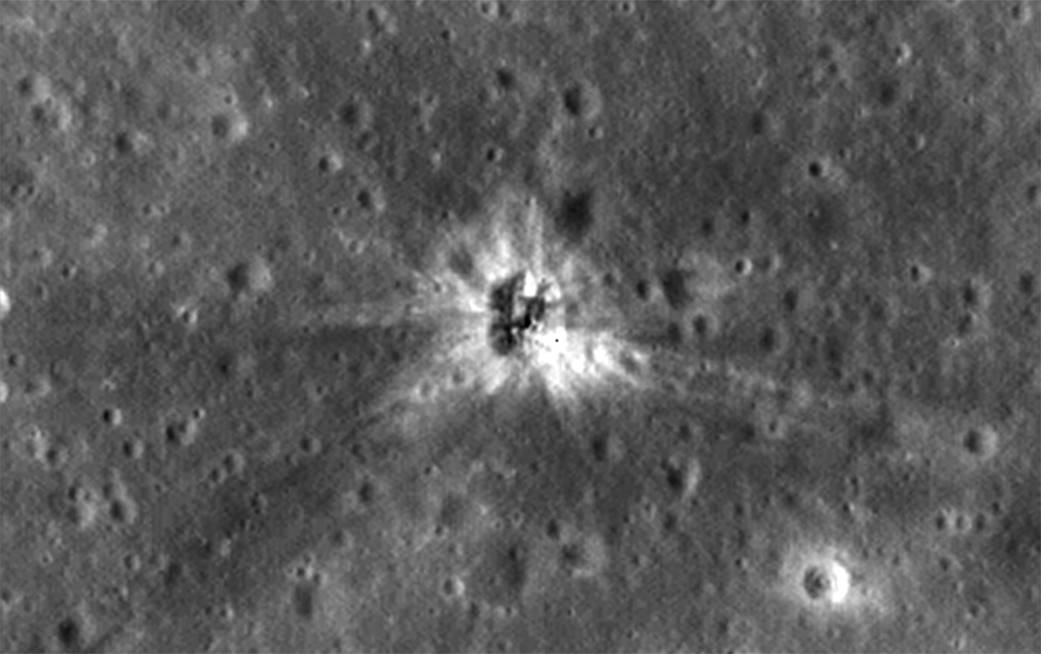
Researchers look to track and mitigate the growing number of space junk objects around the Moon.
Continue reading
Continue reading
Continue reading
Continue reading
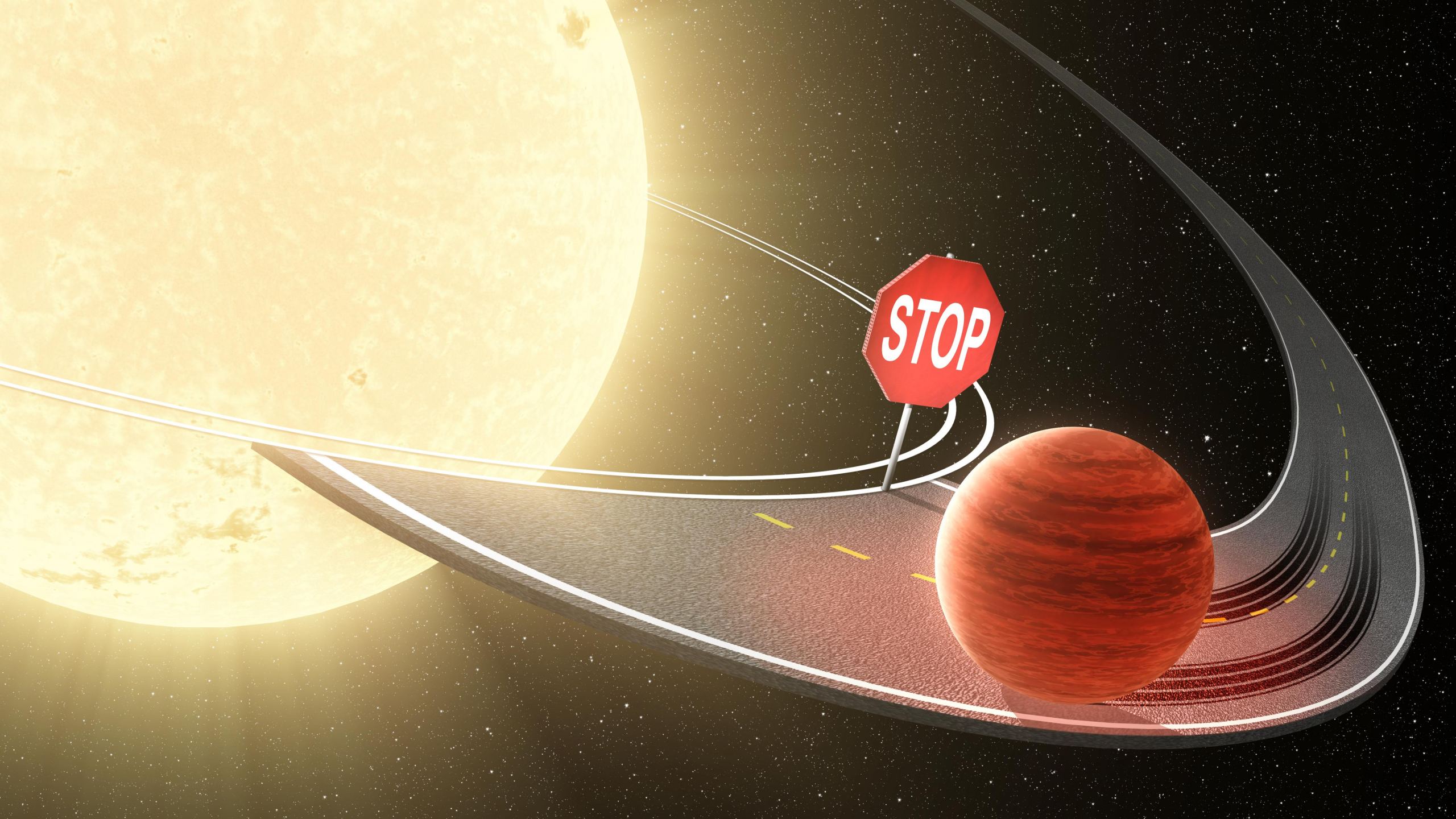
Hot jupiters are giant planets that orbit extremely close to their stars, completing an orbit in a few days or hours. We have nothing like them in the Solar System, but astronomers think they're present in roughly 1% of star systems. But all stars? According to a new study, hot jupiters are mainly a young star thing. They looked at all the hot jupiters discovered so far, compared them against the estimated age of the stars, and found that the young stars had hot jupiters. They suggest that orbital decay pulls hot jupiters closer and close until they're inevitably consumed, which is why we don't see them around old stars.
Continue reading
Continue reading

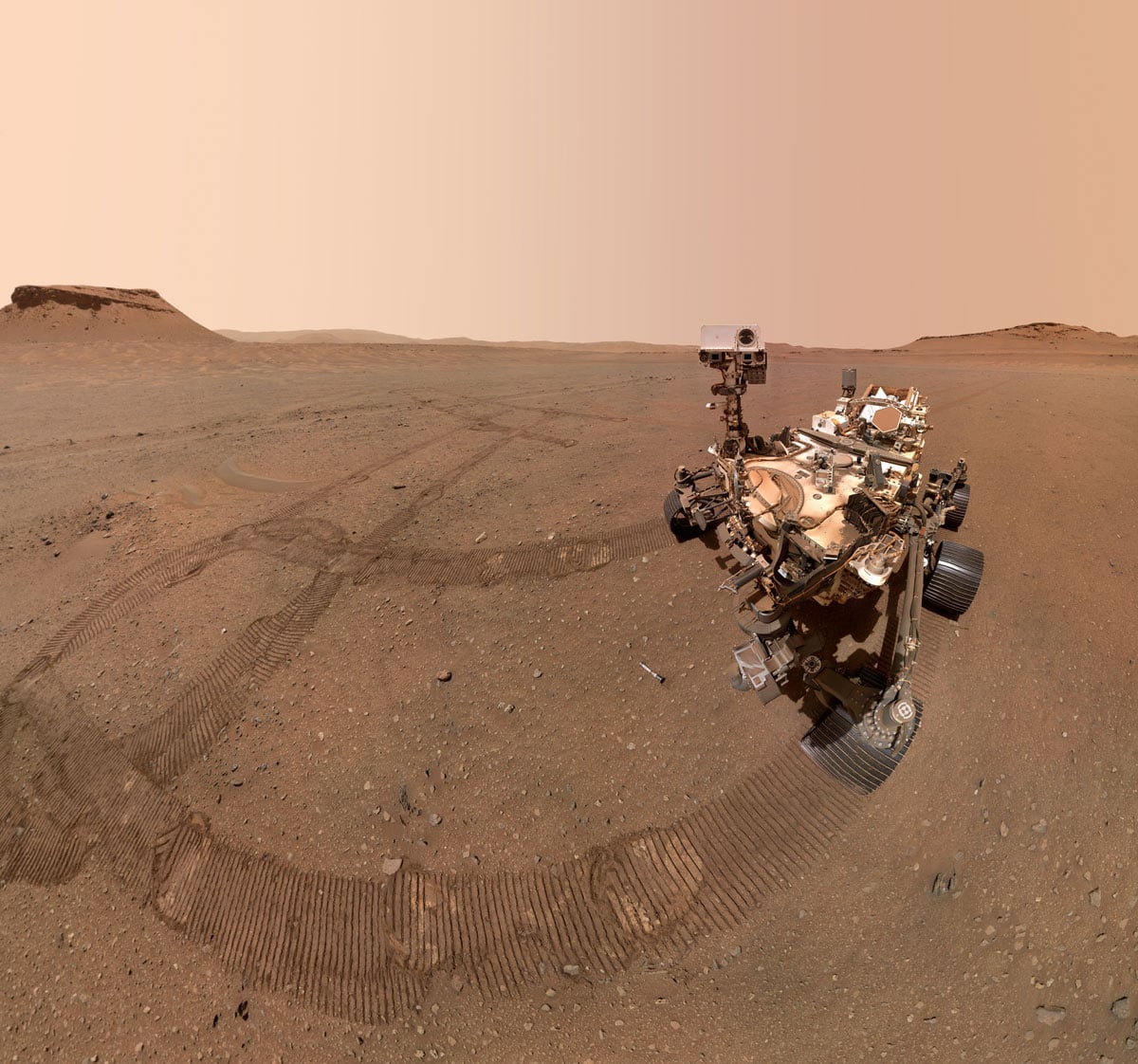
The Perseverance rover captured images of a dust devil on Mars, which were used to create this video.
Continue reading
Continue reading
Continue reading
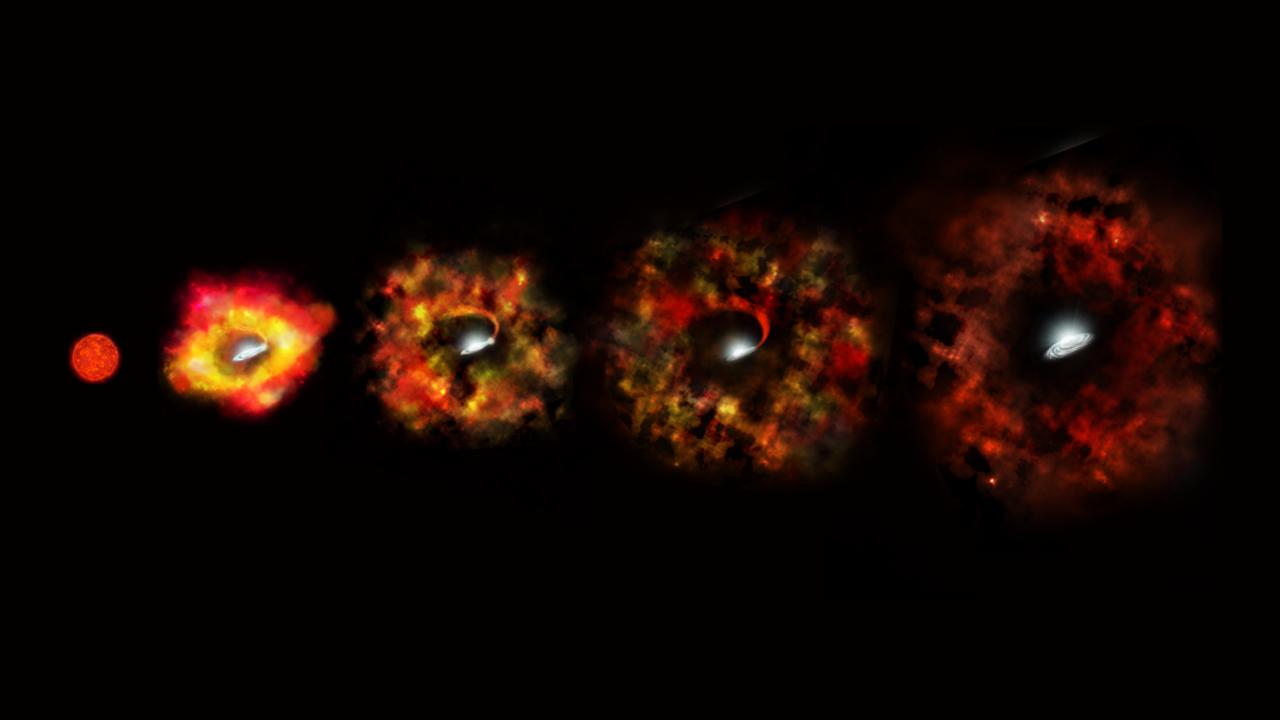
In 2009, astronomers watched a bizarre mystery unfold. An enormous star, with 25 times the mass of the Sun, faded away and disappeared. Although it had been long theorized, it's believed this was a type of failed supernova, where a giant star imploded into a black hole without a bright flash. Astronomers have turned the mighty JWST on the region and found a bright infrared source. Their observations match a stellar merger instead of a single star failed supernova, but there are still more questions than answers.
Continue reading
Continue reading
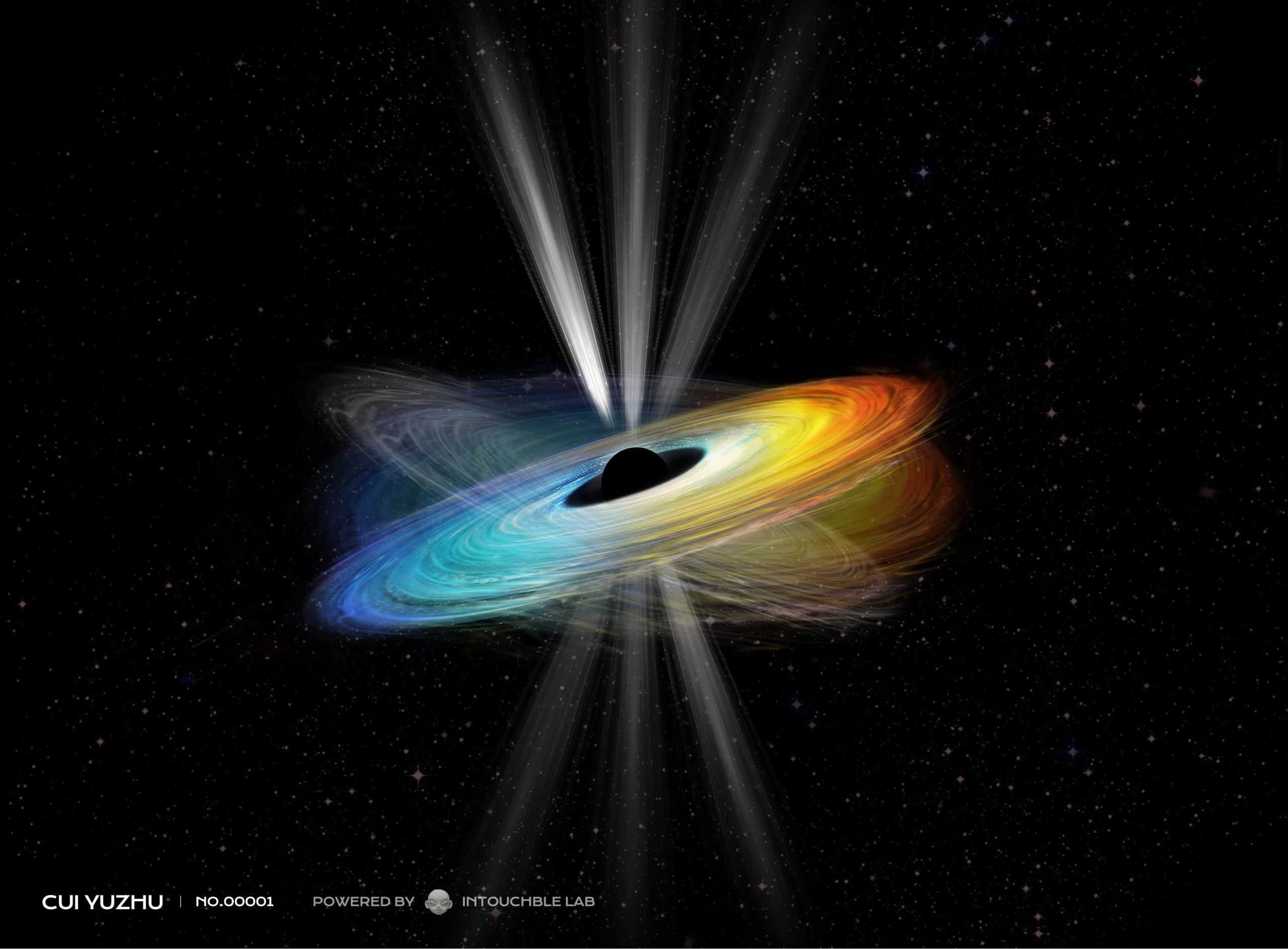
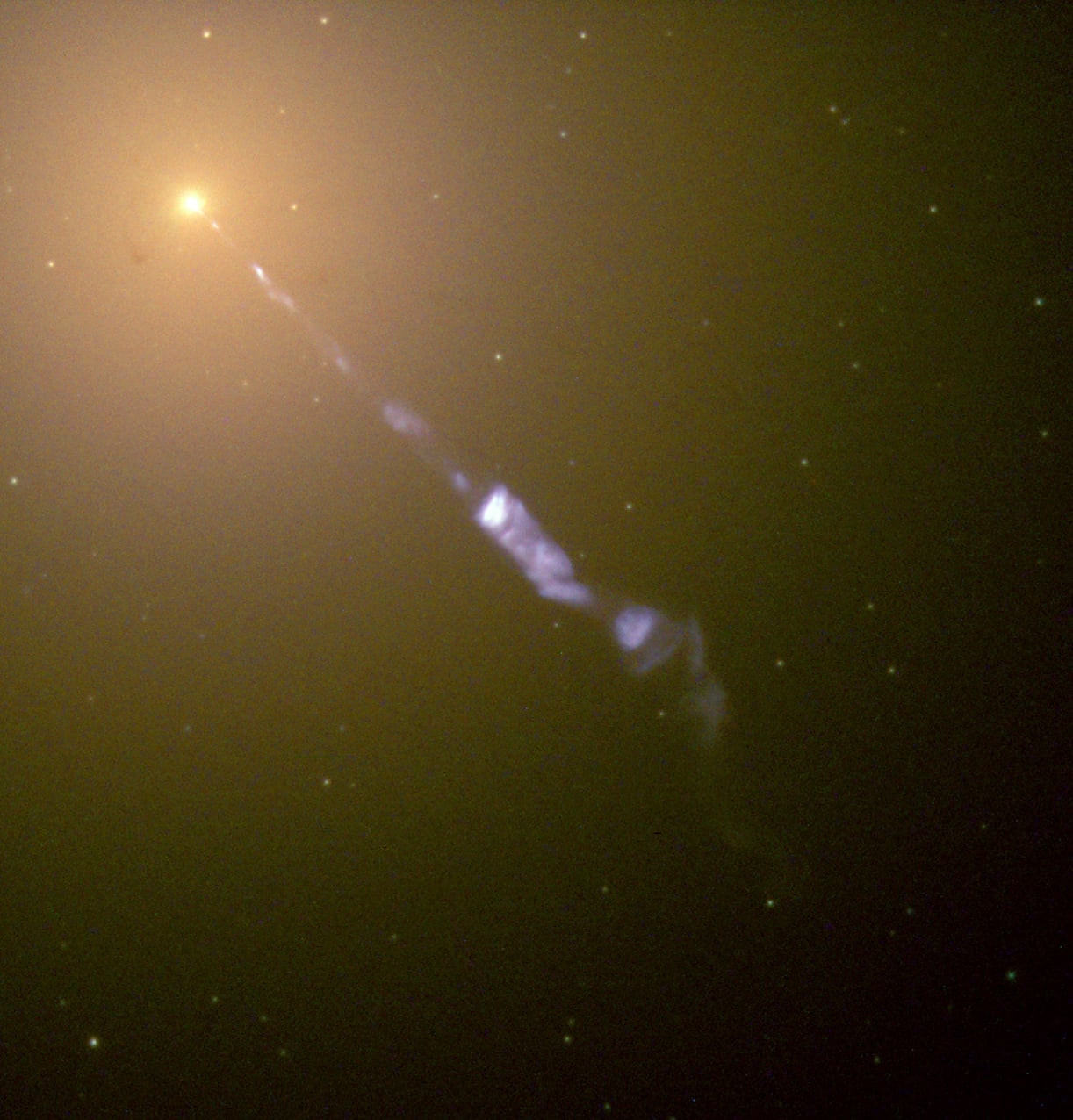
The supermassive black hole at the heart of M87 was the target of the Event Horizon Telescope, revealing the area around its event horizon for the first time. Although an accretion disk surrounded the black hole, astronomers weren't sure if the black hole itself was rotating. They imaged the region with radio telescopes and discovered the remnants of polar jets, showing that the black hole's rotation axis had undergone precession over time. This precession indicates that the black hole is rotating; they're just not sure how quickly yet.
Continue reading
Continue reading
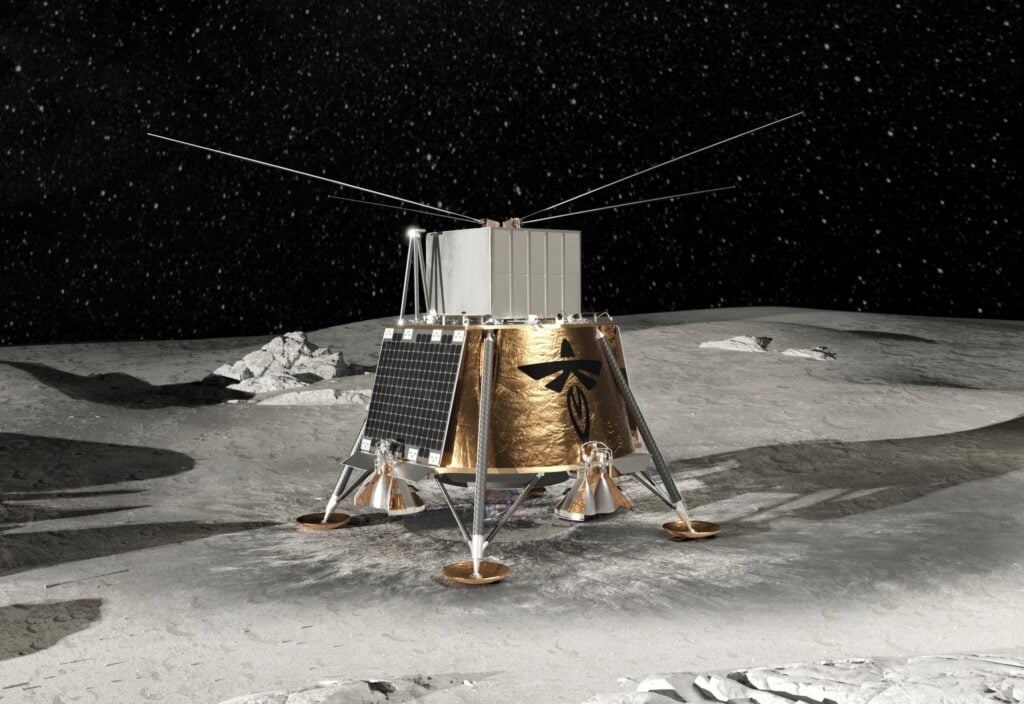
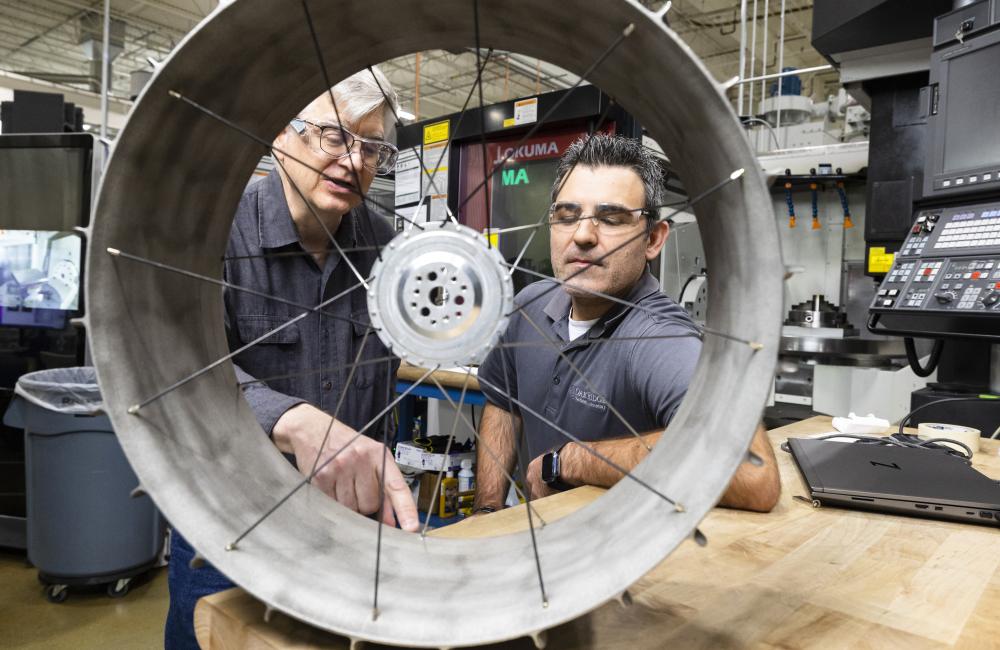
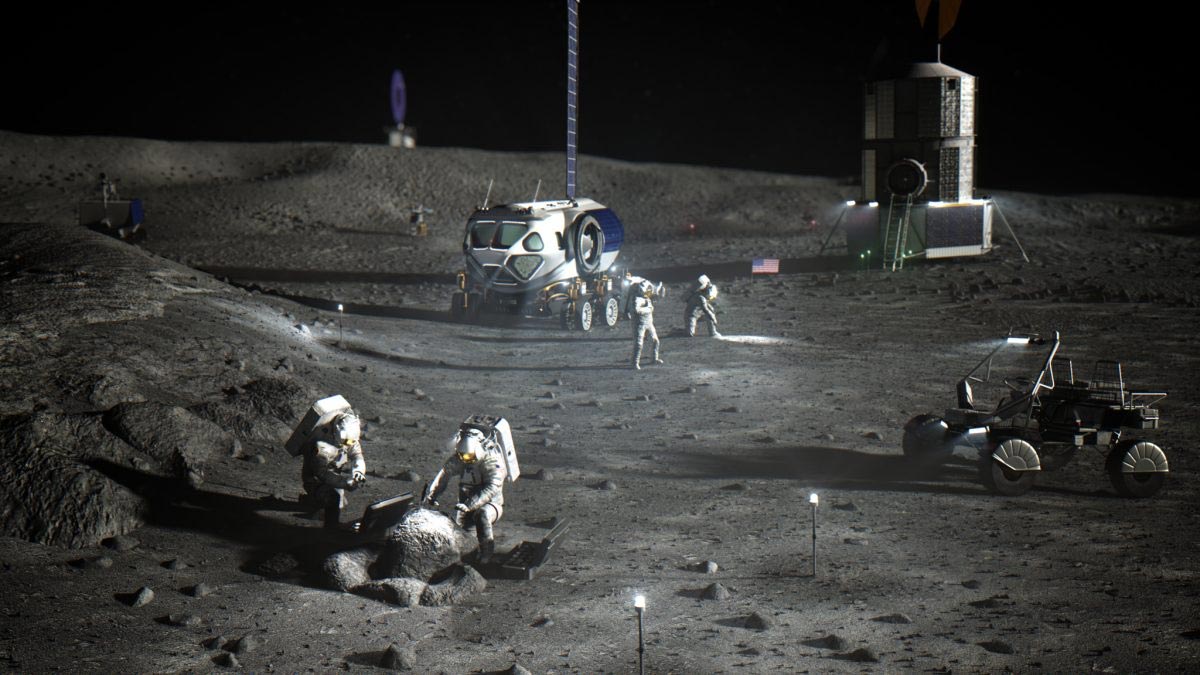
Technicians at Berkeley Lab are building an experiment that will conduct radio astronomy on the far side of the Moon starting in 2025!
Continue reading
Continue reading
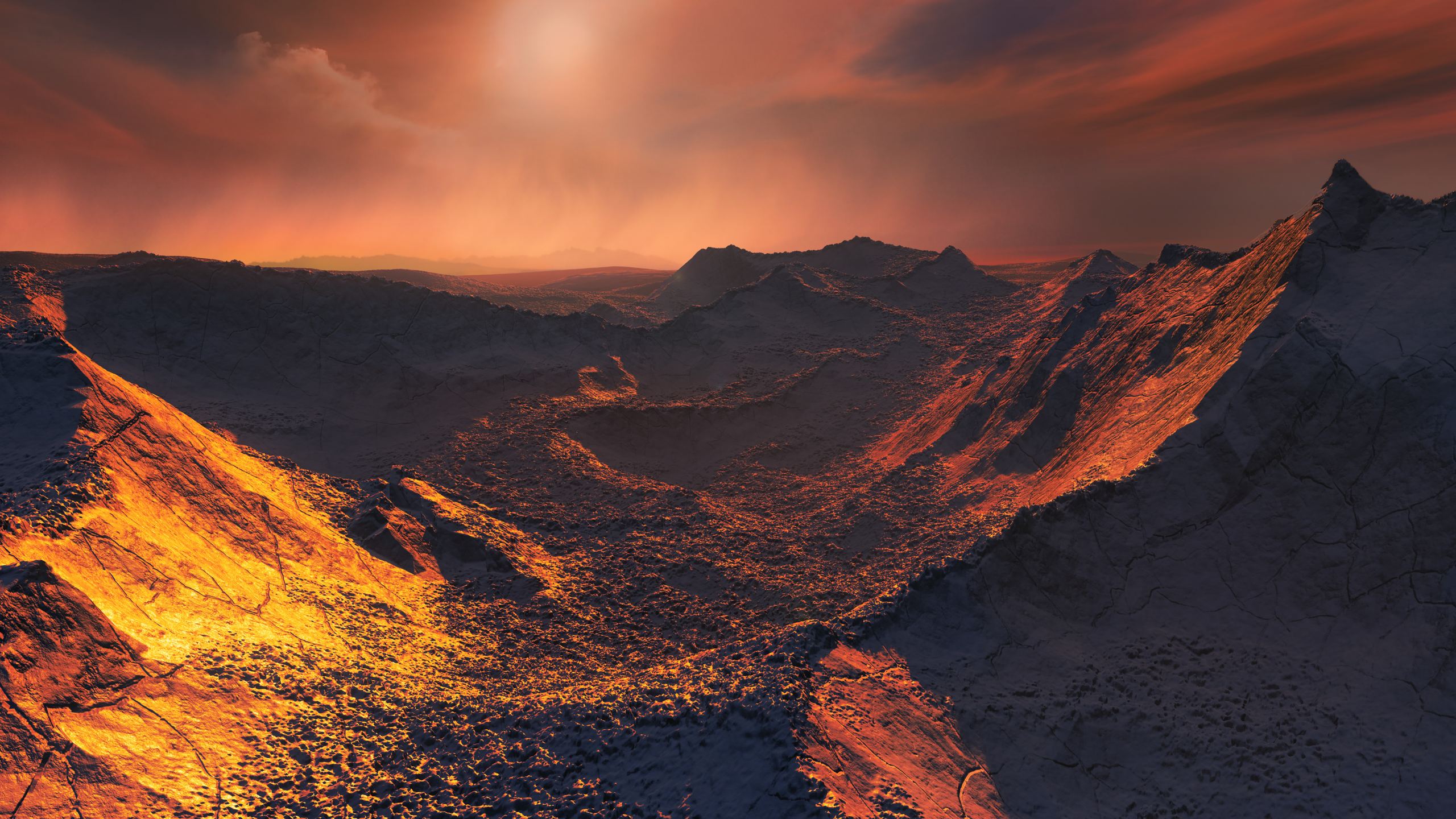
Barnard's Star is the second closest star system to Earth, at a distance of 5.96 light-years. It's another red dwarf system well positioned close to the celestial equator. Astronomers have observed Barnard's Star with the 500-meter FAST radio telescope, scanning for any signals from an advanced civilization.
Continue reading
Continue reading
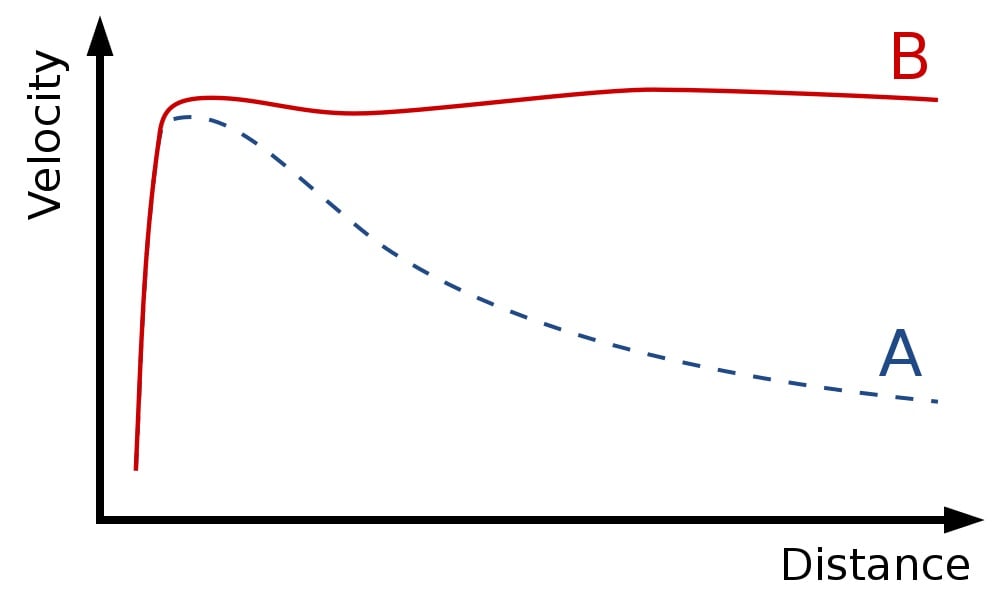
How massive is the Milky Way? According to a new study using data from ESA's Gaia spacecraft, less than we thought. A new estimate puts the Milky Way's mass at 200 billion times the mass of the Sun, which is 4-5 times less than previous estimates that pegged it closer to a trillion solar masses. Using detailed information about millions of stars, astronomers were able to build an extremely accurate rotation curve for the Milky Way and use that to estimate its mass. They found that the rotation of the Milky Way isn't typical for large spiral galaxies, decreasing its estimated mass.
Continue reading

Continue reading
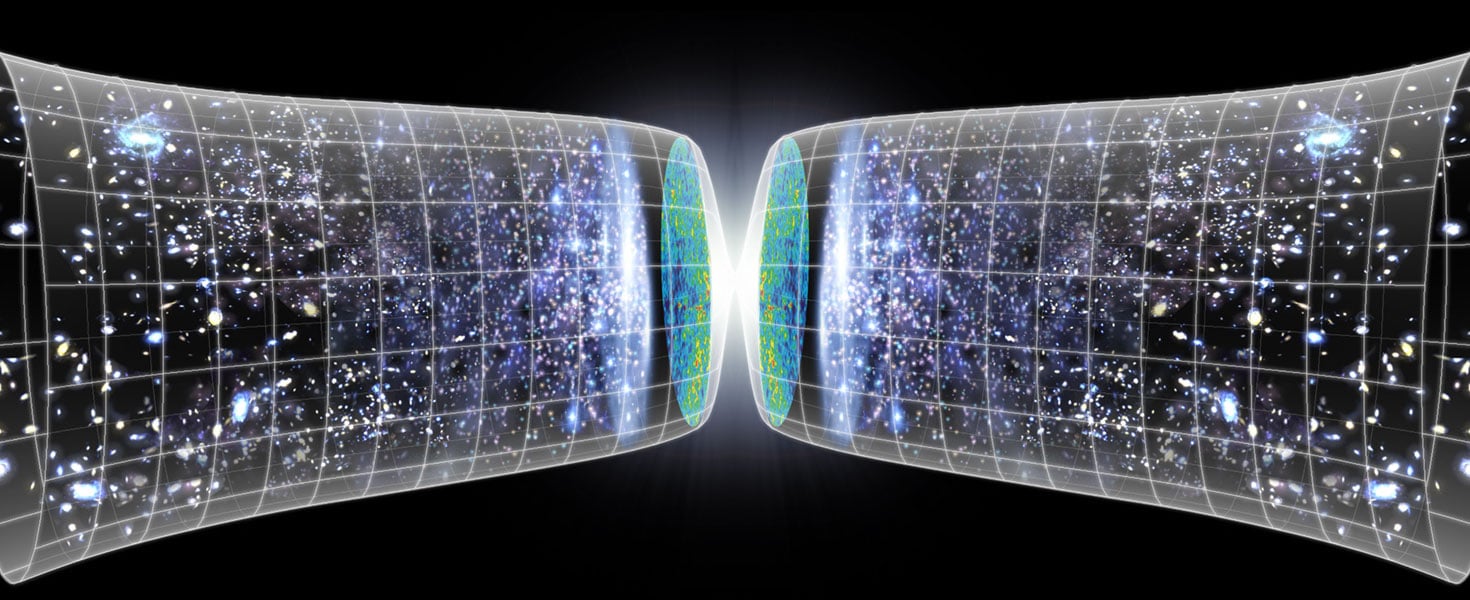
Since the discovery of antimatter decades ago, particle physicists have wondered if these particles were repulsed by gravity. Einstein predicted that despite having opposite charges to its regular matter counterparts, antimatter should still behave like matter does concerning gravity. This has been tricky to confirm experimentally since it's hard to make enough antimatter to observe its behavior. Particle physicists have finally pulled it off, using the ALPHA-g experiment at CERN, generating antihydrogen atoms and then dropping them in a 3-meter tall vertical shaft.
Continue reading

A new study shows how existing observatories like the ESO's Very Large Telescope (VLT) can be upgraded to perform cutting-edge astronomy
Continue reading
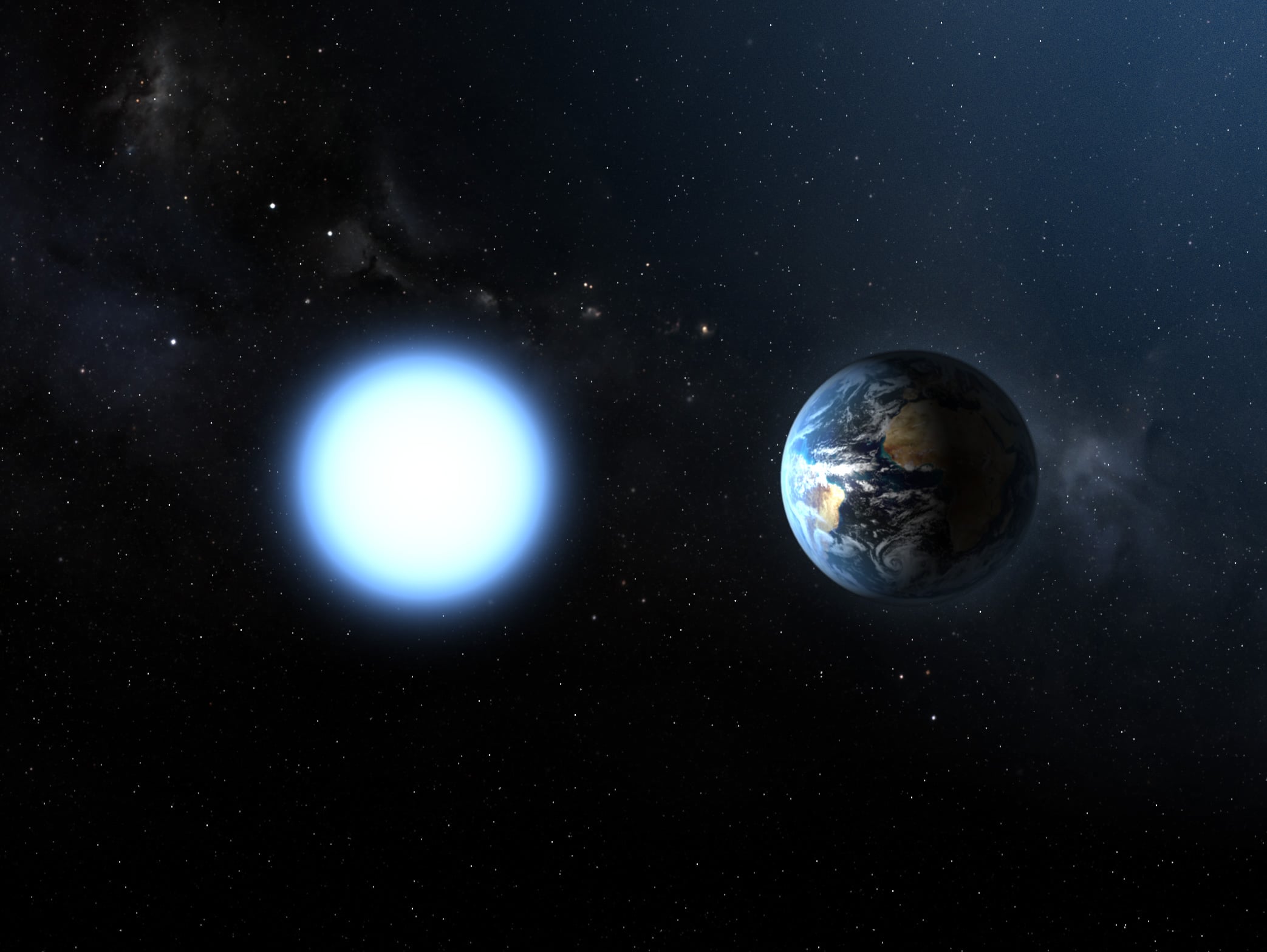
Astronomers still don't know what dark matter is, but one of its characteristics is that it has a small "cross section," which means that it doesn't interact with regular matter or itself. However, if it's possible to trap dark matter in a region dense enough, it might interact and annihilate, releasing gamma radiation. A new paper suggests that astronomers use gamma-ray observatories to scan white dwarf stars to discover whether there's an excess of radiation coming from them. This might mean there's dark matter trapped inside, providing more clues to its nature.
Continue reading
Continue reading

Continue reading
Continue reading
Continue reading
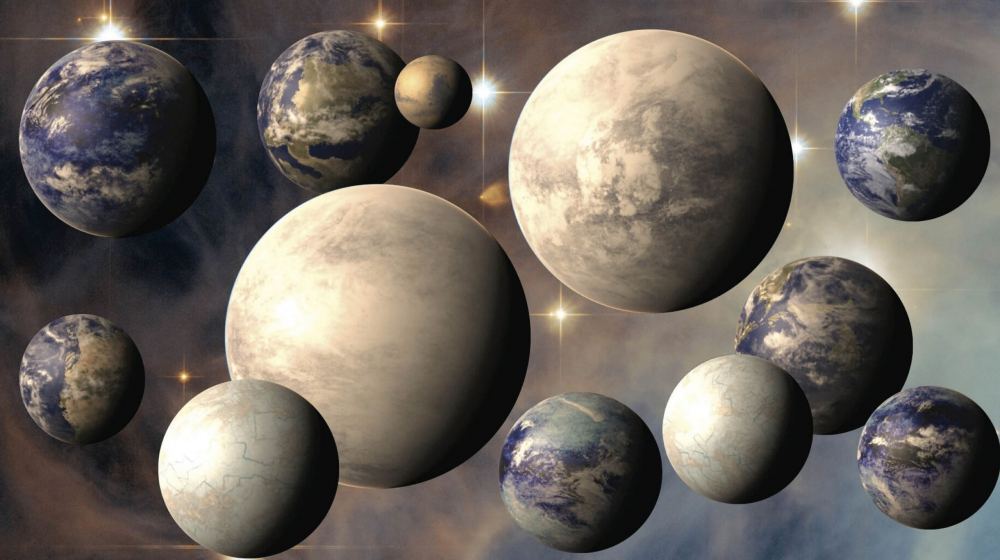
A new study estimates that there could be 11,000 habitable planets within 100 parsecs of our Sun, the nearest being 20 parsecs away.
Continue reading
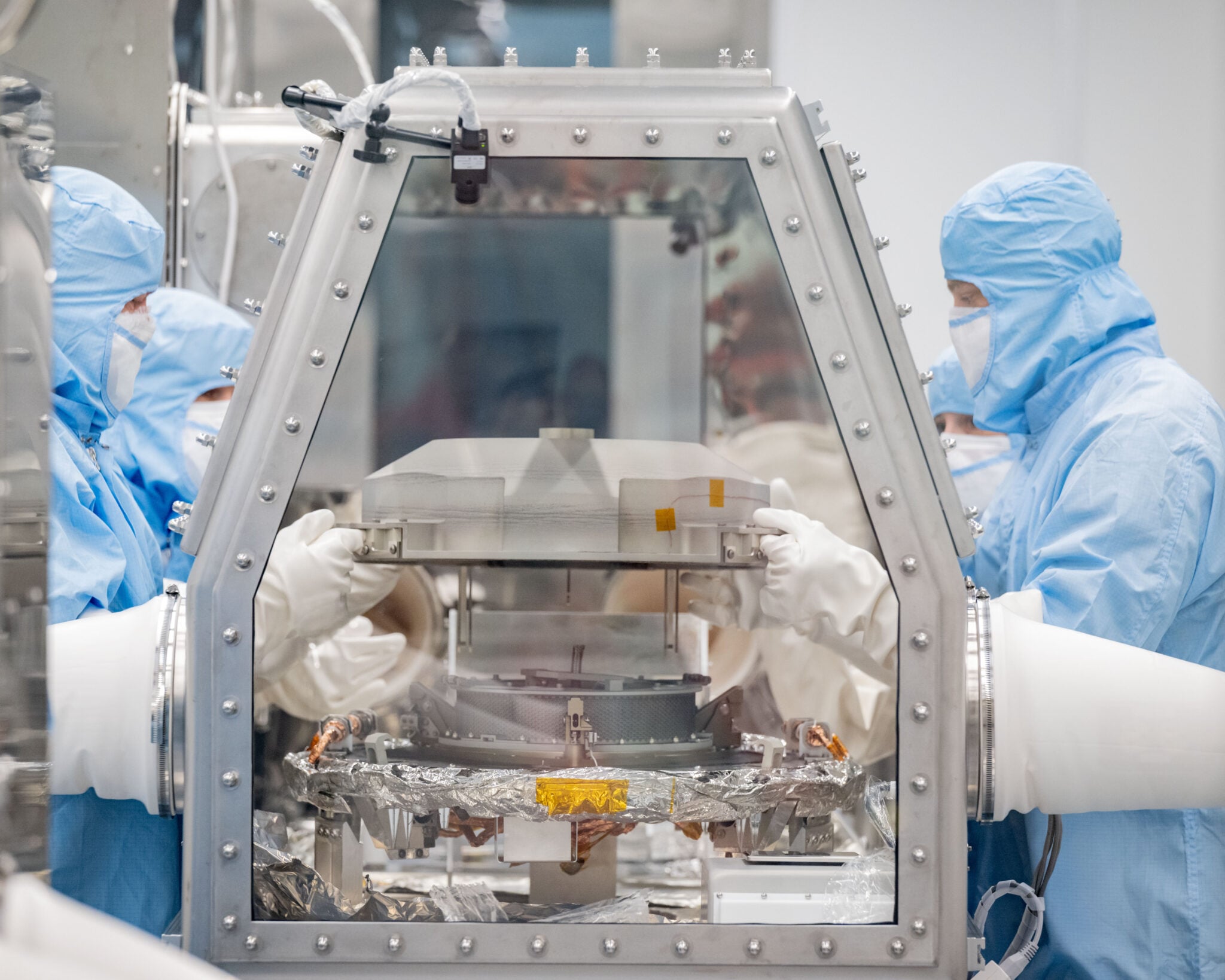
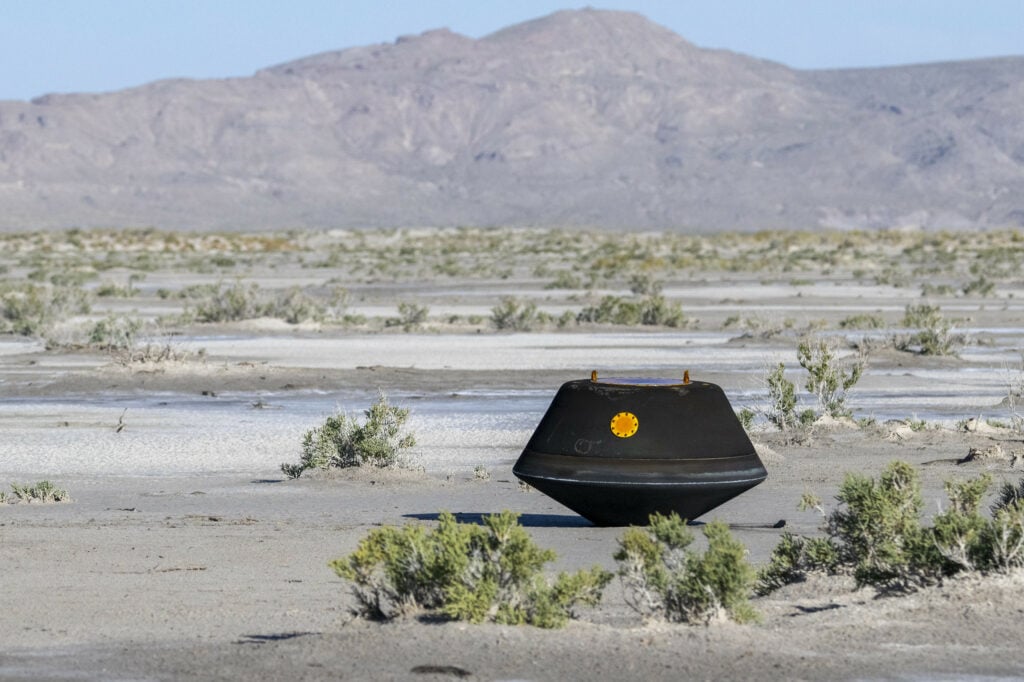
NASA teams have started the intricate process of removing the samples of asteroid Bennu from their canister.
Continue reading
Continue reading
Continue reading
Continue reading

Continue reading
 Universe Today