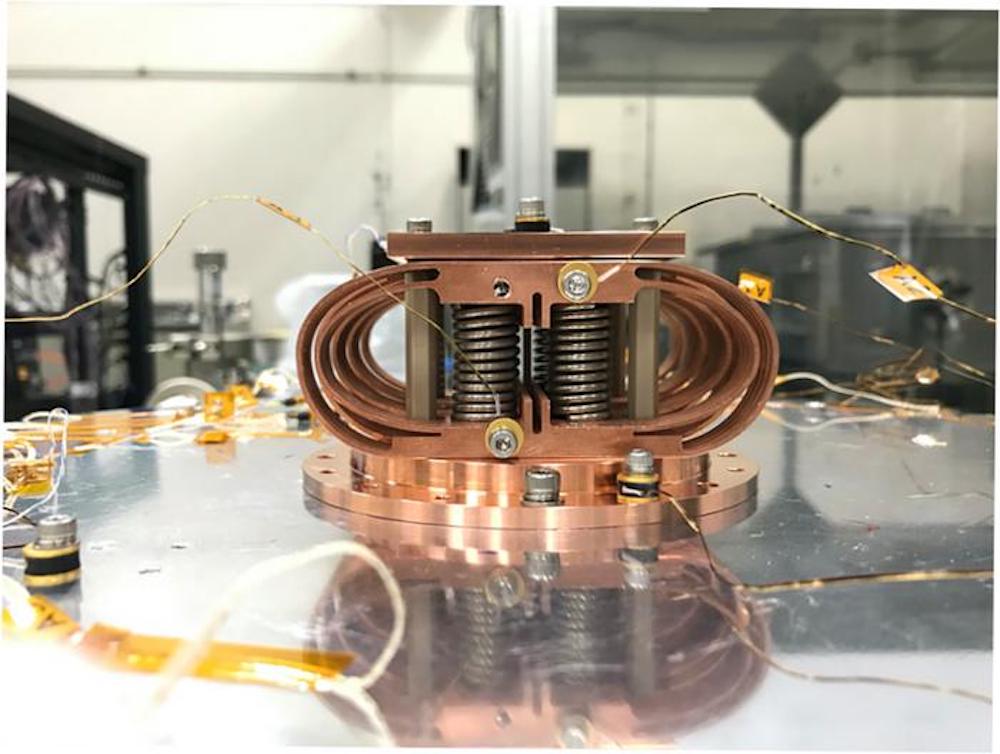
Scientists have achieved a breakthrough that could revolutionise space exploration with a "smart" metal alloy that remembers its shape even in the bone chilling cold of outer space. This remarkable copper based material can be twisted and deformed when cold, then automatically snap back to its original form when heated, maintaining this mechanical "memory" at temperatures as extreme as -200°C. The discovery solves a critical challenge that has limited spacecraft design for decades, opening the door to more reliable satellites, space telescopes, and future missions to the frozen reaches of our Solar System and beyond.
Continue reading

Astronomers have seen exoplanetary systems at almost every stage, from extremely young to older than the Solar System. But now, they've spotted the exact moment when planet formation is initiated around a young star. Meteorites store a history of when the first minerals formed in the Solar System, and the ALMA telescope has seen the signal of these minerals forming in a protostellar system, about 1,300 light-years from Earth.
Continue reading

NASA has discovered that 7 out of 10 astronauts returning from the International Space Station have been unable to see clearly, with vision problems that can last for years! As we prepare for multi year Mars missions, scientists are racing to solve this mysterious "space blindness" before it derails humanity's greatest journey. It seems the cause could be as simple as the effects of weightlessness and the distribution of fluids around the body. Thankfully, it seems there are some possible solutions to what could become one of our greatest health challenges as we reach out further among the planets.
Continue reading
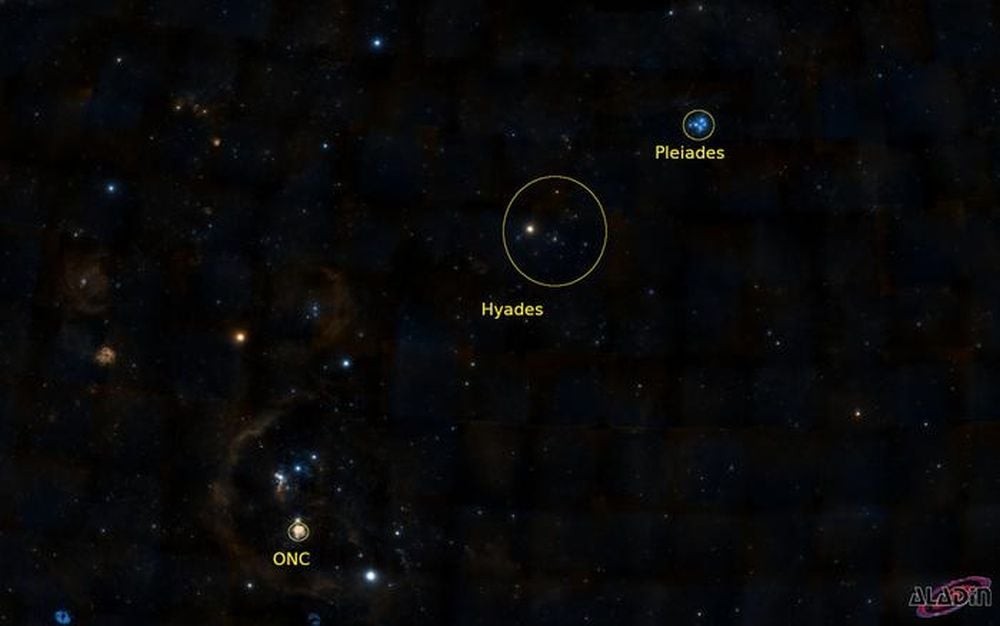
Astronomers found evolutionary links that connect three well-known star clusters. The Orion Nebular Cluster, the Pleiades, and the Hyades are located roughly in the same region in space, but have different ages. New research shows that they're connected and have similar origins.
Continue reading

Lunar regolith is the crushed up volcanic rock that buries the surface of the Moon. Remote observations and sample analysis have shown there are trace amounts of water ice mixed in with the regolith, which can be extracted. By mixing this water with CO2 exhaled by astronauts, scientists have demonstrated this can be turned into hydrogen gas and carbon monoxide. This can then be turned into fuels and oxygen to support the astronauts. Everything we need is there on the Moon. We just need to learn how to use it.
Continue reading

A Chinese team presents a new model for accurately predicting the performance of Sterling engines, which are being investigated as a possible means of powering
Continue reading
Continue reading

If astronomers can find ancient, pristine galaxies with no metals, they will confirm our understanding of the Big Bang. Those galaxies have proven elusive, but a team of astronomers think they've found one. It may be the first Population 3 galaxy.
Continue reading
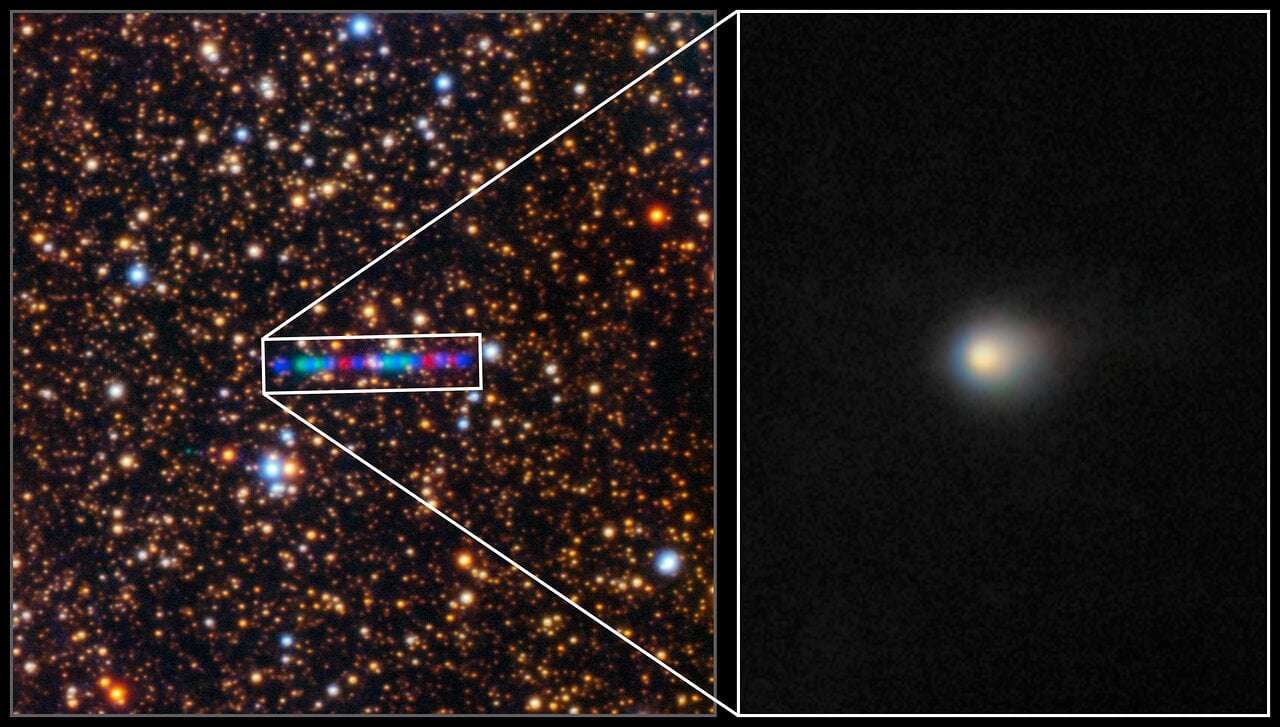
We’re getting better views of interstellar Comet 3I/ATLAS, as it makes its speedy passage through the inner solar system. This week, astronomers at the Gemini North observatory located on Mauna Kea in Hawai’i turned the facility’s enormous 8.1-meter telescope on the object, with amazing results.
Continue reading
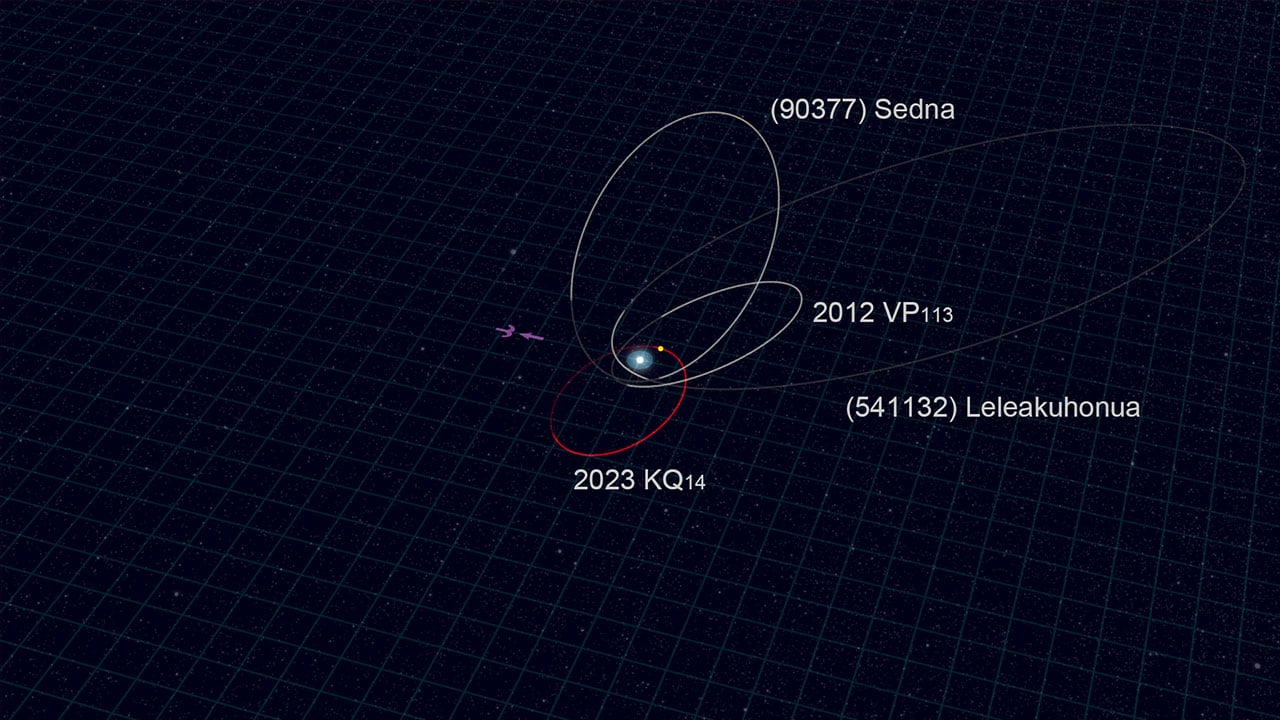
Astronomers using the Subaru Telescope have discovered a new object in the Kuiper Belt, beyond the orbit of Pluto. Designated 2023 KQ14, it's categorized as a "sednoid," with an extremely eccentric orbit - only the 4th ever discovered. Its orbit is much different from other sednoids, which challenges the hypothesis that Planet Nine could be aligning their orbits. It was found at 72 AU, but its path takes it all the way out to 438 AU, taking almost 4,000 years to complete one orbit.
Continue reading
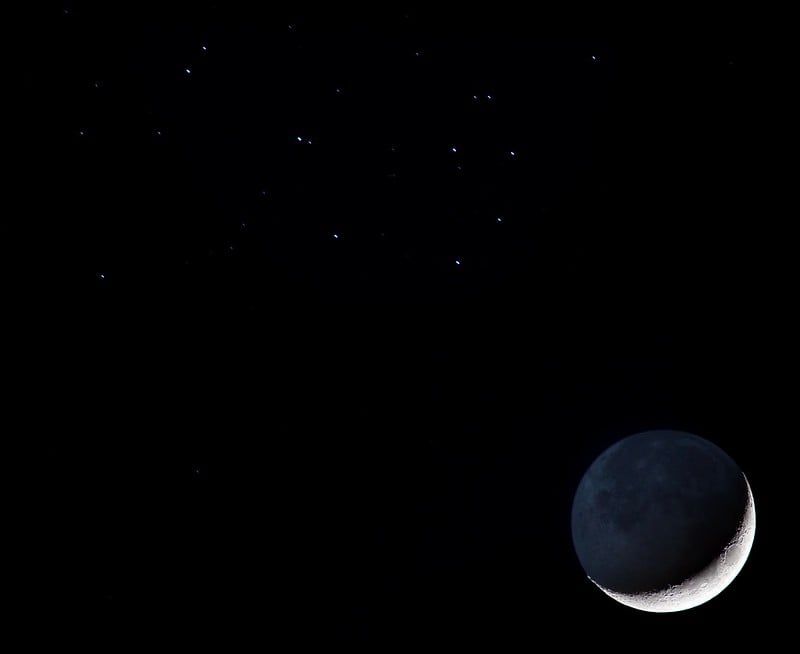
There’s a good reason for sky watchers to set their alarms this coming Sunday morning. If skies are clear, viewers across most of North America will have a rare chance to see the waning crescent Moon occult (pass in front of) the Pleiades open star cluster.
Continue reading
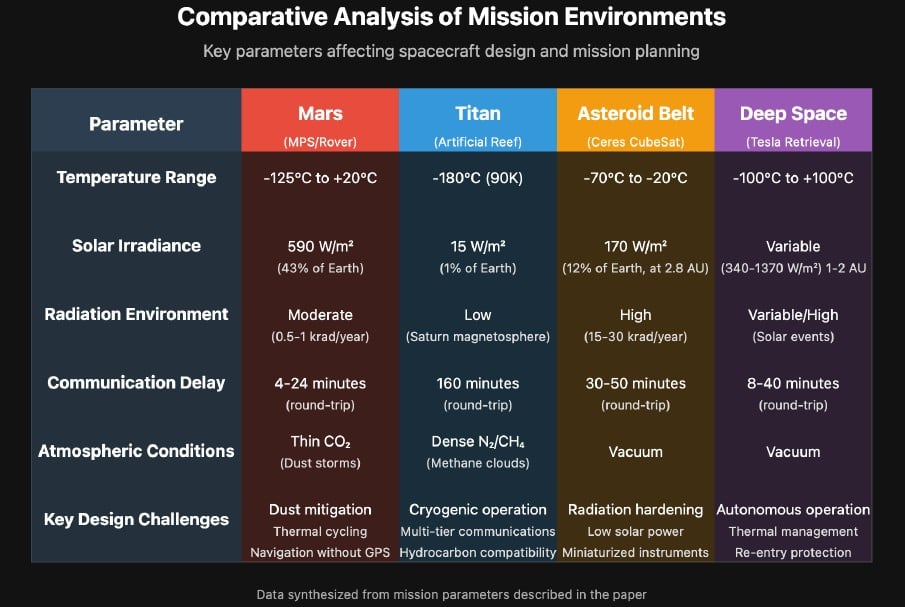
There are plenty of engineering challenges facing space exploration missions, most of which are specific to their missions objectives. However, there are some that are more universal, especially regarding electronics. A new paper primarily written by a group of American students temporarily studying at Escuela Tecnica Superior de Ingenieria in Madrid, attempts to lay out plans to tackle several of those challenges for a variety of mission architectures.
Continue reading
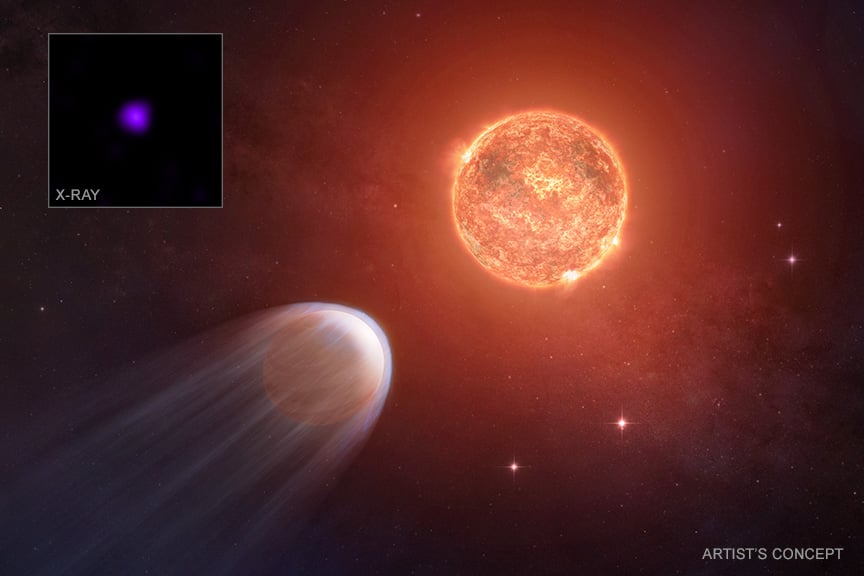
Astronomers have found a young star bathing a planet in intense X-ray radiation, wearing it away at a rapid rate. The planet is Jupiter-sized and orbits its red dwarf star at a fifth the distance from Mercury to the Sun. It's only 8 million years old, and researchers estimate that within a billion years, it will lose its entire atmosphere, going from 17 Earth masses down to just 2 Earth masses. They estimate that it's losing an Earth's atmosphere worth of mass every 200 years.
Continue reading
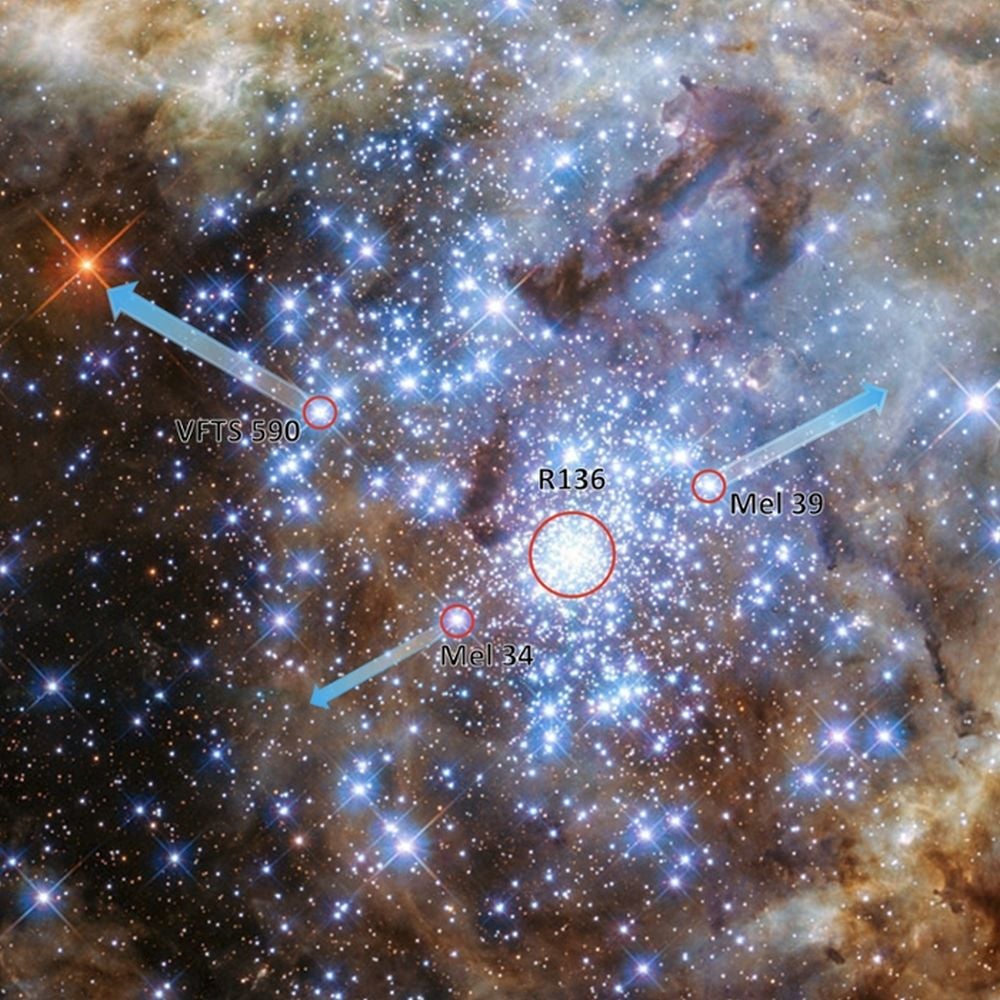
Mysteries abound in space. In the Tarantula Nebula, which lies in the Large Magellanic Cloud, astronomers used simulations to reconstruct how three stars were ejected from the star cluster R136, about 60,000 years ago. The analysis, published in Physical Review Letters, reveals that five stars were involved, an unexpected result.
Continue reading

Astronomers using the LIGO-Virgo-KAGRA gravitational wave detectors announced the most massive black hole merger ever seen. Two black holes crashed together, producing a final black hole with approximately 225 times the mass of the Sun. Designated GW231123, it was detected during the 2023 observing run, and appears to be from the collision of 100- and 140-stellar-mass black holes. Black holes this massive are hard to get through standard stellar evolution, but could be the results of previous mergers.
Continue reading
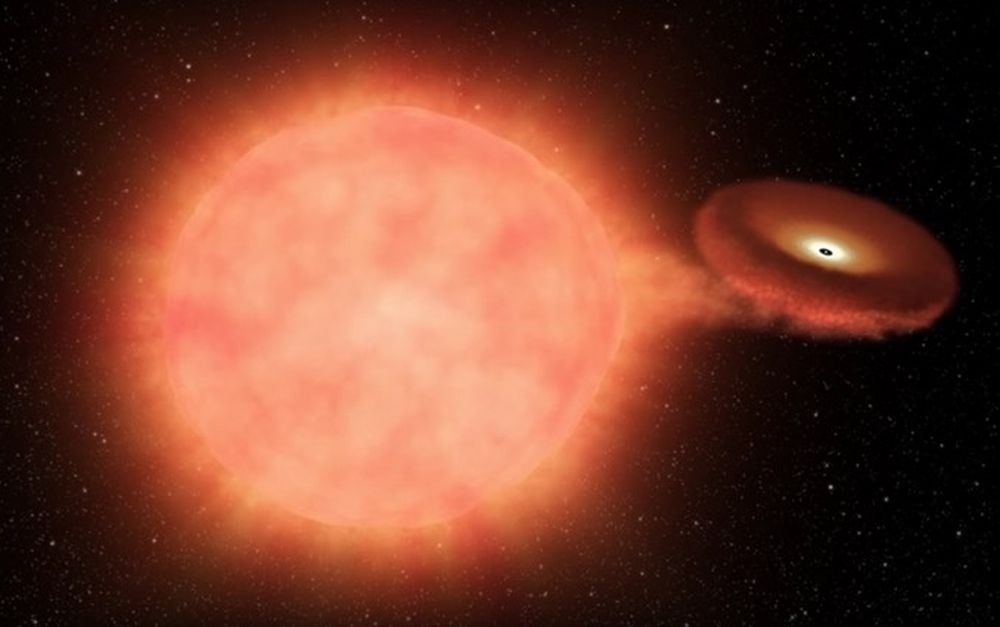
The Nancy Grace Roman Space Telescope isn't due to launch until May 2027, but astronomers are preparing for its science operations by running simulated operations. One of those involves supernovae, massive stars the end their lives in gargantuan explosions. Research shows that the Roman could find 100,000 supernovae in one of its surveys.
Continue reading
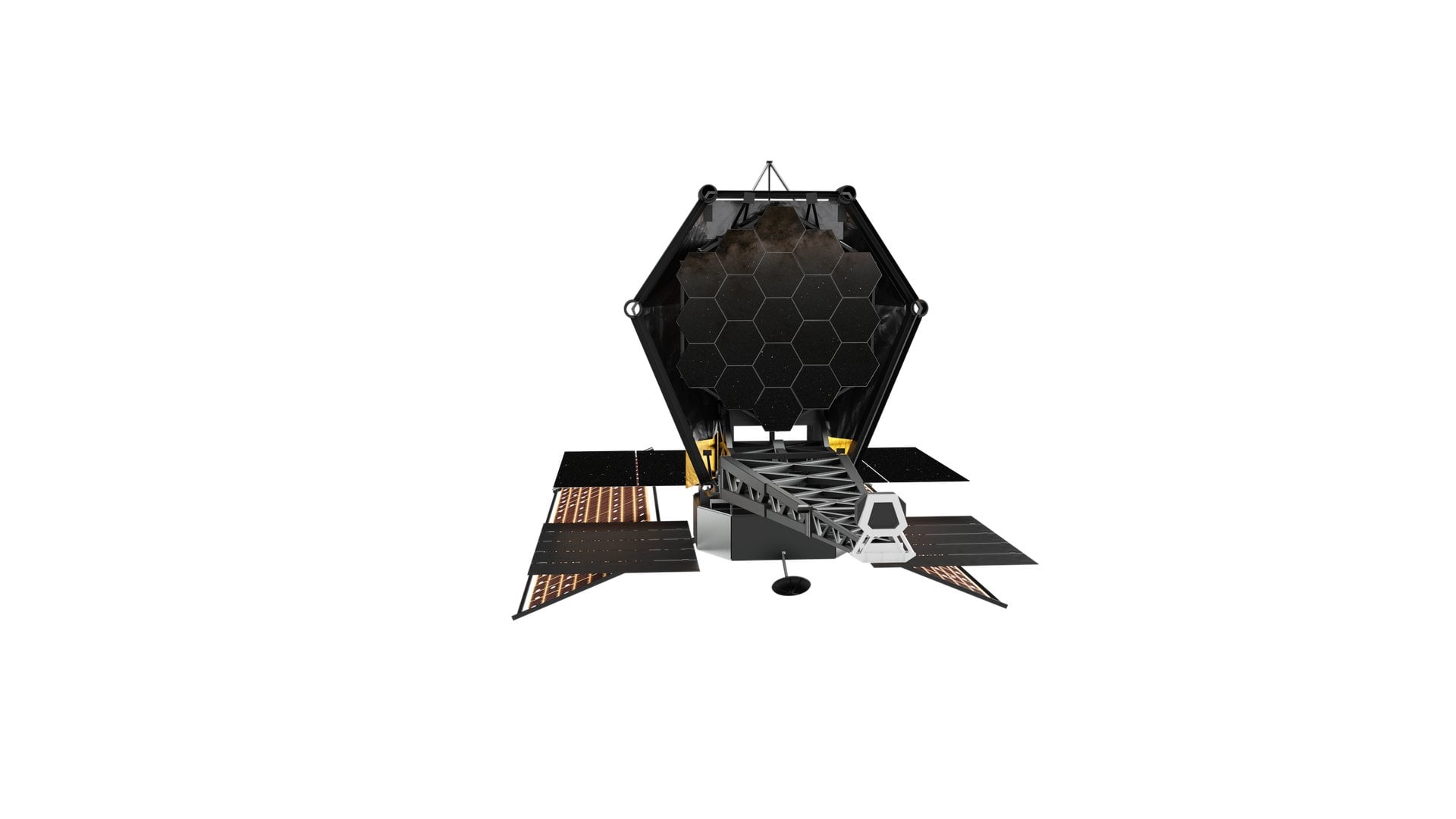
Searching for habitable exoplanets will require decades of work, new technologies, and new ideas. A lot of that effort seems to coalescing around the Habitable Worlds Observatory (HWO), a proposed mission expected to launch in the early 2040s that would be capable of directly imaging potentially habitable worlds, and, importantly, detecting features about them that could prove whether or not they host life as we know it. A new paper by exobiology specialists in Europe and the US, led by Svetlana Berdyugina of ISROL in Locarno, Switzerland, details an observational plan with HWO that could definitely prove that life exists on another planet - if they’re able to find one where it does anyway.
Continue reading
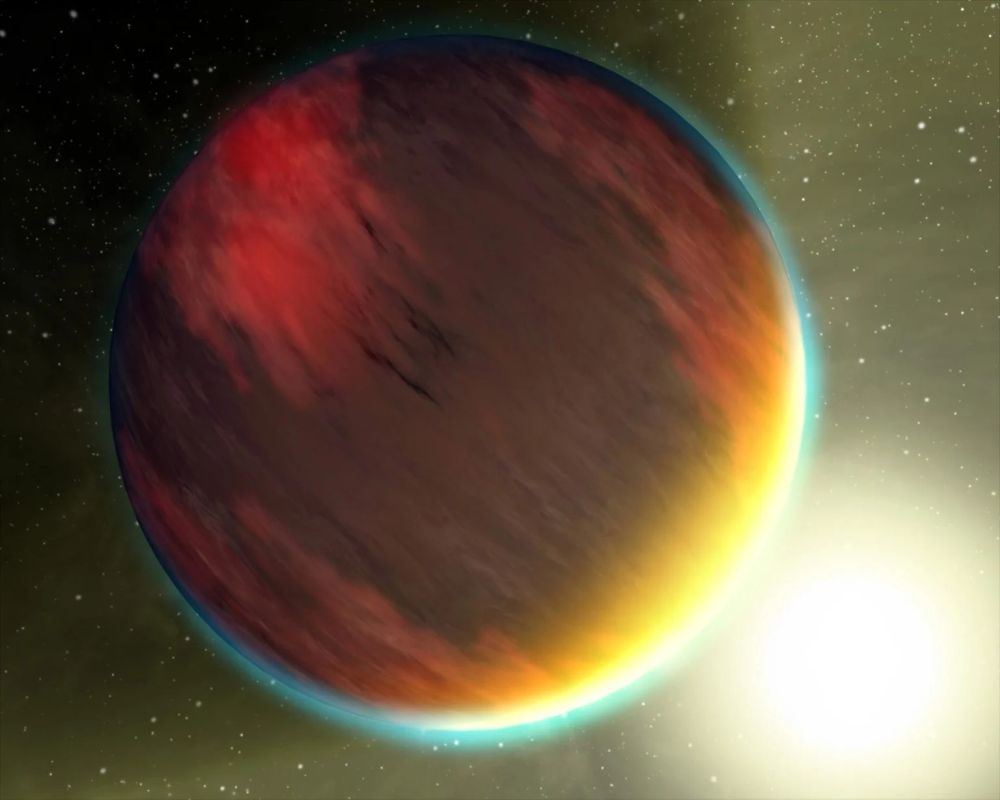
Macquarie University astronomers have tracked an extreme planet's orbital decay, confirming it is spiraling toward its star in a cosmic death dance that could end in three possible ways. It could cross the Roche line and be torn apart, it could plunge to destruction in its star, or it could be stripped all the way down to a rocky core.
Continue reading
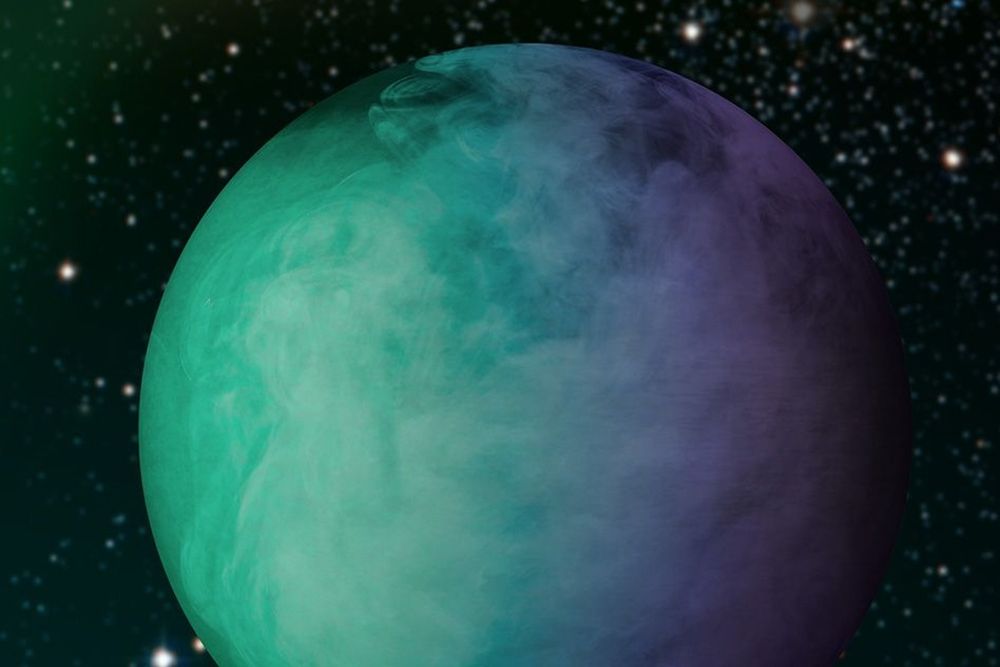
Atmospheric escape shapes an exoplanet's future. Earth's exosphere is extended and detectable due to ocean-related atmospheric escape. If we can detect the same features on an exoplanet, it could suggest oceans and habitability. But we need to build the Habitable Worlds Observatory first.
Continue reading
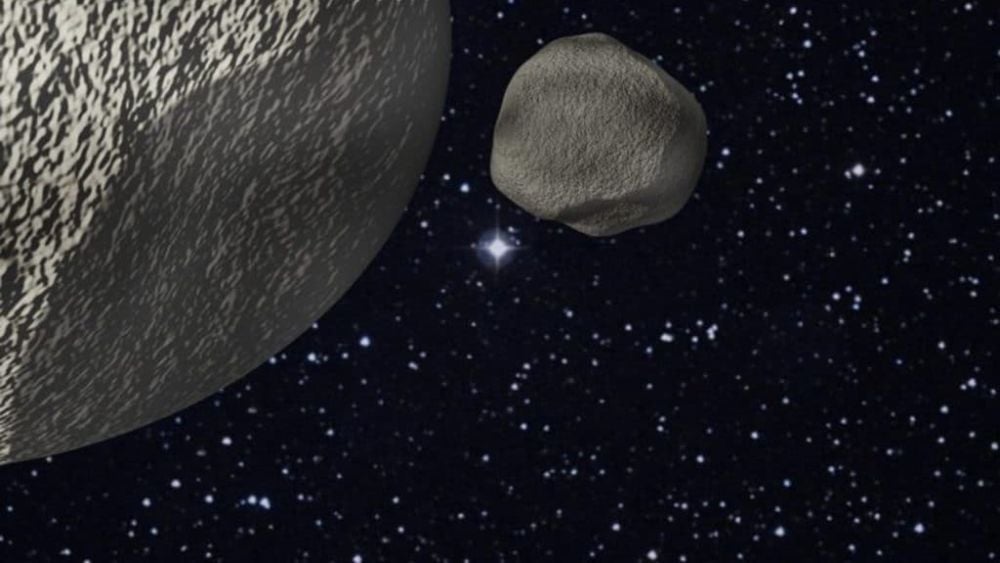
Trans-Neptunian Objects reside in the distant Solar System as remnants of the System's early days. They follow unusual orbits and range in colour from reds to greys. New research uses their colours and orbits to show how a stellar flyby can account for their modern-day orbits.
Continue reading
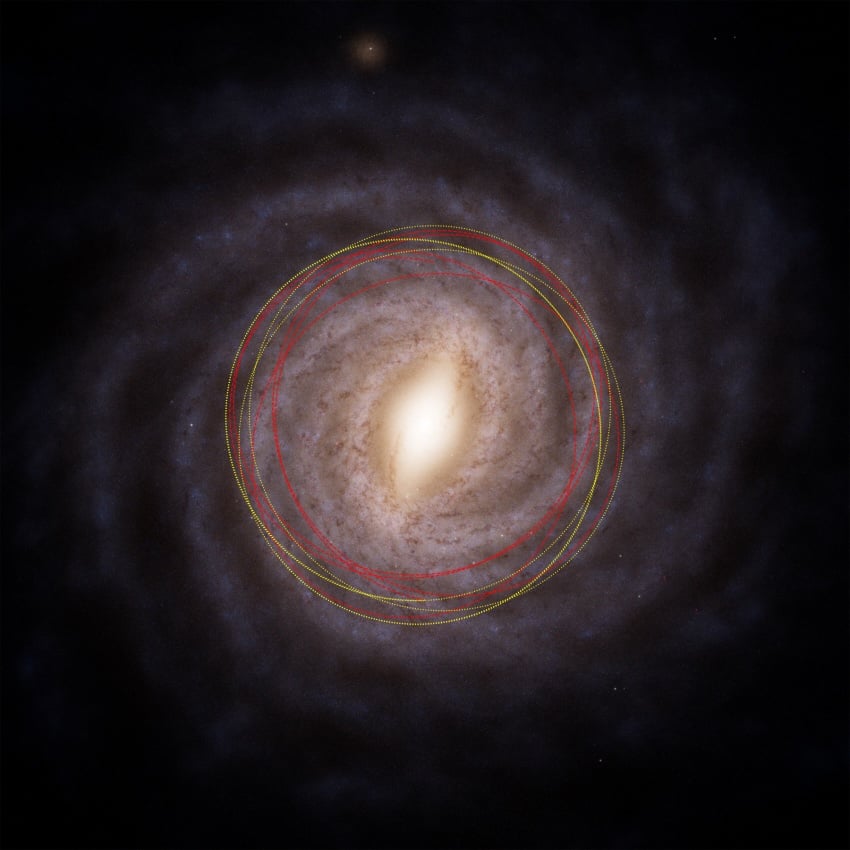
All eyes are on the newly discovered interstellar object 3I/ATLAS, currently inbound to the inner solar system. Initial observations have revealed that it's rich in water ice, and it's believed that it originated from the Milky Way's thick disk, ancient stars that orbit above and below the galactic plane. This could mean that 3I/ATLAS is billions of years older than the Solar System, the oldest comet ever discovered. It should reveal more as it heats up and outgasses as it gets closer to the Sun.
Continue reading

When we leave Earth, we have to bring everything with us, from the air we breathe to the food we eat. For example, a 6-person, 1000-day mission might require 108 tonnes of food. In a new paper, researchers suggest ways that synthetic biology could allow us to convert local resources, regenerate resources in closed-loop environments, protect explorers from radiation, and create custom medicine on demand to support long-term space exploration.
Continue reading
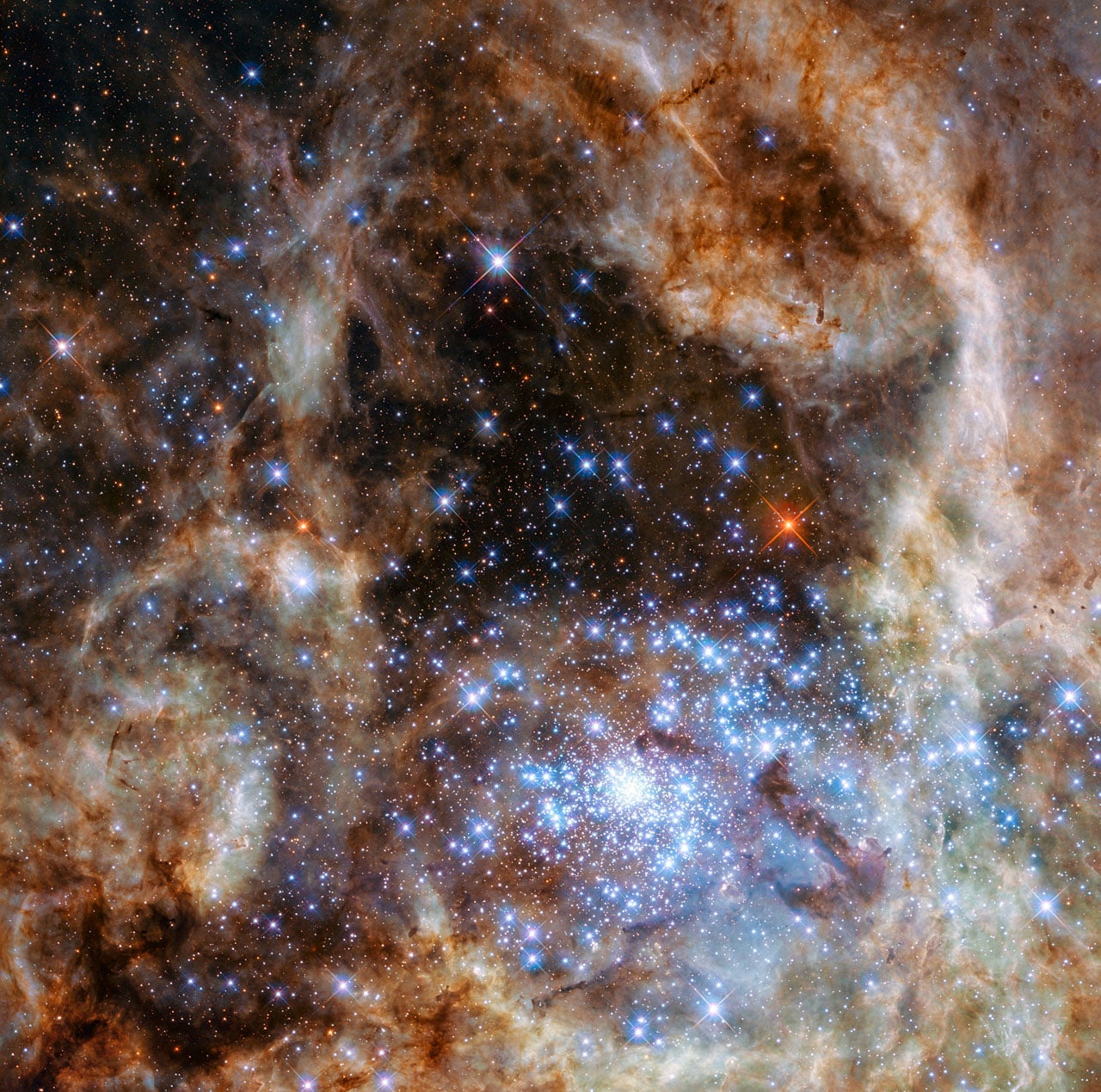
Very massive stars (VMSs)have had a massive impact on the formation of our universe. However, there aren’t very many of them, with only around 20 known specimens in the Milky Way and Large Magellanic Cloud. Even observing those is difficult for the current generation of telescopes, which is where an unexpected technological champion might play a role. According to a new paper by Fabrice Martins of CNRS and a group of European and American researchers, the upcoming Habitable World Observatory (HWO) might be our most useful tool when it comes to finding these elusive giants.
Continue reading
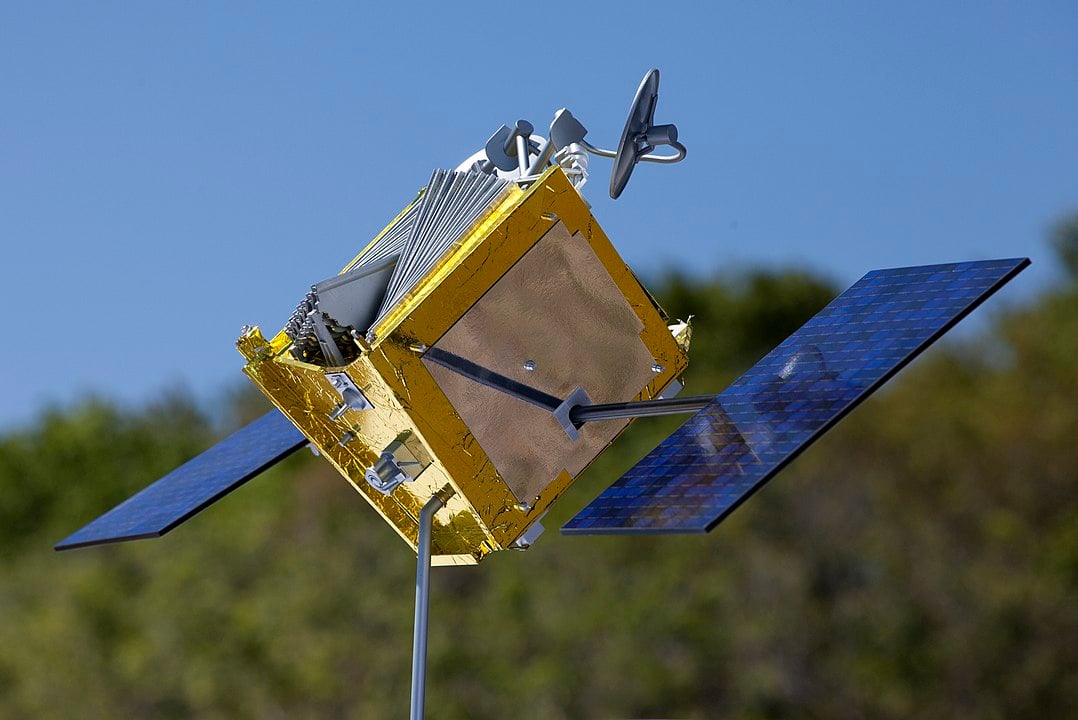
Our quest for universal internet is stealing the stars. Thousands of satellites now travelling across the night sky are far brighter than international safety limits, turning what was once humanity's window to the cosmos into a highway of artificial lights. New research reveals that major constellations like Starlink and OneWeb are breaking the brightness rules designed to protect both cutting edge astronomy and the simple joy of stargazing potentially robbing future generations of the dark skies that have inspired wonder for centuries.
Continue reading
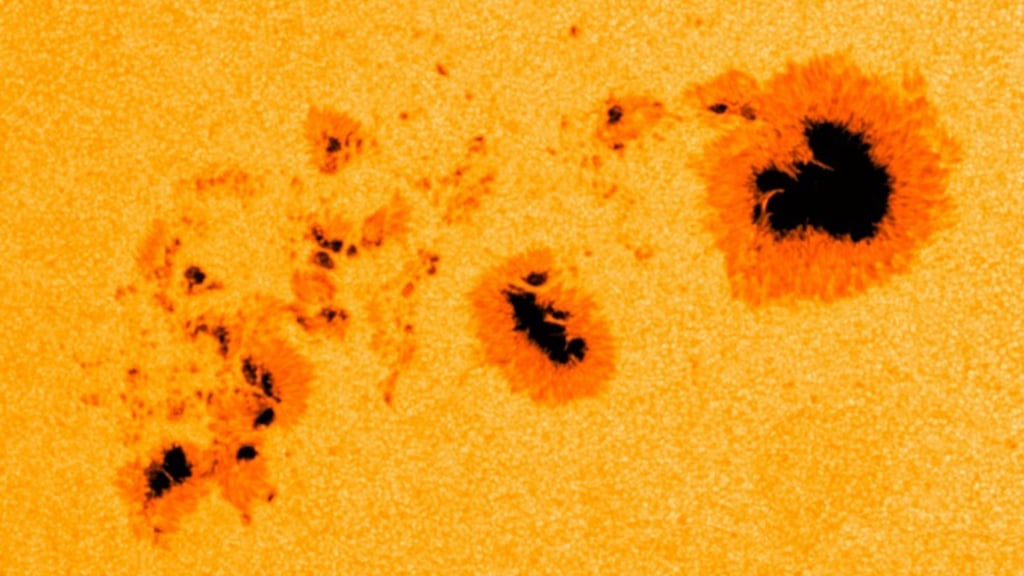
For over four centuries, the dark blemishes on our Sun's surface have puzzled astronomers. Now, German scientists have cracked the code behind sunspot stability, revealing how these Earth sized magnetic monsters, each powerful enough to rival an MRI machine yet spanning areas larger than our entire planet, maintain their grip on the solar surface for weeks or months at a time. This breakthrough not only solves one of astronomy's oldest mysteries but could revolutionize our ability to predict the explosive solar storms that threaten our satellite dependent world.
Continue reading
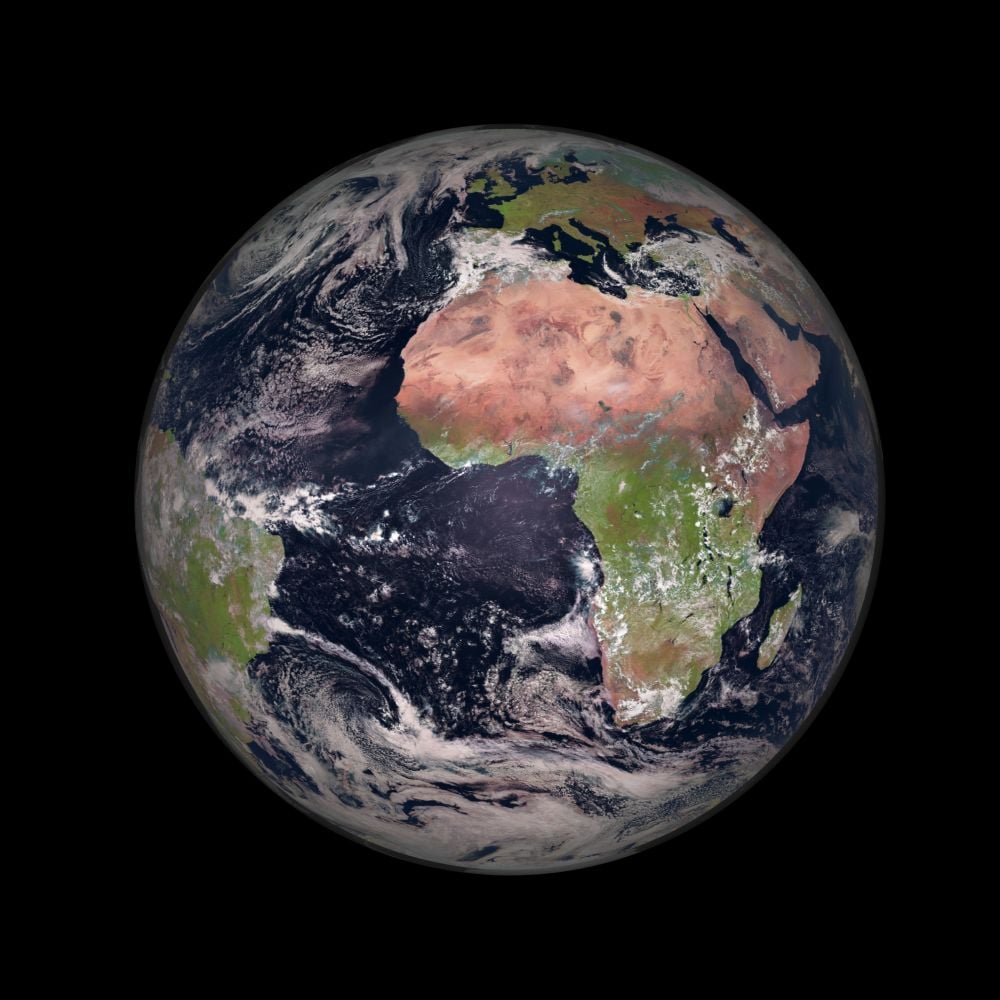
The source of Earth's water is one of the most compelling questions facing scientists. Earth's habitability depends on multiple factors, but water is the basis for life, and it had to come from somewhere. Did comets and meteorites deliver it after Earth formed? Or did water become part of our planet as it formed?
Continue reading
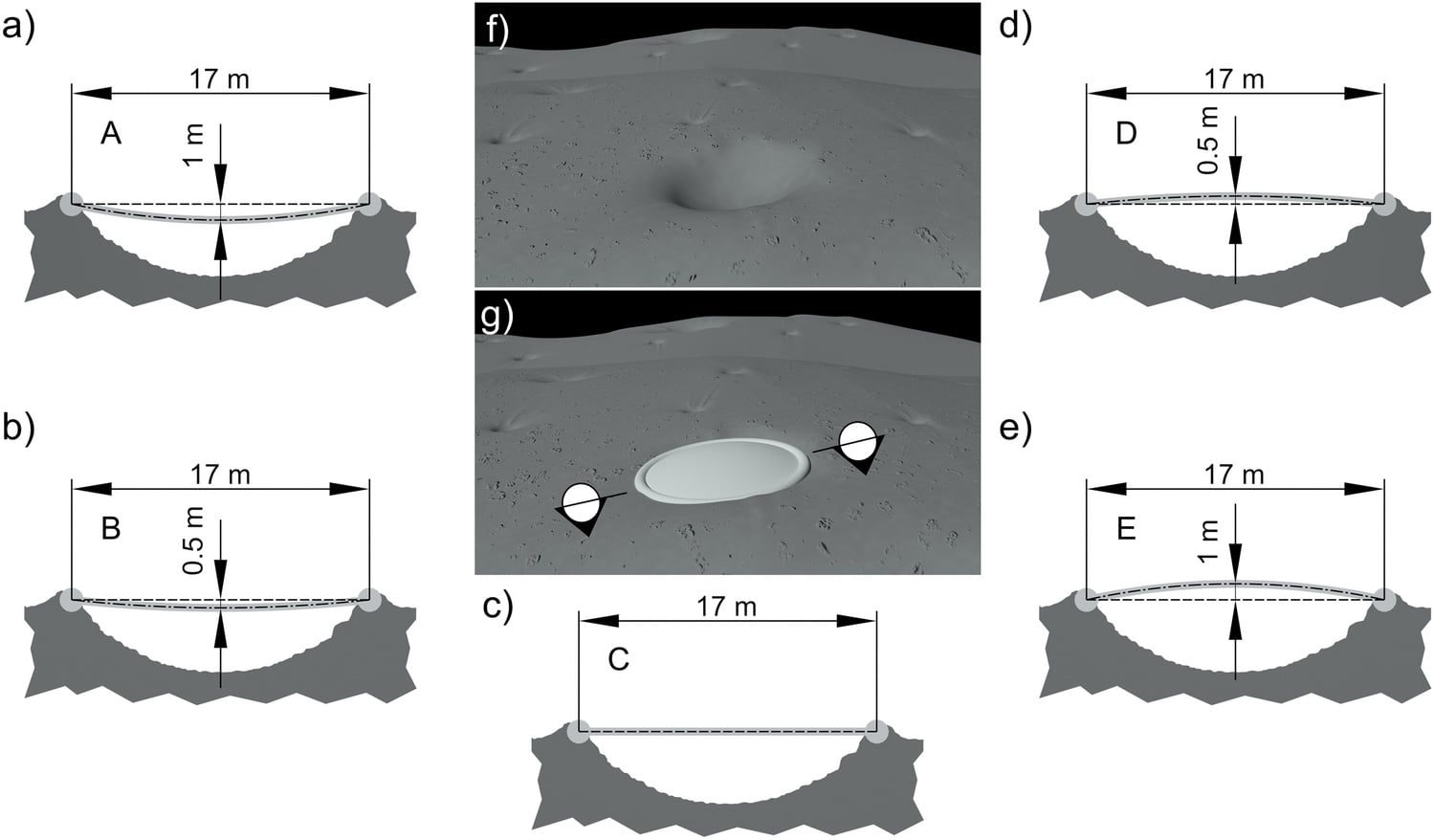
When astronauts live on the Moon permanently, they're going to need a safe habitat, ideally made out of local construction material. A new paper suggests that lunar astronauts could cover a 17-meter crater with a dome made from a lunar regolith-based geopolymer. A 3D printer would extrude a paste made of lunar regolith that would be sintered together into the shape of the dome. This would provide protection from radiation and could even maintain a pressurized habitat.
Continue reading
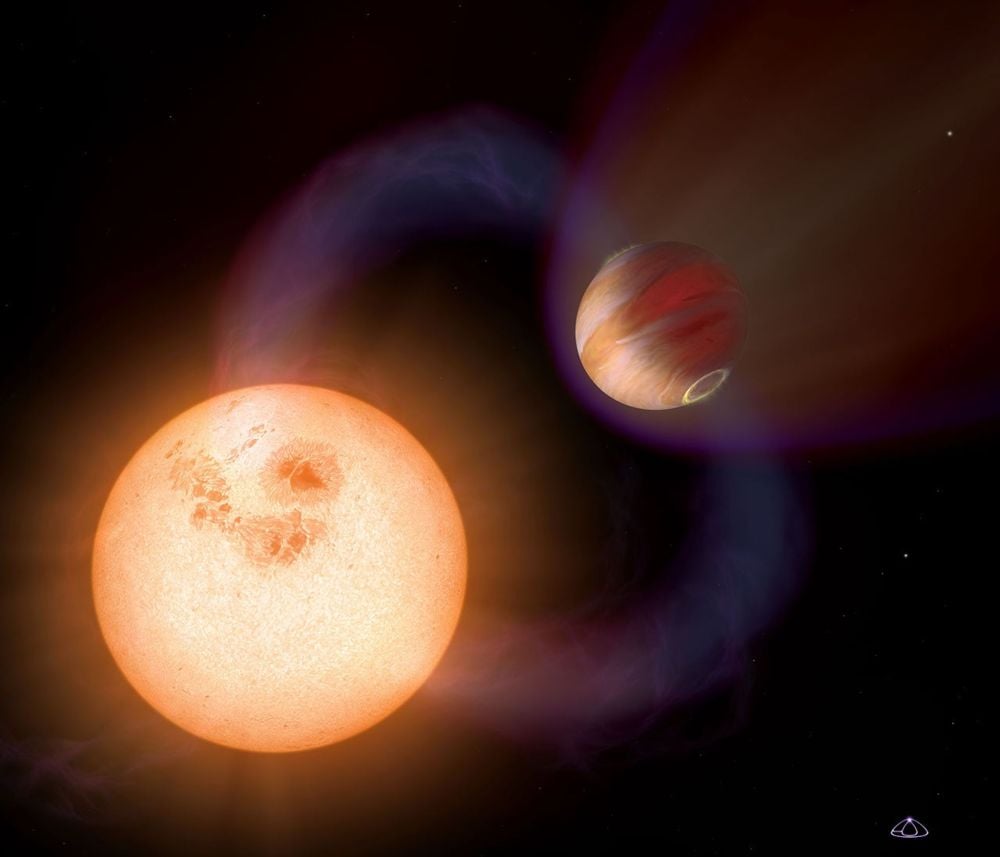
An international team of astronomers have discovered an Earth-size exoplanet on a very tight orbit around its star. It completes an orbit in only 5 hours and 22 minutes. Unfortunately, the planet will either be torn to pieces or crash into its star in about 31 million years.
Continue reading
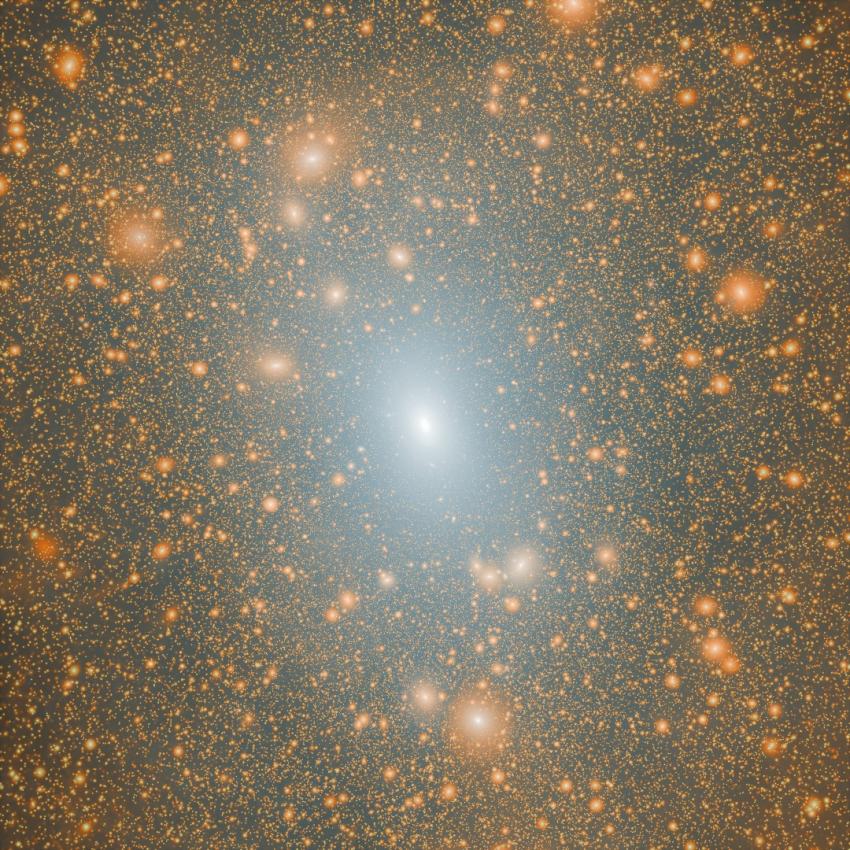
The Milky Way is surrounded by about 60 satellite galaxies. The famous ones are the Large and Small Magellanic Clouds. But according to a new simulation, the Milky Way could have 80 and even 100 satellite galaxies that we haven't detected so far. These galaxies will be hard to find. They've had most of their mass stripped by the gravity of the Milky Way's halo. But new telescopes like Vera Rubin should be able to spot them.
Continue reading

Sometimes in order to support an idea, you first have to discredit alternative, competing ideas that could take resources away from the one you care about. In the scientific community, one of the most devastating ways you can do that is by making the other methods appear to be too expensive to be feasible, or, better yep, prove they wouldn’t work at all due to some fundamental limitation. That is what a recent paper by Dr. Slava Turyshev, the world’s most prominent proponent of a Solar Gravitational Lens (SGL) telescope mission, does. He examines how effective alternative telescope technologies would be at creating a 10x10 pixel map of an exoplanet about 32 light years away. Unsurprisingly, there’s only one that is able to do so without giant leaps and bounds in technology development - the SGL telescope.
Continue reading
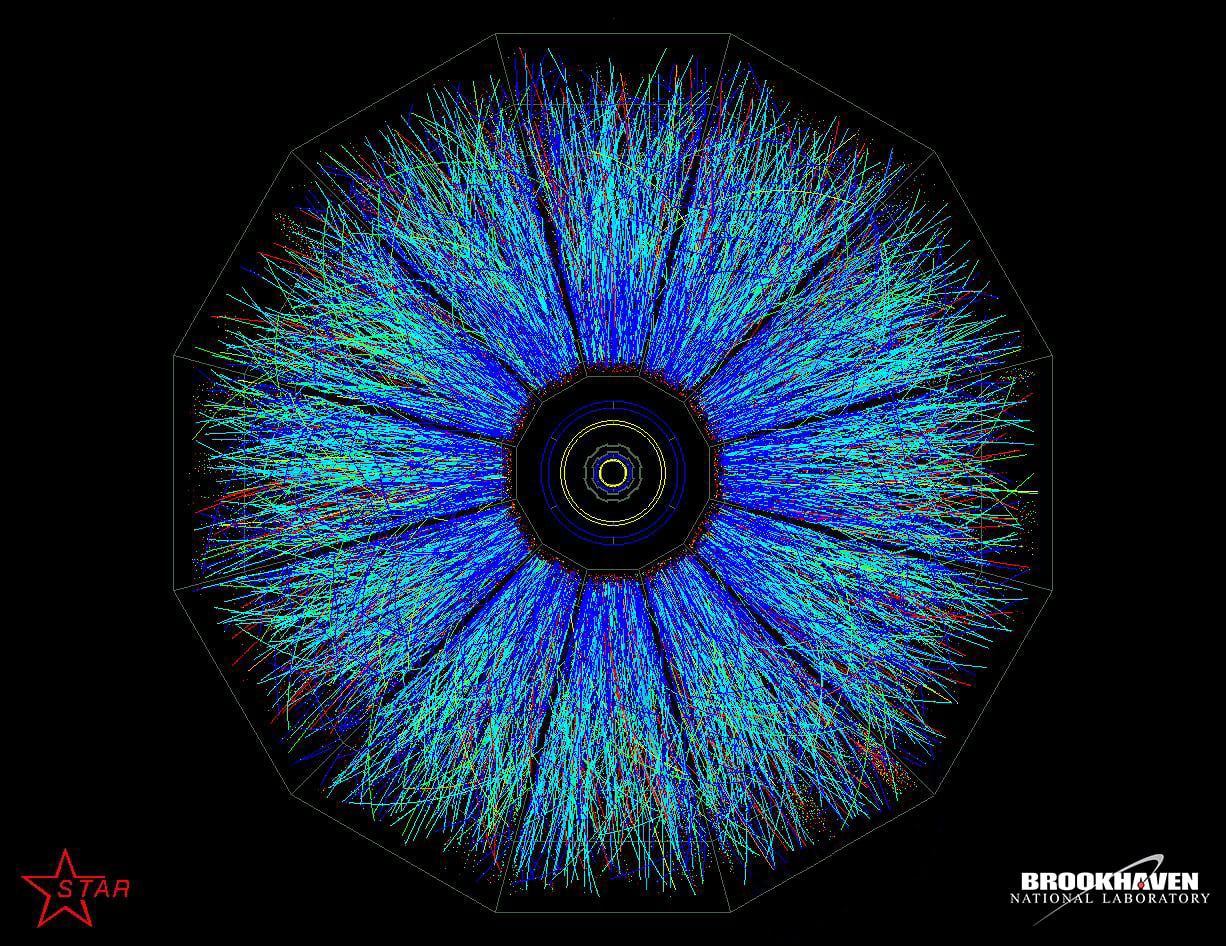
Scientists have recreated the universe's first moments by smashing atomic nuclei together at near-light speeds, generating temperatures 1,000 times hotter than the Sun's core and briefly forming the same "soup" of fundamental particles that existed microseconds after the Big Bang. In this groundbreaking research, heavy particles act like tiny cosmic detectives, moving through this primordial matter and revealing how the chaotic early universe transformed into the structured reality we see today. By understanding how these massive particles behave under the most extreme conditions imaginable, researchers are essentially reading the universe's origin story written in the language of fundamental physics.
Continue reading

China is poised to make space exploration history again with its Tianwen-3 mission launching in 2028. With the audacious plan to drill two meters beneath Mars' radiation blasted surface it aims to collect samples that could harbor ancient microbial life, and bring them back to Earth for the first time in human history! The mission's most intriguing challenge isn't the technical feat of interplanetary sample return, it’s the quarantine protocols required once these potentially life containing samples arrive on Earth making this mission as much about protecting our planet as it is about exploring another.
Continue reading

A 14year study of Hong Kong's Earth Hour participation has revealed that it's not the millions of apartment windows or office buildings that steal our night sky, but rather a small handful of brightly lit skyscrapers and LED advertising boards that have an outsized impact on darkness above cities. When these decorative lights and digital screens go dark, the night sky becomes up to 50% darker, offering a hopeful new strategy for tackling light pollution without requiring massive citywide changes. Could this be he the change that dramatically improve night sky visibility for stargazers, wildlife, and anyone hoping to reconnect with the the night sky above our urban landscapes?
Continue reading
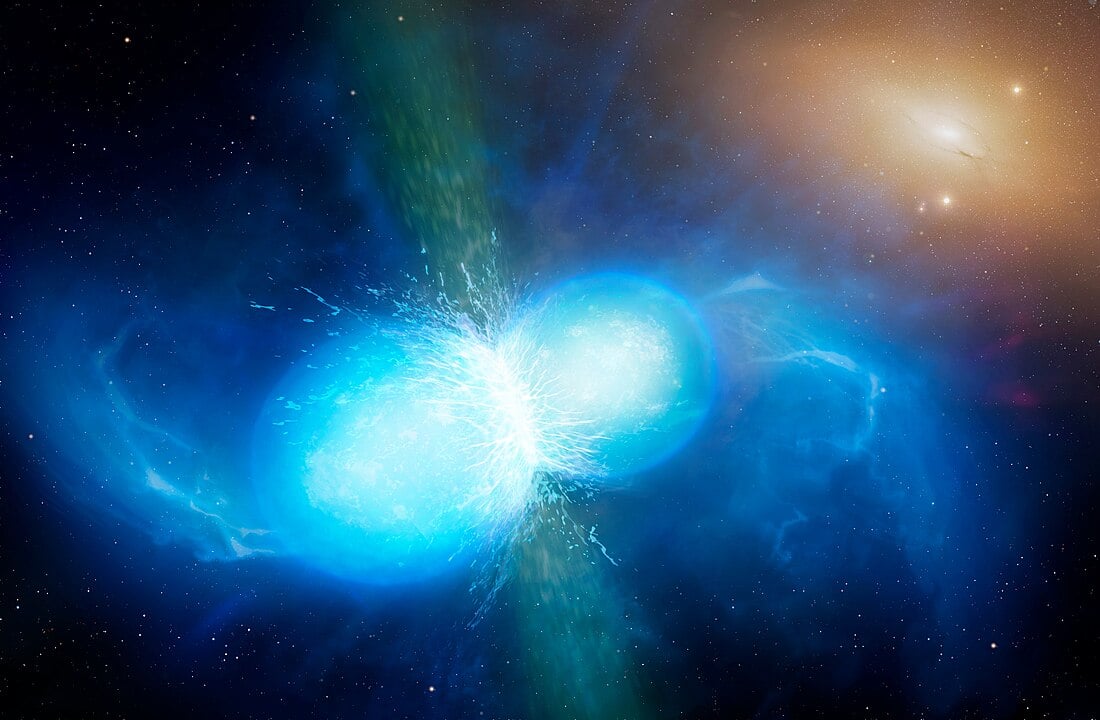
When Einstein's predicted ripples in spacetime pass through magnetic fields, they cause the current carrying wires to dance at the gravitational wave frequency, creating potentially detectable electrical signals. Researchers have discovered that the same powerful magnets used to hunt for dark matter could double as gravitational wave detectors. This means experiments already searching for the universe's most elusive particles could simultaneously capture collisions between black holes and neutron stars, getting two of physics' most ambitious experiments for the price of one, while potentially opening entirely new windows into the universe's most violent events.
Continue reading
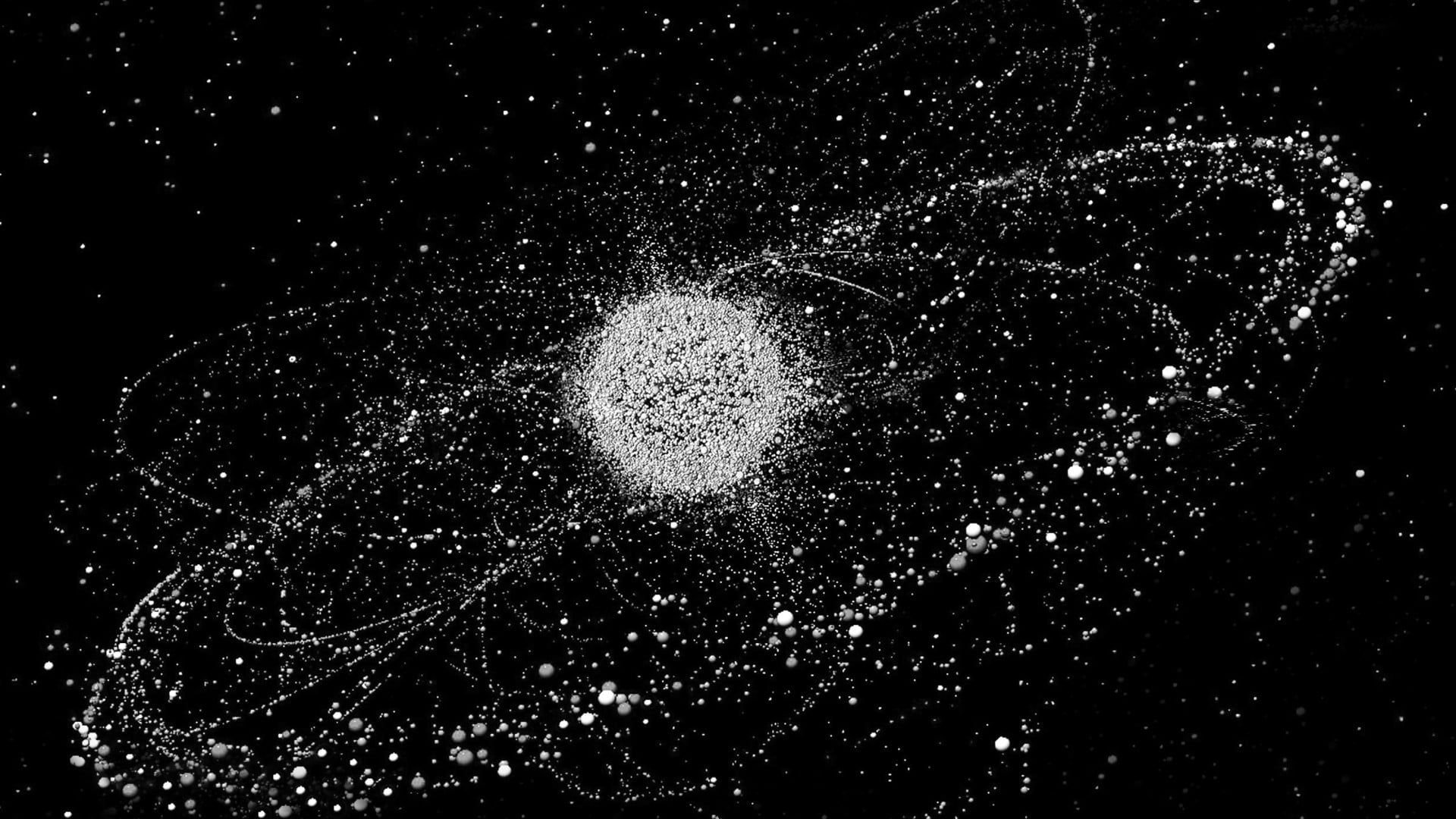
There are tens of thousands of pieces of space debris hurling around the Earth right now. Since it can cost tens of millions of dollars to remove just a single piece of space debris, which are the ones that we should be most concerned with? A few years ago, 11 teams of experts came together to rank the 50 most concerning pieces of debris, the ones that they think would be the highest priority. Although they used different approaches, 20-40% of the objects ended up on several experts' lists.
Continue reading
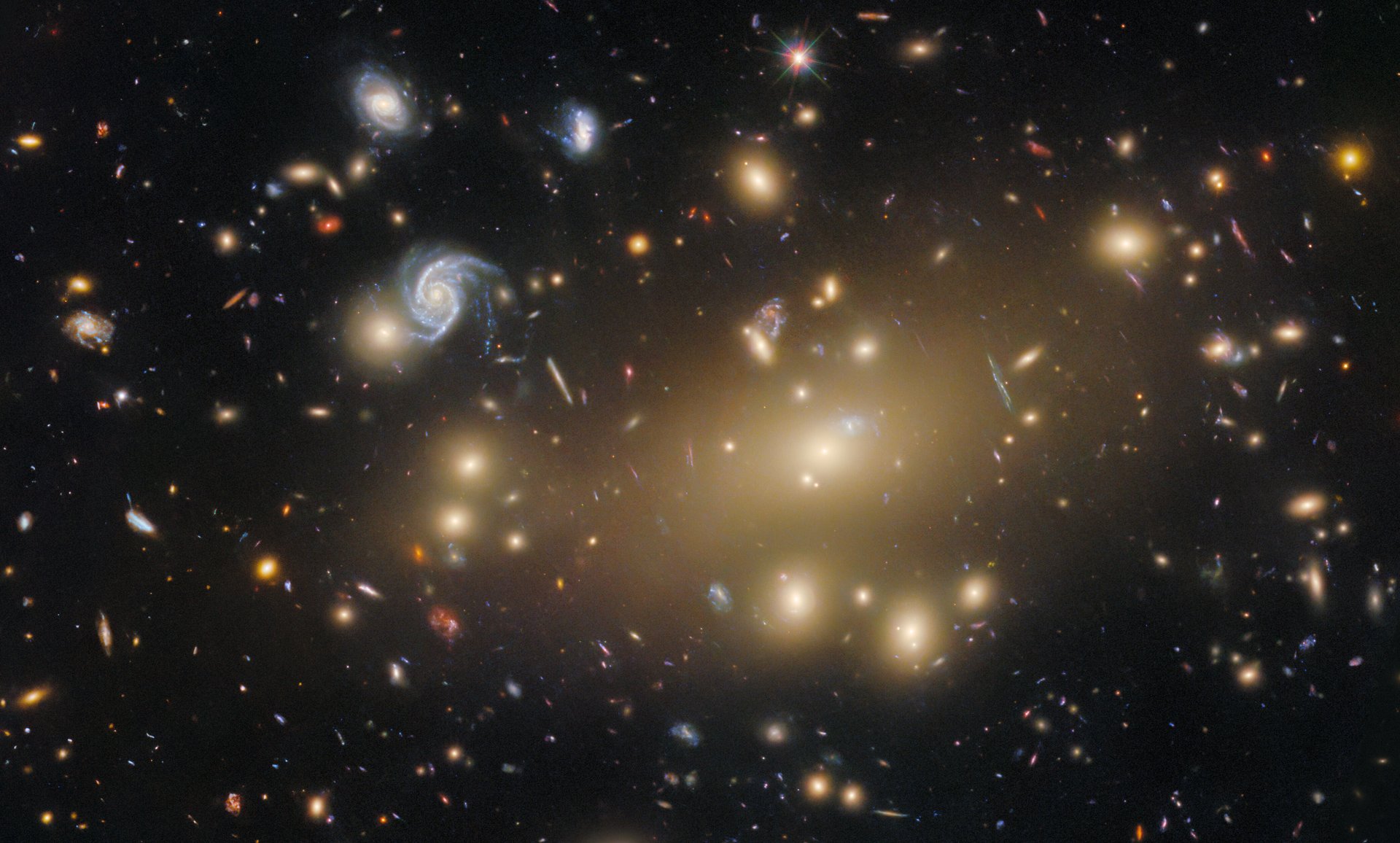
Portrait of a galaxy cluster
Continue reading
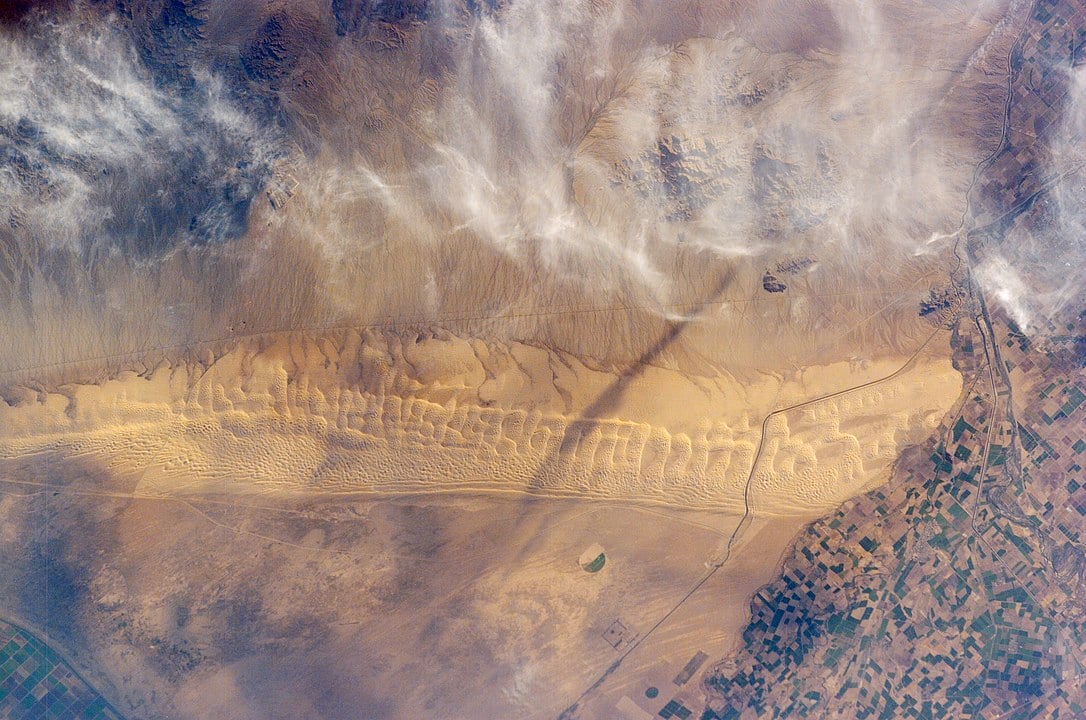
Armed with a drone and a device which is a cross between a scoop and a spatula, a graduate student is cracking the code of Mars by studying California's desert dunes. By comparing wind carved patterns in the Algodones Desert with satellite images of the Red Planet, researchers are creating humanity's first comprehensive database of Martian sand formations, work that could determine where future astronauts can safely establish bases without getting buried alive. Her pioneering research proves that sometimes the keys to exploring alien worlds aren't found in billion dollar space missions, but in the shifting sands right here on Earth.
Continue reading
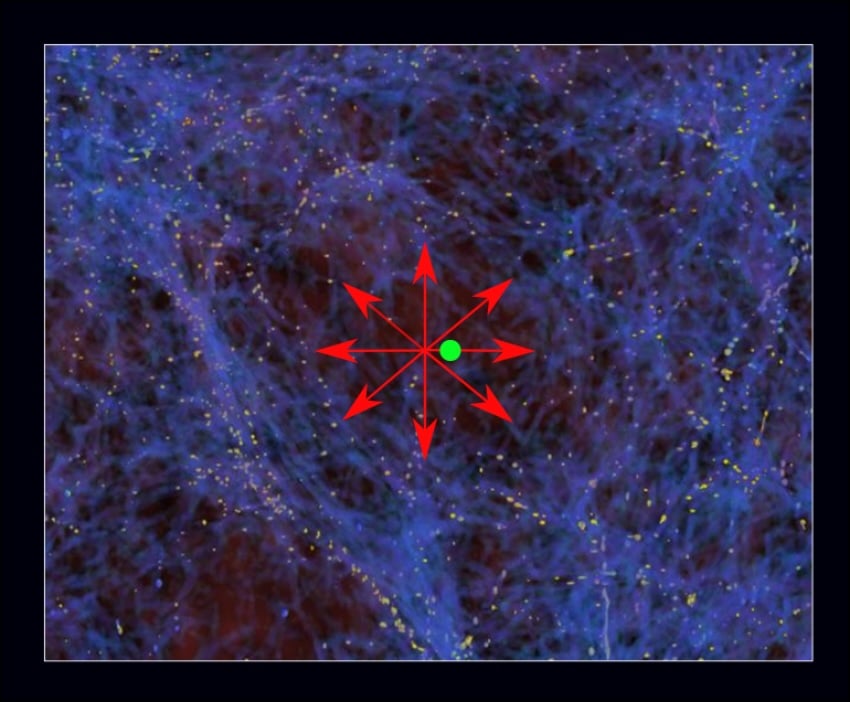
It's assumed that our region of the Universe isn't special, and the Hubble Tension, or mismatch of expansion rates of the Universe at different times, is happening everywhere. But what if our place is unusual, for example, if the Milky Way is inside a lower-density region of the Universe, with stronger gravity pulling material away from us in all directions? A new paper suggests we might be in a void that's emptying out towards higher-density regions all around us.
Continue reading
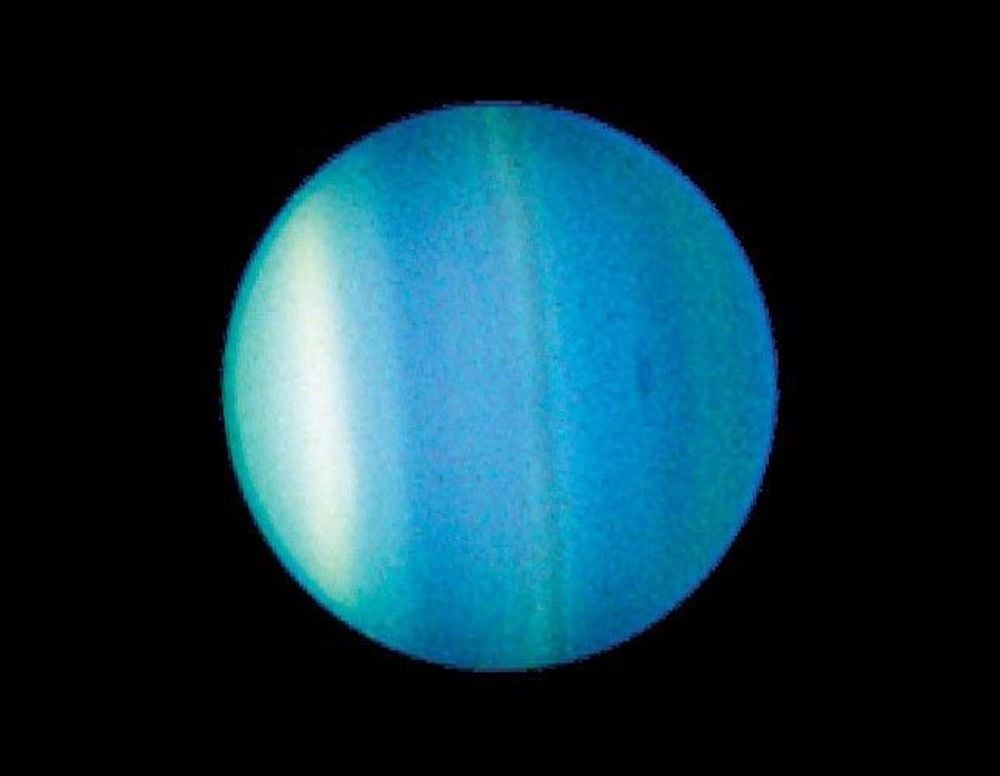
Hidden in the darkness between Uranus and Neptune, a team of astronomers have discovered a small world locked in a million year gravitational waltz with Uranus. The asteroid enjoying this celestial dance with Uranus completes exactly three orbits for every four of the ice giant, representing the first known stable partnership of its kind in this remote region of the Solar System. The discovery proves that even in the apparent chaos of space, there are elegant mathematical relationships that have persisted, revealing new secrets about how gravitational forces sculpt the architecture of our planetary system.
Continue reading
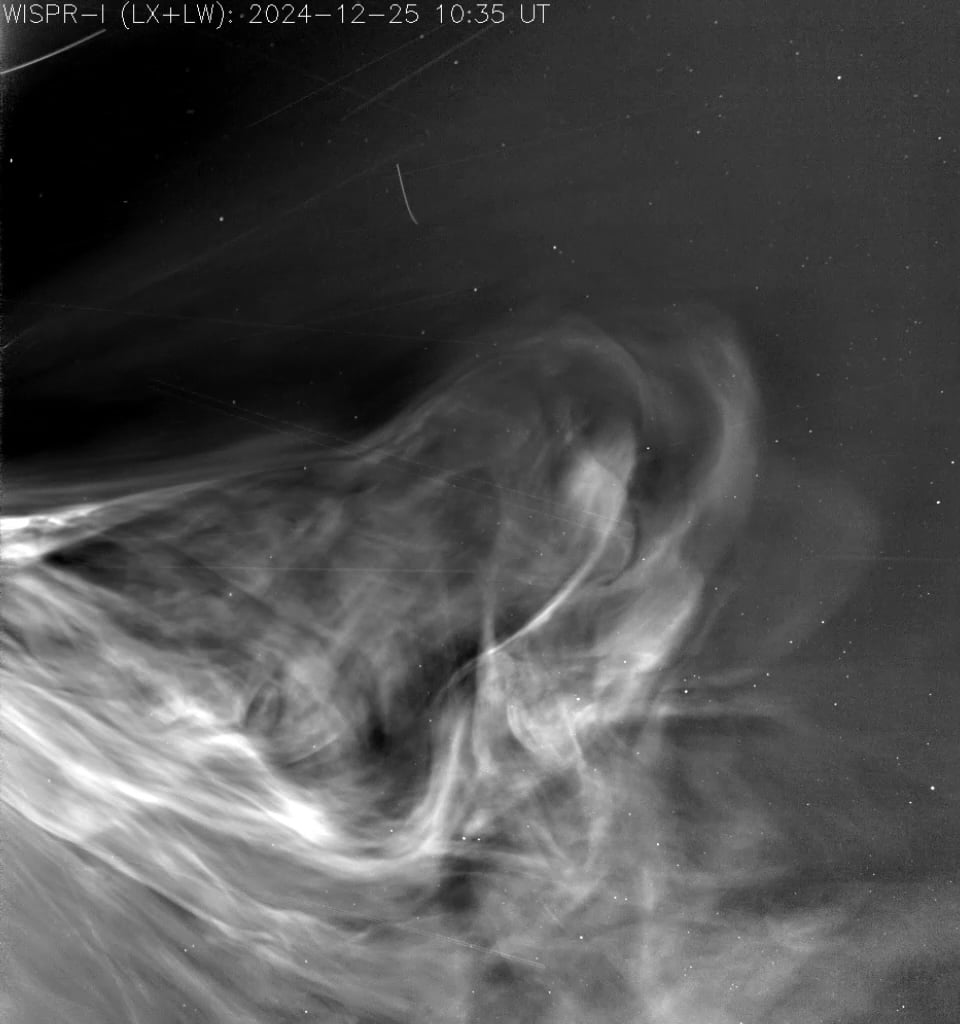
December 24th, 2024, NASA's Parker Solar Probe made its closest approach to the Sun so far, coming within just 6.1 million km from the surface of the Sun. During this flyby, it captured data and images, including this incredible picture using the Wide Field Imager for Solar Probe, or WISPR. In this WISPR image, you can see the corona and solar wind, charged particles coming from the Sun, hurled across the Solar System. The next pass will happen in September.
Continue reading
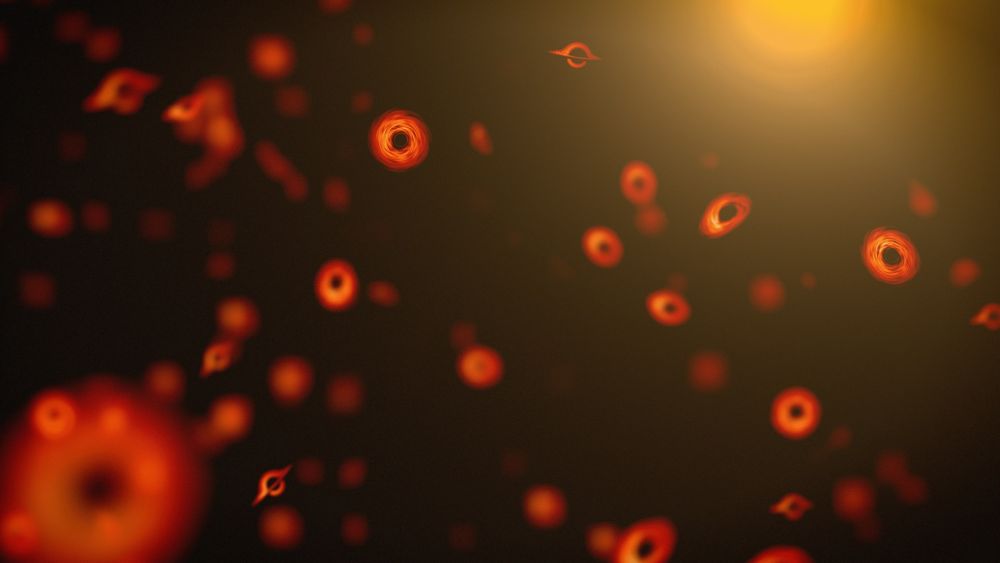
Close encounters with massive objects can alter the orbits of planets around their stars. Stellar flybys can change planetary orbits, and may be responsible for some of the rogue or free-floating planets astronomers have discovered. But stars aren't the only massive objects out there, and new research suggests that primordial black holes may alter the orbits of exoplanets.
Continue reading
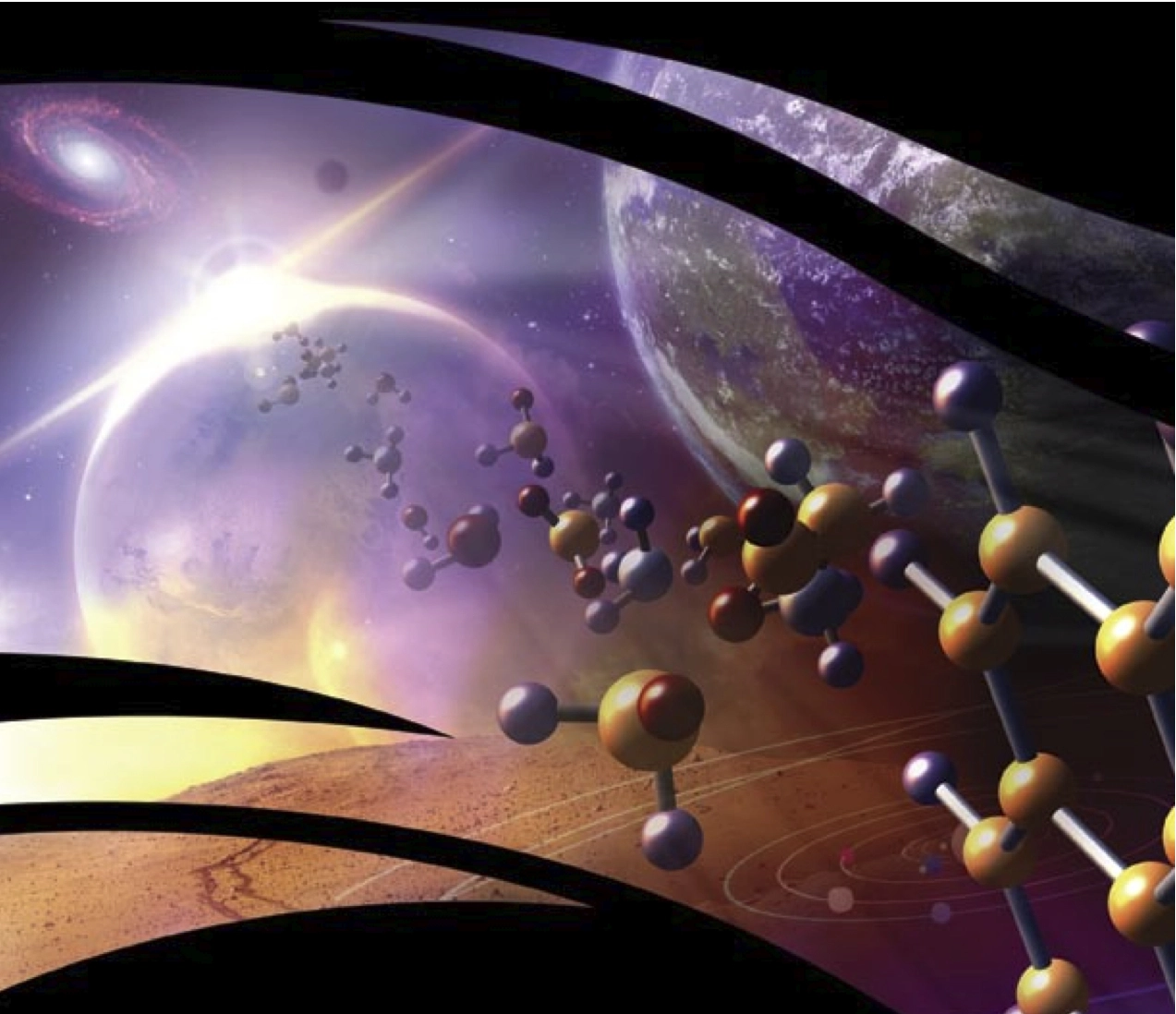
Astrobiology can be split into two very distinct fields. There’s the field that astronomers are likely more familiar with, involving large telescopes, exoplanets, and spectroscopic signals that are pored over to debate whether they show signs of life. But there is another camp, collective known as the Origins researchers that focus on developing a scientific understanding of how life originally developed on Earth. A new paper from Cole Mathis at Arizona State and Harrison B. Smith at the Institute of Science in Tokyo suggests a new path forward to tackling those challenges - set them up as competitions and let a hefty prize motivate scientific teams and individuals to pursue them.
Continue reading
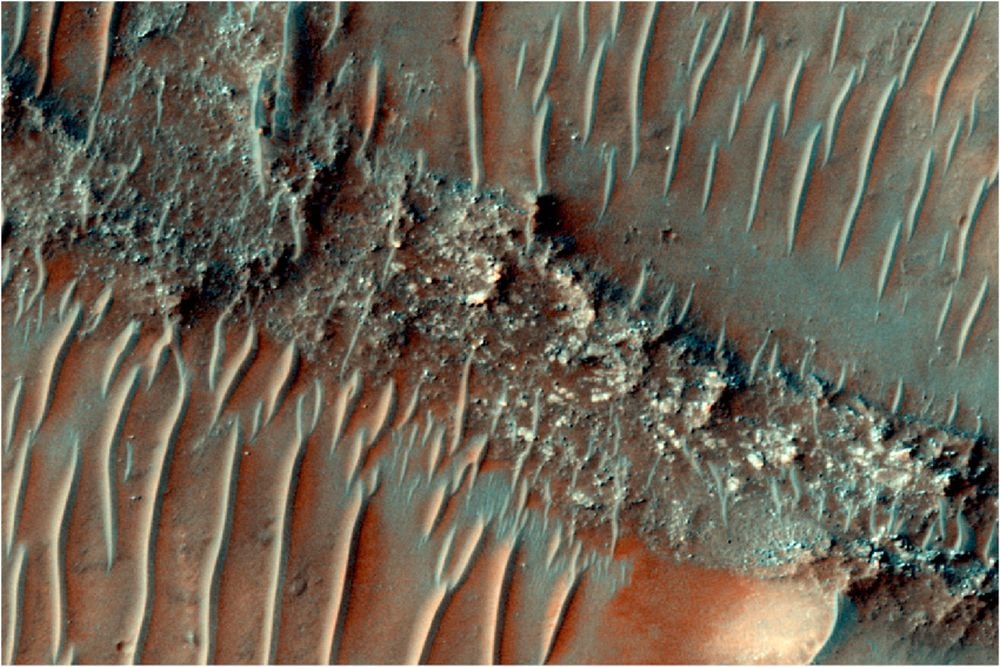
In the last couple of decades, evidence has accumulated showing that ancient Mars was a warm planet with abundant water flowing across its surface. The more scientists study the planet, the more evidence they find. New research examining Mars' Noachis Terra region adds to this evidence, showing that flowing water was once widespread across this less-often studied region.
Continue reading
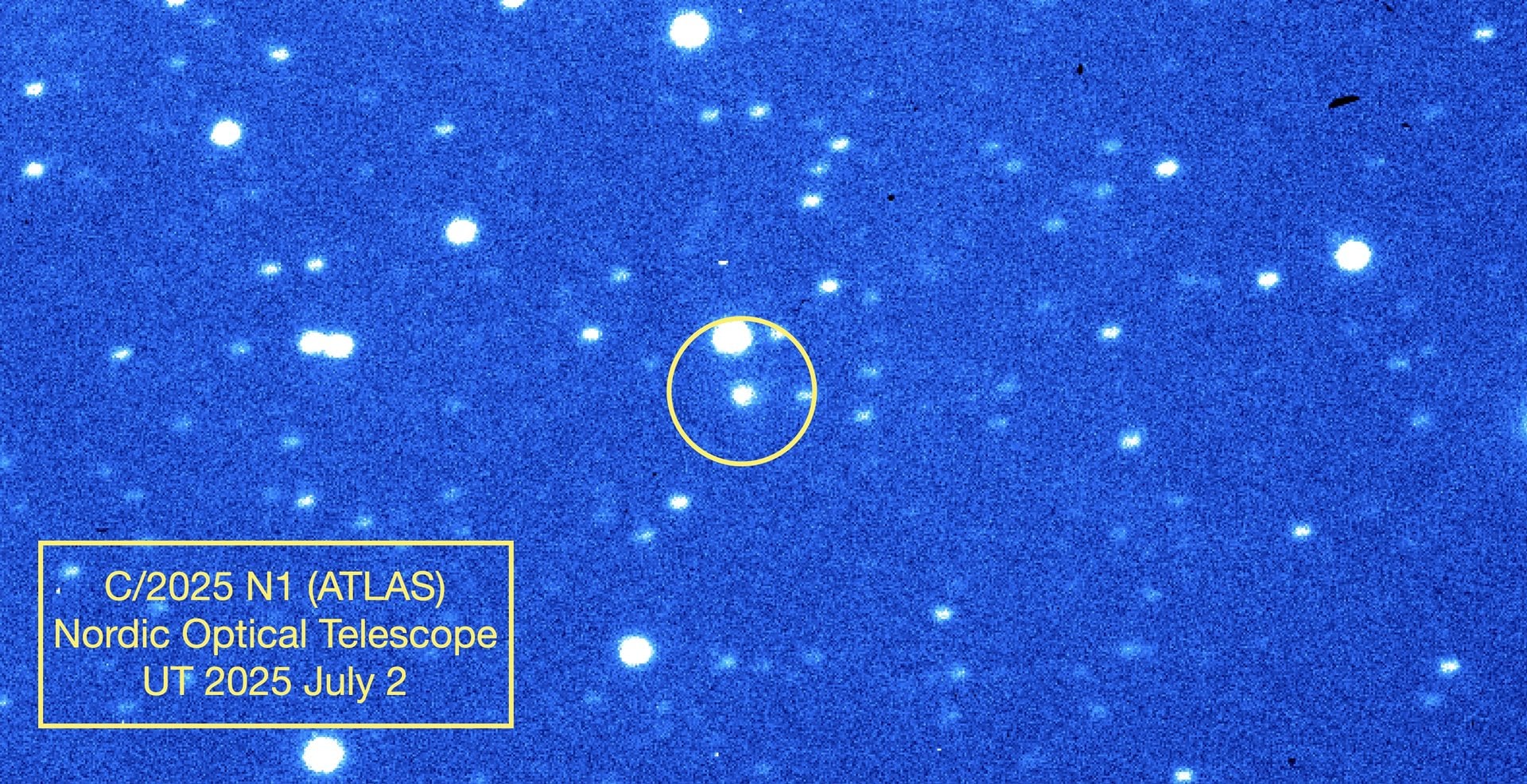
It’s the question of the hour. On the first day of the month July 1st, the Asteroid Terrestrial-impact Last Alert System (ATLAS) station at Río Hurtado, Chile spotted an interstellar interloper, which would receive the official designation C/2025 N1 ATLAS or 3I/ATLAS. The ‘I’ is a rare ‘interstellar’ designation, only the third such object known of after 1I/ʻOumuamua and 2/I Borisov.
But can we see it? Such a spectacle as actually seeing an interstellar comet would be a true rarity to cross off your skywatching life list.
Continue reading
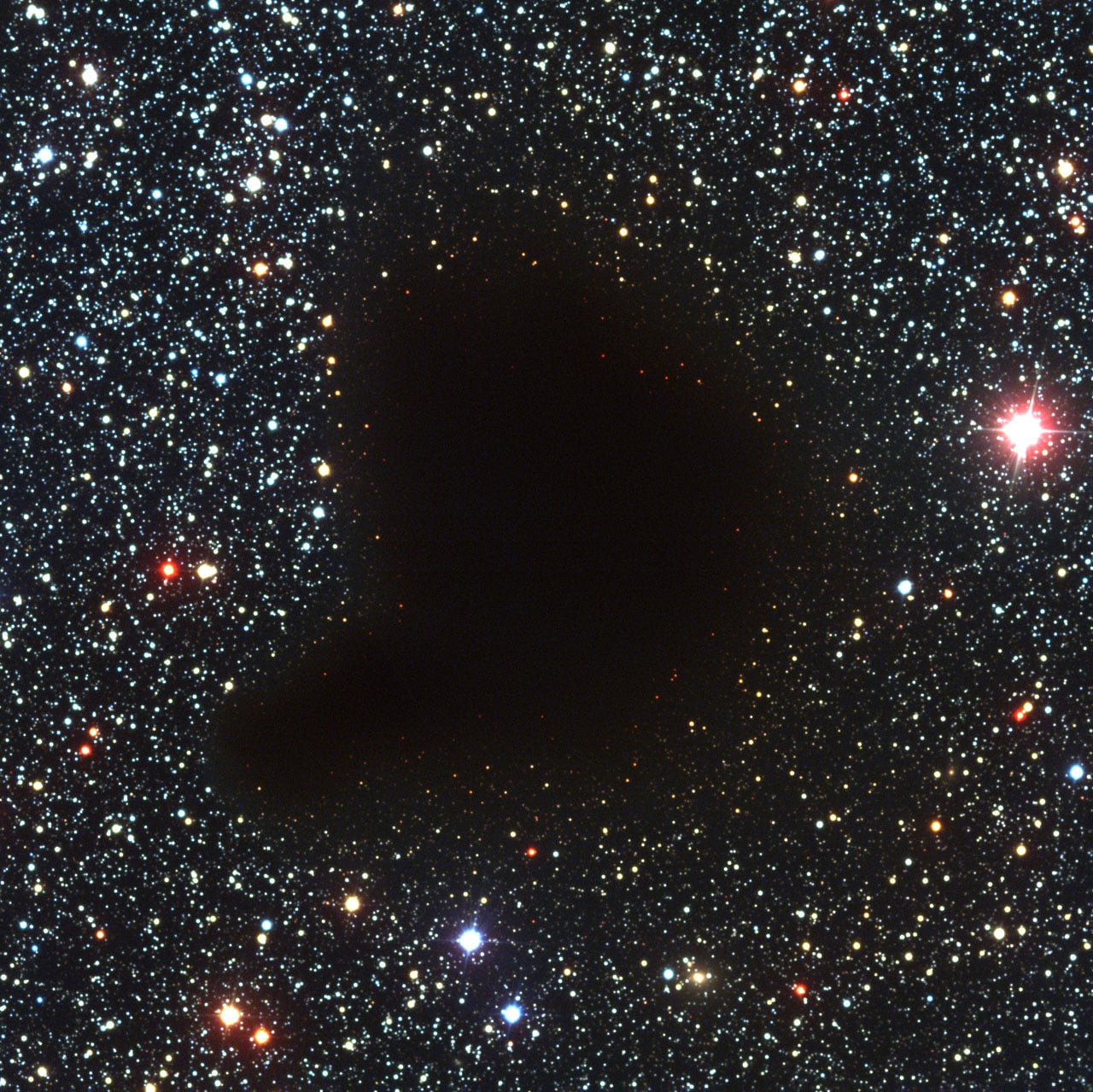
Stars don’t form out of nothing, but tracking the gas and dust that do eventually form stars is hard. They float around the galaxy at almost absolute zero, emitting essentially no light, and generally making life difficult for astronomers. But, part of how they make life difficult is actually the key to studying them - they have “absorption lines” that detail what kind of material the light is passing through on its way to Earth. A new paper from Harvey Liszt of America’s National Radio Astronomy Observatory and Maryvonne Gerin of the Sorbonne details how tracking those absorption lines via radio astronomy can trace the “dark neutral medium” of interstellar gas throughout the galaxy.
Continue reading
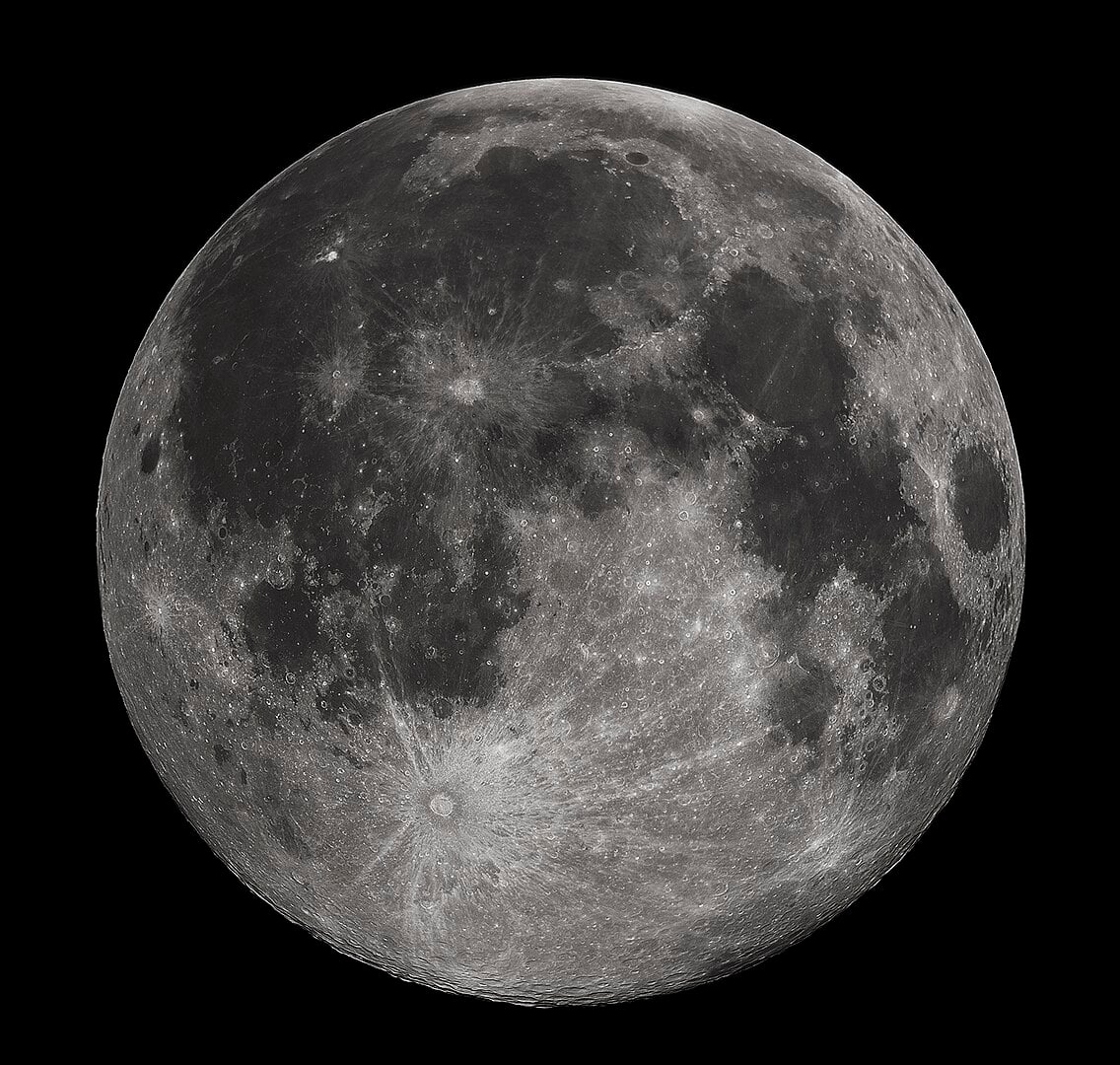
A 2.35 billion year old rock that fell from the sky in Africa is rewriting our understanding of the Moon's past. This ancient meteorite, blasted off the lunar surface has revealed that our closest neighbor remained volcanically active for nearly a billion years longer than scientists previously knew. With its unique chemical fingerprint pointing to deep lunar origins, this rare space rock proves that sometimes the most extraordinary discoveries don't require billion dollar missions, they literally drop into our laps, carrying secrets from space.
Continue reading
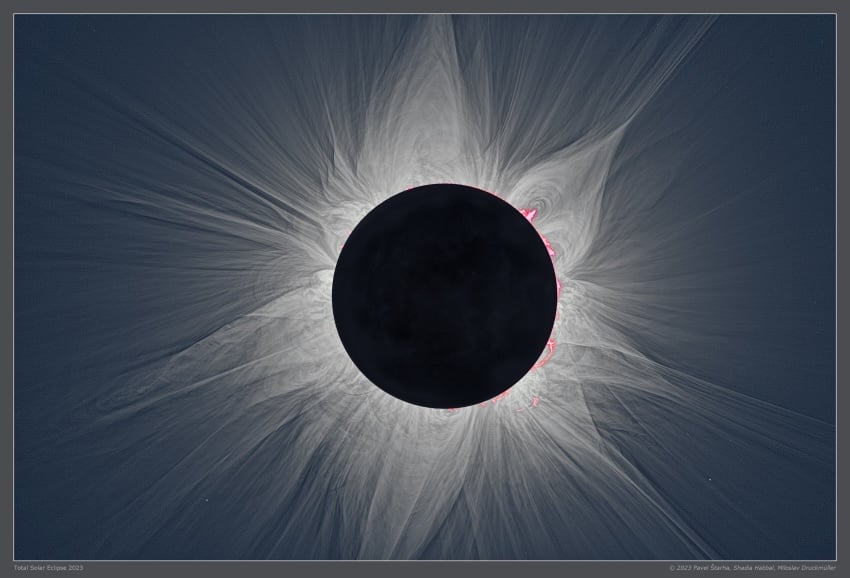
Why wait for rare solar eclipses? ESA's Proba mission can now create an artificial solar eclipse once a day. Now, a UK-led mission could do the same trick, but using the Moon's shadow to provide a 48-minute total eclipse once every lunar orbit (29.6 days). Named the Moon-Enabled Sun Occultation Mission (MESOM), the small spacecraft would align its orbit with the Moon, blocking the Sun perfectly, allowing observations of the solar atmosphere.
Continue reading
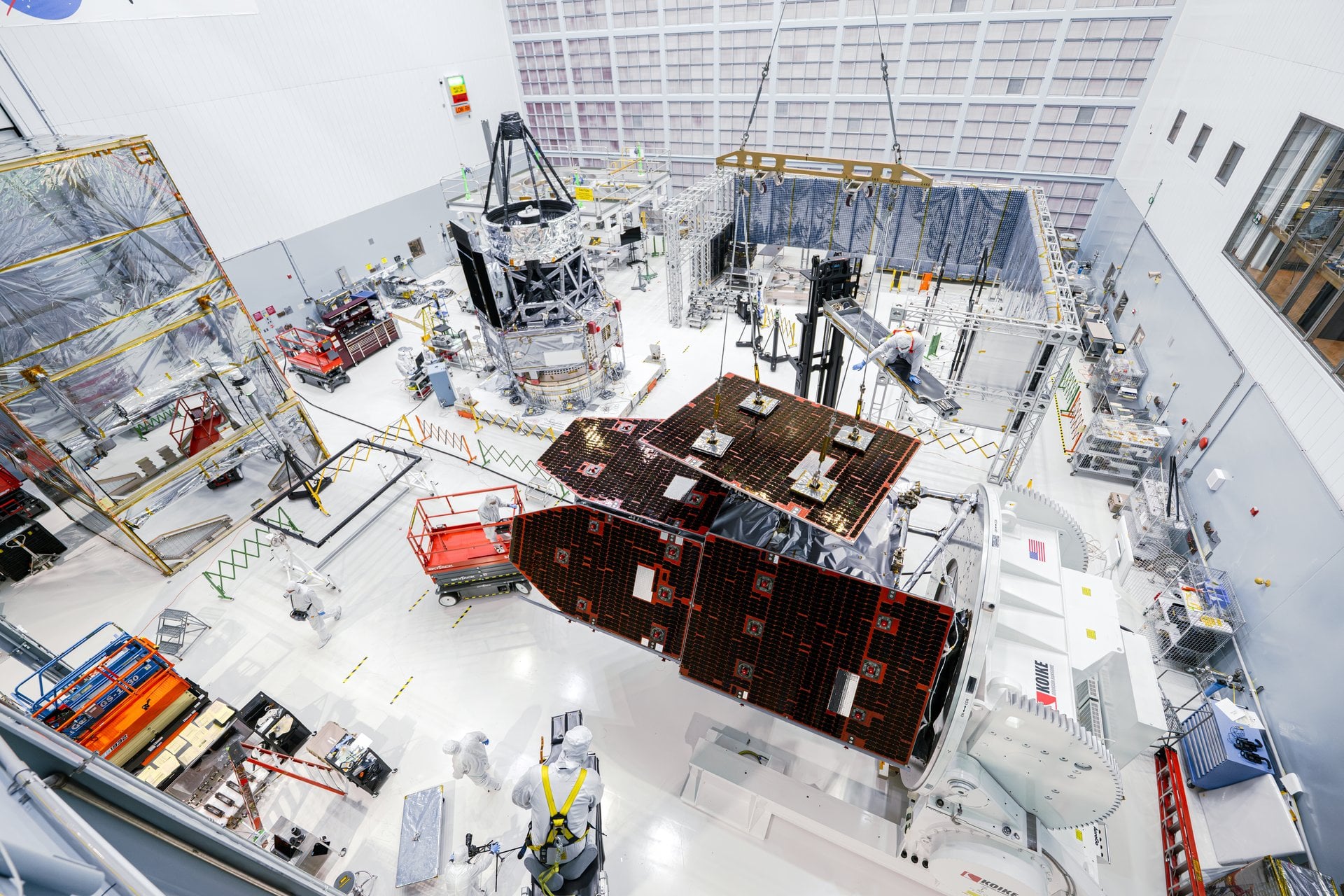
On June 14 and 16, technicians installed solar panels onto NASA’s Nancy Grace Roman Space Telescope, one of the final steps in assembling the observatory. Collectively called the Solar Array Sun Shield, these panels will power and shade the observatory, enabling all the mission’s observations and helping keep the instruments cool. “At this point, the […]
Continue reading
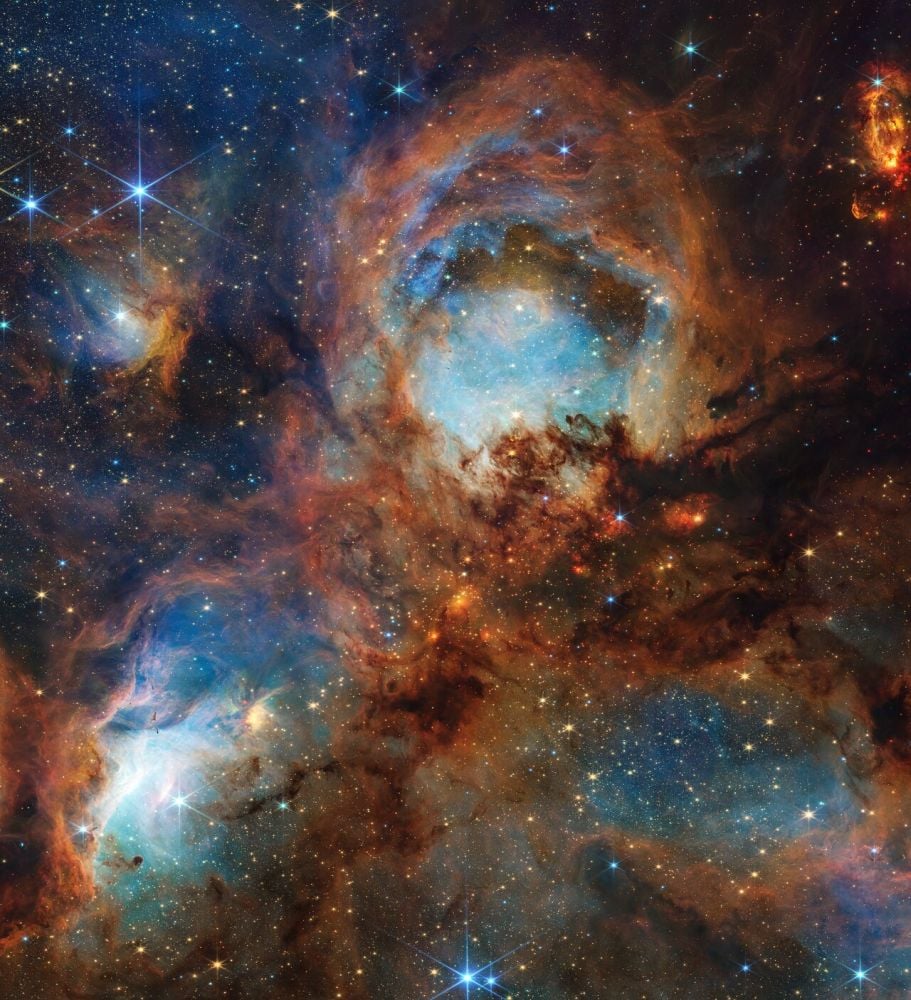
It's crazy to think that the JWST has already been working for three years. It's repeatedly impressed us not only with its powerful science observations, but also with stunning images that capture our interest even if we didn't know what we were seeing. Now, the telescope is celebrating its third anniversary with a glorious image of the Cat's Paw Nebula.
Continue reading
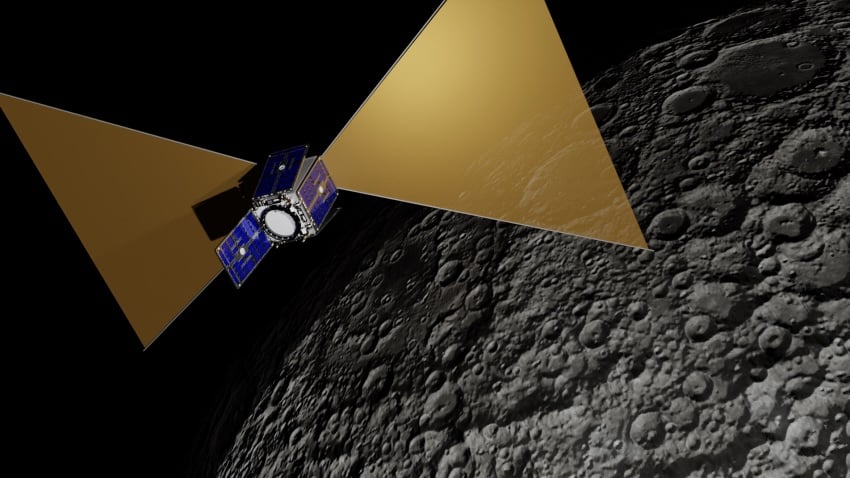
Shortly after the Big Bang, after the CMB was released, there was a time that's tricky to observe called Cosmic Dark Ages. Clouds of hydrogen could be detected at that time using a specific frequency of radio waves, but Earth's radiation introduces too much noise. Researchers are proposing a CubeSat called Cosmo Cube that could orbit the Moon, observing when it's in the quiet radio shadow cast by the Moon. It could help detect the first structures coming together, leading to the formation of the first galaxies.
Continue reading
 Universe Today