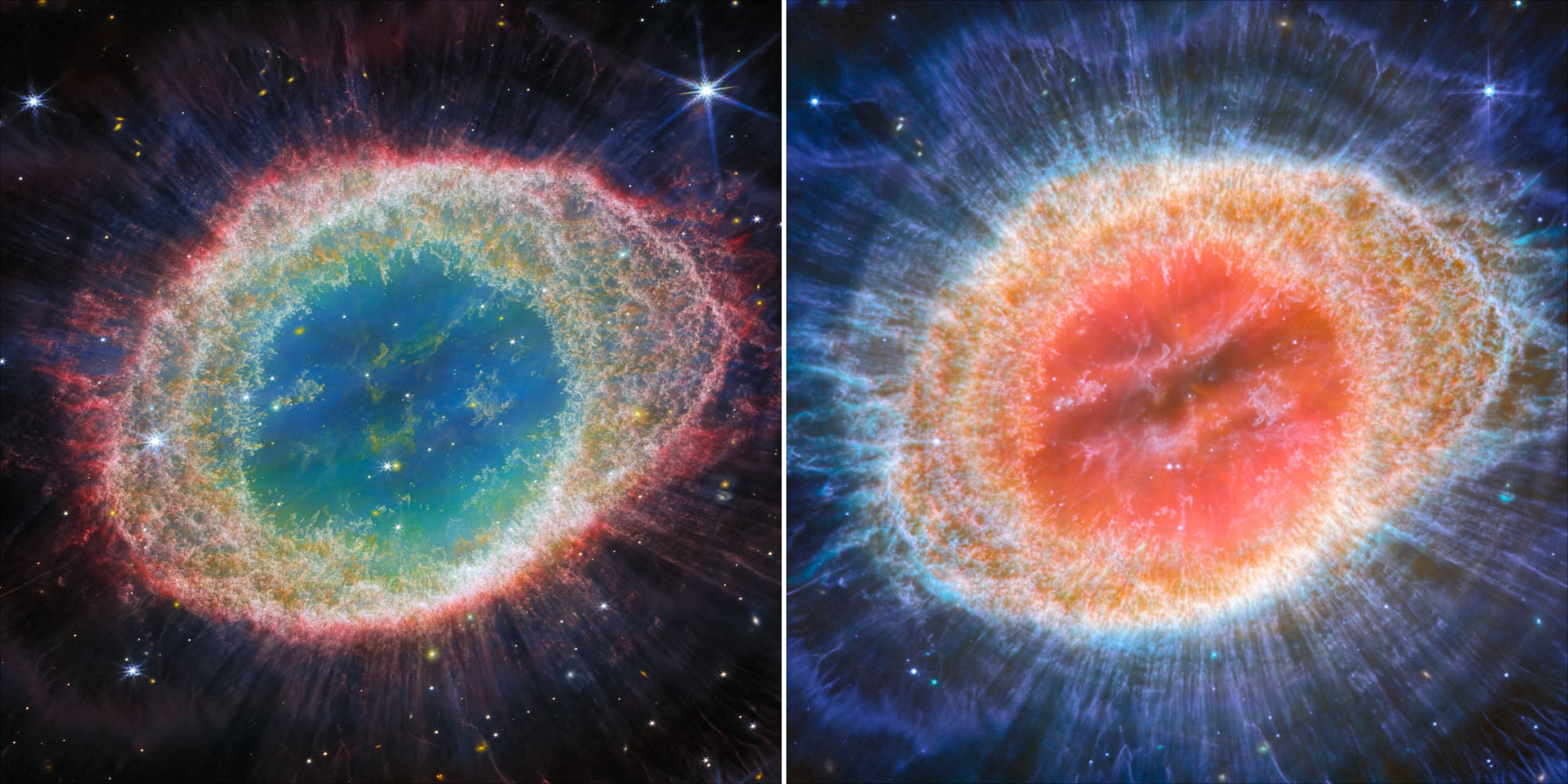
We recently got a new image of the famous Ring Nebula from JWST using its NIRCam instrument. This week we got an update taken with MIRI. The Ring Nebula is a perfect example of a planetary nebula, where a dying star throws its outer layers off into space. The new images reveal 20,000 individual clumps of dense molecular gas, each as massive as Earth. There is a narrow band of hydrocarbons in the ring, which surprised astronomers with its presence. The Ring Nebula is only 2,200 light-years from Earth, which makes it the ideal object to study, giving us clues about the future of our own Sun.
Continue reading
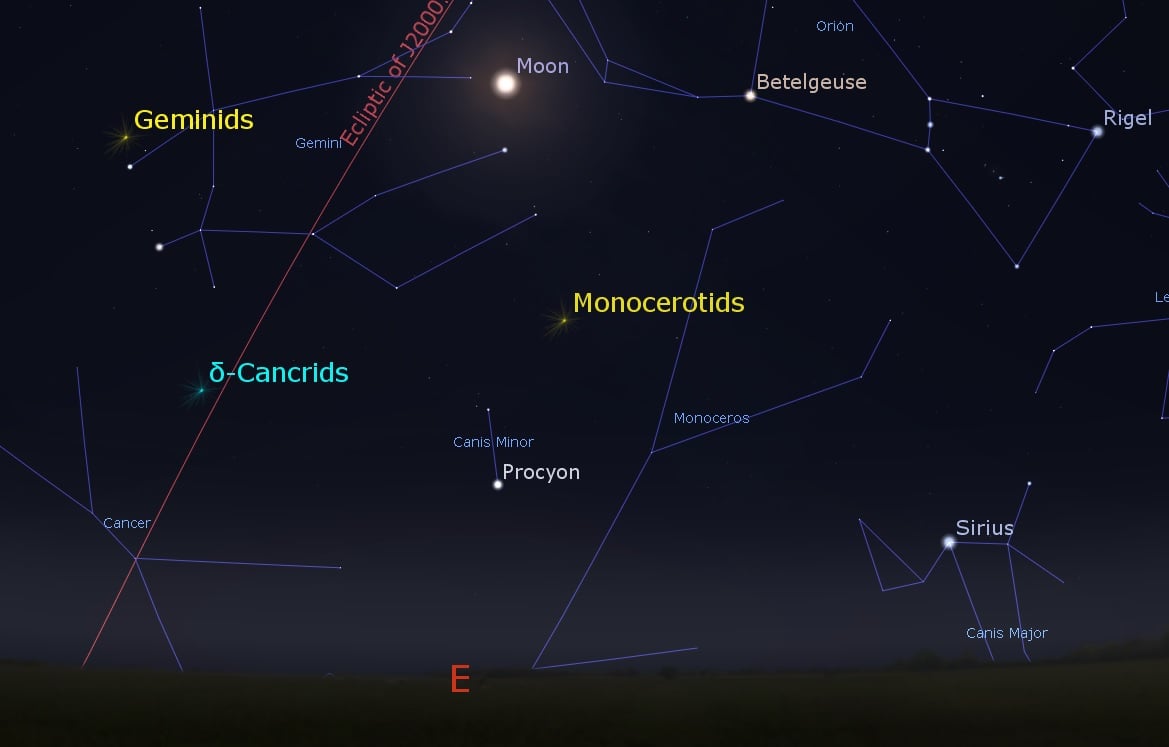
Most North America gets to see the Moon blot out Antares Thursday night.
Continue reading
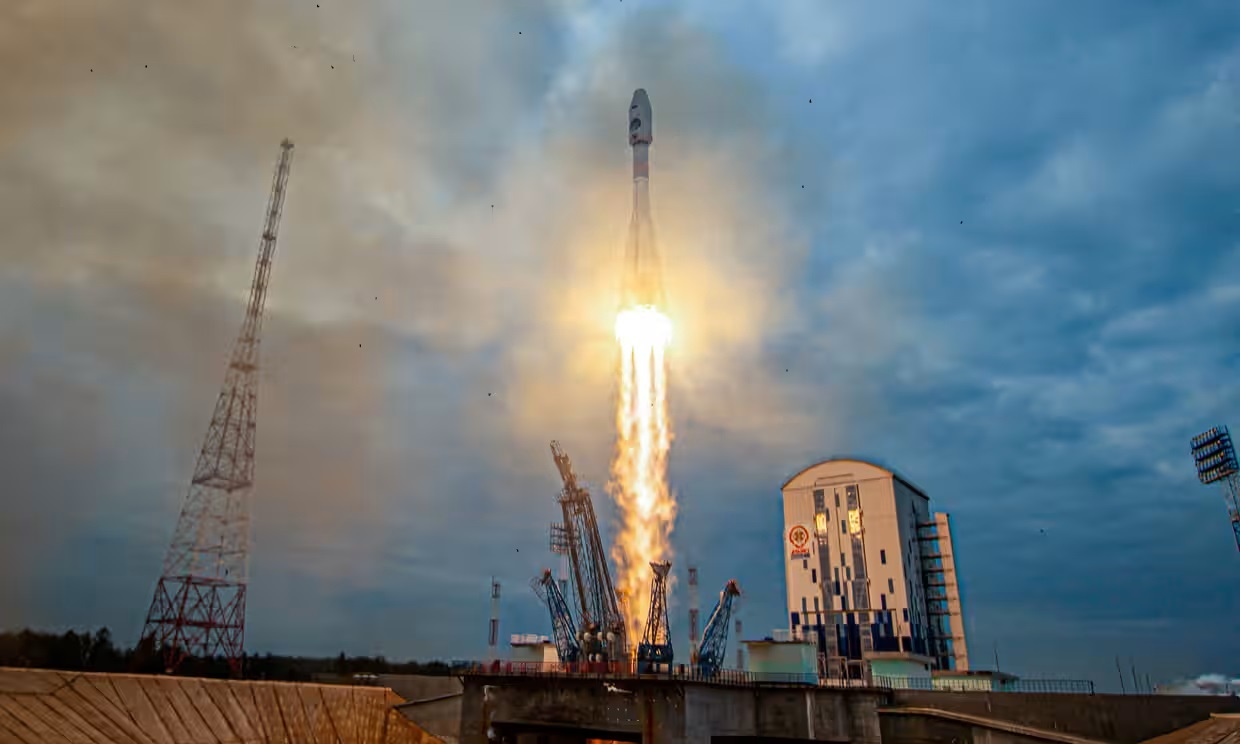
On Saturday, Aug. 19th, Russia's Luna-25 spacecraft suffered an engine malfunction and crashed its lunar lander on the Moon's surface.
Continue reading
Continue reading

Continue reading
Continue reading
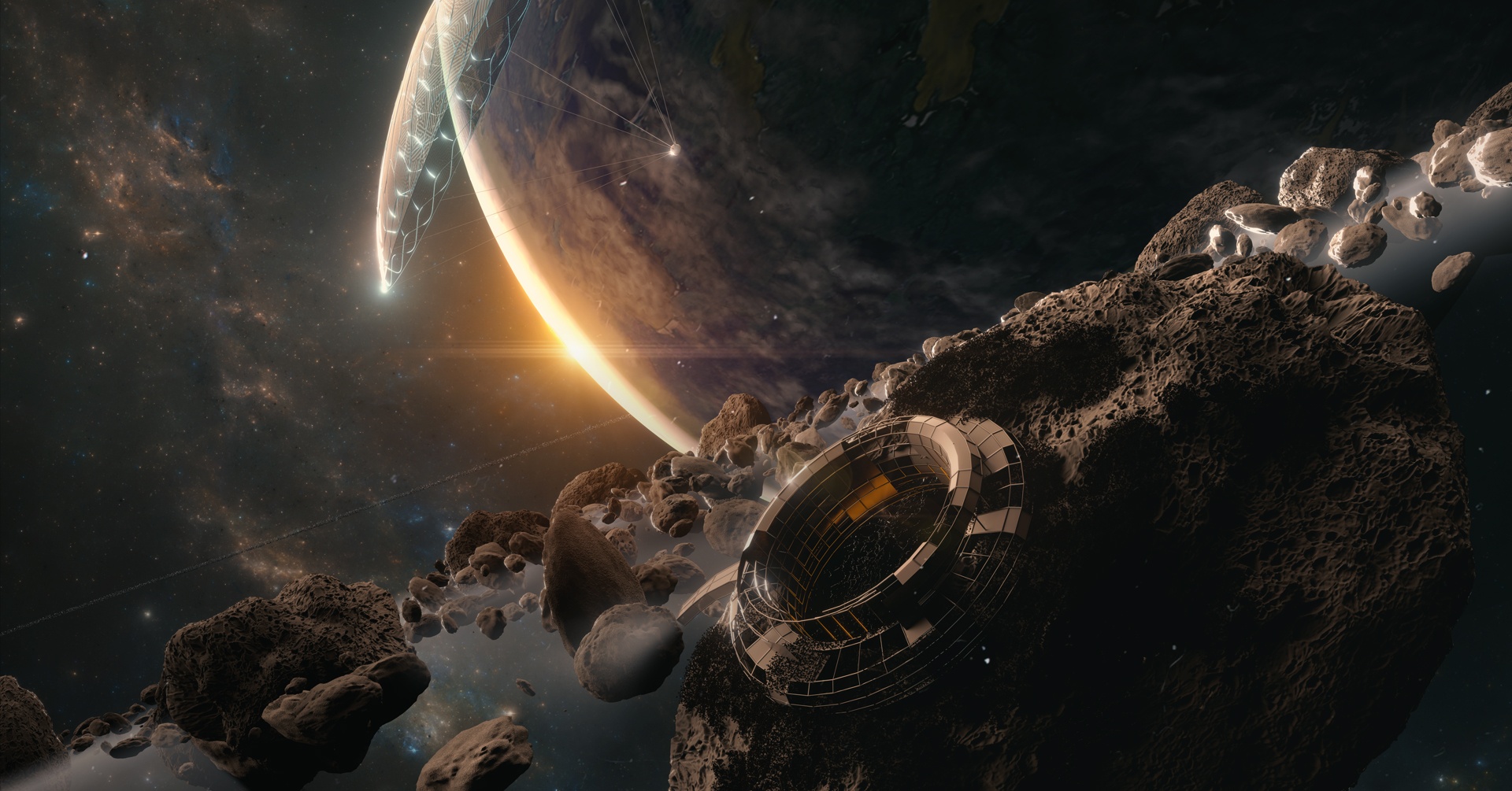
Universe Today sat down with NASA technologist, engineer, and author Les Johnson as he talked about some of the highlights from the 8th Interstellar Symposium.
Continue reading
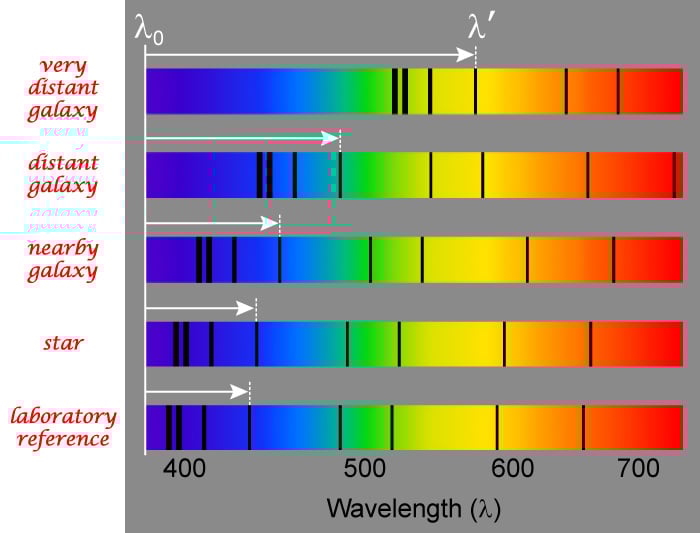
Almost all the galaxies in the Universe are speeding away from us because of the Big Bang and the acceleration of dark energy. One technique to measure this expansion is redshift, seeing how light is reddened over time as its wavelength stretches out. But every observation astronomers can make is a snapshot, measuring the redshift now. But an intriguing idea is to measure how the redshift changes over time as a galaxy's movement accelerates. It's called "redshift drift" and requires an exact series of measurements over time.
Continue reading
Continue reading
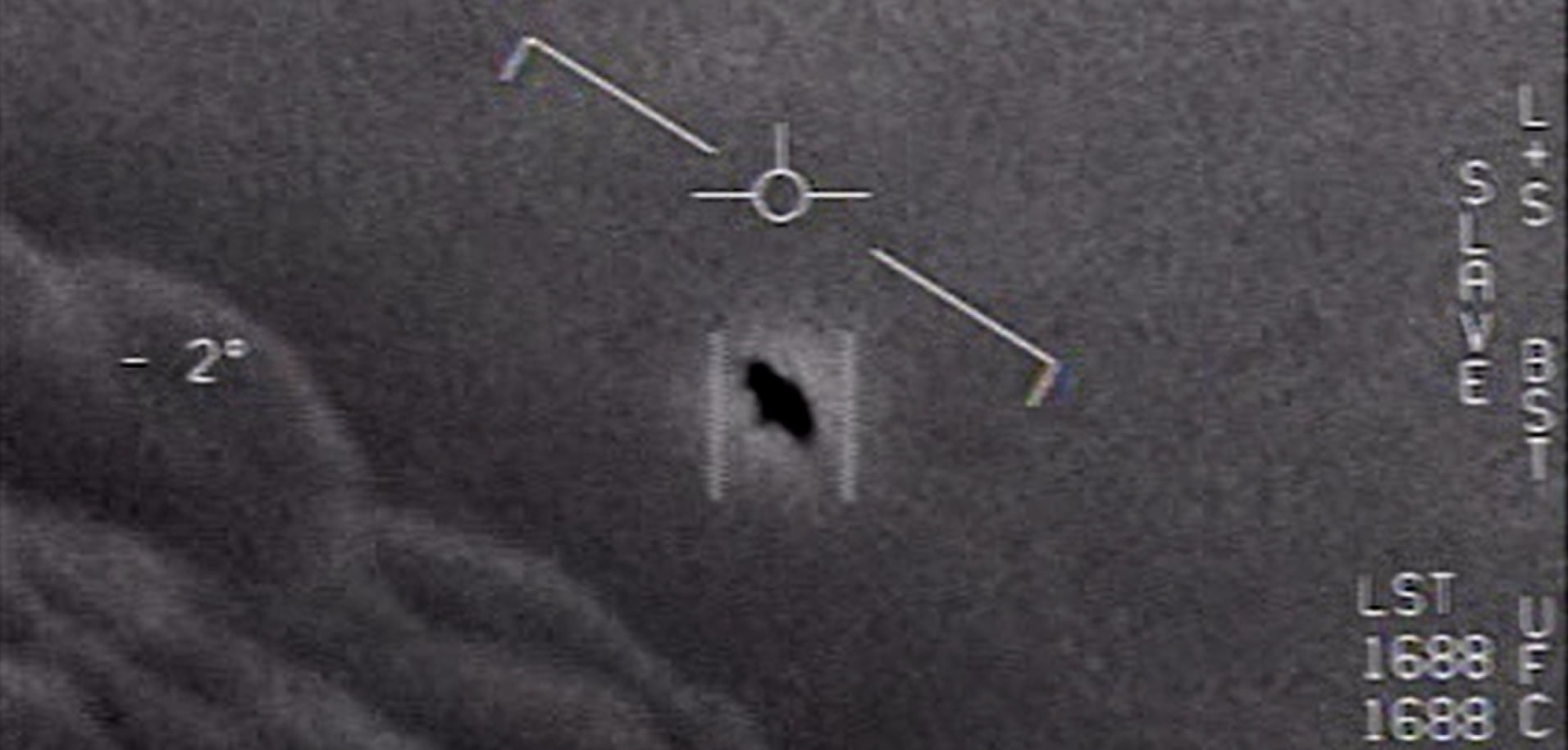
A new study shows how hyperspectral imaging and AI could help in the study of Unidentified Aerial Phenomena (UAP).
Continue reading
Continue reading
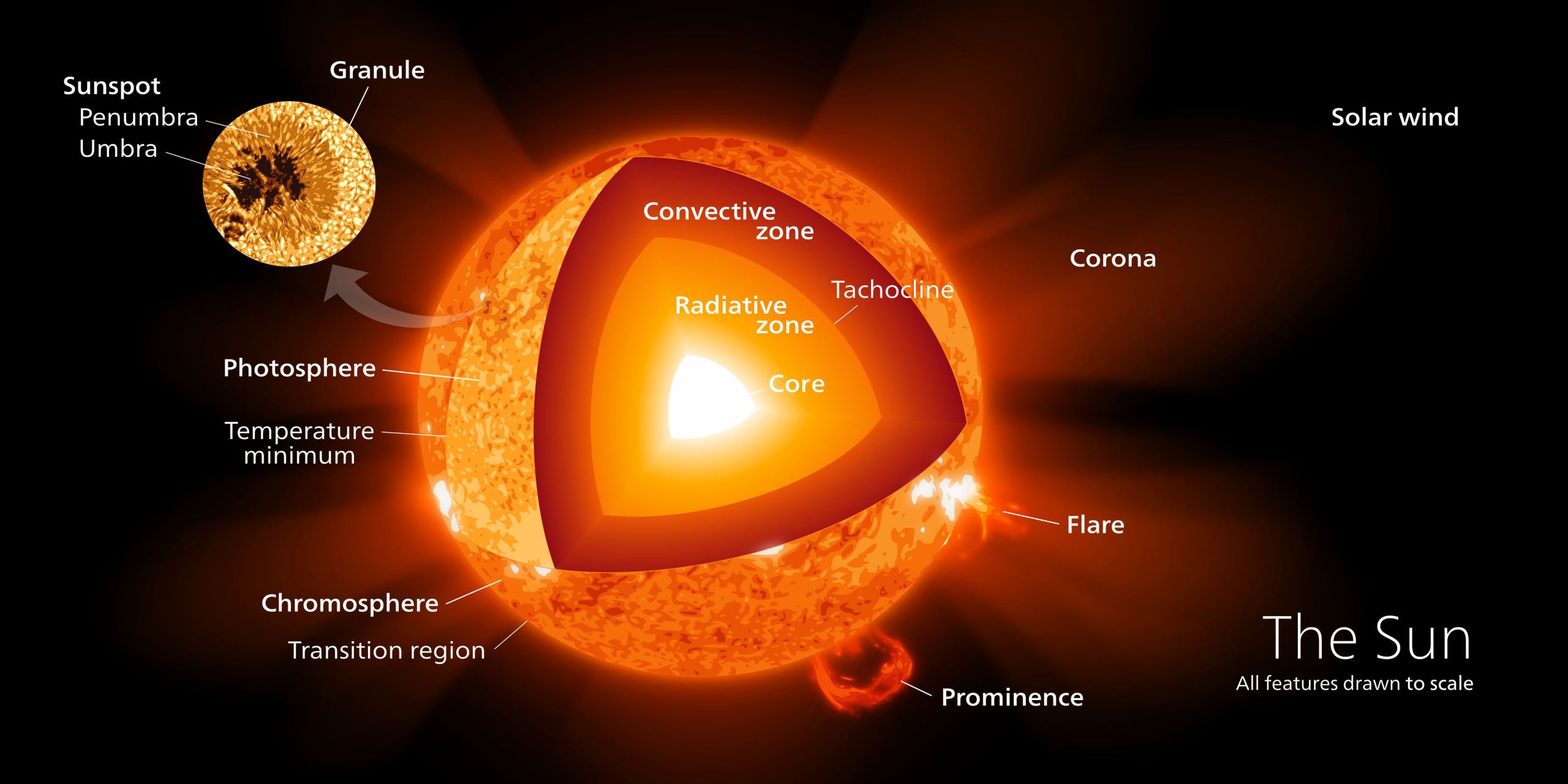
Stars begin as giant clouds of gas and dust that pull together through mutual gravity into a dense protostar. At some point, the intense pressure and temperature cause fusion in the star's core, where lighter elements, like hydrogen, are fused into heavier elements, like helium. When the Sun runs out of one type of fuel, it shifts to the next type and begins the process again, with the heaviest stars reaching iron. A new simulation shows a portion of the interior of a star as it completes one of these stellar phases.
Continue reading
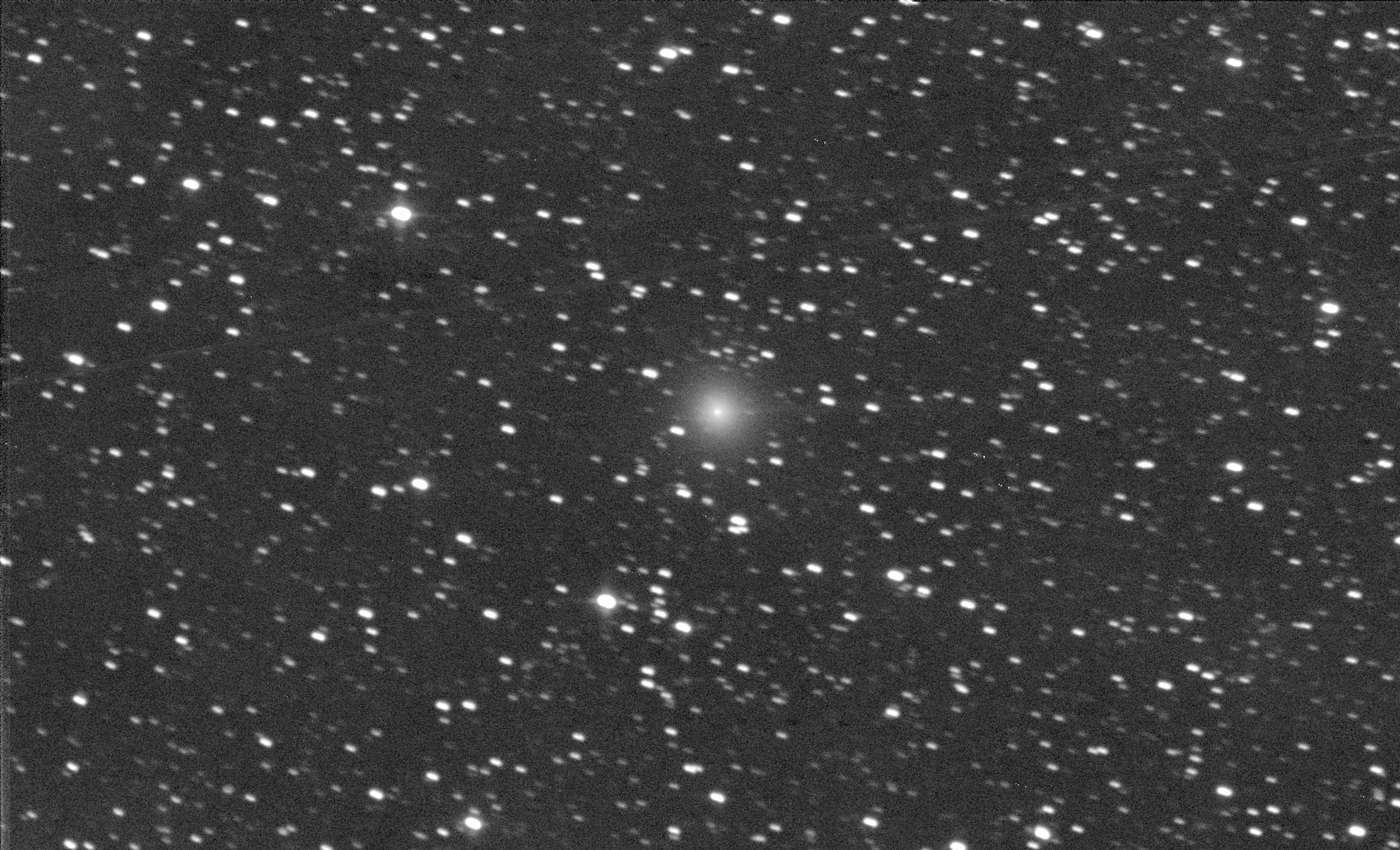
New Comet P1 Nishimura graces the August dawn sky...but how bright will it get?
Continue reading
Continue reading
Continue reading
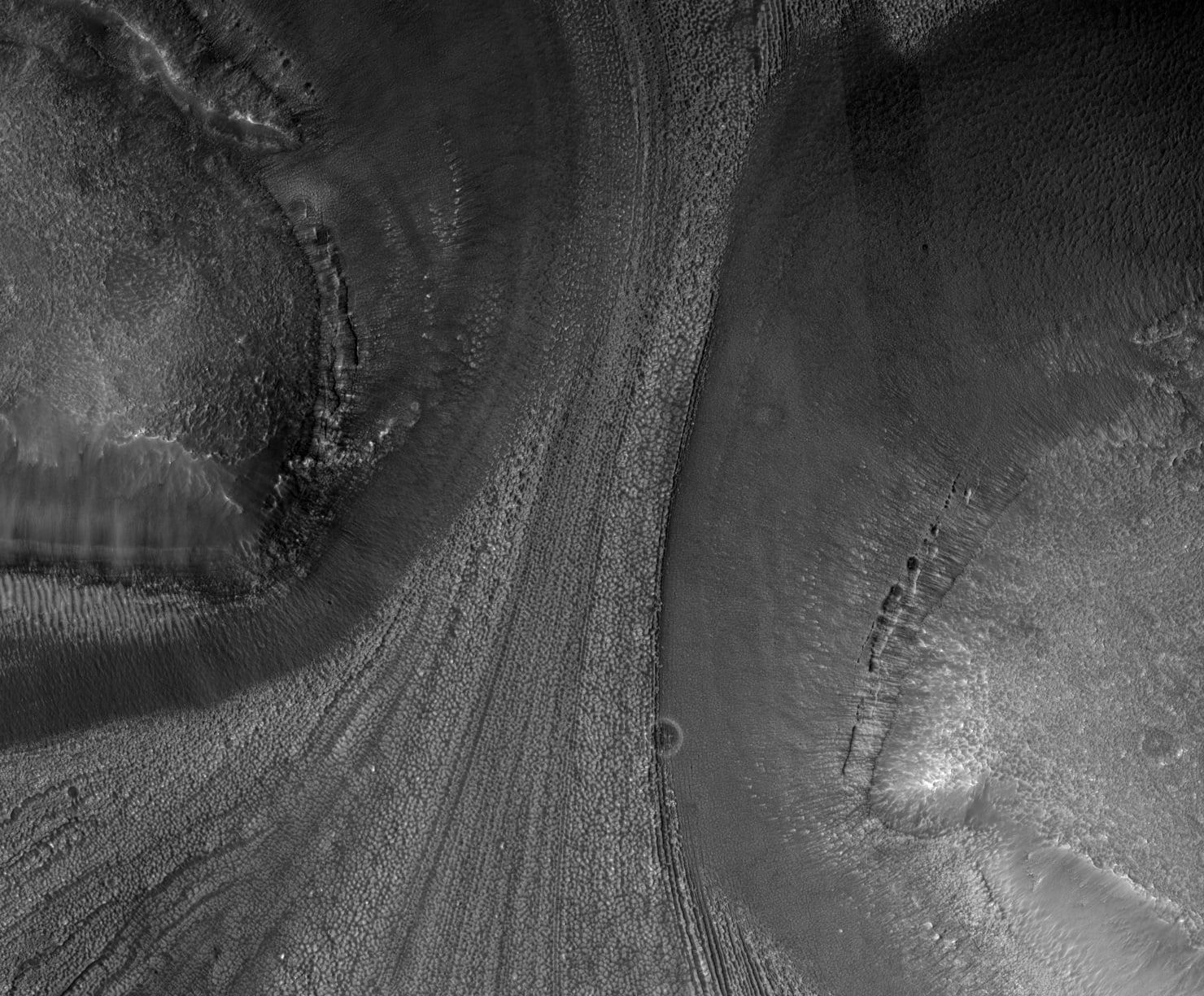
An image taken by the HiRISE camera aboard NASA's MRO shows evidence of past glaciers away from Mars' polar regions.
Continue reading
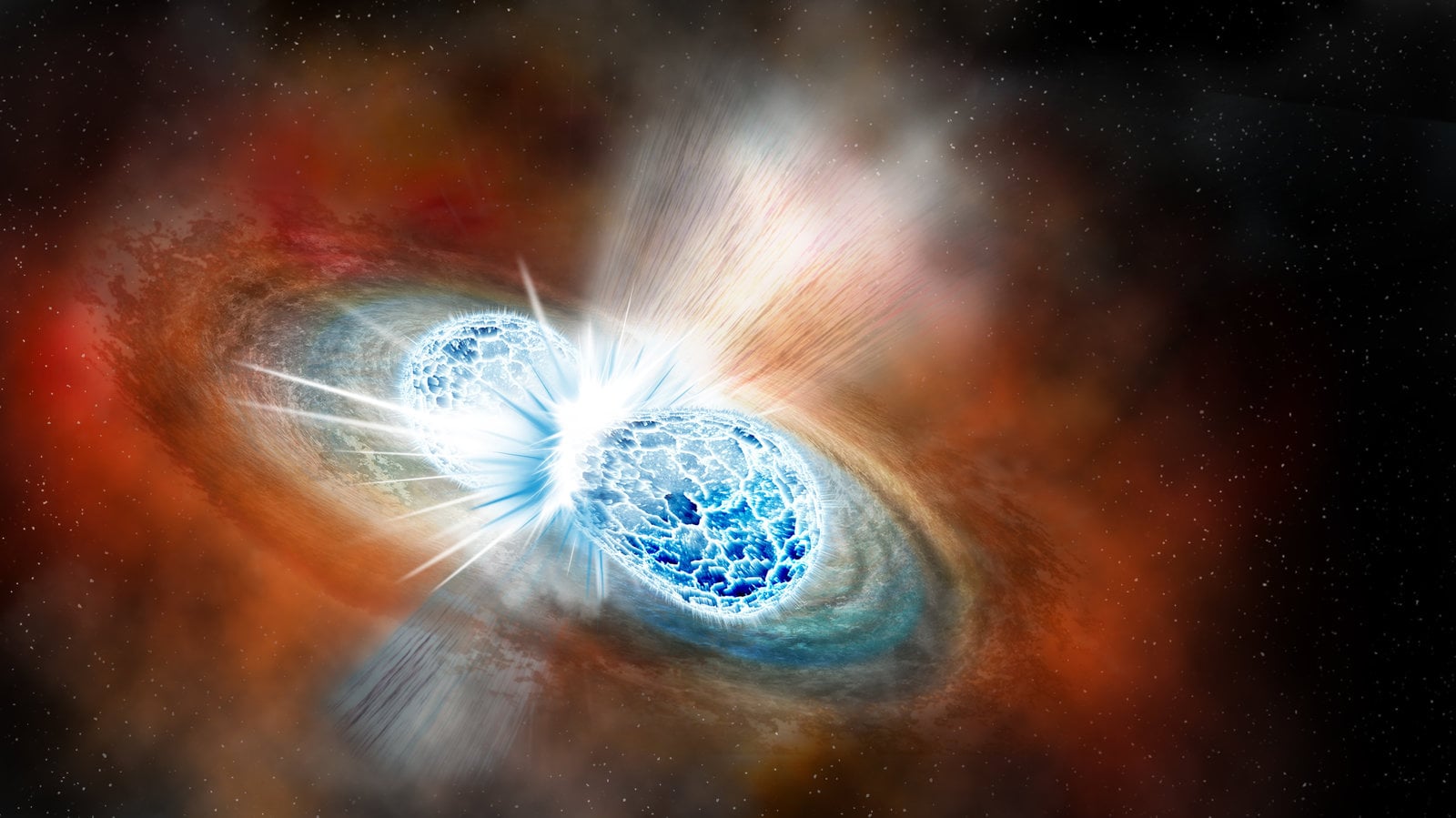
The Milky Way and Andromeda are set to collide in a few billion years but are still over two million light-years apart. Cosmologically, this is right next door, but it could still be far enough to measure the effect of dark energy, which is pushing back on the galaxies coming together. According to a new study, the movement of the two galaxies towards each other could give an upper limit on the cosmological constant model of dark energy. Other merging pairs of galaxies could provide more data and help refine the measurements.
Continue reading
Continue reading
Continue reading
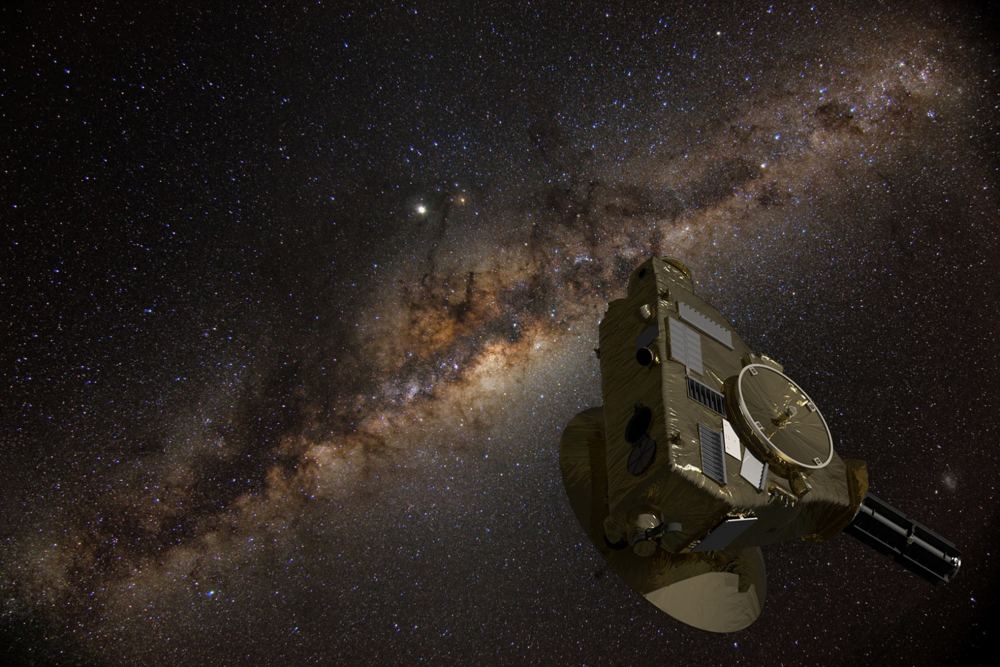
NASA's New Horizons Spacecraft has completed its flybys of Pluto and Arrakoth and is now about 8 billion kilometers from Earth. Although astronomers are looking for another Kuiper Belt target, they can send it towards; the spacecraft is perfectly positioned to look at the Universe itself. At such a great distance, the spacecraft is beyond the dust that causes light pollution in the inner Solar System, darker than the darker skies on Earth. This unique vantage point will measure just how dark the Universe is.
Continue reading
 Universe Today