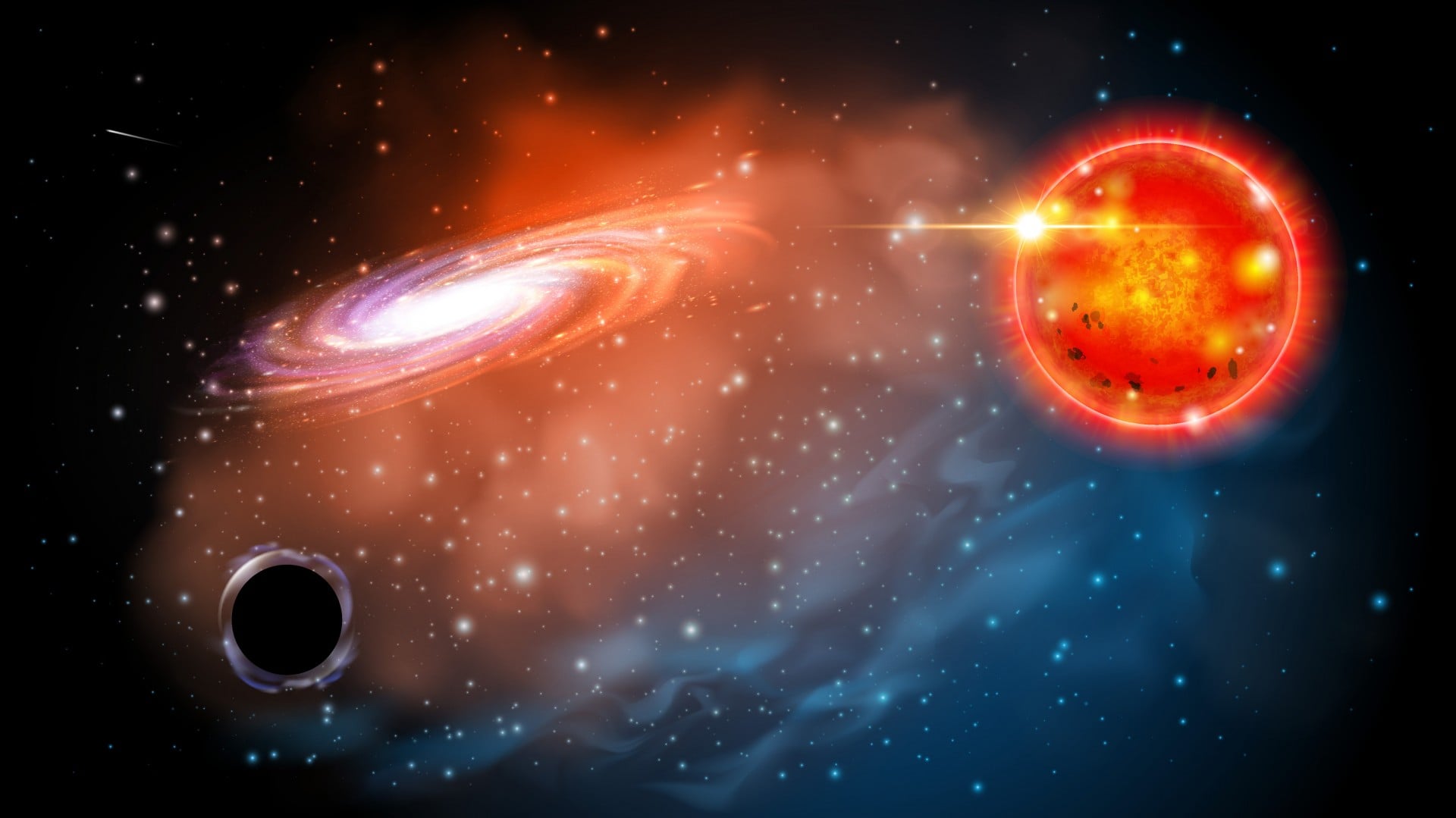
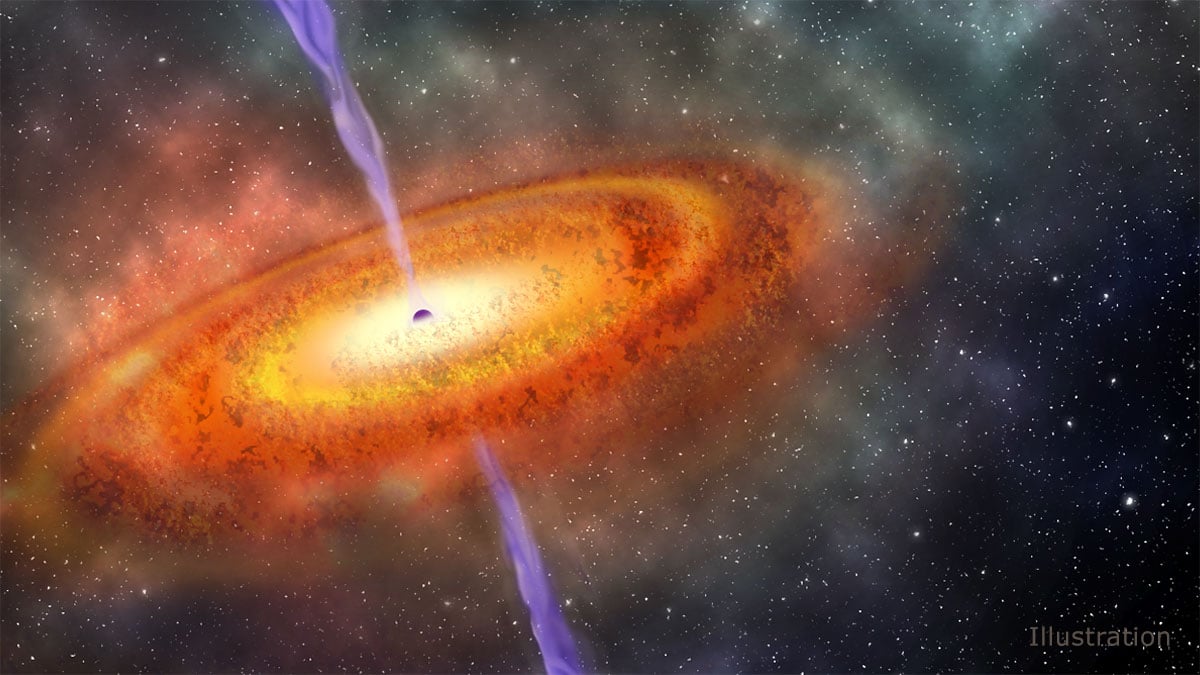
A team of astronomers recently discovered the smallest black hole to date, which indicates that there may be far more out there than we previously thought.
Continue reading
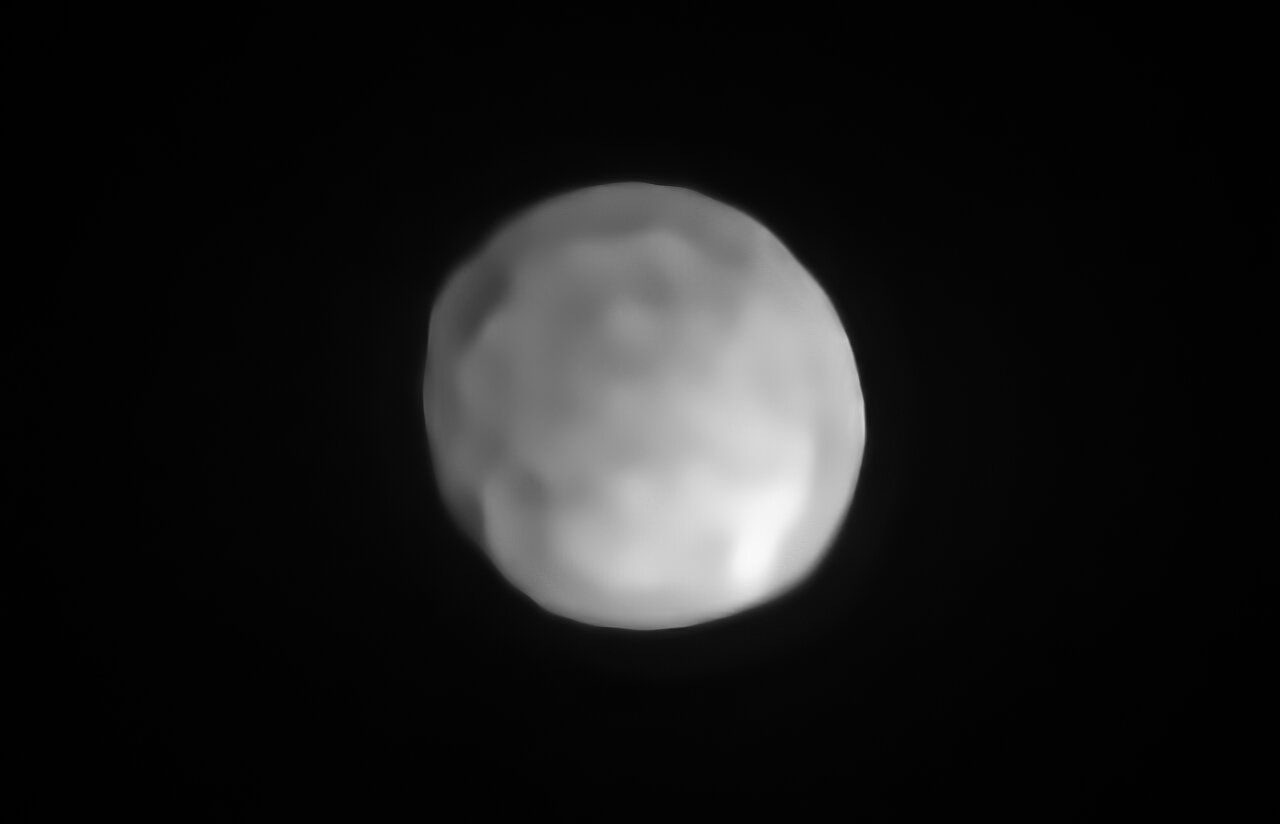
Using the Very Large Telescope, an international team of astronomers observed Hygeia and determined it could be the smallest dwarf planet to date!
Continue reading
Continue reading
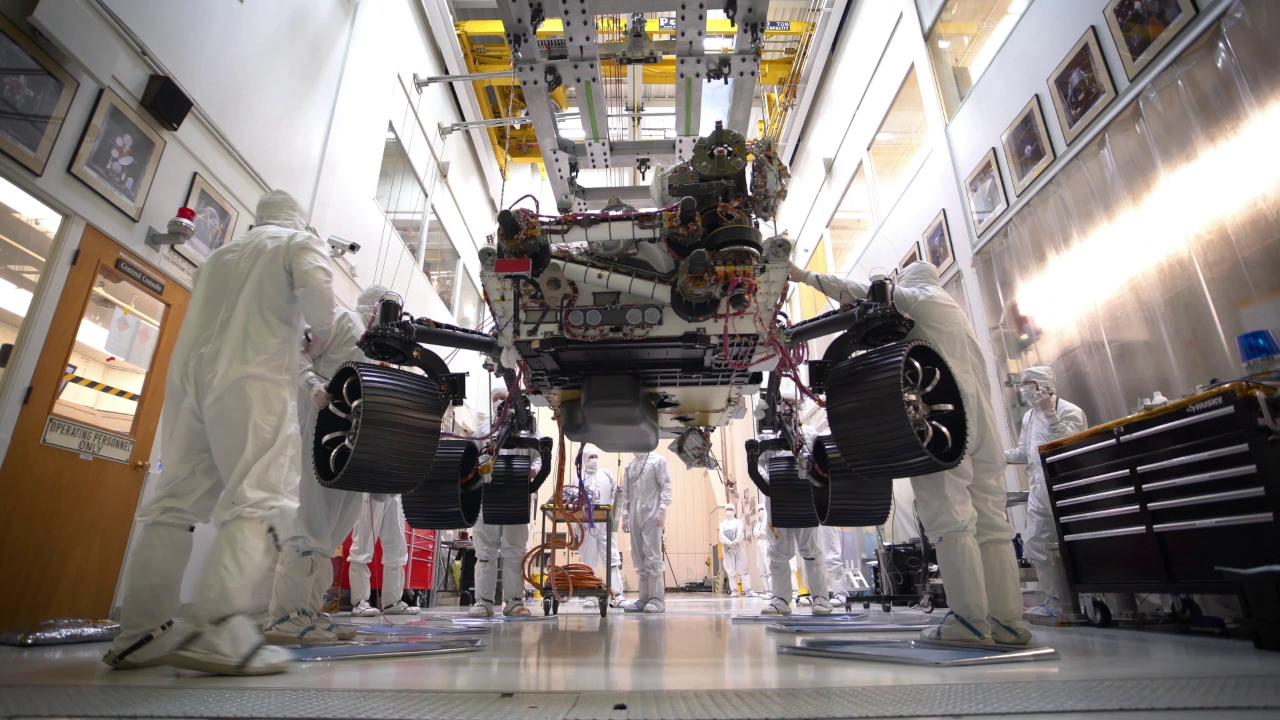
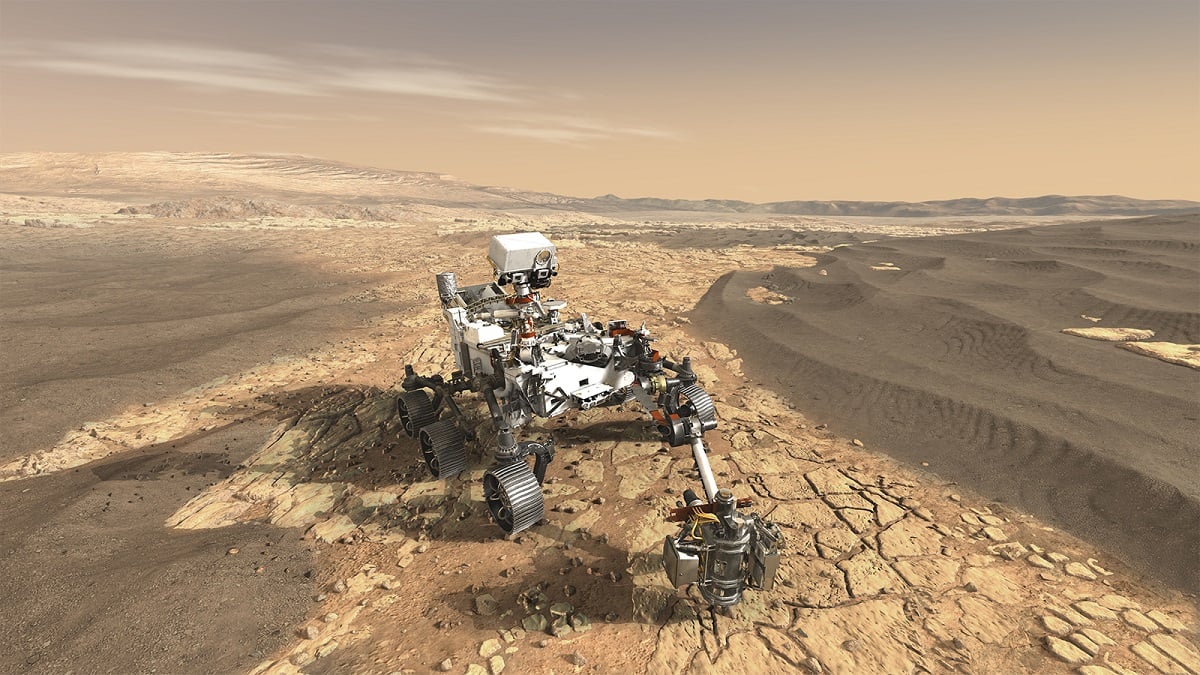
The Mars 2020 rover recently passed a milestone at NASA JPL, where it stood on its wheels and legs for the very first time.
Continue reading
Continue reading
Continue reading
Continue reading
Continue reading
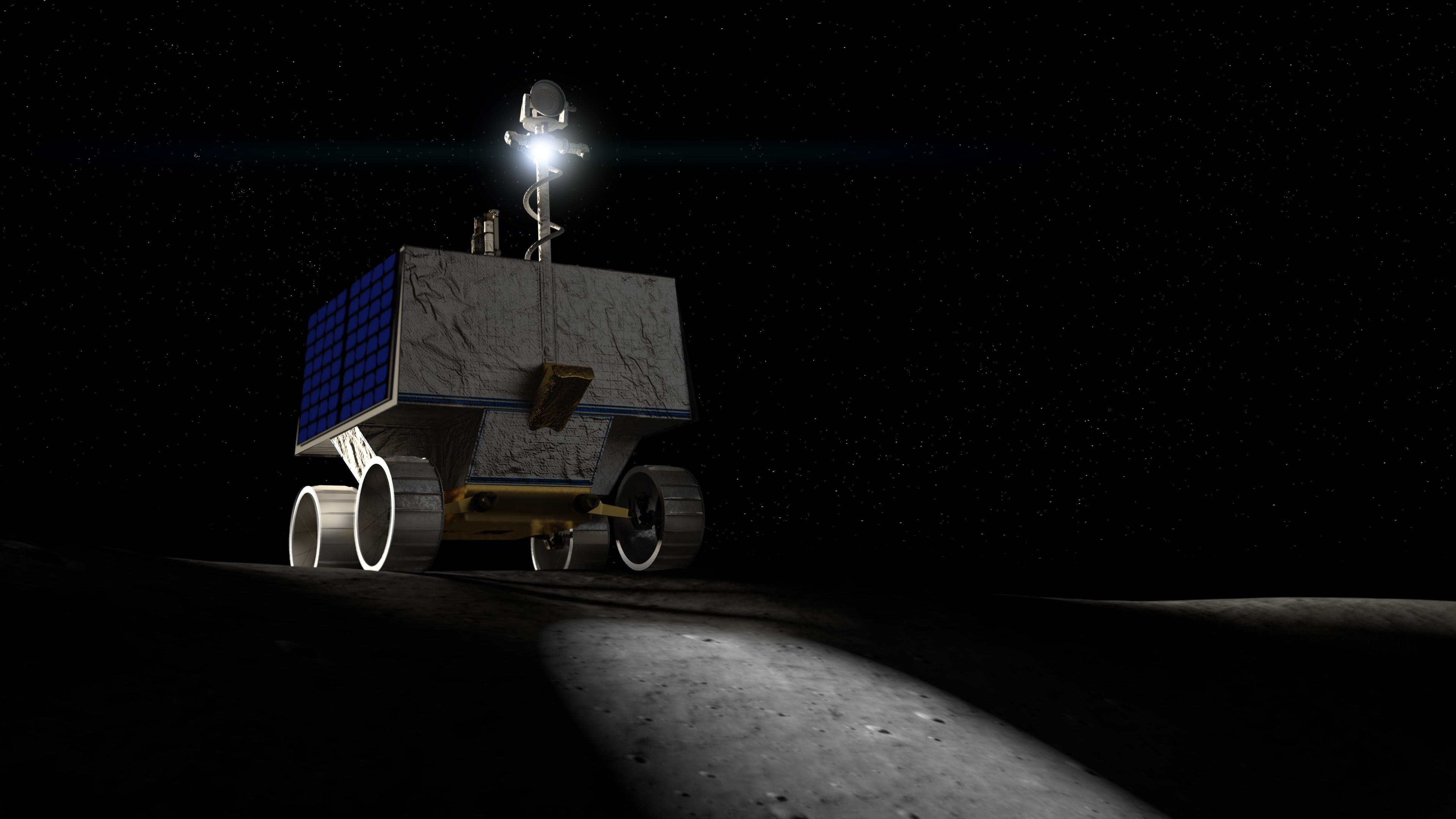
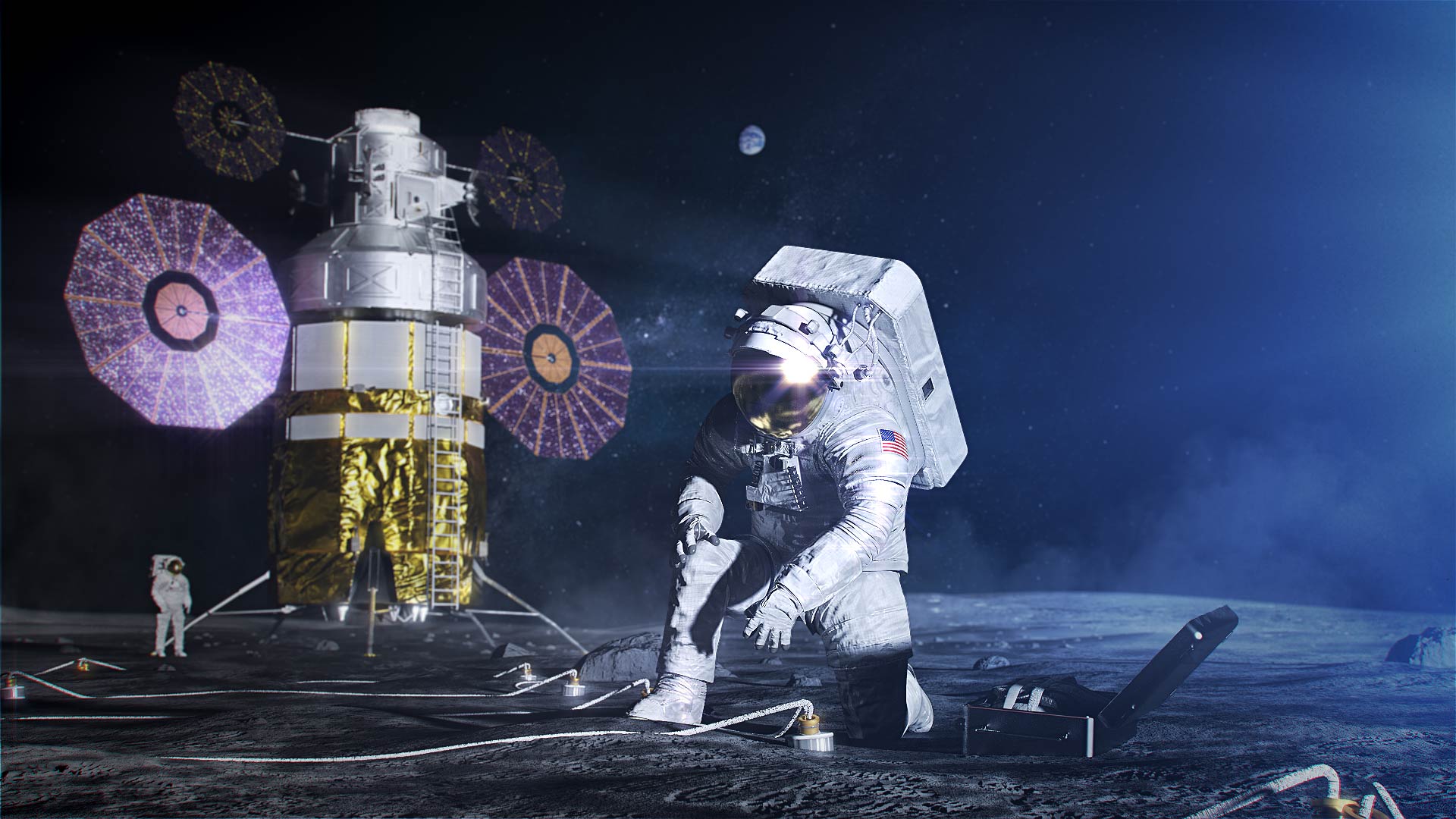
NASA has plans to send the VIPER rover to the South Pole of the Moon to look for water ice, in preparation for sending astronauts there in 2024.
Continue reading
Continue reading
Continue reading
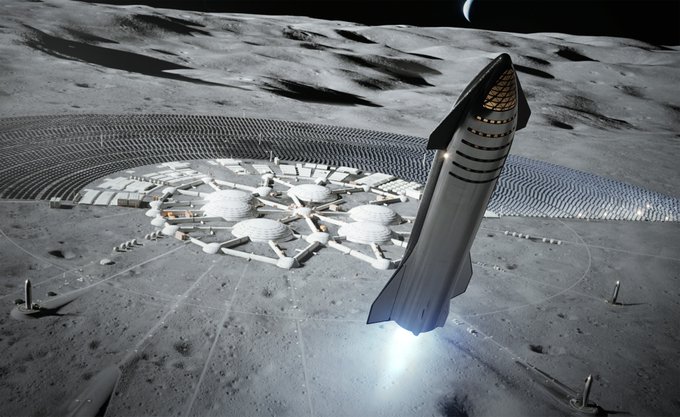
As the president of SpaceX said at the 2019 IAC, the company hopes to conduct missions to the Moon by 2022, and to send people there by 2024
Continue reading
Continue reading

Continue reading

Breakthrough Listen recently entered into a partnership with members of the NASA TESS mission team to search for aliens!
Continue reading
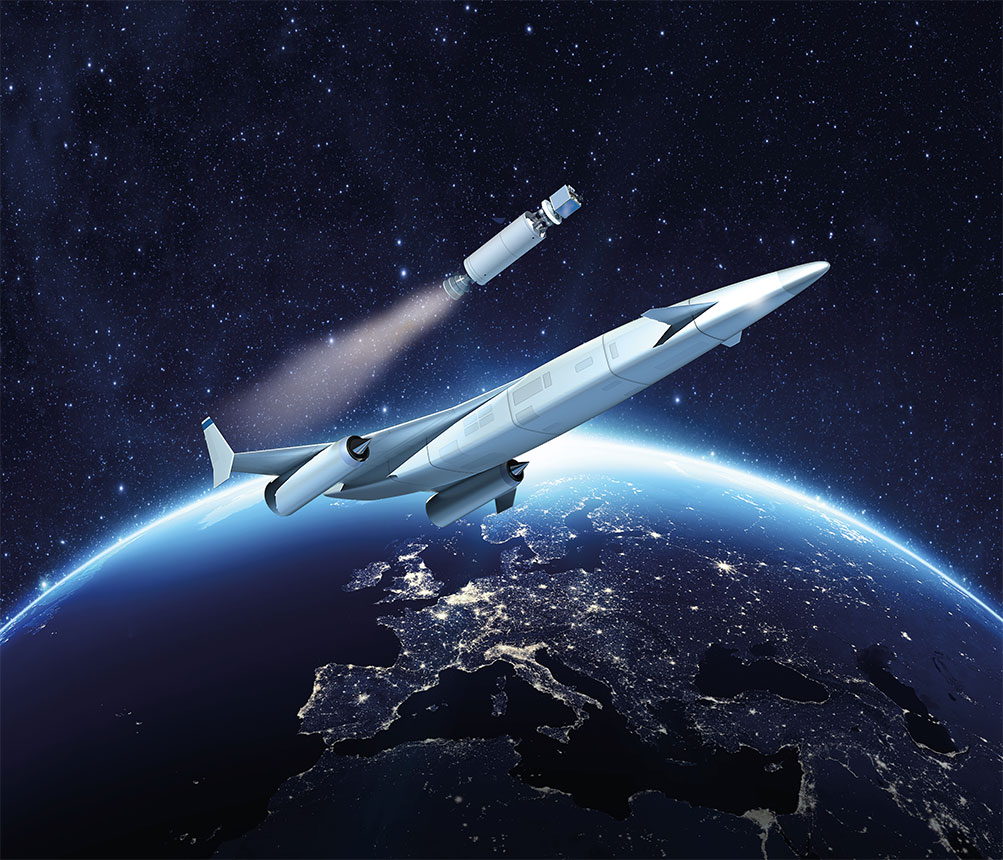
Reaction Engines Ltd. recently passed a major milestone with the development of their SABRE engine, which could lead to spaceplanes that don't rely on rocket boosters.
Continue reading
Continue reading
Continue reading
Continue reading
Continue reading

Continue reading
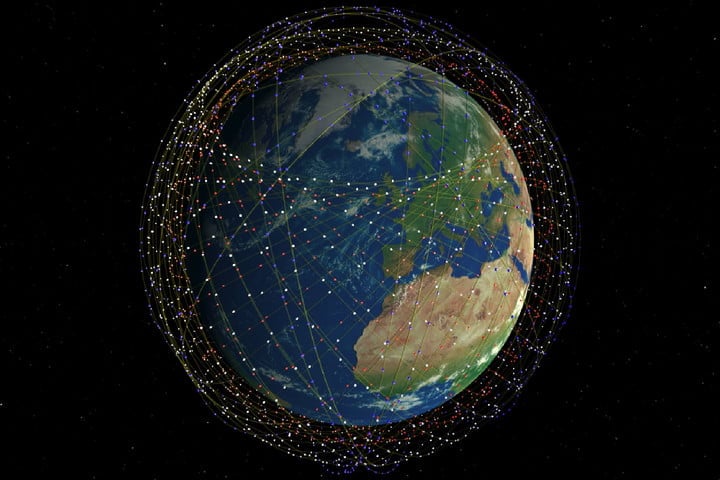
Starlink could be offering services by this time next year, and Musk just tested it by sending out the inaugural tweet (spoiler alert, it worked!)
Continue reading
Continue reading
Continue reading

With all the advances made in anti-satellite technology, Sandia National Laboratories is seeking partnerships to develop satellites that can defend themselves
Continue reading
Continue reading
Continue reading
Continue reading

Continue reading
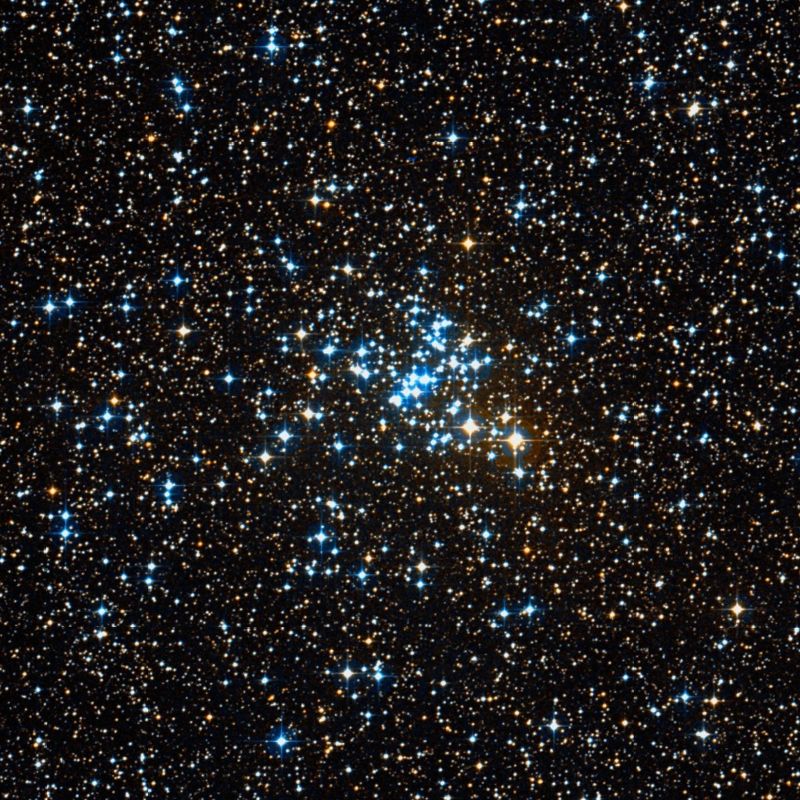
Located about 3,600 light-years from Earth in the constellation Puppis is the open star cluster known as Messier 93.
Continue reading
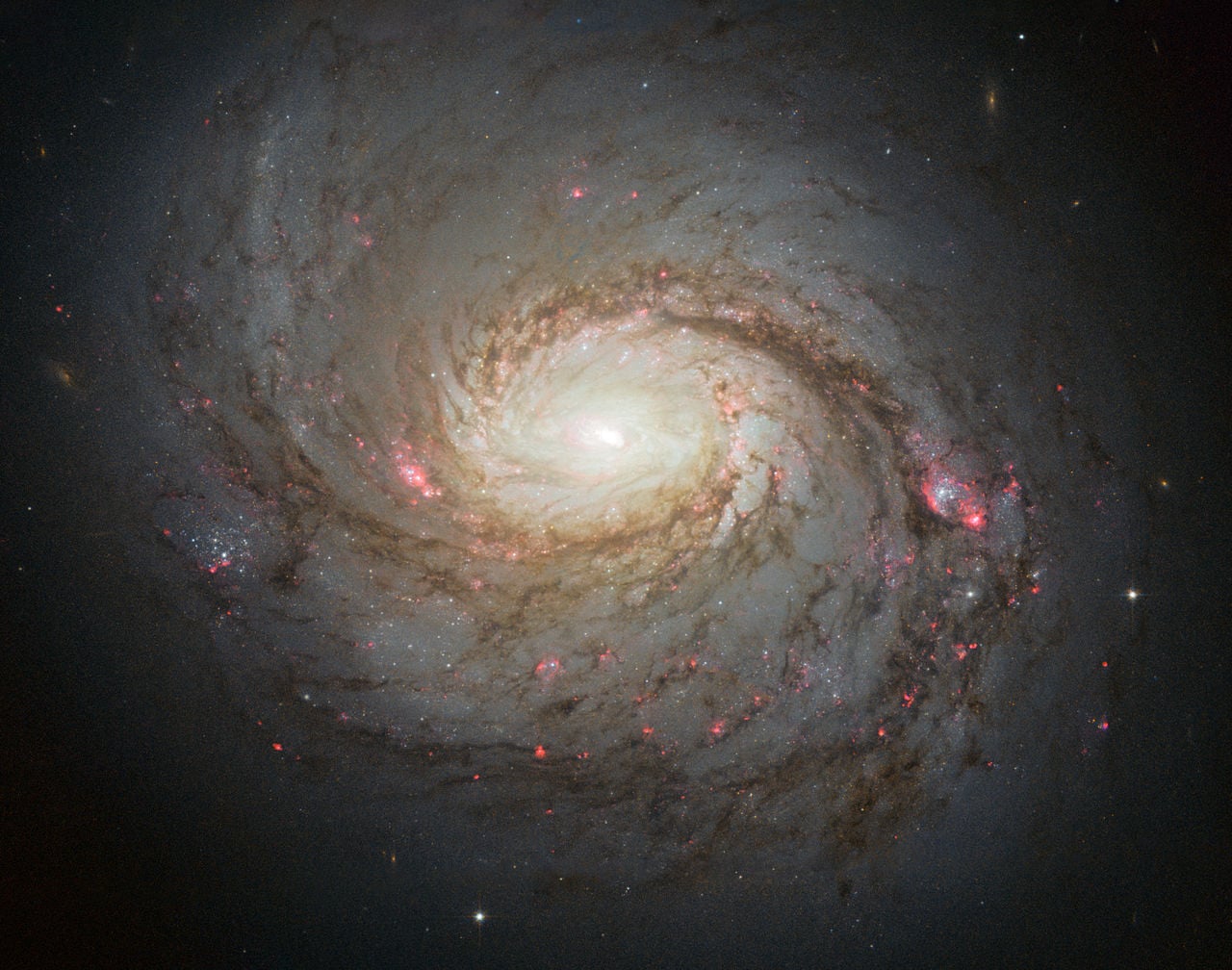
Based on new observations of super spiral galaxies, a team of scientists has found that they have massive dark matter halos that cause them to rotate much faster than our own!
Continue reading

A new study suggests that comets and asteroids that graze Earth's atmosphere might be responsible for the spread of life throughout the Universe.
Continue reading
Continue reading
Continue reading
Continue reading
Continue reading
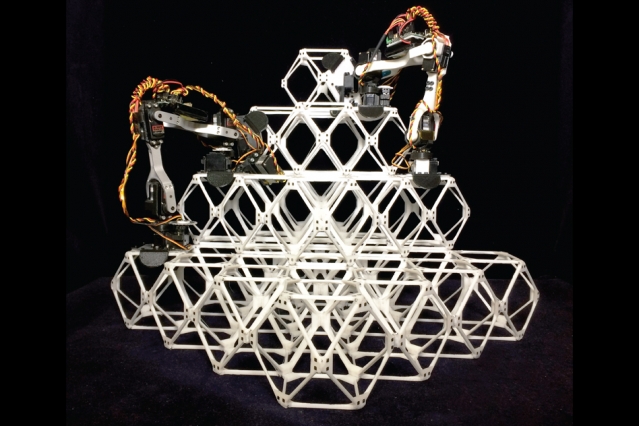
A team from MIT's Center for Bits and Atoms (CBA) recently unveiled their prototype for a new assembler robot, which could revolutionize construction as we know it!
Continue reading
Continue reading
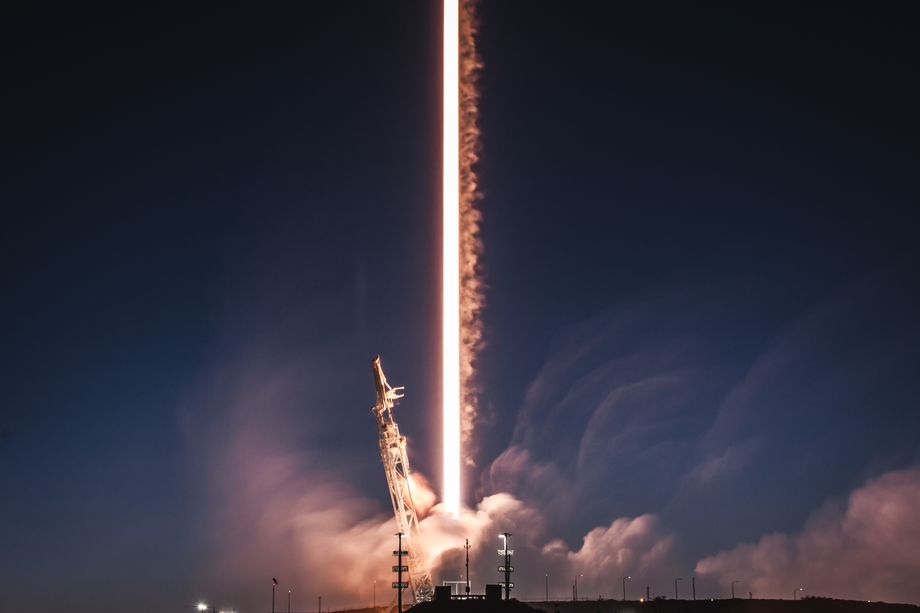
According to recent filings, SpaceX is hoping to send an additional 30,000 Starlink satellites to orbit in the coming years.
Continue reading
Continue reading
Continue reading
Continue reading
Continue reading
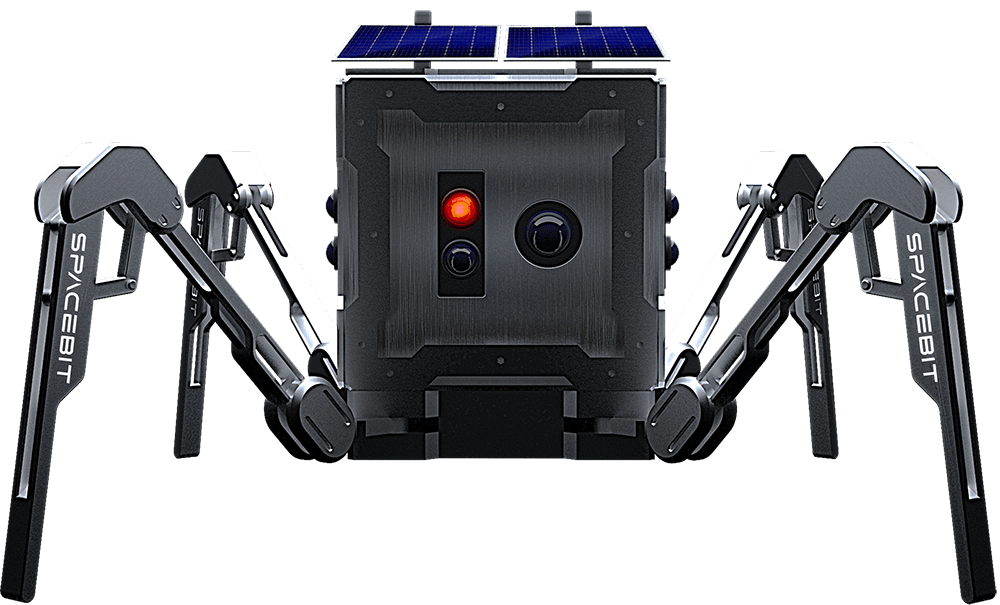
UK startup Spacebit is looking to democratize space with its Walking Rover mission, which will be the UK's first lunar mission and the first rover to rely on legs to get around!
Continue reading
Continue reading

NASA's first all-electric aircraft - the X-57 Maxwell - was recently delivered to the NASA Armstrong Flight Research Center (AFRC) for testing.
Continue reading
Continue reading
Continue reading
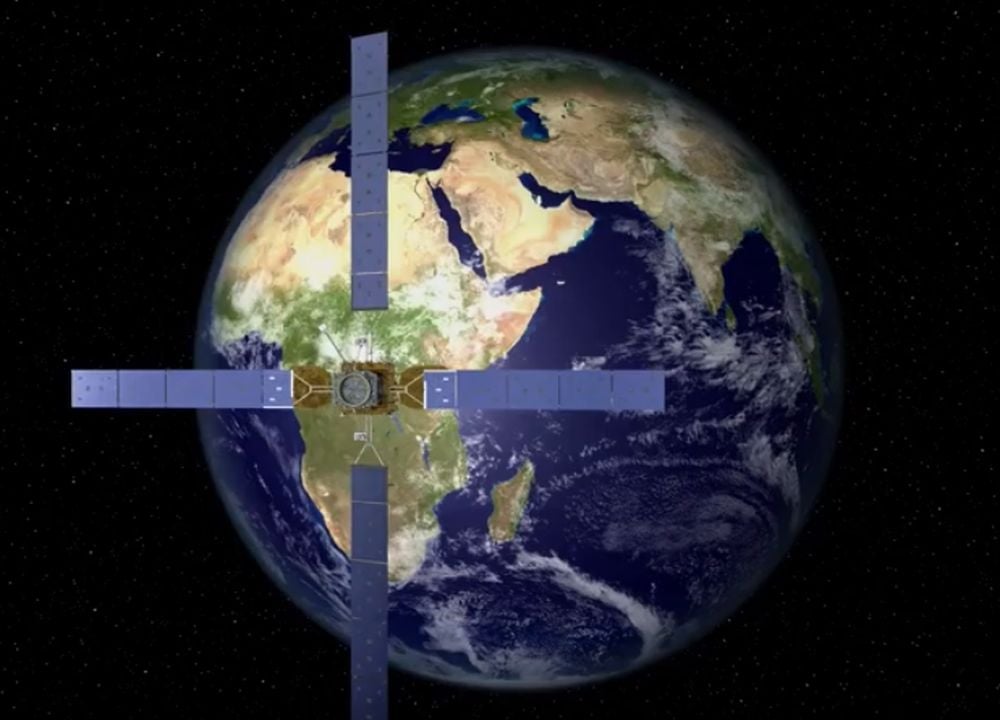
Continue reading
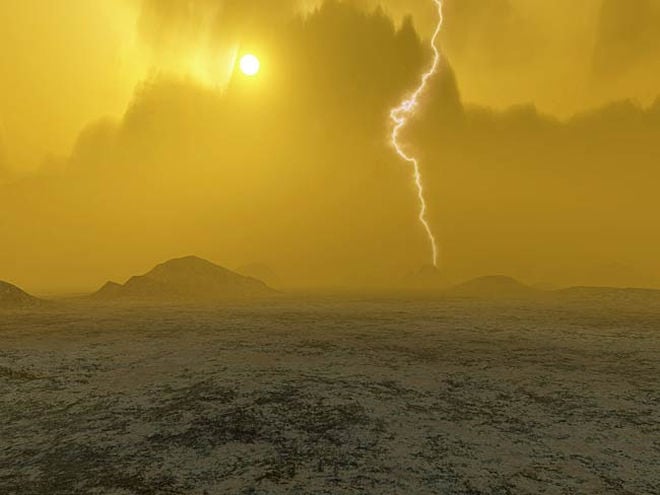
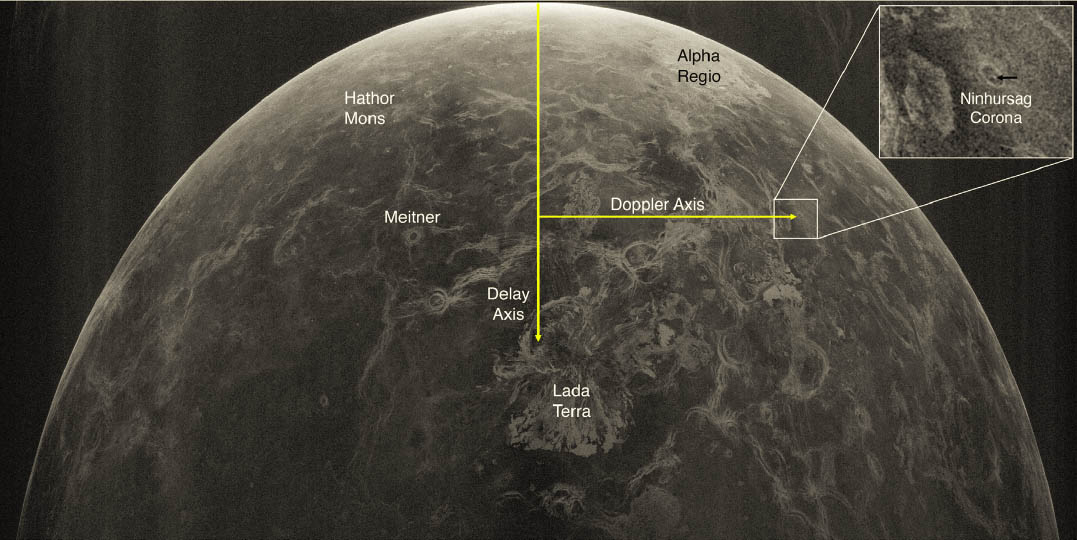
A new study on the volcanic highlands of Venus casts doubt on whether or not the planet ever had oceans.
Continue reading
 Universe Today