
After conducting their own tests on the EM Drive, a team from UT Dresden reported that any thrust coming from the engine might be due to interaction with Earth's magnetic field.
Continue reading
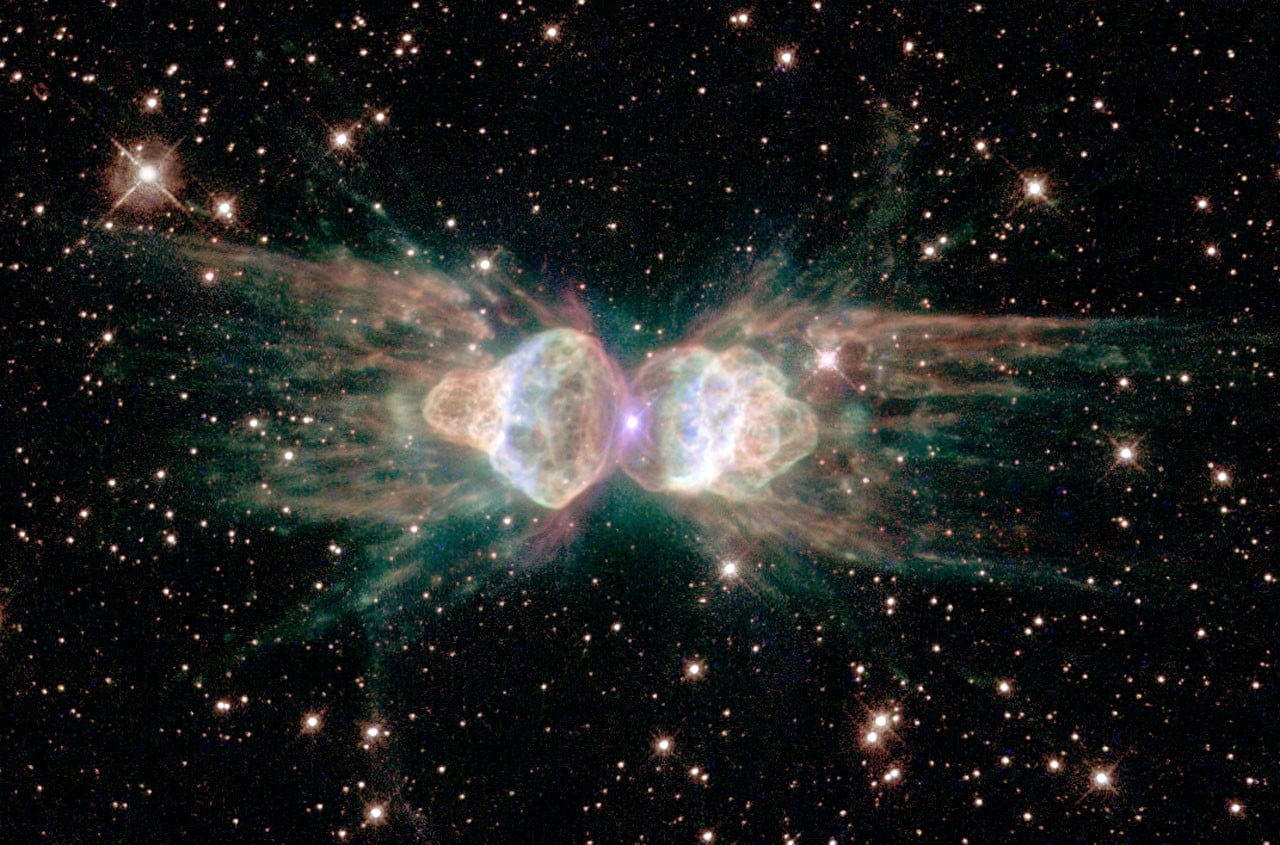
A team of astronomers, using the Herschel Observatory, recently observed a series of laser emissions coming from the ant nebula.
Continue reading
Continue reading
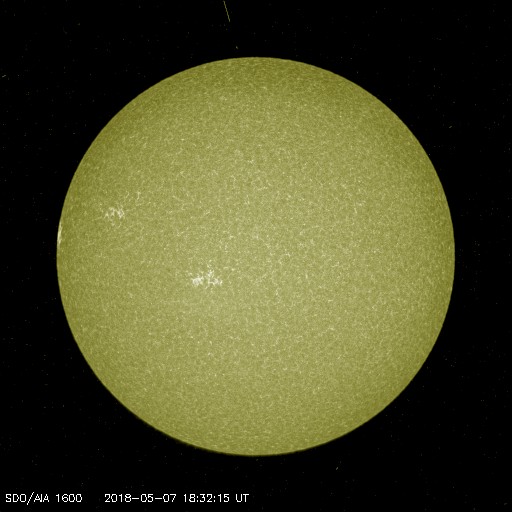
Have you been keeping an eye on Sol lately? One of the top astronomy stories for 2018 may be what's not happening, and how inactive our host star has become.
Continue reading
Continue reading
Continue reading
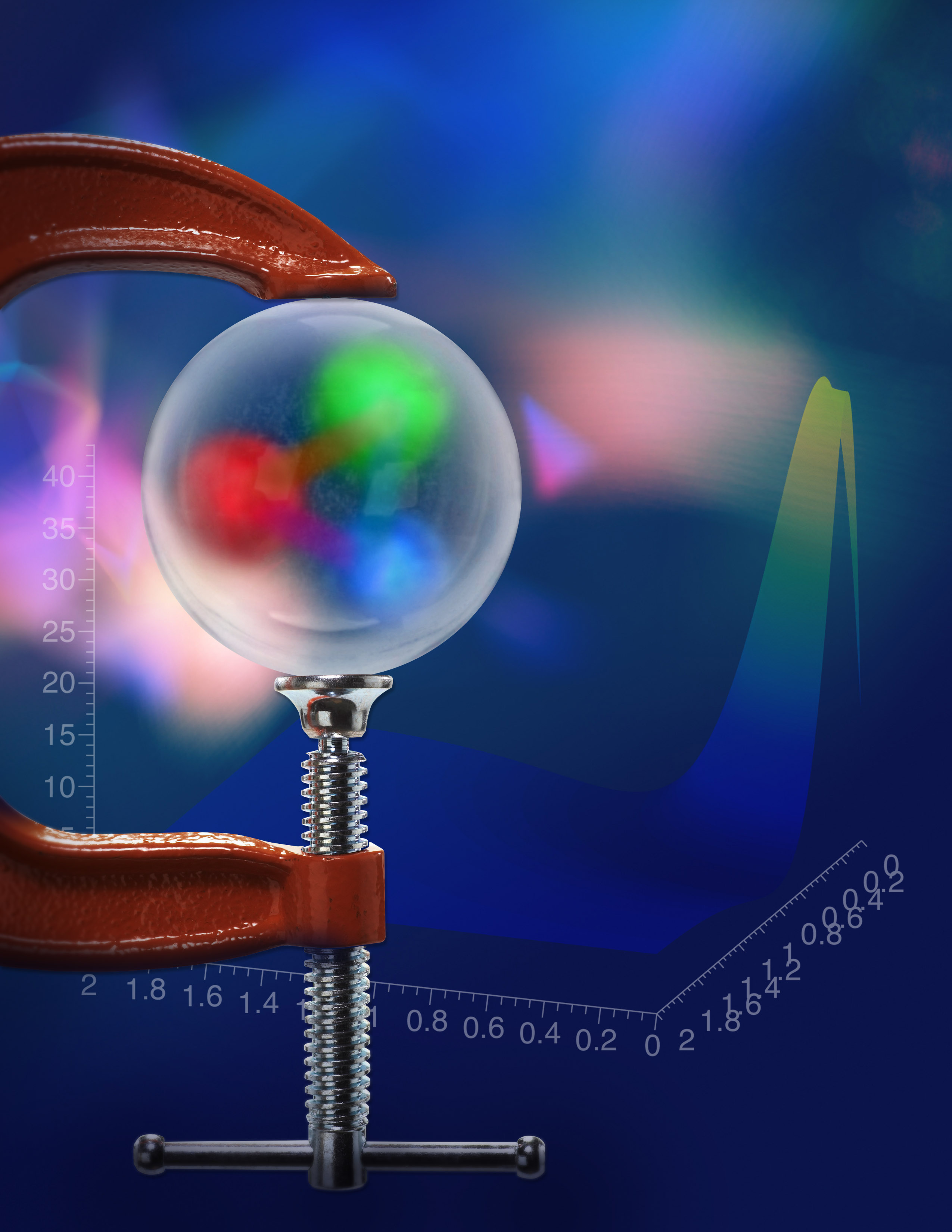
According to a new study from the Thomas Jefferson National Accelerator Facility, the pressure at the center of a proton is one-hundred times greater than at the core of a neutron star!
Continue reading
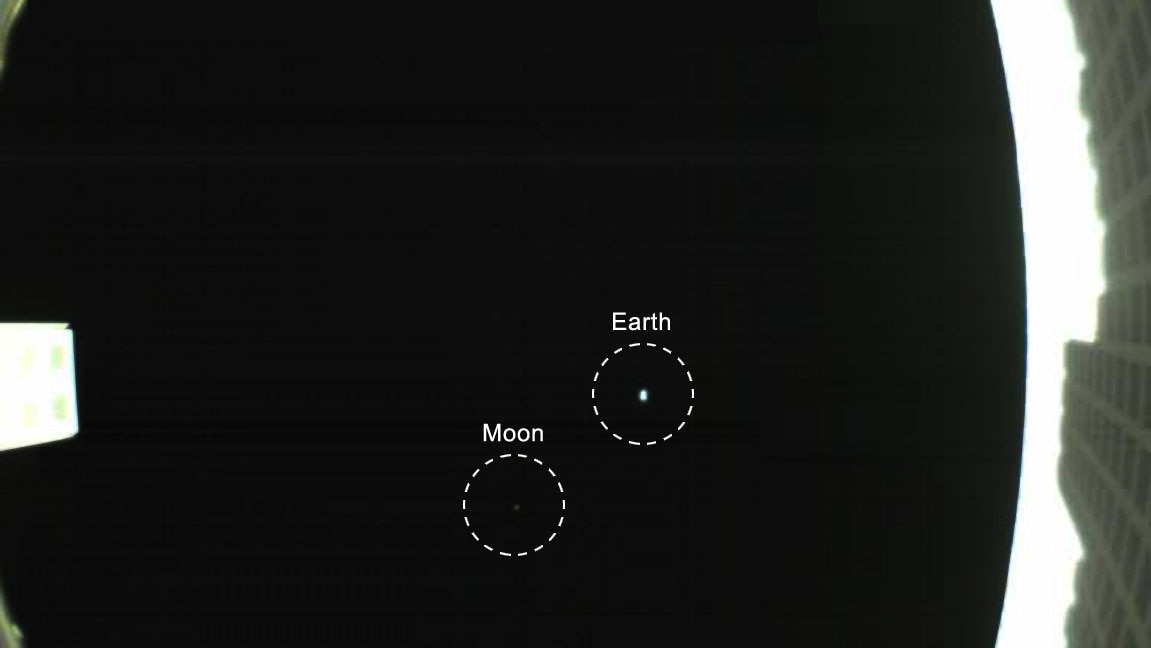
NASA's MarCO Cubesats, which are currently on their way to Mars with the InSight Lander, recently snapped a "pale blue dot" photo of Earth and the Moon.
Continue reading
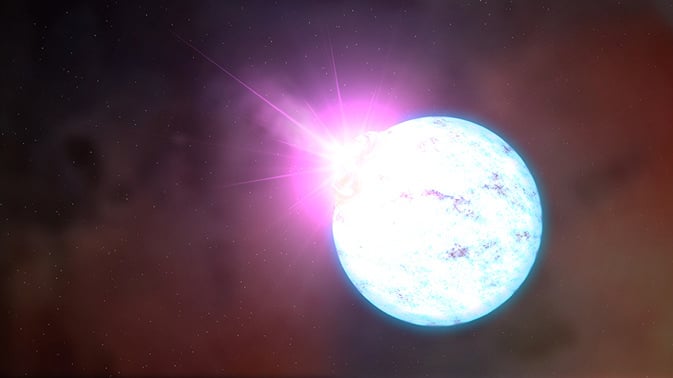
According to a new study by a team of Chinese astronomers, fast radio bursts (FRBs) could be caused by the collapse of normal matter-crusts around "strange stars".
Continue reading
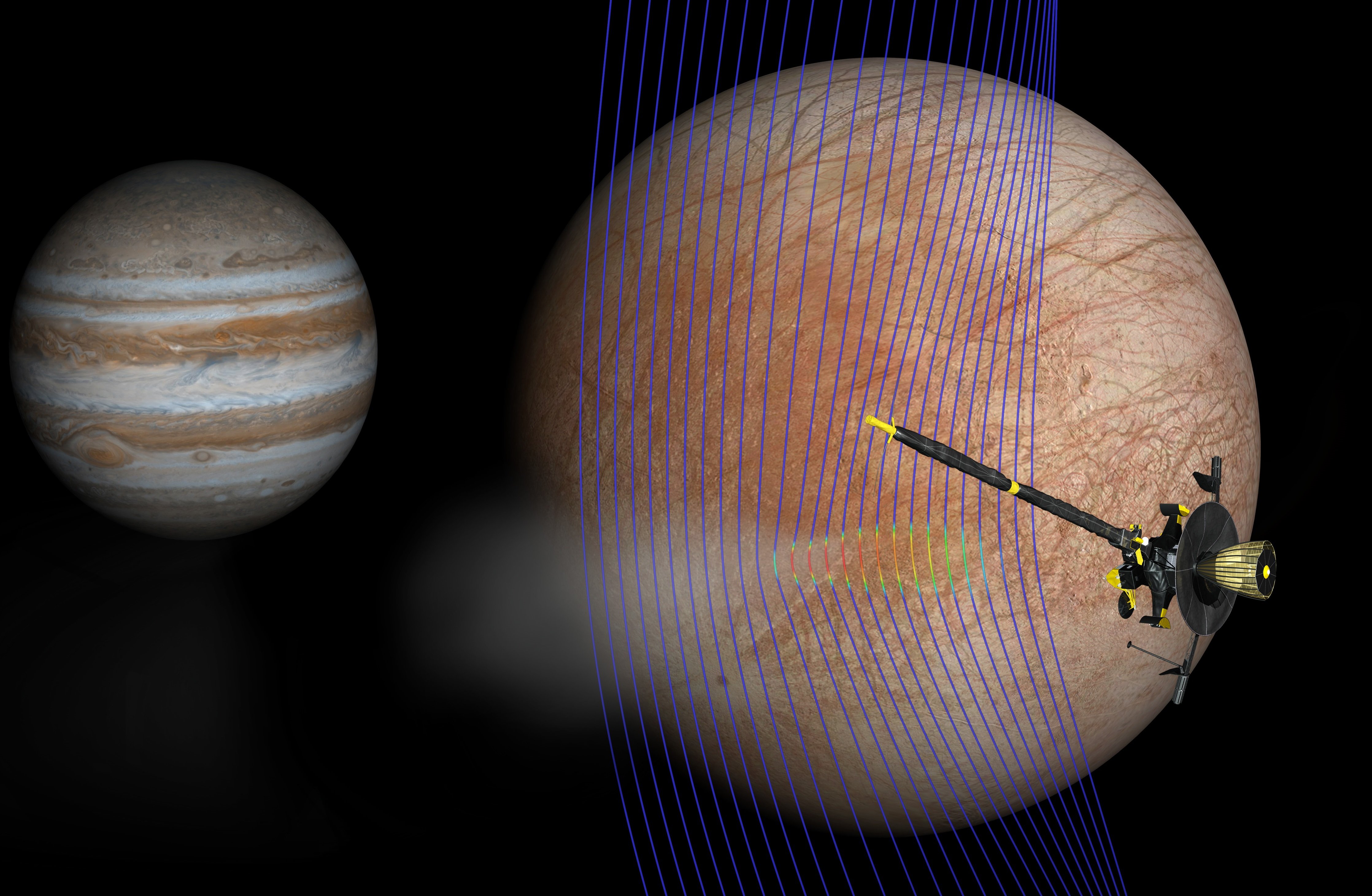
Using old data from the Galileo spaceprobe, a team of NASA scientists has found more evidence of plume activity on Europa's surface.
Continue reading
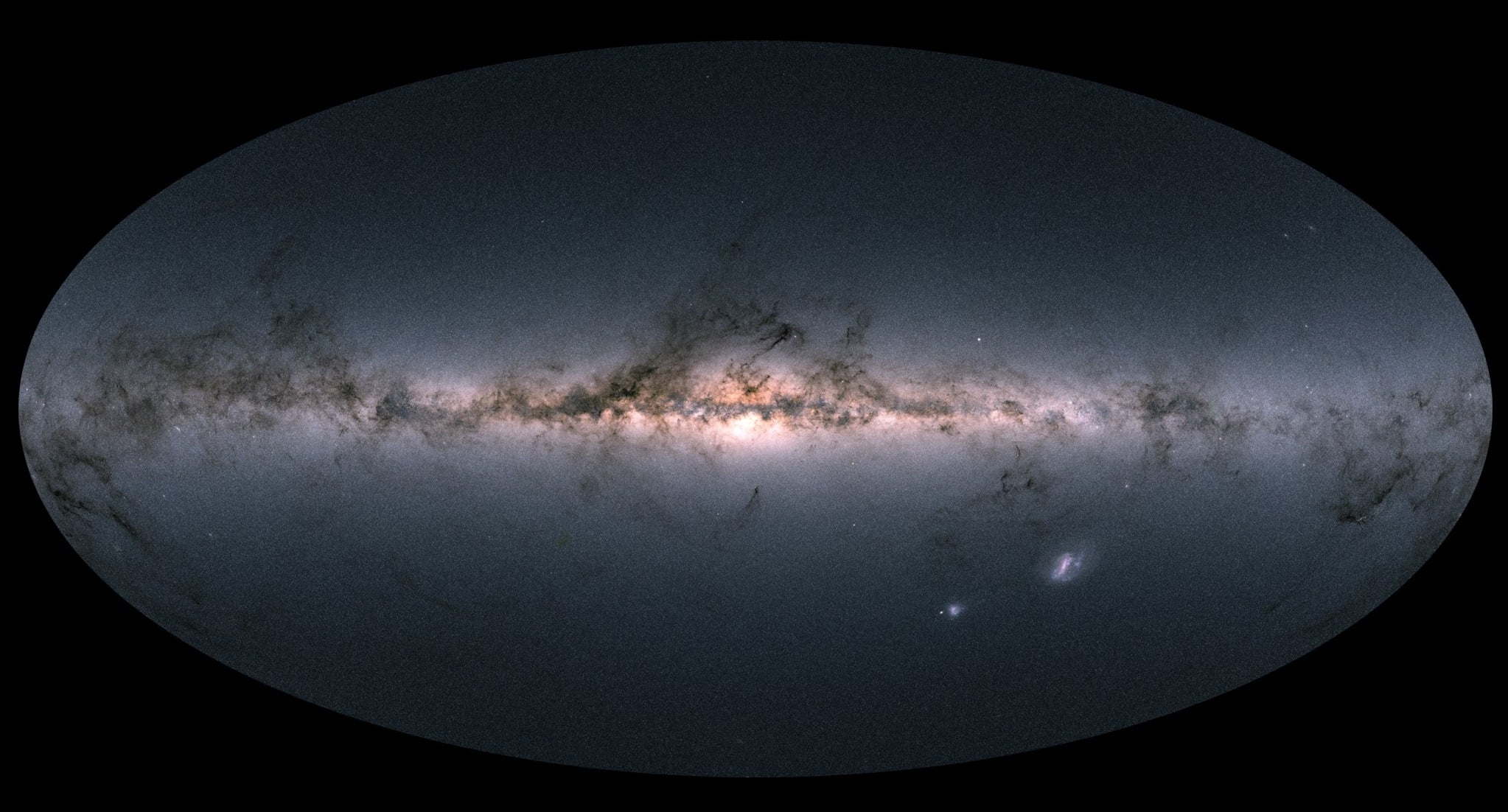
Based on the 2nd Gaia Data Release, a team of astronomers were able to directly detect and compile information on over 1000 white dwarf stars in our galactic neighborhood.
Continue reading
Continue reading

Continue reading
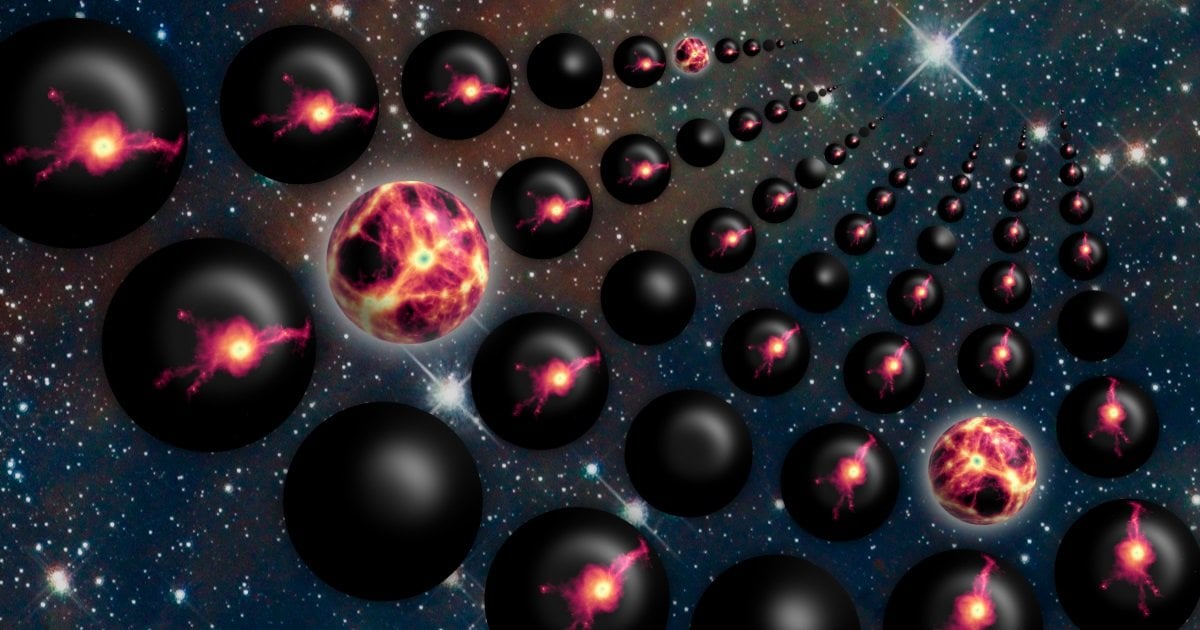
In a series of new studies, an international team of researchers found that if we live in a multiverse, it is likely to be as habitable as our own.
Continue reading
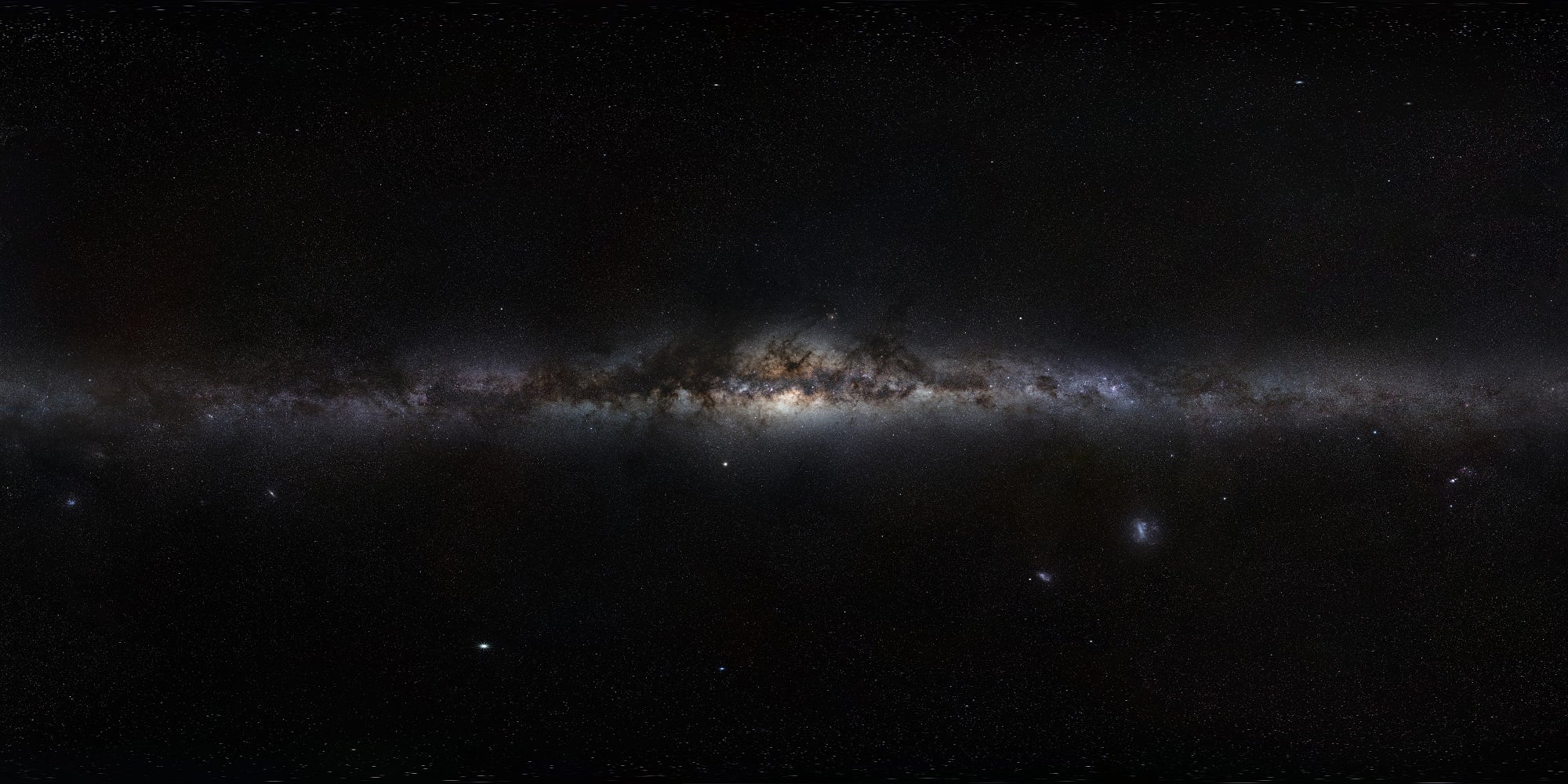
A new study by a UK scientists takes a look at the different means of interstellar travel, and considers the pros and cons of each.
Continue reading
Continue reading
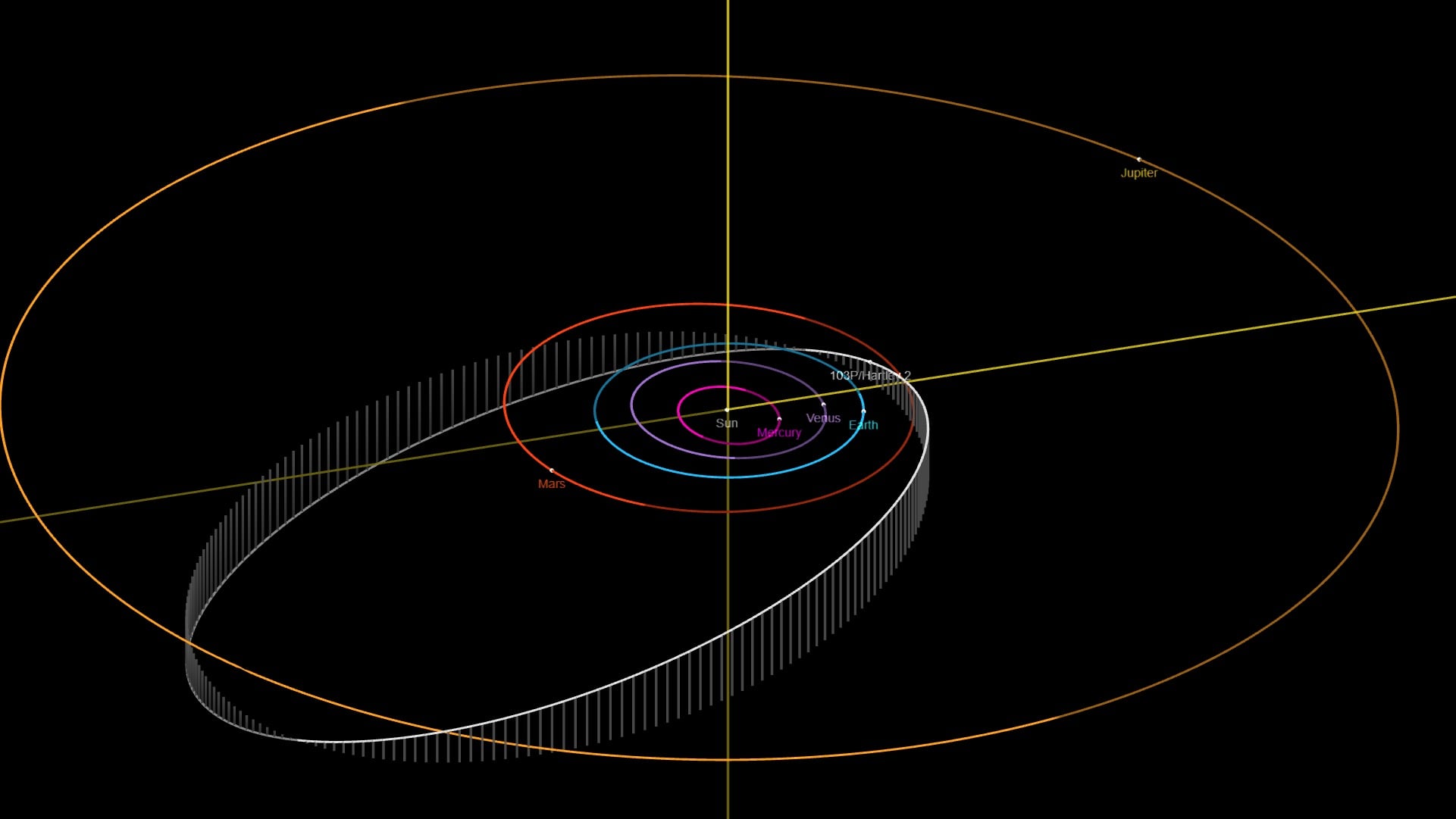
Incoming: The Earth-Moon system has company tonight.
The Asteroid: Near Earth Asteroid 2010 WC9 is back. Discovered by the Catalina Sky Survey outside Tucson, Arizona on November 30th, 2010, 2010 WC9 was lost after a brief 10 day observation window, and was not recovered until earlier this month. About 71 meters in size, 2010 WC9 is one of the largest asteroids to pass us closer than the Earth-Moon distance.
Continue reading
Continue reading
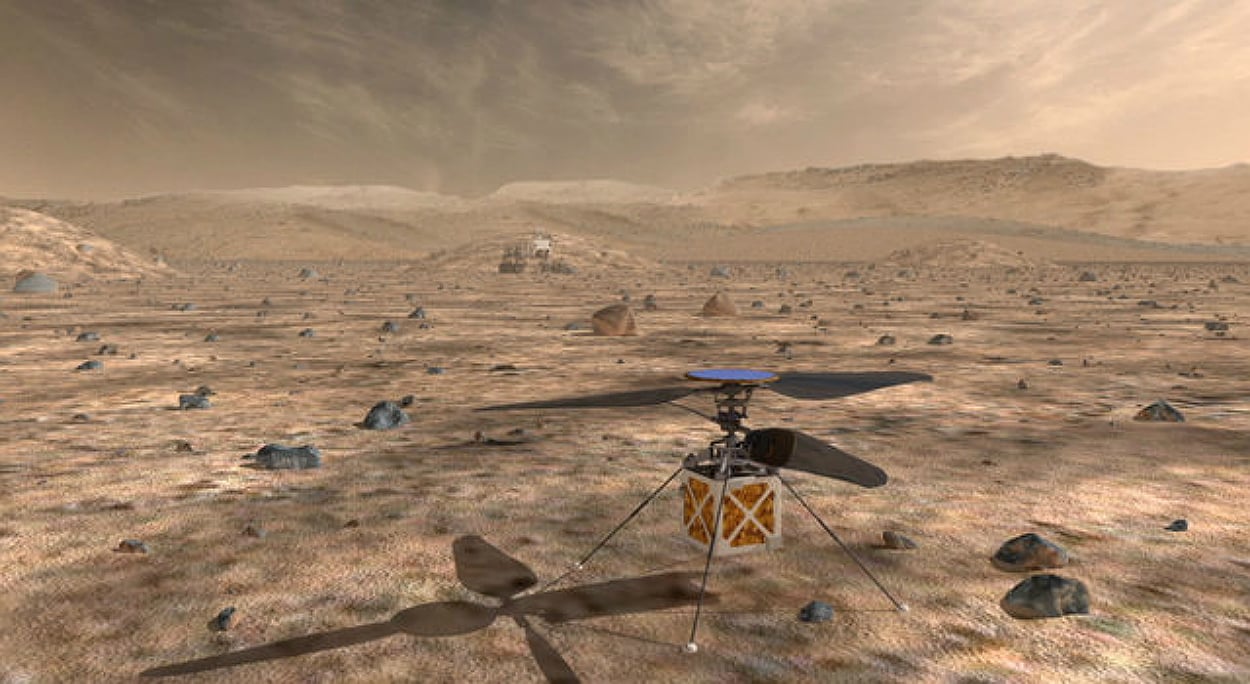
When the Mars 2020 rover arrives on the Red Planet, it will include a Mars Helicopter - a concept that will prove the viability of autonomous helicopter explorers.
Continue reading
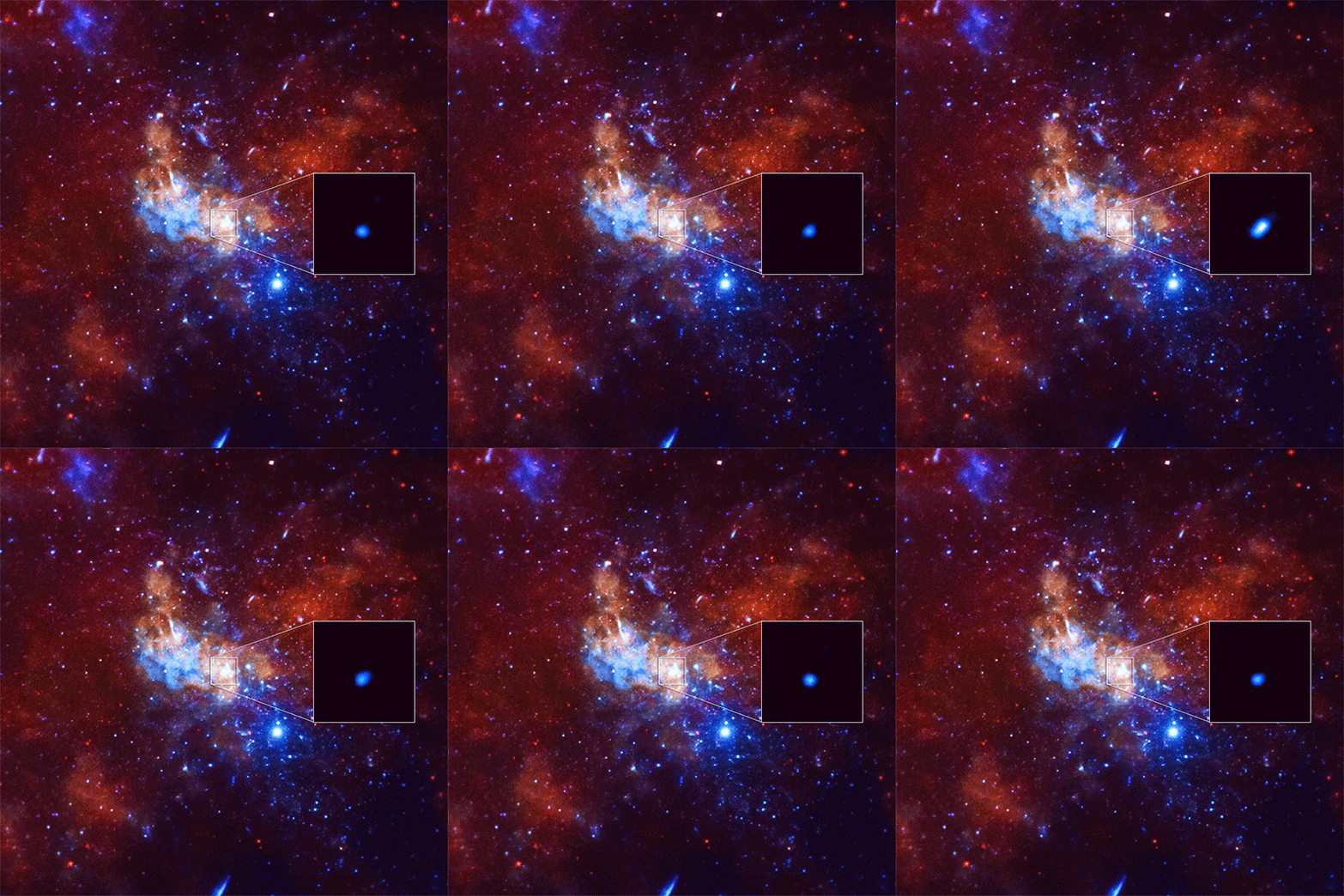
Using data from the Chandra X-ray observatory, a team of scientists have found evidence that indicates that thousands of black holes may reside near the center of our galaxy.
Continue reading
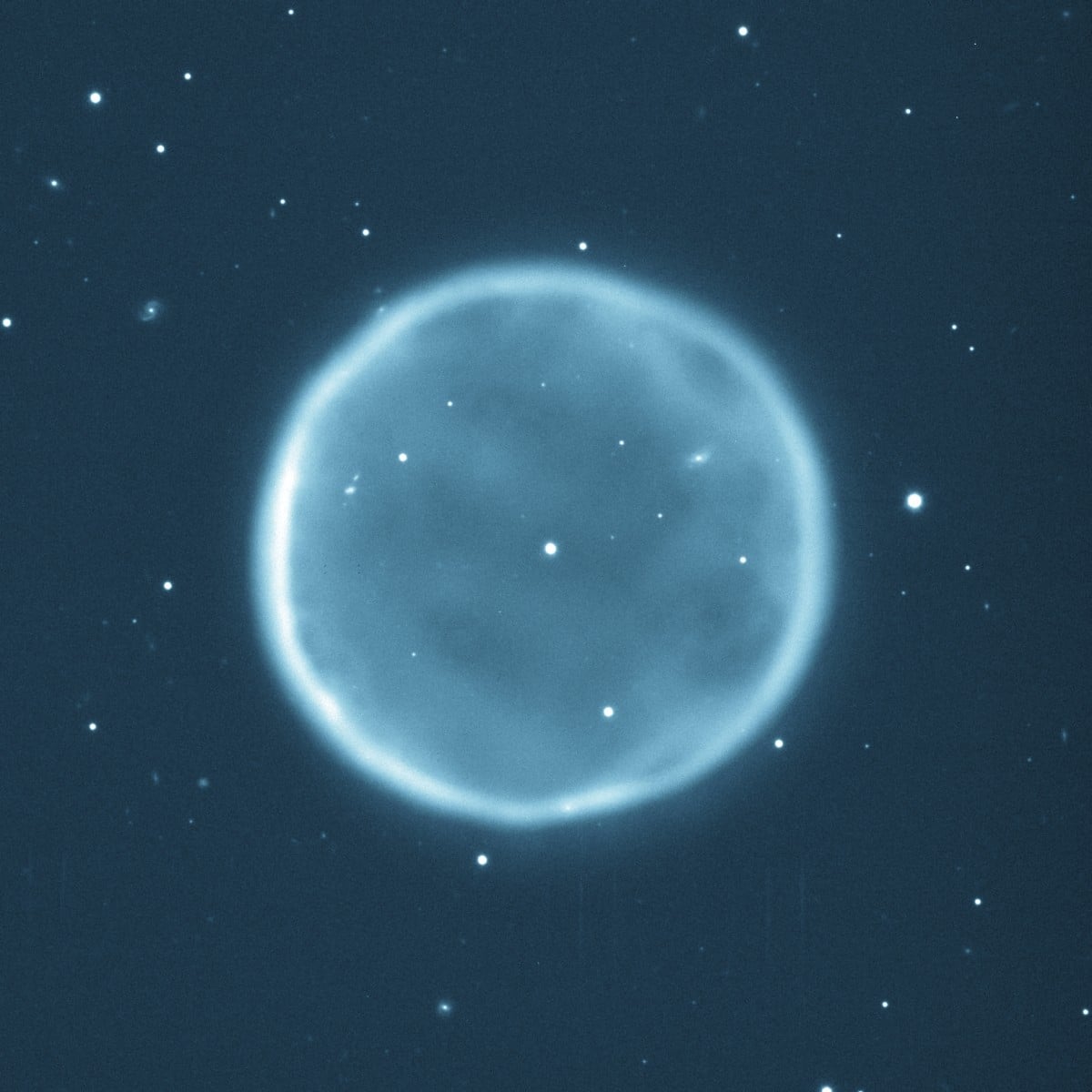
A new study by an international team of astronomers has demonstrated with scientific confidence what will happen to our Sun when it reaches the end of its life cycle.
Continue reading
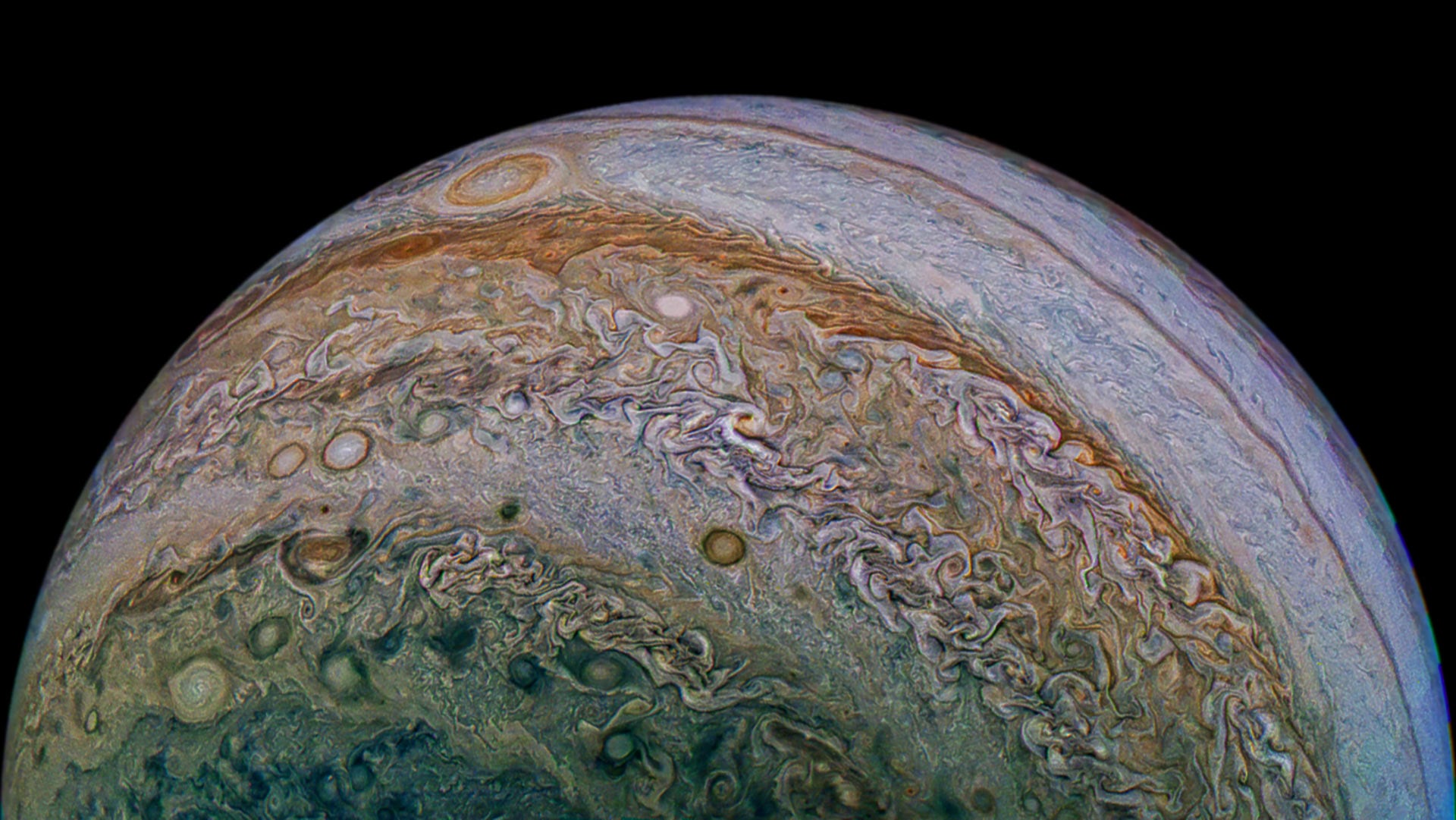
According to a new study by a team of Earth scientists and geologist, the way Venus and Jupiter affect Earth's orbit is the most predictable and stable indicator of periodic changes in our climate.
Continue reading
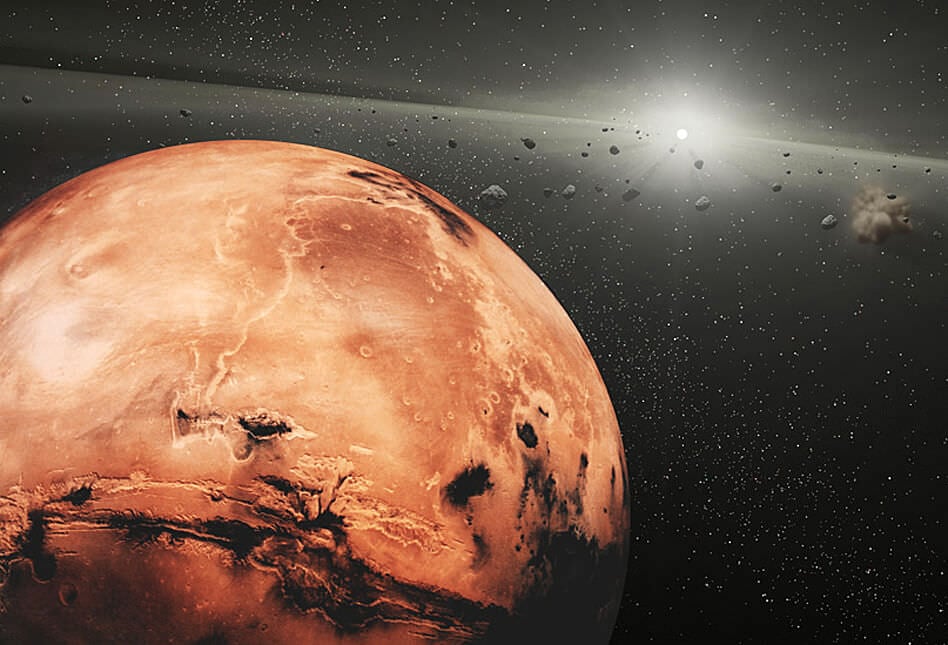
A new study by an international team of researchers indicates that Mars' growth was stunted due to the orbital instability of the planets in the outer Solar System.
Continue reading
Continue reading
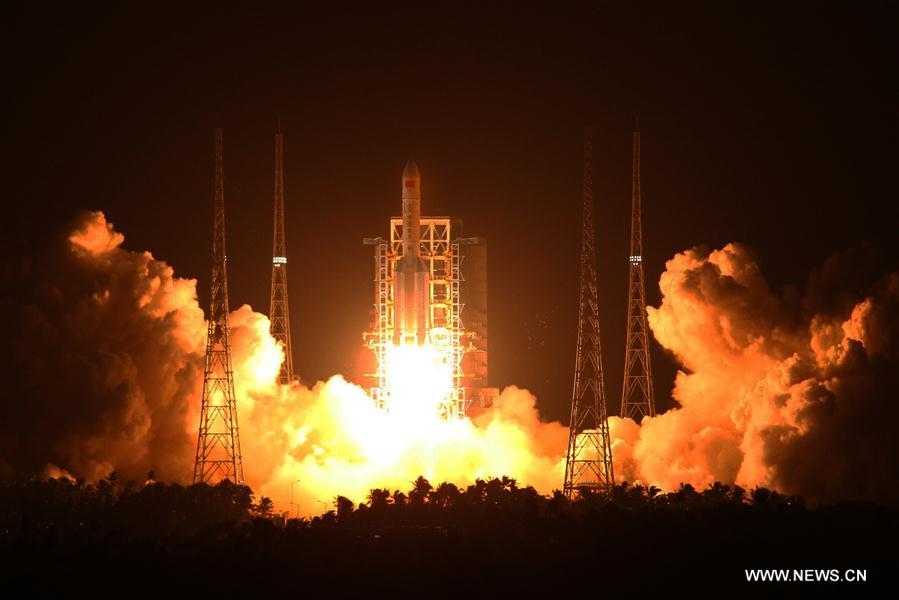
At a recent space conference in China, the Chinese space agency recently indicated that the Long March 8 rocket will include a reusable first stage
Continue reading
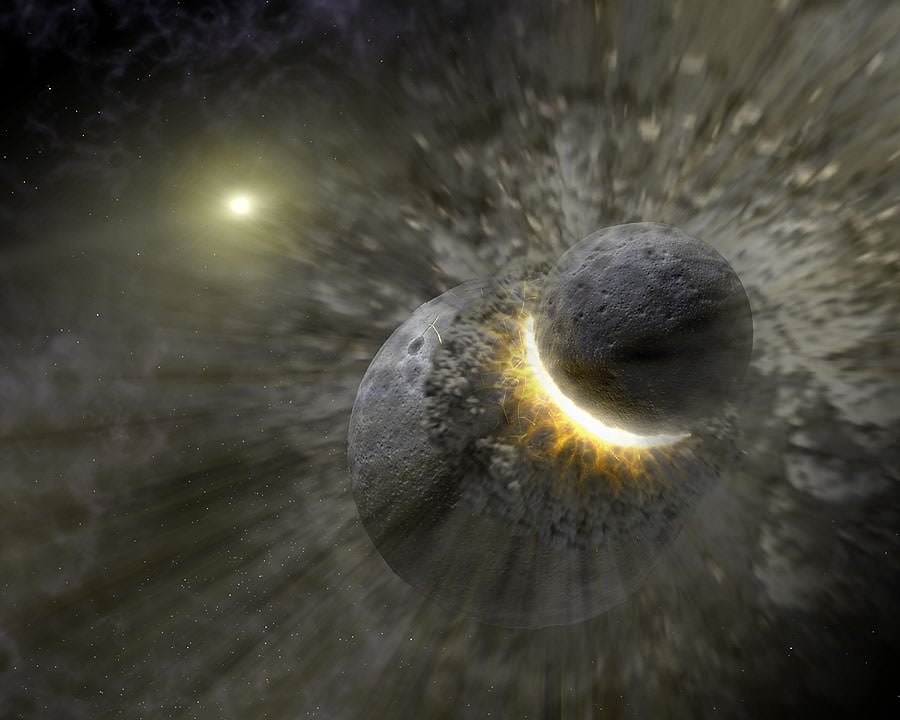
A new study by an international team of scientists ventures that the Earth has had several moons in the past, all of which crashed to Earth over time.
Continue reading
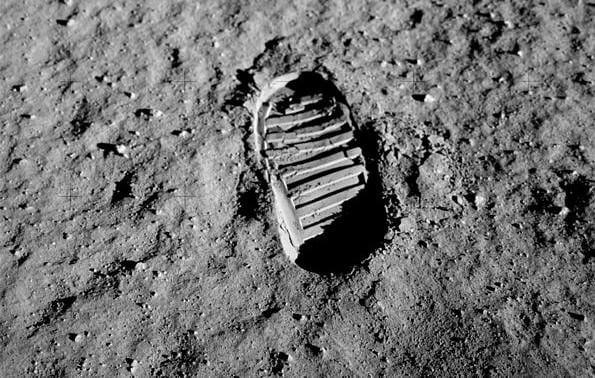
According to a new study, one of the greatest health risks posed by missions to the Moon could be the health effects of breathing lunar dust.
Continue reading
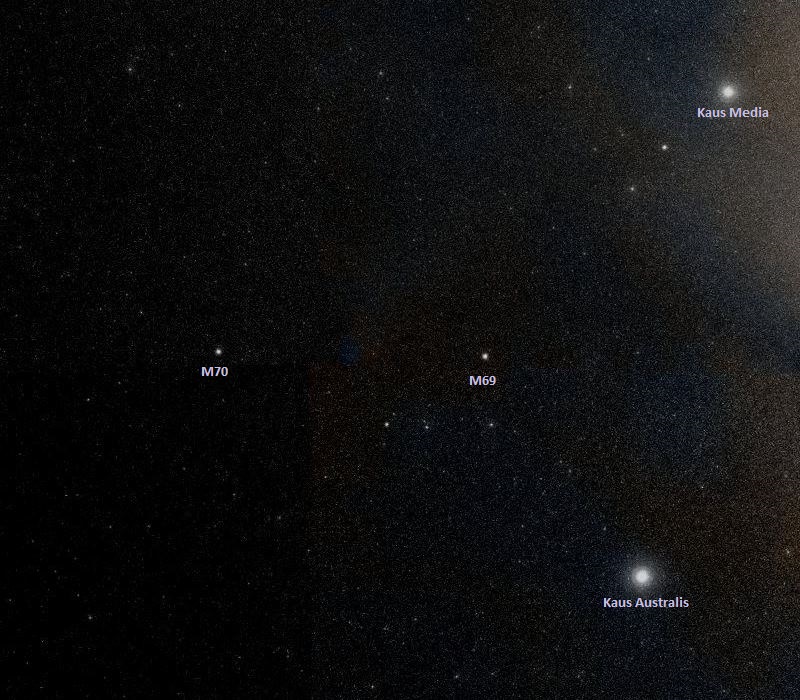
Located in the Sagittarius Constellation, roughly 29,700 light-years from Earth, is the globular cluster known as Messier 69
Continue reading
Continue reading
Continue reading
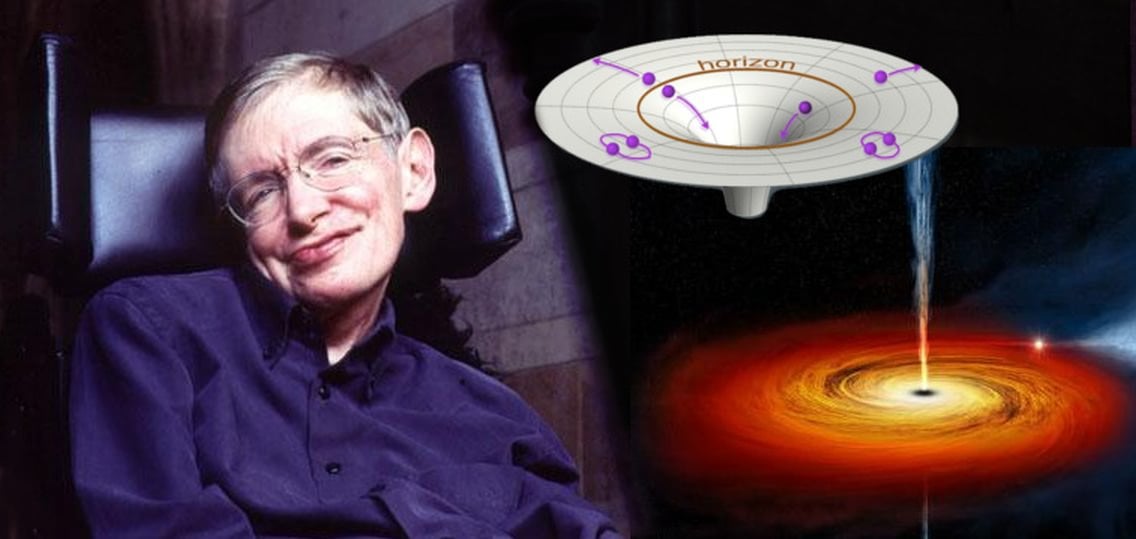
Stephen Hawking's final theory, which was recently published, offers an new take on the Big Bang Theory that could revolutionize the way we think of the Universe
Continue reading
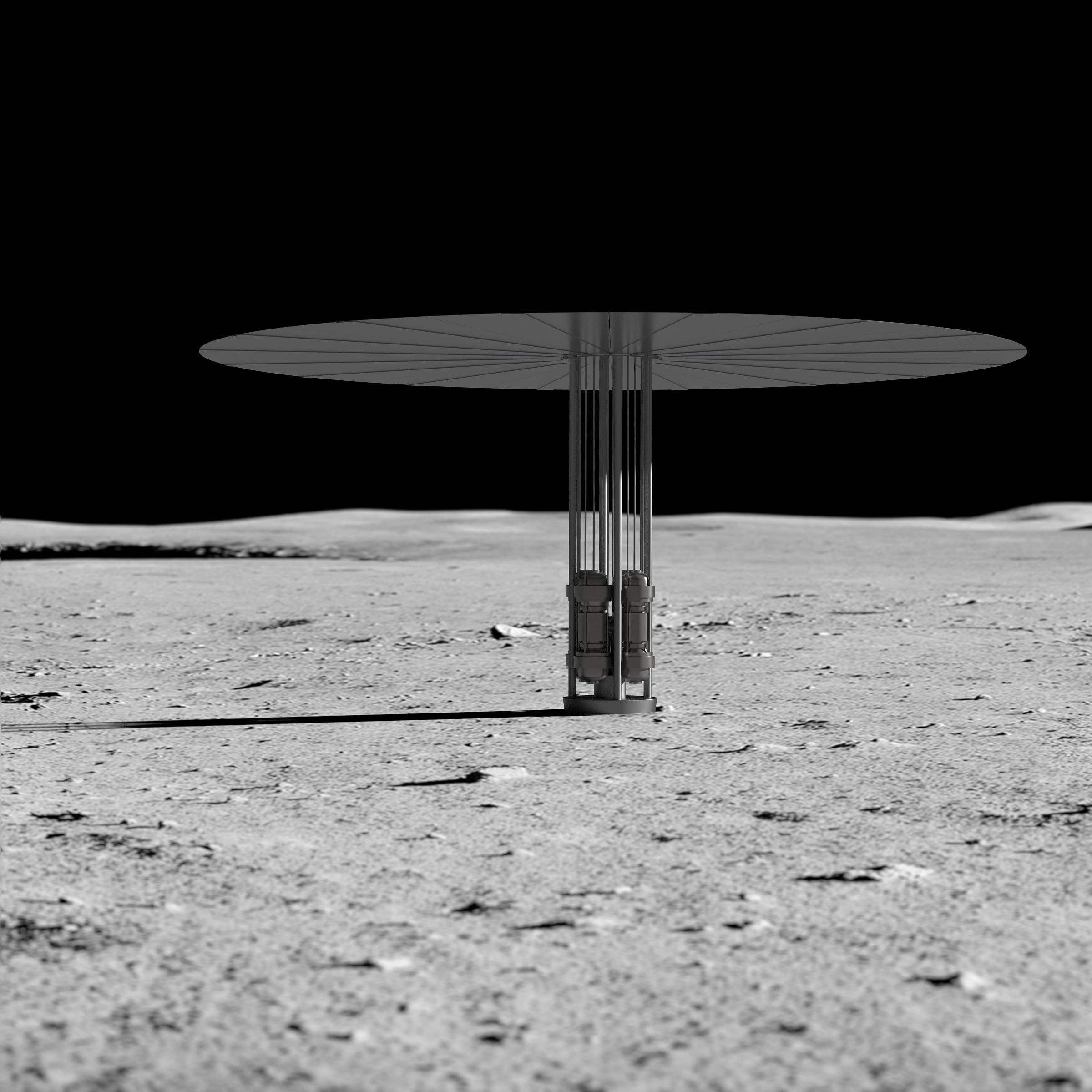
In collaboration with the Department of Energy, NASA recently conducted a successful demonstration of a new fission system that could enable long-duration missions to the Moon, Mars, and beyons
Continue reading
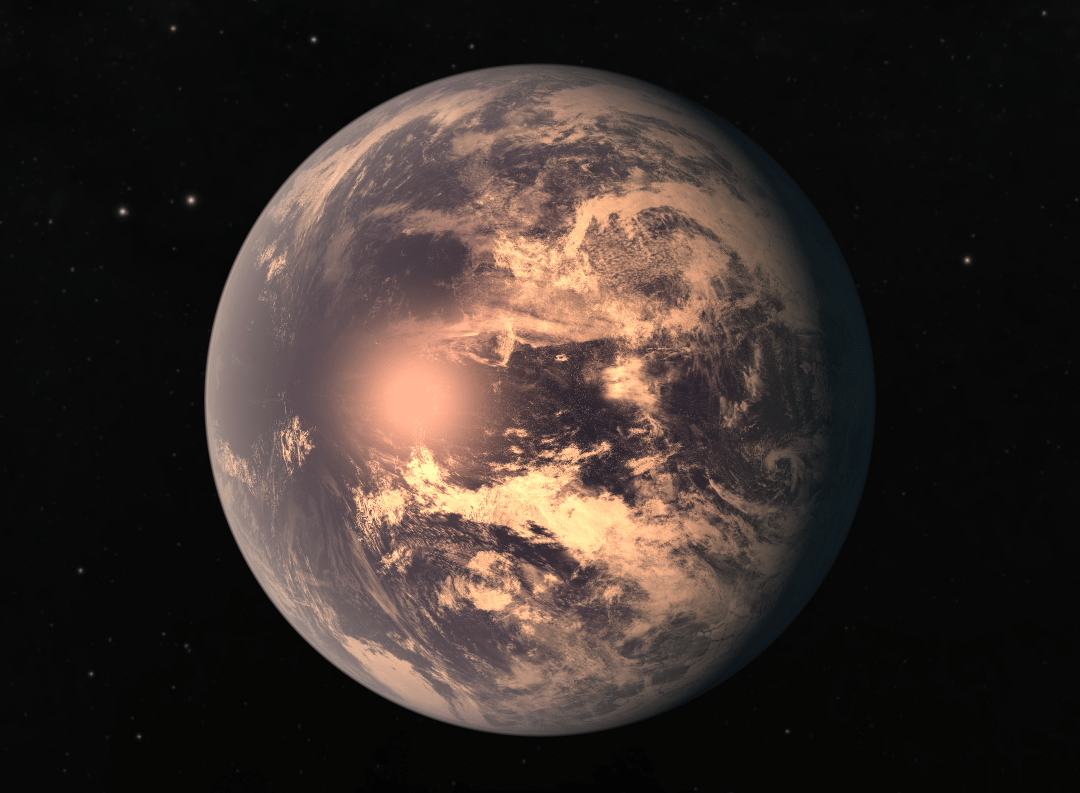
According to a new study by a team of Columbia University's Cool Worlds Lab, one of the TRAPPIST-1 planets had a large iron core, which could have immense implications for its habitability.
Continue reading
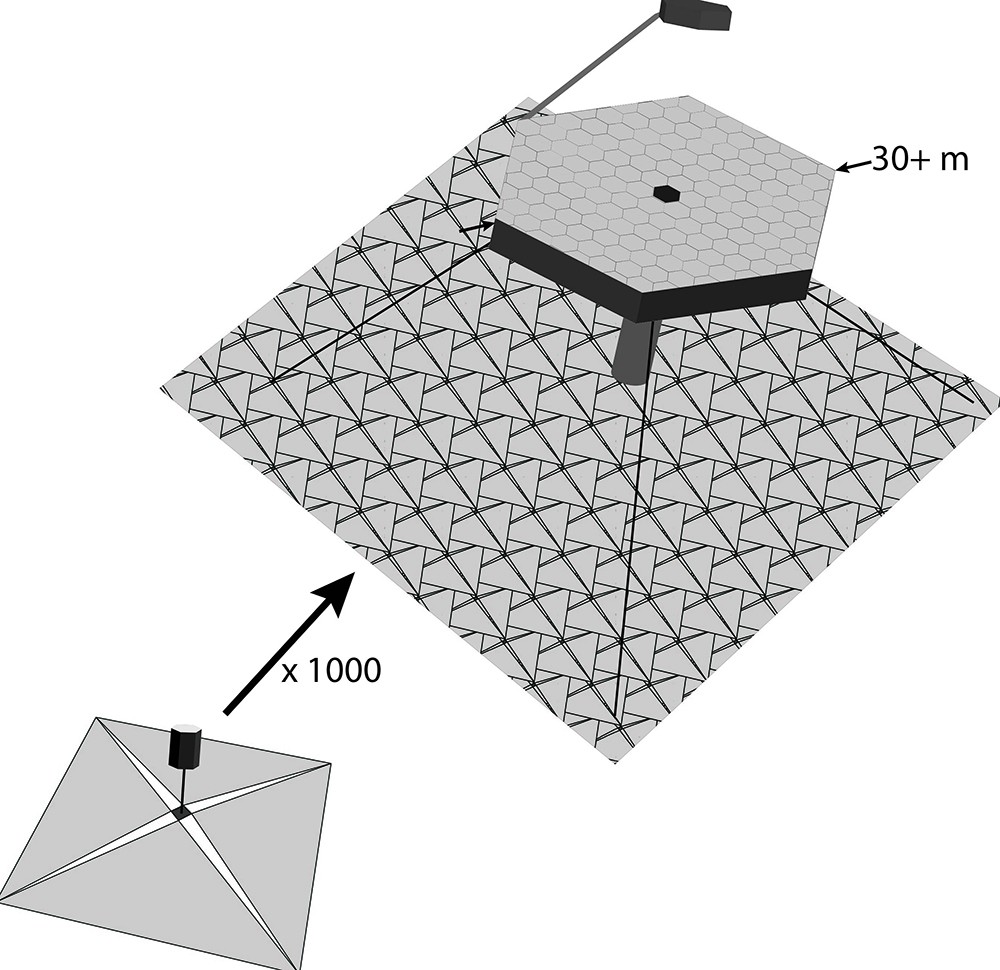
As part of the 2018 NASA Innovative Advanced Concepts (NAIC) program, a team of scientists from across the US was recently given a Phase I award for their self-assembling space telescope concept.
Continue reading
Continue reading
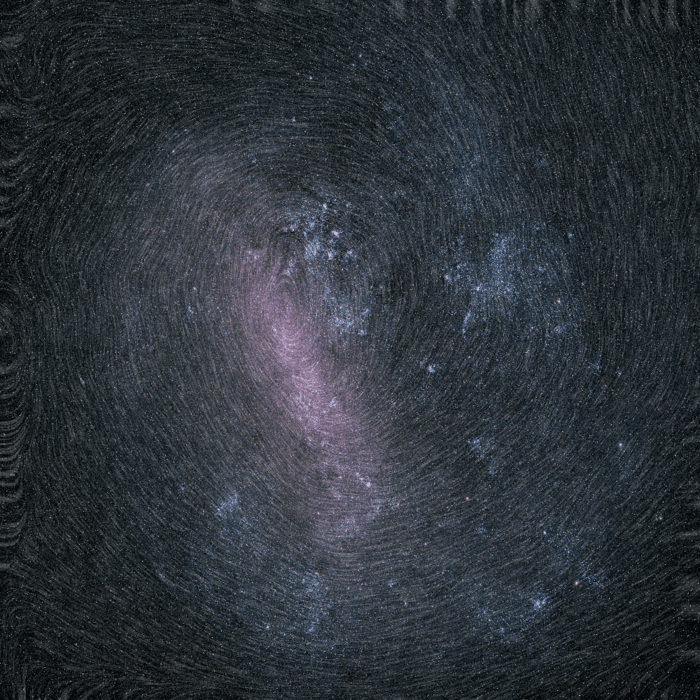
In addition to revealing the proper motion of over a billion stars in the Milky Way, the 2nd data release from the Gaia mission also revealed the proper motions of stars in the Large Magellanic Cloud.
Continue reading
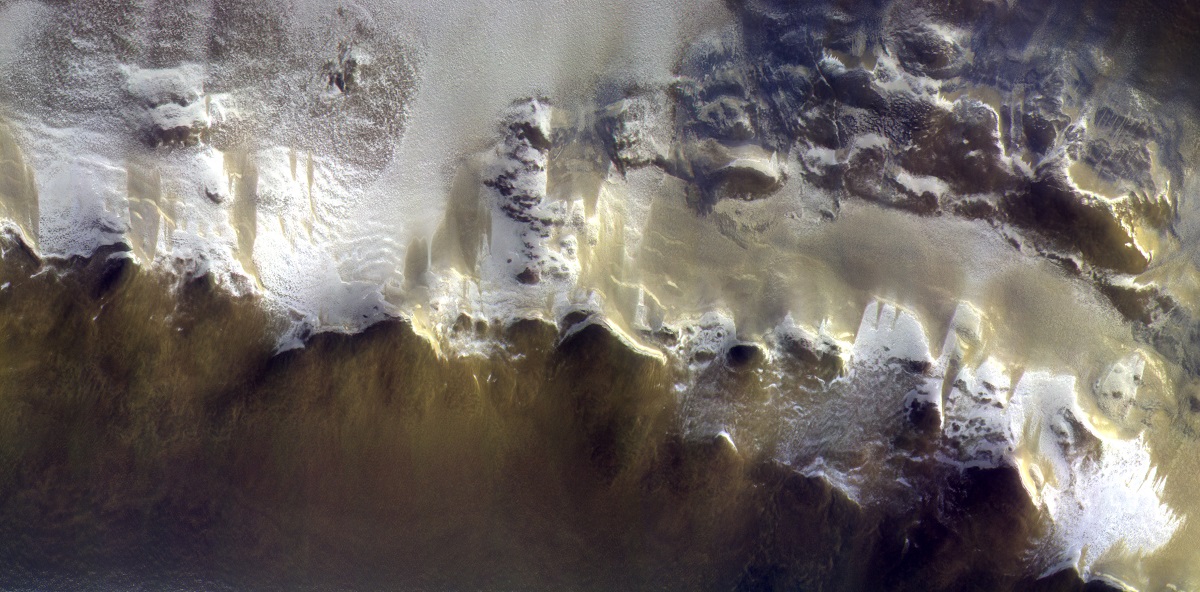
ExoMars mission's Trace Gas Orbiter (TGO) recently sent back its very first image, which shows the ice-covered edge of the Korolev Crater
Continue reading
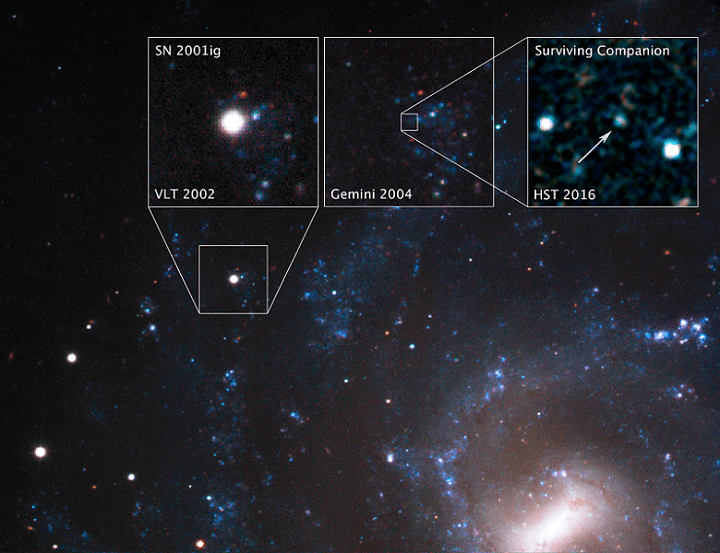
Using the Hubble Space telescope a team of astronomers have found the companion of a supernova for the first time, thus proving that some supernovae originate in binary systems.
Continue reading
Continue reading
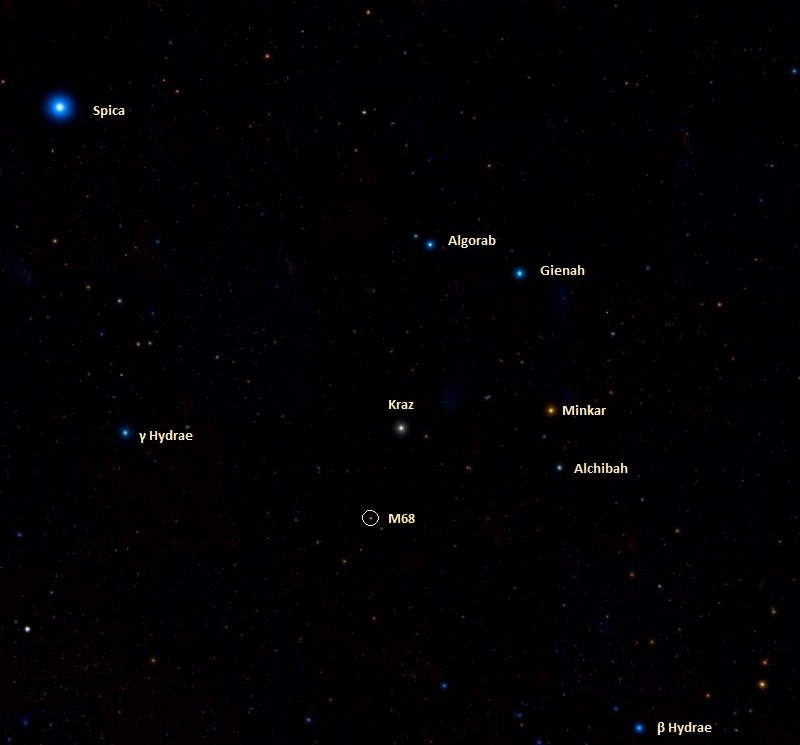
Located in the Hydra constellation, roughly 33,000 light years from Earth, is the globular cluster known as Messier 68
Continue reading
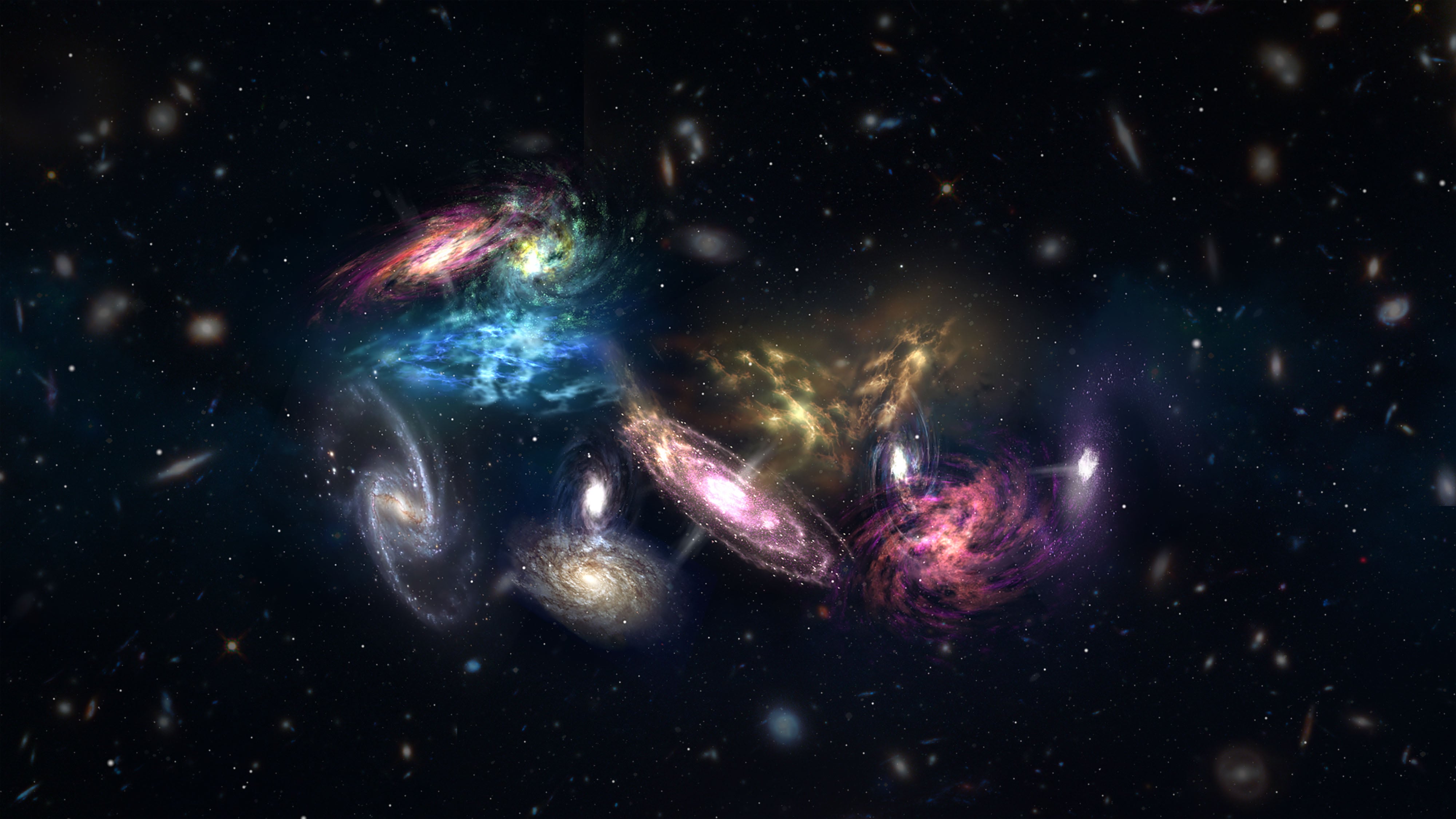
Using the ALMA array, international team of scientists recently observed 14 galaxies in the early Universe that are about to merge to form a galaxy cluster - one of the largest structures in the known Universe
Continue reading
Continue reading
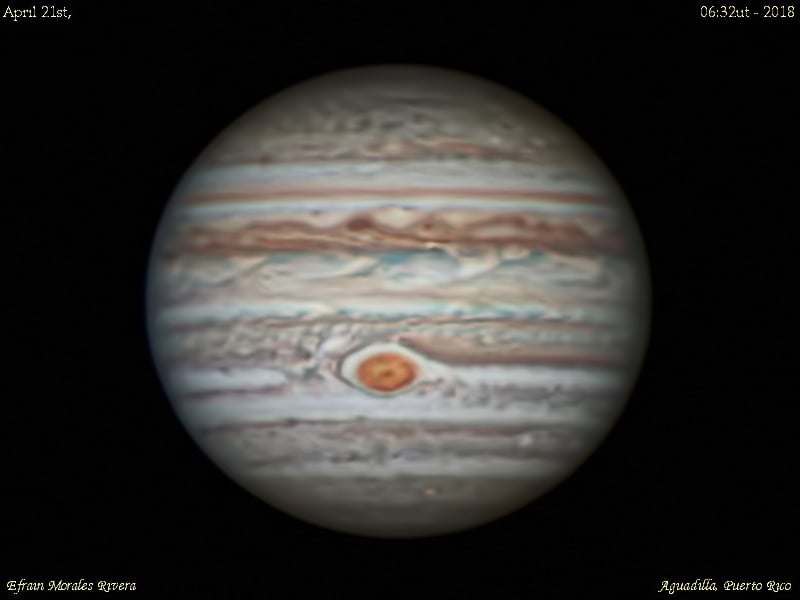
It's a question I've fielded lots this weekend leading up to last night's April Pink Full Moon, and one I expect we'll get again tonight: "What's that bright star near the Moon?"
That bright "star" is actually a planet, the king of them all as far as our Solar System is concerned: Jupiter. May also ushers in Jupiter observing season, as the planet reaches opposition on May 9th, rising in the east opposite to the setting Sun to the west. Jupiter now joins Venus in the dusk sky, ending the planetary drought plaguing many an evening star party.
Continue reading
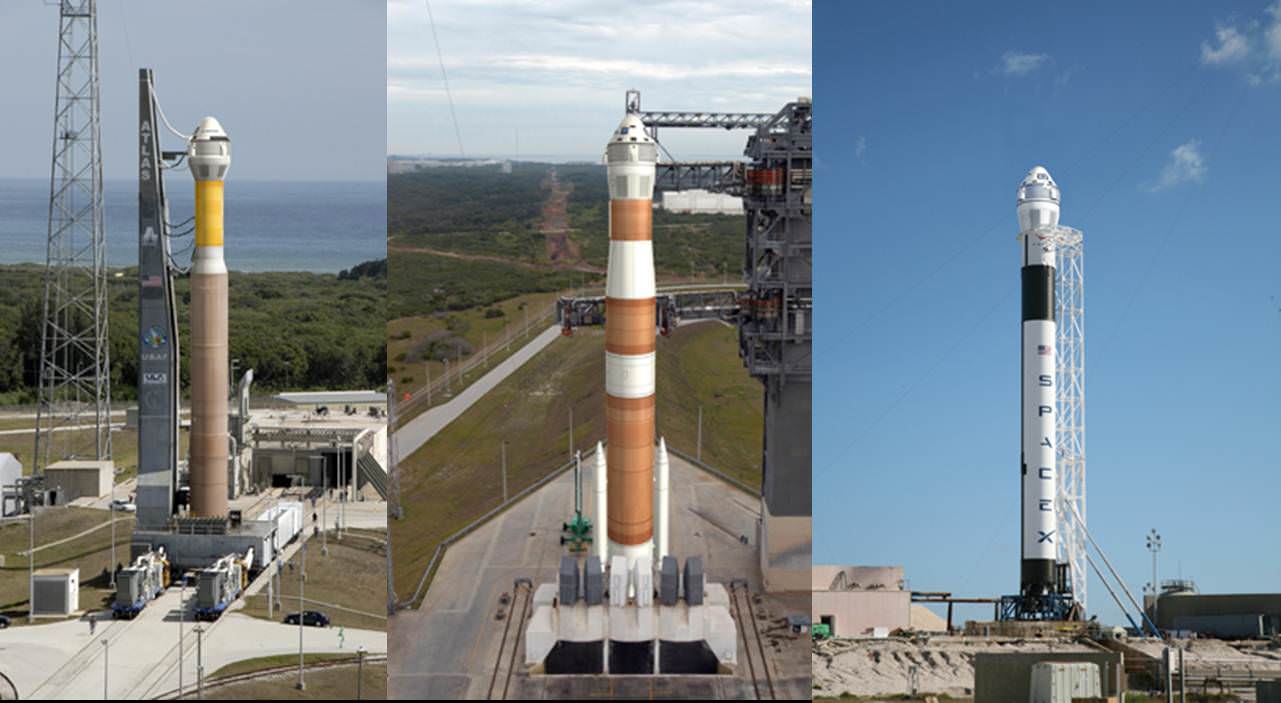
The 8th test flight of Blue Origin's New Shepard rocket - a major step towards the development of space tourism - will be live-streamed today.
Continue reading
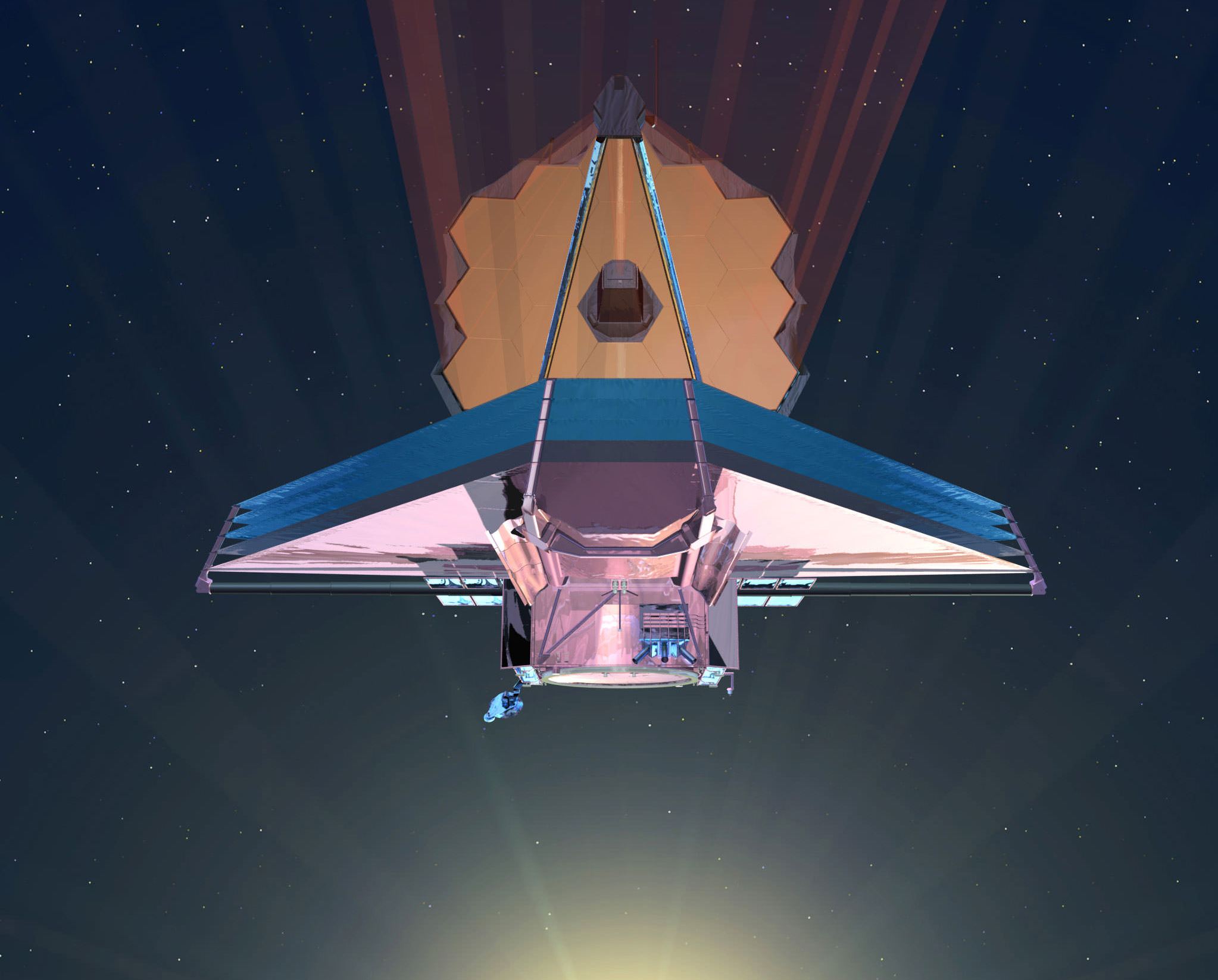
At the recent 2020 Decadal Survey for Astrophysics, four next-generation space telescopes were selected for future development
Continue reading
Thanks to the second release of Gaia data, we now know the positions, distances and motions of 1.7 billion stars in the Milky Way
Continue reading
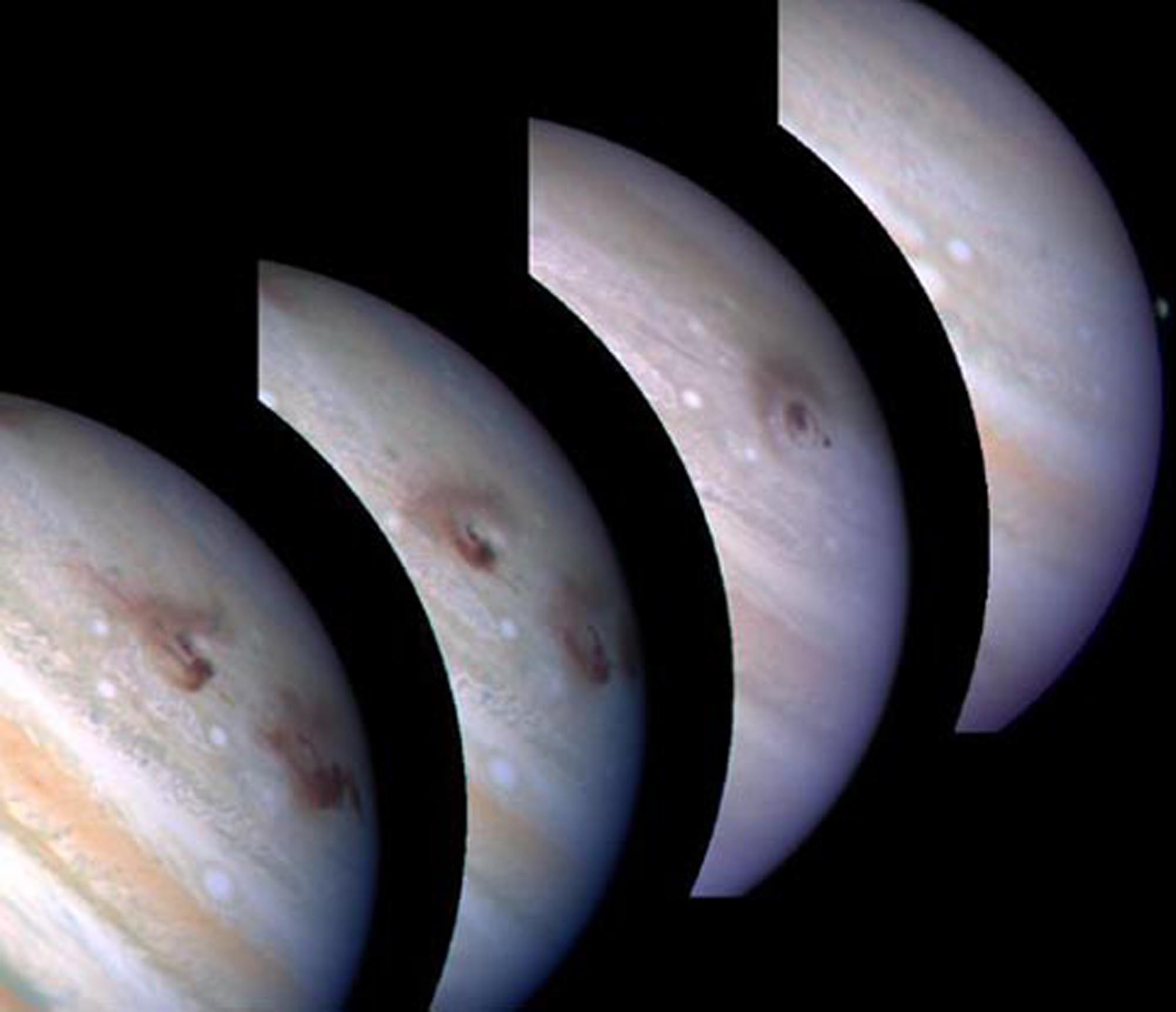
Are you keeping a eye on Jupiter? The King of the Planets, Jove presents a swirling upper atmosphere full of action, a worthy object of telescopic study as it heads towards another fine opposition on May 9th, 2018.
Now, an interesting international study out of the School of Engineering in Bilbao, Spain, the Astronomical Society of France,the Meath Astronomical Group in Dublin Ireland, the Astronomical Society of Australia, and the Esteve Duran Observatory in Spain gives us a fascinating and encouraging possibly, and another reason to keep a sharp eye on old Jove: Jupiter may just get smacked with asteroids on a ore regular basis than previously thought.
Continue reading
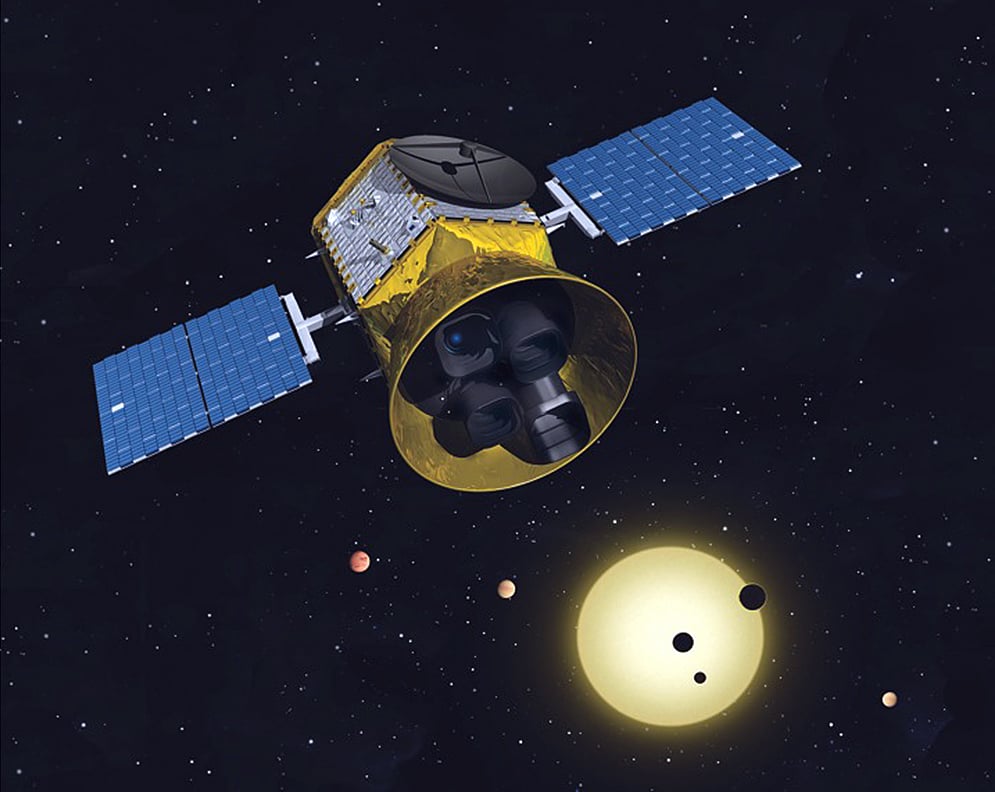
According to a new study, the Transiting Exoplanet Survey Satellite is estimated to find over 4000 planets during its first two-year mission
Continue reading
Continue reading
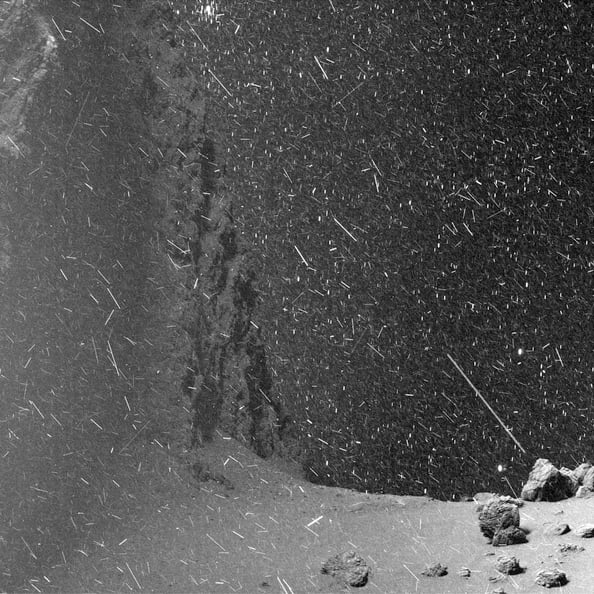
Using images taken by the Rosetta spacecraft, a twitter user created a stunning video that shows what it is like to stand on the surface of a comet
Continue reading
 Universe Today