Continue reading
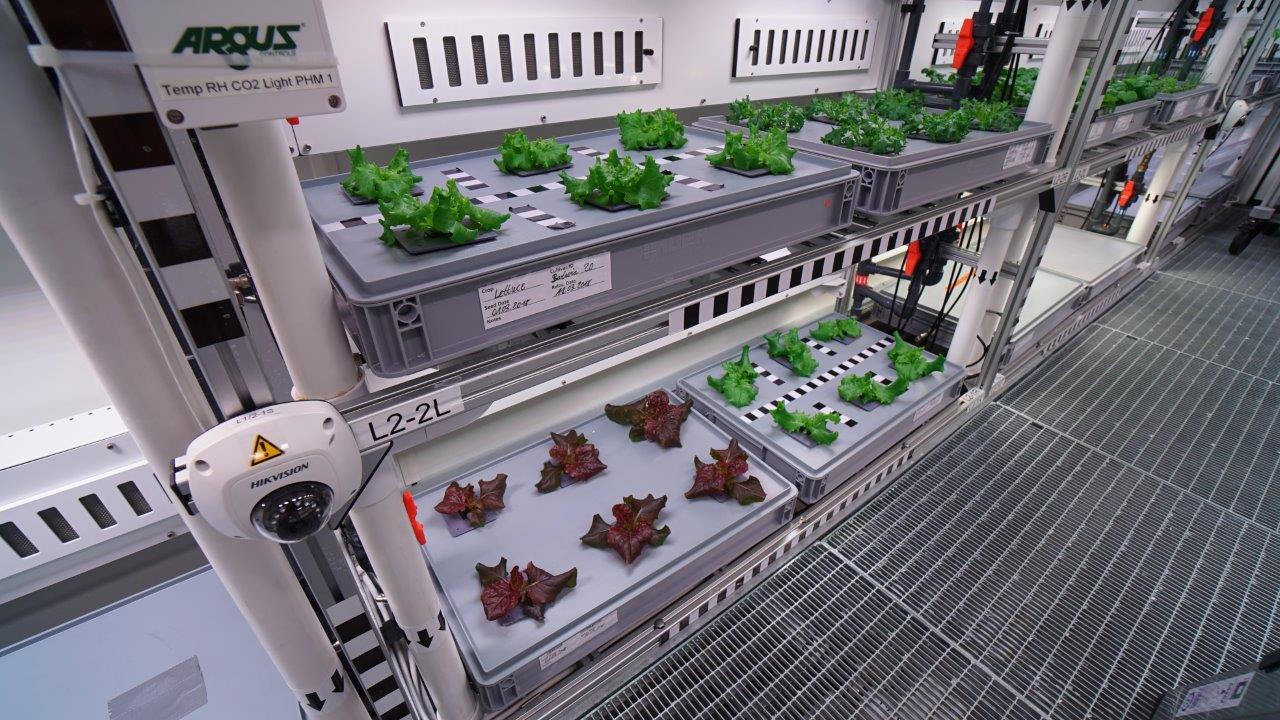
A team from a Russian polytechnic university is working on an autonomous space module where fresh vegetables could be grown for astronauts.
Continue reading
Continue reading
Continue reading
Continue reading
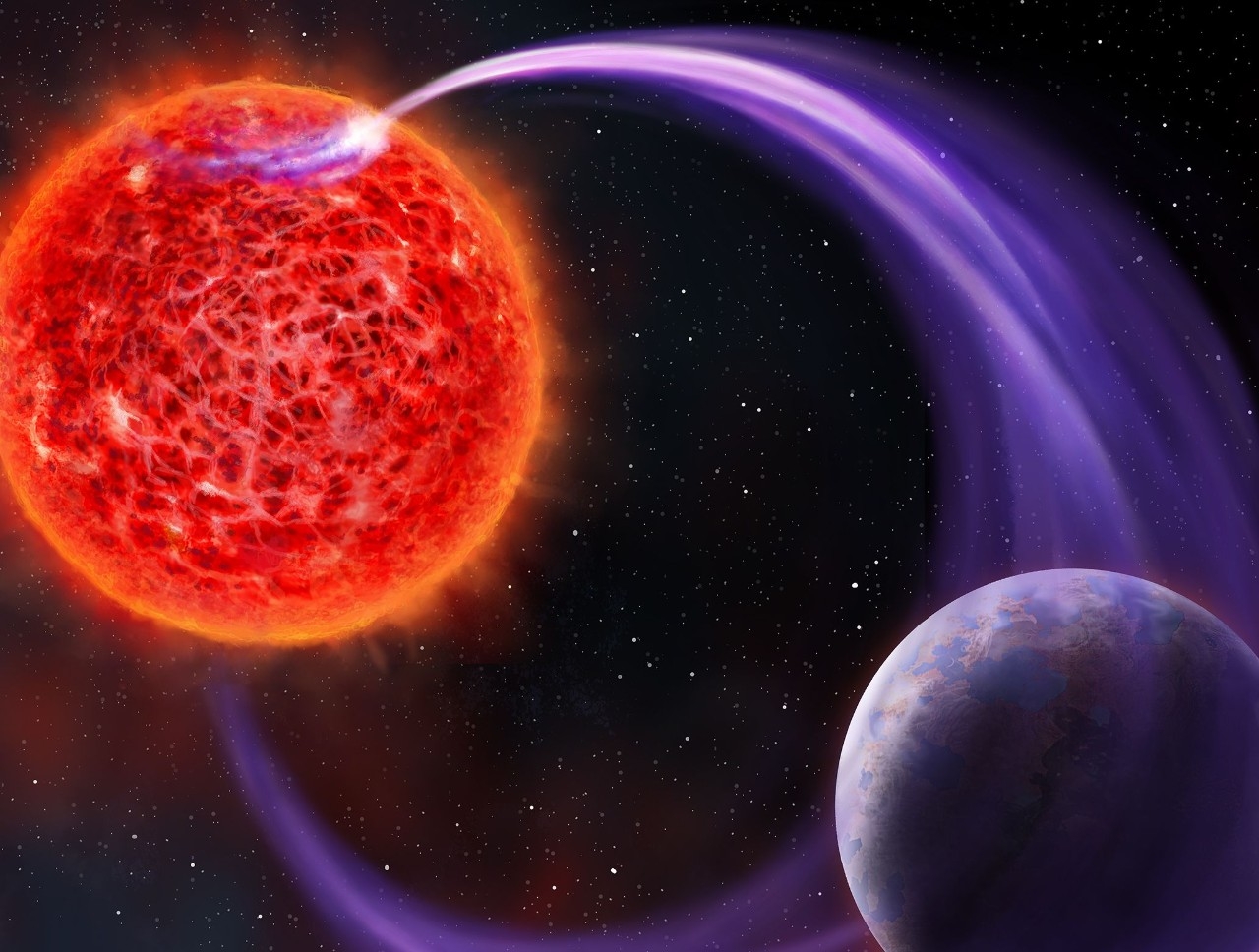
A team of scientists from the Netherlands have proposed an exciting new approach for finding exoplanets: look for signs of auroras!
Continue reading
Continue reading
Continue reading

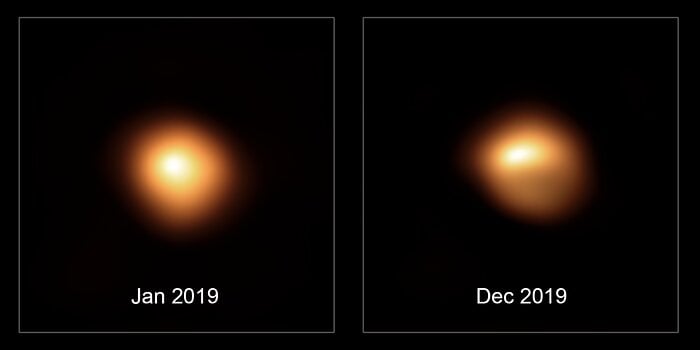
After an usual period of dimming Betelgeuse is growing brighter. But no supernova yet.
Continue reading
Continue reading
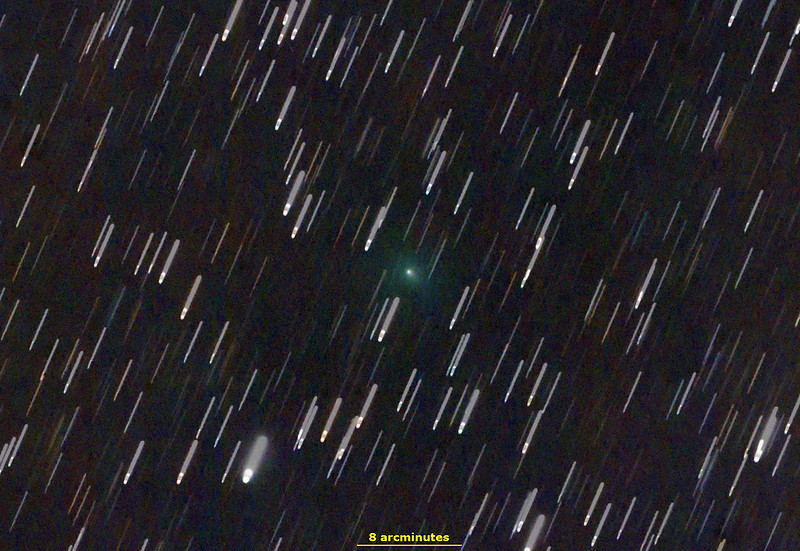
Good news: Though we've been going through a cometary dry spell as of late, we may have our first good naked eye comet for 2020: Comet C/2019 Y4 ATLAS.
Continue reading
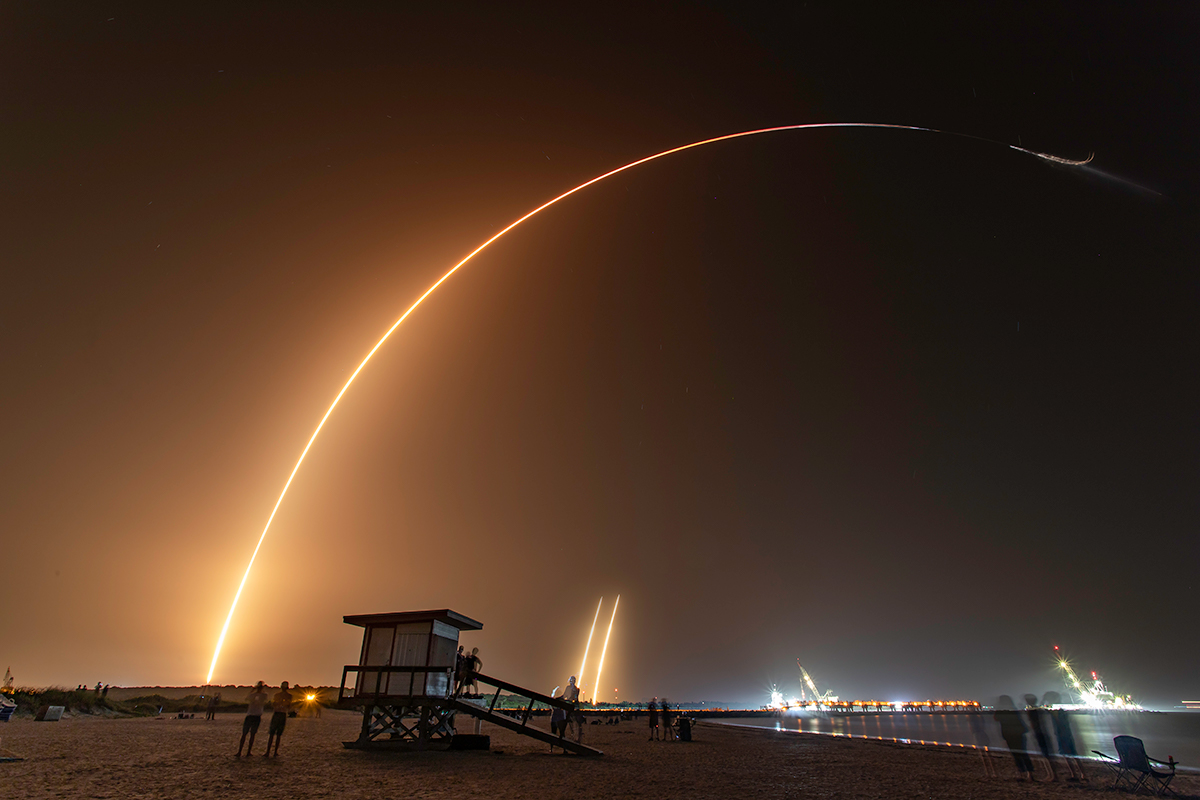
A new type of engine - known as the rotating detonation engine - could revolutionize rocketry and make space exploration more cost-effective
Continue reading
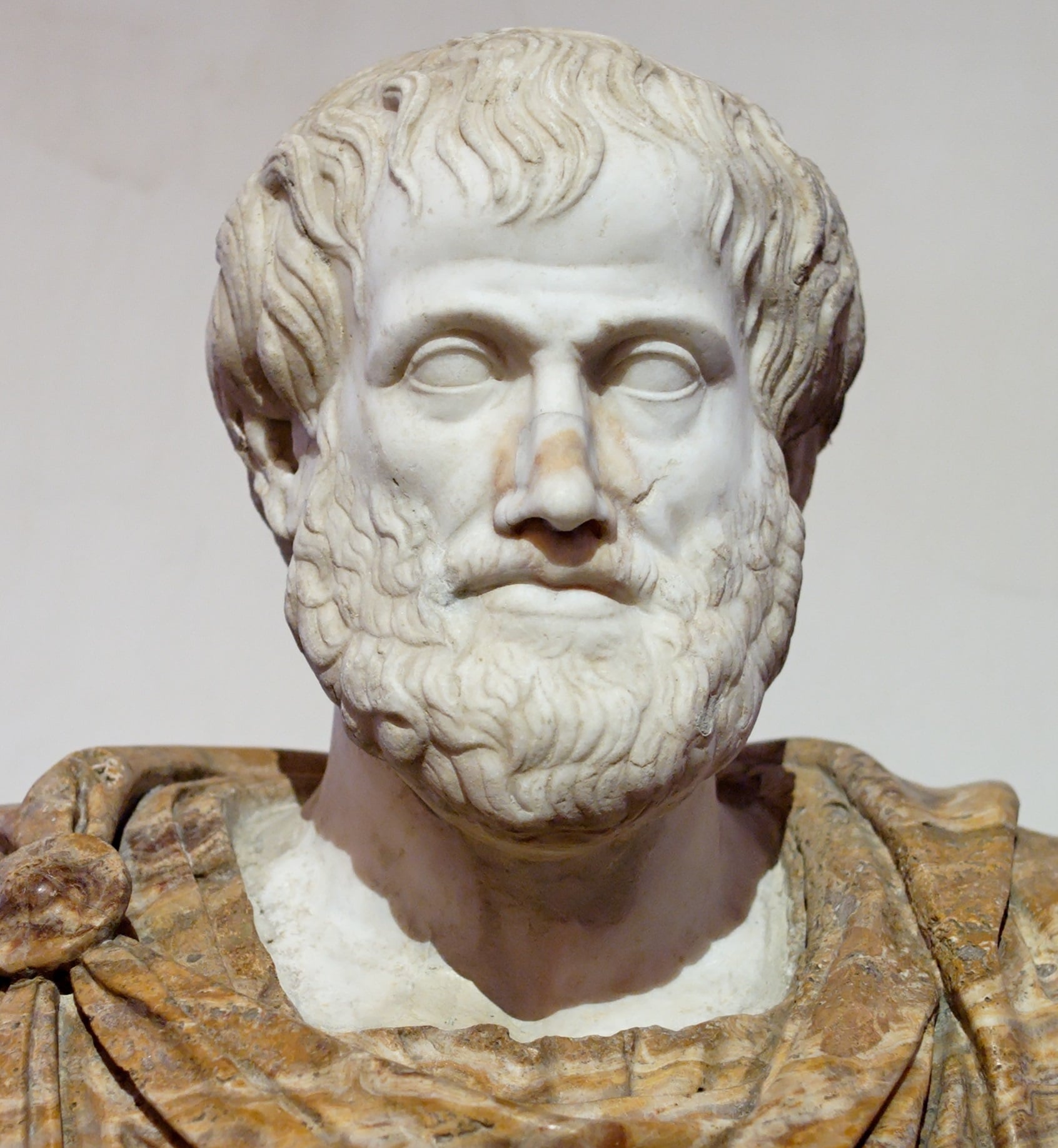
In the history of science, few scholars have as much of an enduring influence as classical philosopher Aristotle, whose theories would become canon for almost 2000 years.
Continue reading

The ESA's Solar Orbiter, which took to space over earlier this month, recently sent back its first batch of data to mission controllers on Earth.
Continue reading
Continue reading
Continue reading
Continue reading

Continue reading
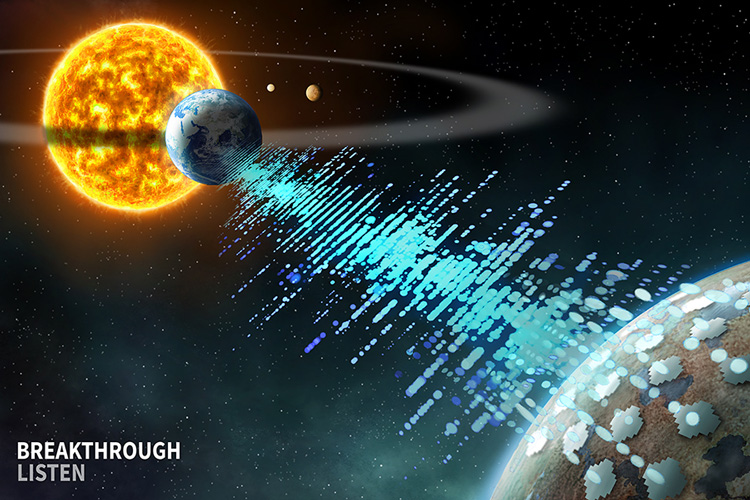
Breakthrough Listen, the most extensive SETI survey in history, has just made its second release of data, and its once again the biggest ever made!
Continue reading

Continue reading
Continue reading
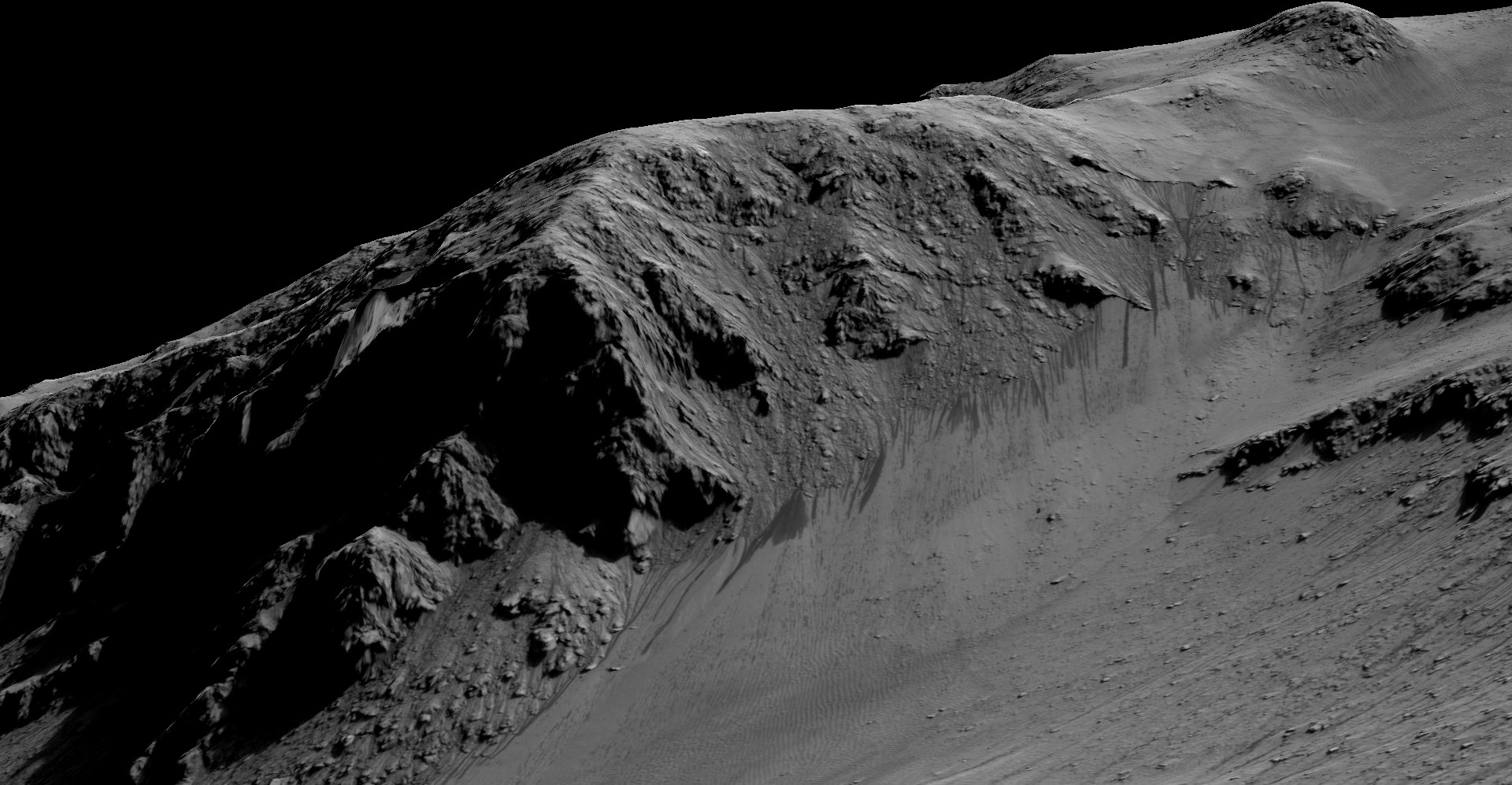
A new study from the PSI indicates that around Mars' equator, salt water could form on the surface for a few days out of the year.
Continue reading
Continue reading
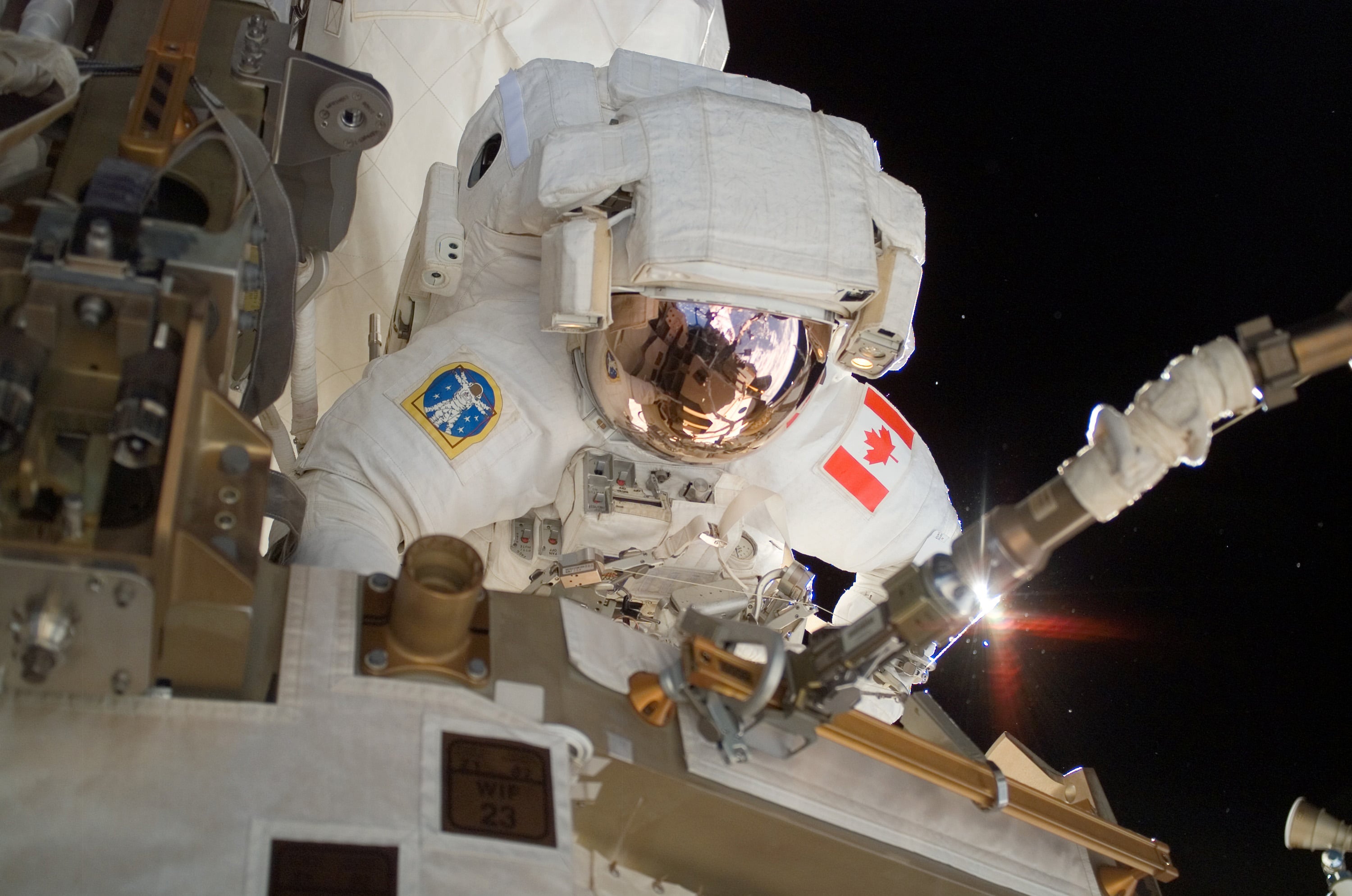
A new technique for creating lighter and cheaper radiation shielding involves a secret ingredient: rust!
Continue reading
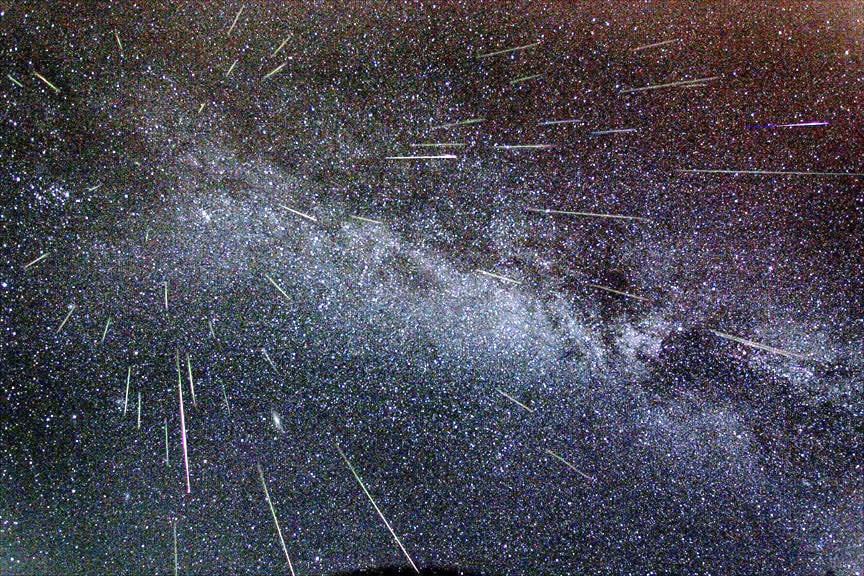
According to a new study by a pair of Harvard astrophysicists, it is possible that meteors traveling close to the speed of light regularly rain down on Earth's atmosphere
Continue reading
Continue reading
Happen to have clear skies tomorrow morning and live in the western part of the United States? Then you may have a chance to spy a unique event, as the waning crescent Moon occults (passes in front of) the planet Mars.
Continue reading
Continue reading
Continue reading
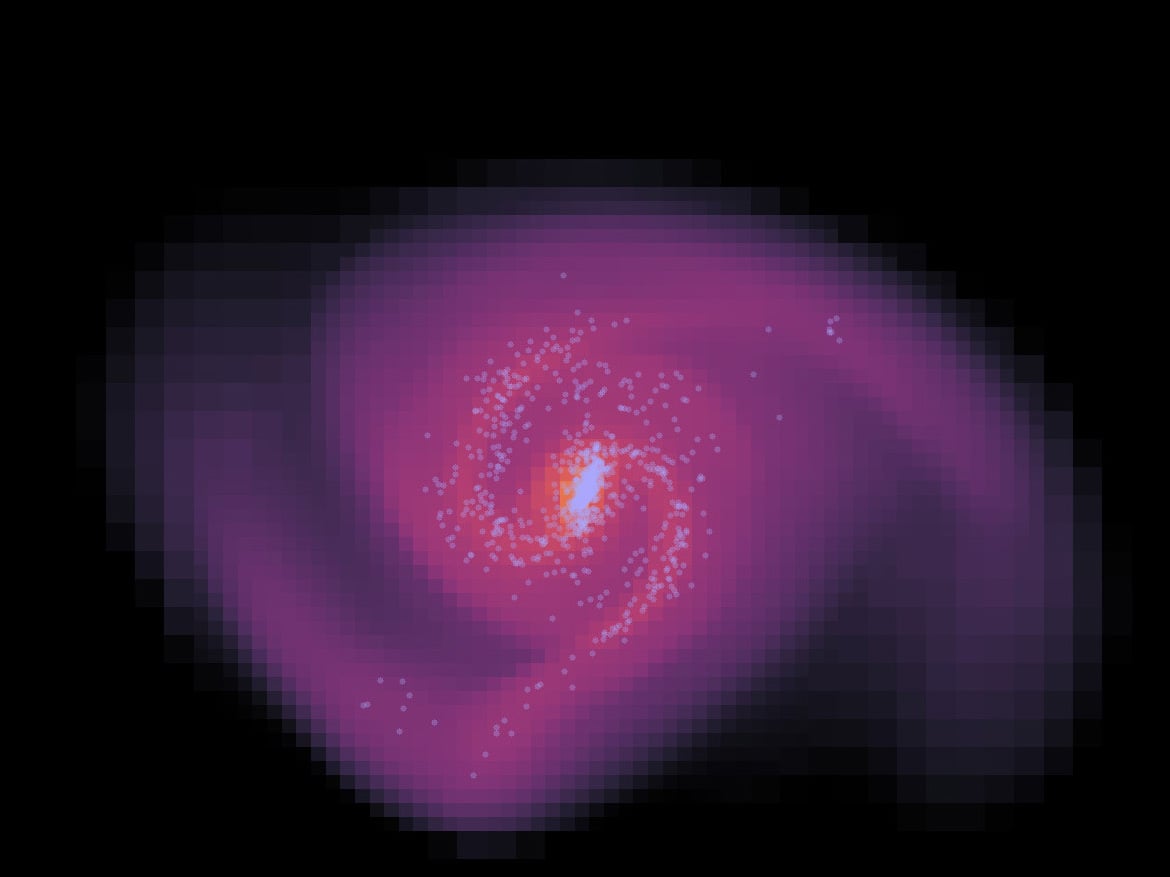
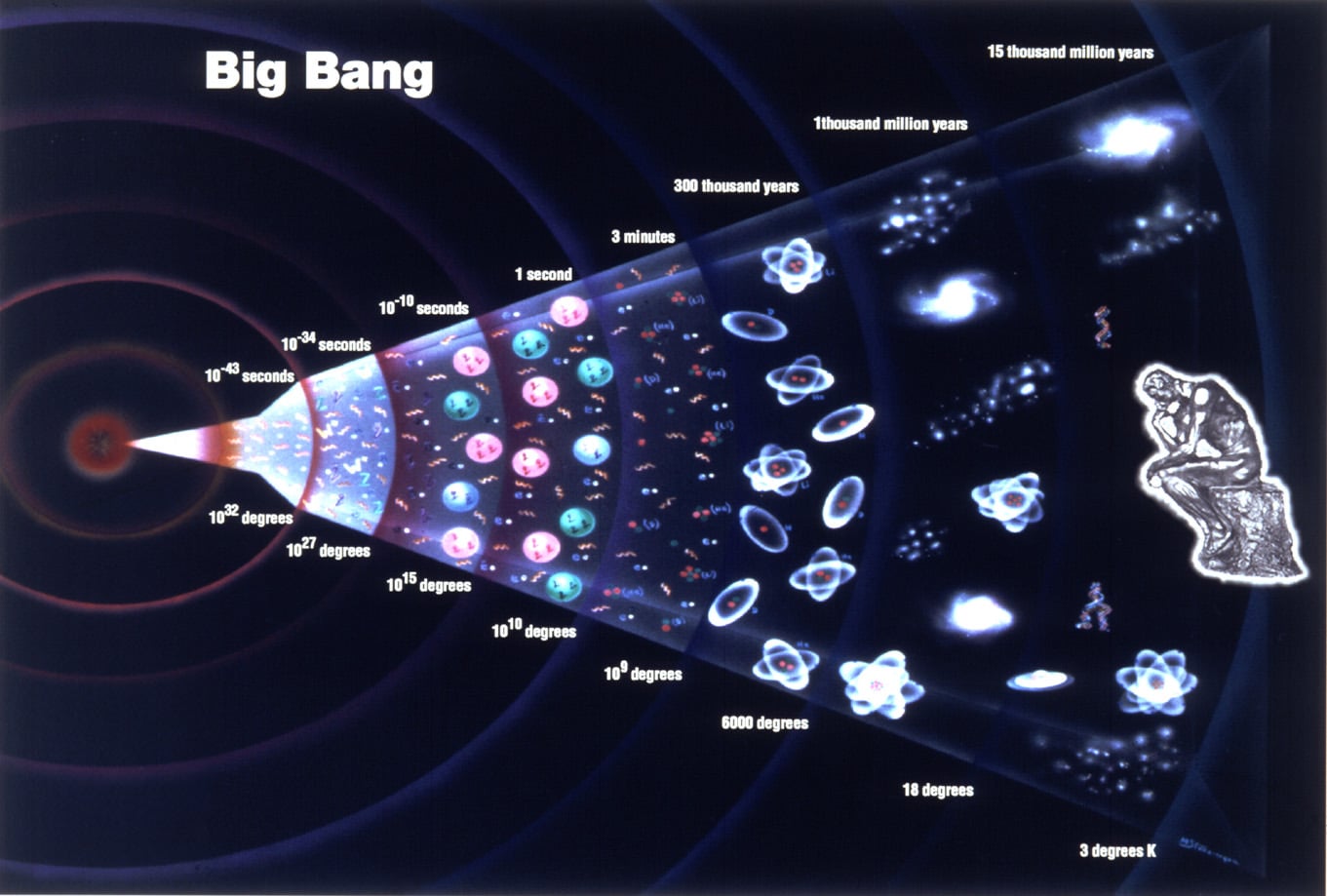
A team of European researchers recently simulated how a Universe without Dark Matter would have evolved, with surprising results!
Continue reading
Continue reading
Continue reading
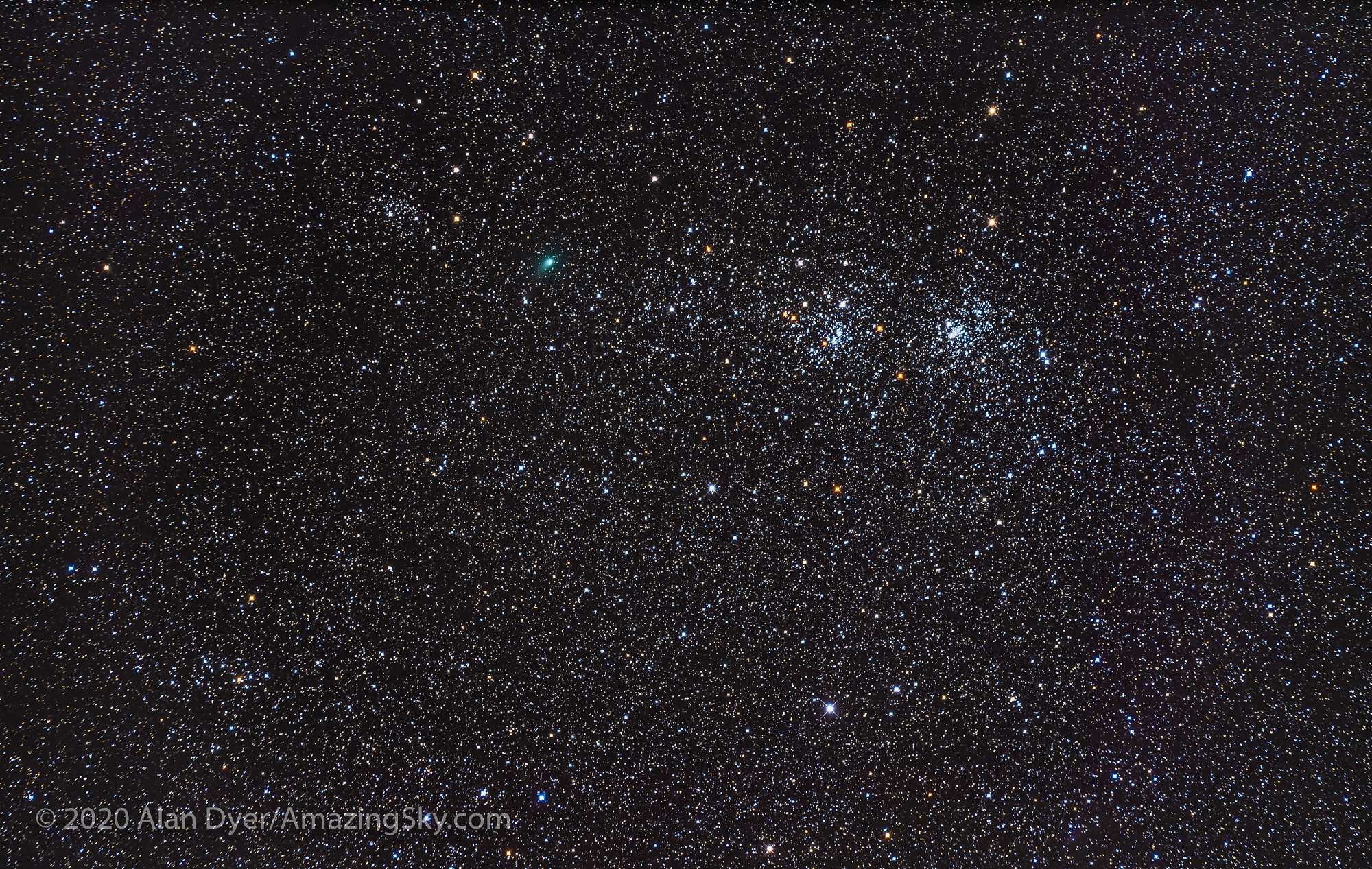
Ready for the next great comet? First, the bad news. there is not (as of yet), a good naked eye comet in the cards, for 2020. The good news is… there is a fine binocular comet well placed for northern hemisphere viewers: Comet C/2017 T2 PanSTARRS.
Continue reading
Continue reading
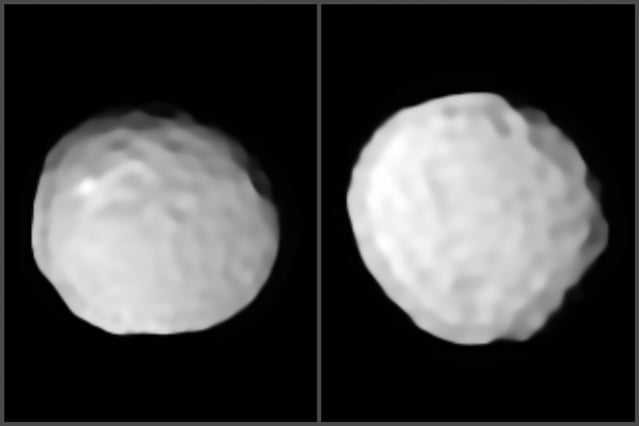
New images of the asteroid Pallas (the clearest and most detailed to date) reveal that it looks like a "golf ball", an indication that it probably had a very violent past.
Continue reading
Continue reading
Continue reading
Continue reading
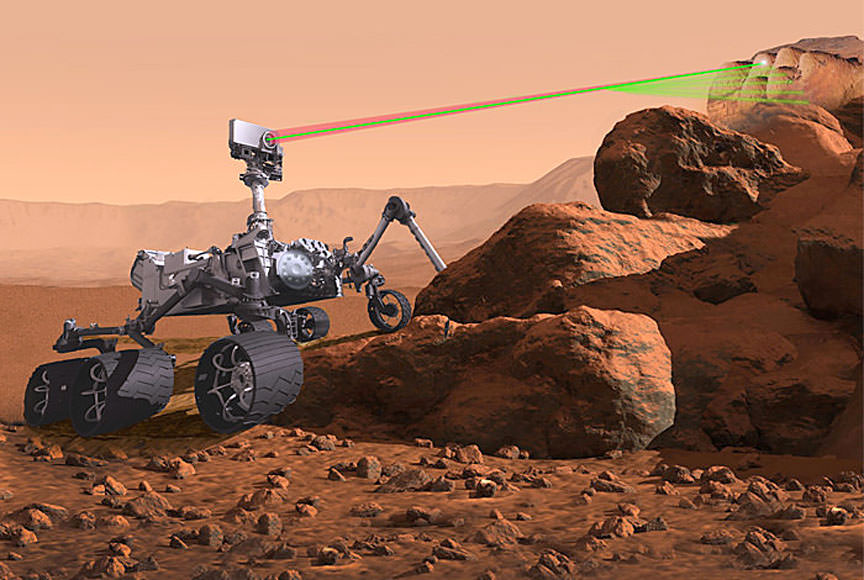
The Mars 2020 rover, which will launch this summer, will be the third NASA mission to bring a microphone to the Red Planet.
Continue reading
SpaceX recently announced that it could be taking Starlink public, giving investors a chance to get a piece of this lucrative satellite internet company.
Continue reading
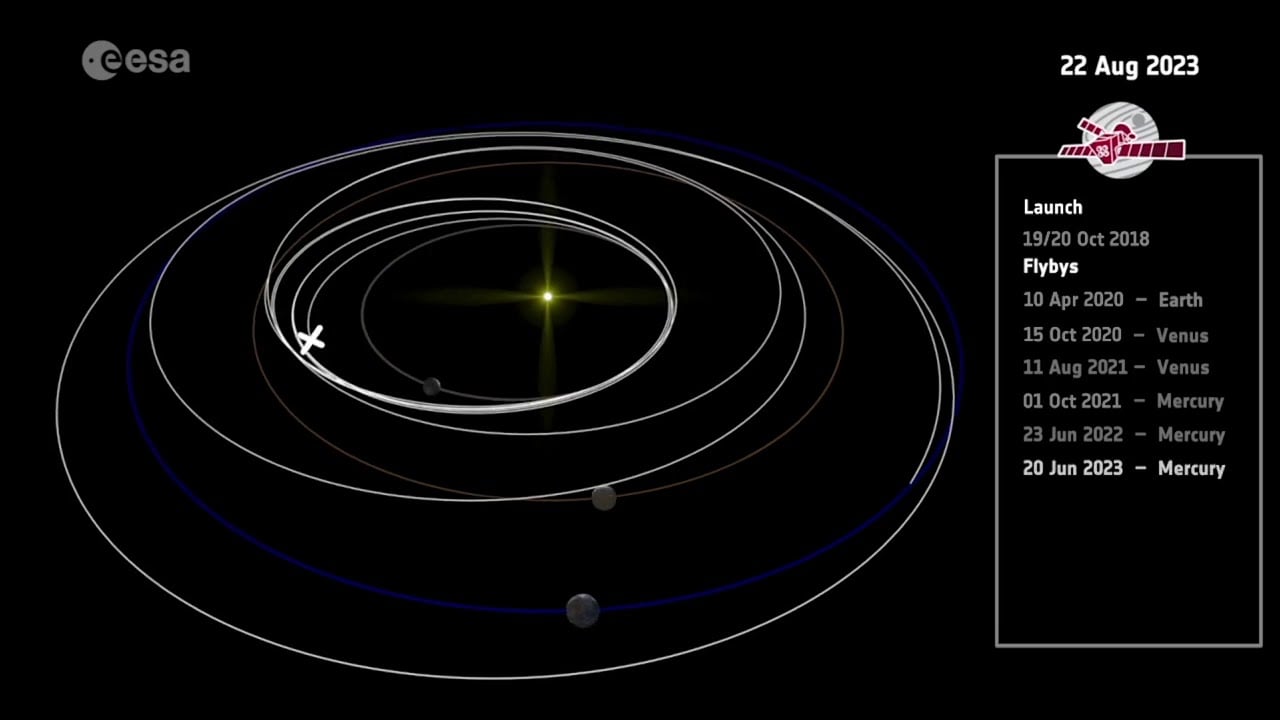
The ESA's Solar Orbiter launched earlier today on its five-year mission to study the Sun, which scientists hope will lead to a better understanding of solar weather.
Continue reading
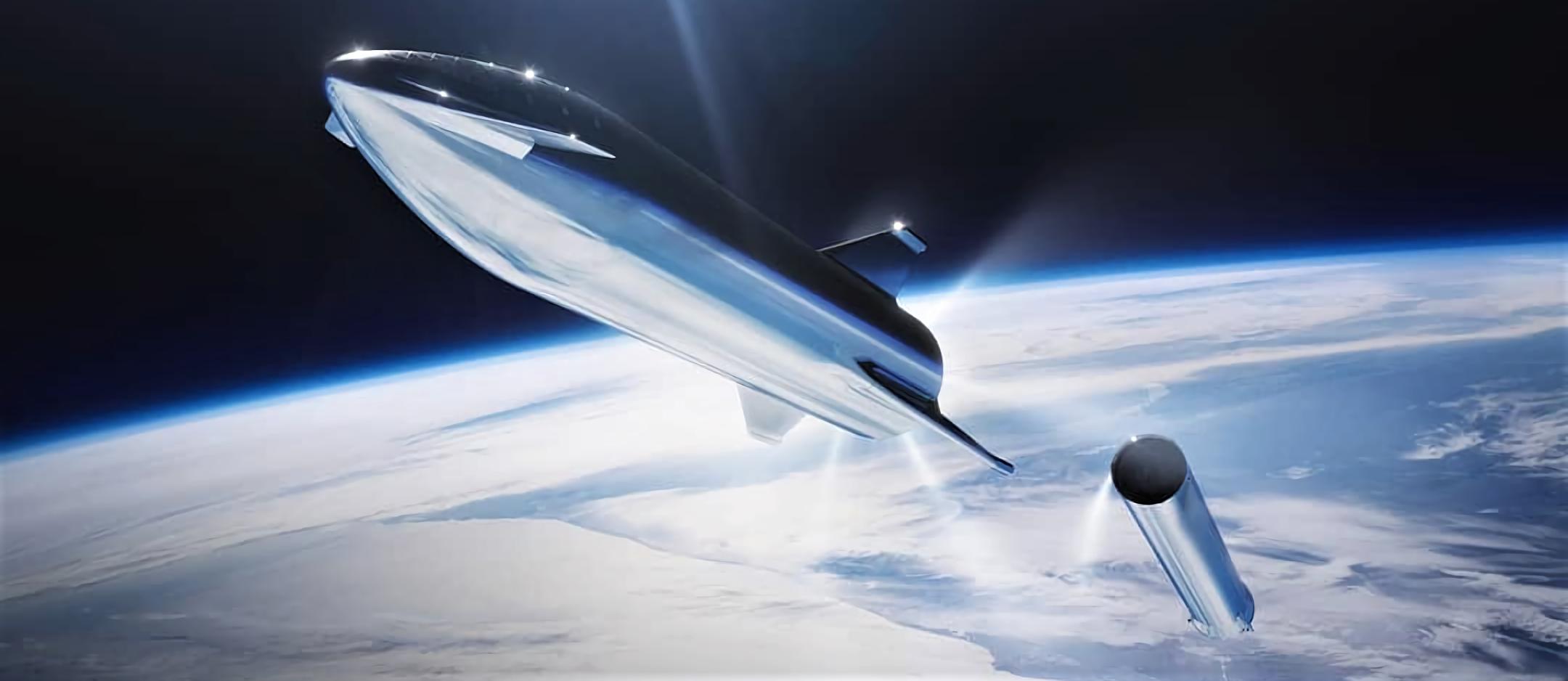
According to recent filings with the FCC, SpaceX hopes to conduct their first test flight with the Starship Mk 3 prototype as early as mid-March of 2020.
Continue reading
Continue reading
Continue reading
Continue reading
Continue reading
Continue reading
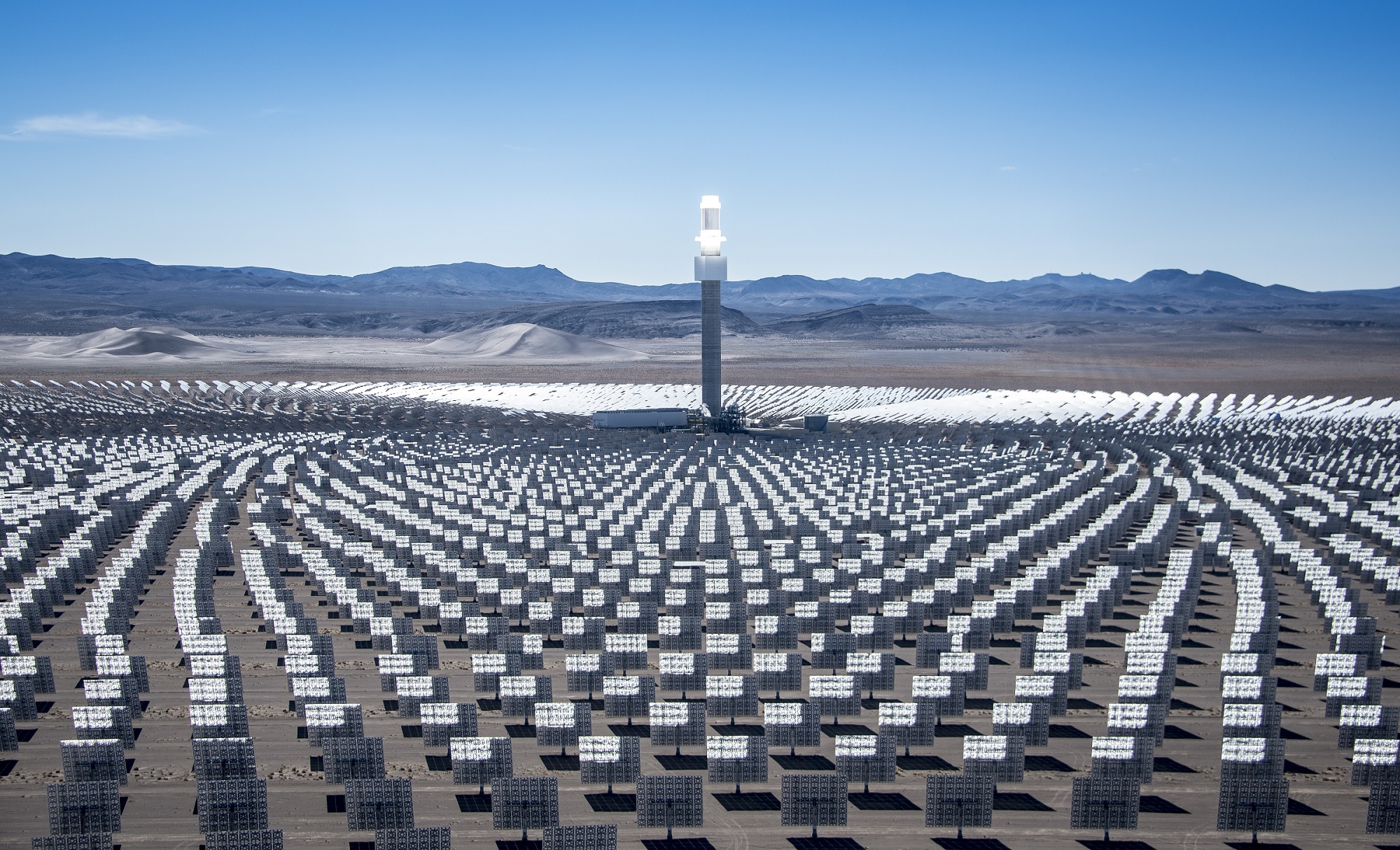
A new study proposes how thermoradiative technology could be used to make "anti-solar" cells that would work at night. Credit: SolarReserve
Continue reading
Continue reading
Continue reading
 Universe Today