Continue reading
Continue reading
Continue reading
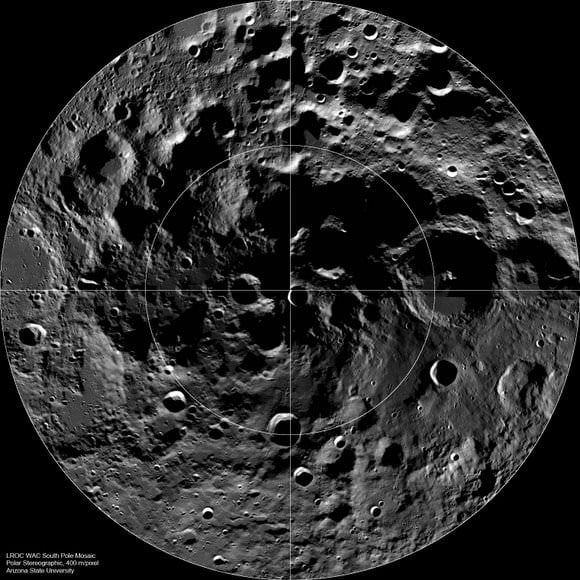
A new study led by the Harvard-Smithsonian Center for Astrophysics explains how the Moon may not have enough resources to support everything we plan to build up there.
Continue reading
Continue reading
Continue reading
Continue reading
Continue reading
A penumbral lunar eclipse in the early morning hours of November 30th marks the start of the last eclipse season for 2020.
Continue reading
Predicting the appearance of a sunspot is like predicting a tornado. But astronomers are starting to do it.
Continue reading
Continue reading
Continue reading
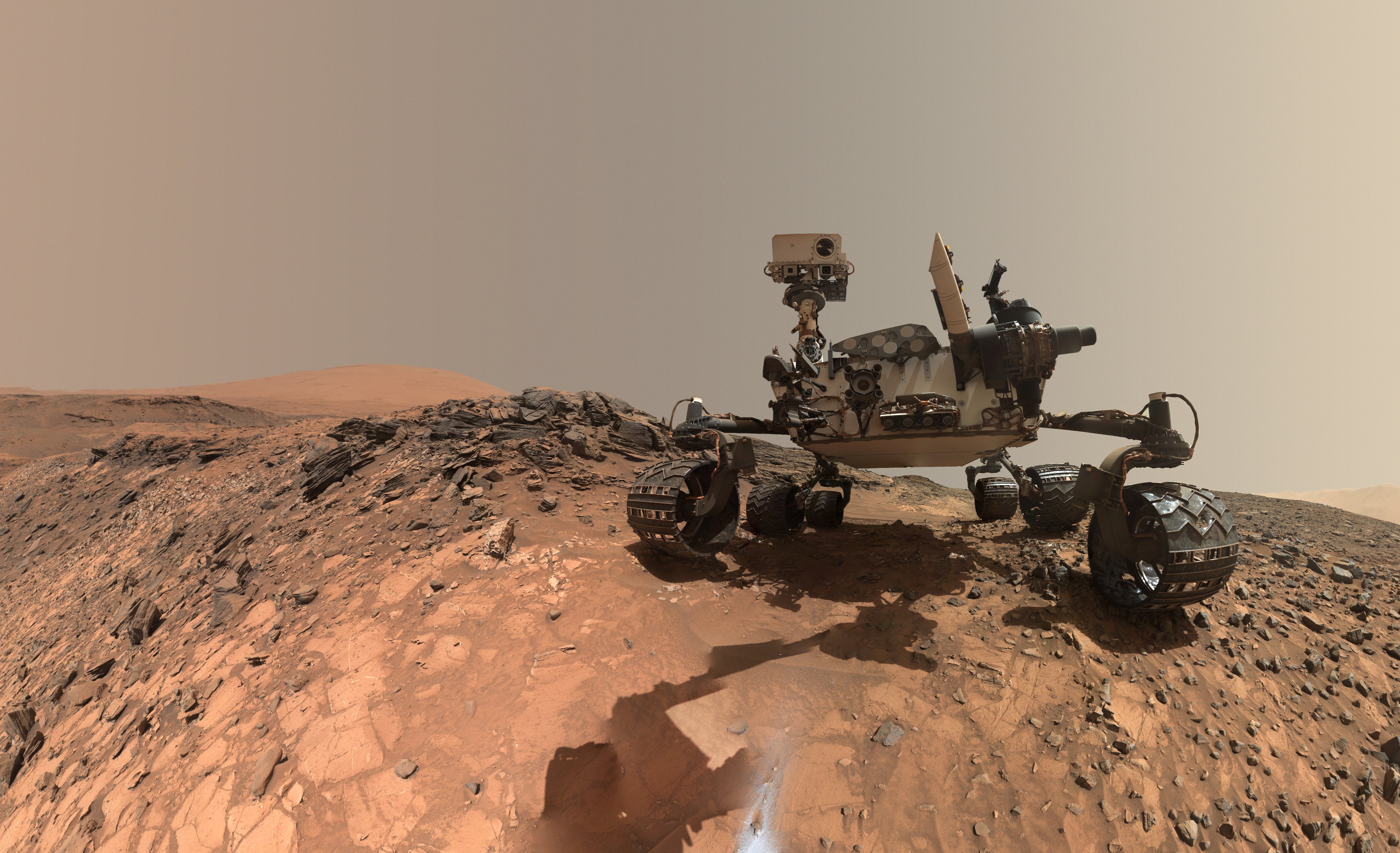
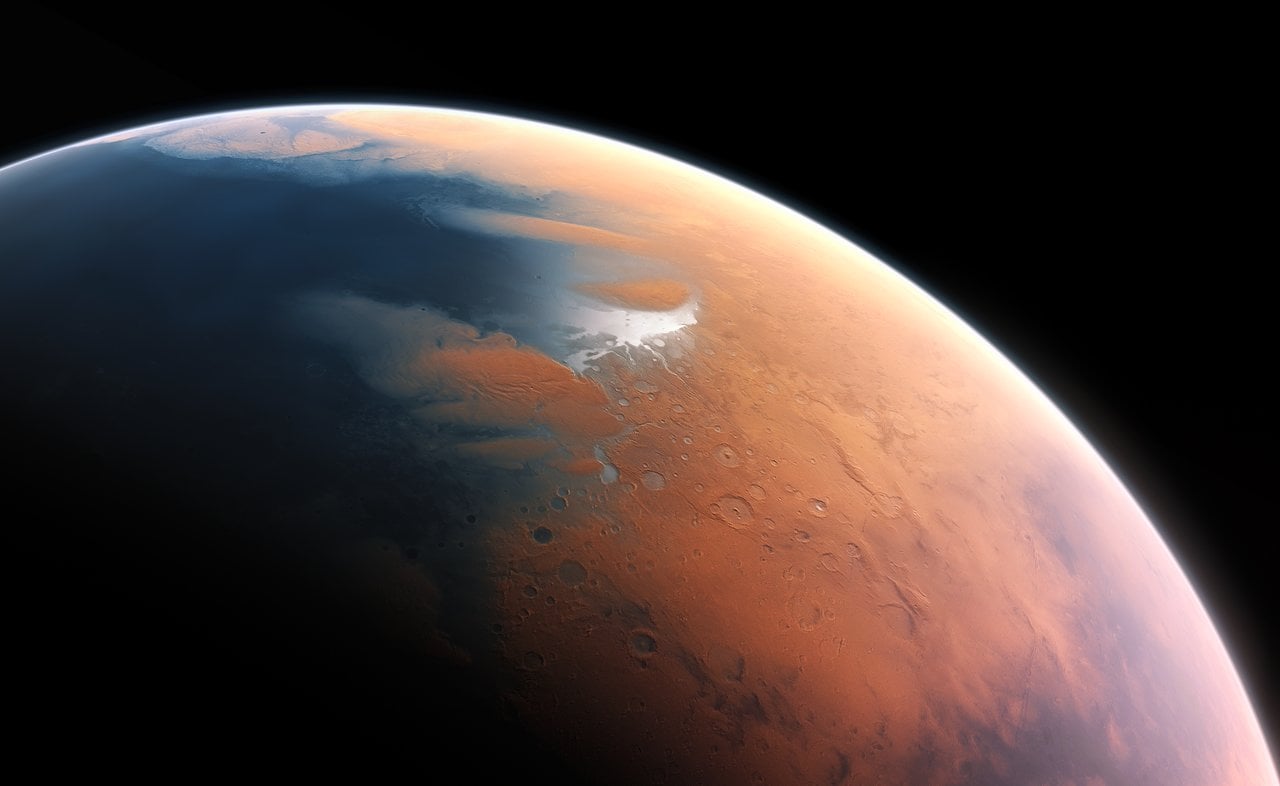
A new study of the Curiosity rover's data has show that the Gale Crater once experienced massive flooding, bolstering the case for past life on Mars.
Continue reading
Continue reading
Continue reading
Continue reading
Nailing down cosmic expansion could depend on distant quasars, and the time it takes their light to reach us when gravitationally lensed.
Continue reading
In the wake of a second structural failure, the NSF has announced that the iconic Arecibo Observatory will be decommissioned after 57 years of service.
Continue reading
Continue reading
The team that detected phosphine in Venus' atmosphere has reexamined the data and confirmed their discovery, with a few caveats and addendums.
Continue reading
Continue reading
A team from UT Austin has renewed a proposal for a liquid-mirror telescope on the Moon that could study the first stars in the Universe.
Continue reading
According to NASA, an object detected between the Earth and Moon could actually be the spent stage of a rocket booster from the early Space Age.
Continue reading
Continue reading
Continue reading
Some of the oldest stars in our galaxy have orbits similar to the Sun, and we don't know why
Continue reading
Continue reading
Continue reading
A new study by CU Boulder geoscientist Robert Brakenridge shows how nearby supernovae could have disrupted Earth's climate in the past
Continue reading
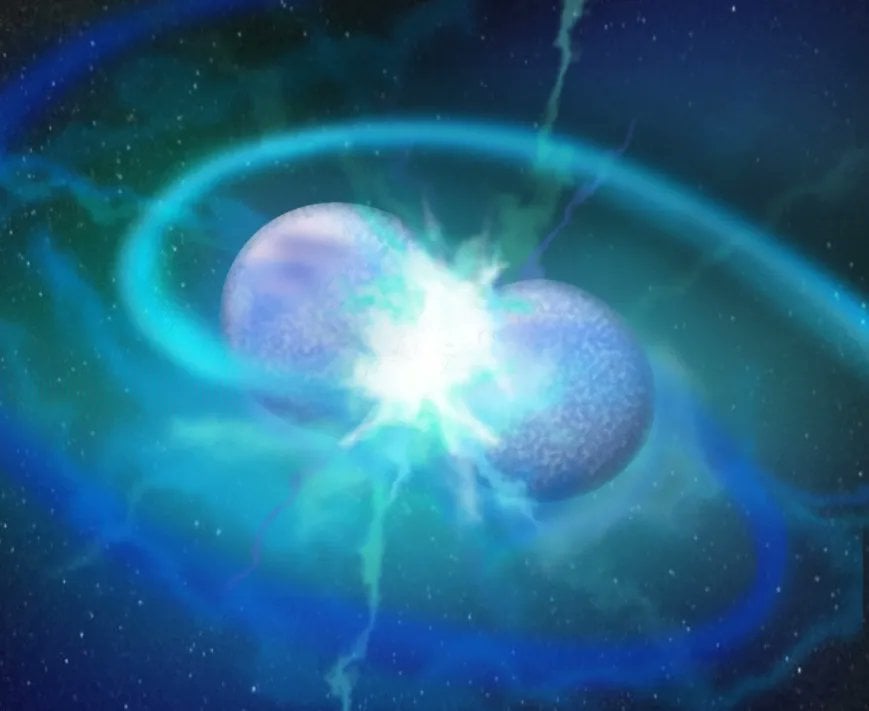
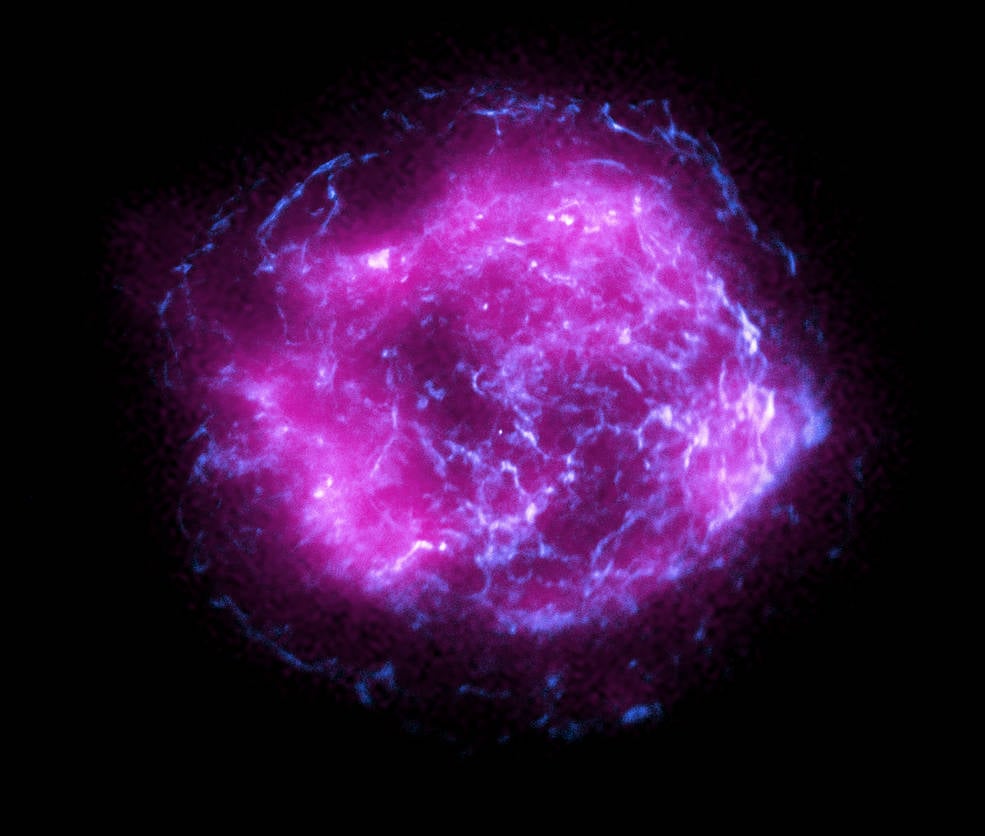
Astronomers have seen how two neutron stars created the brightest kilonova ever observed.
Continue reading
Continue reading
Continue reading
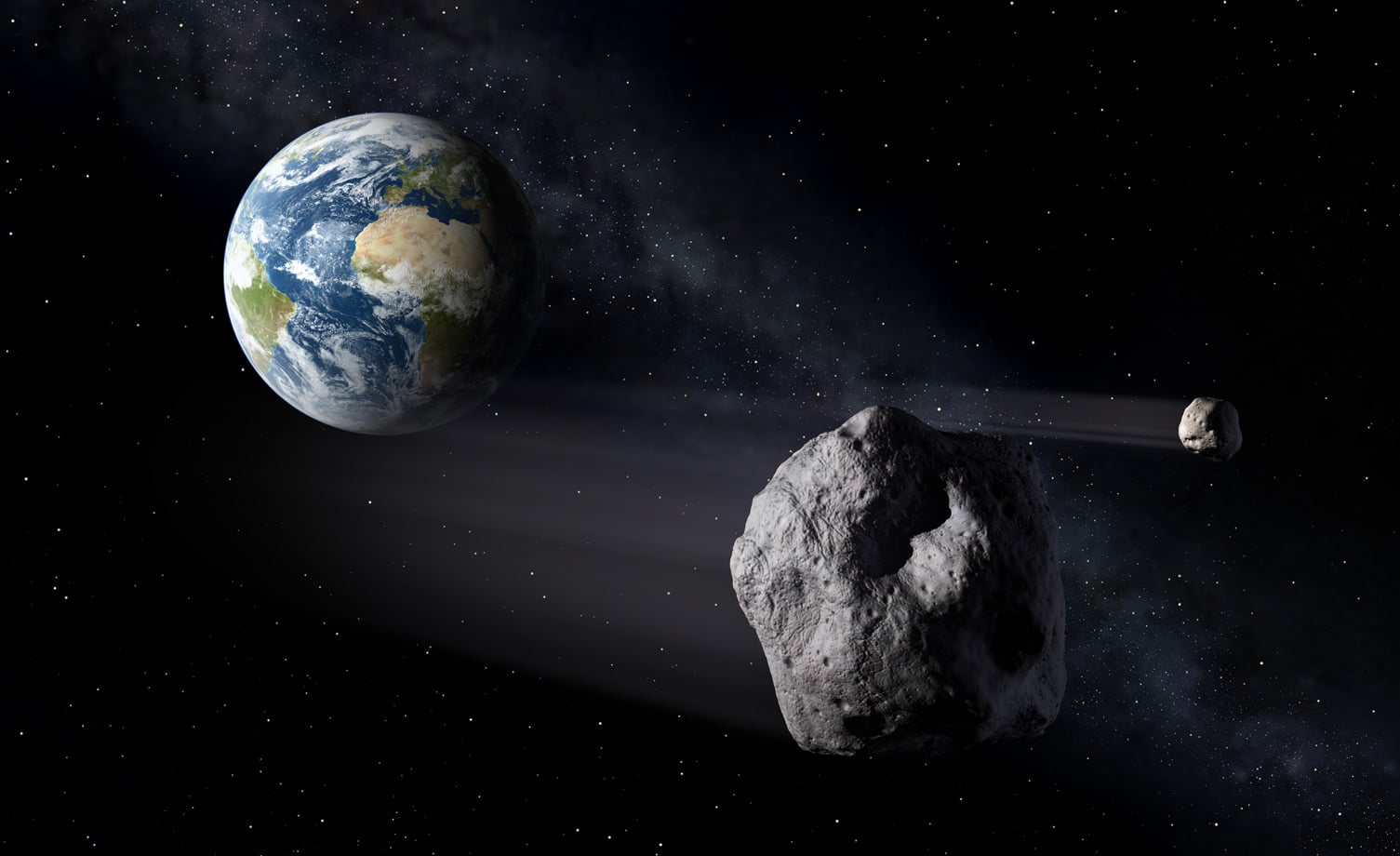
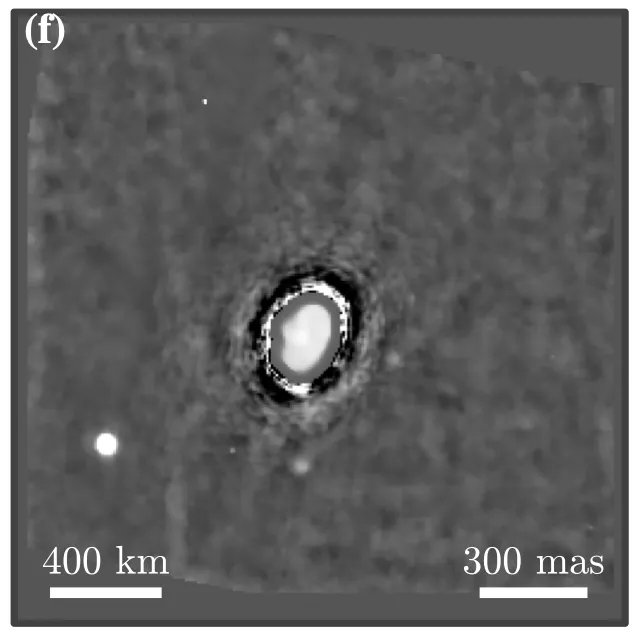
Wow. A low-flying space rock set a record last Friday (appropriately, the 13th), when 2020 VT4 passed just under 400 kilometers (250 miles) over the Southern Pacific.
Continue reading
Continue reading
A new study based on New Horizons data has conducted the most accurate measurements of the Universe's background light to date.
Continue reading
Continue reading
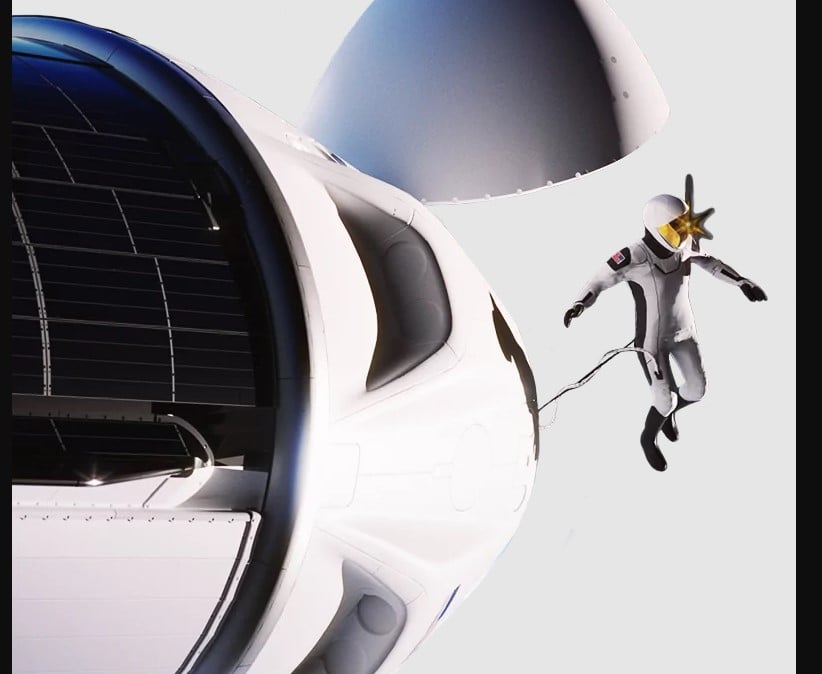
NASA and SpaceX have once again made history with the flight of the Crew-1 (Resilience) to the ISS, the first operational crew mission since the Space Shuttle was retired!
Continue reading
According to new study by a team from UC Santa Cruz, the right amount of radioactive elements could also be crucial to habitability.
Continue reading
A recent study by an international team of scientists shows that the Universe is getting hotter (not cooler) with time!
Continue reading
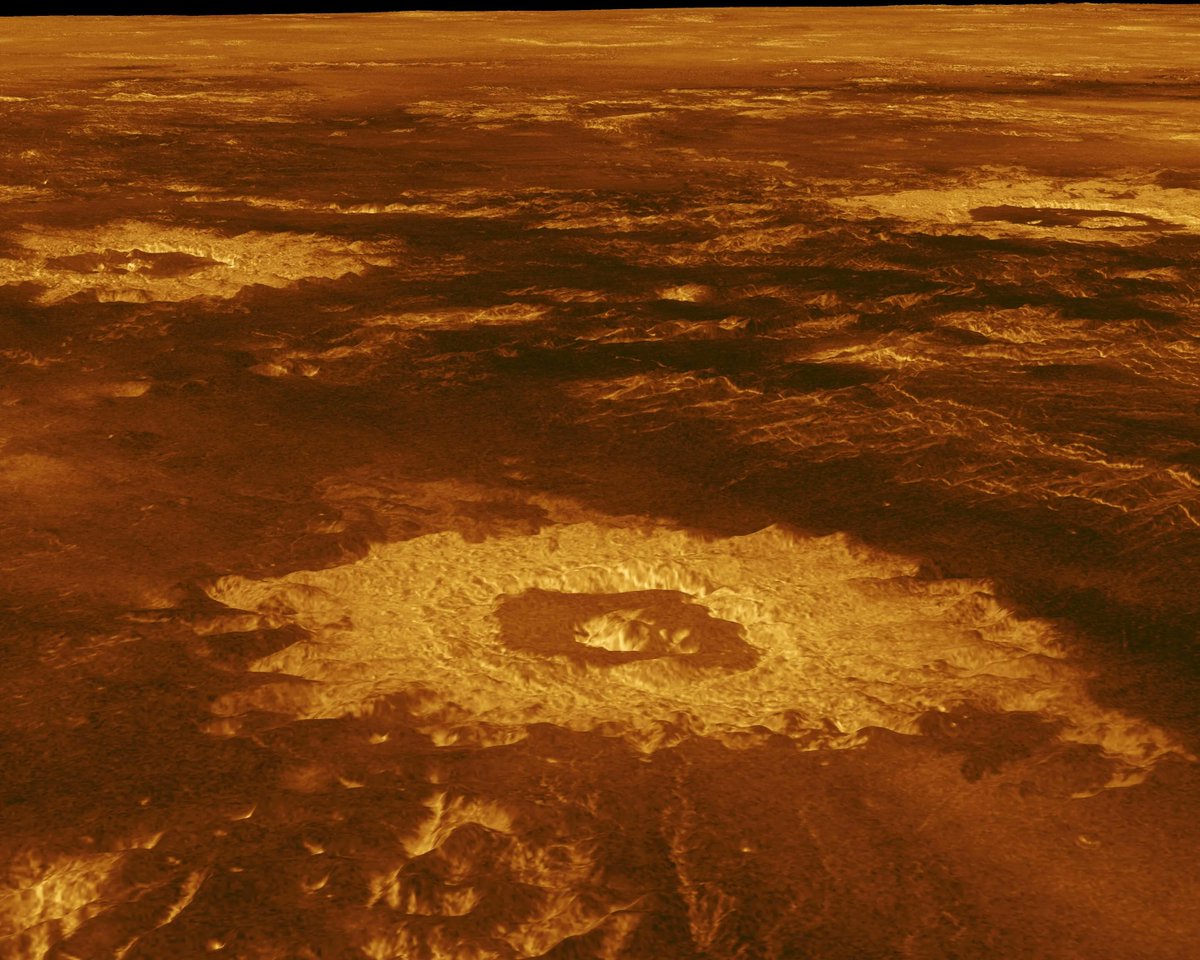
A new study by a Swedish astrophysicist shows that Venus is not likely to have lost its water to space, which raises new questions about how the planet became the hellhole it is today.
Continue reading
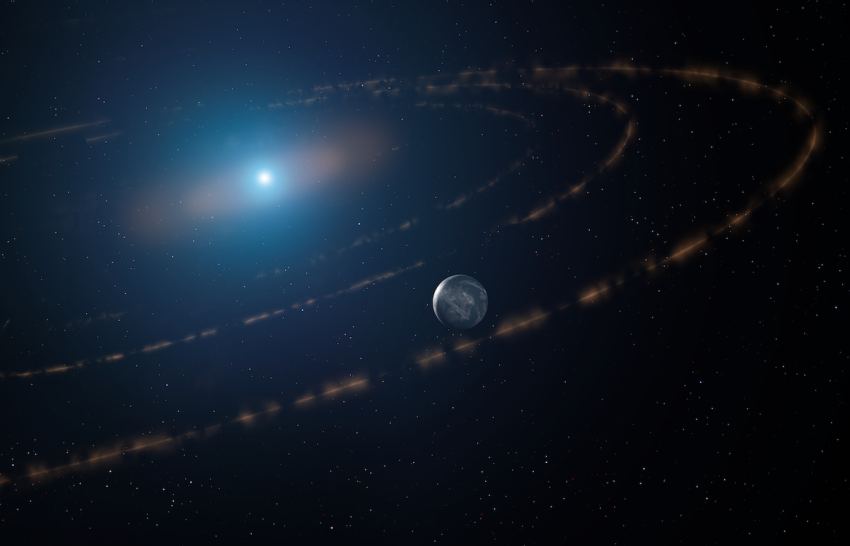
A new study looks at how neutron stars can merge to create a black hole.
Continue reading
A team of NASA scientists has conducted a study that shows what the surface of Europa will look like, which revealed a "glow-in-the-dark" moon!
Continue reading
Continue reading
Following the Leonid meteors in 2020.
Continue reading
Continue reading
Continue reading
Continue reading
Scientist find microbes in clay deposits beneath the Atacama desert, a good sign for missions looking for life on Mars
Continue reading
Continue reading
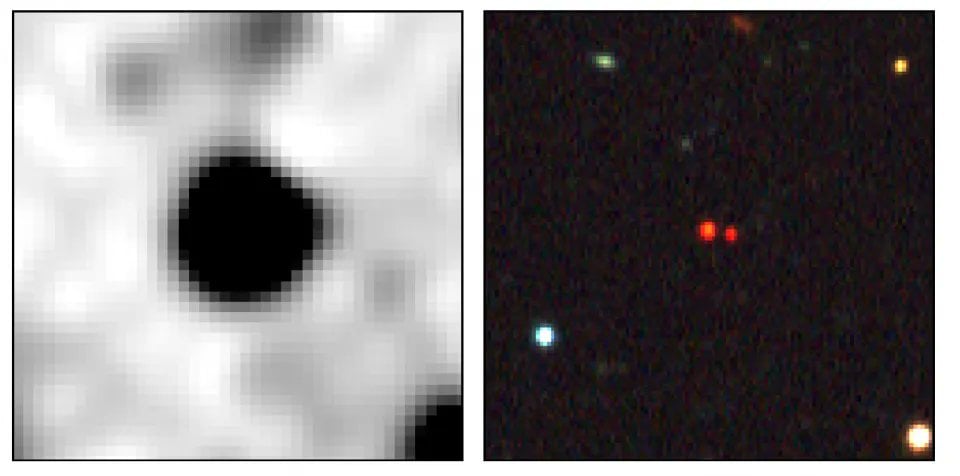
A brown dwarf has been detected by a radio telescope, which opens a new way to discover them.
Continue reading