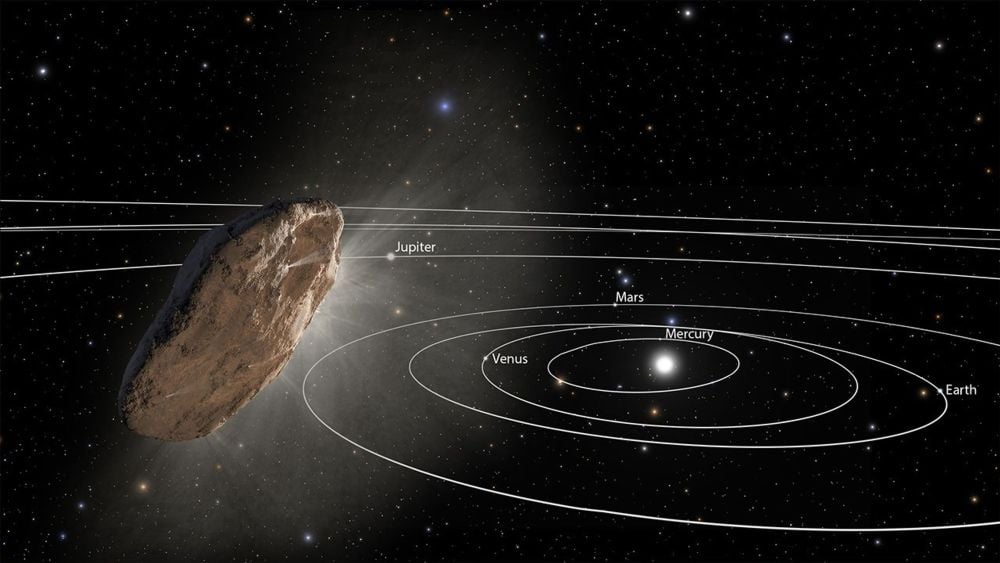
We're only starting to awaken to the passage of interstellar objects through our inner Solar System. So far we know of three, but there are bound to be many more. Do they pose an impact threat to Earth?
Continue reading
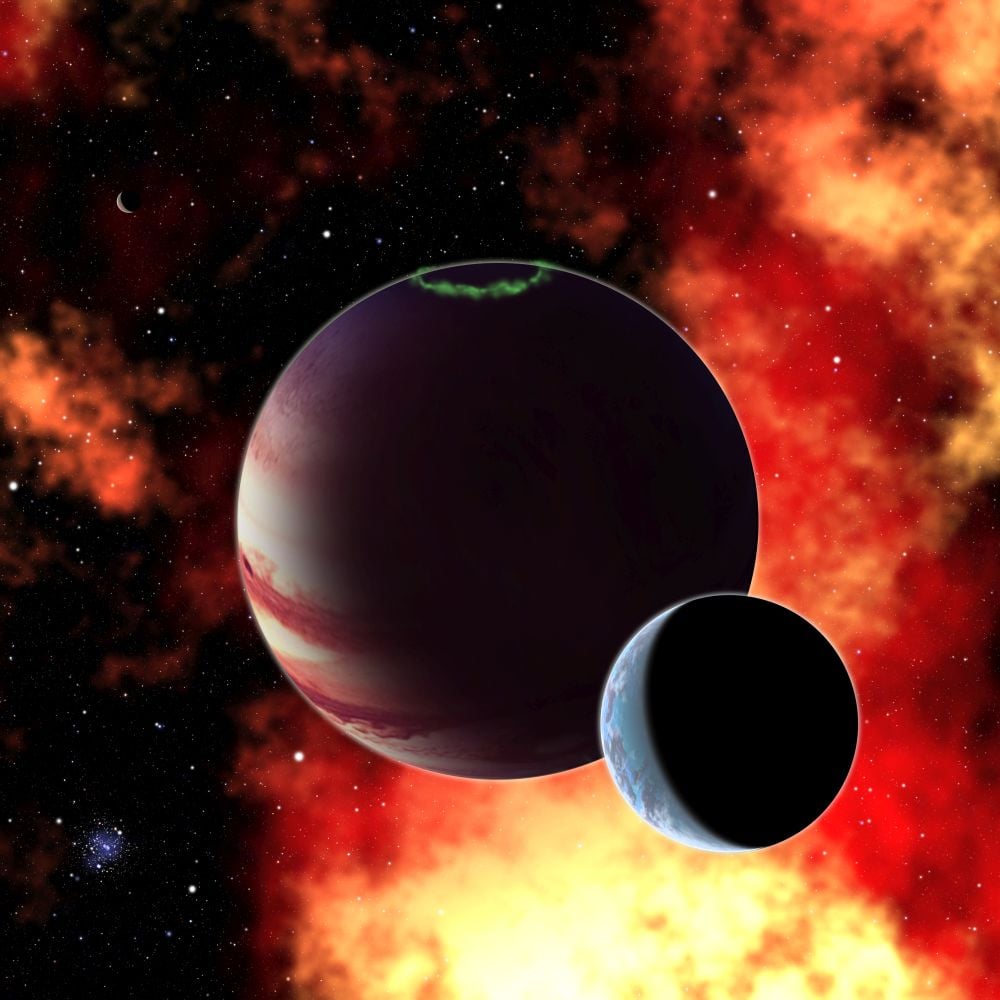
The planets in our Solar System host hundreds of moons, so it seems likely that planets in other solar systems do, too. New research examines the likelihood of rocky planets around M dwarfs having exomoons, and it doesn't look good. They don't last long enough for them to give life a helping hand like Earth's moon has.
Continue reading
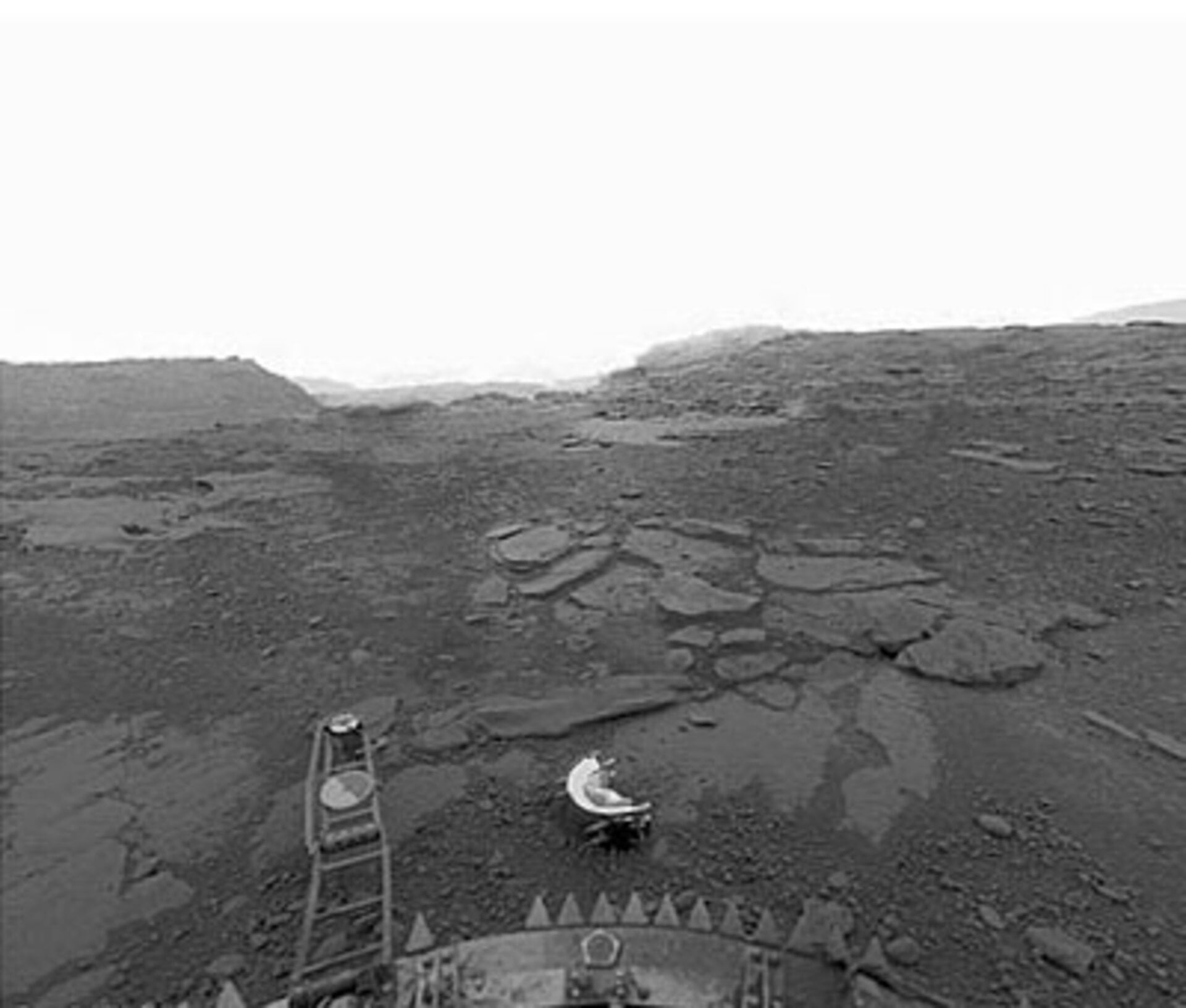
Conditions on Venus’ surface have largely remained a mystery for decades. Carl Sagan famously pointed out that people were quick to jump to conclusions, such as that there are dinosaurs living there, from scant little evidence collected from the planet. But just because we have little actual data doesn’t mean we can’t draw conclusions, and better yet models, from the data we do have. A new paper from Maxence Lefèvre of the Sorbonne and his colleagues takes what little data has been collected from Venus’ surface and uses it to valid a model of what the wind and dust conditions down there would be like - all for the sake of making the work of the next round of Venusian explorer easier.
Continue reading
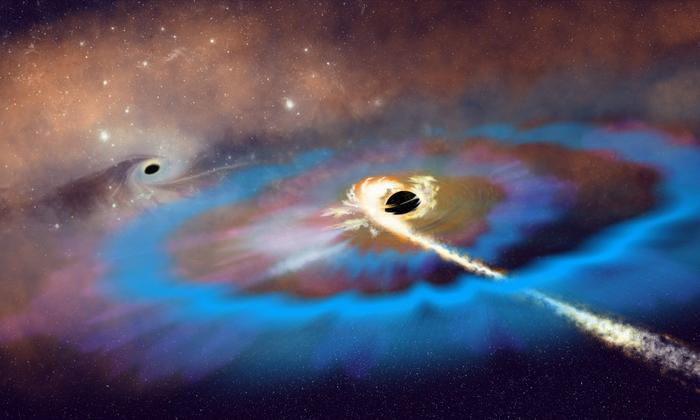
New study reveals, for the first time, a tidal disruption event (TDE), where a black hole tears apart a star, occurring outside the center of a galaxy that produced exceptionally strong and rapidly evolving radio signals. This rare discovery shows that supermassive black holes can exist and remain active far from galactic cores, challenging current understanding of where such black holes reside and how they behave. The event’s delayed and powerful radio outbursts also suggest previously unknown processes in how black holes eject material over time.
Continue reading
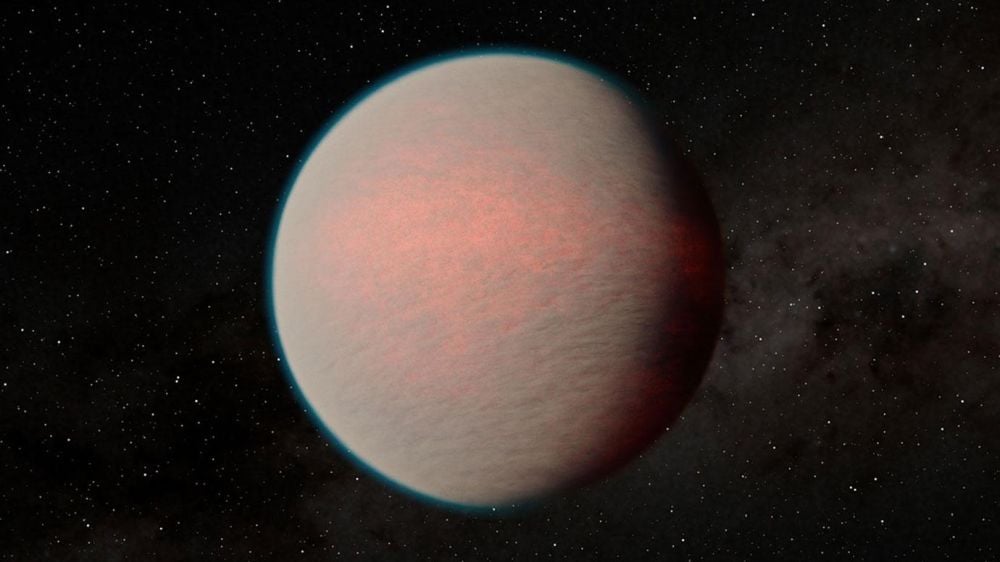
There are no mini-Neptunes in our Solar System, yet they seem to be one of the most common types of exoplanets out there. Previous research shows that these planets are magma oceans. But new research based on JWST data shows that many of them may actually have solid surfaces.
Continue reading
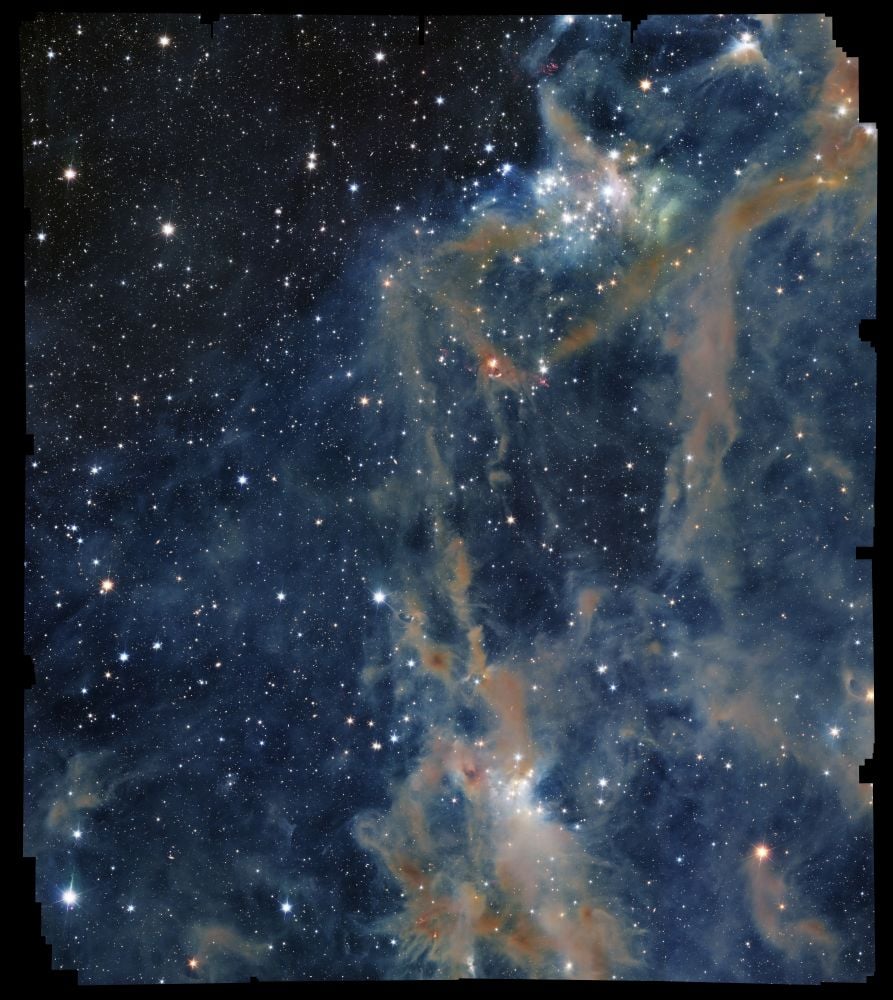
The Euclid Space Telescope found some stars hiding in thick gas and dust in the Orion Molecular Cloud Complex. They're inside a so-called dark cloud named LDN 1641.
Continue reading
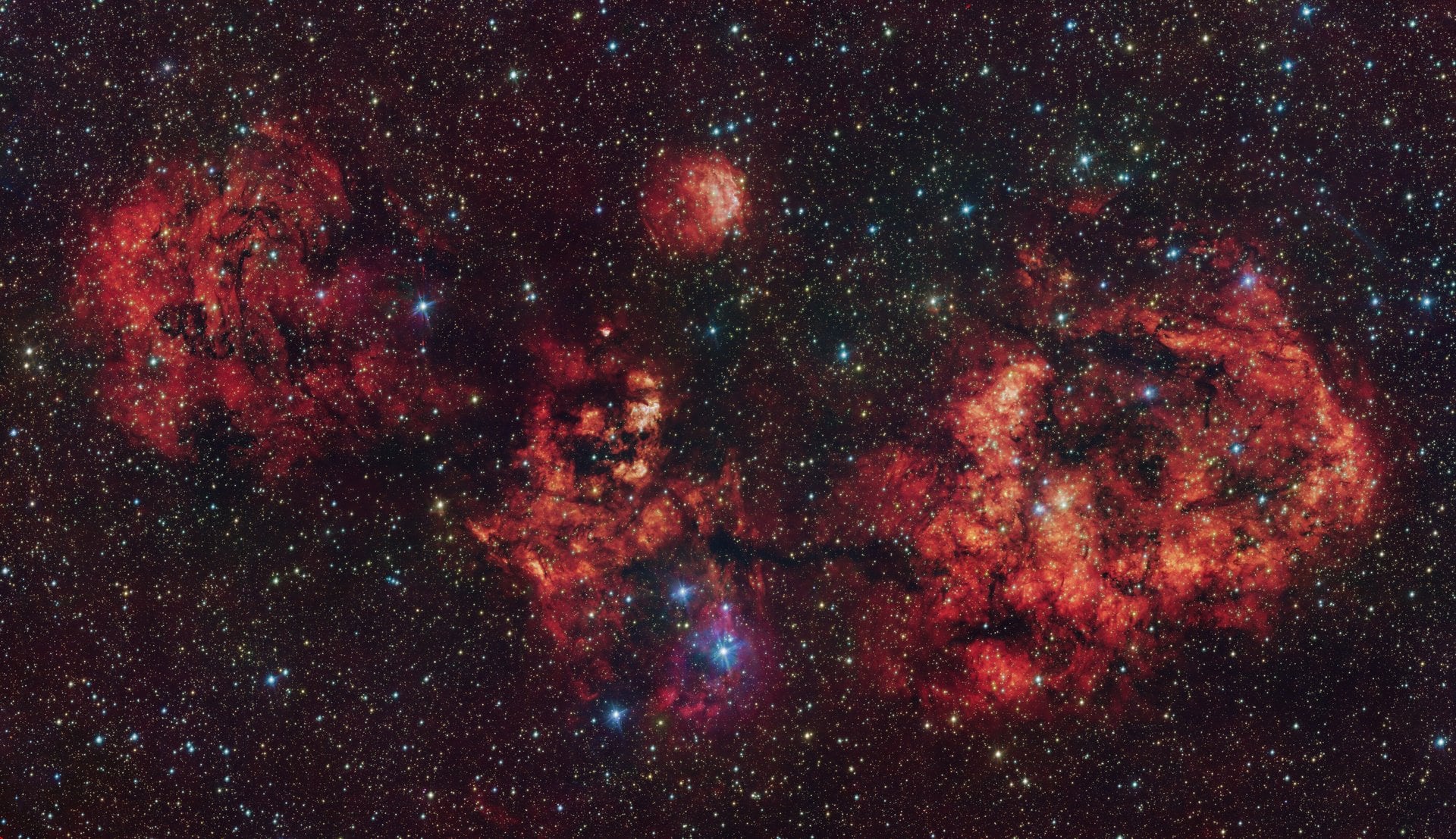
A spooky bat has been spotted flying over the European Southern Observatory’s (ESO’s) Paranal site in Chile, right in time for Halloween. Thanks to its wide field of view, the VLT Survey Telescope (VST) was able to capture this large cloud of cosmic gas and dust, whose mesmerising appearance resembles the silhouette of a bat.
Continue reading
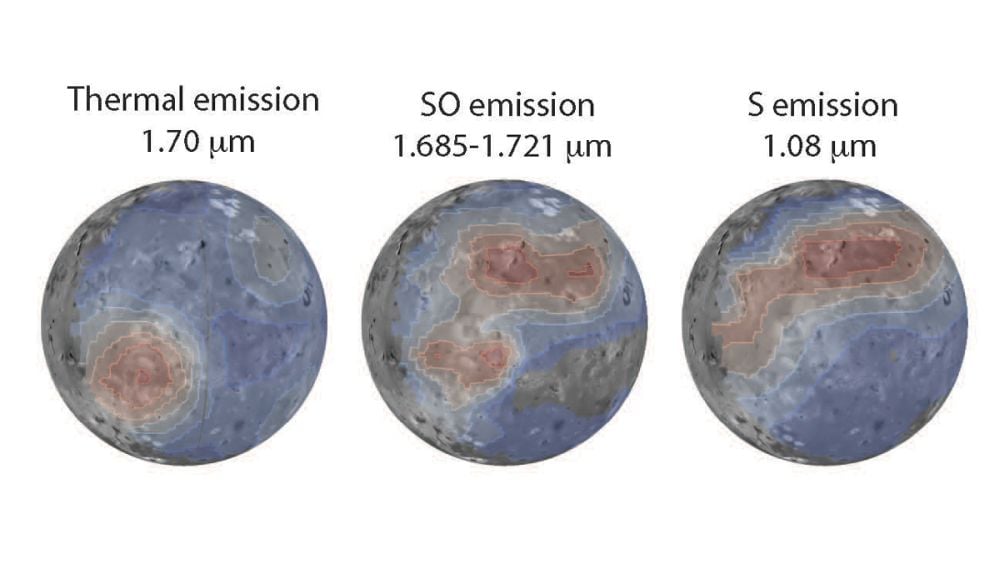
Trapped in a gravitational push and pull between Jupiter and other Jovian moons, Io is constantly being stretched and compressed. Heat generated by these contortions has melted pockets of the moon's interior so much that Io is our solar system's most volcanically active body. New research shows how its atmosphere is shaped both by volcanoes and by Jupiter's overpowering magnetosphere.
Continue reading
When neutron stars collide, neutrinos can play a significant role in the outcome. Even more so when you take flavor mixing into account.
Continue reading
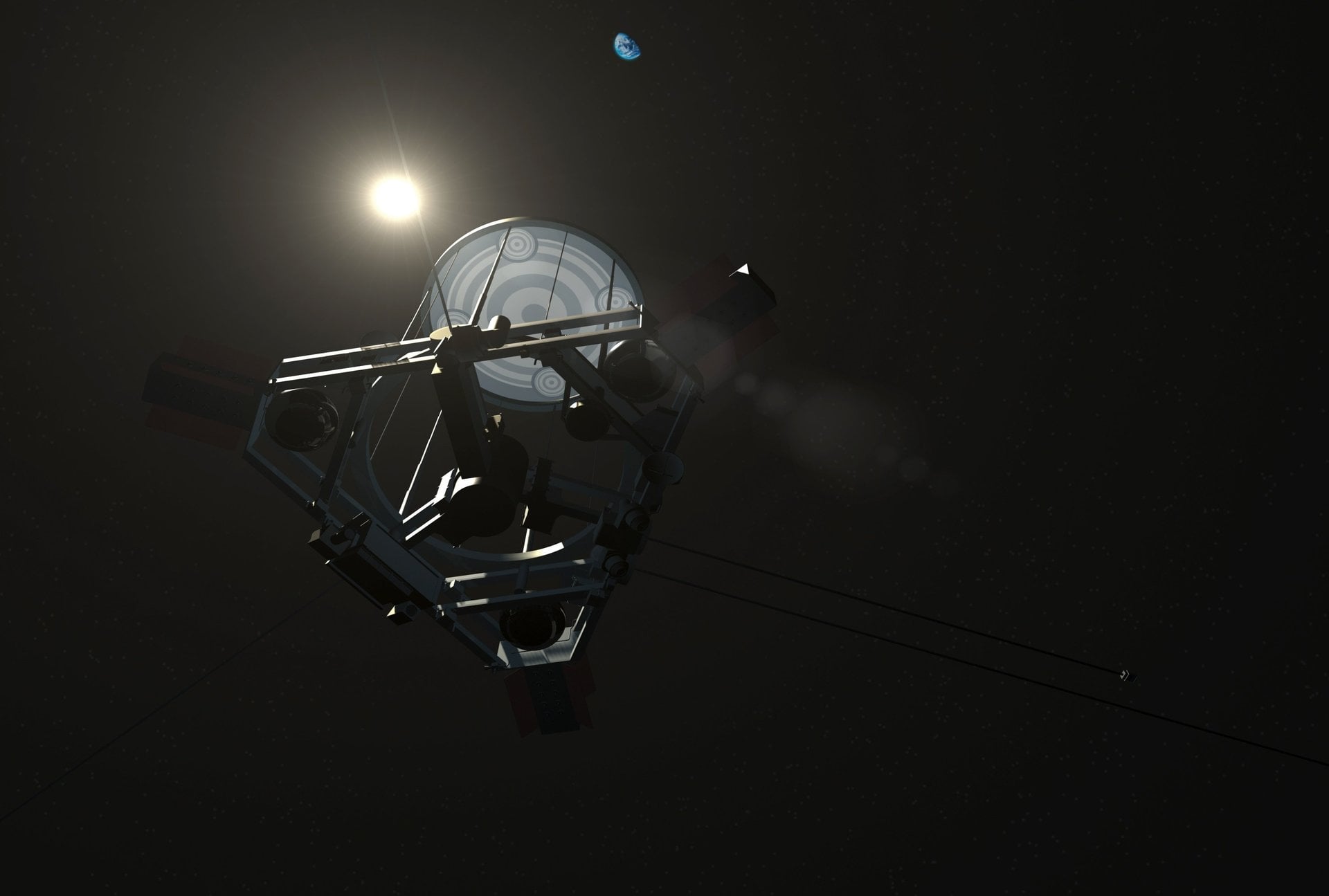
A new study proposes how we could look for signs of self-replicating (Von Neumann) probes that would prove that the Solar System has been explored by an advanced extraterrestrial intelligence (ETI).
Continue reading
Rocky exoplanets orbiting red dwarfs are in a tough spot. Their stars are known for violent flaring that can destroy their atmospheres. But it's possible that asteroid impacts could later recreate their atmospheres.
Continue reading
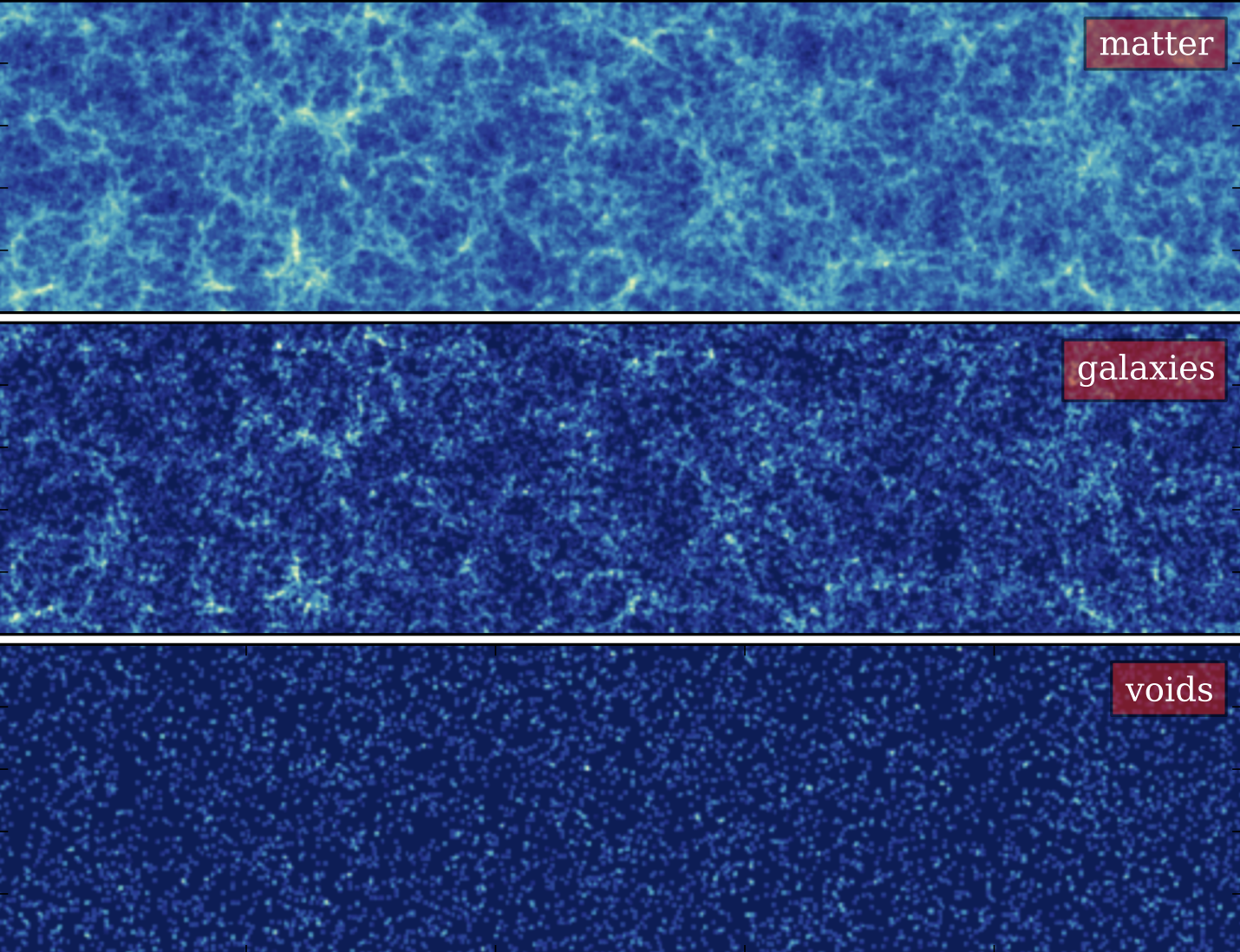
If we take out all the matter, neutrinos, dark matter, cosmic rays, and radiation from the deepest parts of the voids the only thing left is empty space.
Continue reading

Cosmic inflation helps black holes grow quickly, but it can't explain how supermassive black holes grew to billions of solar masses in less than 500 million years.
Continue reading
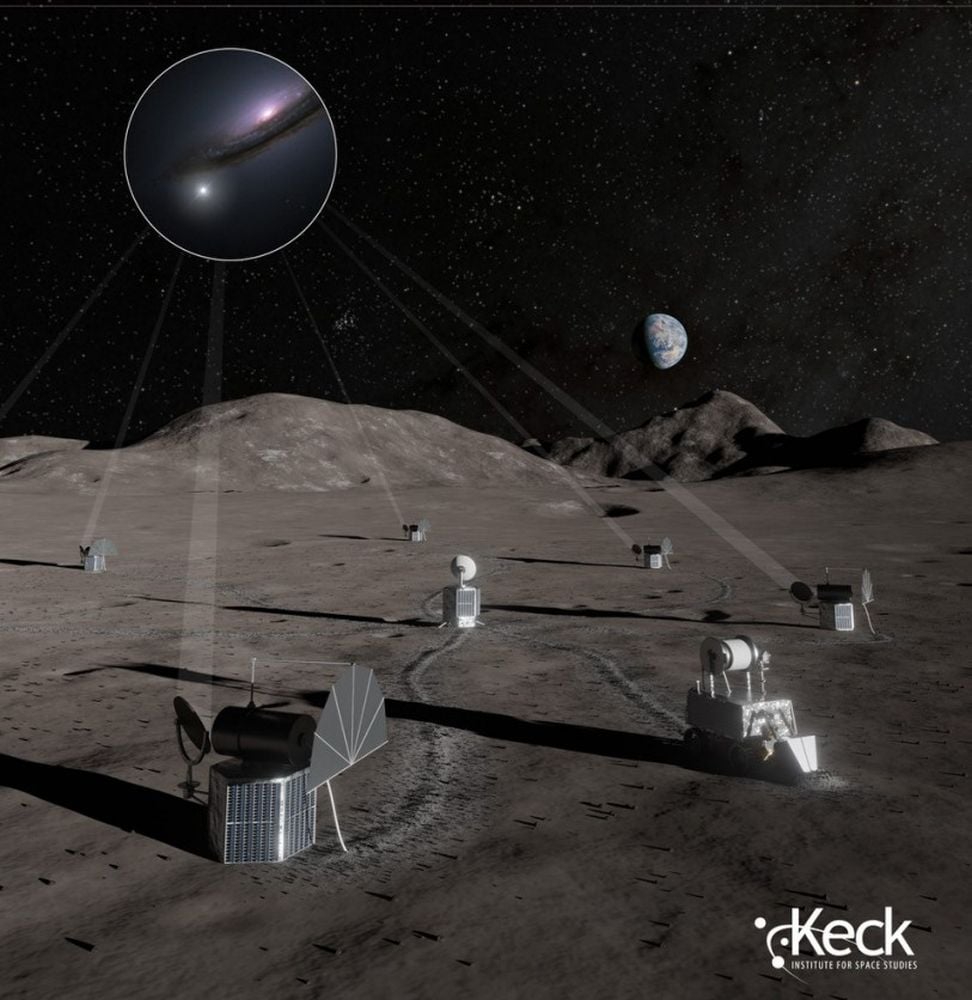
A new report outlines the benefits and obstacles to a lunar telescope. It comes from the Keck Institute for Space Studies, and presents an idea for a lunar optical interferometer. The authors say it could outperform powerful space telescopes.
Continue reading
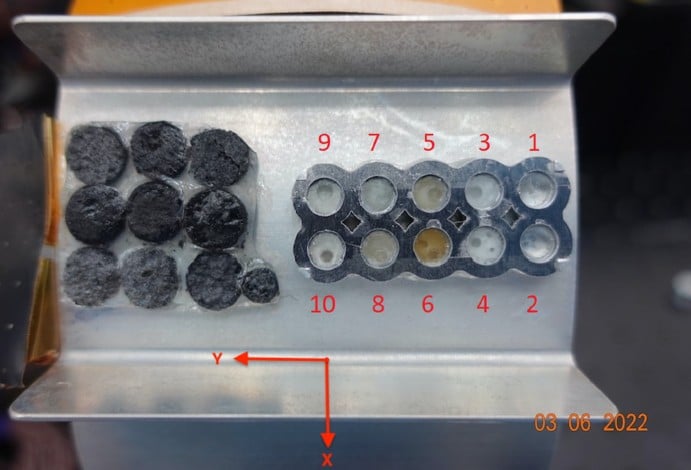
Sometimes space exploration doesn’t go as planned. But even in failure, engineers can learn, adapt, and try again. One of the best ways to do that is to share the learning, and allow others to reproduce the work that might not have succeeded, allowing them to try again. A group from MIT’s Space Enabled Research Group, part of its Media Lab, recently released a paper in Space Science Reviews that describes the design and testing results of a pair of passive sensors sent to the Moon on the ill-fated Rashid-1 rover.
Continue reading

With unprecedented detail, a team of astronomers led by MPE have imaged the youngest disks around new-born stars. Astronomers used to think that planet formation followed star formation. But these glowing, chaotic disks are hotter and heavier than expected, hinting that planets may start forming much earlier than previously thought.
Continue reading
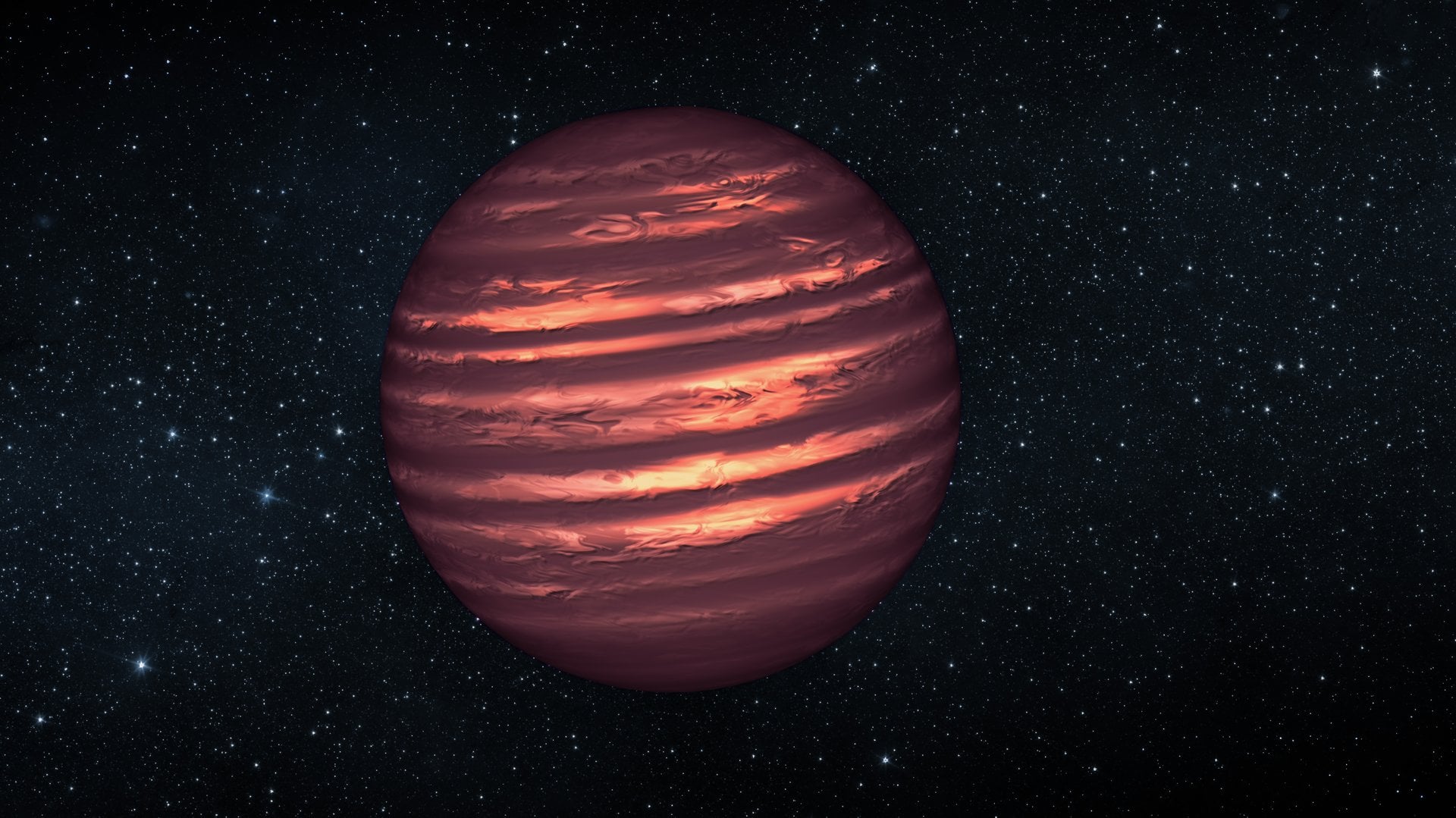
An international team of astronomers using the combined powers of space-based and ground-based observatories, including the W.M. Keck Observatory and Subaru Telescope on Maunakea, Hawaiʻi Island, have discovered a brown dwarf companion orbiting a nearby red dwarf star, providing key insight into how stars and planets form.
Continue reading
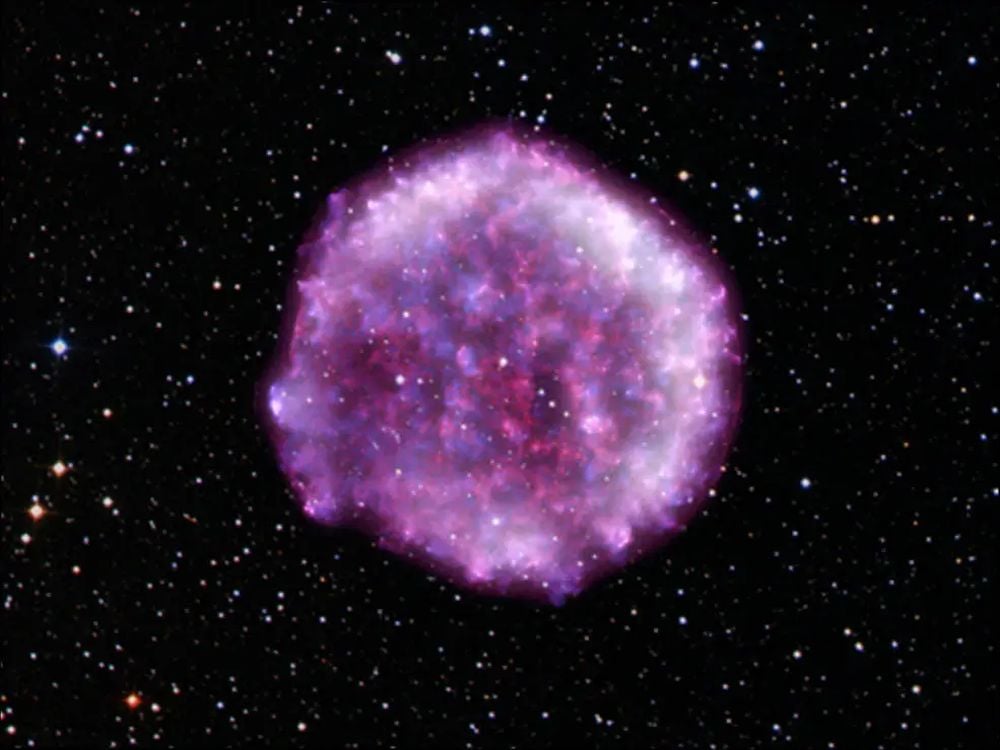
Before a supernova finally explodes, its progenitor ejects massive amounts of gas into its surroundings. When the doomed star finally explodes, its blast wave slams into this material. This is one of a supernova's signatures, and researchers have figured out how to detect it.
Continue reading
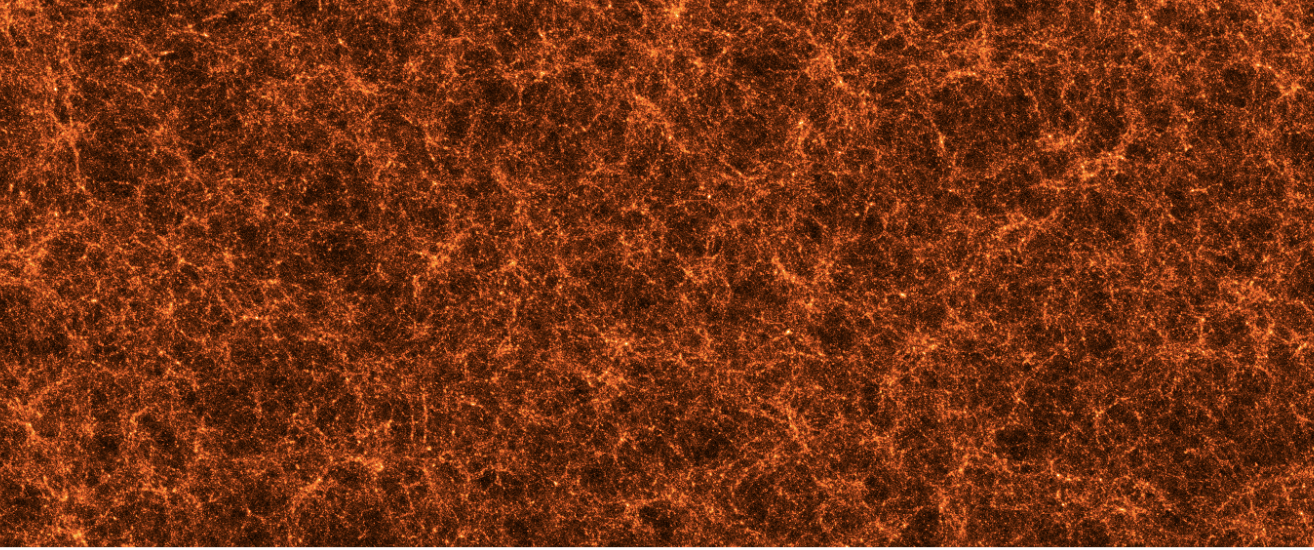
The cosmic voids of the universe are empty of matter. But we all know there’s more to the universe than just matter.
Continue reading
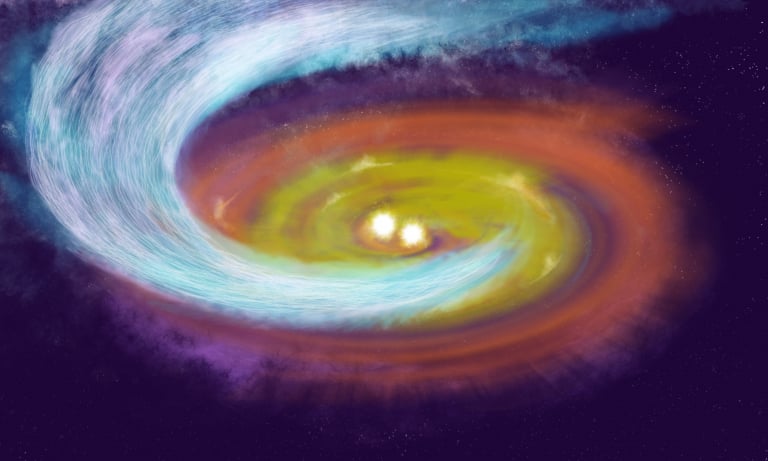
Star formation has a lot of complex physics that feed into it. Classical models used something equivalent to a “collapse” of a cloud of gas by gravity, with a star being birthed in the middle. More modern understandings show a feature called a “streamer”, which funnels gas and dust to proto-stars from the surrounding disc of material. But our understanding of those streamers is still in its early stages, like the stars they are forming. So a new paper published in Astrophysical Journal Letters by Pablo Cortes of the National Radio Astronomy Observatory (NRAO) and his co-authors is a welcome addition to the literature - and it shows a unique feature of the process for the first time.
Continue reading
 Universe Today