Measuring Distances in the Universe With Fast Radio Bursts

By Brian Koberlein - February 12, 2024 11:39 AM UTC | Cosmology
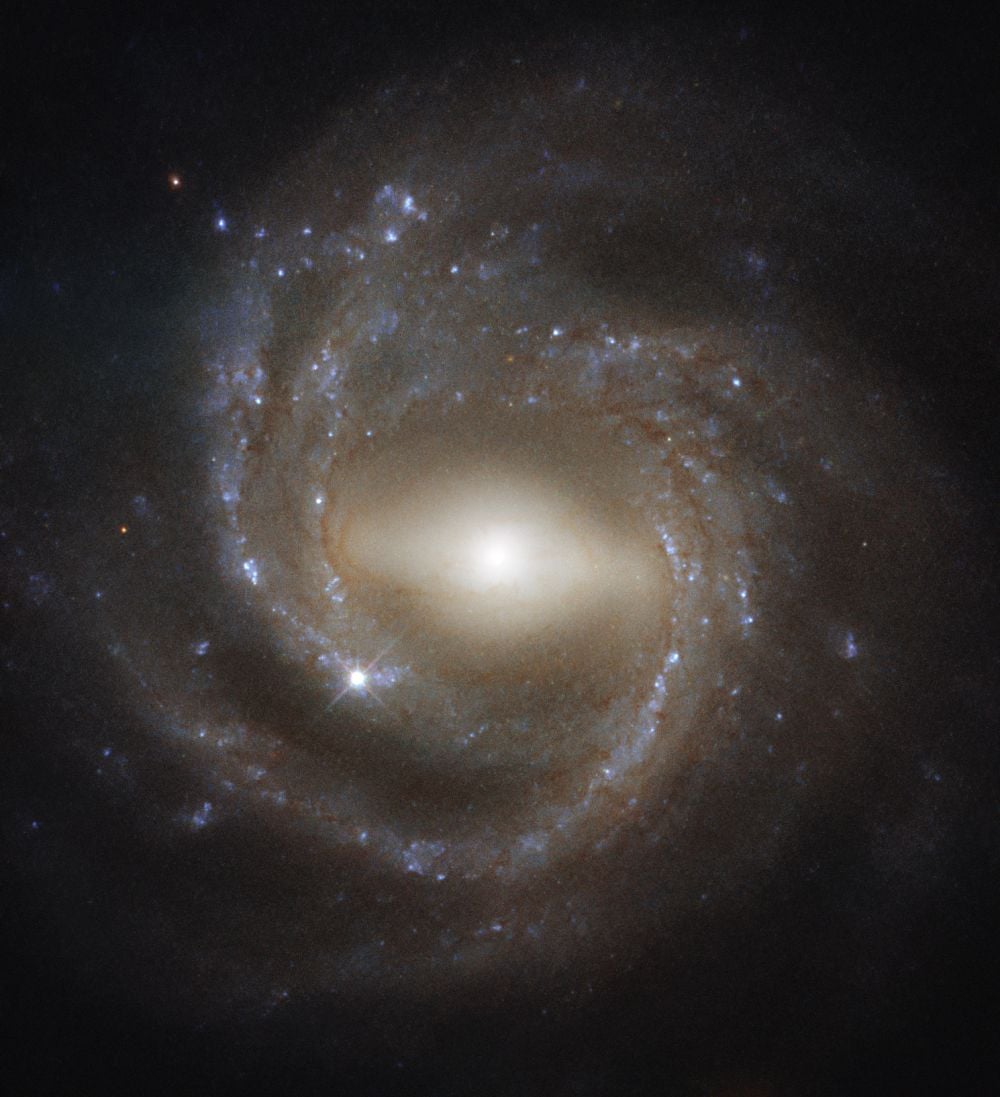
Astronomers still aren't entirely sure what causes fast radio bursts, which can briefly release a galaxy's worth of energy. However, they might have figured out how to use them to measure distances in the Universe. In a new paper, astronomers propose that fast radio bursts could be detected as they're magnified by stellar microlenses. With about 30 microlensing events, they should be able to measure cosmic distances precisely.
Continue reading

The Event Horizon Telescope Zooms in on a Black Hole's Jet

By Brian Koberlein - February 10, 2024 11:38 AM UTC | Black Holes
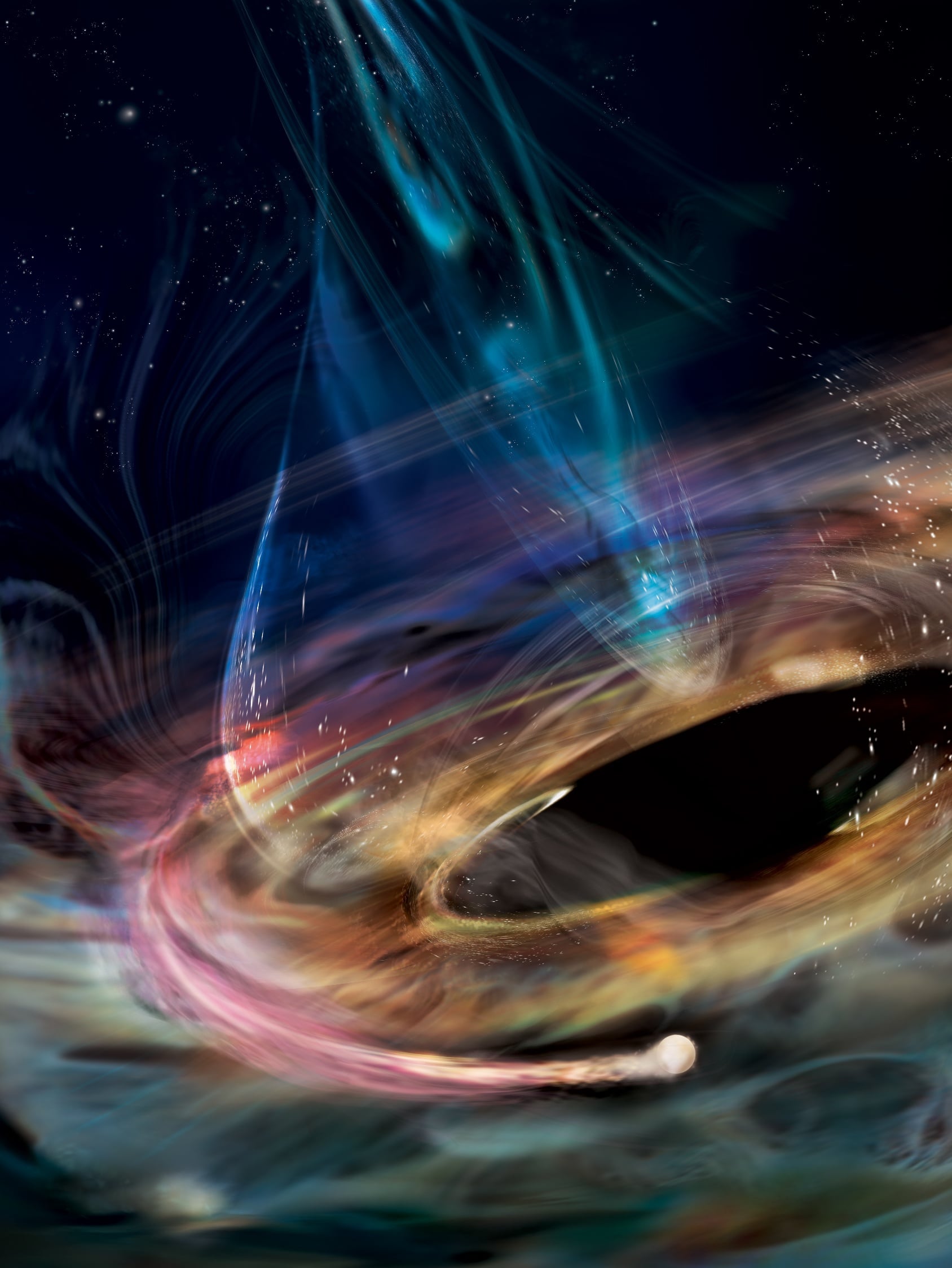
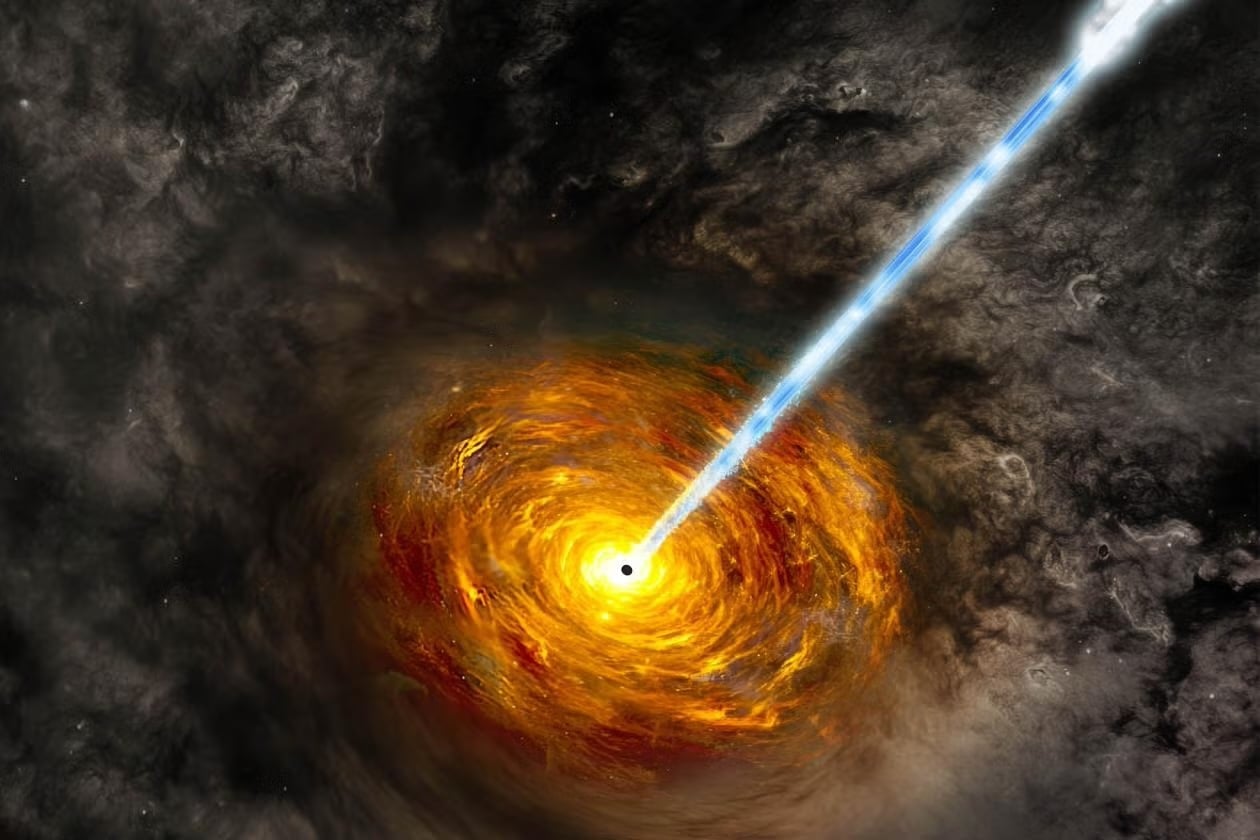
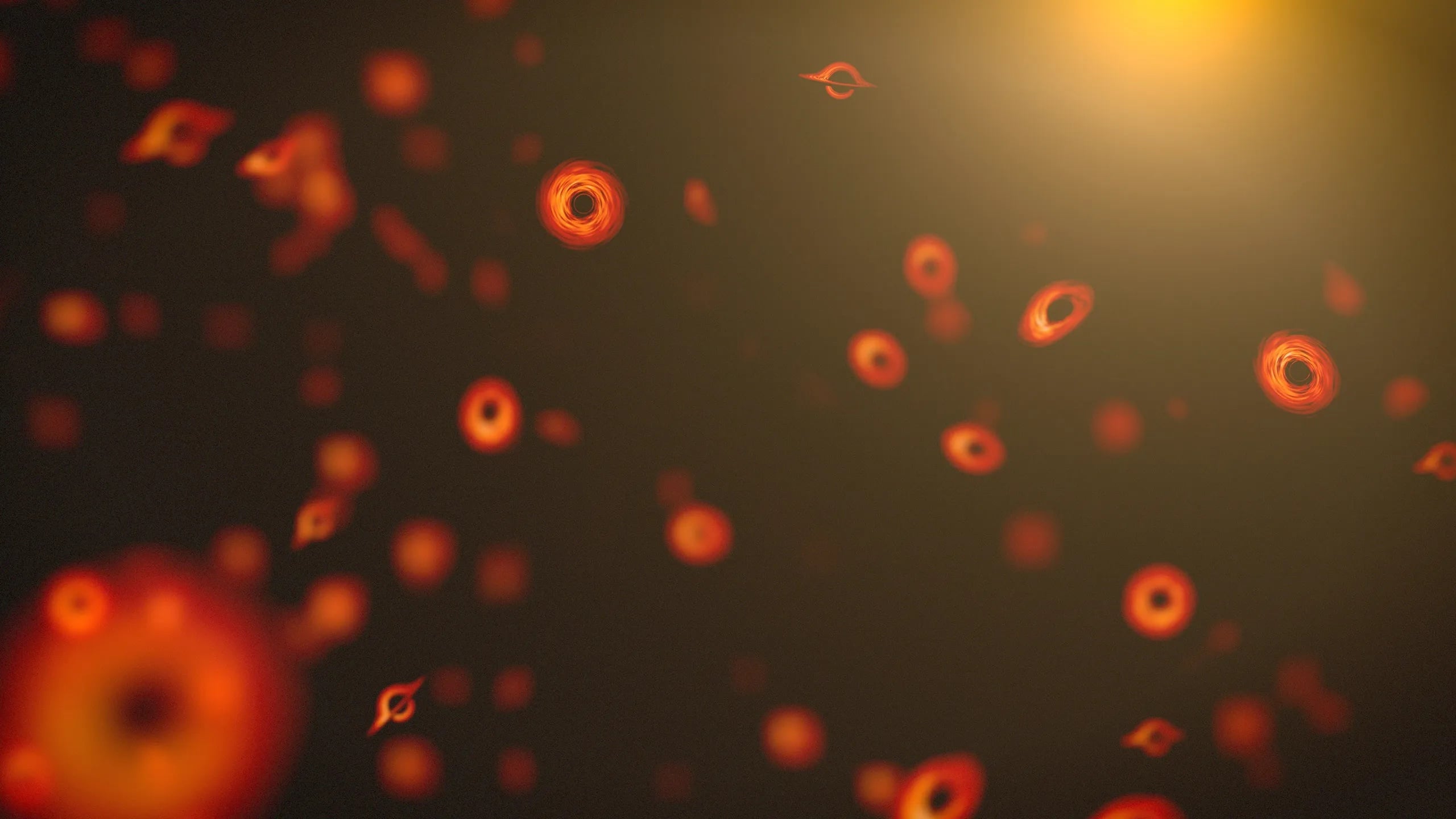
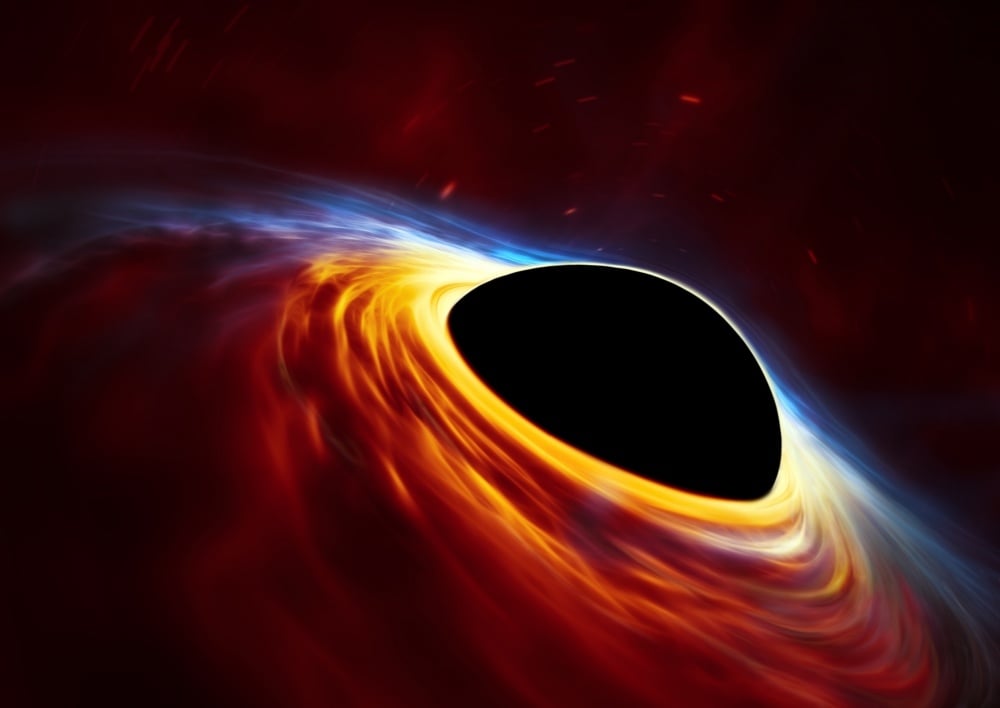
The Event Horizon Telescope has given us amazing views of the supermassive black holes at the hearts of M87 and the Milky Way. A new image from the EHT shows another black hole at the core of the radio galaxy 3C 84. Unlike the previous targets, 3C is one of the most active supermassive black holes in our vicinity, blasting enormous jets out into the cosmos. A series of images show the power of the EHT, resolving the region around the black hole where the jets form.
Continue reading

Did the Galileo Mission Find Life on Earth?

By Brian Koberlein - February 08, 2024 02:33 PM UTC | Astrobiology
Although it was bound for Jupiter, NASA's Galileo spacecraft made flybys of Earth in 1990 and 1992 to get boosts in its velocity. Astronomers realized this would be an ideal opportunity to test if remote imaging of Earth would detect the presence of life. In a new paper, researchers examined over 1500 photometric measurements of Earth from Galileo, judging how well it could stand in for an inhabited exoplanet.
Continue reading

Dust Ruins Another Way of Measuring Distance in the Universe
By Brian Koberlein - February 07, 2024 02:16 PM UTC | Cosmology
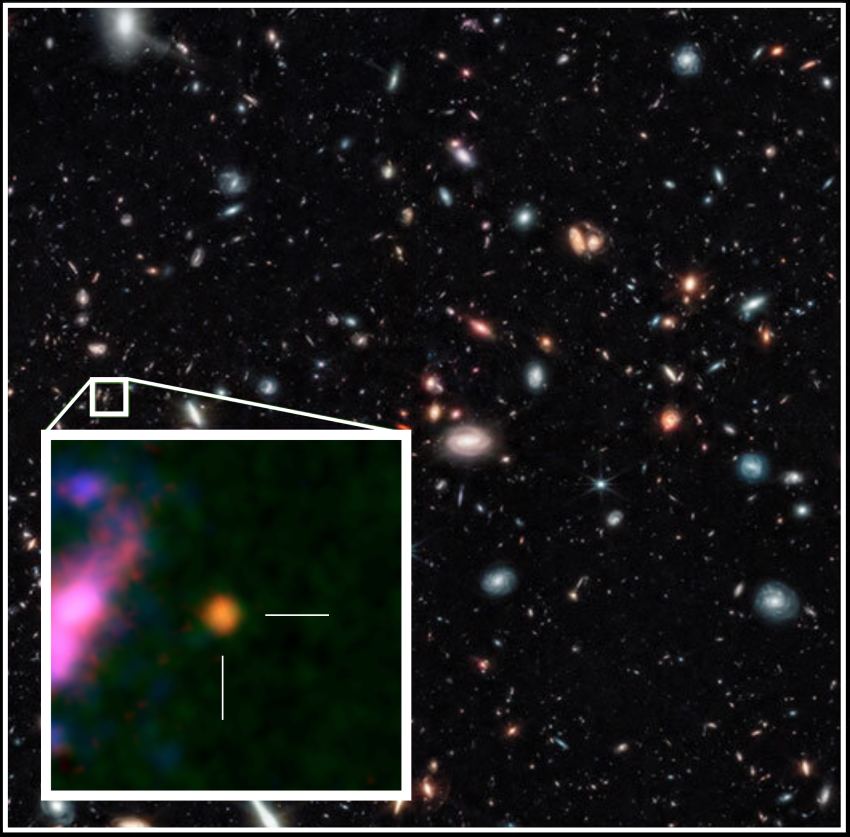
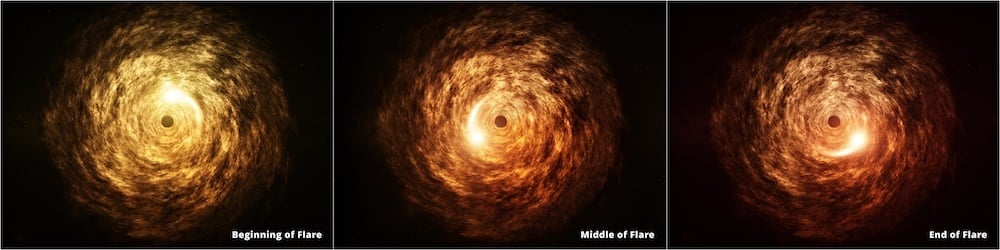
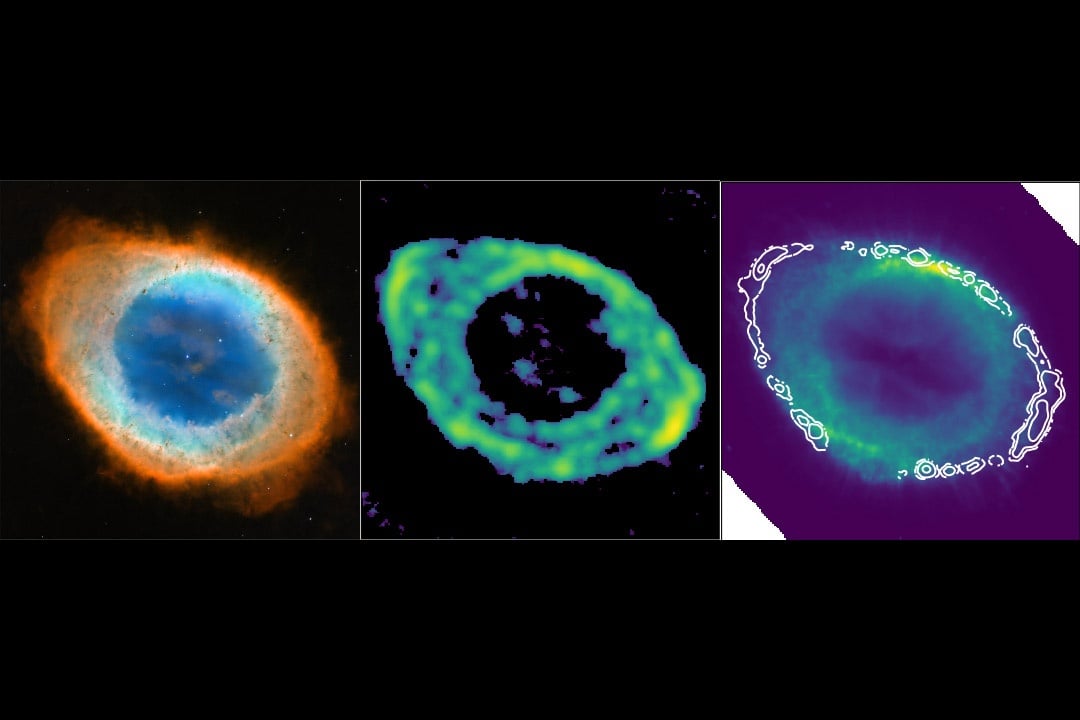
Astronomers are always searching for new ways to measure distance in the Universe, especially at the greatest distances where less is known. One method measures active galaxies blasting out ultraviolet and X-ray radiation. Another measure is X-ray radiation coming from the accretion disk around a quasar. Since both methods measure the same distance to a galaxy, they should match. But they don't, and the culprit, once again, is dust absorbing and scattering UV and X-rays.
Continue reading

Astronomers Measure the Mass of the Milky Way by Calculating How Hard it is to Escape

By Brian Koberlein - February 06, 2024 10:36 AM UTC | Milky Way
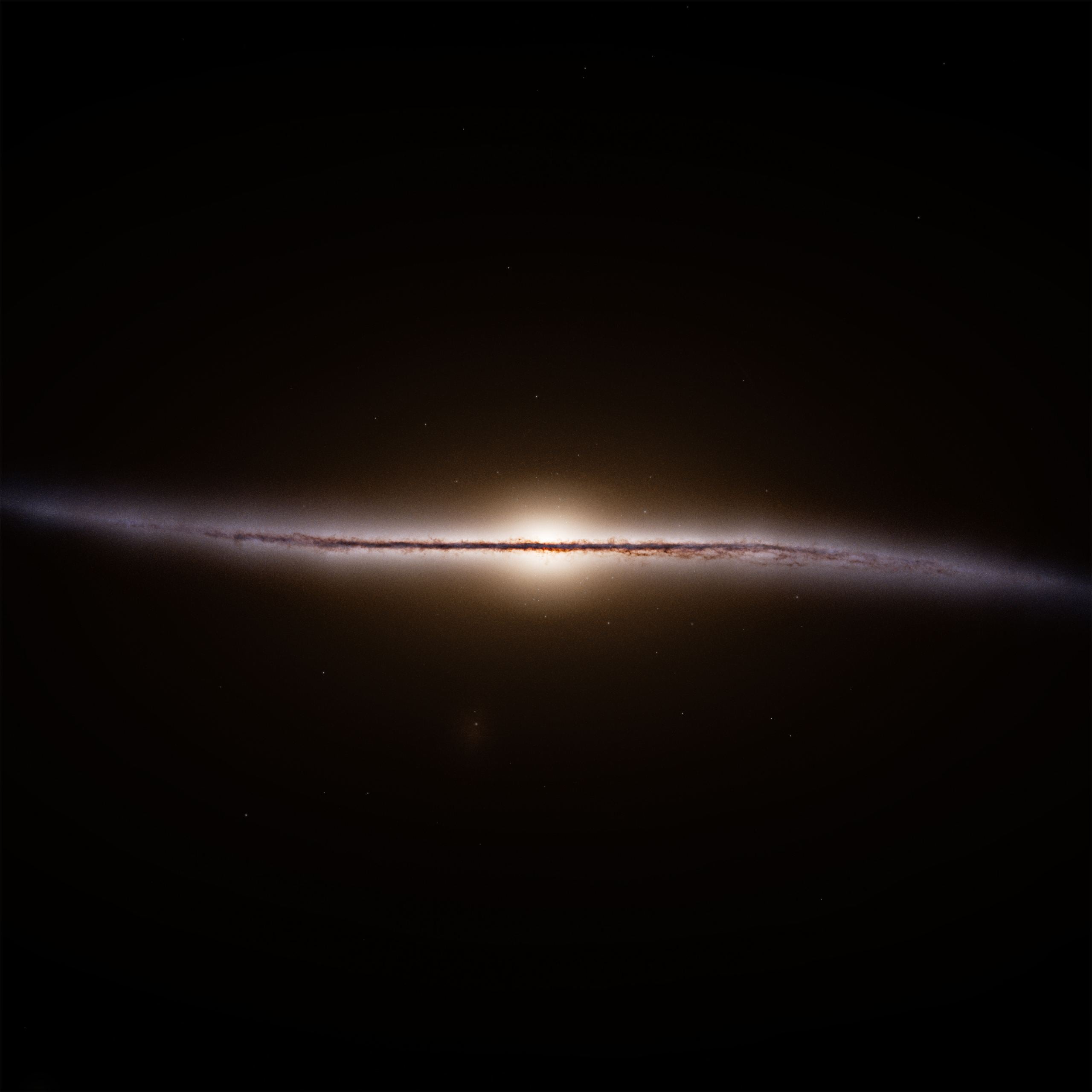
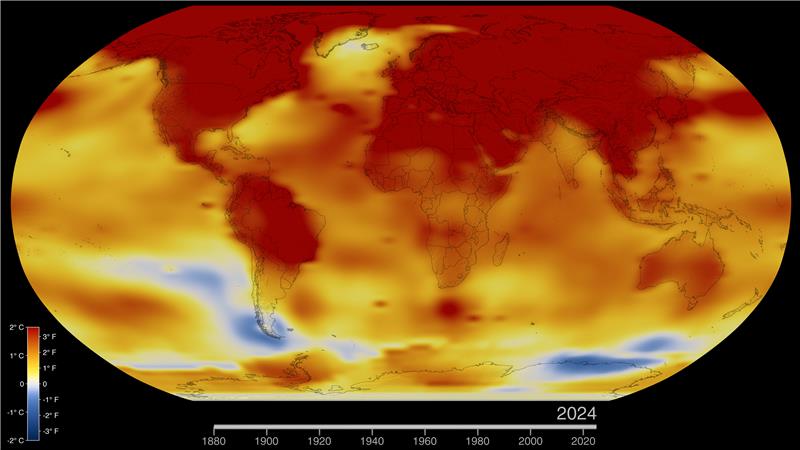
Several techniques have been developed to measure the mass of the Milky Way, providing a range of estimates. In a new paper, a team of researchers used data from ESA's Gaia spacecraft to measure the escape velocity of the Milky Way at different distances from the galactic center and calculated its total mass, including the dark matter halo. Their measurement of 640 billion solar masses aligns with other estimates but is on the lower end.
Continue reading

How Could Laser-Driven Lightsails Remain Stable?

By Brian Koberlein - February 04, 2024 04:16 PM UTC | Physics
How can we send spacecraft to other star systems? One proposed by Breakthrough Foundation is the Starshot, which uses high-powered lasers to accelerate tiny spacecraft to 10% the speed of light. What keeps the sail balanced as the laser strikes it and accelerates it? A new paper suggests that the laser can be tuned so that the forces are balanced on the sail, automatically correcting if any dangerous oscillations build-up that could destroy the sail.
Continue reading

Atmospheres in the TRAPPIST-1 System Should be Long Gone

By Brian Koberlein - February 03, 2024 12:27 PM UTC | Exoplanets
When the TRAPPIST-1 system was discovered, astronomers were elated to find seven Earth-sized worlds, three in the star's habitable zone. JWST has made follow-up observations and failed to detect atmospheres in the first two planets. What about the rest? According to a new paper, the solar winds and powerful flares should have stripped away the atmospheres from the rest of the planets within 100 million years of formation - they're long gone.
Continue reading

How Dangerous are Kilonovae?

By Brian Koberlein - February 02, 2024 12:27 PM UTC | Stars
Neutron stars' collisions create powerful explosions, a type of gamma-ray burst known as a kilonova. What would it be like to be too close to a kilonova? Work has been done to calculate the risk of being in the beam of a gamma-ray burst, but a new paper looks at what would happen if you were off the axis to a kilonova. Researchers calculated that X-rays would be lethal to 3 light years, gamma rays out 13 light years, and cosmic rays could kill you at 36 light-years.
Continue reading