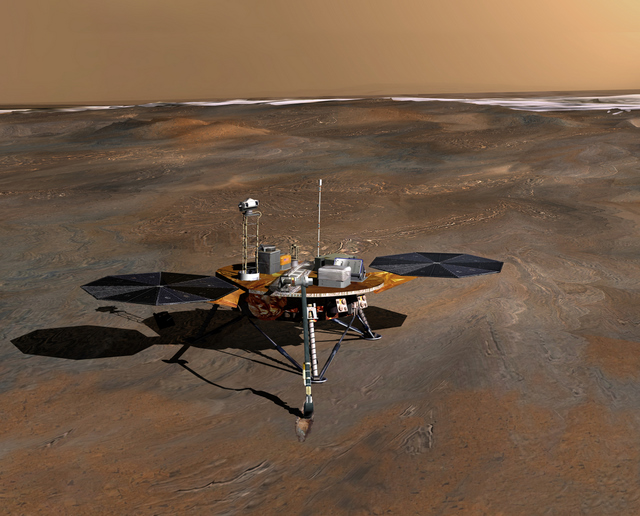
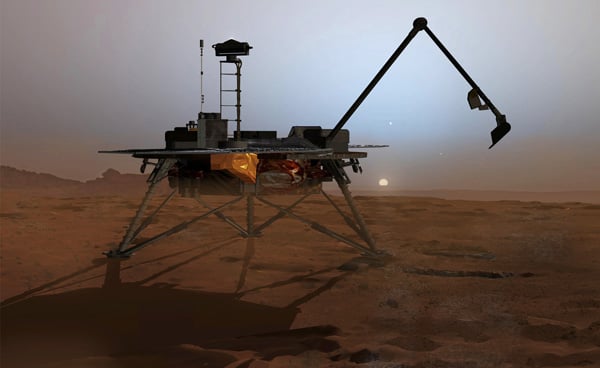
Phoenix Enters Safe Mode By Nancy Atkinson - October 30, 2008 05:12 AM UTC | Planetary Science Continue reading
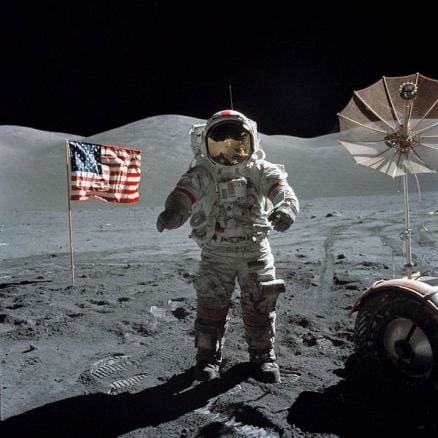
Weight on the Moon By Fraser Cain - October 29, 2008 11:33 PM UTC | Planetary Science Continue reading
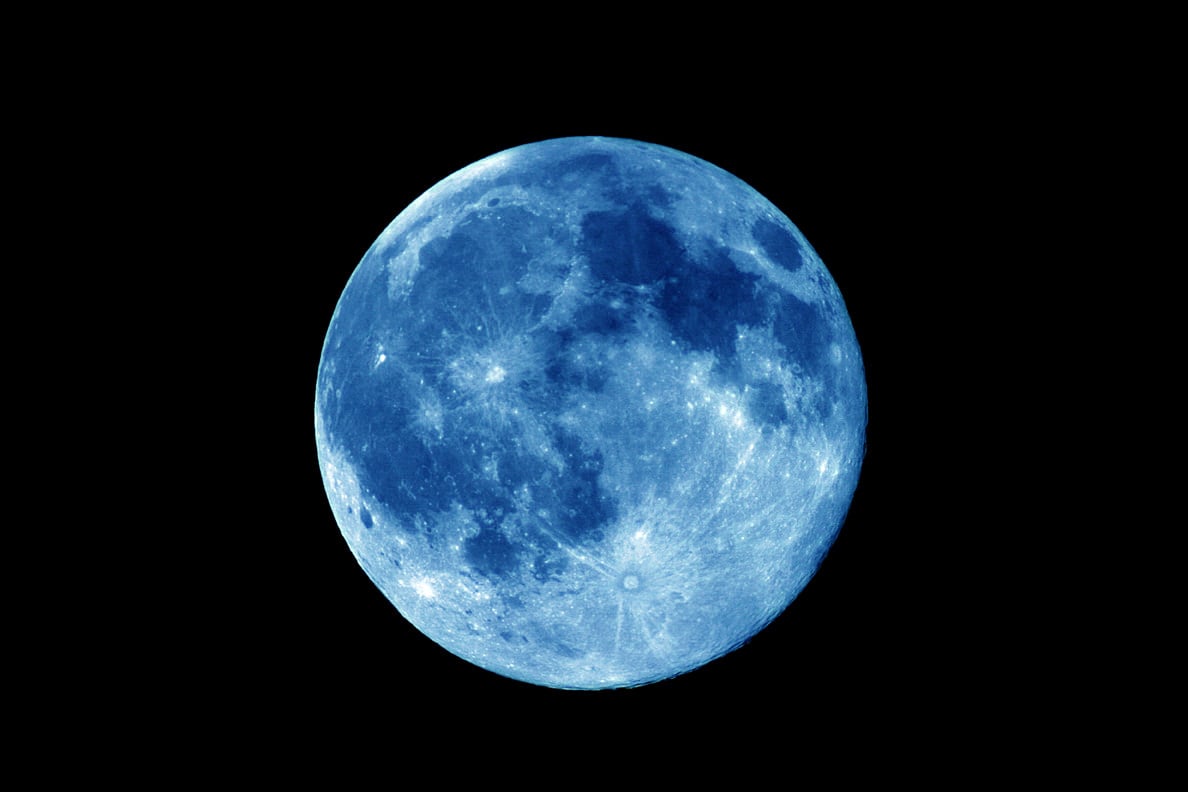
What is a Blue Moon? By Fraser Cain - October 29, 2008 04:58 PM UTC | Planetary Science Continue reading
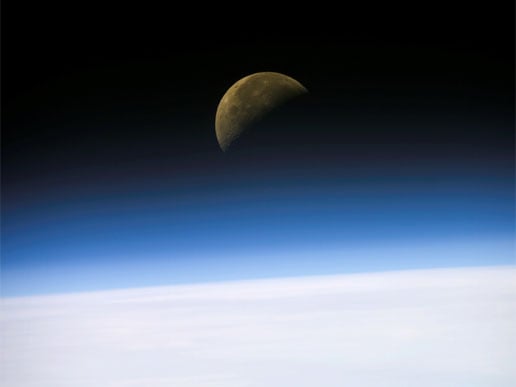
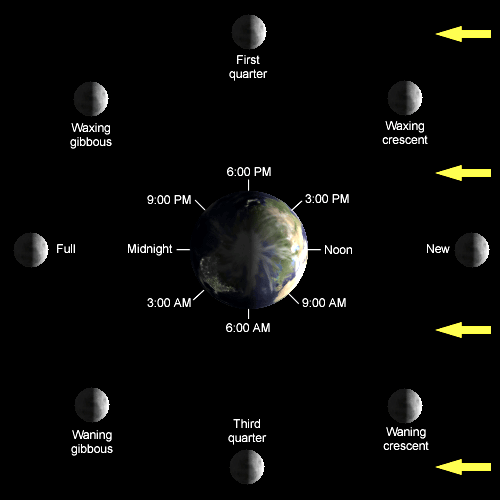
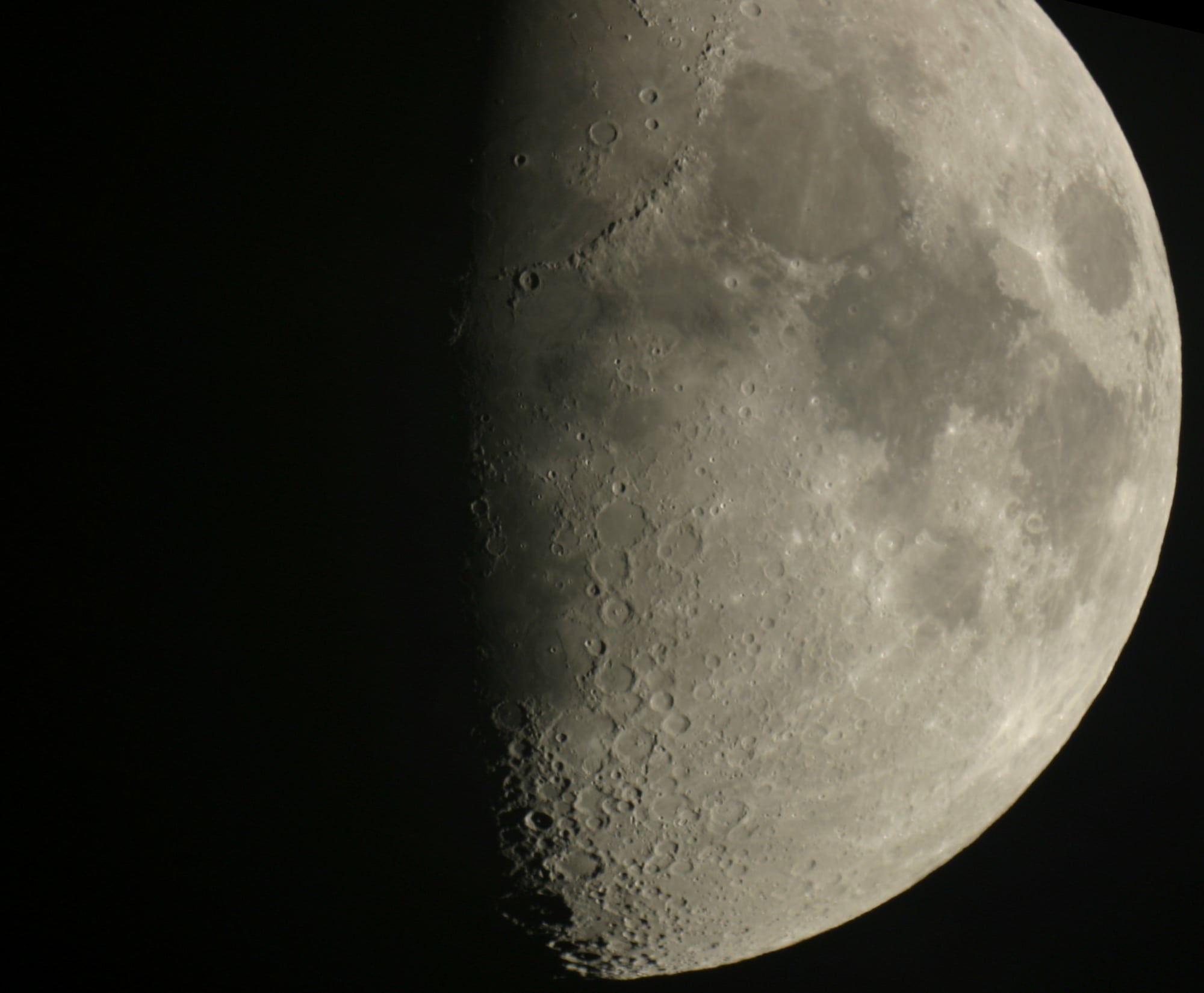
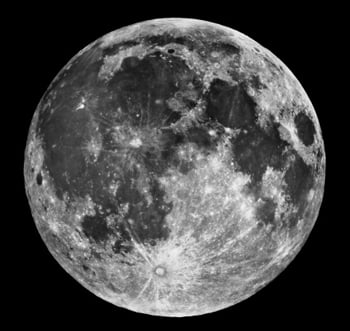
What is a Waning Moon? By Matthew Williams - October 29, 2008 04:13 PM UTC | Planetary Science Between a Full Moon and a New Moon, Earth's only satellite experiences a period of "waning", where the amount that is visible slowly decreases. Continue reading
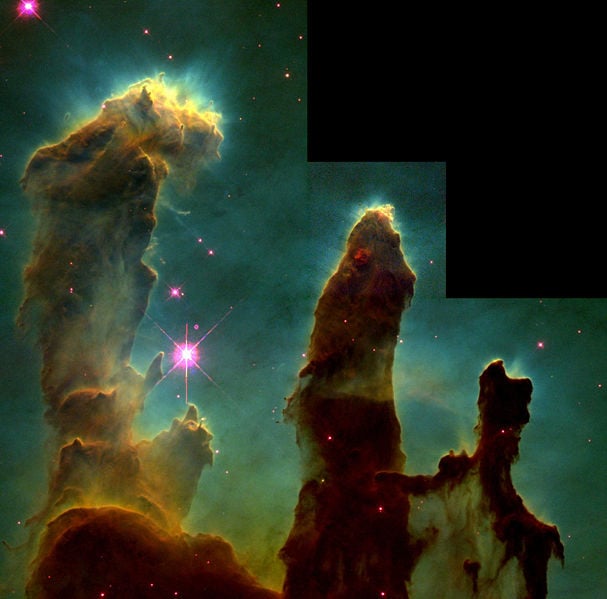
Where In The Universe Challenge #27 By Nancy Atkinson - October 29, 2008 02:40 PM UTC | Observing Continue reading
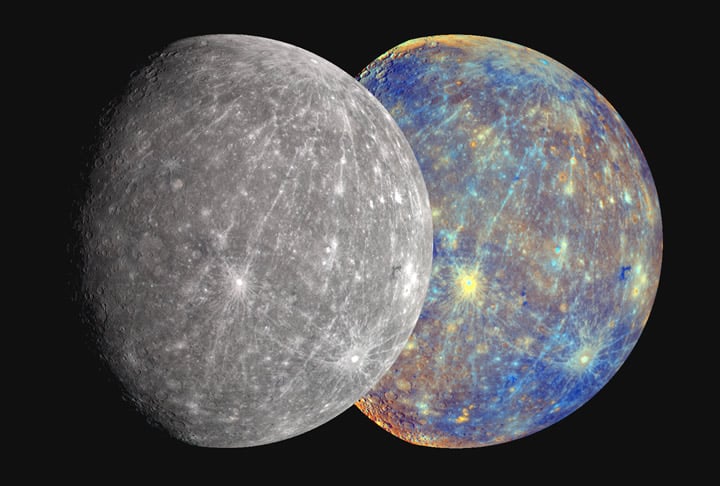
More Mercury from MESSENGER By Nancy Atkinson - October 29, 2008 02:16 PM UTC | Planetary Science Continue reading
Does the Moon Orbit the Sun? By Fraser Cain - October 29, 2008 01:13 PM UTC | Planetary Science Continue reading
How to Prepare for Your Own Personal Spaceflight or Zero-G Experience By Nancy Atkinson - October 29, 2008 11:53 AM UTC | Space Exploration Continue reading
Engineers Begin Shutting Down Phoenix Lander Instruments By Nancy Atkinson - October 28, 2008 06:54 PM UTC | Planetary Science Continue reading
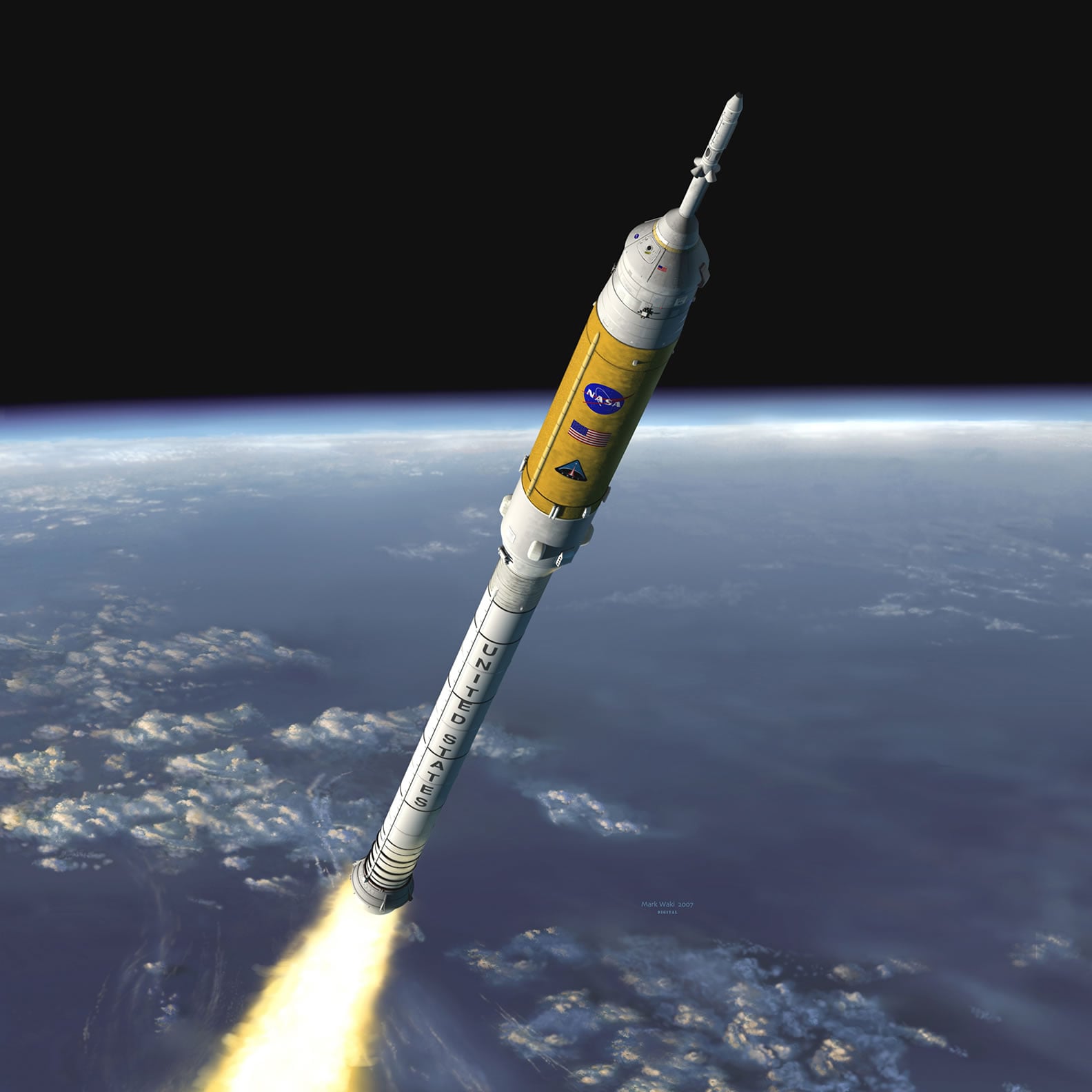
More Ares I Development Problems: Is it Really That Bad? By Ian O'Neill - October 28, 2008 02:49 PM UTC | Space Policy Continue reading
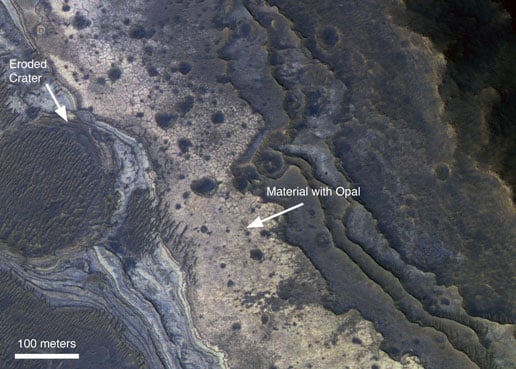
Precious Gems Discovered on Mars By Nancy Atkinson - October 28, 2008 01:53 PM UTC | Planetary Science Continue reading
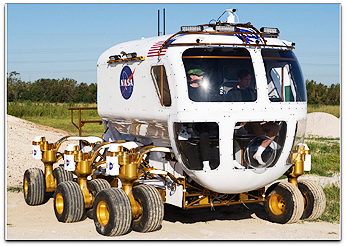
Driving on the Moon in Your Shirtsleeves By Nancy Atkinson - October 28, 2008 09:02 AM UTC | Planetary Science Continue reading
Hawking to Retire, But Not Quit By Nancy Atkinson - October 27, 2008 06:58 PM UTC | Physics Continue reading
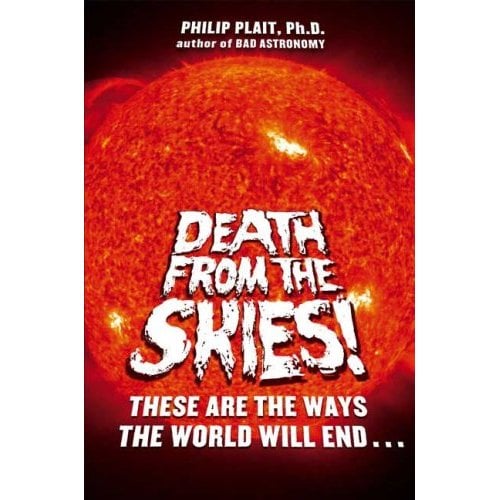
Podcast: Death From the Skies, Interview with Phil Plait By Astronomy Cast - October 27, 2008 02:23 PM UTC | Planetary Science Continue reading
Podcast: Relativity, Relativity and More Relativity By Astronomy Cast - October 27, 2008 02:07 PM UTC | Physics Continue reading
Giveaway: When We Left Earth DVD By Fraser Cain - October 27, 2008 01:59 PM UTC | Space Exploration Continue reading
Universe Today is Banned from Digg By Fraser Cain - October 27, 2008 01:35 PM UTC | Site News Continue reading
Spock's Solar System Looks Like Ours By Nancy Atkinson - October 27, 2008 09:11 AM UTC | Exoplanets Continue reading
Ham Radio Operator Communicates with Space Station By Ian O'Neill - October 27, 2008 03:21 AM UTC | Space Exploration Continue reading
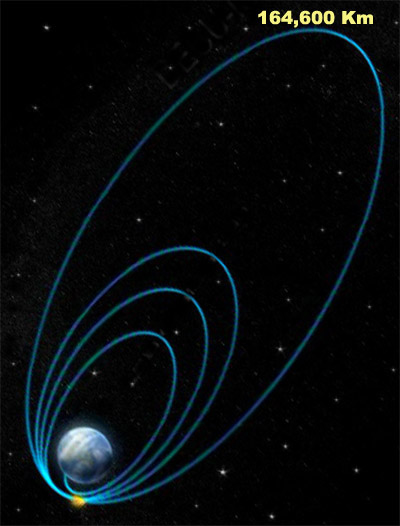
Manueuver Puts Chandrayaan in Deep Space By Nancy Atkinson - October 26, 2008 11:17 AM UTC | Planetary Science Continue reading
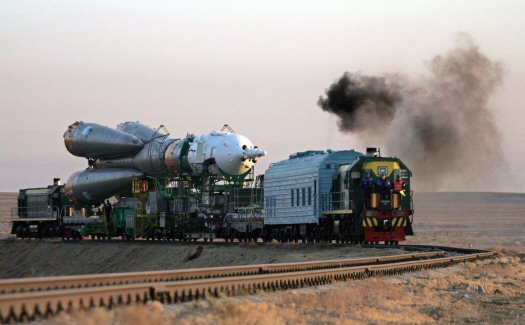
Russian Spacecraft Producer: No More Money for Soyuz By Ian O'Neill - October 25, 2008 11:58 PM UTC | Space Policy Continue reading
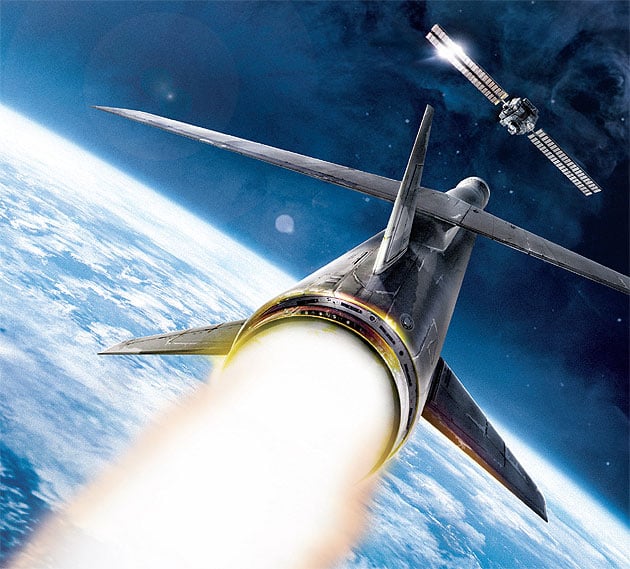
US Air Force Increases Investment in Satellite Protection Technology By Ian O'Neill - October 25, 2008 01:39 PM UTC | Space Policy Continue reading
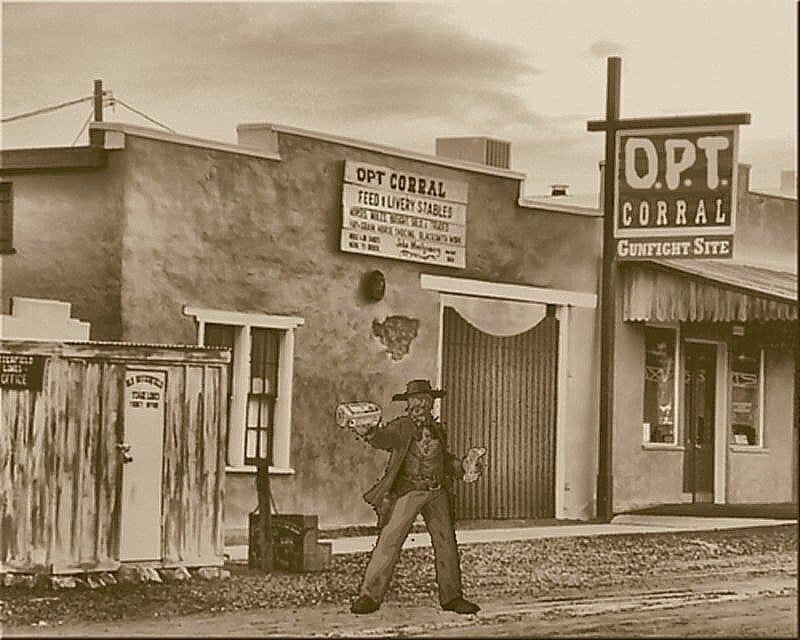
Midnight At The OPT Corral: Shootout Between The Celestron SkyScout and Meade MySKY By Tammy Plotner - October 25, 2008 08:41 AM UTC | Telescopes Continue reading
Google Founders Buy Fighter Jet... to Help NASA By Ian O'Neill - October 24, 2008 07:32 PM UTC | Space Policy Continue reading
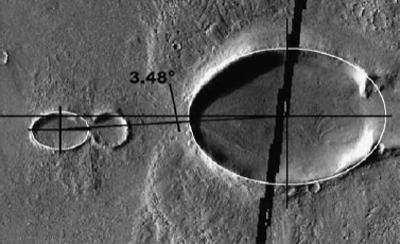
Could Strange Mars Craters be from a Fallen Third Moon? By Ian O'Neill - October 24, 2008 03:55 PM UTC | Planetary Science Continue reading
Orbit of the Moon By Fraser Cain - October 24, 2008 11:43 AM UTC | Planetary Science Continue reading
Weekend SkyWatcher's Forecast - October 24-26, 2008 By Tammy Plotner - October 24, 2008 04:33 AM UTC | Observing Continue reading
Life Will be Hard for Colonists - Kaguya Can't Find Water on the Moon By Ian O'Neill - October 23, 2008 10:30 PM UTC | Planetary Science Continue reading
Where Have All the Gamma Ray Bursts Gone? By Ian O'Neill - October 23, 2008 06:09 PM UTC | Extragalactic Continue reading
Asteroseismology: Observing Stars Vibrate with CoRoT By Ian O'Neill - October 23, 2008 03:36 PM UTC | Stars Continue reading
Aldrin: Mars Pioneers Should Not Return to Earth By Ian O'Neill - October 23, 2008 01:38 PM UTC | Space Policy Continue reading
Dark Knight Ahead - B33 by Gordon Haynes By Tammy Plotner - October 23, 2008 11:02 AM UTC | Milky Way Continue reading
We All Say "Excited!" In The Same Language By Nancy Atkinson - October 23, 2008 09:16 AM UTC | Site News Continue reading
Where In The Universe Challenge #26 By Nancy Atkinson - October 22, 2008 01:15 PM UTC | Observing Continue reading
Light From the Moon By Fraser Cain - October 22, 2008 12:59 PM UTC | Planetary Science Continue reading
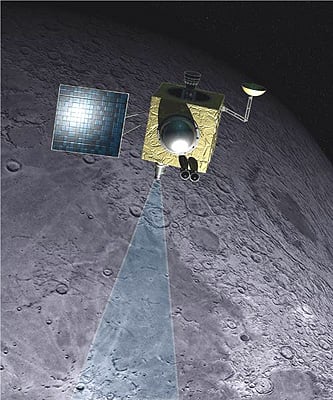
India's Chandrayaan-1 On Its Way to the Moon By Nancy Atkinson - October 22, 2008 12:54 PM UTC | Planetary Science Continue reading
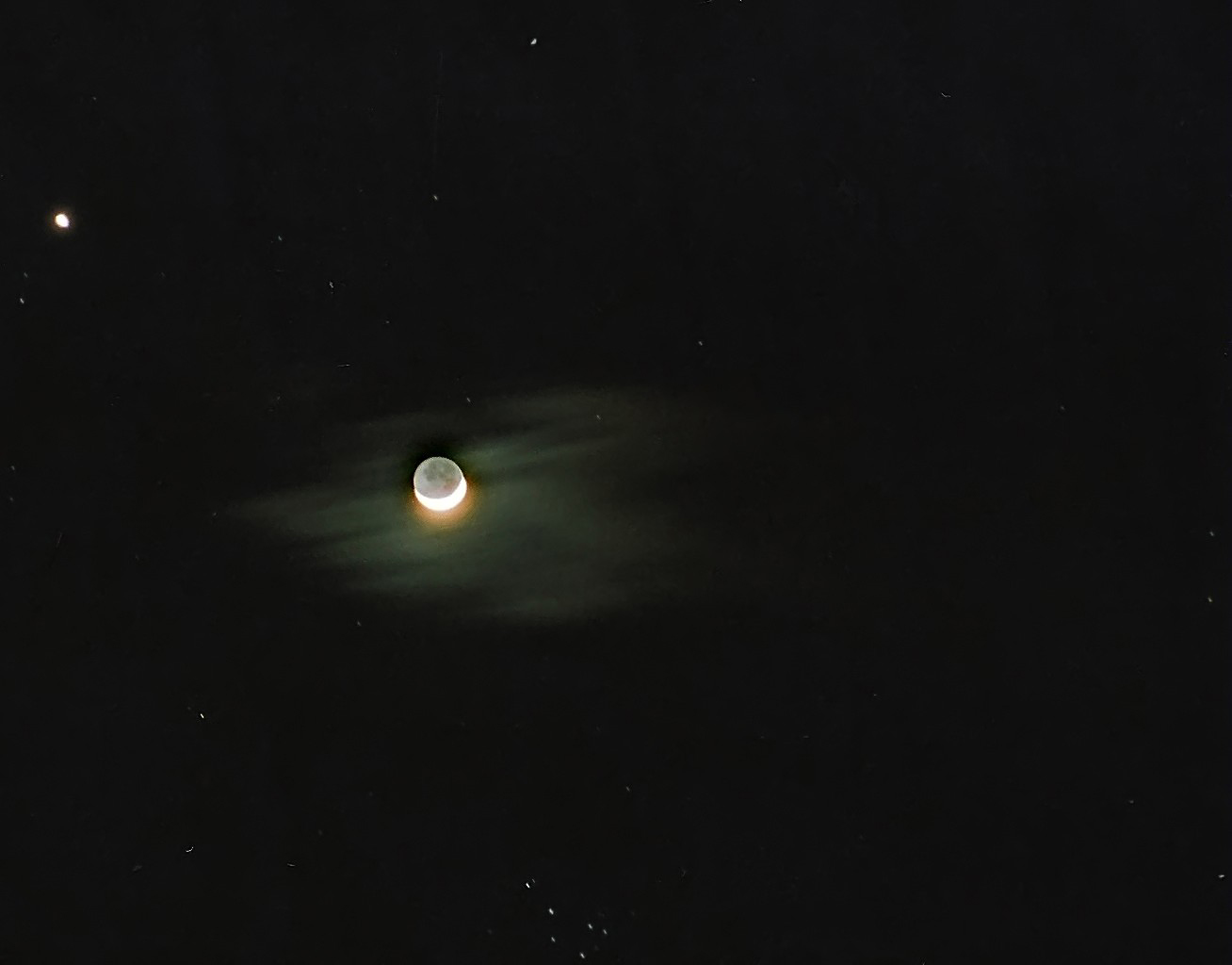
The Moon and Venus By Fraser Cain - October 22, 2008 11:14 AM UTC | Planetary Science Continue reading
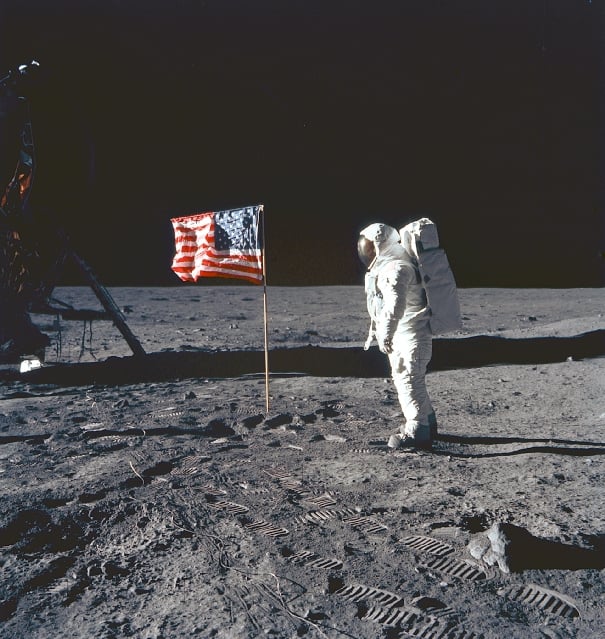
First Man on the Moon By Fraser Cain - October 22, 2008 10:29 AM UTC | Planetary Science Continue reading
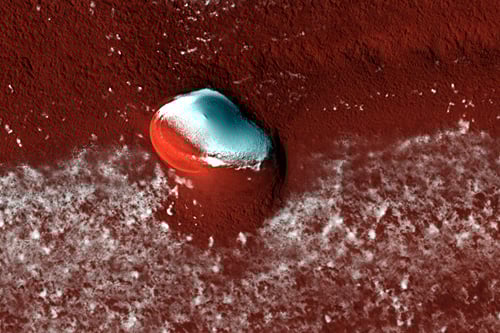
The Martian Ice-Filled, Oyster Shell-Shaped Crater (HiRISE Images) By Ian O'Neill - October 21, 2008 12:59 PM UTC | Planetary Science Continue reading
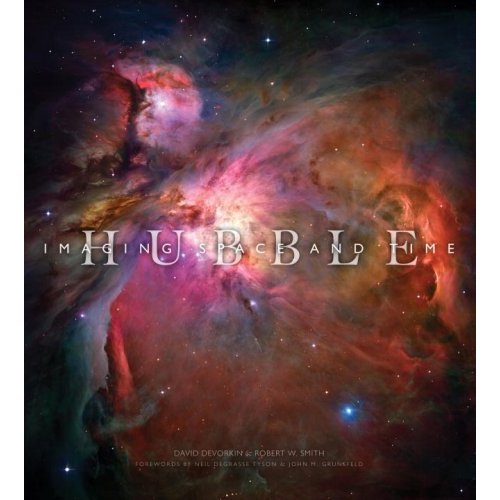
Book Review: Hubble: Imaging Space and Time By Mark Mortimer - October 21, 2008 11:17 AM UTC | Missions Continue reading
Phoenix Lander May Have Been Blasted by Dust Devil By Nancy Atkinson - October 20, 2008 10:53 AM UTC | Planetary Science Continue reading
 Universe Today