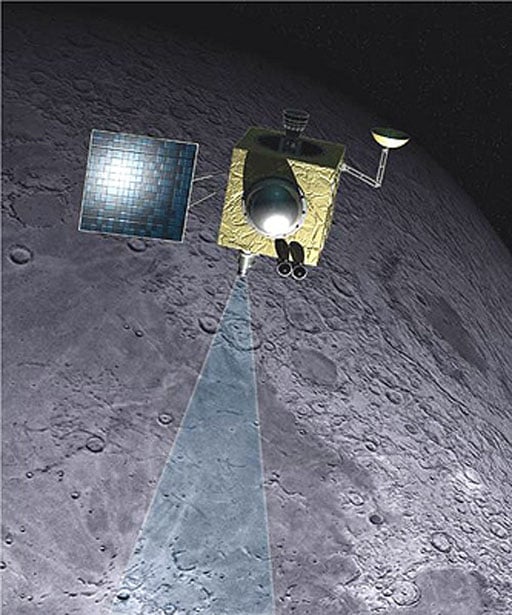
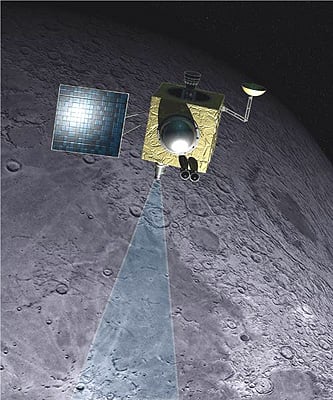
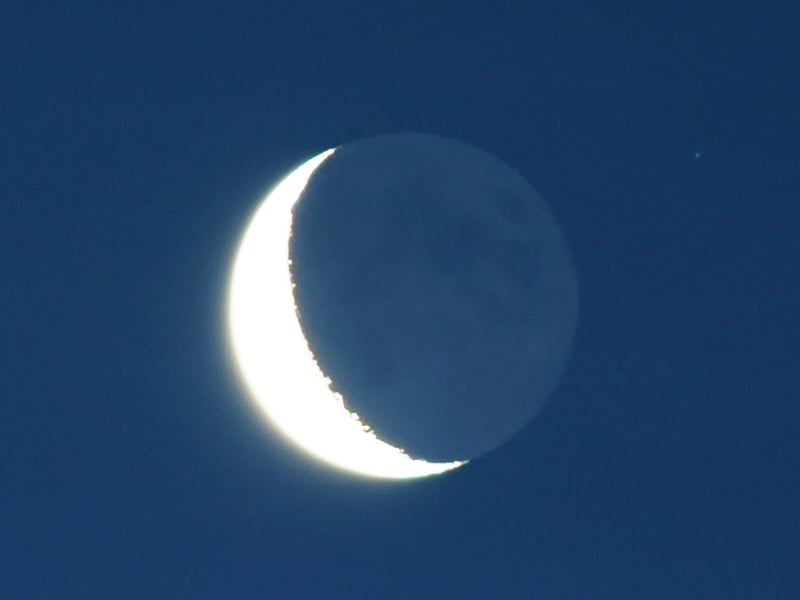
Chandrayaan-1 Now Successfully in Lunar Orbit By Nancy Atkinson - November 08, 2008 08:24 AM UTC | Missions Continue reading
Declaration of Human Rights to be Sent to Space Station By Ian O'Neill - November 08, 2008 04:48 AM UTC | Space Policy Continue reading
In Their Own Words: Apollo Astronauts say "We Went to the Moon" By Nancy Atkinson - November 07, 2008 04:12 PM UTC | Missions Continue reading
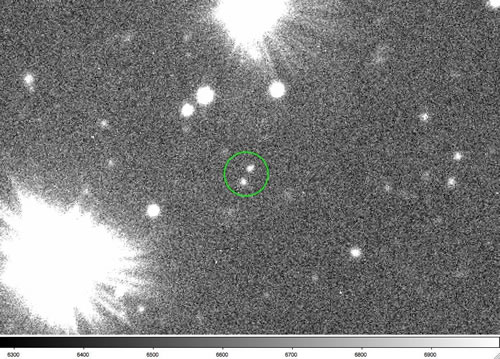
Astronomers Discover Odd Kuiper Belt Pair By Nancy Atkinson - November 07, 2008 03:18 PM UTC | Planetary Science Continue reading
Deepest Ultraviolet Image Shows a Sea of Distant Galaxies By Nancy Atkinson - November 07, 2008 09:38 AM UTC | Extragalactic Continue reading
Weekend SkyWatcher's Forecast - November 7-9, 2008 By Tammy Plotner - November 07, 2008 08:08 AM UTC | Observing Continue reading
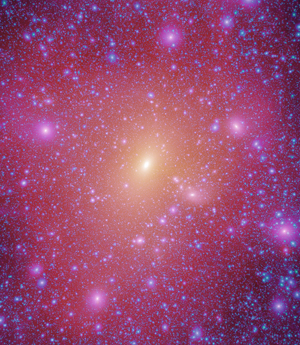
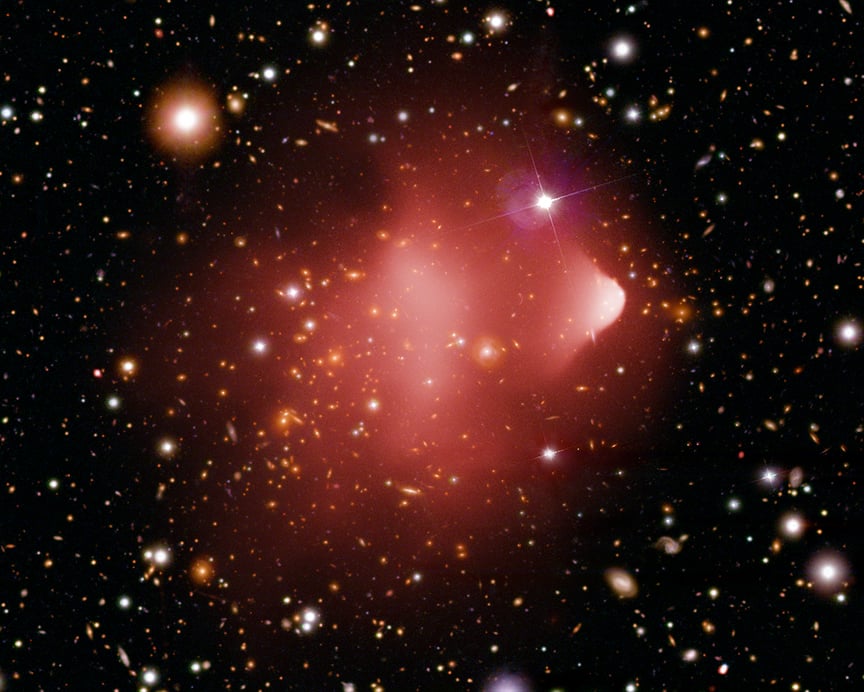
Are We Close to Finding Dark Matter? By Nancy Atkinson - November 06, 2008 08:59 AM UTC | Cosmology Continue reading
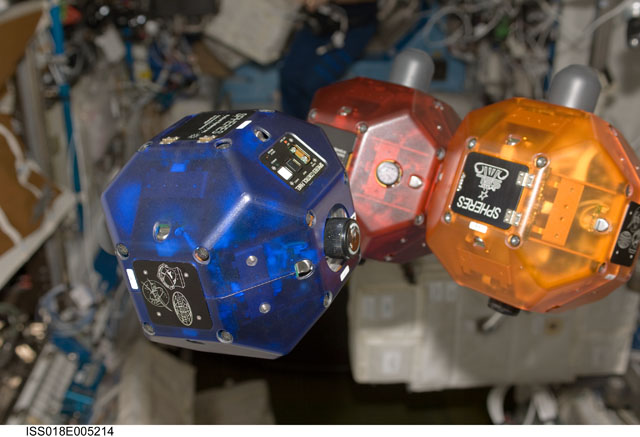
Floating Battle Droids On Board ISS By Nancy Atkinson - November 06, 2008 08:27 AM UTC | Space Exploration Continue reading
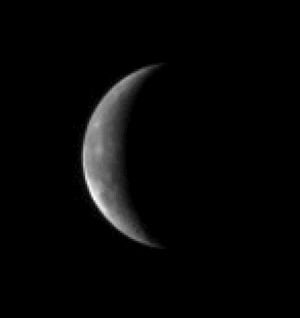
Chandrayaan-1 Closer to the Moon; Snaps First Lunar Shot By Nancy Atkinson - November 06, 2008 06:26 AM UTC | Planetary Science Continue reading
PAMELA Results Mean Only One Thing: Please Trust the Scientific Process By Nancy Atkinson - November 05, 2008 03:49 PM UTC | Physics Continue reading
Microbial Life on the Moon? By Nancy Atkinson - November 05, 2008 02:21 PM UTC | Astrobiology Continue reading
The Cosmic Web - NGC 2070 by Joseph Brimacombe By Tammy Plotner - November 05, 2008 12:17 PM UTC | Extragalactic Continue reading
Where In The Universe Challenge #28 By Nancy Atkinson - November 05, 2008 12:17 PM UTC | Observing Continue reading
NASA News Too Depressing for a Headline By Nancy Atkinson - November 04, 2008 04:03 PM UTC | Site News Continue reading
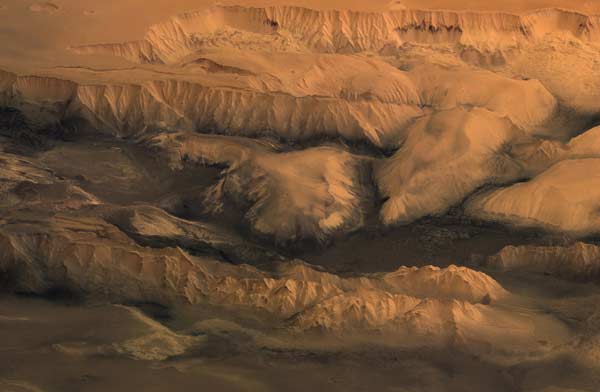
5 Years At Mars: The Best of Mars Express By Nancy Atkinson - November 04, 2008 08:36 AM UTC | Planetary Science Continue reading
Ion Shield for Interplanetary Spaceships Now a Reality By Ian O'Neill - November 04, 2008 01:38 AM UTC | Space Exploration Continue reading
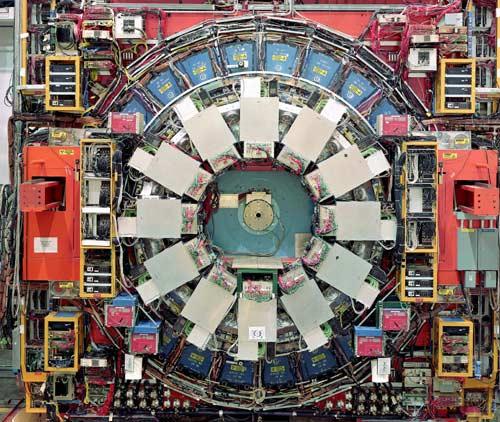
Forget the LHC, the Aging Tevatron May Have Uncovered Some New Physics By Ian O'Neill - November 03, 2008 10:01 PM UTC | Physics Continue reading
Can Cassini be Used to Detect Life on Enceladus? By Ian O'Neill - November 03, 2008 07:36 PM UTC | Astrobiology Continue reading
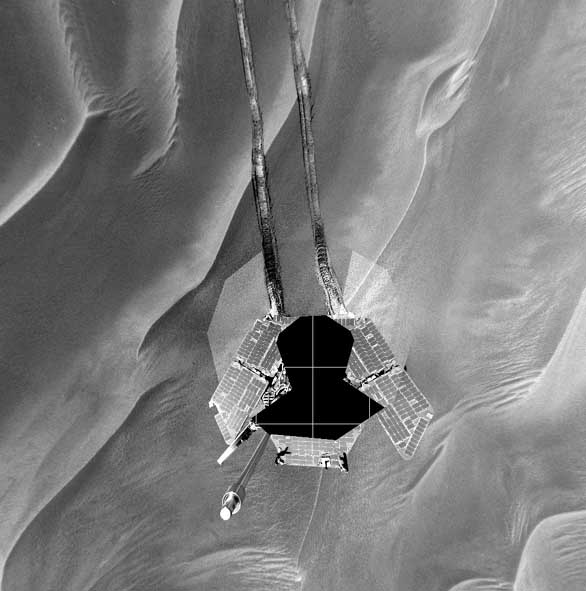
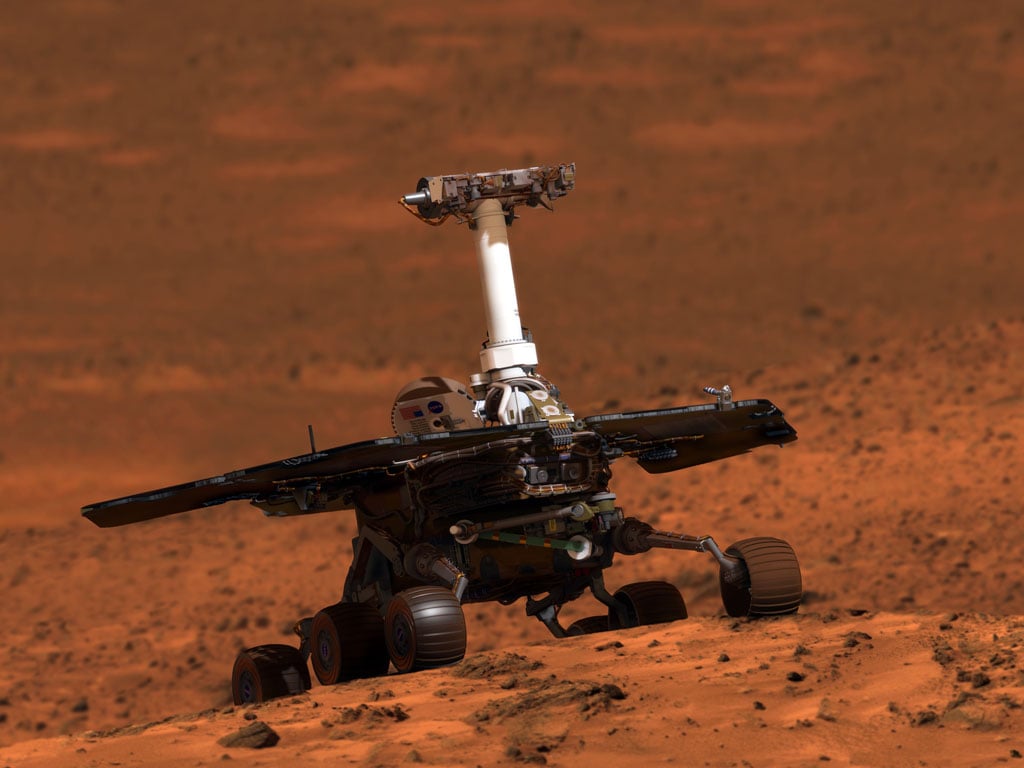
Rover Sand Traps Provide Clues on Mars Climate By Nancy Atkinson - November 03, 2008 06:37 PM UTC | Planetary Science Continue reading
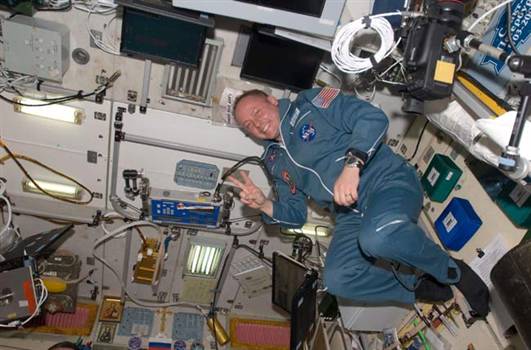
US Space Station Crew's Orbital Presidential Vote By Ian O'Neill - November 03, 2008 05:37 PM UTC | Space Exploration Continue reading
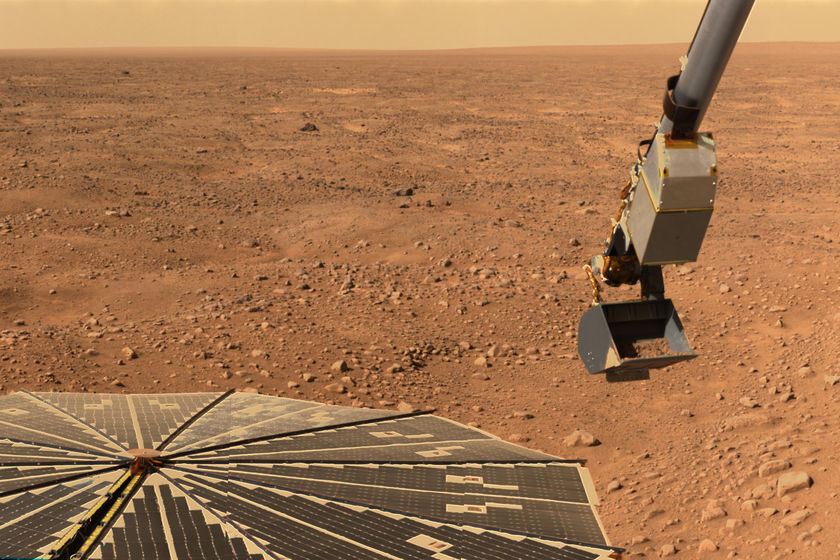
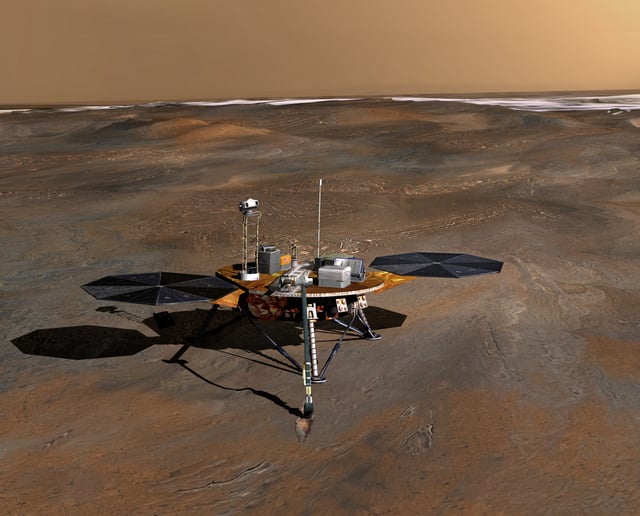
Phoenix Lander Weak But Responsive By Nancy Atkinson - November 03, 2008 05:14 PM UTC | Planetary Science Continue reading
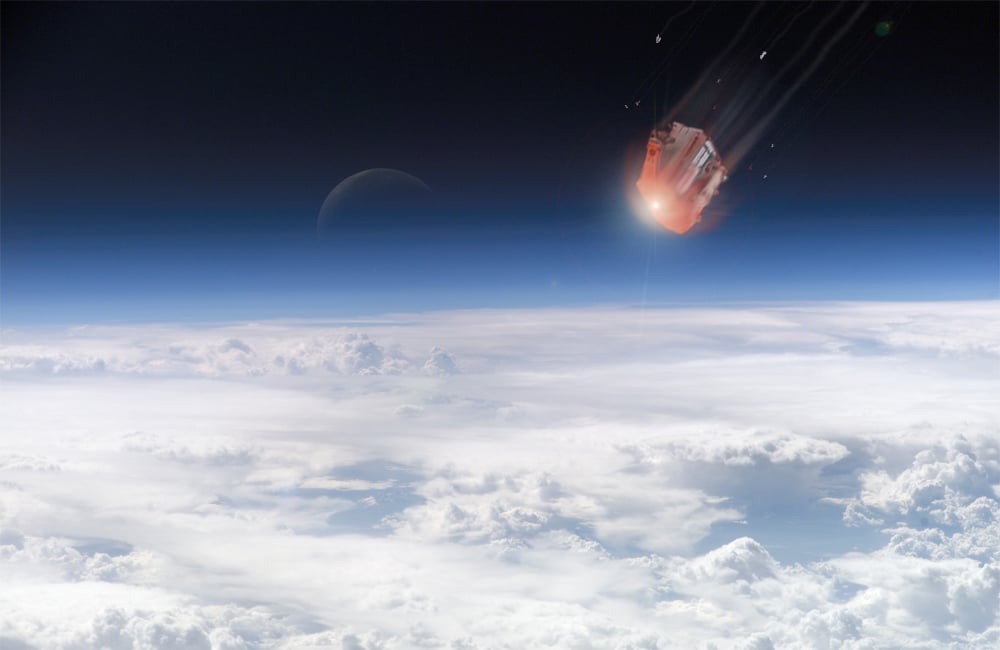
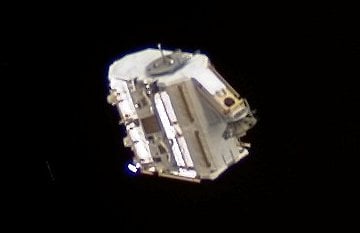
ISS Space Junk Re-Entered Without Incident, 550km South of Australia (Updated) By Ian O'Neill - November 03, 2008 03:46 PM UTC | Space Exploration Continue reading
Mars Methane Mystery Still Beckons By Nancy Atkinson - November 03, 2008 03:16 PM UTC | Planetary Science Continue reading
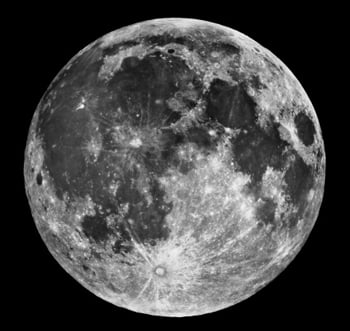
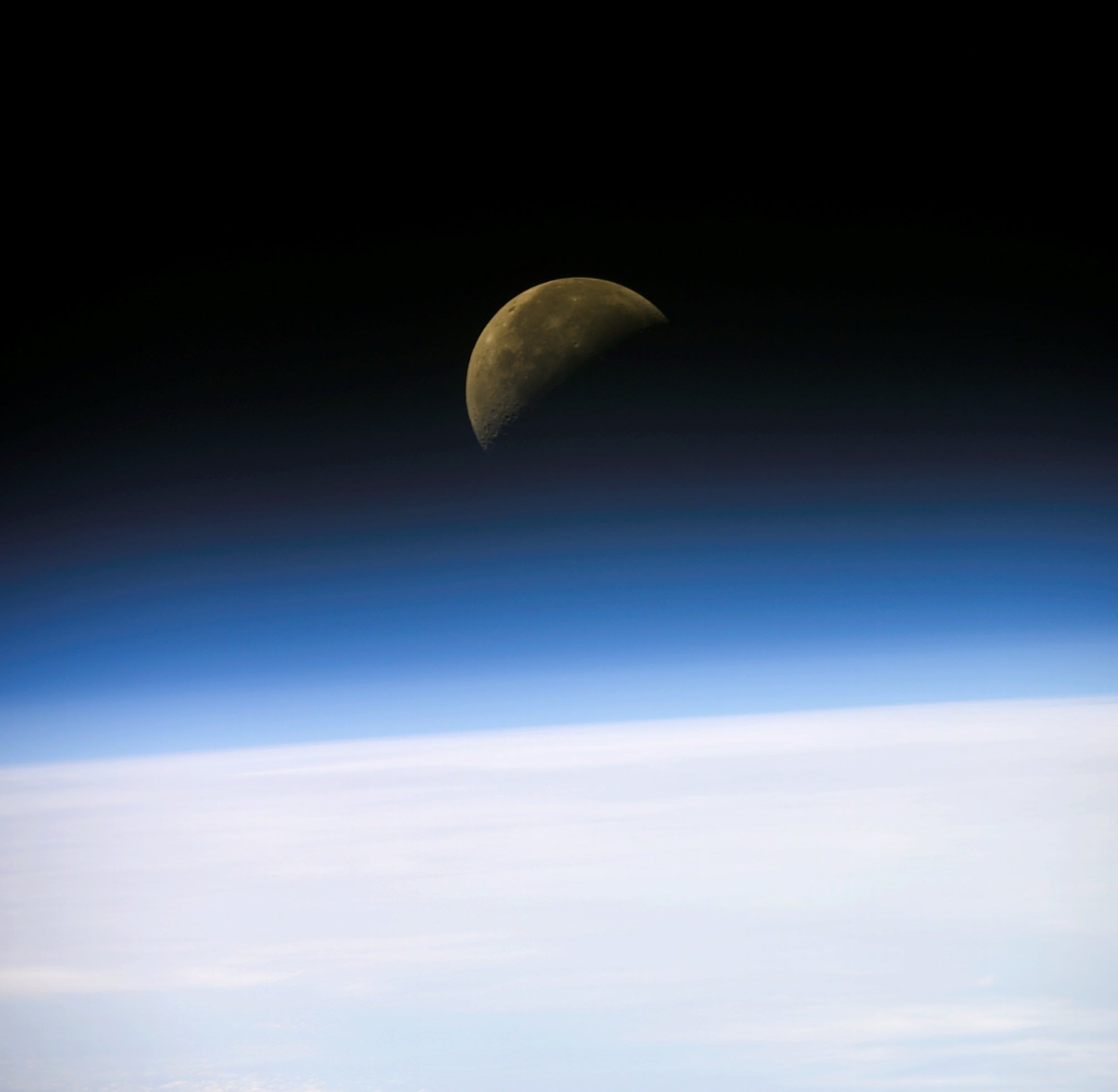
Density of the Moon By Fraser Cain - November 03, 2008 03:04 PM UTC | Planetary Science Continue reading
What is the Moon Made Of? By Fraser Cain - November 03, 2008 02:01 PM UTC | Planetary Science Continue reading
Moon Activities for Kids By Fraser Cain - November 03, 2008 12:45 PM UTC | Planetary Science Continue reading
How Far is the Moon From the Sun? By Fraser Cain - November 03, 2008 12:02 PM UTC | Planetary Science Continue reading
Cassini's 'Skeet Shoot' of Enceladus Produces Spectacular Images By Nancy Atkinson - November 03, 2008 09:28 AM UTC | Planetary Science Continue reading
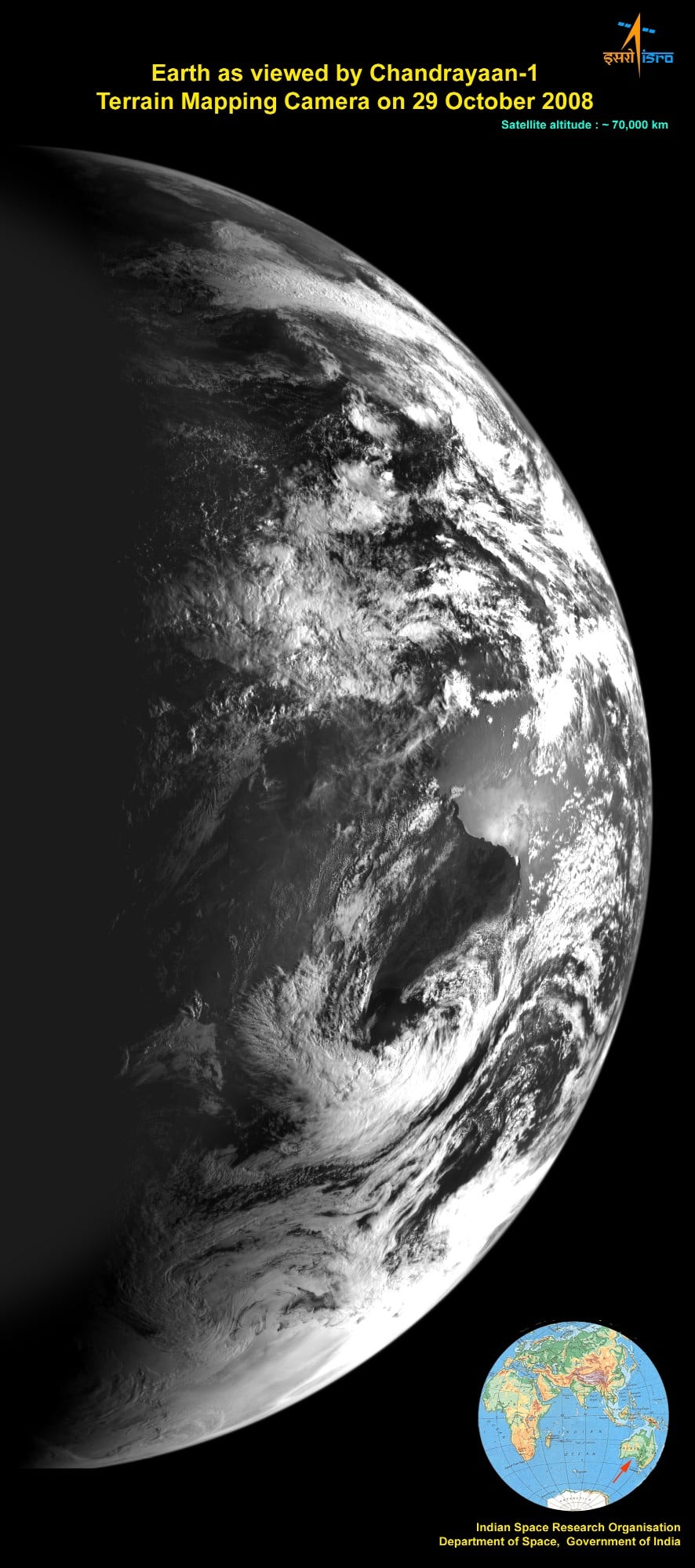
Chandrayaan-1 Tests Out Camera; Target: Earth By Nancy Atkinson - November 03, 2008 07:46 AM UTC | Planetary Science Continue reading
Largest Ever Piece of Space Station Junk to Hit Earth Tomorrow By Ian O'Neill - November 01, 2008 02:17 PM UTC | Space Exploration Continue reading
TV Alert: Five Years on Mars By Nancy Atkinson - October 31, 2008 05:10 PM UTC | Planetary Science Continue reading
Chandra Telescope Searches for Antimatter By Nancy Atkinson - October 31, 2008 04:34 PM UTC | Black Holes Continue reading
GALEX Spies a Ghost -- And It's Alive! By Nancy Atkinson - October 31, 2008 11:23 AM UTC | Extragalactic Continue reading
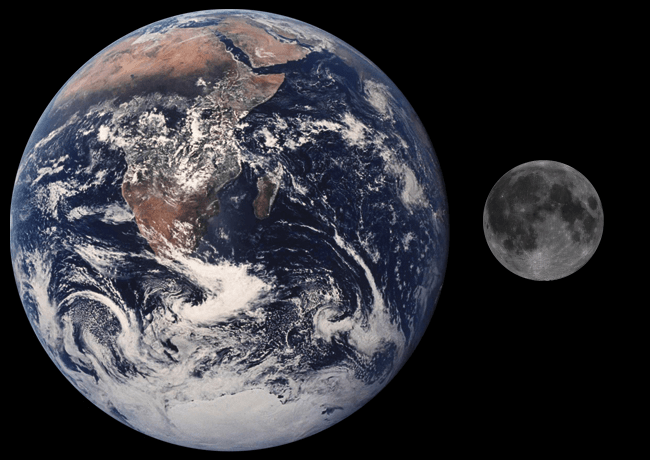
The Moon Compared to Earth By Fraser Cain - October 31, 2008 10:38 AM UTC | Planetary Science Continue reading
Weekend SkyWatcher's Forecast - October 31 - November 2, 2008 By Tammy Plotner - October 31, 2008 06:43 AM UTC | Observing Continue reading
Phoenix Not Responding to Communications By Nancy Atkinson - October 30, 2008 05:33 PM UTC | Planetary Science Continue reading
Volume of the Moon By Fraser Cain - October 30, 2008 04:58 PM UTC | Planetary Science Continue reading
Hubble Servicing Mission Delayed; Mission to ISS Set for Nov. 14 By Nancy Atkinson - October 30, 2008 04:56 PM UTC | Missions Continue reading
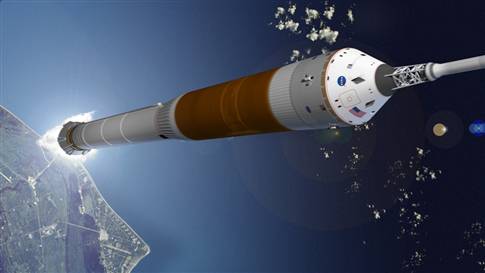
"Ares and Orion Are the Way to Go" By Nancy Atkinson - October 30, 2008 03:16 PM UTC | Space Policy Continue reading
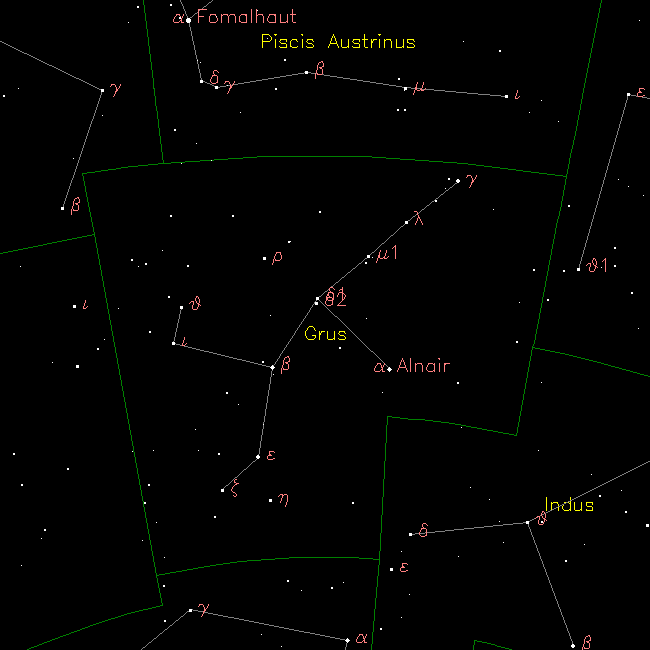
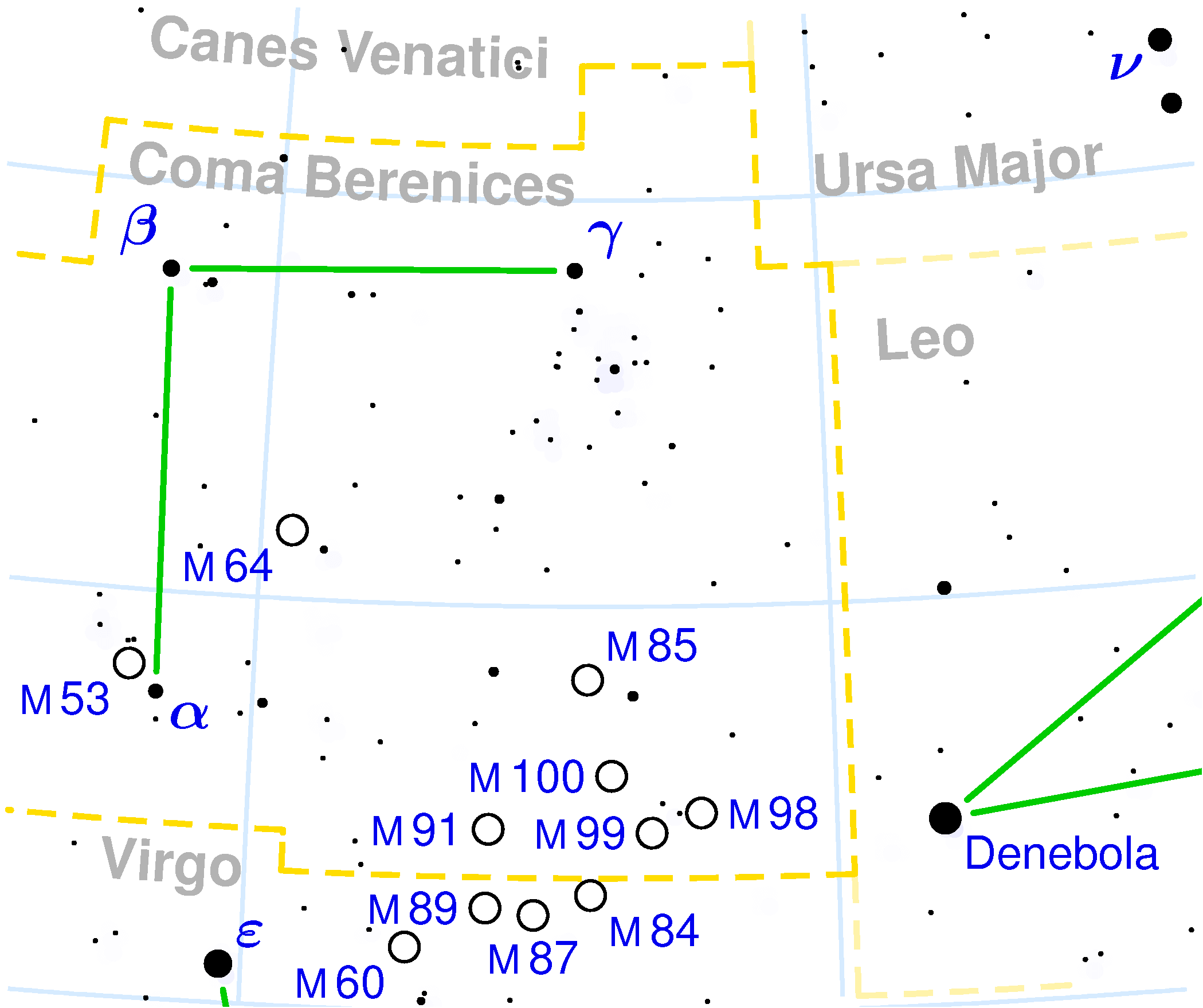
The Coma Berenices Constellation By Tammy Plotner - October 30, 2008 02:35 PM UTC | Observing Located in the northern sky is the constellation Coma Berenices, one of the 88 modern constellations recognized by the IAU. Continue reading
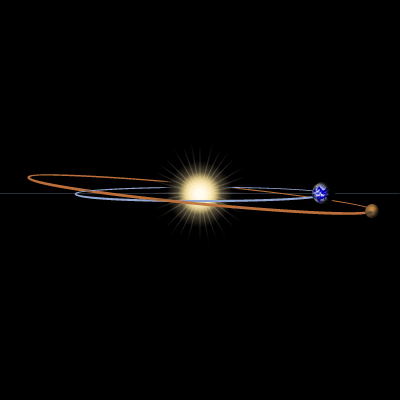
Podcast: Orbit of the Planets, Green Stars, and Oort Cloud Contamination By Astronomy Cast - October 30, 2008 12:13 PM UTC | Planetary Science Continue reading
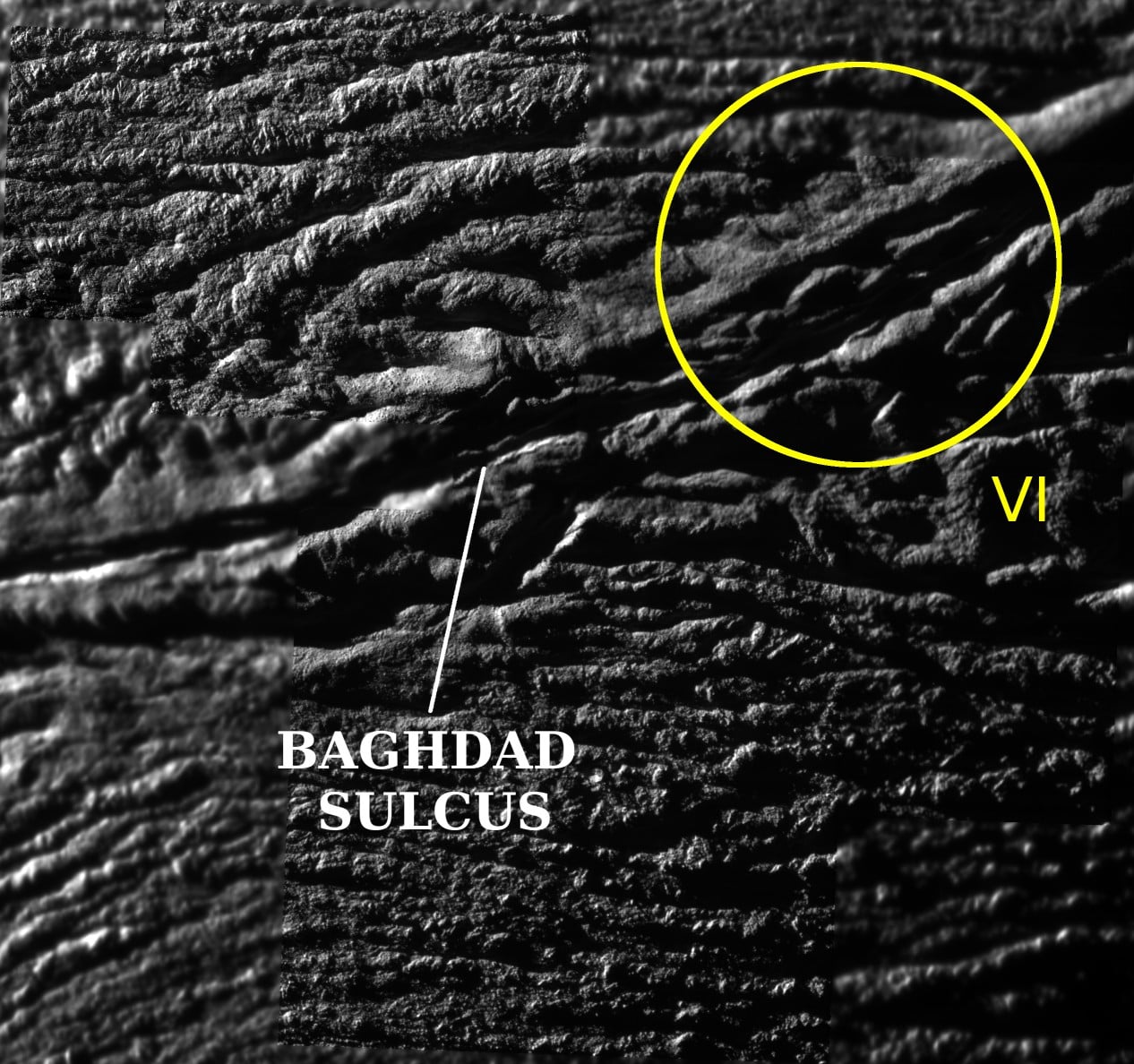
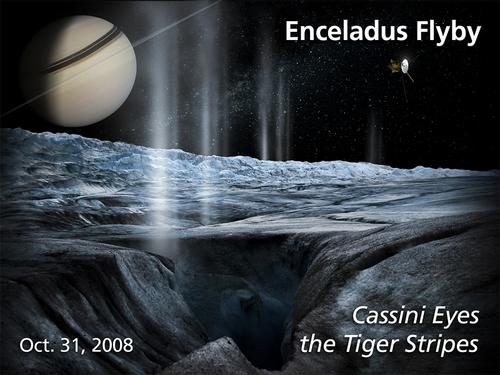
Halloween Flyby Will Focus on the Eerie Fractures of Enceladus By Nancy Atkinson - October 30, 2008 11:51 AM UTC | Planetary Science Continue reading
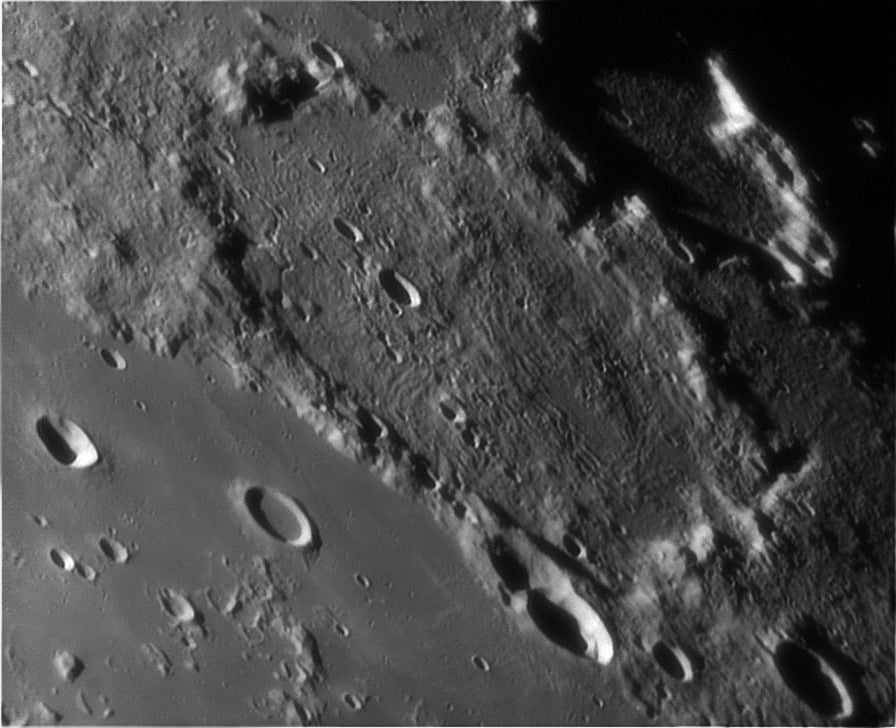
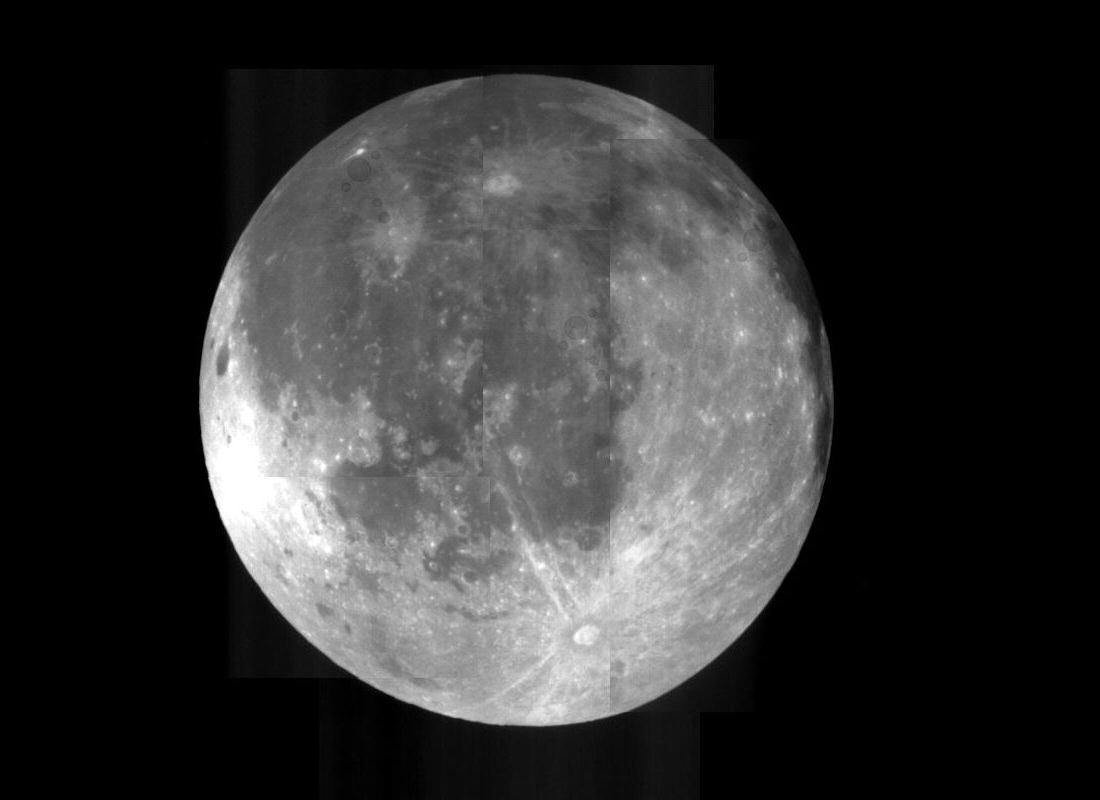
Full Moon Calendar By Fraser Cain - October 30, 2008 11:05 AM UTC | Planetary Science Continue reading
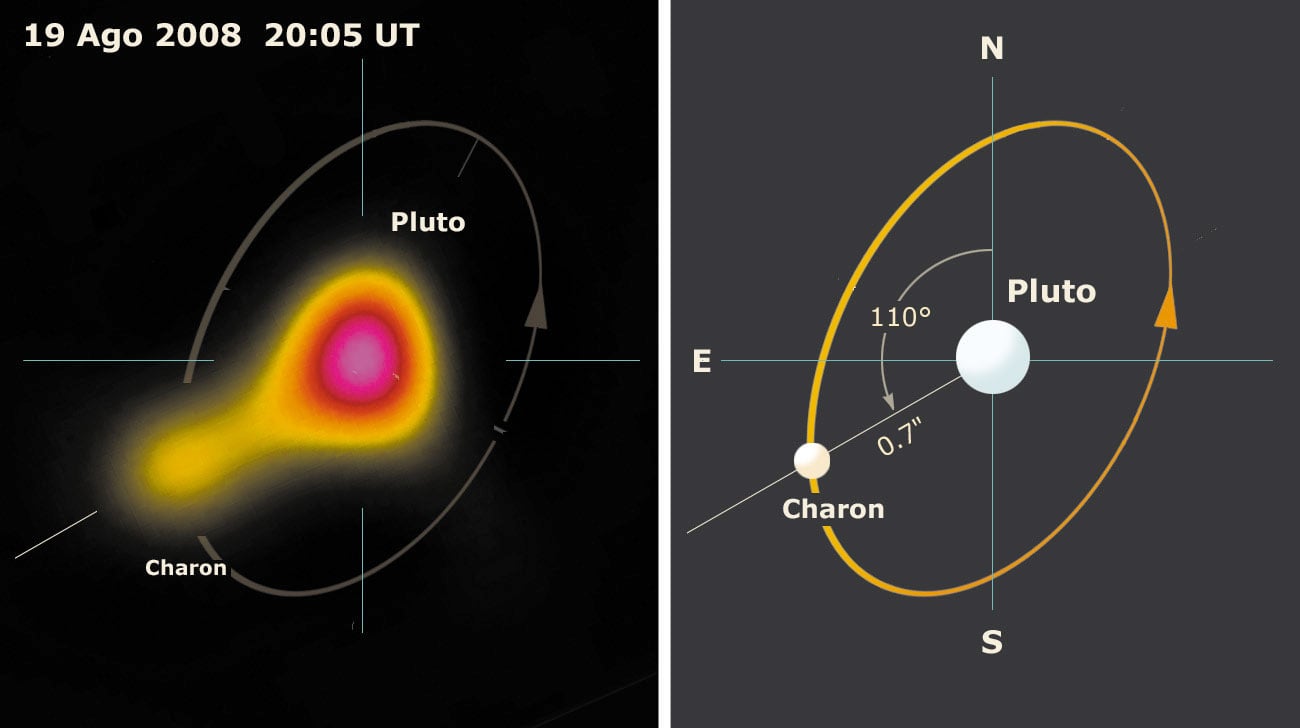
Charon Imaged by Amateur Astronomers By Nancy Atkinson - October 30, 2008 08:45 AM UTC | Planetary Science Continue reading
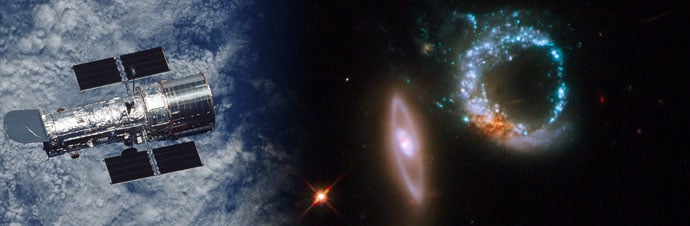
W00T! Hubble is Back to Work! By Nancy Atkinson - October 30, 2008 06:35 AM UTC | Missions Continue reading
 Universe Today