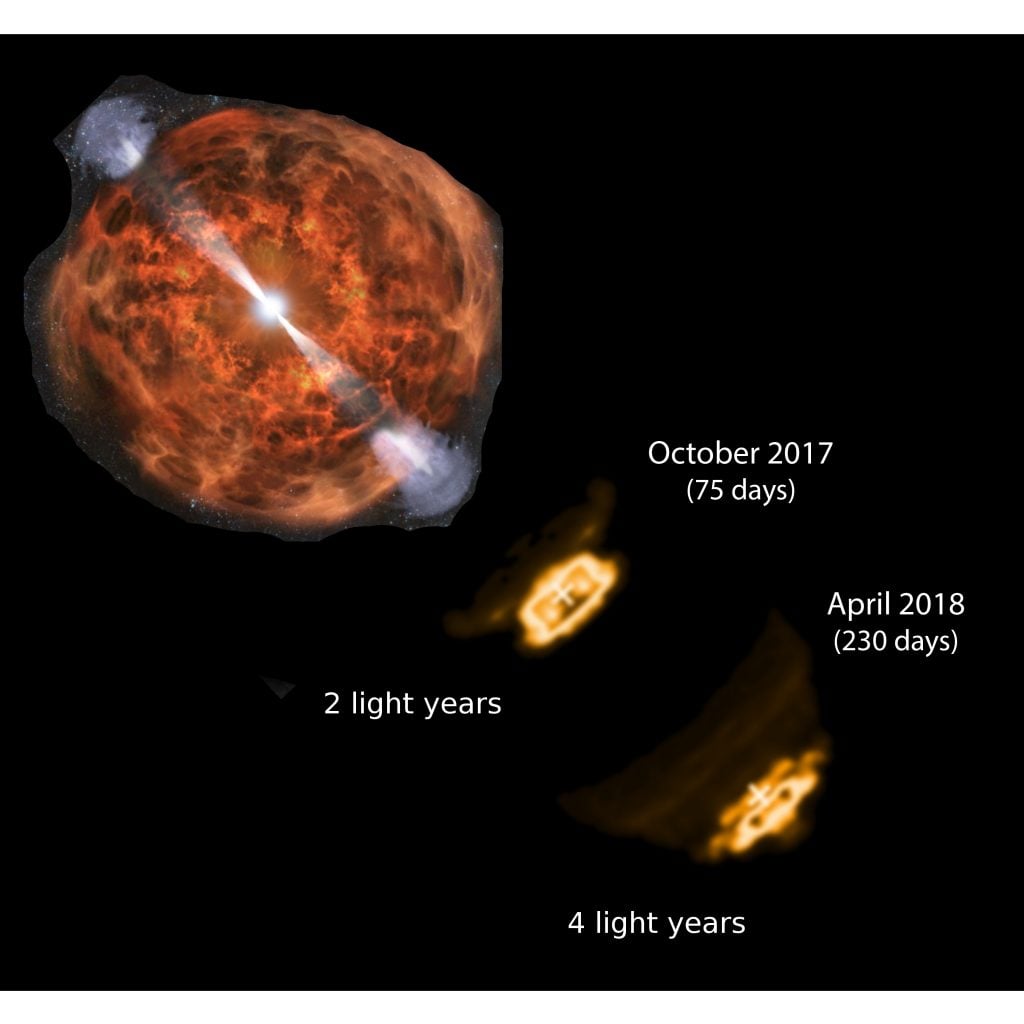
According to a new study by an international team of astronomers, last year's kilonova event (where two neutron stars merged) resulted in a jet of material traveling at close to the speed of light.
Continue reading
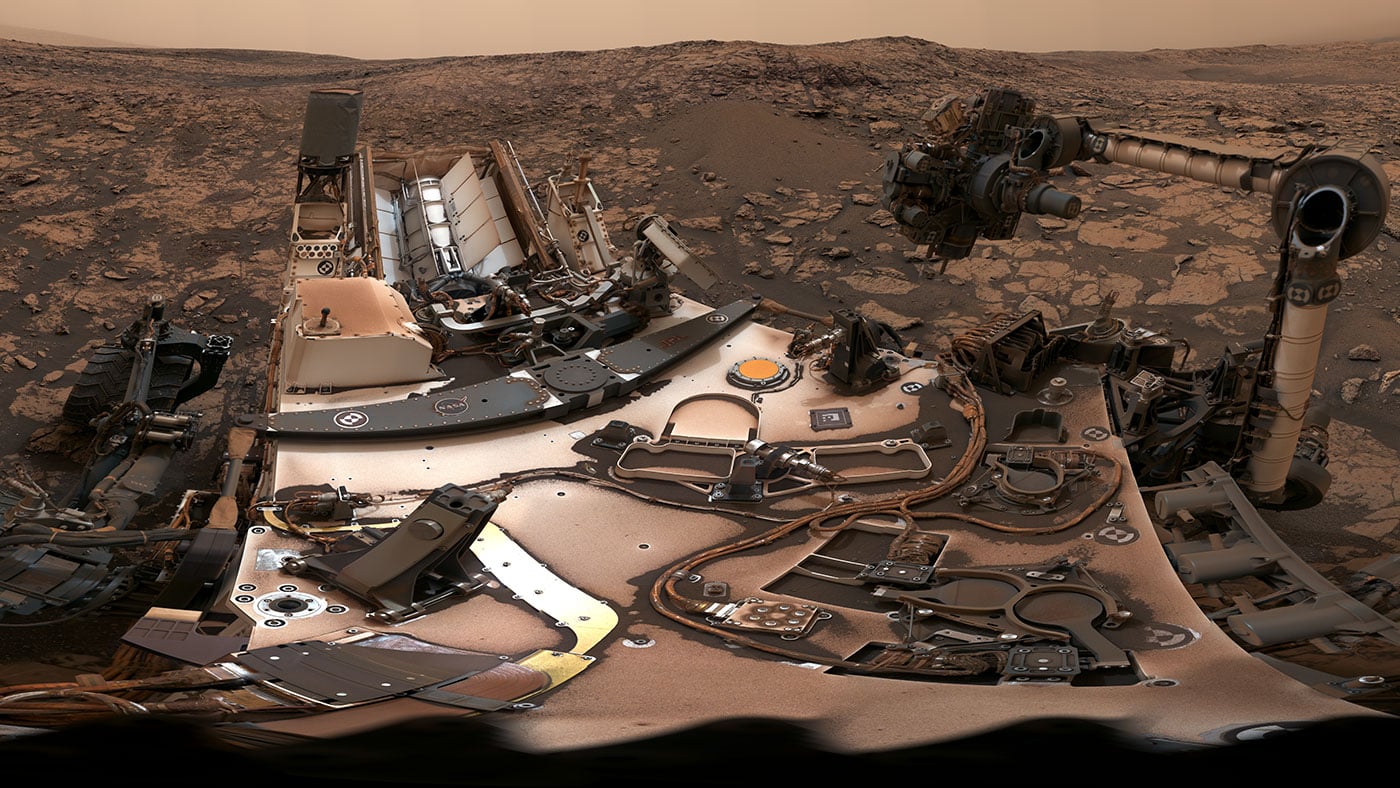
NASA recently released a 360-degree panoramic image based on images taken by the Curiosity rover, which showed its latest drilling site.
Continue reading
Continue reading
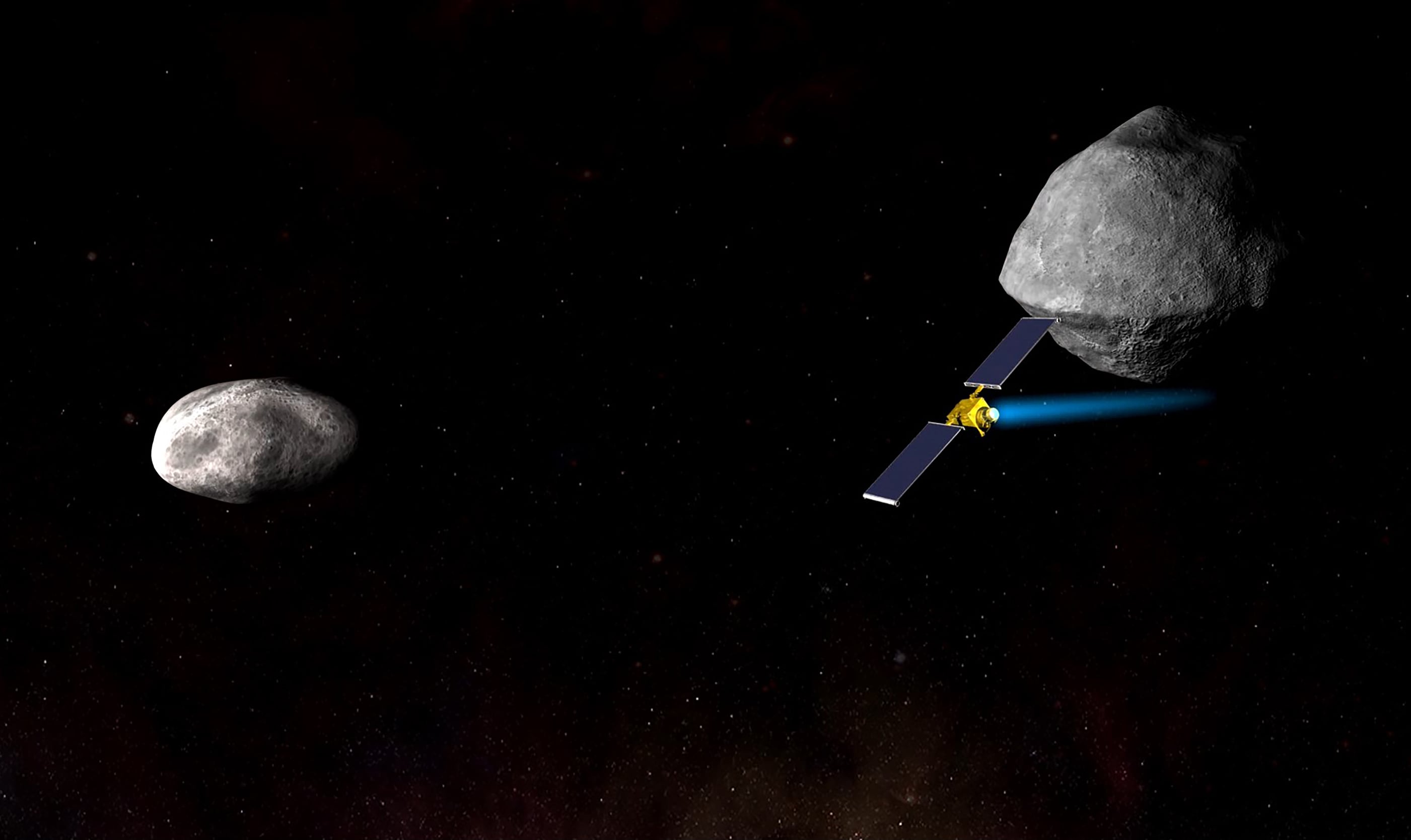
The Double Asteroid Redirection Test (DART) Mission, which will attempt to deflect a small asteroid in 2022, recently moved into the final phase of design and assembly.
Continue reading
Continue reading
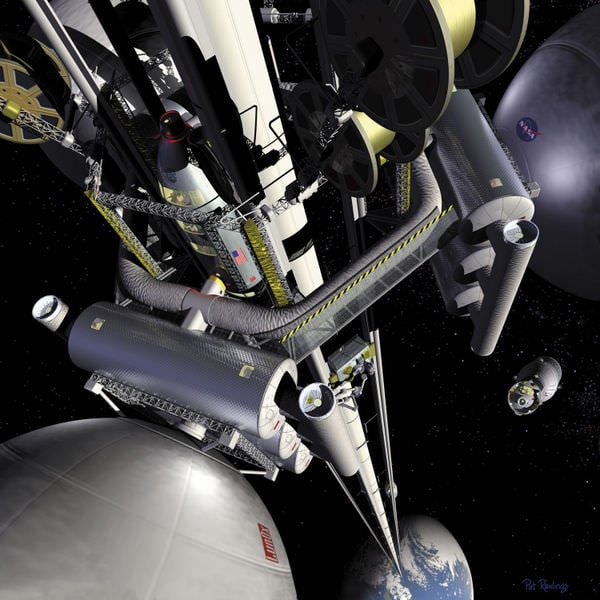
A team of Japanese engineers recently constructed a scale-model of a space elevator, which will be sent to the ISS to conduct experiments that could lead to the real thing someday!
Continue reading
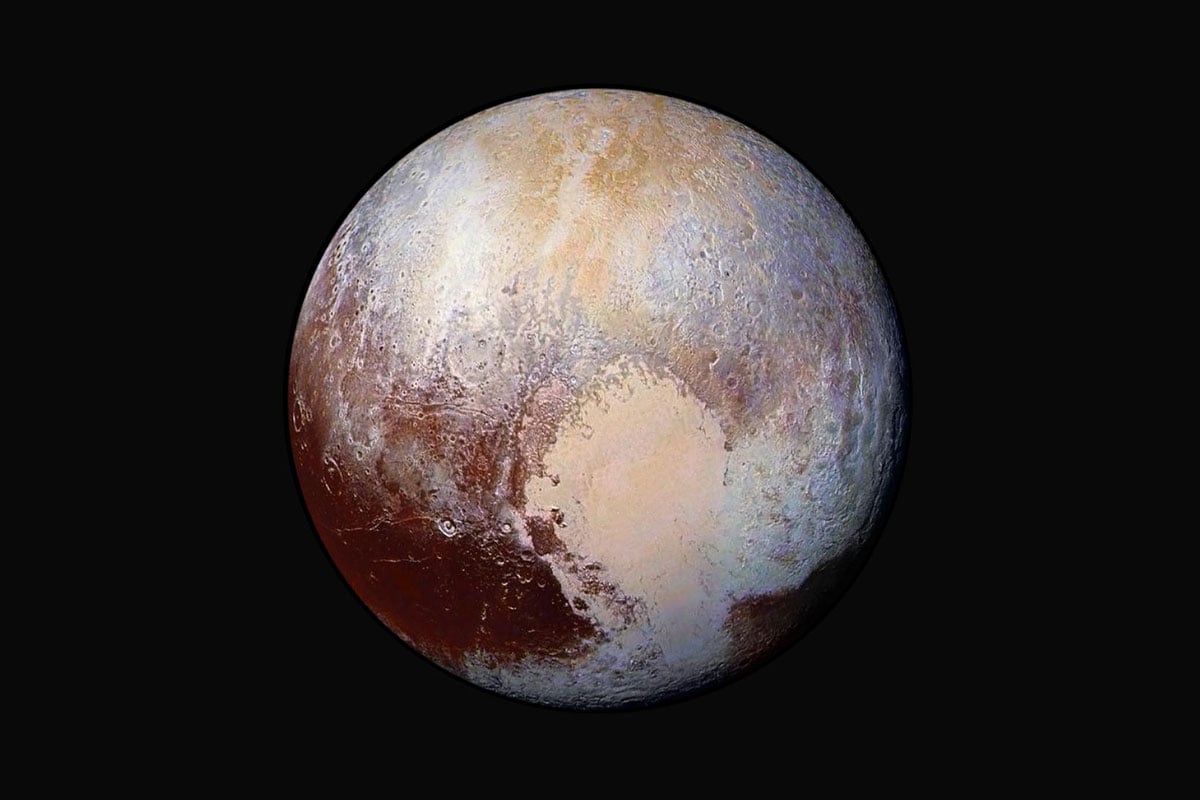
A new study, which was co-authored by Alan Stern, provides more reasons for why Pluto should be considered a planet.
Continue reading
Continue reading
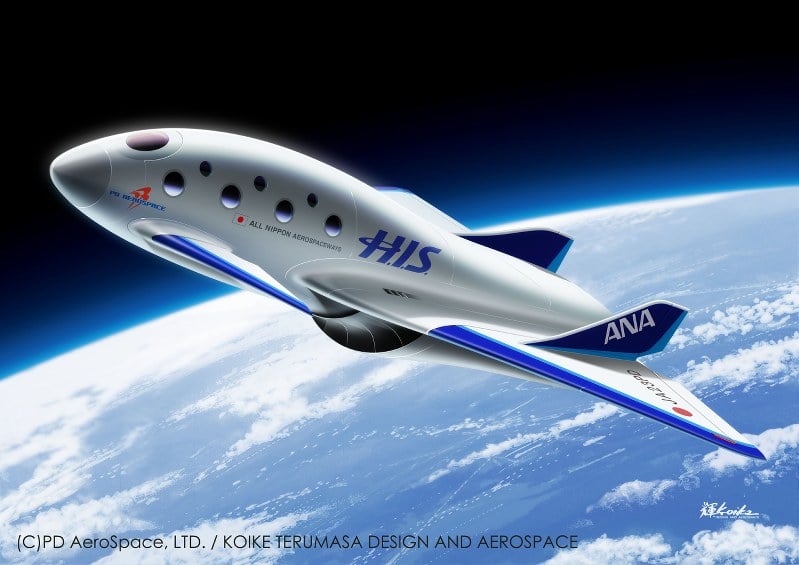
The Japanese startup PD Aerospace is developing a reusable space plane that will use a combination of jet engines and a rocket motor to take customers to space by as early as 2023.
Continue reading
Data from the Cassini mission has revealed a massive hexagonal shaped storm high in the stratosphere of Saturn's north pole.
Continue reading
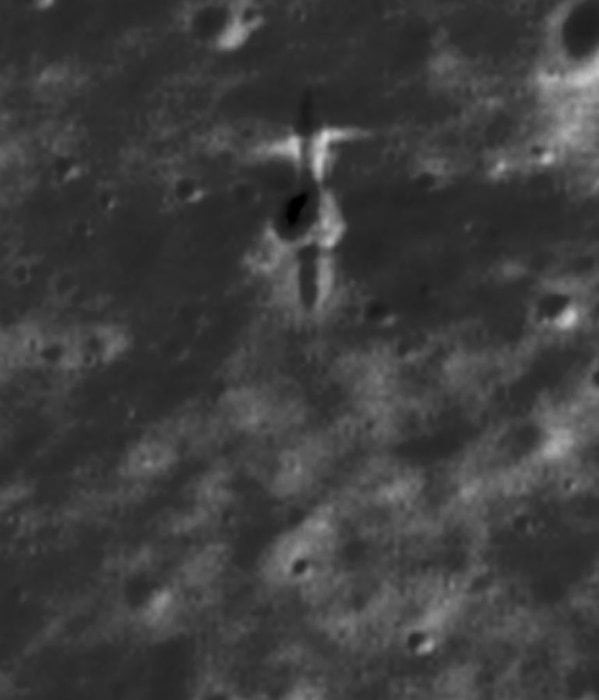
Thanks to images taken by the Lunar Reconnaissance Orbiter, it is now known exactly where the ESA's SMART-1 mission landed on the Moon.
Continue reading
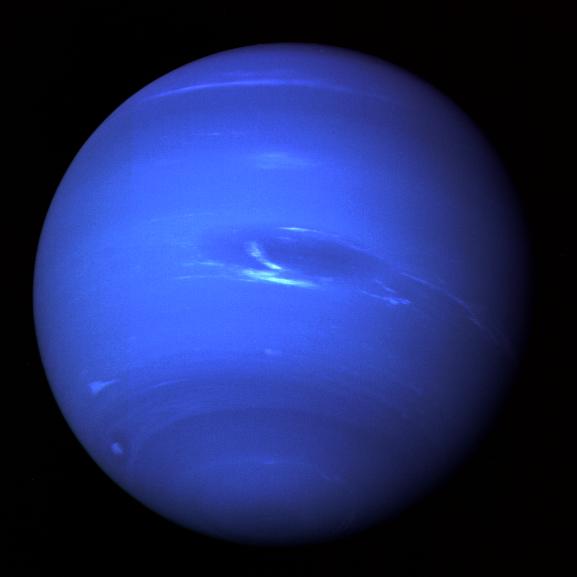
Have you seen all of the planets for yourself?
This week is a good time to check off the most difficult of the major planets off of your life list, as Neptune reaches opposition for 2018 on Friday, September 7th at at ~18:00 Universal Time (UT)/2:00 PM EDT.
Continue reading
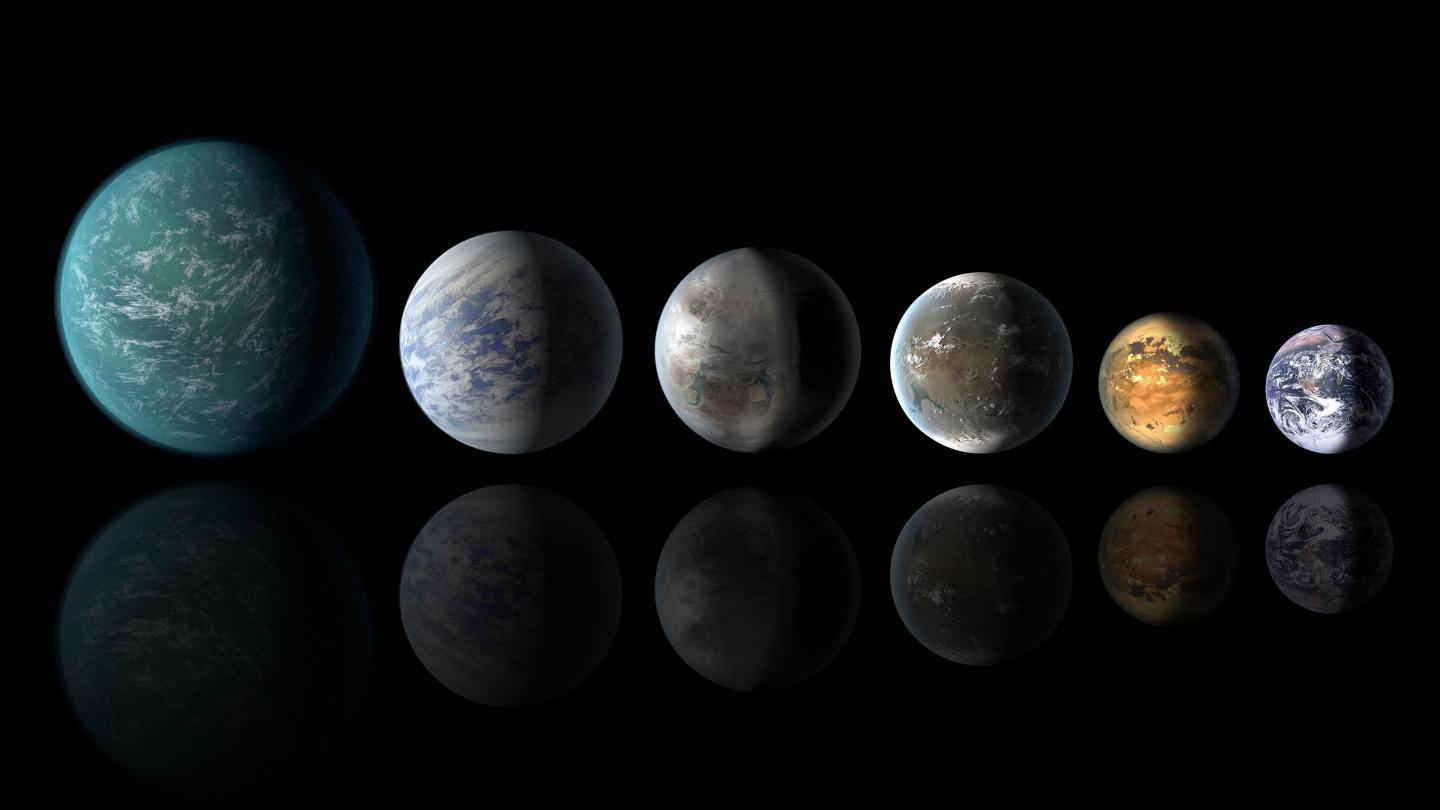
According to a new study by a pair of researchers, planets covered in deep oceans (aka. "water worlds") may be more habitable than previously thought.
Continue reading
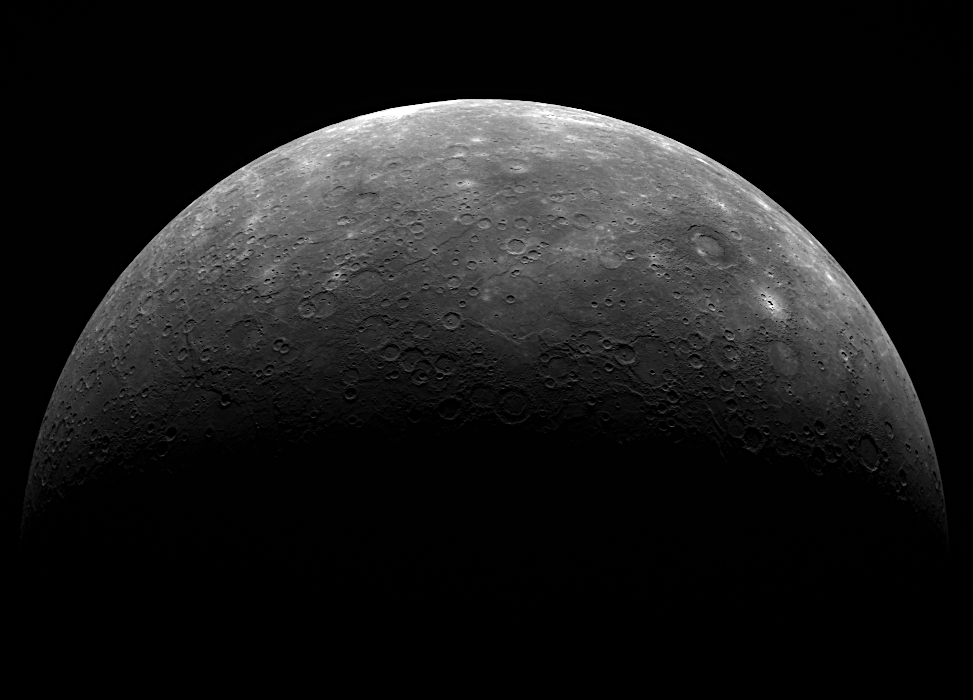
A new study by a team of Swiss astronomers indicates that Mercury-like planets, which have a high iron-to-rock ration, are probably a rare thing the Universe.
Continue reading
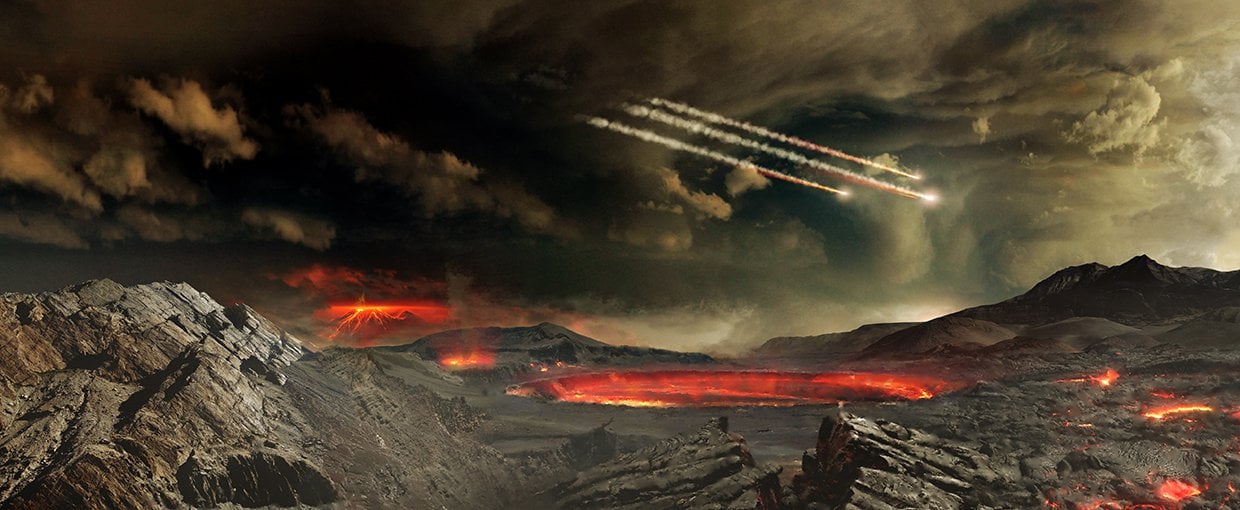
A new study by a team of Canadian researchers places new constraints on when life first emerged on Earth, which could implications for the study of exoplanets someday.
Continue reading
Continue reading
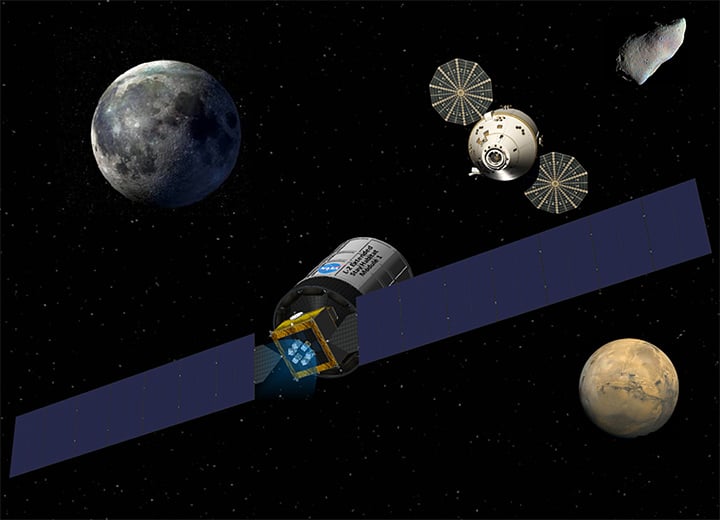
In partnership with NASA, Aerodyne Rocketdyne recently conducted a successful test of their new Solar Electric Propulsion (SEP) ion engine.
Continue reading
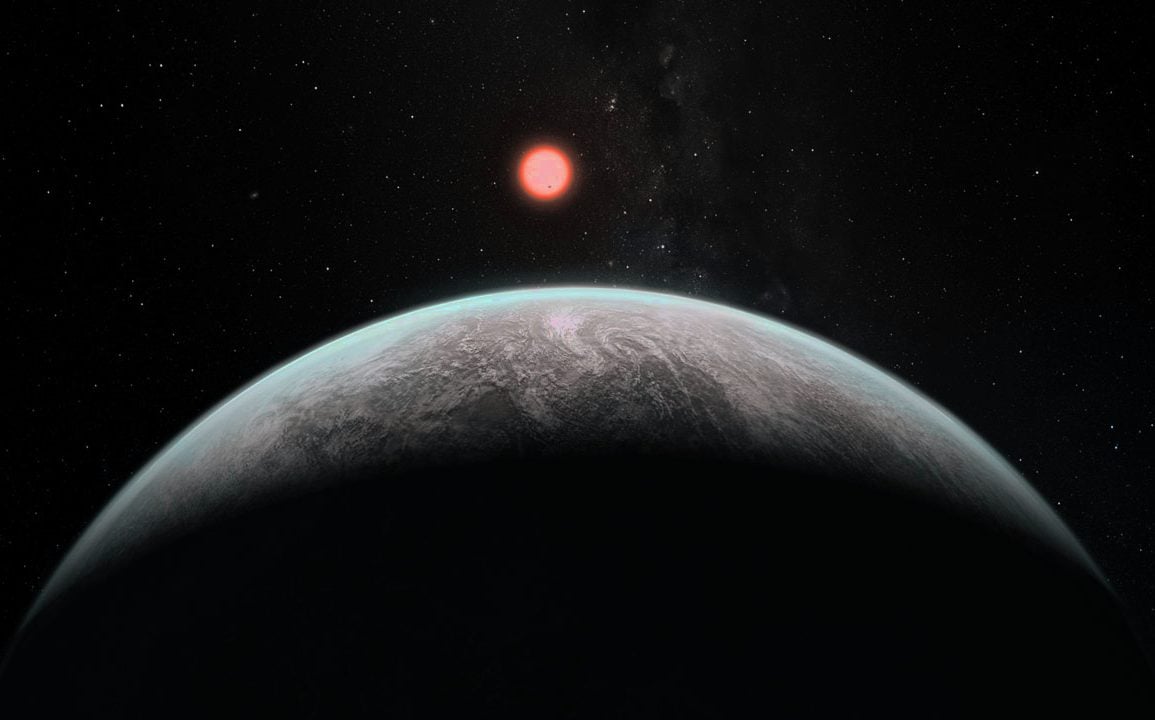
According to a new study by an international team of scientists, astronomers will be able to directly observe exoplanets using next-generation telescopes.
Continue reading
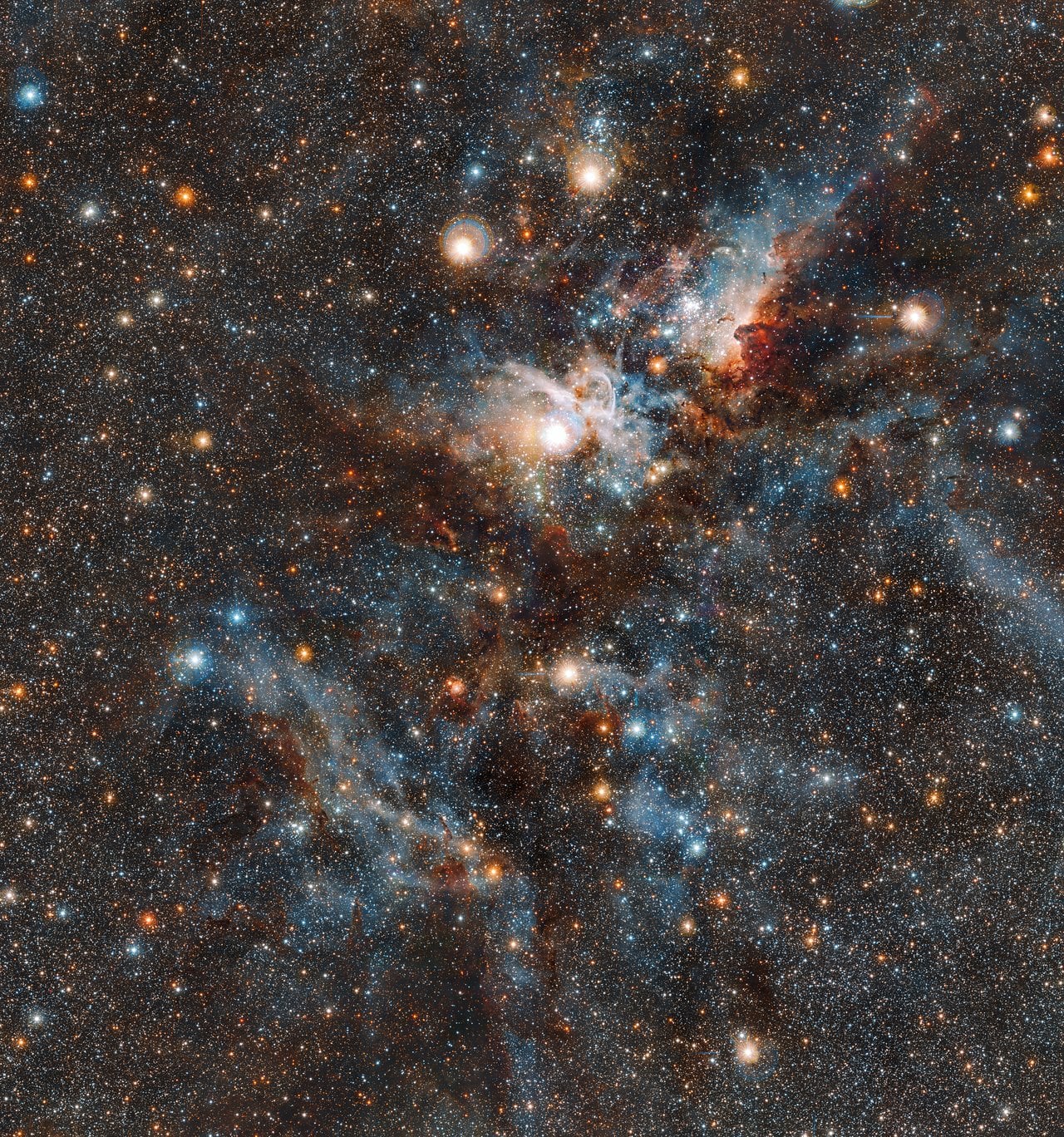
A recent survey conducted using the ESO's VISTA telescope revealed newly-formed stars and stars nearing their death in the Carina Nebula.
Continue reading
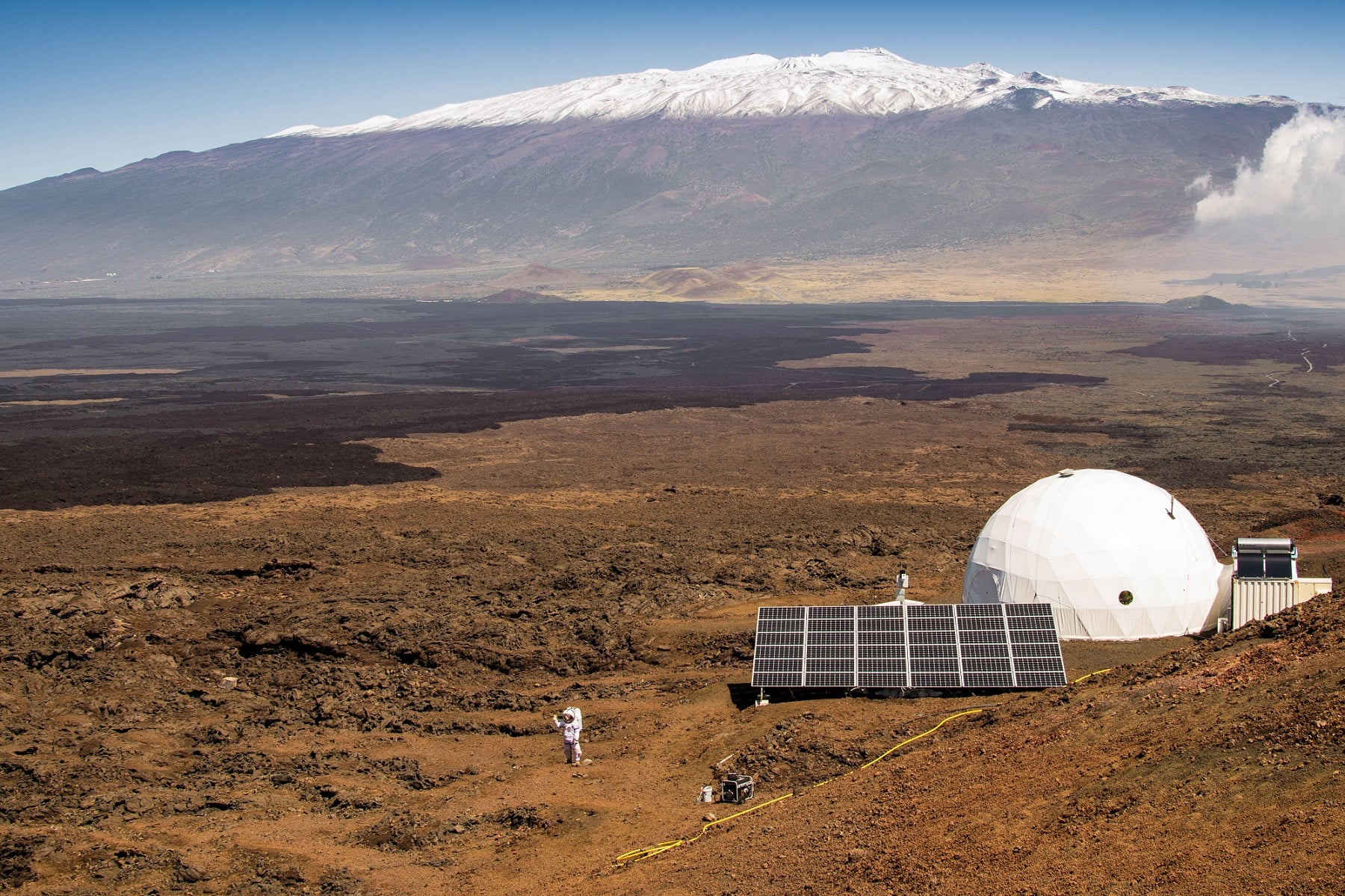
The NASA-funded Hawai'i Space Exploration Analog and Simulation (Hi-SEAS) program is preparing astronauts for long-term missions to Mars, which could include a lot of cave exploring!
Continue reading
 Universe Today