Continue reading
Continue reading
Continue reading
Astronomers have found supermassive black holes in the centers of most galaxies. To get the black holes we see today, they must have been feeding in the past, packing on the mass to grow so big. But, a recent survey with JWST failed to turn up as many active galactic nuclei as astronomers expected. This just deepens the mystery. How did mature galaxies like the Milky Way get their black holes if they didn't go through this feeding period?
Continue reading
Continue reading
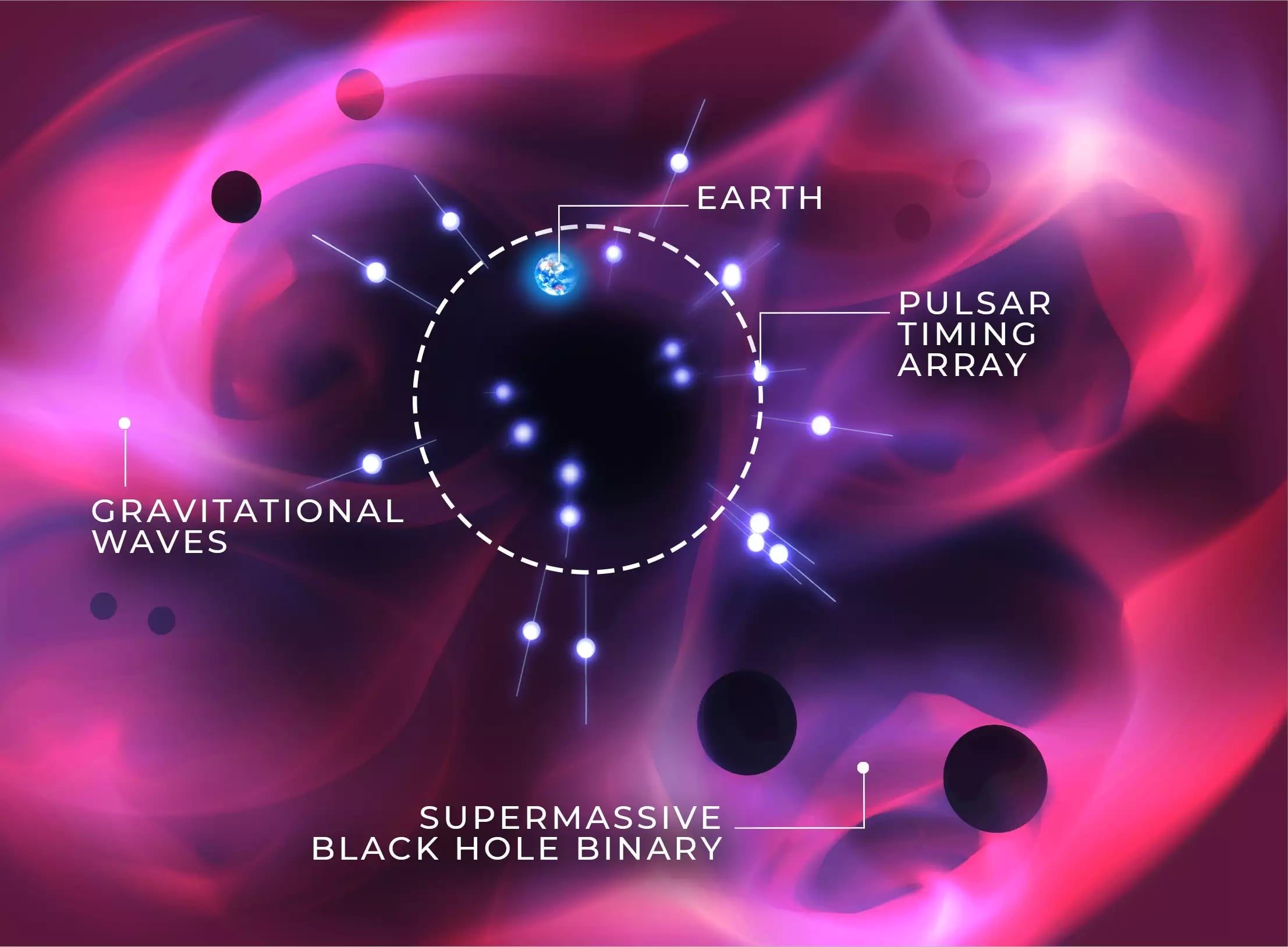
After over a decade of observations of pulsars, astronomers could finally tease out the gravitational wave background of the Universe, the combined signal from merging supermassive black holes. But it was just the general presence of mergers, not specific events. A new paper proposes that the same pulsars could next be used to detect the gravitational waves from individual merging supermassive black holes. The more nearby pulsars astronomers can find, the more accurate their measurements will become.
Continue reading
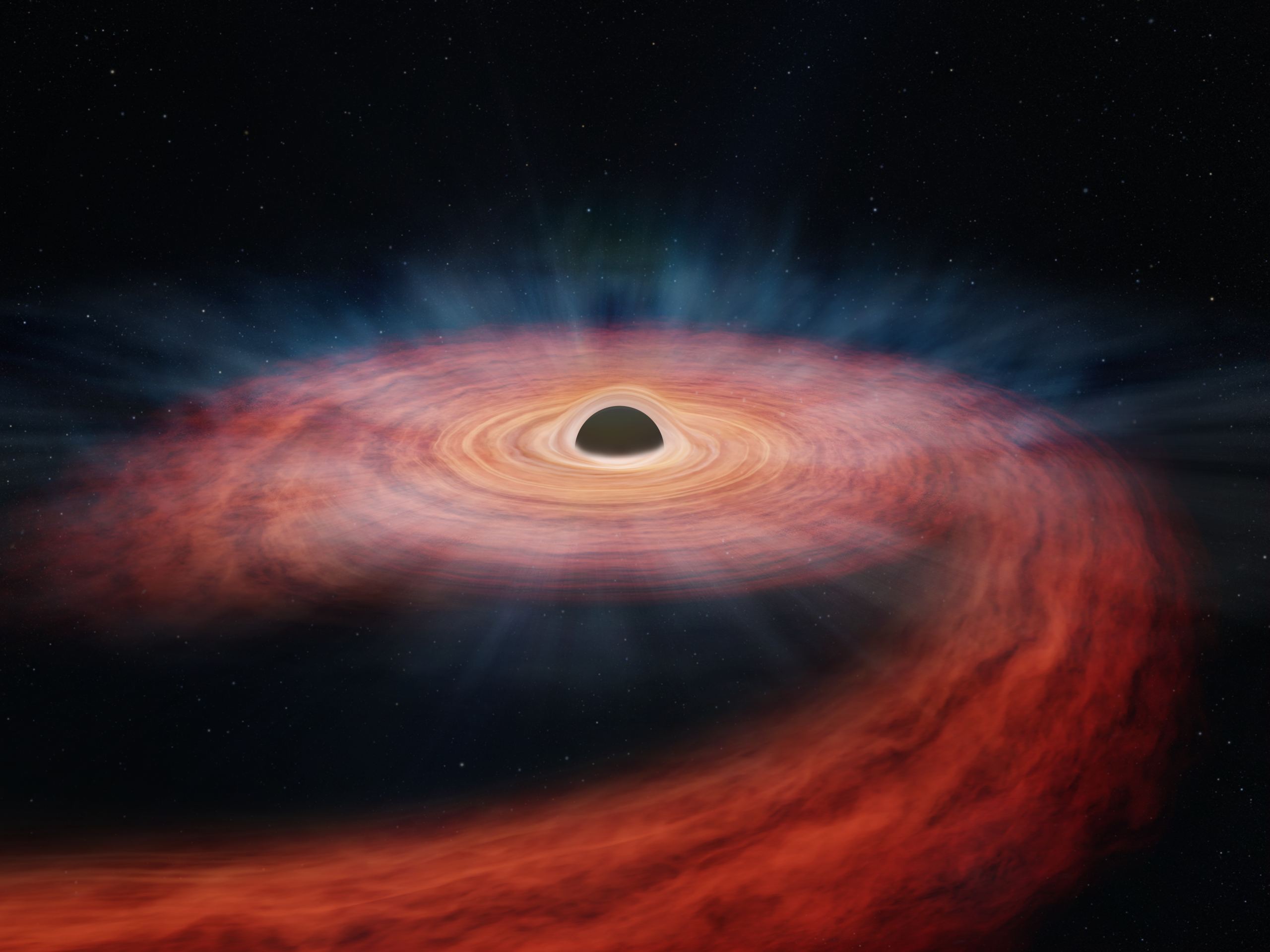
A pair of X-ray telescopes have observed the messy aftermath of a star that came too close to a supermassive black hole 290 million light-years away. It's believed that the star had three times the mass of the Sun, so this was one of the largest tidal disruption events ever seen. Although the black hole consumed some of the star, most of its guts were thrown into the surrounding space, polluting the region with the chemicals that allowed astronomers to estimate its stellar mass.
Continue reading
Continue reading
Continue reading
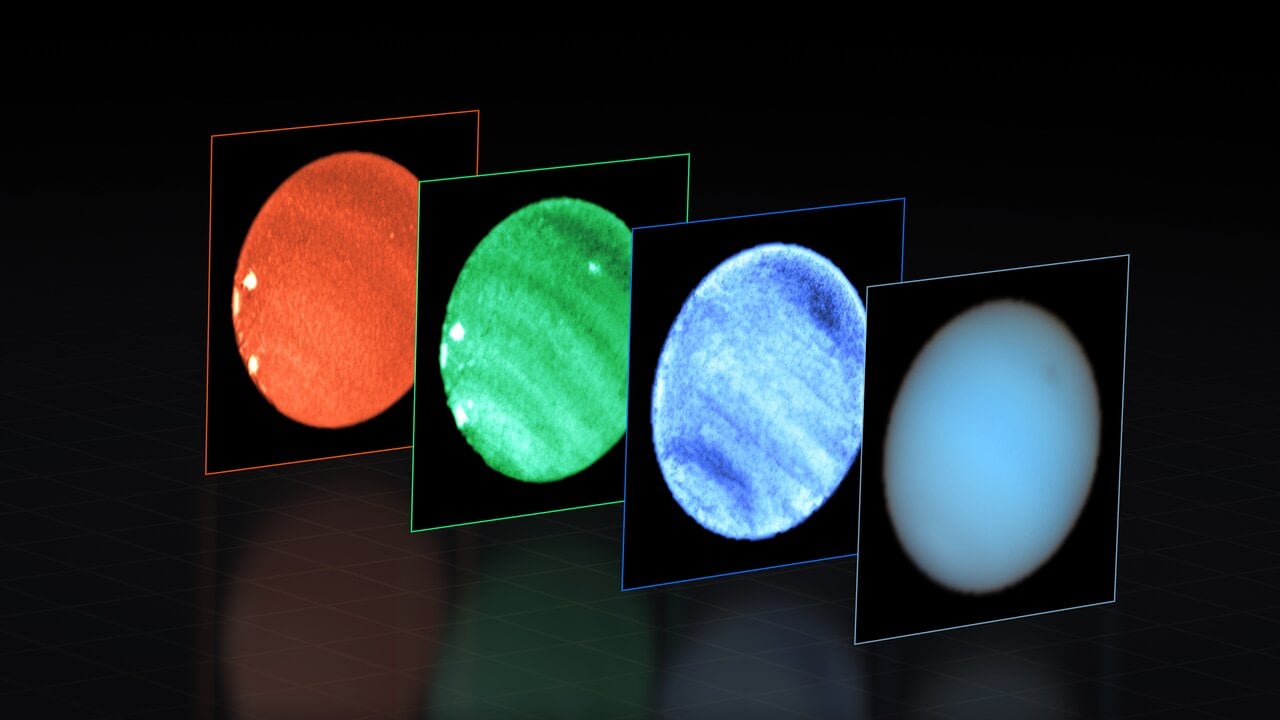
Using the ESO's VLT, an international team of observers was able to study Neptune's Great Dark Spot with a ground-based telescope for the first time.
Continue reading
Continue reading
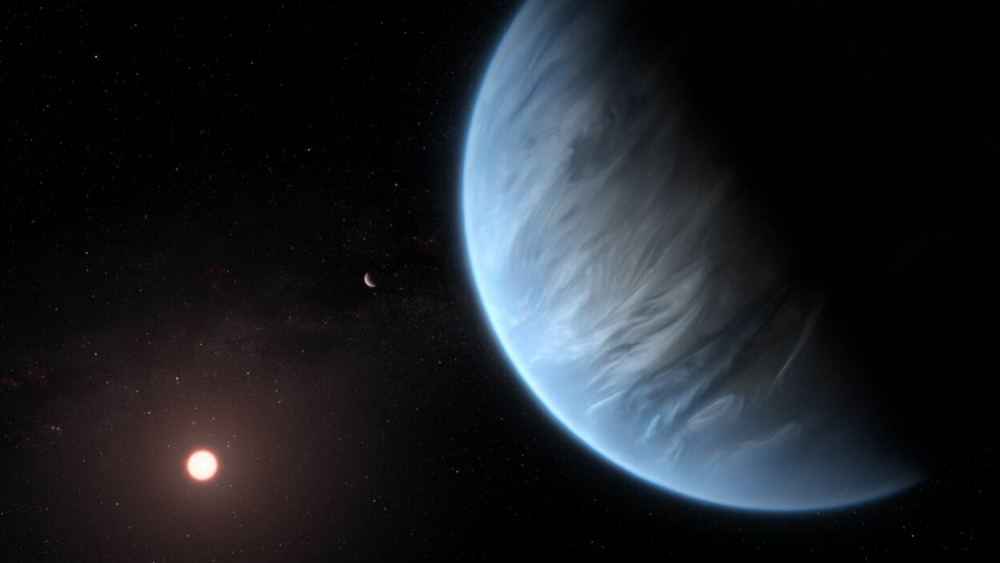
JWST has demonstrated how well it can analyze the atmosphere of exoplanets, revealing carbon dioxide, water vapor, and sulfur compounds. The hope, of course, is that it might be able to find evidence of biosignatures. Astronomers have found over 5,000 confirmed exoplanets, and TESS has turned up 4,000 candidate exoplanets. With this enormous catalog of confirmed and potential planets, which are high priorities that JWST should be pointed at?
Continue reading
Continue reading
Continue reading
Continue reading
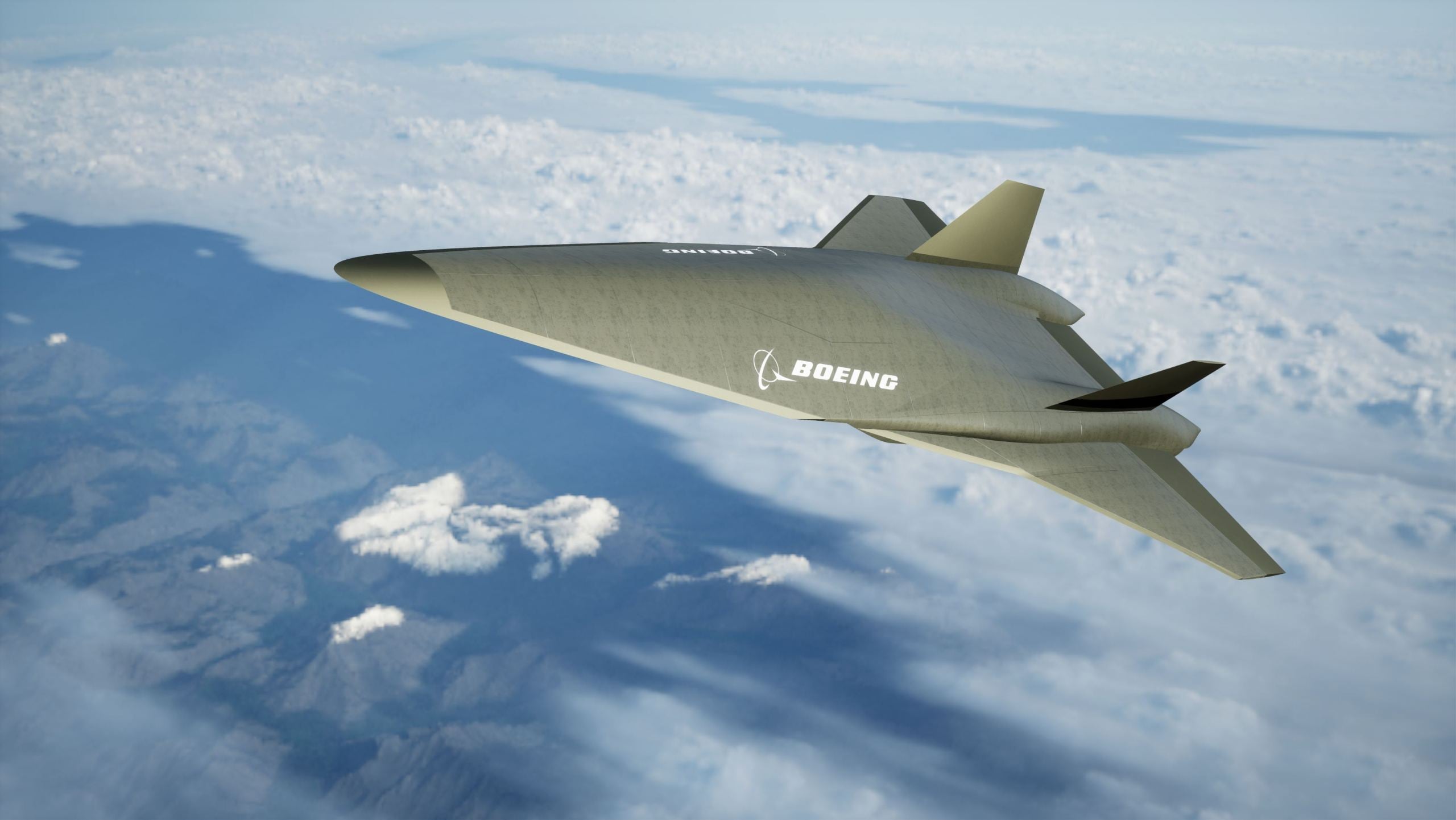
NASA has completed a series of studies that evaluated the potential for supersonic air travel between Mach 2 and 4!
Continue reading
Continue reading
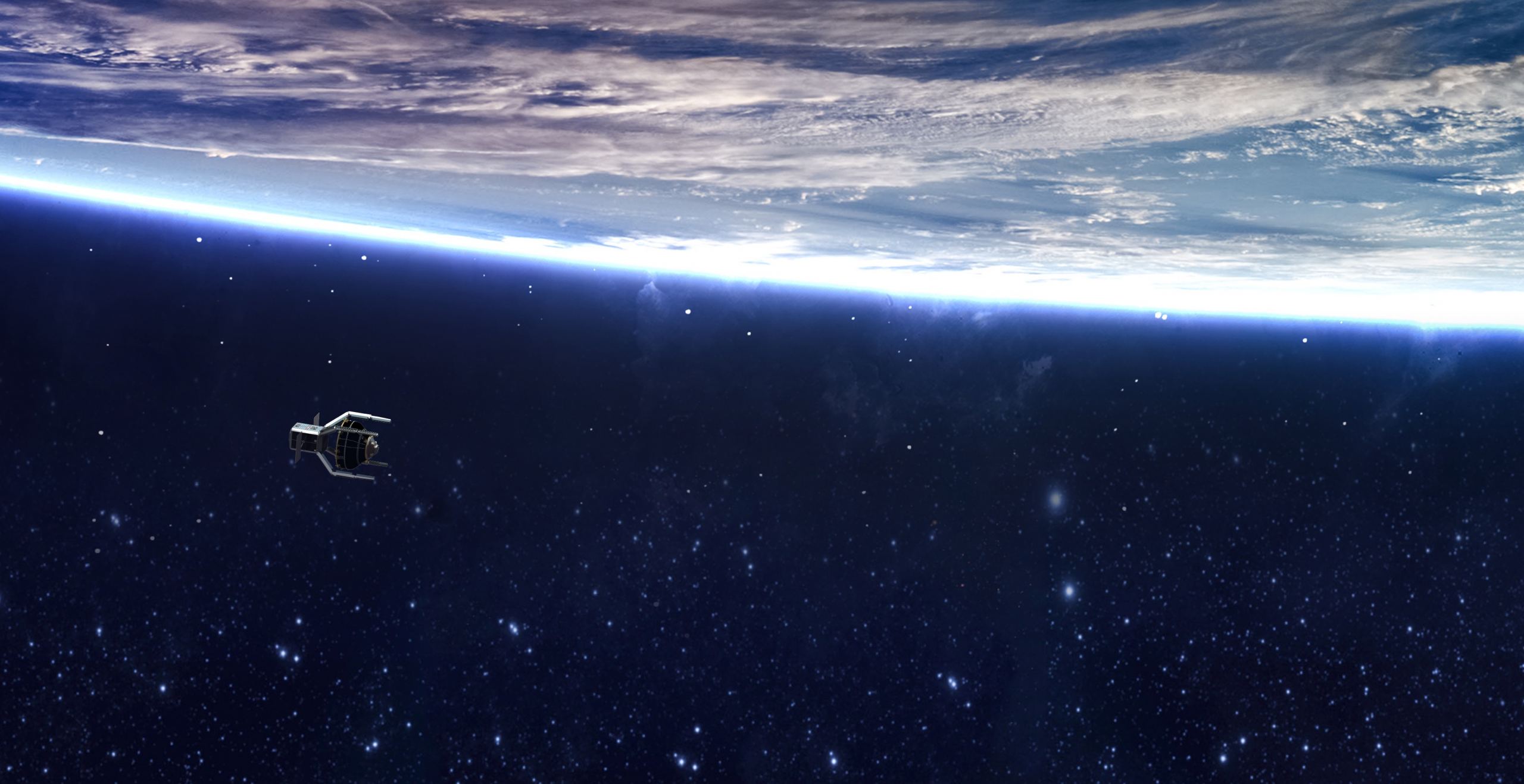
The European Space Agency's ClearSpace-1 satellite was zeroing in on the spent payload adaptor from a 2013 rocket launch. Its task would be to extend arms, grab the chunk of debris, hug it tightly, and then pull it back into the Earth's atmosphere, de-orbiting and removing it from low-Earth orbit. On August 10th, mission controllers detected multiple pieces of space debris near its target - debris that was probably dislodged from it in the recent past. They're now scrutinizing the situation to plan their next step in the mission.
Continue reading
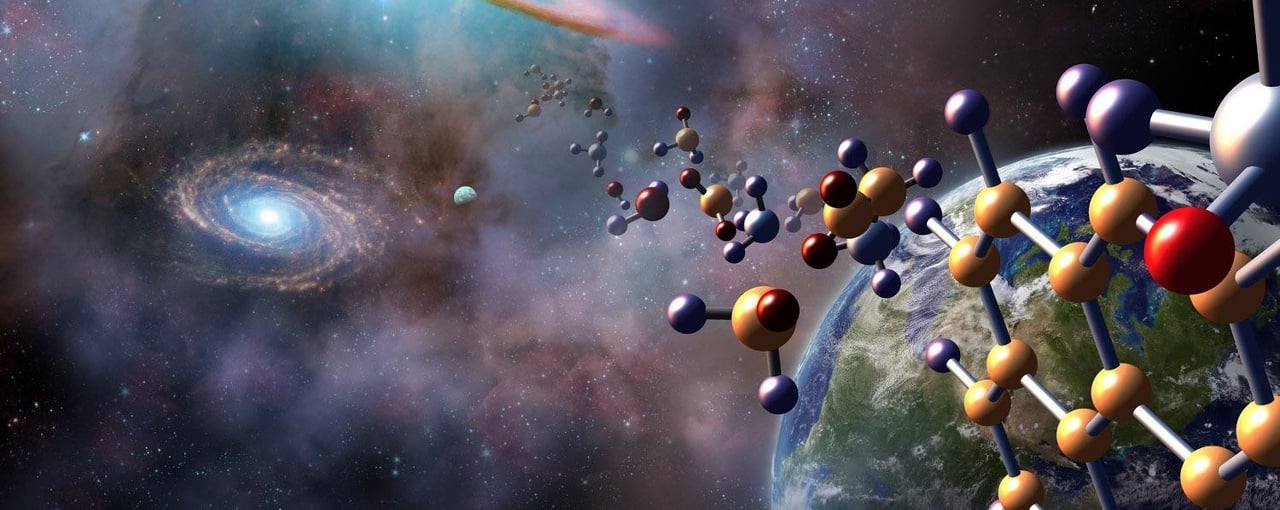
A new study considers how future astrobiology studies could search for life "as we don't know it" on exoplanets.
Continue reading
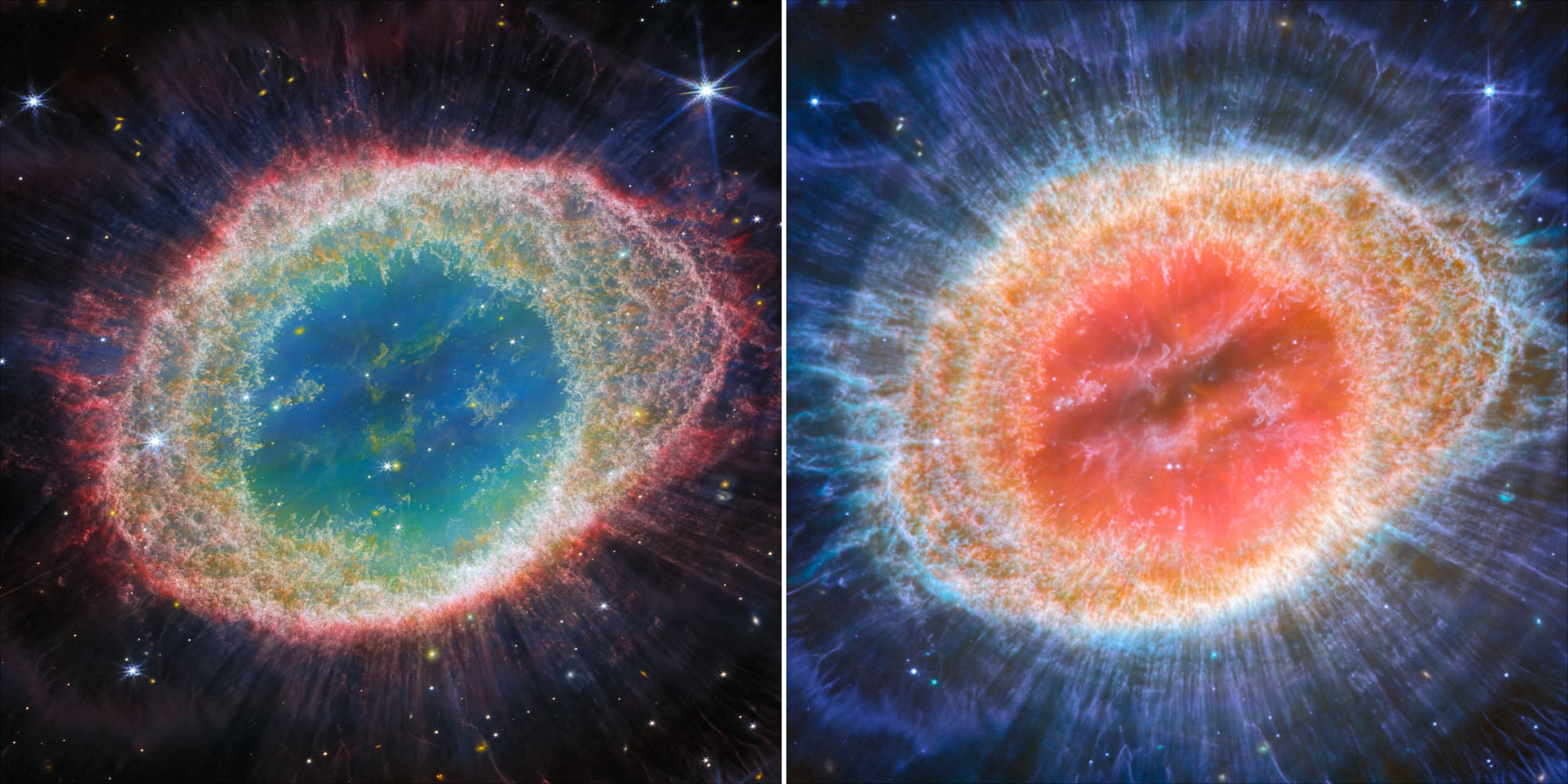
We recently got a new image of the famous Ring Nebula from JWST using its NIRCam instrument. This week we got an update taken with MIRI. The Ring Nebula is a perfect example of a planetary nebula, where a dying star throws its outer layers off into space. The new images reveal 20,000 individual clumps of dense molecular gas, each as massive as Earth. There is a narrow band of hydrocarbons in the ring, which surprised astronomers with its presence. The Ring Nebula is only 2,200 light-years from Earth, which makes it the ideal object to study, giving us clues about the future of our own Sun.
Continue reading
 Universe Today