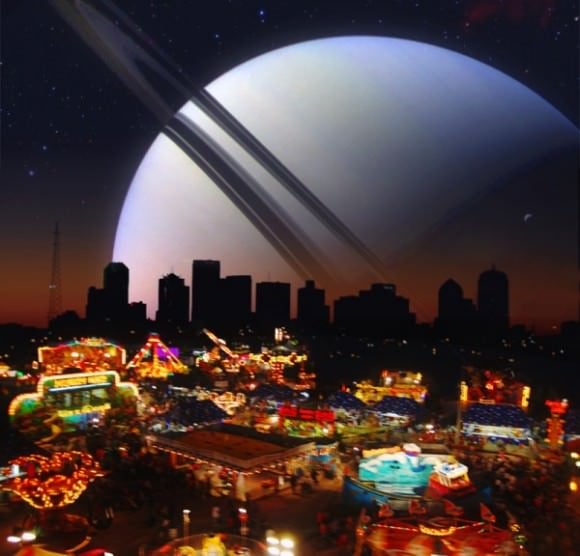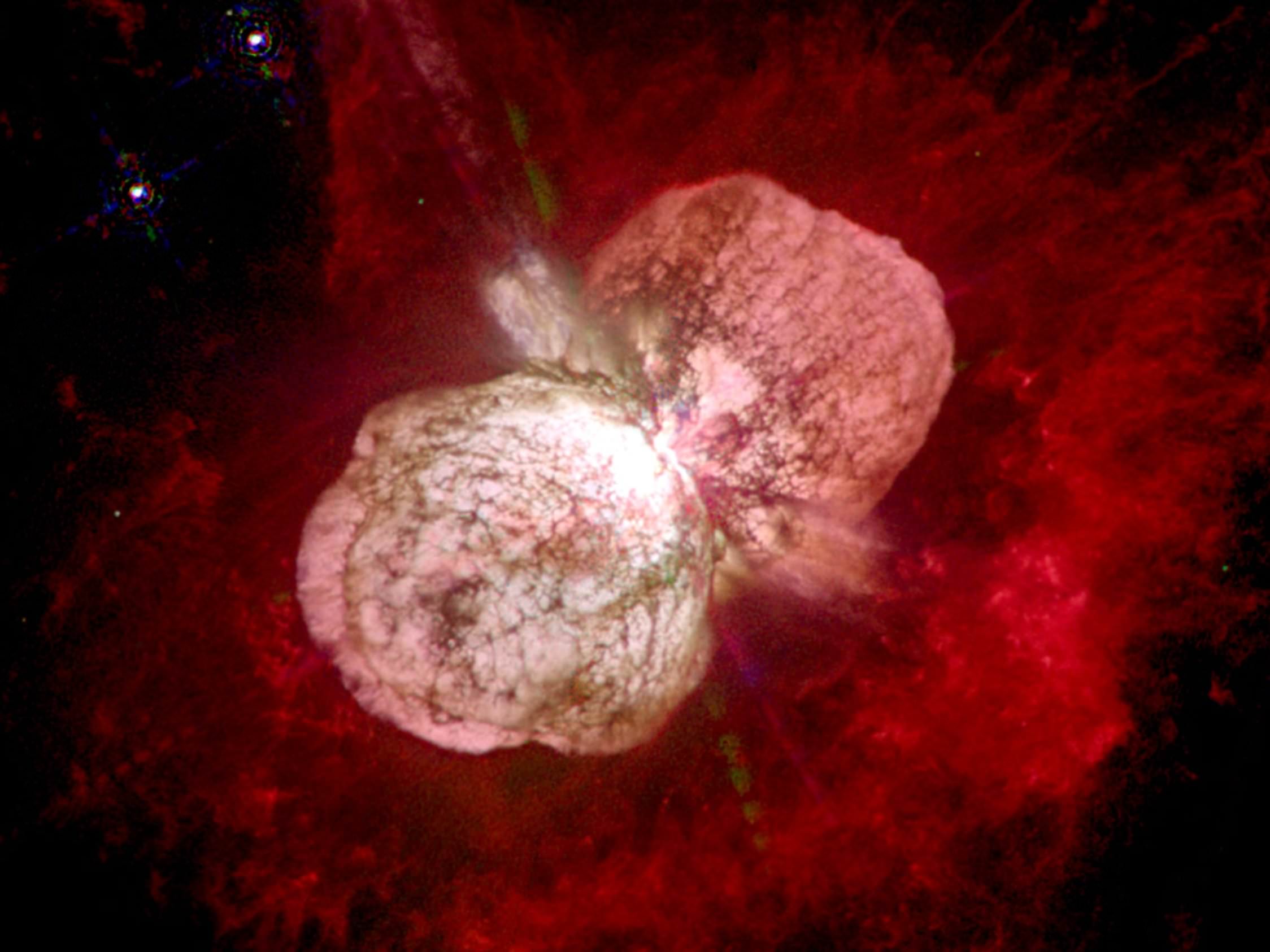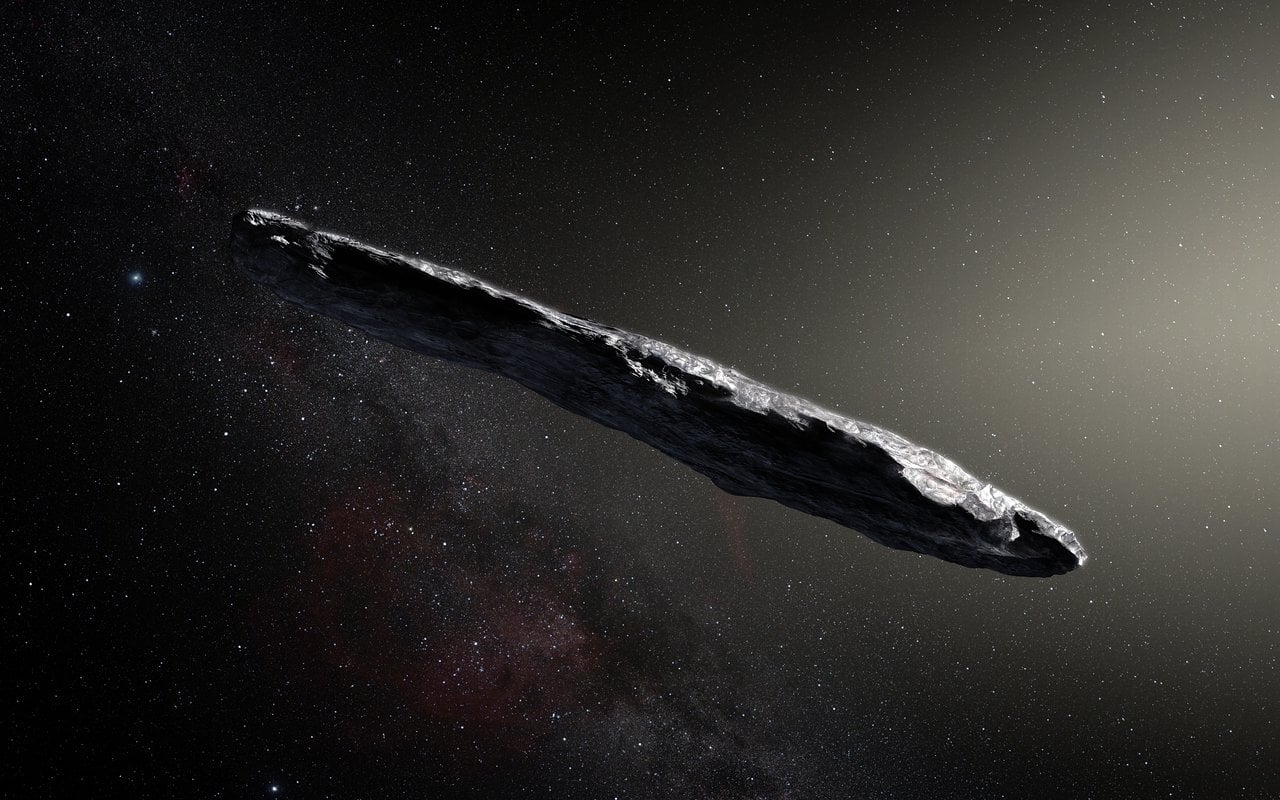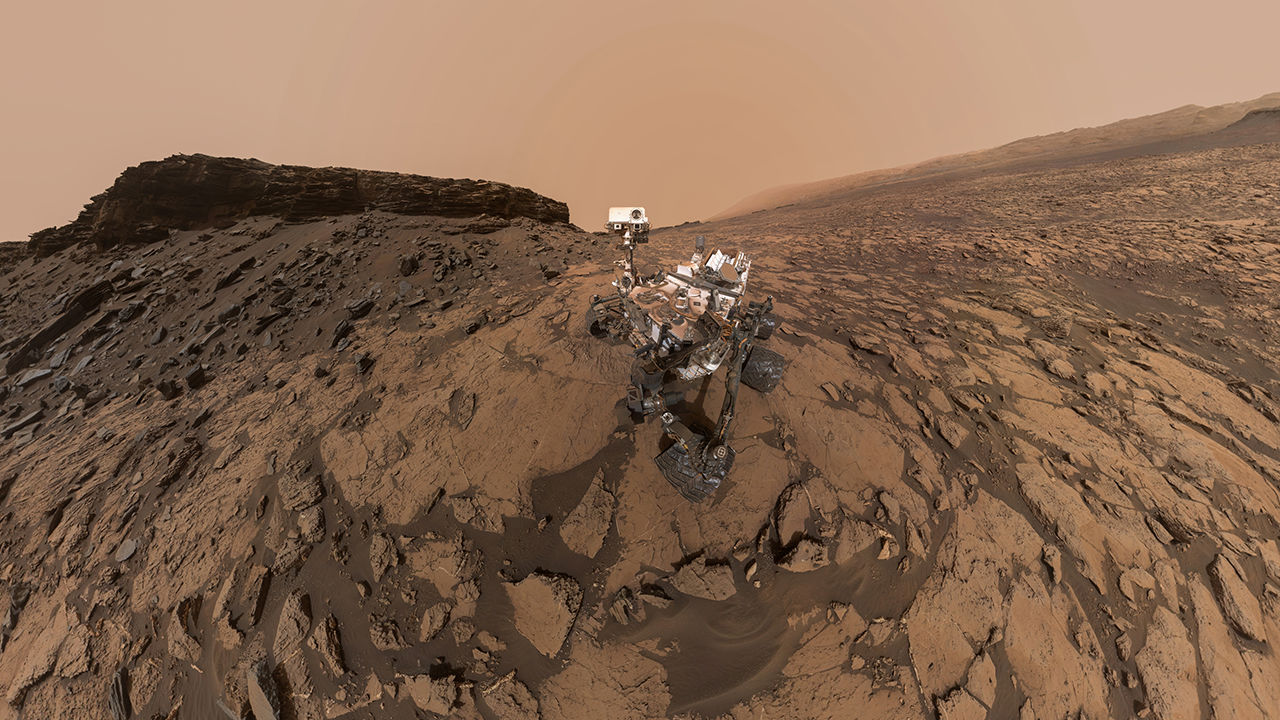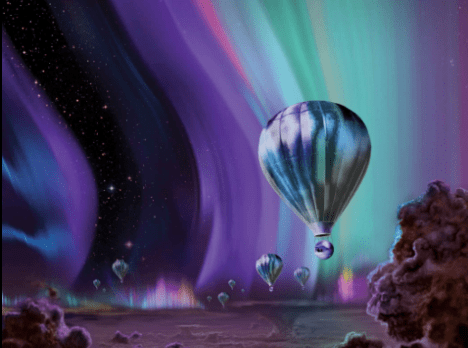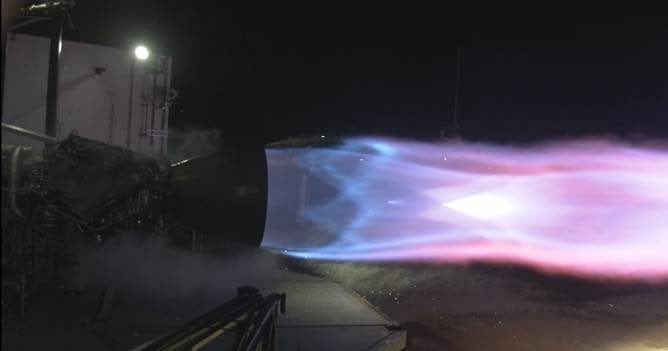
The "ice giant" Neptune, the farthest planet from our Sun, is made up of gases, super-heated liquids, and maybe even diamonds!
Continue reading
A new study by an international team of researchers has revealed information about the surface conditions on TRAPPIST-1's outermost planet.
Continue reading
In a presentation at Breakthrough Discuss, astrophysicist Dr. Berdyugina explained how methods used to study stars could be used to determine the presence of plants on other planets.
Continue reading
A new study by a team of researchers from Monash University argues that gravitational waves may permanently alter the fabric of spacetime.
Continue reading
Continue reading
Continue reading
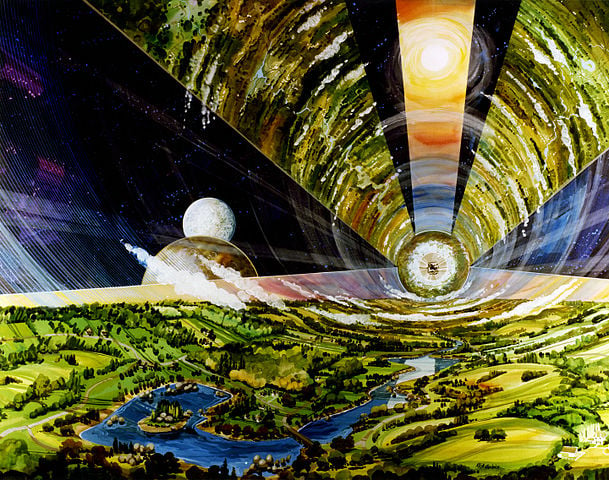
KENNEDY SPACE CENTER VISITOR COMPLEX, FL - In a moving ceremony, a pair of veteran NASA astronauts - Michael Foale and Ellen Ochoa - who once flew together on a space shuttle mission, were inducted into the U. S. Astronaut Hall of Fame at the Kennedy Space Center Visitor Complex, Florida, on May 19.
Continue reading
In a special two part episode, Fraser collaborates with space historian Amy Shira Teitel at Vintage Space to investigate what spaceflight advances could have happened. Amy looks at the lost Apollo Missions, while Fraser talks about Werner Von Braun's "Mars Project".
Continue reading
Located in the direction of the Orion constellation, roughly 1600 light-years from Earth, is the diffuse nebula known as the De Marian's Nebula
Continue reading
Continue reading
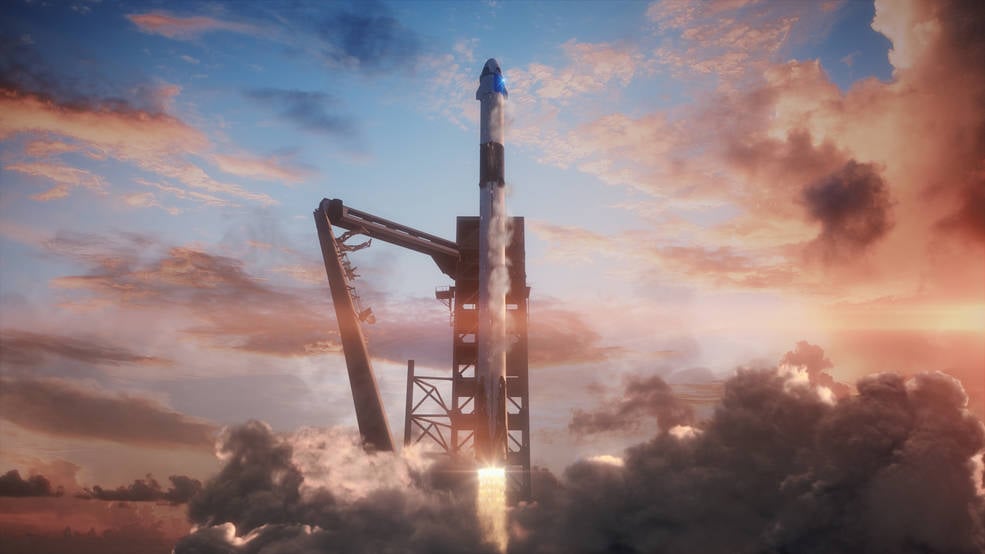
KENNEDY SPACE CENTER, FL - The worlds emerging 'Digital Society' gained a big boost following SpaceX's stunningly beautiful twilight launch of a Falcon 9 that successfully delivered the huge 6.7 ton mobile Inmarsat-5 F4 broadband satellite to orbit for London-based Inmarsat on Monday, May 15.
Continue reading
We know there's dark matter, and there are galaxies, but are there galaxies entirely made up of dark matter? Astronomer Sarah Pearson joins Fraser to talk about what's out there.
Continue reading
The mysterious star that was found to be dimming in 2015 (prompting speculation about an alien megastucture) has been spotted dimming again!
Continue reading
A team of bioengineering students from UC San Diego has successfully created an experiment to test if beer can be brewed on the Moon
Continue reading
Two studies conducted independently of each other (using data obtained aboard the ISS) have provided a possible glimpse of dark matter
Continue reading
Located in the southern skies is the faint constellation of Circinus, one of the 88 modern constellations recognized by the IAU
Continue reading
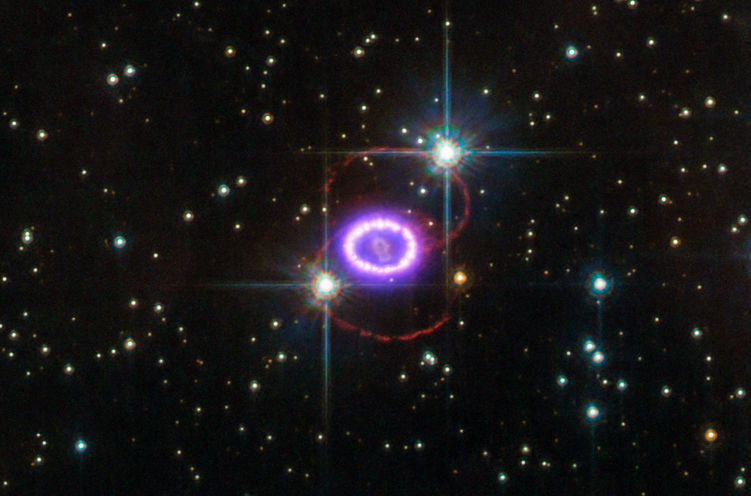
Earlier this month, amateur astronomer Patrick Wiggins spotted a type II supernova, which happened to be the closest to our Solar System in three years.
Continue reading
Continue reading
KENNEDY SPACE CENTER, FL - Following SpaceX's "exceptional performance" launching an immensely powerful broadband satellite on their maiden mission for Inmarsat this week on a Falcon 9 rocket, the company CEO told Universe Today that Inmarsat was willing to conduct future launches with SpaceX - including on a "reusable rocket in the future!"
Continue reading
A new BBC documentary called "The Day The Dinosaurs Died" explains how things might have been different for the dinosaurs if the asteroid that caused their extinction had hit deeper ocean.
Continue reading
Continue reading
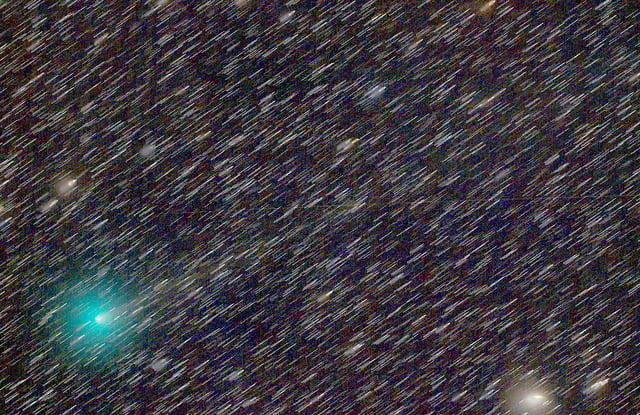
Had your fill of binocular comets? Turns out, 2017 may have saved the best for last. The past few months has seen a steady stream of dirty snowball visitations to the inner solar system, both short term periodic and long term hyperbolic. First let's run through the cometary roll call for the first part of the year: 41P Tuttle-Giacobini-Kresák, 2P/Encke, 45P Honda-Markov-Padjudašáková, C/2015 ER61 PanSTARRS and finally, the latecomer to the party, C/2017 E4 Lovejoy.
Next up is a comet with a much easier to pronounce (and type) name, at least to the English-speaking tongue: C/2015 V2 Johnson.
Continue reading
A new study has revealed how human activity has been affected the near-space environment, creating a bubble that protects against space radiation.
Continue reading
Using data provided by the Dawn probe, which now orbits between Ceres and the Sun (at opposition), NASA has created a new movie of the protoplanet
Continue reading
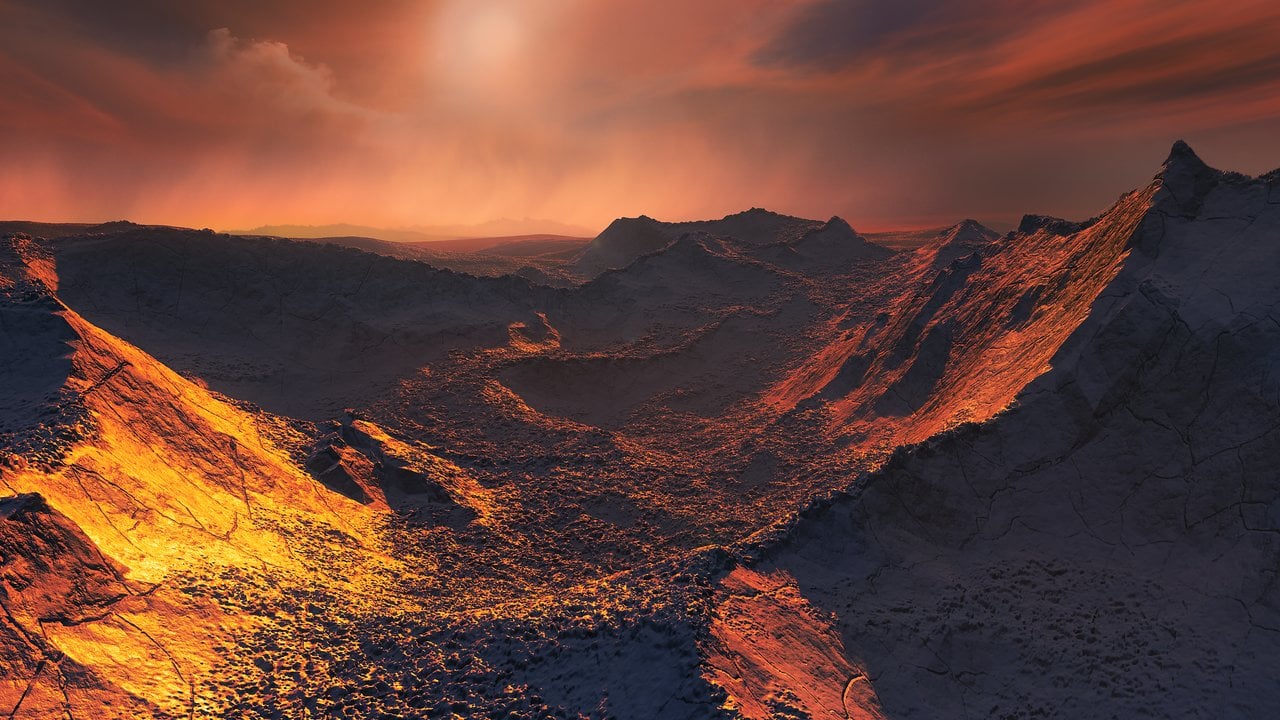
According to a series of simulations conducted by scientists from the University of Exeter and the Met Office, it is possible that Proxima b is indeed habitable
Continue reading
A new study by a team of researchers from UBC proposes a new vision of Dark Energy, where fluctuations in spacetime allow for a net expanding effect that is slowly accelerating
Continue reading
NASA's EPIC camera aboard NOAA's DSCOVR spacecraft solves decades old mystery that stymied Carl Sagan. Mysterious flashes are mysterious no more.
Continue reading
KENNEDY SPACE CENTER, FL - SpaceX blasted the "largest and most complicated communications satellite ever built to orbit" for London based Inmarset at twilight this evening, May 15, from NASA's Kennedy Space Center aboard an expendable Falcon 9 rocket. In fact the Inmarsat 5F4 satellite is so powerful that it has the potential to reach "hundreds of millions of customers" the Inmarsat CEO Rupert Pierce told Universe Today in a post launch interview.
Continue reading
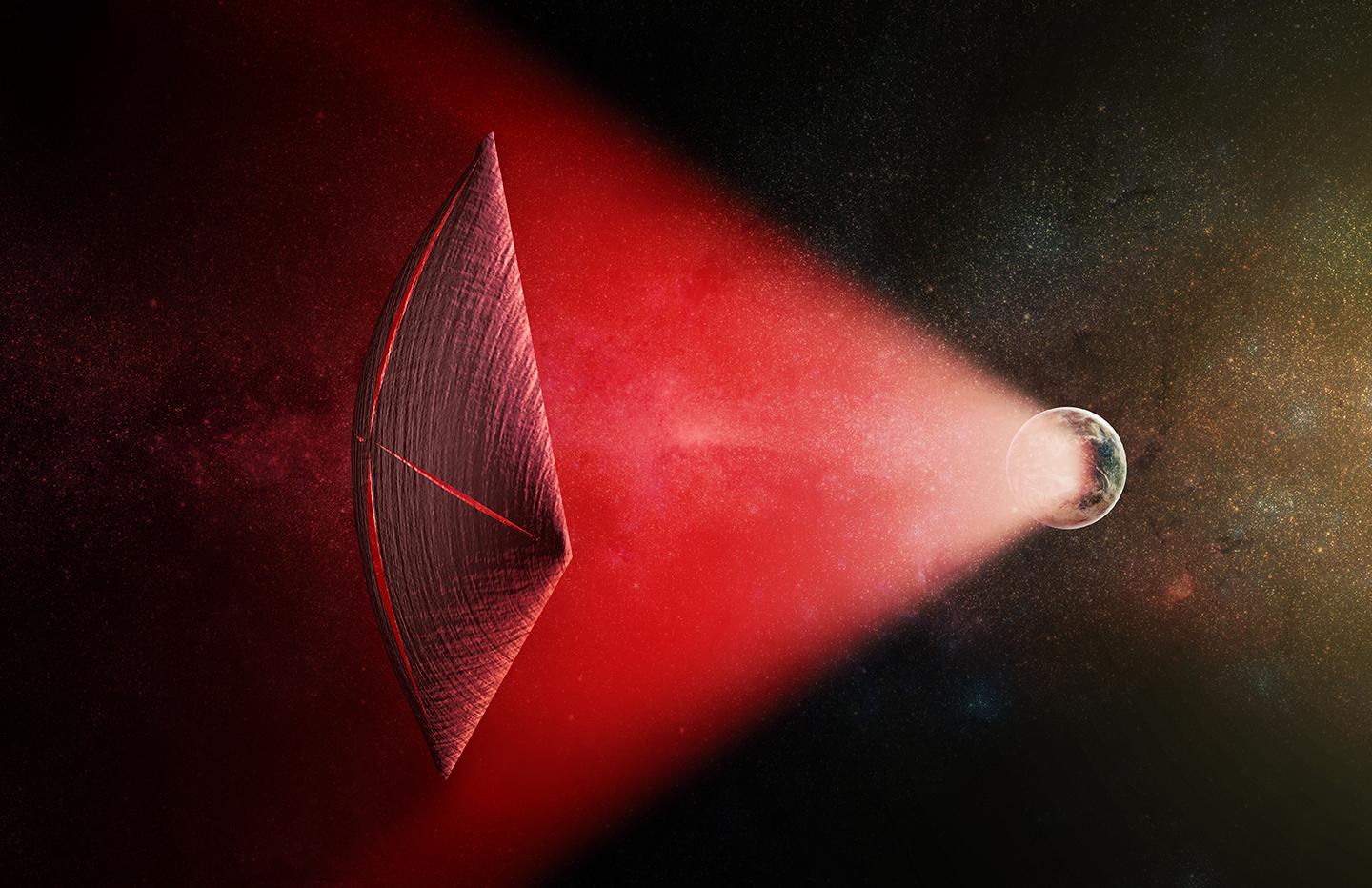
A new study addresses the possibility of being able to observe alien megastructures around nearby pulsars using current instruments
Continue reading
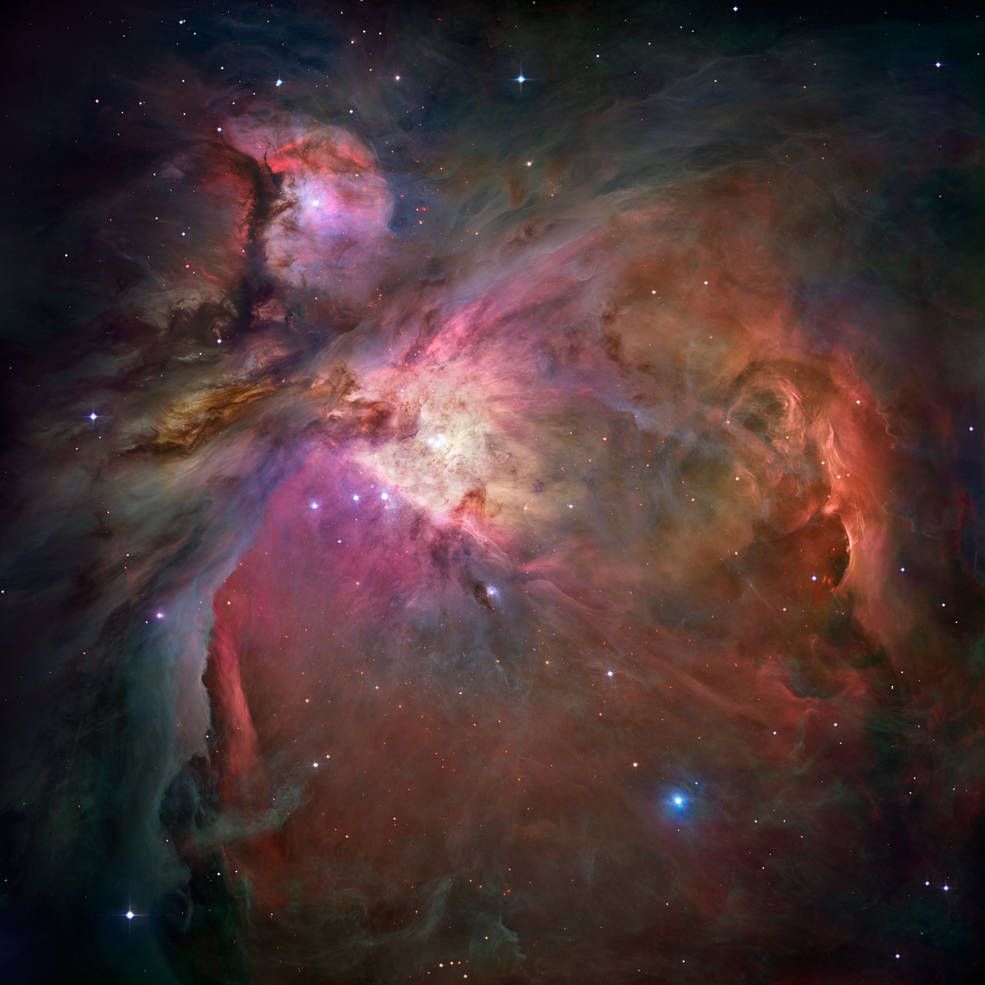
Located in the Orion Constellation (just below the belt), between 1,324 and 1,364 light years from Earth, is the famous star-forming region known as the Orion Nebula.
Continue reading
A new paper on supernovae and the effects on Earth increases the so-called "Supernova Kill-Zone" to 50 light years.
Continue reading
KENNEDY SPACE CENTER, FL - SpaceX is targeting twilight thunder with the firms Falcon 9 rocketing skyward from the Florida Space Coast on Monday 15 carrying a commercial High-Speed broadband satellite for London based Inmarsat.
Continue reading
KENNEDY SPACE CENTER, FL - After conducting a thorough review examining the feasibility of adding a two person crew to the first integrated launch of America's new Space Launch System (SLS) megarocket and Orion capsule on a mission that would propel two astronauts to the Moon and back by late 2019, NASA nixed the proposal during a media briefing held Friday.
Continue reading
A new study by a research team from the Max Planck Institute may have found a black hole that was kicked from its galaxy during a merger
Continue reading
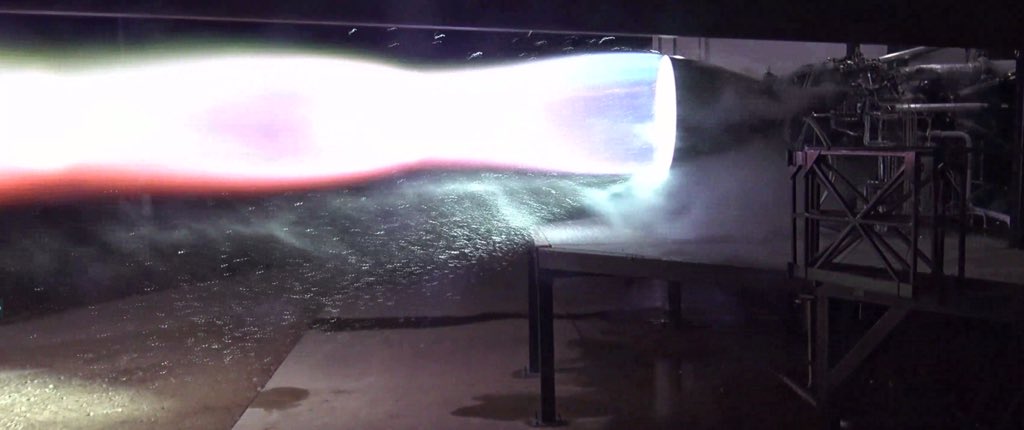
KENNEDY SPACE CENTER, FL - SpaceX is all set to continue their absolutely torrid launch pace in 2017 with a commercial High-Speed broadband satellite for Inmarsat on May 15 following Thursday's successful completion of a critical static hot-fire test of the first stage. Watch our video below.
Continue reading
According to a new study from Brown University, impacts on Mars could have triggered supersonic storms that scoured the surface
Continue reading
Continue reading
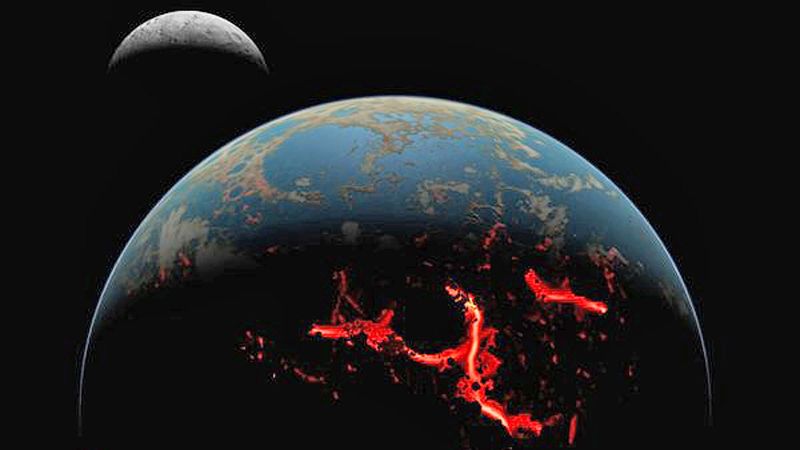
Ancient grains of the mineral zircon help researchers paint a picture of Earth in the Hadean Eon, and that picture is mostly water.
Continue reading
Located in the southern sky is the small Chamaeleon constellation, an asterism that was first defined in the 16th century.
Continue reading
A research team from Arizona State University is developing a seismometer that could be mounted a lander mission to Europa to listen to its interior
Continue reading
The Super Telescopes are set to advance our understanding of the Universe, and it can all be traced back to Galileo.
Continue reading
NASA's LUVOIR, the Large Ultraviolet, Optical, and Infrared Surveyor, is the future of Super Telescopes. It's 15m mirror will dwarf the Hubble and James Webb.
Continue reading
So, are you excited for the 2017 movie season? U.S. Memorial Day weekend is almost upon us, and that means big ticket, explosion-laden sci-fi flicks and reboots/sequels. Lots of sequels. We recently got a chance to check out Alien: Covenant opening Thursday, May 18th as the second prequel and the seventh (if you count 2004's Alien vs. Predator) in the Alien franchise.
Continue reading
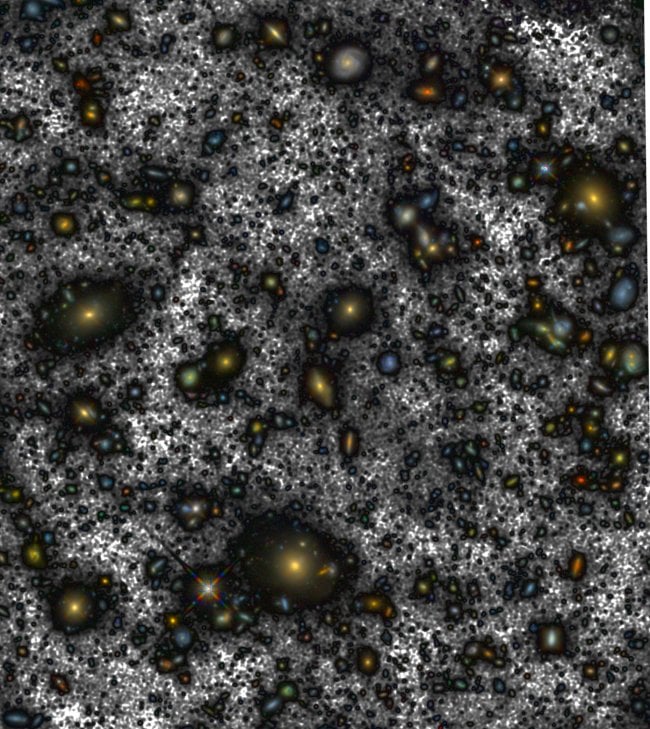
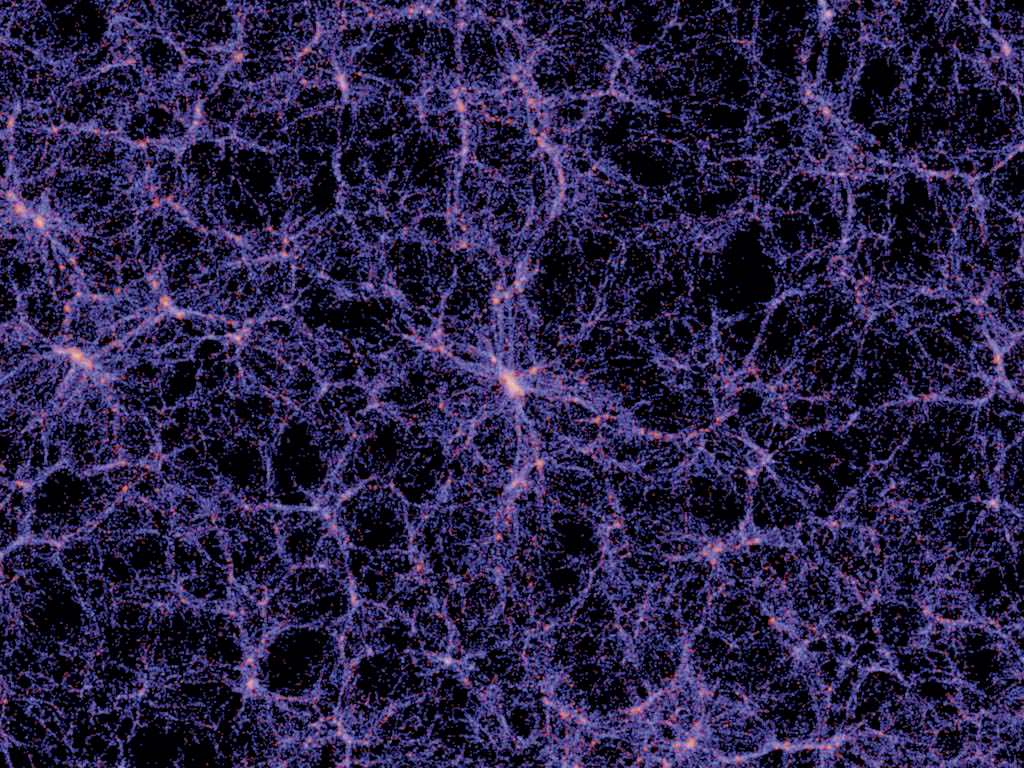
Measuring about 91 billion light years in diameter and being 13.8 billion years old, the Universe encompasses all matter, energy, time and space in existence.
Continue reading
Continue reading
Continue reading
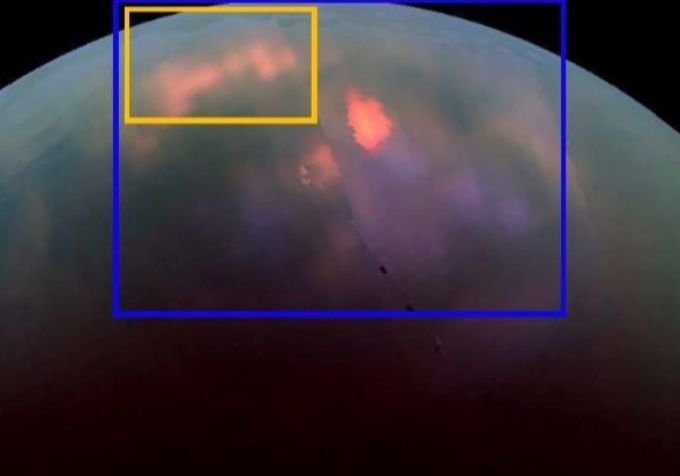
In the coming weeks, the Cassini probe will getting a better glimpse at the hexagonal storm around its northern polar region, as part of its Grand Finale
Continue reading
Continue reading
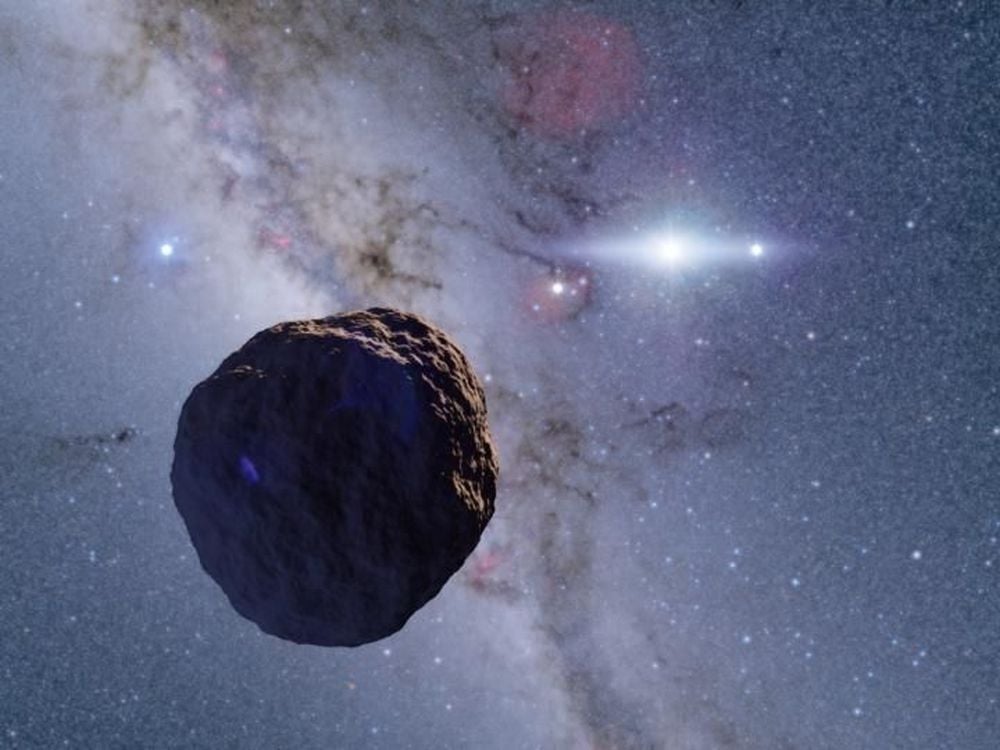
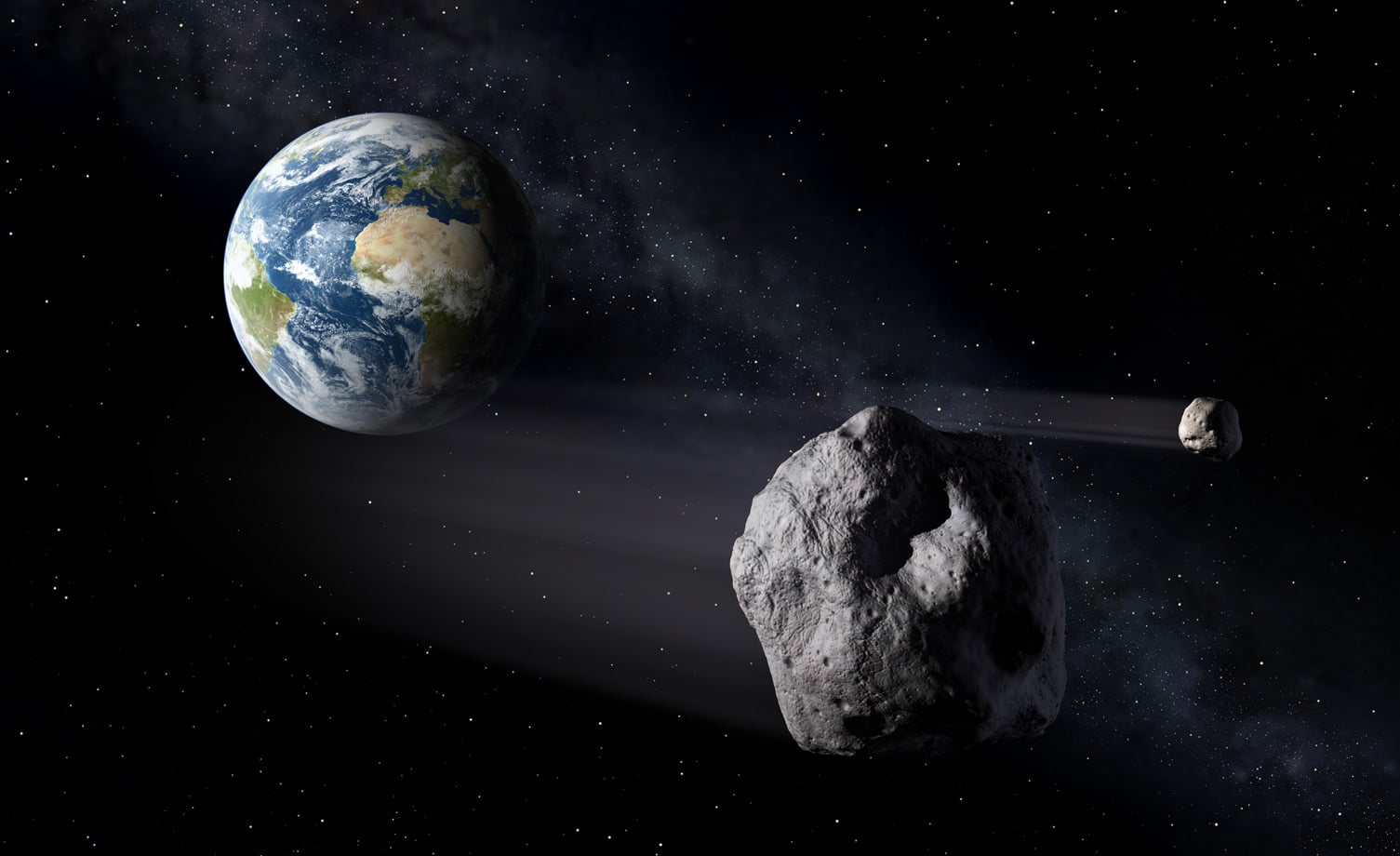
A Near Earth Object (NEO) passed Earth at a distance of about 3.7 Lunar Distances on May 8th, 2017, passing Earth by a wide margin.
Continue reading
The stars look static in the sky, but are they moving? How fast, and how do we know? What events can make them move faster, and how can humans make them move?
Continue reading